Master the language of high-fidelity audio and advanced home cinema. Explore clear, professional definitions of acoustic concepts, AV technology, and audiophile terminology.
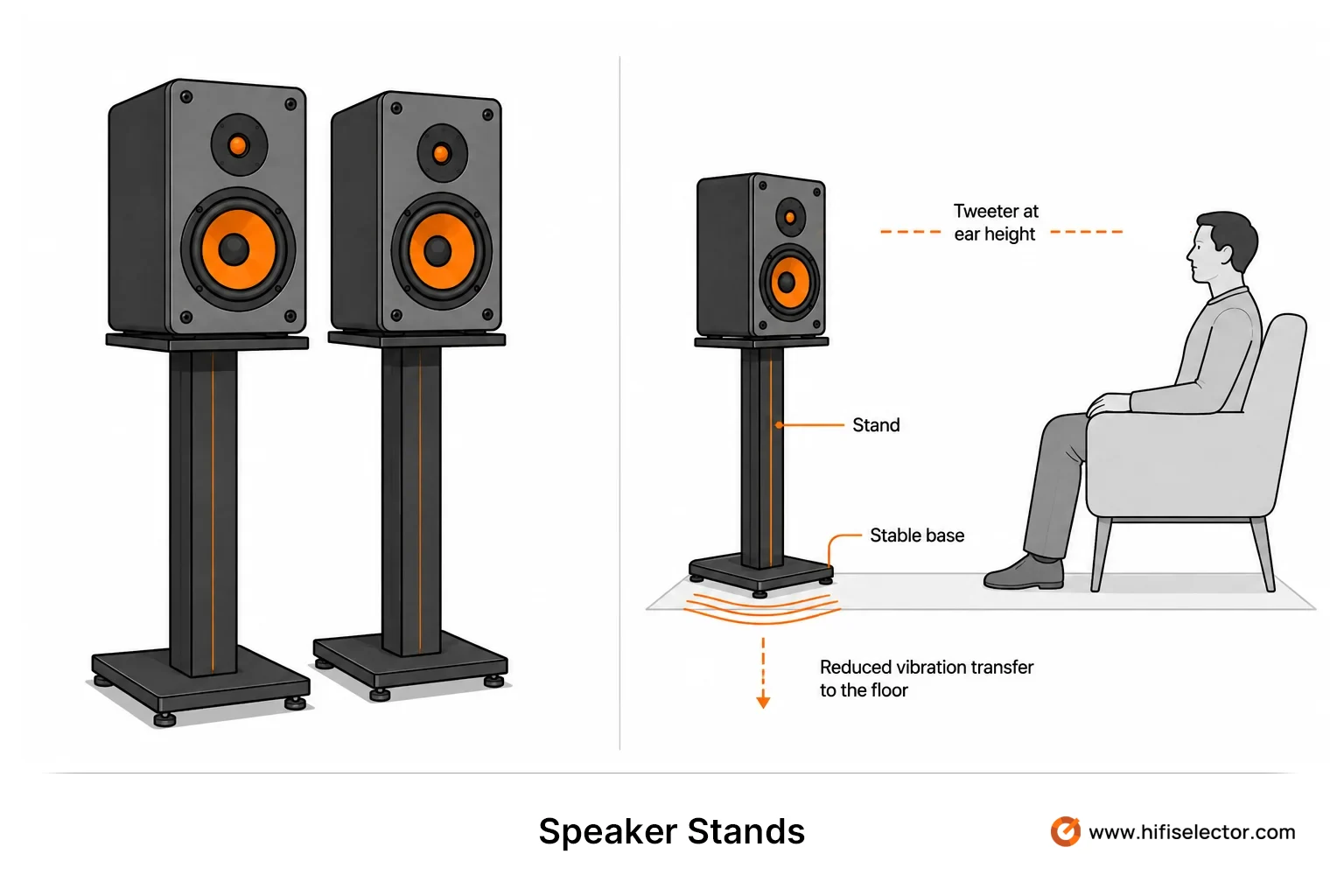
Supports that position stand-mount loudspeakers at appropriate height and placement while providing a stable mechanical base for consistent performance.
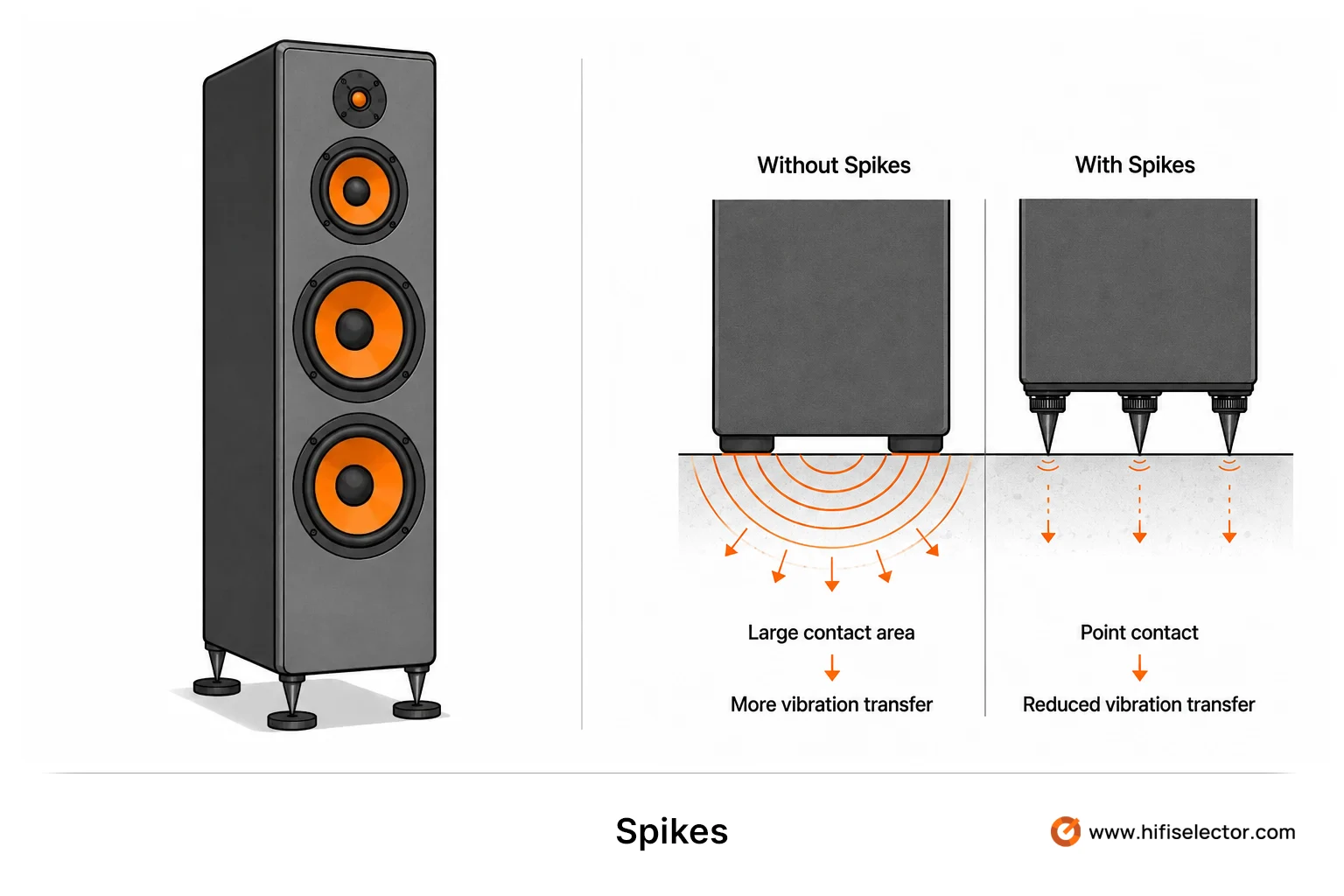
Rigid pointed supports used under loudspeakers or stands to provide stable mechanical contact; their primary effect depends on the floor and support construction.
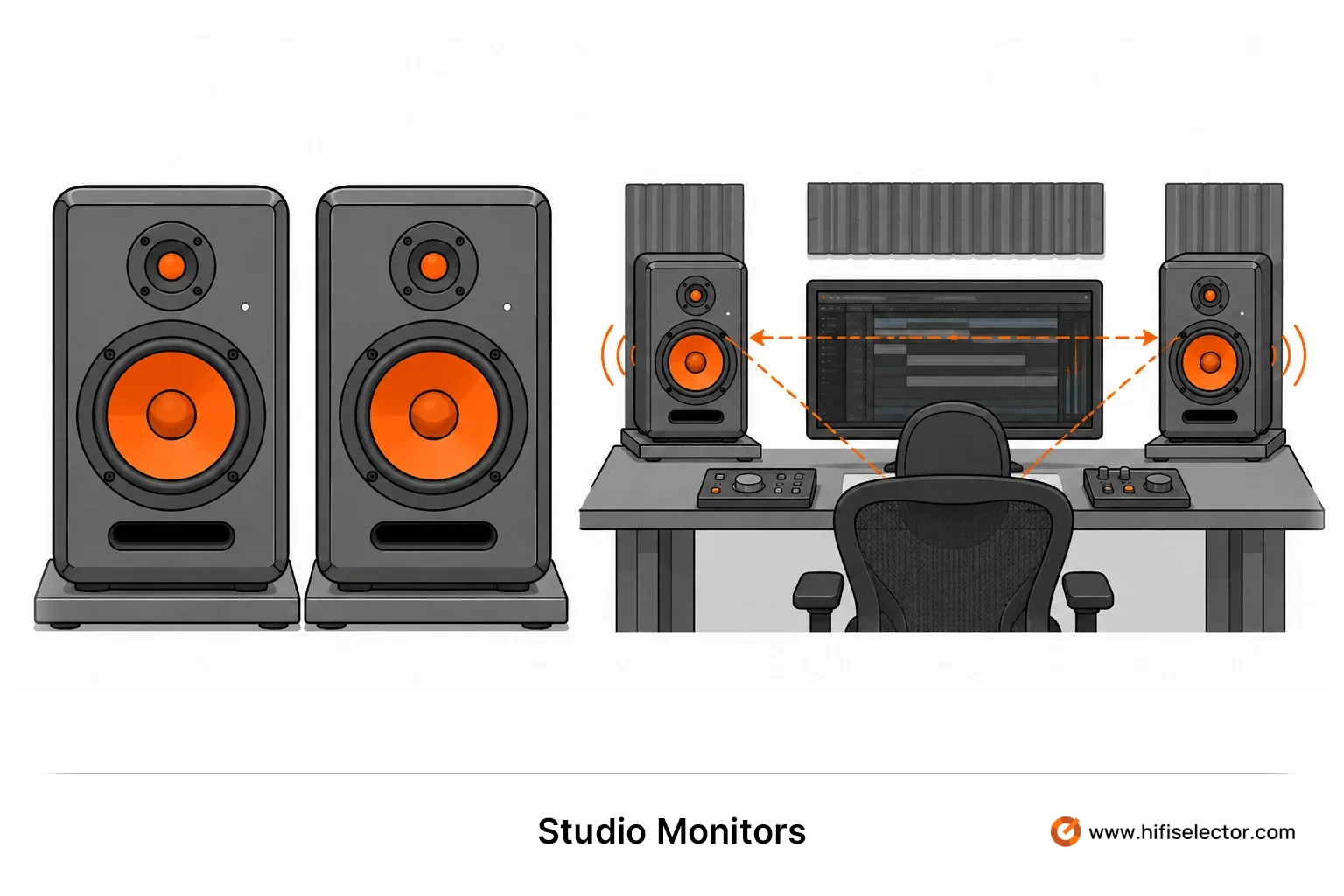
Loudspeakers designed for recording and production work, emphasizing predictable, neutral response and controlled dispersion so engineers can evaluate mixes reliably.
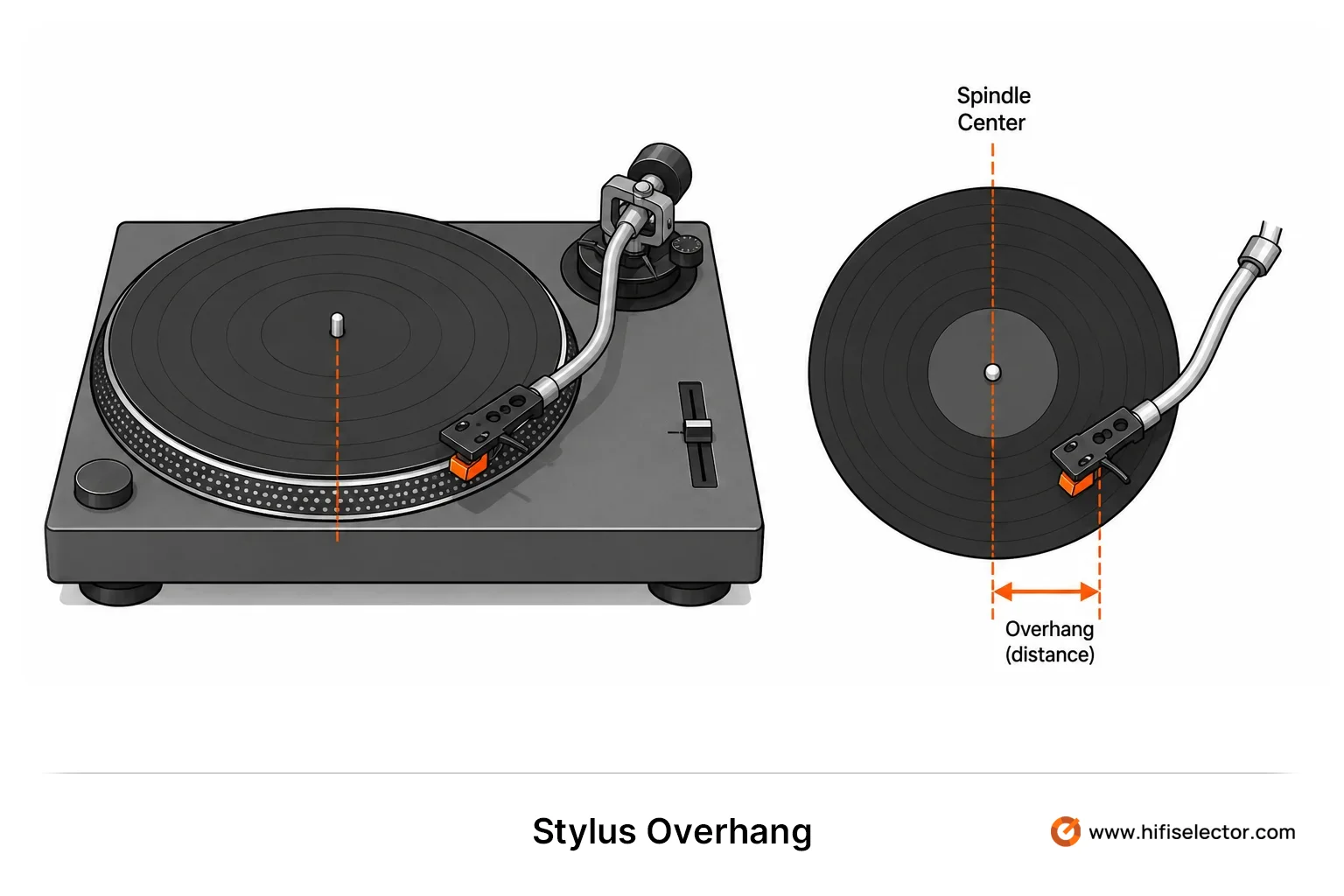
The distance by which the stylus extends beyond the turntable spindle when the tonearm is positioned over the platter center, affecting alignment geometry.
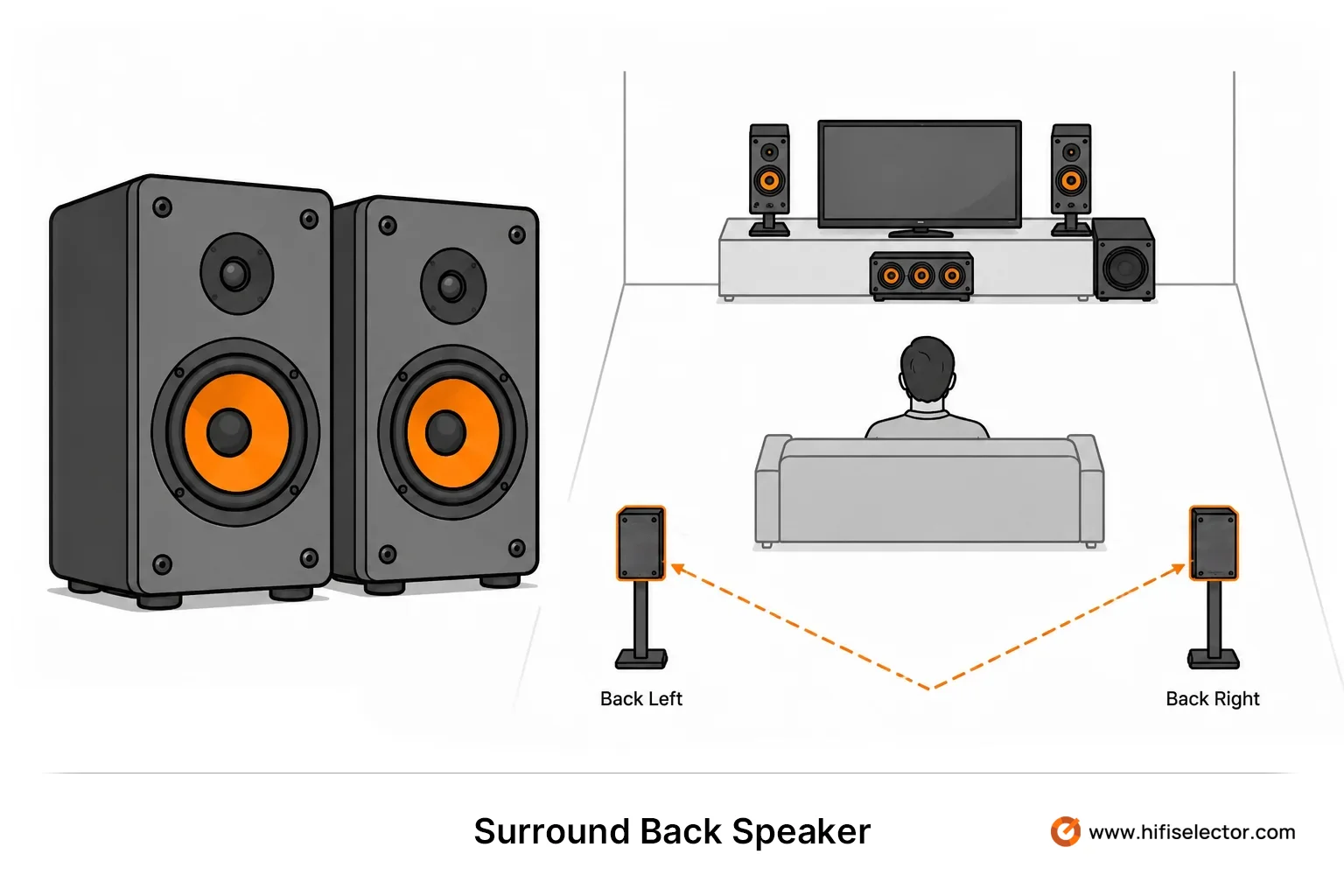
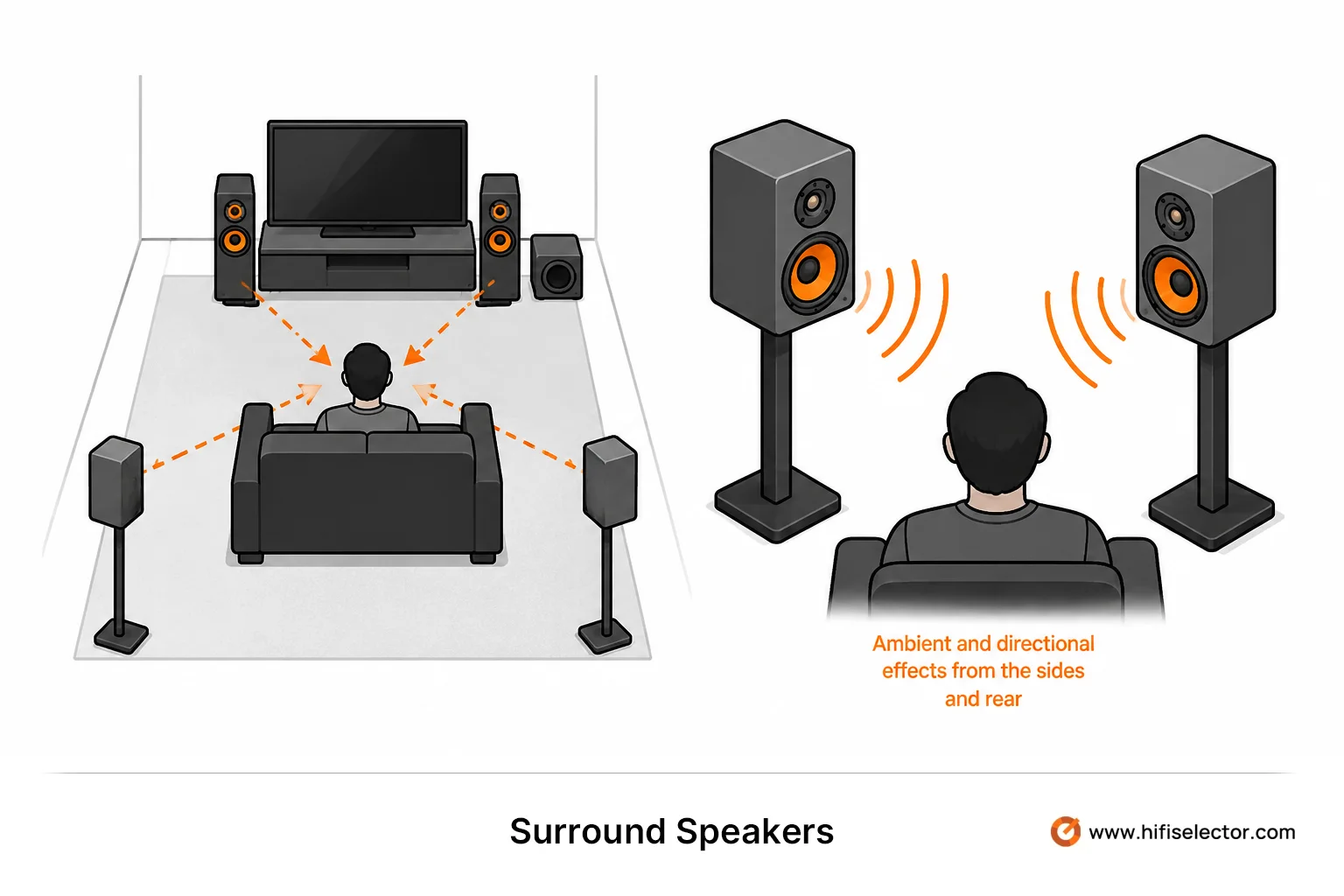
Side or rear loudspeakers carrying surround channels to create lateral and rear spatial information around the listening position in multichannel playback.
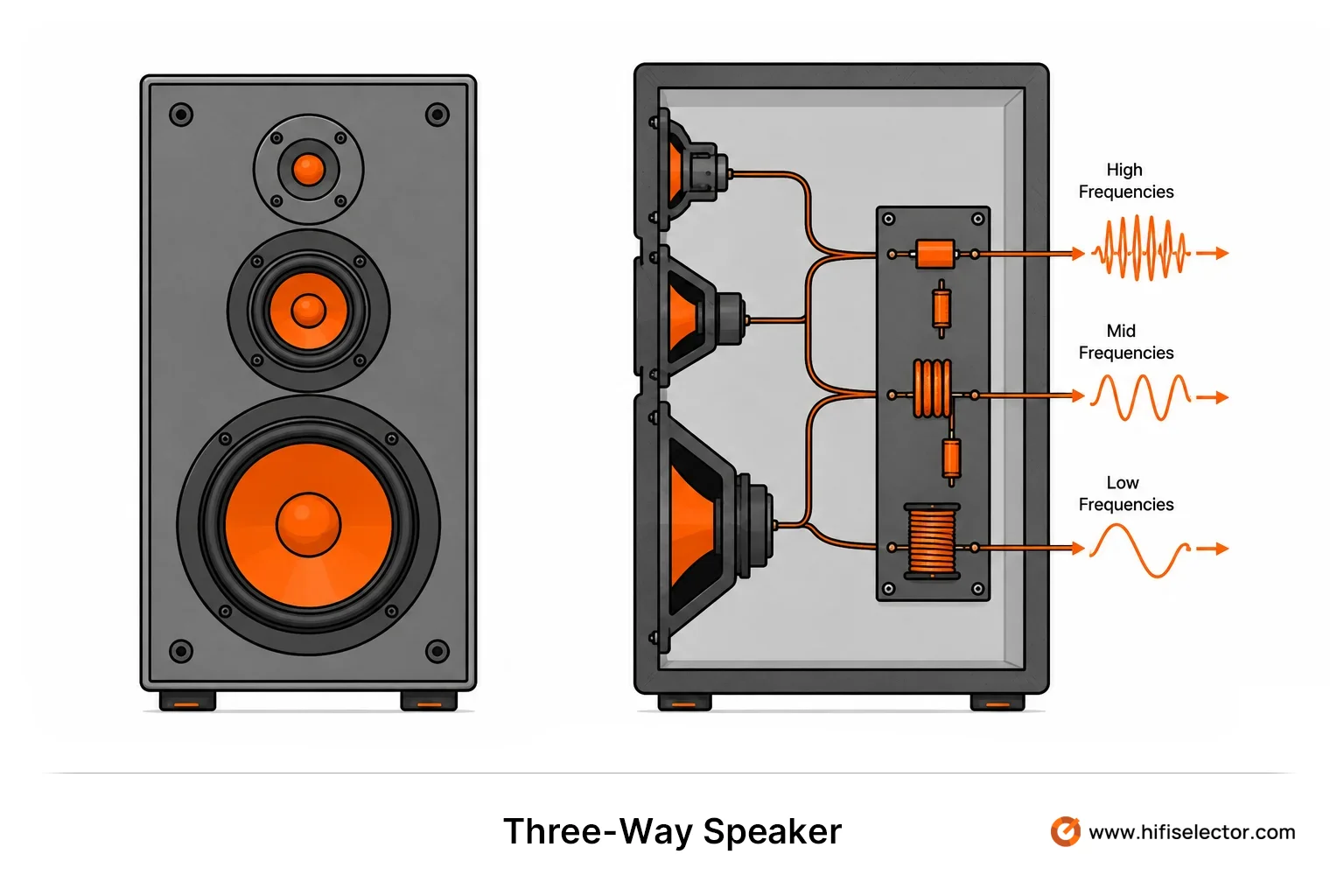
A loudspeaker using separate bass, midrange, and treble sections, with a crossover distributing frequencies among three driver ranges for broader specialization.
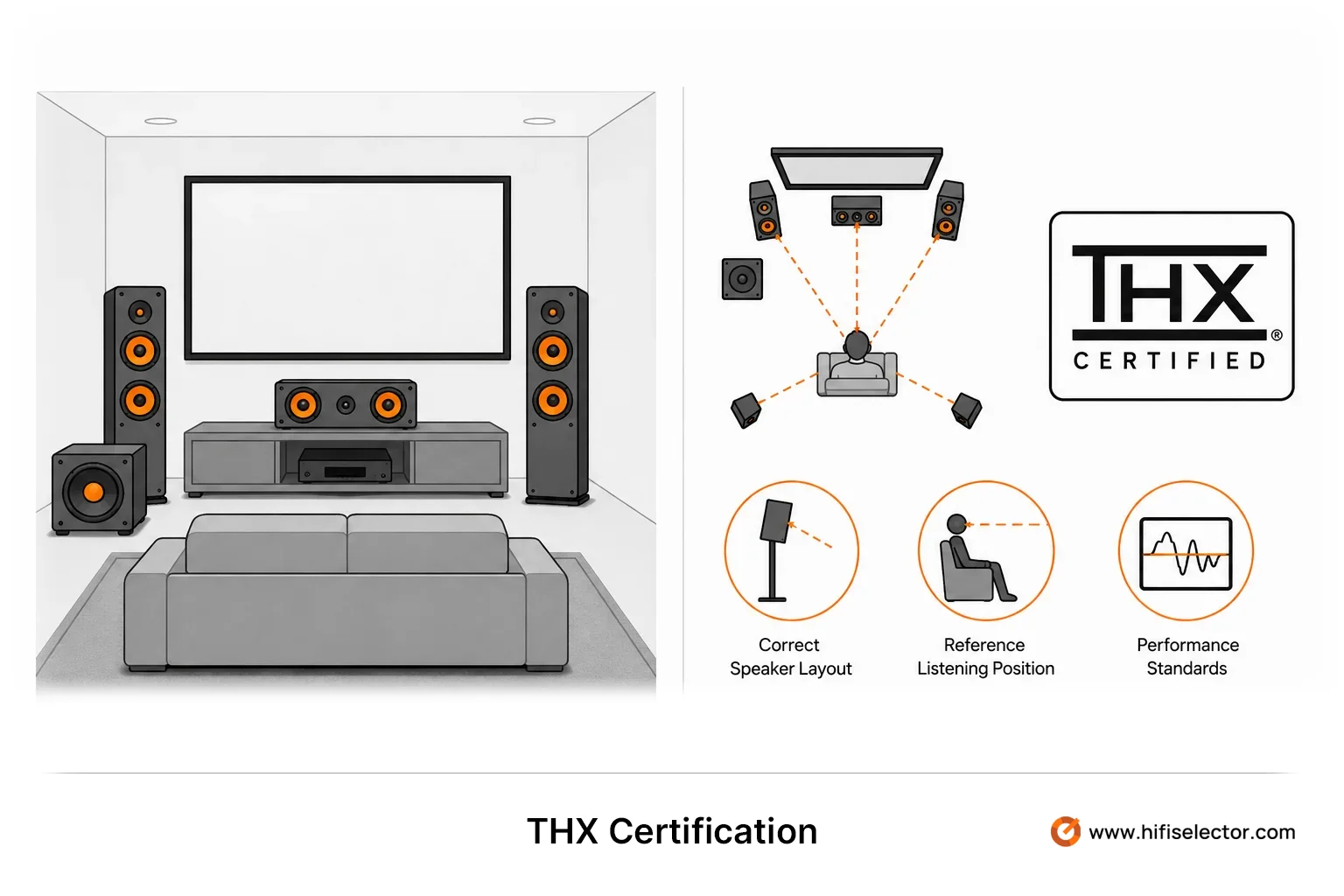
A licensing and performance certification program applying defined requirements to selected cinema and consumer audiovisual equipment, playback environments, and content workflows.
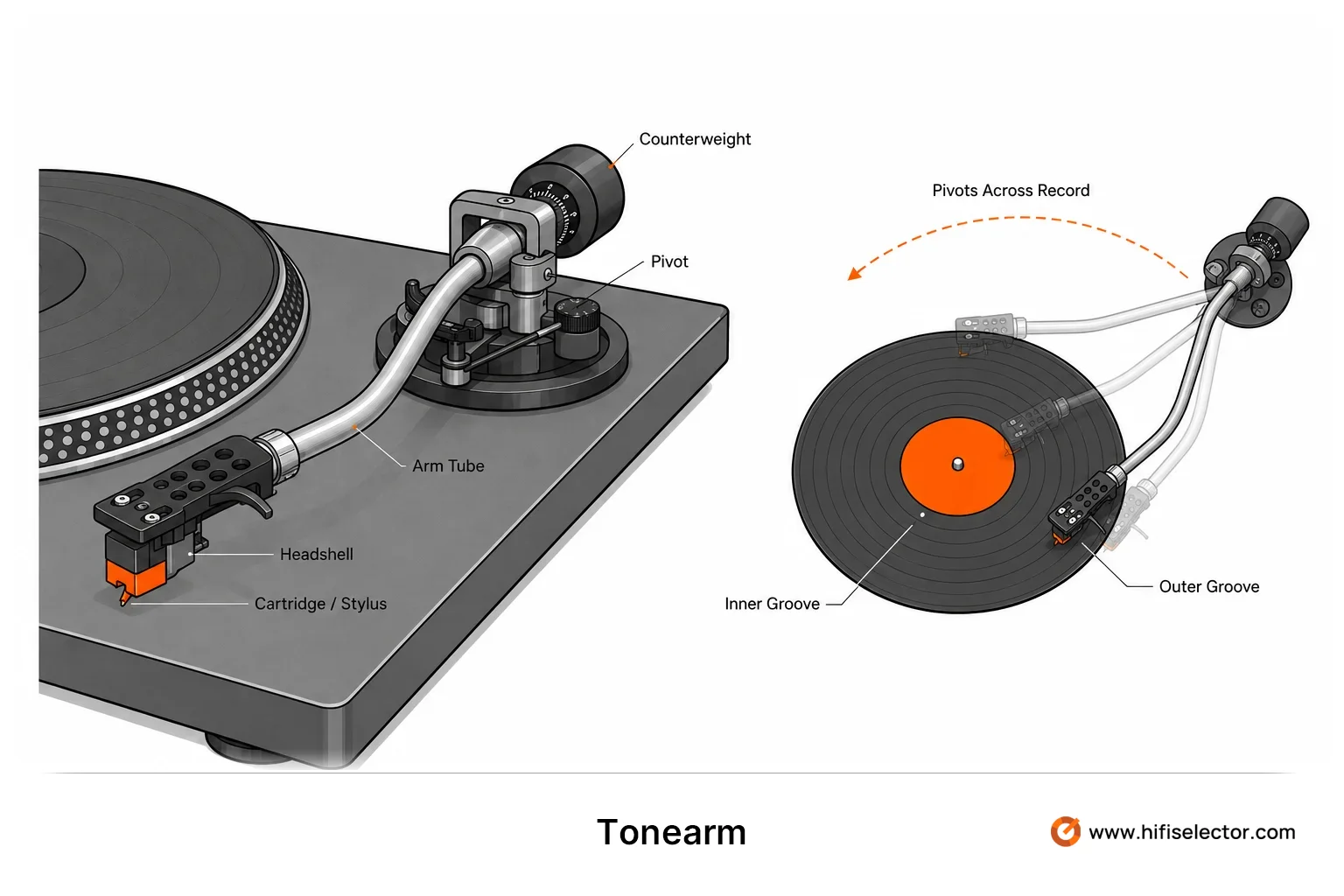
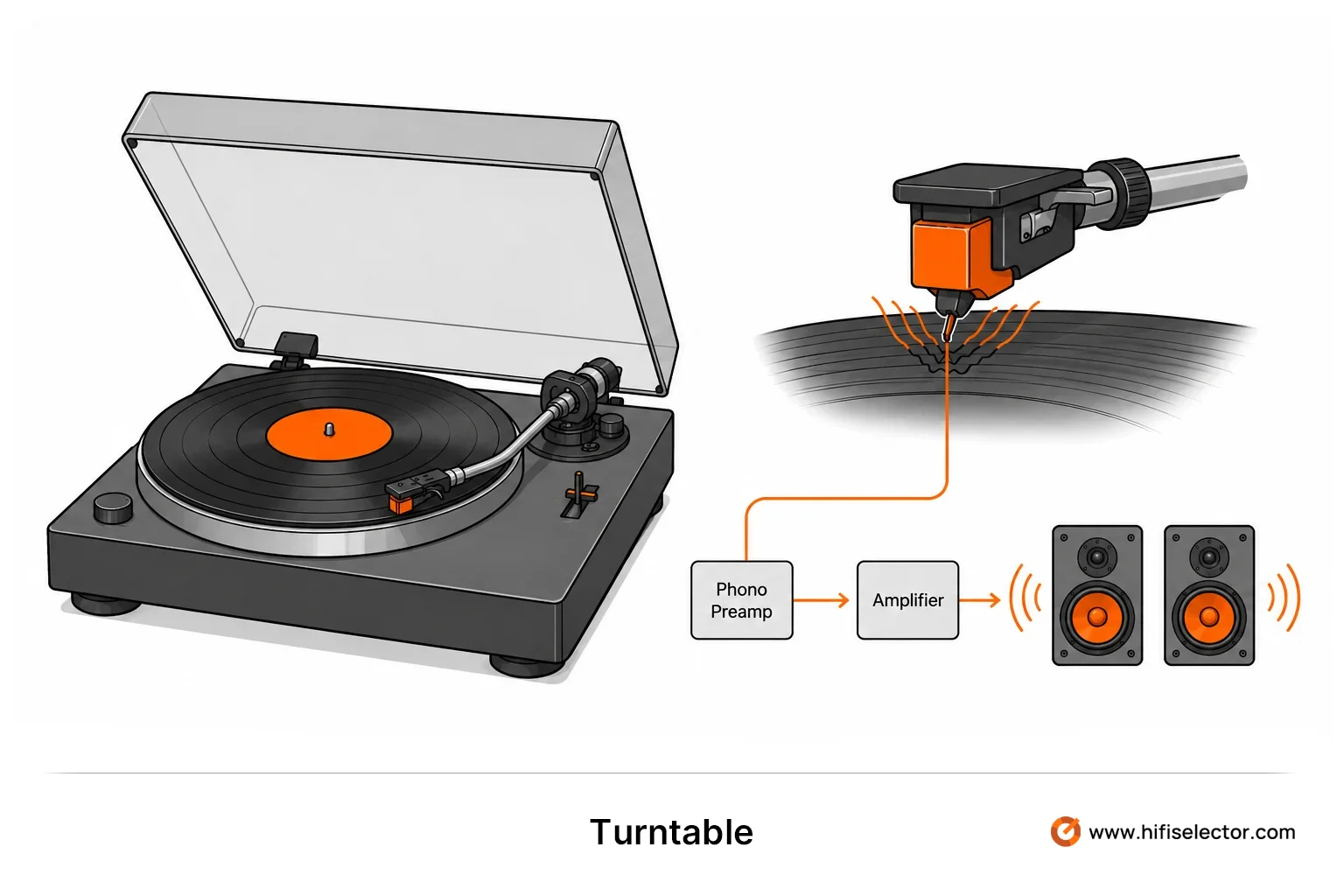
The pivoting assembly that supports and guides the phono cartridge across a record while maintaining the geometry and forces required for accurate groove tracking.
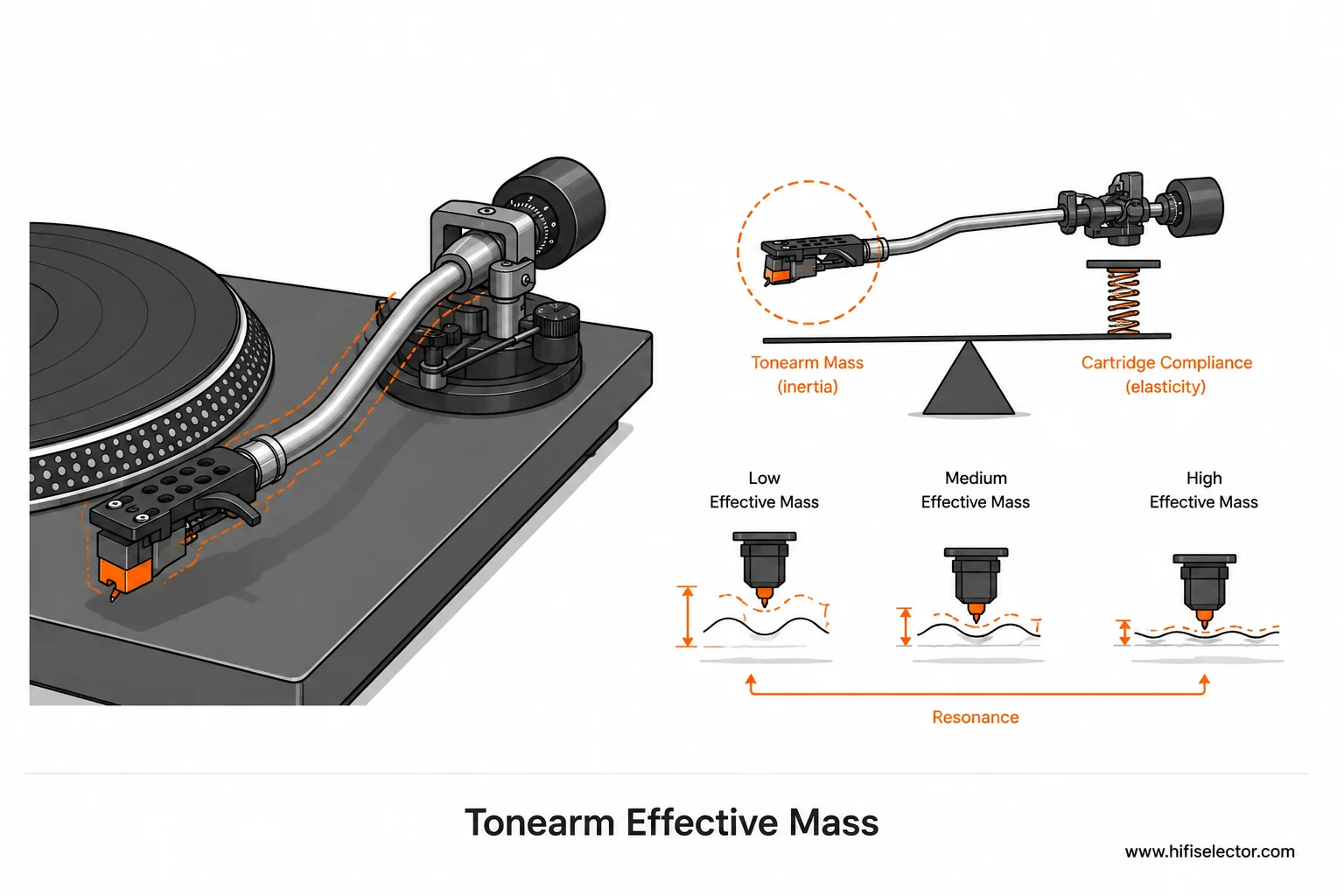
The tonearm’s dynamically relevant mass at the stylus, used with cartridge compliance to estimate resonance and determine suitable cartridge-arm matching.
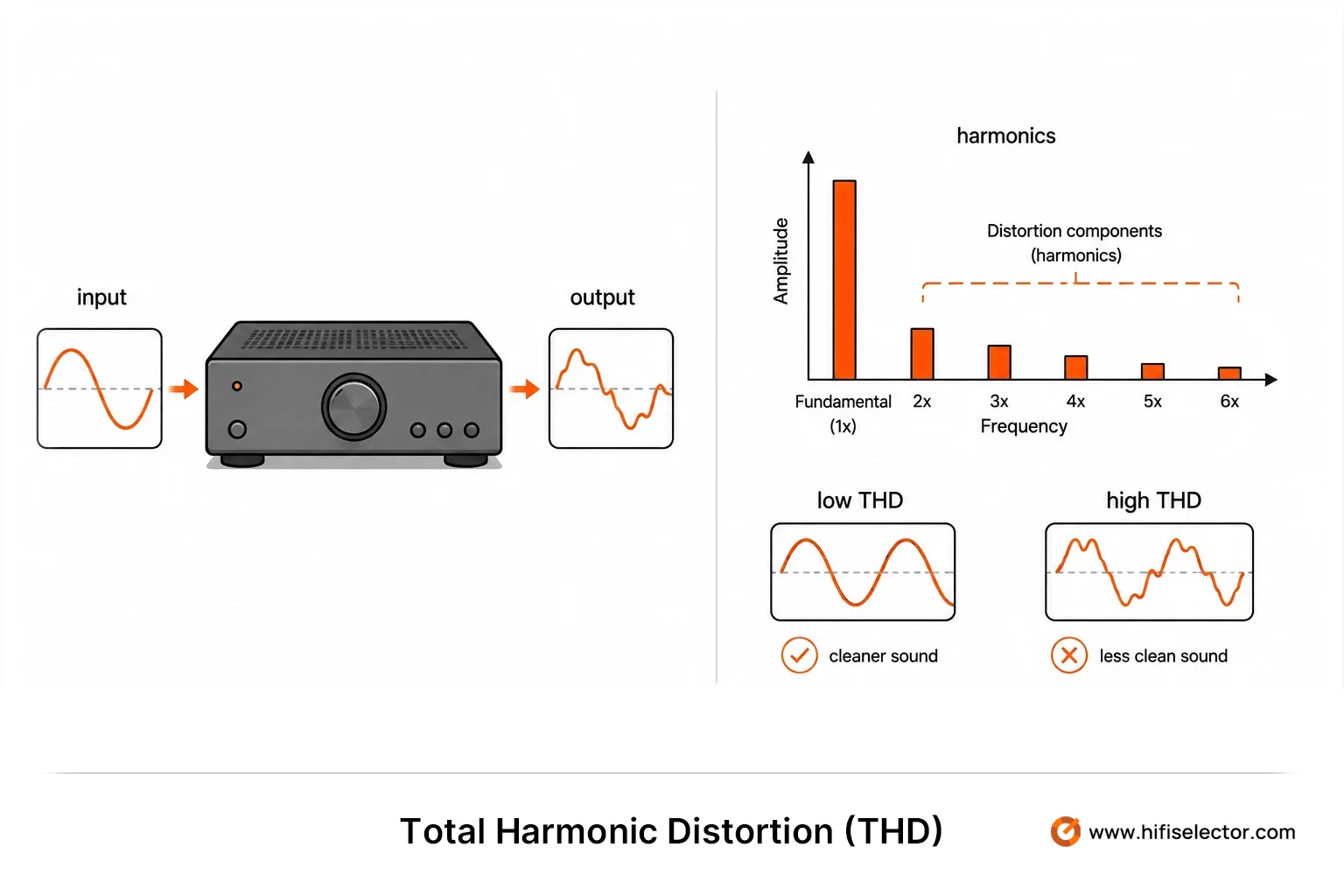
The ratio of generated harmonic components to the fundamental signal after passing through a device, usually expressed as a percentage or decibel value.
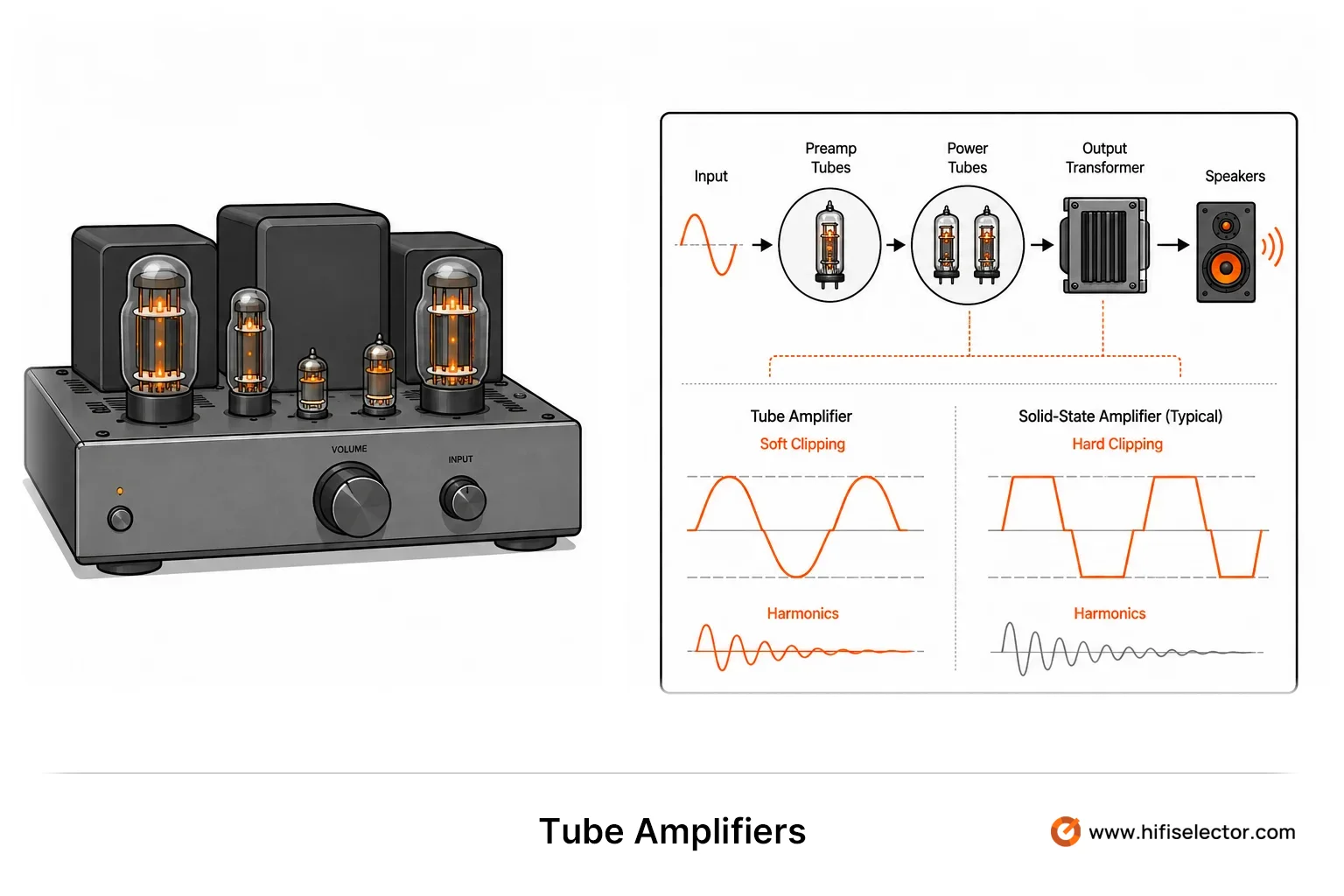
Amplifiers using vacuum tubes as active gain devices in preamp, driver, or output stages, with operating characteristics distinct from solid-state designs.
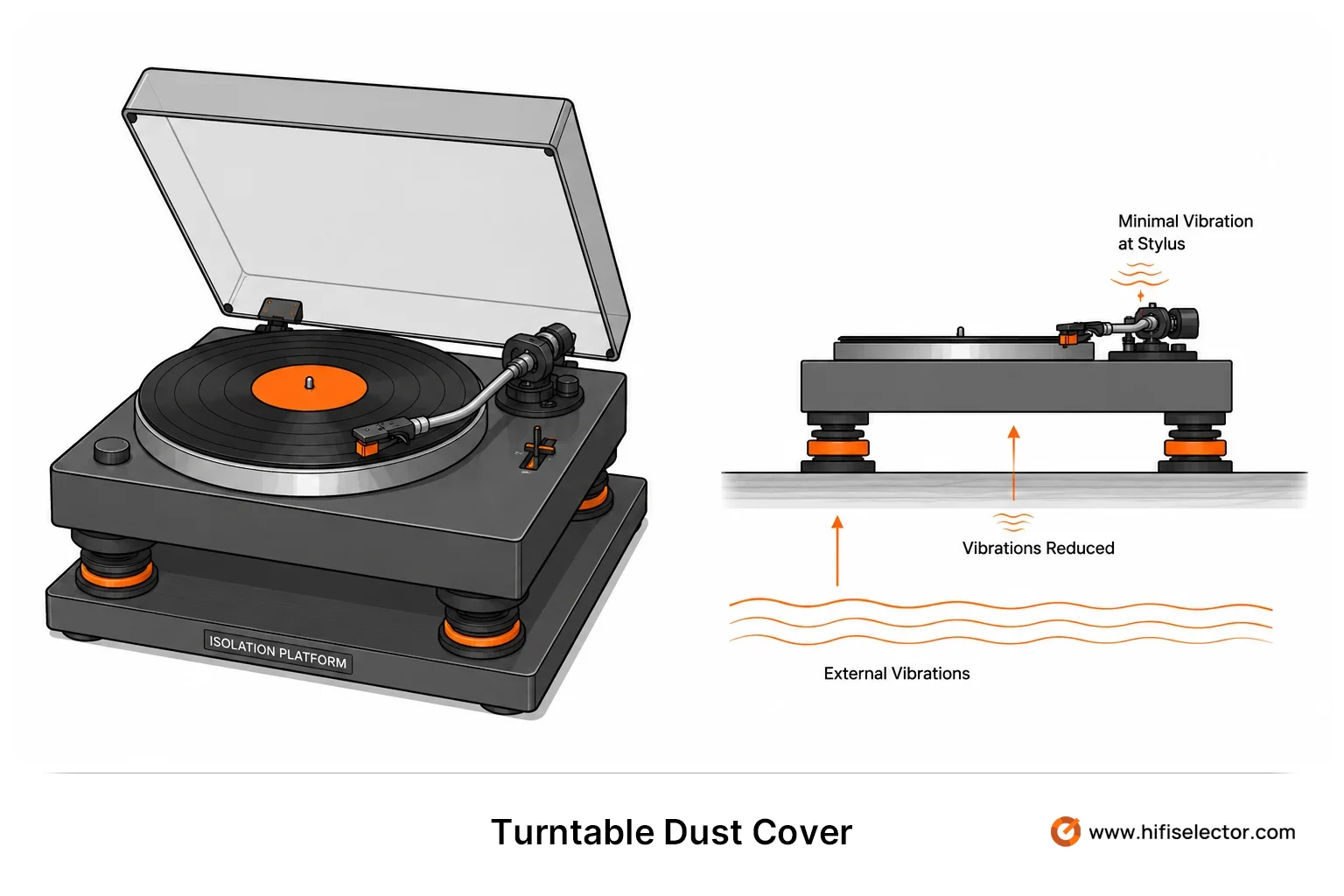
Methods that reduce vibration reaching a turntable from floors, furniture, loudspeakers, or the environment, helping prevent feedback and unwanted low-frequency disturbance.
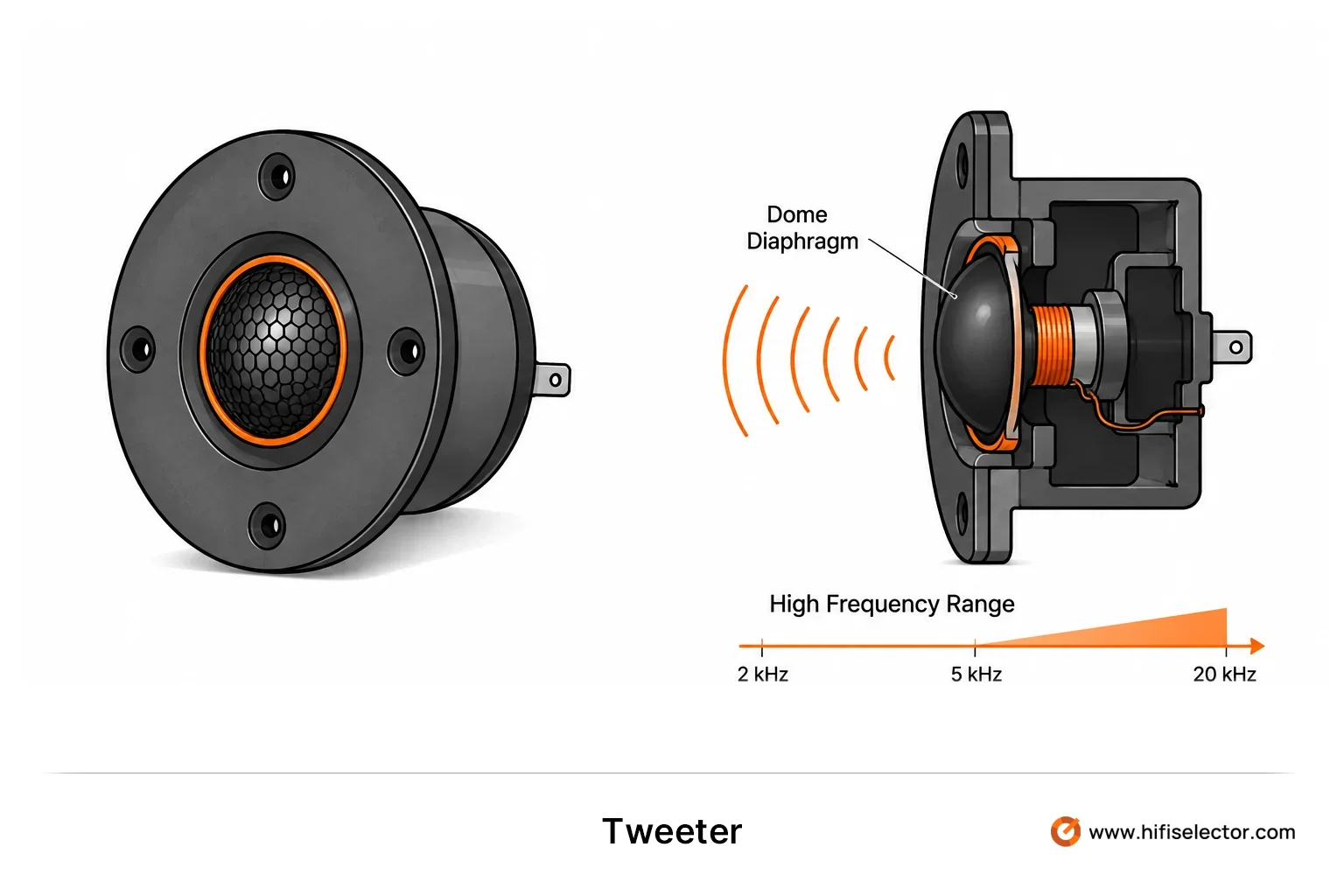
A loudspeaker driver optimized for high frequencies, reproducing upper harmonics and detail that larger midrange and bass drivers cannot efficiently cover.