Master the language of high-fidelity audio and advanced home cinema. Explore clear, professional definitions of acoustic concepts, AV technology, and audiophile terminology.
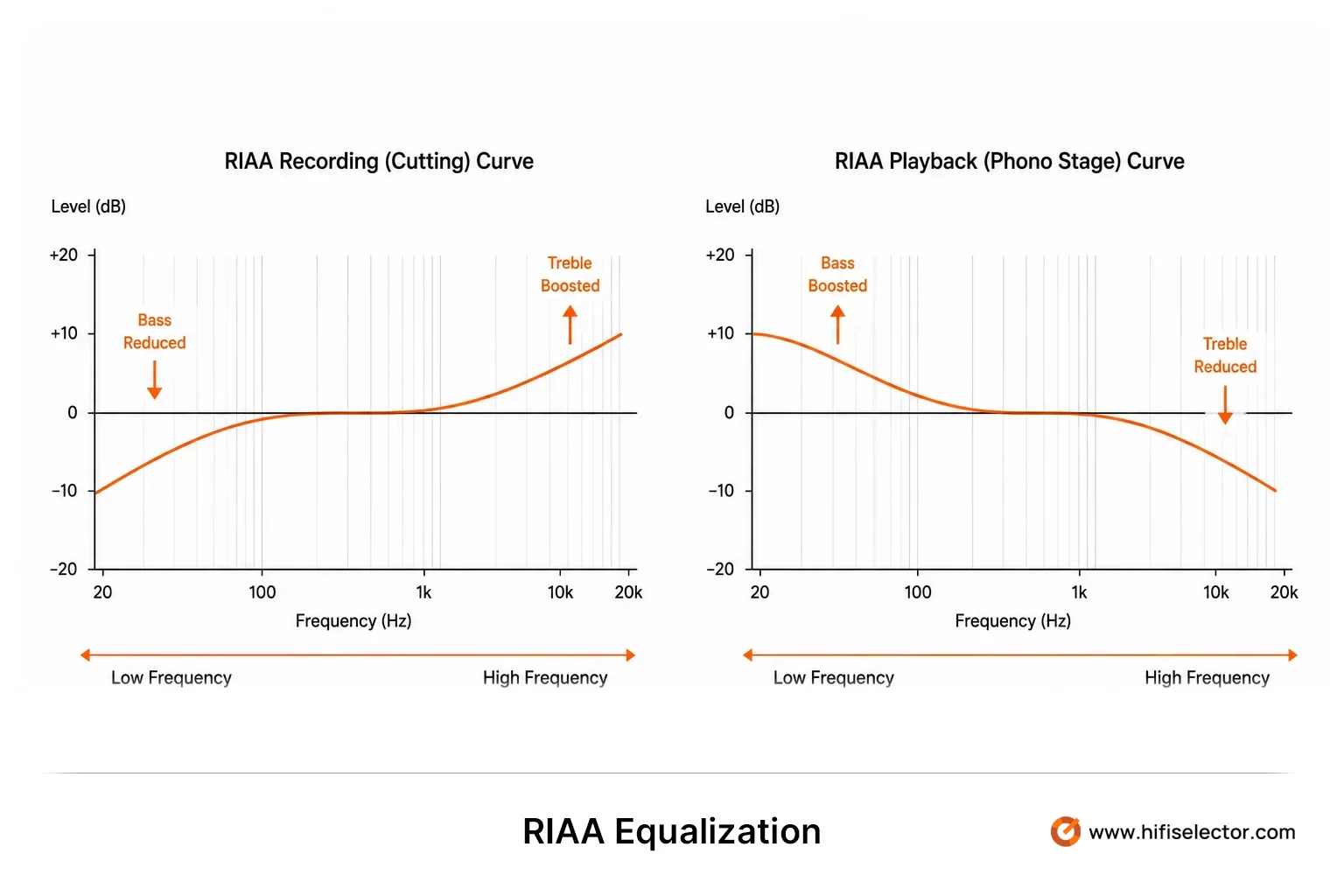
The standardized recording and playback frequency characteristic used for vinyl records, reducing bass and boosting treble during cutting, then applying the inverse on playback.
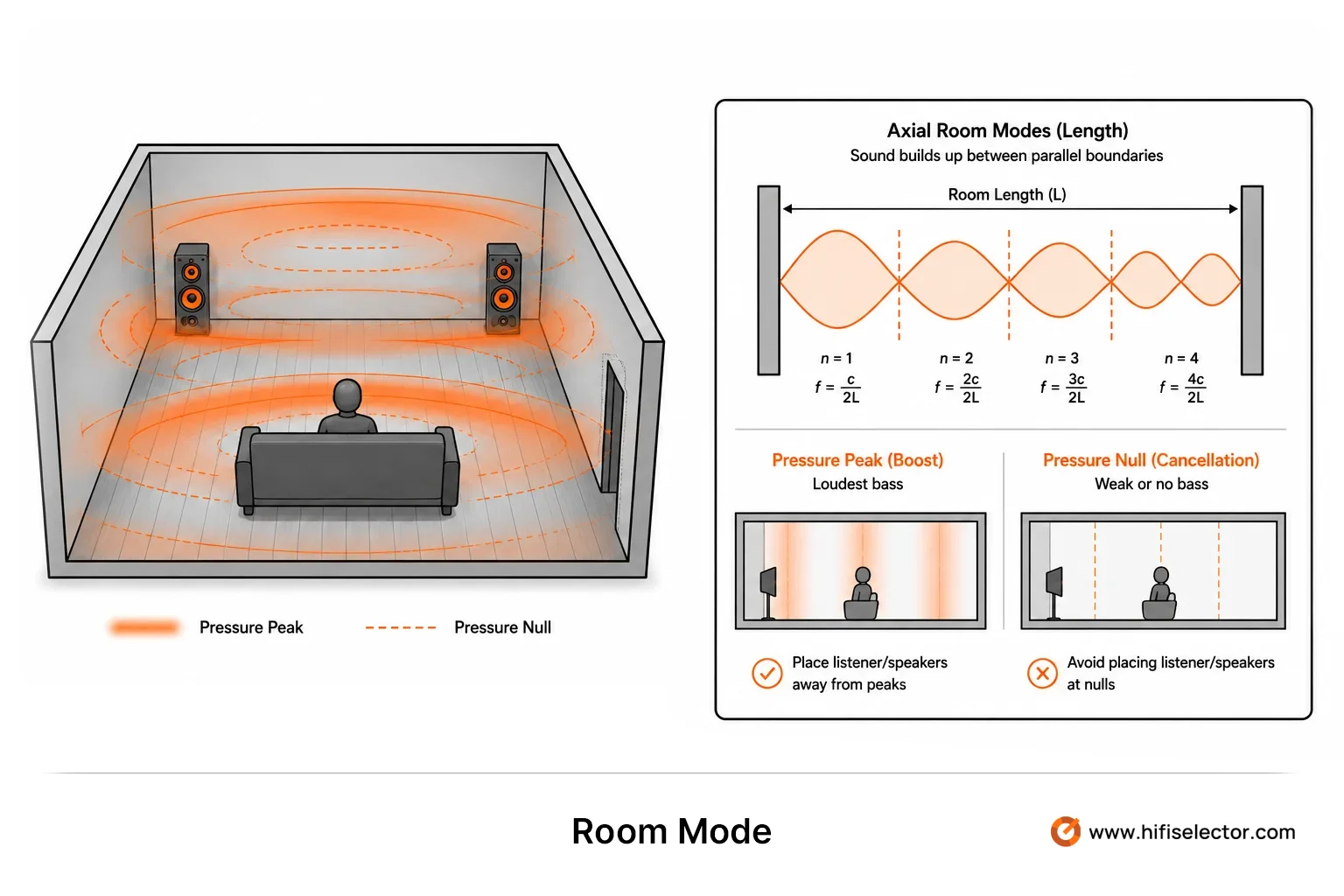
A standing-wave resonance determined by room dimensions, producing frequency-dependent peaks, nulls, and spatial variations that are strongest at low frequencies.
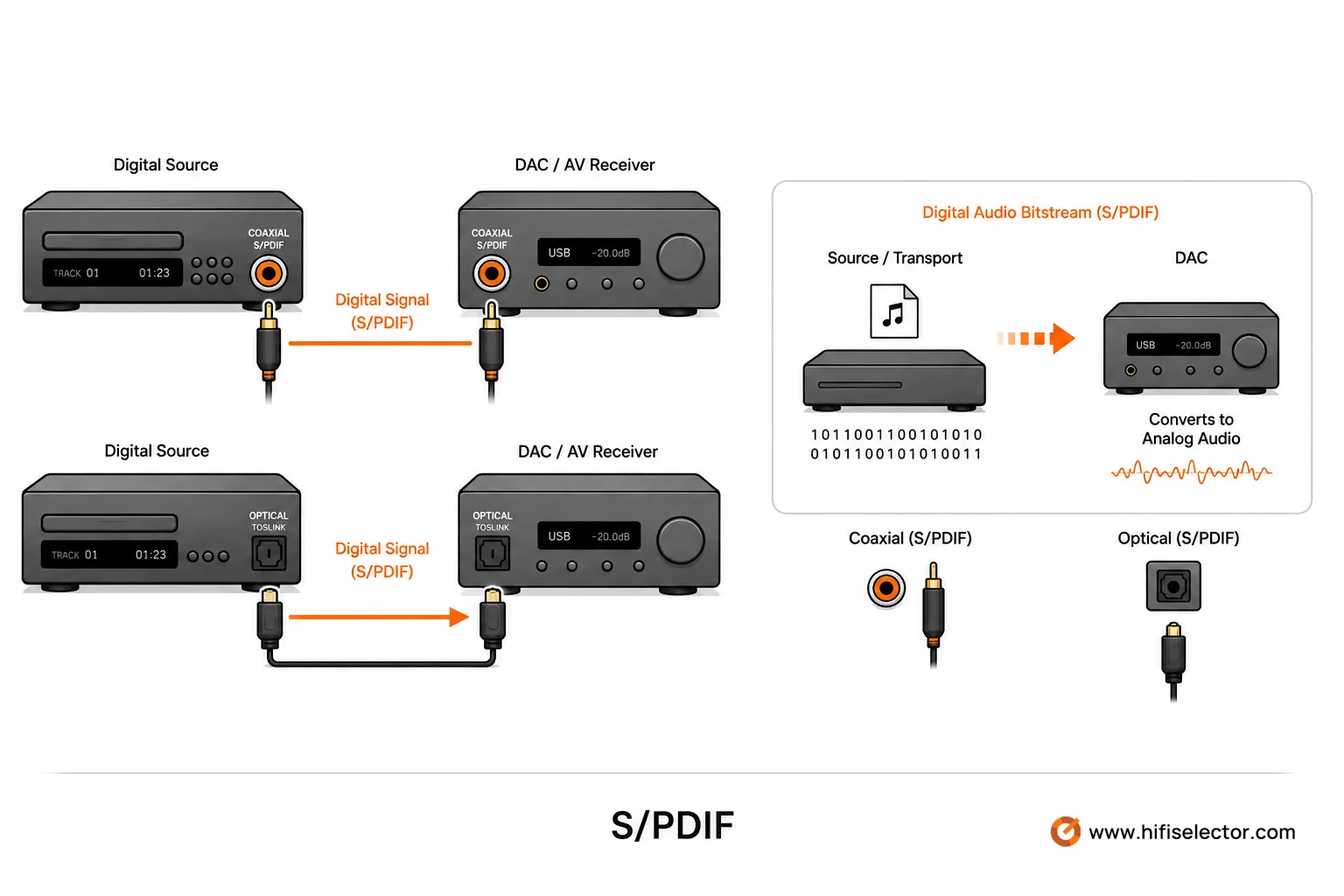
A consumer digital-audio interface carrying PCM and some encoded formats over coaxial electrical or TOSLINK optical connections between compatible components.
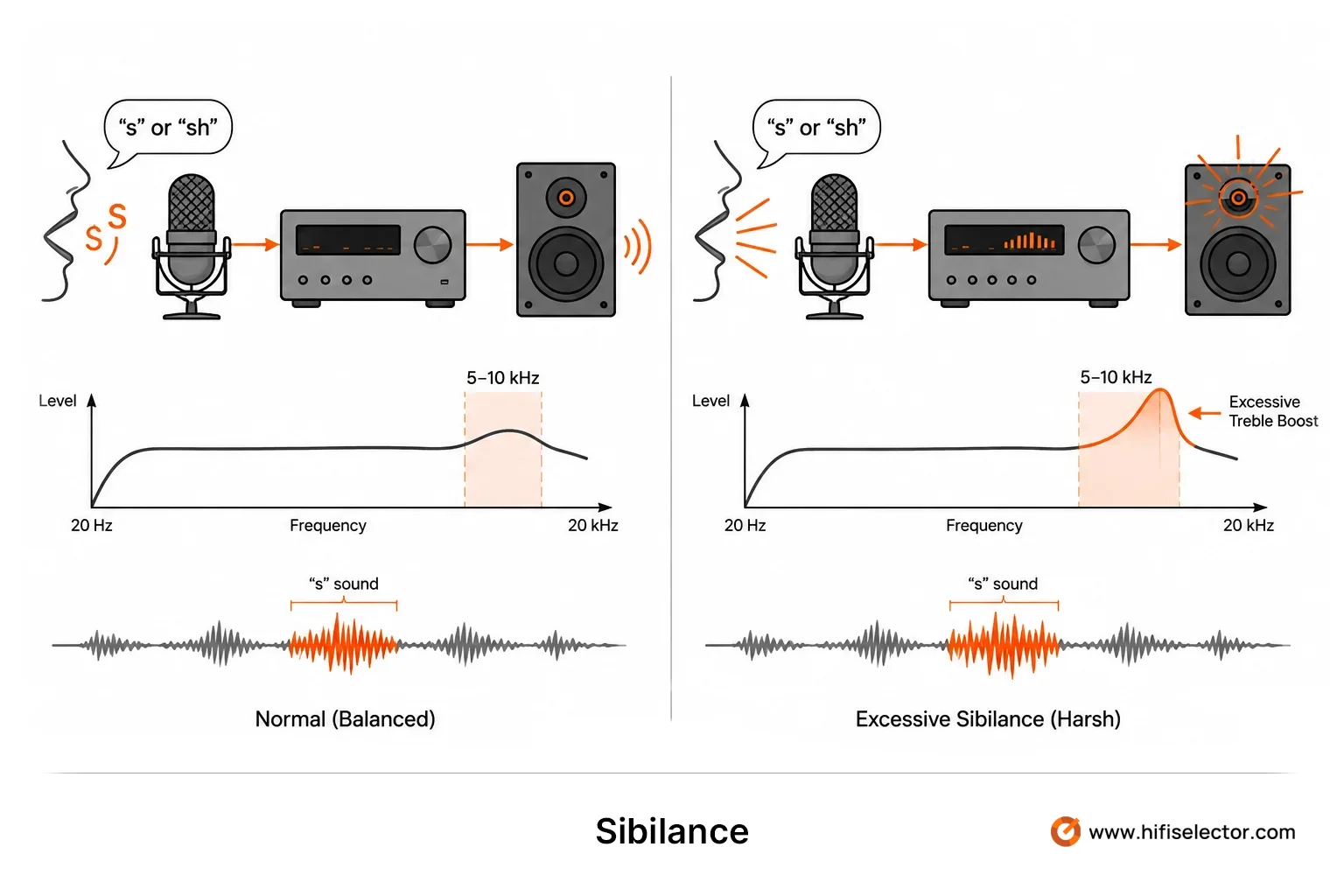
Excessive emphasis or distortion of “s,” “sh,” and similar high-frequency speech sounds, arising from recordings, transducers, room effects, or playback setup.
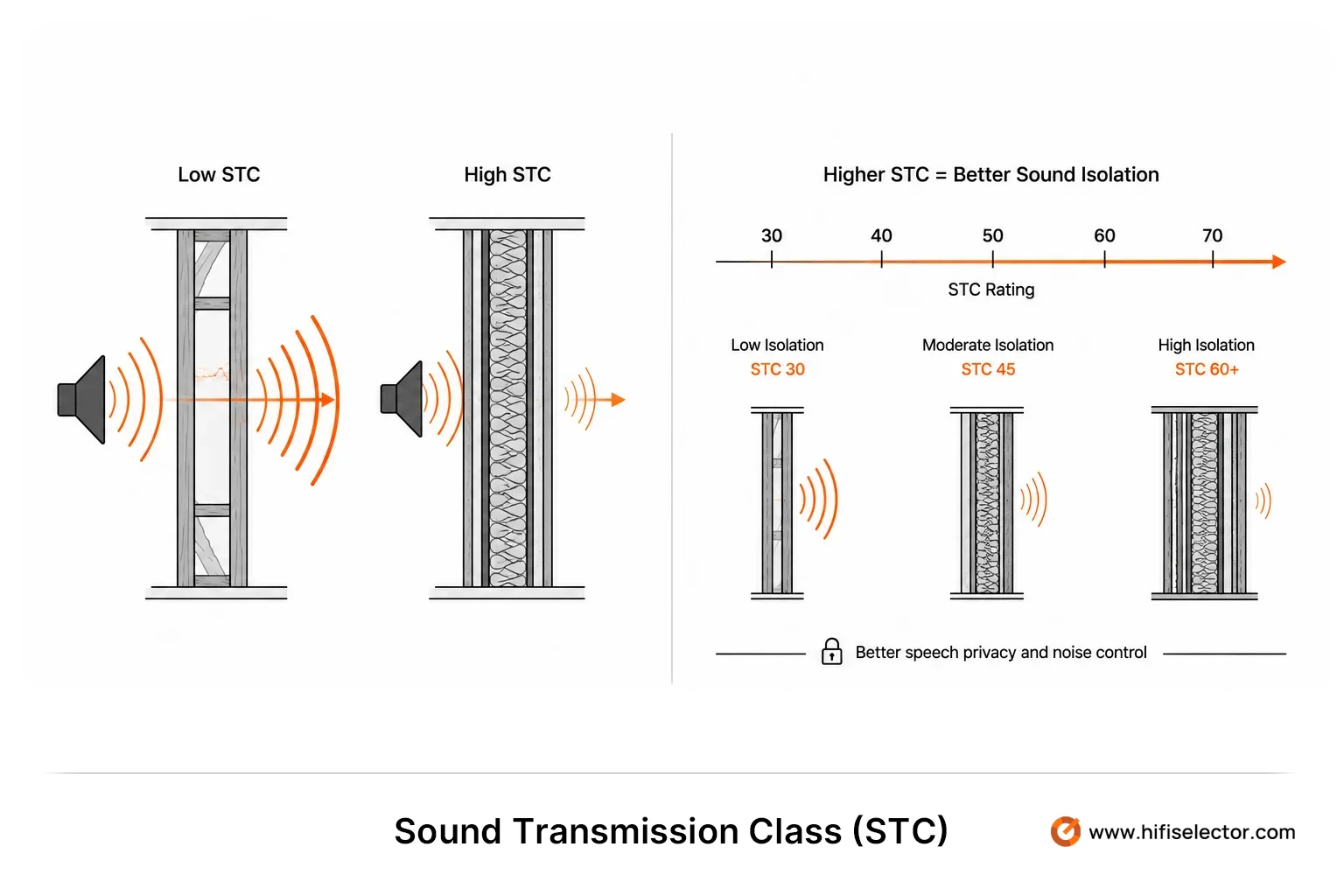
A single-number rating derived from laboratory transmission-loss measurements of building partitions; higher STC generally indicates better airborne-sound isolation over tested frequencies.
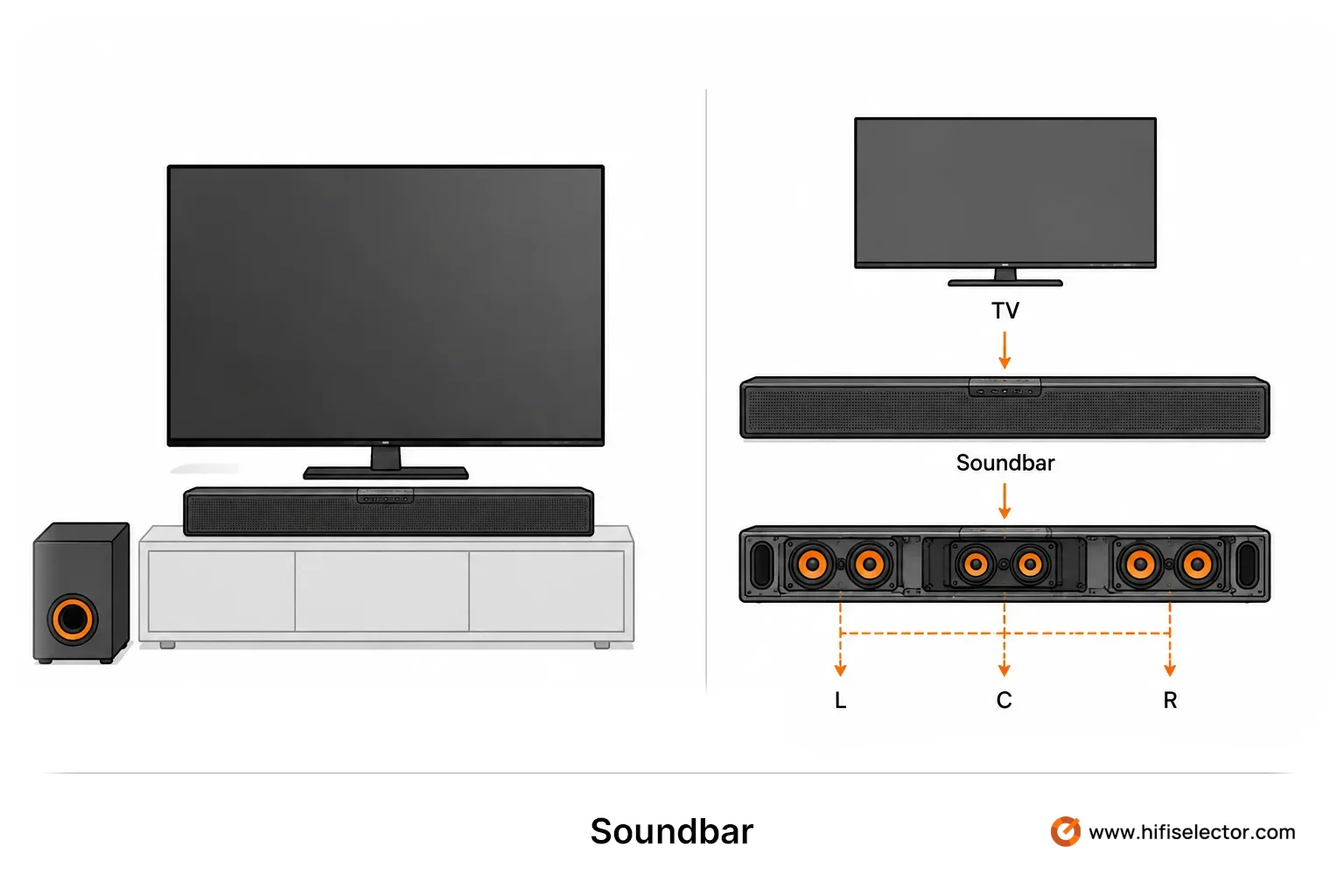
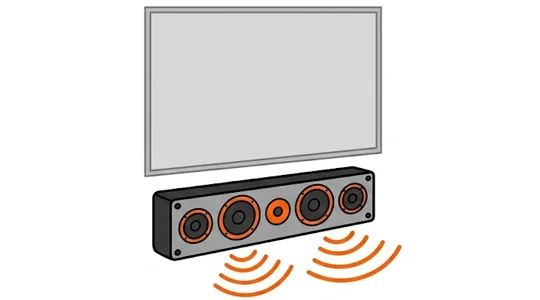
A long, compact loudspeaker system designed primarily for television audio, often combining multiple drivers, amplification, DSP, and optional surround or height processing.
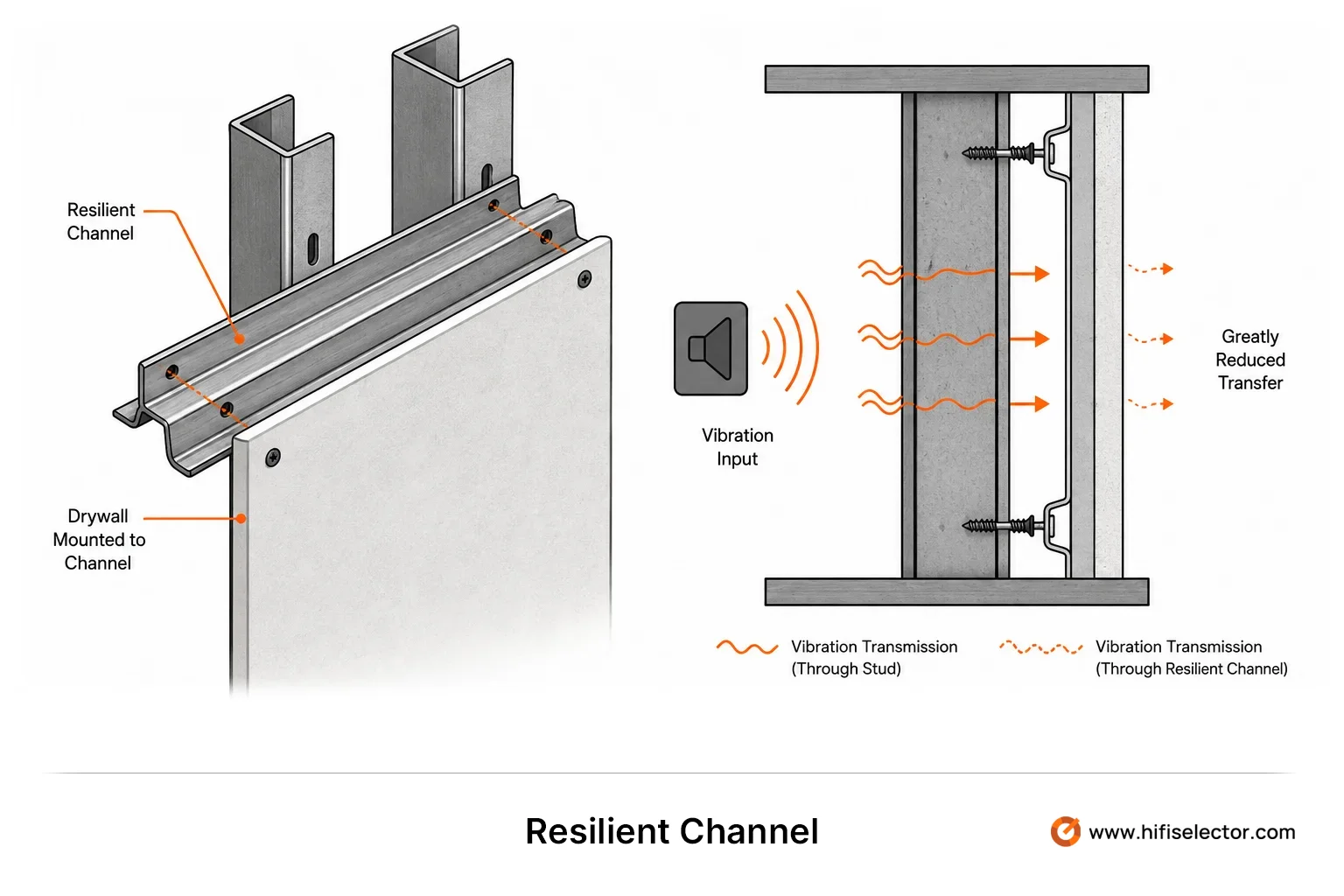
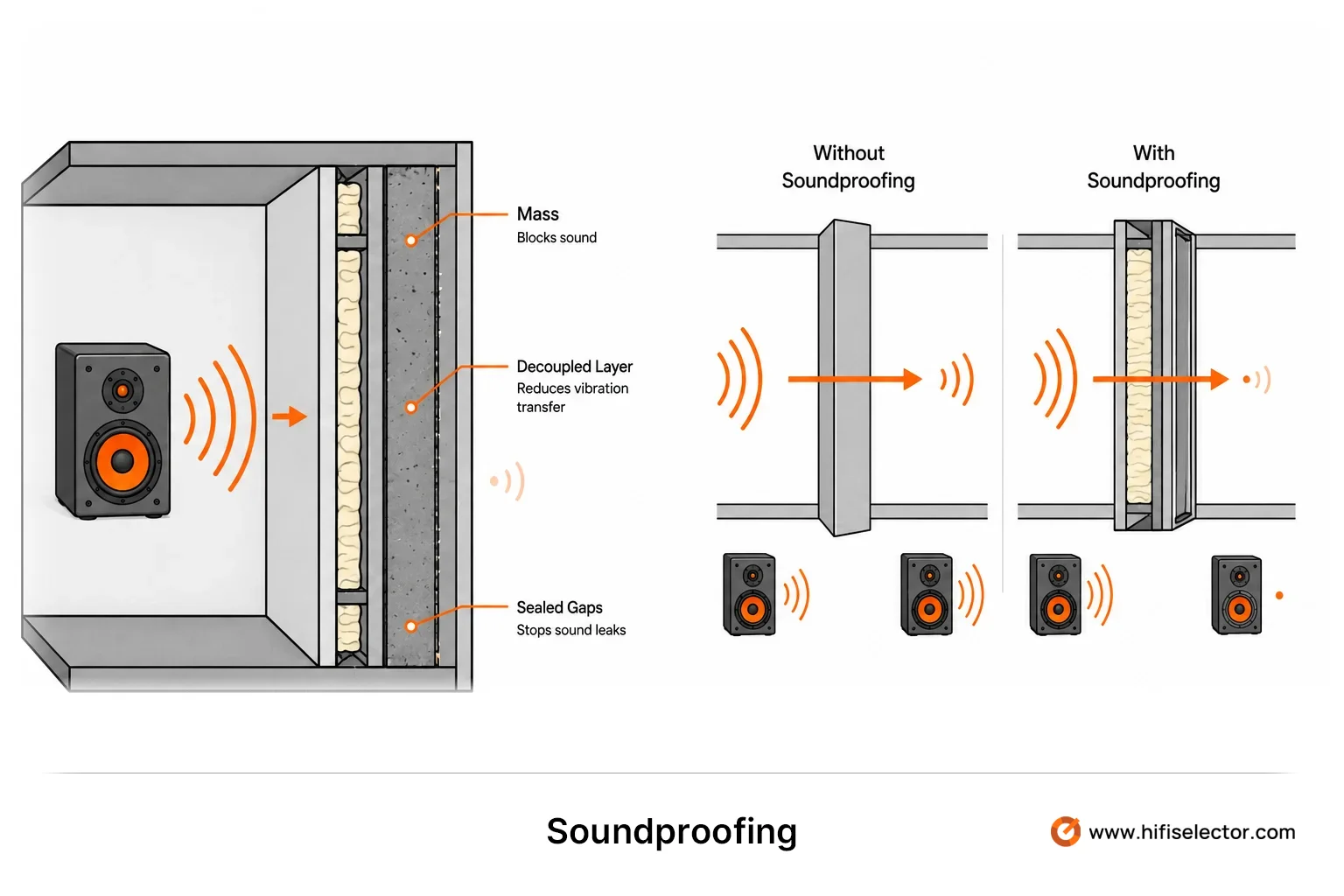
Design and construction methods intended to reduce sound transmission between spaces, typically using combinations of mass, airtightness, decoupling, damping, and absorption.
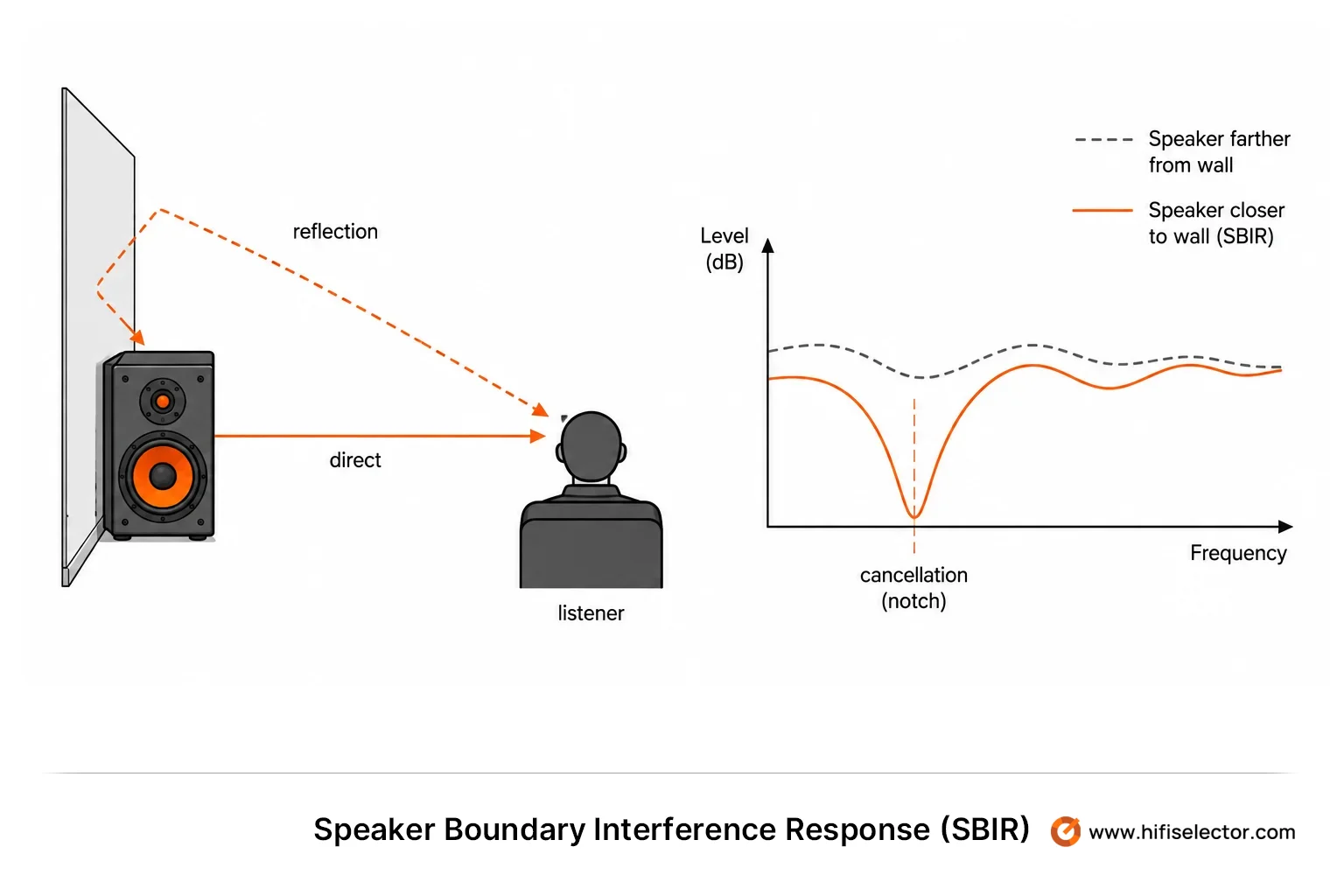
Frequency-response peaks and cancellations caused when direct loudspeaker sound combines with delayed reflections from nearby walls, floor, or other room boundaries.
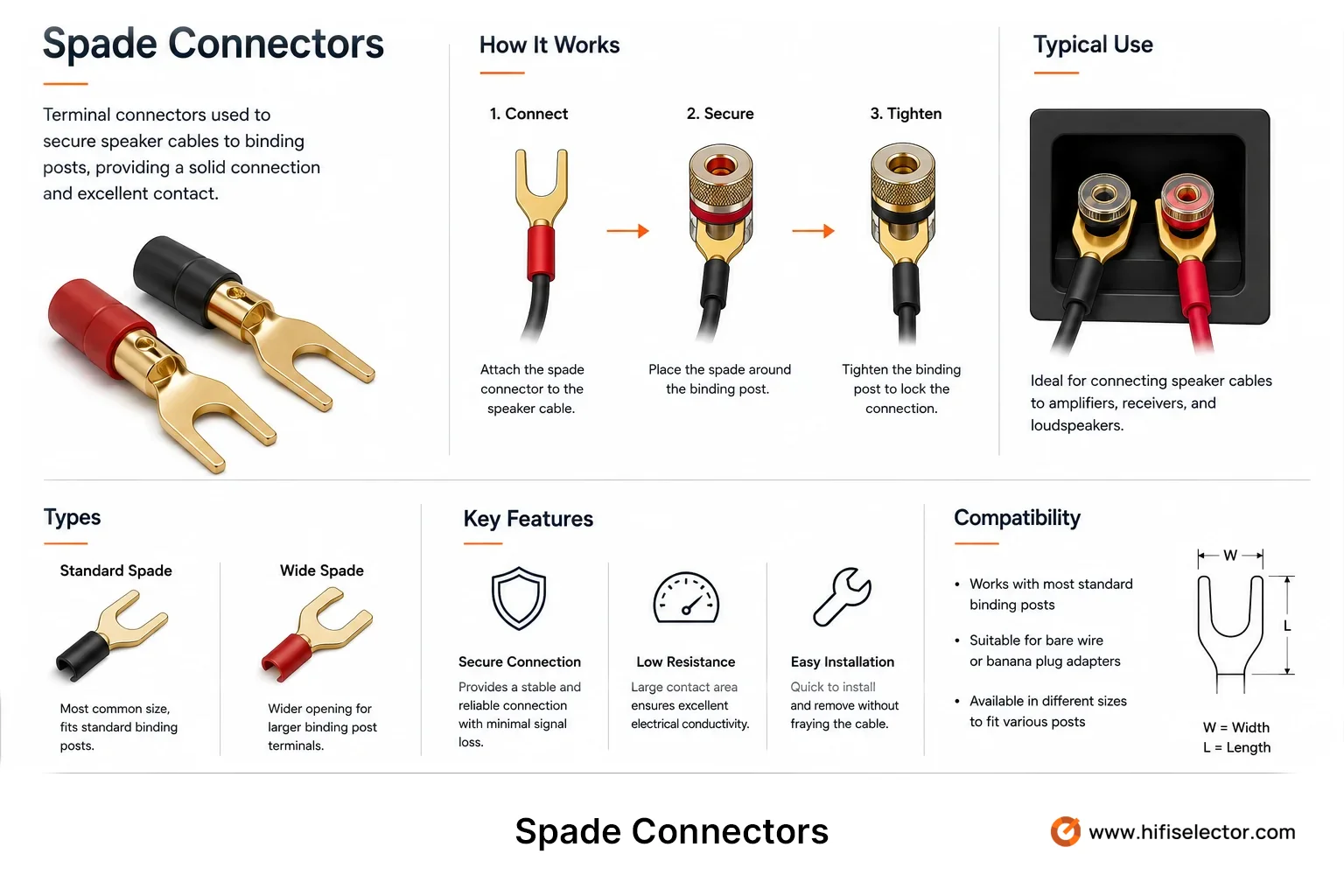
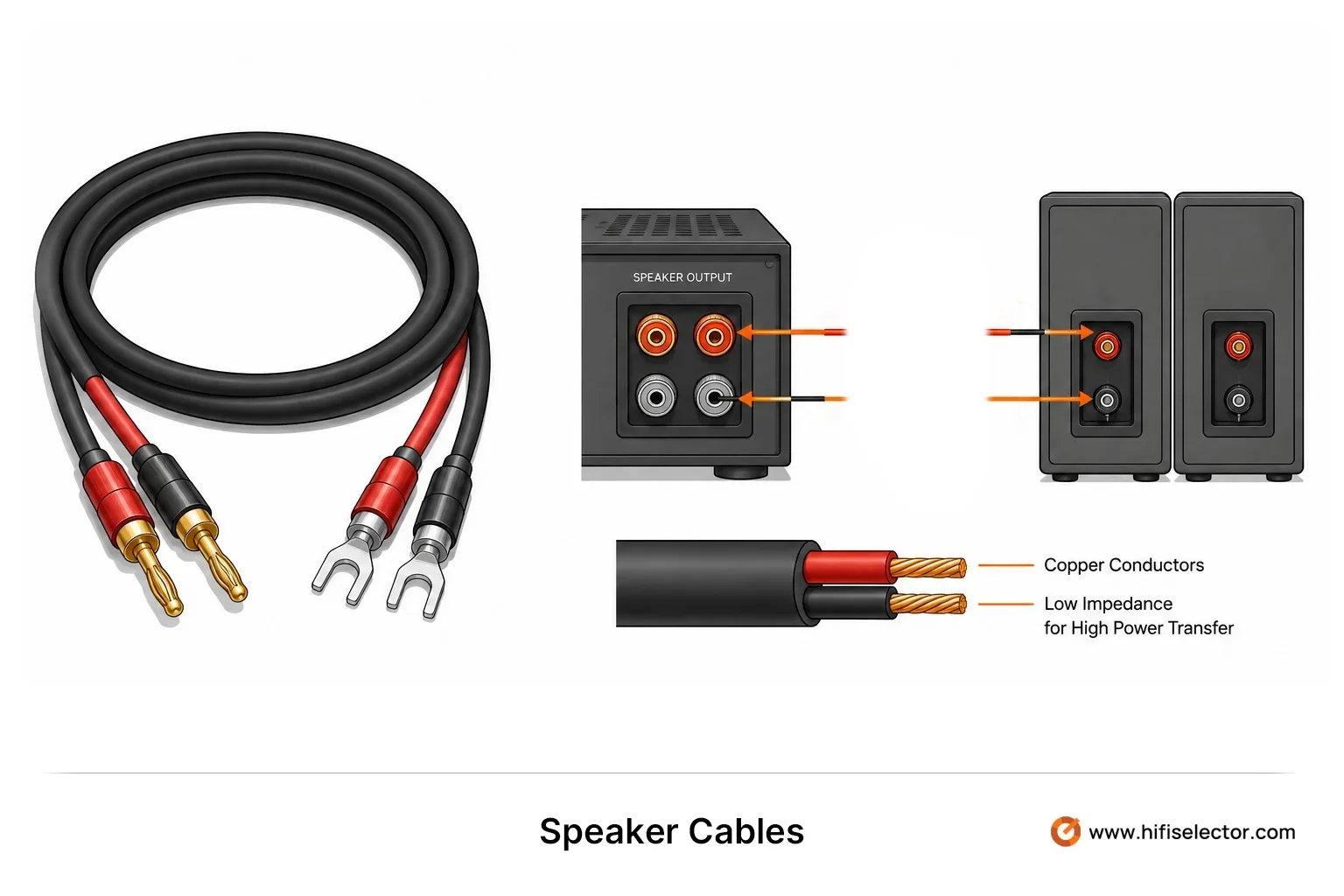
Low-impedance cables connecting power-amplifier outputs to passive loudspeakers, carrying relatively high current compared with line-level interconnects.
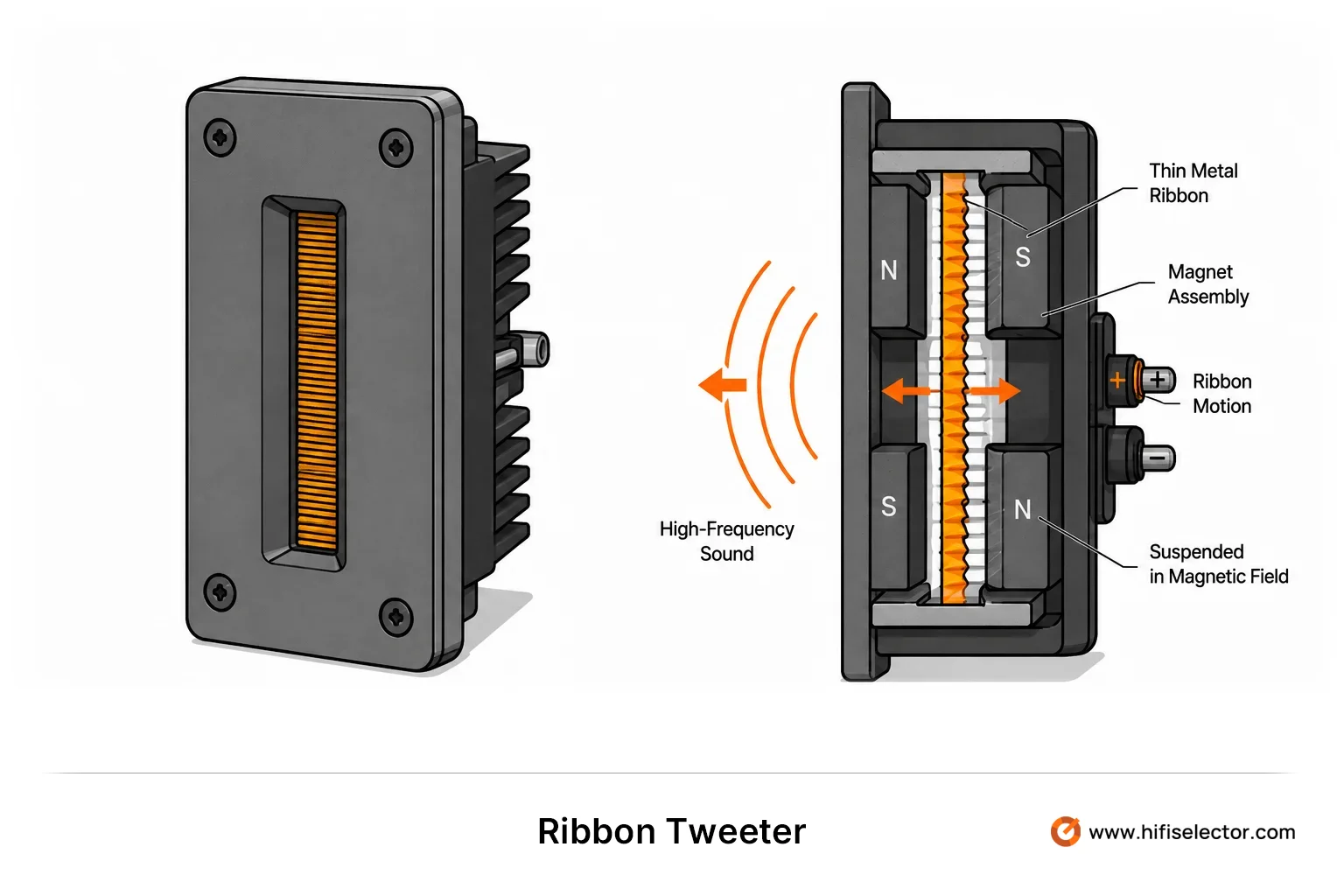
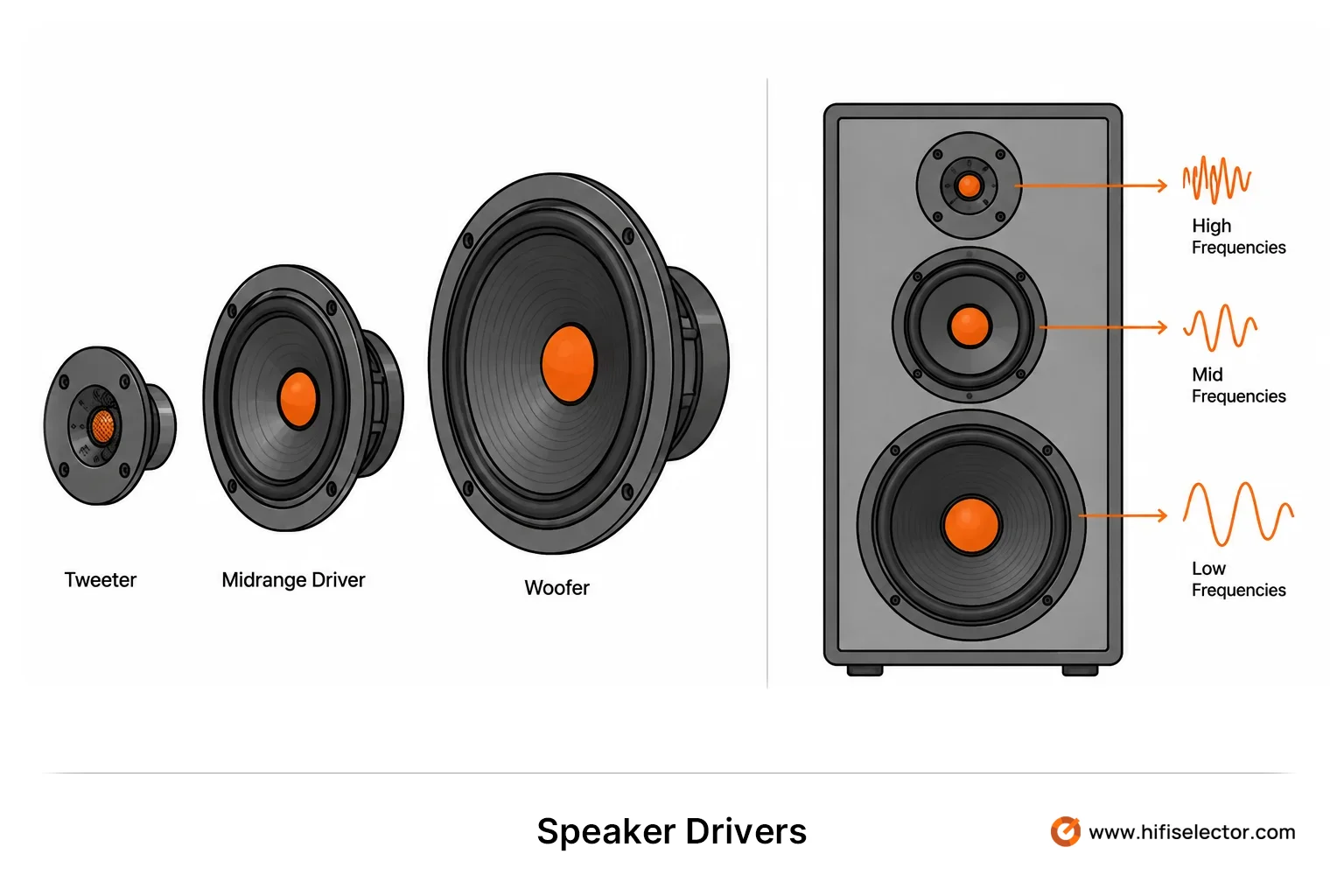
Individual transducers inside a loudspeaker—such as woofers, midrange drivers, and tweeters—that convert electrical signals into acoustic output over specific frequency ranges.