Hi-Fi Wiki

Master the language of high-fidelity audio and advanced home cinema. Explore clear, professional definitions of acoustic concepts, AV technology, and audiophile terminology.

Filters
Search
Group

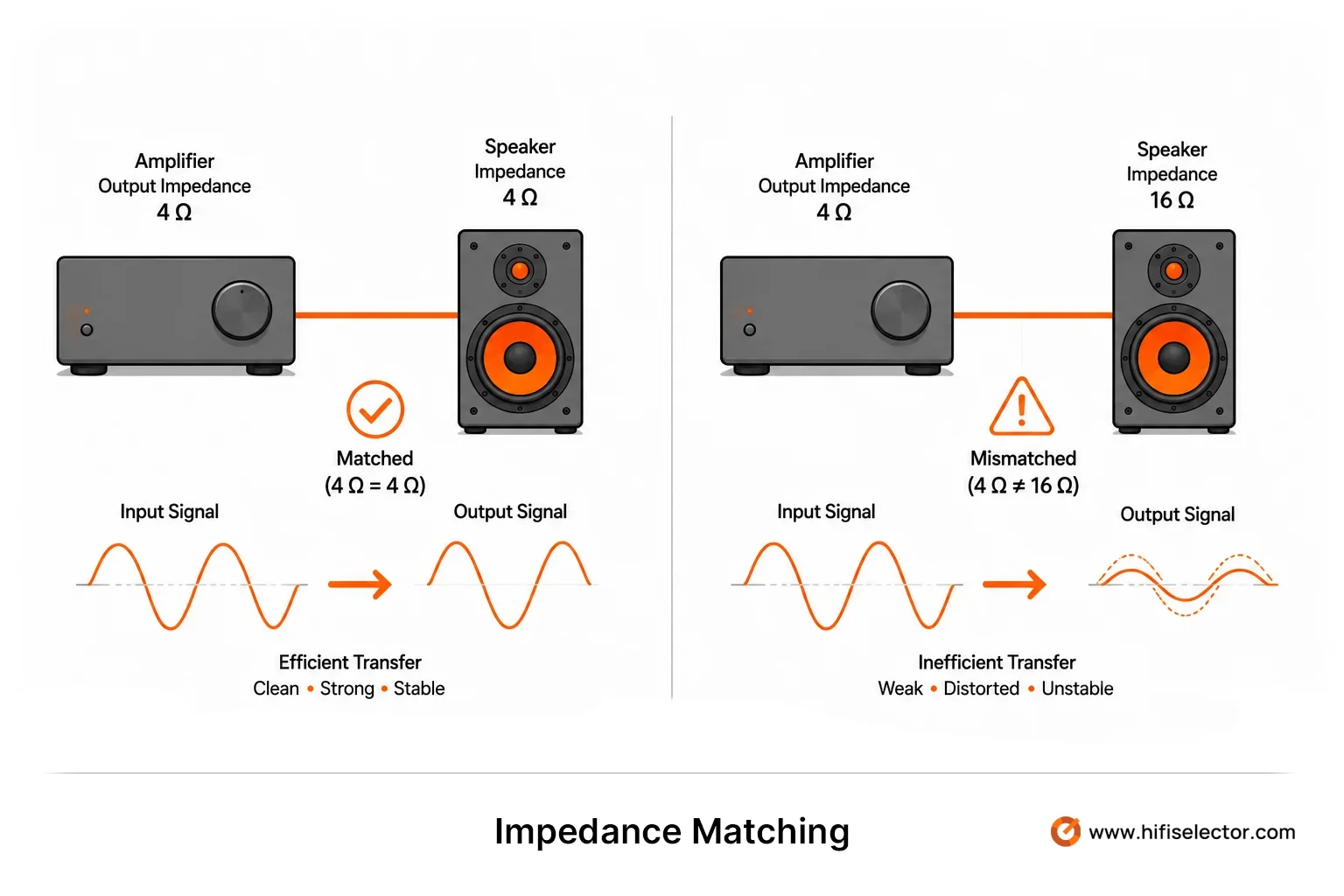
Impedance Matching

Describes source-to-load impedance relationships; line-level Hi-Fi normally uses impedance bridging, while amplifier and speaker impedances must remain electrically compatible and safe.

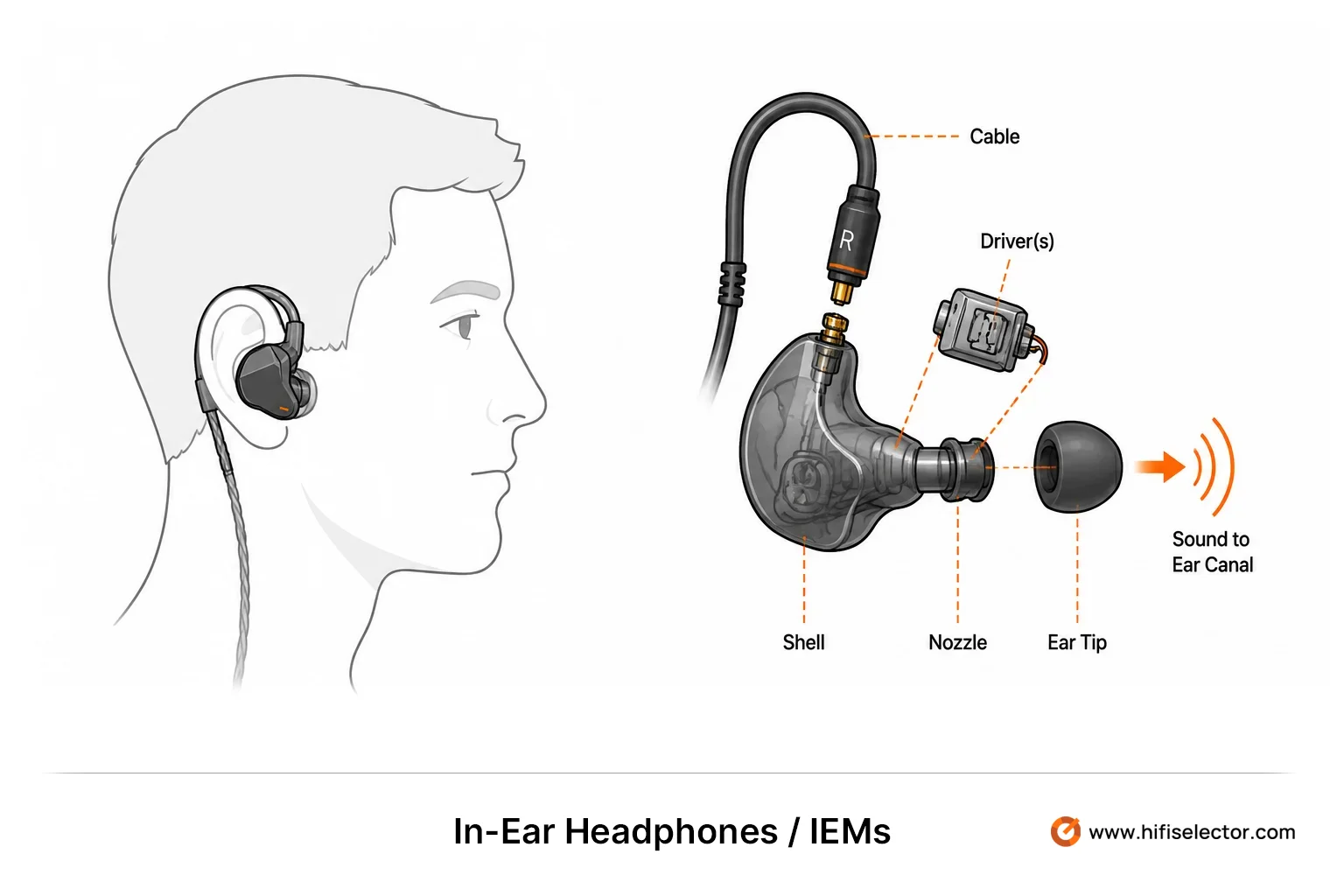
In-Ear Headphones / IEMs

Earphones that seal at or inside the ear canal; IEMs emphasize secure fit, isolation, and monitoring-quality playback, often with specialized drivers.

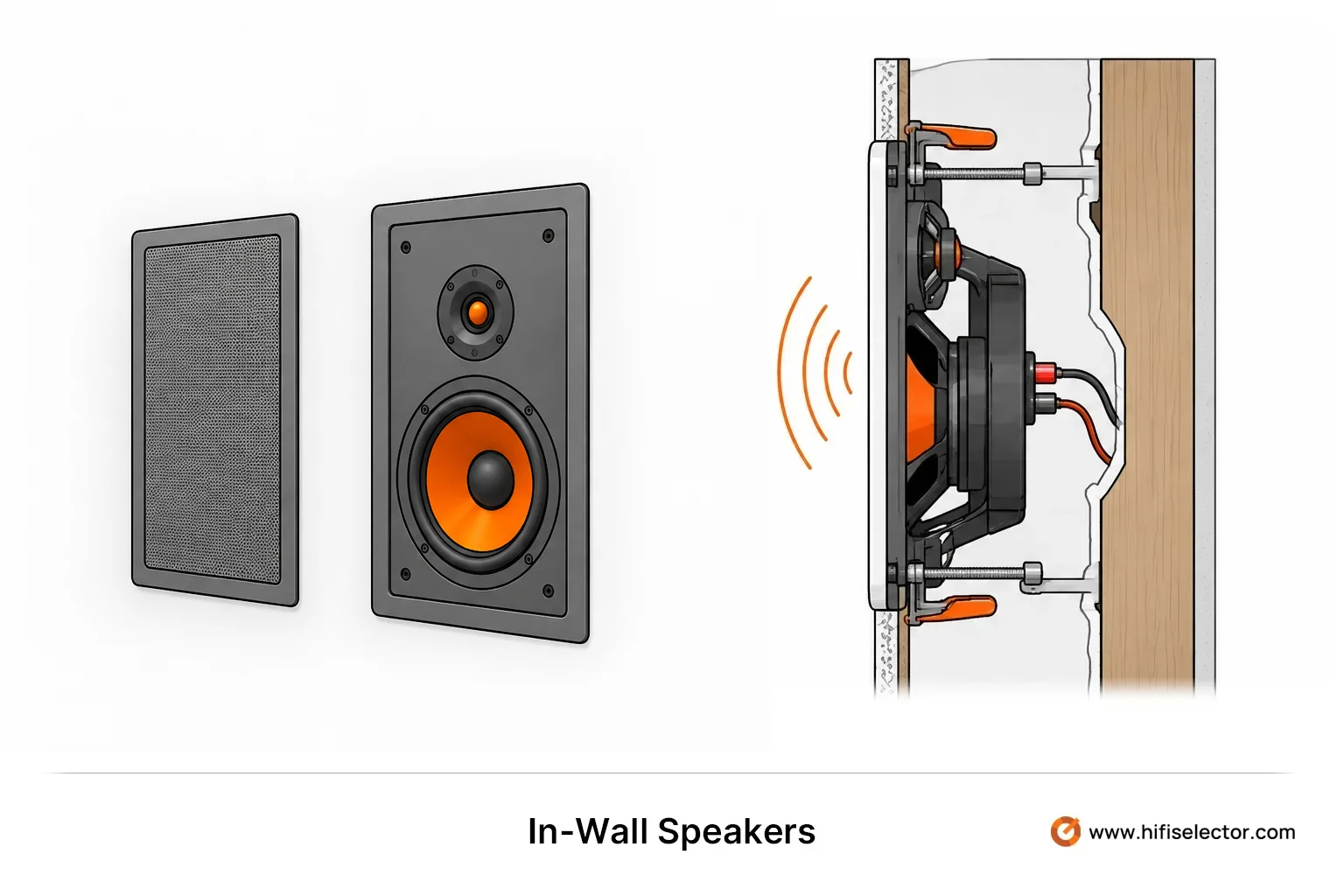
In-Wall Speakers

Loudspeakers designed to mount inside wall cavities, using the wall installation as part of the enclosure while keeping the room visually uncluttered.

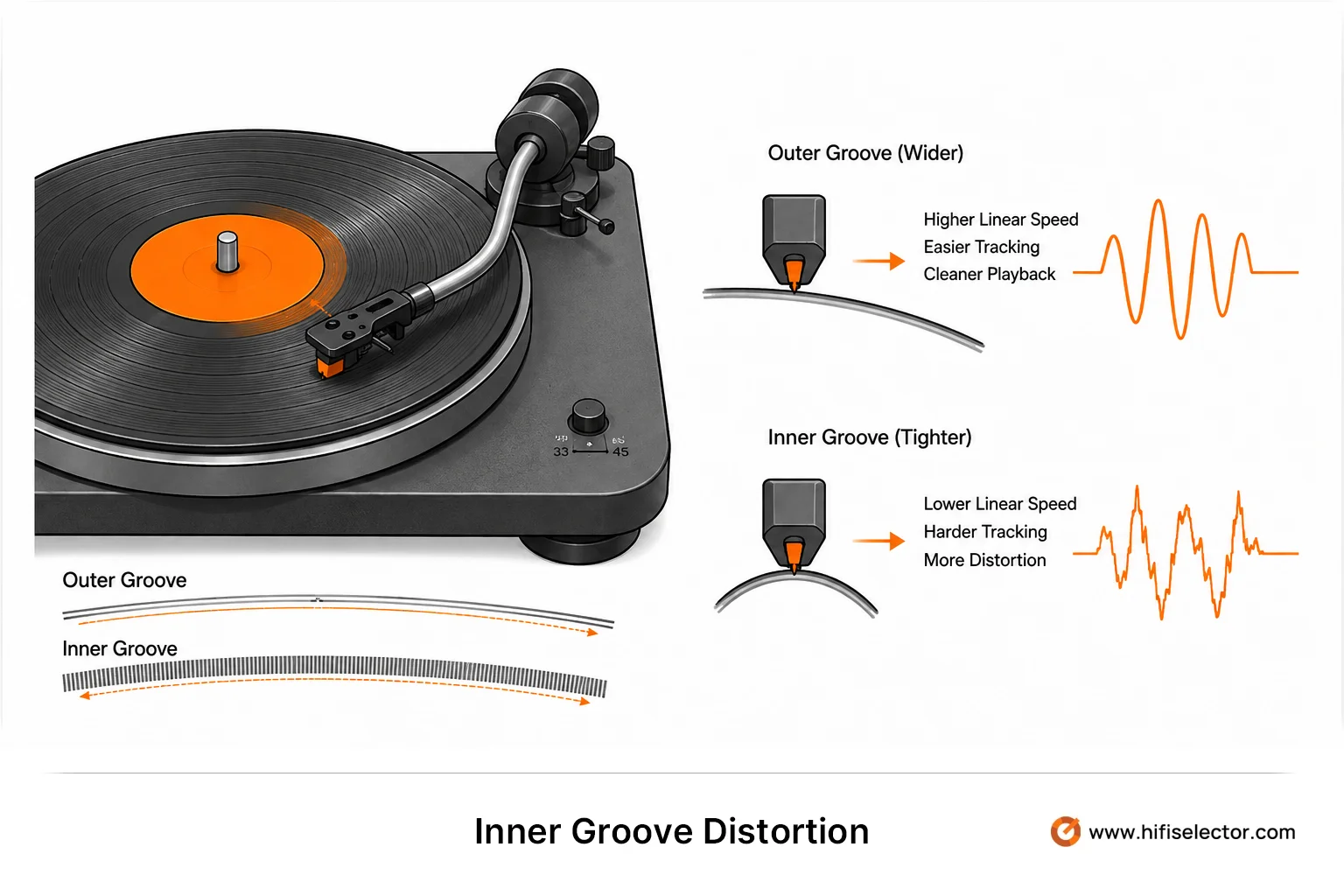
Inner Groove Distortion

Distortion that tends to increase toward the record center because groove velocity decreases and tracing geometry becomes more demanding for the stylus.

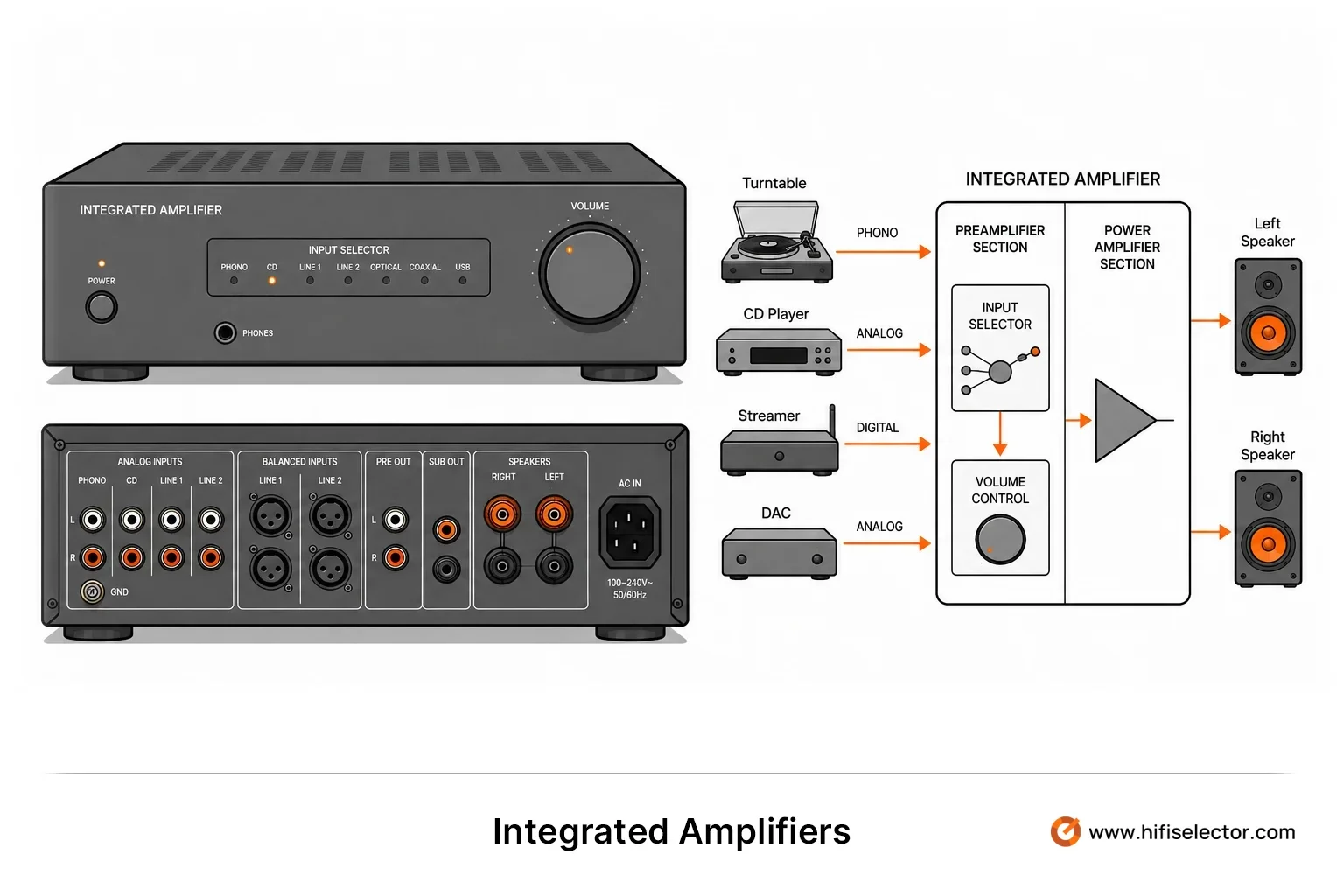
Integrated Amplifiers

Combines a preamplifier and power amplifier in one chassis, providing source selection, volume control, and speaker-driving power from a single component.

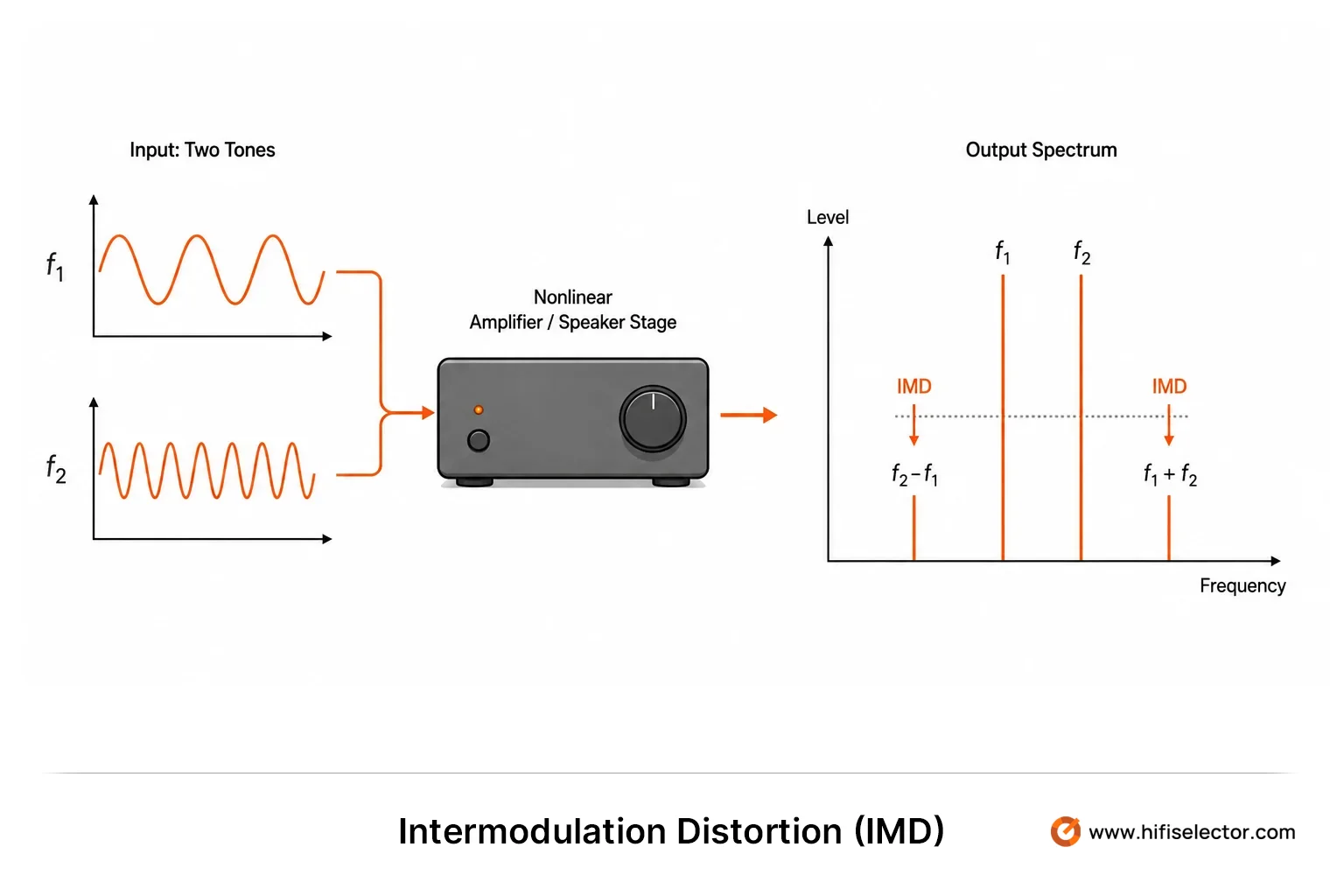
Intermodulation Distortion (IMD)

Distortion in which multiple input frequencies interact nonlinearly to create new sum-and-difference components that were not present in the original signal.

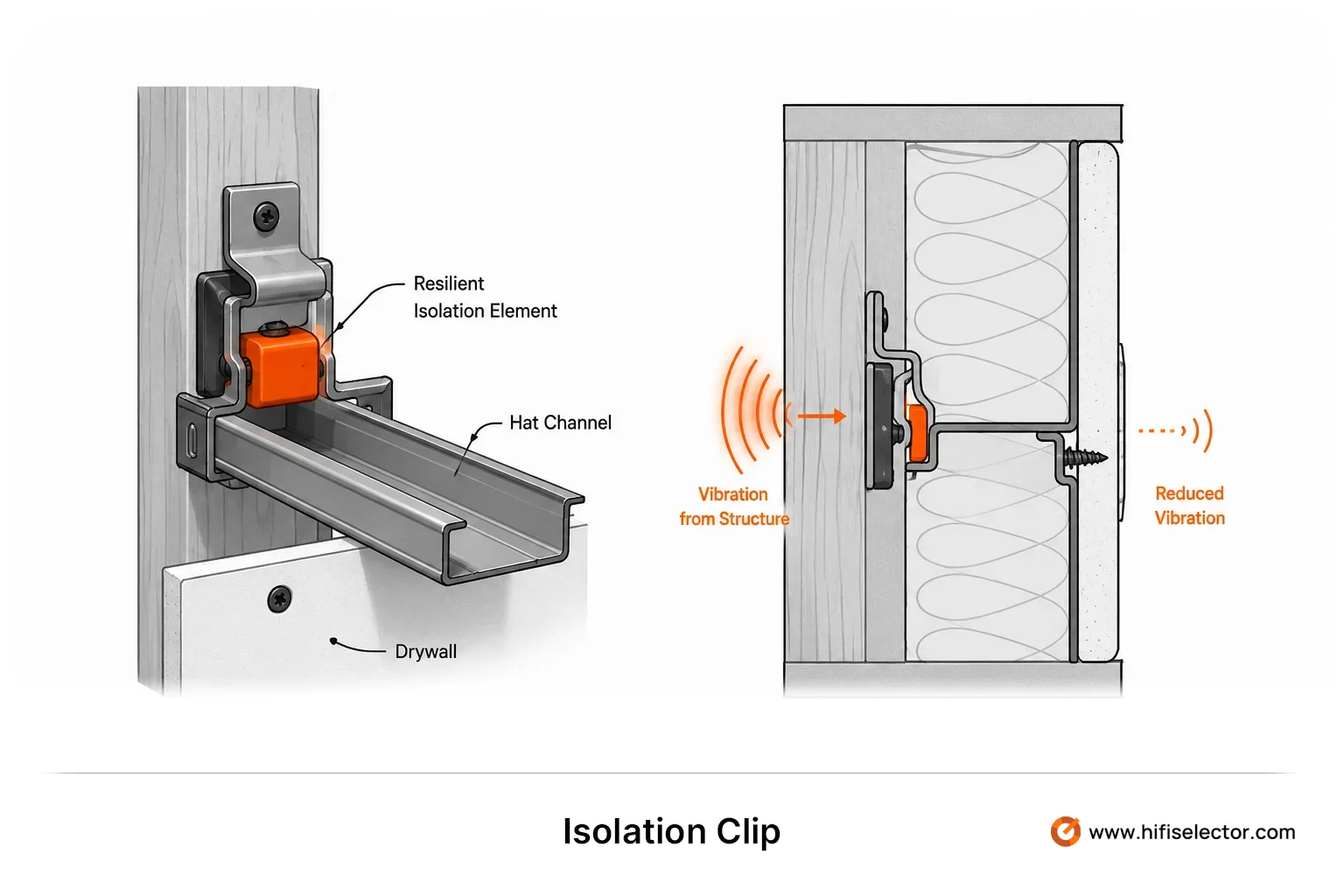
Isolation Clip

A device used to decouple walls or ceilings from their structural supports, reducing sound transmission.

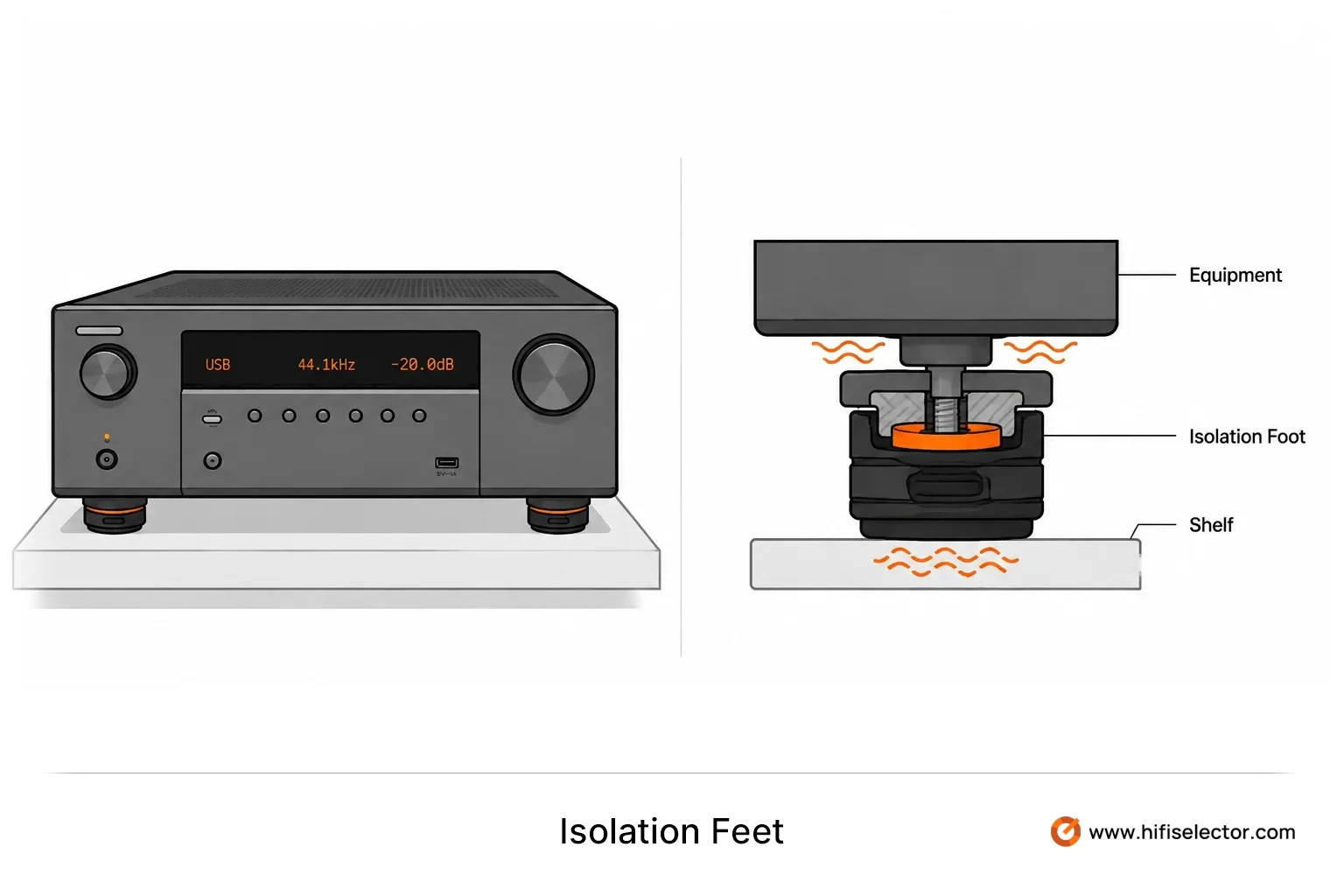
Isolation Feet

Feet or supports designed to reduce vibration transfer between audio equipment and supporting surfaces through compliant, constrained, or mechanically isolating structures.

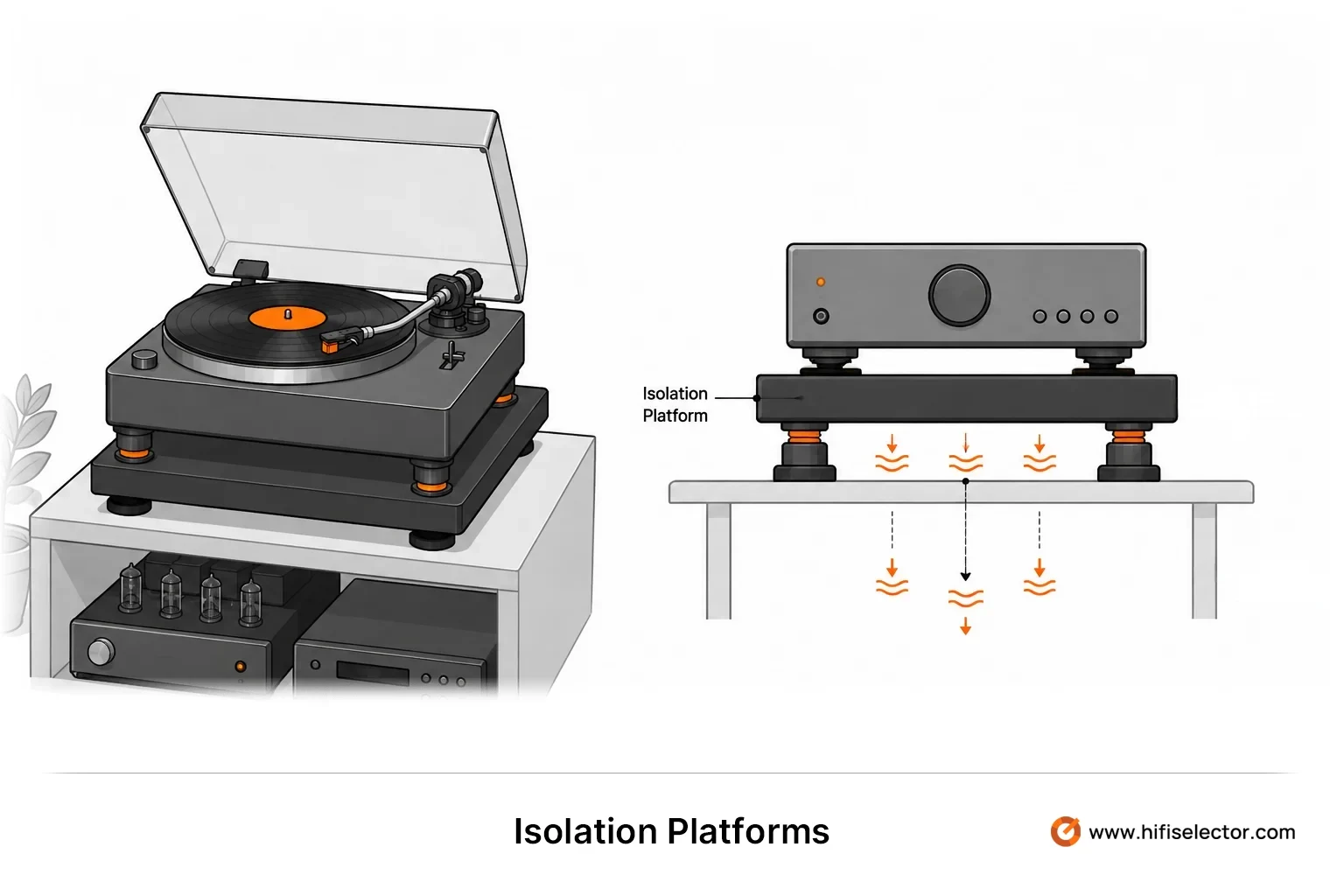
Isolation Platforms

Rigid or compliant bases designed to reduce vibration transfer between sensitive audio equipment and furniture, shelves, racks, or floors.

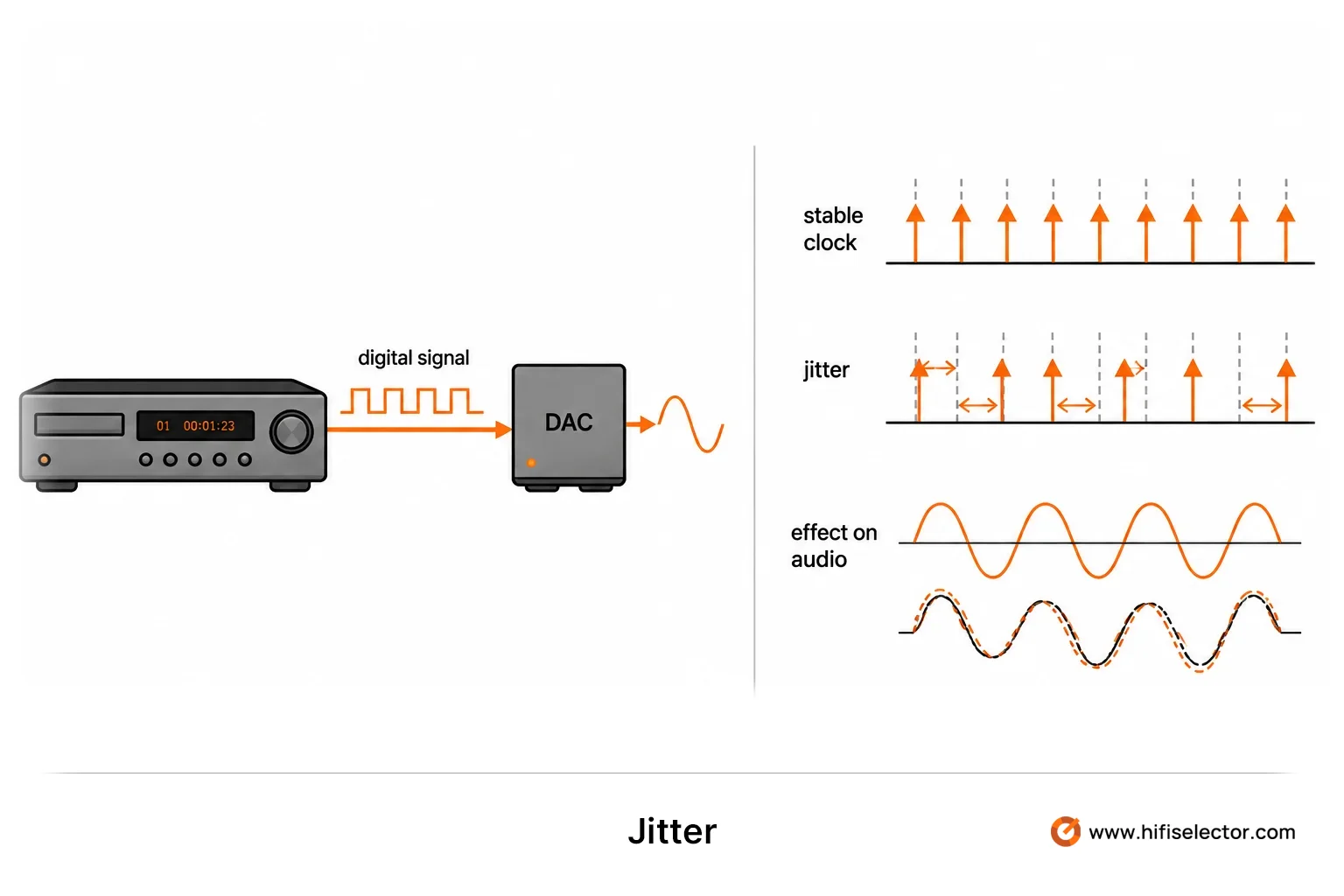
Jitter

Short-term timing variation in digital clock edges; excessive interface or conversion-clock jitter can modulate sampling timing and potentially affect conversion performance.

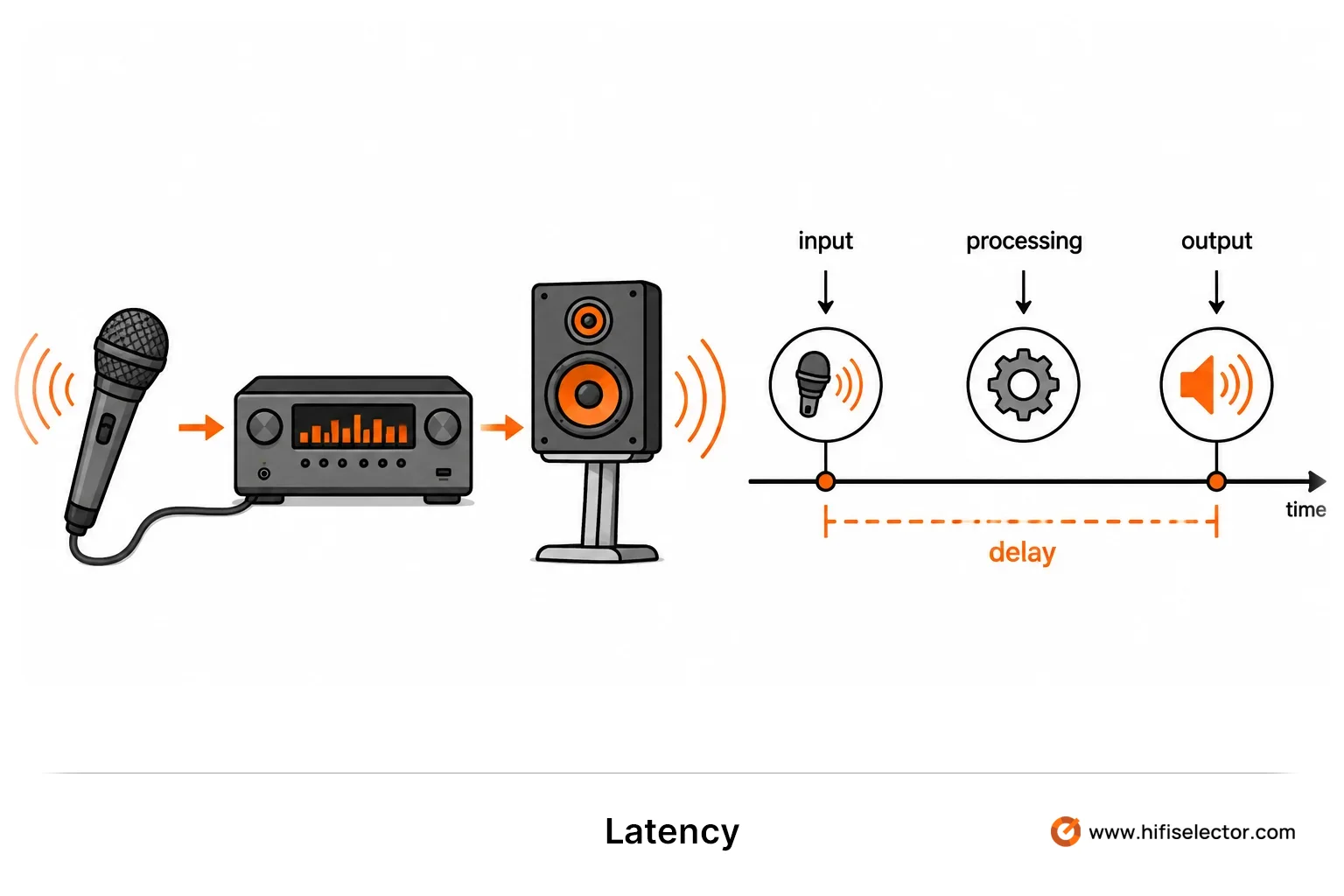
Latency

The delay between an input signal and its corresponding output, particularly relevant in digital audio processing and live performance.

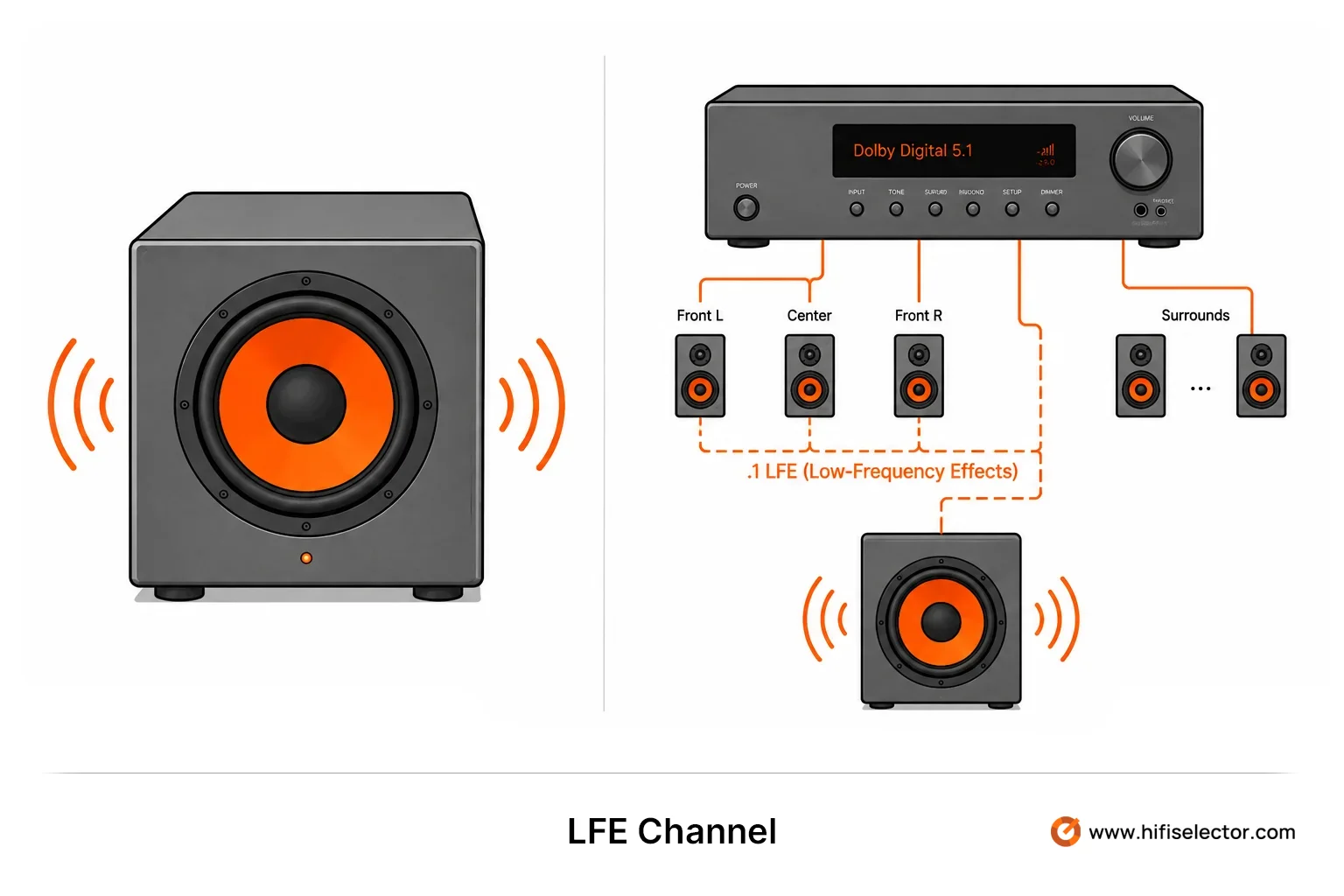
LFE Channel

The dedicated low-frequency-effects channel in multichannel soundtracks, represented by the “.1” in layouts such as 5.1 and normally routed to subwoofers.

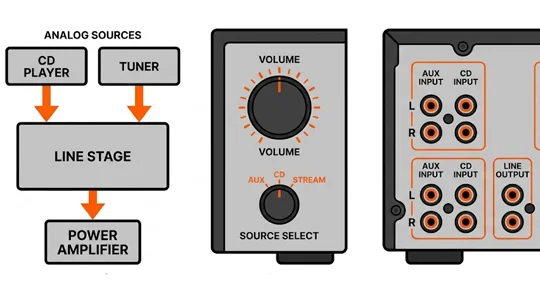
Line Stage

The section of an audio system responsible for processing line‑level signals before amplification, often handling source selection, volume control, and signal conditioning.

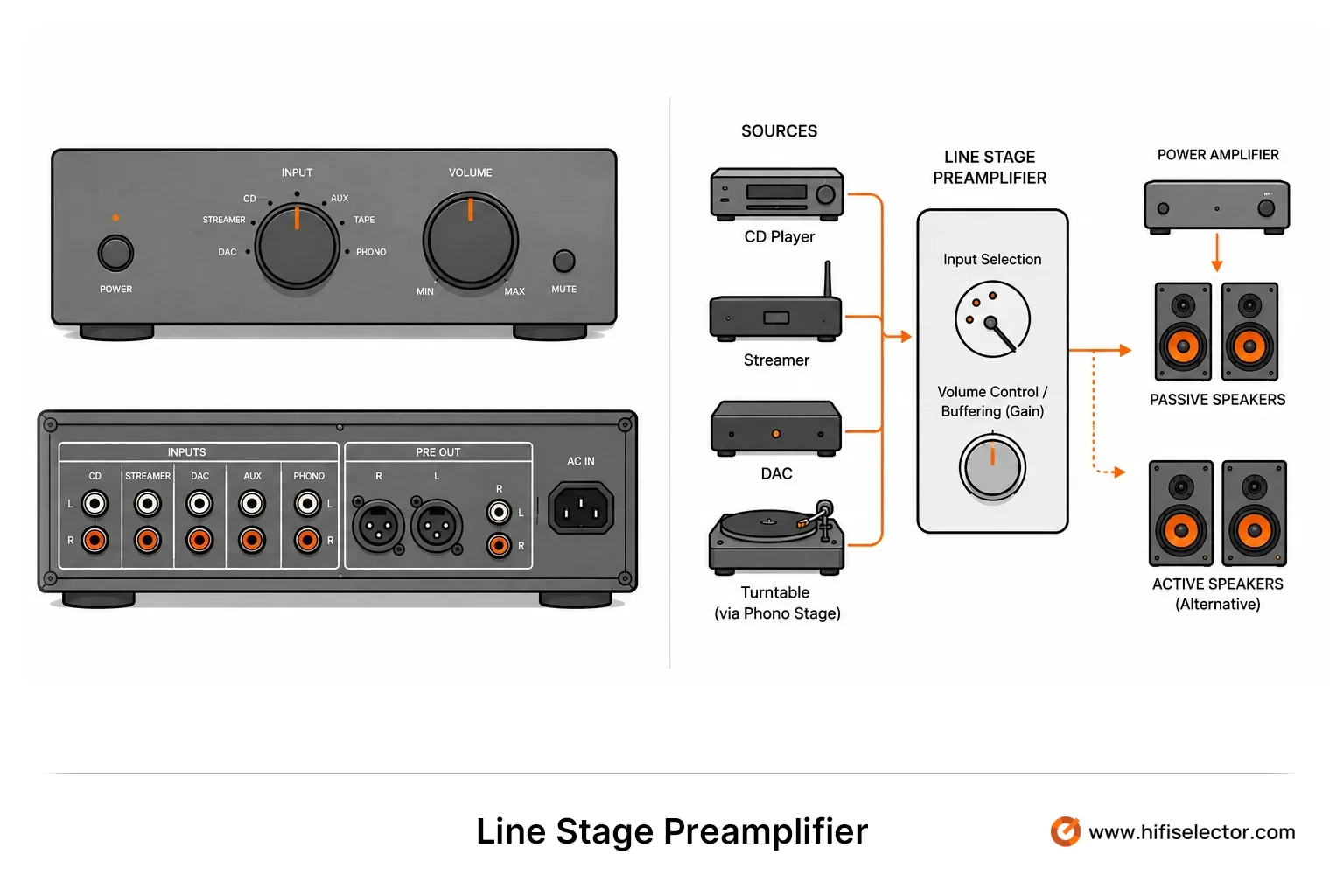
Line Stage Preamplifier

A preamplifier section for line-level sources that provides input selection, volume control, buffering, and sometimes gain before the power amplifier.

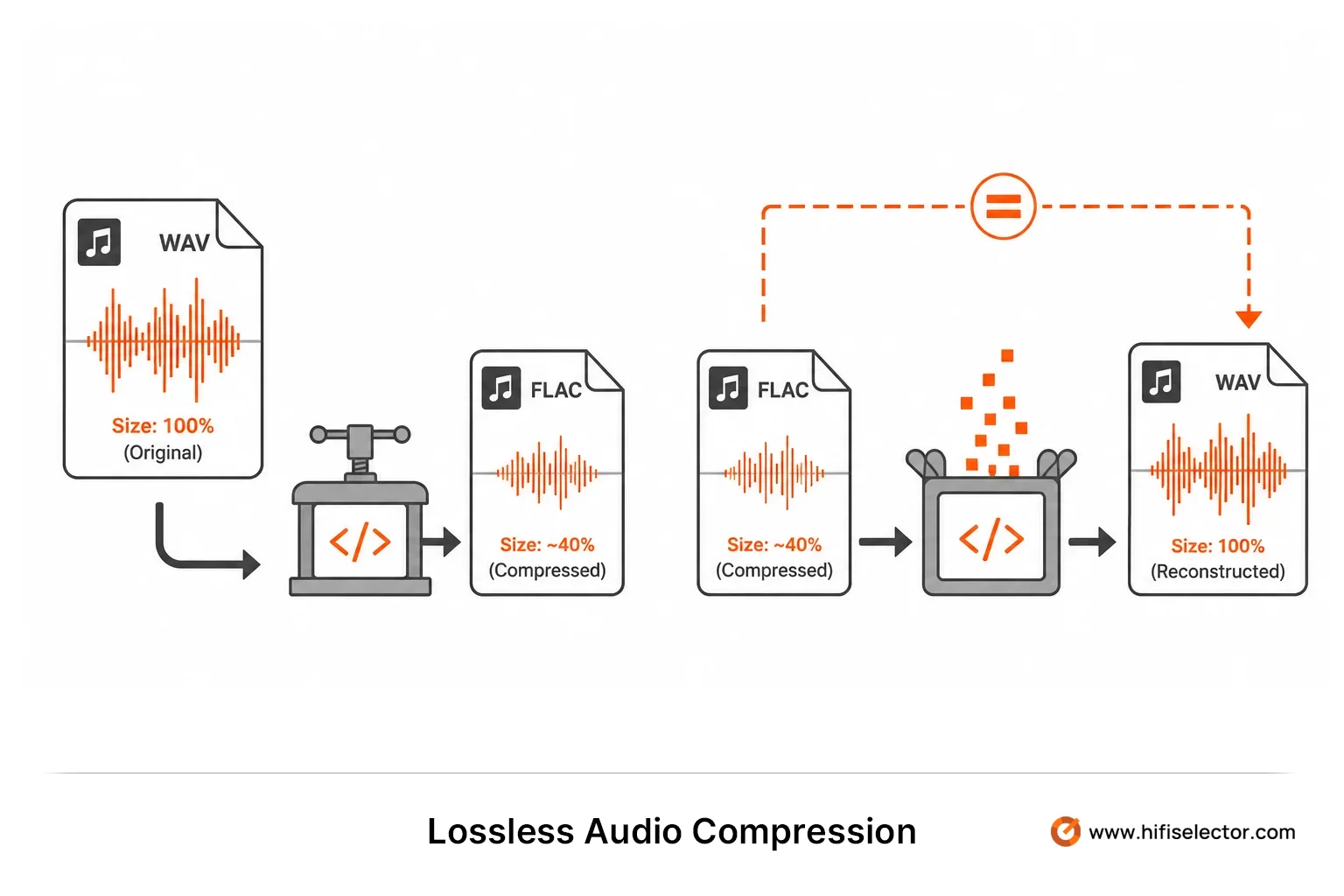
Lossless Audio Compression

Reduces digital audio file size while preserving every original sample, allowing the exact source data to be reconstructed during playback.

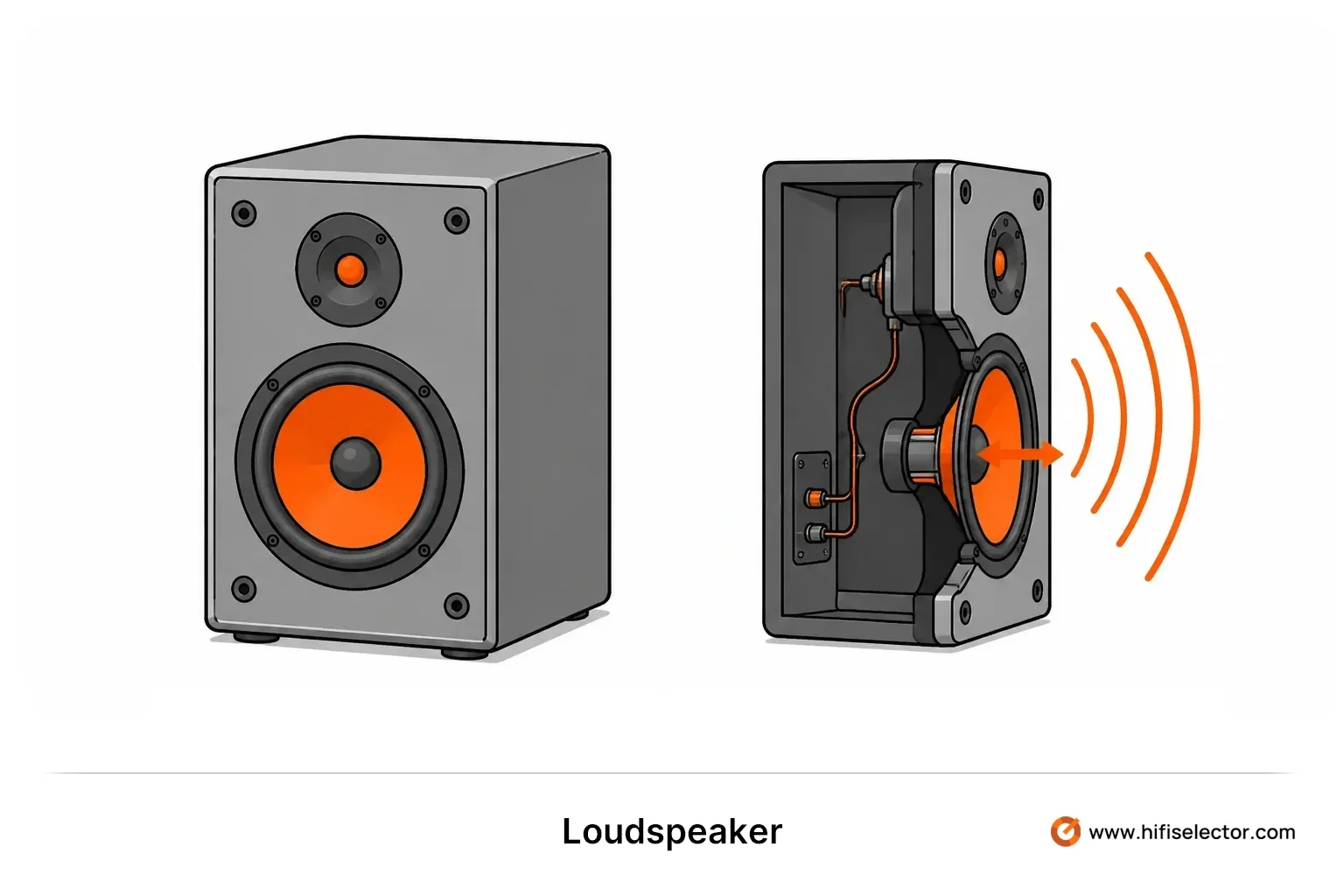
Loudspeaker

An electroacoustic transducer system that converts amplified electrical audio signals into sound using one or more drivers mounted in or on an enclosure.

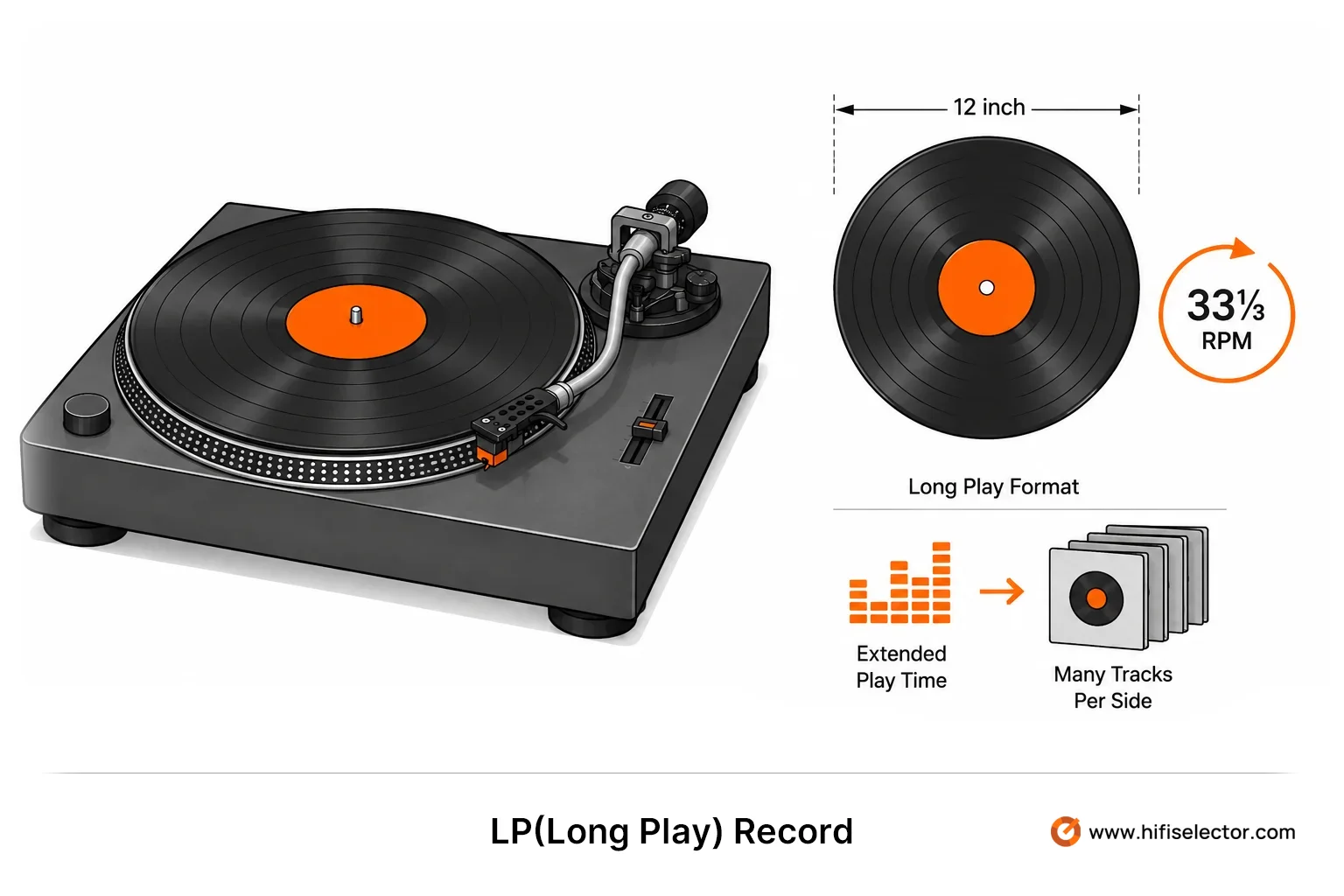
LP (Long Play) Record

A vinyl format typically running at 33⅓ RPM that offers extended playback with multiple tracks per side.

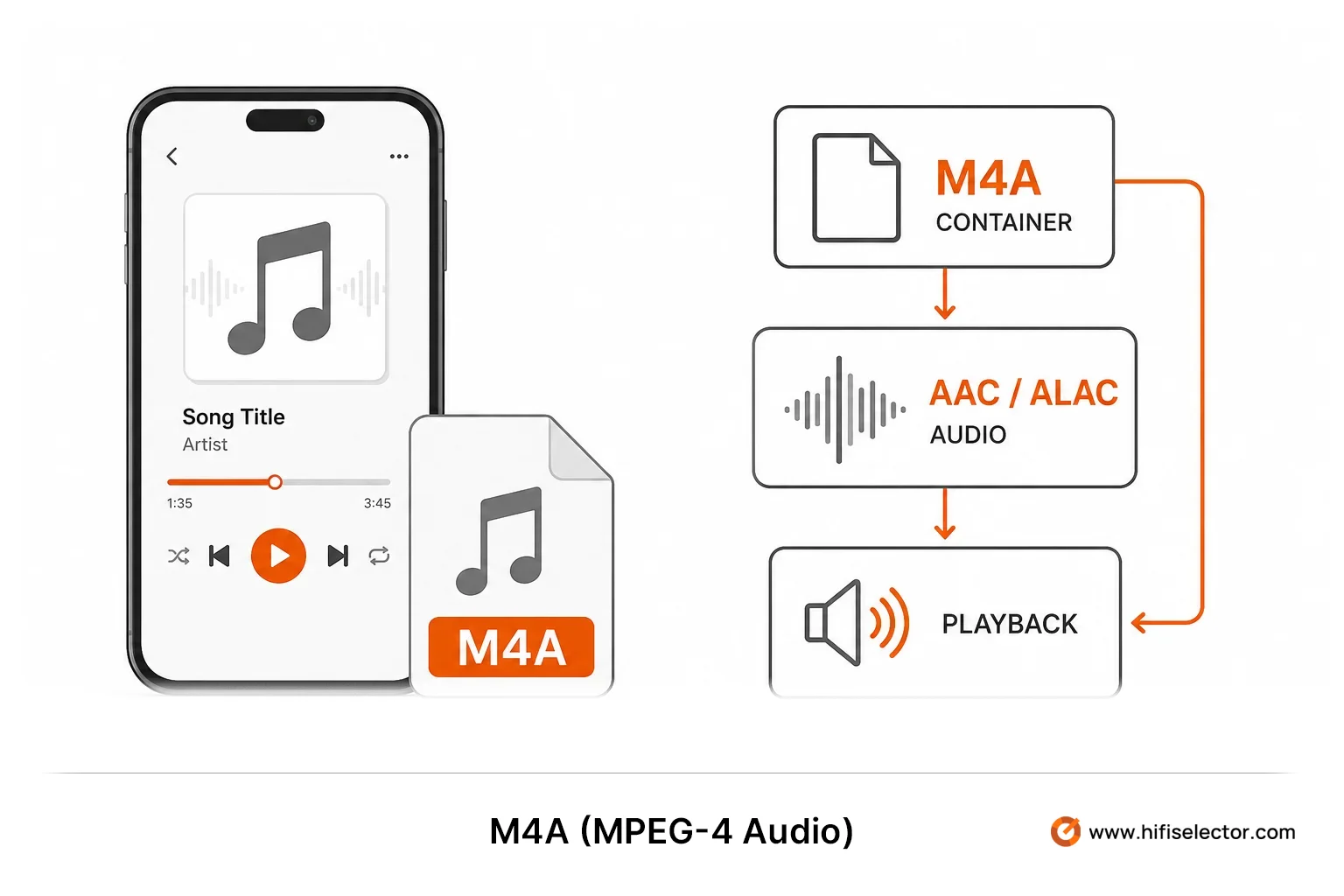
M4A (MPEG-4 Audio)

A common filename extension for MPEG-4 audio containers, which may hold AAC, ALAC, or other supported audio coding rather than defining one codec itself.
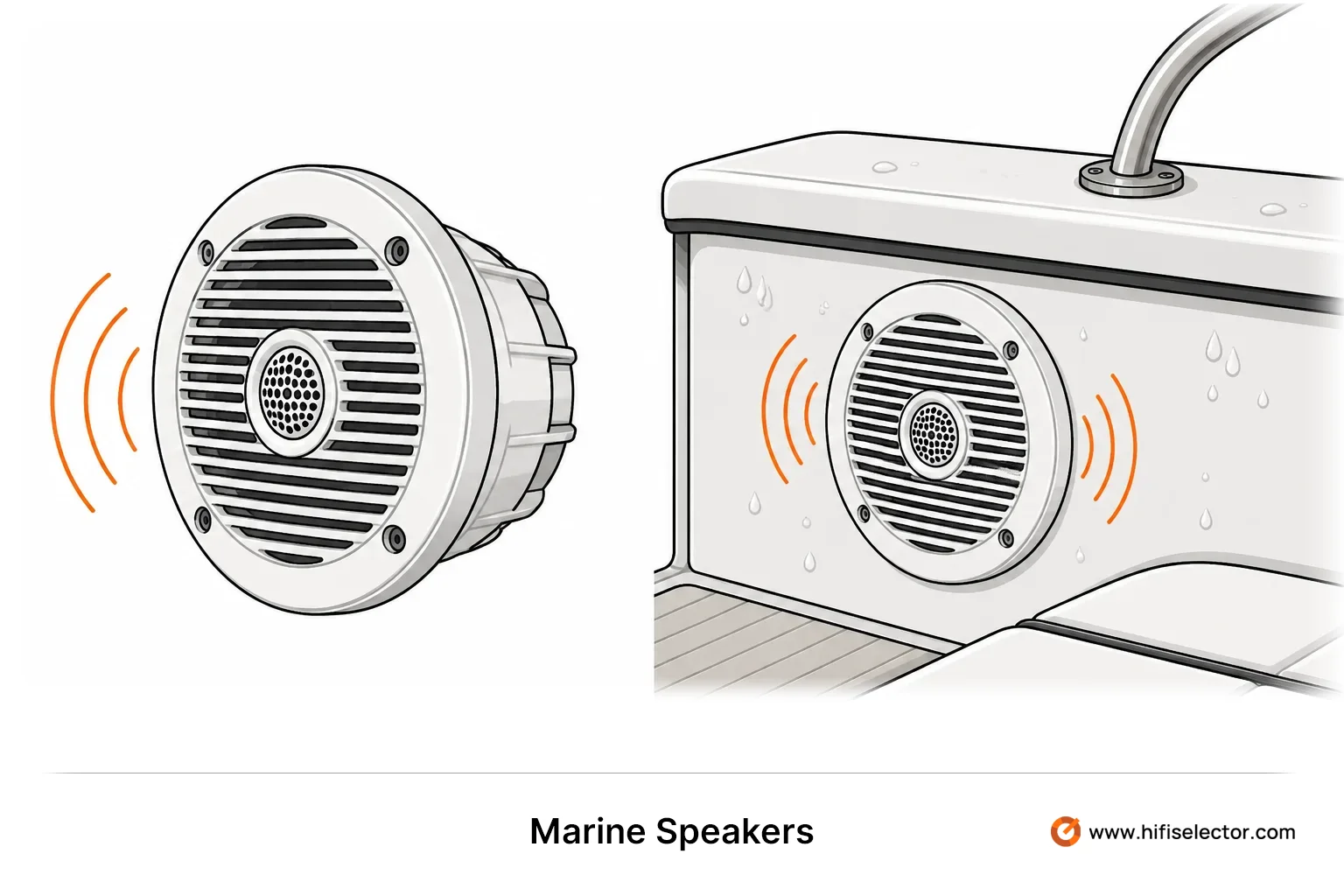
Marine Speakers

Waterproof and corrosion‑resistant speakers designed for use in boats and marine environments, ensuring durable sound quality.

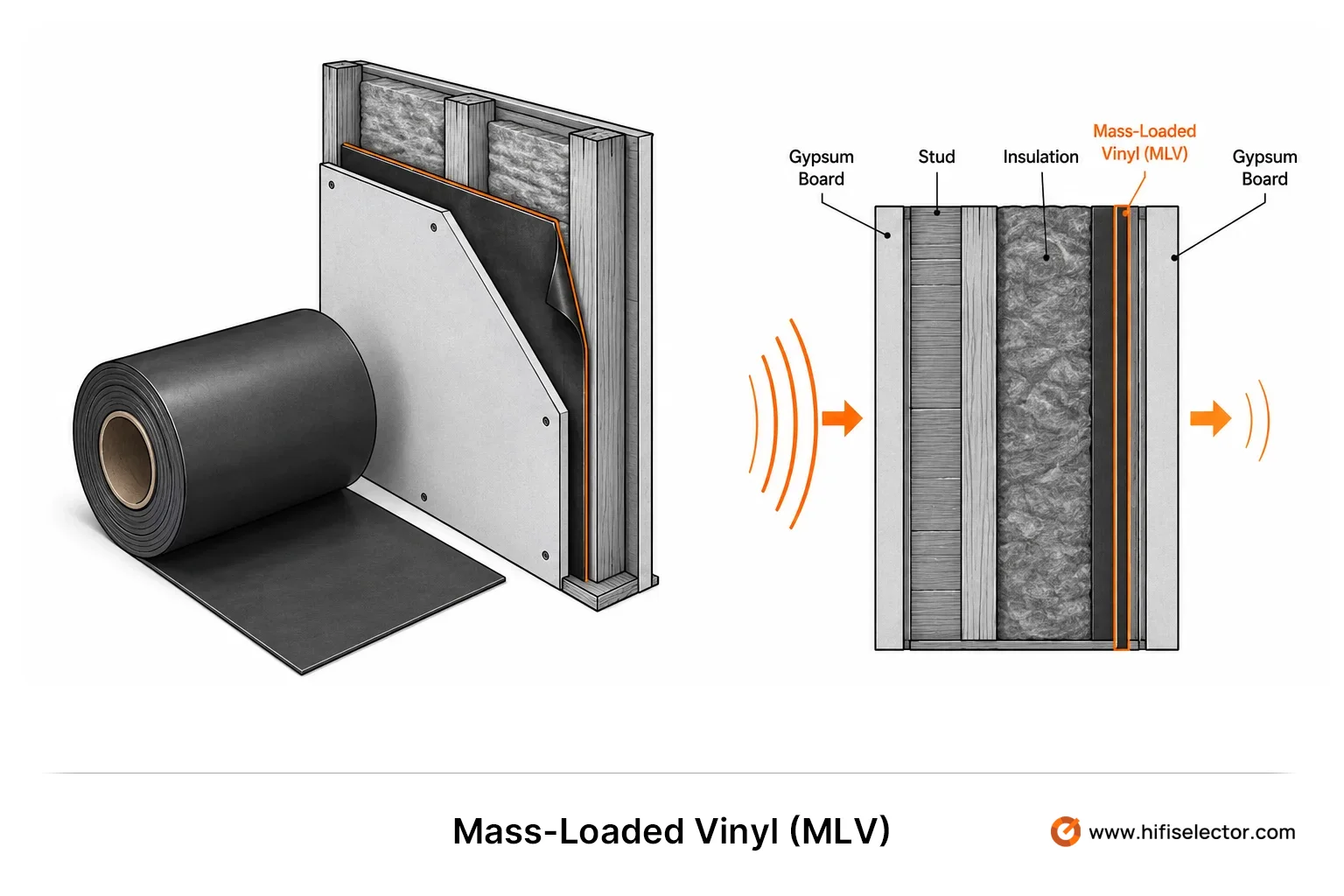
Mass-Loaded Vinyl (MLV)

A dense, flexible material used to add mass to walls, floors, and ceilings, effectively blocking sound transmission.

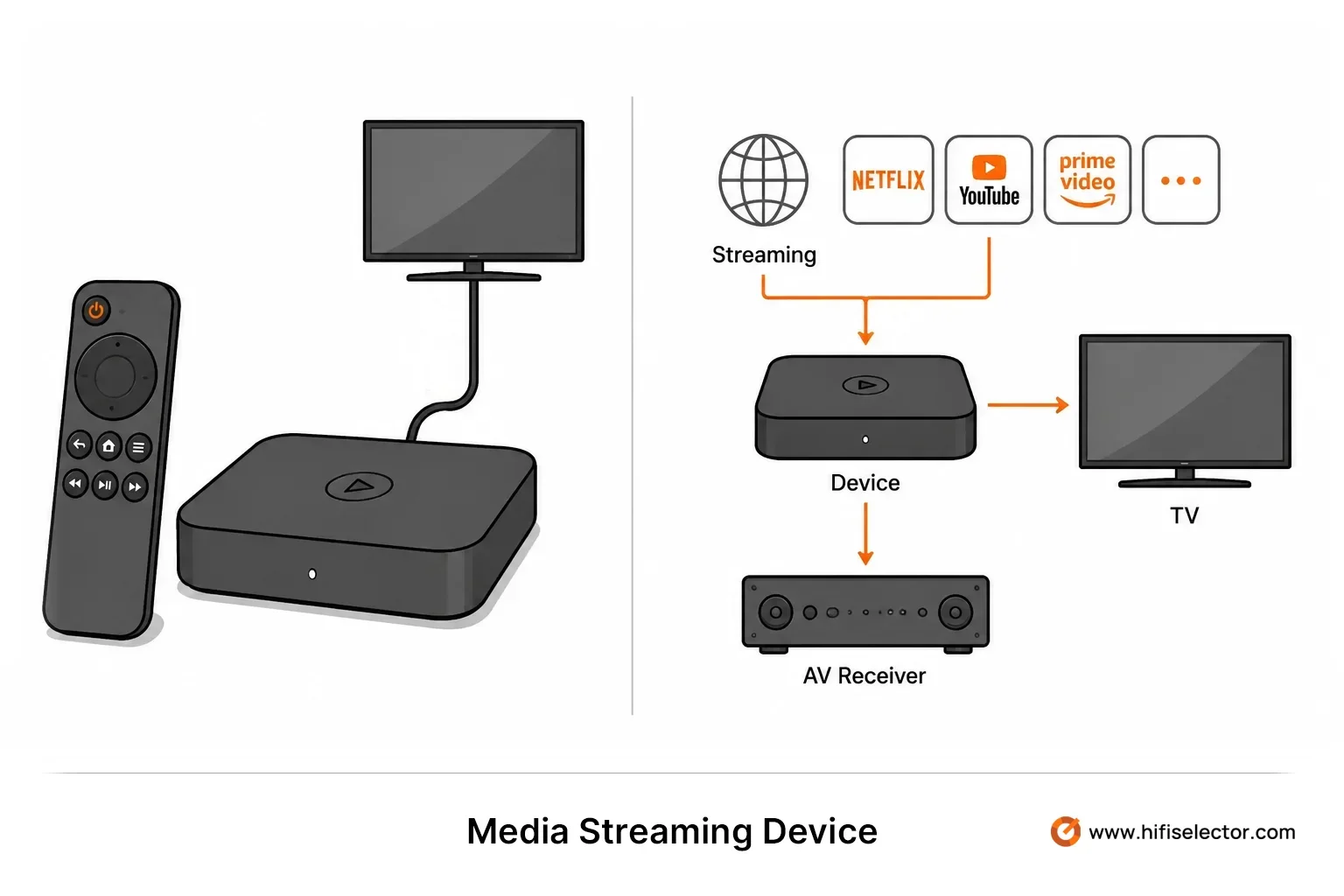
Media Streaming Device

Devices that enable wireless streaming of digital content from the internet or local networks to home theater systems.

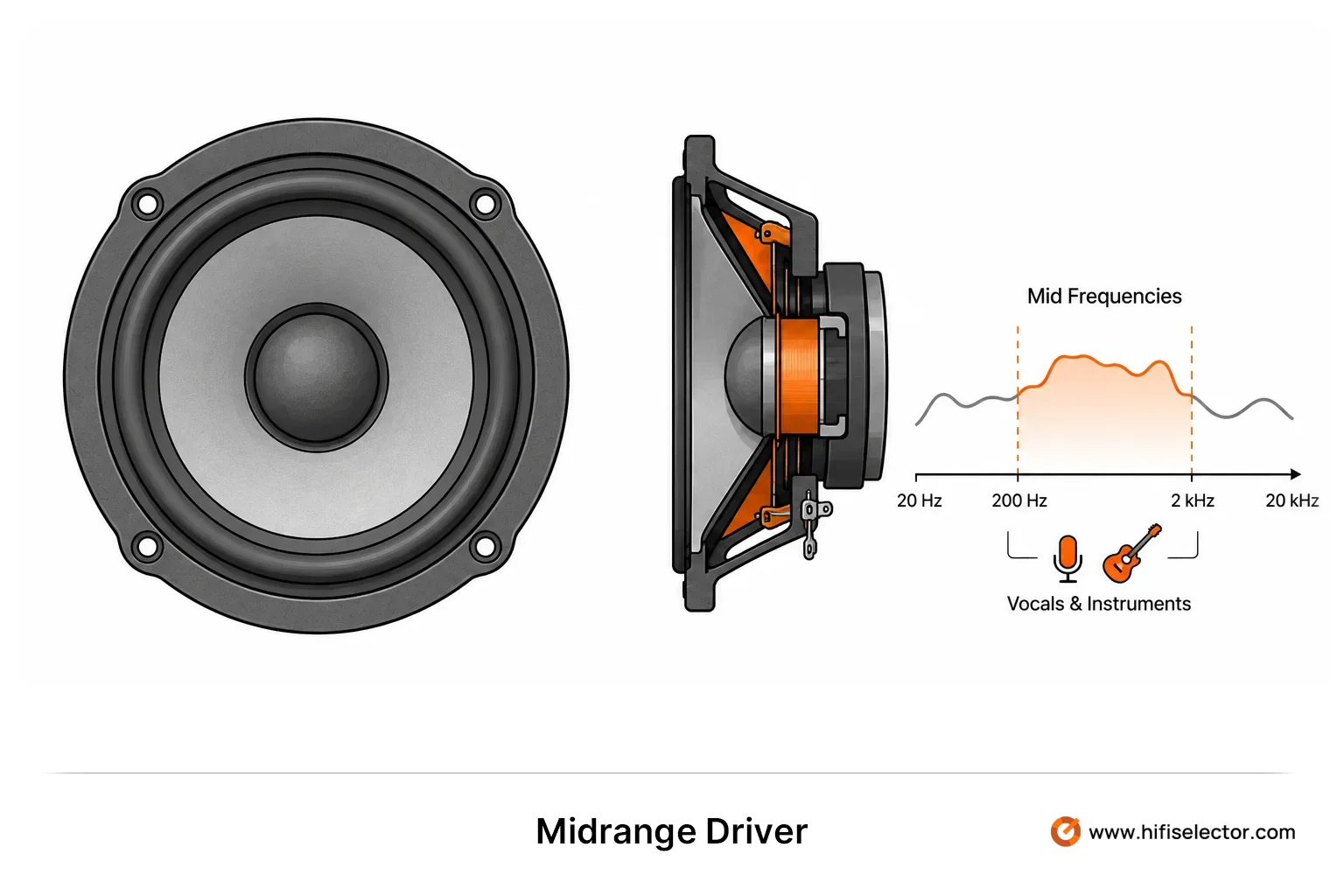
Midrange Driver

A loudspeaker driver optimized for the middle of the audible spectrum, covering much of the vocal and instrumental range between woofer and tweeter.

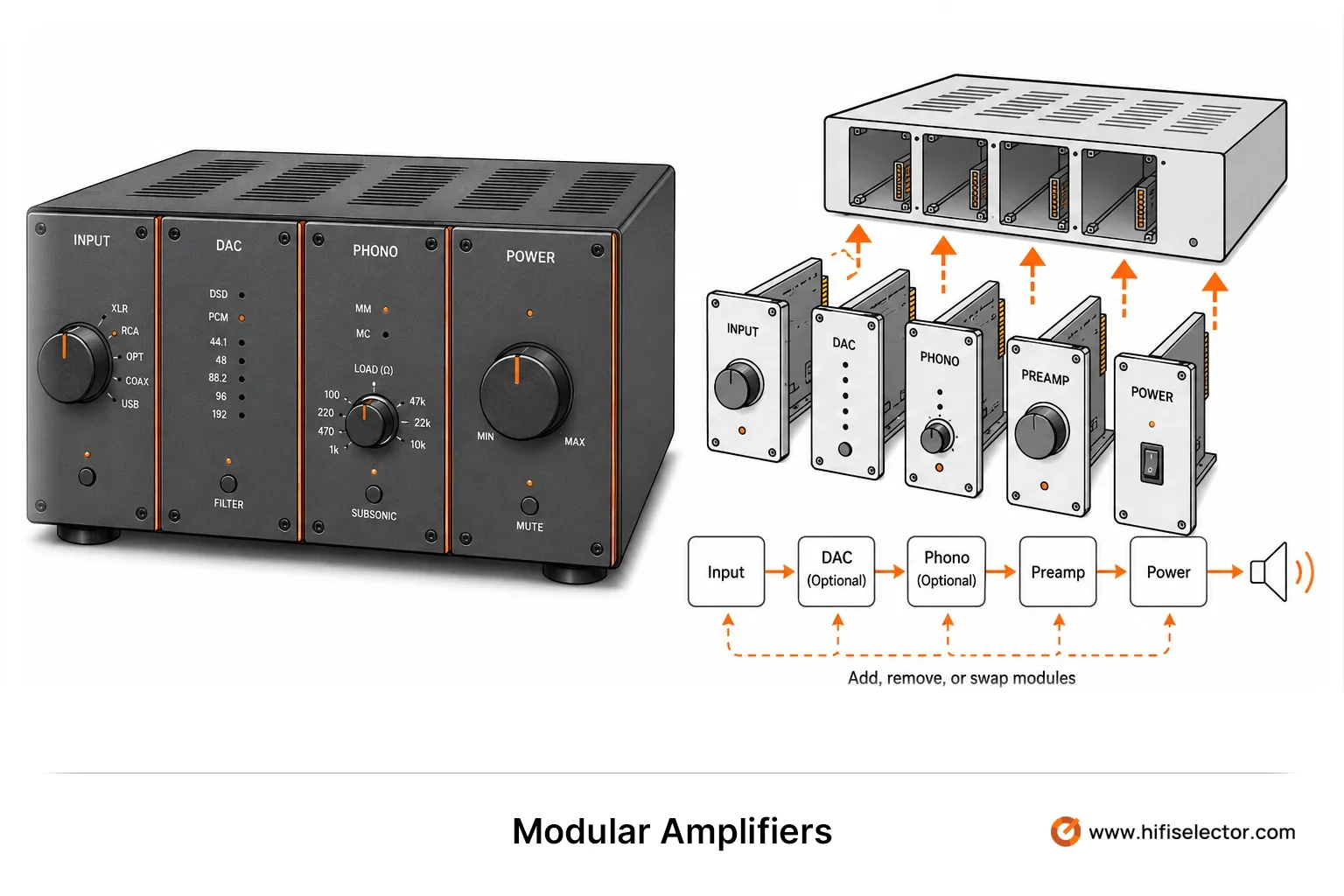
Modular Amplifiers

Amplifier systems built with interchangeable modules, allowing enthusiasts to upgrade or customize components for a tailored sonic performance.

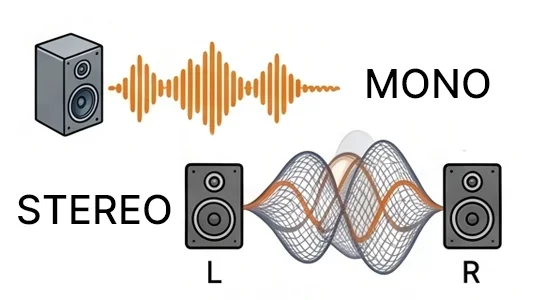
Mono / Stereo

Describes audio channel configurations: mono uses a single channel while stereo employs two channels to create a sense of spatial depth and dimension.

HFS Ad Rotator · default · slot 1
HFS Ad Rotator · default · slot 2

Have a suggestion or found a flaw? Help us improve​

Have a suggestion or found a flaw?