
Bookshelf Speakers
This page provides an extensive index of bookshelf speaker manufacturers from around the world. Our goal is to present the largest possible collection of brands in one place, including both well-known producers and niche companies. Each entry in this directory lists the brand’s country of origin, its founding information, and a direct link to the bookshelf or standmount speaker category on its official website. The resource is designed as a straightforward almanac for researching and discovering speaker companies.
Hi-Fi brands in the category
Summary information and image
Direct links to official websites
Davis Acoustics
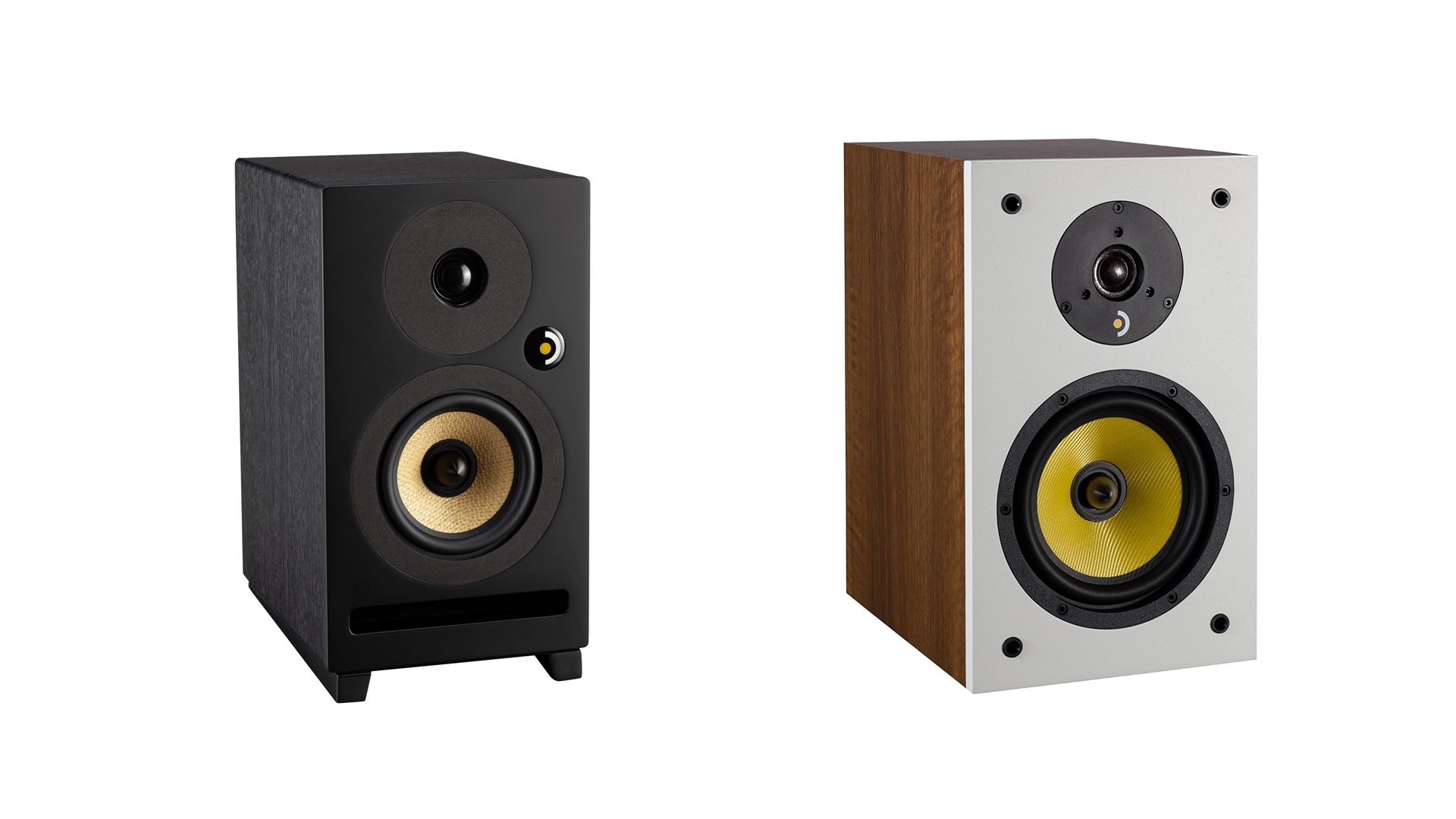
Davis Acoustics is a French loudspeaker company founded in 1986 by electroacoustic engineer Michel Visan after his work at Audax and as technical director of Siare. It began as a driver manufacturer, and its first product, the 13KVL5A mid-bass unit, already used a braided Kevlar cone. Davis then expanded into DIY kits in 1988 and complete loudspeakers with the DK200 in 1993, while continuing to design transducers for its own systems and OEM customers. That vertical expertise remains the brand’s strongest differentiator: Kevlar, carbon fibre, fibreglass, paper and wideband membranes are selected and formed according to the required mass, stiffness and damping rather than used as decorative claims. Finished ranges such as Ariane and Courbet cover conventional stereo and home cinema, while specialist drivers and kits preserve the company’s close relationship with builders. The last wideband project led by Michel Visan, the 20DE8, also became the basis of the single-driver MV One. Davis Acoustics therefore connects French driver engineering, accessible kit culture and complete loudspeakers within one unusually continuous manufacturing history.
Dayton Audio

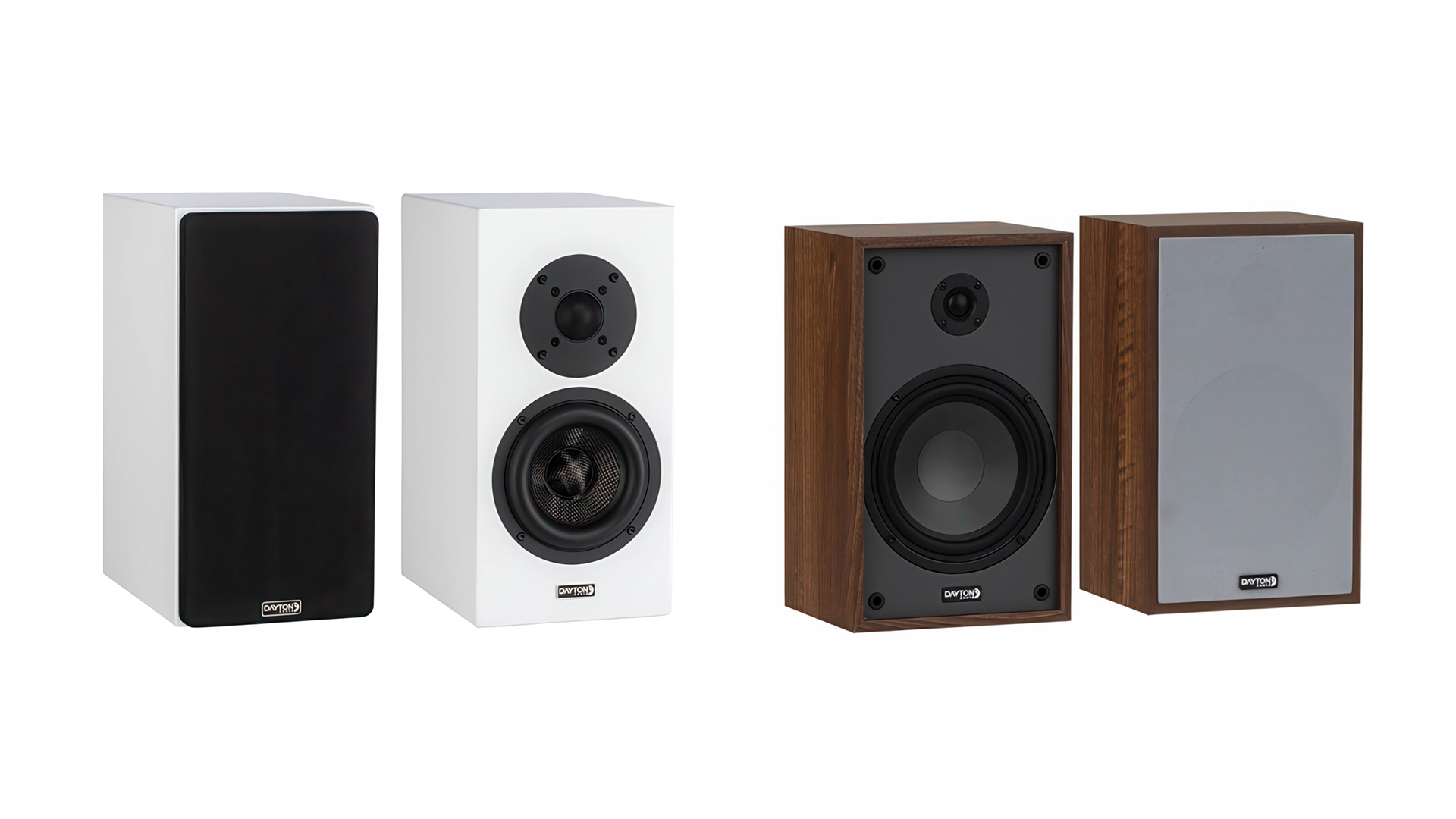
Dayton Audio is the house audio brand associated with Ohio-based Parts Express, serving builders, installers and value-conscious listeners with components that are normally sourced from many separate suppliers. Its catalogue spans individual tweeters, midrange and woofer drivers, passive radiators, subwoofer plate amplifiers, class-D amplifier boards, DSP modules, finished subwoofers, compact speakers and complete kits. Reference and Signature drivers provide measured parameters for original loudspeaker designs, while Ultimax subwoofers prioritise long excursion and power handling. Just as important is the supporting tool chain: the DATS measurement system helps builders determine driver impedance and Thiele-Small parameters, and project documentation makes the parts usable rather than merely inexpensive. Dayton also collaborates with independent designers on kits and supplies OEM or custom-installation solutions through Parts Express. Its distinctive strength is breadth with technical accessibility — drivers, electronics, measurement and practical documentation within one ecosystem — making it especially useful to DIY loudspeaker builders who want compatible parts and test tools from one source.
Definitive Technology

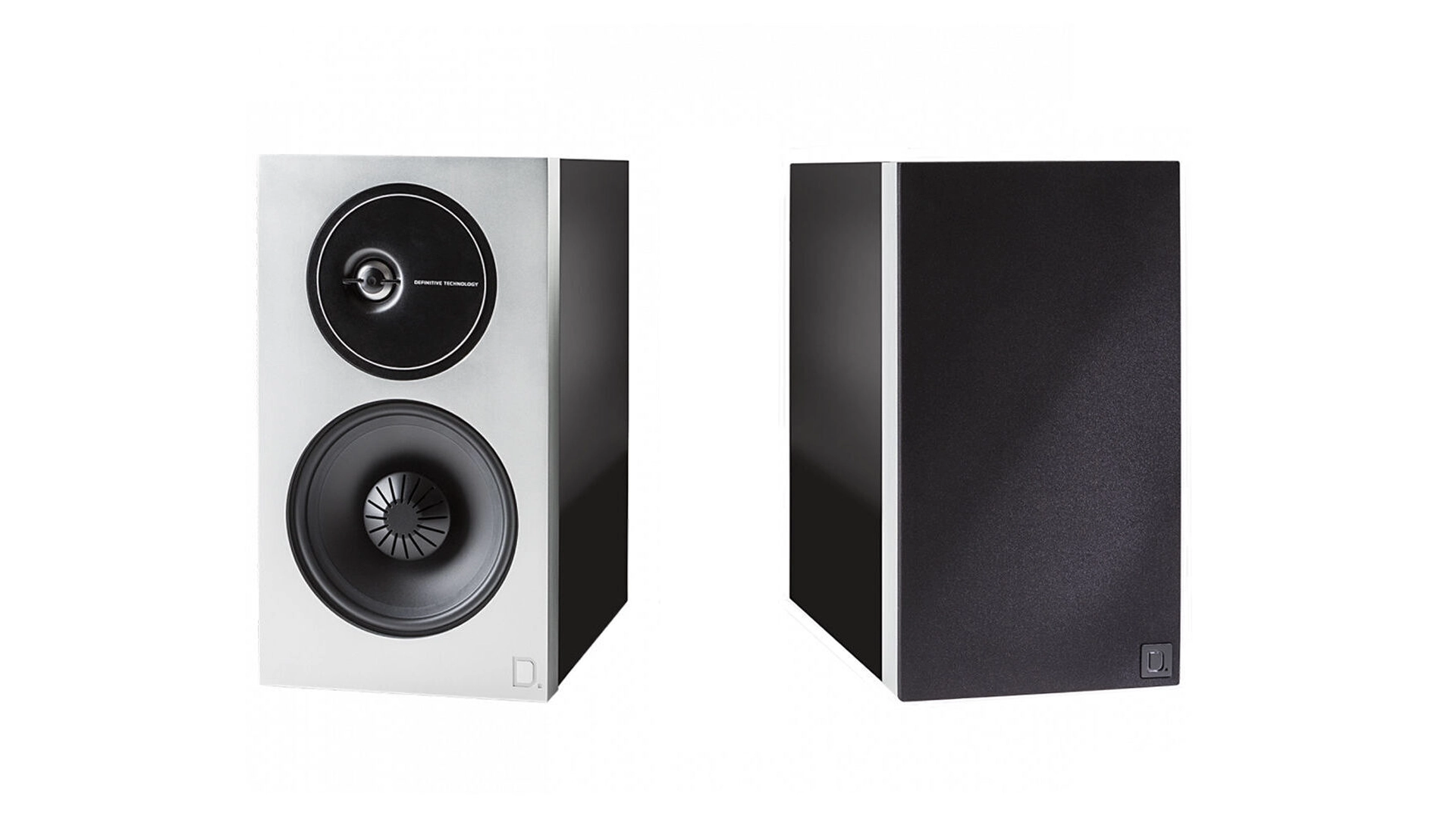
Definitive Technology is the American loudspeaker brand founded in 1990 by Sandy Gross, Don Givogue and Ed Blais, initially around a tower that combined bipolar radiation with its own powered subwoofer. That pairing remains central to the company’s identity. Front- and rear-facing driver arrays create a broader, more enveloping field than a conventional forward-radiating box, while active bass sections allow deep low-frequency output from a relatively narrow cabinet and reduce the burden on an external amplifier. The current Dymension family develops this formula with bipolar towers, integrated powered woofers and optional height modules for immersive home cinema; Mythos applies Definitive’s acoustic approach in slimmer wall-friendly enclosures. Matching centres, surrounds, subwoofers and architectural speakers allow complete multichannel systems rather than isolated stereo models. Although the company has passed through several corporate owners since its 2004 acquisition, the more useful story for users is product continuity: spacious bipolar presentation, substantial built-in bass and visually restrained cabinets designed to make one system effective for both films and music.
Dellichord

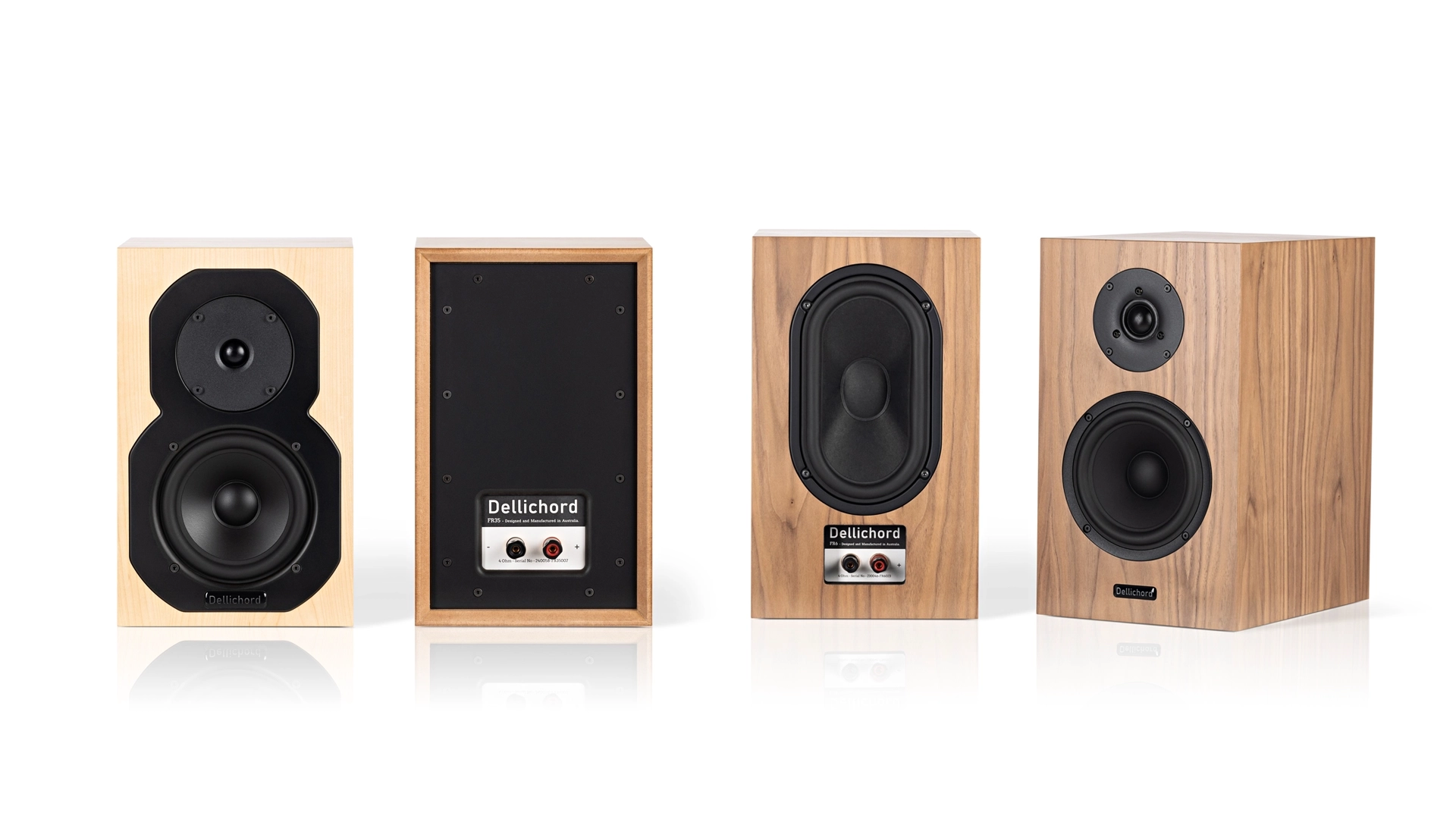
Dellichord is an Australian loudspeaker brand founded in Brisbane in 2021 by electronics technician and long-time hi-fi retailer, importer and distributor Andrew Hutchison through his manufacturing company Stereotech. Its first FR35 monitor deliberately revisited the priorities of the BBC LS3/5A — natural voice reproduction, compact dimensions and long-term listenability — while using contemporary drivers, cabinet construction and crossover development. Australian designer Brad Serhan assisted with the FR35’s crossover and acoustic work, adding experience from Orpheus and Serhan Swift without erasing Hutchison’s original concept. The FR2035 expands the monitor with a dedicated active isobaric bass module, creating a three-way system that can preserve the small cabinet’s midrange character while adding extension and output. Newer models broaden the same locally manufactured family rather than pivoting to unrelated imported products. Dellichord’s individuality is this transparent combination of references and resources: classic British monitor values, modern Australian engineering, local cabinet manufacture and an optional modular bass architecture that lets the compact speaker grow into a full-range system.
Devialet

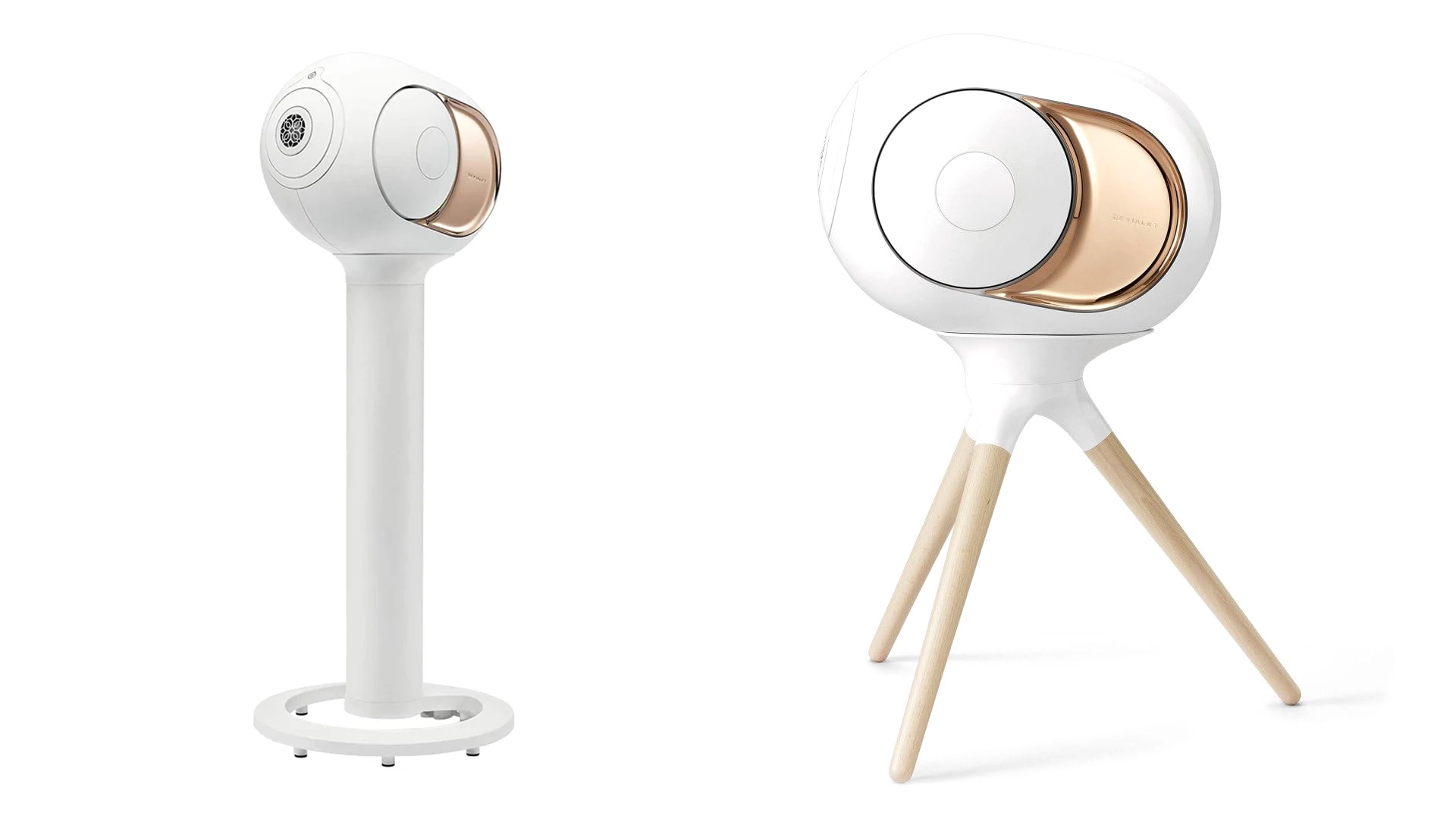
Devialet is a Paris audio-engineering company whose identity rests on packing proprietary amplification, signal processing and acoustic control into unusually compact products. Founded in 2007 by engineer Pierre-Emmanuel Calmel with Quentin Sannié and Emmanuel Nardin, it commercialised Calmel’s ADH architecture, in which a Class A stage controls the signal while Class D supplies most of the power. The original D-Premier evolved into the Expert and Astra amplifier platforms, while the Phantom family translated the same systems approach into active wireless loudspeakers with opposed woofers and extreme excursion. Devialet’s other distinctive technologies include SAM, which tailors amplifier output to a measured passive loudspeaker, and the pressure-controlled bass architecture used in Phantom. The range has expanded to Mania portable speakers, Dione soundbars and Gemini earphones, but the common thread remains tight integration of analogue circuitry, switching power, DSP, mechanics and industrial design. Devialet is therefore best understood not simply as a luxury speaker brand, but as a technology-led manufacturer that develops the complete signal-to-sound chain.
DeVore Fidelity

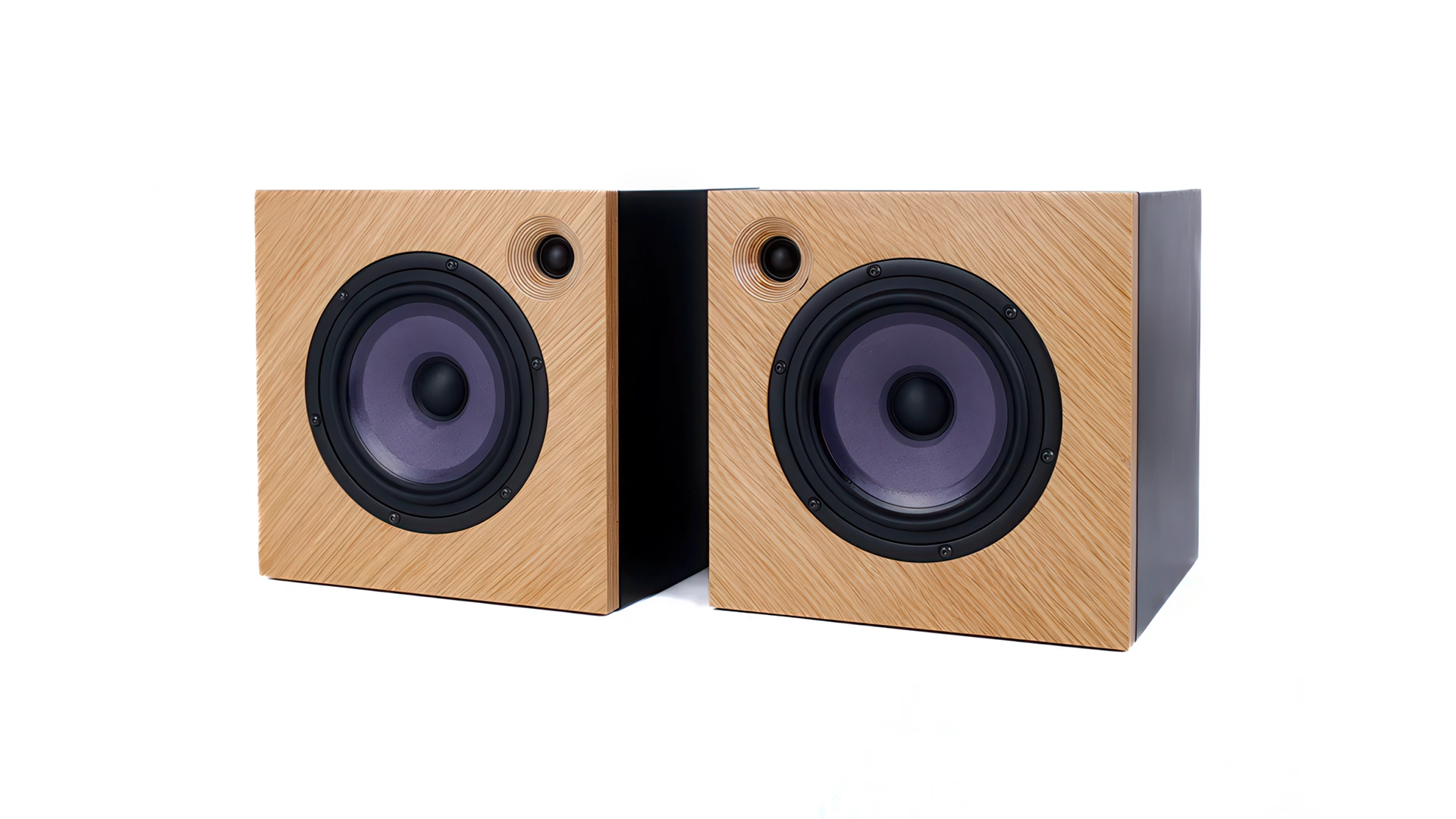
DeVore Fidelity is a Brooklyn loudspeaker workshop founded in 2000 by musician and designer John DeVore, with every speaker built by hand in New York. The brand is especially associated with the Orangutan series: wide-baffle, high-sensitivity designs created to preserve tone and dynamic contrast while remaining friendly to lower-powered tube amplifiers. Large paper-cone woofers, carefully shaped cabinets and deliberately simple electrical interfaces distinguish models such as the O/96, O/baby and the four-piece O/Reference. The slimmer Gibbon lineage, including the Super Nine, approaches the same goal through a more conventional floorstanding form and broader amplifier compatibility. DeVore does not treat sensitivity as a marketing number alone; cabinet proportions, driver behaviour and crossover voicing are developed together so the speaker can move easily from quiet listening to realistic musical peaks. The result is a recognisable alternative to compact, low-efficiency high-end speakers: physically expressive loudspeakers designed around musical scale, timbre and the practical use of specialist valve amplification.
Diapason
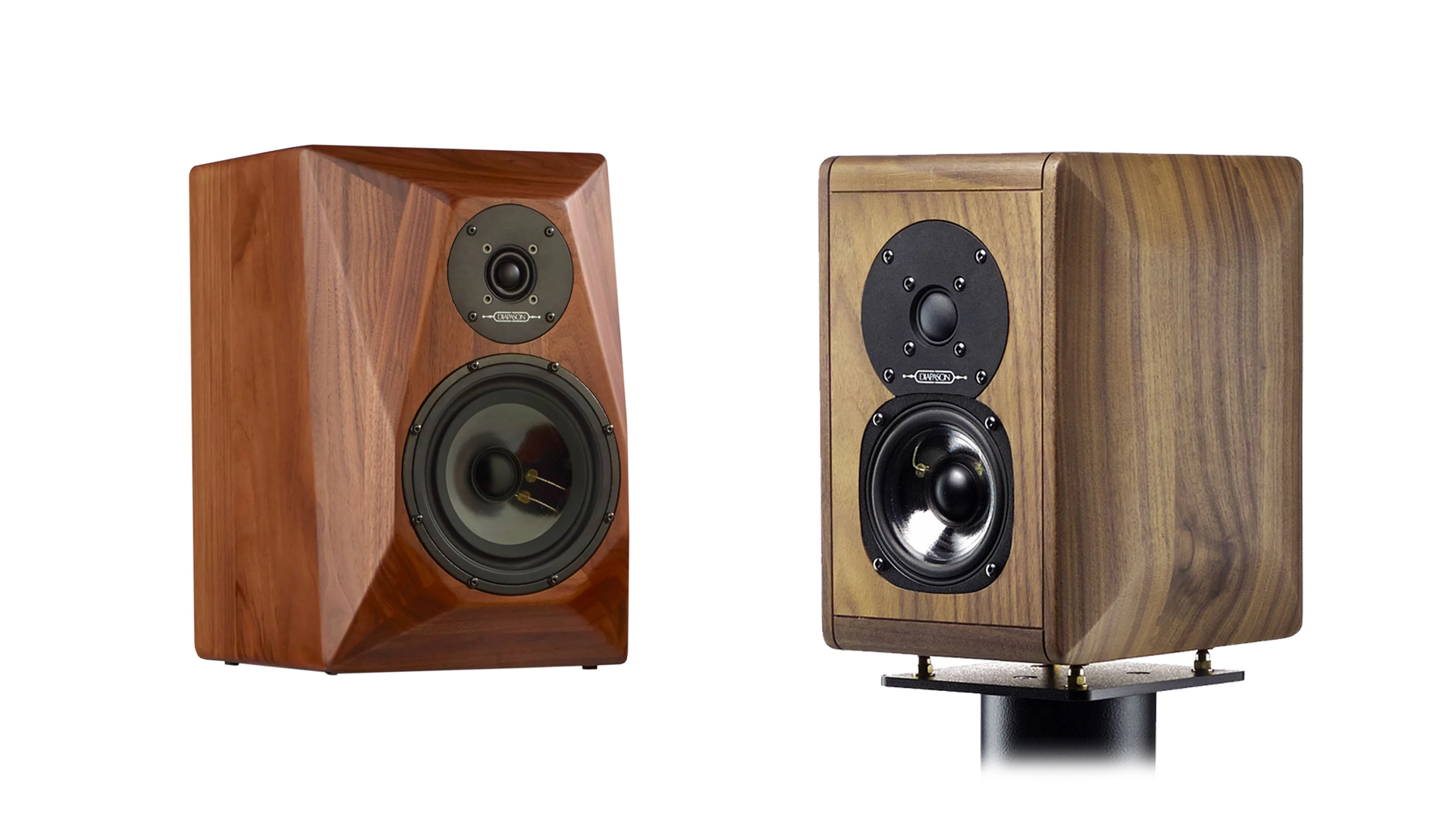
Diapason is an Italian loudspeaker house founded in Brescia in 1987 by Alessandro Schiavi, a conservatory-trained musician and live-classical recording engineer. His first commercial direction grew from a practical need for a monitor he could trust at the Teatro Grande, so Diapason’s design language began with the relationship between live instruments, microphone feed and playback rather than with fashion. The Prelude established the idea; Adamantes became the signature expression through a compact, multi-faceted cabinet made from solid walnut, shaped to control diffraction and cabinet behaviour. Later models such as Astera, Karis, Didascalìa and the large Dynamis extend the range without abandoning carefully selected drivers, minimal but precisely voiced crossover networks and Italian cabinet work. The sculpted enclosures are not merely decorative: their geometry, thick wood sections and rounded or angled surfaces form part of the acoustic design. Diapason’s particular appeal is the continuity between recording experience and manufacture — loudspeakers conceived as tools for preserving instrumental colour, spatial cues and the natural timing of a performance.
Diora Acoustics
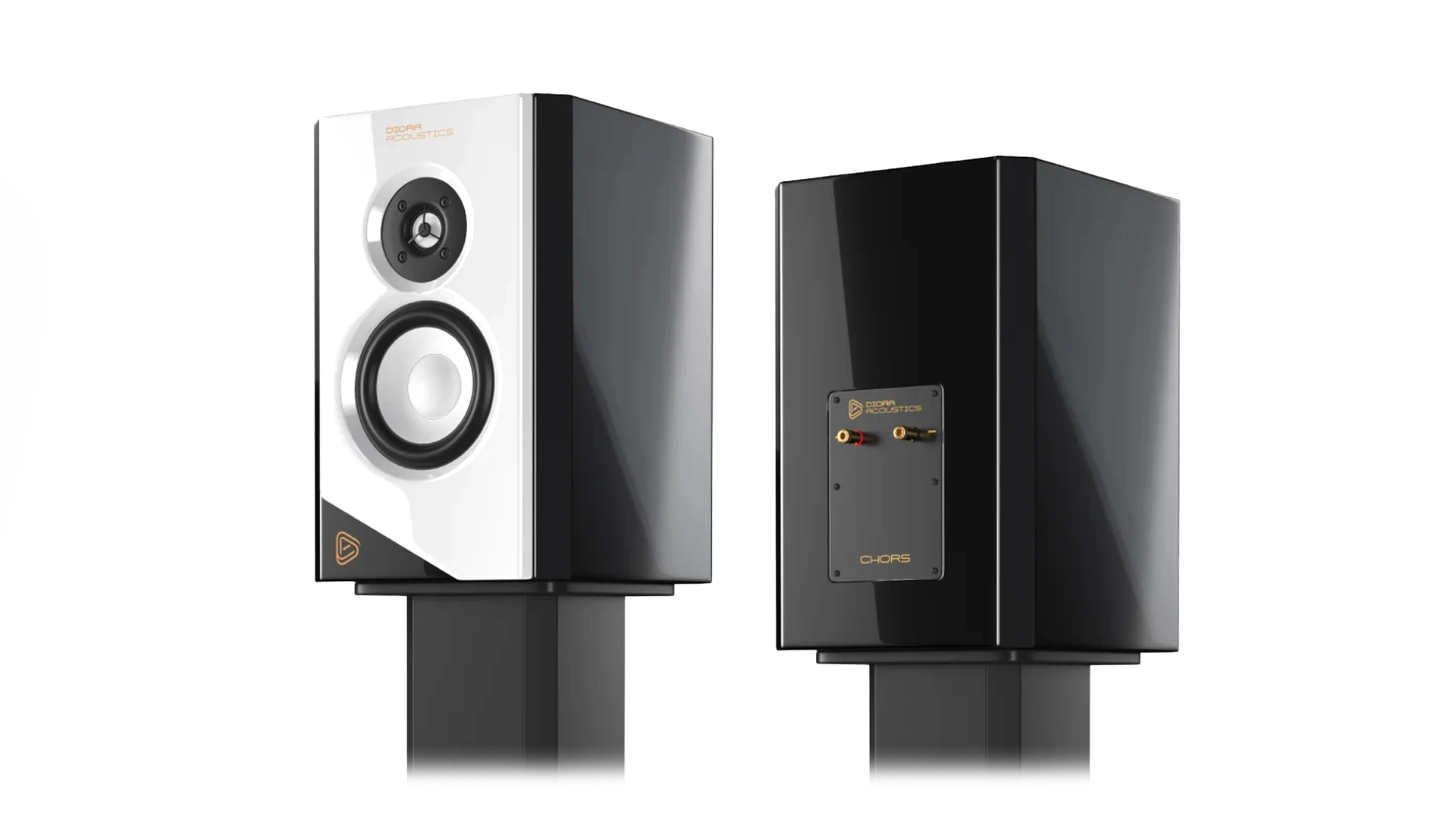
Diora Acoustics is a Polish loudspeaker brand launched in 2023 from the manufacturing base of Diora-Świdnica, a factory with decades of experience producing cabinets and complete products for other audio companies. That background is the brand’s genuine advantage: woodworking, veneering, lacquering, CNC machining and final assembly were already core industrial skills before Diora began selling modern loudspeakers under its own name. The ranges use clearly different acoustic approaches rather than cosmetic tiering. Chors models combine sealed cabinets with ceramic drivers; Lada employs wide-band isodynamic transducers; Perun couples a horn-controlled upper range to a powerful bass section; and Polaris uses passive radiators to extend and control low frequencies. The heritage must be stated carefully: the post-war Diora name and the Świdnica plant date much earlier, but Diora Acoustics as a current branded loudspeaker line began in 2023. Diora-Świdnica entered insolvency proceedings in 2025; production was partly restarted under a Unitra lease while the acquisition process continued in 2026. Product availability should therefore be confirmed, although the engineering and manufacturing lineage is real.
Dutch & Dutch
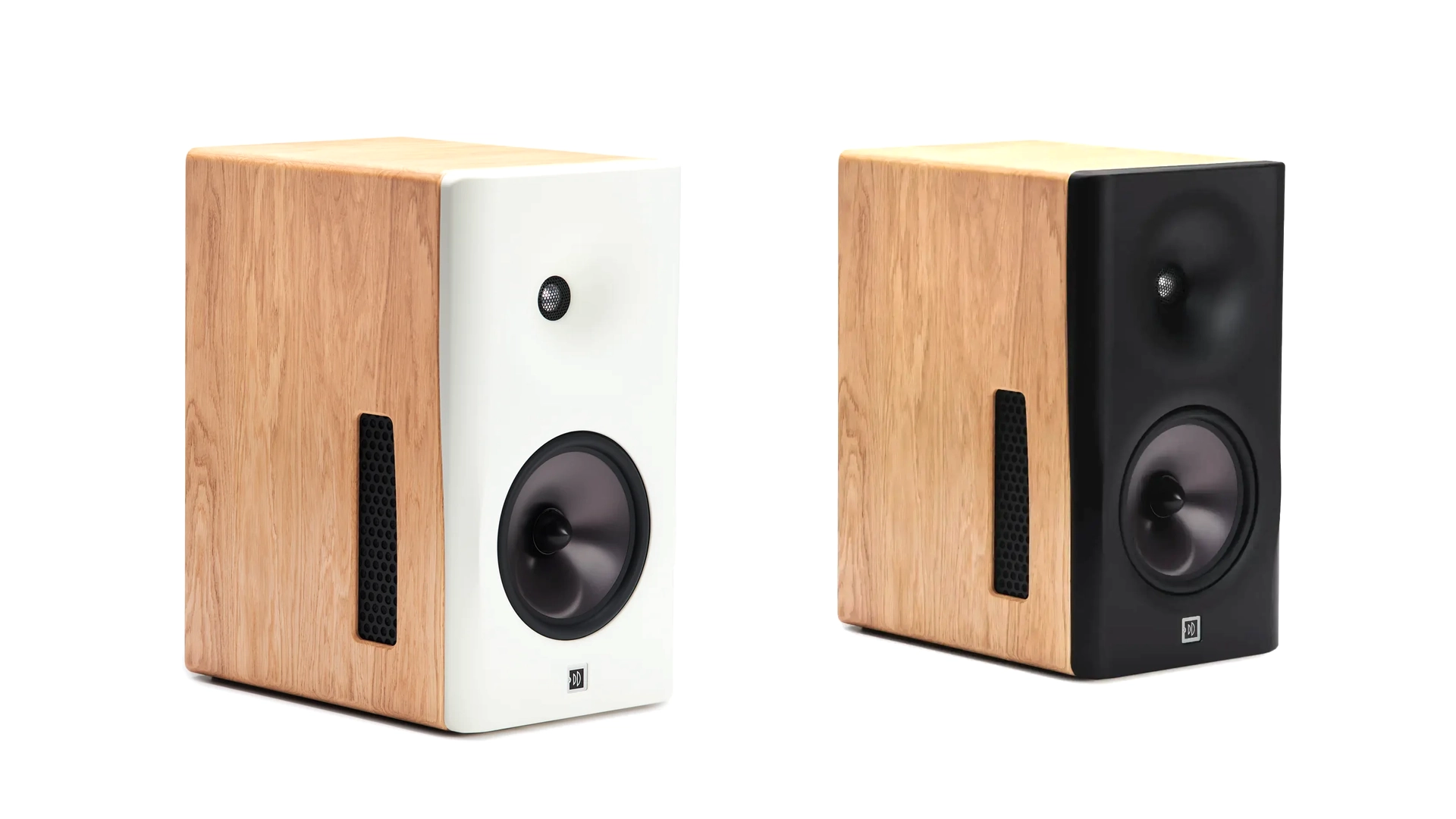
Dutch & Dutch is a Rotterdam loudspeaker company founded in 2014 to make the interaction between speaker and room part of the design rather than an afterthought. Its 8c active monitor combines a waveguided tweeter, cardioid midrange, rear low-frequency drivers, onboard amplification and DSP in one network-connected system. The cardioid section reduces energy sent toward the wall behind the speaker, while the rear woofers are intended to use nearby boundaries deliberately; together they make placement predictable in real rooms instead of chasing anechoic flatness alone. DSP controls crossover, phase and time behaviour, and the company’s RoomMatching tools let the user account for placement and room modes without changing the basic acoustic identity. Analogue, digital and network operation allow the 8c to function as either a conventional active speaker or a compact streaming system. The newer 6c brings the same controlled-directivity and integrated philosophy to a smaller format. Dutch & Dutch’s key innovation is this union of passive acoustics and software: radiation pattern, boundary loading, amplification and calibration are engineered as one reproducible loudspeaker-room system.
Dynaudio

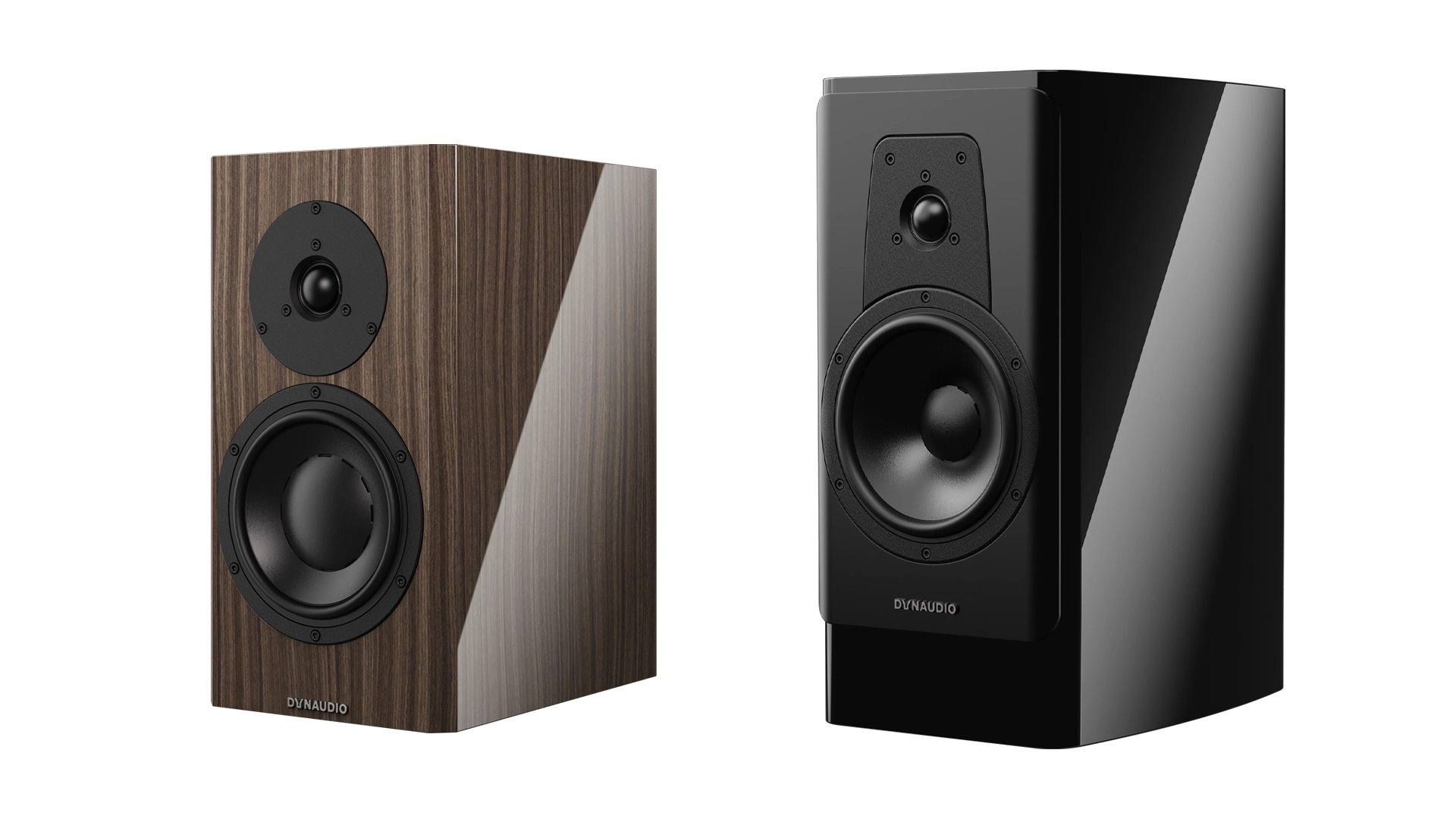
Dynaudio is a Danish loudspeaker and driver manufacturer founded in 1977 in Skanderborg, built on the decision that control over the finished speaker required control over the transducers themselves. Its long-running technical signatures include magnesium silicate polymer cone material, large-diameter lightweight voice coils and coated soft-dome tweeters, developed and manufactured in-house rather than selected from a standard supplier catalogue. Esotar tweeters represent the reference end of that work, while technologies such as Hexis inner domes manage airflow and resonance behind the diaphragm. The home range spans Emit, Evoke, Contour, Confidence and Heritage models; Focus combines active amplification, wireless streaming and room-related DSP. Dynaudio Professional applies the same driver knowledge to studio monitors, and the company also engineers custom-install and automotive systems. Product categories vary, but the defining advantage remains vertical acoustic integration: diaphragm material, motor, voice coil, crossover, cabinet and voicing can be developed together. That continuity gives Dynaudio a recognisable engineering identity across compact monitors, large floorstanders and professional control rooms.
Dynavoice
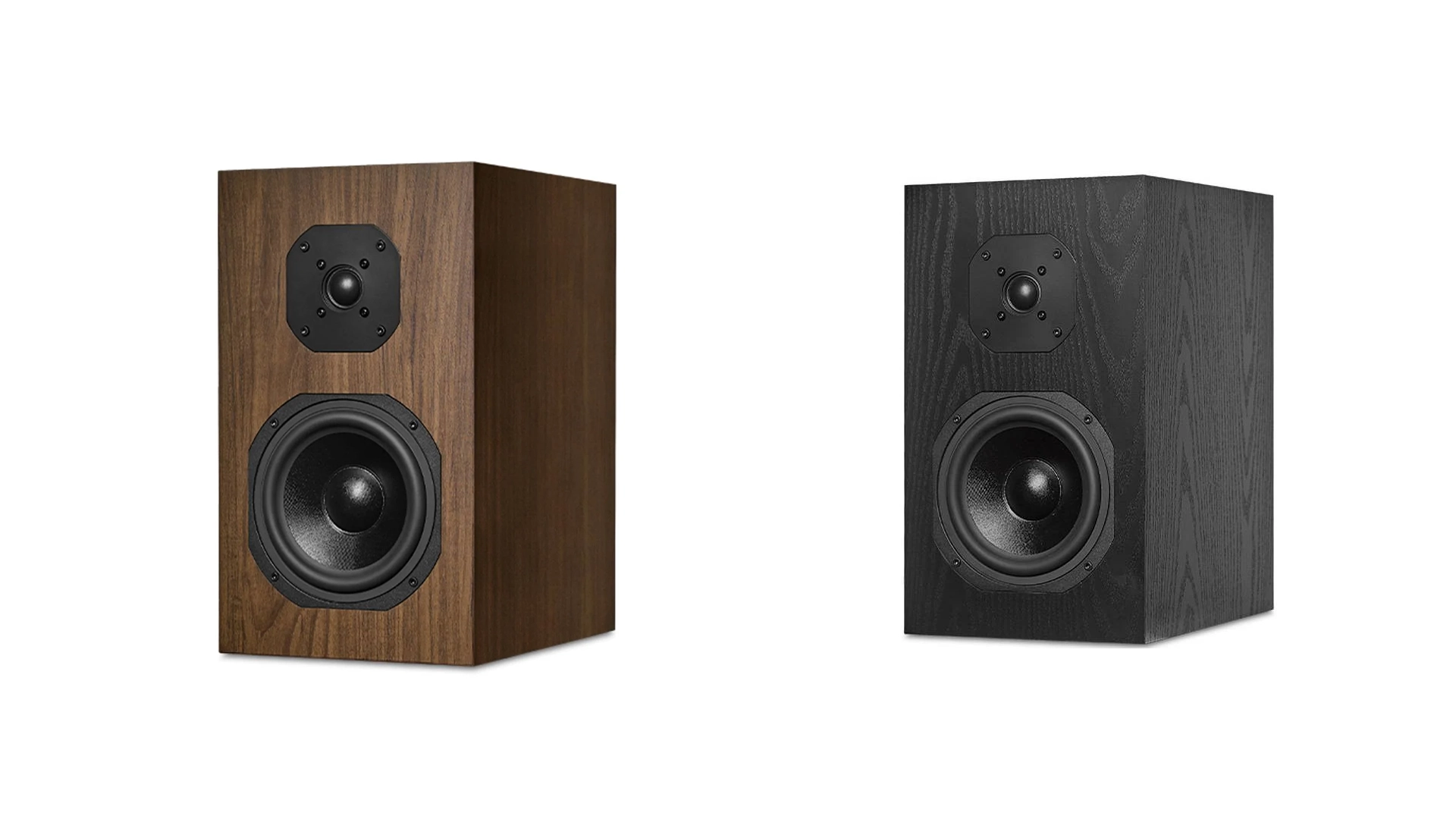
Dynavoice is a Swedish loudspeaker brand built around an unusually practical promise: full-scale stereo and home-cinema sound without turning sensible pricing into an apology. Its roots reach back to 1975, when Tommy Wadensten began the JWS loudspeaker business in Falkenberg; Dynavoice later emerged from that engineering and distribution lineage as the company’s more ambitious speaker identity. The range is structured for real systems rather than one showcase model. Magic covers accessible stereo and surround installations, Challenger adds greater output and cabinet scale, and Definition moves upward with ribbon-assisted high-frequency reproduction and more elaborate driver layouts. Matching centre, surround and subwoofer models make the same voicing available across multichannel setups. A recognisable Dynavoice feature is X-Change, a passive terminal arrangement on selected speakers that lets the owner adjust treble balance without inserting an electronic equaliser. The brand’s strength is therefore not exotic storytelling but system breadth, lively dynamics and useful tuning options developed by a company with decades of Scandinavian loudspeaker experience.
Eclipse

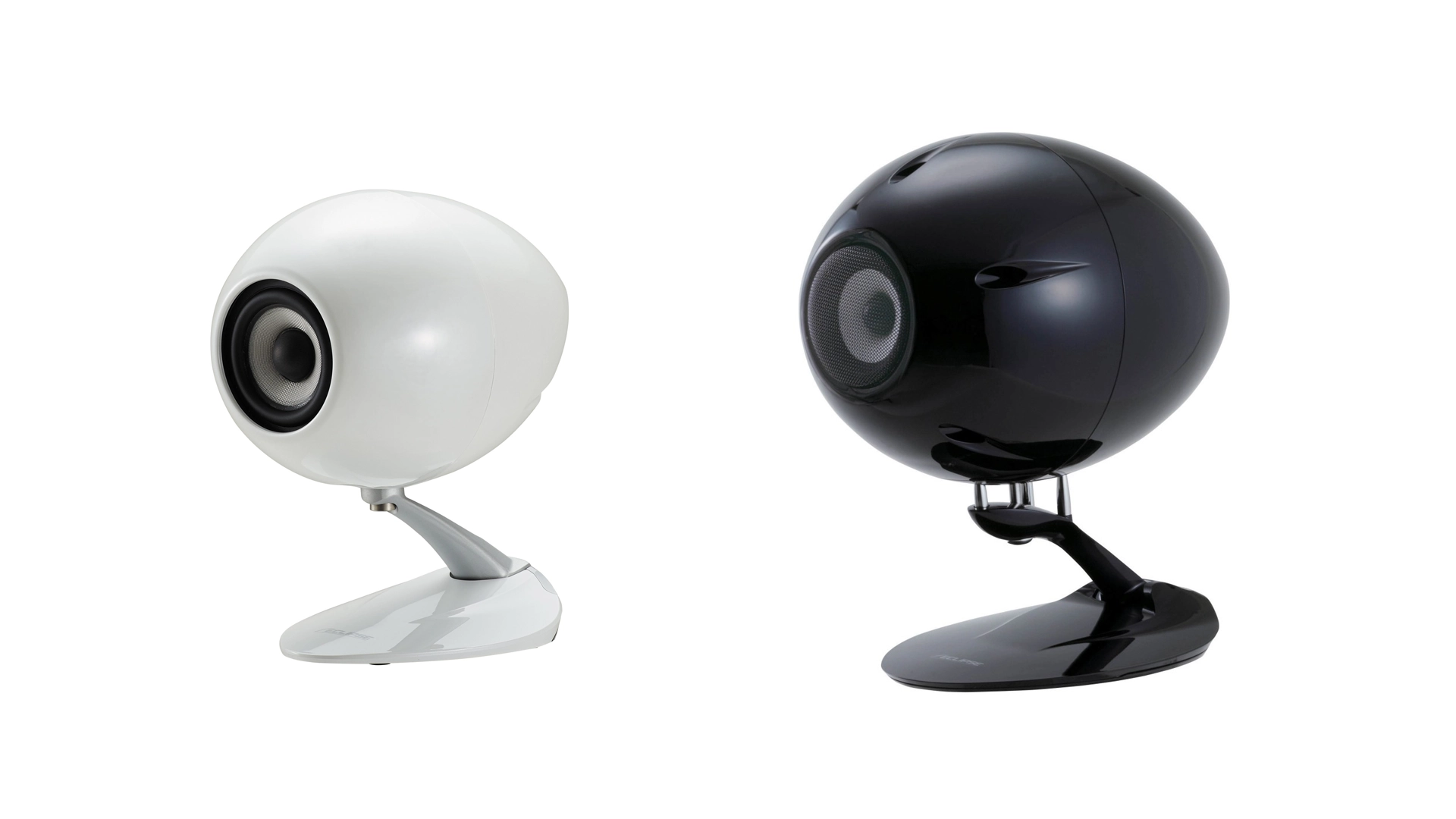
ECLIPSE TD is a Japanese loudspeaker brand launched by Fujitsu Ten in 2001 and now carried by DENSO TEN, built around one demanding idea: preserve the timing and shape of a musical waveform before optimising conventional frequency-response figures. Its egg-shaped speakers use a single full-range driver wherever possible, avoiding the crossover phase shifts and separated acoustic centres of multiway systems. The enclosure is shaped to reduce diffraction, but the more unusual engineering sits inside. A Diffusion Stay supports the driver while isolating it from the shell, and a rear Mass Anchor provides an inertial path for reaction forces so less energy is stored and re-radiated by the cabinet. Models such as the compact TD307MK3 and larger TD510ZMK2 scale this time-domain architecture for desktop, stereo and multichannel use; dedicated TD subwoofers use opposed or mechanically controlled drive arrangements to complement the speed of the main speakers. ECLIPSE does not promise the widest bandwidth from the smallest box. Its speciality is impulse behaviour, point-source coherence and sharply defined spatial information—qualities derived from structural mechanics as much as from the driver itself.
EJ Jordan

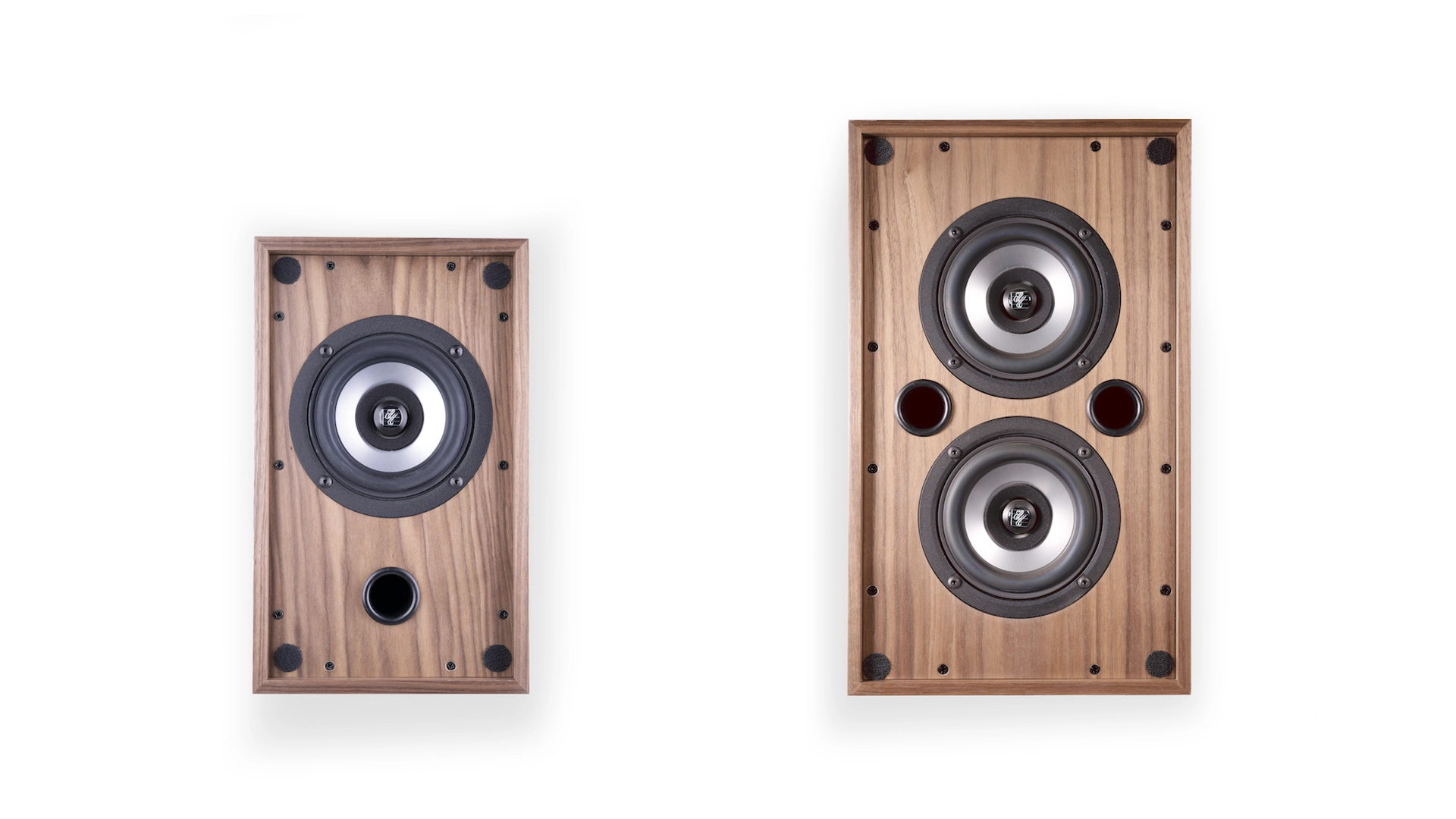
EJ Jordan Designs is the British loudspeaker company founded by Ted and Denise Jordan in 1982 to advance Ted Jordan’s lifelong work on wide-band metal-cone drivers. The date matters: 2016 was the year Ted died, not the company’s foundation. His research had begun much earlier, including the Jordan-Watts era and the development of compact modules intended to cover most of the audible range without a conventional midrange-to-tweeter crossover. That principle matured through drivers such as the JX92S and today’s Eikona 2, a precision 100 mm alloy-cone unit used in single-driver and modular loudspeaker systems. By asking one diaphragm to reproduce a very broad band, EJ Jordan aims to preserve a common acoustic centre and consistent phase behaviour through the critical voice and instrument region. Enclosure design remains flexible: the company publishes and supports transmission-line, reflex, compact and array concepts rather than insisting on one cabinet. The essential know-how is the driver itself—cone profile, suspension, motor and controlled breakup developed together so a small transducer can deliver coherence, useful bass and extended treble with minimal electrical intervention.
Elac

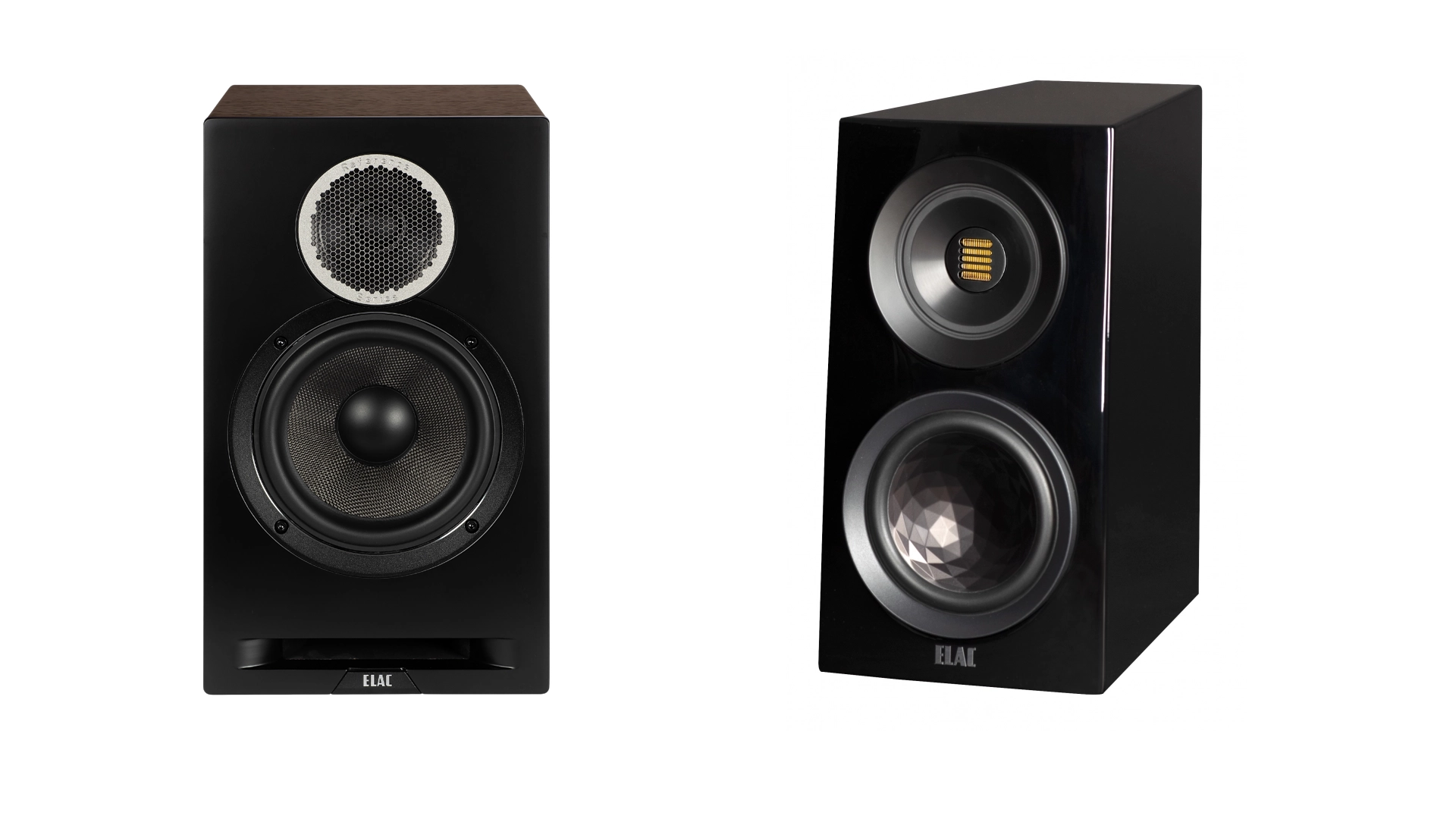
ELAC is a German audio company founded in Kiel on 1 September 1926 by Dr Heinrich Hecht, Dr Wilhelm Rudolph and Gerhard Schmidt. Its near-century history is unusually broad: the company began in electroacoustics and sonar, became a major post-war maker of turntables and cartridges, and shifted its centre of gravity to loudspeakers in the 1980s. Modern ELAC is therefore more than the affordable speakers often associated with designer Andrew Jones. The Debut and Uni-Fi families use carefully engineered cone drivers and, in Uni-Fi, concentric midrange/tweeter geometry to bring controlled directivity and coherent imaging to accessible systems. Carina, Vela and higher ranges draw on the folded JET tweeter, while active subwoofers and electronics complete stereo and cinema installations. Turntables keep the brand’s analogue history visible rather than treating it as a retro licensing exercise. ELAC’s lasting advantage is range backed by real transducer engineering: it can translate its knowledge of motors, diaphragms, wave launch and cabinet behaviour from compact entry models to elaborate floorstanders, while the 1926 date describes the actual company lineage rather than a recently revived name.
Elipson

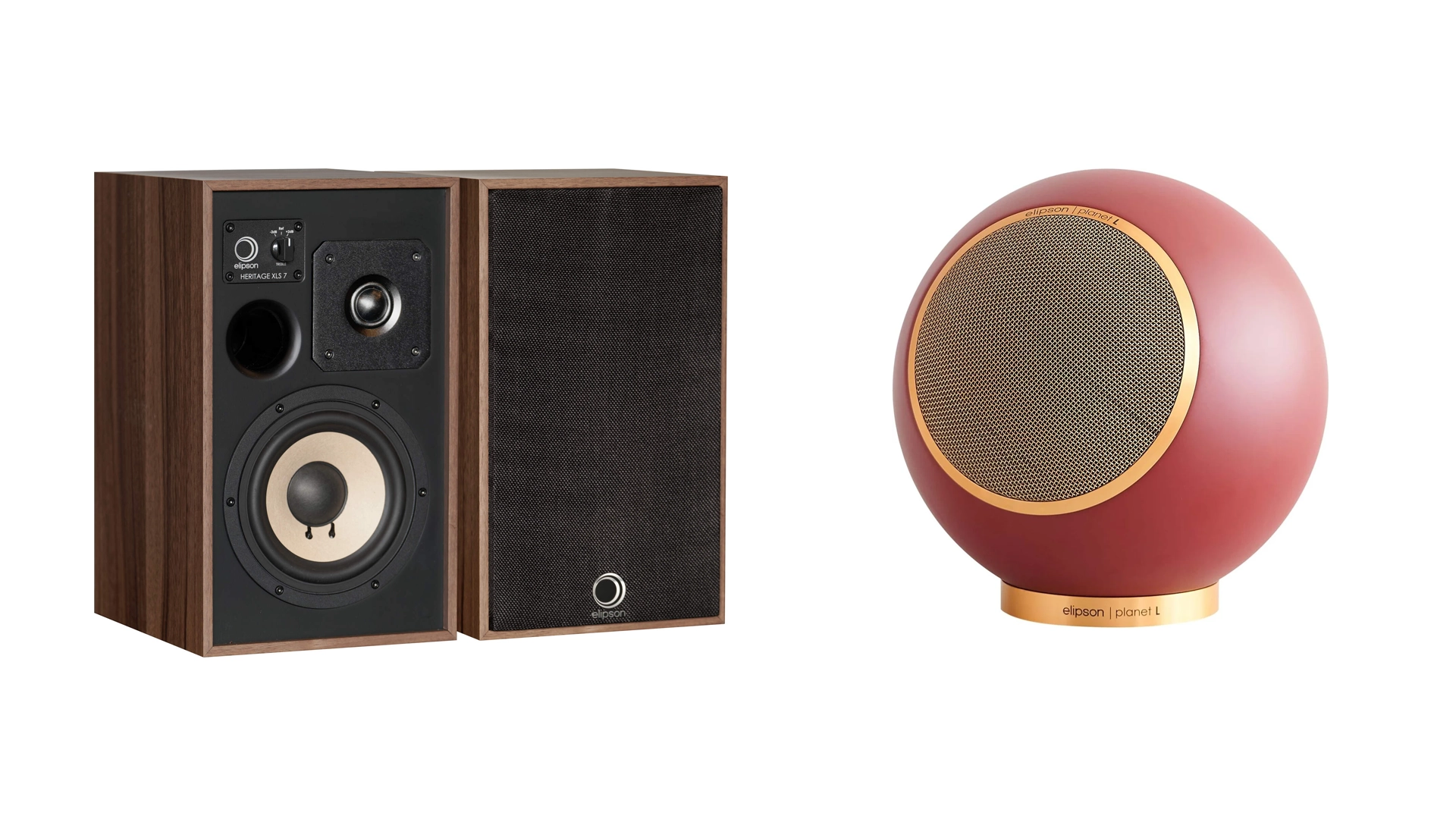
Elipson is France’s oldest surviving specialist loudspeaker name, tracing its company origin to 1938 and its distinctive acoustic identity to engineer Joseph Léon. The historical sequence deserves precision: the business began as Multimoteur, early audio research started around 1940, Léon joined in 1946 and led the company from 1948, and the Elipson name—formed from “ellipse” and the French word “son”—was adopted in 1951. Under Léon, spheres, reflectors and resonators were engineering tools for controlling diffraction, radiation and time alignment, not merely futuristic styling. The BS50 Chambord and later 402 made those experiments iconic in French broadcasting and public installations. Today the Planet series keeps the spherical enclosure visible, while Heritage models revisit large-format designs and newer Prestige, Legacy and wireless products cover conventional home systems. Elipson also offers turntables and electronics, but loudspeaker form remains its signature. Its strength is the unusually direct link between acoustic research and industrial design: shapes that are instantly recognisable because they were first chosen to solve propagation and enclosure problems.
Eltax

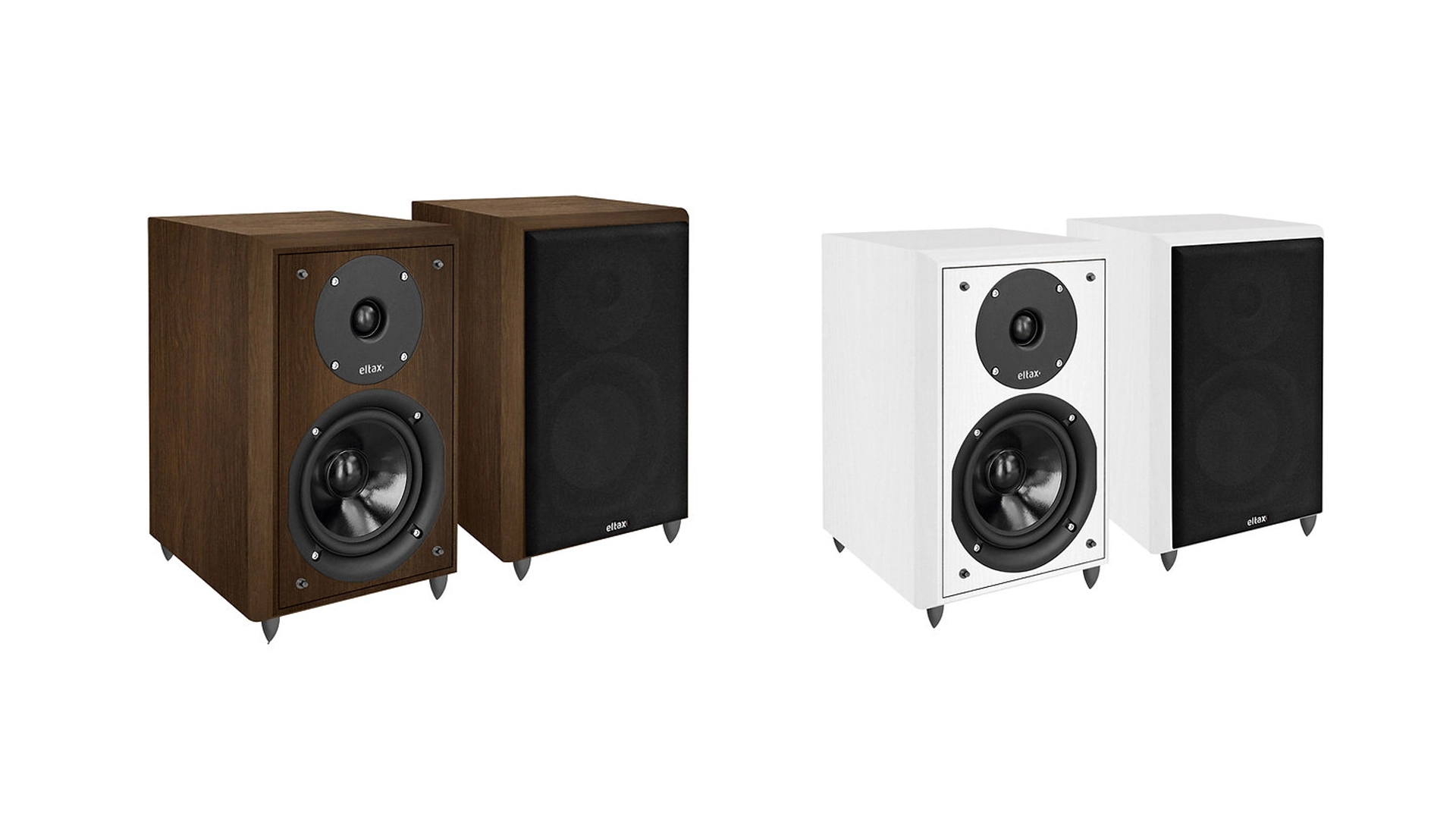
Eltax is a Danish loudspeaker brand founded in Herning in 1959 by Ingemann Marius Nielsen, initially as a hi-fi wholesaler and soon as one of Denmark’s early makers of standalone speaker systems. That documented date corrects the often repeated 1954 claim. Eltax built its reputation on straightforward, attainable speakers rather than prestige pricing, and the long-running Monitor line expresses that philosophy through compact bookshelf, floorstanding, centre and surround models that can form either a stereo pair or a complete home-cinema package. The modern Vintage series gives the range a more individual voice: broad front baffles, large cellulose-cone woofers, horn-assisted treble and high sensitivity recall 1970s studio and domestic monitors without simply reissuing an old cabinet. The imposing Monitor PWR 1959, for example, uses a 38 cm bass driver in a reinforced three-way enclosure to deliver scale and efficiency uncommon at the brand’s price level. Now part of France’s AV Industry group, Eltax remains Danish in origin and design language. Its enduring strength is accessible system building, with robust conventional engineering and enough model variety to serve first hi-fi systems, vinyl setups and multichannel rooms.
Emotiva

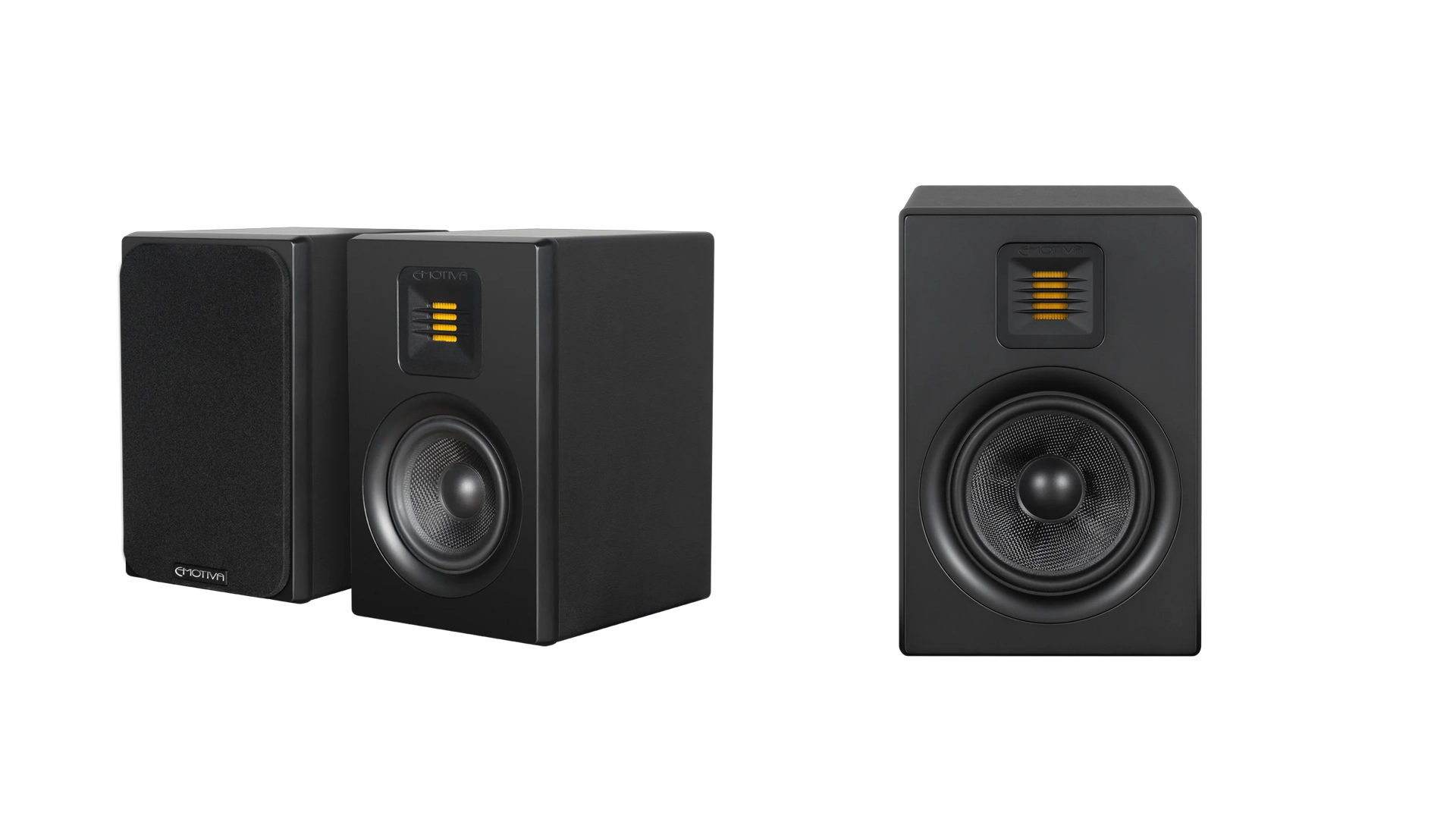
Emotiva is an American audio company founded in 2003 by Dan Laufman to sell serious stereo and home-theatre electronics directly to listeners, removing several layers of conventional distribution cost. That business model matters because it shaped the products: substantial power supplies, high channel counts and upgrade-friendly platforms offered at prices below many specialist competitors. BasX covers accessible amplifiers, preamps and cinema electronics, while XPA power amplifiers scale from stereo systems to multichannel installations through modular high-current Class A/B stages and efficient switch-mode supplies. Differential Reference models use fully balanced, fully differential signal paths and Optimized Class H supply operation for demanding front channels or two-channel systems. Surround processors and receivers address immersive formats, and loudspeakers extend the catalogue into complete systems. Emotiva’s identity is not simply “value for money”; it is the combination of direct sales with unusually powerful, configurable hardware for enthusiasts who may need two channels today and a large cinema later. Design and final product development are centred in Tennessee, with model-specific manufacturing choices rather than a blanket claim that every component is built in the United States.
Encel

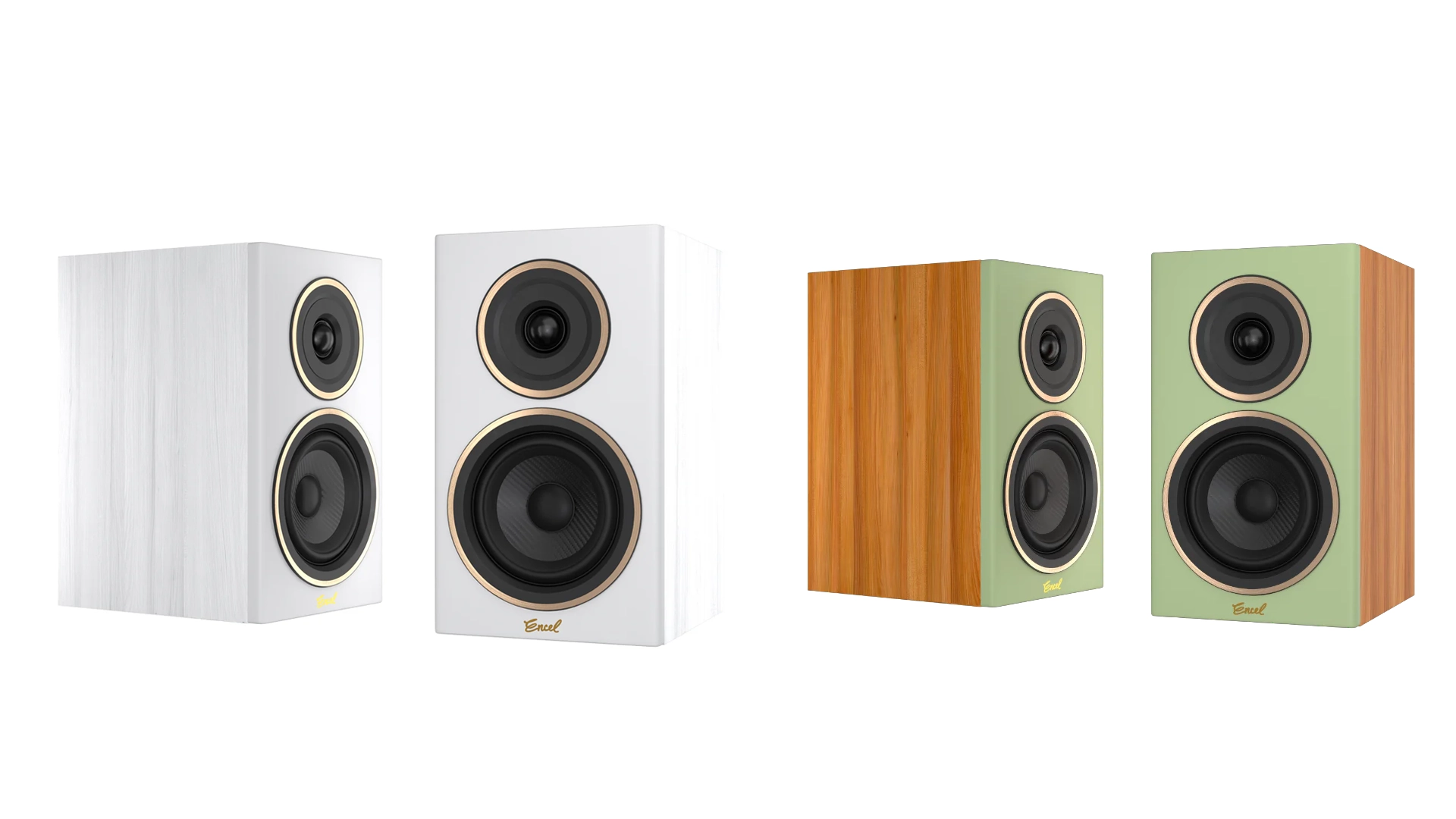
Encel is a Melbourne hi-fi name with an unusually long local history. In 1958, 24-year-old Alex Encel began building stereo systems for Australian listeners and helped introduce the then-new idea of domestic stereophonic sound to the market. The present family business keeps that approachable spirit rather than trying to imitate esoteric high-end brands. Its compact Gelati loudspeakers use playful colours and room-friendly proportions, while the Melbourne-designed Brains integrated amplifier combines 40-watt-per-channel amplification with phono and headphone connections. Encel’s strength is a clearly defined, easy-to-use stereo system: products designed in Australia for buyers who want genuine hi-fi engineering, distinctive industrial design and sensible scale without turning music listening into a technical exercise.
Epos

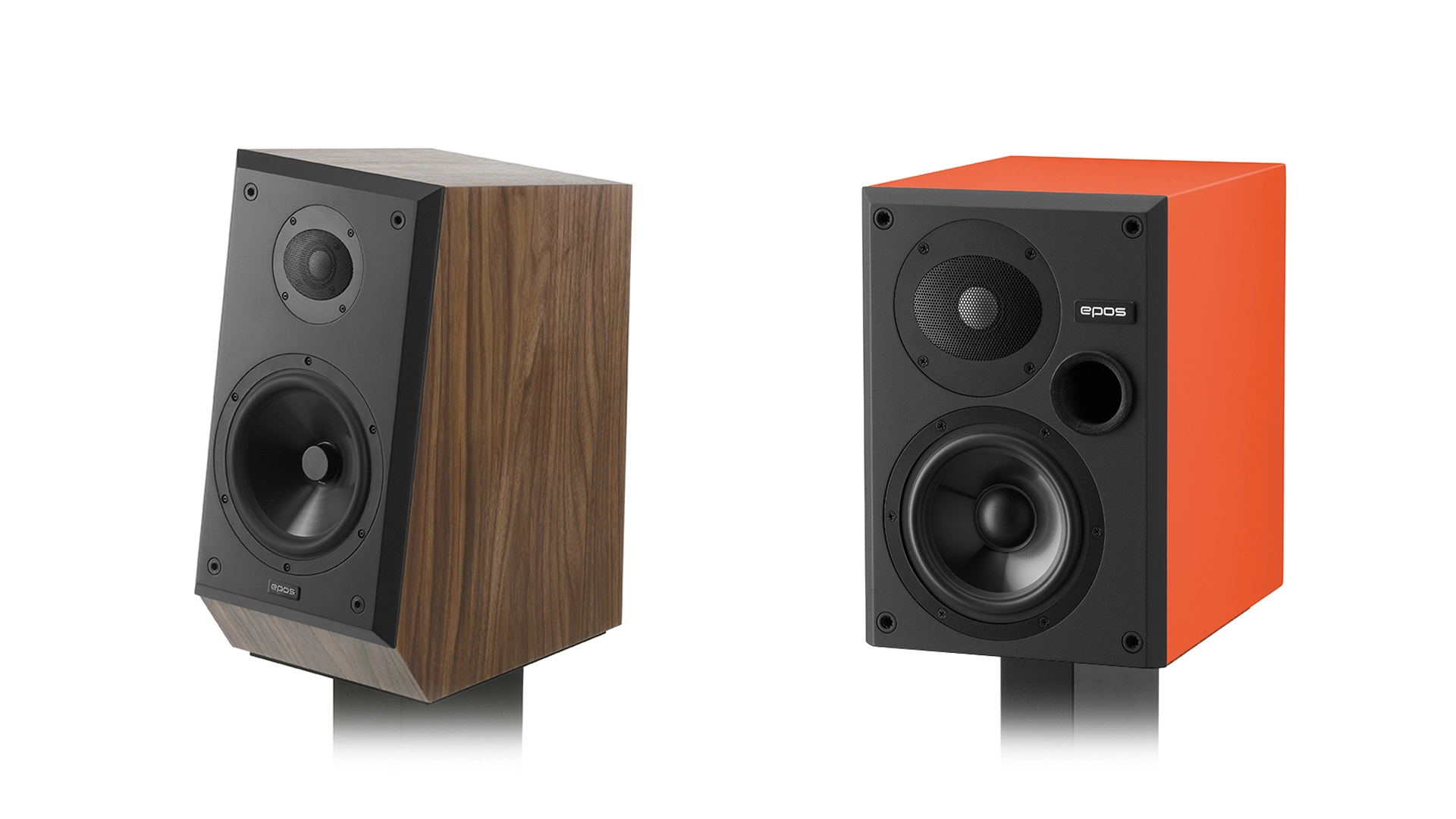
Epos began in Britain in 1983 with designer Robin Marshall and a deliberately simple idea: make the drive units integrate well enough that the crossover can remain uncomplicated. Loudspeakers such as the original ES14 and ES11 built the brand’s reputation for direct, rhythmically convincing sound from compact cabinets. After periods under Mordaunt-Short and Creek Audio, Epos was acquired in 2020 by German loudspeaker engineer Karl-Heinz Fink. The present ES7N, ES14N and ES28N are new designs rather than replicas, but they retain the engineering-first spirit of the originals; the ES28N also expands the range into a three-way floorstander. Epos is therefore a British-founded marque in a German chapter, combining a recognisable historical design philosophy with contemporary drivers, crossovers, cabinets and measurement-led development.
ESD Acoustic

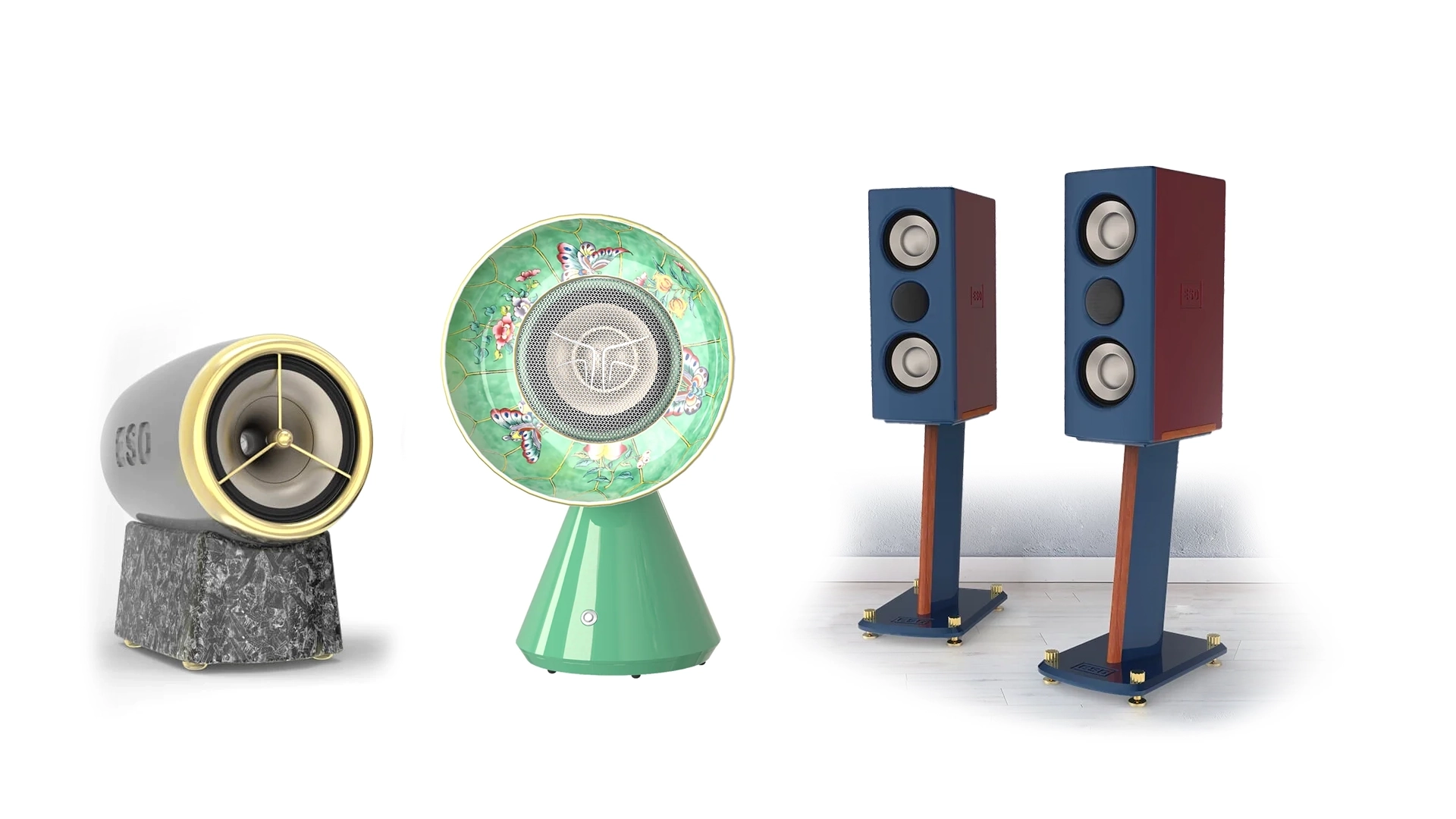
ESD Acoustic is a Chinese ultra-high-end audio manufacturer whose project began in 2016 with David Dai and Jacky Dai. Early development drew on technology and guidance acquired from horn specialists Bruce Edgar and Sam Saye; the Hangzhou company followed in 2017. ESD’s signature is the complete field-coil horn system: externally energised drivers, large carbon-fibre horns and, in selected units, beryllium diaphragms are combined for high efficiency and wide dynamic range. Systems range from comparatively compact models to the immense Dragon and Super Dragon installations. ESD also makes the field-coil power supplies, active crossovers, Class A amplification and source components needed to operate them as an integrated chain. The scale is spectacular, but the important know-how lies in controlling magnetic fields, horn geometry, diaphragm behaviour and system alignment across many ways.
Esprit

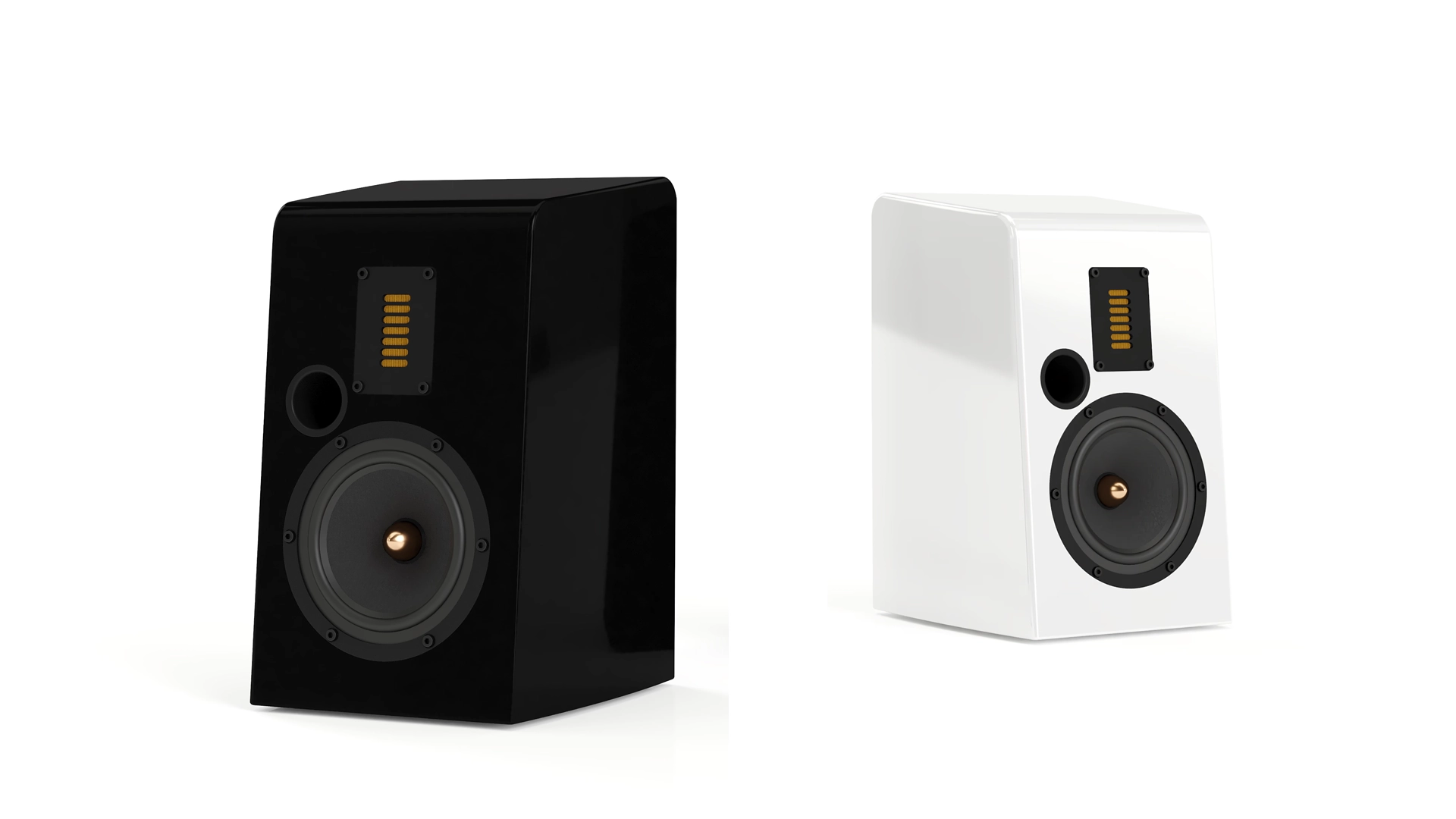
Esprit is a French specialist cable maker founded by electromechanical engineer and musician Richard Cesari in 1997. The company designs and hand-assembles analogue interconnects, loudspeaker cables, mains cables and digital connections in its Charente workshop. Rather than defining the brand through vague promises of ‘musicality’, its practical identity lies in conductor geometry, dielectric choice, shielding, mechanical construction and proprietary connectors carried through a broad family of price levels. Higher ranges use increasingly elaborate conductor bundles and screening, while every finished cable is checked and listening-tested before shipment. Esprit sells through specialist dealers and keeps production in France, allowing the same small team to control termination and repeatability. It is a mature cable house with a consistent construction philosophy, not a general electronics manufacturer.
Esse Quadro
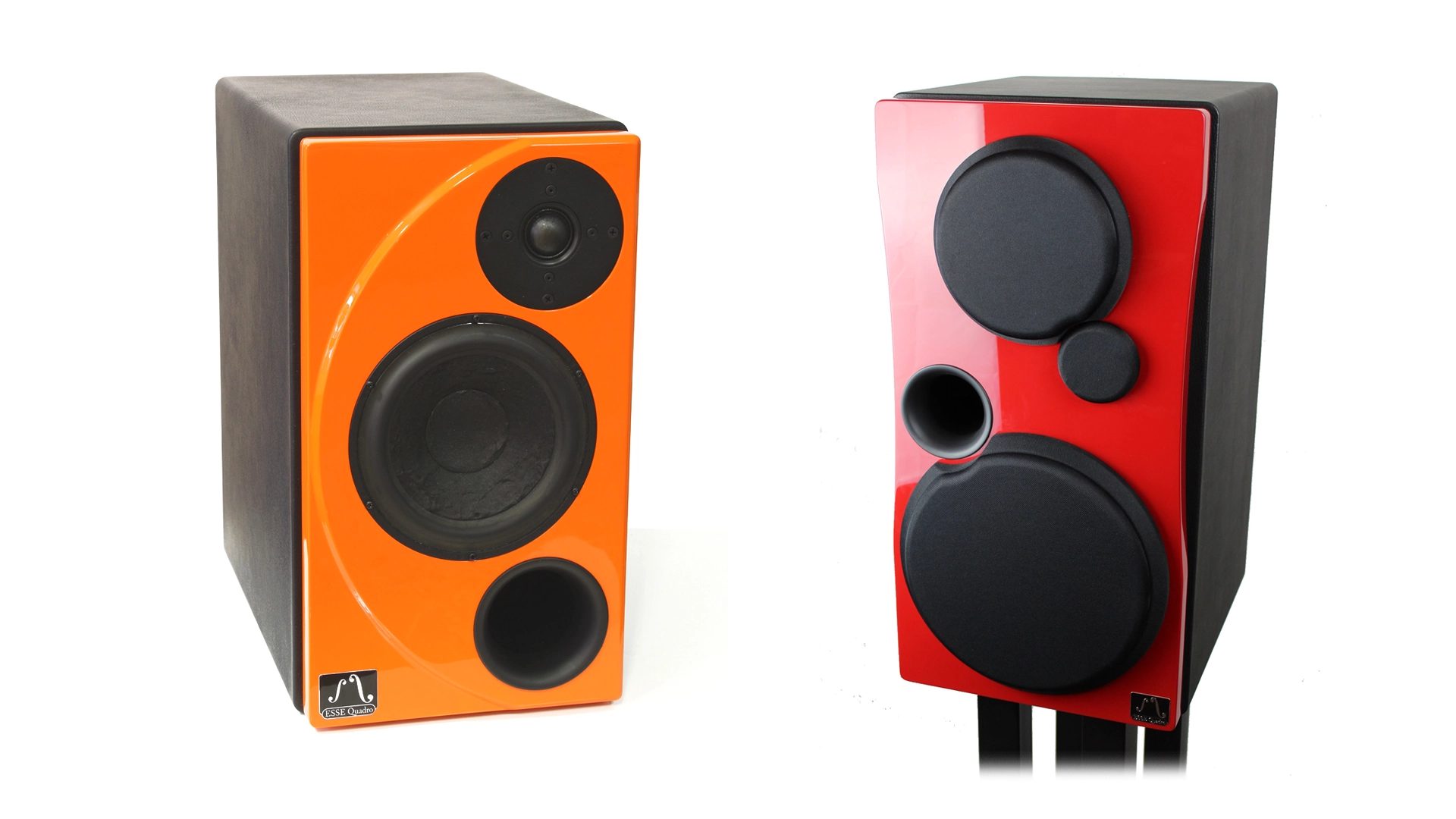
Esse Quadro is a loudspeaker workshop founded in Trieste in 2015 by Salvatore Spatafora after years of independent development. Design, cabinet construction, driver selection, crossover work, assembly and final measurement are coordinated in-house, which lets the maker treat the enclosure and filter as parts of one project. The L’Una stand-mount models—including the compact 146 and larger 177—use conventional passive loudspeaker architecture refined for real rooms, with front reflex loading on the 177 to ease placement. Finishes are a genuine part of the proposition: lacquer colours, leather work and textures can be customised through Italian specialist craftspeople. Esse Quadro’s individuality comes from combining small-series acoustic development with furniture-level finishing; contrary to some catalogue descriptions, its known L’Una products are passive loudspeakers, not active systems.