An icon representing bookshelf speakers.

Bookshelf Speakers

This page provides an extensive index of bookshelf speaker manufacturers from around the world. Our goal is to present the largest possible collection of brands in one place, including both well-known producers and niche companies. Each entry in this directory lists the brand’s country of origin, its founding information, and a direct link to the bookshelf or standmount speaker category on its official website. The resource is designed as a straightforward almanac for researching and discovering speaker companies.

195

Hi-Fi brands in the category

Summary information and image

Direct links to official websites

Filters
Search
Country
See more See less

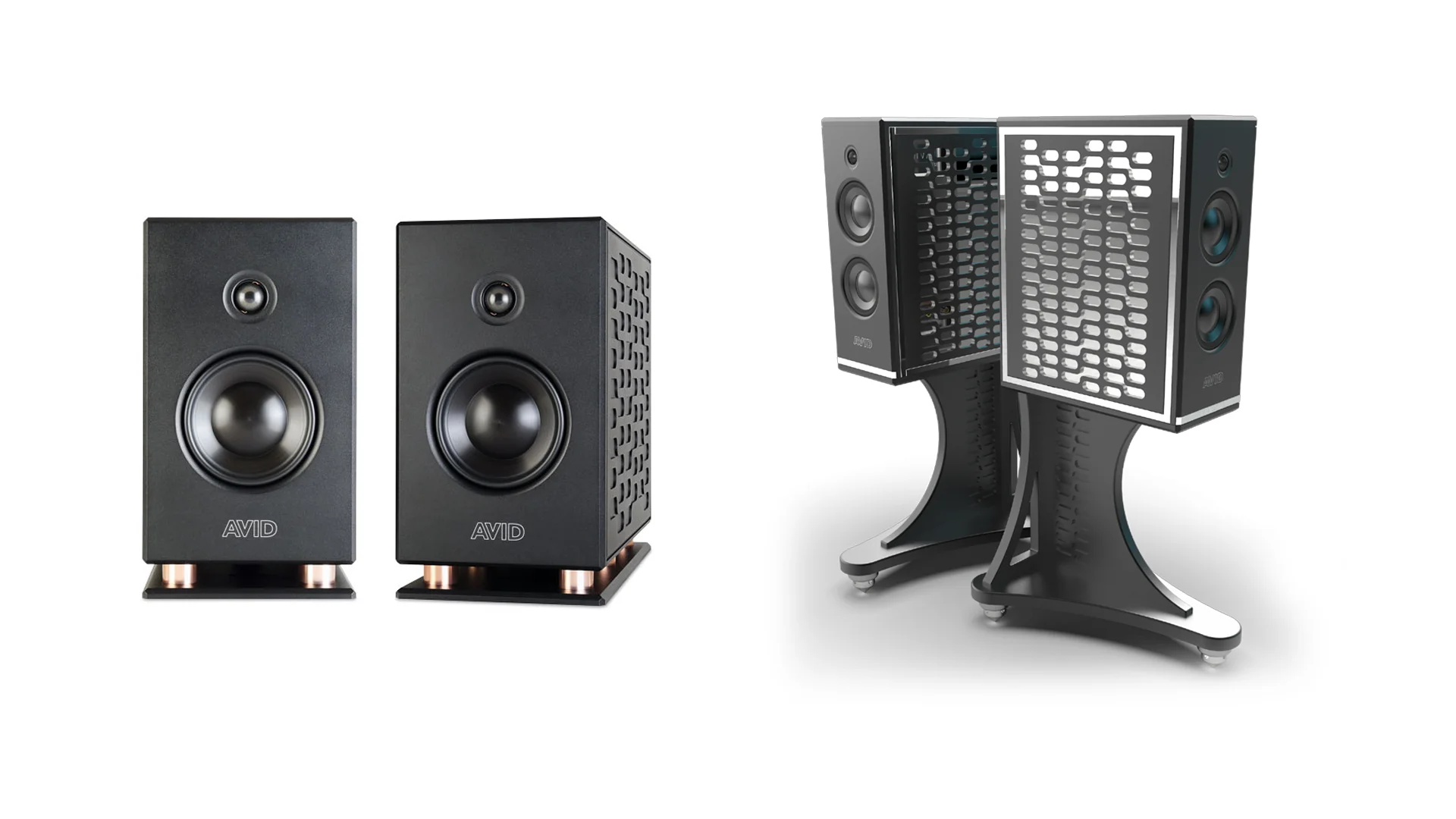
AVID HiFi engineers analogue playback by controlling how vibration enters, travels through and leaves a turntable. Conrad Mas founded the British company in 1995, and the Acutus turntable launched in 1999 after years of development. Its inverted bearing, powerful outboard supply, heavy platter, clamping system and tuned suspension treat record, platter and structure as one mechanical path. Volvere and Sequel extend that architecture, while Diva models provide a simpler rigid platform. AVID has since built a complete ‘groove to ear’ system: cartridges, tonearms, phono stages, integrated and separate amplifiers, loudspeakers, cables and supports. The expansion does not erase the original speciality; the range still begins with extracting information from a moving record while keeping motor, bearing and environmental energy under control. Products are made across the company’s two English factories.

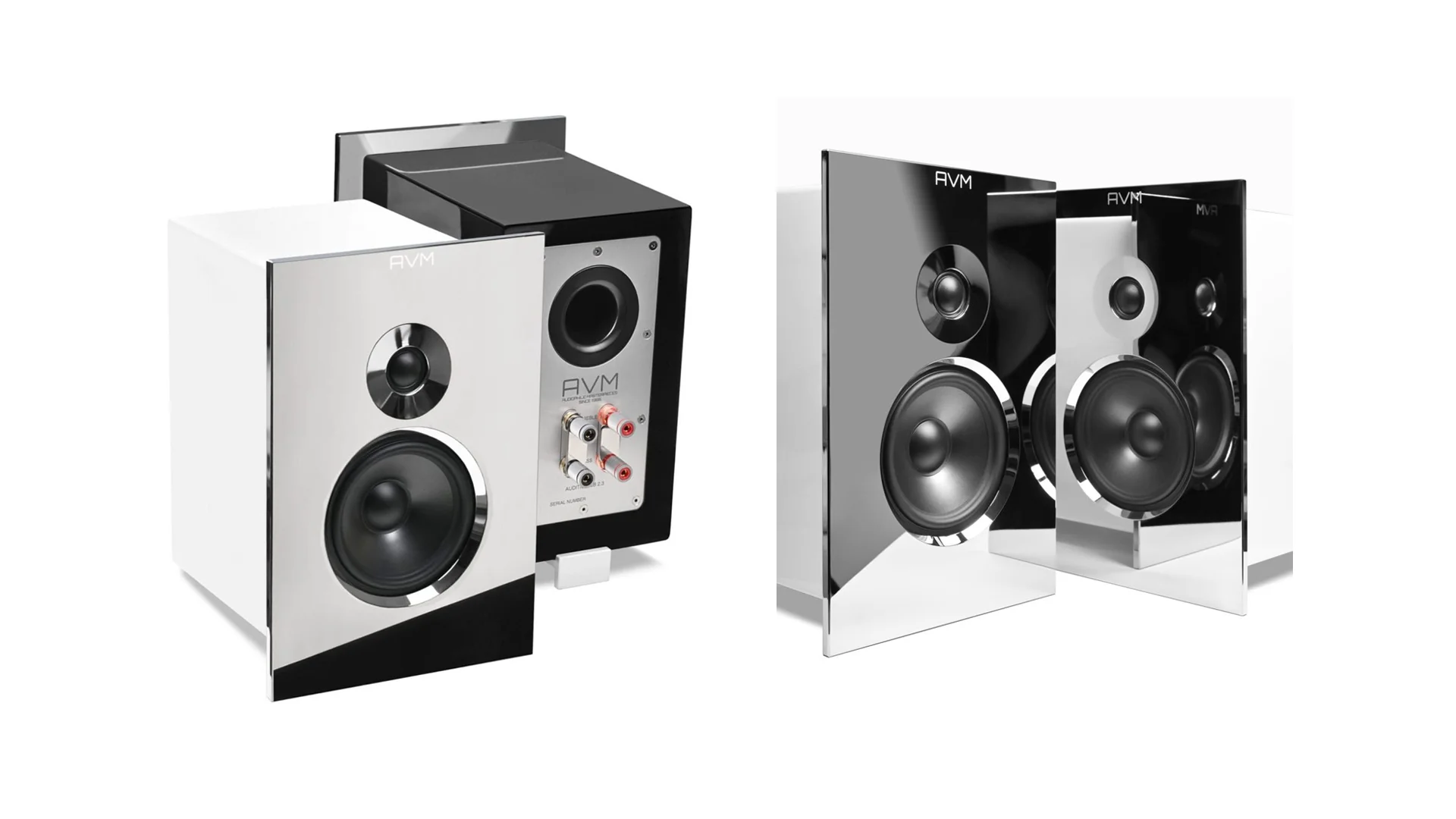
AVM builds complete German hi-fi systems around modular electronics and long product life. Engineers Günther Mania and Robert Winiarski founded Audio Video Manufaktur in April 1986, first gaining attention with the M1 monoblock amplifier. Udo Besser acquired the company in 2010 and broadened its reach while retaining development and hand assembly in Malsch. Inspiration, Evolution and Ovation families cover integrated, pre and power amplification, streaming, DAC and CD functions at progressively higher levels; Rotation turntables added an analogue source developed to work within the same system. AVM often combines transistor output stages with valve line stages where the design calls for it, and its modular streaming platform allows network functions to evolve without redefining the whole product. The brand’s character is system breadth backed by in-house electronics rather than one signature circuit topology.

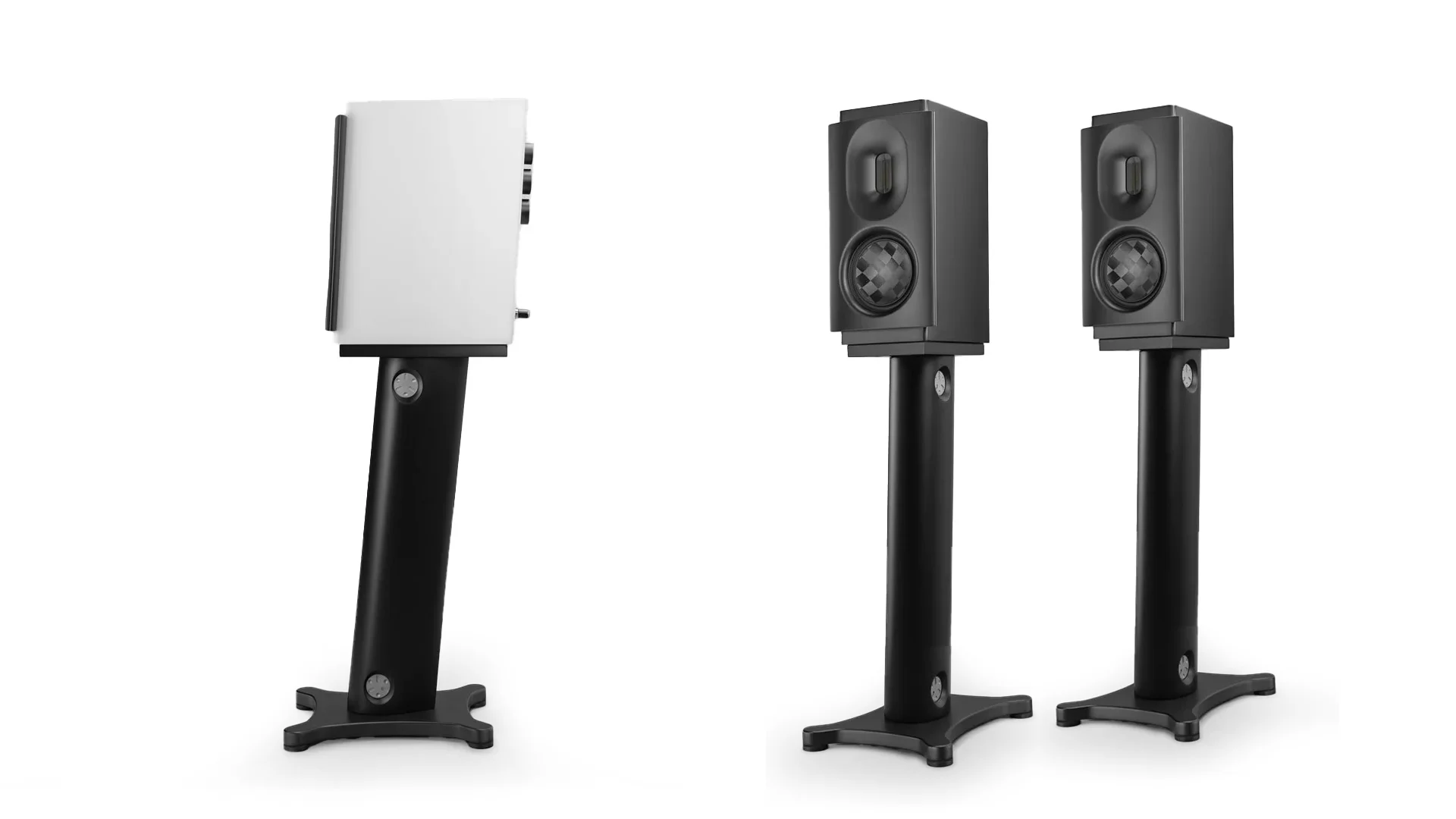
Axxess brings technology from Audio Group Denmark’s costlier brands into simpler complete systems. Launched in 2023 as the group’s fourth brand alongside Ansuz, Aavik and Børresen, it was shaped by the organisation led by Lars Kristensen and Michael Børresen. The Forté 1, 2 and 3 place a network streamer, DAC, analogue input, headphone amplifier and UMAC Class-D speaker amplification in one Danish-built enclosure; the three versions differ mainly in the amount of noise-control technology and refinement inside. Axxess has since expanded beyond that first all-in-one concept with loudspeakers, cables and resonance-control products. Its point is access to a coordinated Audio Group Denmark system with fewer boxes and a lower entry price, while retaining the group’s emphasis on switching amplification, mechanical grounding and electrical noise reduction.

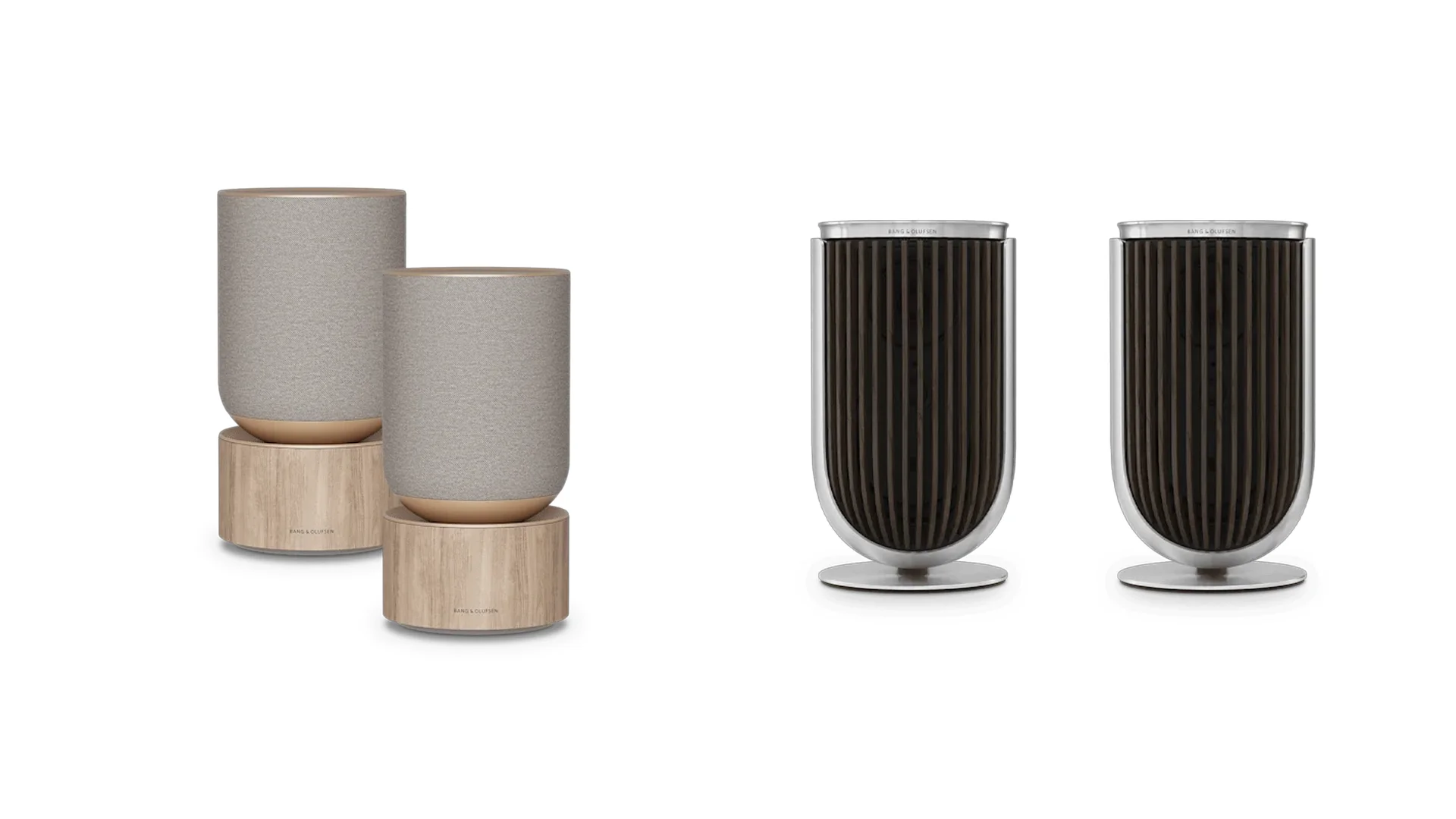
Bang & Olufsen has spent a century treating sound, mechanics and furniture-scale design as one discipline. Engineers Peter Bang and Svend Olufsen founded the Danish company in 1925 at the Olufsen family estate, Quistrup. From early radios and the mains-powered Eliminator to Beomaster systems and active Beolab loudspeakers, B&O repeatedly integrated technology that other manufacturers left in separate boxes. Beolab 90 represents the engineering extreme with multiple amplified drivers, beam-width control and room compensation; Beosound speakers, Beovision televisions, soundbars and Beoplay headphones carry the approach into everyday rooms and portable use. Aluminium machining, acoustic textiles, motorised movement and long software support are used as parts of the experience rather than surface decoration. The strongest B&O products are identifiable before music plays, yet their form is built around active acoustic and interaction engineering.

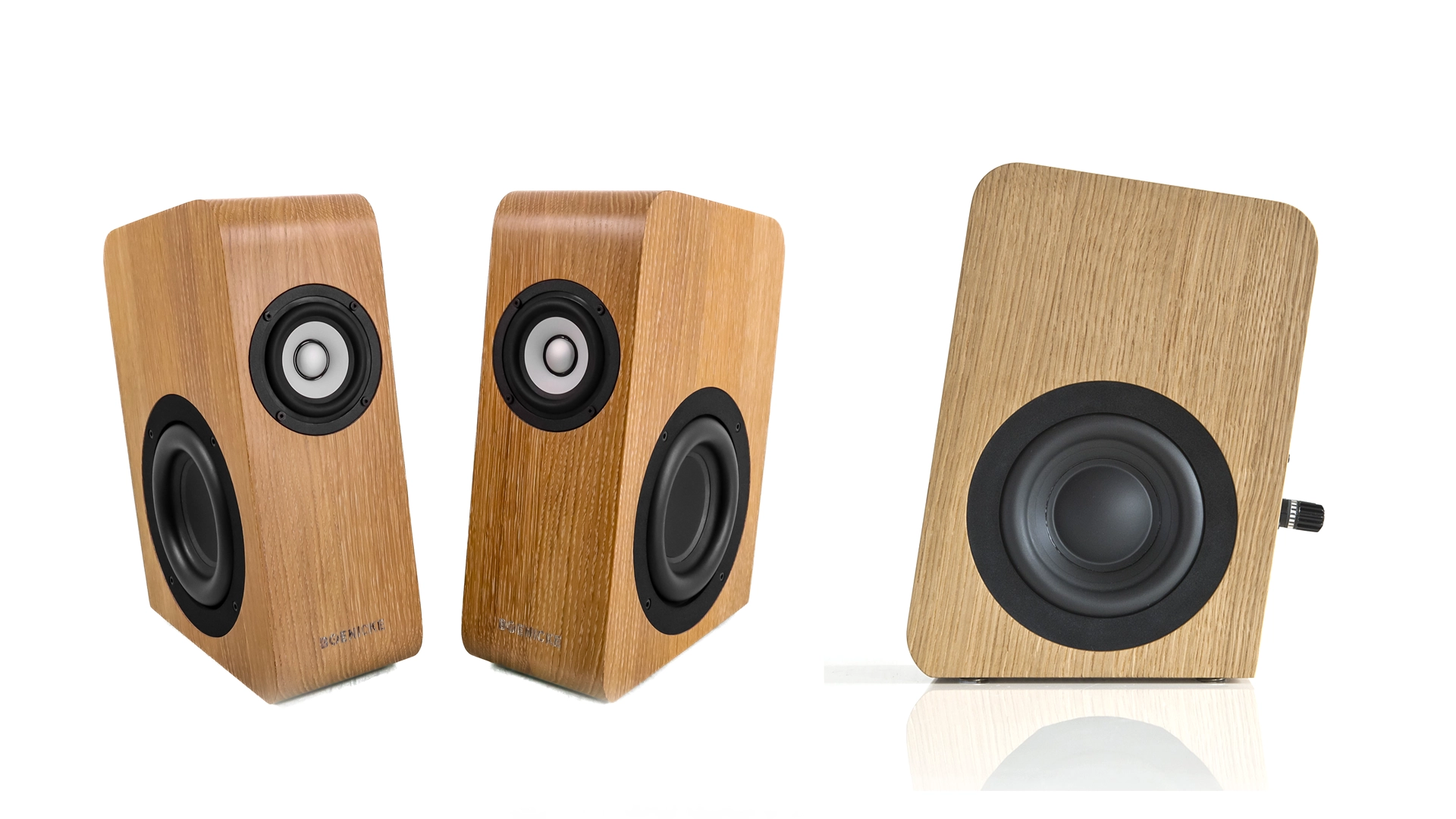
Boenicke Audio makes compact solid-wood loudspeakers whose unconventional internal and mechanical details matter as much as their sculpted cabinets. Swiss designer and recording engineer Sven Boenicke founded the company in 1998 after years of making his own live recordings and experimenting with loudspeakers. W5, W8, W11 and larger models use CNC-machined wooden shells, side-firing woofers and carefully chosen wideband drivers to achieve generous scale from a narrow frontage. Depending on the model, swing-base suspension, electromechanical resonators, unusual component treatments and deliberately minimal crossover sections are used to manage stored energy and preserve timing. The catalogue also includes electronics and cables, but loudspeaker voicing remains rooted in Boenicke’s own recordings and listening work. The previously empty foundation field has been completed with the company’s documented year, 1998.
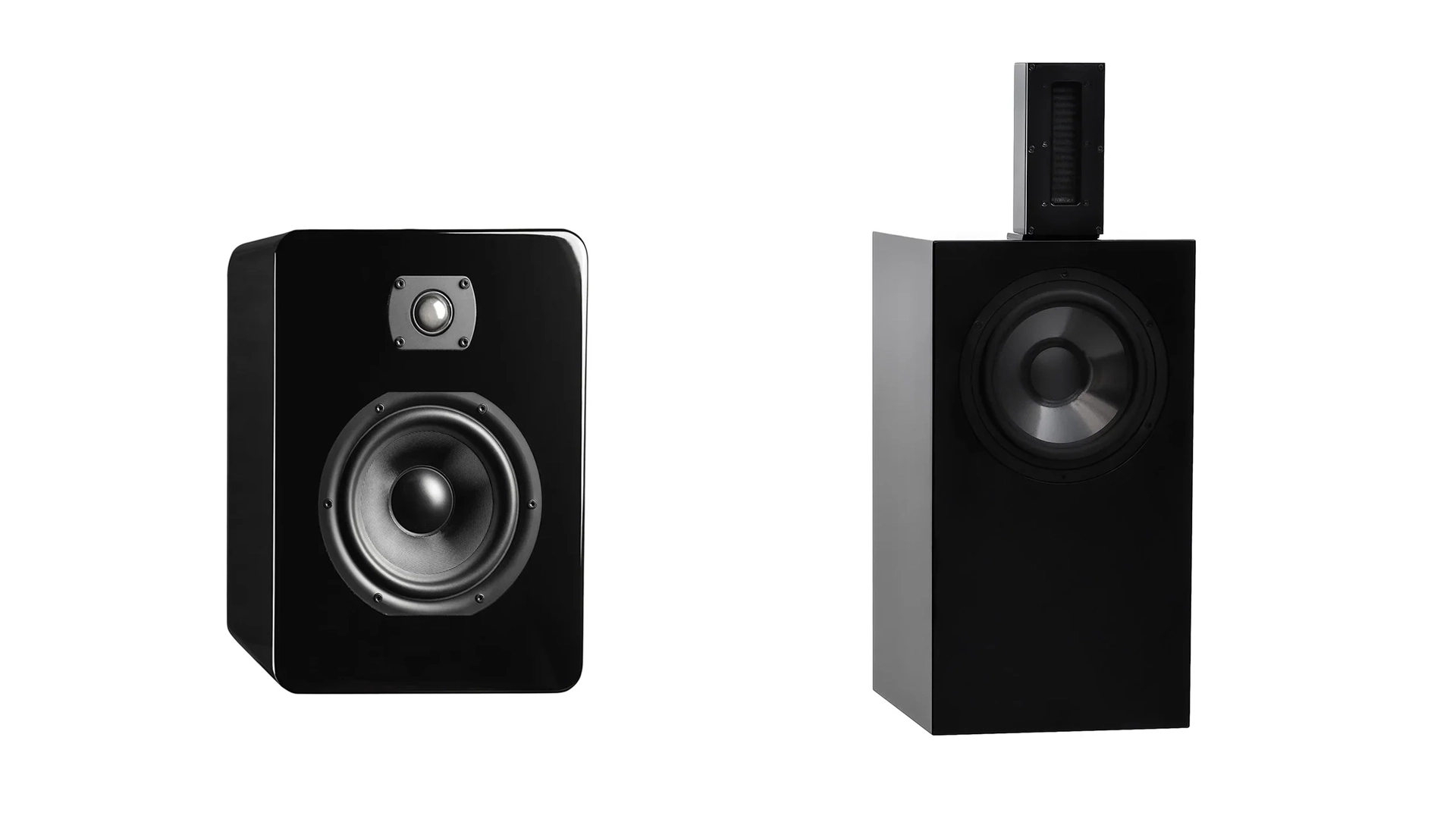
Børresen Acoustics develops high-speed loudspeakers around extremely light diaphragms, low-inductance motor systems and aggressive control of mechanical and electrical noise. Lars Kristensen and engineer Michael Børresen left Raidho in 2017, then introduced the new Børresen loudspeaker line and established the brand in 2018; it now forms Audio Group Denmark alongside Aavik, Ansuz and Axxess. Ribbon-planar tweeters provide a very low moving mass, while the company’s mid/bass drivers use composite membranes and increasingly elaborate iron-free motor structures in the upper ranges. The catalogue extends from the accessible X series through C and Z models to the 0 and M reference lines. Cabinet construction, resonance control and crossover parts are developed as one system. The previous 2017 date described the founders’ departure from Raidho, not the documented launch of Børresen itself, so it has been corrected to 2018.

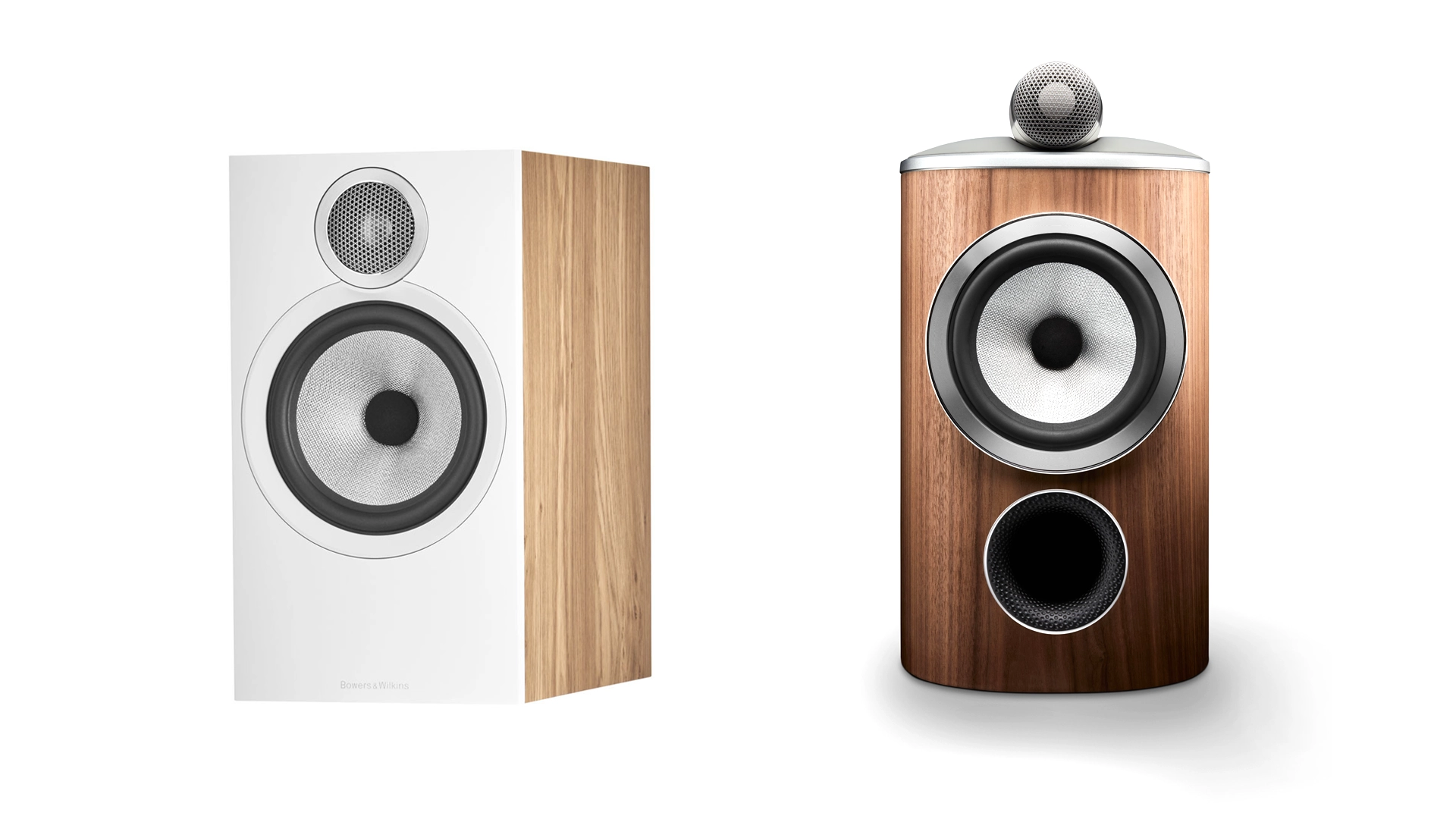
Bowers & Wilkins develops loudspeakers from the driver, enclosure and measurement system outward rather than assembling standard parts into a cabinet. John Bowers established the speaker company in Worthing in 1966 after operating an electronics shop with Roy Wilkins. The P1 funded early measurement equipment, and the later 801 became an influential studio monitor adopted by Abbey Road. Matrix bracing, tapered Nautilus tubes, diamond-dome tweeters, Continuum midrange cones, Aerofoil bass cones and Biomimetic Suspension mark successive stages of its research. The 800 Series Diamond D5 is the current flagship family, with 700 and 600 Series models covering more accessible stereo and home-cinema systems. Bowers & Wilkins also makes headphones, wireless speakers and soundbars. The brand is now part of Sound United within Harman, while its high-end loudspeaker development and 800 Series production remain centred in Worthing.

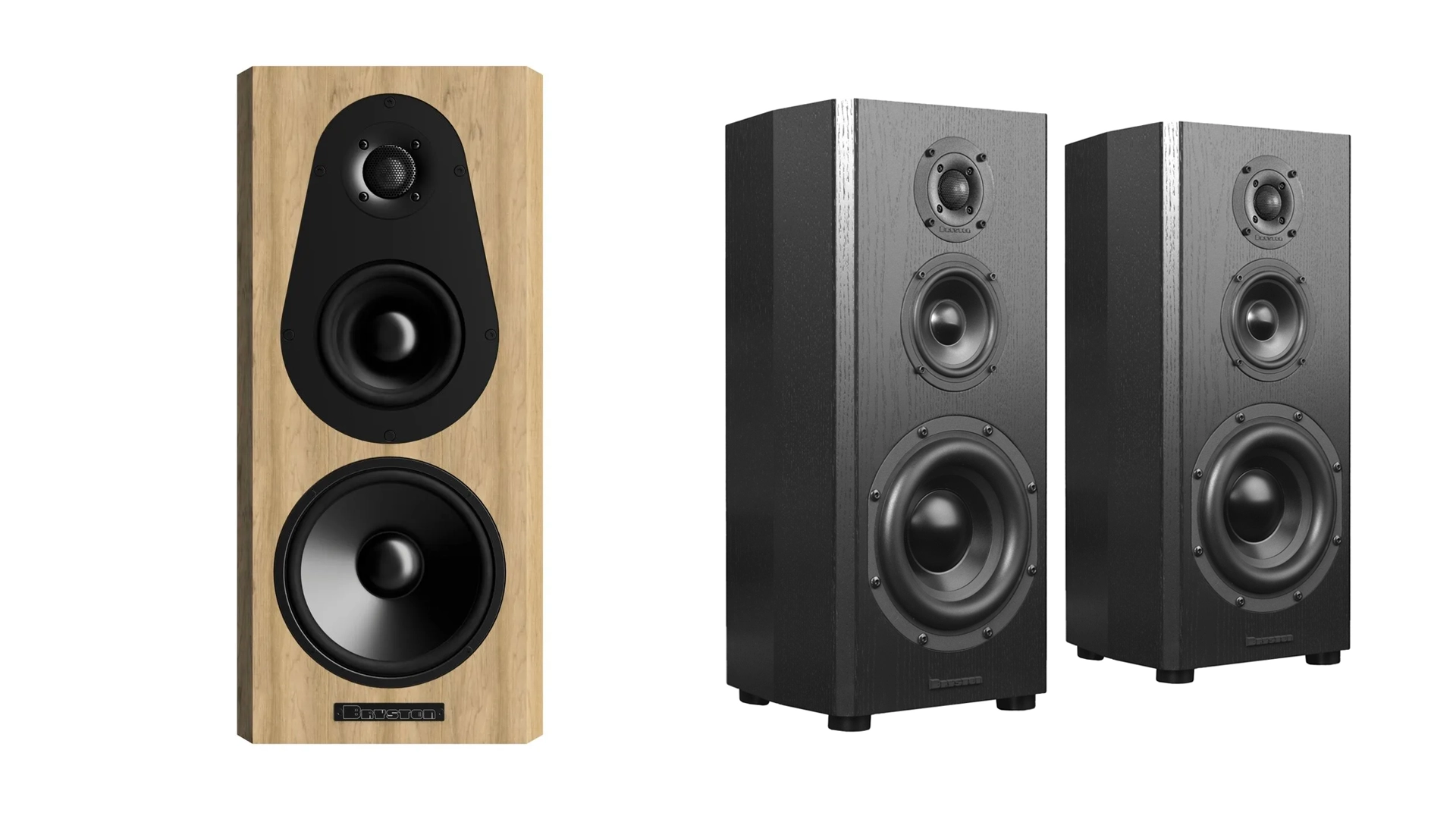
Bryston builds Canadian audio electronics around serviceability, stable operation and the ability to work for long periods under professional conditions. The company was incorporated in 1962 for medical electronics and moved into audio during the 1970s under the Russell family, bringing the testing culture of its earlier work with it. Power amplifiers became the core business, with the Cubed series continuing the company’s modular channel architecture and conservative thermal design. BR-20 and BP preamplifiers, BDA converters, BDP digital players, phono stages and active or passive loudspeakers make the range much broader than amplification alone. Products are developed and built in Ontario, and current owner Colquhoun Audio Laboratories also operates Axiom Audio. Bryston’s famous warranty remains longer than most competitors’, but the old blanket statement of 20 years is no longer current: new analogue products now carry a ten-year factory warranty.

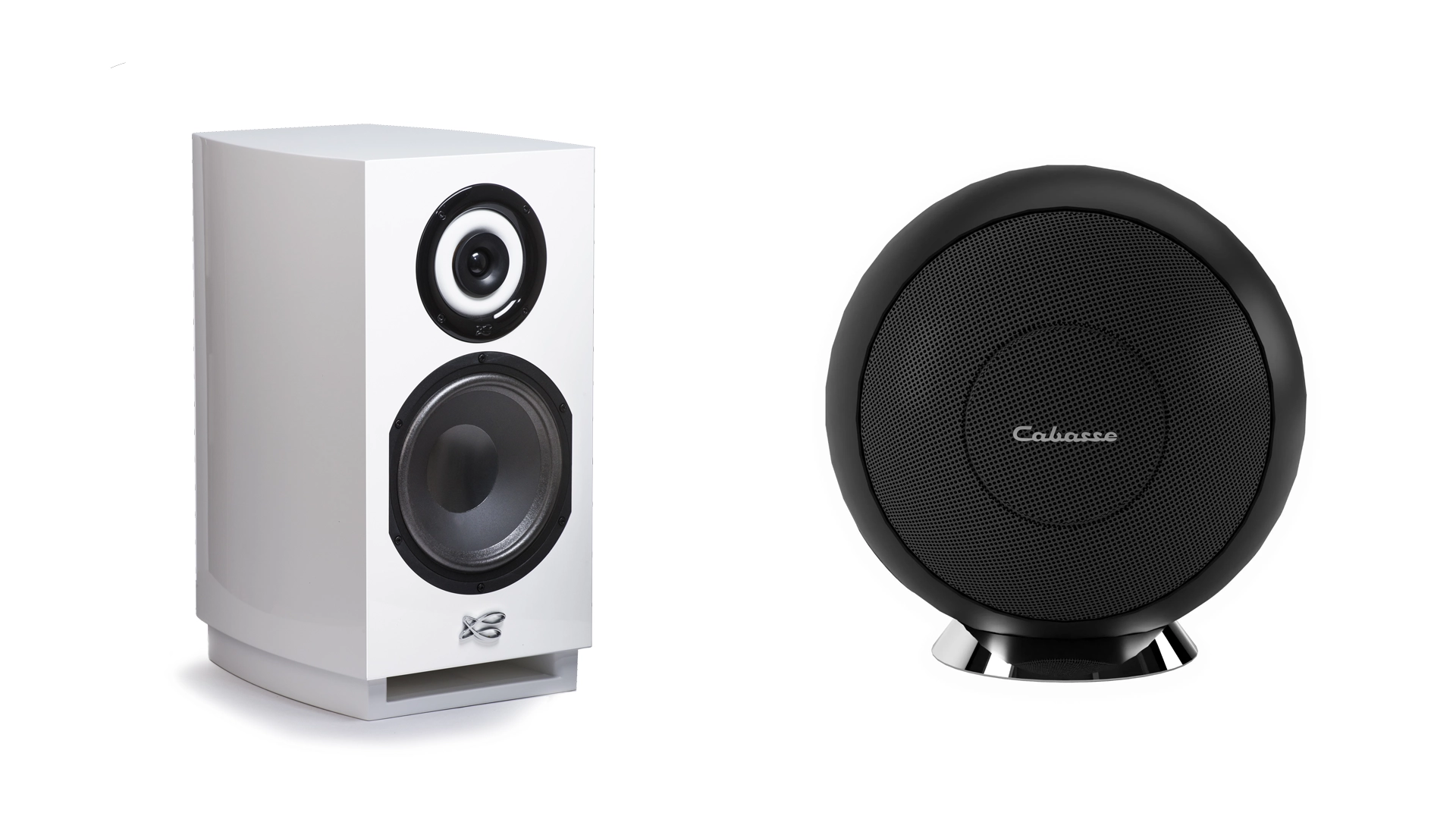
Cabasse has pursued the point-source loudspeaker for decades, progressing from cinema coaxials to active connected spheres. Electrical engineer Georges Cabasse founded the company in Brittany in 1950, continuing a family tradition associated with musical-instrument making. A two-way coaxial driver was already used for the Grand Rex cinema installation in 1952. Later Spatially Coherent System research placed several frequency ranges on the same acoustic axis, culminating in the four-way La Sphère and the compact Baltic. The Pearl Collection carries that geometry into self-powered wireless speakers with amplification, digital processing, room correction and network playback, while passive models and custom-installation products cover conventional stereo and cinema systems. Loewe Technology acquired Cabasse in April 2026 after the French company entered receivership, allowing the brand and its acoustic development to continue within the German group.

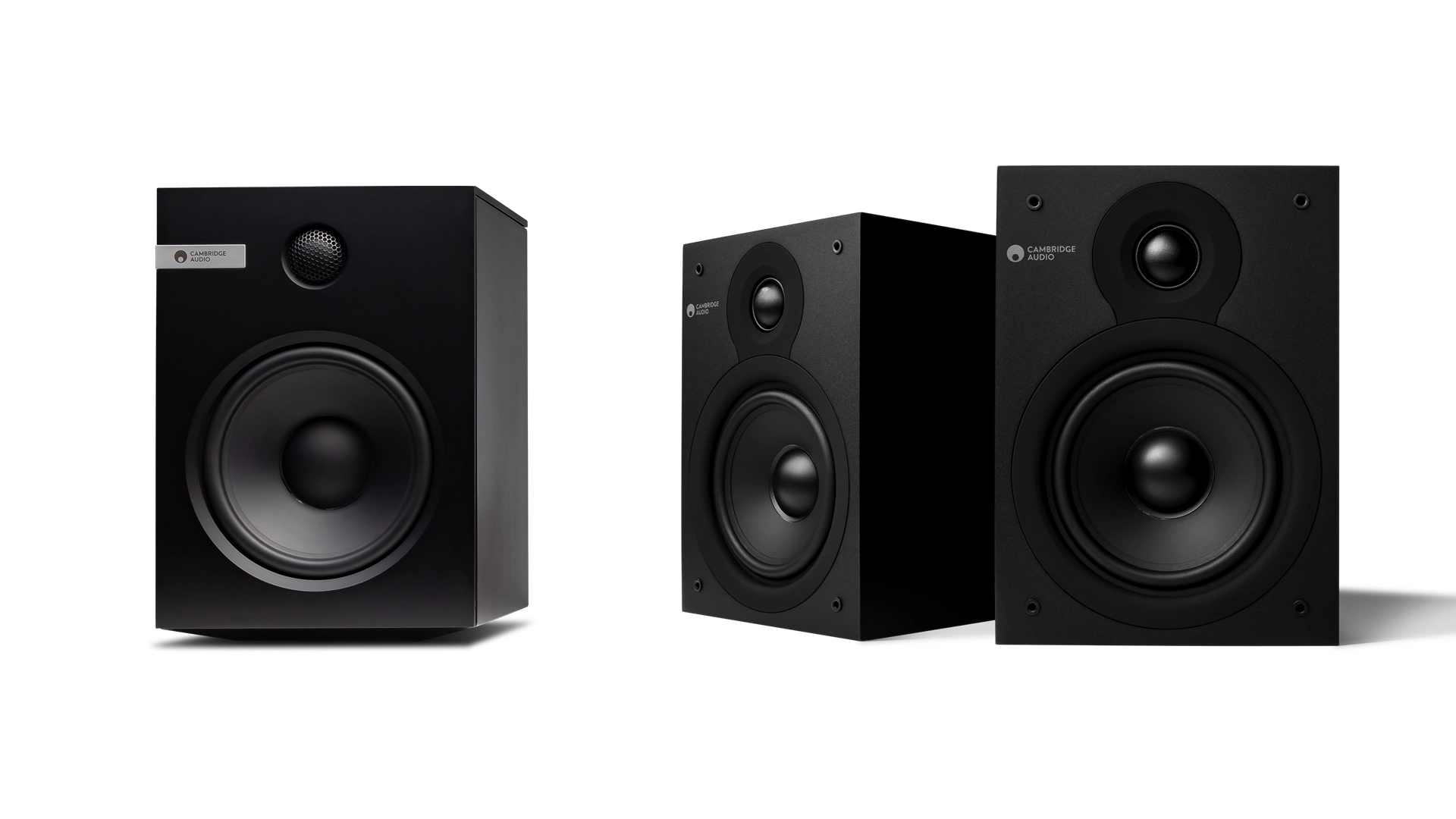
Cambridge Audio has spent more than five decades bringing useful engineering advances into attainable hi-fi components. The company began in Cambridge in 1968, when a team including Gordon Edge and Peter Lee created the P40 integrated amplifier. It was an early commercial amplifier built around a toroidal transformer, a solution that later became standard throughout the industry. Today’s AX and CX ranges cover integrated amplification, CD playback and network sources. Edge uses the company’s Class XA amplifier topology at the flagship level, while Evo combines StreamMagic streaming, conversion and speaker amplification in a compact system. Alva turntables add direct-drive vinyl playback and Bluetooth transmission. StreamMagic remains a major strength because Cambridge controls both the network hardware and the software platform, and continues adding service support to older generations. Product design is led from London, with the range aimed at complete systems rather than one specialist category.

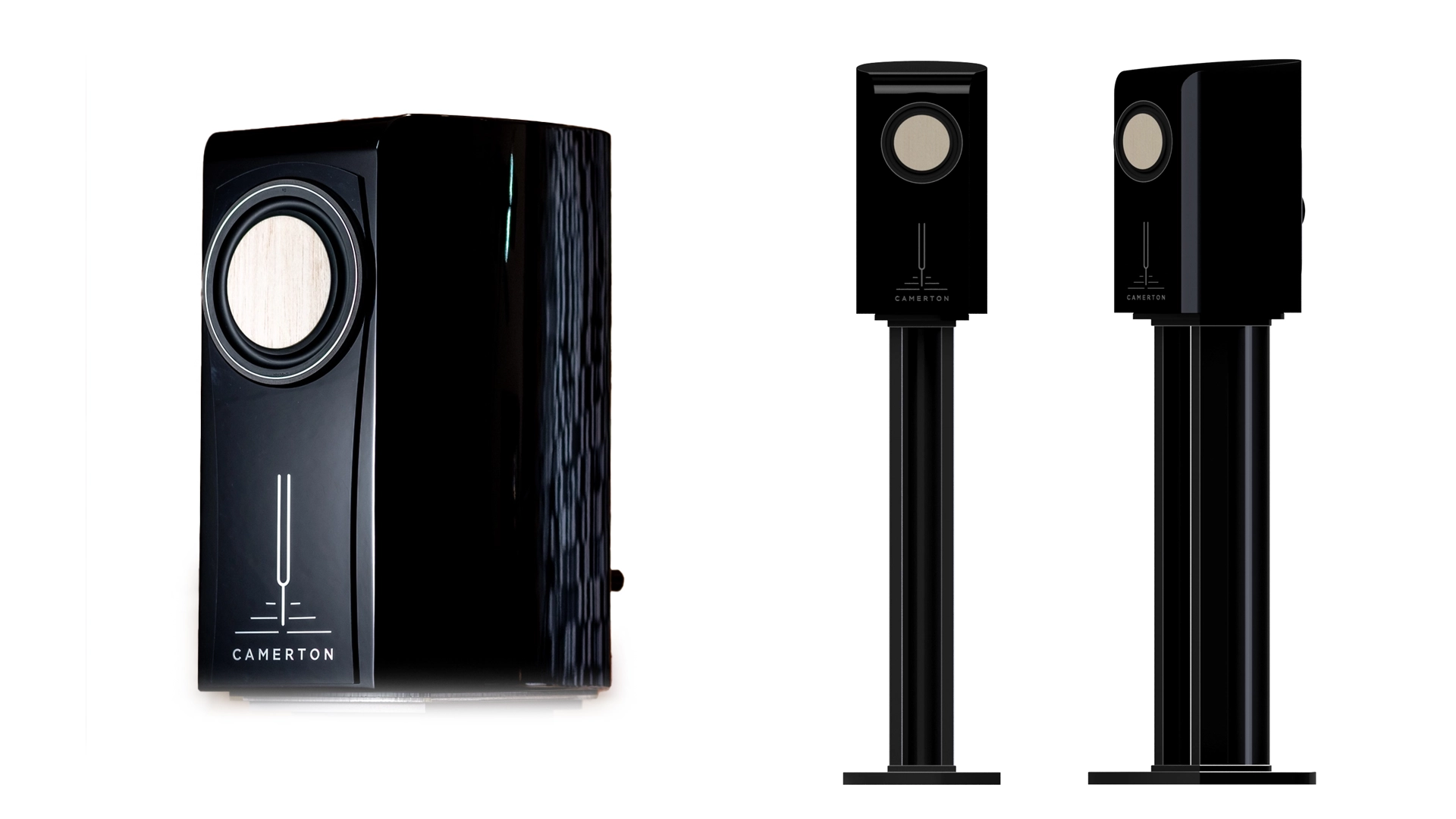
Camerton Audio develops its own flat-diaphragm wideband and isodynamic drivers for loudspeakers and headphones. Oleh Lizohub founded the company in Ukraine in 1999, moved to Germany in 2011 and relaunched Camerton in Berlin in 2019 after working as a senior engineer at Voxativ. The Binom-1 loudspeaker uses a single proprietary wideband driver to cover most of the audible range without a conventional multi-way crossover. Binom-A makes the underlying driver available as a separate component, while the open-back Binom-ER headphone uses Camerton’s large dual-sided isodynamic transducer. These products are designed and handmade on a very small scale by Lizohub. The old description incorrectly presented single-ended-triode amplifiers as part of Camerton’s speciality. The brand’s own work is transducer engineering, with efficient loudspeakers that can partner low-powered amplifiers but no current amplifier line of its own.

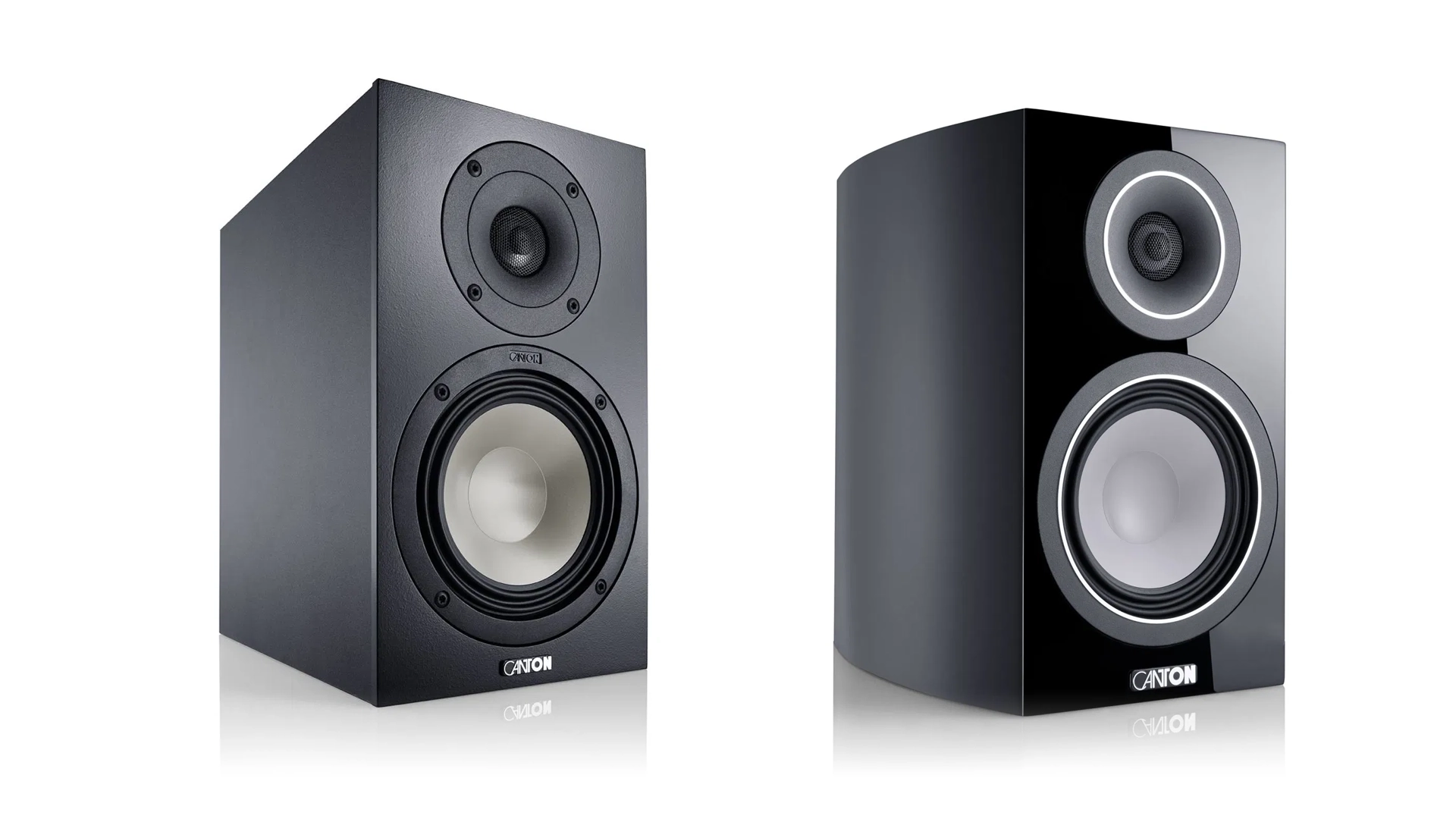
Canton is a family-owned German loudspeaker company with enough scale to develop drivers, cabinets, electronics and measurement facilities under one programme. Hubert Milbers, Otfried Sandig, Wolfgang Seikritt and Günther Seitz founded it in Weilrod in 1972. The early LE 250 compact speaker was followed by one of the company’s recurring themes: achieving substantial bandwidth and output in forms suited to real living spaces. Today’s catalogue extends from GLE and Townus through Vento to the Reference and Reference Alpha lines, with centre speakers, subwoofers and installation models for complete cinema systems. The Smart series adds active wireless stereo and surround configurations, while soundbars cover television systems. Aluminium-ceramic and later ceramic-tungsten diaphragms, waveguides, cabinet simulations and measurements in Canton’s own anechoic chamber support the range. Reference models and selected production remain closely tied to the Weilrod facility.

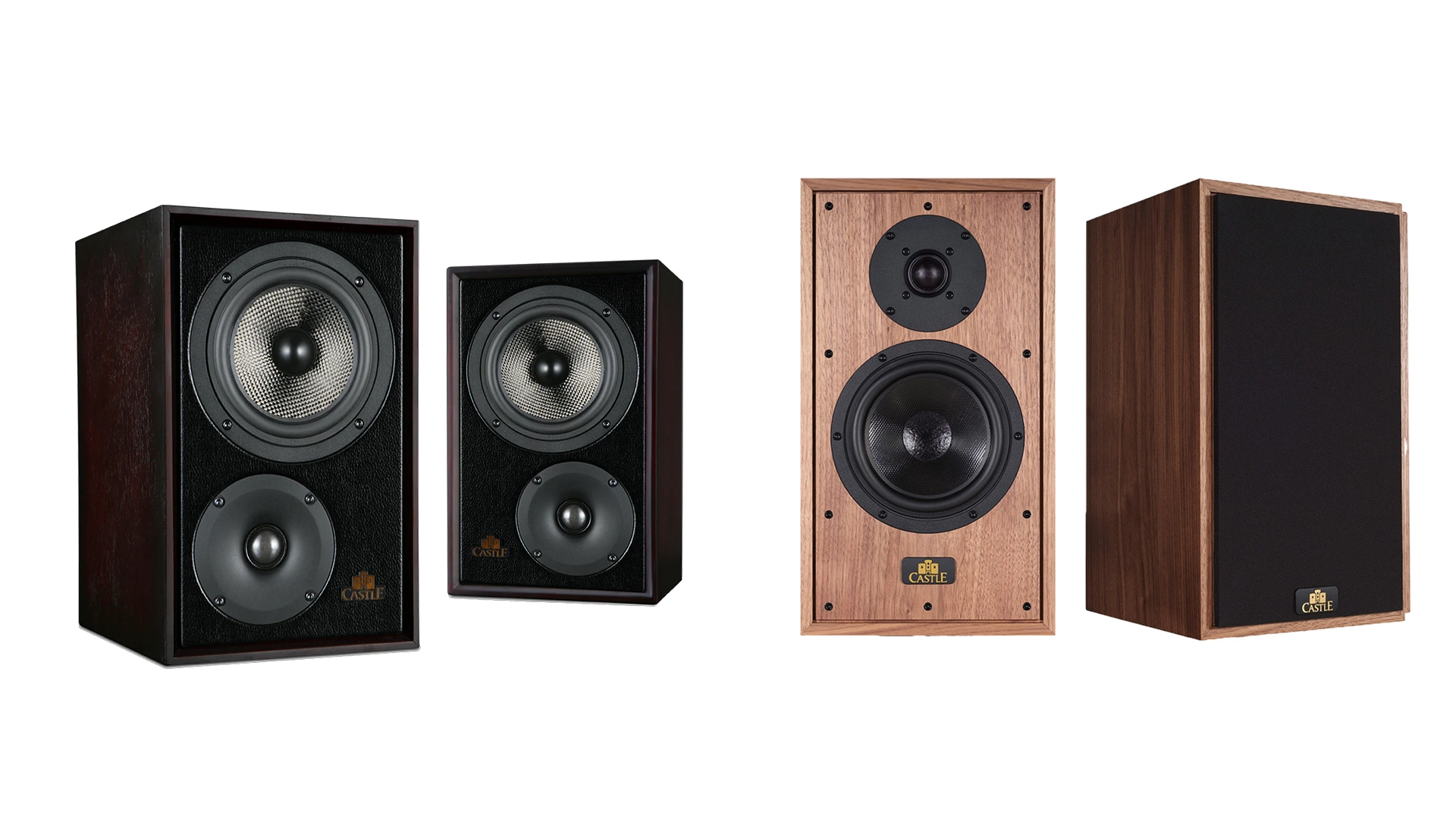
Castle combines traditional British cabinetmaking with loudspeaker engineering, treating the enclosure as both an acoustic structure and a finished piece of furniture. The company was established in Skipton on 3 September 1973 by former Wharfedale engineers led by William ‘Bill’ Escott and John Collinson. Castle became known for making drive units and real-wood veneered cabinets in-house, with compact Richmond models and larger Howard and Conway loudspeakers defining different periods of its history. After the original business failed, International Audio Group revived the brand in 2007. The Windsor Duke and Earl marked Castle’s return to UK manufacturing in 2023, followed by the Walmer and Tintagel ranges; critical parts are developed within IAG and cabinets are hand-finished in selected veneers. Twin Drive transmission-line loading, carefully controlled cabinet resonances and a deliberately furniture-like appearance distinguish Castle from the many brands that simply apply wood-pattern finishes to conventional boxes.

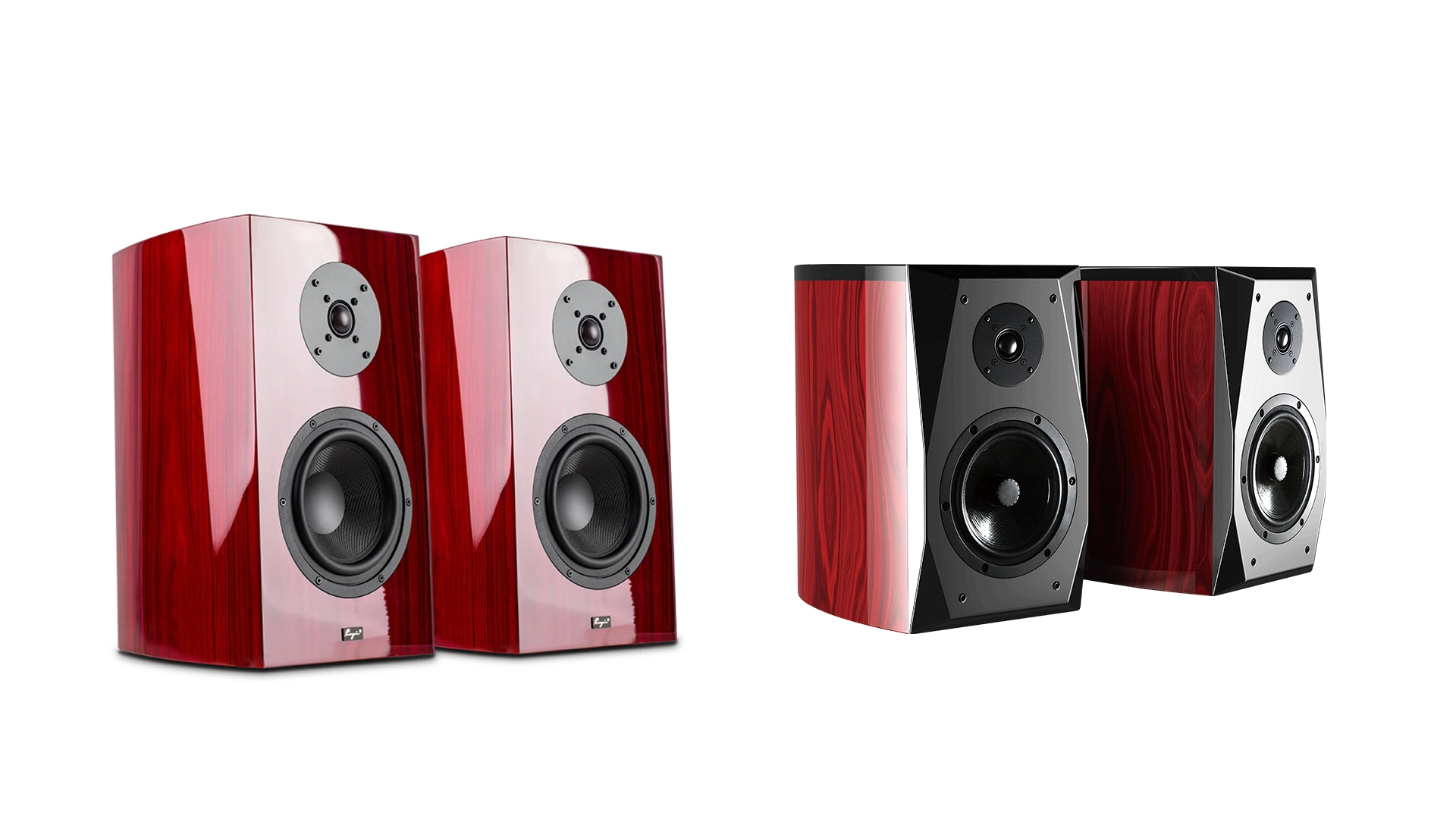
Cayin is one of the few large audio manufacturers to develop valve electronics for both full-size hi-fi systems and genuinely portable listening. Zhuhai Spark Electronic Equipment Co., Ltd. was founded in China in 1993 and markets its audio products under the Cayin name. Its home range spans single-ended 300B amplifiers, push-pull integrated amplifiers using valves such as EL34 and KT88, pre/power combinations, DACs and digital sources. Cayin later brought the same interest in tube operating modes and user-adjustable voicing to desktop headphone amplifiers and N-series digital audio players. Several products allow listeners to change output stage, feedback, bias or valve/solid-state timbre without replacing the component, making configurability part of the brand’s engineering rather than a software preset alone. Cayin also produces portable DAC/amplifiers and in-ear monitors. Broad in price and format, the catalogue links traditional transformer-coupled tube circuits with modern high-resolution digital and personal audio.

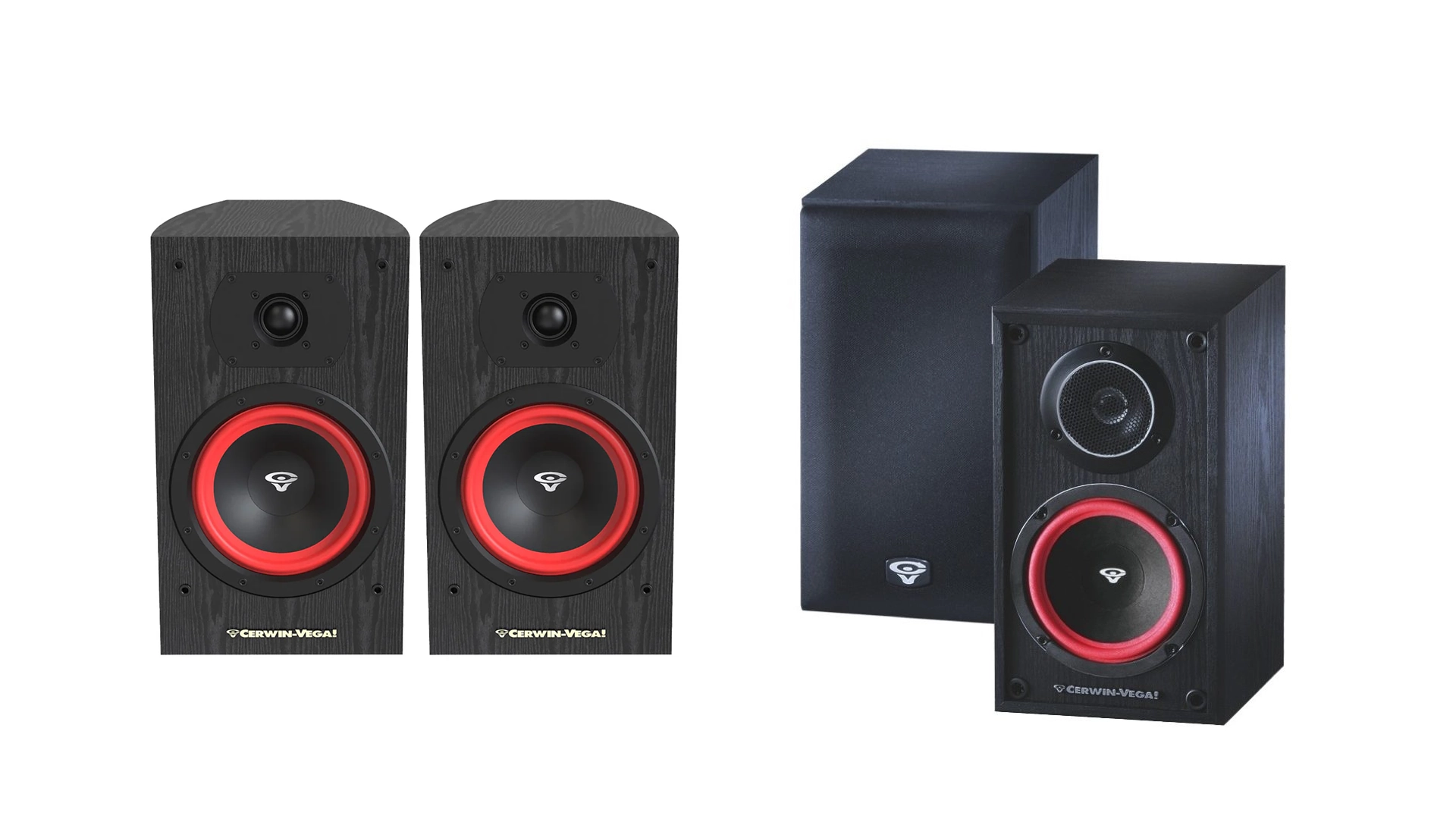
Cerwin-Vega! designs loudspeakers around high efficiency, deep bass and the ability to produce convincing live-event sound pressure without fragile construction. Aerospace engineer Eugene ‘Gene’ Czerwinski founded Vega Associates in Los Angeles in 1954; the company later became Cerwin-Vega. An early 18-inch system capable of exceptional output at 30 Hz established its low-frequency reputation, while professional systems, instrument speakers and the red-surround home models made the brand visually unmistakable. Cerwin-Vega also supplied the folded-horn subwoofer technology used for Universal’s Sensurround presentation of Earthquake in 1974, work recognised with a special technical Academy Award. The brand later passed through several owners and was split between mobile and pro/home operations, but those divisions were reunited under Cerwin-Vega Inc. in 2020. Current ranges cover home speakers and subwoofers, professional PA systems, amplifiers and car audio, preserving the original emphasis on robust drivers, high output and bass with physical impact.

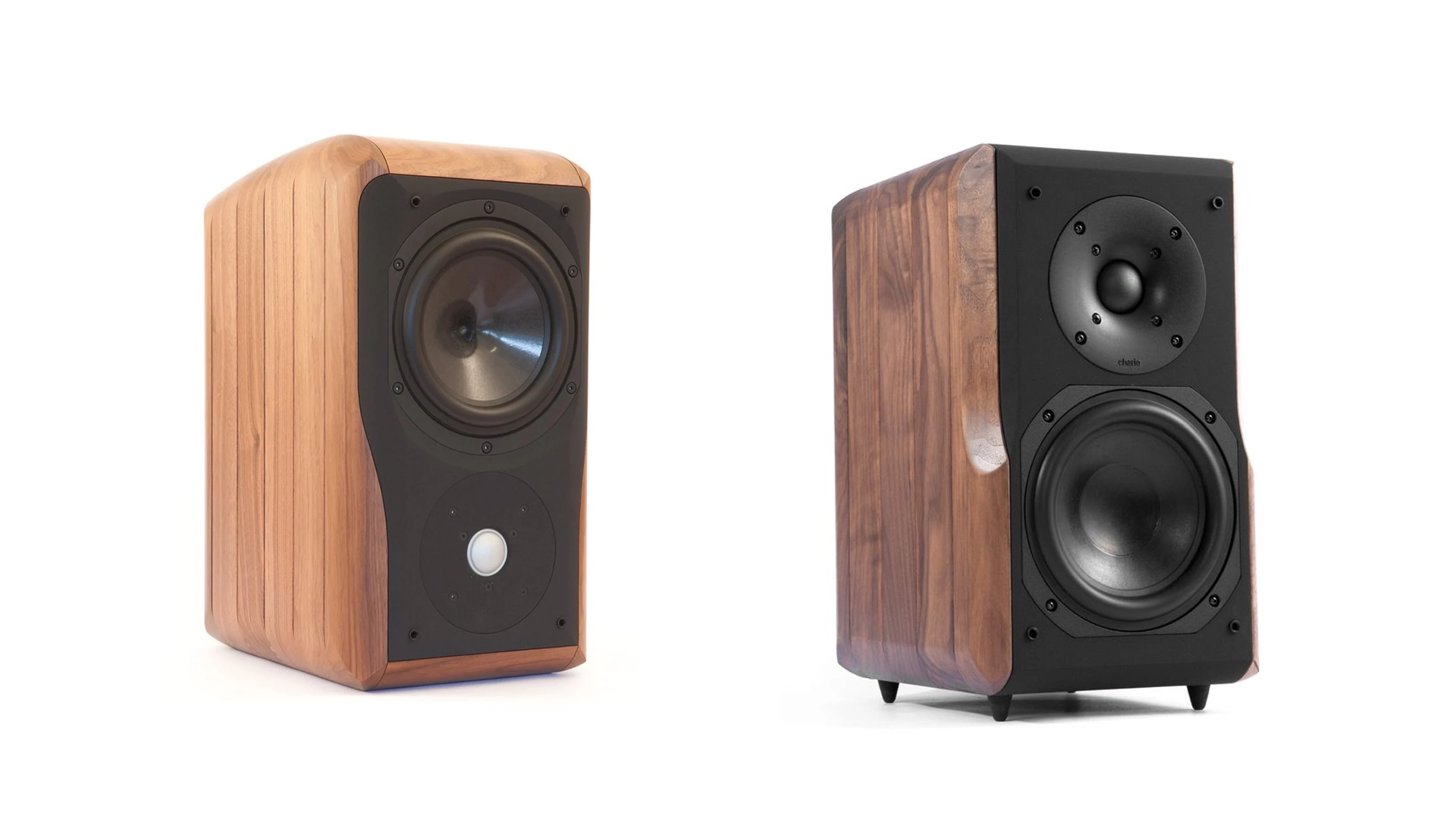
Chario treats loudspeaker design as applied acoustics and psychoacoustics, with the cabinet, drivers and their interaction with a real room developed together. Founded in Milan in 1975, the Italian company designs its components to its own specifications and hand-assembles its loudspeakers in Italy, often using solid walnut or carefully finished wood panels. Its WMT principle controls the overlapping radiation of woofer, midrange and tweeter, while the Acoustic Doublet concept uses low-frequency source spacing and room reflections to preserve spatial information. Down-firing woofers, reversed vertical driver layouts and substantial subdivided enclosures recur in the Academy models. The catalogue ranges from compact Constellation and Aviator speakers to the Academy Sovran and five-way Serendipity flagship, with centre-channel options for multichannel systems. Chario’s identity lies less in decorative Italian styling than in unusual radiation control and in engineering speakers specifically for the dimensions and acoustic behaviour of domestic rooms.

Codia Acoustic Design is a South Korean specialist in equipment racks, platforms and accessories that treat the support beneath a hi-fi component as part of the vibration-control system. The company began in 2010, initially working with birch-plywood loudspeaker enclosures before applying that material knowledge to audio furniture. Its Stage racks use laminated Baltic birch shelves whose differently oriented layers and machined diagonal slots are intended to spread and dissipate resonant energy instead of storing it in a simple solid panel. Rigid metal pillars, spikes and optional isolation footers complete the mechanical path. The Stage 1000 and more elaborate Stage 3000 variants illustrate the brand’s modular approach, with shelf counts and dimensions suited to different systems. Codia’s identity lies in combining furniture-grade woodworking with deliberately engineered shelf geometry: these are visually refined racks, but their construction is aimed first at controlling vibration around turntables, valve amplifiers and other sensitive components.
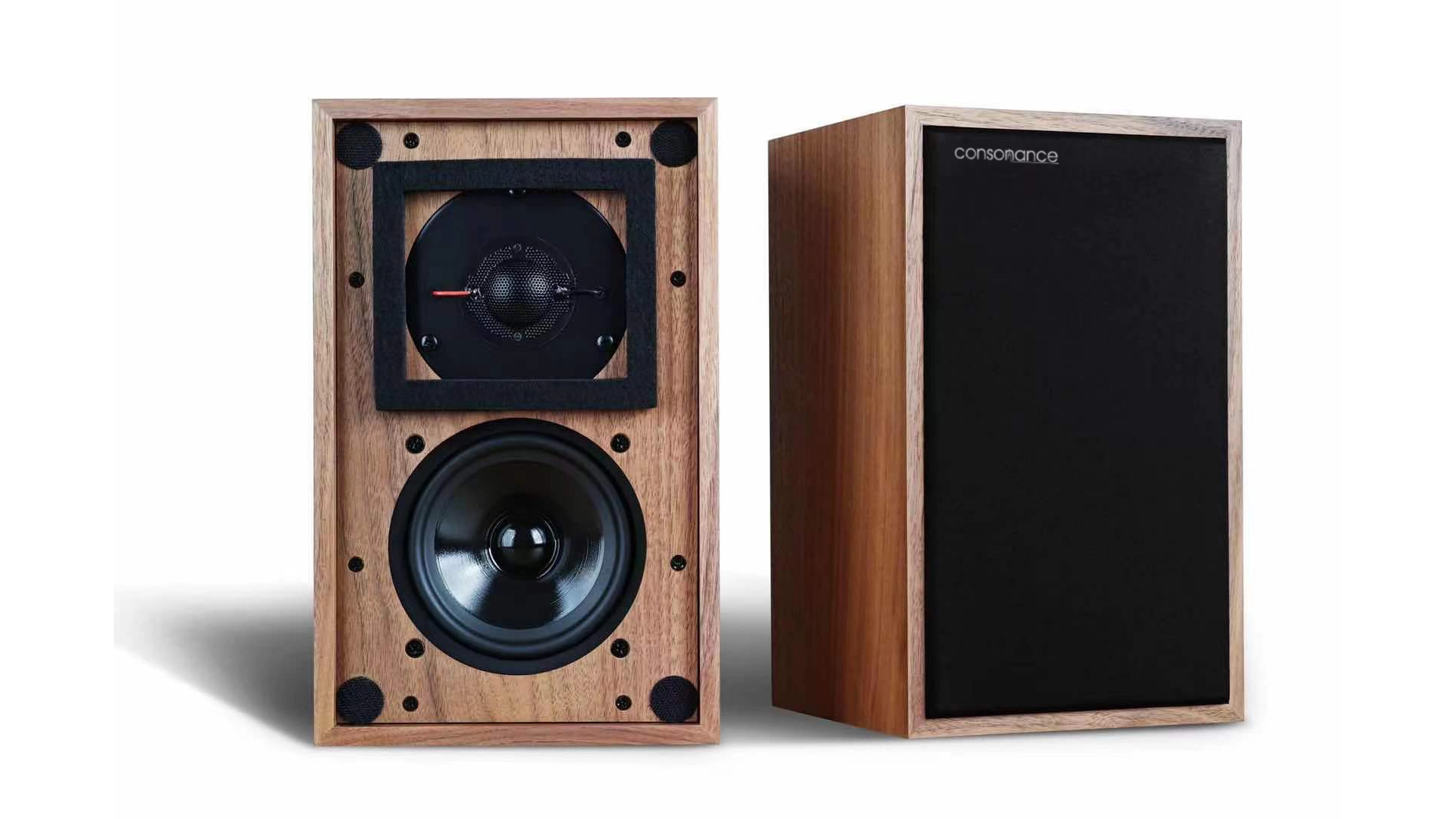
Consonance is the product brand of Opera Audio, one of China’s early internationally distributed high-end audio manufacturers. Opto-mechanical engineer and opera enthusiast Shi Hui Liu founded the Beijing company in 1994 after building a valve amplifier for himself and then being asked to make another. That origin still explains the range: tube and solid-state amplifiers sit alongside CD players, DACs, streamers, loudspeakers, cables and an especially substantial analogue line. Opera became an early Chinese high-end turntable manufacturer, and Consonance decks such as the Droplet, Die Walküre and Wax Engine show a willingness to develop complete mechanisms, plinths and tonearms rather than treat vinyl as a sideline. Many model names reference European opera, but the engineering is not confined to retro styling; the company combines traditional valve circuits with digital sources and modern manufacturing. Its “Simple. Human.” philosophy is a useful summary of the house character: direct circuits, restrained interfaces and a broad, internally designed system intended to serve music rather than specification theatre.

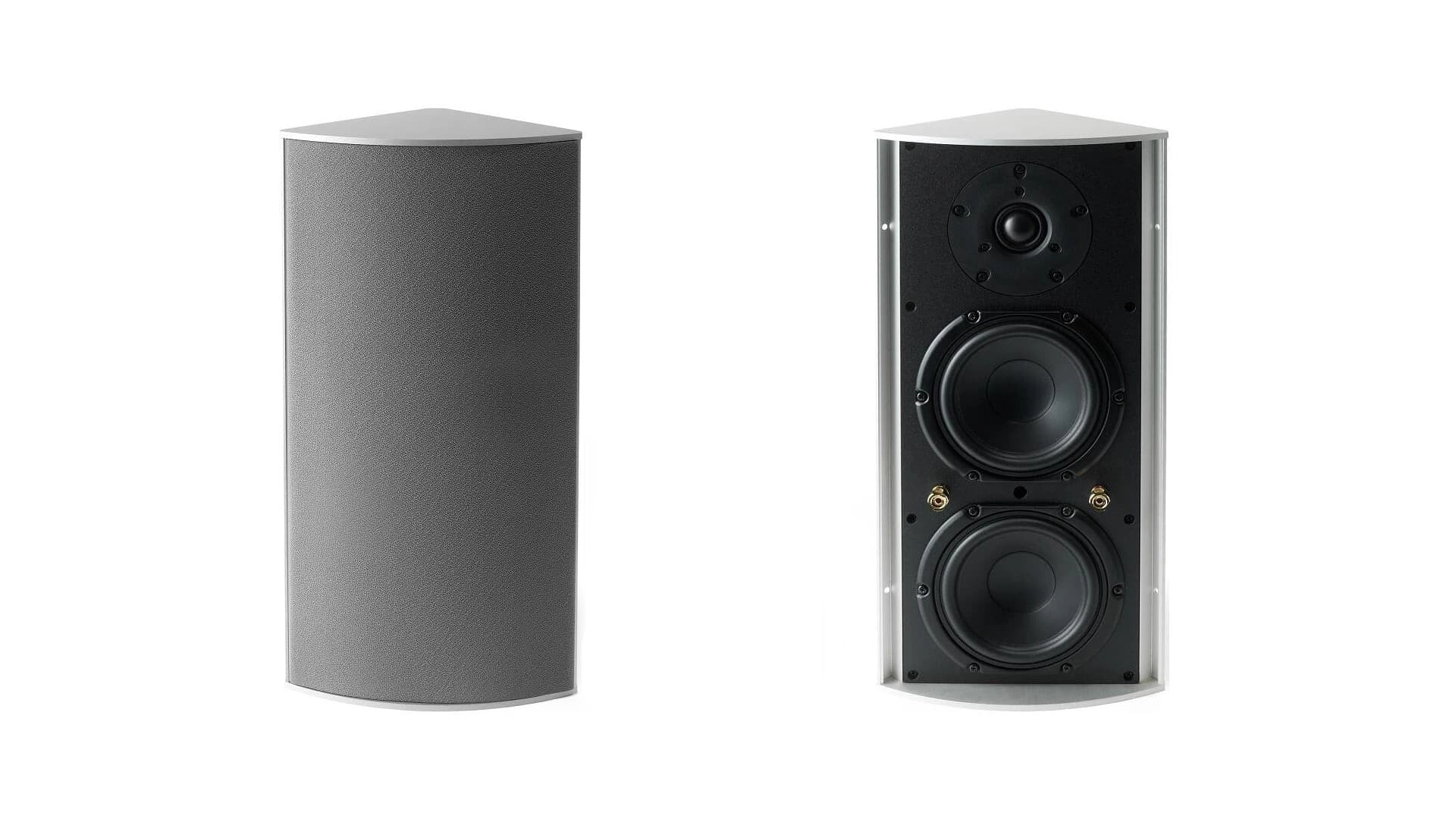
Cornered Audio is a Danish loudspeaker company built around founder Hans V. Madsen’s deceptively simple 90-degree triangular enclosure. The shape lets a speaker sit flush in the junction of two walls, or mount neatly between wall and ceiling, without a visually dominant bracket. That is more than styling: corner placement provides predictable boundary reinforcement and frees the design from the usual rectangular box standing out in the room. The brand develops compact passive speakers for homes, home cinemas, distributed audio and demanding commercial venues, with related C and installation-oriented Ci models covering different output requirements. Carefully chosen professional-grade drivers, robust crossovers and shallow cabinets allow the systems to deliver useful dynamics while remaining architecturally discreet. Some models can also be mounted horizontally or coupled with subwoofers, so the same visual language scales from a living room to hospitality spaces. Cornered Audio’s real niche is not simply “speakers for corners,” but loudspeakers whose acoustics, mounting method and industrial design were conceived together for spaces where conventional boxes are intrusive.

Credo Audio Switzerland is a small-batch loudspeaker manufacturer founded by Rudolf Kraske in 1992 and now closely associated with designer Michael Kraske. The company develops and builds its systems in Switzerland, bringing an increasing share of cabinet machining and assembly in-house after installing its first CNC equipment in 2006. Credo’s EV and Reference models favour controlled cabinet behaviour, carefully developed crossovers and custom-specified European drive units rather than an attention-seeking visual formula. The EV Reference One, for example, separates its sealed bass section from the mid/high enclosure and uses side-firing woofers, while the large Cinema LTM applies the same concern for bandwidth, dynamics and room integration on a much greater scale. Credo first traded internationally in the 1990s, concentrated on its domestic market after restructuring, then rebuilt worldwide distribution from 2015. That history matters: this is not a vague “1990s” brand, but a long-running Swiss workshop whose strength is the integration of acoustic design, machining, finishing and final assembly under close control.

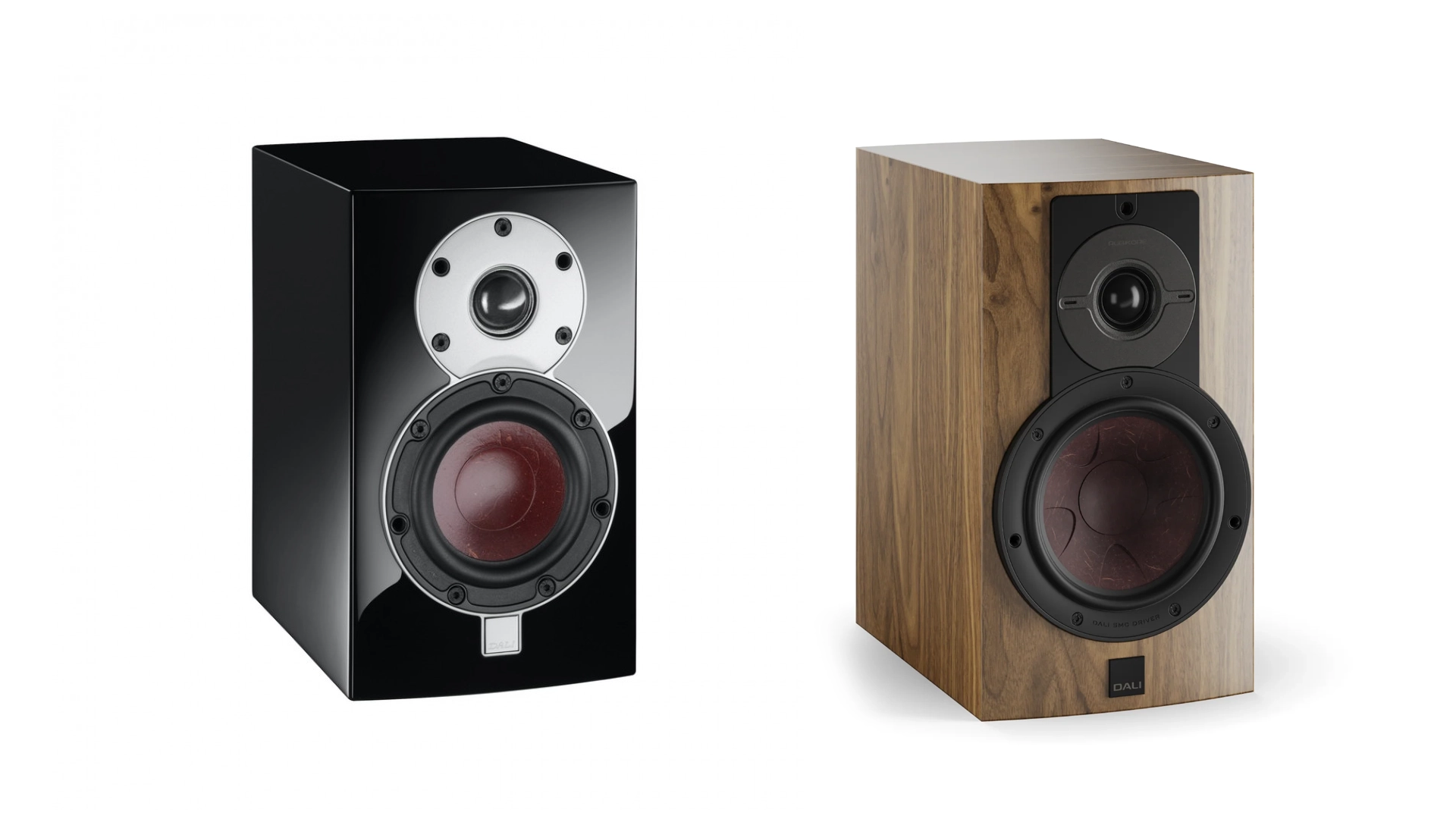
DALI — Danish Audiophile Loudspeaker Industries — was founded by Peter Lyngdorf in 1983 to build loudspeakers that reproduce music honestly across a wide listening area. The company opened its factory in Nørager in 1986, creating the vertically integrated development and production base that still shapes the brand. Several technologies make a DALI speaker easy to identify technically: low-mass wood-fibre cones, wide-dispersion driver geometry, soft-dome or hybrid dome-and-ribbon tweeter modules, and in upper ranges the company’s low-loss SMC magnetic material. These choices are intended to reduce distortion and preserve consistent tonal balance when the listener is not locked to one narrow seat. DALI applies the same principles across compact, floorstanding, on-wall, active and custom-installation models, from accessible OBERON and OPTICON families through RUBIKORE and EPICON to the KORE flagship. The breadth of the catalogue is important, but the stronger story is continuity: driver materials, magnet systems and dispersion behaviour developed for statement products are progressively adapted for speakers intended for ordinary living rooms.

Daniel Hertz is the Swiss audio company founded in 2007 by Mark Levinson, the musician-engineer who had previously created Mark Levinson Audio Systems, Cello and Red Rose Music. The brand combines high-efficiency loudspeakers with integrated amplification and proprietary digital processing, seeking complete-system behaviour rather than isolated components. Its current Maria 350 and four-channel Maria 800 place DAC, preamplifier, power amplification, headphone output, active crossover and time-alignment functions in one chassis. Central to that platform is the programmable Mighty Cat audio chip and the patented C Wave process, which Daniel Hertz describes as restoring continuity to PCM playback through a tuned algorithm; its technical claims should be distinguished from the company’s more speculative health messaging. Maria can drive passive speakers or actively bi-amplify Daniel Hertz models such as Chiara, M1 and M4, while Anton and Amber Midnight broaden the loudspeaker range. The old country entry was incorrect: Daniel Hertz S.A. is based in Switzerland, although its founder and much of his earlier career are American.

HFS Ad Rotator · default · slot 1
HFS Ad Rotator · default · slot 2
Add a missing AV-brand or update an existing one

Add a missing AV-brand or update an existing one

Any user can submit a Quick Submission Form to suggest a new AV-brand or suggest update details for an existing one. Brand owners or official representatives of brand can fill a Official Brand Submission Form to provide complete company information, ensuring maximum accuracy and visibility in our portal. All submissions are moderated before publication. 

For suggesting new AV-brands or suggesting updating existing one by users.

Complete official form for brand owners and representatives to provide complete company details to add a new one or update an existing one

Brand Categories:
  • SPEAKERS
    • Bookshelf Speakers — Compact loudspeakers designed for placement on a shelf or dedicated stands.
    • Floorstanding Speakers — Large, full-range loudspeakers that stand directly on the floor, designed for powerful and expansive sound.
    • In-wall Custom Install Speakers — Speakers designed to be installed flush into walls or ceilings for a discreet, "zero-footprint" audio solution.
    • On-Wall Speakers — Slim, low-profile speakers designed to be mounted directly on a wall, often to complement a flat-panel TV.
    • Studio Monitors — Speakers designed for professional audio production, offering a flat, accurate, and uncolored sound reproduction.
    • Planar Ribbon Electrostatic Speakers — Speakers using large, thin diaphragms (panels) instead of cones, prized for their transparent and detailed sound.
    • Horn Speakers — Highly efficient speakers that use a flared horn to amplify a driver, known for their dynamic, "live" sound.
    • Active Powered Speakers — Loudspeakers with built-in amplifiers, creating a simple all-in-one audio solution.
    • Wireless Portable Speakers — Compact, battery-powered speakers with Bluetooth for on-the-go music.
    • Outdoor Speakers — Durable, weather-resistant speakers engineered to provide high-quality audio in open-air spaces like patios and gardens.
    • Marine Extreme Speakers — Rugged, waterproof, and corrosion-resistant speakers built to withstand harsh marine environments on boats and yachts.
    • Commercial Speakers — Durable loudspeaker systems designed for background music and public address in business environments.
    • Invisible Speakers — Architectural speakers installed in a wall and plastered over, making them completely invisible.
    • Subwoofers Bass Speakers — Specialized speakers dedicated to reproducing only the lowest bass frequencies for impact and depth for all purposes
  • AMPLIFIERS
    • Integrated Amplifiers — An all-in-one component combining a preamplifier and a power amplifier in a single chassis.
    • PreAmplifiers — The control hub of a separates audio system, used for source selection and volume control.
    • Power Amplifiers — A component with the sole job of taking a line-level signal and amplifying it to drive loudspeakers.
    • Phono Preamps Phono Stages — A device that amplifies the weak signal from a turntable's cartridge and applies necessary RIAA equalization.
    • Tube Amplifiers — Amplifiers that use vacuum tubes (valves) instead of transistors, prized for their warm and rich sound character.
    • Multi-Zone Multi-Room Amplifiers — Amplifiers that power speakers in multiple different rooms or "zones" from a single, centralized unit.
    • Network Amplifiers — An integrated amplifier with built-in networking and streaming capabilities, creating a modern "just add speakers" system.
    • Desktop Headphone Amplifiers — Mains-powered amplifiers designed to drive high-quality headphones in a desktop or home audio system.
    • Portable Headphone Amplifiers Players — Compact, battery-powered devices (DAPs or amps) for delivering high-quality sound on the move.
  • DAC STREAMERS
    • DAC Desktop — Digital-to-Analog Converters designed to improve sound quality from a computer or other home digital source.
    • DAC Portable — Compact, battery-powered Digital-to-Analog Converters for improving audio from smartphones and laptops.
    • Music Streamers — Devices that connect to the internet to access and play music from online services like Tidal and Spotify.
    • Network Players — Source components focused on high-fidelity playback of digital audio files from a local network (NAS drive).
    • Music Servers HDD Storages — Dedicated devices for storing, managing, and playing a local digital music library with high fidelity.
    • CD Transport Media Players — High-precision disc players that read physical media (CDs, SACDs) and output a pure digital signal to an external DAC.
    • Compact All-in-One Systems — Self-contained audio systems that combine source, amplification, and often speakers into a single, compact unit.
    • Streaming Amplifier — An integrated amplifier with built-in streaming capabilities.
  • TURNTABLES VINYL
    • Turntables — Electromechanical devices that play vinyl records by rotating them at a stable speed.
    • Tonearms — The precision arm on a turntable that holds the cartridge, allowing the stylus to track the record groove.
    • Cartridges — The transducer on a turntable's tonearm that holds the stylus and converts groove vibrations into an electrical signal.
    • Vinyl Cleaning Machine — Specialized machines that use fluid and vacuum/ultrasonic action to deep-clean vinyl records.
    • Vinyl Accessories — Essential tools for setup and maintenance, like clamps, brushes, and alignment protractors.
  • HEADPHONES
    • In-Ear Earbuds — Ultra-portable listening devices, including True Wireless (TWS) models, designed for convenience and daily use.
    • In-Ear Monitors IEM — High-performance in-ear headphones that seal in the ear canal for superior sound isolation and detail.
    • On-Ear Headphones — Headphones with cushions that rest directly on the ears, offering a balance of portability and sound quality.
    • Over-Ear Headphones — Full-sized headphones with large earcups that completely encircle the ears for maximum comfort and immersion.
    • Wireless Headphones — Headphones that connect to source devices via Bluetooth, often featuring Active Noise Cancellation (ANC).
    • Planar Magnetic Ribbon Headphones — High-end headphones using a thin, flat diaphragm driven by magnets, known for their detailed and low-distortion sound.
    • Electrostatic Headphones — High-end headphones using a massless diaphragm in an electrostatic field, requiring a special energizer/amplifier.
  • HOME THEATER
    • AV Receivers Media Players — Central components of a home cinema, combining audio/video processing, amplification, and playback.
    • Home Theater Speakers — Matched sets of speakers (front, center, surround) designed to create an immersive cinematic soundfield.
    • Soundbars — A simple, all-in-one speaker bar that provides a significant audio upgrade over a television's built-in speakers.
    • Subwoofers — Specialized speakers dedicated to reproducing only the lowest bass frequencies for impact and depth for home theaters
    • Processors Amplifiers — High-end home cinema "separates" consisting of a surround sound processor and a multi-channel power amplifier.
    • Screens — High-quality projection surfaces designed to provide an optimal image for a home cinema projector.
    • Projectors — Video projectors optimized for home cinema use, focusing on color accuracy, contrast, and black levels.
  • CABLES ACCESSORIES
    • Speaker Cables — Cables that carry the amplified, high-level signal from an amplifier to passive loudspeakers.
    • Analog Cables — Cables (RCA, XLR) used to transmit analog audio signals between components like DACs and amplifiers.
    • Digital Cables — Cables (Coaxial, Optical, USB) that transmit digital audio data between components.
    • Phono Cables — Specially shielded cables designed to carry the delicate, low-level signal from a turntable to a phono preamp.
    • Headphone Cables — Aftermarket and replacement cables used to upgrade or customize high-quality headphones.
    • Connectors Terminals — The fundamental hardware (plugs, jacks, spades, etc.) used to terminate cables and connect equipment.
    • Power Cables — High-performance AC cords designed to deliver clean, noise-free power to audio components.
    • Power Supplies Conditioners — Devices that filter, stabilize, and protect the AC power supplied to an audio system for improved performance.
  • FURNITURE
    • Speaker Stands Mounts — Stands and mounts used to position speakers at the correct height and angle for optimal sound.
    • Furniture Racks — Purpose-built furniture designed to house audio/video components with a focus on stability, ventilation, and vibration control.
    • Isolation Footers Spikes Shelves — Specialized accessories (spikes, footers, platforms) designed to manage vibrations and isolate components.
    • Soundproof Solutions — Products designed to control room acoustics, including treatment (panels, diffusers) and sound-blocking materials.
  • PROFESSIONAL
    • Concert Speakers — Large-scale PA systems, including line arrays and stage monitors, for live music and public events.
    • Cinema Speakers — Specialized, high-output loudspeaker systems certified for use in large commercial movie theaters.
    • Concert Electronics — Robust electronics including mixing consoles, processors, and amplifiers for live sound reinforcement.
    • Cinema Electronics — Professional, DCI-compliant processors and amplifiers for use in commercial movie theaters.
    • Cinema Screens — Large-format, often acoustically transparent, projection screens built to professional cinema standards.
    • Cinema Projectors — Ultra-high-brightness, DCI-compliant projectors designed for continuous use in commercial movie theaters.
    • Professional Cables Accessories — Rugged, reliable cables and hardware (e.g., snake cables, Speakon connectors) for touring and professional installation.
  • DIY Components
    • Speaker drivers Tweeters — The individual transducers (woofers, mid-range, tweeters) that are the fundamental building blocks of a loudspeaker.
    • Coaxial Speaker Drivers — Speaker drivers where the tweeter is mounted in the center of the woofer, creating a single point source for sound.
    • DIY Speaker Kits — Complete packages including drivers, crossovers, and plans for enthusiasts to build their own loudspeakers.
    • Electron Vacuum Tubes — Glass valves used in tube amplifiers that provide amplification and can be replaced to tune the sound.
    • Electronic Components — Discrete parts (capacitors, resistors, transistors) used by manufacturers and DIYers to build audio circuits.
  • OTHERS
    • Line Stage — A type of preamplifier that exclusively handles line-level sources, without a built-in phono stage.
    • Time Alignment Device — A signal processor that corrects timing delays between drivers or speakers for improved sound coherence.
    • Smart Portable Speakers — Wireless portable speakers with integrated voice assistants (e.g., Alexa, Google Assistant) and smart home functionality.
    • DJ Turntables — Durable, high-torque direct-drive turntables with pitch control, built for performance and DJing applications.
    • Motor Drives — External motor units and power supplies for turntables, providing improved rotational stability and isolation.
    • Crossovers — Electronic circuits that split an audio signal into different frequency bands to route to the correct speaker driver.
    • Car Audio — Audio equipment, including speakers, amplifiers, and source units, specifically designed for use in vehicles.

Brand Categories:
  • Active Powered Speakers — Loudspeakers with built-in amplifiers, creating a simple all-in-one audio solution.
  • Analog Cables — Cables (RCA, XLR) used to transmit analog audio signals between components like DACs and amplifiers.
  • AV Receivers Media Players — Central components of a home cinema, combining audio/video processing, amplification, and playback.
  • Bookshelf Speakers — Compact loudspeakers designed for placement on a shelf or dedicated stands.
  • Car Audio — Audio equipment, including speakers, amplifiers, and source units, specifically designed for use in vehicles.
  • Cartridges — The transducer on a turntable's tonearm that holds the stylus and converts groove vibrations into an electrical signal.
  • CD Transport Media Players — High-precision disc players that read physical media (CDs, SACDs) and output a pure digital signal to an external DAC.
  • Cinema Electronics — Professional, DCI-compliant processors and amplifiers for use in commercial movie theaters.
  • Cinema Projectors — Ultra-high-brightness, DCI-compliant projectors designed for continuous use in commercial movie theaters.
  • Cinema Screens — Large-format, often acoustically transparent, projection screens built to professional cinema standards.
  • Cinema Speakers — Specialized, high-output loudspeaker systems certified for use in large commercial movie theaters.
  • Coaxial Speaker Drivers — Speaker drivers where the tweeter is mounted in the center of the woofer, creating a single point source for sound.
  • Commercial Speakers — Durable loudspeaker systems designed for background music and public address in business environments.
  • Compact All-in-One Systems — Self-contained audio systems that combine source, amplification, and often speakers into a single, compact unit.
  • Concert Electronics — Robust electronics including mixing consoles, processors, and amplifiers for live sound reinforcement.
  • Concert Speakers — Large-scale PA systems, including line arrays and stage monitors, for live music and public events.
  • Connectors Terminals — The fundamental hardware (plugs, jacks, spades, etc.) used to terminate cables and connect equipment.
  • Crossovers — Electronic circuits that split an audio signal into different frequency bands to route to the correct speaker driver.
  • DAC Desktop — Digital-to-Analog Converters designed to improve sound quality from a computer or other home digital source.
  • DAC Portable — Compact, battery-powered Digital-to-Analog Converters for improving audio from smartphones and laptops.
  • Desktop Headphone Amplifiers — Mains-powered amplifiers designed to drive high-quality headphones in a desktop or home audio system.
  • Digital Cables — Cables (Coaxial, Optical, USB) that transmit digital audio data between components.
  • DIY Speaker Kits — Complete packages including drivers, crossovers, and plans for enthusiasts to build their own loudspeakers.
  • DJ Turntables — Durable, high-torque direct-drive turntables with pitch control, built for performance and DJing applications.
  • Electron Vacuum Tubes — Glass valves used in tube amplifiers that provide amplification and can be replaced to tune the sound.
  • Electronic Components — Discrete parts (capacitors, resistors, transistors) used by manufacturers and DIYers to build audio circuits.
  • Electrostatic Headphones — High-end headphones using a massless diaphragm in an electrostatic field, requiring a special energizer/amplifier.
  • Floorstanding Speakers — Large, full-range loudspeakers that stand directly on the floor, designed for powerful and expansive sound.
  • Furniture Racks — Purpose-built furniture designed to house audio/video components with a focus on stability, ventilation, and vibration control.
  • Headphone Cables — Aftermarket and replacement cables used to upgrade or customize high-quality headphones.
  • Home Theater Speakers — Matched sets of speakers (front, center, surround) designed to create an immersive cinematic soundfield.
  • Horn Speakers — Highly efficient speakers that use a flared horn to amplify a driver, known for their dynamic, "live" sound.
  • In-Ear Earbuds — Ultra-portable listening devices, including True Wireless (TWS) models, designed for convenience and daily use.
  • In-Ear Monitors IEM — High-performance in-ear headphones that seal in the ear canal for superior sound isolation and detail.
  • In-wall Custom Install Speakers — Speakers designed to be installed flush into walls or ceilings for a discreet, "zero-footprint" audio solution.
  • Integrated Amplifiers — An all-in-one component combining a preamplifier and a power amplifier in a single chassis.
  • Invisible Speakers — Architectural speakers installed in a wall and plastered over, making them completely invisible.
  • Isolation Footers Spikes Shelves — Specialized accessories (spikes, footers, platforms) designed to manage vibrations and isolate components.
  • Line Stage — A type of preamplifier that exclusively handles line-level sources, without a built-in phono stage.
  • Marine Extreme Speakers — Rugged, waterproof, and corrosion-resistant speakers built to withstand harsh marine environments on boats and yachts.
  • Motor Drives — External motor units and power supplies for turntables, providing improved rotational stability and isolation.
  • Multi-Zone Multi-Room Amplifiers — Amplifiers that power speakers in multiple different rooms or "zones" from a single, centralized unit.
  • Music Servers HDD Storages — Dedicated devices for storing, managing, and playing a local digital music library with high fidelity.
  • Music Streamers — Devices that connect to the internet to access and play music from online services like Tidal and Spotify.
  • Network Amplifiers — An integrated amplifier with built-in networking and streaming capabilities, creating a modern "just add speakers" system.
  • Network Players — Source components focused on high-fidelity playback of digital audio files from a local network (NAS drive).
  • On-Ear Headphones — Headphones with cushions that rest directly on the ears, offering a balance of portability and sound quality.
  • On-Wall Speakers — Slim, low-profile speakers designed to be mounted directly on a wall, often to complement a flat-panel TV.
  • Outdoor Speakers — Durable, weather-resistant speakers engineered to provide high-quality audio in open-air spaces like patios and gardens.
  • Over-Ear Headphones — Full-sized headphones with large earcups that completely encircle the ears for maximum comfort and immersion.
  • Phono Cables — Specially shielded cables designed to carry the delicate, low-level signal from a turntable to a phono preamp.
  • Phono Preamps Phono Stages — A device that amplifies the weak signal from a turntable's cartridge and applies necessary RIAA equalization.
  • Planar Magnetic Ribbon Headphones — High-end headphones using a thin, flat diaphragm driven by magnets, known for their detailed and low-distortion sound.
  • Planar Ribbon Electrostatic Speakers — Speakers using large, thin diaphragms (panels) instead of cones, prized for their transparent and detailed sound.
  • Portable Headphone Amplifiers Players — Compact, battery-powered devices (DAPs or amps) for delivering high-quality sound on the move.
  • Power Amplifiers — A component with the sole job of taking a line-level signal and amplifying it to drive loudspeakers.
  • Power Cables — High-performance AC cords designed to deliver clean, noise-free power to audio components.
  • Power Supplies Conditioners — Devices that filter, stabilize, and protect the AC power supplied to an audio system for improved performance.
  • PreAmplifiers — The control hub of a separates audio system, used for source selection and volume control.
  • Processors Amplifiers — High-end home cinema "separates" consisting of a surround sound processor and a multi-channel power amplifier.
  • Professional Cables Accessories — Rugged, reliable cables and hardware (e.g., snake cables, Speakon connectors) for touring and professional installation.
  • Projectors — Video projectors optimized for home cinema use, focusing on color accuracy, contrast, and black levels.
  • Screens — High-quality projection surfaces designed to provide an optimal image for a home cinema projector.
  • Smart Portable Speakers — Wireless portable speakers with integrated voice assistants (e.g., Alexa, Google Assistant) and smart home functionality.
  • Soundbars — A simple, all-in-one speaker bar that provides a significant audio upgrade over a television's built-in speakers.
  • Soundproof Solutions — Products designed to control room acoustics, including treatment (panels, diffusers) and sound-blocking materials.
  • Speaker Cables — Cables that carry the amplified, high-level signal from an amplifier to passive loudspeakers.
  • Speaker drivers Tweeters — The individual transducers (woofers, mid-range, tweeters) that are the fundamental building blocks of a loudspeaker.
  • Speaker Stands Mounts — Stands and mounts used to position speakers at the correct height and angle for optimal sound.
  • Streaming Amplifier — An integrated amplifier with built-in streaming capabilities.
  • Studio Monitors — Speakers designed for professional audio production, offering a flat, accurate, and uncolored sound reproduction.
  • Subwoofers — Specialized speakers dedicated to reproducing only the lowest bass frequencies for impact and depth for home theaters
  • Subwoofers Bass Speakers — Specialized speakers dedicated to reproducing only the lowest bass frequencies for impact and depth for all purposes
  • Time Alignment Device — A signal processor that corrects timing delays between drivers or speakers for improved sound coherence.
  • Tonearms — The precision arm on a turntable that holds the cartridge, allowing the stylus to track the record groove.
  • Tube Amplifiers — Amplifiers that use vacuum tubes (valves) instead of transistors, prized for their warm and rich sound character.
  • Turntables — Electromechanical devices that play vinyl records by rotating them at a stable speed.
  • Vinyl Accessories — Essential tools for setup and maintenance, like clamps, brushes, and alignment protractors.
  • Vinyl Cleaning Machine — Specialized machines that use fluid and vacuum/ultrasonic action to deep-clean vinyl records.
  • Wireless Headphones — Headphones that connect to source devices via Bluetooth, often featuring Active Noise Cancellation (ANC).
  • Wireless Portable Speakers — Compact, battery-powered speakers with Bluetooth for on-the-go music.

Sales Channels:
  • Dealer & Distributor Network — The traditional sales model where products are sold through a network of authorized, independent retail stores and custom installers. This is the primary channel for most specialized Hi-Fi brands.
  • Direct-to-Consumer (DTC) — The brand sells its products directly to end-users through its own official website, bypassing traditional retail channels. A rapidly growing model in the industry.
  • Custom Installation (CI) Channel — Products are sold primarily through professional firms that design and install integrated smart home and audio-visual systems. This channel is crucial for architectural and high-end integrated solutions.
  • Mass Market Retail — Products are available in large, non-specialized consumer electronics chain stores. This typically applies to more mainstream product lines from larger brands.
  • Brand-Owned Stores / Showrooms — The brand operates its own physical, flagship retail stores or dedicated showrooms to offer a direct and immersive brand experience. This is the least common model, typically used by top-tier brands.

For companies: For any questions about listings & partnership opportunities, please contact us at contact@hifiselector.com

Have a suggestion or found a flaw? Help us improve​

Have a suggestion or found a flaw?