An icon for over-ear, circumaural headphones.

Over-Ear Headphones

Over-ear, or circumaural, headphones have large earcups that completely encircle the ears, creating a comfortable seal and an immersive listening experience. This design is ideal for long listening sessions and includes many of the world’s most acclaimed audiophile models. They come in two main types: open-back for a spacious, natural sound, and closed-back for superior noise isolation. This guide covers the brands that produce these full-sized headphones for serious listeners.

55

Hi-Fi brands in the category

Summary information and image

Direct links to official websites

Filters
Search
Country
See more See less

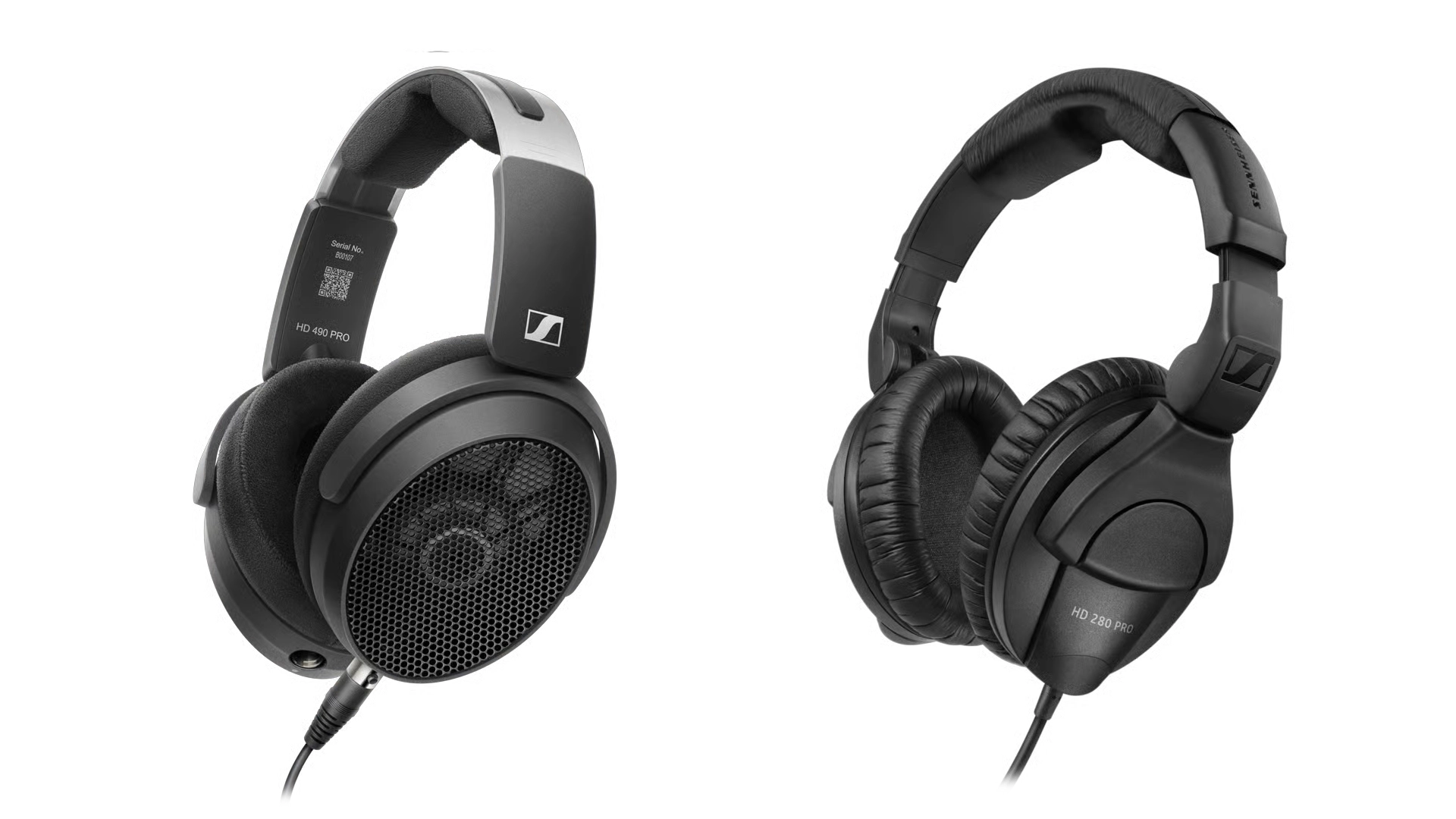
Sennheiser is a German audio company founded in 1945 by electrical engineer Fritz Sennheiser as Laboratorium Wennebostel, or “Labor W,” near Hanover. Microphones established the business: the MD 2 followed soon after its first measuring equipment, the MD 421 became a studio and broadcast standard, and the MKH and evolution families carried the name into film, stage and location sound. Headphones form the other great strand. The open-back HD 414 of 1968 was produced on an extraordinary scale; later HD 600, HD 650 and HD 800 models became long-lived references for home listening, while the Orpheus/HE 1 electrostatic system demonstrated the company’s no-compromise engineering. Wireless microphone systems, aviation and broadcast headsets, in-ear monitoring and AMBEO immersive-audio products broaden the professional portfolio. Ownership now needs careful distinction. The Sennheiser family-owned company continues to run the professional-audio business. Its consumer headphone and hearable division was acquired by Swiss hearing-care group Sonova in 2022 and operates under a perpetual licence to the Sennheiser brand; in March 2026 Sonova announced that it intends to divest this Consumer Hearing business, with a transaction expected during its 2026/27 financial year. Until a sale is completed, Sonova remains the owner of that division. The original country therefore remains Germany, but “Sennheiser” no longer describes one corporate unit. What connects the products is an unusually deep history in transducers, acoustics and wireless transmission—knowledge applied from stage microphones to open-back audiophile headphones rather than a brand assembled around a single consumer trend.

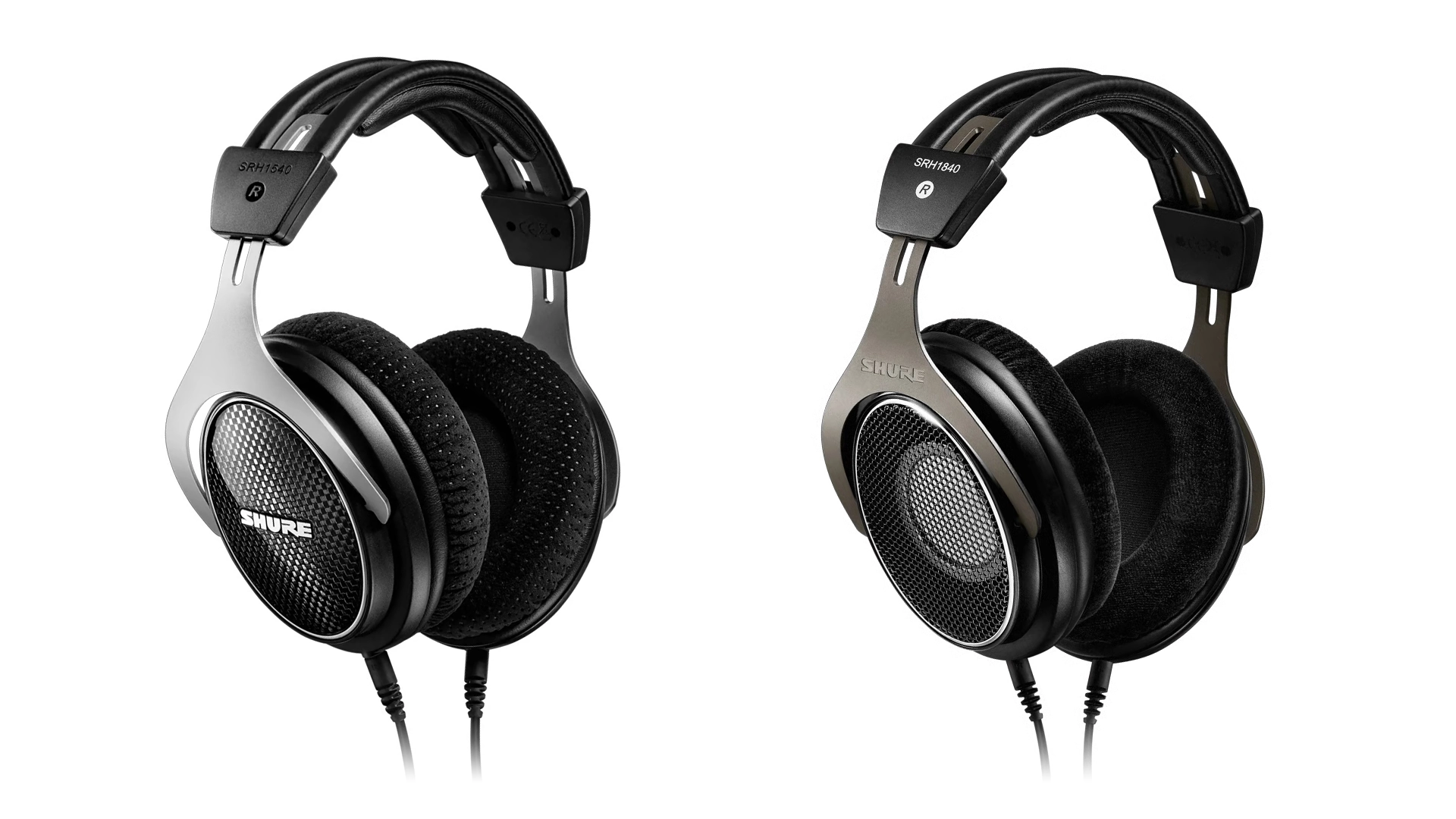
Shure is an American audio manufacturer founded in Chicago in 1925 by Sidney N. Shure, initially as a mail-order supplier of radio-parts kits. When factory-built radios displaced that business, Shure moved into microphones and created products that changed how voices were captured on stage, in broadcasting and in the studio. The 55 Unidyne of 1939 was the first successful single-element unidirectional dynamic microphone, combining the front and rear acoustic paths inside one capsule; its unmistakable body later became a visual symbol of public performance. The rugged SM57 and vocal-focused SM58, introduced in the 1960s, became working standards, while the SM7—evolved today as the SM7B—found a second life in recording, broadcasting and podcasting. Shure’s expertise extends well beyond wired dynamics. Axient Digital and ULX-D address mission-critical wireless production, PSM systems provide professional in-ear monitoring, and Microflex covers conferencing and networked installed sound. The company was also a major phono-cartridge maker: M3D and V15 generations influenced vinyl replay before cartridge production ended in 2018. Current personal-audio products include SE in-ear monitors, AONIC headphones and earphones, MV microphones such as the MV7+, and MoveMic wireless lavaliers. The common thread is dependable transducer and radio engineering under real working conditions—feedback, handling noise, spectrum congestion, sweat, drops and long service lives—not a fashionable house sound. Shure remains privately held and headquartered in the Chicago area. A century after its founding, its strongest products are those professionals can recognise, replace and trust anywhere, yet the company continues to translate the same microphone and wireless knowledge into modern USB, mobile and networked workflows.

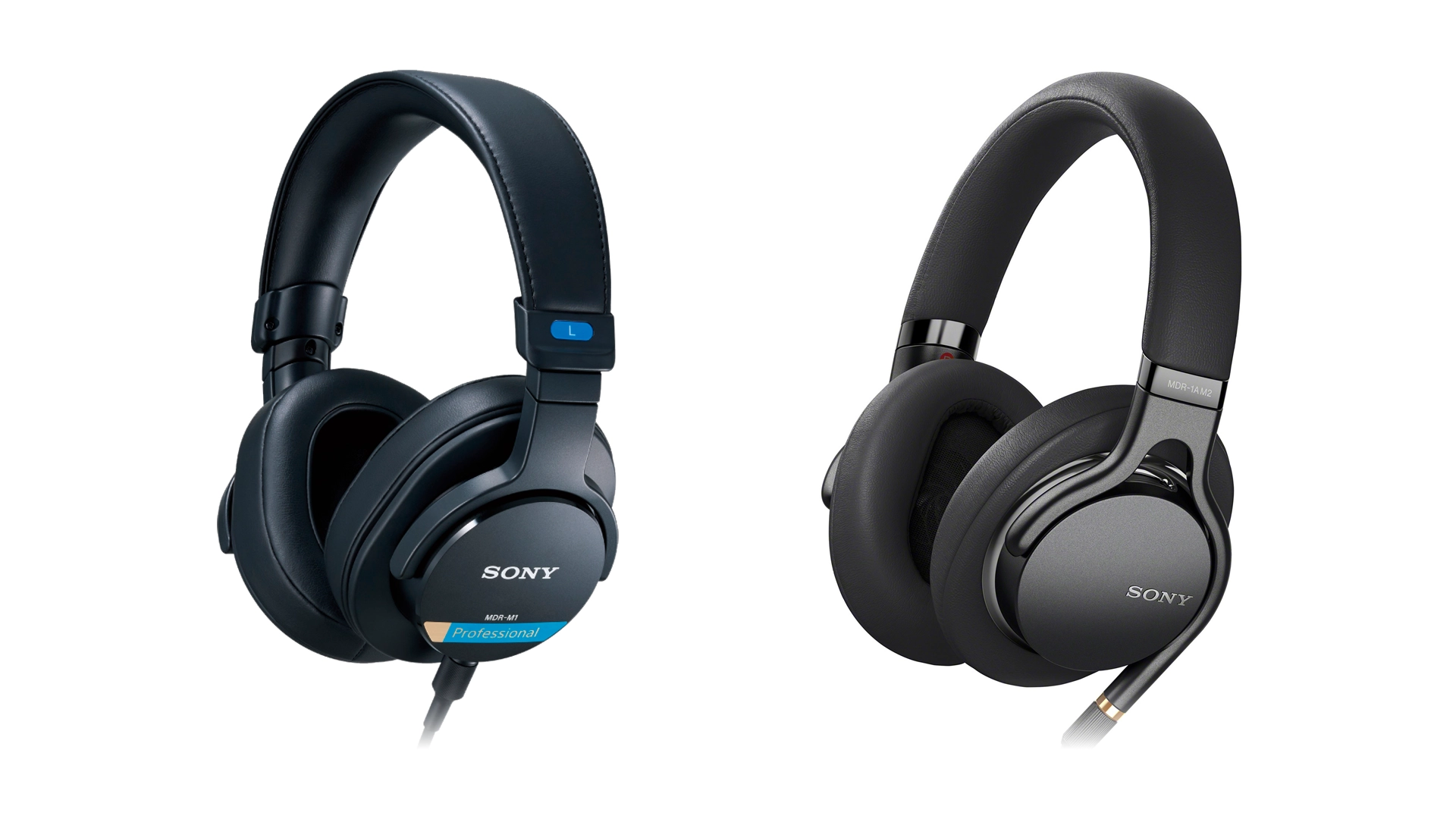
Sony helped shape both personal listening and home entertainment, from the Walkman and Compact Disc era to televisions, headphones and cinema systems. Masaru Ibuka and Akio Morita established the company in Tokyo in 1946 as Tokyo Tsushin Kogyo; the Sony name became its corporate identity in 1958. Tape recorders and transistor radios provided early foundations, but the 1979 TPS-L2 Walkman changed how people carried music with them. The CDP-101 followed in 1982, and the compact D-50 portable CD player in 1984 helped bring digital discs beyond the living room. Sony also played a central role with Philips in developing the Compact Disc and later SACD formats. Its hi-fi history includes ES amplifiers and disc players, while Walkman continued into digital music players. Headphones became another major field, spanning studio use, dedicated home listening and wireless noise-cancelling models. In video, the progression from Trinitron to BRAVIA televisions sits alongside home-cinema projectors and professional imaging equipment. Soundbars, receivers and disc players connect these audio and video interests within domestic systems. Sony’s scale matters because it works across recording, signal processing, playback hardware and entertainment production, with technologies moving between those areas. The consumer brand therefore encompasses far more than its professional AV division: it includes several of the products and formats through which generations of listeners first encountered recorded music and film.

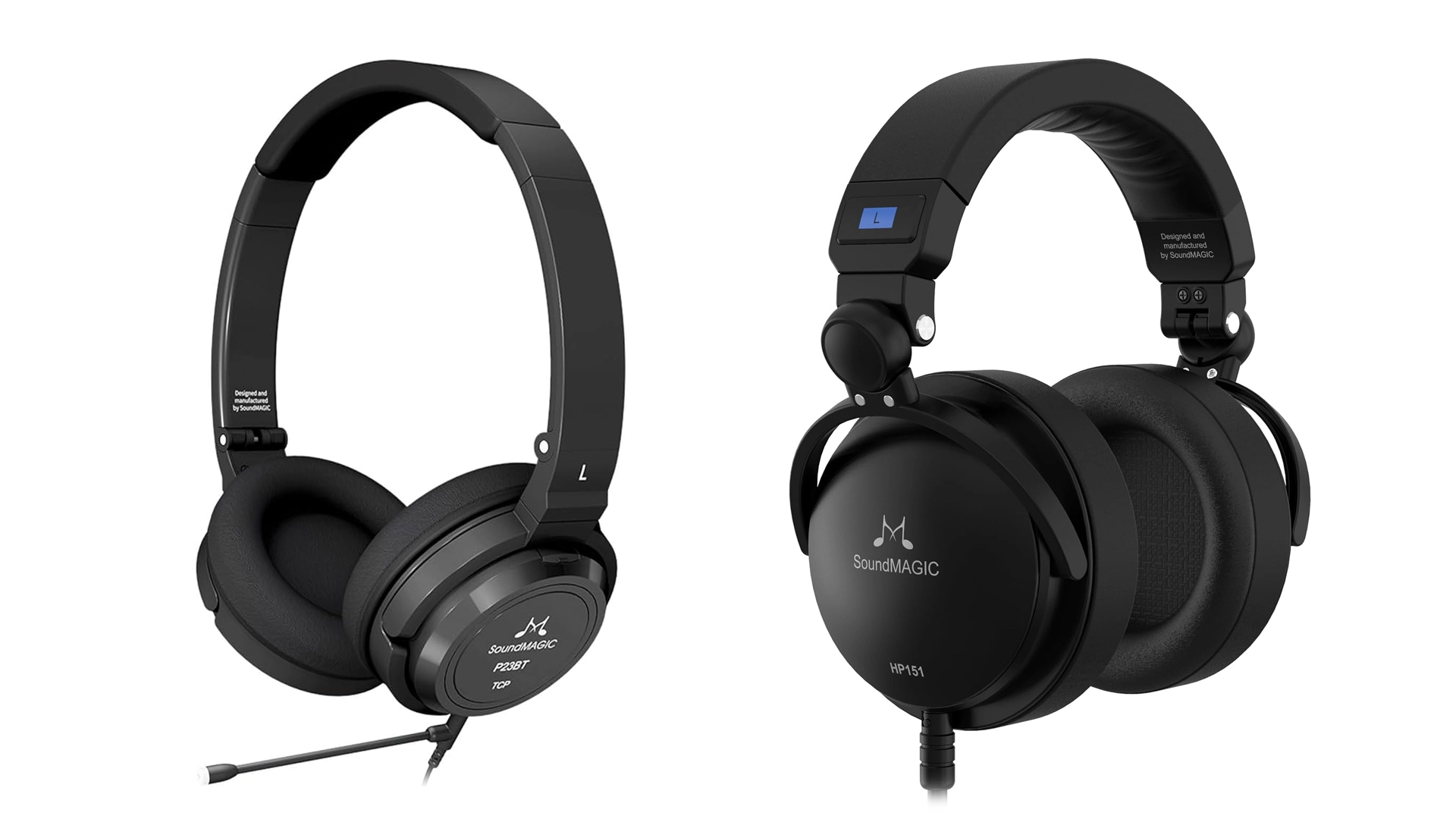
SoundMAGIC built its reputation by making affordable earphones that could be taken seriously for music listening. Acoustic design engineer Tony Xu founded the Chinese brand in 2005, and the E-series wired in-ear models became its most recognisable products. The E10 established a particularly durable place in the range, followed by designs such as E11, E50 and E80 that offered different steps in performance and construction. Small housings, straightforward connections and a choice of eartips made these products practical for everyday use as well as a first dedicated headphone purchase. Their relevance has continued as the source device changes: USB-C versions bring the same basic in-ear format to phones and computers without a conventional headphone socket. SoundMAGIC’s catalogue also includes full-size headphones, with the HP family serving listeners who prefer an over-ear fit, and it has developed wireless products alongside the wired range. The engineering emphasis is on the acoustic driver and enclosure, fit and usable construction at accessible prices. That focus explains why individual models have remained more prominent than elaborate lifestyle campaigns. For listeners, the attraction is a clear choice of form and connection: a compact wired earphone, a USB-C model with the necessary digital interface, or a larger headphone for another setting. SoundMAGIC’s identity is rooted in making these everyday audio products well enough that an inexpensive pair can become a long-term part of someone’s listening rather than merely an accessory supplied with a phone.

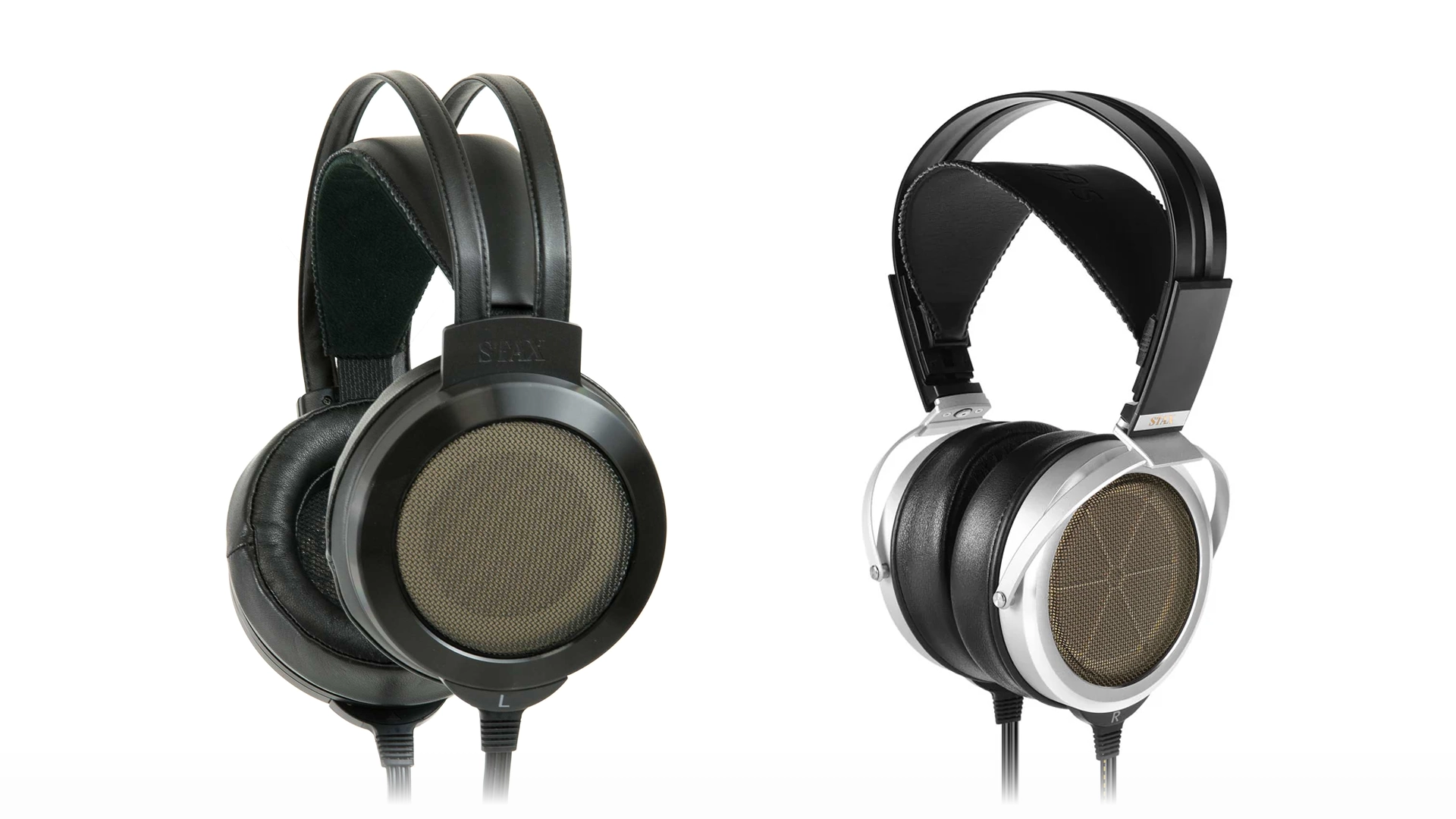
STAX is the Japanese company that turned the electrostatic headphone into a complete, enduring product category. Established in 1938 by Naotake Hayashi, it developed the SR-1 in 1959 and introduced it in 1960 as the world’s first commercially available electrostatic headphone. STAX calls its headphones “Earspeakers”, a useful reminder that their operating principle differs from ordinary dynamic models. A very thin charged diaphragm moves between fixed electrodes, and the headphone must be partnered with a dedicated high-voltage driver unit, commonly called an energizer. This system approach shaped the brand’s history. The Lambda series made the large rectangular open-back form instantly recognisable, while the Omega lineage led to reference models such as SR-007, SR-009 and today’s SR-X9000. Current ranges also include more accessible SR-L and SR-X designs, together with solid-state, valve-hybrid and portable driver units. Because headphone and energizer are designed as an electrical pair, amplification is not an afterthought in a STAX system. The company encountered serious financial difficulties in the 1990s and was re-established in 1996; Chinese loudspeaker manufacturer Edifier later acquired the business, with the alliance announced in 2011. STAX nevertheless remains a Japanese brand with development and production centred on its electrostatic speciality. Few audio companies are so closely associated with one transducer principle, or have refined it through so many generations without turning it into a conventional headphone in different clothing.

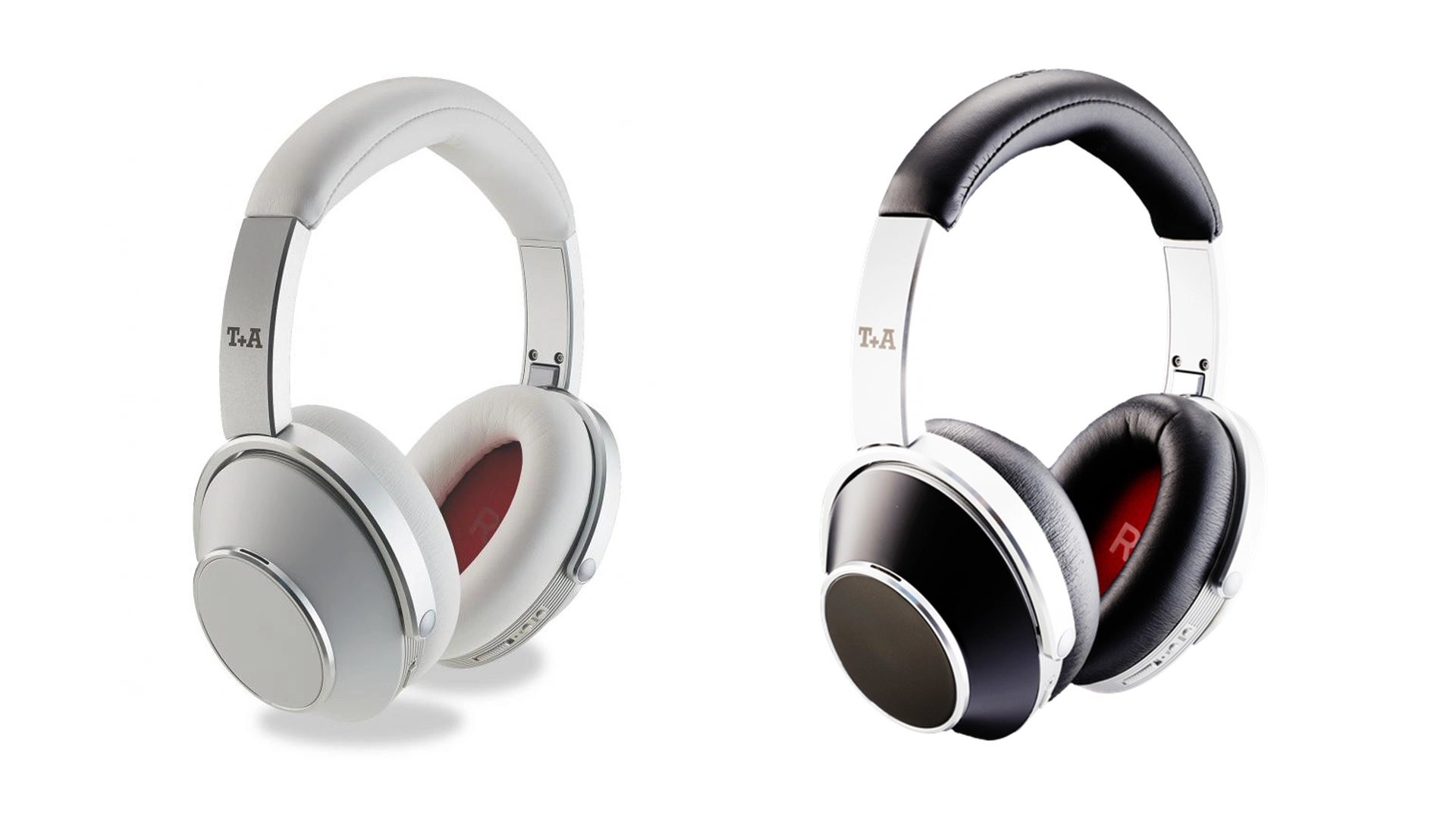
T+A elektroakustik (Theory + Application) is a German manufacturer of high-end audio equipment, known for its wide range of products, innovative technologies, and a focus on delivering both exceptional sound quality and comprehensive features. The company’s product range includes amplifiers, preamplifiers, integrated amplifiers, CD players, streamers, all-in-one systems, loudspeakers, and even headphones. T+A often utilizes proprietary technologies and advanced engineering in its designs, aiming to push the boundaries of audio performance. Their products are characterized by their robust build quality, elegant aesthetics, and a sonic signature that emphasizes detail, dynamics, and a natural, unforced presentation. The “HV” (High Voltage), “R” series , and “Cala” series represent different facets of their product offerings. T+A products are positioned in the high-end segment of the market, appealing to audiophiles who value both performance and German engineering.

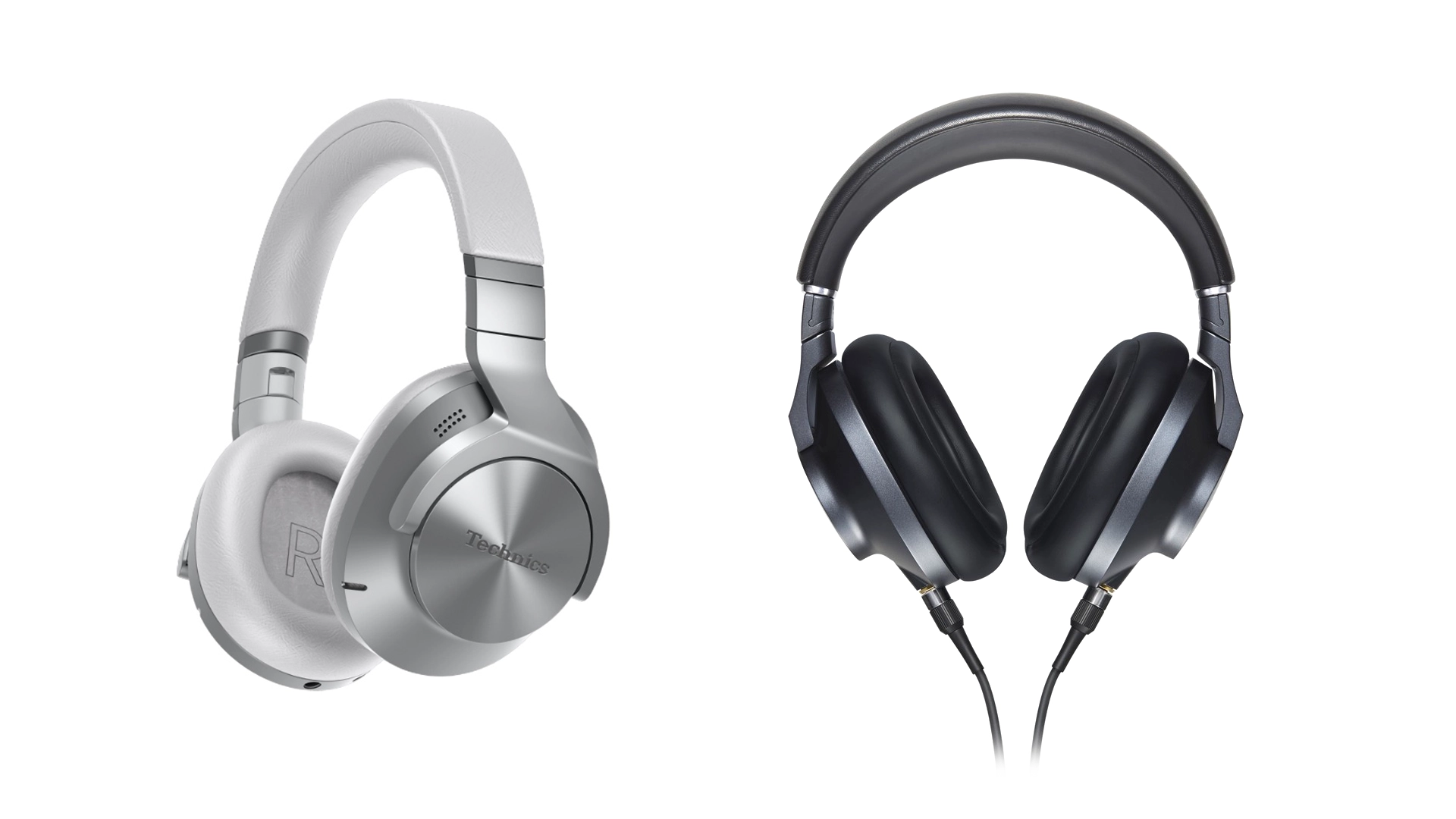
Technics is Panasonic’s Japanese hi-fi brand, introduced in 1965 and defined above all by its transformation of the turntable. The first product to carry the name was the Technics 1 loudspeaker, but the SP-10 of 1970 created the decisive legacy: it was the first commercially available direct-drive turntable, placing the platter directly on the motor and eliminating belts and idlers. The SL-1200 followed in 1972, and the quartz-controlled SL-1200MK2 of 1979 became an enduring tool for broadcasters, clubs, DJs and home listeners. That achievement can obscure the breadth of the company. Technics also built amplifiers, cassette and open-reel machines, CD players and loudspeakers, often using advanced motor, power-supply and digital research from the wider Panasonic organisation. After a pause in dedicated hi-fi production, the brand returned in 2014 with new Reference and Grand Class systems rather than a purely retro catalogue.

Modern turntables range from the accessible SL-1500C and SL-1200GR2 to the SL-1200G and Reference SP-10R, whose coreless direct-drive motors address cogging and rotational stability with current control technology. Electronics such as the SU-R1000 integrated amplifier use digital signal processing for functions including cartridge calibration and load-adaptive speaker control, while wireless systems and loudspeakers broaden the range. Technics remains distinctive because one engineering idea became both an audiophile reference and a global musical instrument, yet the company continues to refine it instead of merely reproducing the past.

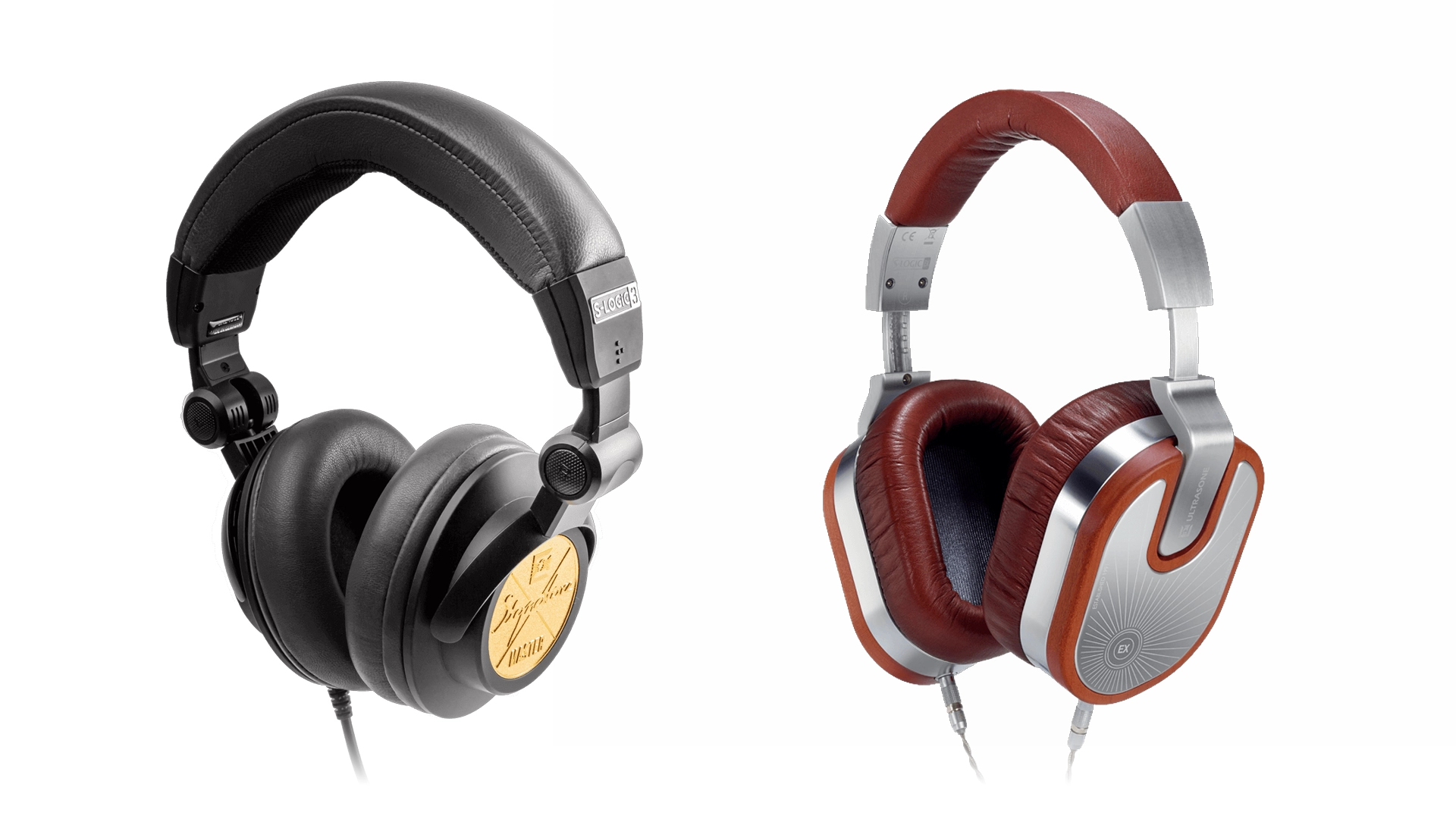
Ultrasone is a German headphone specialist founded in Bavaria in 1991. The company has served studio, DJ and audiophile listeners, but its enduring identity comes from changing the position of the transducer rather than treating every headphone as a conventional driver in a more luxurious cup. Many models are developed and assembled at the company’s Bavarian workshop, while broader ranges use international production according to price and application.

S-Logic places the driver off-centre so sound reaches the outer ear before entering the canal. Ultrasone argues that this engages natural pinna cues, creates a more speaker-like spatial impression and can achieve a given perceived loudness with less direct acoustic pressure. Successive S-Logic Plus, EX and current variants refine driver placement and cup geometry. ULE shielding uses mu-metal around the transducer to reduce low-frequency magnetic-field exposure—another long-running feature rather than a new marketing label.

Edition headphones established the luxury line through elaborate materials and limited German production; Signature models translate the spatial concept into studio, DJ and portable use. The newer Founders Series returns the focus to small-workshop construction, replaceable parts and open or closed high-end designs. S-Logic does not sound identical to a conventional headphone and personal anatomy strongly affects the result, so auditioning matters. That dependence is also what makes Ultrasone distinctive: for more than three decades it has pursued one recognisable theory of headphone spatial reproduction instead of relying only on driver material and frequency-response claims.

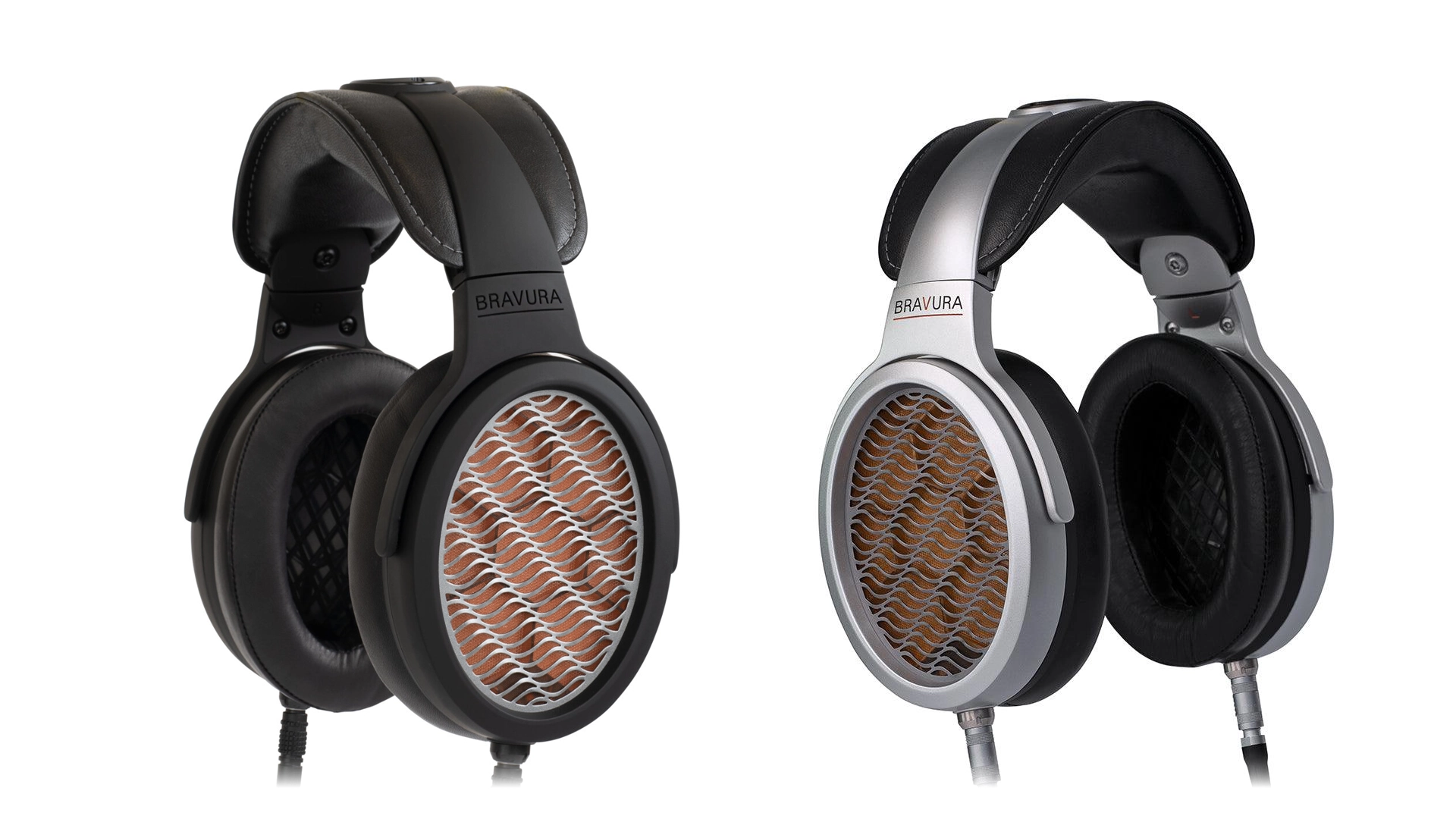
Warwick Acoustics is a British electrostatic-transducer company founded in 2002 as a spin-out from the University of Warwick’s School of Engineering. Its key invention is the High-Precision Electrostatic Laminate, or HPEL: an extremely thin diaphragm and conductive electrode structure manufactured as a lightweight laminated panel. Because the moving element has very low mass and is driven across its surface, the technology is intended to combine fast transient response with low mechanical inertia. The Sonoma Model One introduced HPEL to complete high-end headphone systems, pairing the transducer with the dedicated high-voltage energiser, DAC and amplifier it requires. Bravura refined the more accessible open-back system, while Aperio became the reference platform with balanced analogue and digital inputs and a fully integrated energiser/electronics unit. These are deliberately complete systems rather than headphones sold on the assumption that any conventional amplifier can drive them. Personal audio, however, is only one expression of the technology. Warwick has developed larger, ultra-thin HPEL panels and electronic control for automotive cabins, where low weight, shallow installation depth and precise placement are valuable, particularly in electric vehicles. This second business explains why the company describes itself more broadly than a headphone manufacturer. Warwick Acoustics’ distinction is the successful movement of a university-developed electrostatic laminate from research into repeatable products—first for uncompromising private listening and increasingly as an architectural element in premium vehicle interiors.

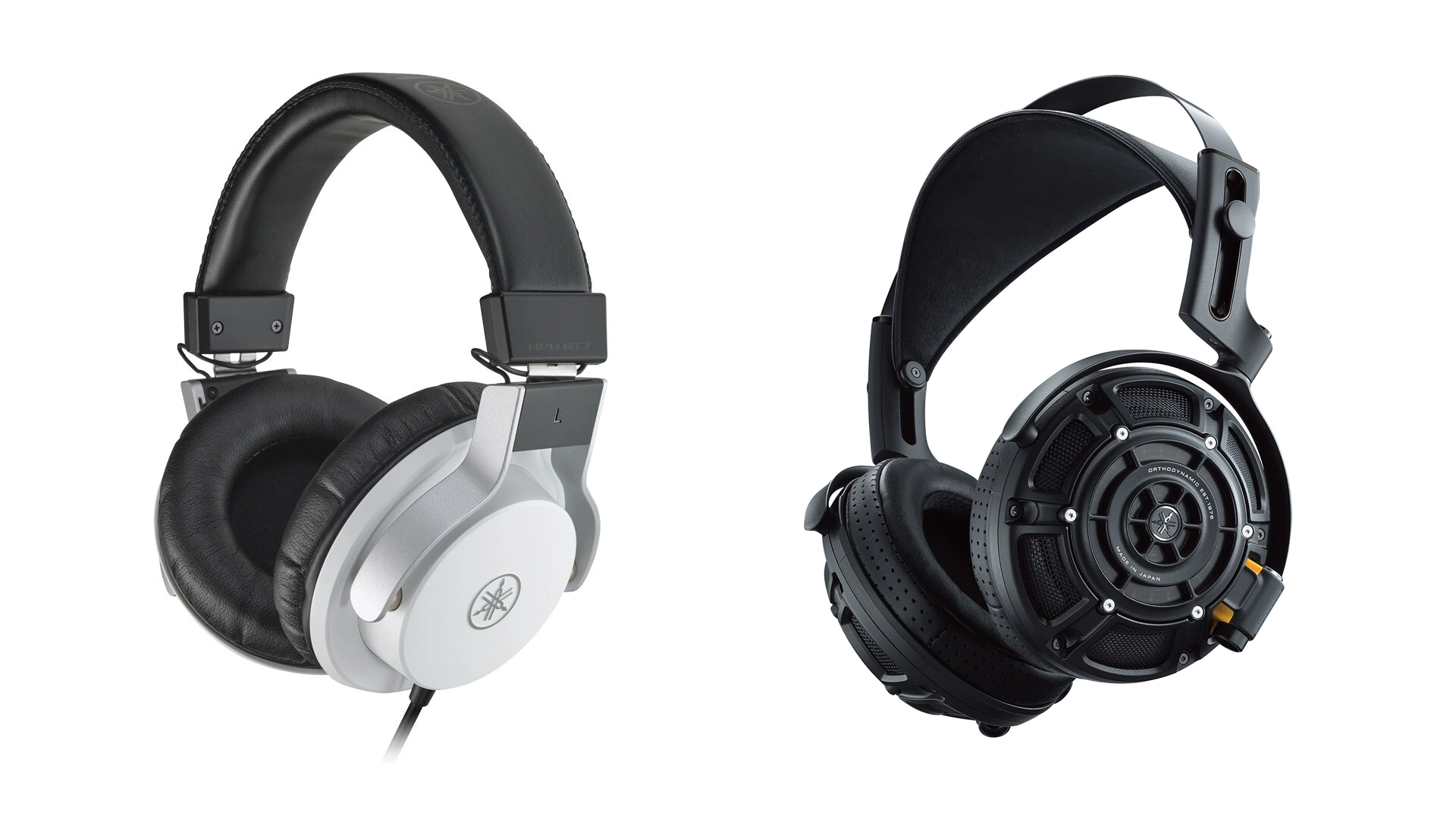
Yamaha began in 1887 when Torakusu Yamaha repaired a reed organ in Hamamatsu and built his own instrument; the tuning-fork emblem still reflects that origin. The company became Nippon Gakki and developed pianos, organs and other instruments long before expanding into electronics, professional sound and home audio. Yamaha’s audio strength comes from this unusually broad view of the chain—from the instrument and recording venue to mixing, amplification and reproduction. The NS-1000 loudspeaker of 1974 was a landmark use of beryllium domes for both midrange and treble, while the B-1 introduced a powerful vertical-FET amplifier and the GT turntables explored extreme mechanical stability. Modern hi-fi retains those threads. A-S integrated amplifiers range from accessible models to the fully balanced A-S3200; R-N network receivers add MusicCast streaming and multi-room control; the C-5000/M-5000 separates and GT-5000 turntable form the flagship 5000 Series. NS-2000A and NS-5000 loudspeakers use Yamaha’s Zylon-based Harmonious Diaphragm concept across multiple drivers to improve tonal continuity. At the same time, Yamaha remains a major force in AV receivers, soundbars, studio monitors, digital mixers and concert systems. Yamaha Motor has been a separate company since 1955, so motorcycles should not blur this audio history. The enduring identity is integration: acoustic-instrument knowledge, professional production tools, cinema processing and domestic hi-fi developed within one Japanese engineering culture.

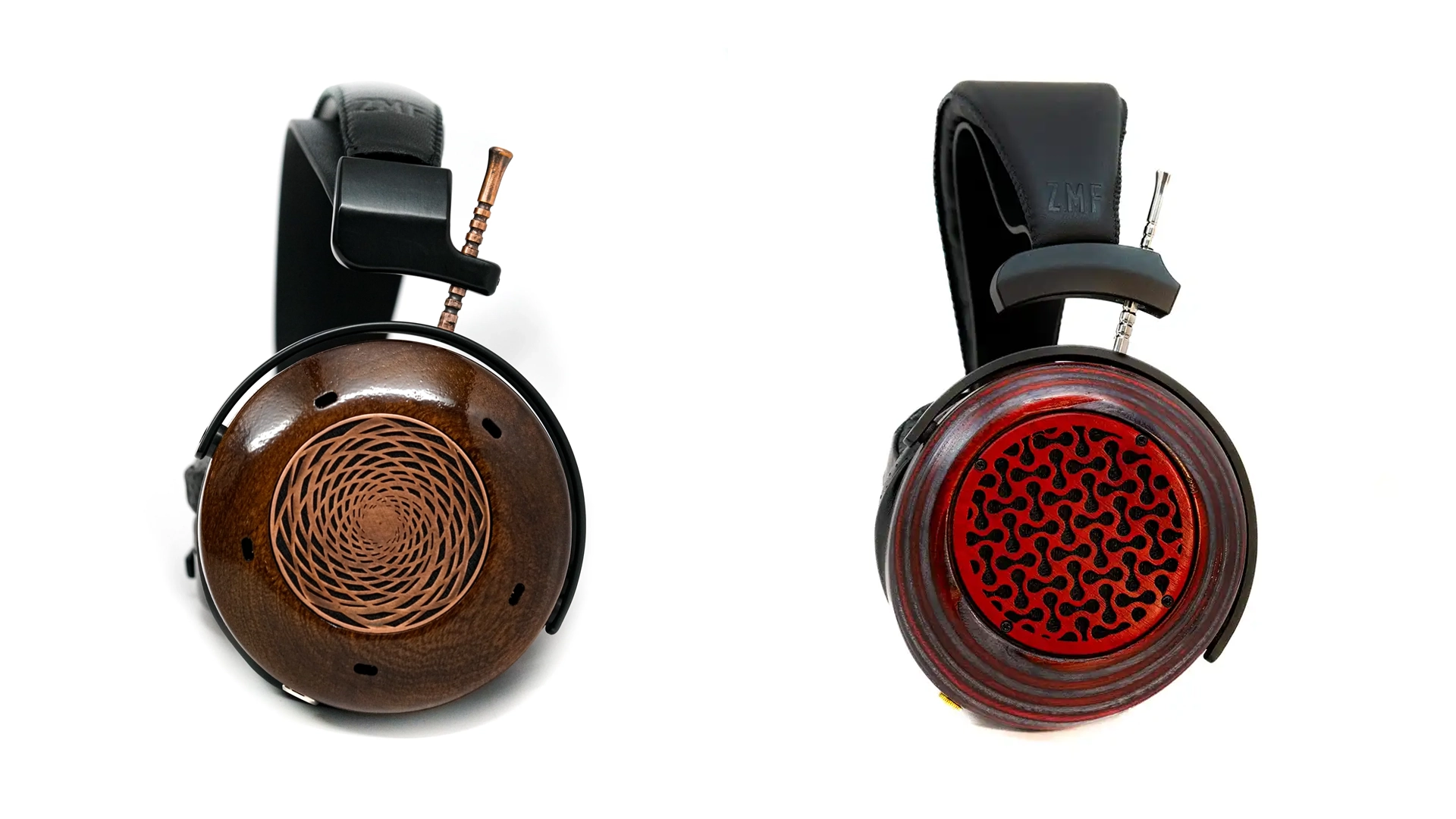
ZMF Headphones is the American workshop founded by Zach Mehrbach in 2011. It began by modifying Fostex planar headphones, but quickly moved toward original designs built around wooden earcups, replaceable parts and tuning developed through listening as well as measurement. The Omni, later renamed Ori, established ZMF’s own cup geometry; Atticus and Eikon introduced proprietary dynamic-driver models, and Vérité used a vapour-deposited beryllium-coated diaphragm for greater speed. The Atrium family added the Atrium Damping System, a tunable internal structure that controls rear-wave airflow and cup reflections rather than relying on damping material placed by trial alone. Caldera brought ZMF back to planar magnetics with its own driver and an asymmetrical magnetic array, while Bokeh extends the company’s design language to a more accessible, portable format. Open and closed versions are not treated as cosmetic variants: cup volume, damping and pads are voiced separately. Wood species and grain make each pair visibly individual, but pads, headbands, cables and many mechanical parts remain replaceable, supporting long ownership rather than seasonal fashion. ZMF builds and finishes headphones in Illinois with a small team, and limited woods supplement the stable core models. The brand’s character comes from combining craft with an increasingly formal acoustic toolkit—driver development, airflow control and pad geometry—so the beauty of the wood serves a repairable instrument whose tuning is specific to each design.

HFS Ad Rotator · default · slot 1
HFS Ad Rotator · default · slot 2
Add a missing AV-brand or update an existing one

Add a missing AV-brand or update an existing one

Any user can submit a Quick Submission Form to suggest a new AV-brand or suggest update details for an existing one. Brand owners or official representatives of brand can fill a Official Brand Submission Form to provide complete company information, ensuring maximum accuracy and visibility in our portal. All submissions are moderated before publication. 

For suggesting new AV-brands or suggesting updating existing one by users.

Complete official form for brand owners and representatives to provide complete company details to add a new one or update an existing one

Brand Categories:
  • SPEAKERS
    • Bookshelf Speakers — Compact loudspeakers designed for placement on a shelf or dedicated stands.
    • Floorstanding Speakers — Large, full-range loudspeakers that stand directly on the floor, designed for powerful and expansive sound.
    • In-wall Custom Install Speakers — Speakers designed to be installed flush into walls or ceilings for a discreet, "zero-footprint" audio solution.
    • On-Wall Speakers — Slim, low-profile speakers designed to be mounted directly on a wall, often to complement a flat-panel TV.
    • Studio Monitors — Speakers designed for professional audio production, offering a flat, accurate, and uncolored sound reproduction.
    • Planar Ribbon Electrostatic Speakers — Speakers using large, thin diaphragms (panels) instead of cones, prized for their transparent and detailed sound.
    • Horn Speakers — Highly efficient speakers that use a flared horn to amplify a driver, known for their dynamic, "live" sound.
    • Active Powered Speakers — Loudspeakers with built-in amplifiers, creating a simple all-in-one audio solution.
    • Wireless Portable Speakers — Compact, battery-powered speakers with Bluetooth for on-the-go music.
    • Outdoor Speakers — Durable, weather-resistant speakers engineered to provide high-quality audio in open-air spaces like patios and gardens.
    • Marine Extreme Speakers — Rugged, waterproof, and corrosion-resistant speakers built to withstand harsh marine environments on boats and yachts.
    • Commercial Speakers — Durable loudspeaker systems designed for background music and public address in business environments.
    • Invisible Speakers — Architectural speakers installed in a wall and plastered over, making them completely invisible.
    • Subwoofers Bass Speakers — Specialized speakers dedicated to reproducing only the lowest bass frequencies for impact and depth for all purposes
  • AMPLIFIERS
    • Integrated Amplifiers — An all-in-one component combining a preamplifier and a power amplifier in a single chassis.
    • PreAmplifiers — The control hub of a separates audio system, used for source selection and volume control.
    • Power Amplifiers — A component with the sole job of taking a line-level signal and amplifying it to drive loudspeakers.
    • Phono Preamps Phono Stages — A device that amplifies the weak signal from a turntable's cartridge and applies necessary RIAA equalization.
    • Tube Amplifiers — Amplifiers that use vacuum tubes (valves) instead of transistors, prized for their warm and rich sound character.
    • Multi-Zone Multi-Room Amplifiers — Amplifiers that power speakers in multiple different rooms or "zones" from a single, centralized unit.
    • Network Amplifiers — An integrated amplifier with built-in networking and streaming capabilities, creating a modern "just add speakers" system.
    • Desktop Headphone Amplifiers — Mains-powered amplifiers designed to drive high-quality headphones in a desktop or home audio system.
    • Portable Headphone Amplifiers Players — Compact, battery-powered devices (DAPs or amps) for delivering high-quality sound on the move.
  • DAC STREAMERS
    • DAC Desktop — Digital-to-Analog Converters designed to improve sound quality from a computer or other home digital source.
    • DAC Portable — Compact, battery-powered Digital-to-Analog Converters for improving audio from smartphones and laptops.
    • Music Streamers — Devices that connect to the internet to access and play music from online services like Tidal and Spotify.
    • Network Players — Source components focused on high-fidelity playback of digital audio files from a local network (NAS drive).
    • Music Servers HDD Storages — Dedicated devices for storing, managing, and playing a local digital music library with high fidelity.
    • CD Transport Media Players — High-precision disc players that read physical media (CDs, SACDs) and output a pure digital signal to an external DAC.
    • Compact All-in-One Systems — Self-contained audio systems that combine source, amplification, and often speakers into a single, compact unit.
    • Streaming Amplifier — An integrated amplifier with built-in streaming capabilities.
  • TURNTABLES VINYL
    • Turntables — Electromechanical devices that play vinyl records by rotating them at a stable speed.
    • Tonearms — The precision arm on a turntable that holds the cartridge, allowing the stylus to track the record groove.
    • Cartridges — The transducer on a turntable's tonearm that holds the stylus and converts groove vibrations into an electrical signal.
    • Vinyl Cleaning Machine — Specialized machines that use fluid and vacuum/ultrasonic action to deep-clean vinyl records.
    • Vinyl Accessories — Essential tools for setup and maintenance, like clamps, brushes, and alignment protractors.
  • HEADPHONES
    • In-Ear Earbuds — Ultra-portable listening devices, including True Wireless (TWS) models, designed for convenience and daily use.
    • In-Ear Monitors IEM — High-performance in-ear headphones that seal in the ear canal for superior sound isolation and detail.
    • On-Ear Headphones — Headphones with cushions that rest directly on the ears, offering a balance of portability and sound quality.
    • Over-Ear Headphones — Full-sized headphones with large earcups that completely encircle the ears for maximum comfort and immersion.
    • Wireless Headphones — Headphones that connect to source devices via Bluetooth, often featuring Active Noise Cancellation (ANC).
    • Planar Magnetic Ribbon Headphones — High-end headphones using a thin, flat diaphragm driven by magnets, known for their detailed and low-distortion sound.
    • Electrostatic Headphones — High-end headphones using a massless diaphragm in an electrostatic field, requiring a special energizer/amplifier.
  • HOME THEATER
    • AV Receivers Media Players — Central components of a home cinema, combining audio/video processing, amplification, and playback.
    • Home Theater Speakers — Matched sets of speakers (front, center, surround) designed to create an immersive cinematic soundfield.
    • Soundbars — A simple, all-in-one speaker bar that provides a significant audio upgrade over a television's built-in speakers.
    • Subwoofers — Specialized speakers dedicated to reproducing only the lowest bass frequencies for impact and depth for home theaters
    • Processors Amplifiers — High-end home cinema "separates" consisting of a surround sound processor and a multi-channel power amplifier.
    • Screens — High-quality projection surfaces designed to provide an optimal image for a home cinema projector.
    • Projectors — Video projectors optimized for home cinema use, focusing on color accuracy, contrast, and black levels.
  • CABLES ACCESSORIES
    • Speaker Cables — Cables that carry the amplified, high-level signal from an amplifier to passive loudspeakers.
    • Analog Cables — Cables (RCA, XLR) used to transmit analog audio signals between components like DACs and amplifiers.
    • Digital Cables — Cables (Coaxial, Optical, USB) that transmit digital audio data between components.
    • Phono Cables — Specially shielded cables designed to carry the delicate, low-level signal from a turntable to a phono preamp.
    • Headphone Cables — Aftermarket and replacement cables used to upgrade or customize high-quality headphones.
    • Connectors Terminals — The fundamental hardware (plugs, jacks, spades, etc.) used to terminate cables and connect equipment.
    • Power Cables — High-performance AC cords designed to deliver clean, noise-free power to audio components.
    • Power Supplies Conditioners — Devices that filter, stabilize, and protect the AC power supplied to an audio system for improved performance.
  • FURNITURE
    • Speaker Stands Mounts — Stands and mounts used to position speakers at the correct height and angle for optimal sound.
    • Furniture Racks — Purpose-built furniture designed to house audio/video components with a focus on stability, ventilation, and vibration control.
    • Isolation Footers Spikes Shelves — Specialized accessories (spikes, footers, platforms) designed to manage vibrations and isolate components.
    • Soundproof Solutions — Products designed to control room acoustics, including treatment (panels, diffusers) and sound-blocking materials.
  • PROFESSIONAL
    • Concert Speakers — Large-scale PA systems, including line arrays and stage monitors, for live music and public events.
    • Cinema Speakers — Specialized, high-output loudspeaker systems certified for use in large commercial movie theaters.
    • Concert Electronics — Robust electronics including mixing consoles, processors, and amplifiers for live sound reinforcement.
    • Cinema Electronics — Professional, DCI-compliant processors and amplifiers for use in commercial movie theaters.
    • Cinema Screens — Large-format, often acoustically transparent, projection screens built to professional cinema standards.
    • Cinema Projectors — Ultra-high-brightness, DCI-compliant projectors designed for continuous use in commercial movie theaters.
    • Professional Cables Accessories — Rugged, reliable cables and hardware (e.g., snake cables, Speakon connectors) for touring and professional installation.
  • DIY Components
    • Speaker drivers Tweeters — The individual transducers (woofers, mid-range, tweeters) that are the fundamental building blocks of a loudspeaker.
    • Coaxial Speaker Drivers — Speaker drivers where the tweeter is mounted in the center of the woofer, creating a single point source for sound.
    • DIY Speaker Kits — Complete packages including drivers, crossovers, and plans for enthusiasts to build their own loudspeakers.
    • Electron Vacuum Tubes — Glass valves used in tube amplifiers that provide amplification and can be replaced to tune the sound.
    • Electronic Components — Discrete parts (capacitors, resistors, transistors) used by manufacturers and DIYers to build audio circuits.
  • OTHERS
    • Line Stage — A type of preamplifier that exclusively handles line-level sources, without a built-in phono stage.
    • Time Alignment Device — A signal processor that corrects timing delays between drivers or speakers for improved sound coherence.
    • Smart Portable Speakers — Wireless portable speakers with integrated voice assistants (e.g., Alexa, Google Assistant) and smart home functionality.
    • DJ Turntables — Durable, high-torque direct-drive turntables with pitch control, built for performance and DJing applications.
    • Motor Drives — External motor units and power supplies for turntables, providing improved rotational stability and isolation.
    • Crossovers — Electronic circuits that split an audio signal into different frequency bands to route to the correct speaker driver.
    • Car Audio — Audio equipment, including speakers, amplifiers, and source units, specifically designed for use in vehicles.

Brand Categories:
  • Active Powered Speakers — Loudspeakers with built-in amplifiers, creating a simple all-in-one audio solution.
  • Analog Cables — Cables (RCA, XLR) used to transmit analog audio signals between components like DACs and amplifiers.
  • AV Receivers Media Players — Central components of a home cinema, combining audio/video processing, amplification, and playback.
  • Bookshelf Speakers — Compact loudspeakers designed for placement on a shelf or dedicated stands.
  • Car Audio — Audio equipment, including speakers, amplifiers, and source units, specifically designed for use in vehicles.
  • Cartridges — The transducer on a turntable's tonearm that holds the stylus and converts groove vibrations into an electrical signal.
  • CD Transport Media Players — High-precision disc players that read physical media (CDs, SACDs) and output a pure digital signal to an external DAC.
  • Cinema Electronics — Professional, DCI-compliant processors and amplifiers for use in commercial movie theaters.
  • Cinema Projectors — Ultra-high-brightness, DCI-compliant projectors designed for continuous use in commercial movie theaters.
  • Cinema Screens — Large-format, often acoustically transparent, projection screens built to professional cinema standards.
  • Cinema Speakers — Specialized, high-output loudspeaker systems certified for use in large commercial movie theaters.
  • Coaxial Speaker Drivers — Speaker drivers where the tweeter is mounted in the center of the woofer, creating a single point source for sound.
  • Commercial Speakers — Durable loudspeaker systems designed for background music and public address in business environments.
  • Compact All-in-One Systems — Self-contained audio systems that combine source, amplification, and often speakers into a single, compact unit.
  • Concert Electronics — Robust electronics including mixing consoles, processors, and amplifiers for live sound reinforcement.
  • Concert Speakers — Large-scale PA systems, including line arrays and stage monitors, for live music and public events.
  • Connectors Terminals — The fundamental hardware (plugs, jacks, spades, etc.) used to terminate cables and connect equipment.
  • Crossovers — Electronic circuits that split an audio signal into different frequency bands to route to the correct speaker driver.
  • DAC Desktop — Digital-to-Analog Converters designed to improve sound quality from a computer or other home digital source.
  • DAC Portable — Compact, battery-powered Digital-to-Analog Converters for improving audio from smartphones and laptops.
  • Desktop Headphone Amplifiers — Mains-powered amplifiers designed to drive high-quality headphones in a desktop or home audio system.
  • Digital Cables — Cables (Coaxial, Optical, USB) that transmit digital audio data between components.
  • DIY Speaker Kits — Complete packages including drivers, crossovers, and plans for enthusiasts to build their own loudspeakers.
  • DJ Turntables — Durable, high-torque direct-drive turntables with pitch control, built for performance and DJing applications.
  • Electron Vacuum Tubes — Glass valves used in tube amplifiers that provide amplification and can be replaced to tune the sound.
  • Electronic Components — Discrete parts (capacitors, resistors, transistors) used by manufacturers and DIYers to build audio circuits.
  • Electrostatic Headphones — High-end headphones using a massless diaphragm in an electrostatic field, requiring a special energizer/amplifier.
  • Floorstanding Speakers — Large, full-range loudspeakers that stand directly on the floor, designed for powerful and expansive sound.
  • Furniture Racks — Purpose-built furniture designed to house audio/video components with a focus on stability, ventilation, and vibration control.
  • Headphone Cables — Aftermarket and replacement cables used to upgrade or customize high-quality headphones.
  • Home Theater Speakers — Matched sets of speakers (front, center, surround) designed to create an immersive cinematic soundfield.
  • Horn Speakers — Highly efficient speakers that use a flared horn to amplify a driver, known for their dynamic, "live" sound.
  • In-Ear Earbuds — Ultra-portable listening devices, including True Wireless (TWS) models, designed for convenience and daily use.
  • In-Ear Monitors IEM — High-performance in-ear headphones that seal in the ear canal for superior sound isolation and detail.
  • In-wall Custom Install Speakers — Speakers designed to be installed flush into walls or ceilings for a discreet, "zero-footprint" audio solution.
  • Integrated Amplifiers — An all-in-one component combining a preamplifier and a power amplifier in a single chassis.
  • Invisible Speakers — Architectural speakers installed in a wall and plastered over, making them completely invisible.
  • Isolation Footers Spikes Shelves — Specialized accessories (spikes, footers, platforms) designed to manage vibrations and isolate components.
  • Line Stage — A type of preamplifier that exclusively handles line-level sources, without a built-in phono stage.
  • Marine Extreme Speakers — Rugged, waterproof, and corrosion-resistant speakers built to withstand harsh marine environments on boats and yachts.
  • Motor Drives — External motor units and power supplies for turntables, providing improved rotational stability and isolation.
  • Multi-Zone Multi-Room Amplifiers — Amplifiers that power speakers in multiple different rooms or "zones" from a single, centralized unit.
  • Music Servers HDD Storages — Dedicated devices for storing, managing, and playing a local digital music library with high fidelity.
  • Music Streamers — Devices that connect to the internet to access and play music from online services like Tidal and Spotify.
  • Network Amplifiers — An integrated amplifier with built-in networking and streaming capabilities, creating a modern "just add speakers" system.
  • Network Players — Source components focused on high-fidelity playback of digital audio files from a local network (NAS drive).
  • On-Ear Headphones — Headphones with cushions that rest directly on the ears, offering a balance of portability and sound quality.
  • On-Wall Speakers — Slim, low-profile speakers designed to be mounted directly on a wall, often to complement a flat-panel TV.
  • Outdoor Speakers — Durable, weather-resistant speakers engineered to provide high-quality audio in open-air spaces like patios and gardens.
  • Over-Ear Headphones — Full-sized headphones with large earcups that completely encircle the ears for maximum comfort and immersion.
  • Phono Cables — Specially shielded cables designed to carry the delicate, low-level signal from a turntable to a phono preamp.
  • Phono Preamps Phono Stages — A device that amplifies the weak signal from a turntable's cartridge and applies necessary RIAA equalization.
  • Planar Magnetic Ribbon Headphones — High-end headphones using a thin, flat diaphragm driven by magnets, known for their detailed and low-distortion sound.
  • Planar Ribbon Electrostatic Speakers — Speakers using large, thin diaphragms (panels) instead of cones, prized for their transparent and detailed sound.
  • Portable Headphone Amplifiers Players — Compact, battery-powered devices (DAPs or amps) for delivering high-quality sound on the move.
  • Power Amplifiers — A component with the sole job of taking a line-level signal and amplifying it to drive loudspeakers.
  • Power Cables — High-performance AC cords designed to deliver clean, noise-free power to audio components.
  • Power Supplies Conditioners — Devices that filter, stabilize, and protect the AC power supplied to an audio system for improved performance.
  • PreAmplifiers — The control hub of a separates audio system, used for source selection and volume control.
  • Processors Amplifiers — High-end home cinema "separates" consisting of a surround sound processor and a multi-channel power amplifier.
  • Professional Cables Accessories — Rugged, reliable cables and hardware (e.g., snake cables, Speakon connectors) for touring and professional installation.
  • Projectors — Video projectors optimized for home cinema use, focusing on color accuracy, contrast, and black levels.
  • Screens — High-quality projection surfaces designed to provide an optimal image for a home cinema projector.
  • Smart Portable Speakers — Wireless portable speakers with integrated voice assistants (e.g., Alexa, Google Assistant) and smart home functionality.
  • Soundbars — A simple, all-in-one speaker bar that provides a significant audio upgrade over a television's built-in speakers.
  • Soundproof Solutions — Products designed to control room acoustics, including treatment (panels, diffusers) and sound-blocking materials.
  • Speaker Cables — Cables that carry the amplified, high-level signal from an amplifier to passive loudspeakers.
  • Speaker drivers Tweeters — The individual transducers (woofers, mid-range, tweeters) that are the fundamental building blocks of a loudspeaker.
  • Speaker Stands Mounts — Stands and mounts used to position speakers at the correct height and angle for optimal sound.
  • Streaming Amplifier — An integrated amplifier with built-in streaming capabilities.
  • Studio Monitors — Speakers designed for professional audio production, offering a flat, accurate, and uncolored sound reproduction.
  • Subwoofers — Specialized speakers dedicated to reproducing only the lowest bass frequencies for impact and depth for home theaters
  • Subwoofers Bass Speakers — Specialized speakers dedicated to reproducing only the lowest bass frequencies for impact and depth for all purposes
  • Time Alignment Device — A signal processor that corrects timing delays between drivers or speakers for improved sound coherence.
  • Tonearms — The precision arm on a turntable that holds the cartridge, allowing the stylus to track the record groove.
  • Tube Amplifiers — Amplifiers that use vacuum tubes (valves) instead of transistors, prized for their warm and rich sound character.
  • Turntables — Electromechanical devices that play vinyl records by rotating them at a stable speed.
  • Vinyl Accessories — Essential tools for setup and maintenance, like clamps, brushes, and alignment protractors.
  • Vinyl Cleaning Machine — Specialized machines that use fluid and vacuum/ultrasonic action to deep-clean vinyl records.
  • Wireless Headphones — Headphones that connect to source devices via Bluetooth, often featuring Active Noise Cancellation (ANC).
  • Wireless Portable Speakers — Compact, battery-powered speakers with Bluetooth for on-the-go music.

Sales Channels:
  • Dealer & Distributor Network — The traditional sales model where products are sold through a network of authorized, independent retail stores and custom installers. This is the primary channel for most specialized Hi-Fi brands.
  • Direct-to-Consumer (DTC) — The brand sells its products directly to end-users through its own official website, bypassing traditional retail channels. A rapidly growing model in the industry.
  • Custom Installation (CI) Channel — Products are sold primarily through professional firms that design and install integrated smart home and audio-visual systems. This channel is crucial for architectural and high-end integrated solutions.
  • Mass Market Retail — Products are available in large, non-specialized consumer electronics chain stores. This typically applies to more mainstream product lines from larger brands.
  • Brand-Owned Stores / Showrooms — The brand operates its own physical, flagship retail stores or dedicated showrooms to offer a direct and immersive brand experience. This is the least common model, typically used by top-tier brands.

For companies: For any questions about listings & partnership opportunities, please contact us at contact@hifiselector.com

Have a suggestion or found a flaw? Help us improve​

Have a suggestion or found a flaw?