Over-Ear Headphones
Over-ear, or circumaural, headphones have large earcups that completely encircle the ears, creating a comfortable seal and an immersive listening experience. This design is ideal for long listening sessions and includes many of the world’s most acclaimed audiophile models. They come in two main types: open-back for a spacious, natural sound, and closed-back for superior noise isolation. This guide covers the brands that produce these full-sized headphones for serious listeners.
Hi-Fi brands in the category
Summary information and image
Direct links to official websites
Fostex

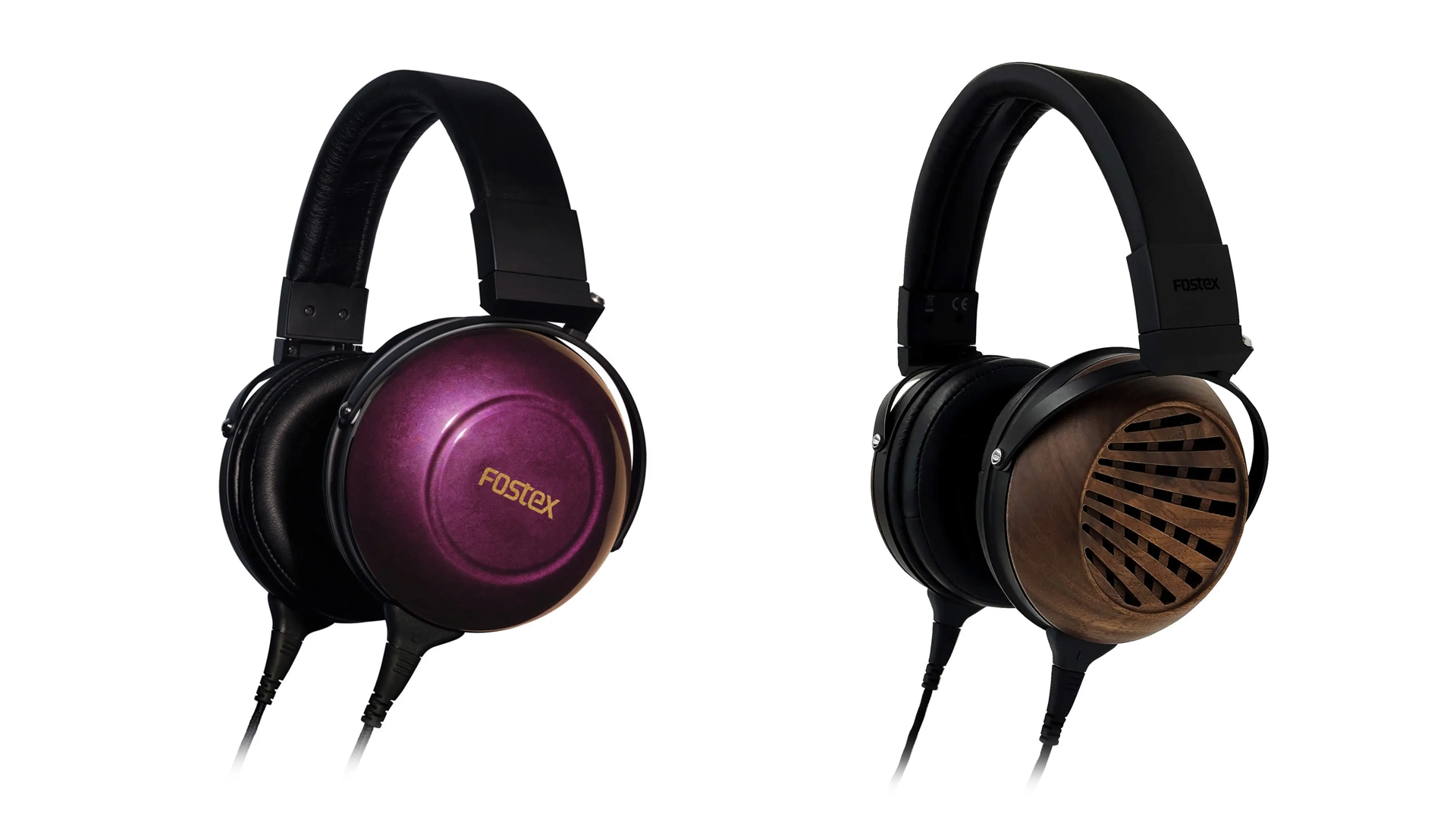
Fostex connects Japanese transducer manufacturing with tools used by recording engineers, musicians and hands-on loudspeaker builders. The company was created in 1973 as an independently managed subsidiary of Foster Electric, whose OEM loudspeaker experience gave the new brand an unusually deep production base. In 1974 it introduced RP, or Regular Phase, technology: a planar diaphragm carrying a printed conductor and driven across its surface in phase. Successive RP generations power the long-running T50RP family and newer premium planar-magnetic headphones, while the TH series explores dynamic drivers and crafted wooden housings. Fostex also makes active studio monitors, field and multitrack recorders, headphone amplifiers, microphones and professional accessories. A second, equally distinctive part of the catalogue is its raw loudspeaker components, including full-range drivers, compression tweeters and enclosure kits used in commercial and DIY designs. That breadth explains why the name appears both in studios and in enthusiast-built speaker systems.
Grado

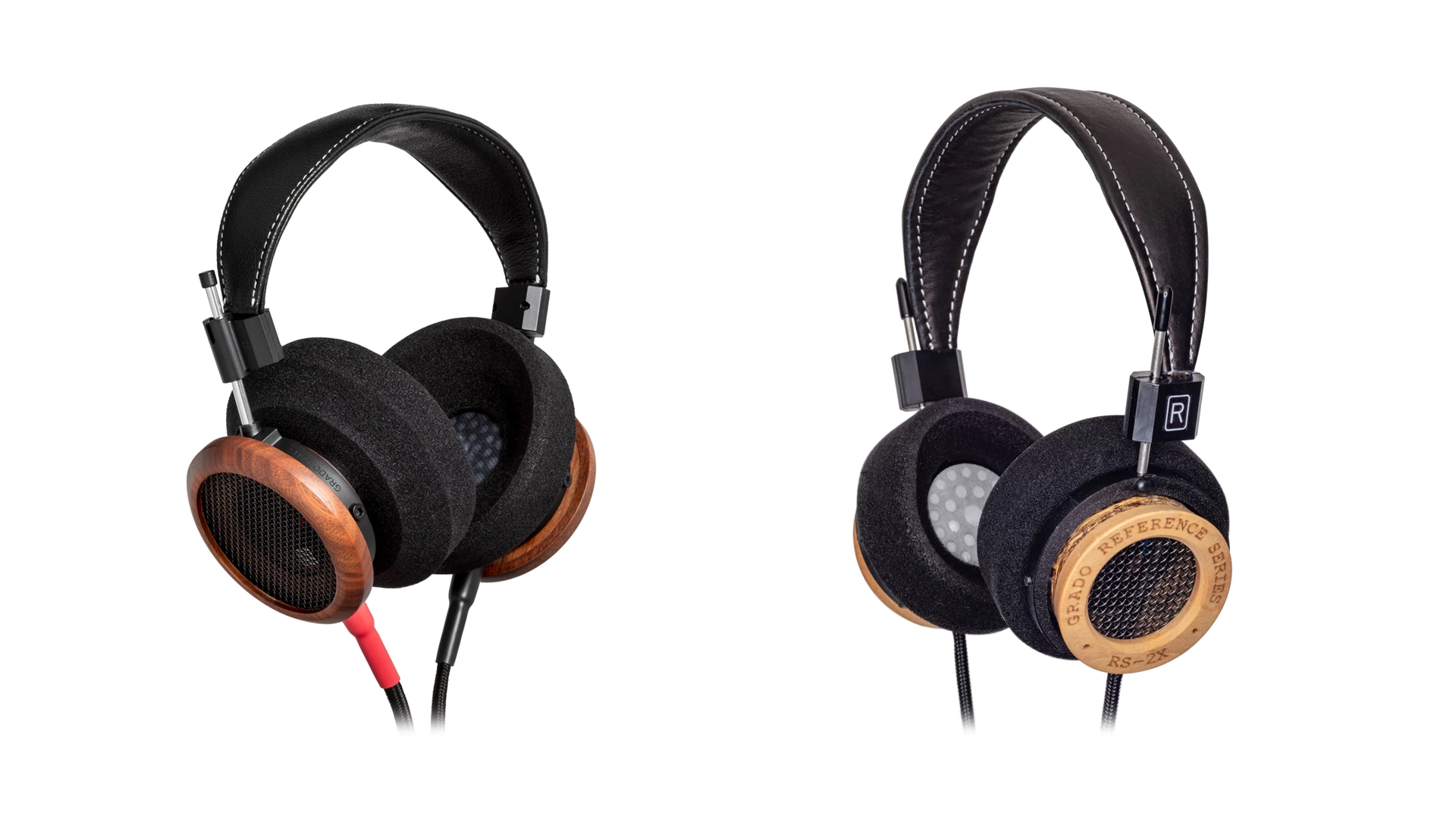
Grado Labs is a family-owned Brooklyn manufacturer whose two specialties—open-back headphones and phono cartridges—share an emphasis on light moving systems and hand assembly. Joseph Grado founded the company with his brother John in 1953, working from the family building where production still takes place. Joseph became known for early stereo moving-coil cartridge work; John Grado assumed leadership in the early 1990s and launched the headphones that made the name familiar to a wider audience. Richard Grado has led the company since 2023, with third-generation family members Jonathan and Matthew also involved. Today Grado offers Prestige, Timbre and Lineage cartridges together with Classic, Reference and Signature headphones, plus wireless models such as the GW series. Continuity of ownership, repairable construction and small-batch Brooklyn production define the brand more clearly than any single model.
Grell

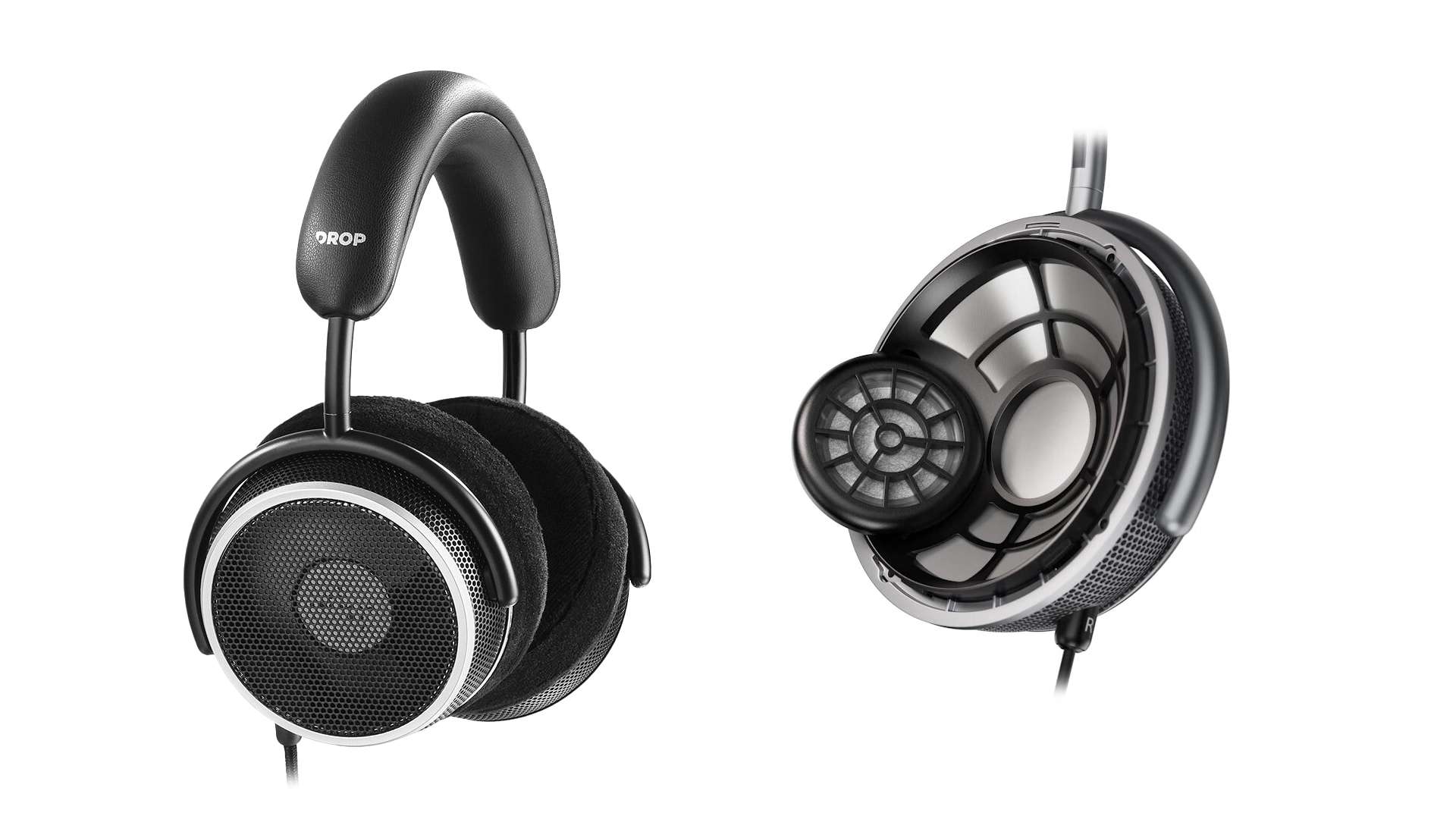
Grell is the independent headphone company of German acoustic engineer Axel Grell, known for his long tenure developing Sennheiser headphones before founding the brand in 2020. Its first products included the compact TWS/1 true-wireless earphones, but the company’s clearest technical statement is the open-back OAE series. The OAE1 and newer OAE2 use angled, forward-positioned drivers and a deliberately open acoustic path intended to engage the outer ear more like loudspeakers do, while internal structures are shaped to suppress unwanted reflections. The OAE2 also moves toward modular, replaceable construction rather than sealing every wearable part into a disposable assembly. Grell is therefore not a general lifestyle-audio label: it is a focused vehicle for Axel Grell’s ideas about spatial perception, driver placement and long-term headphone serviceability.
HEDD
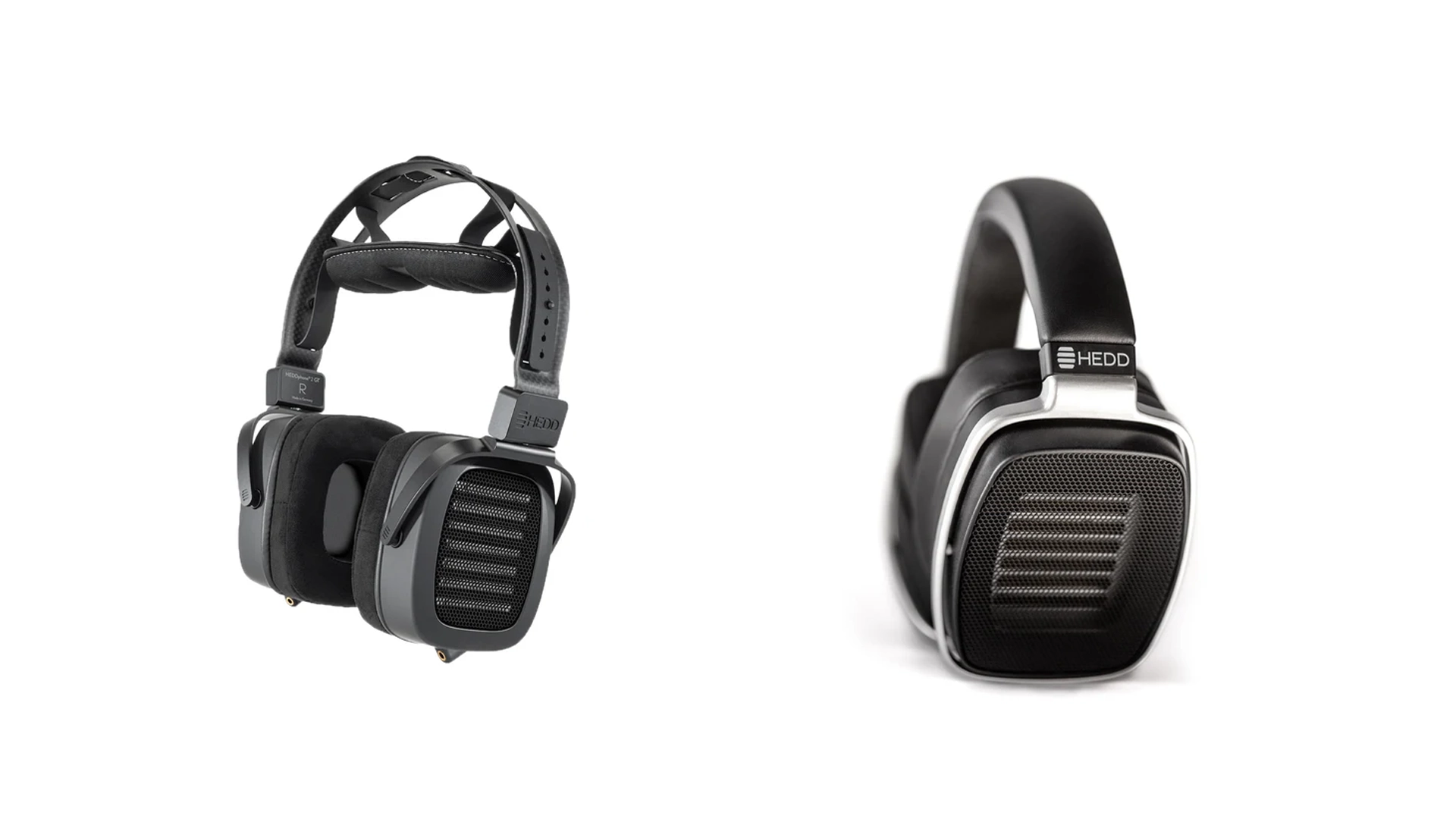
HEDD—Heinz Electrodynamic Designs—is a Berlin company founded in 2015 by physicist Klaus Heinz and his son, musicologist and mastering engineer Dr Frederik Knop. Klaus Heinz had already spent decades developing Air Motion Transformer tweeters, and HEDD made that folded-diaphragm principle the centre of a new range for studios and demanding home systems. The company builds active monitors and subwoofers in Berlin, combining its proprietary AMT with DSP functions such as the Lineariser, a phase-correction system based on zero-phase FIR filtering. MK2 monitors can also be used in closed or ported operation through the CoP design, allowing a practical trade-off between bass extension and transient behaviour. HEDDphone models extend the idea into a full-range Variable Velocity Transform transducer for headphones. HEDD’s identity is unusually coherent: one transducer concept, refined for nearfield monitoring, immersive systems and personal listening.
HiFiMAN

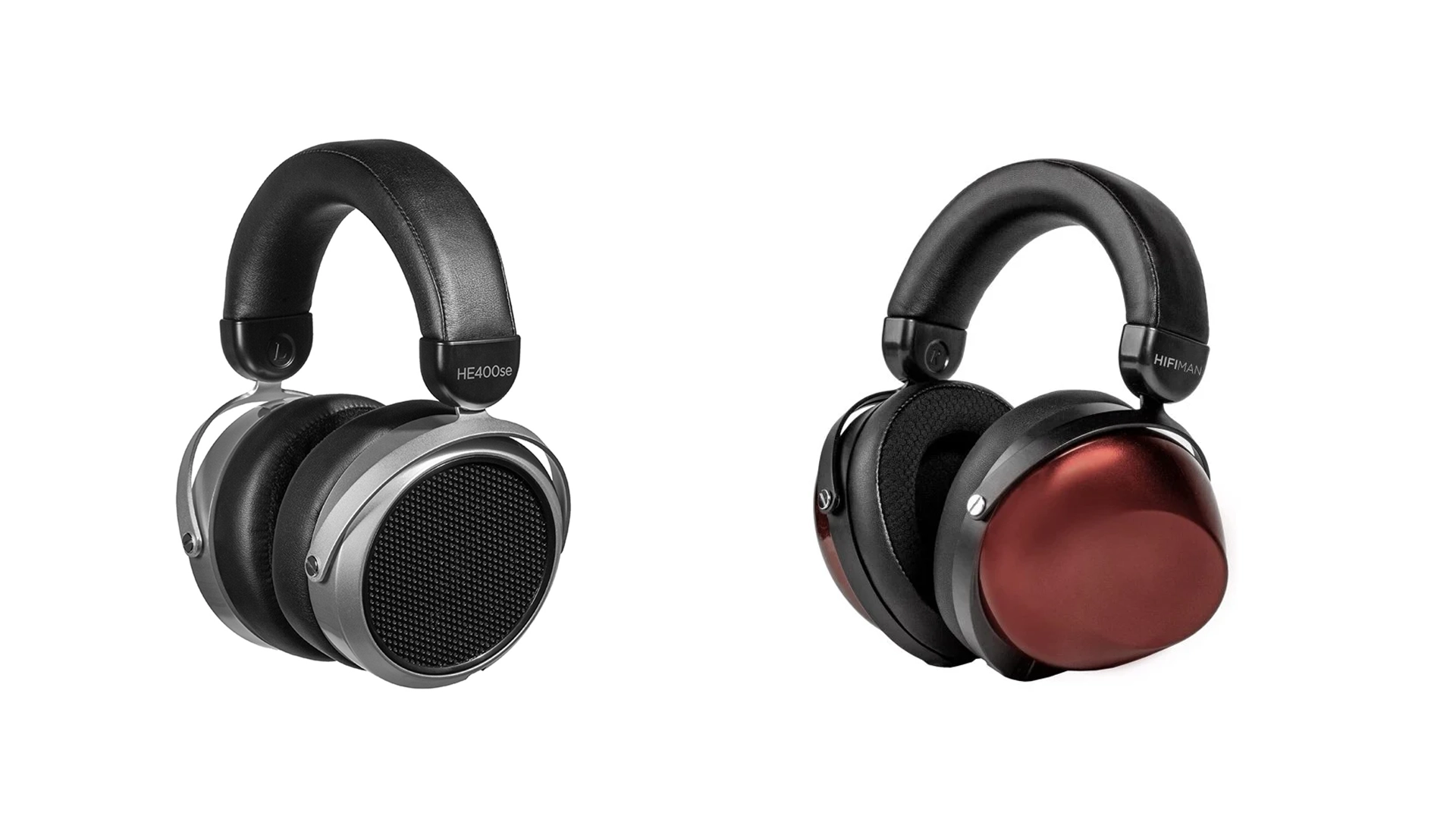
HiFiMAN is one of the companies most responsible for bringing planar-magnetic headphones back into mainstream high-end audio. Dr Fang Bian started Head-Direct in New York in 2005 and adopted the HiFiMAN name in 2007; early products such as the HM-801 portable player and HE-5 headphone established both its digital and transducer ambitions. The core range now runs from accessible models such as Sundara through Ananda, Arya and HE1000 to the flagship Susvara. Across these families, very thin planar diaphragms, distributed conductor traces and increasingly acoustically transparent magnet structures are used to reduce moving mass and obstruction; the company describes later versions as Stealth Magnet designs. HiFiMAN also produces DAC/headphone amplifiers, R-2R portable players and in-ear monitors. Its real significance is the scale at which it has developed planar technology—from attainable everyday models to uncompromised reference designs.
Hyland Headphones

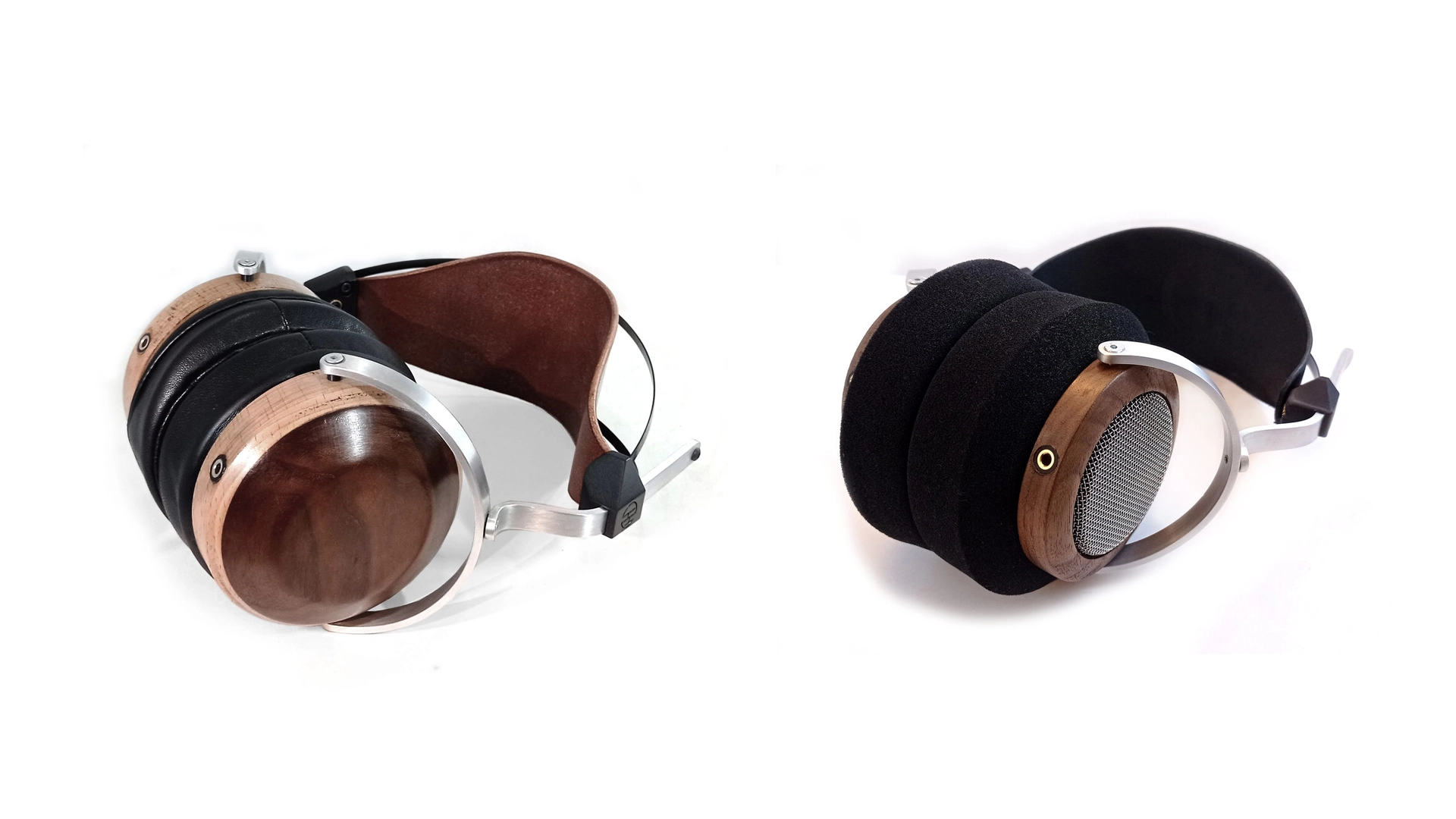
Hyland Headphones is Alex Hyland’s exceptionally small British workshop, making one pair of wooden headphones at a time. Founded in Watford in 2017 after Hyland began modifying and rebuilding existing headphones, the company now produces fewer than fifty pairs a year. Hardwood earcups are turned and finished by hand, while headbands, leatherwork and cables are assembled in-house; this gives each pair visible material character without losing serviceability. The current family uses 50 mm, 32-ohm dynamic drivers—not planar-magnetic units—across open-back Saturn, Jupiter and flagship Venus models. Eclipse is Hyland’s first closed-back design and uses a multi-chamber wooden cup to control the rear wave rather than simply sealing an existing open enclosure. The attraction is direct authorship: cup geometry, damping, comfort and tuning are refined by the same maker who builds the finished headphone.
Jade Audio

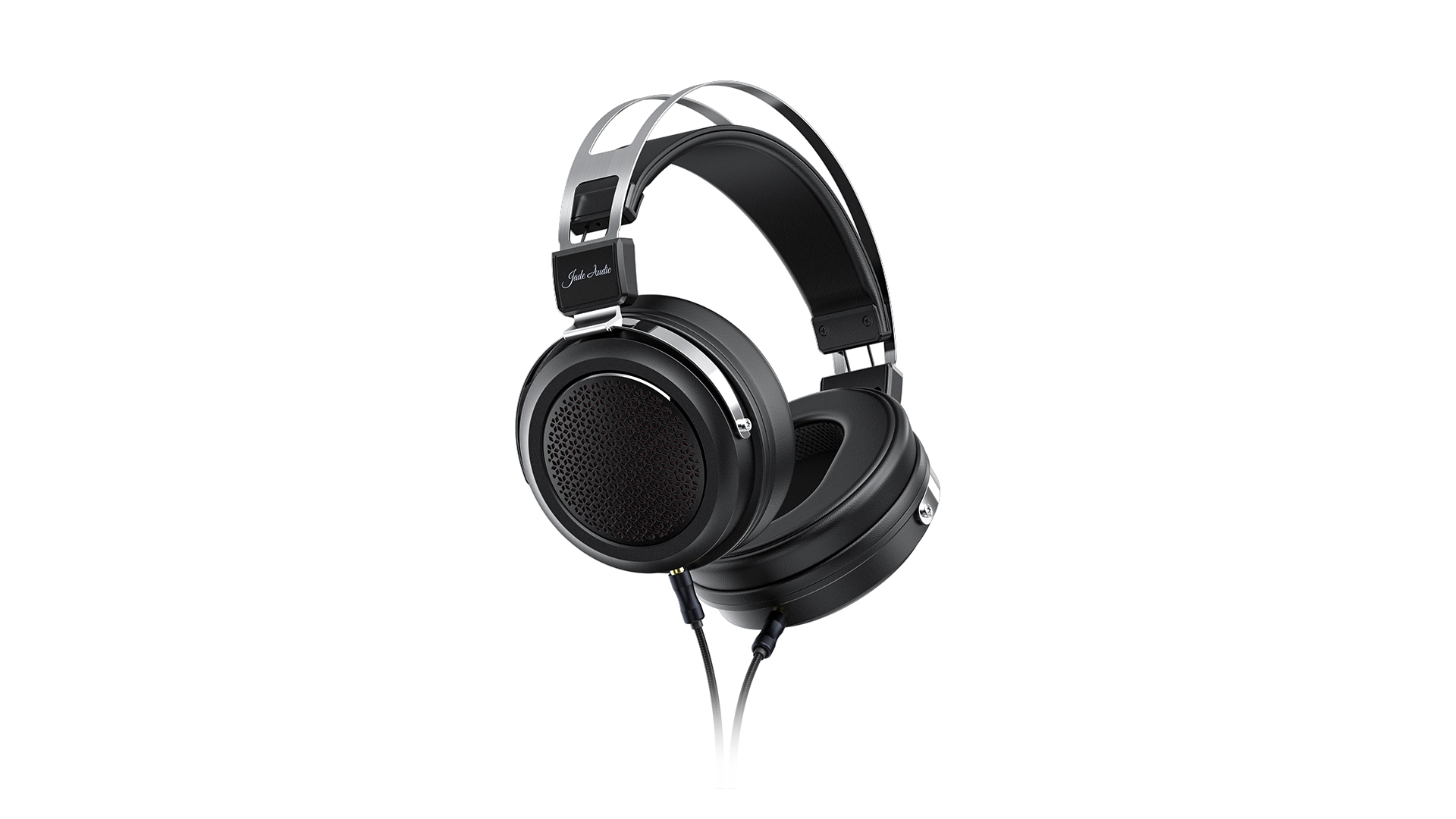
Jade Audio is FiiO’s value-focused personal-audio brand, created in China in 2018 to carry proven engineering into simpler, more accessible products. Its point is not to imitate FiiO’s entire catalogue at a lower price, but to concentrate spending on the parts that directly affect listening: transducers, acoustic loading, DAC and amplifier stages, useful connectivity and dependable construction. The range has included JD-series in-ear monitors, JT-series full-size headphones and compact KA-series USB DAC/headphone amplifiers, giving newcomers a practical path from a phone’s basic output to wired hi-res listening. Models are often sold through direct online channels and supplied with fewer luxury extras, which helps keep prices controlled. The unusual name comes from the Chinese expression translated as “sound of jade,” but the real distinction is more concrete: Jade Audio borrows FiiO’s experience in portable audio while maintaining a deliberately lean product brief. It is therefore best understood as an entry point into enthusiast headphones and IEMs, not as a separate maker of unrelated lifestyle electronics.
JLab

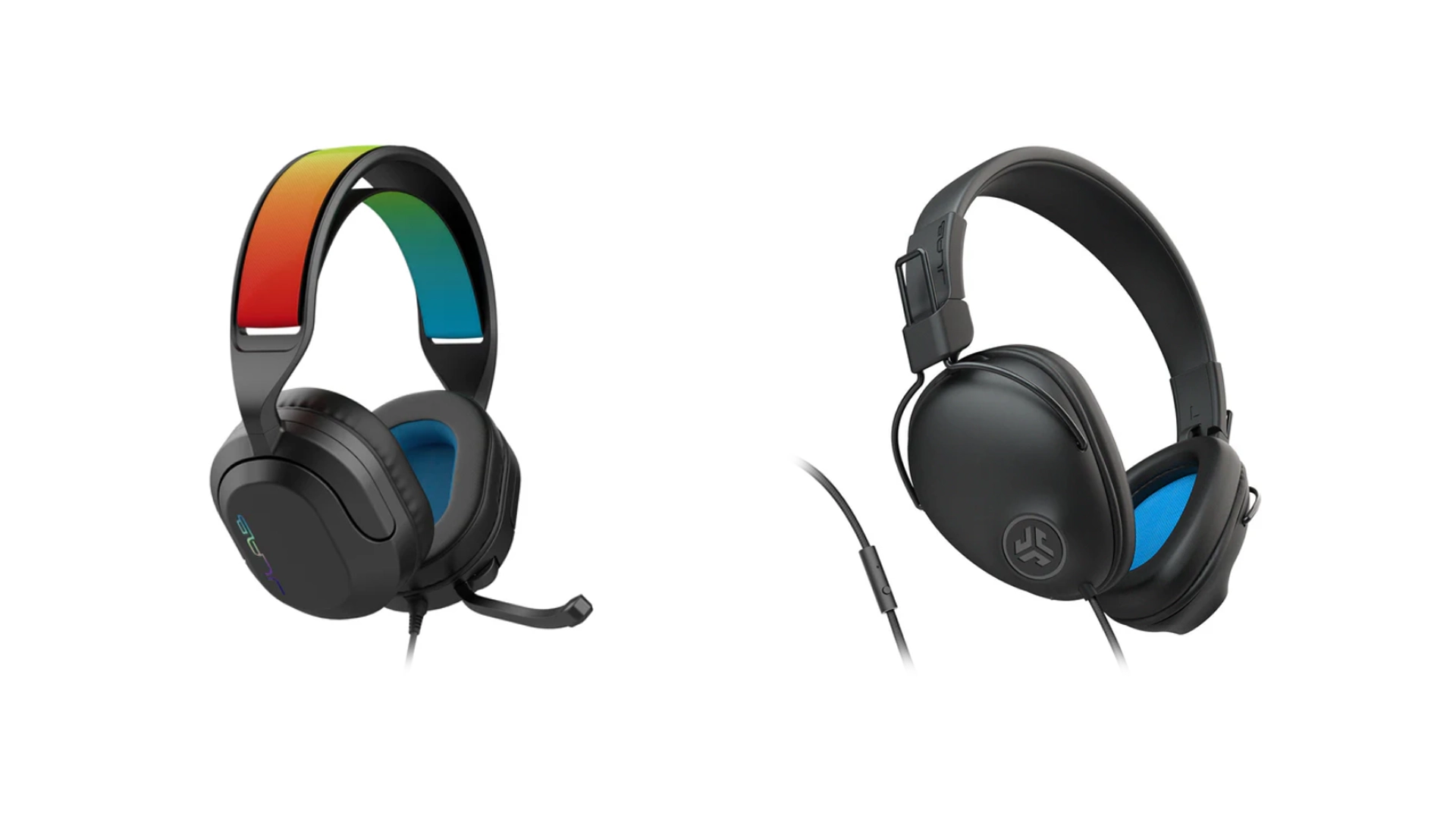
JLab is an American personal-audio brand built around aggressive value rather than stripped-down specifications. Joshua Rosenfield founded it in Tucson in 2005; the business later moved to California and, since 2021, has been owned by Japan’s Noritsu. JLab’s range spans GO and JBuds true-wireless earbuds, Epic performance models, over-ear headphones, children’s headphones, gaming headsets, microphones and small computer accessories. Across those categories it tends to prioritise long battery life, selectable EQ presets, multipoint Bluetooth, compact charging cases and fit options that make everyday use less troublesome. Sport models add ear hooks or secure shapes, while work-oriented products bring boom microphones and USB connectivity. The products are not positioned as studio references, and that is precisely the point: JLab competes by deciding which current features can be delivered at mass-market prices and by offering many formats for school, calls, exercise and travel. Its strongest identity is practical experimentation at scale—often adopting a useful wireless feature quickly, then packaging it in a product ordinary buyers can replace or upgrade without a luxury premium.
JVC

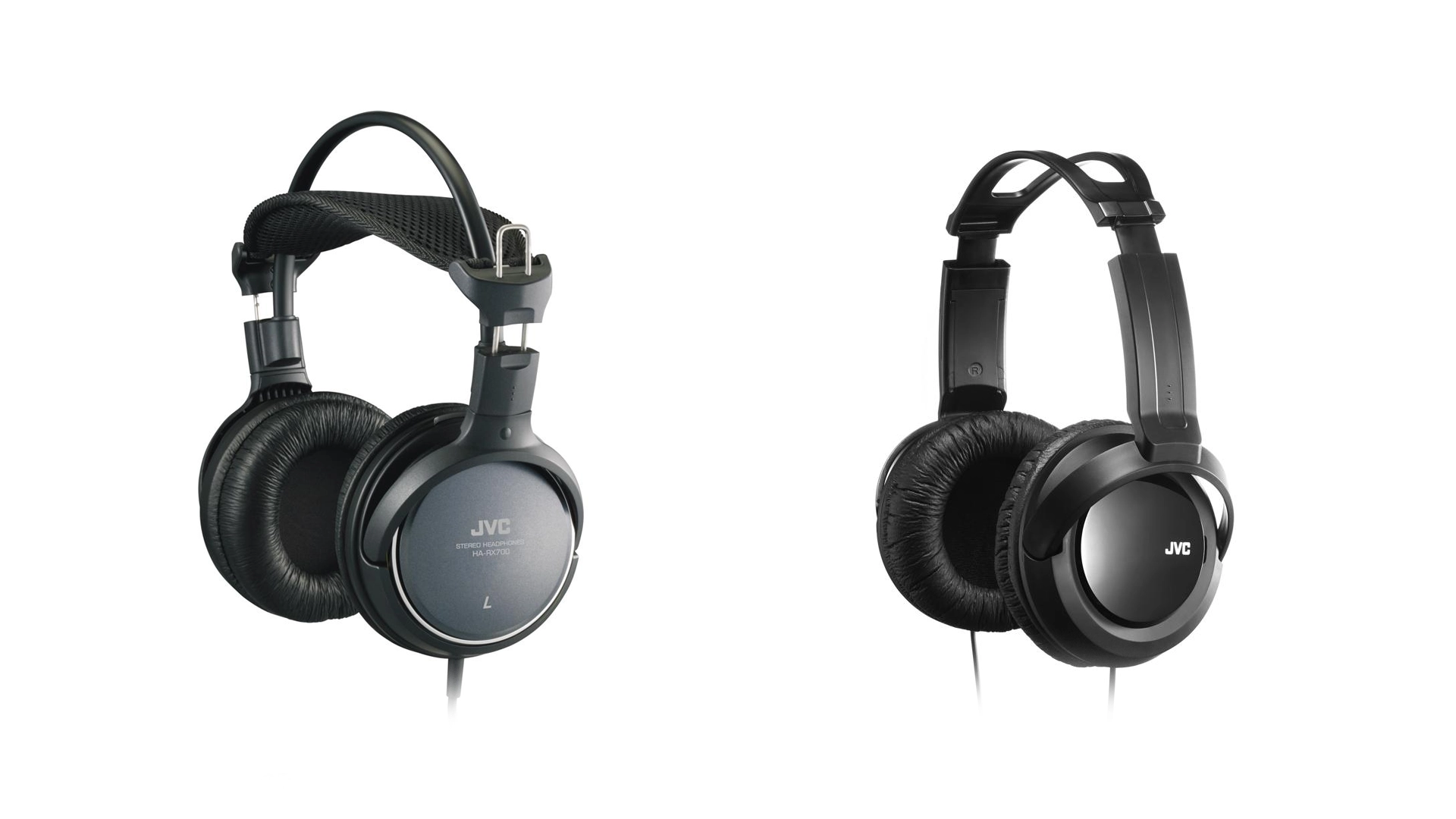
JVC is a Japanese audio-video brand whose history reaches from phonographs and recording media to headphones, car receivers and projectors. The Victor Company of Japan was established in Yokohama in 1927 as a Japanese subsidiary of the US Victor Talking Machine Company, then developed its own engineering and manufacturing base. Its best-known global achievement was VHS, introduced in 1976 and designed as a practical home-video system that could be licensed widely. Audio work ran alongside it: the Nivico export name, compact systems, tape equipment, speakers, headphones and later EXOFIELD spatial-processing products all belong to different periods of the same company. JVC merged with Kenwood in 2008 and now operates as a brand of JVCKENWOOD, so it should not be described as a fully independent multinational company. The current audio identity is concentrated in wireless and wired headphones, car multimedia and selected home products, while D-ILA projection represents another important specialist branch. JVC’s real strength is format and application engineering across sound and image, not a single timeless product range.
Koss

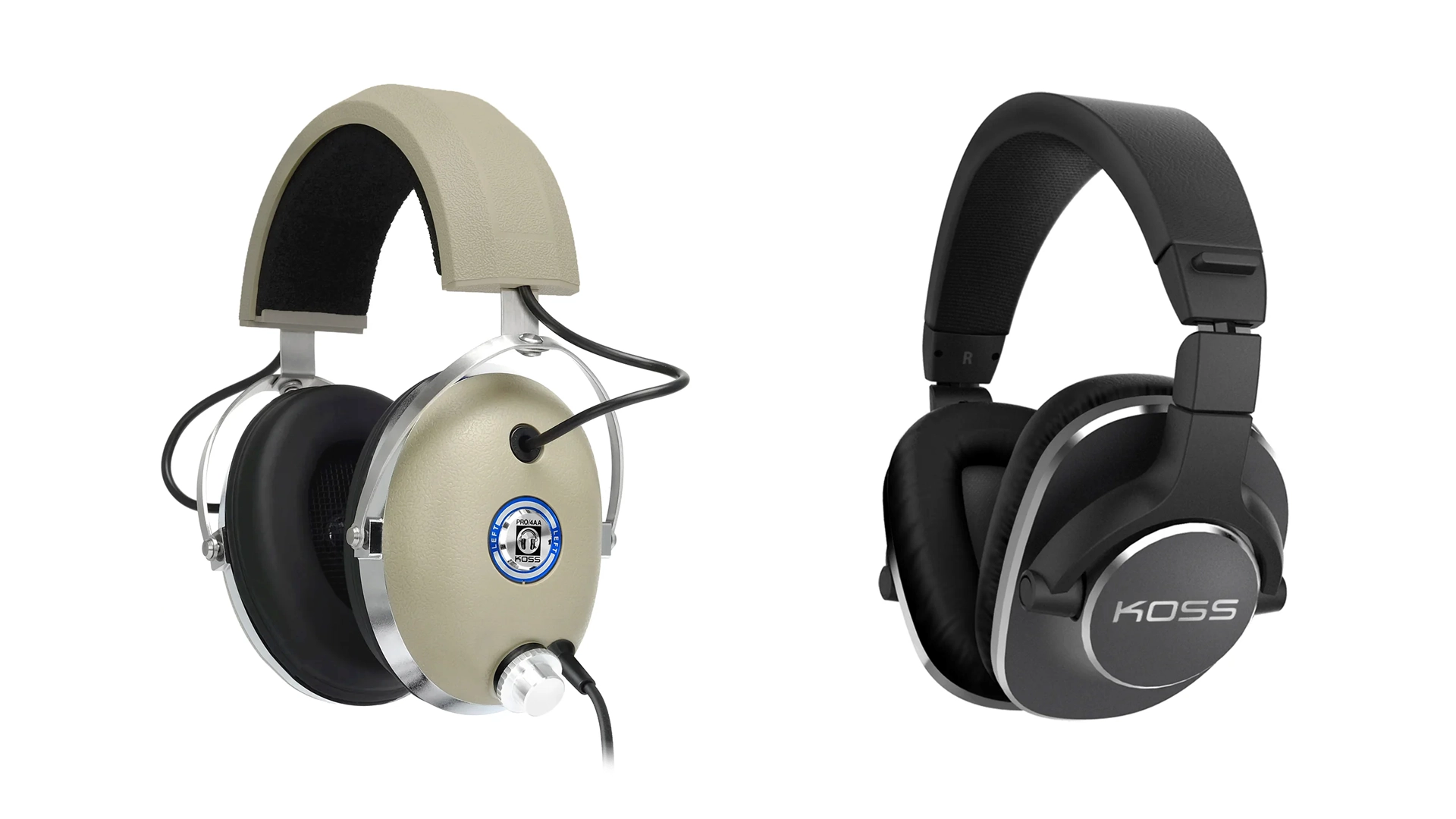
Koss is an American headphone company founded in Milwaukee by John C. Koss in 1953. The business initially rented televisions, but its direction changed in 1958 when Koss and engineer Martin Lange demonstrated a portable stereo phonograph with the SP/3 stereophone. That product is widely recognised as the first commercial high-fidelity stereo headphone and established personal stereo listening as Koss’s defining field; 1958 is the breakthrough year, not the company’s founding date. The later Pro/4AA became a durable studio and broadcast reference, while the open-back Porta Pro of 1984 created an even longer-lived design through its light frame, adjustable temple pads and replaceable foam cushions. Current favourites such as KSC75, KPH30i and KPH40 reuse aspects of the brand’s practical on-ear engineering, alongside Bluetooth and communication models. Koss has never depended on luxury materials or rapid annual replacement. Its strength is a rare continuity of affordable, repairable or parts-supported headphones whose basic acoustic platforms often remain useful for decades.
Luzli

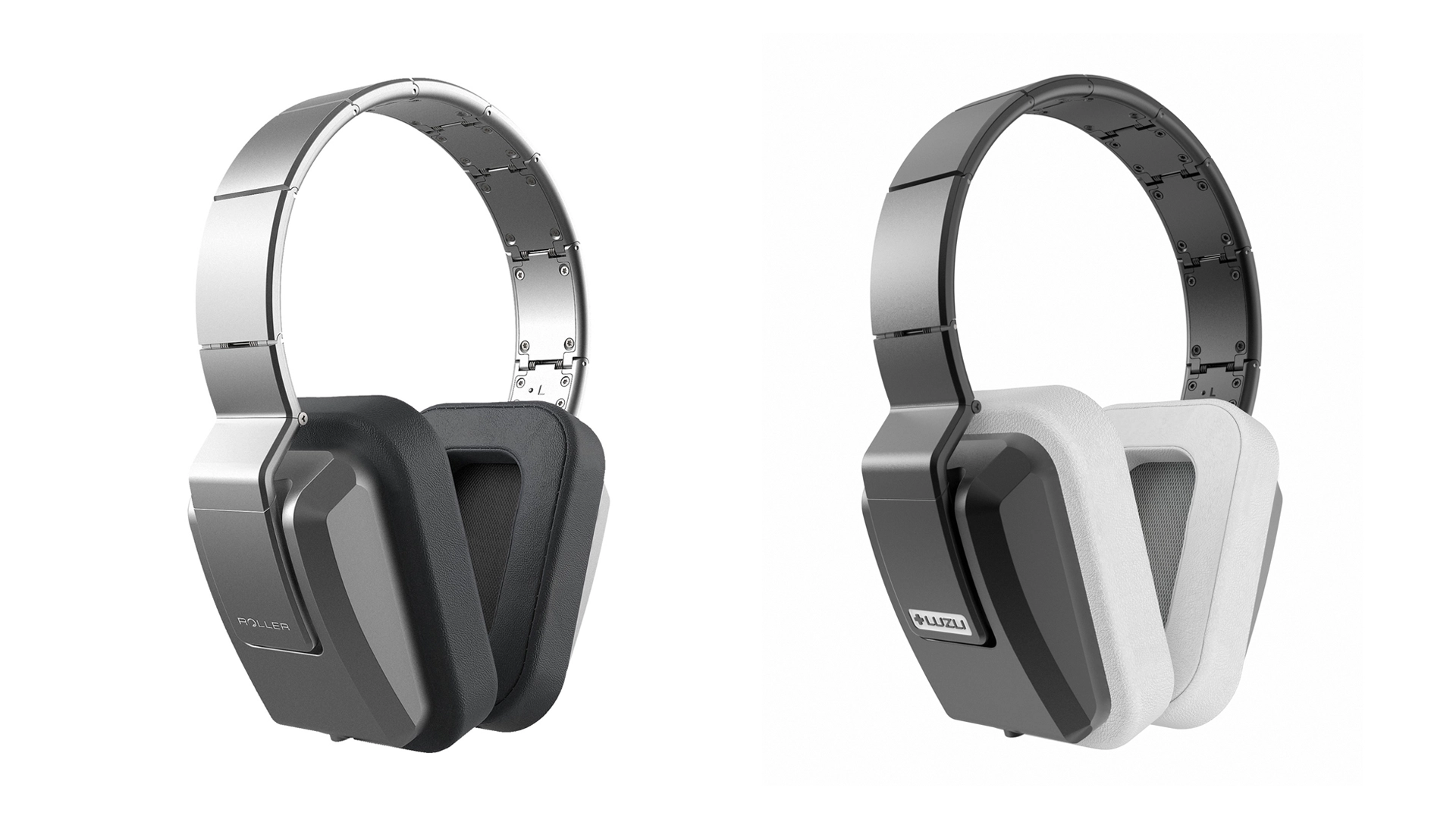
Luzli is a Swiss maker of limited-edition headphones whose defining feature is a headband that can roll into a compact coil. The Roller was developed by the Swiss-British design duo Dina Guth and Andy James Lee, drawing on watch construction rather than the usual plastic-and-hinge architecture of portable headphones. Its patented mechanism uses 22 articulated stainless-steel spring sections that conform to the wearer’s head and allow the headphone to curl for storage without a conventional folding joint. The closed-back Roller MK01 is the smaller on-ear version, while the MK02 enlarges the structure for an around-ear fit. Both are assembled in Switzerland, individually numbered and supplied with detachable OCC-copper cabling, replaceable memory-foam pads and a wooden presentation case. The visible metal mechanism is not merely styling: it distributes pressure through many small moving elements and removes a common mechanical weak point in travel headphones. Luzli has produced a very narrow catalogue rather than a succession of mass-market wireless models, so its identity rests on one thoroughly developed object. An exact founding year is not stated consistently enough by the company’s own material to add one with confidence.
Mark Levinson

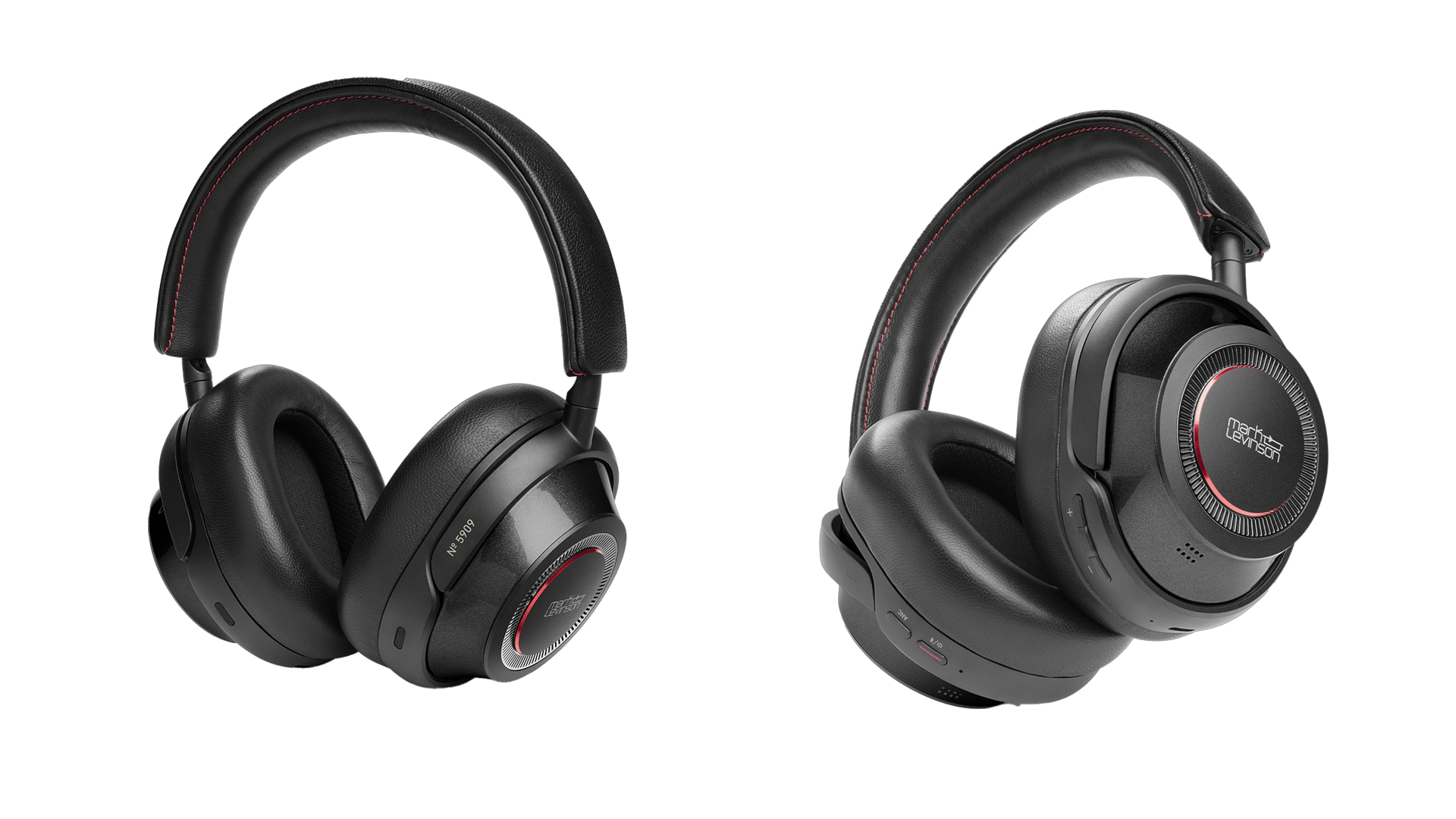
Mark Levinson is an American high-end electronics brand built around low-noise analogue circuitry, substantial power supplies and a deliberately uncompromising approach to signal integrity. Professional musician and recording engineer Mark Levinson founded the company in 1972 after seeking playback equipment that could reproduce the natural scale and timbre he heard in live performance. Early products such as the LNP-2 preamplifier helped define the emerging specialist high-end market. Now part of Harman, the brand produces preamplifiers, power and integrated amplifiers, digital players, turntables and premium headphones, and also develops factory audio systems for Lexus. Its components are identified by the Nº model prefix and typically use proprietary Pure Path circuit architecture, dual-mono layouts where appropriate, fully balanced signal paths and tightly regulated supplies. The Nº 5805 and Nº 5802 integrated amplifiers combine this analogue foundation with modern digital conversion, while the Nº 5909 extends the brand into wireless noise-cancelling headphones. Mark Levinson’s real distinction is not a cosmetic luxury treatment but the application of measurement-led, wide-bandwidth engineering and careful system integration across both traditional separates and newer product categories.
Marshall

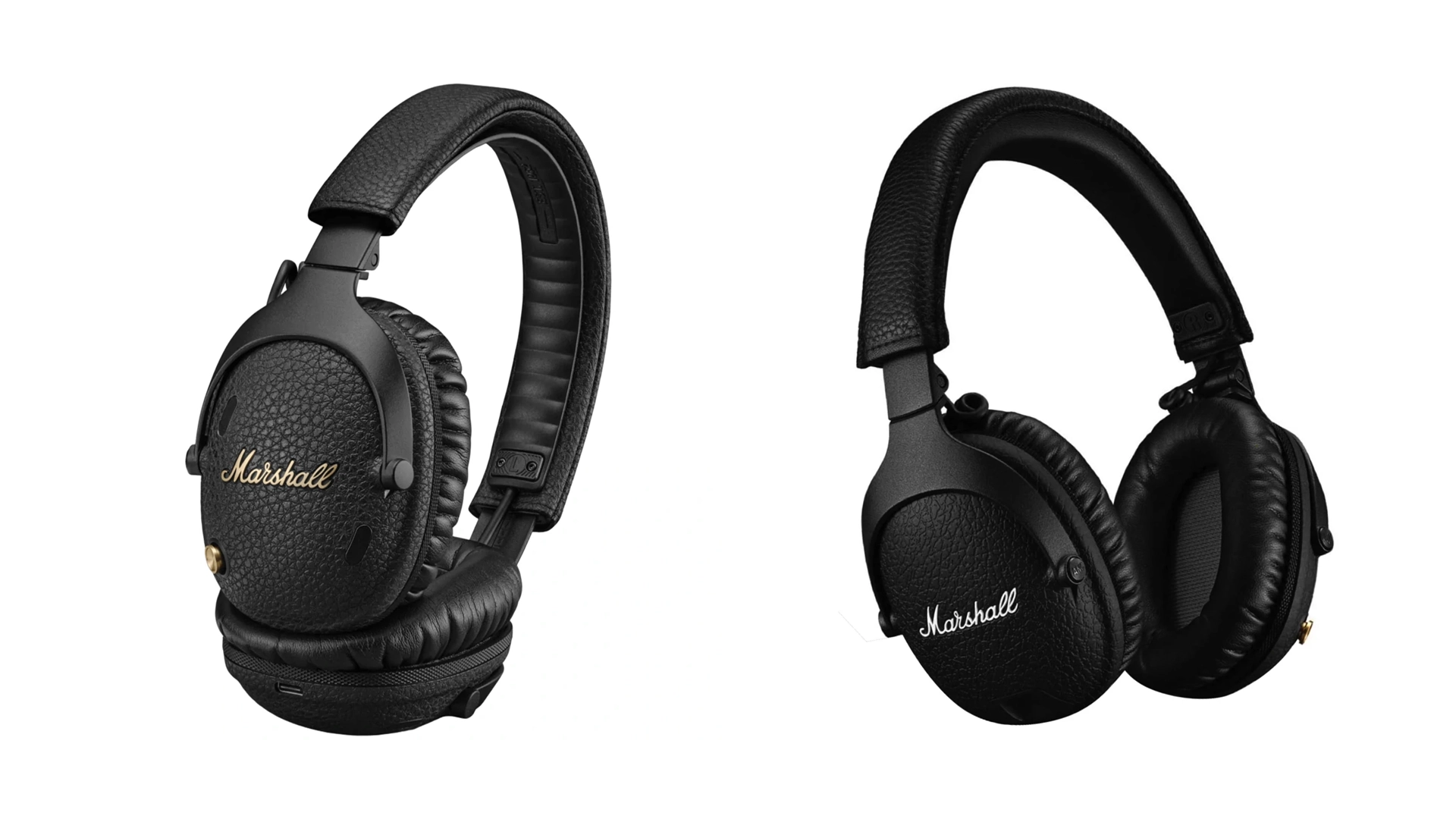
Marshall is the British amplification name that turned the sound and appearance of a guitar stack into a global rock-and-roll signature, then carried that identity into headphones and wireless speakers. Drum-shop owner and former drummer Jim Marshall founded the business in London in 1962 with technicians Ken Bran and Dudley Craven. Their early JTM45 amplifier responded to musicians seeking more volume and a different voice from the American designs then available; later Plexi, Super Lead and JCM models became fixtures on stages and recordings. The current catalogue still includes guitar and bass amplifiers, cabinets and effects, alongside consumer products such as the Major and Monitor headphones, Motif and Minor earbuds, and portable or home Bluetooth speakers including Emberton, Middleton, Stanmore and Woburn. Since the Marshall amplification and former Zound consumer-audio businesses were brought together in Marshall Group in 2023, product development, licensing and brand stewardship sit within one company, while the Marshall family remains involved. What makes Marshall unusual is the continuity between professional music equipment and everyday listening products: tactile controls, durable construction and amplifier-inspired design are tied to a genuine manufacturing and performance history rather than an invented retro theme.
Master & Dynamic

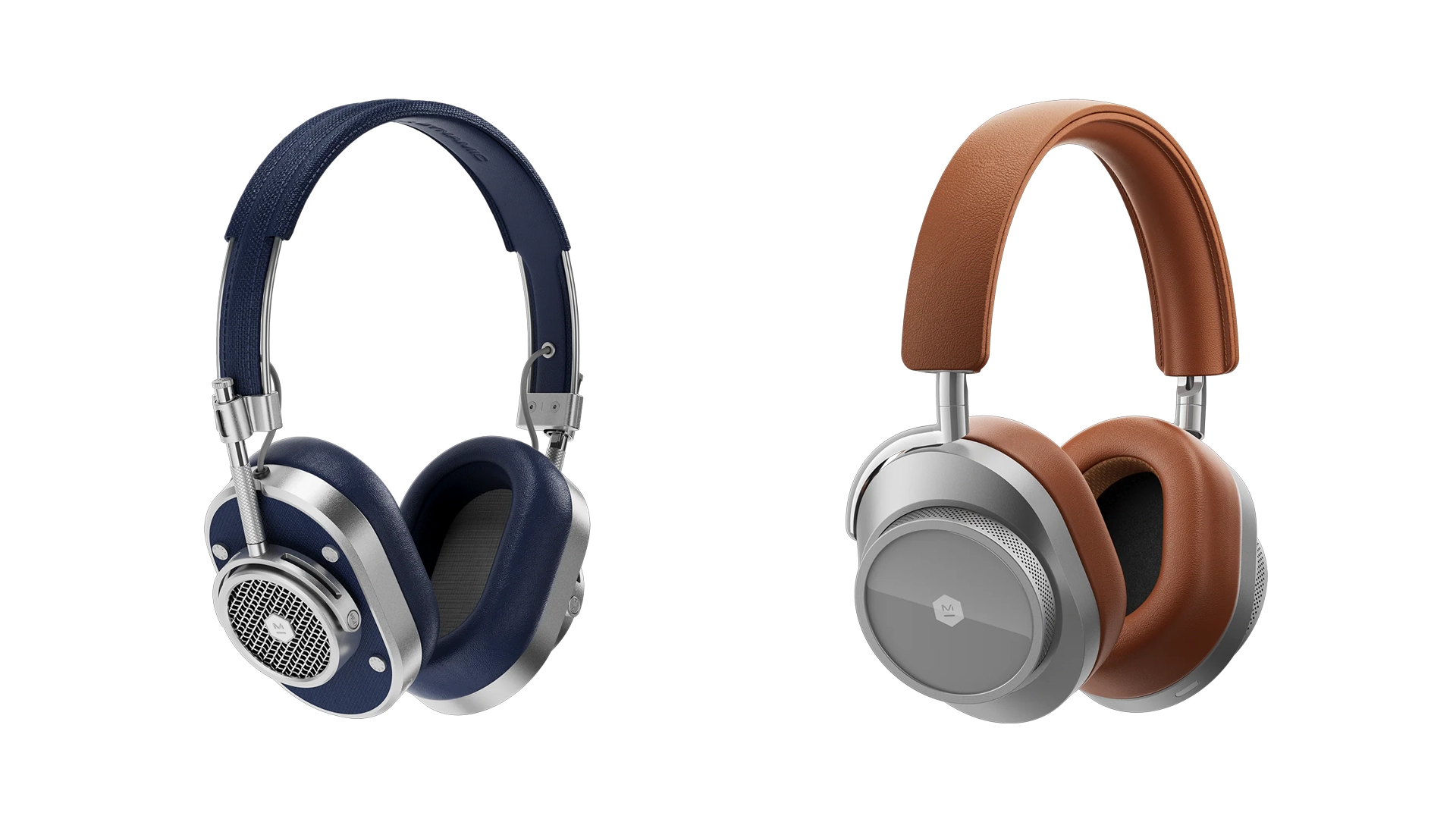
Master & Dynamic is a New York personal-audio brand that treats material choice, service life and industrial design as part of acoustic engineering. Jonathan Levine began developing the company in 2013 and launched its first headphones and earphones in May 2014, working with co-founder Vicki Gross and designer Mårten Wallby. The early MH40 established the formula: machined or forged metal, replaceable lambskin ear pads and a construction intended to age more like a durable instrument than disposable consumer electronics. The range now includes wired studio-style headphones, wireless over-ear models such as the MW75, true-wireless earphones and gaming headsets. Master & Dynamic combines custom acoustic drivers and tuned enclosures with active noise cancellation, beam-forming microphones and modern wireless codecs where the format requires them. Collaborations with fashion, automotive and cultural partners are frequent, but the underlying product language remains consistent. The brand’s real distinction is not luxury vocabulary alone; it is the unusually tactile, repair-conscious approach to portable audio, using aluminium, stainless steel, magnesium, leather and tempered glass where many competitors depend on molded plastic.
Meters Music

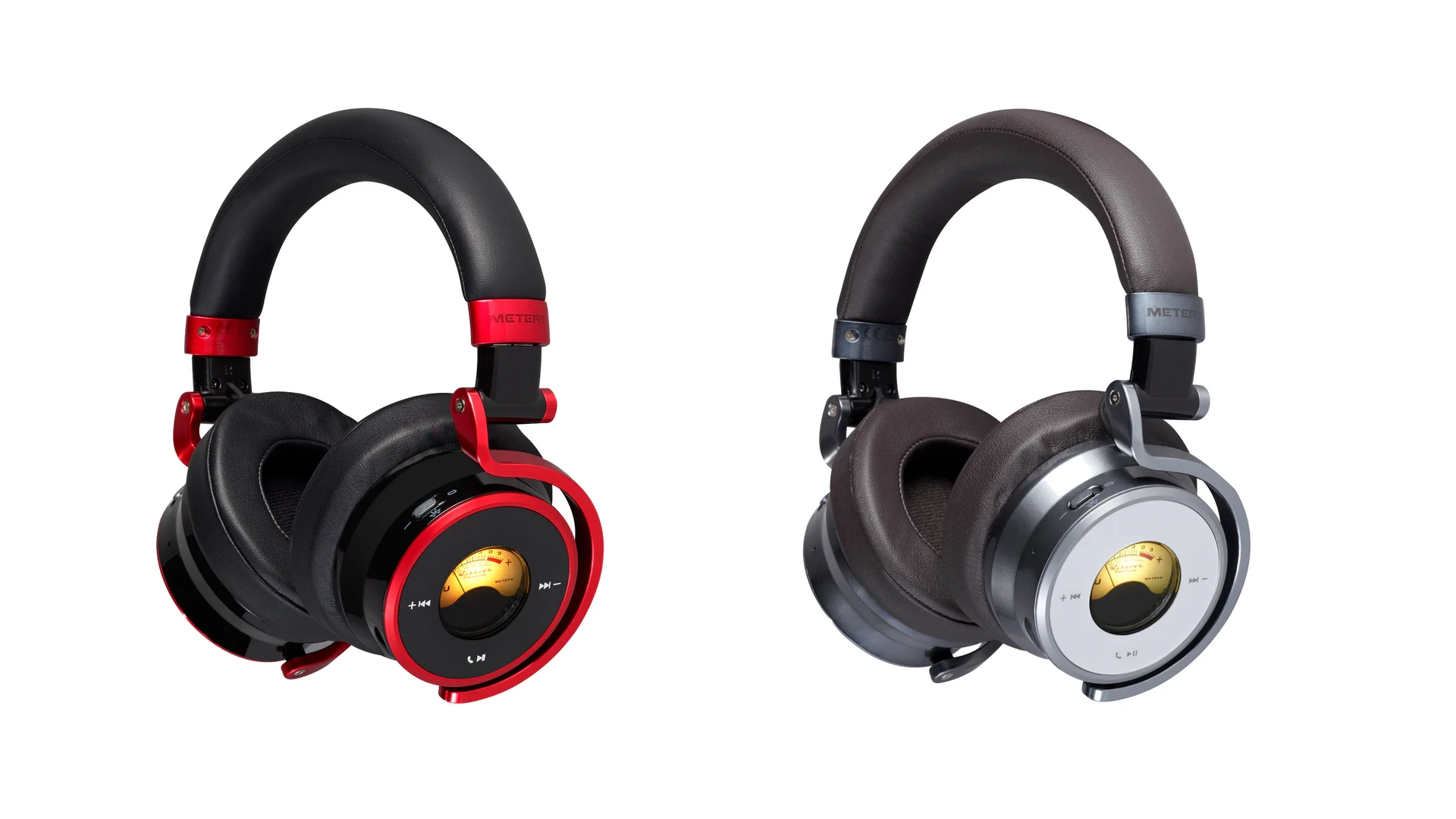
Meters Music is the British personal-audio offshoot of Ashdown Engineering, bringing the working VU meter and stage-equipment visual language of professional bass amplification to headphones and compact listening systems. Ashdown founder Mark Gooday created the line after decades in instrument amplification, and Meters made its public debut at CES in 2017. The analogue meters on models such as the OV-1 are functional level indicators, not printed decoration. The range has included wired and Bluetooth over-ear headphones, active-noise-cancelling variants, in-ear models and the modular LINX earphone-and-speaker system. OV-1-B-CONNECT models combine the signature meters with wireless playback and user-adjustable EQ, while the more straightforward NOVU line targets monitoring and everyday use. The products draw on Ashdown’s familiarity with musician-facing hardware, tactile controls and recognizable stage aesthetics, but are tuned and packaged for personal listening rather than bass-guitar amplification. Meters Music’s strongest point is specificity: few headphone brands can connect a visible design motif directly to a parent company’s real engineering history, and fewer make that motif perform an actual measurement function.
Meze Audio

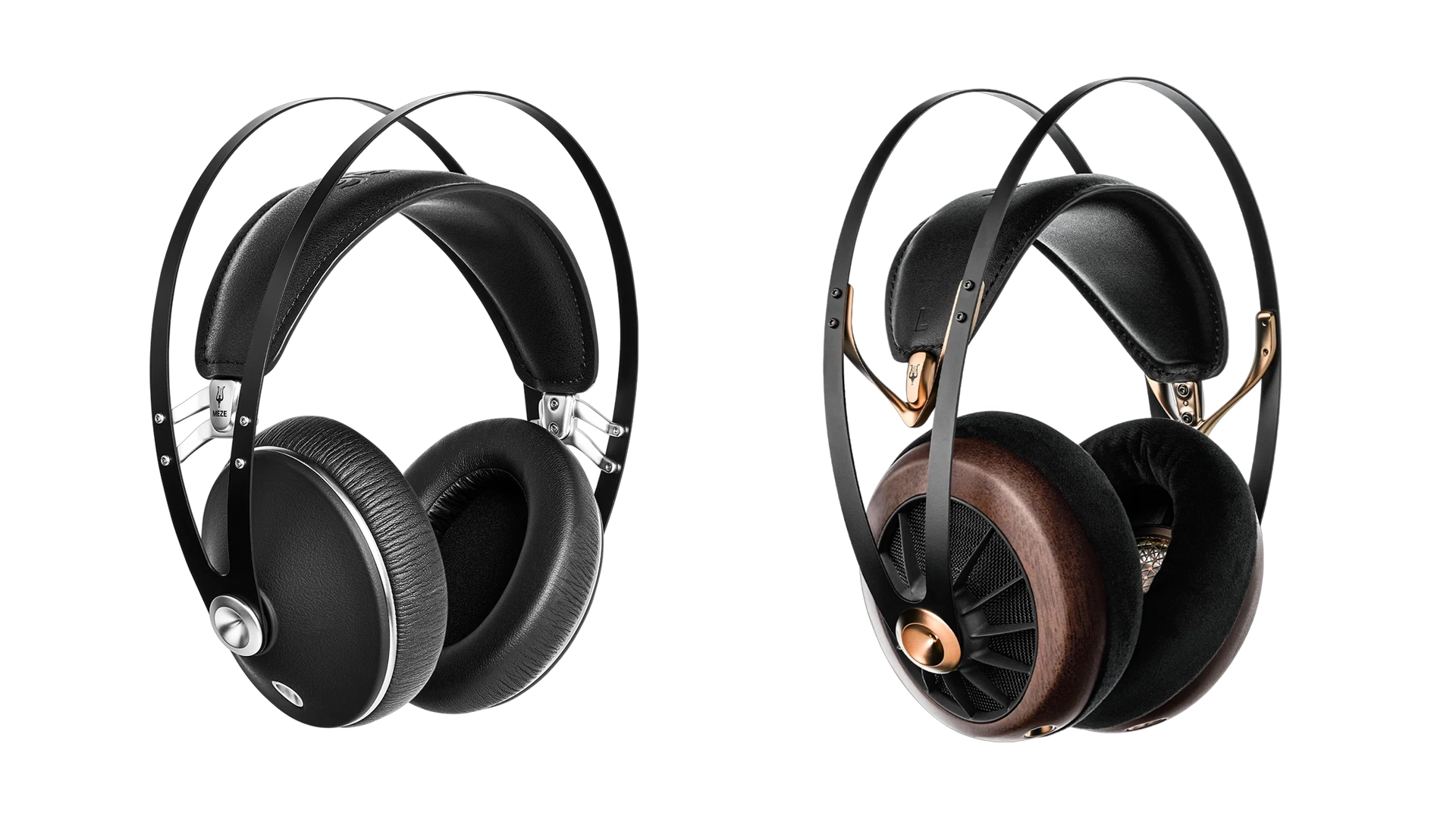
Meze Audio is a Romanian headphone specialist that combines distinctive industrial design with replaceable parts and acoustic platforms developed for long service. Designer Antonio Meze founded the company in Baia Mare in 2011. The wooden 99 Classics established its international identity in 2015, showing that a comfortable, repairable headphone could also have a recognizable visual and sonic character. The range now spans dynamic open- and closed-back headphones, planar-magnetic flagships and in-ear monitors. Empyrean, Empyrean II and Elite use isodynamic hybrid-array drivers developed with Rinaro, a Ukrainian-founded planar specialist; differently shaped voice-coil traces direct low and high frequencies toward appropriate areas of the ear. Models such as 109 Pro, 105 AER and 99 Classics use dynamic drivers and carefully shaped earcups, while Alba, Advar and Rai Penta address portable in-ear listening. Materials include wood, machined aluminium, carbon fibre and leather, but longevity is more important than ornament: ear pads, headbands, cables and many structural parts can be replaced. Meze’s genuine signature is the integration of ergonomics, sculptural form and serviceability with serious driver development.
Nagaoka

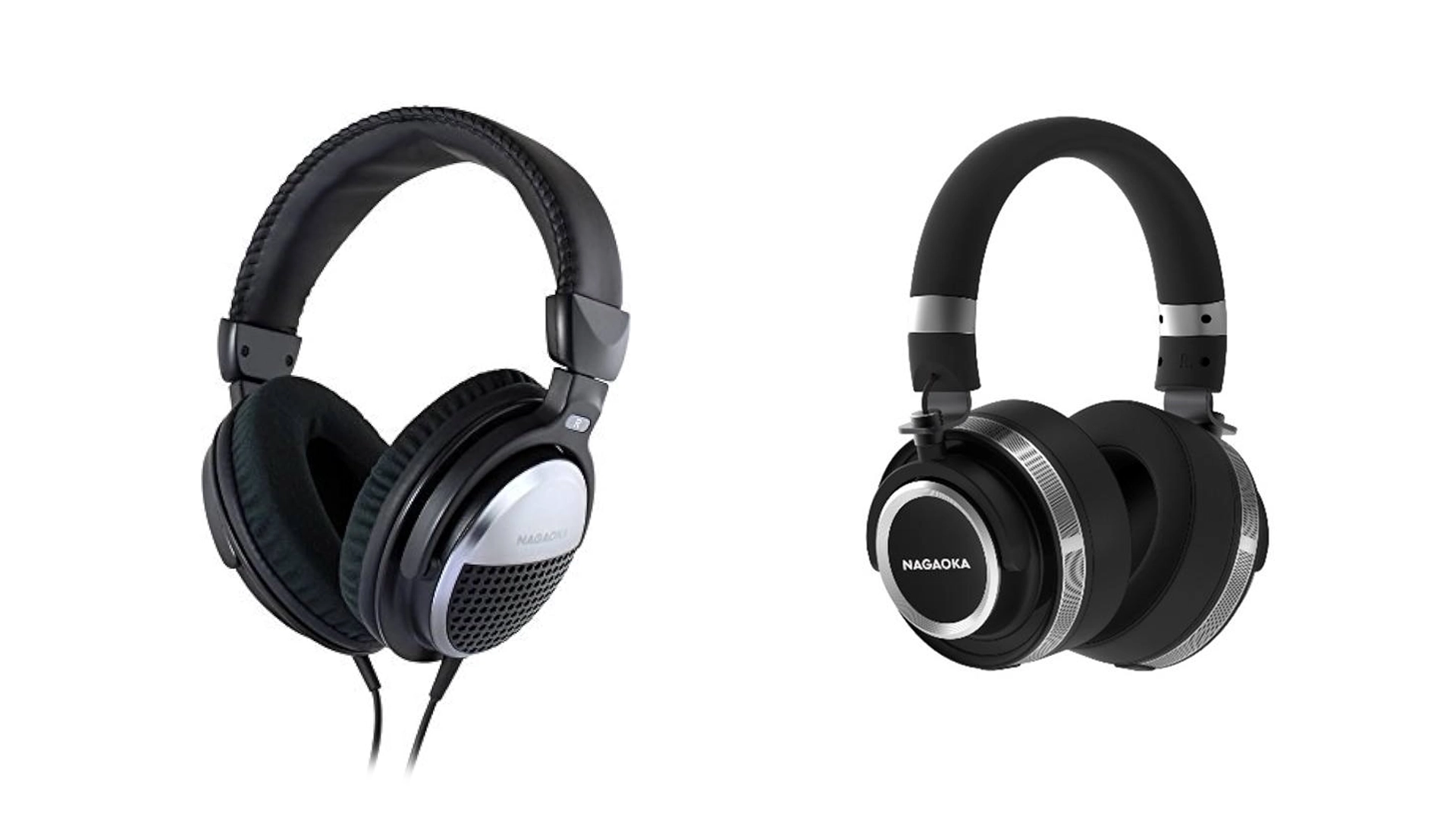
Nagaoka is the Japanese precision manufacturer best known to vinyl listeners for replaceable styli and Moving Permalloy phono cartridges. It began in Tokyo in 1940 as Nagaoka Clock Parts Manufacturing, machining small, hard materials for the watch industry. That expertise led to diamond record styli in 1961 and eventually to complete cartridges, giving the company unusually deep control over the tiny parts that determine tracking and groove contact. The MP range is Nagaoka’s signature. It is a moving-iron principle in which a low-mass permalloy element moves within a fixed magnetic circuit, providing output compatible with a conventional MM phono stage while keeping the replaceable stylus assembly light. Models from the widely used MP-110 through MP-150, MP-200, MP-300 and MP-500 vary in cantilever, stylus profile, body and generator refinement; the MP-700 marks a newer flagship generation. Nagaoka also supplies mono cartridges, headshells, record sleeves, cleaning fluids and stylus-care tools, and remains an important OEM producer. The valuable part of its story is not ornamental language about Japanese craftsmanship: Nagaoka has decades of in-house experience cutting and bonding diamond styli, forming cantilevers and assembling the complete mechanical system that must follow a microscopic groove accurately.
Noble

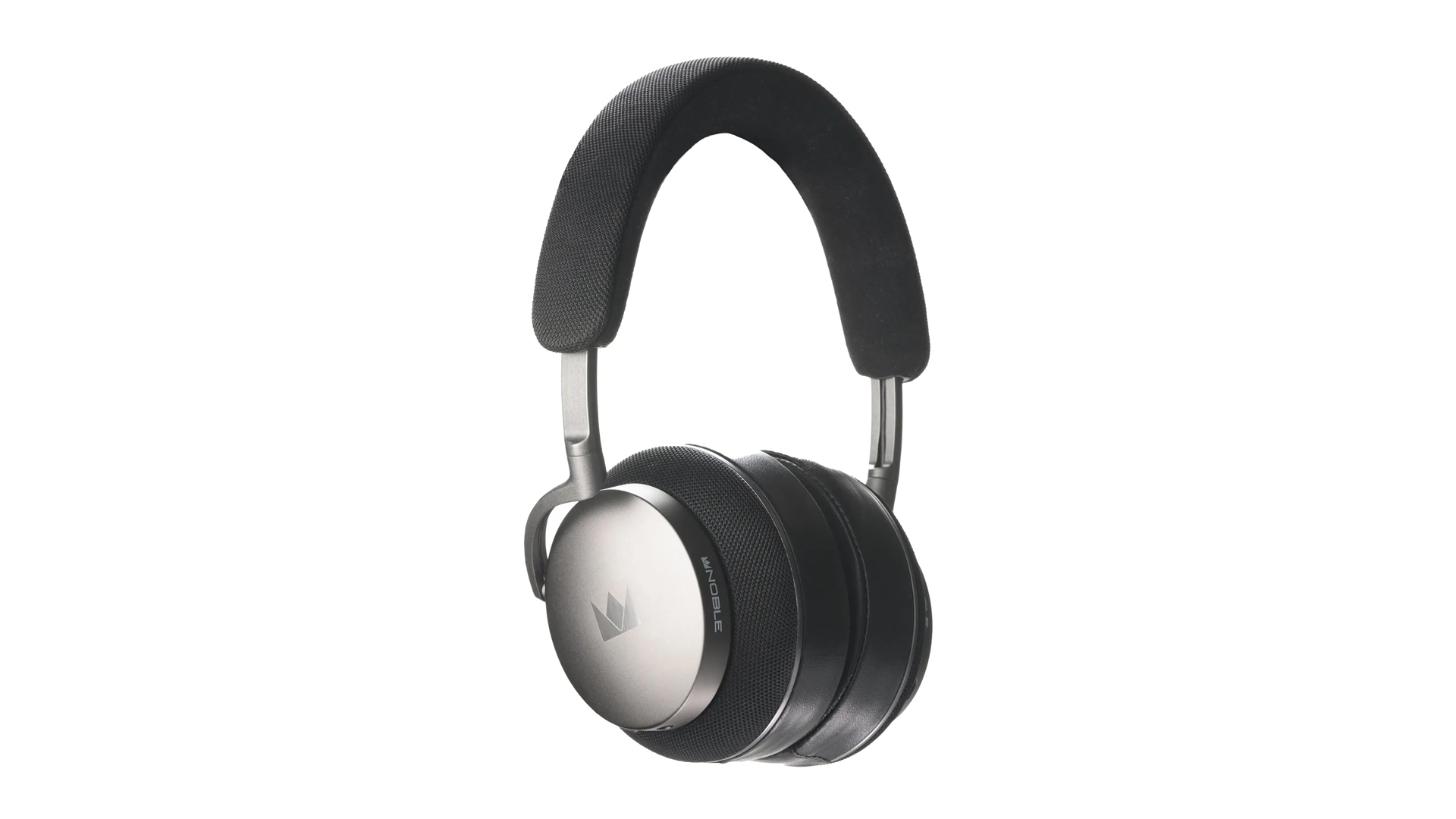
Noble Audio is the American personal-audio company that helped turn the custom in-ear monitor from a flesh-coloured professional tool into a high-end object with an individual visual identity. Audiologist Dr John Moulton, known in the headphone community as “the Wizard,” formed Noble in 2013; his brother Jim Moulton became a 50-percent owner. John’s combination of hearing science, tuning experience and hand-finished shell artwork gave the young brand a recognisable voice from the outset. The Kaiser 10, or K10, was the breakthrough: a ten-balanced-armature design offered in universal and custom forms that established Noble’s reputation for ambitious multi-driver tuning. Katana, Encore, Khan, Sultan, Viking Ragnar and Ronin followed with different mixtures of balanced-armature, dynamic, piezoelectric and electrostatic drivers rather than a simple race for higher driver counts. Prestige custom models are carved from distinctive solid materials, while standard customs use individually moulded acrylic shells and artwork. Noble has also carried its tuning into FoKus true-wireless earphones and later wireless headphones. The earlier year-by-year award list obscured the real story. Noble matters because it joins clinical knowledge of the ear, complex acoustic crossovers and unusually expressive industrial craft, serving stage professionals and enthusiasts without making the products look interchangeable.
Pro-Ject

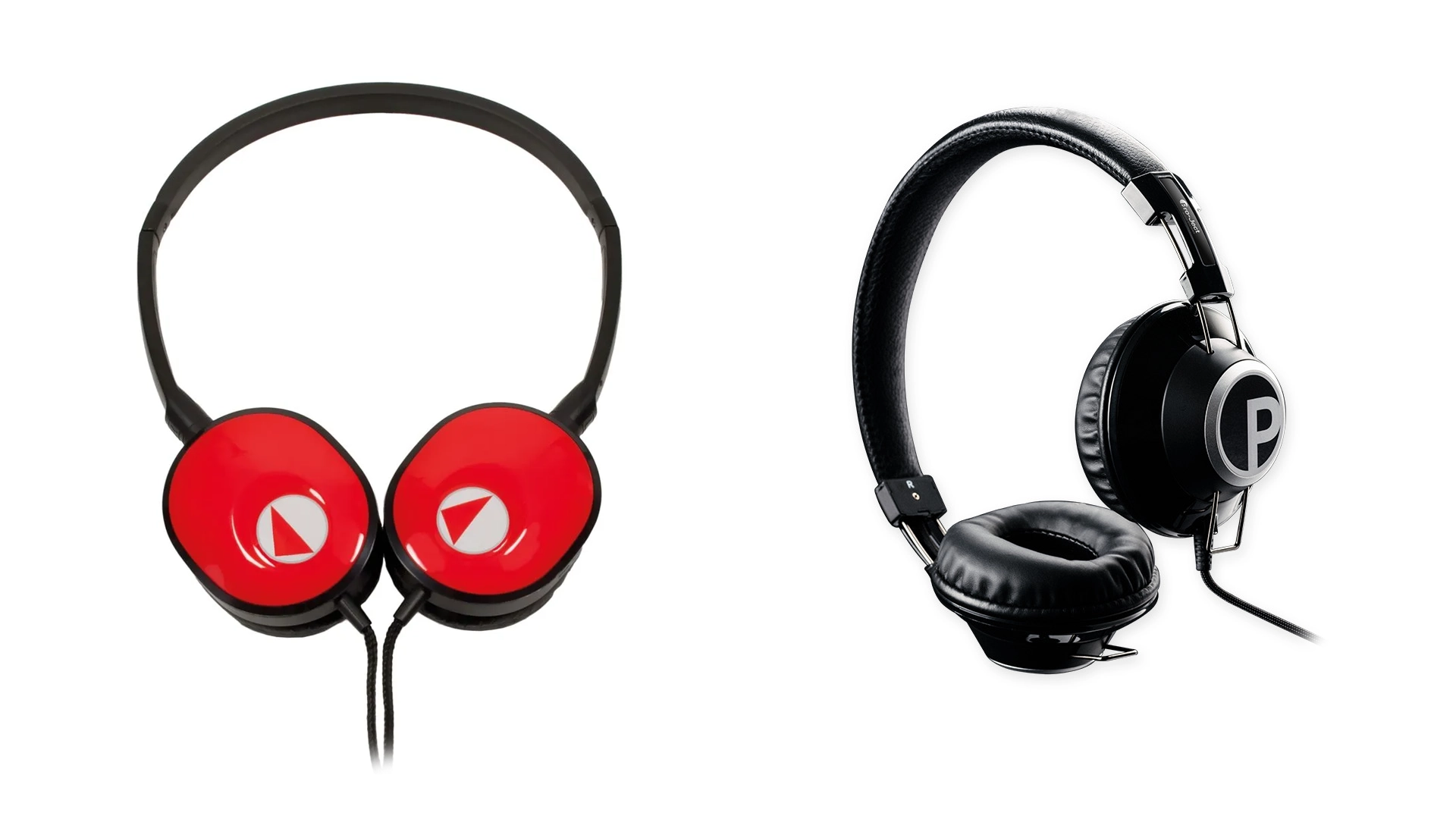
Pro-Ject Audio Systems was founded in Austria in 1991 by Heinz Lichtenegger, at a moment when the audio industry was treating the compact disc as vinyl’s replacement. Lichtenegger’s counterargument was the Pro-Ject 1: a simple belt-drive turntable built around the parts necessary for stable speed and accurate tracking, without automatic mechanisms or cosmetic complexity. The strategy proved prescient, and the Debut, introduced in 1999, became the model that brought the company to a much wider generation of record listeners. Pro-Ject now covers almost every scale of manual turntable. E and T families address first systems; Debut remains the recognisable centre; X, RPM and Xtension add more elaborate plinths, bearings, platters and tonearms; and Signature represents the flagship engineering. Many decks are assembled by hand in the Czech Republic, preserving production skills from the region’s long record-player history. The company also makes phono stages, speed controls, cartridges, record-cleaning machines and accessories, so a turntable can be upgraded rather than discarded. Box Design electronics—compact phono stages, amplifiers, DACs, streamers and CD transports—are largely produced in Slovakia and extend the same space-efficient philosophy beyond vinyl. Artist Collection editions use visual collaborations and licensed themes, but beneath the artwork they remain functional Pro-Ject platforms. The brand’s significance is not simply that it sells many turntables: it maintained European manual-turntable production through the digital era and built a clear path from an inexpensive first deck to genuinely ambitious analogue systems.
Reloop

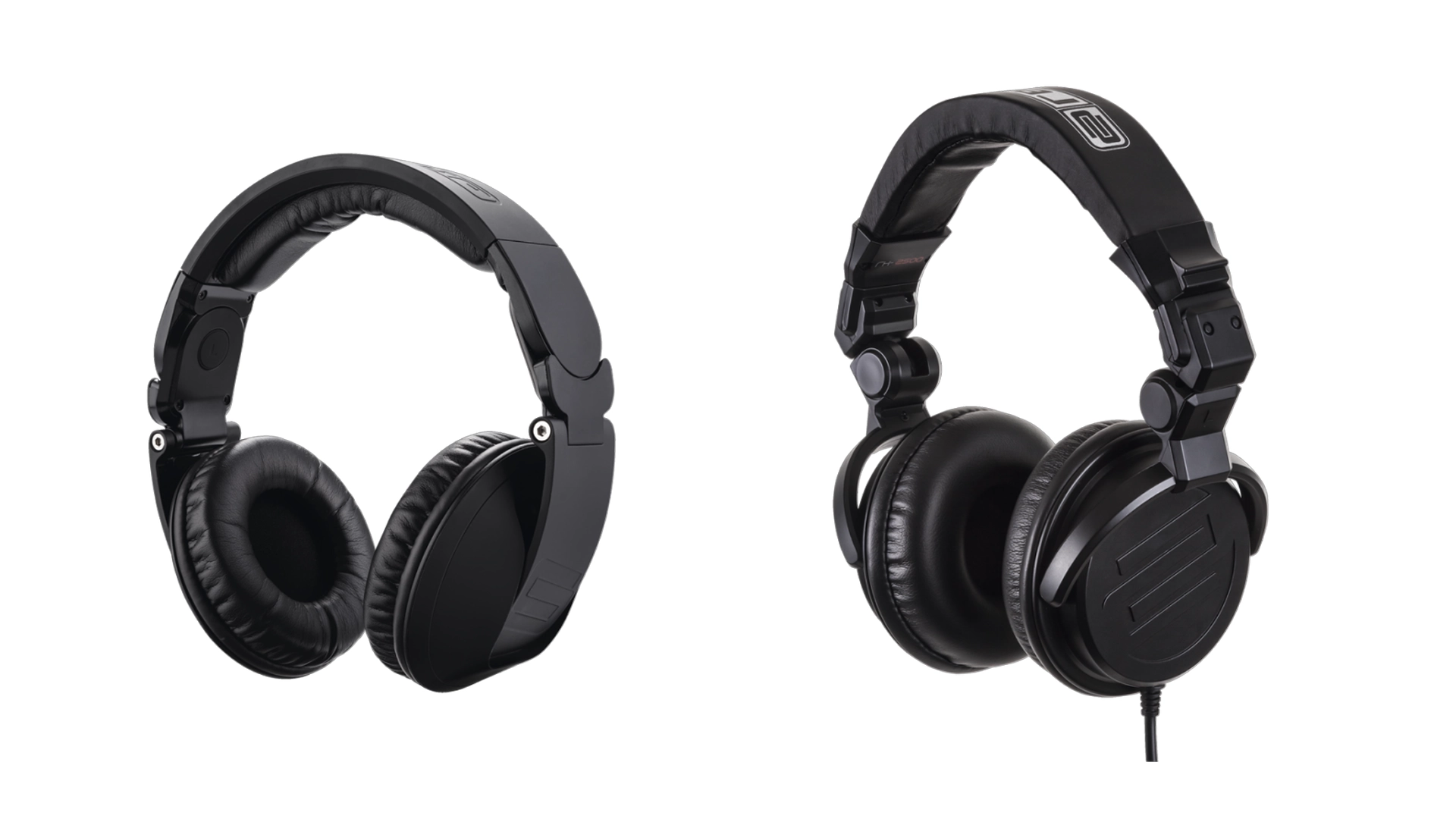
Reloop was founded in Münster, Germany, in 1996 by a young group of music-technology specialists. Its first products were DJ turntables, and the company has since grown into a complete performance range designed with working DJs rather than as a lifestyle offshoot of a consumer-electronics brand. The core remains physical control: robust direct-drive decks, mixers and controllers that can survive transport and allow familiar techniques to move between vinyl and software. RP-7000 MK2 is the club-oriented reference turntable, combining quartz-locked direct drive, adjustable torque, multiple pitch ranges and a heavy, damped chassis. RP-8000 MK2 adds MIDI pads and performance controls so cue points, loops and samples in Serato can be operated from the deck without abandoning vinyl-style handling. RP-7 adapts professional direct drive specifically to 7-inch records. RMX mixers range from straightforward club layouts to digital models, while Buddy, Ready, Mixon and Mixtour controllers address mobile and software-based performance at different scales. Flux provides a dedicated USB DVS interface for using timecode records with an existing mixer, and Turn models extend the catalogue toward home listening. Headphones, cartridges, stands and studio monitors complete working setups. The old text described only competitive pricing and generic software compatibility; that misses why Reloop is recognisable. Its product development repeatedly joins traditional turntable technique to digital control—most clearly in RP-8000 MK2—while still offering a serious analogue deck for DJs who do not need pads or a laptop. Design and company identity remain German even though manufacturing is international.
Rosson Audio Design

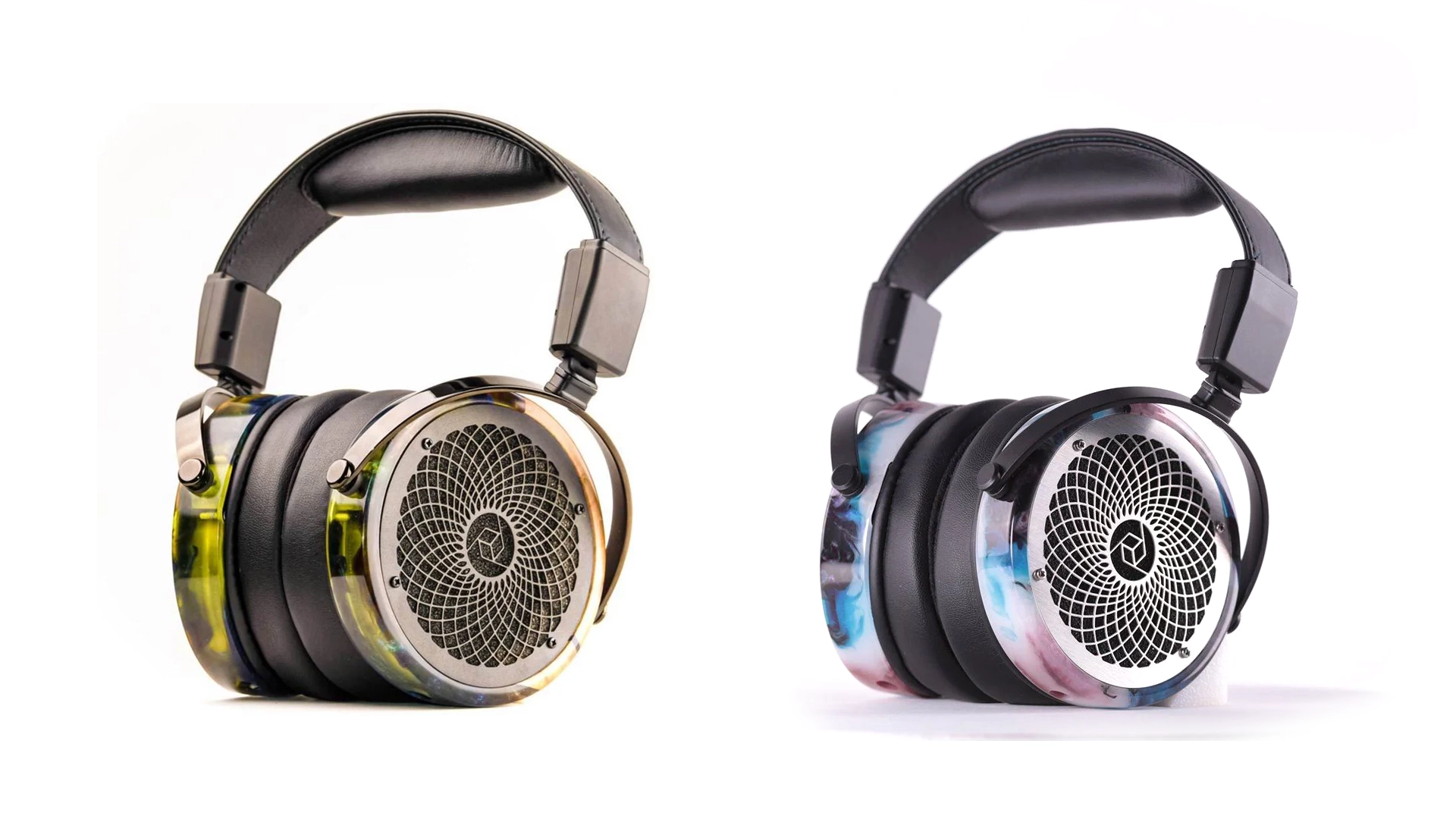
Rosson Audio Design is an American maker of planar-magnetic headphones founded by Alex Rosson, co-founder and former chief executive of Audeze. The company appeared in 2019 with the RAD-0, a deliberately low-volume headphone in which acoustic engineering and individual hand finishing carry equal weight. Its open-back planar driver was developed to combine physical bass, dense tonal colour and high resolution without turning the presentation into a clinical exercise. Just as distinctive are the earcups: stabilized woods, resins and custom colour work produce patterns that cannot be duplicated, so even standard RAD-0 pairs differ visually and fully bespoke commissions can be built around a client’s palette. The substantial aluminium hardware, replaceable pads and suspension headband are designed for long-term use rather than a seasonal fashion cycle. RAD later expanded the idea with the MPL-0, a larger statement model that uses a 66 mm planar diaphragm and an elaborate sculpted enclosure, while collaborations and limited editions explore unusual materials and finishes. Manufacturing and final assembly take place in California, with Alex Rosson’s experience in recording, headphone development and visual art shaping both tuning and presentation. Rosson Audio Design is therefore not simply another boutique brand applying decorative wood to an existing platform. Its identity comes from treating the transducer, mechanical structure and surface finish as one authored object: a serious high-end headphone whose sound is repeatable even though the appearance of each pair remains genuinely individual.
Sendy Audio

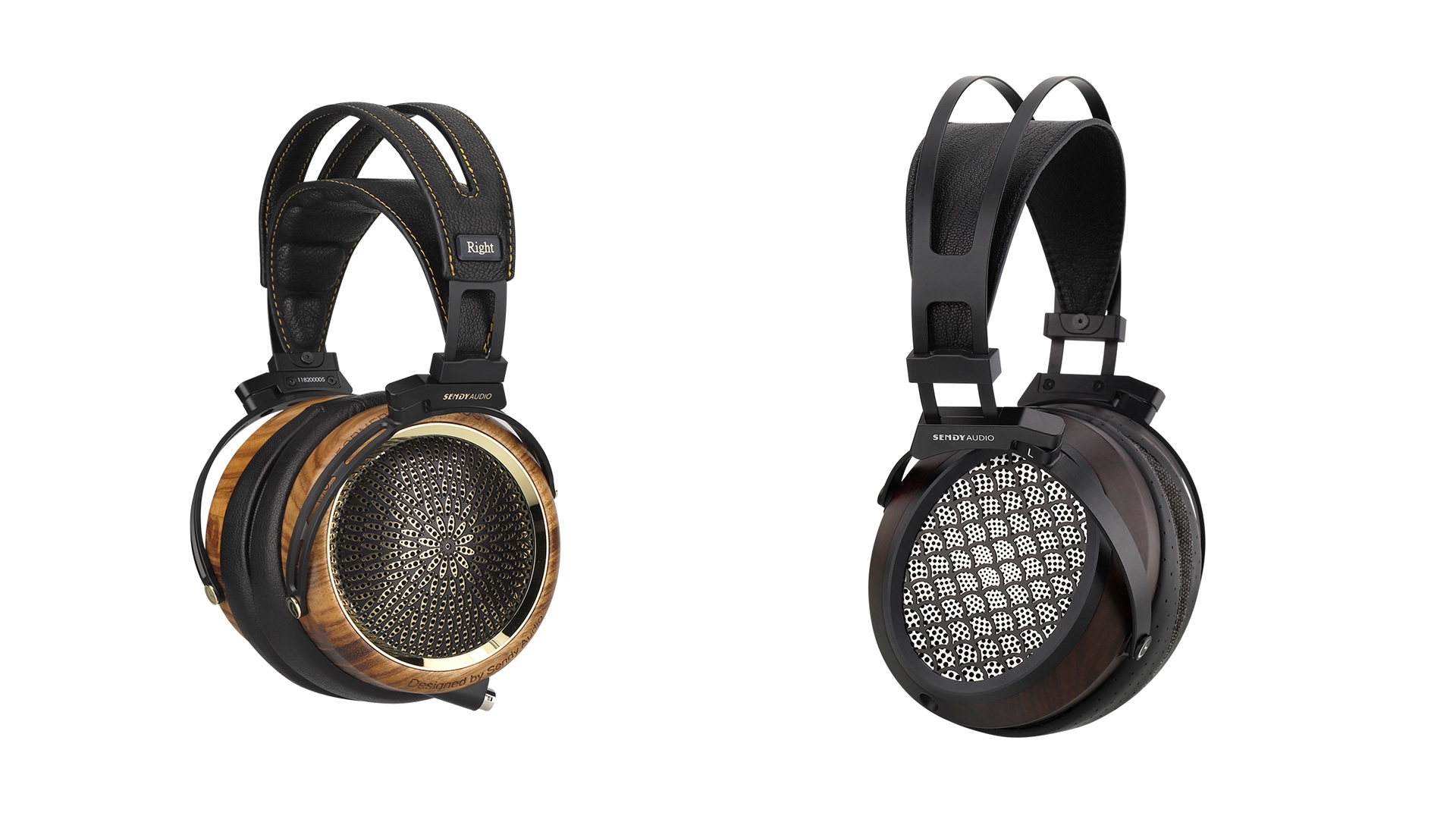
Sendy Audio is a Chinese high-end headphone label created by Dongguan SIVGA Electronic as a more ambitious outlet for its woodworking and transducer development. The brand is closely associated with open-back planar-magnetic headphones and with earcups carved from natural hardwood, rather than metal housings decorated to imitate wood. Selection, machining, polishing, coating and repeated drying make the cups labour-intensive and leave every pair with a different grain. AIVA brought Sendy to international attention and received a Japanese VGP award in 2019. It uses a large planar diaphragm with a double-sided magnet structure and became the visual template for later models: sculpted solid wood, metal grilles and a detachable balanced cable. Peacock moved upward with a thinner diaphragm, revised magnetic system and more elaborate zebrawood construction, while Apollo explored a lighter, more approachable interpretation of the same planar idea. Recent Apollo Pro and related developments continue the focus on planar speed and full-size listening rather than wireless features. Sendy describes the driver programme as the Black Beauty series, developed over several years to control diaphragm tension, conductor layout and magnetic force. Because Sendy is a SIVGA sub-brand, the two names share manufacturing knowledge and some design language, but they are not interchangeable product ranges; Sendy occupies the more specialised, low-volume tier. Its strength is the integration of craft and mechanism. The wood is not a generic luxury claim but part of a complete, recognisable enclosure, while proprietary planar assemblies give the brand an acoustic identity beyond finish alone. An exact founding year is not consistently documented, so the date field remains blank rather than inventing one.