
Headphone Cables
This category covers aftermarket and upgrade cables for high-quality headphones that feature detachable connectors. Enthusiasts use them to fine-tune sound, improve ergonomics and durability, or to connect to various types of headphone amplifiers, such as those with balanced outputs (e.g., 4.4mm Pentaconn or XLR). These cables are a popular way to customize and enhance the personal audio experience. This directory lists brands that specialize in crafting these upgrade cables.
Hi-Fi brands in the category
Summary information and image
Direct links to official websites
Hiby

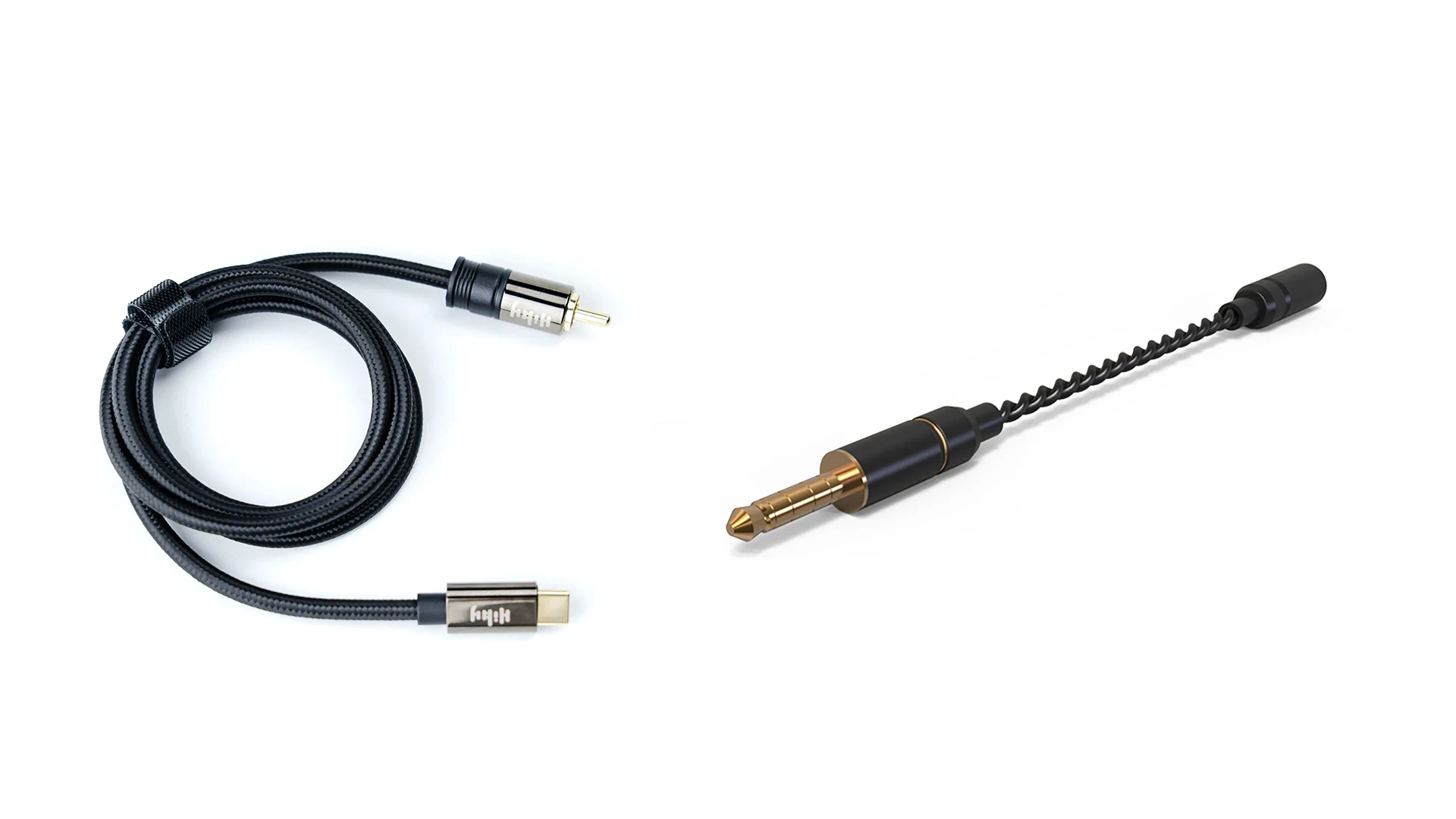
HiBy began in China in 2011 as a software and firmware specialist for portable audio, years before its own digital players became widely known. That background still explains the brand better than any single product: HiBy develops the playback environment as well as the hardware, including HiByMusic, HiByOS, system-level audio processing and control software used across its own devices and by other manufacturers. The R-series players made the company a direct hardware brand, while the RS models introduced its Darwin architecture for configurable R-2R conversion. HiBy now covers digital audio players, USB DAC and headphone-amplifier dongles, Bluetooth devices and earphones, with features such as MSEB sound adjustment linking the products to its software roots. Its particular strength is vertical integration in portable hi-fi—interface, operating system, decoding, DSP and analogue output are developed as parts of one user experience.
HiFiMAN

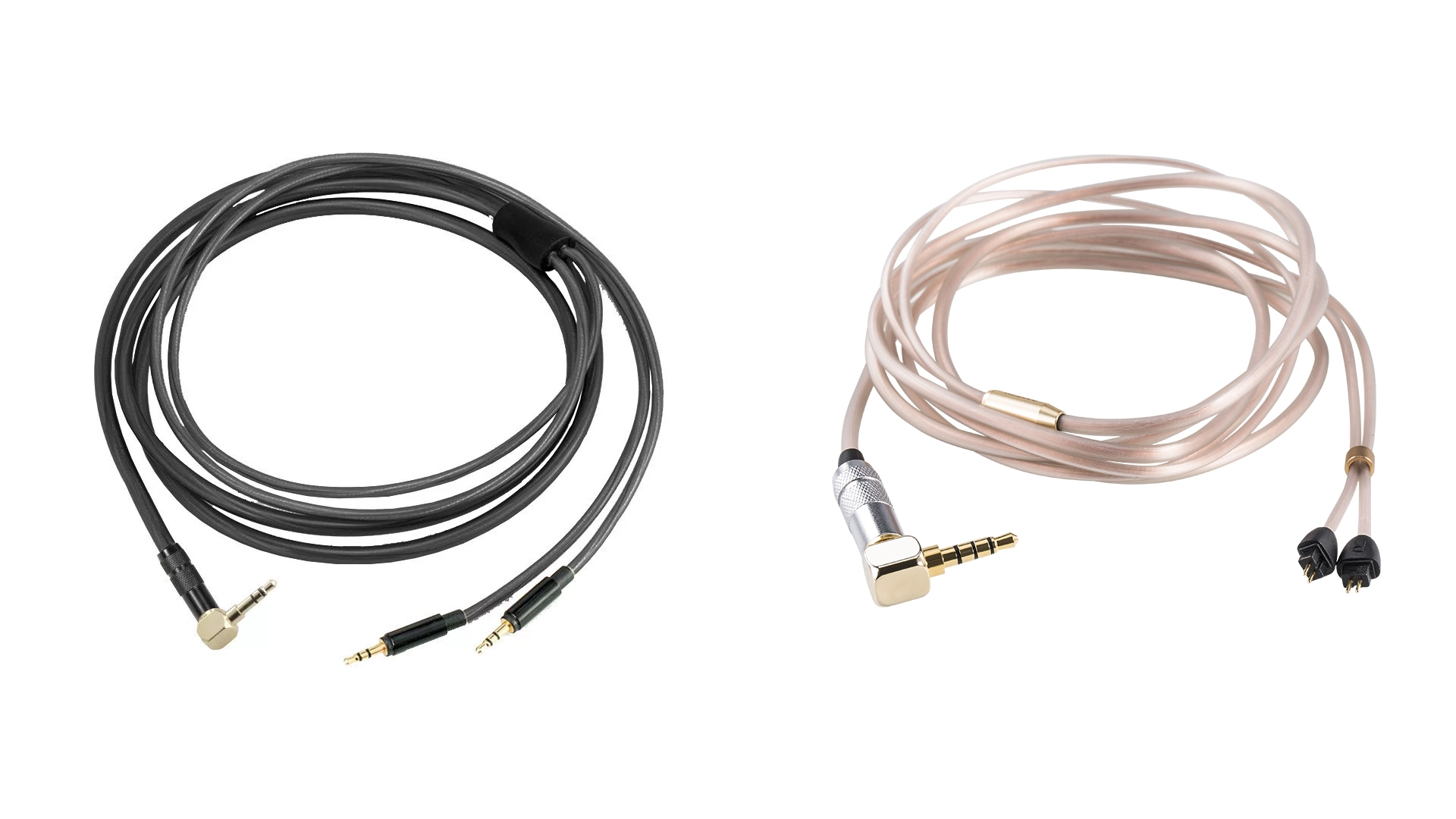
HiFiMAN is one of the companies most responsible for bringing planar-magnetic headphones back into mainstream high-end audio. Dr Fang Bian started Head-Direct in New York in 2005 and adopted the HiFiMAN name in 2007; early products such as the HM-801 portable player and HE-5 headphone established both its digital and transducer ambitions. The core range now runs from accessible models such as Sundara through Ananda, Arya and HE1000 to the flagship Susvara. Across these families, very thin planar diaphragms, distributed conductor traces and increasingly acoustically transparent magnet structures are used to reduce moving mass and obstruction; the company describes later versions as Stealth Magnet designs. HiFiMAN also produces DAC/headphone amplifiers, R-2R portable players and in-ear monitors. Its real significance is the scale at which it has developed planar technology—from attainable everyday models to uncompromised reference designs.
iFi audio

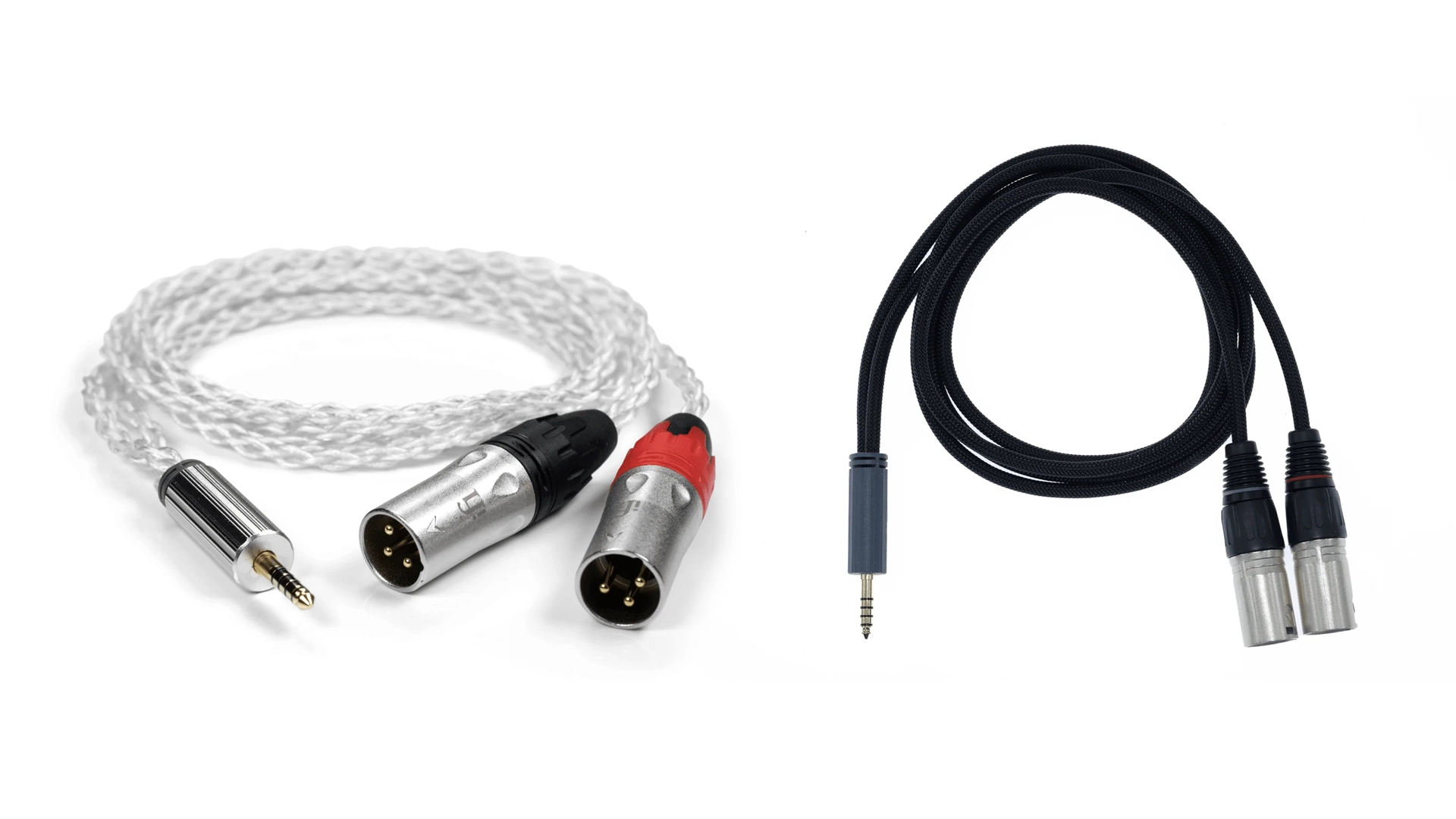
iFi audio is the British specialist that brought serious DAC and headphone-amplifier engineering into genuinely portable and desktop formats. Launched in 2012 as a sister brand to Abbingdon Music Research, iFi develops its products from its headquarters in Southport, UK. The ZEN range made compact DACs, headphone amplifiers, phono stages and streamers easy to combine, while the hip-dac, GO and xDSD families address phones, laptops, Bluetooth listening and travel. Many designs use Burr-Brown conversion, balanced or symmetrical analogue stages and practical proprietary functions such as XBass, XSpace and iEMatch rather than relying on specification-sheet features alone. At the upper end, the Pro and iCAN products explore more elaborate power supplies and amplification; the SilentPower line tackles USB, network and mains noise around the system. iFi’s strength is the breadth of problems it solves without abandoning small enclosures or approachable system building.
In-akustik

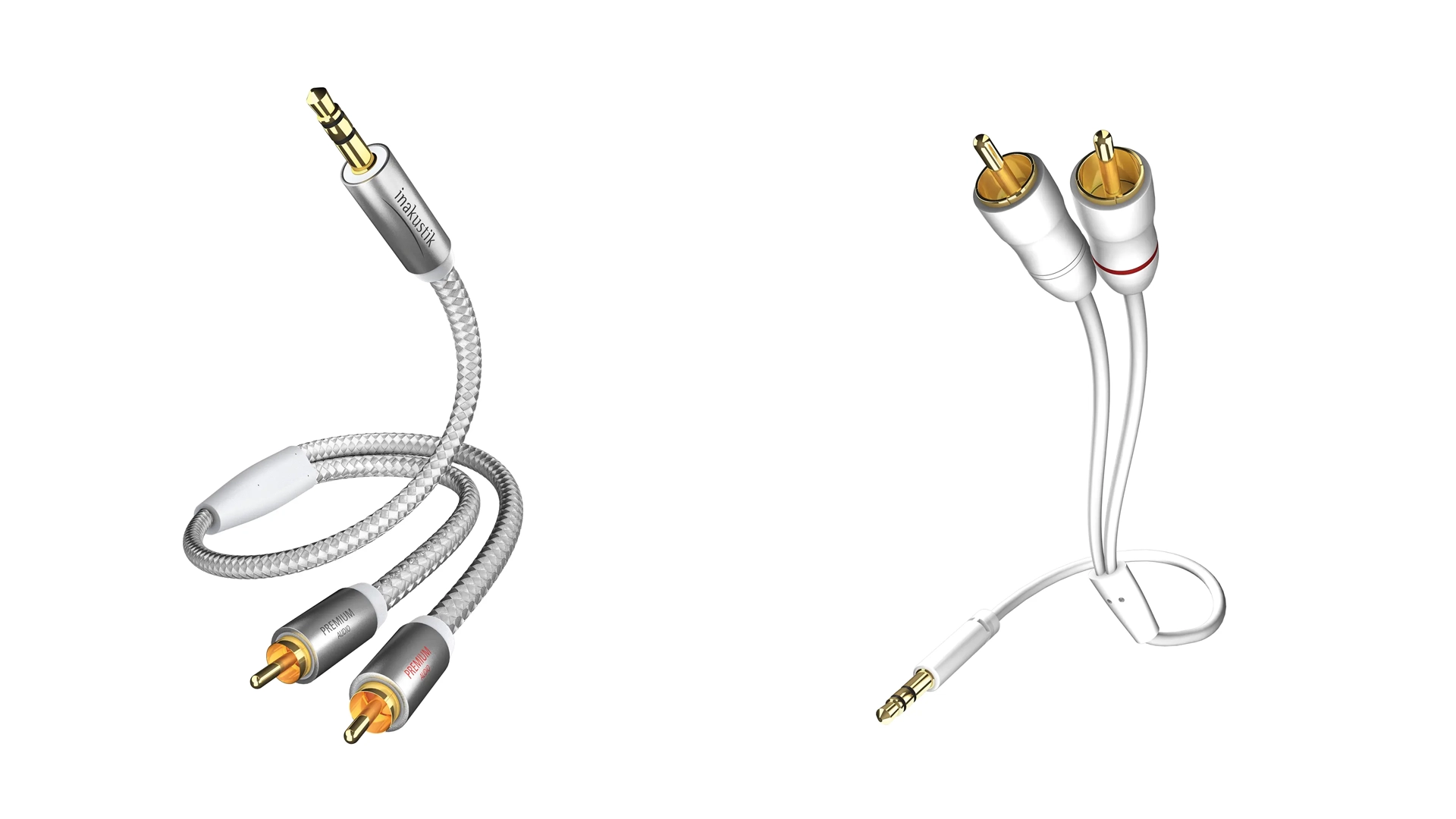
in-akustik is a German cable manufacturer whose strongest claim is that its reference products are built by hand at its own facility in Ballrechten-Dottingen. Founded in 1977, the company spans hi-fi cables, power distribution and accessories, while a separate music label and distribution business give it long contact with complete audio systems. Its defining AIR technology reduces the dielectric around the conductors: in Referenz AIR and Air Helix cables, precision clips hold conductors in an open helical structure so that air becomes the principal insulator. This construction is designed to control capacitance, inductance, resistance and skin-effect behaviour without filling the cable with conventional plastic. The approach appears across speaker cables, analogue and phono interconnects, digital links and mains products, with different geometries scaled to purpose. in-akustik therefore stands apart through manufacturing know-how that is visible in the cable’s physical architecture, not only in conductor metallurgy or marketing terminology.
Kimber Kable

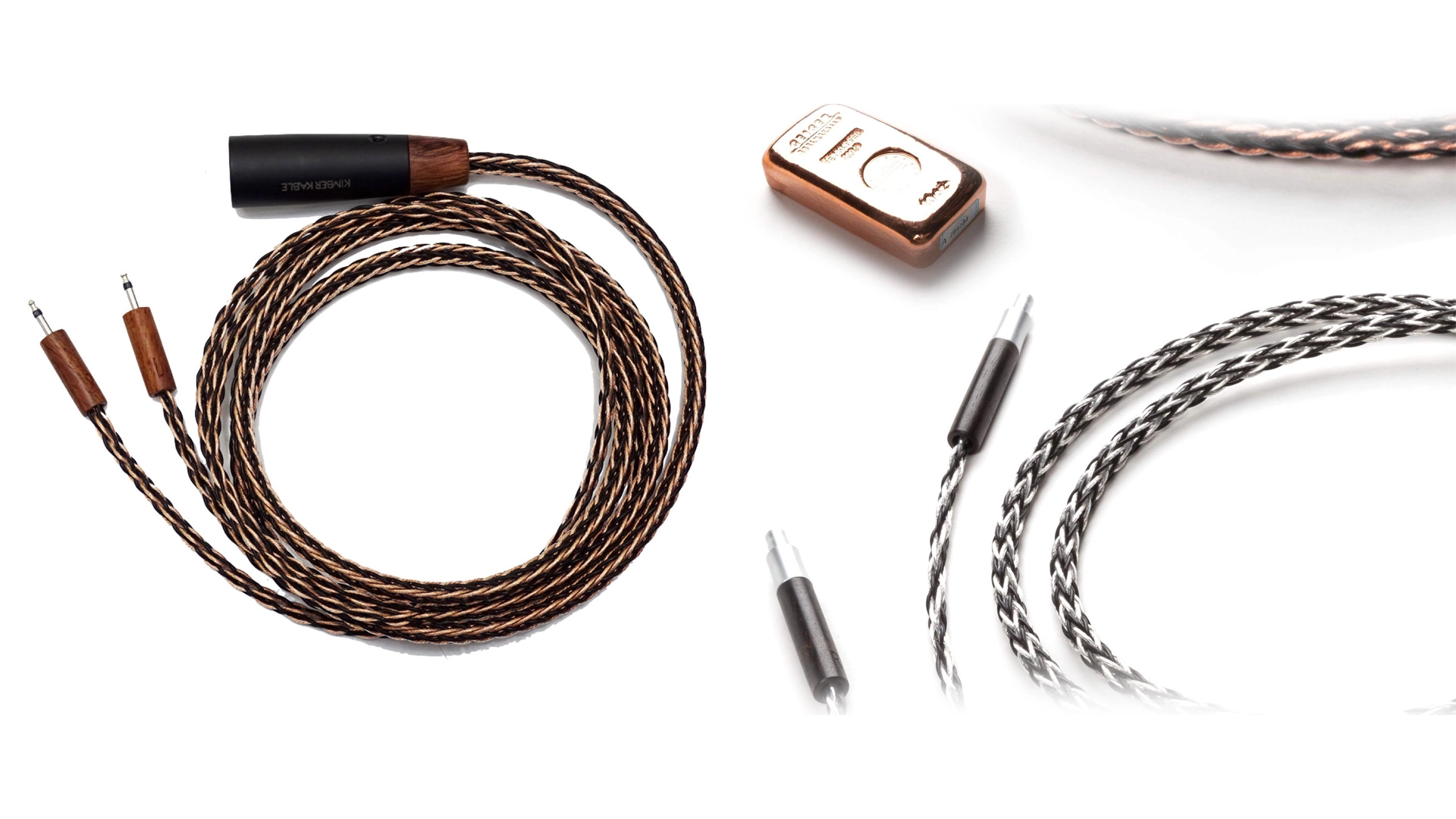
Kimber Kable is the American cable company that made woven conductor geometry its recognisable engineering signature. Ray Kimber founded the business in 1979 after encountering interference from stage-lighting systems while working with professional sound; braiding signal conductors offered a practical way to reduce electromagnetic and radio-frequency pickup without relying on a conventional heavy shield. That idea remains visible in long-running products such as 4PR and 8PR speaker cable and the PBJ interconnect. The broader range now includes analogue and digital interconnects, power cords, USB and HDMI cables, with conductor materials and construction becoming more elaborate through Carbon and Kimber Select. The company uses copper, silver and hybrid designs, but geometry, dielectric selection and careful termination are at least as important as metal purity. Many cables are assembled at the company’s Utah facility, and established models remain available alongside newer formats. Kimber’s strength is continuity: a clearly identifiable technical solution has been refined for different system levels rather than replaced by changing fashion.
Master & Dynamic

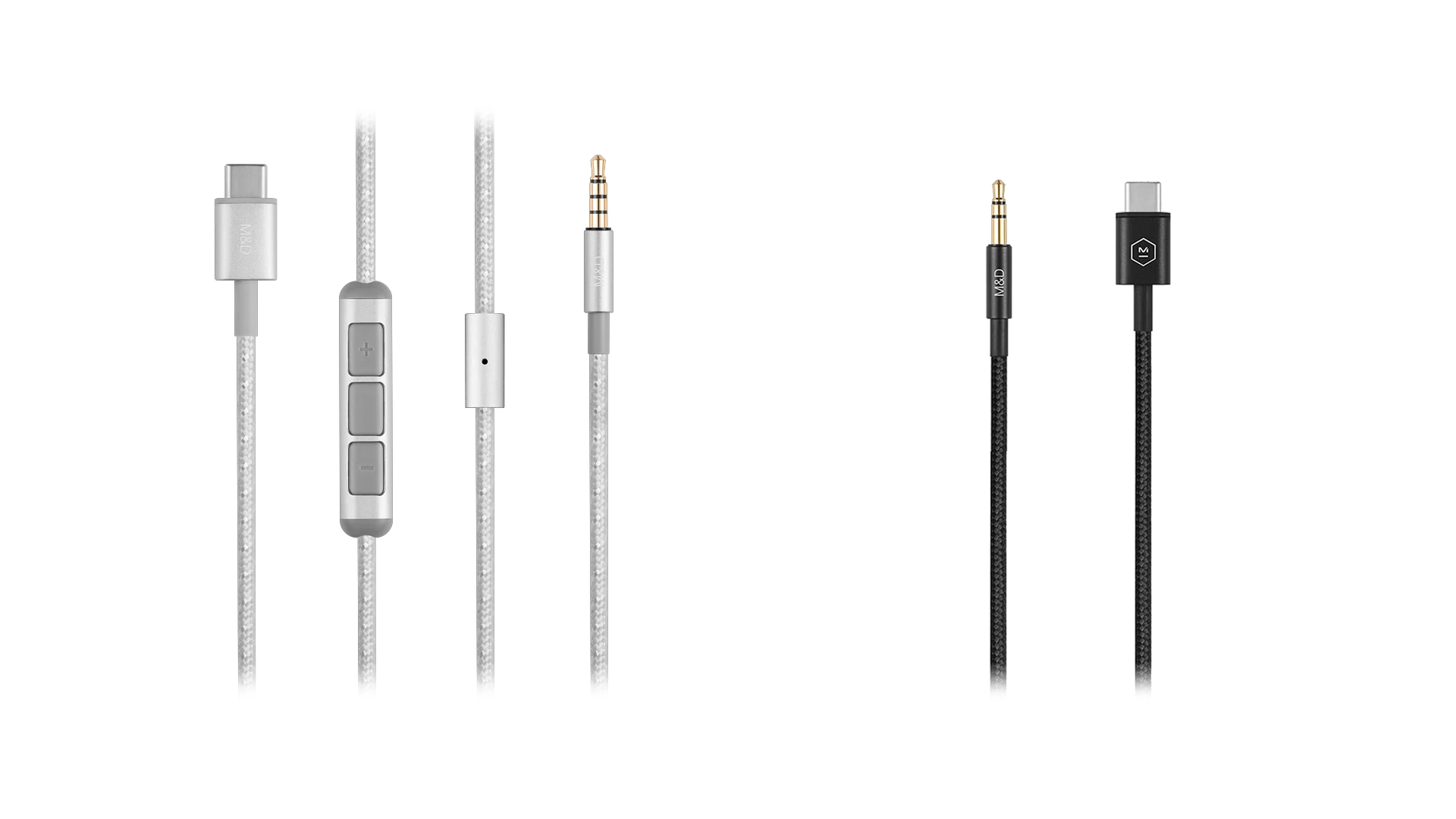
Master & Dynamic is a New York personal-audio brand that treats material choice, service life and industrial design as part of acoustic engineering. Jonathan Levine began developing the company in 2013 and launched its first headphones and earphones in May 2014, working with co-founder Vicki Gross and designer Mårten Wallby. The early MH40 established the formula: machined or forged metal, replaceable lambskin ear pads and a construction intended to age more like a durable instrument than disposable consumer electronics. The range now includes wired studio-style headphones, wireless over-ear models such as the MW75, true-wireless earphones and gaming headsets. Master & Dynamic combines custom acoustic drivers and tuned enclosures with active noise cancellation, beam-forming microphones and modern wireless codecs where the format requires them. Collaborations with fashion, automotive and cultural partners are frequent, but the underlying product language remains consistent. The brand’s real distinction is not luxury vocabulary alone; it is the unusually tactile, repair-conscious approach to portable audio, using aluminium, stainless steel, magnesium, leather and tempered glass where many competitors depend on molded plastic.
Meze Audio

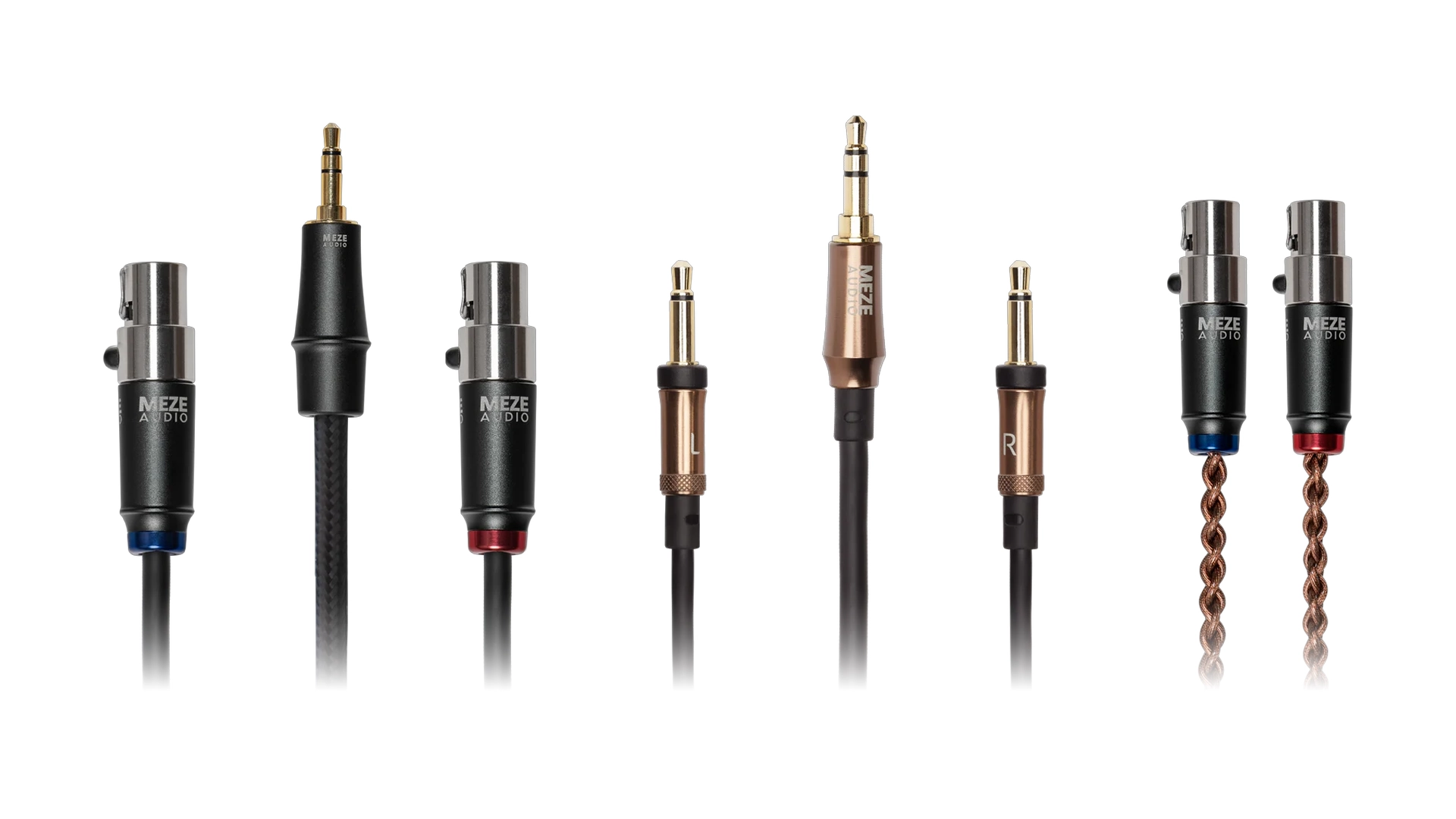
Meze Audio is a Romanian headphone specialist that combines distinctive industrial design with replaceable parts and acoustic platforms developed for long service. Designer Antonio Meze founded the company in Baia Mare in 2011. The wooden 99 Classics established its international identity in 2015, showing that a comfortable, repairable headphone could also have a recognizable visual and sonic character. The range now spans dynamic open- and closed-back headphones, planar-magnetic flagships and in-ear monitors. Empyrean, Empyrean II and Elite use isodynamic hybrid-array drivers developed with Rinaro, a Ukrainian-founded planar specialist; differently shaped voice-coil traces direct low and high frequencies toward appropriate areas of the ear. Models such as 109 Pro, 105 AER and 99 Classics use dynamic drivers and carefully shaped earcups, while Alba, Advar and Rai Penta address portable in-ear listening. Materials include wood, machined aluminium, carbon fibre and leather, but longevity is more important than ornament: ear pads, headbands, cables and many structural parts can be replaced. Meze’s genuine signature is the integration of ergonomics, sculptural form and serviceability with serious driver development.
Mytek Audio

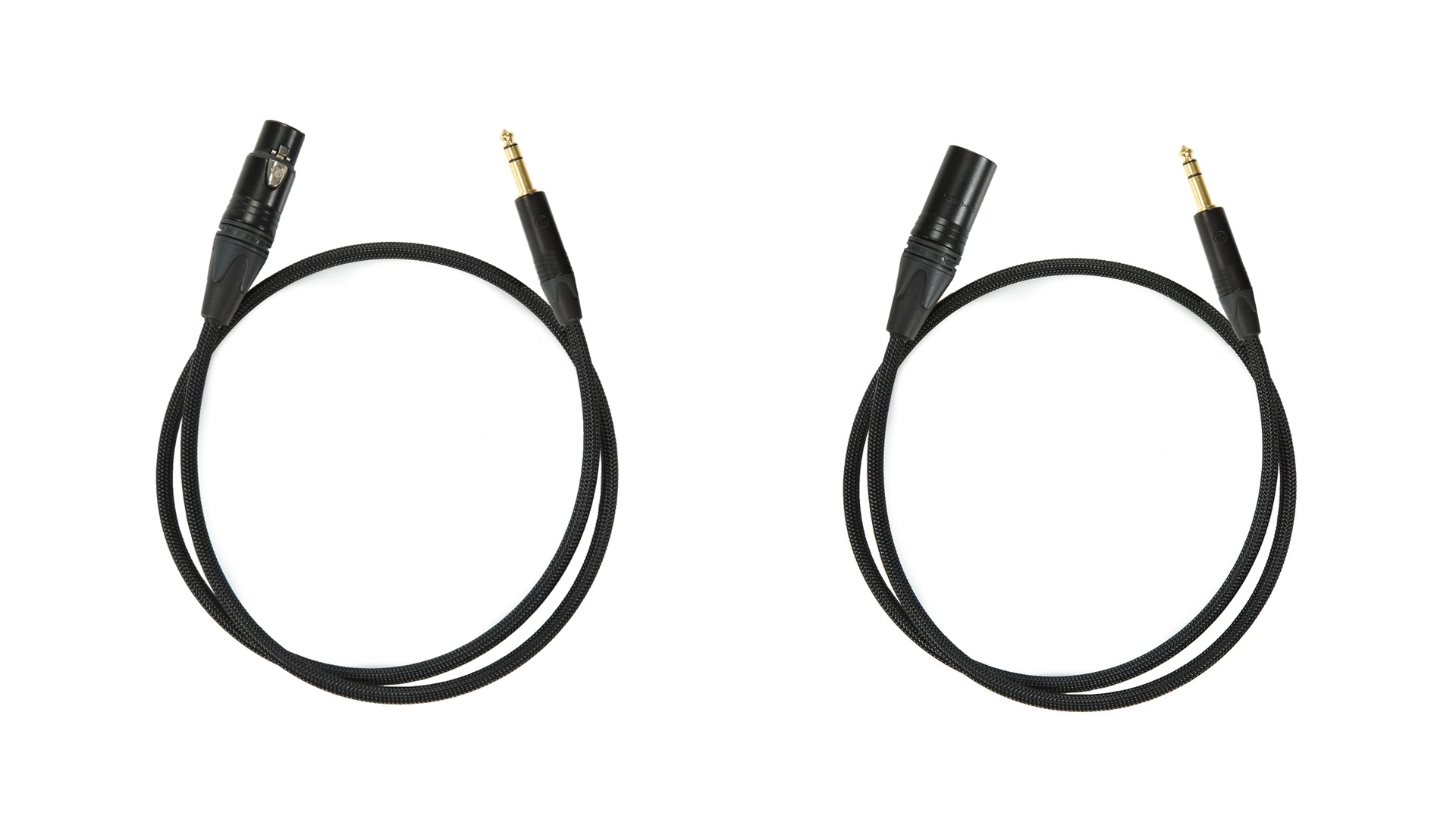
Mytek Audio is a New York-born digital-audio specialist whose products connect professional conversion, mastering practice and domestic hi-fi. Polish engineer Michal Jurewicz founded the company in 1992 after working in Manhattan studios, including The Hit Factory. That background explains the catalogue: Mytek built its name with DACs and ADCs intended to reveal rather than flatter a recording, then brought the same compact, highly connected architecture to headphone and home systems. Brooklyn became the defining product family, combining high-resolution conversion with analogue preamplification, a phono input and a capable headphone stage in a half-width chassis. Brooklyn DAC+, Brooklyn Bridge and the current Brooklyn Bridge II extended the idea with network playback and, in the latter, an integrated Roon Core. Liberty provides a simpler route into the platform, while Manhattan and Empire occupy the reference end. Mytek has supported PCM and DSD, extensive digital inputs, balanced analogue outputs and studio-oriented level control; format support varies by generation. The products are designed in New York and manufactured in Poland. Mytek’s real strength is not a generic “neutral sound” claim, but fitting serious conversion and system control into components equally at home beside a workstation or at the centre of a hi-fi system.
Noble

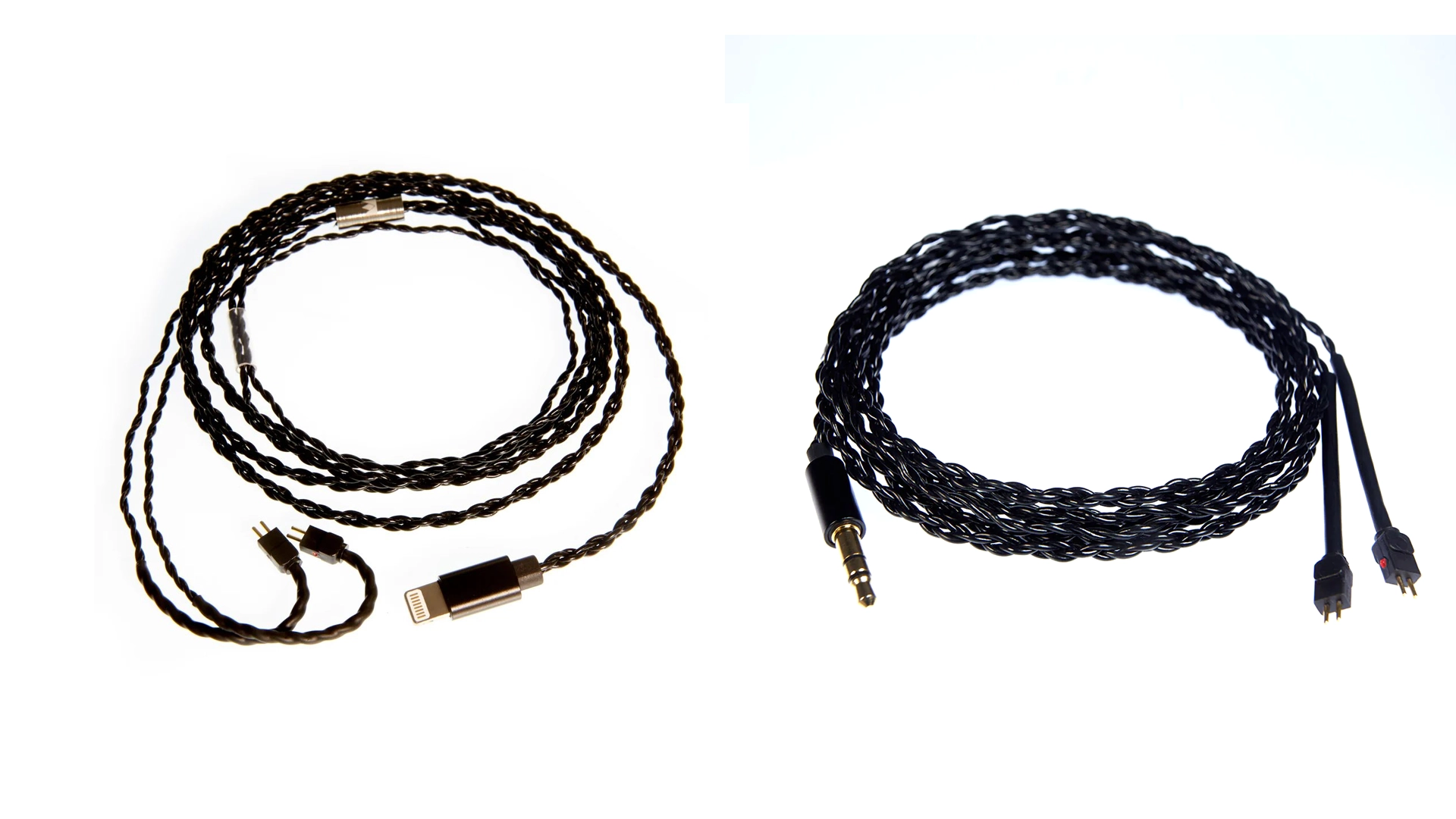
Noble Audio is the American personal-audio company that helped turn the custom in-ear monitor from a flesh-coloured professional tool into a high-end object with an individual visual identity. Audiologist Dr John Moulton, known in the headphone community as “the Wizard,” formed Noble in 2013; his brother Jim Moulton became a 50-percent owner. John’s combination of hearing science, tuning experience and hand-finished shell artwork gave the young brand a recognisable voice from the outset. The Kaiser 10, or K10, was the breakthrough: a ten-balanced-armature design offered in universal and custom forms that established Noble’s reputation for ambitious multi-driver tuning. Katana, Encore, Khan, Sultan, Viking Ragnar and Ronin followed with different mixtures of balanced-armature, dynamic, piezoelectric and electrostatic drivers rather than a simple race for higher driver counts. Prestige custom models are carved from distinctive solid materials, while standard customs use individually moulded acrylic shells and artwork. Noble has also carried its tuning into FoKus true-wireless earphones and later wireless headphones. The earlier year-by-year award list obscured the real story. Noble matters because it joins clinical knowledge of the ear, complex acoustic crossovers and unusually expressive industrial craft, serving stage professionals and enthusiasts without making the products look interchangeable.
Oehlbach

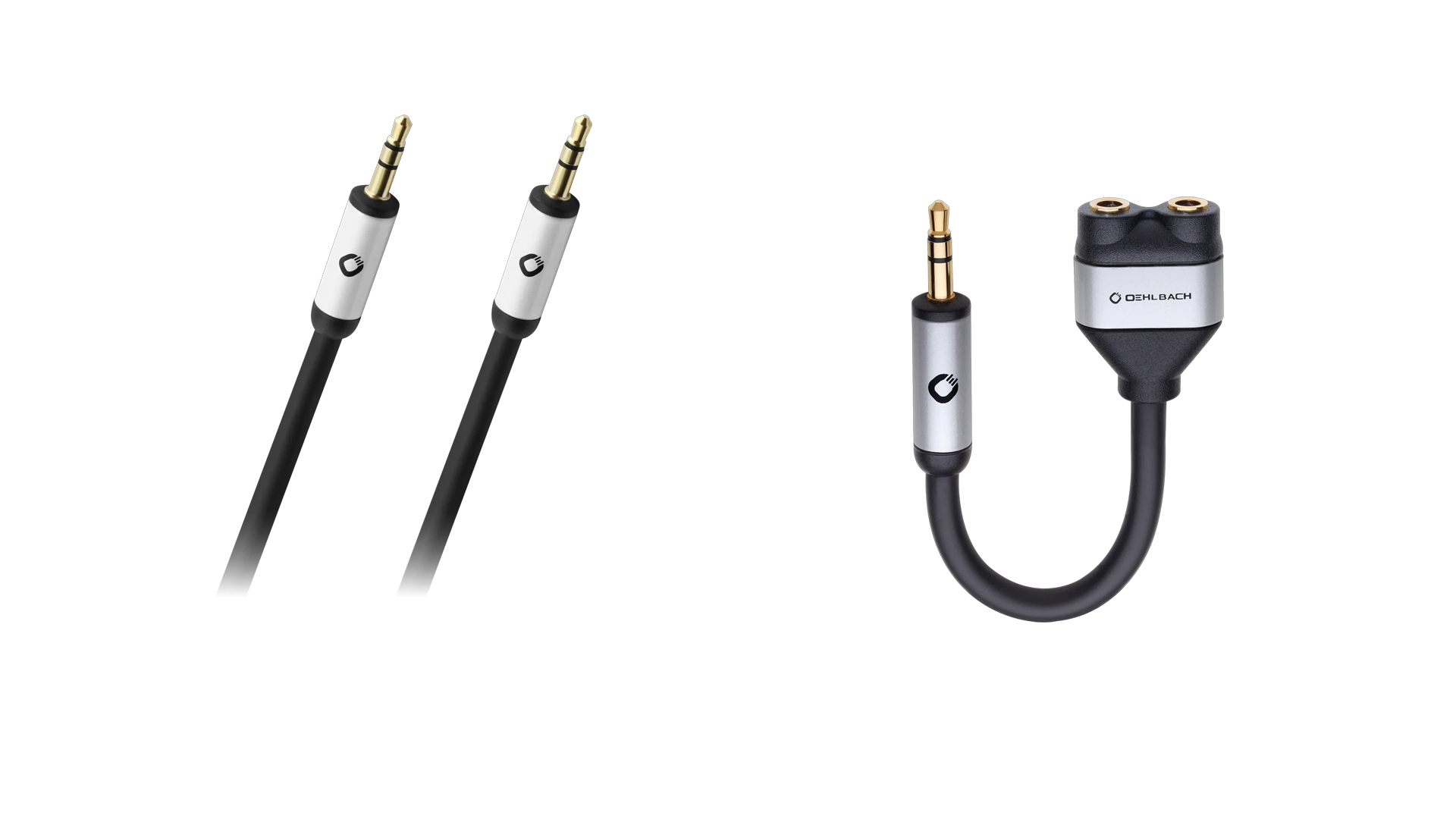
Oehlbach is the German connectivity specialist that helped turn cable construction into an explicit part of a hi-fi system. Manfred Oehlbach founded the business in 1974 after developing an early loudspeaker cable that used different conductor cross-sections for low and high frequencies. From that beginning the company expanded into one of Europe’s broadest catalogues of audio, video, data and power connections. The range now covers speaker cable, RCA and XLR interconnects, optical and coaxial digital links, HDMI, USB and network cables, antennas, mains distribution, phono accessories, adapters and connectors. Four quality levels—Easy Connect, Performance, Excellence and State of the Art—make the catalogue easier to match to an installation without pretending that every product uses the same materials. Depending on the model, Oehlbach employs high-purity copper, silver plating, defined impedance, multi-layer shielding and purpose-made plugs; its XXL and NF families are among the recognisable premium lines. The company’s strength is practical system coverage: it can connect a turntable, television, network streamer, amplifier and loudspeakers with products designed around the electrical and mechanical demands of each interface. That breadth, backed by a continuous German brand history since 1974, is more meaningful than sweeping claims that one cable recipe improves every signal.
Purist Audio Design

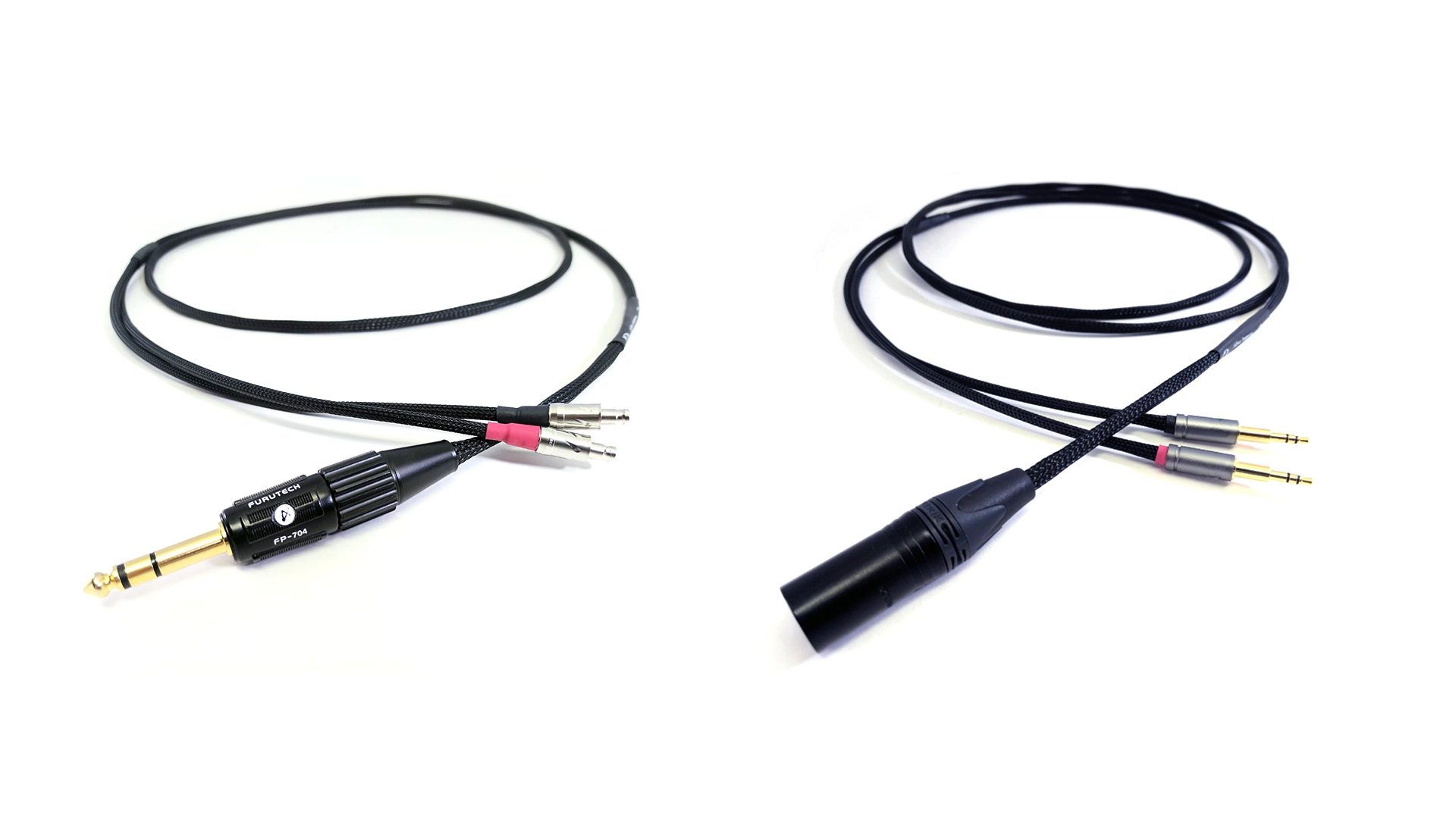
Purist Audio Design is the American cable company founded by Jim Aud, who turned it into a full-time business in 1986. Its first defining product was an Aqueous interconnect whose conductors were surrounded by a fluid-based shielding and damping system. Nicknamed the “Texas Water Cable,” it was unconventional for a practical reason: Aud was trying to control radio-frequency and electromagnetic interference together with mechanical vibration, treating a cable as an electrical and physical environment rather than as conductor metal alone. That approach developed into several shielding and damping media, selected by cable family and application. Jade, Aqueous Aureus, Corvus, Neptune, Dominus and Diamond occupy progressively more ambitious levels across analogue interconnects, speaker cables and power cords, while phono, digital, USB, Ethernet, HDMI and I²S products address interfaces with their required impedance and connector formats. Fluid-filled designs remain part of the identity, but not every Purist cable uses the same material or geometry. The company also introduced Cryomag-treated conductors, unusually durable woven jackets and a System Enhancer recording intended to exercise a system before critical use. Cables are made and terminated in the United States, with custom lengths and connections available for complex installations. Purist Audio Design’s history is worth preserving because it explains the catalogue: Jim Aud did not begin with generic claims about “air” and “musicality,” but with a distinctive attempt to manage electrical noise and vibration, then extended that idea across complete cable looms over four decades.
QED

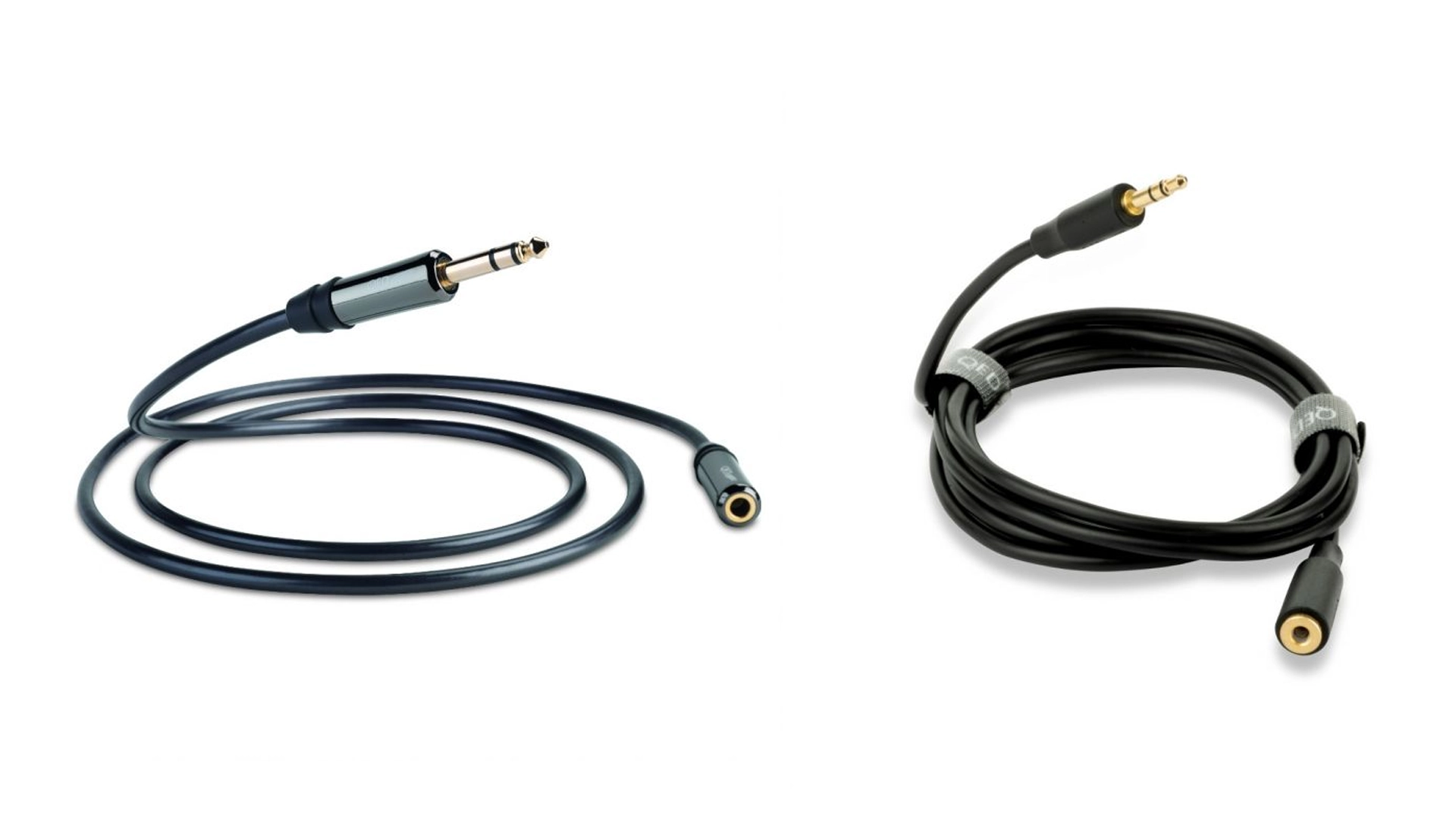
QED is a British cable specialist founded in 1973, when serious discussion of a hi-fi system rarely extended to the wire between amplifier and loudspeakers. Its decisive early product was 79 Strand, released in 1976 and widely recognised as the first specialist loudspeaker cable sold as a considered audio component. That history matters because it explains the brand better than a list of “premium materials”: QED has spent decades relating cable geometry, conductor area, resistance, inductance and capacitance to the electrical load seen by an amplifier. The company made that work unusually visible in The Genesis Report, its research study of loudspeaker-cable behaviour. Technologies that followed include Aircore arrangements, which divide the conductor into separately insulated bundles to control magnetic interaction, and X-Tube geometry, which distributes conductors around a hollow core to reduce the rise in impedance caused by skin effect. Golden Anniversary XT applies a newer X-Tube Plus version, while Supremus is the no-compromise flagship with silver-plated oxygen-free copper and Airloc cold-weld terminations. Reference, Signature and Performance ranges cover analogue interconnects, speaker, subwoofer, USB, Ethernet, optical and coaxial digital cables; Ultra High Speed HDMI and active optical designs address modern video bandwidths, and QED Professional serves custom installation. QED’s strength is therefore continuity of engineering: from the inexpensive 79 Strand to current analogue and digital links, the product is defined by a stated electrical problem and a repeatable construction rather than decorative language alone.
Ricable

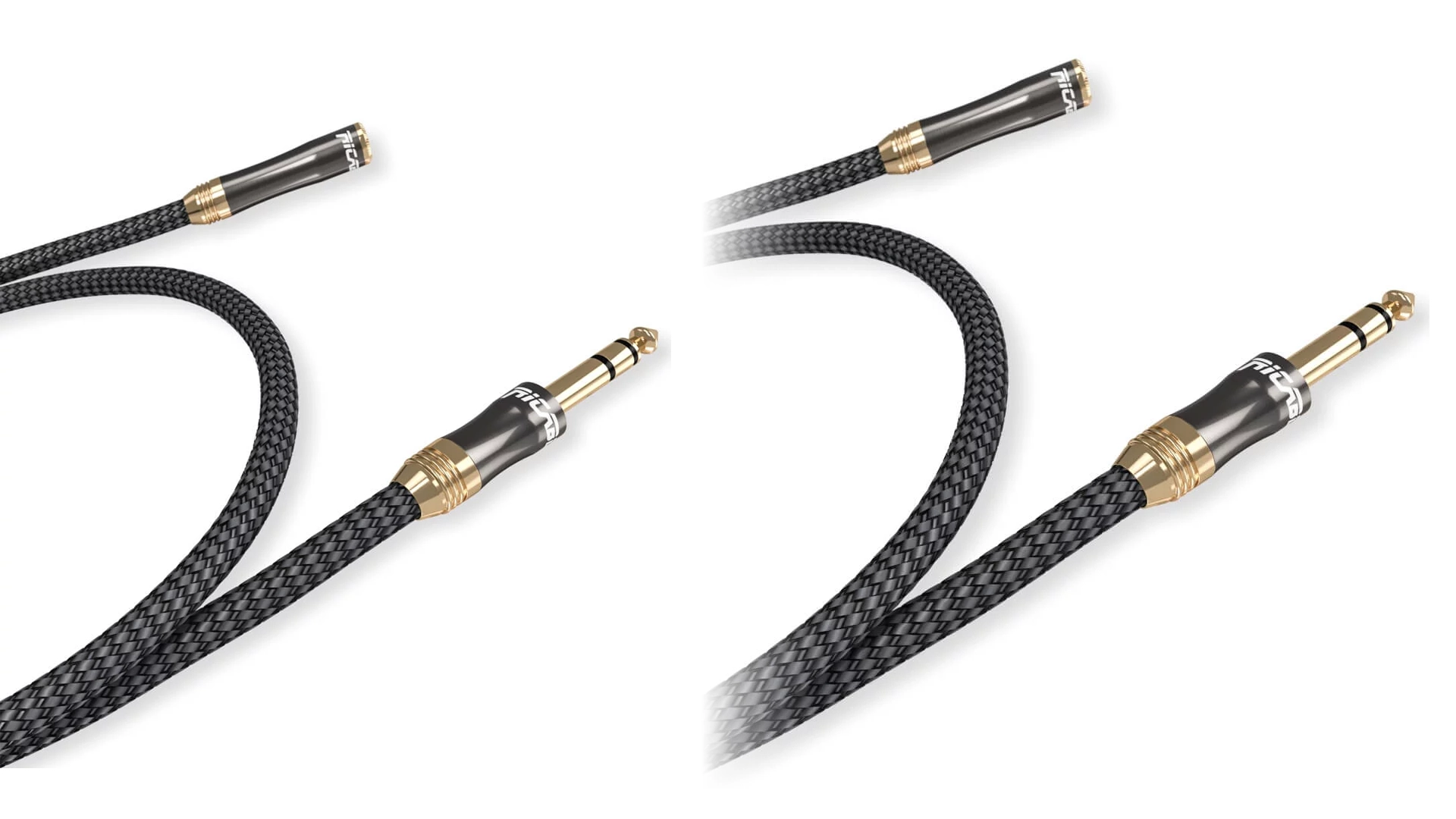
Ricable is an Italian cable manufacturer whose brand was launched in late 2009. It began with HDMI products and added its first analogue and coaxial audio cables in 2011, gradually moving design, assembly and an increasing share of production into its own facility in Oleggio, Piedmont. The catalogue is organised as a clear progression rather than a collection of unrelated accessories. Primus provides the entry point, Magnus adds more elaborate conductors and shielding, Dedalus moves further into high-end construction, and Invictus is the flagship family. Across those ranges Ricable makes analogue interconnects, speaker cables, power cords, phono leads, subwoofer cables and digital links including USB, Ethernet, coaxial, AES/EBU, optical and HDMI. The brand places particular emphasis on conductor geometry, shielding, dielectric materials and purpose-designed connectors. Its proprietary approaches include MARC copper conductors and RNR, a noise-reduction construction intended to limit interference without turning the cable into a filter. Cables are assembled and tested in Italy, can be ordered in non-standard lengths or terminations, and are supported by a lifetime warranty; a trade-in and upgrade programme reinforces the idea that the product should remain useful beyond one system change. Ricable’s strongest point is not a promise that a cable can repair poor equipment. It is the unusually systematic way the company treats every connection in an audio system—from affordable signal leads to mechanically substantial reference cables—while retaining traceable Italian production, consistent families and after-sales support.
Rosson Audio Design

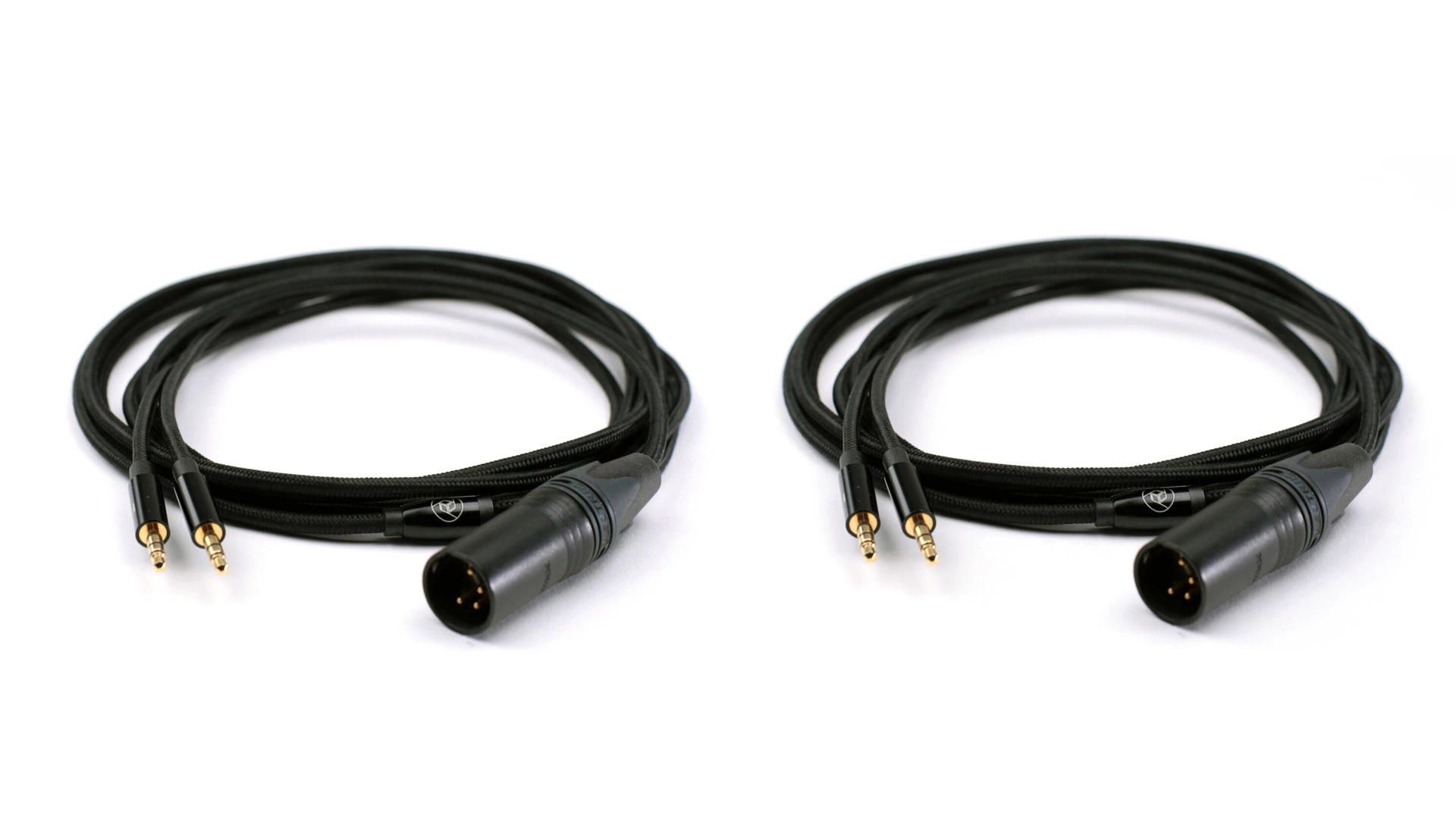
Rosson Audio Design is an American maker of planar-magnetic headphones founded by Alex Rosson, co-founder and former chief executive of Audeze. The company appeared in 2019 with the RAD-0, a deliberately low-volume headphone in which acoustic engineering and individual hand finishing carry equal weight. Its open-back planar driver was developed to combine physical bass, dense tonal colour and high resolution without turning the presentation into a clinical exercise. Just as distinctive are the earcups: stabilized woods, resins and custom colour work produce patterns that cannot be duplicated, so even standard RAD-0 pairs differ visually and fully bespoke commissions can be built around a client’s palette. The substantial aluminium hardware, replaceable pads and suspension headband are designed for long-term use rather than a seasonal fashion cycle. RAD later expanded the idea with the MPL-0, a larger statement model that uses a 66 mm planar diaphragm and an elaborate sculpted enclosure, while collaborations and limited editions explore unusual materials and finishes. Manufacturing and final assembly take place in California, with Alex Rosson’s experience in recording, headphone development and visual art shaping both tuning and presentation. Rosson Audio Design is therefore not simply another boutique brand applying decorative wood to an existing platform. Its identity comes from treating the transducer, mechanical structure and surface finish as one authored object: a serious high-end headphone whose sound is repeatable even though the appearance of each pair remains genuinely individual.
Russ Andrews

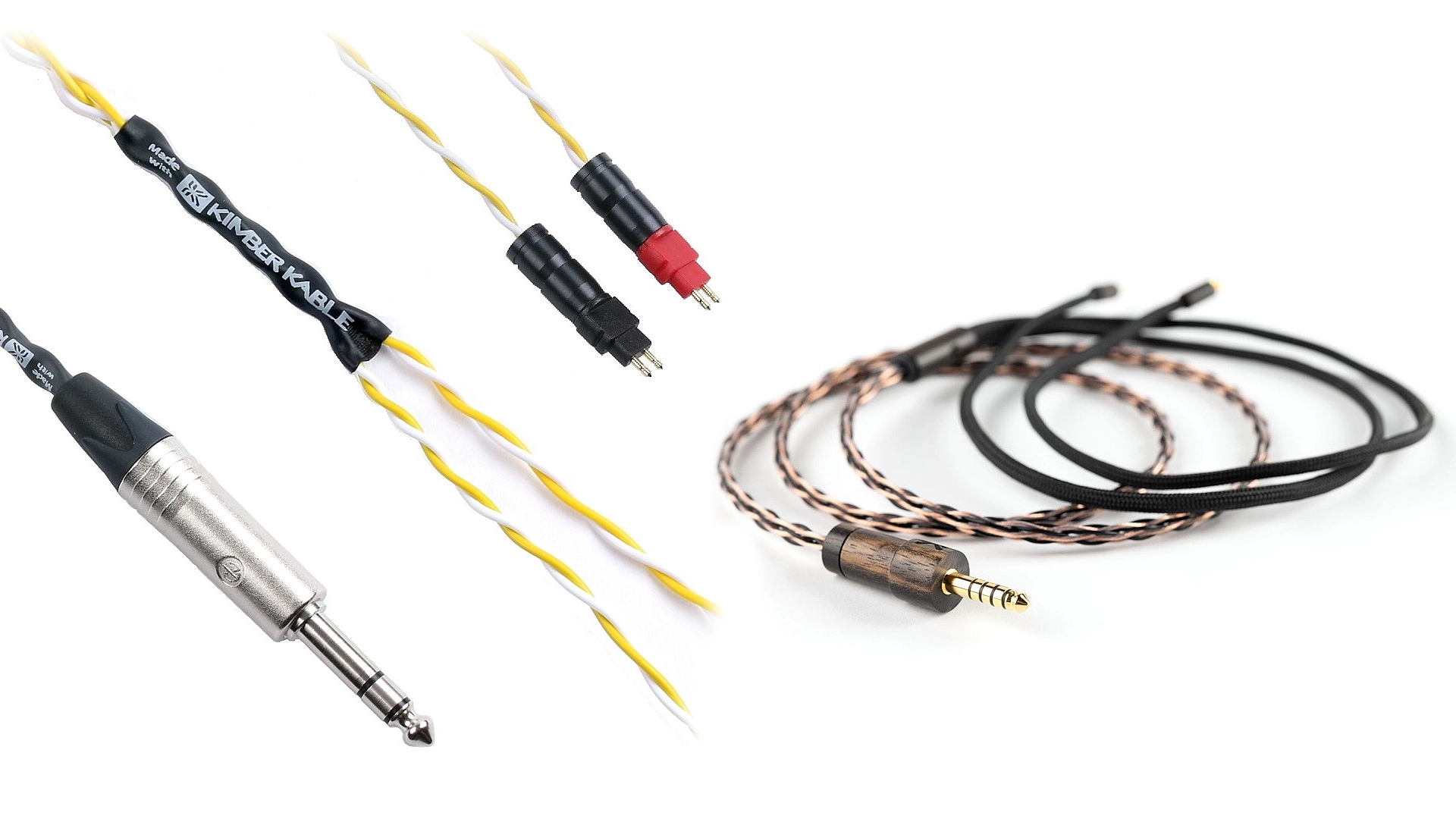
Russ Andrews is a British specialist in hi-fi cables, mains power, grounding and equipment support. Russ Andrews Accessories was incorporated in 1985 and began trading in 1986, initially selling Kimber Kable, Torlyte supports and turntable accessories through dealers. The company later developed a direct-sales model and a broad catalogue built around the parts of a system that sit between the wall socket, components and loudspeakers. Its best-known products include PowerKord mains leads, distribution blocks, conditioners and filters; SuperKord and Signature variants extend the same families, while grounding devices, RF-control accessories, fuses and connectors address installation-specific noise problems. Russ Andrews remains closely associated with the American cable designer Kimber Kable and supplies its analogue, digital and loudspeaker cables alongside products developed in-house. Torlyte racks, platforms and isolation accessories continue the original interest in mechanical support, and the company also offers upgrade parts and practical tools for system setup. Claims made for power and cable products naturally invite debate, so the most meaningful distinction is the way the business lets customers evaluate them in their own systems: a 60-day return period, an upgrade scheme and long warranties—at least 25 years on many Russ Andrews products—reduce dependence on a brief showroom demonstration. The brand’s history should not be reduced to vague “tweaks” or to the controversy surrounding them. It has spent four decades building a coherent accessories business around power delivery, signal connection, vibration control and after-sales support, with clear product hierarchies and unusually long ownership pathways.
Tara Labs

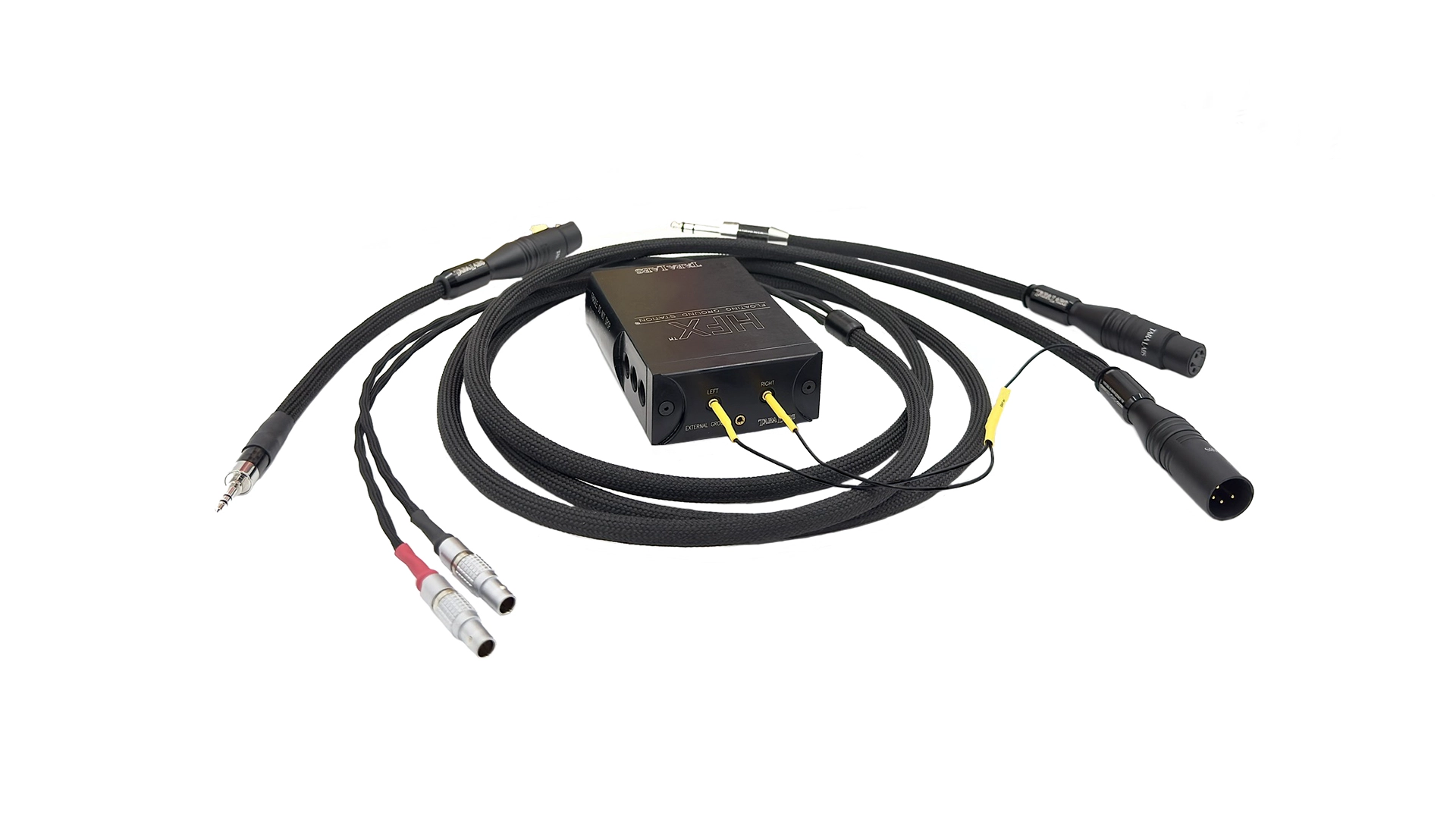
Tara Labs is an American manufacturer of high-end audio cables, known for its “Rectangular Solid Core” (RSC) conductor technology and its focus on minimizing signal degradation and interference. The company offers a wide range of cables, including interconnects, speaker cables, power cords, and digital cables. Tara Labs products often feature high-purity copper or silver conductors, advanced shielding, and carefully chosen dielectric materials. Their design philosophy emphasizes a combination of scientific principles and subjective listening evaluations to achieve optimal performance. The “ISM Onboard” series, “The Zero” series, and “Air” series represent different points in their product line. Tara Labs cables are positioned in the high-end segment of the market, appealing to audiophiles who believe that high-quality cables can make a significant difference in the overall sound of their system.
Transparent

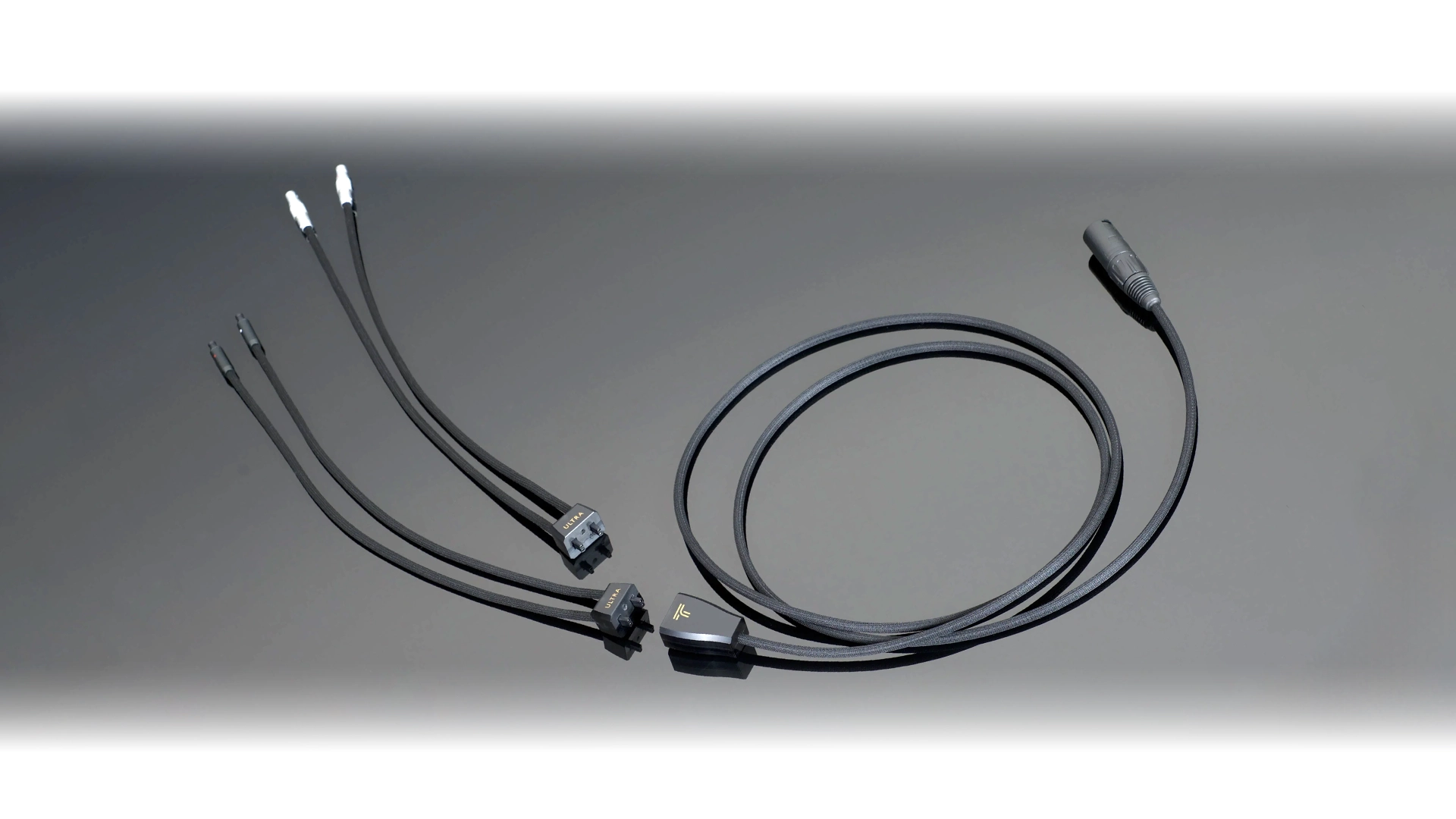
Transparent Audio is an American cable manufacturer founded in 1980 by Karen Sumner, Jack Sumner and Carl Smith. The company first worked in high-end distribution; Transparent Audio in the form listeners recognise today took shape in 1993, when the team introduced its own networked audio cables. Both dates matter: 1980 is the foundation of the company, while 1993 marks the distinct cable technology and product identity.
Transparent’s characteristic network modules are designed for the electrical behaviour of a specific cable type and length, with the stated goal of controlling noise and preserving consistent transfer across the audio band. They are not interchangeable decorative boxes. Speaker cables, analogue interconnects, digital cables and power products are developed in ascending families including Plus, Super, Ultra, Reference, XL, Opus and Magnum Opus. At higher levels, networks can be calibrated to the electrical characteristics of the owner’s components and system.
The company manufactures and tests products in Maine and supports an established upgrade programme, allowing qualifying owners to move upward without discarding the full value of an earlier cable. Cable audibility and network explanations are debated subjects, so results should be judged in the intended system rather than presented as universal fact. Transparent’s historical importance is nevertheless clear. It made the externally networked cable a recognisable high-end category and has refined that architecture for more than three decades under the same founding team, with unusually systematic matching, documentation and long-term customer support.
Westone Audio
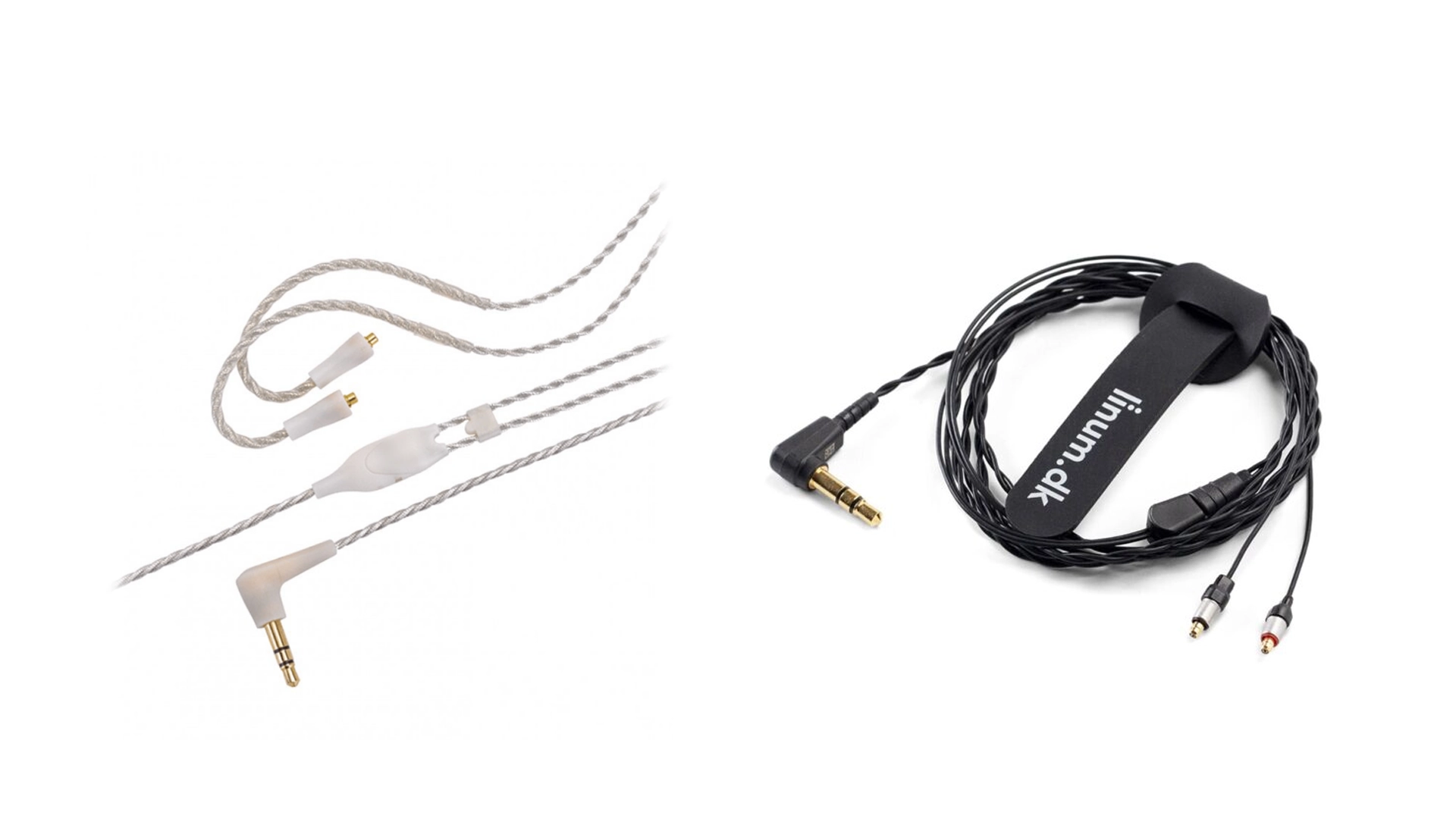
Westone Audio began in Colorado in 1959 as a maker of custom earpieces and hearing-care products, and that audiological foundation became its decisive advantage in professional music monitoring. During the 1980s, Westone worked with touring musicians to place miniature balanced-armature drivers inside custom-moulded earpieces, helping establish the in-ear stage monitor as an alternative to loud floor wedges. Fit, acoustic sealing and hearing protection were therefore part of the product from the beginning, not conveniences added after a consumer earphone had been designed. The company later brought that experience to universal-fit monitors and, in 2002, formally expanded both universal and custom music ranges. Current families include Pro X monitors, ambient AM Pro X models that preserve controlled awareness of the stage, the multi-driver MACH series and custom ES monitors shaped from individual ear impressions. Replaceable cables, compact balanced-armature arrays and carefully tuned passive crossovers allow models to serve performers, engineers and personal listeners with different requirements. Lucid Audio acquired Westone’s music division in 2020 and now operates Westone Audio, while the original American brand identity and custom-laboratory expertise remain central to the range. That ownership change should not obscure the deeper continuity: more than six decades of working with the human ear, followed by pioneering work with touring artists, gave Westone a practical understanding of isolation, comfort and safe monitoring that cannot be reduced to driver count or fashionable tuning.
Whiplash

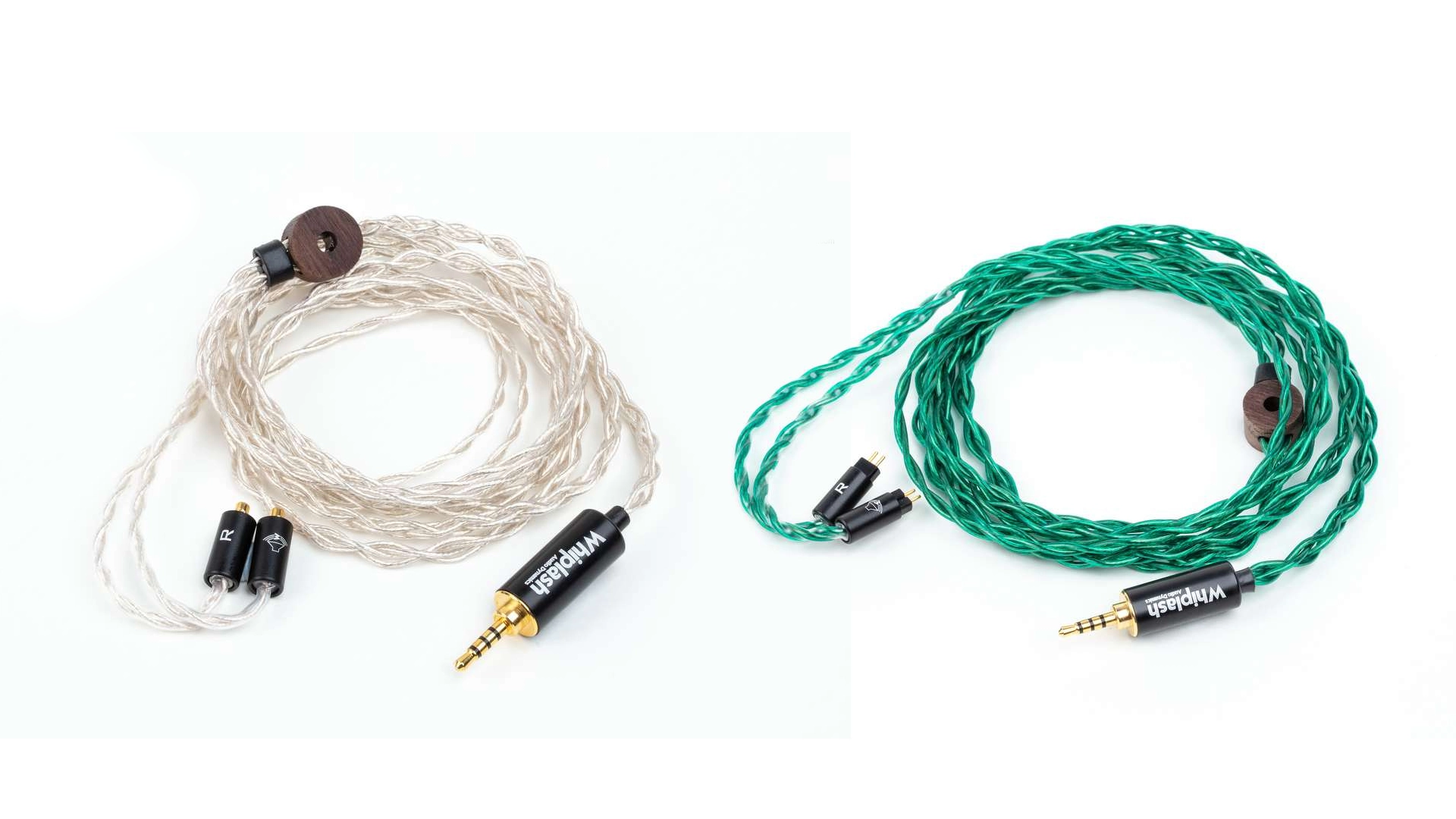
Whiplash Audio is an American specialist in replacement cables for headphones and custom or universal in-ear monitors. The brand became visible in the head-fi community around 2010 through founder Craig Sanborn’s hand-built leads, although public evidence does not establish a sufficiently clear earlier company date to override the existing record. Its best-known products are organised by conductor rather than by decorative jacket. TWag uses high-purity silver, TWcu uses copper, and TWau combines silver with gold in formulations developed across several generations. Multi-strand Litz construction individually insulates fine conductors to reduce oxidation and control current distribution, while braiding and sleeving are adapted to the flexibility needed for portable listening. Whiplash offers terminations for the changing connector standards of headphones and IEMs—two-pin, MMCX and proprietary earcup fittings—together with single-ended and balanced amplifier plugs. This made the company useful during the rapid move from fixed stock cables to detachable, balanced and user-configurable connections. Interconnects and larger headphone cables extend the same conductor families beyond portable use. Claims about dramatic sonic transformation remain subjective, but the workmanship, conductor choices and practical role are clear: Whiplash builds custom interfaces for owners who need a different length, lower-profile portable cable, balanced termination or replacement for a fragile factory lead. Its identity is that of a focused workshop serving a technically particular enthusiast market, not a general cable catalogue with headphone models added as an afterthought.
ZMF Headphones

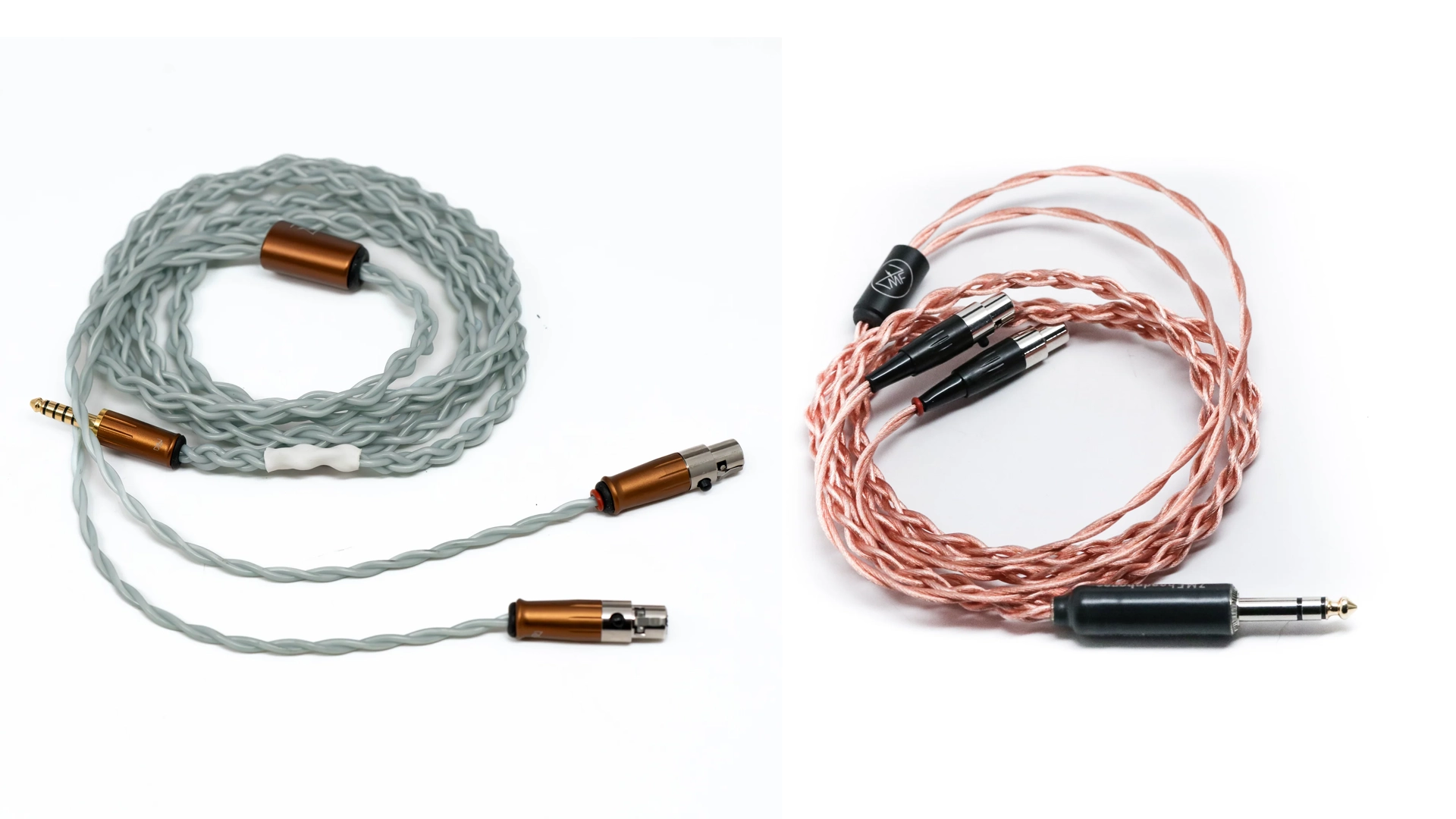
ZMF Headphones is the American workshop founded by Zach Mehrbach in 2011. It began by modifying Fostex planar headphones, but quickly moved toward original designs built around wooden earcups, replaceable parts and tuning developed through listening as well as measurement. The Omni, later renamed Ori, established ZMF’s own cup geometry; Atticus and Eikon introduced proprietary dynamic-driver models, and Vérité used a vapour-deposited beryllium-coated diaphragm for greater speed. The Atrium family added the Atrium Damping System, a tunable internal structure that controls rear-wave airflow and cup reflections rather than relying on damping material placed by trial alone. Caldera brought ZMF back to planar magnetics with its own driver and an asymmetrical magnetic array, while Bokeh extends the company’s design language to a more accessible, portable format. Open and closed versions are not treated as cosmetic variants: cup volume, damping and pads are voiced separately. Wood species and grain make each pair visibly individual, but pads, headbands, cables and many mechanical parts remain replaceable, supporting long ownership rather than seasonal fashion. ZMF builds and finishes headphones in Illinois with a small team, and limited woods supplement the stable core models. The brand’s character comes from combining craft with an increasingly formal acoustic toolkit—driver development, airflow control and pad geometry—so the beauty of the wood serves a repairable instrument whose tuning is specific to each design.