
Power Amplifiers
A power amplifier has one singular, focused mission: to take the audio signal from a preamplifier and provide the massive current and voltage needed to drive loudspeakers. Free from the duties of source selection or volume control, its design is purely dedicated to delivering clean, effortless power for the best possible sound quality. They come in various configurations, including stereo amps and ultimate-performance monoblocks. This index lists the world’s leading manufacturers of these audio system engines, the power behind high-fidelity sound.
Hi-Fi brands in the category
Summary information and image
Direct links to official websites
Wavac Audio Lab

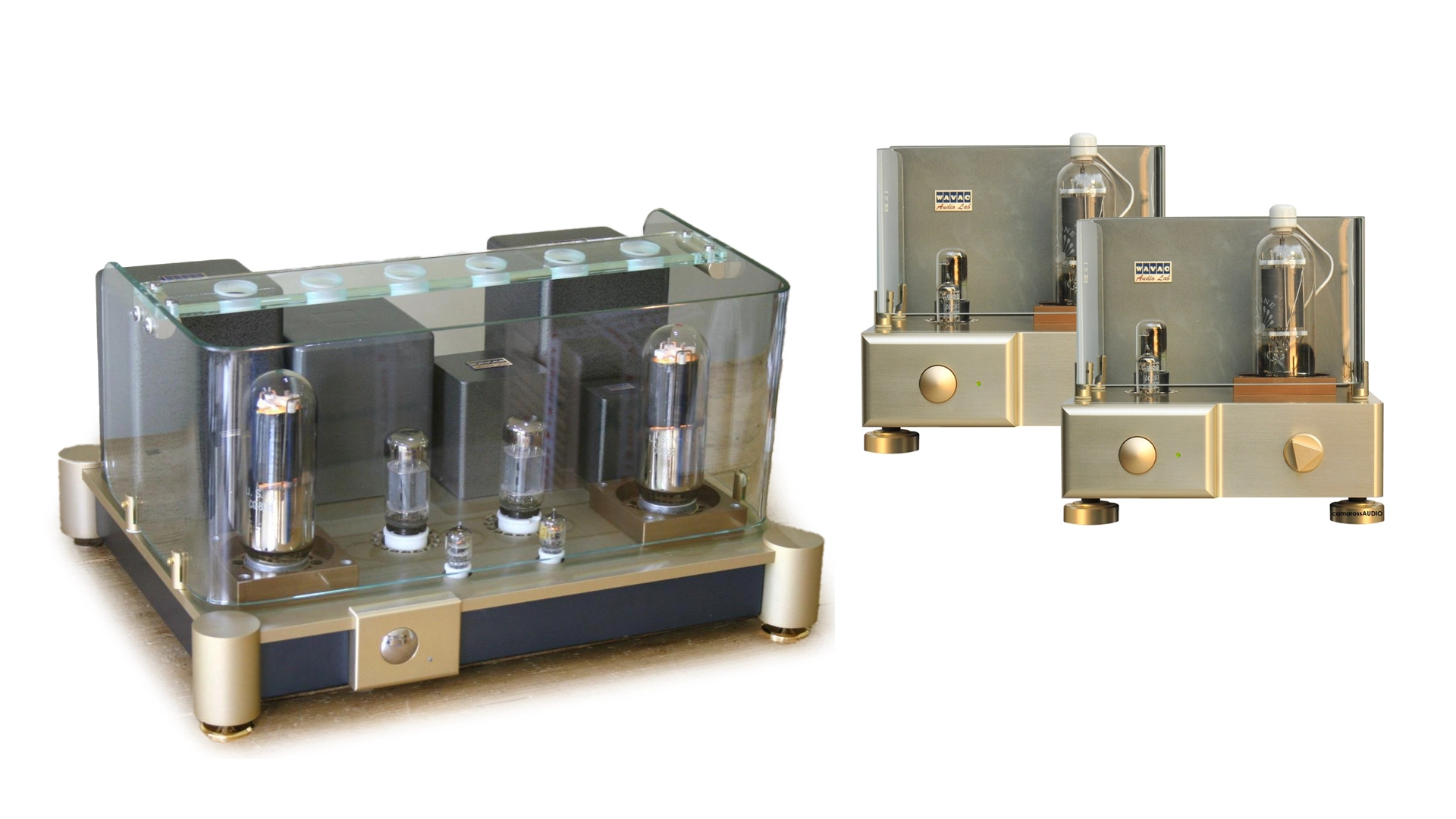
WAVAC Audio Lab is a Japanese maker of valve electronics whose modern history is inseparable from engineer Nobu Shishido’s work on transformer-coupled tube circuits. In the mid-1990s, Shishido collaborated with Yasuo Yoshizawa and Yoshiki Industry to patent a coupling circuit that uses an interstage transformer in place of a conventional capacitor between valve stages. The WAVAC brand grew from that partnership; 1995 is retained as the practical starting date, while Shishido is correctly recognised as the circuit designer rather than simply labelled the company founder. WAVAC applies the topology mainly to single-ended amplifiers built around directly heated triodes. Models have used classic 300B and 805 valves as well as formidable transmitting tubes such as the 833A, allowing the range to combine the immediacy associated with simple SET circuits with power outputs rarely available from them. MD-300B and MD-805m represent the better-known integrated and monoblock designs, while the HE-833 lineage occupies the reference level. Matching line and phono preamplifiers extend the transformer’s role through a complete system. Large custom transformers, point-to-point assembly and carefully formed metalwork are central to the construction, with production carried out in Japan in small numbers. WAVAC’s appeal is not generic “tube warmth.” It is a specific engineering lineage: Shishido’s transformer-coupled signal path, Yoshizawa’s manufacturing commitment and the disciplined use of directly heated triodes from modest 300Bs to high-voltage broadcast-era power tubes.
Western Electric

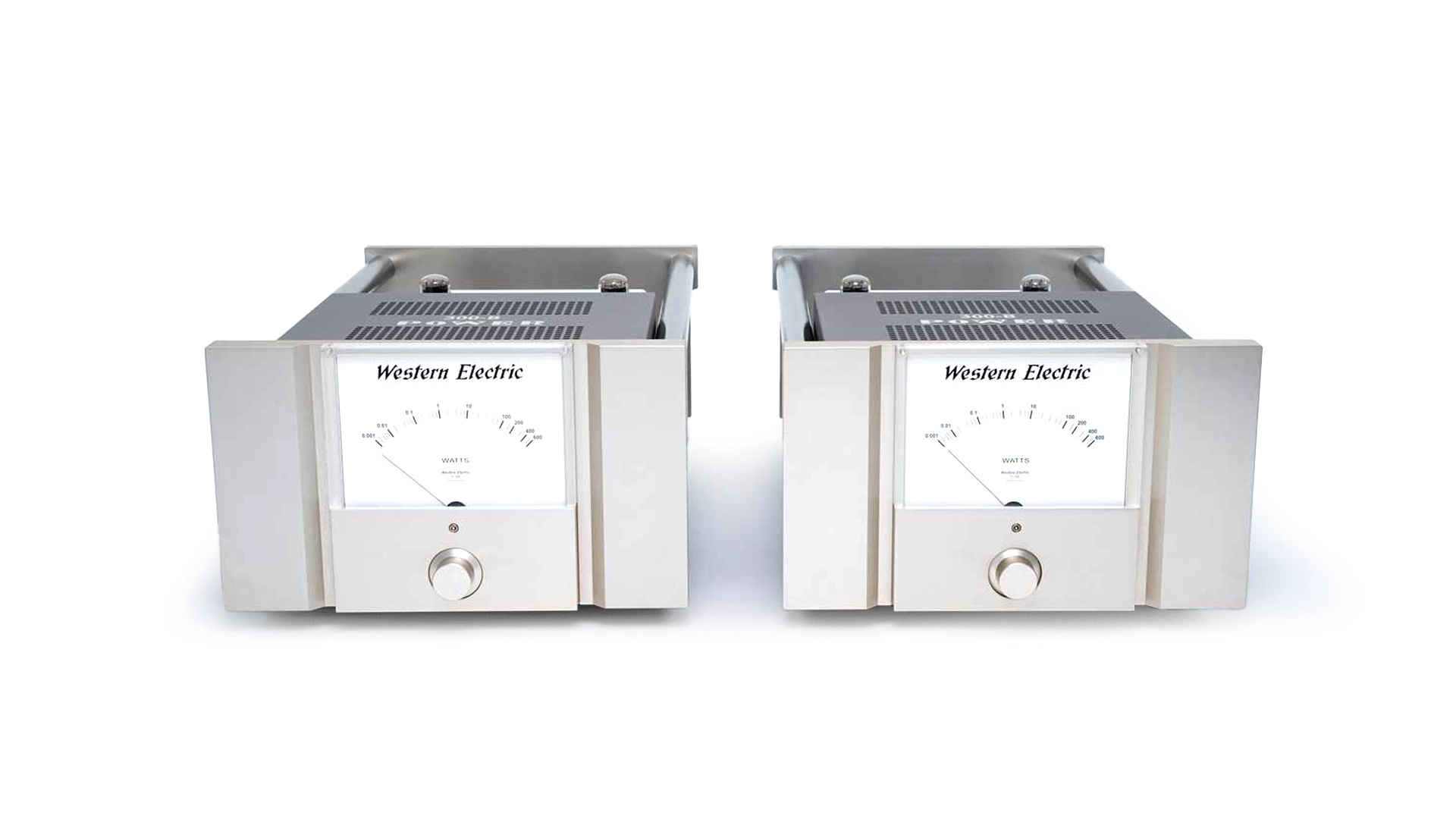
Western Electric occupies a rare place where the history of telecommunications and modern high-end audio genuinely meet. Established in 1869, the company became the manufacturing arm of the Bell System and developed tubes, transformers, amplifiers, microphones and cinema sound equipment at a scale that helped define twentieth-century electrical communication. Its most famous audio product is the 300B directly heated triode, introduced in 1938 for dependable service in telephone repeaters. Long life, linearity and carefully controlled manufacture later made the tube a cornerstone of single-ended hi-fi amplification. After the original corporate structure disappeared, entrepreneur Charles Whitener acquired rights and manufacturing assets and re-established Western Electric tube production in 1996. Today’s company operates in Rossville, Georgia, where it manufactures the 300B using specialised tooling, materials and process knowledge recreated from the historic product. The 91E integrated amplifier brings the valve into a contemporary design with patented electronics intended to obtain useful power while preserving single-ended operation; additional tubes and audio products are being developed around the revived factory. The distinction between legacy and continuity matters. Modern Western Electric is not the uninterrupted Bell System manufacturer of 1869, yet it is more than a licensed logo: it has rebuilt American production around the original tube’s drawings, equipment and quality controls. Few brands can connect present-day listening so directly to hardware once engineered for national telephone networks and early cinema sound.
Yamaha

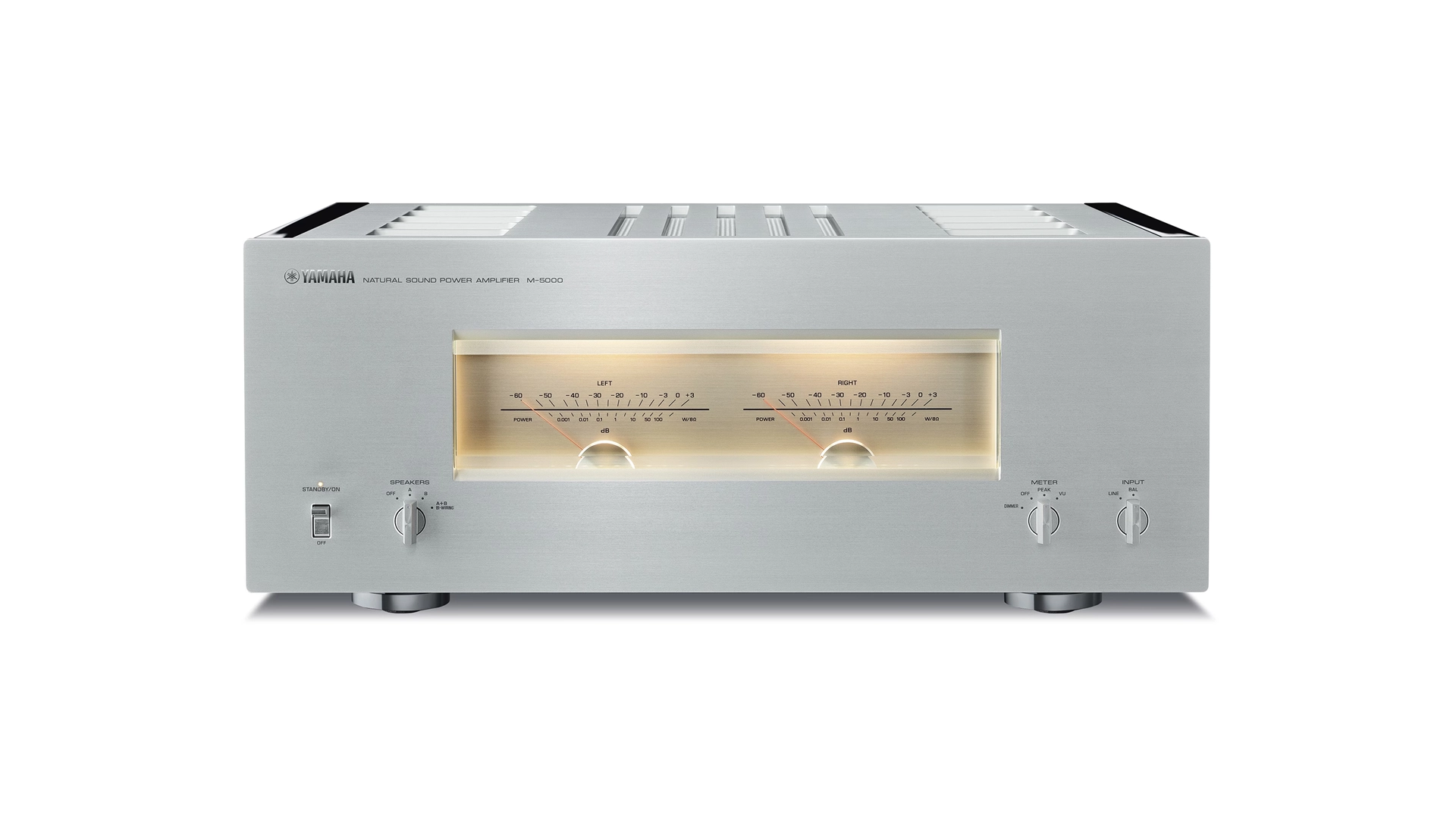
Yamaha began in 1887 when Torakusu Yamaha repaired a reed organ in Hamamatsu and built his own instrument; the tuning-fork emblem still reflects that origin. The company became Nippon Gakki and developed pianos, organs and other instruments long before expanding into electronics, professional sound and home audio. Yamaha’s audio strength comes from this unusually broad view of the chain—from the instrument and recording venue to mixing, amplification and reproduction. The NS-1000 loudspeaker of 1974 was a landmark use of beryllium domes for both midrange and treble, while the B-1 introduced a powerful vertical-FET amplifier and the GT turntables explored extreme mechanical stability. Modern hi-fi retains those threads. A-S integrated amplifiers range from accessible models to the fully balanced A-S3200; R-N network receivers add MusicCast streaming and multi-room control; the C-5000/M-5000 separates and GT-5000 turntable form the flagship 5000 Series. NS-2000A and NS-5000 loudspeakers use Yamaha’s Zylon-based Harmonious Diaphragm concept across multiple drivers to improve tonal continuity. At the same time, Yamaha remains a major force in AV receivers, soundbars, studio monitors, digital mixers and concert systems. Yamaha Motor has been a separate company since 1955, so motorcycles should not blur this audio history. The enduring identity is integration: acoustic-instrument knowledge, professional production tools, cinema processing and domestic hi-fi developed within one Japanese engineering culture.
YBA

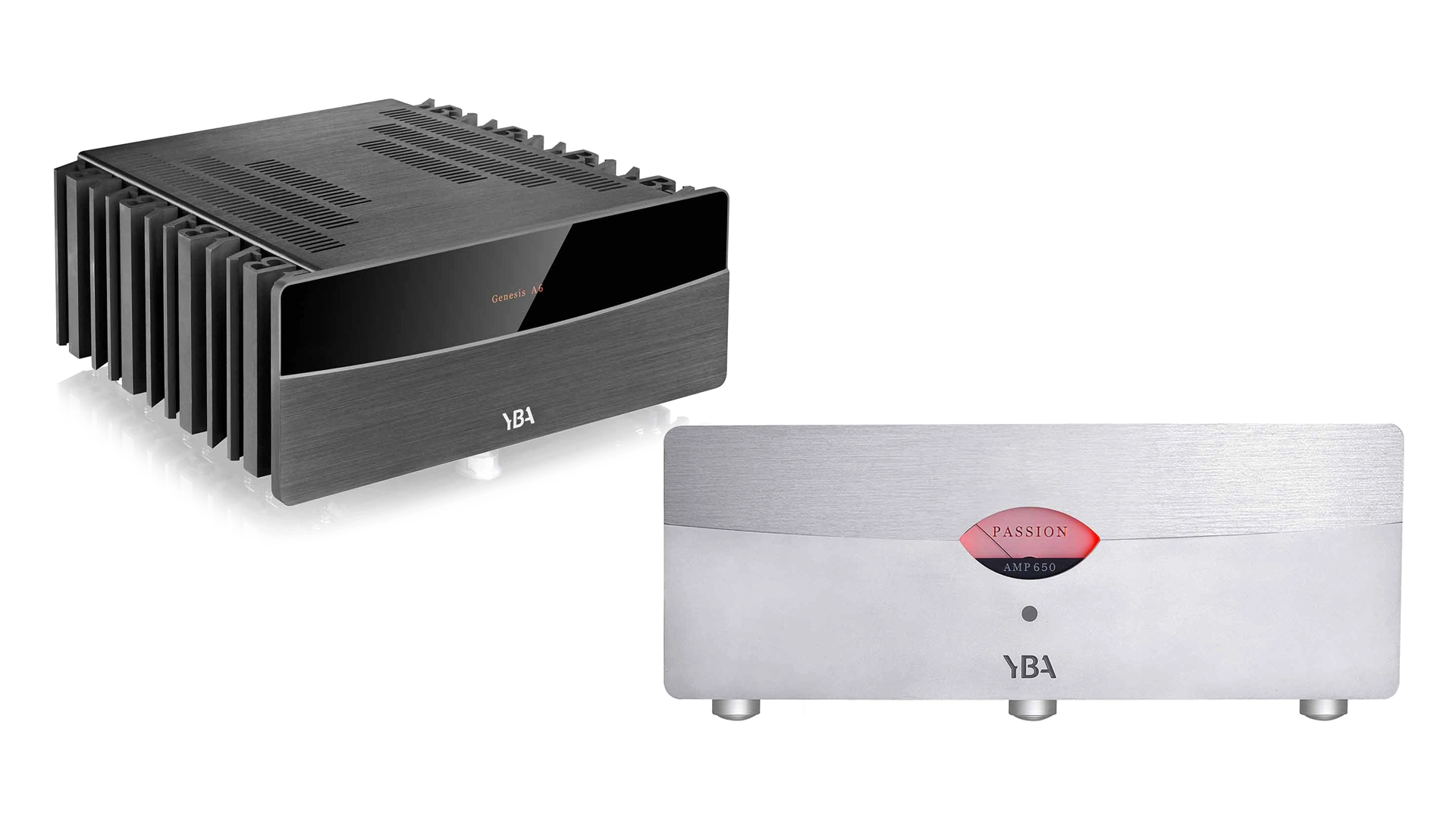
YBA is the French electronics marque founded in 1981 by engineer and electronics professor Yves-Bernard André. His designs became known for short signal paths, carefully selected components and unusual attention to mechanical and electrical details: transformer orientation, non-magnetic fasteners, three-point support and restrained power-supply layout were treated as audible engineering choices rather than accessories. The original YBA 1 amplifiers and later Signature components established the reference line, while Audio Refinement brought related thinking to a wider audience. Today’s catalogue is organised into Signature, Passion, Genesis, Heritage and Design families. It includes integrated, pre- and power amplifiers, phono stages, CD players, DACs and network-capable sources, allowing the core circuit philosophy to appear at several prices rather than only in statement products. Ownership and production changed materially in 2009, when Chinese manufacturer Shanling took a majority stake to stabilise the company and expand manufacturing capacity. André retained an interest and continued to guide product design; current components are therefore designed under a French brand philosophy and manufactured with Shanling’s industrial resources in China. That relationship should be stated openly while the catalog country remains France, where YBA was created and voiced. YBA’s individuality is not a vague promise of “musicality,” but a four-decade design language in which circuit simplicity, component orientation, grounding and mechanical support are refined together—and remain recognisable despite the later ownership structure.
Ypsilon
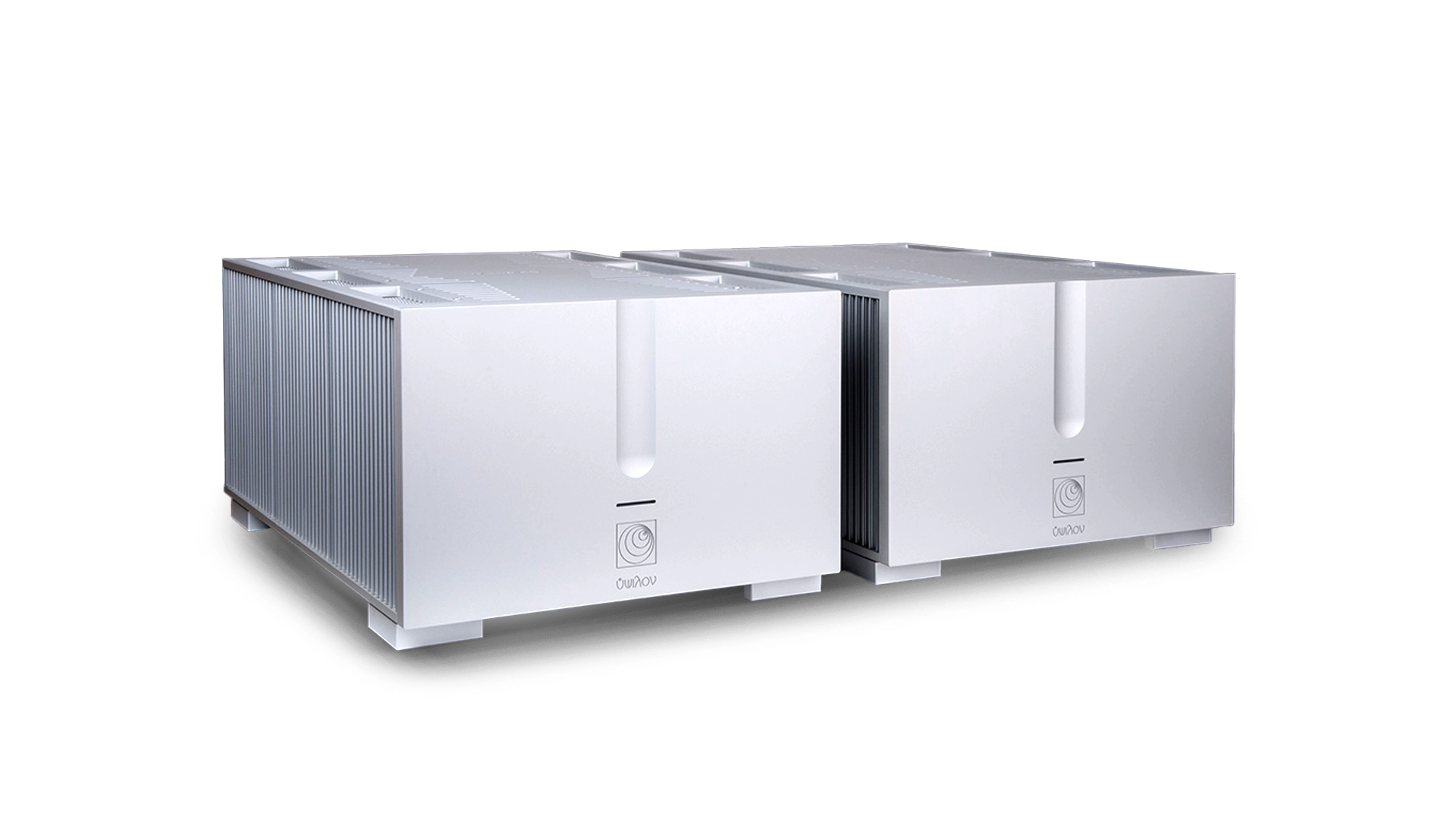
Ypsilon Electronics is a Greek high-end manufacturer founded in 1995 by two sound engineers whose work in live performance shaped the company’s reference for dynamics and tonal scale. Designer Demetris Baklavas and the Athens team build amplifiers, preamplifiers, phono stages and transformers in small numbers, often combining valves with solid-state devices rather than treating either technology as an ideology. Transformers are the central thread. Ypsilon winds many signal and power transformers in-house and uses transformer attenuation in its passive and active preamplifiers, avoiding a conventional resistive volume control in the signal path. The VPS phono stage partners valve gain with external MC step-up transformers, while PST units let cartridges see carefully chosen loading and turns ratios. Aelius and Hyperion power amplifiers use hybrid input and output stages for greater loudspeaker-driving ability; the SET 100 Ultimate applies a single-ended topology at power levels far beyond a traditional low-wattage triode amplifier. Silver-wound transformer options and separate power supplies extend the architecture at the reference level. The products’ substantial metalwork is restrained because the engineering emphasis is inside: magnetic component design, short signal paths, low feedback and a deliberate balance between valve voltage gain and transistor current delivery. Ypsilon’s strongest identity is therefore not simply “Greek tube sound,” but a rare depth of transformer expertise applied consistently from a cartridge’s microvolts to the output stage of a powerful amplifier.
Zanden Audio

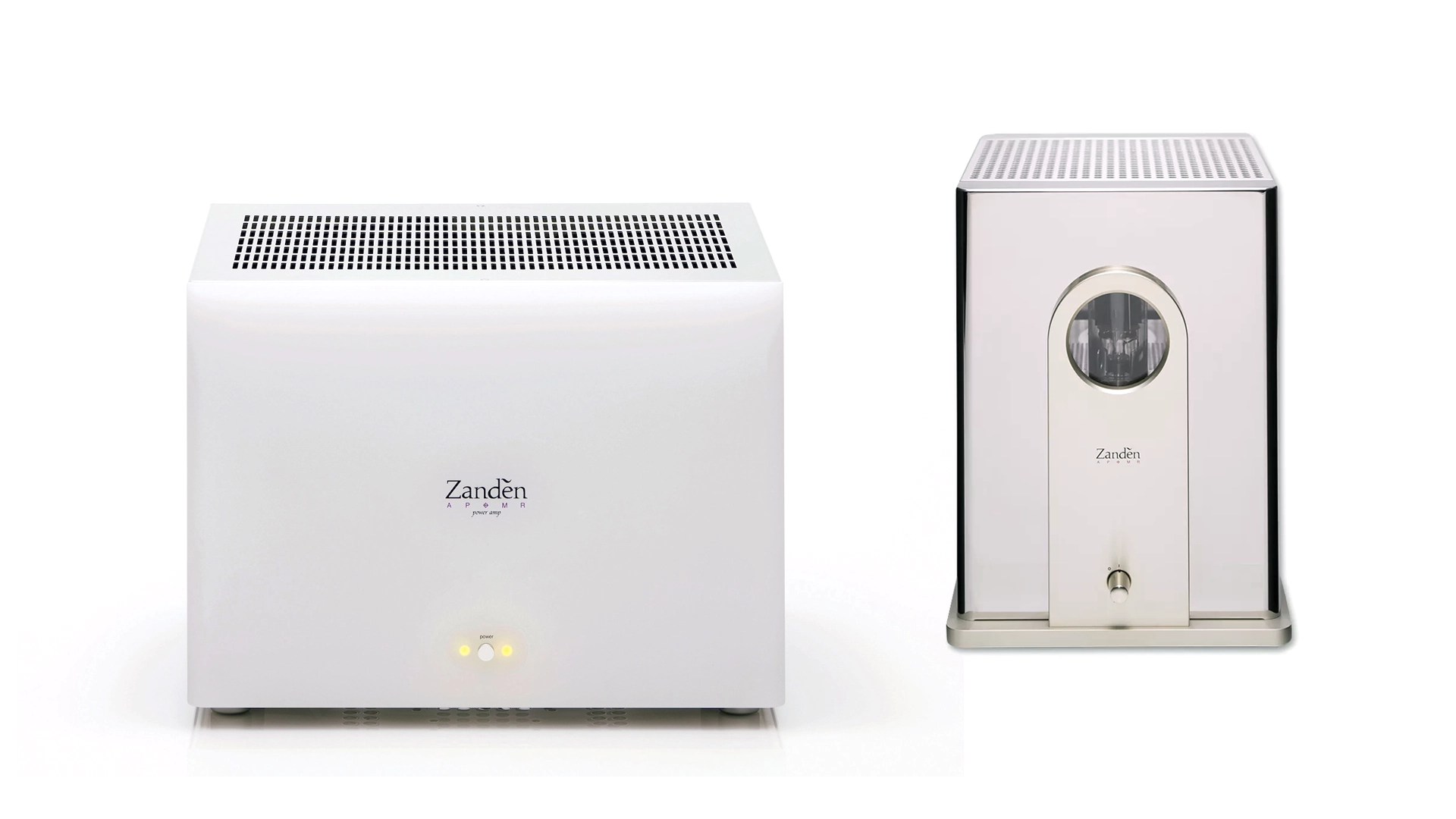
Zanden Audio Systems is the Japanese high-end electronics company established in 1980 by Kazutoshi Yamada. An electronics engineer and experienced coordinator of hundreds of classical and jazz concerts, Yamada used live performance as a reference while re-examining both valve circuits and early digital conversion. Zanden’s first international landmark was the Model 5000 DAC. Instead of assuming every compact disc had been mastered with the same digital filter, it provided selectable algorithms intended to reproduce recordings made with different historical filter responses. The accompanying Model 2000 transport and later digital components developed this concern with time-domain and phase behaviour into complete source systems. Analogue products are equally distinctive. Model 1200 phono stages provide several historical equalisation curves—RIAA, Decca, Columbia, EMI and Teldec—recognising that not every stereo LP was cut to precisely the same standard. Model 3000 preamplifiers and 8120/9600 power amplifiers use custom transformers and carefully revised valve topologies, while the modern Chouku and Classic lines preserve small-scale Japanese construction. Cases are shaped and finished like lasting instruments, but the beauty follows circuit function and hand assembly. Zanden’s catalogue is not large, and new generations appear slowly. Its importance lies in questioning assumptions other designers leave fixed: which reconstruction filter created a digital master, which curve cut a record, and how transformer and phase behaviour affect the musical space reproduced by an amplifier.