
PreAmplifiers
The preamplifier, or preamp, acts as the central control hub for a high-performance separates audio system. Its primary job is to manage your various audio sources—like a turntable, streamer, or CD player—allowing you to switch between them and precisely adjust the volume. It then sends a clean, optimized signal to a dedicated power amplifier. This page is a guide to the brands that specialize in these crucial control components, which are essential for achieving maximum flexibility and fidelity in a component-based setup.
Hi-Fi brands in the category
Summary information and image
Direct links to official websites
Van Den Hul

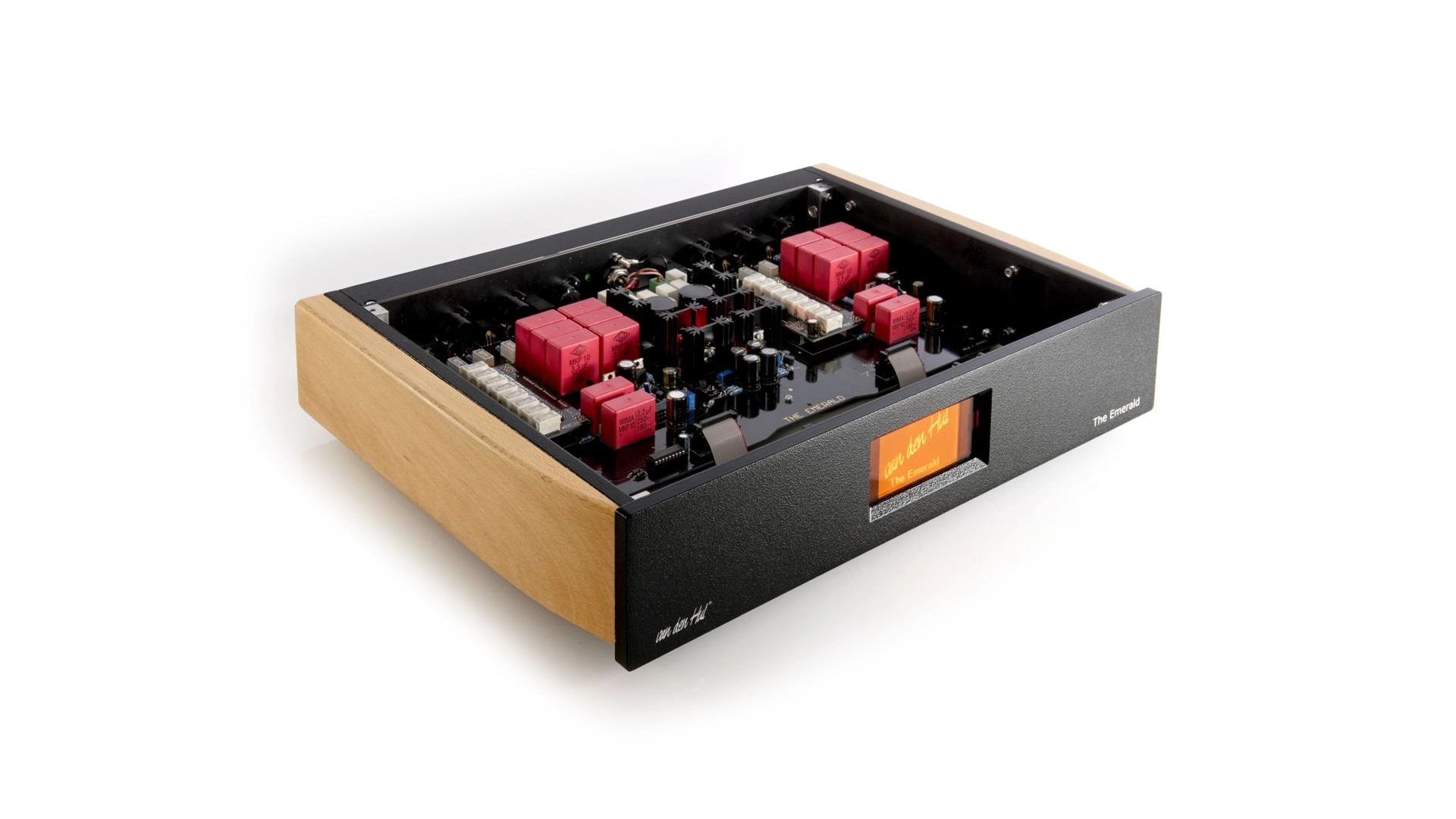
Van den Hul is a Dutch specialist whose identity spans three demanding parts of analogue playback: moving-coil cartridges, signal cables and the electronics that connect them. Aalt Jouk van den Hul founded the company in 1980 after years of cartridge repair and stylus research, and his name remains inseparable from the firm’s phono work. The Van den Hul stylus profile, developed to improve groove contact while reducing wear, led naturally to complete cartridges. Grasshopper established the marque internationally; Colibri, Condor, Crimson, Canary and Frog continue a range in which many units are built or serviced by hand. Cable development followed the same concern for preserving very small signals. Van den Hul introduced Linear Structured Carbon and used it in The First, presented as the first interconnect whose conductors contain no metal. The Second and The Third extended that carbon-conductor idea, while Hybrid designs combine carbon layers with proprietary metal conductors such as Fusion Technology alloys. The catalogue now includes interconnects, loudspeaker, digital and power cables, phono accessories, cartridge transformers and electronics including The Grail phono stages. Production is concentrated in Western Europe and the company also supplies materials and cables to professional and industrial users. What makes Van den Hul unusual is not one fashionable material but the continuity between groove geometry, microscopic cartridge signals and the conductors expected to carry them without adding a recognisable signature.
Verity Audio

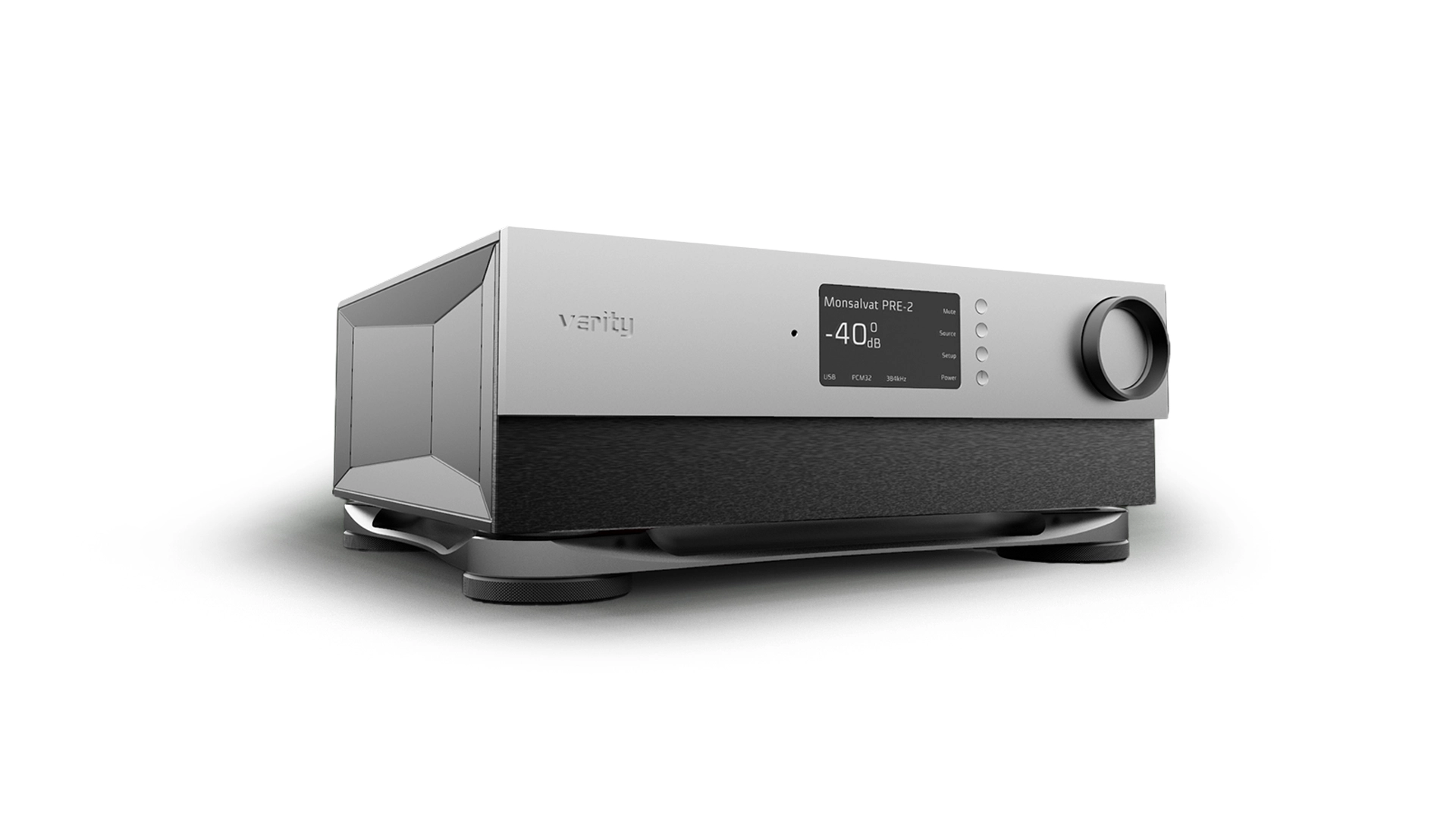
Verity Audio was a Canadian high-end loudspeaker manufacturer admired for combining refined cabinet work with designs that could deliver scale without visually dominating the room. Julien Pelchat and Bruno Bouchard founded the company in Quebec in 1995. Parsifal became its defining model, followed by loudspeakers such as Fidelio, Tamino, Amadis, Sarastro, Lohengrin and Finn. Many Verity designs used a separate bass enclosure with a rear-firing woofer beneath a compact midrange-and-tweeter module. That arrangement was not merely stylistic: it reduced interaction between bass energy and the upper drivers, allowed careful control of cabinet volume and used placement relative to the front wall as part of low-frequency setup. Larger systems developed the concept with proprietary drivers, carefully voiced crossovers and increasingly ambitious cabinet structures. The Monsalvat project expanded Verity’s ambitions into a complete reference system, while the later Florestan showed that the company was still exploring new architectures rather than relying only on established names. Fine veneers, restrained proportions and musical coherence were as important to the brand’s reputation as laboratory specifications. A crucial present-day fact, however, must not be hidden: Verity Audio announced that it ceased operations effective 22 December 2023. Its website and product archive may remain accessible, but they should not be read as proof of continuing production. The brand’s legacy rests on nearly three decades of distinctly Canadian loudspeakers whose elegant appearance concealed serious attention to cabinet isolation, room interaction and natural tonal balance.
Vermeer Audio

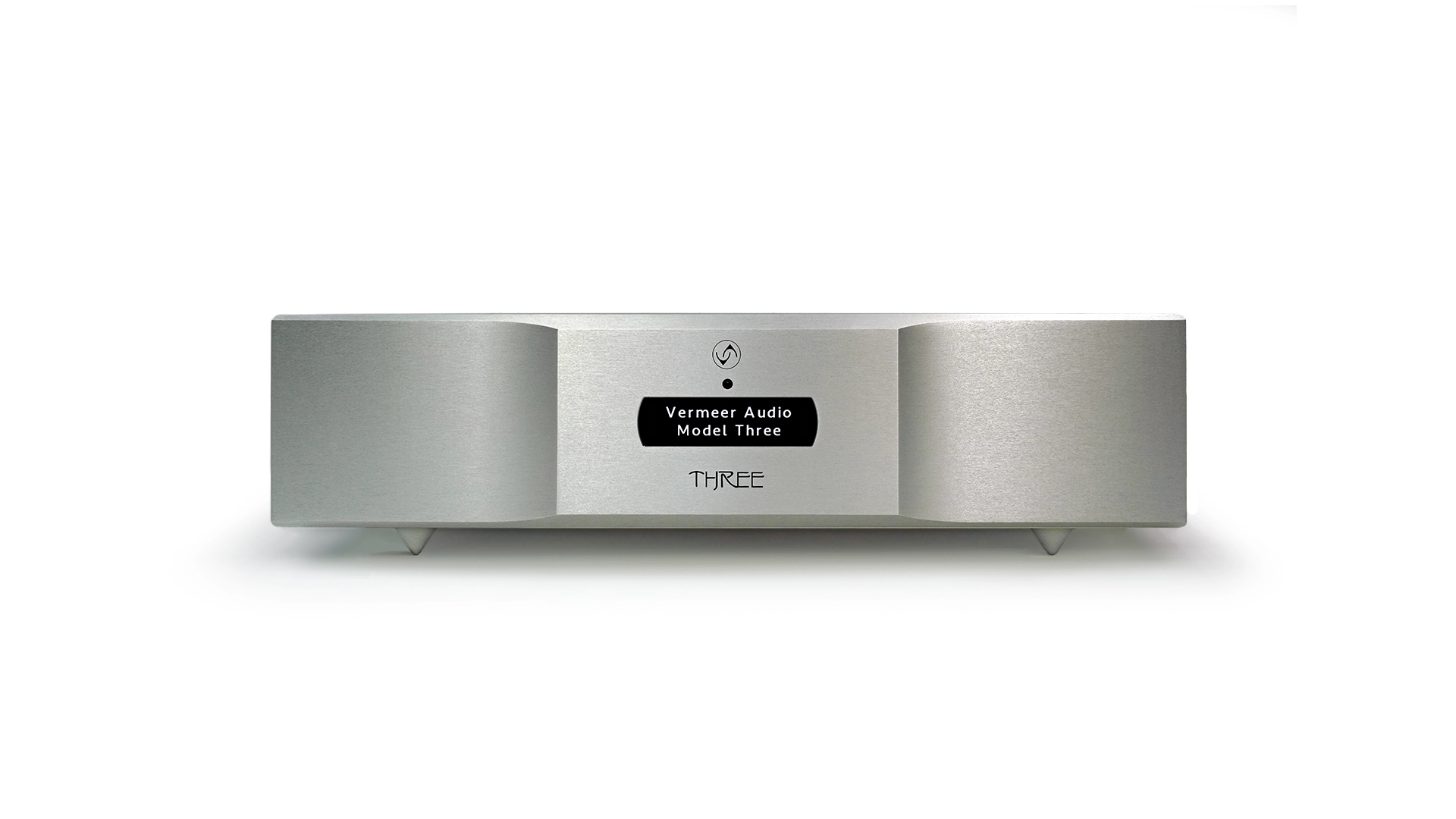
Vermeer Audio is a French digital-audio company created in Lyon in 2014 by a team that acquired the assets and intellectual property of Audio Aero. The 2002 date previously associated with the brand belongs to the earlier history around Audio Aero and is not an accurate founding year for Vermeer Audio itself. Rather than simply rebadging inherited machines, the team used that knowledge as a starting point for its own compact reference components. Model TWO established the approach: a network player, DAC and analogue preamplifier combined as a universal control centre for a high-end system. It accepts local and network digital sources, provides volume control and analogue connectivity, and is intended to drive a power amplifier directly when a separate preamplifier is unnecessary. Model THREE advances the same idea with updated digital processing, streaming and interface design while preserving the emphasis on a short, carefully managed signal path. Vermeer’s engineers draw on more than two decades of experience with digital conversion, clocking and mixed analogue/digital circuitry. Units are assembled by hand in France, with one technician responsible for an individual product rather than a fragmented production line. This background is important because Vermeer Audio should not be described as Audio Aero under another name. Its individuality lies in turning that acquired digital expertise into a small, focused range of French source-preamplifiers: products designed to consolidate streaming, conversion and system control without treating convenience as a reason to lower analogue engineering standards.
Vincent

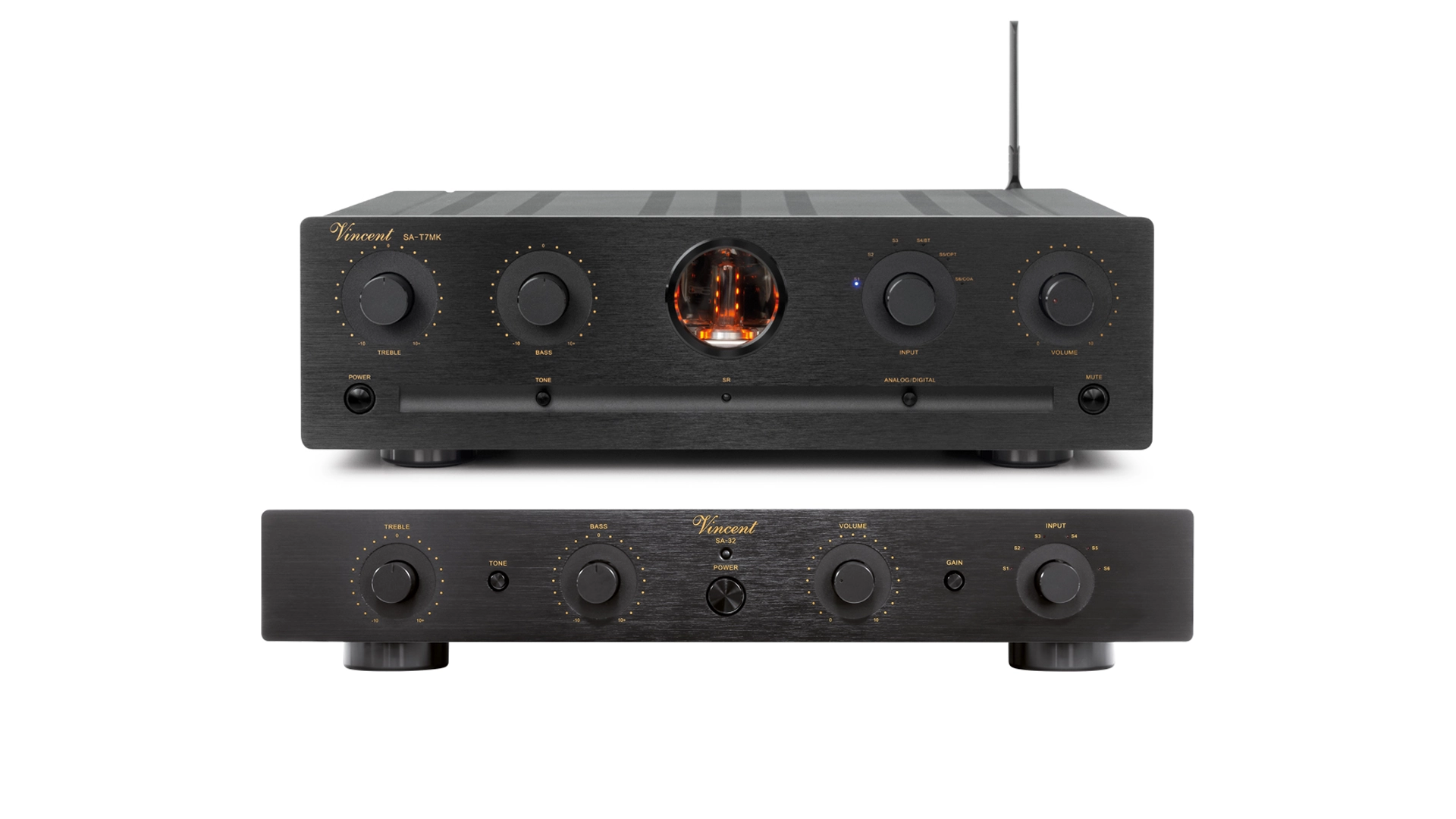
Vincent is a German high-fidelity electronics marque registered in 1995 by Sintron Distribution GmbH of Iffezheim. Product conception and tuning take place in Germany, while manufacturing is carried out in Asia under the company’s specifications—a more accurate description than implying that the components are wholly German-made. Vincent concentrates on two-channel systems and divides its catalogue into complementary design families. SolidLine products use transistor circuitry throughout, whereas tubeLine models combine valves in input or driver stages with solid-state output sections. That hybrid architecture is the brand’s signature: it seeks the voltage gain and harmonic character of tubes without giving up the current delivery, speaker control and everyday practicality of powerful transistor outputs. Integrated amplifiers such as SV-237, SV-700 and SV-737 embody the concept, while SA-T7 preamplifiers and SP-T700 monoblocks separate it into larger systems. PowerLine and solid-state models including SP-332, SV-228 and SV-500 address listeners who prefer an all-transistor path. Vincent also offers CD players, DACs, phono stages, headphone facilities, power conditioning and matching accessories, allowing coherent systems at prices below much boutique high-end electronics. The designs are visually substantial, often exposing their valve complement rather than hiding it, but the engineering proposition is practical: generous power supplies, remote operation, multiple inputs and serviceable conventional circuitry. Vincent’s position is therefore not simply “warm-sounding German hi-fi”. It is a long-running European-developed brand that has made hybrid tube/transistor amplification accessible across integrated, pre/power and source components.
Vinnie Rossi

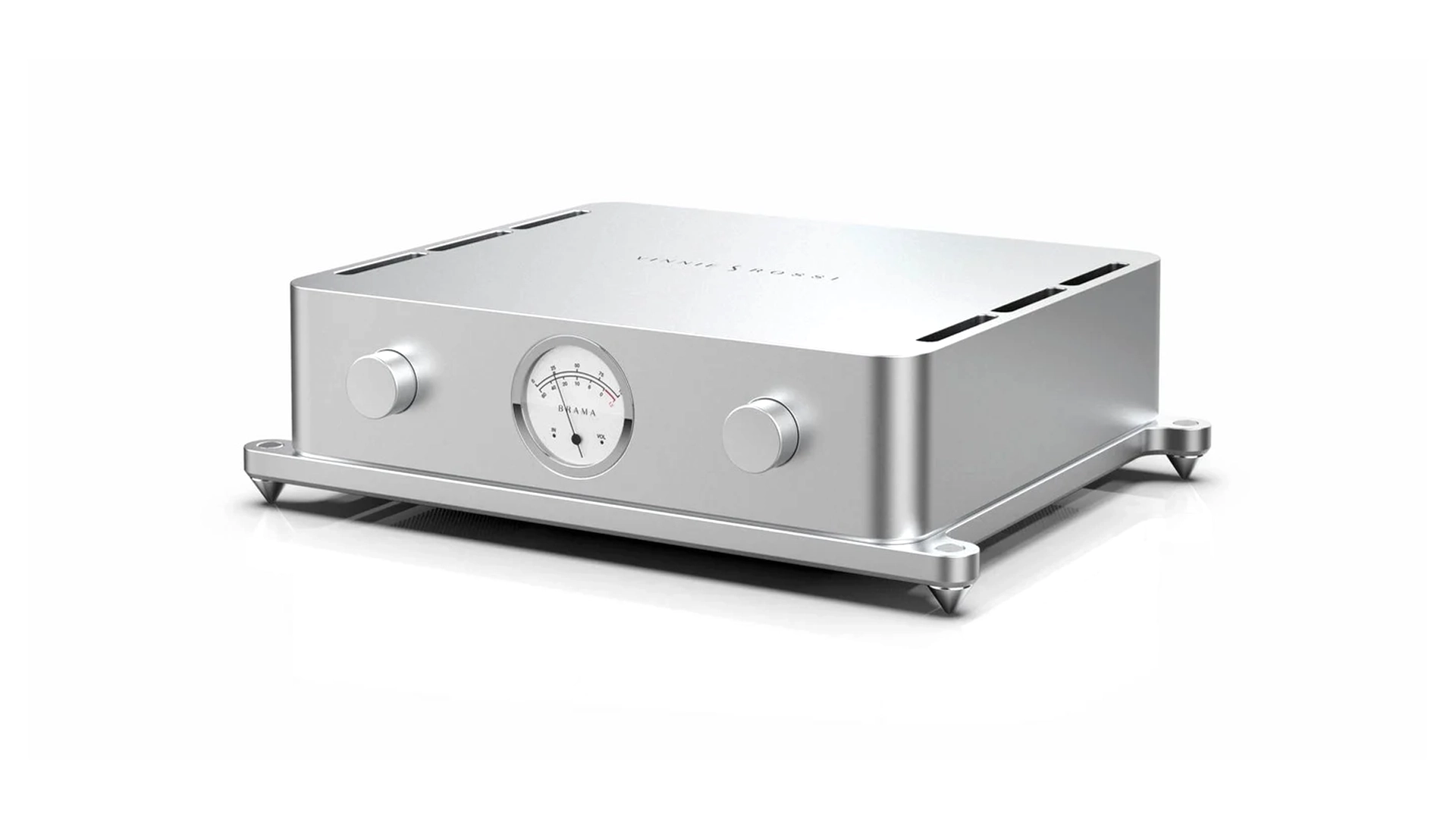
Vinnie Rossi is an American designer-led audio company built around its founder’s repeated rethinking of power supplies, modularity and direct-heated-triode circuitry. Rossi began the business in 2004 as Red Wine Audio, initially becoming known for battery-powered amplifiers that isolated sensitive circuits from mains noise. The later LIO modular integrated amplifier replaced conventional batteries with an ultracapacitor supply and allowed owners to configure DAC, phono, preamplifier and power-amplifier functions within one chassis. Those products belong to the same design career, but the Vinnie Rossi name became the marque only later; the 2004 date should therefore be understood as the start of Rossi’s company, not the launch date of the present badge. The L2 and L2i generations moved upward in scale and introduced direct-heated triodes into carefully controlled line stages. The current Brama Series develops that work as a complete reference system: a 300B preamplifier, integrated amplifier and monoblock power amplifiers combine sculpted industrial design with hand assembly in the United States. Rather than using a 300B as a conventional low-power output tube, Rossi employs it in the voltage-gain stage, preserving its operating character while solid-state output circuitry supplies demanding loudspeakers. The newer Canta line broadens the company’s reach while retaining the same author-led approach. Vinnie Rossi’s history is notable for genuine changes of architecture rather than cosmetic model cycles—from batteries to ultracapacitors, modular LIO construction and then DHT hybrid reference electronics—while keeping quiet power and short signal paths at the centre.
Viva Audio

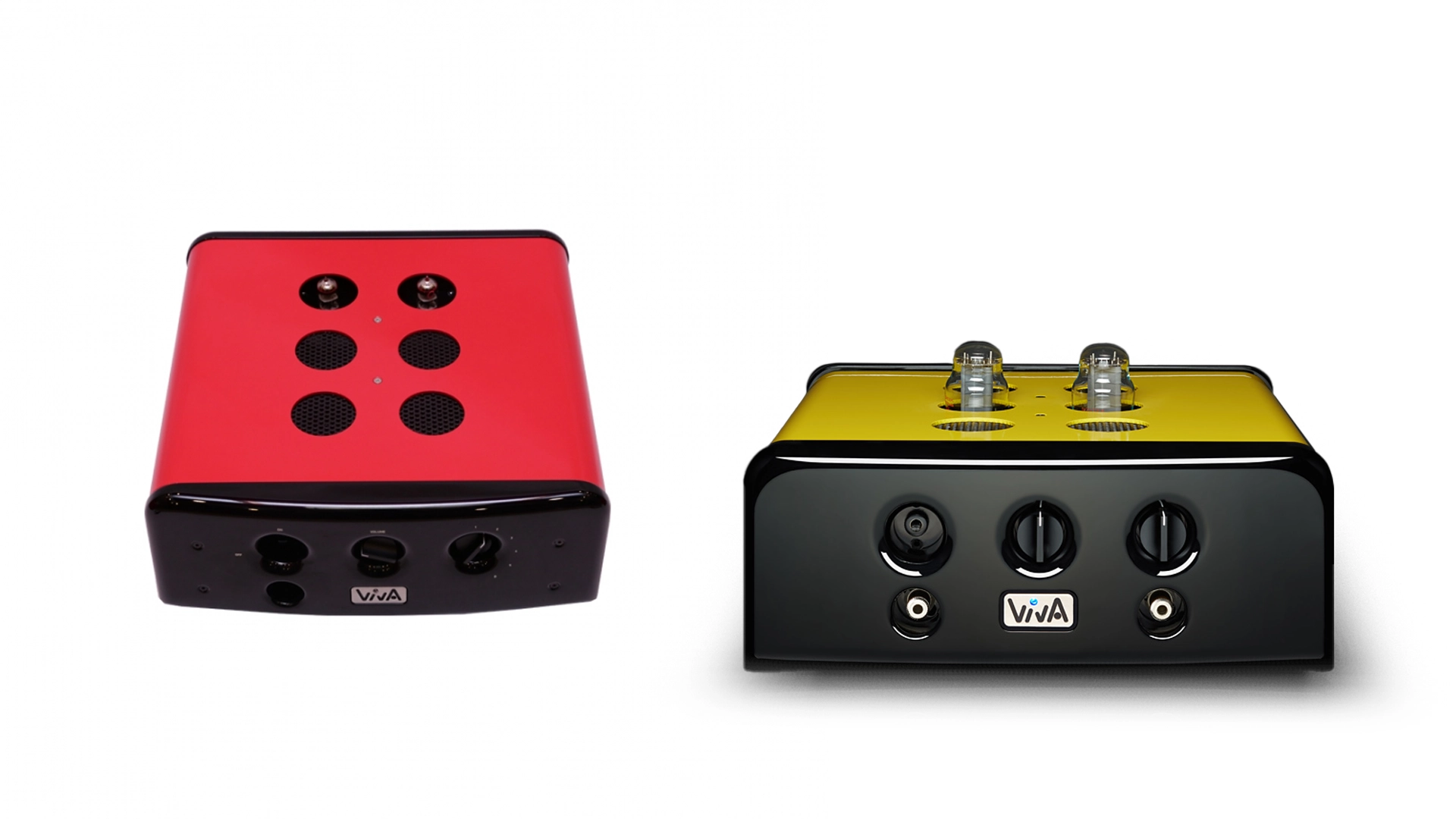
Viva Audio is an Italian manufacturer that treats vacuum-tube electronics, loudspeakers and industrial form as parts of one bespoke system. Amedeo Schembri founded the company in 1996, working with his brother Giampietro, and remains responsible for the circuit and sonic direction. Viva is best known for single-ended triode amplification: products such as the Aurora monoblocks and Solista integrated amplifier use directly heated power tubes in circuits designed around simplicity, substantial custom transformers and point-to-point hand construction. Solistino offers a more compact integrated route, while Linea preamplifiers, Fono phono stages and Numerico digital conversion complete the source chain. The Egoista family adapted Viva’s large triode stages to headphones and became one of the brand’s most visible achievements; versions built around 845 or 2A3 tubes, and the more powerful Egoista STX, address very different loads without reducing the amplifier to a desktop accessory. Viva also makes loudspeakers, from Agile and Allegro to sculptural Nuda and large Master Horn systems, allowing amplification and transducers to be voiced together. Components are assembled and finished by hand in Vicenza, with colours and surface treatments that make each system feel commissioned rather than selected from anonymous black boxes. The visual drama can overshadow the engineering, but the important point is continuity: Viva has spent decades refining transformers, tube operating points, horn and dynamic loudspeakers, and the interfaces between them. Its products are recognisably Italian because craft, colour and proportion are integral to the circuit-led audio design.
VTL

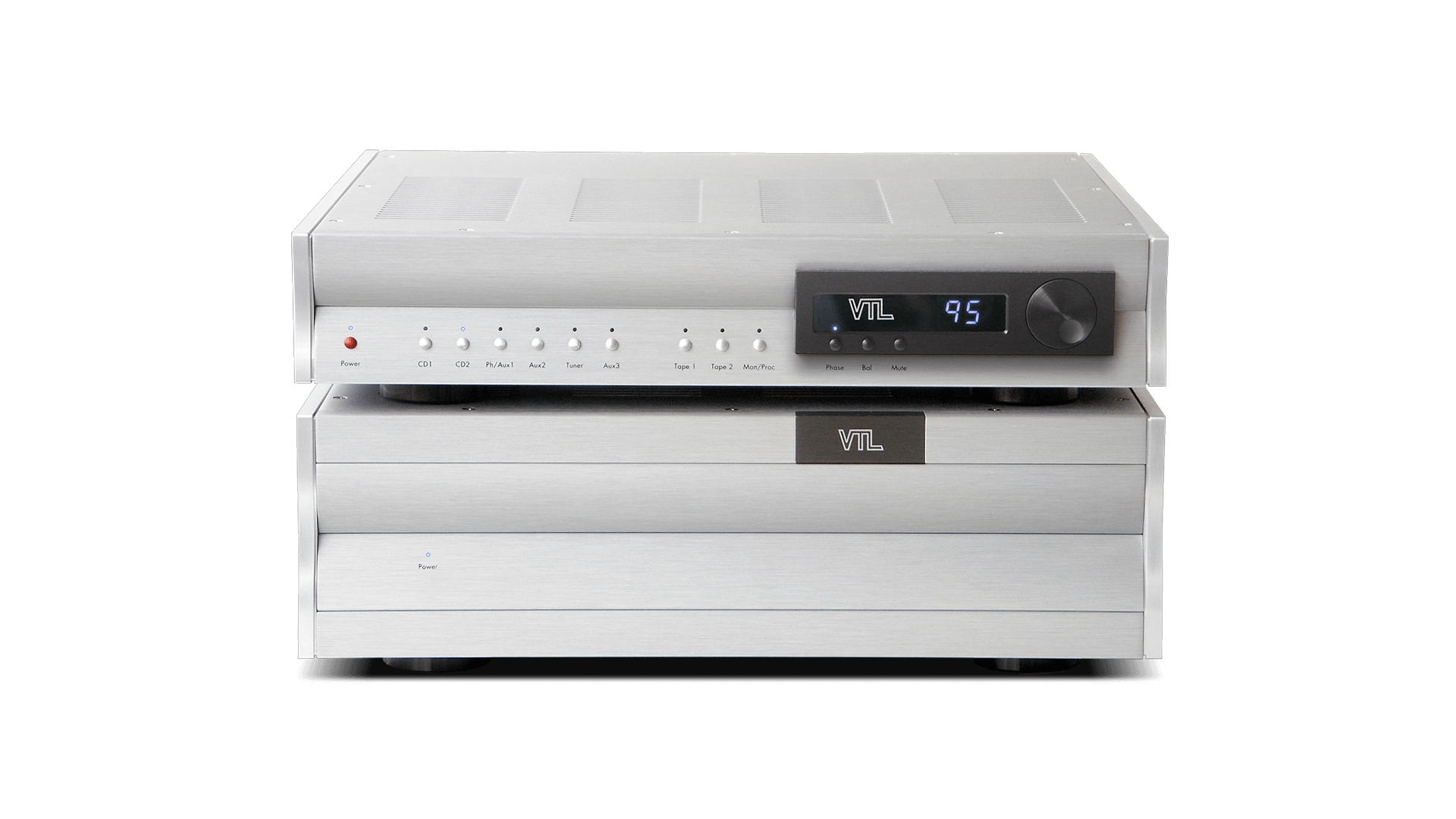
VTL—Vacuum Tube Logic—is an American specialist in valve amplification founded in 1986 by David Manley and his son Luke. The company grew from the Manleys’ earlier work in South Africa and Britain, then established production in California; after David departed to create Manley Laboratories, Luke Manley continued VTL with an increasingly systematic approach to powerful, reliable tube electronics. VTL’s hallmark is not the romantic simplicity of a tiny single-ended amplifier but the controlled use of multiple output valves to drive real loudspeakers. Its push-pull power amplifiers combine substantial output transformers and regulated supplies with protection, monitoring and, in many models, switchable tetrode/triode operation. The range runs from the IT-85 integrated and ST-85/ST-150 stereo amplifiers to S-series stereo chassis and MB monoblocks, culminating in the Siegfried and Lohengrin designs. TL line preamplifiers and TP phono stages complete an all-valve signal chain, with balanced circuitry and carefully managed grounding used in the upper models. Modern VTL products add conveniences such as automatic valve biasing and fault sensing without concealing the operating tubes or making them disposable modules. Design and manufacture remain in Chino, California. The brand’s enduring strength is this union of valve tone and engineering discipline: high power, serviceability and repeatable operation developed for listeners who want the scale and authority of large loudspeakers as well as the harmonic character for which tubes are valued.
Wavac Audio Lab

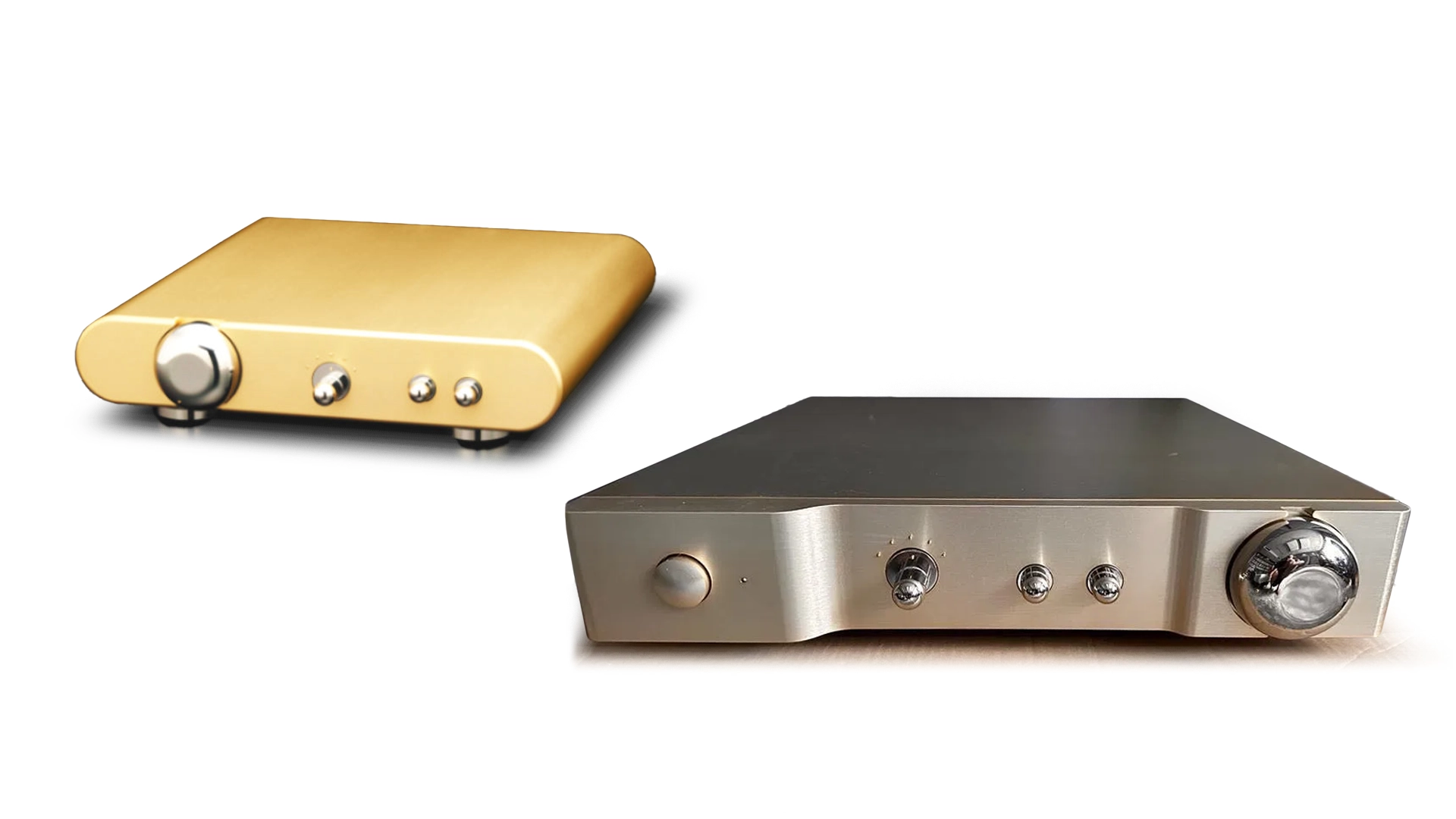
WAVAC Audio Lab is a Japanese maker of valve electronics whose modern history is inseparable from engineer Nobu Shishido’s work on transformer-coupled tube circuits. In the mid-1990s, Shishido collaborated with Yasuo Yoshizawa and Yoshiki Industry to patent a coupling circuit that uses an interstage transformer in place of a conventional capacitor between valve stages. The WAVAC brand grew from that partnership; 1995 is retained as the practical starting date, while Shishido is correctly recognised as the circuit designer rather than simply labelled the company founder. WAVAC applies the topology mainly to single-ended amplifiers built around directly heated triodes. Models have used classic 300B and 805 valves as well as formidable transmitting tubes such as the 833A, allowing the range to combine the immediacy associated with simple SET circuits with power outputs rarely available from them. MD-300B and MD-805m represent the better-known integrated and monoblock designs, while the HE-833 lineage occupies the reference level. Matching line and phono preamplifiers extend the transformer’s role through a complete system. Large custom transformers, point-to-point assembly and carefully formed metalwork are central to the construction, with production carried out in Japan in small numbers. WAVAC’s appeal is not generic “tube warmth.” It is a specific engineering lineage: Shishido’s transformer-coupled signal path, Yoshizawa’s manufacturing commitment and the disciplined use of directly heated triodes from modest 300Bs to high-voltage broadcast-era power tubes.
Waversa Systems

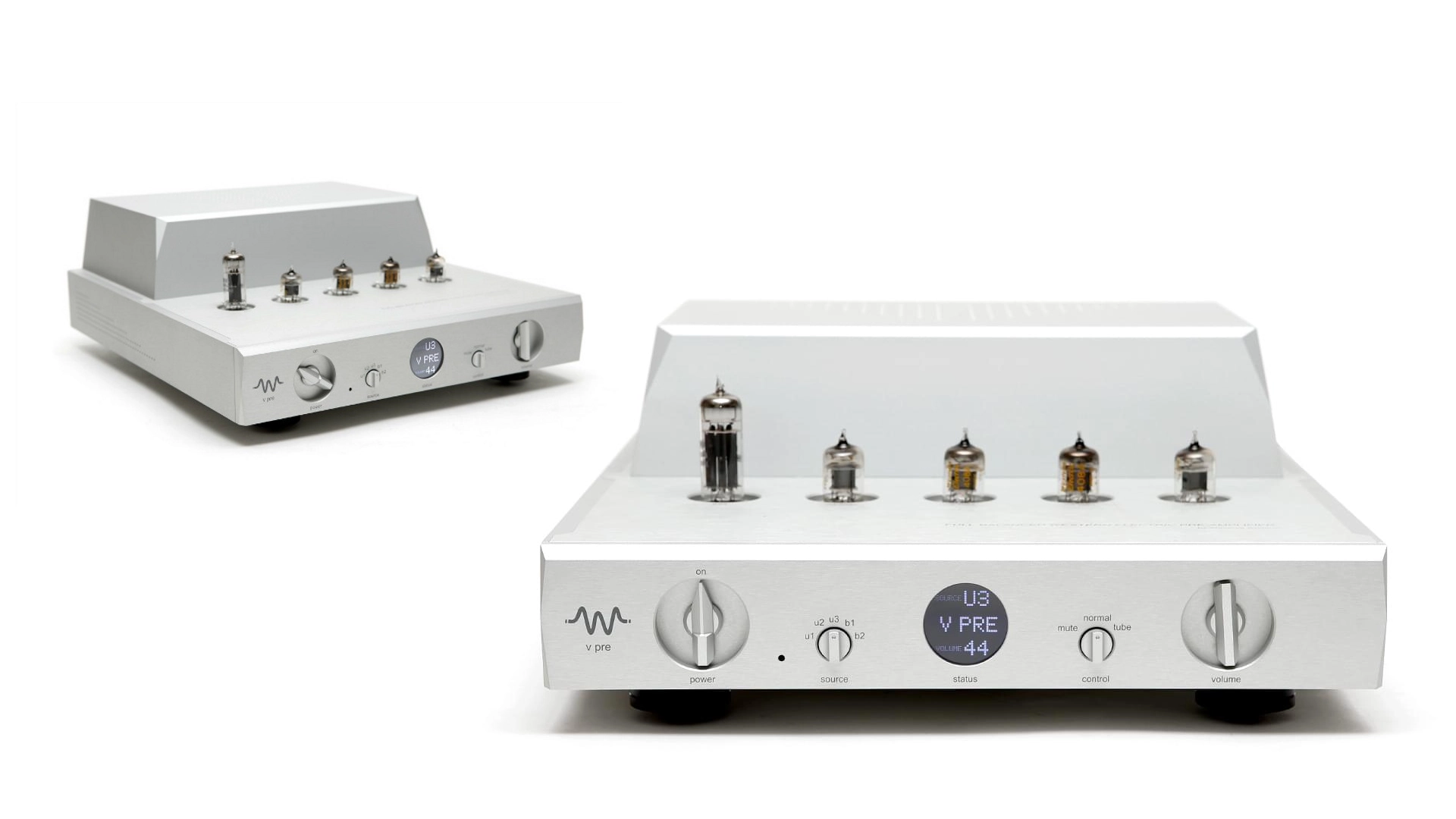
Waversa Systems is a South Korean digital-audio company founded in 2012 by engineer Dr Collin Shin. Before entering high-end audio, Shin worked on semiconductor and system design, experience that shaped a catalogue unusually focused on the behaviour of data, clocks, networks and power inside a complete replay chain. The company announced its WAP—Waversa Audio Processor—platform in 2013 and later developed WNDR, Waversa Network Direct Rendering, as a proprietary route for delivering audio over a network with tighter control of timing and processing. These technologies appear across network players, DACs, servers and hubs rather than belonging to one showcase product. The range spans compact WMini components, WStreamer bridges, WDAC converters, WCore servers and WRouter or WSmartHub network products, as well as integrated players, amplifiers, phono stages and the reference WV series. Waversa also makes Ethernet and USB filters because it treats electrical noise entering through digital connections as part of the source design. Product names and formats vary widely, but the unifying objective is consistent: minimise jitter and unwanted processing, isolate noisy subsystems and preserve the signal through conversion and amplification. Waversa’s distinctiveness lies in approaching a hi-fi system as a networked electronic architecture, not a stack of unrelated boxes. Hardware, FPGA or processor code and control software are developed together in Korea, giving the brand a coherent technical vocabulary that extends from an inexpensive interface filter to its largest source and amplification components.
Yamaha

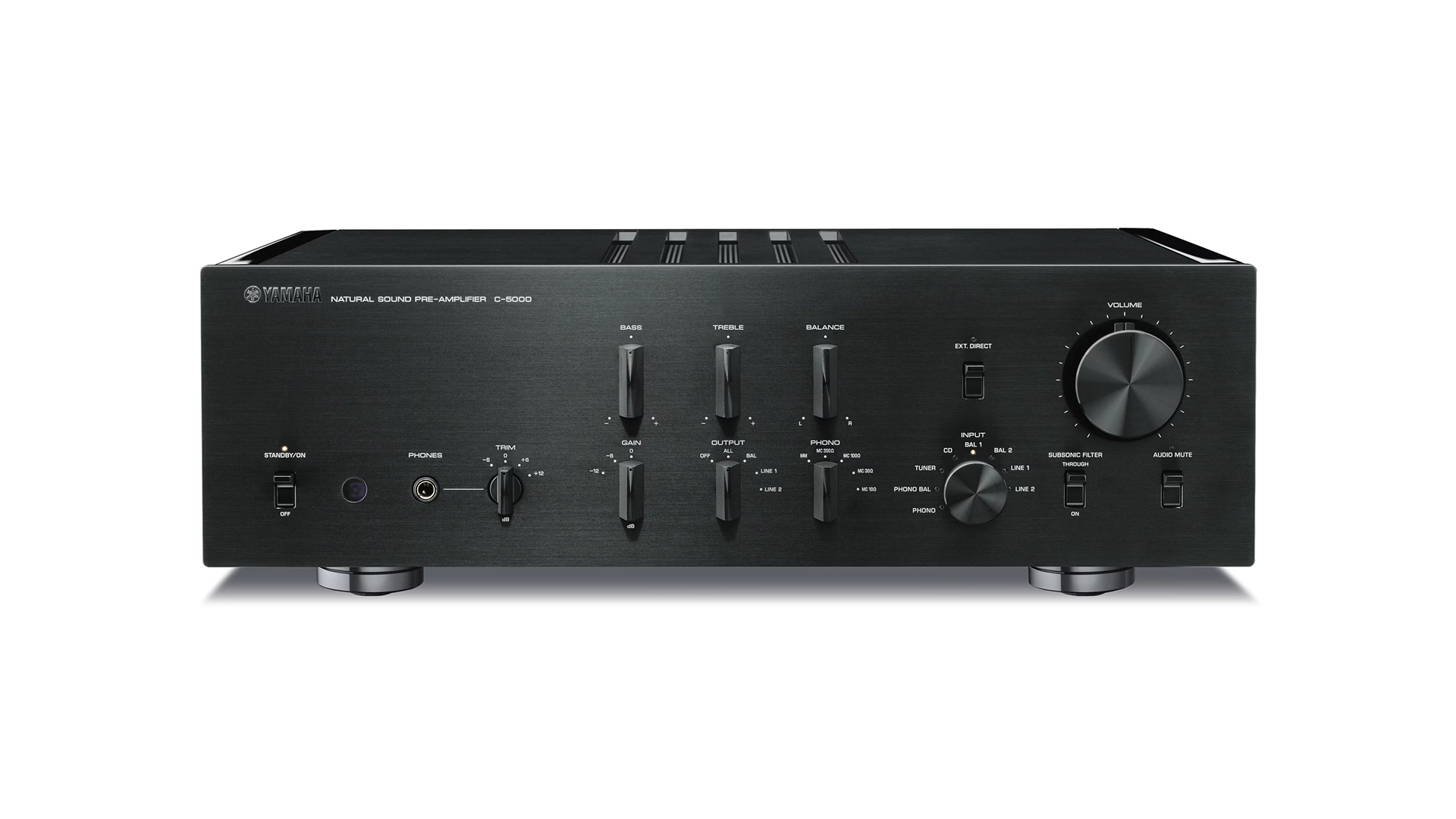
Yamaha began in 1887 when Torakusu Yamaha repaired a reed organ in Hamamatsu and built his own instrument; the tuning-fork emblem still reflects that origin. The company became Nippon Gakki and developed pianos, organs and other instruments long before expanding into electronics, professional sound and home audio. Yamaha’s audio strength comes from this unusually broad view of the chain—from the instrument and recording venue to mixing, amplification and reproduction. The NS-1000 loudspeaker of 1974 was a landmark use of beryllium domes for both midrange and treble, while the B-1 introduced a powerful vertical-FET amplifier and the GT turntables explored extreme mechanical stability. Modern hi-fi retains those threads. A-S integrated amplifiers range from accessible models to the fully balanced A-S3200; R-N network receivers add MusicCast streaming and multi-room control; the C-5000/M-5000 separates and GT-5000 turntable form the flagship 5000 Series. NS-2000A and NS-5000 loudspeakers use Yamaha’s Zylon-based Harmonious Diaphragm concept across multiple drivers to improve tonal continuity. At the same time, Yamaha remains a major force in AV receivers, soundbars, studio monitors, digital mixers and concert systems. Yamaha Motor has been a separate company since 1955, so motorcycles should not blur this audio history. The enduring identity is integration: acoustic-instrument knowledge, professional production tools, cinema processing and domestic hi-fi developed within one Japanese engineering culture.
YBA

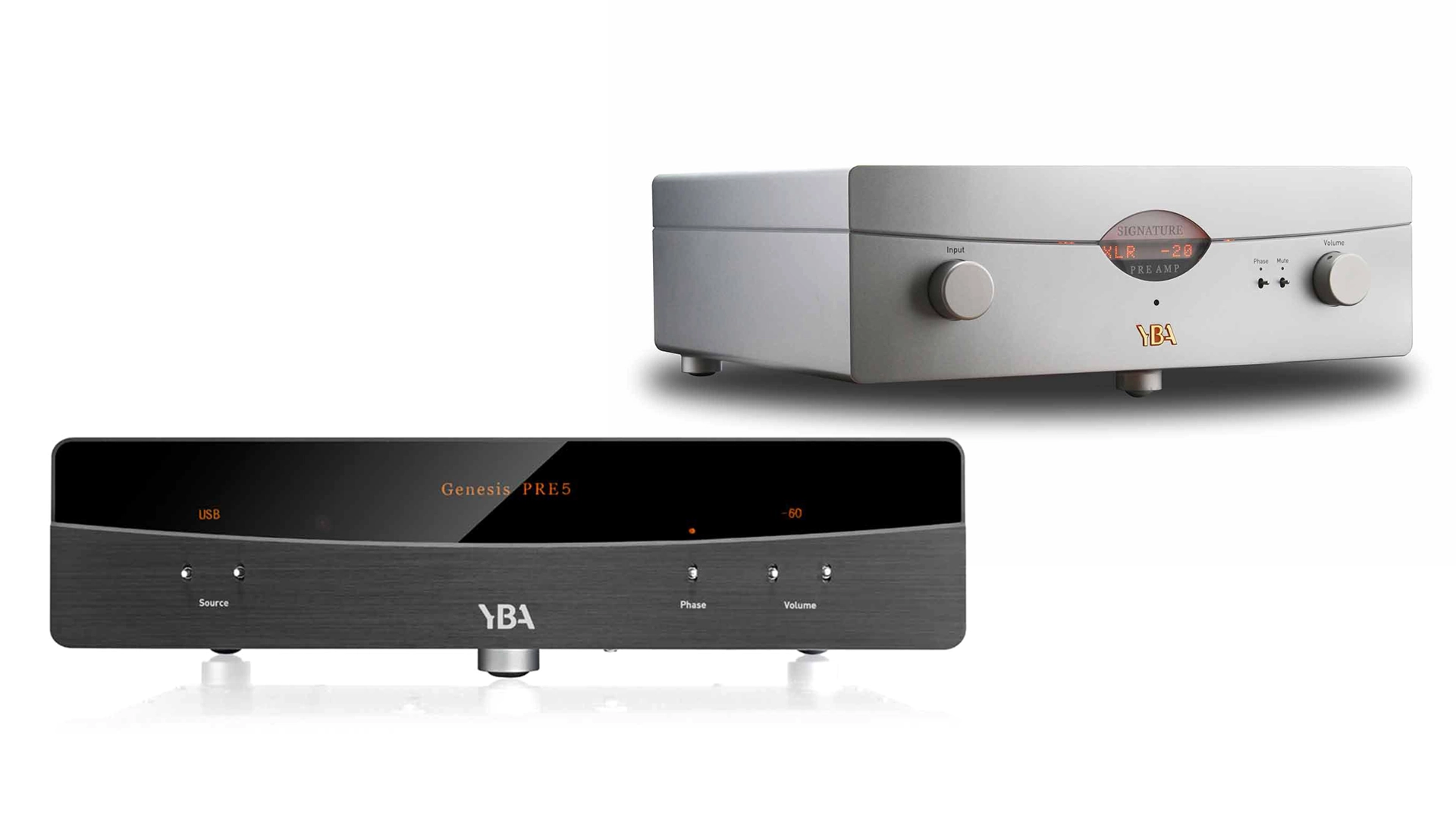
YBA is the French electronics marque founded in 1981 by engineer and electronics professor Yves-Bernard André. His designs became known for short signal paths, carefully selected components and unusual attention to mechanical and electrical details: transformer orientation, non-magnetic fasteners, three-point support and restrained power-supply layout were treated as audible engineering choices rather than accessories. The original YBA 1 amplifiers and later Signature components established the reference line, while Audio Refinement brought related thinking to a wider audience. Today’s catalogue is organised into Signature, Passion, Genesis, Heritage and Design families. It includes integrated, pre- and power amplifiers, phono stages, CD players, DACs and network-capable sources, allowing the core circuit philosophy to appear at several prices rather than only in statement products. Ownership and production changed materially in 2009, when Chinese manufacturer Shanling took a majority stake to stabilise the company and expand manufacturing capacity. André retained an interest and continued to guide product design; current components are therefore designed under a French brand philosophy and manufactured with Shanling’s industrial resources in China. That relationship should be stated openly while the catalog country remains France, where YBA was created and voiced. YBA’s individuality is not a vague promise of “musicality,” but a four-decade design language in which circuit simplicity, component orientation, grounding and mechanical support are refined together—and remain recognisable despite the later ownership structure.
Ypsilon
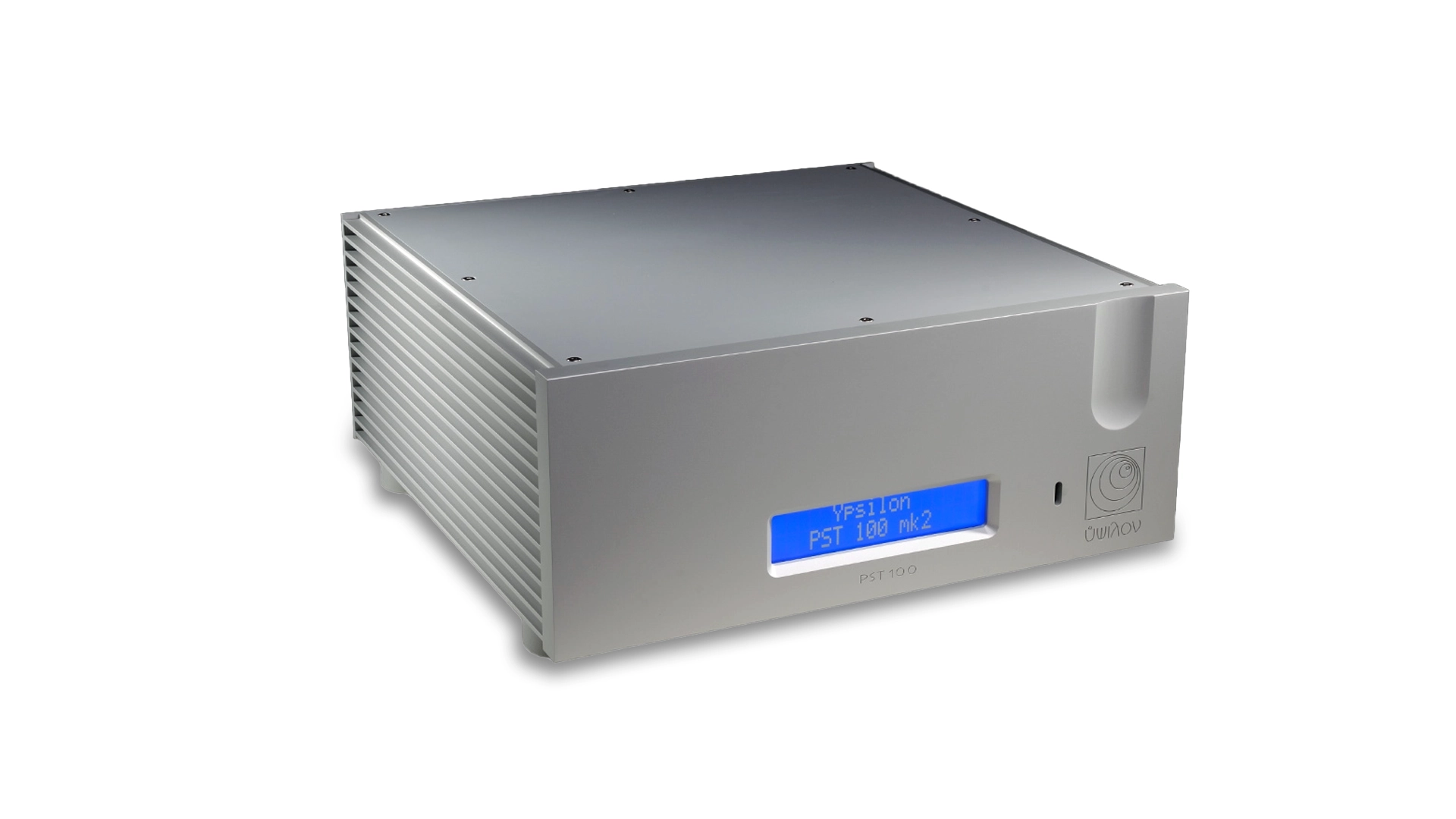
Ypsilon Electronics is a Greek high-end manufacturer founded in 1995 by two sound engineers whose work in live performance shaped the company’s reference for dynamics and tonal scale. Designer Demetris Baklavas and the Athens team build amplifiers, preamplifiers, phono stages and transformers in small numbers, often combining valves with solid-state devices rather than treating either technology as an ideology. Transformers are the central thread. Ypsilon winds many signal and power transformers in-house and uses transformer attenuation in its passive and active preamplifiers, avoiding a conventional resistive volume control in the signal path. The VPS phono stage partners valve gain with external MC step-up transformers, while PST units let cartridges see carefully chosen loading and turns ratios. Aelius and Hyperion power amplifiers use hybrid input and output stages for greater loudspeaker-driving ability; the SET 100 Ultimate applies a single-ended topology at power levels far beyond a traditional low-wattage triode amplifier. Silver-wound transformer options and separate power supplies extend the architecture at the reference level. The products’ substantial metalwork is restrained because the engineering emphasis is inside: magnetic component design, short signal paths, low feedback and a deliberate balance between valve voltage gain and transistor current delivery. Ypsilon’s strongest identity is therefore not simply “Greek tube sound,” but a rare depth of transformer expertise applied consistently from a cartridge’s microvolts to the output stage of a powerful amplifier.
Zanden Audio

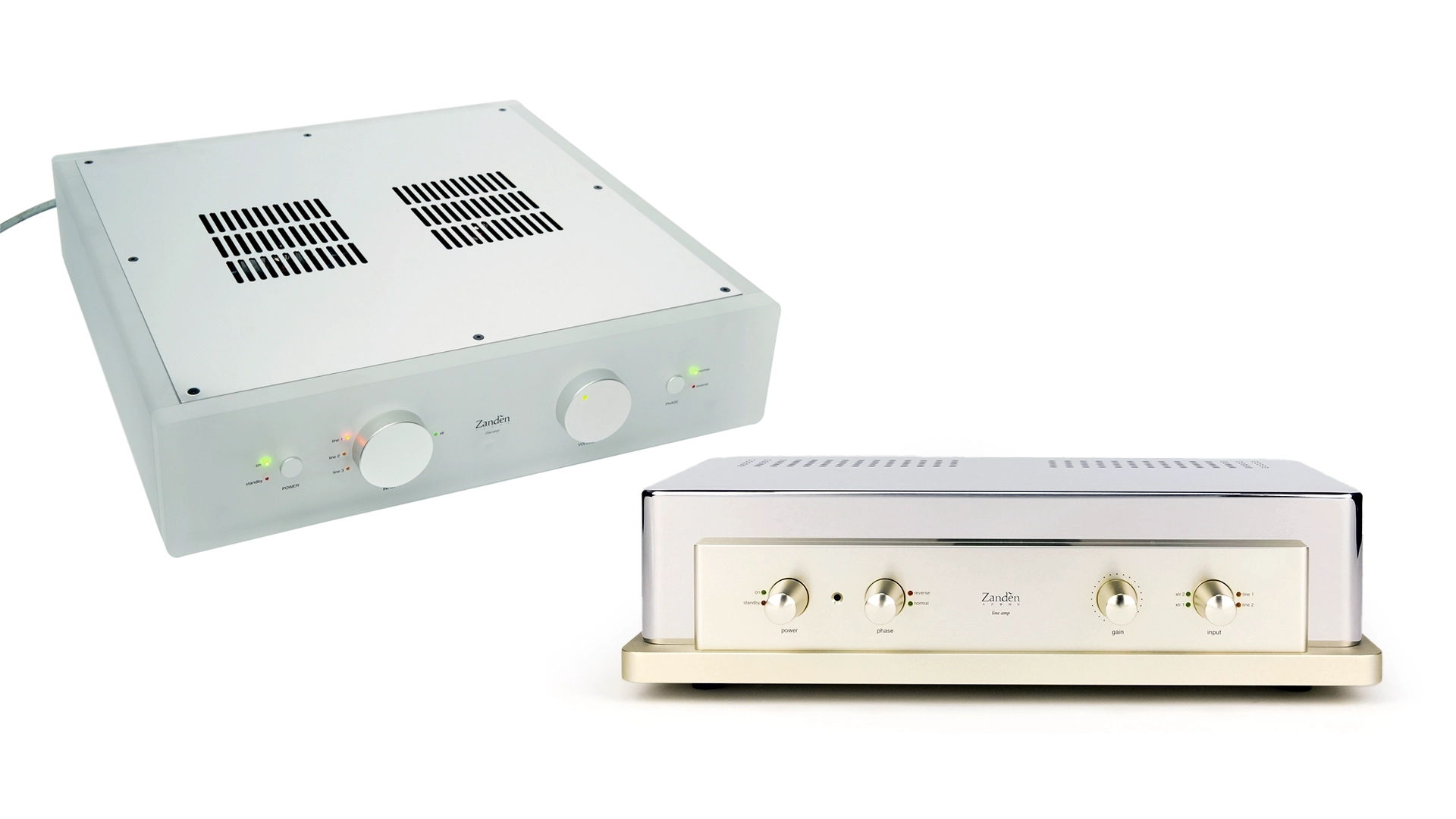
Zanden Audio Systems is the Japanese high-end electronics company established in 1980 by Kazutoshi Yamada. An electronics engineer and experienced coordinator of hundreds of classical and jazz concerts, Yamada used live performance as a reference while re-examining both valve circuits and early digital conversion. Zanden’s first international landmark was the Model 5000 DAC. Instead of assuming every compact disc had been mastered with the same digital filter, it provided selectable algorithms intended to reproduce recordings made with different historical filter responses. The accompanying Model 2000 transport and later digital components developed this concern with time-domain and phase behaviour into complete source systems. Analogue products are equally distinctive. Model 1200 phono stages provide several historical equalisation curves—RIAA, Decca, Columbia, EMI and Teldec—recognising that not every stereo LP was cut to precisely the same standard. Model 3000 preamplifiers and 8120/9600 power amplifiers use custom transformers and carefully revised valve topologies, while the modern Chouku and Classic lines preserve small-scale Japanese construction. Cases are shaped and finished like lasting instruments, but the beauty follows circuit function and hand assembly. Zanden’s catalogue is not large, and new generations appear slowly. Its importance lies in questioning assumptions other designers leave fixed: which reconstruction filter created a digital master, which curve cut a record, and how transformer and phase behaviour affect the musical space reproduced by an amplifier.