Digital Cables
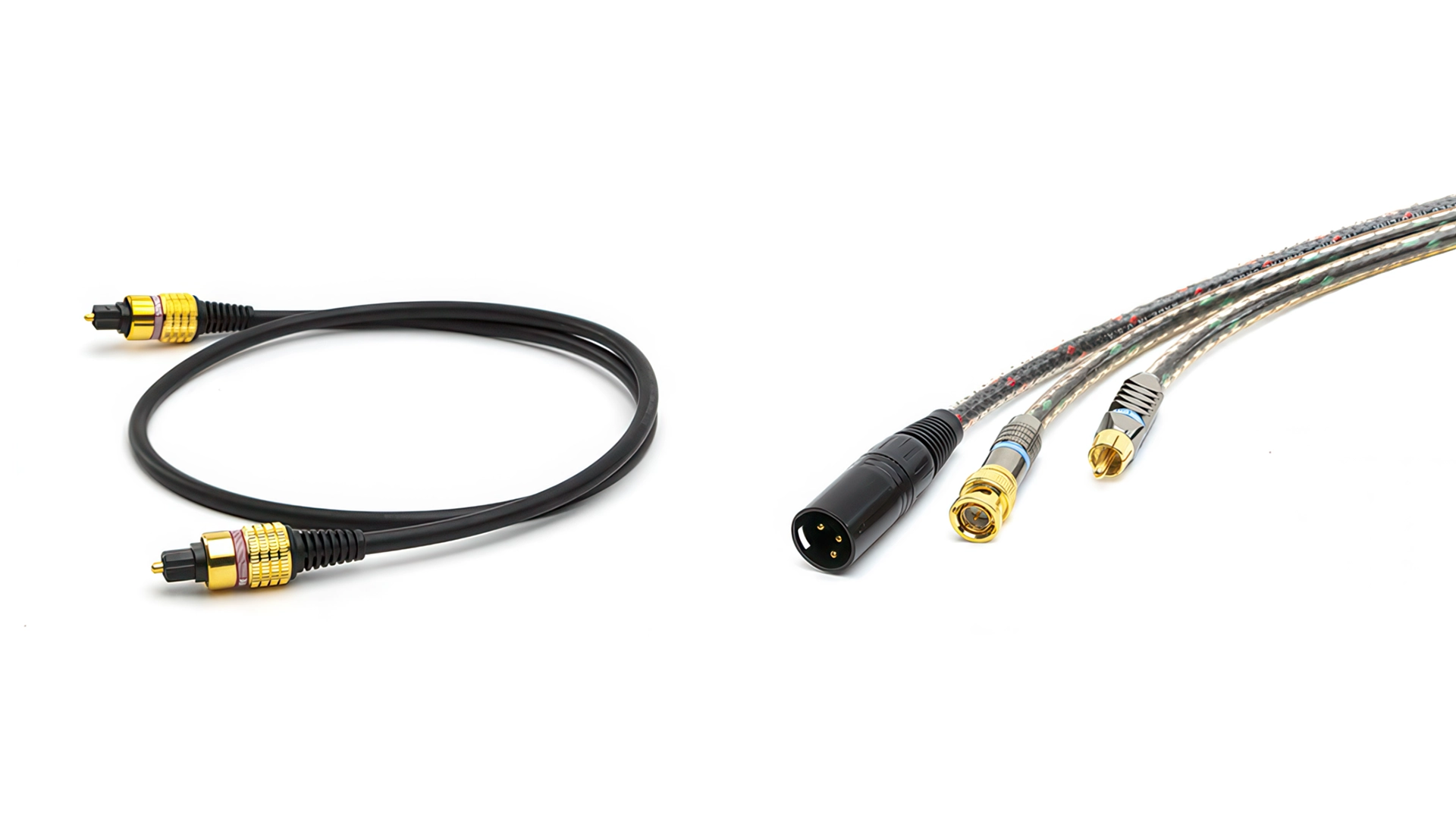
Digital cables transfer audio data as a stream of 1s and 0s between your components, for example, from a network streamer to a DAC. Their job is to ensure this data arrives perfectly intact and with precise timing to avoid digital errors like “jitter.” Common types include Coaxial, Optical (Toslink), and high-resolution USB Audio, each with its own characteristics. This index lists the brands that manufacture these vital links for high-performance digital systems.
Hi-Fi brands in the category
Summary information and image
Direct links to official websites
NorStone

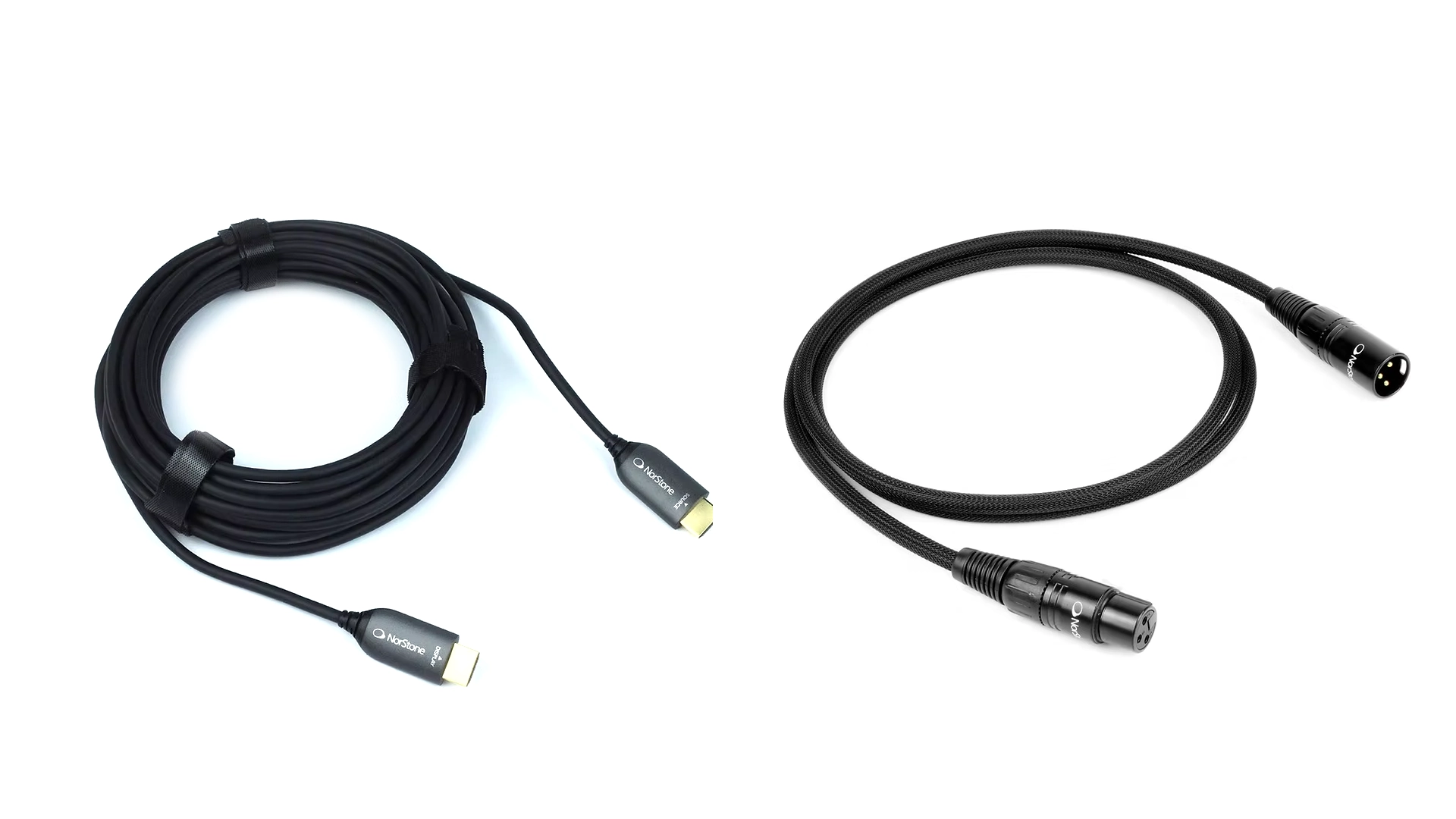
NorStone is the French AV-Industry brand that treats furniture and support as part of an audio-video installation rather than as generic household shelving. Its range spans hi-fi racks, speaker stands, television furniture, vinyl storage, wall and projector mounts, professional racks and a broad cable catalogue. The products are designed to organise real systems—allowing for component depth, ventilation, cable routing, equipment weight and loudspeaker height—while remaining visually light enough for a living room. Esse is the accessible open-frame AV rack, Stäbbl and Spider use modular shelves for heavier hi-fi components, and Bergen and Slender address more traditional equipment stacks. Stylum is the best-known speaker-stand family, with steel columns, spikes and several heights for standmount loudspeakers; Walk and Counter offer purpose-built record storage and turntable support. NorStone also sells terminated and bulk speaker cable, RCA, XLR, HDMI, USB, optical and mains connections, so an installer can finish the system within one design language. NorStone is a registered trademark of the French AV-Industry group, alongside brands including Elipson, Tangent, Eltax and Lumene. Published sources disagree on whether the brand began in 1997 or 2001, so leaving the founding-year field blank is more accurate than choosing a false precision.
Oehlbach

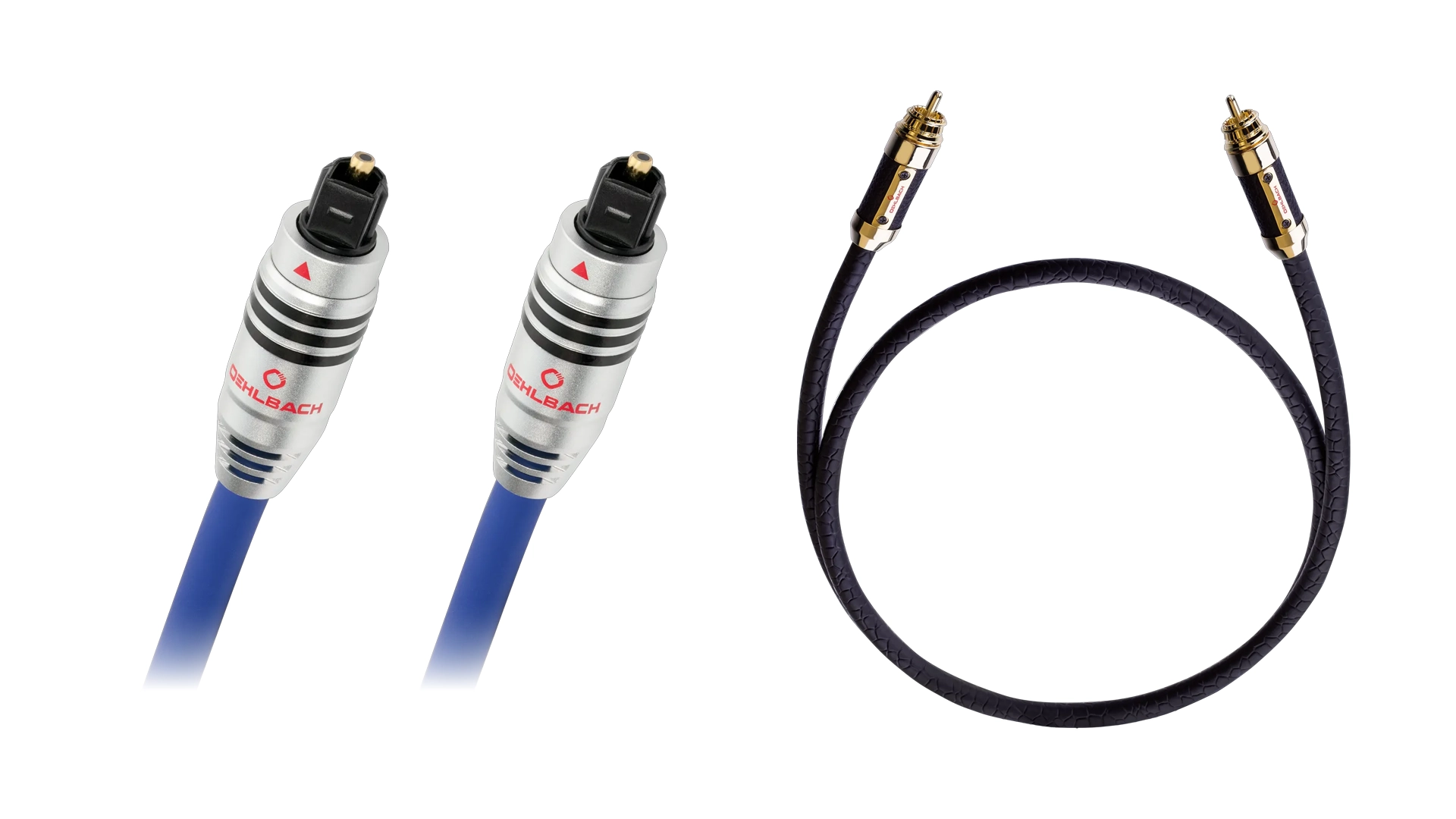
Oehlbach is the German connectivity specialist that helped turn cable construction into an explicit part of a hi-fi system. Manfred Oehlbach founded the business in 1974 after developing an early loudspeaker cable that used different conductor cross-sections for low and high frequencies. From that beginning the company expanded into one of Europe’s broadest catalogues of audio, video, data and power connections. The range now covers speaker cable, RCA and XLR interconnects, optical and coaxial digital links, HDMI, USB and network cables, antennas, mains distribution, phono accessories, adapters and connectors. Four quality levels—Easy Connect, Performance, Excellence and State of the Art—make the catalogue easier to match to an installation without pretending that every product uses the same materials. Depending on the model, Oehlbach employs high-purity copper, silver plating, defined impedance, multi-layer shielding and purpose-made plugs; its XXL and NF families are among the recognisable premium lines. The company’s strength is practical system coverage: it can connect a turntable, television, network streamer, amplifier and loudspeakers with products designed around the electrical and mechanical demands of each interface. That breadth, backed by a continuous German brand history since 1974, is more meaningful than sweeping claims that one cable recipe improves every signal.
Oephi
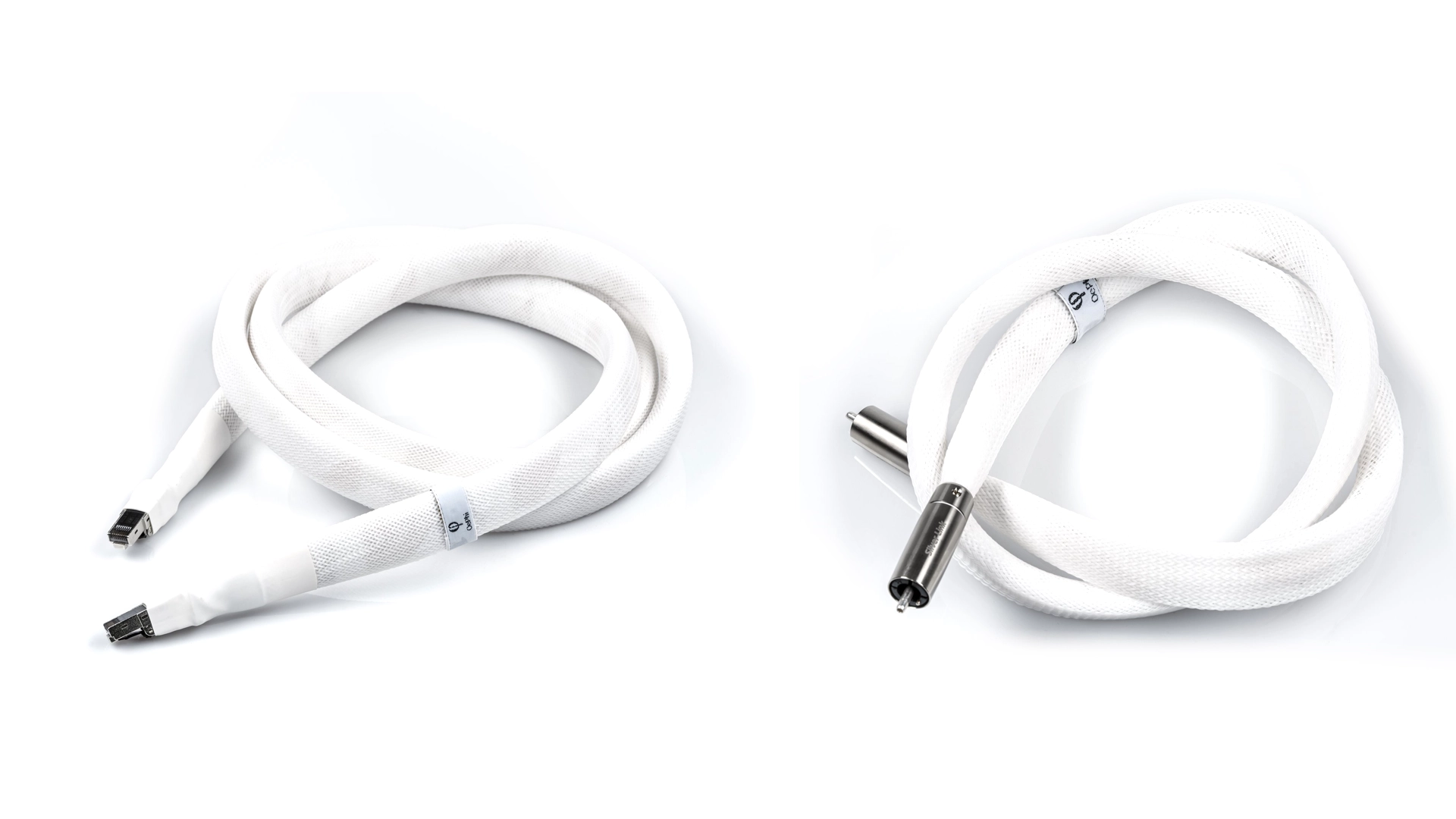
OePhi is the Danish audio company of engineer Joakim Juhl, built around one unusually consistent idea: preserve timing as carefully as frequency response. Juhl arrived at the brand after nearly two decades of cable research, but a reliably documented company-founding year is not available. The work began with signal transmission and has since grown into loudspeakers and amplification designed according to the same time-domain priorities. OePhi cables use in-house conductor geometry, very low capacitance and inductance, and cotton-damped air dielectric rather than heavy conventional insulation. Lounge, Ascendance, Transcendence, Immanence, Reference and Kali form progressive families across interconnect, speaker, digital and power cables, using copper, silver-plated copper or pure silver according to level. The company also manufactures its own silver terminations for selected products and accepts custom lengths and connections. OePhi Acoustics models—including Lounge 2, Transcendence 2 and Immanence 2/2.5—apply careful driver selection, crossover phase behaviour and wide bandwidth to handmade Danish speakers. Integrated amplifiers extend the concept with short Class-AB signal paths and resistor-ladder volume control. OePhi is therefore no longer accurately described as a cable-only brand: cables remain its origin, while complete components now test the same timing philosophy from input to acoustic output.
Portento Audio

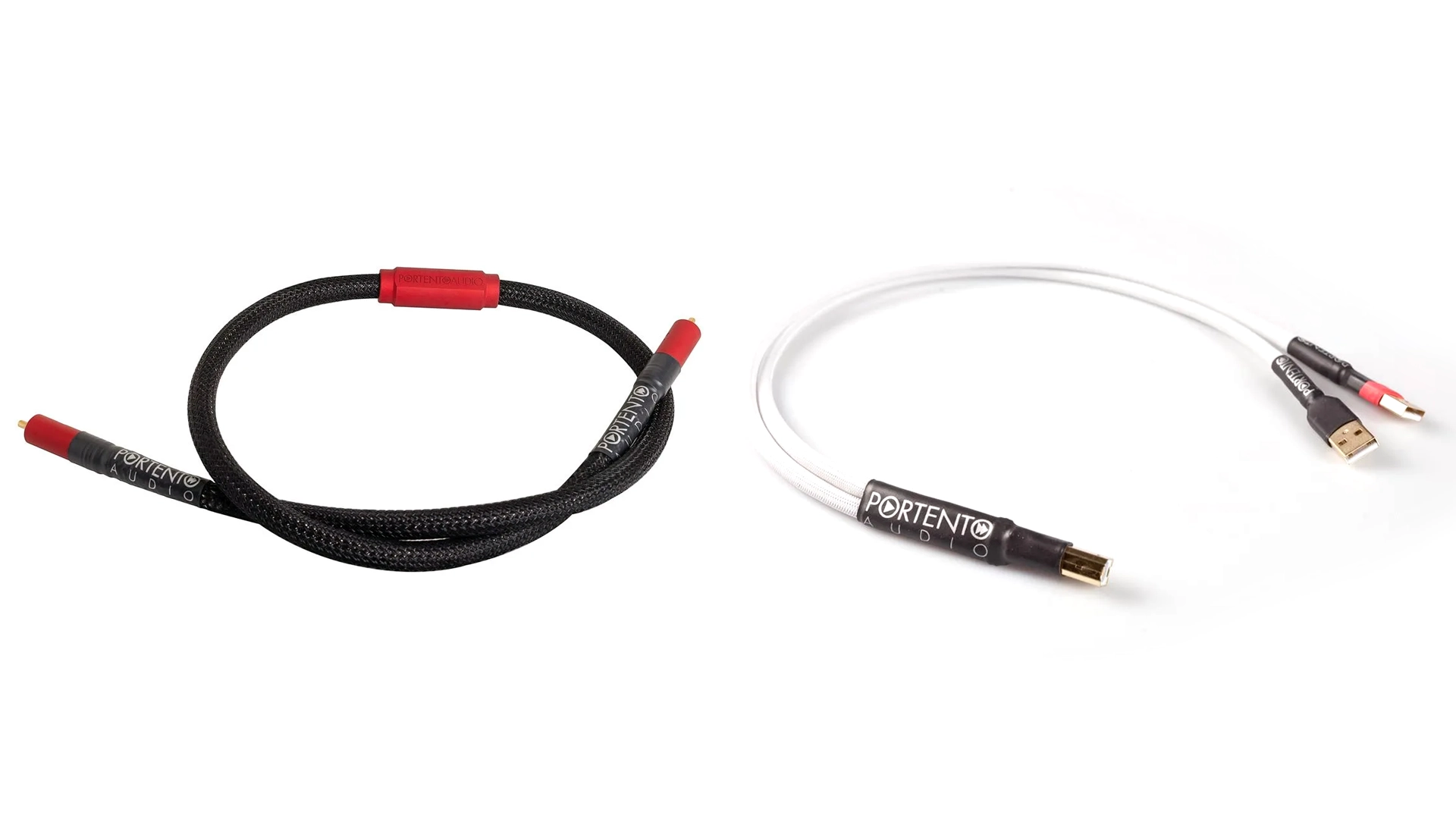
Portento Audio is the Italian cable and power-accessory company founded in 2014 by Pier Paolo Prospero. Its catalogue is broad, but its focus is specific: build the links around a hi-fi system in repeatable families, from an attainable complete loom to specialised digital, headphone and mains products. Interconnects, speaker cables and power cords are joined by phono, AES/EBU, S/PDIF and USB cables, adapters, distribution blocks and filters, so the brand is better understood as a system-cabling specialist than as a maker of one expensive flagship wire. Performer is the practical entry series and includes RCA, XLR, speaker, power, phono and headphone connections. Musica and Reference increase the level of conductor, dielectric, screening and termination work, while Signature sits at the top of selected applications. The Digital range distinguishes between the electrical requirements of USB, S/PDIF and AES/EBU instead of presenting every digital link as the same cable with a different plug. MODU is a particularly useful idea: a modular headphone-cable system whose main lead and short equipment-side tails can be changed separately as headphones or balanced connectors change. Power Clean Zerø filters, The Core NCF and Portento power strips address mains distribution without turning the company into an electronics brand. Products are assembled and terminated in Italy, with custom lengths and connections available where a standard catalogue item does not fit. Portento’s individuality lies less in unverifiable promises of “more detail” than in a coherent, serviceable range shaped around real analogue, digital, headphone and power interfaces.
Purist Audio Design
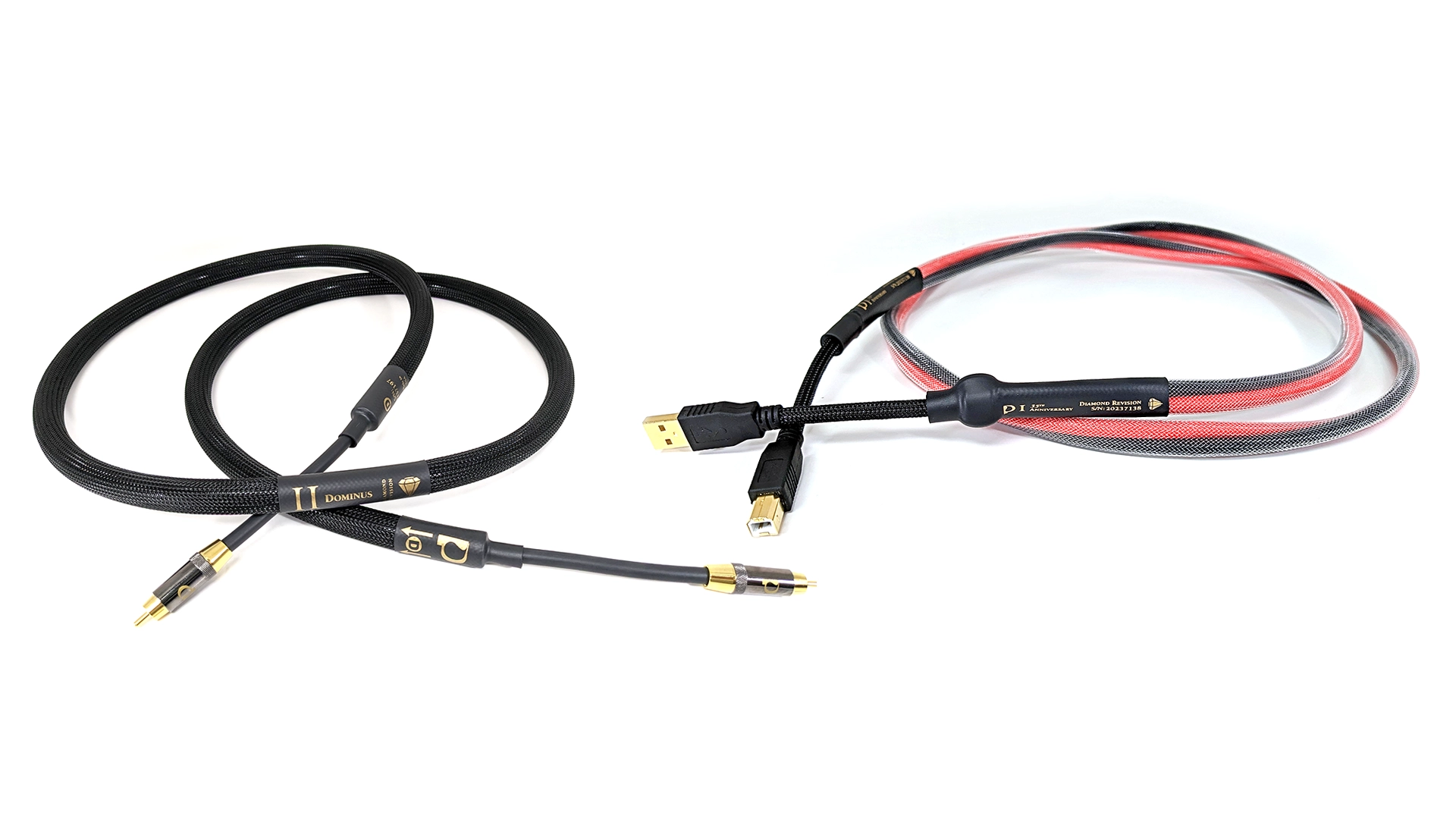
Purist Audio Design is the American cable company founded by Jim Aud, who turned it into a full-time business in 1986. Its first defining product was an Aqueous interconnect whose conductors were surrounded by a fluid-based shielding and damping system. Nicknamed the “Texas Water Cable,” it was unconventional for a practical reason: Aud was trying to control radio-frequency and electromagnetic interference together with mechanical vibration, treating a cable as an electrical and physical environment rather than as conductor metal alone. That approach developed into several shielding and damping media, selected by cable family and application. Jade, Aqueous Aureus, Corvus, Neptune, Dominus and Diamond occupy progressively more ambitious levels across analogue interconnects, speaker cables and power cords, while phono, digital, USB, Ethernet, HDMI and I²S products address interfaces with their required impedance and connector formats. Fluid-filled designs remain part of the identity, but not every Purist cable uses the same material or geometry. The company also introduced Cryomag-treated conductors, unusually durable woven jackets and a System Enhancer recording intended to exercise a system before critical use. Cables are made and terminated in the United States, with custom lengths and connections available for complex installations. Purist Audio Design’s history is worth preserving because it explains the catalogue: Jim Aud did not begin with generic claims about “air” and “musicality,” but with a distinctive attempt to manage electrical noise and vibration, then extended that idea across complete cable looms over four decades.
QED
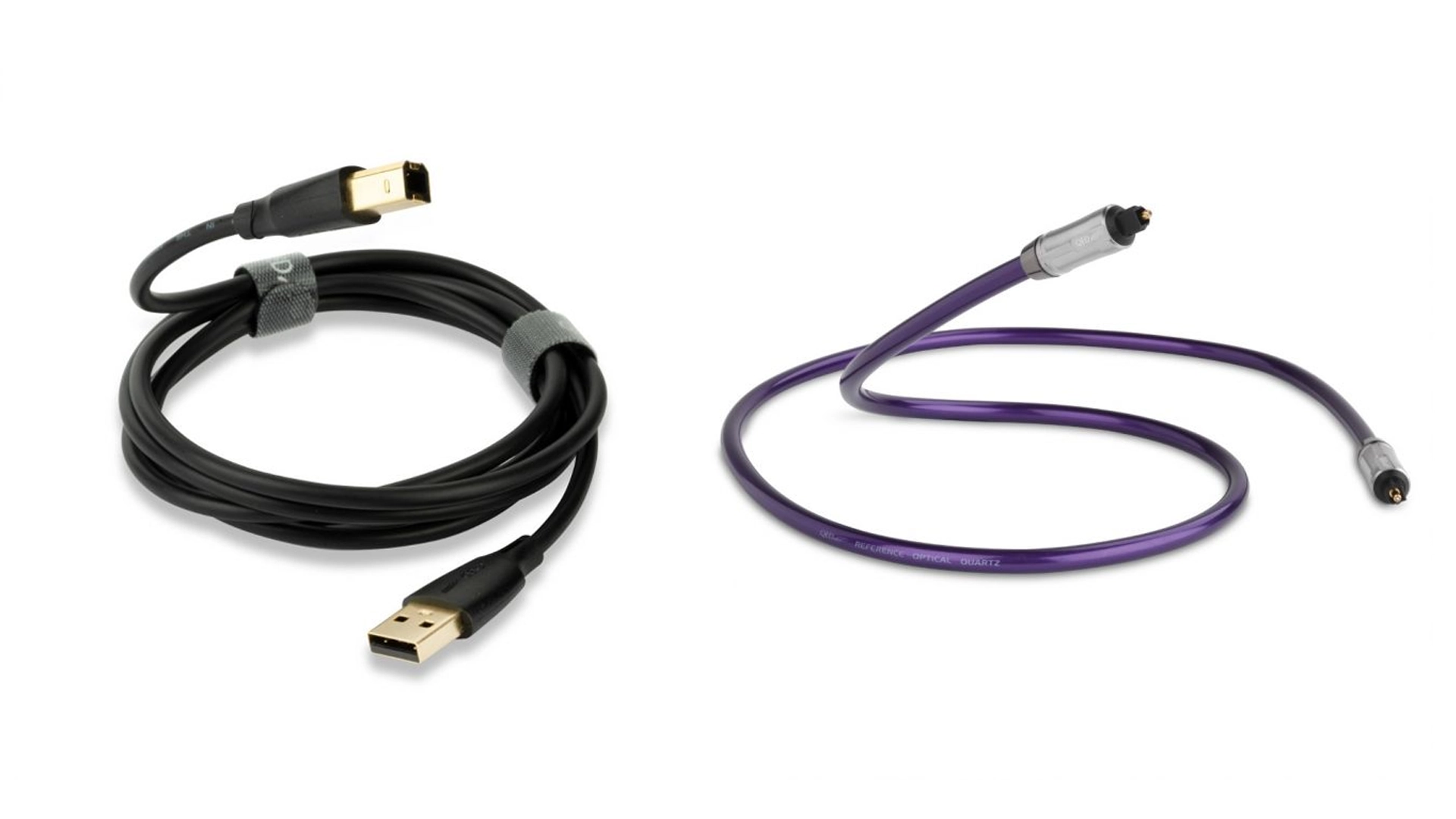
QED is a British cable specialist founded in 1973, when serious discussion of a hi-fi system rarely extended to the wire between amplifier and loudspeakers. Its decisive early product was 79 Strand, released in 1976 and widely recognised as the first specialist loudspeaker cable sold as a considered audio component. That history matters because it explains the brand better than a list of “premium materials”: QED has spent decades relating cable geometry, conductor area, resistance, inductance and capacitance to the electrical load seen by an amplifier. The company made that work unusually visible in The Genesis Report, its research study of loudspeaker-cable behaviour. Technologies that followed include Aircore arrangements, which divide the conductor into separately insulated bundles to control magnetic interaction, and X-Tube geometry, which distributes conductors around a hollow core to reduce the rise in impedance caused by skin effect. Golden Anniversary XT applies a newer X-Tube Plus version, while Supremus is the no-compromise flagship with silver-plated oxygen-free copper and Airloc cold-weld terminations. Reference, Signature and Performance ranges cover analogue interconnects, speaker, subwoofer, USB, Ethernet, optical and coaxial digital cables; Ultra High Speed HDMI and active optical designs address modern video bandwidths, and QED Professional serves custom installation. QED’s strength is therefore continuity of engineering: from the inexpensive 79 Strand to current analogue and digital links, the product is defined by a stated electrical problem and a repeatable construction rather than decorative language alone.
Ricable
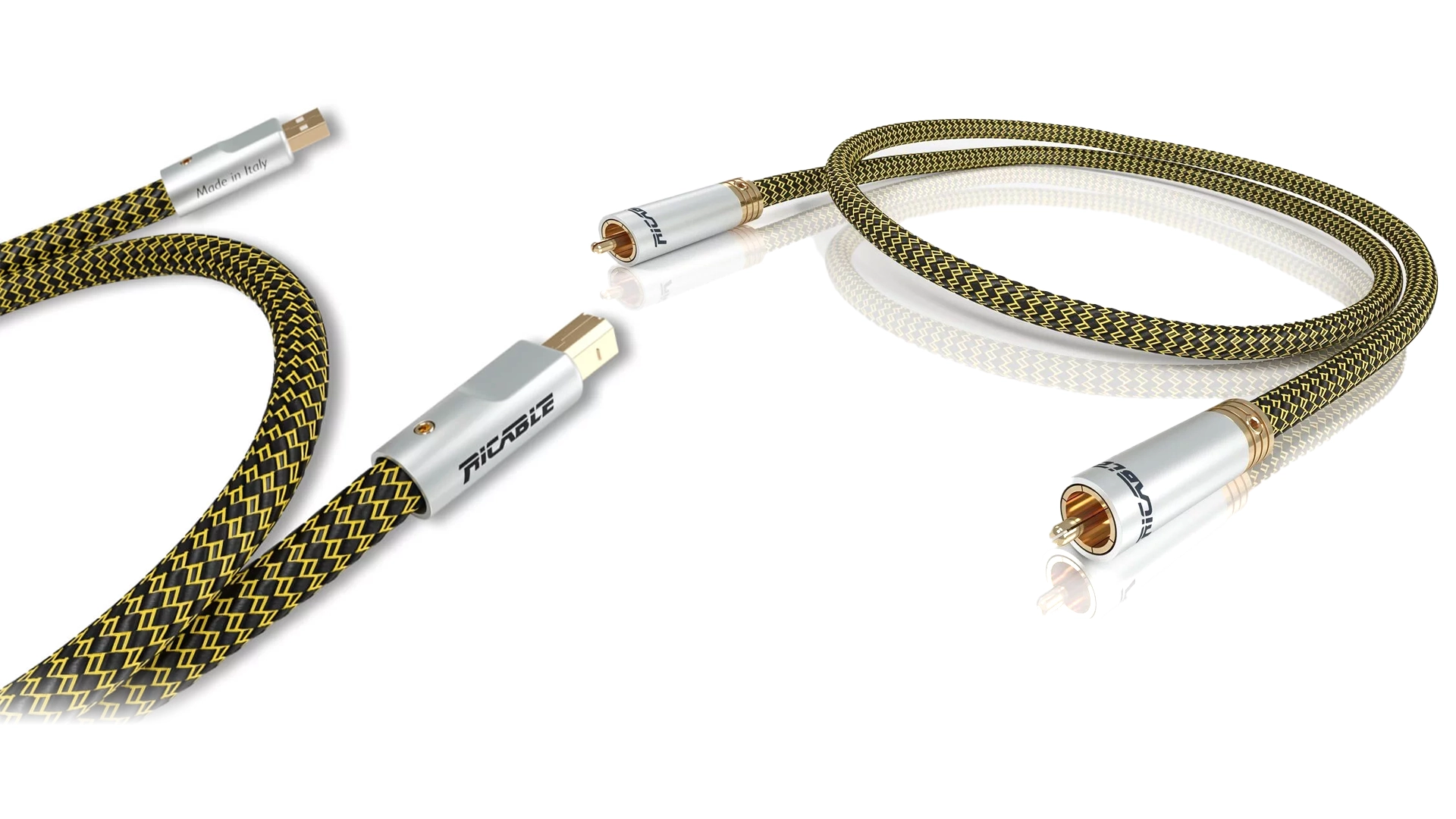
Ricable is an Italian cable manufacturer whose brand was launched in late 2009. It began with HDMI products and added its first analogue and coaxial audio cables in 2011, gradually moving design, assembly and an increasing share of production into its own facility in Oleggio, Piedmont. The catalogue is organised as a clear progression rather than a collection of unrelated accessories. Primus provides the entry point, Magnus adds more elaborate conductors and shielding, Dedalus moves further into high-end construction, and Invictus is the flagship family. Across those ranges Ricable makes analogue interconnects, speaker cables, power cords, phono leads, subwoofer cables and digital links including USB, Ethernet, coaxial, AES/EBU, optical and HDMI. The brand places particular emphasis on conductor geometry, shielding, dielectric materials and purpose-designed connectors. Its proprietary approaches include MARC copper conductors and RNR, a noise-reduction construction intended to limit interference without turning the cable into a filter. Cables are assembled and tested in Italy, can be ordered in non-standard lengths or terminations, and are supported by a lifetime warranty; a trade-in and upgrade programme reinforces the idea that the product should remain useful beyond one system change. Ricable’s strongest point is not a promise that a cable can repair poor equipment. It is the unusually systematic way the company treats every connection in an audio system—from affordable signal leads to mechanically substantial reference cables—while retaining traceable Italian production, consistent families and after-sales support.
Russ Andrews

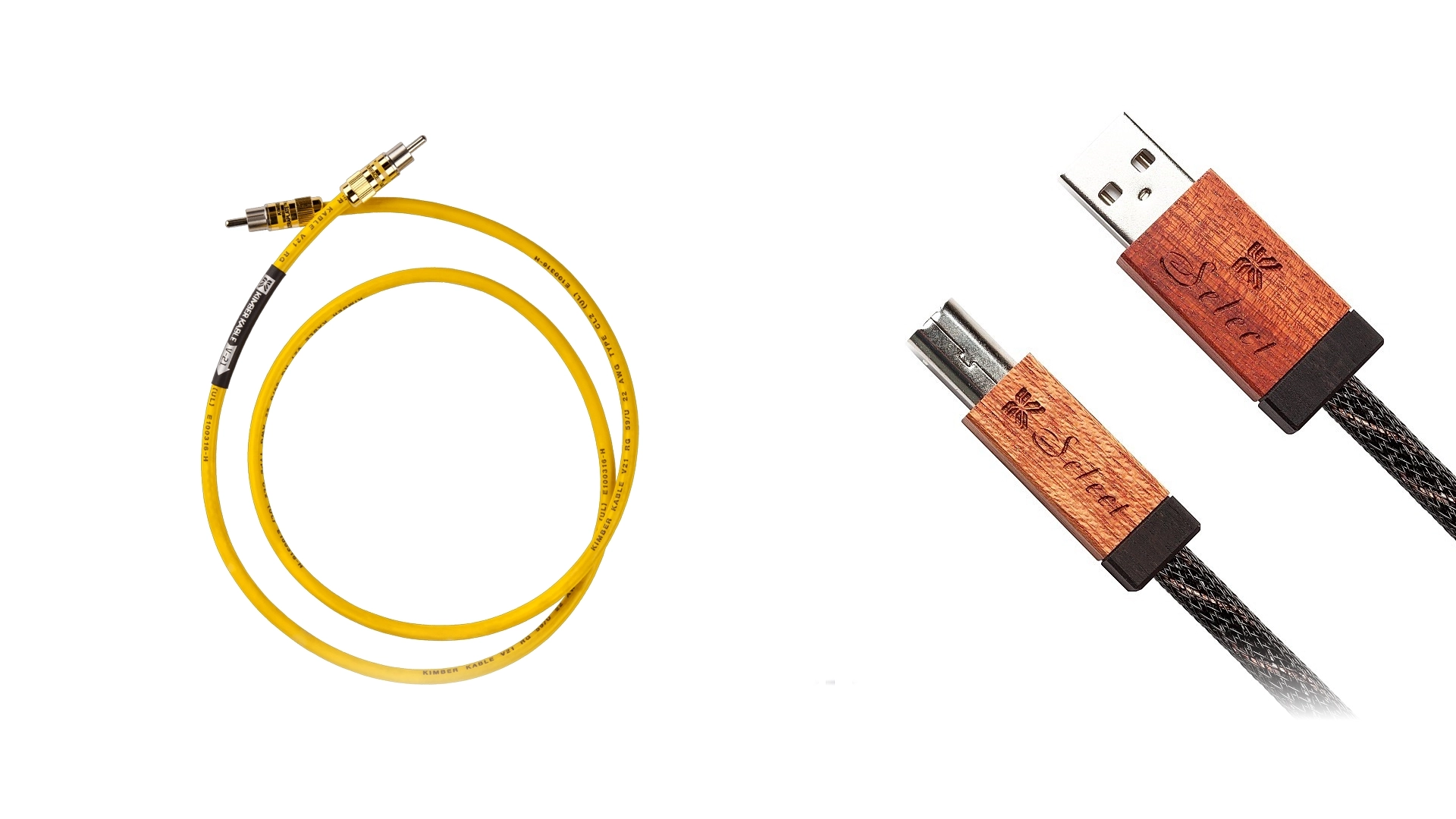
Russ Andrews is a British specialist in hi-fi cables, mains power, grounding and equipment support. Russ Andrews Accessories was incorporated in 1985 and began trading in 1986, initially selling Kimber Kable, Torlyte supports and turntable accessories through dealers. The company later developed a direct-sales model and a broad catalogue built around the parts of a system that sit between the wall socket, components and loudspeakers. Its best-known products include PowerKord mains leads, distribution blocks, conditioners and filters; SuperKord and Signature variants extend the same families, while grounding devices, RF-control accessories, fuses and connectors address installation-specific noise problems. Russ Andrews remains closely associated with the American cable designer Kimber Kable and supplies its analogue, digital and loudspeaker cables alongside products developed in-house. Torlyte racks, platforms and isolation accessories continue the original interest in mechanical support, and the company also offers upgrade parts and practical tools for system setup. Claims made for power and cable products naturally invite debate, so the most meaningful distinction is the way the business lets customers evaluate them in their own systems: a 60-day return period, an upgrade scheme and long warranties—at least 25 years on many Russ Andrews products—reduce dependence on a brief showroom demonstration. The brand’s history should not be reduced to vague “tweaks” or to the controversy surrounding them. It has spent four decades building a coherent accessories business around power delivery, signal connection, vibration control and after-sales support, with clear product hierarchies and unusually long ownership pathways.
Shunyata Research

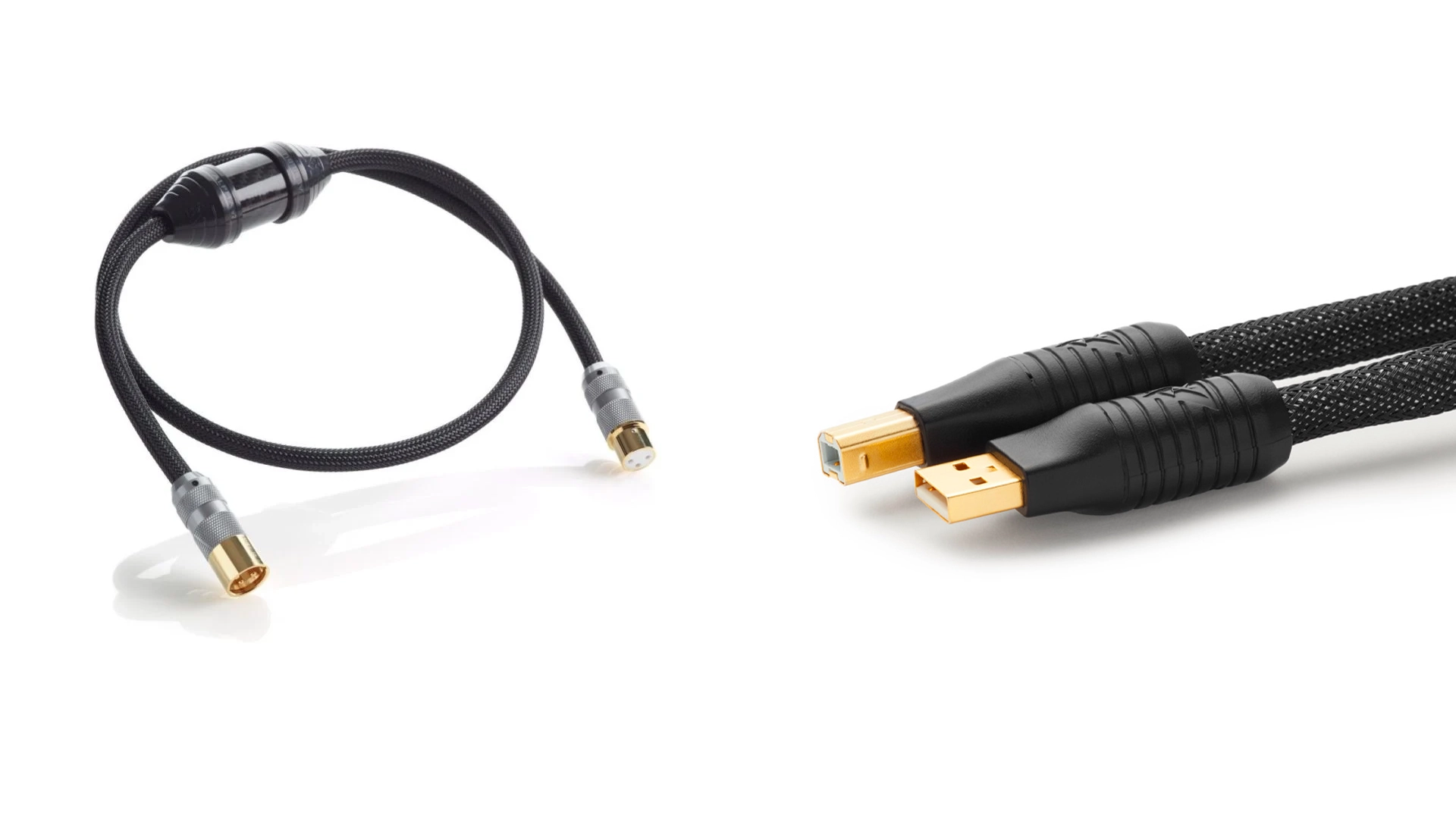
Shunyata Research is an American specialist in power distribution, grounding and signal cabling founded in 1997 by Caelin Gabriel. Gabriel had worked as a research scientist on highly sensitive military data-acquisition systems, experience that directed the company toward measurable transient-current delivery and noise rather than cable appearance alone. Shunyata developed its own DTCD analysis to examine instantaneous current through conductors, connectors and power devices—behaviour conventional steady-state resistance measurements can miss. Its power distributors became the best-known products: Hydra established the category, while Denali and Everest families combine high-current outlets with technologies such as the patented NIC, or Noise Isolation Chamber, and CCI filters intended to reduce interference between connected components. ALTAIRA grounding hubs address chassis and signal-ground noise separately from protective-earth safety, giving complex systems a central, purpose-built grounding reference. Power cords and analogue, digital, speaker and headphone cables are organised into Venom, Alpha, Sigma and Omega levels. Proprietary elements include VTX conductor geometries and, in speaker cables, HARP modules designed to limit cable-related current resonances; the useful point is not the acronyms themselves but a consistent effort to model the cable, load and power interface as a dynamic electrical system. Products are designed and assembled at the company’s facility near Seattle, and related technology is used in recording, film, medical and surgical environments as well as domestic audio. Shunyata’s individuality lies in applying instrumentation, repeatable testing and application-specific filtering to a field too often described only through listening adjectives, then supporting those measurements with controlled evaluation in complete systems.
Signal Projects
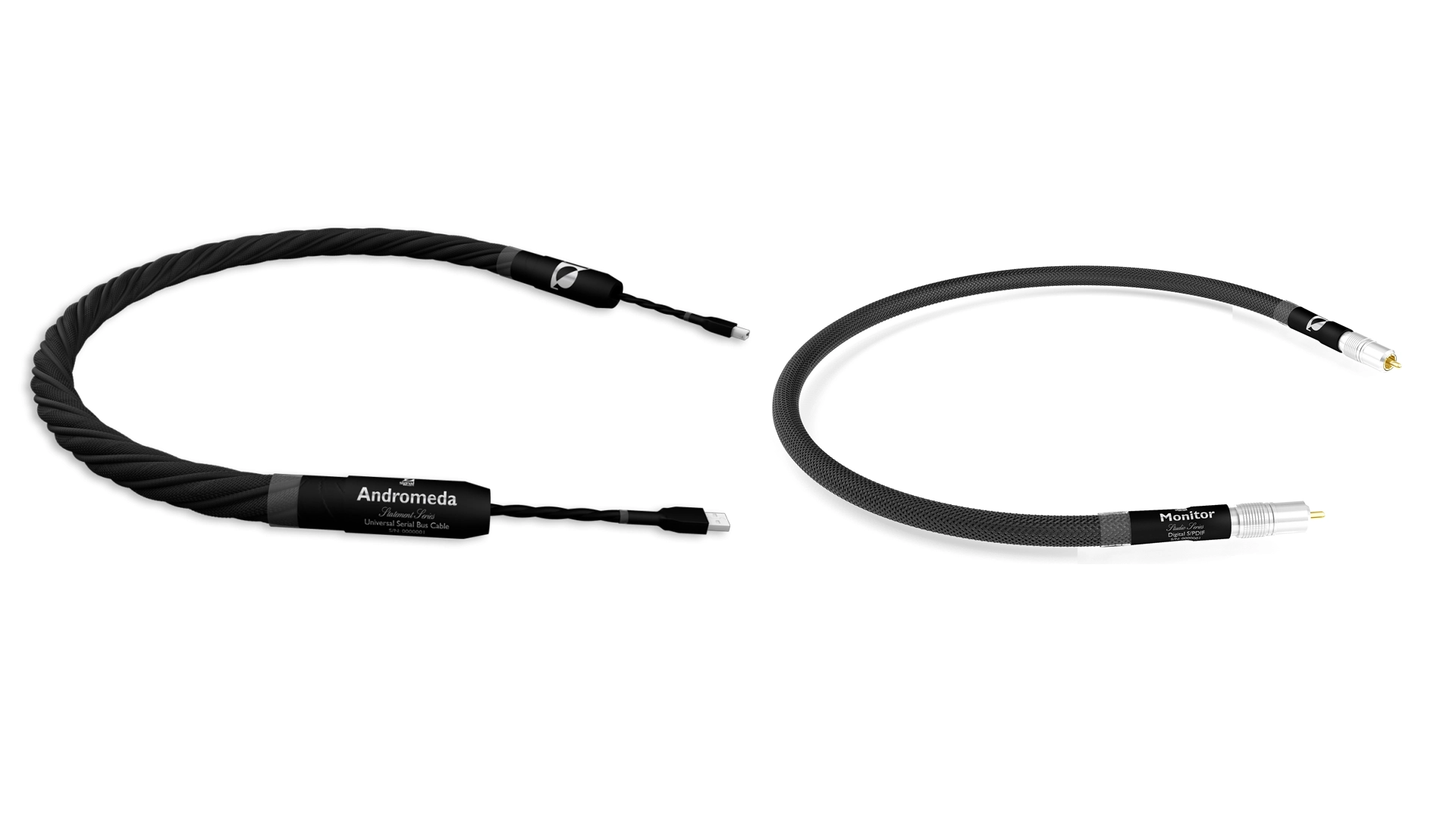
Signal Projects is a Greek high-end cable and power-products manufacturer established in 2007. The company presents cable design as applied physics: conductor material, geometry, dielectric behaviour, shielding, mechanical stability and termination are developed as one electrical structure, then evaluated in complete audio systems. Its range is unusually broad for a specialist maker, covering analogue interconnects, loudspeaker cables, phono leads, USB, Ethernet and other digital connections, AC power cords, internal wiring and power-management units. Product families form distinct engineering and price levels rather than a collection of unrelated names. Studio models such as Moonstone and Alpha introduce the approach; Reference lines include Lynx, SilverQuest and Hydra; Signature and higher ranges use names including UltraViolet, Apollon, Atlantis, Golden Sequence, Avaton and the statement Andromeda. Different models employ selected copper, silver or hybrid conductors, carefully controlled spacing and shielding, with connector choice and hand termination matched to the intended current or signal task. Power distributors and conditioners apply the same attention to contact quality, grounding paths and current delivery, while DC-blocking and grounding solutions address installation problems that cannot be solved by an interconnect alone. The company does not claim that one cable suits every system; source type, impedance, current demand, length and surrounding electrical noise all influence the design choice. Signal Projects remains a specialised Greek manufacturer rather than a marketing label attached to generic bulk cable. Its value lies in a coherent ladder of products and in treating connection as engineering at system scale—from a low-level phono signal to the AC supply feeding an entire reference installation.
Siltech

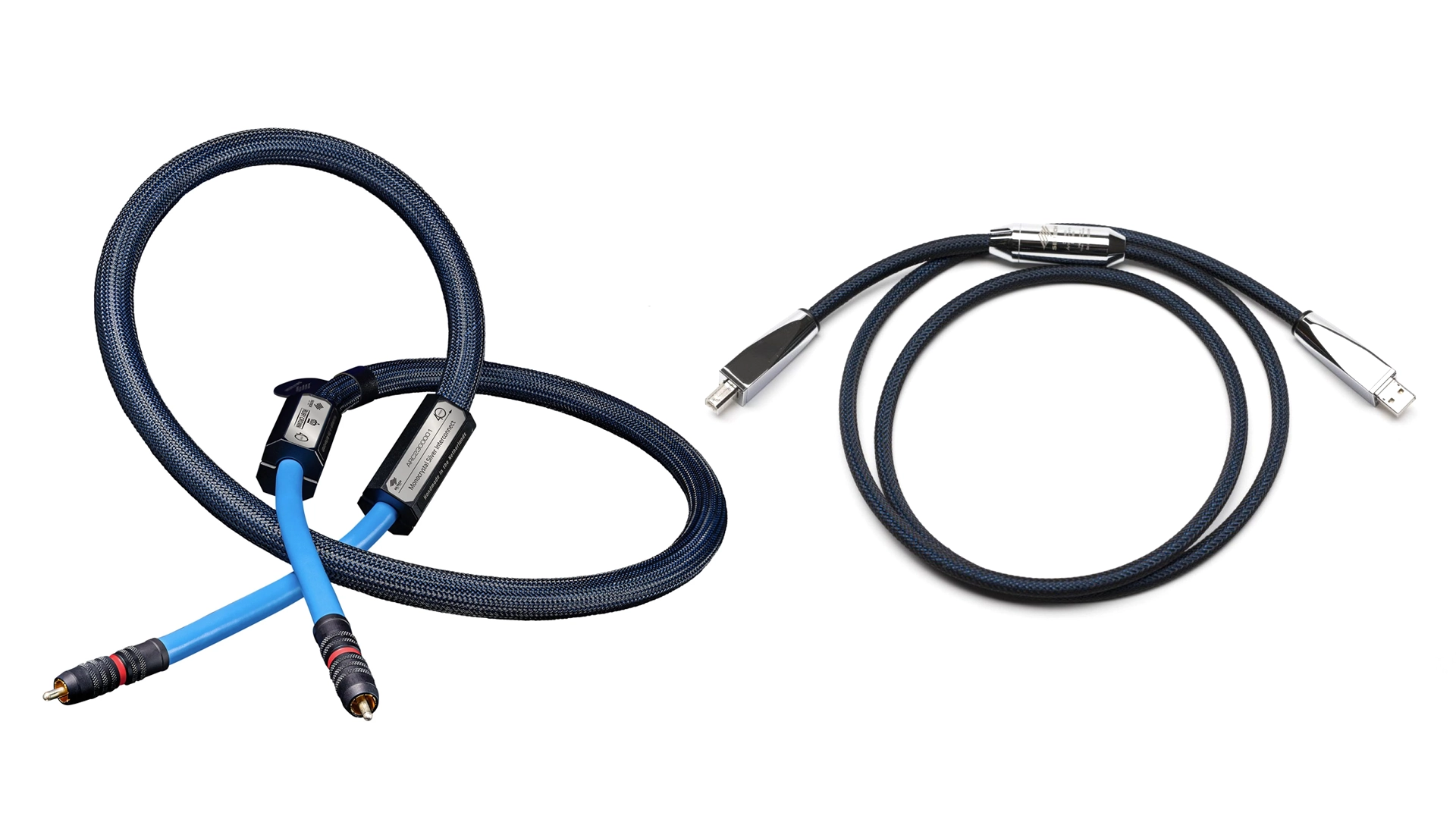
Siltech is a Dutch high-end cable and audio manufacturer established in 1983. Silver conductors have been central from the beginning because of their conductivity, but the company’s real speciality is controlling the metallurgy, insulation, geometry and shielding around that material rather than treating “silver” as a complete design. Electronics engineer Edwin van der Kley Rynveld acquired Siltech in 1992—he was not its original founder—and expanded its research into silver-gold alloys and later monocrystal conductors. Current cable families range from Explorer and Classic Legend Mark II through Ruby Crown, Royal Crown and Royal Triple Crown to Master Crown. They cover analogue and digital interconnects, loudspeaker cables and power cords, with construction, conductor purity and connector systems scaled for each tier. Siltech emphasises measurement before listening: conductor boundaries, contact resistance, dielectric effects, mechanical noise and electromagnetic screening are modelled and tested, and every current cable uses shielding intended to reduce electrical and mechanical interference. The company has also moved beyond cables into amplification and loudspeakers, allowing its engineers to examine the connection as part of a full electrical and acoustic chain. Siltech is part of International Audio Holding alongside Crystal Cable and related activities; the brands share ownership and research resources but retain distinct products and design identities. Manufacturing and development remain based in the Netherlands. Siltech’s place in high-end audio rests not on extravagant cable names, but on four decades of refining repeatable metallurgy and precision construction, then carrying that work through a clearly tiered product range whose differences can be traced to engineering choices.
Skogrand Cables
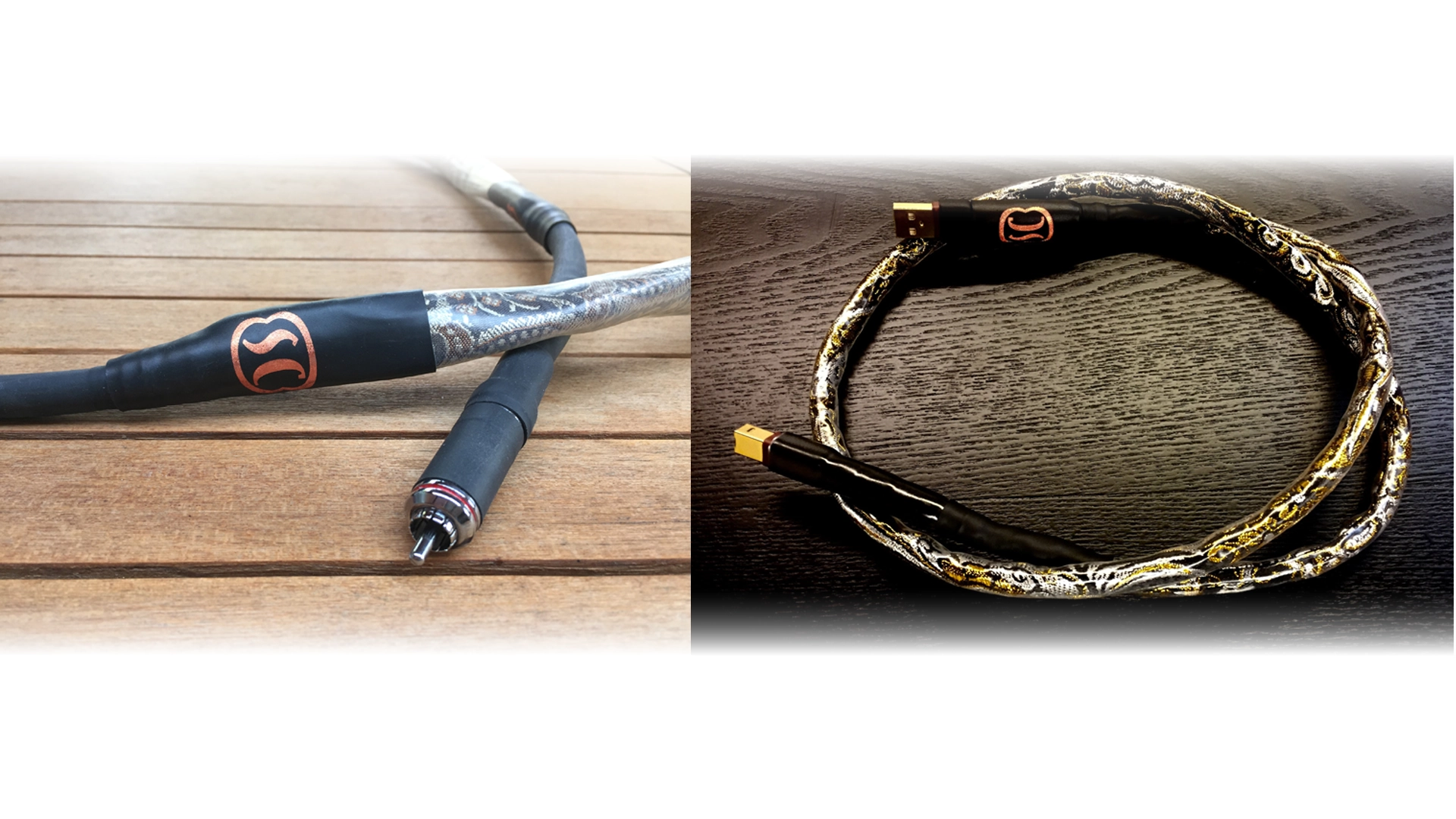
Skogrand Cables is a Norwegian boutique manufacturer that builds high-end audio cables in a small workshop in the mountain region of Øyer. Its design ideal is deliberately neutral: the cable should “stand aside” rather than add a recognisable tonal flavour. To pursue that goal, Skogrand uses high-purity solid-core OCC copper, carefully separated conductors, low-interaction support structures and hand termination, with geometry adapted to the current, voltage and impedance of each application. The catalogue is organised as a progression named after composers. Rachmaninov, Brahms and Ravel lead into Tchaikovsky, Beethoven and the reference Stravinsky; these families include speaker cables, interconnects and jumpers. The upper ranges add their own matched power, digital and tonearm cables, while Wagner serves as a power cable for the earlier families and Grieg complements them in other connections. This structure matters because “Beethoven cable” alone does not identify one product: analogue, loudspeaker, power and digital versions solve different tasks while sharing a performance tier. In 2019 the company introduced Mk2 revisions with stronger and more flexible end sections, improved internal wire frameworks, higher-grade OCC copper, revised terminations and reduced static charging. Skogrand’s claims of transparency are naturally listening-dependent, but its manufacturing identity is concrete—small-batch Norwegian assembly, solid conductors, minimal dielectric contact and mechanical layouts intended to preserve geometry over time. No sufficiently authoritative founding year is publicly stated, so the field remains blank. The brand is best understood as a coherent handmade cable system, not as an exotic-material slogan or a single costly speaker lead.
SLiC Innovations

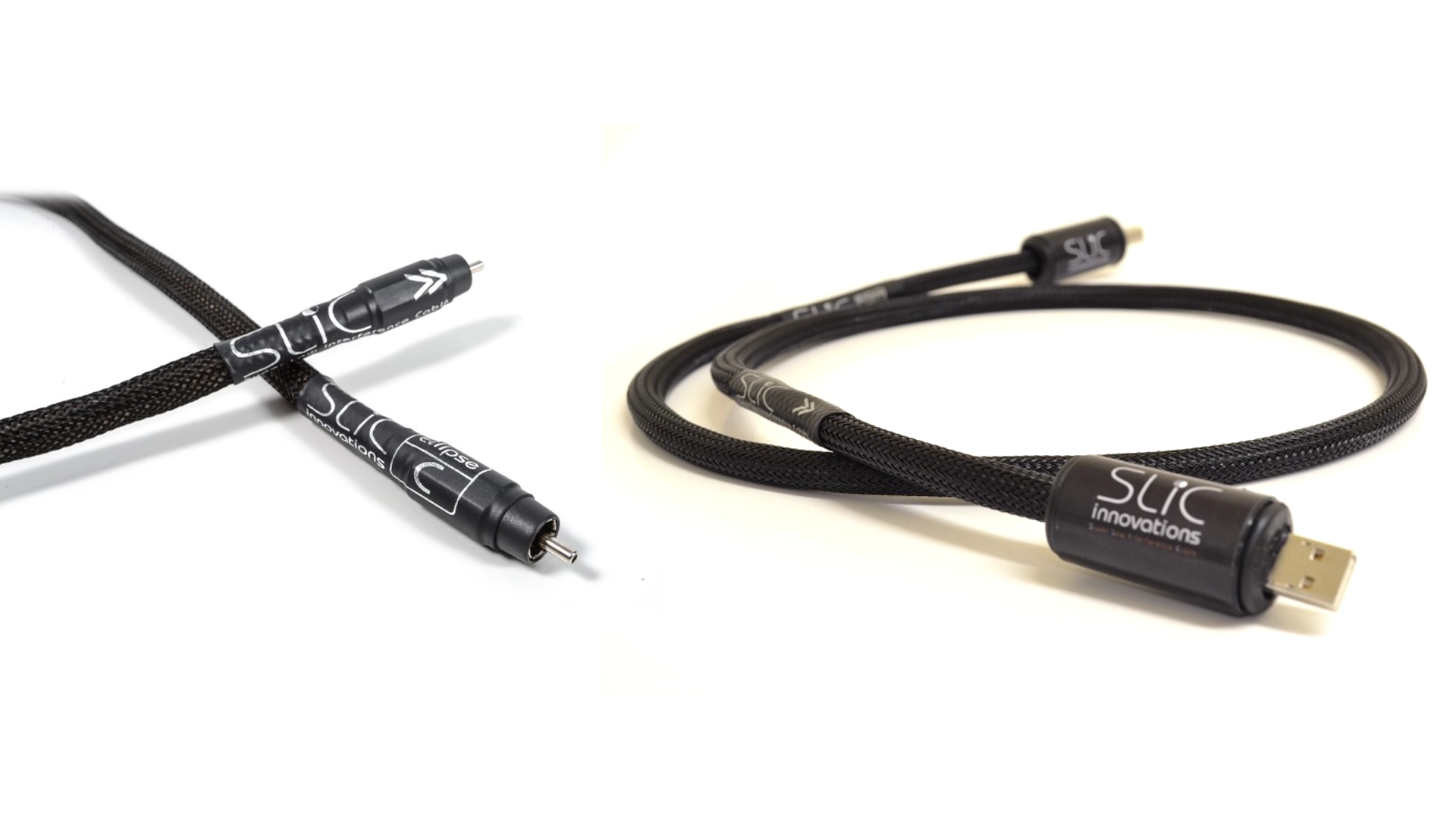
SLiC Innovations is a small British cable company whose name abbreviates “Super Low Inductance Cable.” That phrase expresses the useful core of the brand more clearly than generic promises of transparency: the designs attempt to control inductance and the interaction between conductor geometry, insulation and termination so the cable presents a predictable electrical load. The range has included analogue interconnects, loudspeaker leads, digital links and mains cables, produced in short runs and offered with terminations suited to the customer’s equipment. Different signal paths place different demands on shielding, capacitance, conductor area and connector contact, so the company does not treat a power lead and low-level interconnect as the same cable in different plugs. Construction has emphasised close geometric control, selected conductor materials, mechanical stability and insulation chosen to minimise energy storage around the conductors. This is a specialised manufacturer with a limited public archive; precise claims about proprietary alloys, founders or launch dates cannot be verified strongly enough and have therefore been removed rather than repeated. The same caution applies to subjective review language: reports of greater openness or dynamics describe listeners’ systems, not a universal technical result. What can be stated confidently is that SLiC occupies the engineering-led end of British small-batch cable manufacture, focusing on low-inductance topology, made-to-order lengths and careful termination instead of a large distributor catalogue. Its value for a buyer is the ability to specify a complete, physically appropriate connection set and discuss system requirements directly. With no dependable primary-source date available, the year field is intentionally left blank.
Stage III Concepts

Stage III Concepts is an American cable manufacturer identified with flat silver conductors suspended in an air-dominant dielectric. Luis de la Fuente founded the company in 1996 and developed its products around a simple electrical priority: keep conductor mass and dielectric interaction low while maintaining stable geometry and effective shielding. Thin, solid high-purity silver ribbons provide a large surface area with little cross-sectional mass. They are routed through fluoropolymer tubes so that much of the material immediately surrounding the conductor is air, rather than solid insulation. The company describes this as a floating ribbon architecture, and it became particularly distinctive in its high-current power cords as well as its signal cables. Construction is elaborate but not decorative for its own sake. Multiple layers address conductor spacing, mechanical stability, radio-frequency interference and electromagnetic noise, while proprietary connectors are designed as part of the cable rather than selected only at the final assembly stage. The catalogue has included analogue and digital interconnects, speaker cables and power products under names such as Ckahron, Medusa, Leviathan and A.S.P. Reference. Products are assembled by hand in the United States, and the company offers a limited lifetime warranty. Stage III’s strongest identity is therefore not a single flagship model but a consistent construction method carried across the system: silver ribbon, minimal solid dielectric, controlled geometry and shielding engineered for the electrical demands of each connection.
Straight Wire
Straight Wire is a Florida cable manufacturer founded by Steven Hill in 1983, not 1980 as previously listed. Hill entered the field when specialist audio cables were still regarded by many buyers as an unfamiliar category, and the company built its reputation through clearly tiered products for stereo, home cinema and professional installation. Its catalogue covers analogue interconnects, loudspeaker cables, digital audio, HDMI and power connections, with bulk cable and termination services for custom projects. The familiar Level system groups products by construction and intended system context instead of asking a buyer to decode every material claim from scratch. Long-running names such as Rhapsody, Virtuoso and Crescendo mark successive steps in the audio range, while entry-level families provide practical lengths and terminations for less elaborate systems. Straight Wire varies conductor gauge and geometry, insulation, shielding and connector design according to the electrical job. The company also developed its Push-Prong banana connector to make field termination easier and more repeatable. Manufacturing and custom assembly in South Florida allow unusual lengths, bi-wire configurations and installation requirements to be handled without reducing the catalogue to packaged retail cables. Straight Wire’s lasting strength is this combination of engineering variety and practical guidance: it treats a phono signal, line-level interconnect, loudspeaker run and video connection as different problems, then offers a consistent way to specify, terminate and integrate them within one system.
SVS
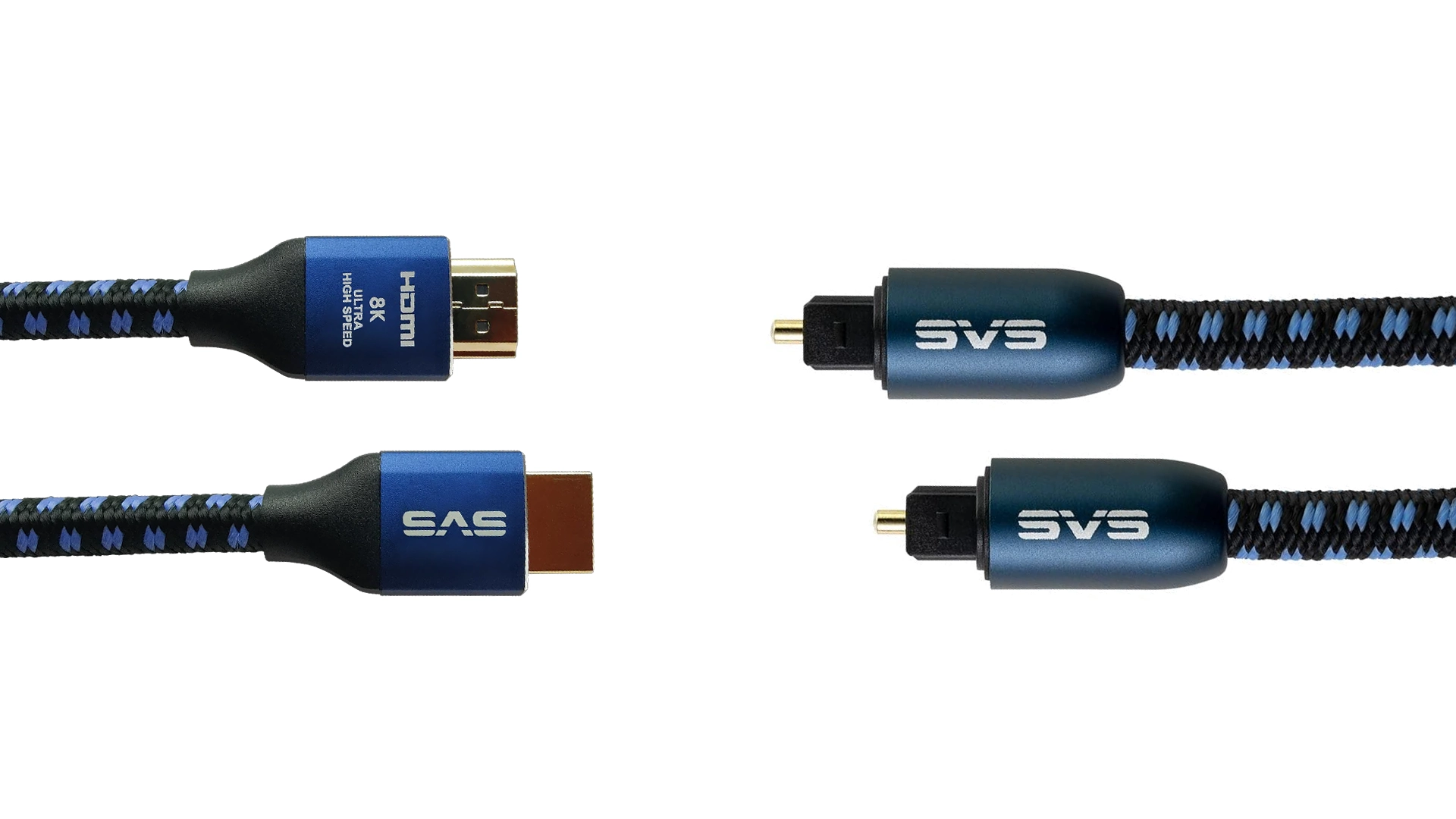
SVS is an American company specializing in high-performance subwoofers, loudspeakers, and audio accessories, known for its direct-to-consumer sales model and its focus on delivering exceptional value for money. The company’s subwoofers are particularly well-regarded, known for their deep bass extension, high output, and ability to provide a powerful and impactful low-frequency foundation for both music and home theater systems. SVS offers a wide range of subwoofers, from compact sealed models to large ported designs, catering to different room sizes and listening preferences. They also produce a range of loudspeakers, designed to complement their subwoofers and provide a complete audio solution. The “PB” (Ported Box) and “SB” (Sealed Box) prefixes are commonly used to denote their subwoofer models, while the “Prime” and “Ultra” series represent different tiers within their loudspeaker lineup.
Synergistic Research
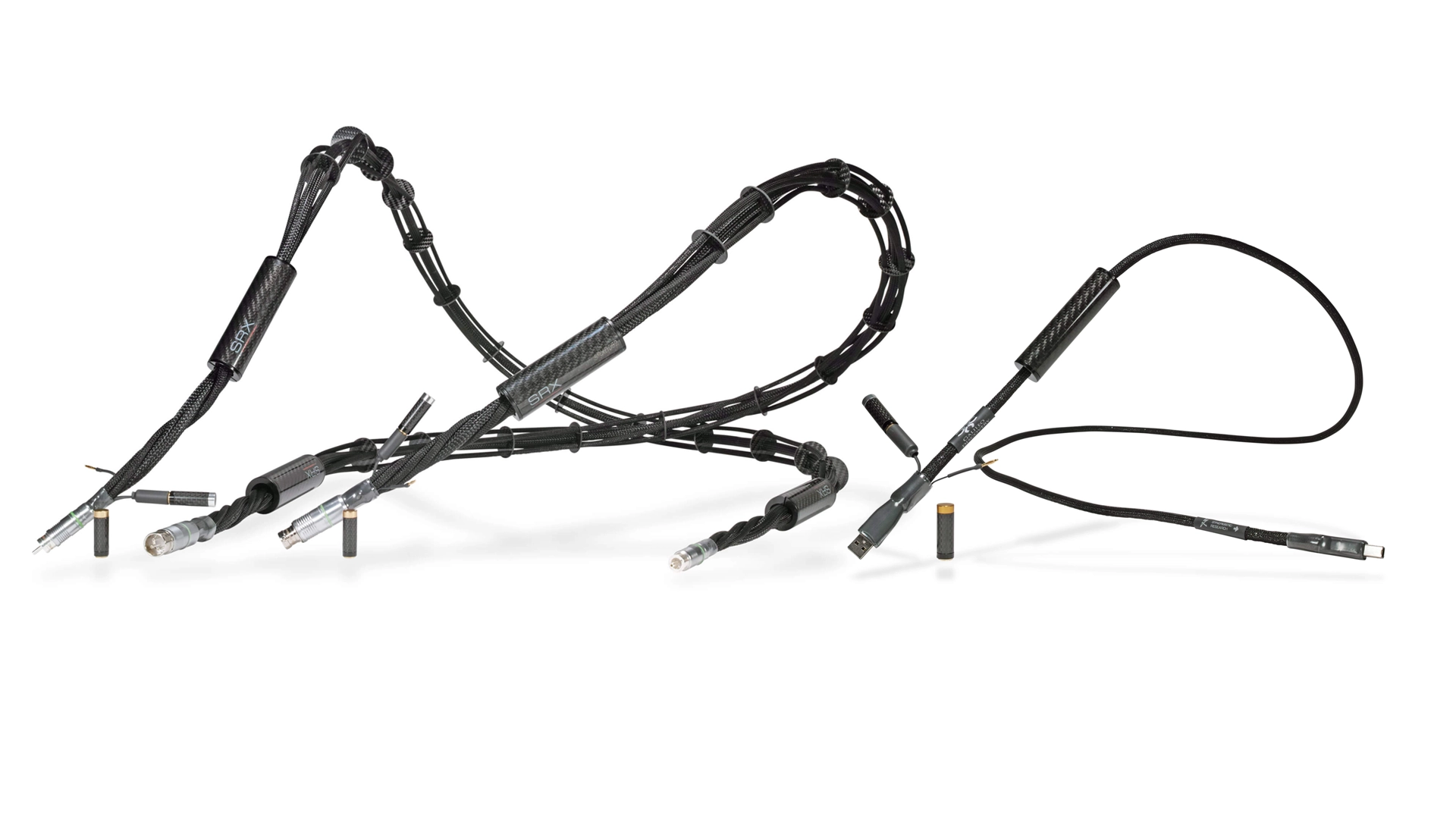
Synergistic Research is an American company specializing in high-end audio cables, power conditioners, acoustic treatment products, and other accessories. Founded by Ted Denney III. The company is known for its innovative and often unconventional technologies, which are claimed to improve the performance of audio systems through various means, including reducing noise, optimizing signal transfer, and controlling resonances. Synergistic Research products often feature unique designs and utilize high-quality materials, such as pure silver conductors, advanced shielding, and proprietary treatments. They offer a wide range of cables, power conditioners, and acoustic treatment solutions, catering to different needs and system configurations. The “Galileo” series and the “Atmosphere” series represent different points in their product line. Synergistic Research products are positioned in the high-end.
Tara Labs

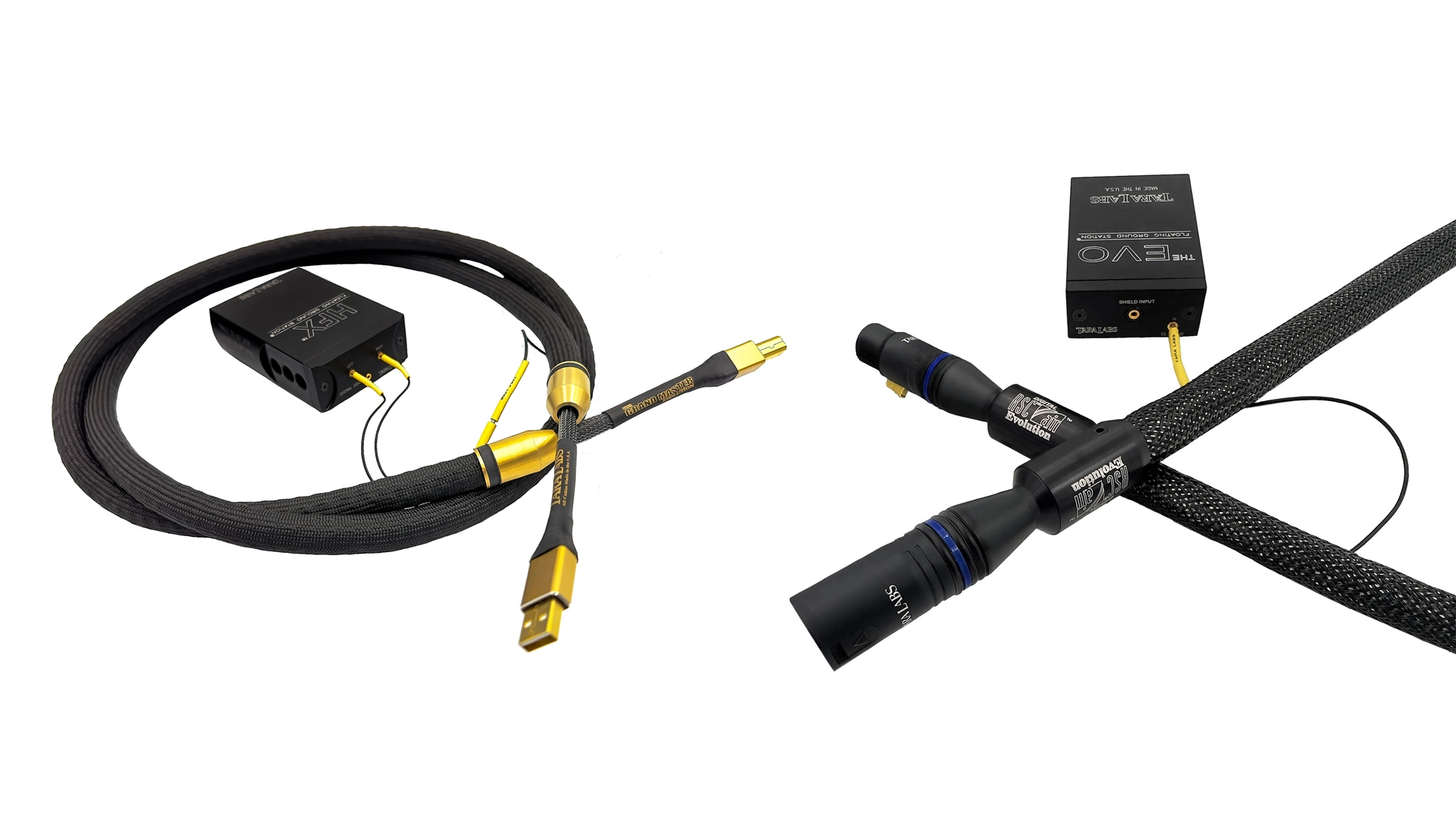
Tara Labs is an American manufacturer of high-end audio cables, known for its “Rectangular Solid Core” (RSC) conductor technology and its focus on minimizing signal degradation and interference. The company offers a wide range of cables, including interconnects, speaker cables, power cords, and digital cables. Tara Labs products often feature high-purity copper or silver conductors, advanced shielding, and carefully chosen dielectric materials. Their design philosophy emphasizes a combination of scientific principles and subjective listening evaluations to achieve optimal performance. The “ISM Onboard” series, “The Zero” series, and “Air” series represent different points in their product line. Tara Labs cables are positioned in the high-end segment of the market, appealing to audiophiles who believe that high-quality cables can make a significant difference in the overall sound of their system.
Tellurium Q

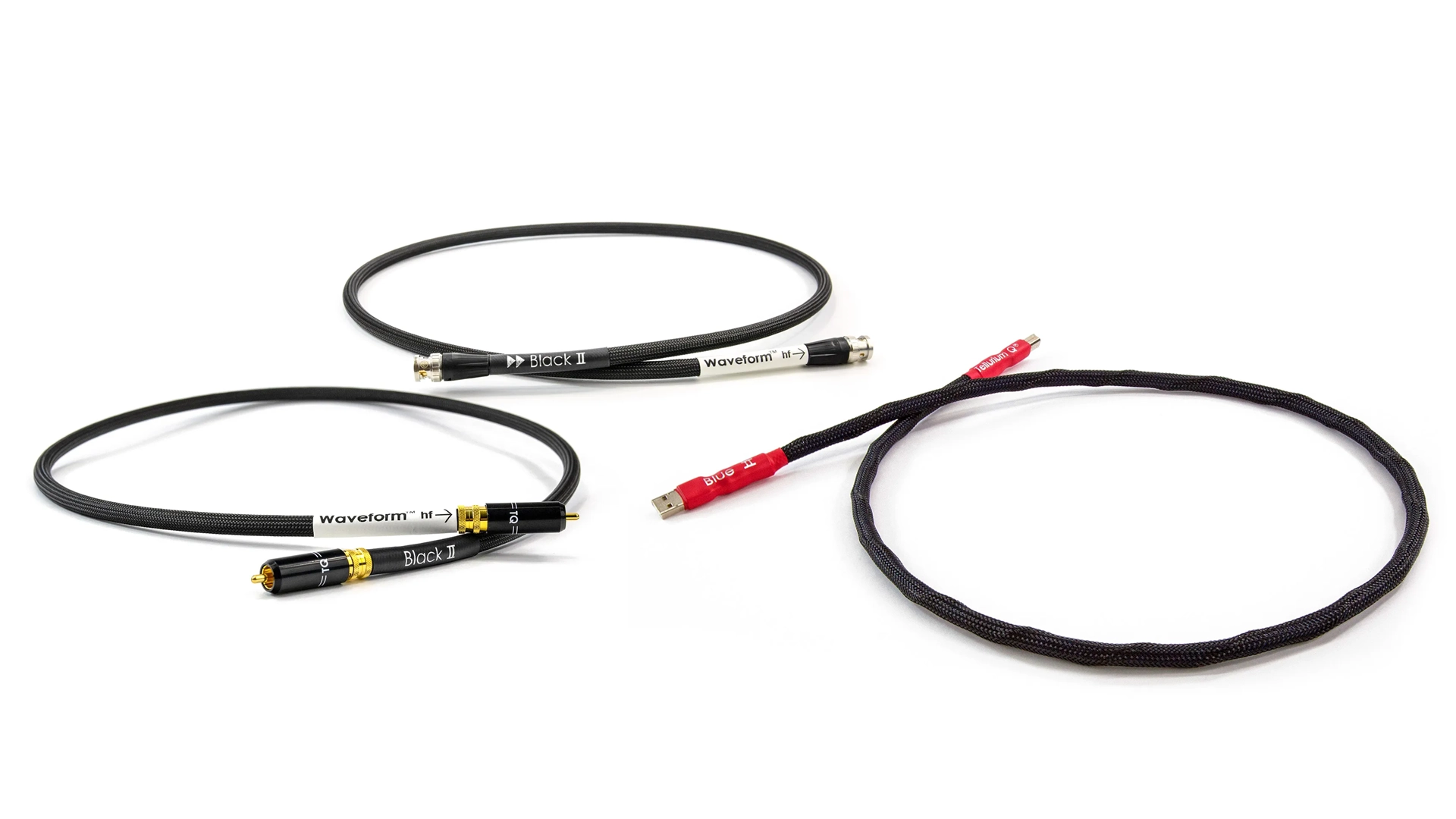
Tellurium Q is a British cable manufacturer founded in 2009, known for organising its range by audible system behaviour rather than publishing a recipe of conductor purity and geometry. Managing director Geoff Merrigan trained in industrial chemistry and materials, and he helped establish an iterative development method in which prototypes are built, compared and refined by a dedicated listening team. The company deliberately keeps some construction details confidential, so its products should be assessed by application and comparison rather than by invented specifications.
Blue, Black and Silver families provide the main structure, with Ultra and Diamond versions marking progressively more ambitious designs. Statement sits at the top of the range. Each family includes combinations of loudspeaker cables, analogue interconnects, digital links, USB and power cables, allowing a system to be assembled with a broadly consistent balance without requiring every cable to be identical. The current II generations show that Tellurium Q treats successful models as development platforms rather than permanent formulas.
The company’s stated technical focus is phase distortion and the way a complete cable behaves across frequency, not resistance alone. That explanation is a manufacturer claim, and cable effects remain debated, but Tellurium Q has a more coherent identity than a catalogue based only on expensive metals. Merrigan’s materials background, extensive prototype work and clearly differentiated families give dealers and listeners a repeatable way to audition the products. The brand’s strength is therefore controlled variation: cables are offered as system-matching tools, with each range intended to solve a different balance of openness, weight and smoothness.
TiGLON
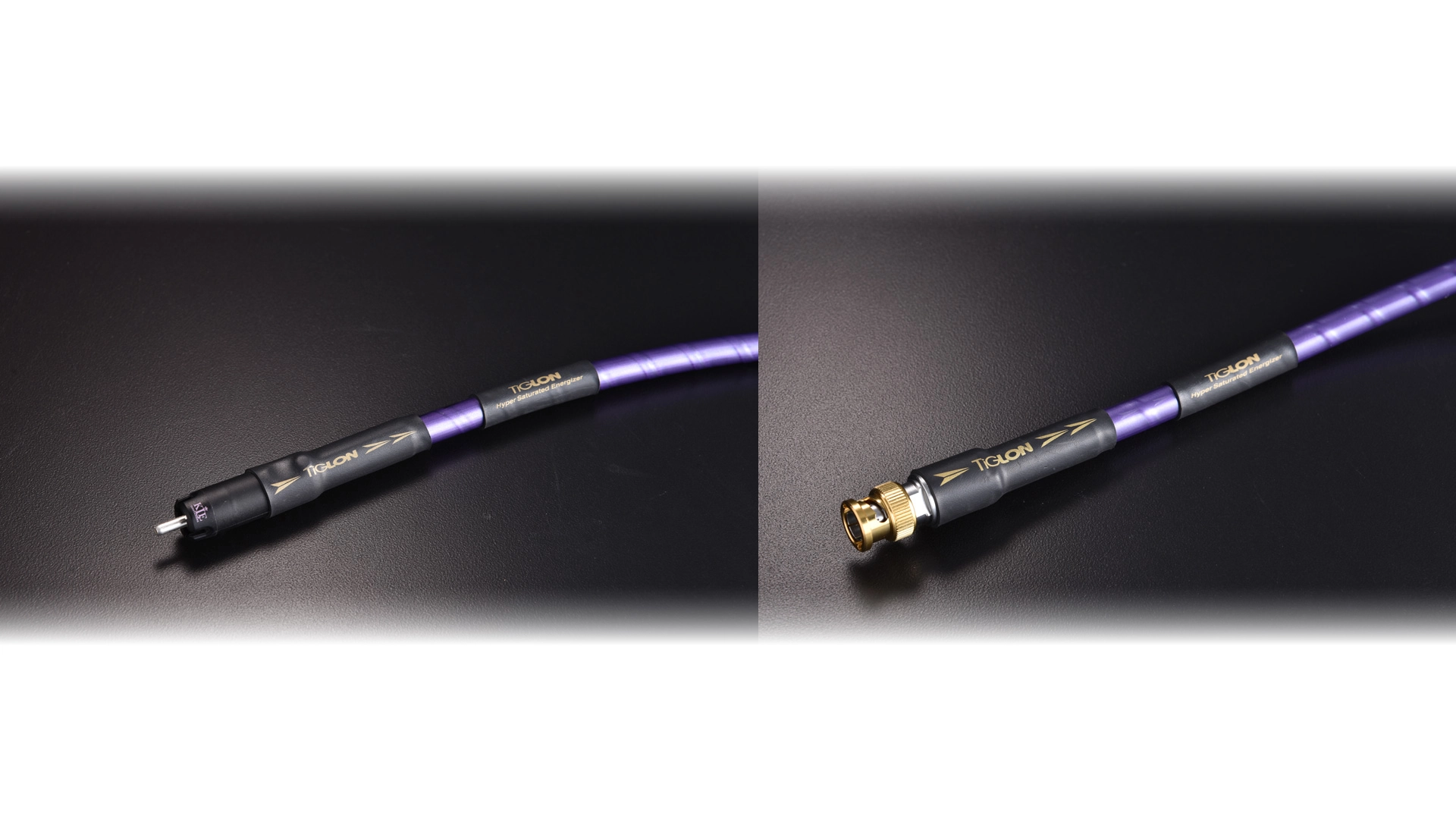
TiGLON is a Japanese cable and vibration-control manufacturer established in 2008 by Kentaro Okino. The business began as KRYNA PRO and adopted the TiGLON company name in 2010, but its defining material had appeared earlier: magnesium. Okino developed magnesium speaker stands and insulators before applying the metal to electromagnetic shielding and structural control, creating a technical thread that still joins the company’s cables, racks and accessories.
TiGLON received patents for its Magnesium Shield technology, in which magnesium elements are used around cable conductors to address external noise and vibration. The concept appears across power, speaker, analogue and digital cables, from White Tiger and Azure Dragon families to the flagship TPL series. Grand Magnesia racks, speaker stands and audio boards extend the same material thinking into equipment support, while D-REN insulators and record-playback accessories solve smaller mechanical interfaces.
The company also developed HSE—Hyper Saturated Energizer—a treatment process offered for cables, components and media. TiGLON describes it as a controlled conditioning method, and those claimed audible effects should be understood as the manufacturer’s position rather than a universally established measurement. More concrete is the continuity of the product design: magnesium is not a word added to one flagship but a material investigated across shielding, resonance and support since the company’s beginnings. That sustained specialisation, Japanese small-batch production and Okino’s willingness to refine existing products through successive generations give TiGLON a recognisable place in a crowded accessory market.
Totaldac
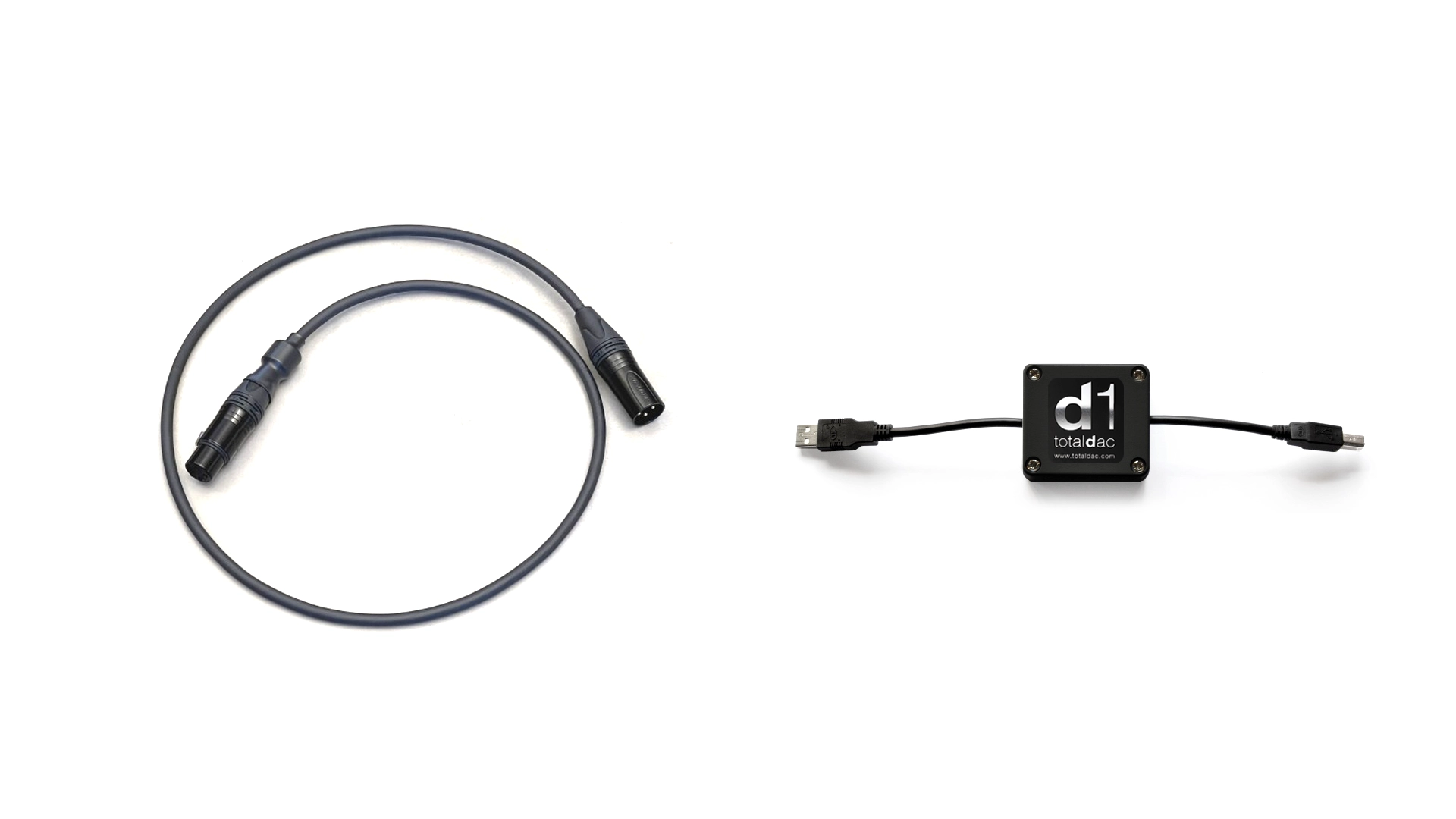
Totaldac is the French digital-audio company founded in 2010 by engineer Vincent Brient. It grew from Brient’s long personal work on digital conversion and became known for refusing the standard integrated DAC chip. Instead, Totaldac builds discrete resistor-ladder converters from proprietary boards populated with closely selected resistors, then controls them with FPGA-based digital processing. This architecture gives the company direct responsibility for the conversion behaviour rather than limiting it to the configuration of another maker’s silicon.
The original d1 series established the approach, followed by more ambitious multi-chassis and multi-ladder models. Current families include d1-unity and higher-order variants such as tri-unity and twelve, alongside server, streamer, reclocker and clock products. Tube or transistor output choices appear in parts of the range, and Totaldac has also developed amplification and loudspeakers to form complete systems. The names can be complex, but they generally indicate how many proprietary DAC boards and channels are used and how the analogue stages are arranged.
Totaldac’s importance comes from the coherence of its independent path. Resistor matching, switching, clocking, digital filtering, power supplies and analogue output stages are all treated as audible parts of conversion. Brient also offers proprietary filtering choices rather than pursuing a single textbook response. The result is not a nostalgic “non-oversampling” label attached to ordinary hardware, but a French-built platform refined across sources and systems. Totaldac remains one of the clearest examples of a small manufacturer turning an original discrete DAC module into a complete digital ecosystem.
Townshend

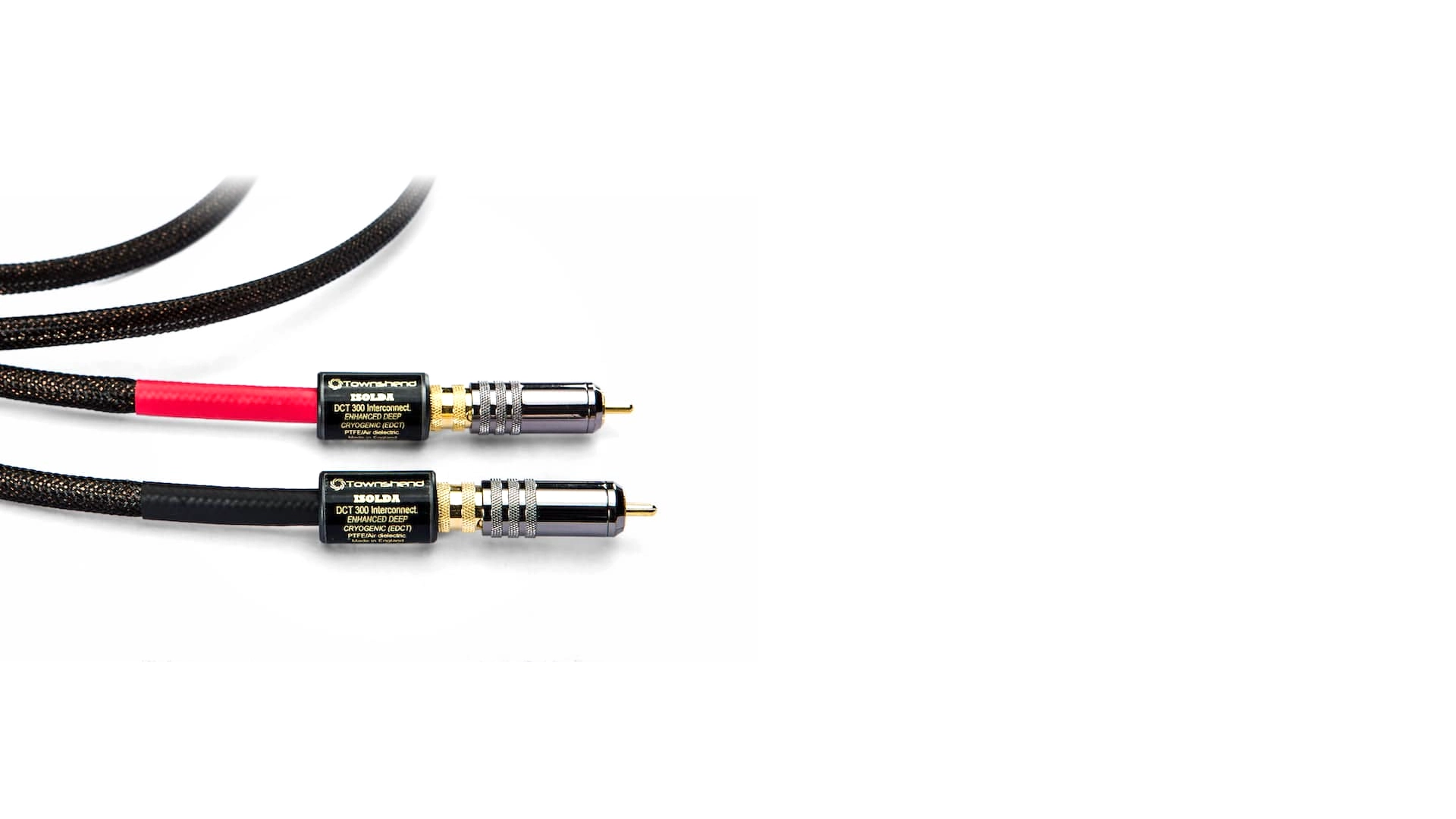
Townshend Audio is the British-based company founded by Australian engineer Max Townshend in Sydney in 1975, initially to market parabolic diamond styli under the Elite name. Townshend moved the business to the United Kingdom in 1978. The previous 1972 date was too early: that period belongs to his first experiments, while 1975 is the documented company foundation. Max died in 2021, but the company continues to develop and manufacture products from his work.
The Rock turntable and Excalibur tonearm made Townshend famous by using a damping trough near the cartridge end of the arm, controlling resonance where conventional suspended decks did not. Later, Max’s attention shifted increasingly to seismic energy entering an audio system through floors and furniture. Seismic Pods, Podiums, Bars and Corners use compliant spring-and-damper structures selected for load, isolating loudspeakers, equipment racks and individual components at very low frequencies.
Townshend’s catalogue also includes the Allegri transformer-based passive preamplifiers, Super Tweeters and F1 Fractal cables, reflecting Max’s willingness to work across mechanical, electrical and acoustic boundaries. Some of his cable and isolation explanations challenged conventional industry thinking and remain subjects for listening and measurement, but the products are not generic accessories with a story added later. They emerged from specific engineering questions pursued over decades. Townshend Audio’s legacy is precisely that restlessness: from stylus geometry and tonearm damping to whole-system isolation, Max repeatedly identified energy paths others treated as fixed and built an adjustable product around them.