An icon representing a speaker stand and a wall mount.

Speaker Stands Mounts

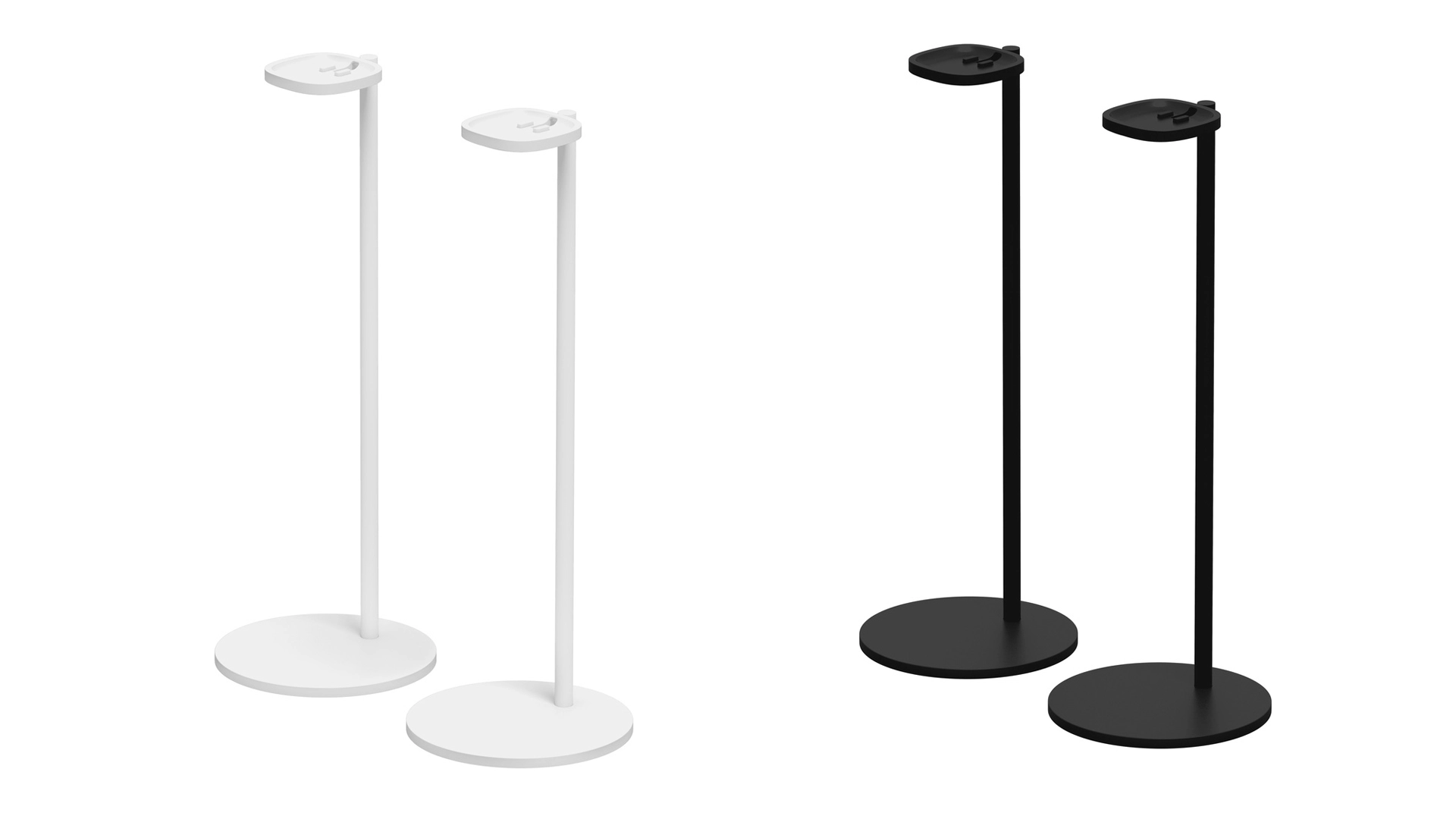
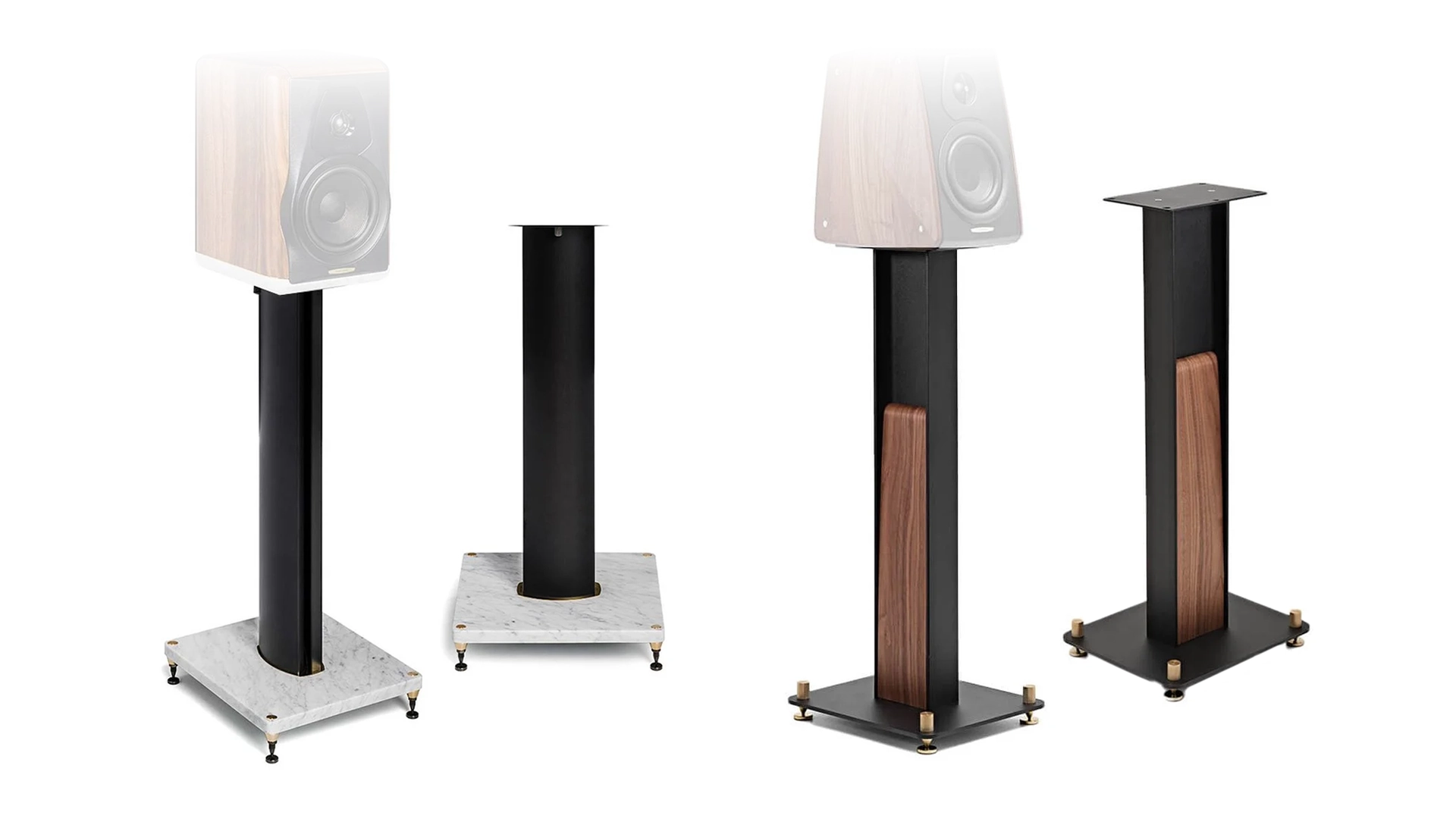
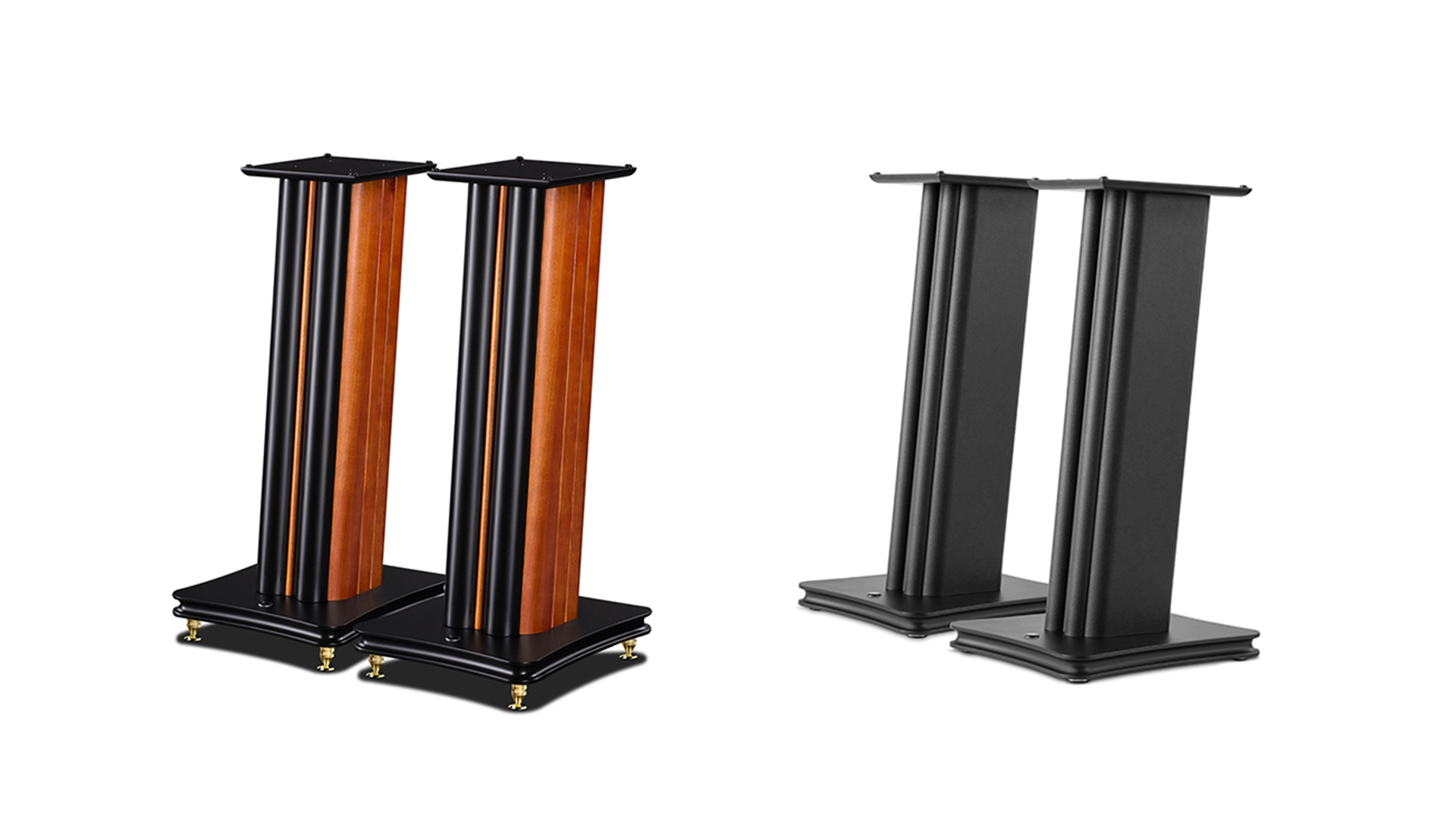
Speaker stands and mounts are essential accessories for positioning bookshelf and satellite speakers for optimal performance. They serve two key functions: first, placing the speaker’s tweeter at the listener’s ear level for correct imaging and a balanced soundstage, and second, providing a stable, inert platform that minimizes vibrations. This page is a directory of brands that manufacture these critical supports, from elegant floor stands to discreet wall mounts.

37

Hi-Fi brands in the category

Summary information and image

Direct links to official websites

Filters
Search
Country
See more See less

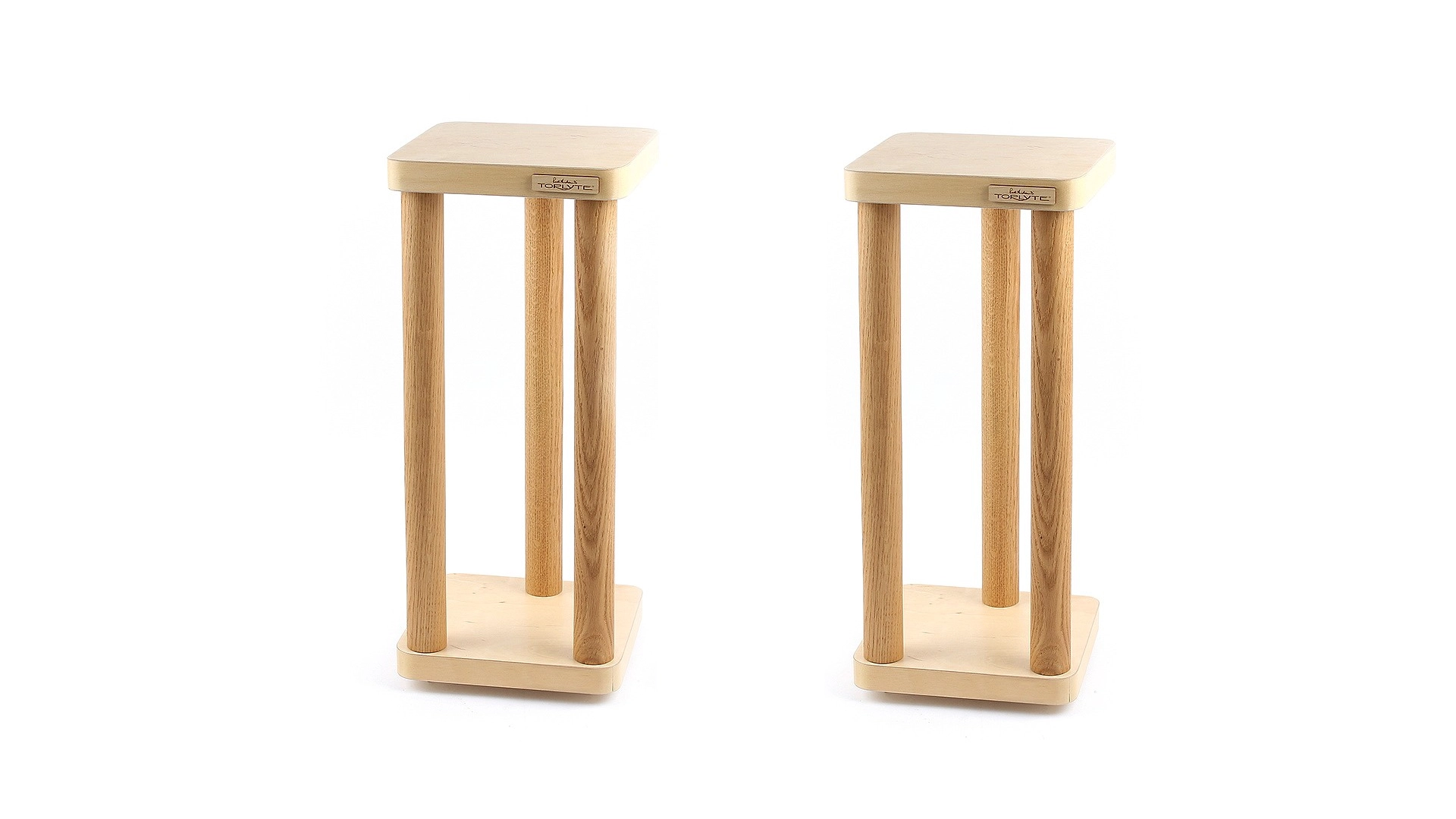
Russ Andrews is a British specialist in hi-fi cables, mains power, grounding and equipment support. Russ Andrews Accessories was incorporated in 1985 and began trading in 1986, initially selling Kimber Kable, Torlyte supports and turntable accessories through dealers. The company later developed a direct-sales model and a broad catalogue built around the parts of a system that sit between the wall socket, components and loudspeakers. Its best-known products include PowerKord mains leads, distribution blocks, conditioners and filters; SuperKord and Signature variants extend the same families, while grounding devices, RF-control accessories, fuses and connectors address installation-specific noise problems. Russ Andrews remains closely associated with the American cable designer Kimber Kable and supplies its analogue, digital and loudspeaker cables alongside products developed in-house. Torlyte racks, platforms and isolation accessories continue the original interest in mechanical support, and the company also offers upgrade parts and practical tools for system setup. Claims made for power and cable products naturally invite debate, so the most meaningful distinction is the way the business lets customers evaluate them in their own systems: a 60-day return period, an upgrade scheme and long warranties—at least 25 years on many Russ Andrews products—reduce dependence on a brief showroom demonstration. The brand’s history should not be reduced to vague “tweaks” or to the controversy surrounding them. It has spent four decades building a coherent accessories business around power delivery, signal connection, vibration control and after-sales support, with clear product hierarchies and unusually long ownership pathways.

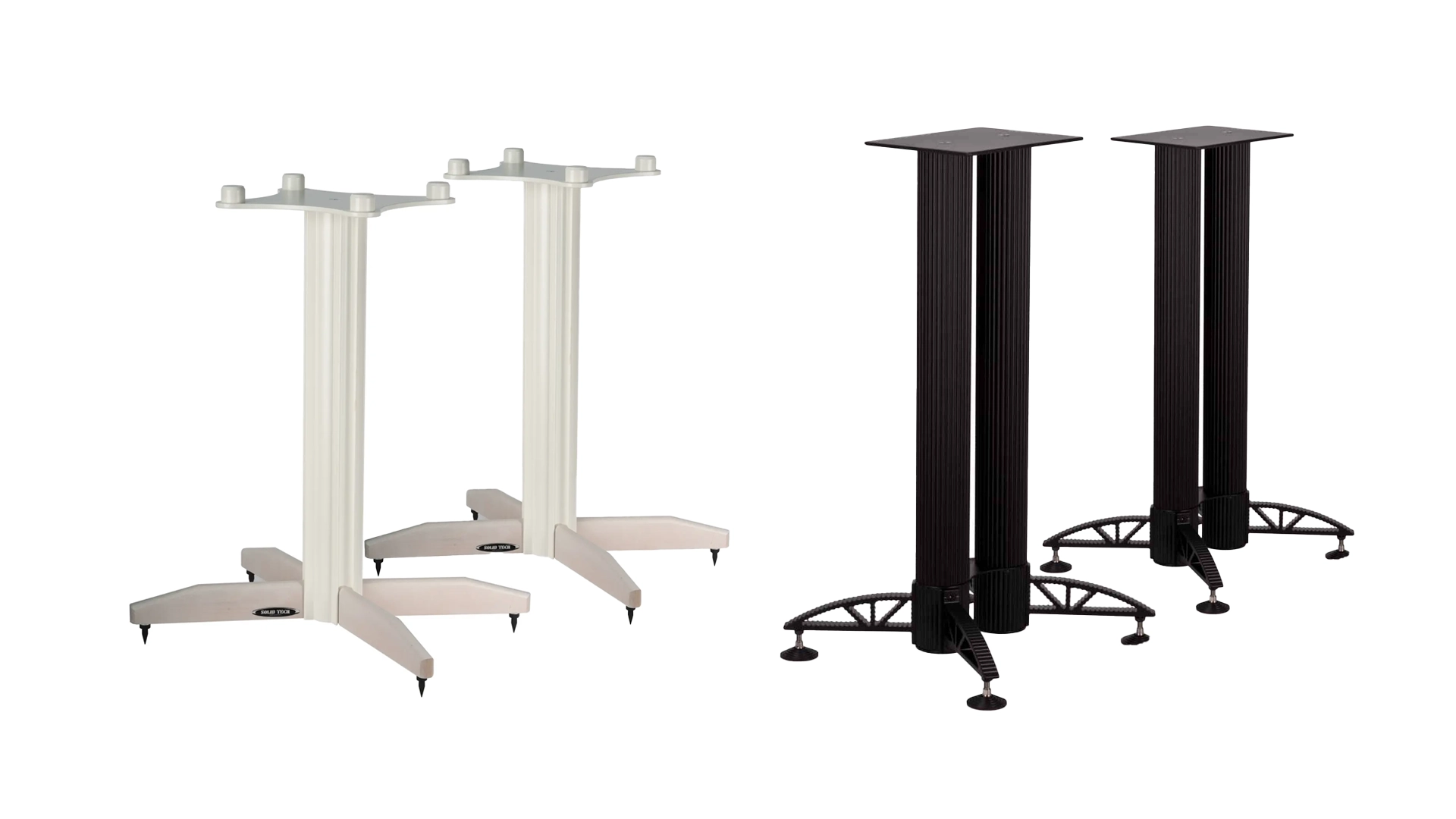
Solid Tech is a Swedish manufacturer of modular audio racks and vibration-control accessories, established in 1995 by Björn Ohlson. Its first major design, Rack of Silence, appeared in the mid-1990s and remains the clearest expression of the company’s thinking: equipment should be supported rigidly where required but isolated from floor-borne and airborne vibration through a controlled suspension rather than simply placed on the heaviest possible slab. The Reference version integrates spring isolation, while the Regular version provides the structural platform without it. Solid Tech states that its extended-spring system can move the suspension resonance down to about 3 Hz, below the most troublesome audio-band vibration, so turntables, valve electronics and sensitive digital clocks receive less mechanical energy. Feet of Silence brings a related suspended interface to individual components, and Disc of Silence provides another compact support option. The rack catalogue is broader than the famous flagship. Radius is the cost-conscious rigid system; Balance allows isolated and conventional shelves to be mixed; Hybrid can expand vertically and horizontally through modular pillars and brackets; Hybrid Wood dresses the aluminium structure in solid-wood finishes, while Hybrid 2nd Gen updates the format and isolation options. This modularity lets a system grow without replacing the entire rack and keeps shelf spacing appropriate to amplifiers, sources and power supplies. Products are handmade in Sweden, with aluminium structures, wooden shelves and suspension parts treated as replaceable elements rather than a sealed piece of furniture. Solid Tech’s individuality lies in making mechanical isolation understandable and configurable: it offers a family of structures and interfaces built around resonance control, not a single decorative rack accompanied by vague claims.

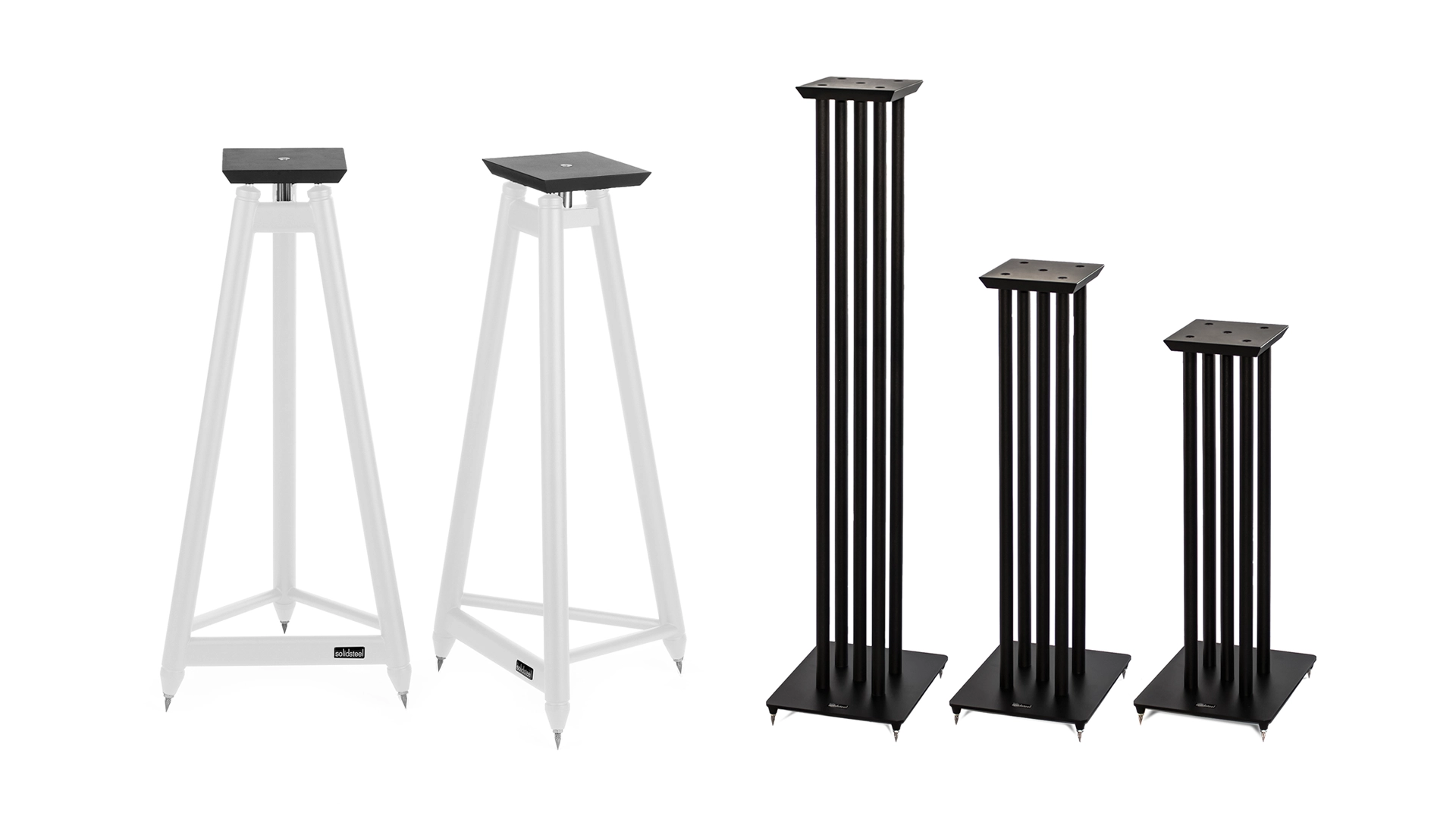
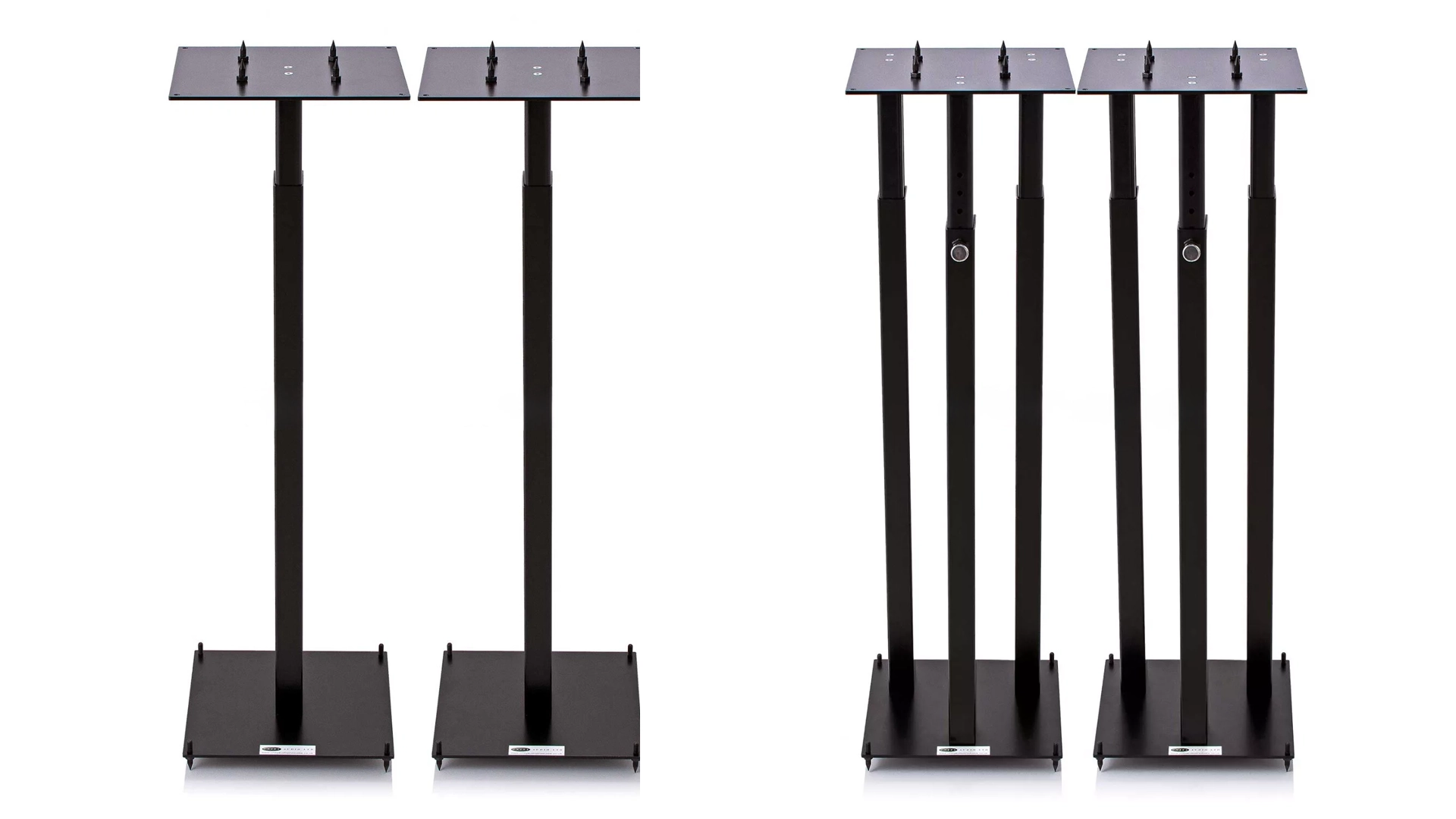
Solidsteel builds the furniture that gives a hi-fi system its physical foundation: equipment racks, amplifier platforms, loudspeaker stands and wall shelves made in Italy. Founded in 1990 by Moreno Conti, the company grew from the Conti family’s metalworking experience in the Pescara area. His sons Gaetano and Manfredi carried the business forward, retaining its emphasis on practical construction and Italian production. The familiar S-series racks and Hyperspike supports approach the same problem at different levels: how to carry substantial components while controlling the mechanical paths between shelves, supports and floor. Open frames also make connections accessible and leave space around equipment that needs ventilation. The catalogue accommodates both compact stereo systems and wider AV installations, with different shelf arrangements, heights and finishes. VL furniture brings record storage into the system, giving vinyl collections a place alongside the equipment used to play them. Speaker stands are another established speciality, with structures designed around a stable support platform and the management of unwanted vibration. The newer UL design combines aluminium profiles, TPU elements and an MDF top plate, illustrating how the company uses different materials for different mechanical roles. Solidsteel’s appeal is easy to see in a complete installation: it provides a coherent family of supports for sources, amplifiers, speakers and records, allowing the layout to follow the system rather than forcing every component into the same cabinet.

Sonoro brings radio, discs and streaming into music systems designed to live comfortably in an ordinary room. Founded in Germany in 2006 by Marcell Faller, the company develops its products in Neuss with equal attention to their controls, proportions and audio functions. Compact all-in-one systems made its name: products such as Elite, Prestige and Meisterstück gather sources and loudspeakers into a single enclosure, reducing the equipment and cabling needed for everyday listening. Depending on the model, the source selection combines CD playback, FM and DAB+ radio, internet radio and network services. That mixture is an important part of Sonoro’s identity, accommodating a physical music collection alongside newer listening habits. Meisterstück has developed into a more substantial all-in-one platform; its second generation adds facilities including AirPlay, Chromecast and room calibration. Sonoro has also expanded beyond self-contained radios and music centres. Maestro supplies the electronics for a separate stereo system, Orchestra loudspeakers provide the matching speaker option, and Platinum turntables bring vinyl into the catalogue. This gives the brand a path from a single bedroom or living-room unit to a system with physically separated speakers. The common design language remains restrained and domestic, with clearly arranged controls and cabinets intended to be seen. Sonoro’s particular strength is assembling familiar and modern sources into approachable products whose use and appearance matter as much as their specification lists.

Sonos made synchronised music in different rooms the foundation of an audio system that can grow one speaker at a time. John MacFarlane, Tom Cullen, Trung Mai and Craig Shelburne founded the company in Santa Barbara, California, in 2002. Their idea was to use home networking to make music accessible throughout a house, with playback and room selection managed through a common interface. Early ZonePlayer components established the system approach; the arrival of all-in-one speakers in 2009 made it accessible without a separate amplifier and speakers in every room. Products such as Play:5 and One became familiar expressions of that idea, followed by the Era family. Matching speakers can form stereo pairs, and selected models can work with soundbars and subwoofers in a home-theatre configuration. Arc and Beam brought television into the ecosystem, while Move and Roam added portable listening. Sonos also makes Amp and Port components for connecting conventional loudspeakers or an existing hi-fi system. Its more recent range includes Arc Ultra, Move 2, Roam 2 and Ace headphones, the latter extending compatible television sound to private listening through TV Audio Swap. Across these different forms, Sonos’s defining product is the connected system as much as the individual enclosure: software, synchronisation and compatible hardware make it possible to use rooms separately or bring them together. That continuity explains how a brand associated with wireless speakers also has a substantial role in installed home audio.

Sonus faber gives loudspeakers the visual and material character of fine musical instruments, combining sculpted cabinets with a long tradition of acoustic development in Vicenza, Italy. Franco Serblin founded the company in 1983, and early designs established the importance of wood, careful proportions and a natural presentation of voices and instruments. Guarneri Homage became a defining model: its lute-inspired cabinet and reference to Italian violin making helped establish a design language that would recur throughout the Homage family. Leather details, shaped wooden surfaces and cabinet construction are part of the engineering and craft rather than a finish applied to an anonymous box. The catalogue now ranges from Lumina and Sonetto loudspeakers to Olympica, Homage and large reference systems, with compact monitors and substantial floorstanders serving different rooms. The company also develops wireless products, Gravis subwoofers and Palladio installation speakers, extending its work into home cinema and distributed audio. Automotive and marine collaborations take its sound engineering into still different environments. Sonus faber became part of Bose’s portfolio through the acquisition of McIntosh Group announced in November 2024; its origin and manufacturing identity remain Italian. The thread connecting the early workshop to the broader modern range is the combination of cabinet craftsmanship, driver development and listening-led tuning. Its most recognisable speakers are objects with a strong physical presence, designed to remain part of the room even when the music has stopped.

Swan Speakers (HiVi Technology, stock code 002888) is a Chinese audio manufacturer founded in 1991, initially focused on high-end speakers. Their philosophy is “Hear the Difference.” In 1997, they merged with Swan Speaker Systems (USA), acquiring the Swan brand and Frank Hale as chief designer. Hale, known for his work on the Swan M1 speaker, had previously designed the world’s first isodynamic ribbon speaker. The company has grown significantly, with three major industrial bases totaling 200,000 square meters, including a Zhuhai production base established in 2011. They have a full product range, including Hi-Fi, home theater, multimedia active audio, power amplifiers, internet cloud audio, headphones, car audio, professional audio, smart radios, conference systems, and speaker drivers. Swan possesses advanced facilities, including two large anechoic chambers. Their speaker drivers are used by many other audio manufacturers in Europe and America. Swan has won 17 CES Innovation Awards, including two Best of CES. They emphasize innovation, combining advanced electroacoustic technology with Chinese precision manufacturing.

TAGA Harmony is a company specializing in loudspeakers, audio electronics, and cables, known for its focus on providing high-quality sound at accessible price points. While having European roots, the company has significant operations and design influence from Japan. TAGA Harmony offers a wide range of products, including floor-standing speakers, bookshelf speakers, center channel speakers, subwoofers, integrated amplifiers, and various cables. Their products often feature a modern aesthetic and are designed to deliver a balanced and engaging sound. The company’s design philosophy emphasizes a combination of engineering principles and subjective listening evaluations to achieve optimal performance. TAGA Harmony products are positioned in the

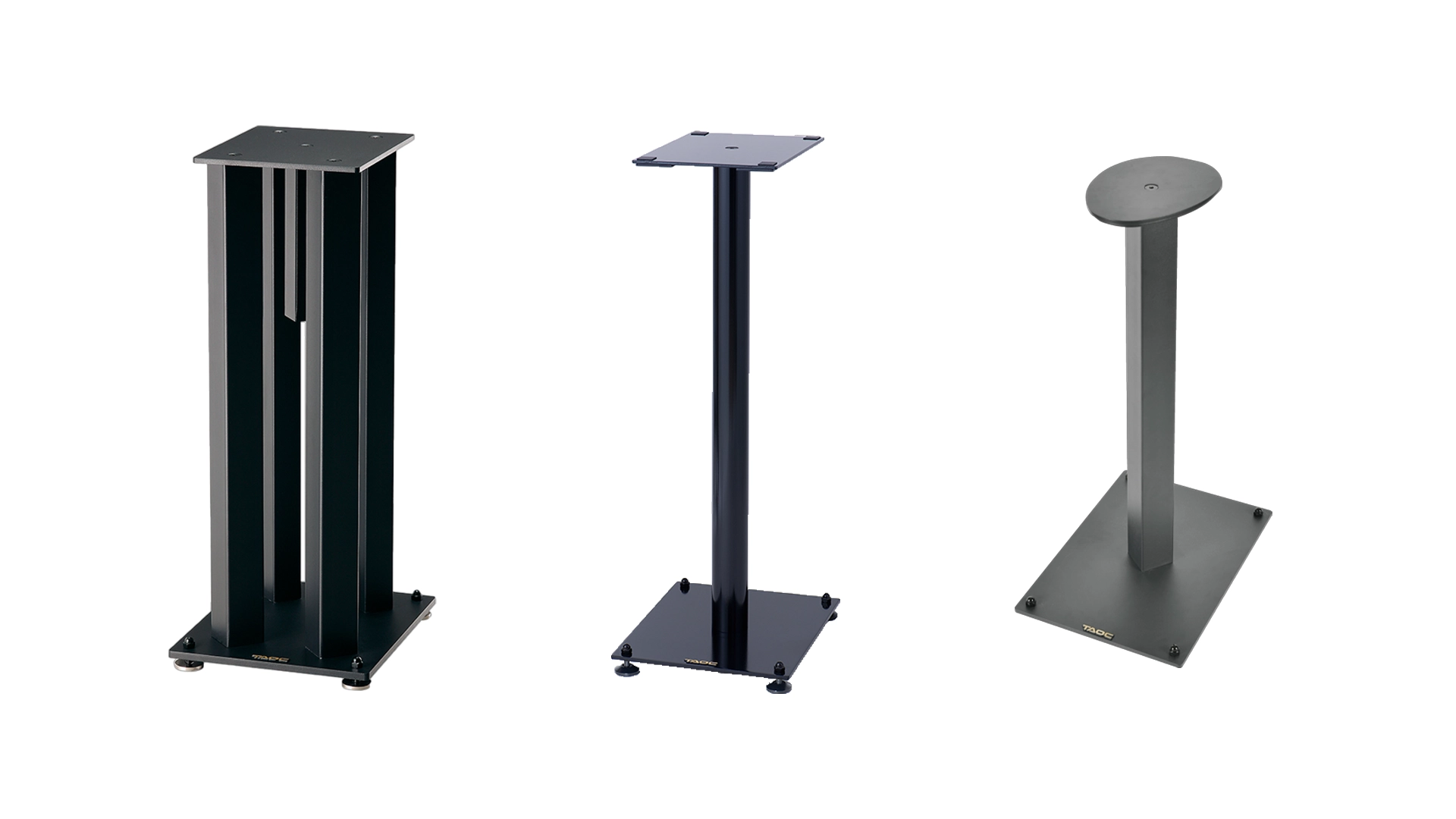
TAOC is a Japanese brand, part of Aisin Takaoka (itself part of the Toyota Group), specializing in high-end audio racks and isolation platforms, known for its use of cast iron and other vibration-damping materials. The company’s products are designed to minimize vibrations and resonances that can negatively impact the performance of audio components, thereby improving clarity, detail, and overall sound quality. TAOC’s racks and platforms often feature a robust construction and a minimalist aesthetic, with a focus on functionality and performance. They utilize advanced engineering principles and carefully chosen materials to achieve their desired isolation effects. The company’s products are positioned in the high-end segment of the audio furniture market, appealing to audiophiles who are meticulous about optimizing every aspect of their system.

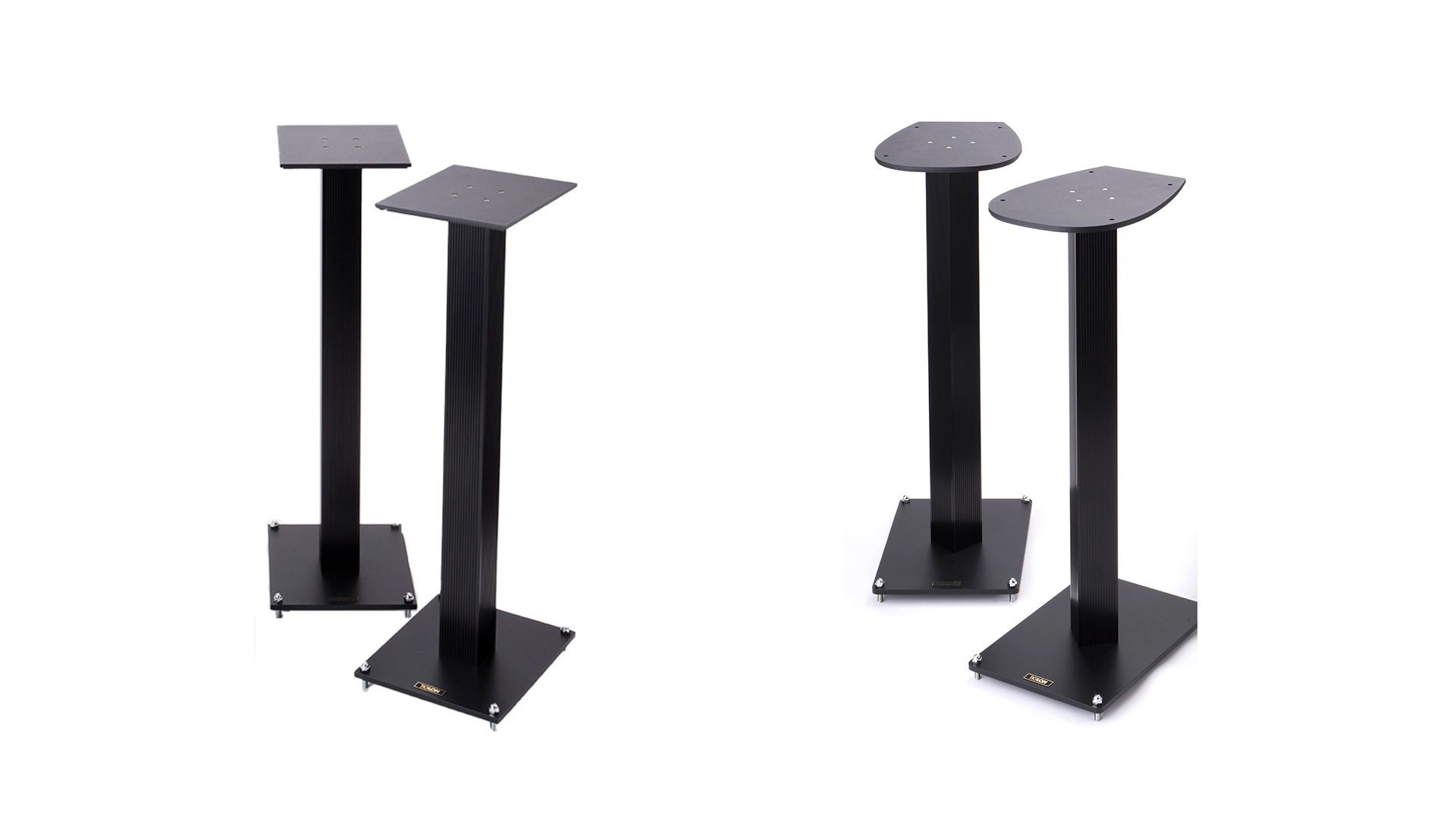
TiGLON is a Japanese cable and vibration-control manufacturer established in 2008 by Kentaro Okino. The business began as KRYNA PRO and adopted the TiGLON company name in 2010, but its defining material had appeared earlier: magnesium. Okino developed magnesium speaker stands and insulators before applying the metal to electromagnetic shielding and structural control, creating a technical thread that still joins the company’s cables, racks and accessories.

TiGLON received patents for its Magnesium Shield technology, in which magnesium elements are used around cable conductors to address external noise and vibration. The concept appears across power, speaker, analogue and digital cables, from White Tiger and Azure Dragon families to the flagship TPL series. Grand Magnesia racks, speaker stands and audio boards extend the same material thinking into equipment support, while D-REN insulators and record-playback accessories solve smaller mechanical interfaces.

The company also developed HSE—Hyper Saturated Energizer—a treatment process offered for cables, components and media. TiGLON describes it as a controlled conditioning method, and those claimed audible effects should be understood as the manufacturer’s position rather than a universally established measurement. More concrete is the continuity of the product design: magnesium is not a word added to one flagship but a material investigated across shielding, resonance and support since the company’s beginnings. That sustained specialisation, Japanese small-batch production and Okino’s willingness to refine existing products through successive generations give TiGLON a recognisable place in a crowded accessory market.

Unity Audio is a British studio-monitor manufacturer founded in 2009 by Kevin Walker, building on the distribution company he had established in 1995. Walker developed the first Unity-badged monitor with studio designer and acoustician Kevin Van Green. Their decision to use sealed cabinets set the direction: predictable low-frequency roll-off, controlled time behaviour and accurate translation were prioritised over the extra extension a reflex port can provide.

The original Rock combined an inert Corian front baffle, folded-ribbon tweeter and bespoke discrete Class A/B amplification designed with Tim de Paravicini of EAR Yoshino. It became the foundation for Mini-Rock, Super Rock and successive Rock generations, including DSP versions. Boulder and Mini Boulder add three-way scale, while Avalanche subwoofers, Monolith main monitors and the B.A.B.E. bass-extension system cover larger rooms. Selected models are also offered for high-end home listening.

Unity’s geological names are memorable, but the useful continuity is technical. Closed boxes, ribbon high-frequency drivers, robust amplifiers and carefully controlled cabinet vibration allow engineers to judge balances without port noise or exaggerated bass. DSP models add alignment and room-interface tools without erasing the analogue versions. The company also distributes and develops specialist recording hardware, yet monitors remain its public identity. Unity Audio stands out because a compact British team created a complete monitor family from one clear acoustic decision and maintained it across nearfield, midfield, main and subwoofer systems.

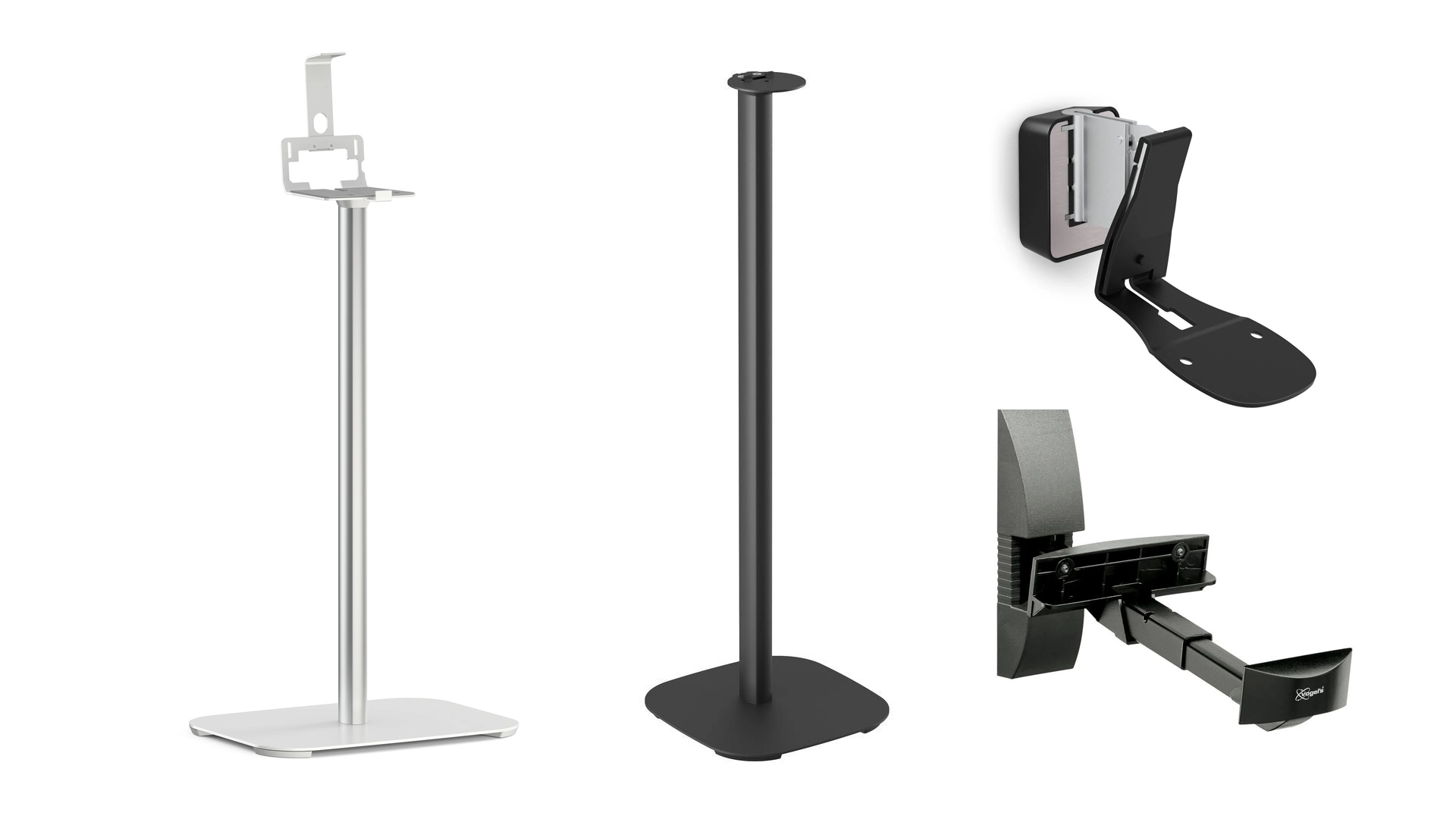
Vogel’s is the Dutch company that turned mounting hardware for audio-video equipment into a product category shaped by engineering and industrial design. Harry Vogels founded the family business in 1973 after creating the BEK 100, widely presented as the world’s first wall bracket made specifically for a loudspeaker. His first television wall mount followed in 1978, the same year the company began exporting. Those products established a principle Vogel’s still follows: a mount must carry equipment safely, make positioning easy and disappear visually into the room. The consumer catalogue now includes fixed, tilting, full-motion and motorised TV mounts, stands and floor solutions, plus brackets for speakers, soundbars, tablets and other AV devices. Cable routing, precise levelling, smooth articulation and installation templates are treated as part of the product rather than as accessories. Vogel’s Professional extends the approach to projectors, monitors, video walls, hospitality displays and large commercial installations; the dedicated professional division dates from 2002, and the acquisition of SmartMetals in 2018 broadened its specialist display-mounting capability. Products undergo substantial load and endurance testing, with long or lifetime guarantees offered on many lines. The company remains family-owned, with Harry’s daughter Gerdi Vogels leading the business. That continuity matters: Vogel’s has spent more than five decades refining the mechanical interface between rooms and changing generations of AV hardware. Its importance is not a single fashionable television arm, but a Dutch design culture that made safety, movement, installation and unobtrusive appearance parts of the same mounting solution.

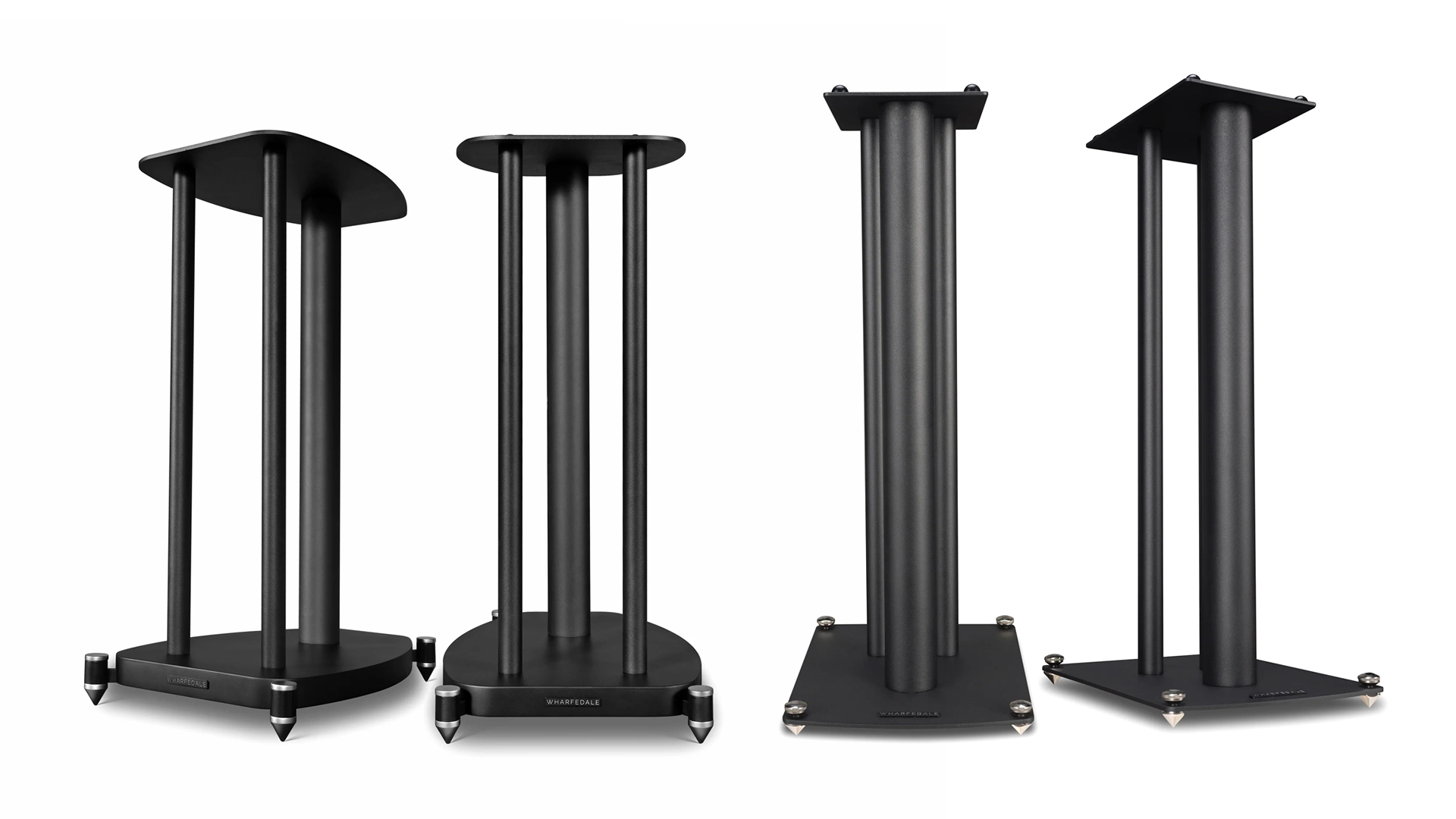
Wharfedale was founded in 1932 by Gilbert Briggs in Ilkley, Yorkshire, and named after the nearby valley of the River Wharfe. Briggs combined practical cabinet and driver development with unusually public demonstrations, comparing live musicians with reproduced sound in major halls to show what domestic loudspeakers could achieve. The company introduced influential techniques in cone manufacture, cabinet damping and multiway design, but its strongest long-term achievement has been bringing serious engineering to attainable price levels. The Diamond series, launched in 1982, became one of hi-fi’s enduring affordable loudspeaker families and remains the entry point to the modern range. EVO and AURA move upward with AMT high-frequency drivers and more elaborate cabinets, while the Heritage line revisits classic proportions without merely reproducing old internals. Denton, Linton, Super Linton and the large Dovedale combine wide baffles, substantial bass drivers and contemporary crossovers; Dovedale also marked a return of selected Wharfedale production to Britain. International Audio Group acquired Wharfedale in the late 1990s. The brand remains British in origin and design direction—now led by long-time acoustic designer Peter Comeau—while IAG’s Chinese manufacturing base supplies most series and its UK facility builds Dovedale. That mixed reality is more accurate than either calling Wharfedale unchanged since Briggs or dismissing it as a badge. Its identity survives in value-conscious loudspeakers that balance tonal ease, useful bass and domestic practicality across unusually broad price levels.

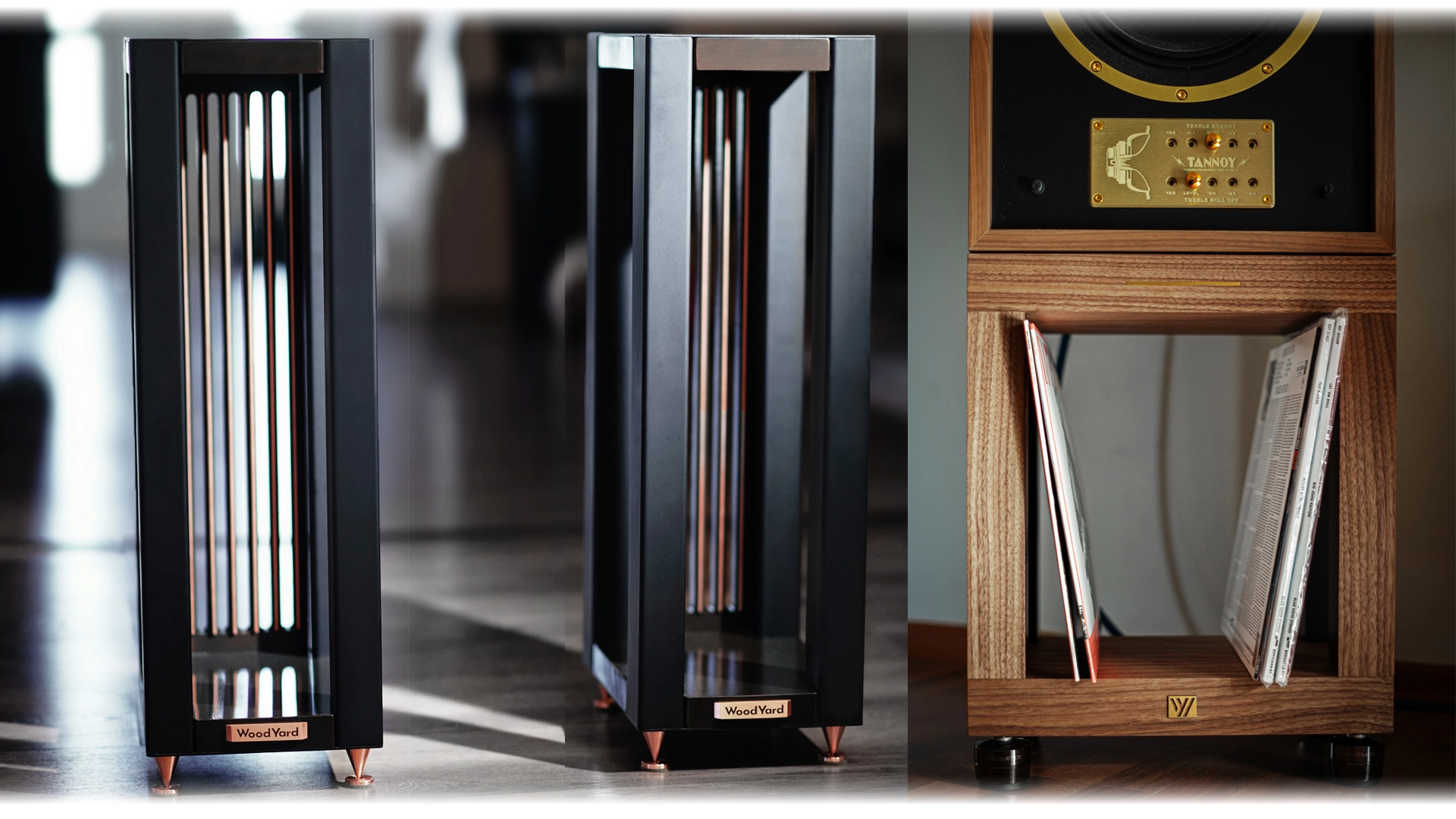
Woodyard is a Romanian analogue specialist whose most distinctive products are replacement wooden platters and related parts for turntables. The workshop selects and laminates hardwoods, then machines the blank to the diameter, spindle fit and mass distribution required by a particular deck. This is a more demanding task than producing a decorative disc: the platter must run concentrically, present a flat record-support surface and remain dimensionally stable as temperature and humidity change. Different constructions have been offered for well-known turntables, allowing owners to replace metal, glass or composite platters while retaining the original drive and bearing architecture. Woodyard also makes record weights, clamps, mats and other turned-wood accessories, using grain and finish as visible evidence that each item began as natural material rather than an anonymous moulding. The company associates wood’s internal damping with reduced ringing, but the audible scale of such changes depends on the turntable, cartridge and setup; it is safer to view each platter as a precisely fitted mechanical alternative, not a universal upgrade. Public material does not establish a sufficiently reliable founding year, so none is added. Woodyard’s individuality is already concrete without invented history: a small Romanian maker applying woodworking, balancing and careful model-specific machining to one of the most mechanically critical parts of a record player, while producing an object that changes both the resonant structure and visual character of the deck.

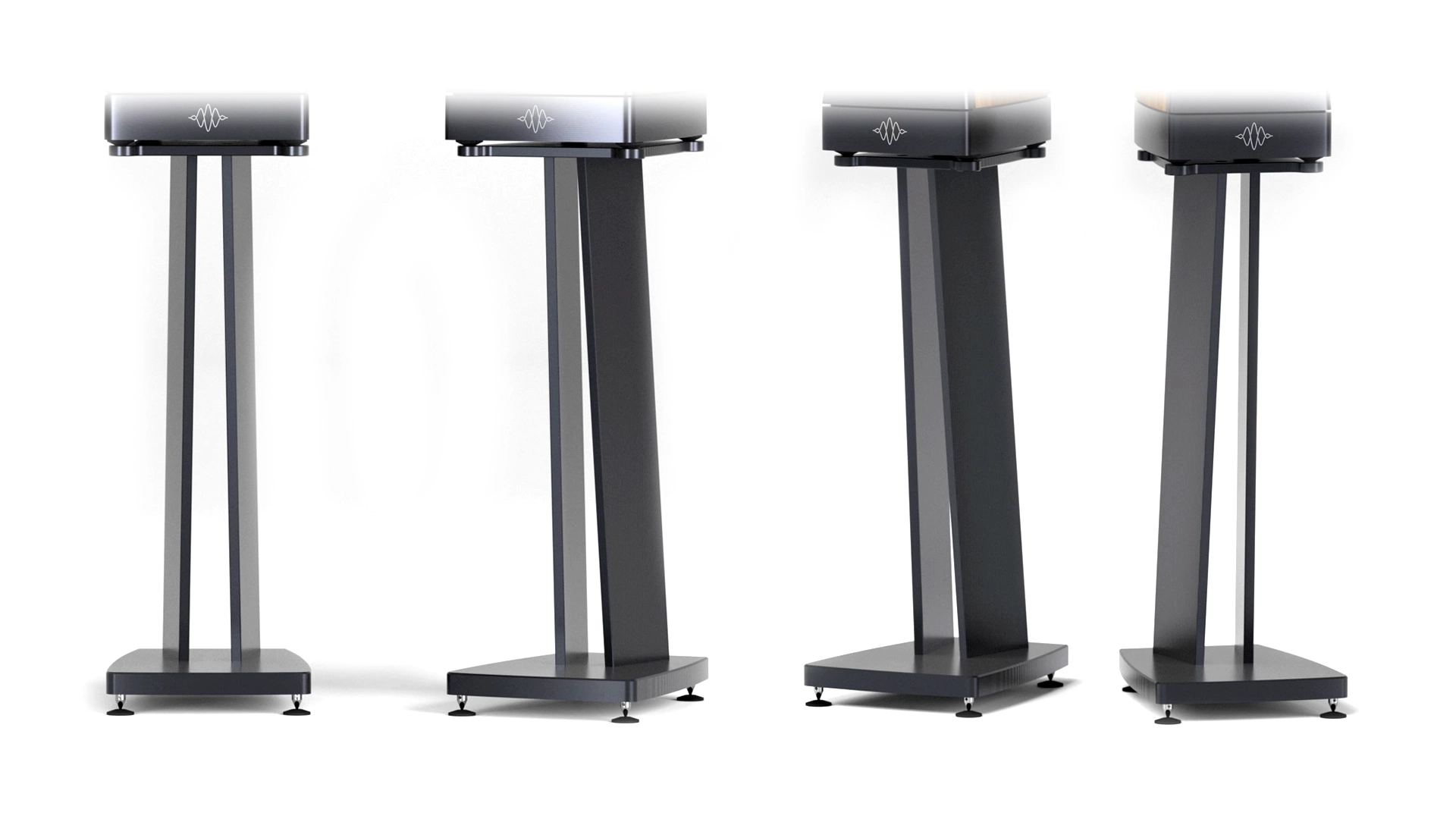
YG Acoustics is an American high-end loudspeaker manufacturer founded in 2002 by Israeli-born engineer Yoav Geva and subsequently established in Arvada, Colorado. The company became known for cabinets machined from thick aluminium plates and for applying mathematical modelling to drivers, crossovers and enclosure behaviour. Its BilletCore mid/bass cones are carved from solid aluminium stock rather than stamped from sheet, producing a stiff, precisely profiled diaphragm; ForgeCore tweeter motors are machined to control magnetic flux and reduce distortion. Earlier DualCoherent crossover work sought flat frequency response while preserving phase behaviour, a difficult combination that helped define the brand’s technical reputation. Carmel, Vantage, Hailey and Sonja form the established Reference range, from compact floorstander to modular flagship. Peaks models bring YG engineering to simpler cabinets and lower prices, while XX Live integrates amplification and active control at the top of the current programme. Ownership changed in 2017 when an investor group led by LK Capital acquired the company alongside Geva; he later departed, and mathematician and engineer Dr Matthew Webster now leads YG with an expanded design team. The factory, CNC machining and assembly remain in Colorado. That transition matters because modern YG is not merely repeating its founder’s catalogue: it preserves the aluminium construction and low-distortion priorities while introducing new drivers, software-led development and more accessible product families under new technical leadership.
HFS Ad Rotator · default · slot 1
HFS Ad Rotator · default · slot 2
Add a missing AV-brand or update an existing one

Add a missing AV-brand or update an existing one

Any user can submit a Quick Submission Form to suggest a new AV-brand or suggest update details for an existing one. Brand owners or official representatives of brand can fill a Official Brand Submission Form to provide complete company information, ensuring maximum accuracy and visibility in our portal. All submissions are moderated before publication. 

For suggesting new AV-brands or suggesting updating existing one by users.

Complete official form for brand owners and representatives to provide complete company details to add a new one or update an existing one

Brand Categories:
  • SPEAKERS
    • Bookshelf Speakers — Compact loudspeakers designed for placement on a shelf or dedicated stands.
    • Floorstanding Speakers — Large, full-range loudspeakers that stand directly on the floor, designed for powerful and expansive sound.
    • In-wall Custom Install Speakers — Speakers designed to be installed flush into walls or ceilings for a discreet, "zero-footprint" audio solution.
    • On-Wall Speakers — Slim, low-profile speakers designed to be mounted directly on a wall, often to complement a flat-panel TV.
    • Studio Monitors — Speakers designed for professional audio production, offering a flat, accurate, and uncolored sound reproduction.
    • Planar Ribbon Electrostatic Speakers — Speakers using large, thin diaphragms (panels) instead of cones, prized for their transparent and detailed sound.
    • Horn Speakers — Highly efficient speakers that use a flared horn to amplify a driver, known for their dynamic, "live" sound.
    • Active Powered Speakers — Loudspeakers with built-in amplifiers, creating a simple all-in-one audio solution.
    • Wireless Portable Speakers — Compact, battery-powered speakers with Bluetooth for on-the-go music.
    • Outdoor Speakers — Durable, weather-resistant speakers engineered to provide high-quality audio in open-air spaces like patios and gardens.
    • Marine Extreme Speakers — Rugged, waterproof, and corrosion-resistant speakers built to withstand harsh marine environments on boats and yachts.
    • Commercial Speakers — Durable loudspeaker systems designed for background music and public address in business environments.
    • Invisible Speakers — Architectural speakers installed in a wall and plastered over, making them completely invisible.
    • Subwoofers Bass Speakers — Specialized speakers dedicated to reproducing only the lowest bass frequencies for impact and depth for all purposes
  • AMPLIFIERS
    • Integrated Amplifiers — An all-in-one component combining a preamplifier and a power amplifier in a single chassis.
    • PreAmplifiers — The control hub of a separates audio system, used for source selection and volume control.
    • Power Amplifiers — A component with the sole job of taking a line-level signal and amplifying it to drive loudspeakers.
    • Phono Preamps Phono Stages — A device that amplifies the weak signal from a turntable's cartridge and applies necessary RIAA equalization.
    • Tube Amplifiers — Amplifiers that use vacuum tubes (valves) instead of transistors, prized for their warm and rich sound character.
    • Multi-Zone Multi-Room Amplifiers — Amplifiers that power speakers in multiple different rooms or "zones" from a single, centralized unit.
    • Network Amplifiers — An integrated amplifier with built-in networking and streaming capabilities, creating a modern "just add speakers" system.
    • Desktop Headphone Amplifiers — Mains-powered amplifiers designed to drive high-quality headphones in a desktop or home audio system.
    • Portable Headphone Amplifiers Players — Compact, battery-powered devices (DAPs or amps) for delivering high-quality sound on the move.
  • DAC STREAMERS
    • DAC Desktop — Digital-to-Analog Converters designed to improve sound quality from a computer or other home digital source.
    • DAC Portable — Compact, battery-powered Digital-to-Analog Converters for improving audio from smartphones and laptops.
    • Music Streamers — Devices that connect to the internet to access and play music from online services like Tidal and Spotify.
    • Network Players — Source components focused on high-fidelity playback of digital audio files from a local network (NAS drive).
    • Music Servers HDD Storages — Dedicated devices for storing, managing, and playing a local digital music library with high fidelity.
    • CD Transport Media Players — High-precision disc players that read physical media (CDs, SACDs) and output a pure digital signal to an external DAC.
    • Compact All-in-One Systems — Self-contained audio systems that combine source, amplification, and often speakers into a single, compact unit.
    • Streaming Amplifier — An integrated amplifier with built-in streaming capabilities.
  • TURNTABLES VINYL
    • Turntables — Electromechanical devices that play vinyl records by rotating them at a stable speed.
    • Tonearms — The precision arm on a turntable that holds the cartridge, allowing the stylus to track the record groove.
    • Cartridges — The transducer on a turntable's tonearm that holds the stylus and converts groove vibrations into an electrical signal.
    • Vinyl Cleaning Machine — Specialized machines that use fluid and vacuum/ultrasonic action to deep-clean vinyl records.
    • Vinyl Accessories — Essential tools for setup and maintenance, like clamps, brushes, and alignment protractors.
  • HEADPHONES
    • In-Ear Earbuds — Ultra-portable listening devices, including True Wireless (TWS) models, designed for convenience and daily use.
    • In-Ear Monitors IEM — High-performance in-ear headphones that seal in the ear canal for superior sound isolation and detail.
    • On-Ear Headphones — Headphones with cushions that rest directly on the ears, offering a balance of portability and sound quality.
    • Over-Ear Headphones — Full-sized headphones with large earcups that completely encircle the ears for maximum comfort and immersion.
    • Wireless Headphones — Headphones that connect to source devices via Bluetooth, often featuring Active Noise Cancellation (ANC).
    • Planar Magnetic Ribbon Headphones — High-end headphones using a thin, flat diaphragm driven by magnets, known for their detailed and low-distortion sound.
    • Electrostatic Headphones — High-end headphones using a massless diaphragm in an electrostatic field, requiring a special energizer/amplifier.
  • HOME THEATER
    • AV Receivers Media Players — Central components of a home cinema, combining audio/video processing, amplification, and playback.
    • Home Theater Speakers — Matched sets of speakers (front, center, surround) designed to create an immersive cinematic soundfield.
    • Soundbars — A simple, all-in-one speaker bar that provides a significant audio upgrade over a television's built-in speakers.
    • Subwoofers — Specialized speakers dedicated to reproducing only the lowest bass frequencies for impact and depth for home theaters
    • Processors Amplifiers — High-end home cinema "separates" consisting of a surround sound processor and a multi-channel power amplifier.
    • Screens — High-quality projection surfaces designed to provide an optimal image for a home cinema projector.
    • Projectors — Video projectors optimized for home cinema use, focusing on color accuracy, contrast, and black levels.
  • CABLES ACCESSORIES
    • Speaker Cables — Cables that carry the amplified, high-level signal from an amplifier to passive loudspeakers.
    • Analog Cables — Cables (RCA, XLR) used to transmit analog audio signals between components like DACs and amplifiers.
    • Digital Cables — Cables (Coaxial, Optical, USB) that transmit digital audio data between components.
    • Phono Cables — Specially shielded cables designed to carry the delicate, low-level signal from a turntable to a phono preamp.
    • Headphone Cables — Aftermarket and replacement cables used to upgrade or customize high-quality headphones.
    • Connectors Terminals — The fundamental hardware (plugs, jacks, spades, etc.) used to terminate cables and connect equipment.
    • Power Cables — High-performance AC cords designed to deliver clean, noise-free power to audio components.
    • Power Supplies Conditioners — Devices that filter, stabilize, and protect the AC power supplied to an audio system for improved performance.
  • FURNITURE
    • Speaker Stands Mounts — Stands and mounts used to position speakers at the correct height and angle for optimal sound.
    • Furniture Racks — Purpose-built furniture designed to house audio/video components with a focus on stability, ventilation, and vibration control.
    • Isolation Footers Spikes Shelves — Specialized accessories (spikes, footers, platforms) designed to manage vibrations and isolate components.
    • Soundproof Solutions — Products designed to control room acoustics, including treatment (panels, diffusers) and sound-blocking materials.
  • PROFESSIONAL
    • Concert Speakers — Large-scale PA systems, including line arrays and stage monitors, for live music and public events.
    • Cinema Speakers — Specialized, high-output loudspeaker systems certified for use in large commercial movie theaters.
    • Concert Electronics — Robust electronics including mixing consoles, processors, and amplifiers for live sound reinforcement.
    • Cinema Electronics — Professional, DCI-compliant processors and amplifiers for use in commercial movie theaters.
    • Cinema Screens — Large-format, often acoustically transparent, projection screens built to professional cinema standards.
    • Cinema Projectors — Ultra-high-brightness, DCI-compliant projectors designed for continuous use in commercial movie theaters.
    • Professional Cables Accessories — Rugged, reliable cables and hardware (e.g., snake cables, Speakon connectors) for touring and professional installation.
  • DIY Components
    • Speaker drivers Tweeters — The individual transducers (woofers, mid-range, tweeters) that are the fundamental building blocks of a loudspeaker.
    • Coaxial Speaker Drivers — Speaker drivers where the tweeter is mounted in the center of the woofer, creating a single point source for sound.
    • DIY Speaker Kits — Complete packages including drivers, crossovers, and plans for enthusiasts to build their own loudspeakers.
    • Electron Vacuum Tubes — Glass valves used in tube amplifiers that provide amplification and can be replaced to tune the sound.
    • Electronic Components — Discrete parts (capacitors, resistors, transistors) used by manufacturers and DIYers to build audio circuits.
  • OTHERS
    • Line Stage — A type of preamplifier that exclusively handles line-level sources, without a built-in phono stage.
    • Time Alignment Device — A signal processor that corrects timing delays between drivers or speakers for improved sound coherence.
    • Smart Portable Speakers — Wireless portable speakers with integrated voice assistants (e.g., Alexa, Google Assistant) and smart home functionality.
    • DJ Turntables — Durable, high-torque direct-drive turntables with pitch control, built for performance and DJing applications.
    • Motor Drives — External motor units and power supplies for turntables, providing improved rotational stability and isolation.
    • Crossovers — Electronic circuits that split an audio signal into different frequency bands to route to the correct speaker driver.
    • Car Audio — Audio equipment, including speakers, amplifiers, and source units, specifically designed for use in vehicles.

Brand Categories:
  • Active Powered Speakers — Loudspeakers with built-in amplifiers, creating a simple all-in-one audio solution.
  • Analog Cables — Cables (RCA, XLR) used to transmit analog audio signals between components like DACs and amplifiers.
  • AV Receivers Media Players — Central components of a home cinema, combining audio/video processing, amplification, and playback.
  • Bookshelf Speakers — Compact loudspeakers designed for placement on a shelf or dedicated stands.
  • Car Audio — Audio equipment, including speakers, amplifiers, and source units, specifically designed for use in vehicles.
  • Cartridges — The transducer on a turntable's tonearm that holds the stylus and converts groove vibrations into an electrical signal.
  • CD Transport Media Players — High-precision disc players that read physical media (CDs, SACDs) and output a pure digital signal to an external DAC.
  • Cinema Electronics — Professional, DCI-compliant processors and amplifiers for use in commercial movie theaters.
  • Cinema Projectors — Ultra-high-brightness, DCI-compliant projectors designed for continuous use in commercial movie theaters.
  • Cinema Screens — Large-format, often acoustically transparent, projection screens built to professional cinema standards.
  • Cinema Speakers — Specialized, high-output loudspeaker systems certified for use in large commercial movie theaters.
  • Coaxial Speaker Drivers — Speaker drivers where the tweeter is mounted in the center of the woofer, creating a single point source for sound.
  • Commercial Speakers — Durable loudspeaker systems designed for background music and public address in business environments.
  • Compact All-in-One Systems — Self-contained audio systems that combine source, amplification, and often speakers into a single, compact unit.
  • Concert Electronics — Robust electronics including mixing consoles, processors, and amplifiers for live sound reinforcement.
  • Concert Speakers — Large-scale PA systems, including line arrays and stage monitors, for live music and public events.
  • Connectors Terminals — The fundamental hardware (plugs, jacks, spades, etc.) used to terminate cables and connect equipment.
  • Crossovers — Electronic circuits that split an audio signal into different frequency bands to route to the correct speaker driver.
  • DAC Desktop — Digital-to-Analog Converters designed to improve sound quality from a computer or other home digital source.
  • DAC Portable — Compact, battery-powered Digital-to-Analog Converters for improving audio from smartphones and laptops.
  • Desktop Headphone Amplifiers — Mains-powered amplifiers designed to drive high-quality headphones in a desktop or home audio system.
  • Digital Cables — Cables (Coaxial, Optical, USB) that transmit digital audio data between components.
  • DIY Speaker Kits — Complete packages including drivers, crossovers, and plans for enthusiasts to build their own loudspeakers.
  • DJ Turntables — Durable, high-torque direct-drive turntables with pitch control, built for performance and DJing applications.
  • Electron Vacuum Tubes — Glass valves used in tube amplifiers that provide amplification and can be replaced to tune the sound.
  • Electronic Components — Discrete parts (capacitors, resistors, transistors) used by manufacturers and DIYers to build audio circuits.
  • Electrostatic Headphones — High-end headphones using a massless diaphragm in an electrostatic field, requiring a special energizer/amplifier.
  • Floorstanding Speakers — Large, full-range loudspeakers that stand directly on the floor, designed for powerful and expansive sound.
  • Furniture Racks — Purpose-built furniture designed to house audio/video components with a focus on stability, ventilation, and vibration control.
  • Headphone Cables — Aftermarket and replacement cables used to upgrade or customize high-quality headphones.
  • Home Theater Speakers — Matched sets of speakers (front, center, surround) designed to create an immersive cinematic soundfield.
  • Horn Speakers — Highly efficient speakers that use a flared horn to amplify a driver, known for their dynamic, "live" sound.
  • In-Ear Earbuds — Ultra-portable listening devices, including True Wireless (TWS) models, designed for convenience and daily use.
  • In-Ear Monitors IEM — High-performance in-ear headphones that seal in the ear canal for superior sound isolation and detail.
  • In-wall Custom Install Speakers — Speakers designed to be installed flush into walls or ceilings for a discreet, "zero-footprint" audio solution.
  • Integrated Amplifiers — An all-in-one component combining a preamplifier and a power amplifier in a single chassis.
  • Invisible Speakers — Architectural speakers installed in a wall and plastered over, making them completely invisible.
  • Isolation Footers Spikes Shelves — Specialized accessories (spikes, footers, platforms) designed to manage vibrations and isolate components.
  • Line Stage — A type of preamplifier that exclusively handles line-level sources, without a built-in phono stage.
  • Marine Extreme Speakers — Rugged, waterproof, and corrosion-resistant speakers built to withstand harsh marine environments on boats and yachts.
  • Motor Drives — External motor units and power supplies for turntables, providing improved rotational stability and isolation.
  • Multi-Zone Multi-Room Amplifiers — Amplifiers that power speakers in multiple different rooms or "zones" from a single, centralized unit.
  • Music Servers HDD Storages — Dedicated devices for storing, managing, and playing a local digital music library with high fidelity.
  • Music Streamers — Devices that connect to the internet to access and play music from online services like Tidal and Spotify.
  • Network Amplifiers — An integrated amplifier with built-in networking and streaming capabilities, creating a modern "just add speakers" system.
  • Network Players — Source components focused on high-fidelity playback of digital audio files from a local network (NAS drive).
  • On-Ear Headphones — Headphones with cushions that rest directly on the ears, offering a balance of portability and sound quality.
  • On-Wall Speakers — Slim, low-profile speakers designed to be mounted directly on a wall, often to complement a flat-panel TV.
  • Outdoor Speakers — Durable, weather-resistant speakers engineered to provide high-quality audio in open-air spaces like patios and gardens.
  • Over-Ear Headphones — Full-sized headphones with large earcups that completely encircle the ears for maximum comfort and immersion.
  • Phono Cables — Specially shielded cables designed to carry the delicate, low-level signal from a turntable to a phono preamp.
  • Phono Preamps Phono Stages — A device that amplifies the weak signal from a turntable's cartridge and applies necessary RIAA equalization.
  • Planar Magnetic Ribbon Headphones — High-end headphones using a thin, flat diaphragm driven by magnets, known for their detailed and low-distortion sound.
  • Planar Ribbon Electrostatic Speakers — Speakers using large, thin diaphragms (panels) instead of cones, prized for their transparent and detailed sound.
  • Portable Headphone Amplifiers Players — Compact, battery-powered devices (DAPs or amps) for delivering high-quality sound on the move.
  • Power Amplifiers — A component with the sole job of taking a line-level signal and amplifying it to drive loudspeakers.
  • Power Cables — High-performance AC cords designed to deliver clean, noise-free power to audio components.
  • Power Supplies Conditioners — Devices that filter, stabilize, and protect the AC power supplied to an audio system for improved performance.
  • PreAmplifiers — The control hub of a separates audio system, used for source selection and volume control.
  • Processors Amplifiers — High-end home cinema "separates" consisting of a surround sound processor and a multi-channel power amplifier.
  • Professional Cables Accessories — Rugged, reliable cables and hardware (e.g., snake cables, Speakon connectors) for touring and professional installation.
  • Projectors — Video projectors optimized for home cinema use, focusing on color accuracy, contrast, and black levels.
  • Screens — High-quality projection surfaces designed to provide an optimal image for a home cinema projector.
  • Smart Portable Speakers — Wireless portable speakers with integrated voice assistants (e.g., Alexa, Google Assistant) and smart home functionality.
  • Soundbars — A simple, all-in-one speaker bar that provides a significant audio upgrade over a television's built-in speakers.
  • Soundproof Solutions — Products designed to control room acoustics, including treatment (panels, diffusers) and sound-blocking materials.
  • Speaker Cables — Cables that carry the amplified, high-level signal from an amplifier to passive loudspeakers.
  • Speaker drivers Tweeters — The individual transducers (woofers, mid-range, tweeters) that are the fundamental building blocks of a loudspeaker.
  • Speaker Stands Mounts — Stands and mounts used to position speakers at the correct height and angle for optimal sound.
  • Streaming Amplifier — An integrated amplifier with built-in streaming capabilities.
  • Studio Monitors — Speakers designed for professional audio production, offering a flat, accurate, and uncolored sound reproduction.
  • Subwoofers — Specialized speakers dedicated to reproducing only the lowest bass frequencies for impact and depth for home theaters
  • Subwoofers Bass Speakers — Specialized speakers dedicated to reproducing only the lowest bass frequencies for impact and depth for all purposes
  • Time Alignment Device — A signal processor that corrects timing delays between drivers or speakers for improved sound coherence.
  • Tonearms — The precision arm on a turntable that holds the cartridge, allowing the stylus to track the record groove.
  • Tube Amplifiers — Amplifiers that use vacuum tubes (valves) instead of transistors, prized for their warm and rich sound character.
  • Turntables — Electromechanical devices that play vinyl records by rotating them at a stable speed.
  • Vinyl Accessories — Essential tools for setup and maintenance, like clamps, brushes, and alignment protractors.
  • Vinyl Cleaning Machine — Specialized machines that use fluid and vacuum/ultrasonic action to deep-clean vinyl records.
  • Wireless Headphones — Headphones that connect to source devices via Bluetooth, often featuring Active Noise Cancellation (ANC).
  • Wireless Portable Speakers — Compact, battery-powered speakers with Bluetooth for on-the-go music.

Sales Channels:
  • Dealer & Distributor Network — The traditional sales model where products are sold through a network of authorized, independent retail stores and custom installers. This is the primary channel for most specialized Hi-Fi brands.
  • Direct-to-Consumer (DTC) — The brand sells its products directly to end-users through its own official website, bypassing traditional retail channels. A rapidly growing model in the industry.
  • Custom Installation (CI) Channel — Products are sold primarily through professional firms that design and install integrated smart home and audio-visual systems. This channel is crucial for architectural and high-end integrated solutions.
  • Mass Market Retail — Products are available in large, non-specialized consumer electronics chain stores. This typically applies to more mainstream product lines from larger brands.
  • Brand-Owned Stores / Showrooms — The brand operates its own physical, flagship retail stores or dedicated showrooms to offer a direct and immersive brand experience. This is the least common model, typically used by top-tier brands.

For companies: For any questions about listings & partnership opportunities, please contact us at contact@hifiselector.com

Have a suggestion or found a flaw? Help us improve​

Have a suggestion or found a flaw?