
Wireless Headphones
Wireless headphones use Bluetooth technology to connect to your devices, offering the freedom of a cable-free listening experience. This broad category is defined by convenience and is perfect for travel, office work, or daily use. Many of the most popular models feature Active Noise Cancellation (ANC), a technology that electronically eliminates ambient sounds, allowing you to focus on your music. This page is a directory of the leading brands in the wireless personal audio space.
Hi-Fi brands in the category
Summary information and image
Direct links to official websites
KEF

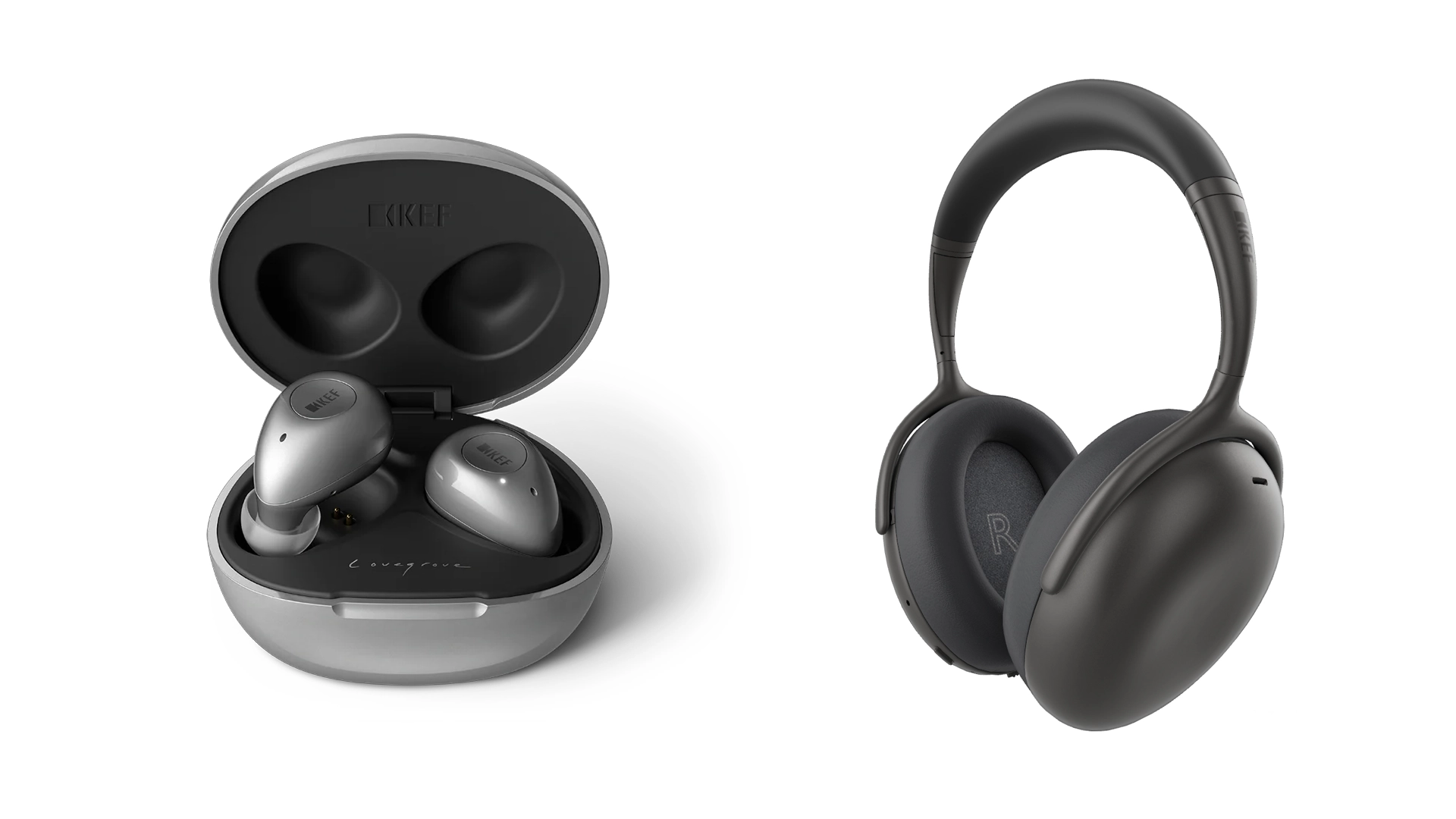
KEF is a British loudspeaker company whose identity rests on acoustic research and driver engineering rather than a house style applied to conventional boxes. BBC engineer Raymond Cooke founded it in Maidstone in 1961; the name comes from Kent Engineering & Foundry, the site of the first workshop. KEF’s defining invention is Uni-Q, introduced in 1988, which places the tweeter at the acoustic centre of the midrange cone so the two behave more like one source across a wide listening area. Recent generations add Metamaterial Absorption Technology behind the tweeter to manage rear radiation, while Uni-Core allows opposed subwoofer drivers to share a compact motor structure. These ideas appear at different scales across the Q, R and Reference ranges, the sculptural Blade models, KC subwoofers and the active LS50 Wireless II and LS60 Wireless. The catalogue spans passive, wireless, architectural and personal audio, but the common thread is unusually deep in-house modelling, measurement and transducer development.
Koss

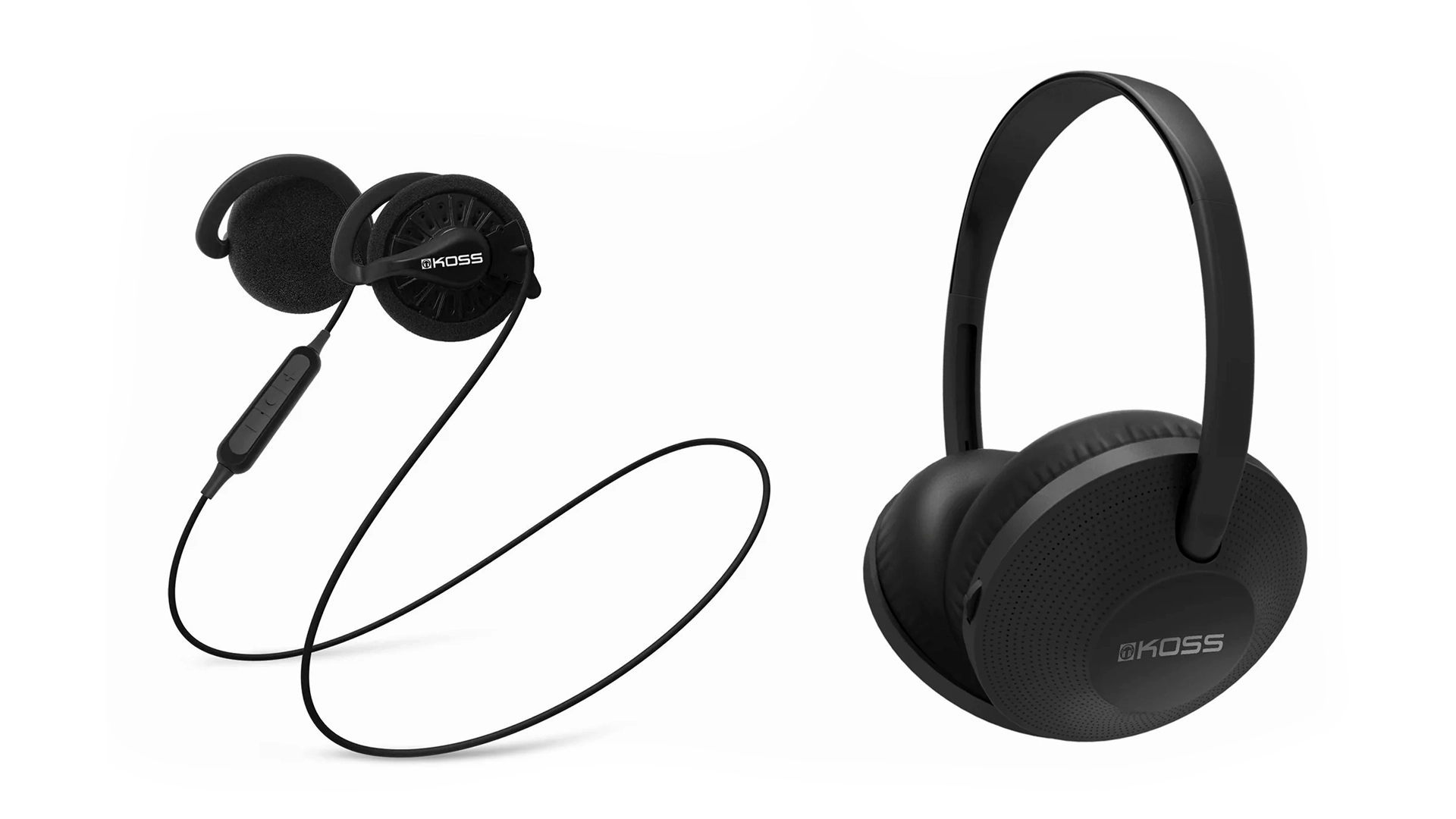
Koss is an American headphone company founded in Milwaukee by John C. Koss in 1953. The business initially rented televisions, but its direction changed in 1958 when Koss and engineer Martin Lange demonstrated a portable stereo phonograph with the SP/3 stereophone. That product is widely recognised as the first commercial high-fidelity stereo headphone and established personal stereo listening as Koss’s defining field; 1958 is the breakthrough year, not the company’s founding date. The later Pro/4AA became a durable studio and broadcast reference, while the open-back Porta Pro of 1984 created an even longer-lived design through its light frame, adjustable temple pads and replaceable foam cushions. Current favourites such as KSC75, KPH30i and KPH40 reuse aspects of the brand’s practical on-ear engineering, alongside Bluetooth and communication models. Koss has never depended on luxury materials or rapid annual replacement. Its strength is a rare continuity of affordable, repairable or parts-supported headphones whose basic acoustic platforms often remain useful for decades.
LG

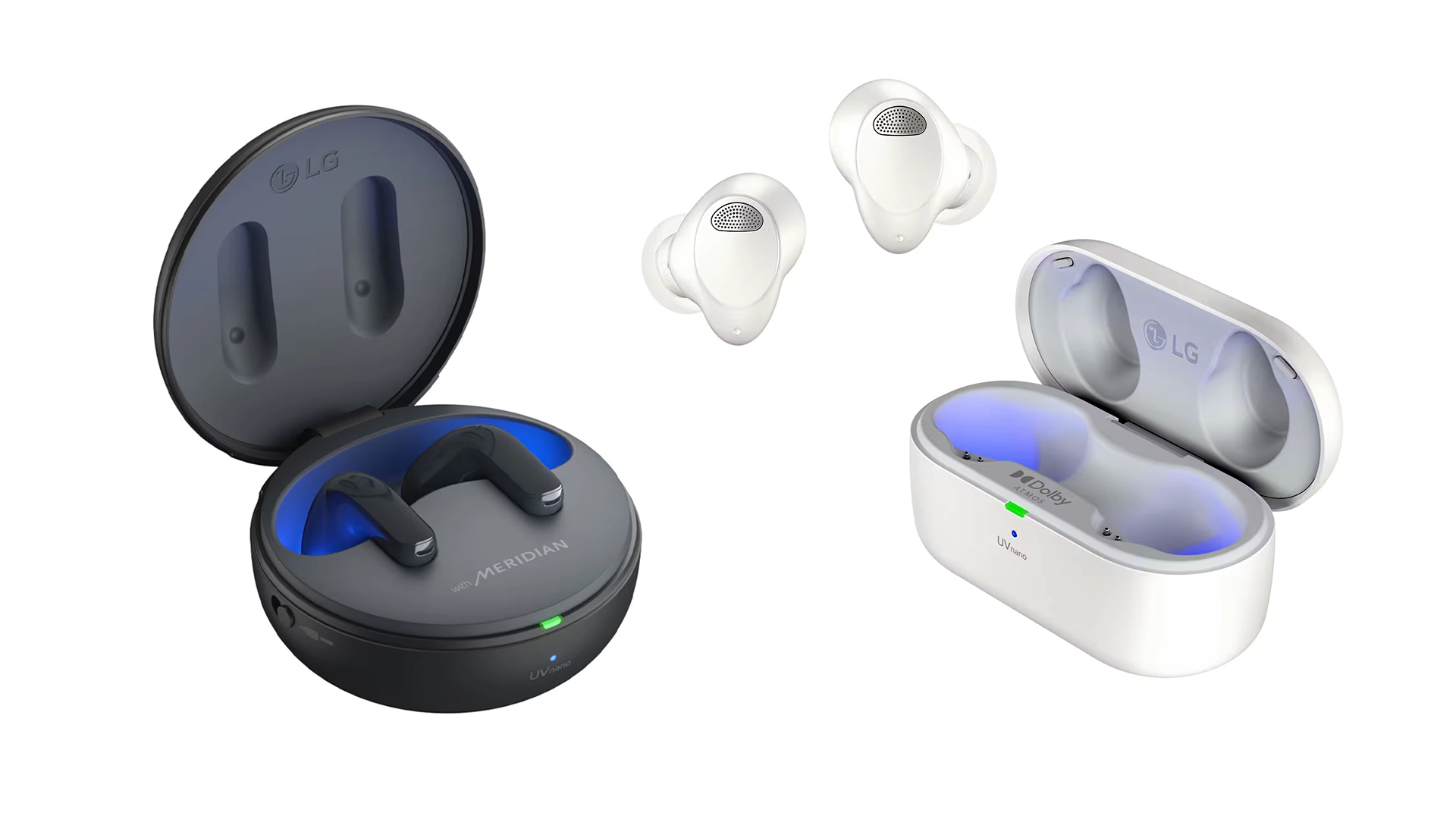
LG Electronics is a South Korean consumer-technology company whose relevance to audio and video lies in complete home-entertainment ecosystems rather than traditional separate-component hi-fi. The electronics business began as GoldStar in 1958 under founder Koo In-hwoi; the group’s 1947 origin belongs to Lucky Chemical, while the LG name was adopted in 1995. That makes 1958 the meaningful starting point for the electronics manufacturer. LG is a major developer of OLED televisions and display processing, with current ranges combining self-emissive panels, gaming features, webOS and AI-assisted picture and sound optimisation. Its audio portfolio includes Dolby Atmos soundbars, wireless rear-channel and subwoofer packages, xboom portable and party speakers, earbuds and integrated television audio. Selected earlier premium products were developed or tuned with Meridian Audio, but this collaboration should not be treated as the definition of every present model. LG’s strength is integration: HDMI eARC, wireless surround, streaming applications and television control are designed to work as one accessible system. It belongs in an AV directory primarily for displays, soundbars and connected home cinema, not as a specialist two-channel amplifier brand.
Lypertek

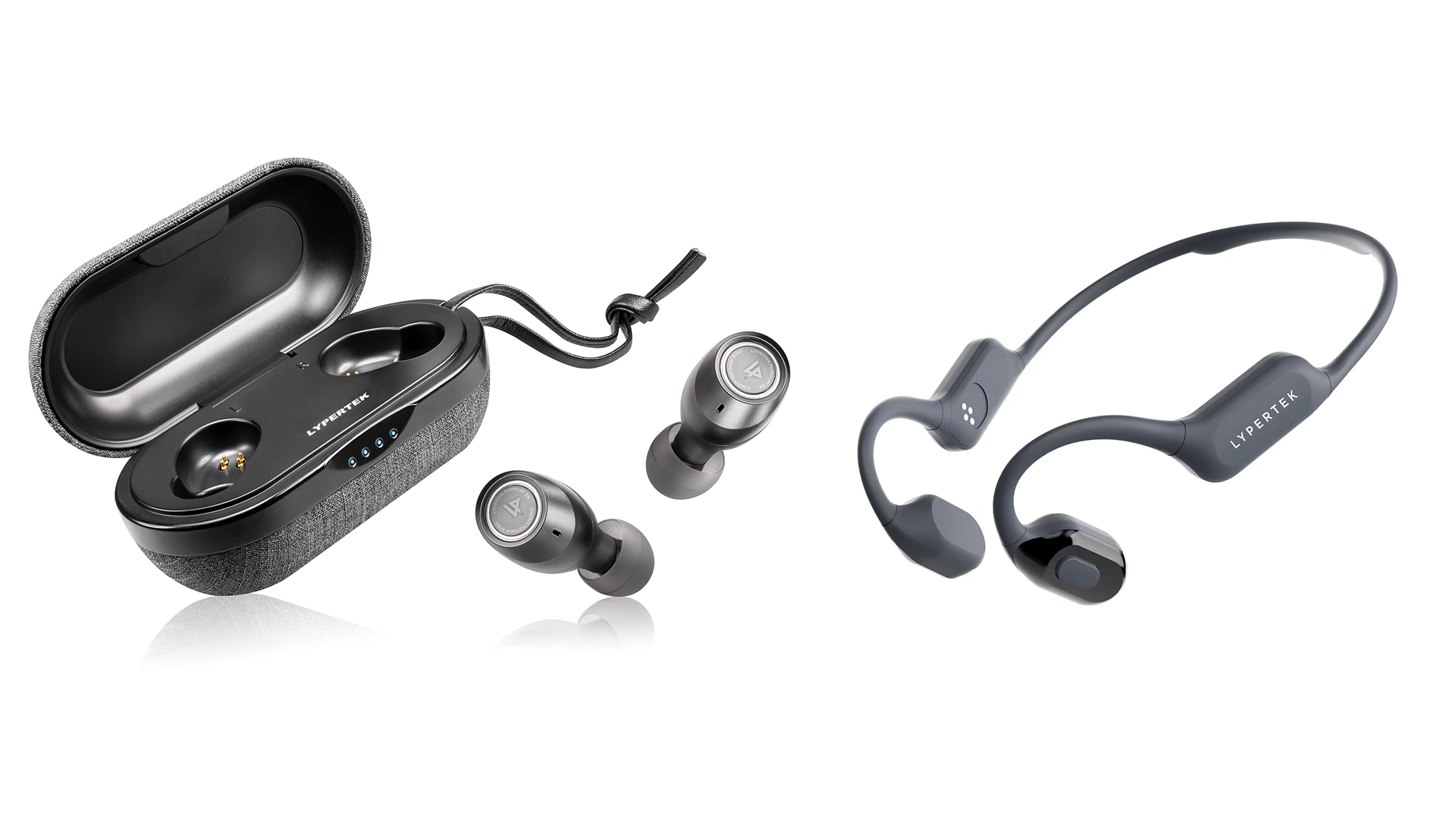
Lypertek is a portable-audio brand introduced in 2017 with a deliberately focused goal: true-wireless earphones tuned for sound quality without flagship-brand pricing. Its breakthrough model was the TEVI, later renamed PurePlay Z3, which paired a balanced tonal approach with unusually long battery life, IP-rated protection and a compact charging case. The PurePlay range subsequently split into distinct solutions. Z5 added hybrid active noise cancellation and app-based adjustment, while Z7 used a three-driver hybrid arrangement—one dynamic driver and two balanced armatures per side—to pursue greater resolution without abandoning wireless convenience. Simpler SoundFree models address everyday listening, and the newer S30 applies an open-ear bone-conduction format with IP68 protection and onboard MP3 playback for exercise. Across the range, Lypertek has emphasised practical details such as Qualcomm Bluetooth platforms on selected models, codec support, wireless charging, ambient modes and configurable controls. Products and availability have changed more quickly than in traditional hi-fi, so older TEVI branding should not be presented as the whole catalogue. The brand’s distinctive achievement was proving that battery endurance, weather resistance and a considered audio tuning could coexist in affordable true-wireless earphones.
Mark Levinson

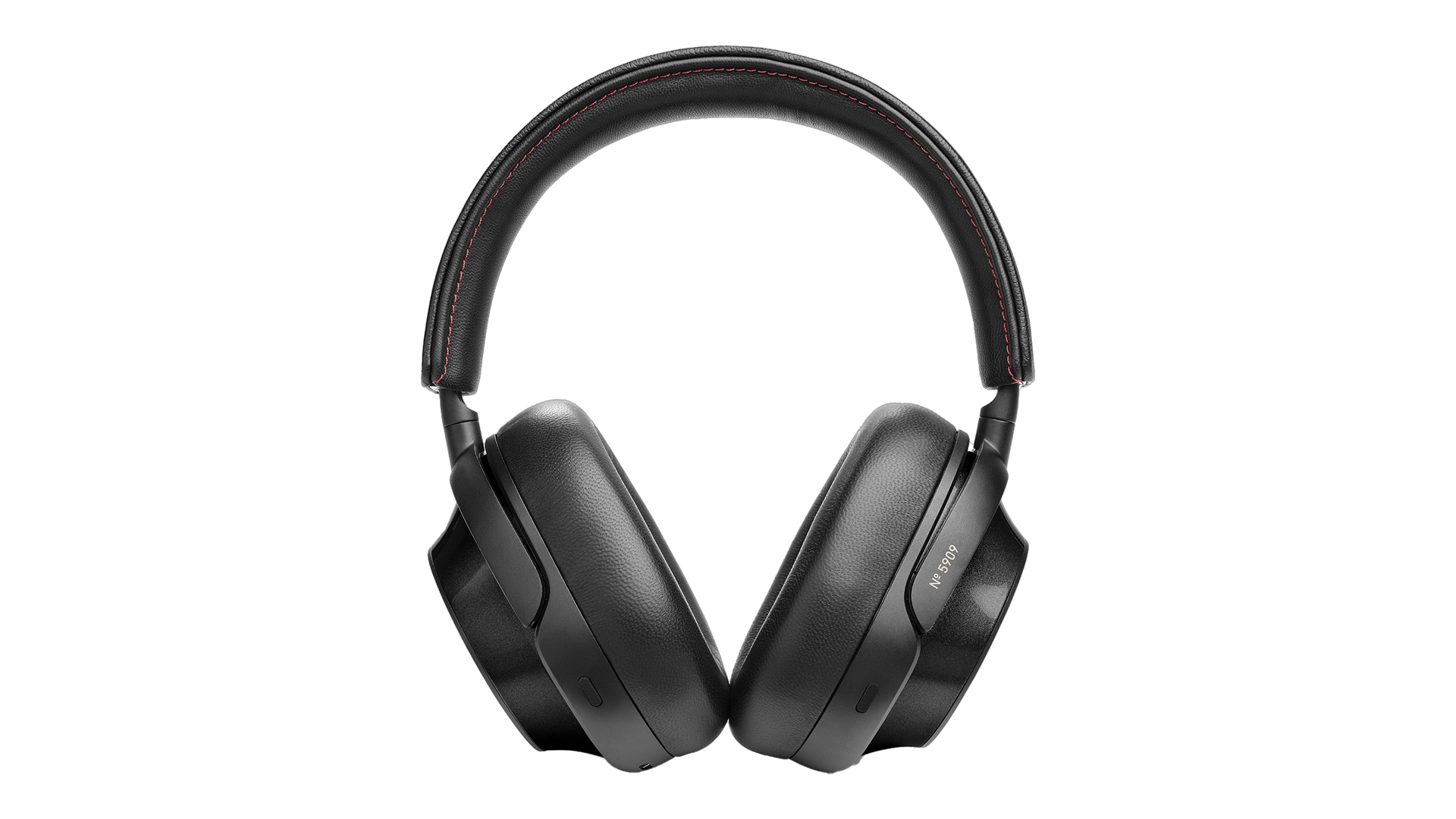
Mark Levinson is an American high-end electronics brand built around low-noise analogue circuitry, substantial power supplies and a deliberately uncompromising approach to signal integrity. Professional musician and recording engineer Mark Levinson founded the company in 1972 after seeking playback equipment that could reproduce the natural scale and timbre he heard in live performance. Early products such as the LNP-2 preamplifier helped define the emerging specialist high-end market. Now part of Harman, the brand produces preamplifiers, power and integrated amplifiers, digital players, turntables and premium headphones, and also develops factory audio systems for Lexus. Its components are identified by the Nº model prefix and typically use proprietary Pure Path circuit architecture, dual-mono layouts where appropriate, fully balanced signal paths and tightly regulated supplies. The Nº 5805 and Nº 5802 integrated amplifiers combine this analogue foundation with modern digital conversion, while the Nº 5909 extends the brand into wireless noise-cancelling headphones. Mark Levinson’s real distinction is not a cosmetic luxury treatment but the application of measurement-led, wide-bandwidth engineering and careful system integration across both traditional separates and newer product categories.
Marshall

Marshall is the British amplification name that turned the sound and appearance of a guitar stack into a global rock-and-roll signature, then carried that identity into headphones and wireless speakers. Drum-shop owner and former drummer Jim Marshall founded the business in London in 1962 with technicians Ken Bran and Dudley Craven. Their early JTM45 amplifier responded to musicians seeking more volume and a different voice from the American designs then available; later Plexi, Super Lead and JCM models became fixtures on stages and recordings. The current catalogue still includes guitar and bass amplifiers, cabinets and effects, alongside consumer products such as the Major and Monitor headphones, Motif and Minor earbuds, and portable or home Bluetooth speakers including Emberton, Middleton, Stanmore and Woburn. Since the Marshall amplification and former Zound consumer-audio businesses were brought together in Marshall Group in 2023, product development, licensing and brand stewardship sit within one company, while the Marshall family remains involved. What makes Marshall unusual is the continuity between professional music equipment and everyday listening products: tactile controls, durable construction and amplifier-inspired design are tied to a genuine manufacturing and performance history rather than an invented retro theme.
Master & Dynamic

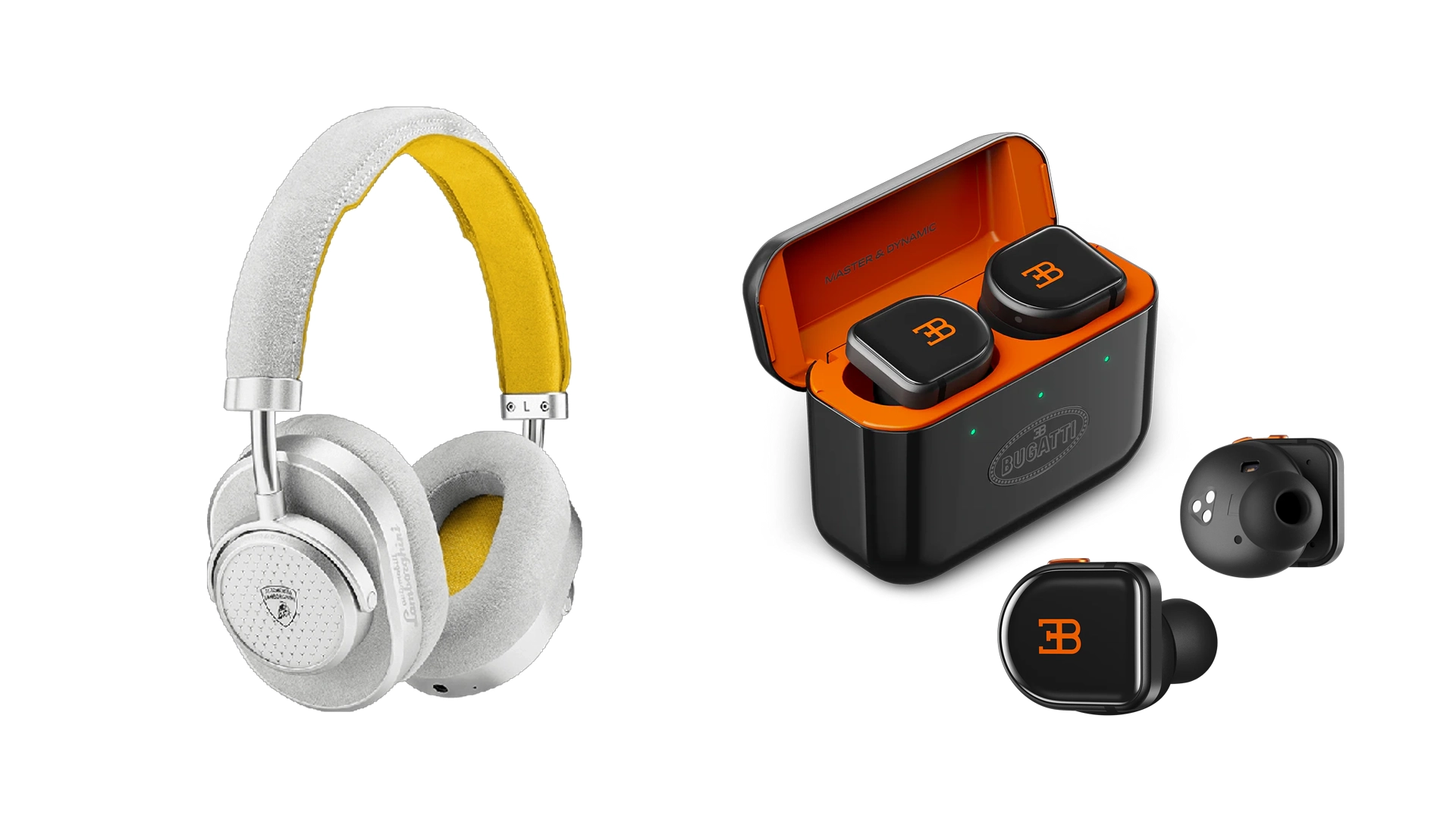
Master & Dynamic is a New York personal-audio brand that treats material choice, service life and industrial design as part of acoustic engineering. Jonathan Levine began developing the company in 2013 and launched its first headphones and earphones in May 2014, working with co-founder Vicki Gross and designer Mårten Wallby. The early MH40 established the formula: machined or forged metal, replaceable lambskin ear pads and a construction intended to age more like a durable instrument than disposable consumer electronics. The range now includes wired studio-style headphones, wireless over-ear models such as the MW75, true-wireless earphones and gaming headsets. Master & Dynamic combines custom acoustic drivers and tuned enclosures with active noise cancellation, beam-forming microphones and modern wireless codecs where the format requires them. Collaborations with fashion, automotive and cultural partners are frequent, but the underlying product language remains consistent. The brand’s real distinction is not luxury vocabulary alone; it is the unusually tactile, repair-conscious approach to portable audio, using aluminium, stainless steel, magnesium, leather and tempered glass where many competitors depend on molded plastic.
Meters Music

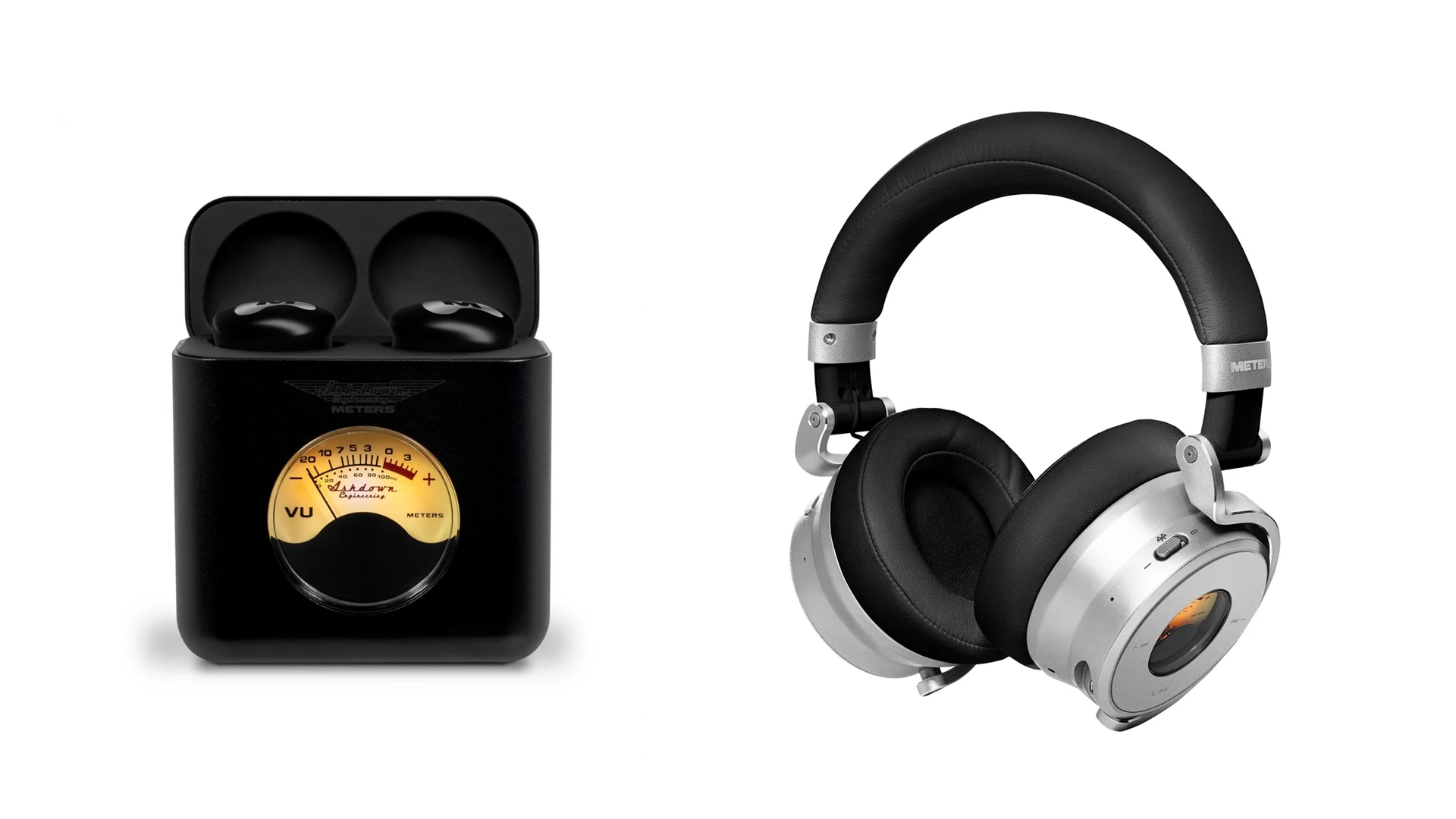
Meters Music is the British personal-audio offshoot of Ashdown Engineering, bringing the working VU meter and stage-equipment visual language of professional bass amplification to headphones and compact listening systems. Ashdown founder Mark Gooday created the line after decades in instrument amplification, and Meters made its public debut at CES in 2017. The analogue meters on models such as the OV-1 are functional level indicators, not printed decoration. The range has included wired and Bluetooth over-ear headphones, active-noise-cancelling variants, in-ear models and the modular LINX earphone-and-speaker system. OV-1-B-CONNECT models combine the signature meters with wireless playback and user-adjustable EQ, while the more straightforward NOVU line targets monitoring and everyday use. The products draw on Ashdown’s familiarity with musician-facing hardware, tactile controls and recognizable stage aesthetics, but are tuned and packaged for personal listening rather than bass-guitar amplification. Meters Music’s strongest point is specificity: few headphone brands can connect a visible design motif directly to a parent company’s real engineering history, and fewer make that motif perform an actual measurement function.
Mission

Mission is a British loudspeaker brand whose identity was established by compact, affordable speakers that used unconventional geometry to solve practical acoustic problems. Farad Azima founded Mission in 1977, and the original 770 quickly became a reference point for the company. One of its most recognizable ideas is Inverted Driver Geometry: placing the treble unit below the bass/mid driver to align the acoustic paths at the listening position and improve integration through the crossover region. Mission now offers standmount and floorstanding loudspeakers, centre and surround channels, subwoofers, active wireless systems and the revived 778 electronics. The LX MKII and QX MKII families bring the brand’s core concepts to accessible systems, while the modern 700, 750 and 770 reinterpret historic models with contemporary drivers, crossovers and cabinets. Depending on the range, Mission uses DiaDrive-style mid/bass diaphragms, ring-dome or microfibre-dome tweeters and carefully profiled cabinet structures. Its lasting distinction is not generic “British sound,” but the ability to turn specific engineering choices—driver order, crossover timing and cabinet proportions—into complete ranges that remain straightforward to own.
Nagaoka

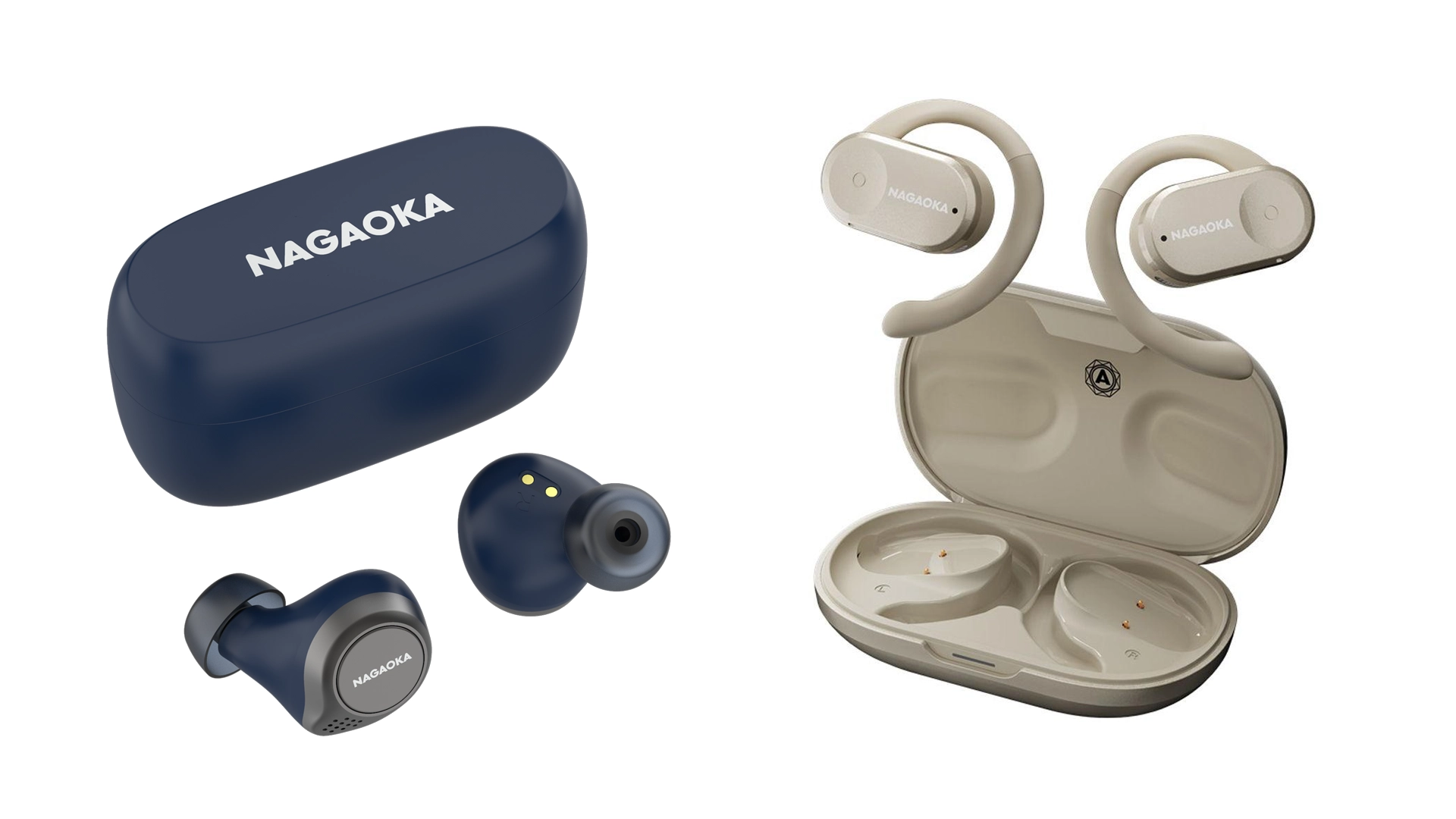
Nagaoka is the Japanese precision manufacturer best known to vinyl listeners for replaceable styli and Moving Permalloy phono cartridges. It began in Tokyo in 1940 as Nagaoka Clock Parts Manufacturing, machining small, hard materials for the watch industry. That expertise led to diamond record styli in 1961 and eventually to complete cartridges, giving the company unusually deep control over the tiny parts that determine tracking and groove contact. The MP range is Nagaoka’s signature. It is a moving-iron principle in which a low-mass permalloy element moves within a fixed magnetic circuit, providing output compatible with a conventional MM phono stage while keeping the replaceable stylus assembly light. Models from the widely used MP-110 through MP-150, MP-200, MP-300 and MP-500 vary in cantilever, stylus profile, body and generator refinement; the MP-700 marks a newer flagship generation. Nagaoka also supplies mono cartridges, headshells, record sleeves, cleaning fluids and stylus-care tools, and remains an important OEM producer. The valuable part of its story is not ornamental language about Japanese craftsmanship: Nagaoka has decades of in-house experience cutting and bonding diamond styli, forming cantilevers and assembling the complete mechanical system that must follow a microscopic groove accurately.
Noble

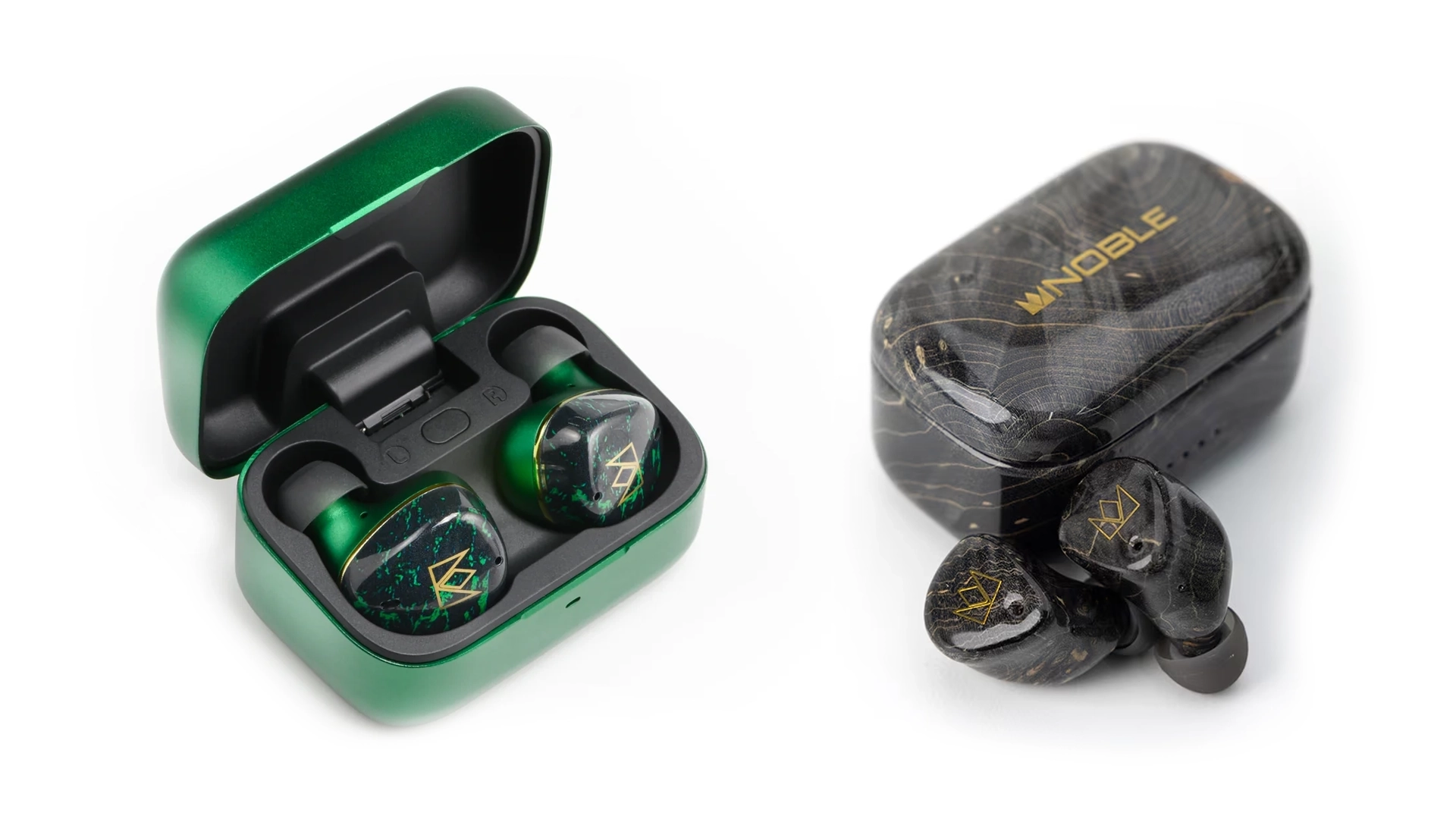
Noble Audio is the American personal-audio company that helped turn the custom in-ear monitor from a flesh-coloured professional tool into a high-end object with an individual visual identity. Audiologist Dr John Moulton, known in the headphone community as “the Wizard,” formed Noble in 2013; his brother Jim Moulton became a 50-percent owner. John’s combination of hearing science, tuning experience and hand-finished shell artwork gave the young brand a recognisable voice from the outset. The Kaiser 10, or K10, was the breakthrough: a ten-balanced-armature design offered in universal and custom forms that established Noble’s reputation for ambitious multi-driver tuning. Katana, Encore, Khan, Sultan, Viking Ragnar and Ronin followed with different mixtures of balanced-armature, dynamic, piezoelectric and electrostatic drivers rather than a simple race for higher driver counts. Prestige custom models are carved from distinctive solid materials, while standard customs use individually moulded acrylic shells and artwork. Noble has also carried its tuning into FoKus true-wireless earphones and later wireless headphones. The earlier year-by-year award list obscured the real story. Noble matters because it joins clinical knowledge of the ear, complex acoustic crossovers and unusually expressive industrial craft, serving stage professionals and enthusiasts without making the products look interchangeable.
Nothing

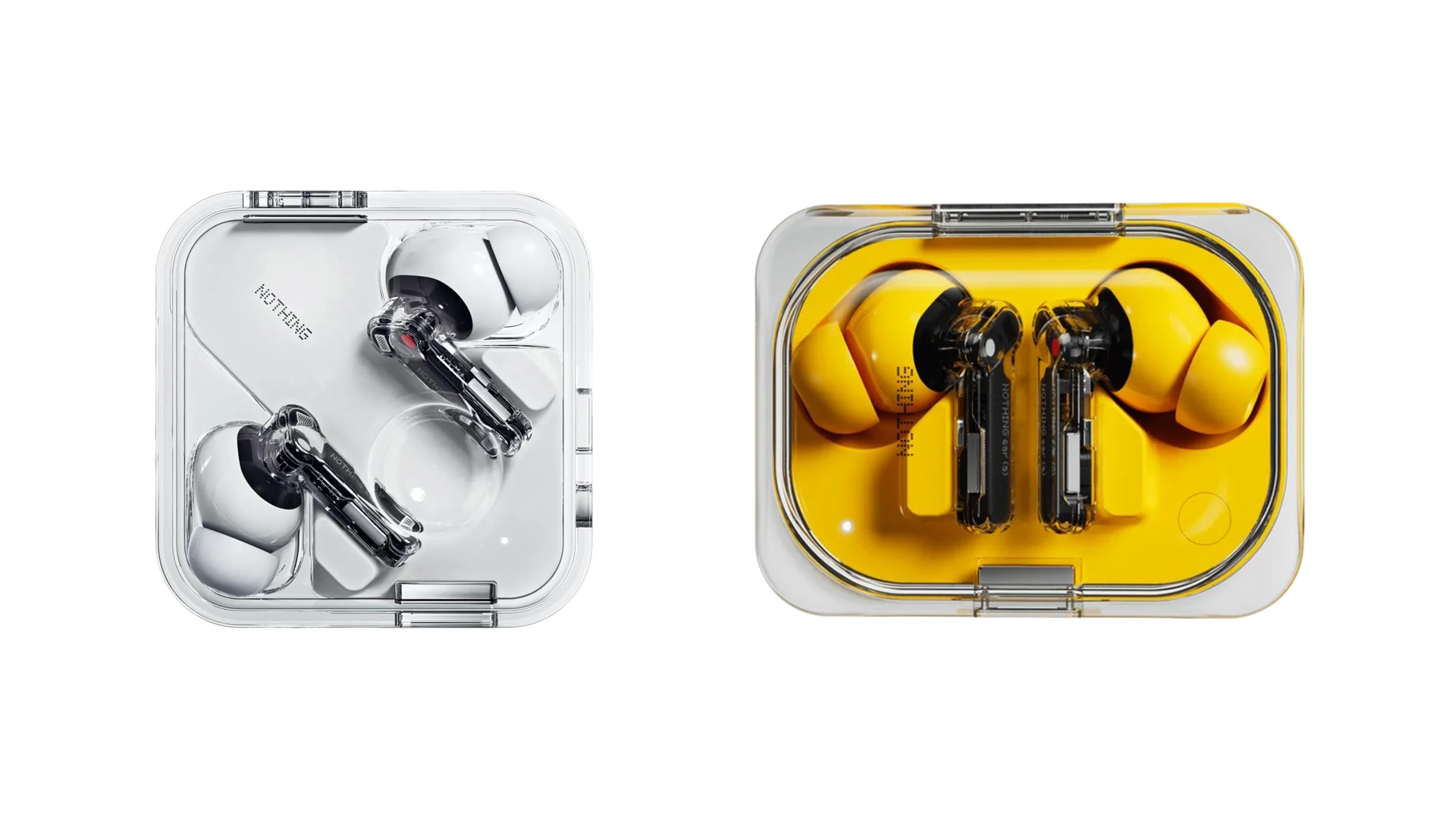
Nothing is the London consumer-technology company founded in 2020 by Carl Pei after he left OnePlus. Audio was not a side category but the company’s point of entry: Ear (1), launched in 2021, introduced the transparent housings, exposed visual details and dot-matrix graphics that became Nothing’s design signature. The product showed the central idea clearly—make familiar electronics legible and characterful again, while competing on everyday usability rather than presenting transparency as decoration alone. The Ear family now spans true-wireless models with active noise cancellation and app-based equalisation, while the over-ear Headphone (1) added physical controls and acoustic tuning developed with KEF. Nothing’s phones extended the same identity through the Glyph lighting interface and Nothing OS; the more accessible CMF line explores modular colour and form across earbuds, watches and phones. The company also acquired the brand assets of Essential Products early in its development, but it was not a continuation of that failed smartphone business. Nothing is therefore relevant to an audio catalogue for a precise reason: headphones were its first commercial product and remain one of its core product pillars. Its distinction is a unified interaction and industrial-design language carried across wireless audio and mobile devices, not a claim to traditional audiophile manufacturing.
Oppo

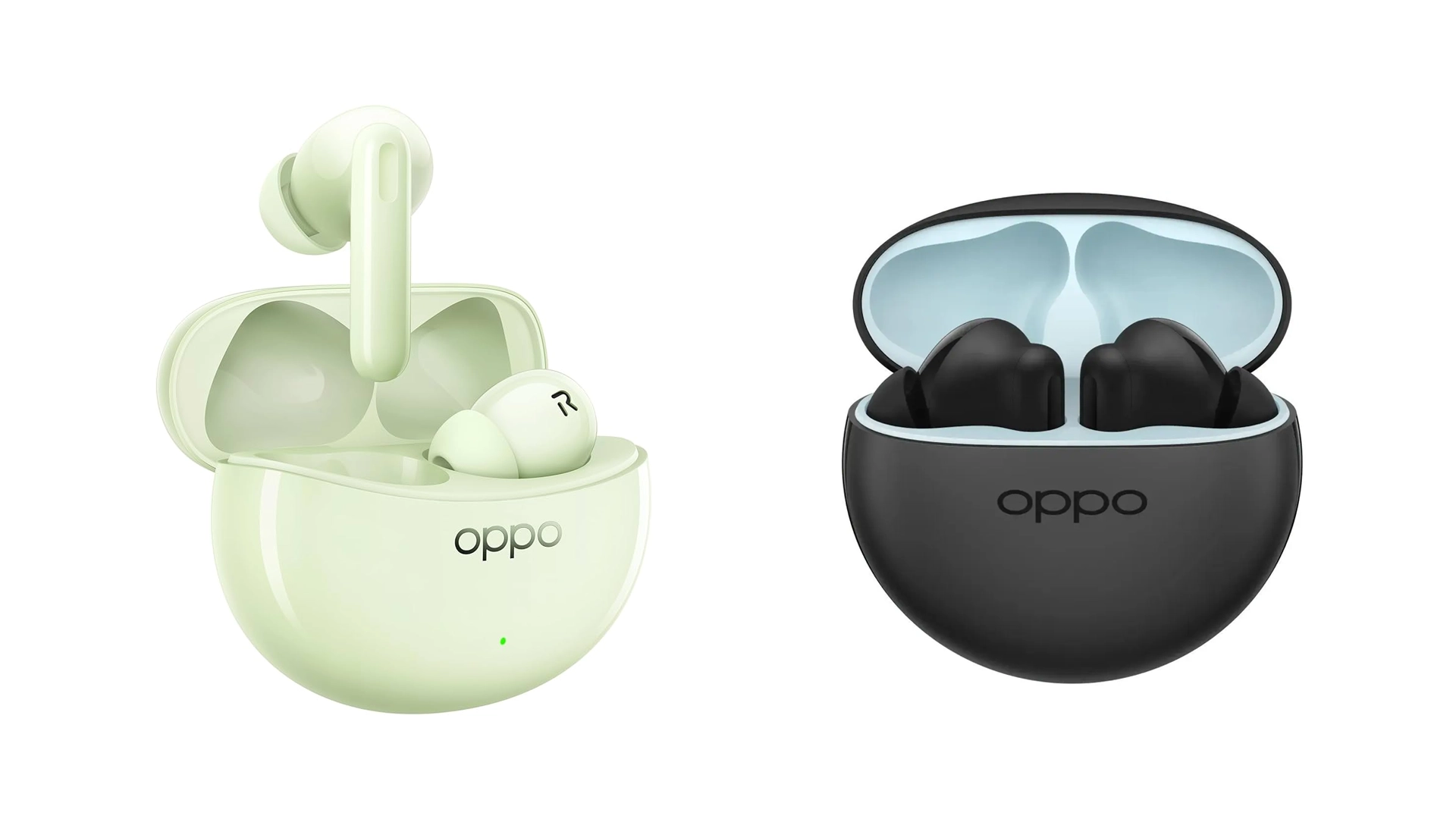
OPPO is the Chinese consumer-technology company established in 2004 and represented by the listed oppo.com site. It is primarily a smartphone and connected-device brand, with audio centred on the Enco family of true-wireless earphones rather than on traditional separates. That distinction matters: this entry should not be confused with OPPO Digital, the former California-based specialist that made universal disc players, DACs and planar headphones and stopped developing new products in 2018. Within the current OPPO range, Enco X models occupy the premium end, combining active noise cancellation, high-resolution Bluetooth features and multi-driver acoustic systems in selected generations. Enco Air and Enco Buds target lighter, more accessible everyday use, while open-ear and clip-style designs extend the catalogue beyond sealed earbuds. The audio products are integrated with ColorOS for pairing, controls, firmware and spatial or personalised listening features, and draw on the same industrial-design and battery-engineering resources as OPPO’s phones, tablets and wearables. OPPO’s relevance here is therefore modern personal audio at global scale, not an ongoing line of audiophile Blu-ray players. Keeping the two similarly named histories separate prevents the most common error in descriptions of the brand and aligns this record with its country, founding year and official URL.
PSB

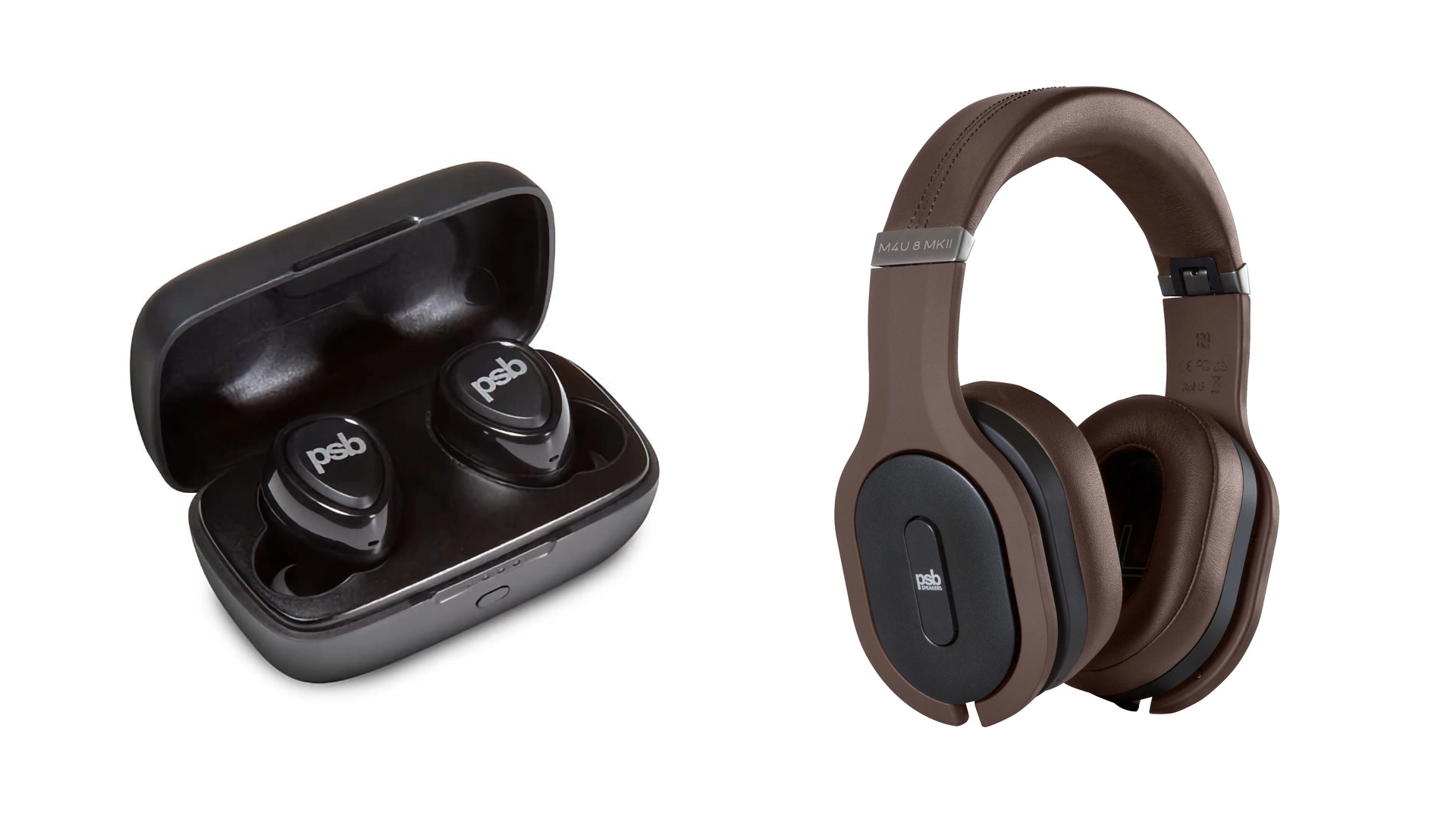
PSB Speakers was founded in 1972 by Canadian designer Paul Barton; the initials stand for Paul and Sue Barton. Rather than building a brand around one fashionable material, Barton developed a repeatable process of anechoic measurement and controlled listening. His long work at Canada’s National Research Council helped connect smooth on-axis response, well-behaved off-axis radiation and listener preference, giving PSB an engineering method that could be applied from entry-level speakers to flagships. Alpha is the accessible expression of that method and has remained important through several generations. Imagine covers stereo and home-cinema systems at a higher level, while Synchrony—including the current T800 flagship—uses more elaborate driver, cabinet and crossover engineering. Architectural PWM and CustomSound models, CS outdoor speakers and subwoofers extend the same voicing to installed systems. PSB also applies acoustic research to M4U headphones; its RoomFeel tuning is intended to reproduce the spectral balance listeners experience from well-designed loudspeakers in a room rather than the unnaturally flat pressure response of a raw headphone fixture. The company is part of Canada’s Lenbrook group alongside NAD and Bluesound, giving it access to shared research and distribution while Paul Barton remains closely associated with its acoustic direction. PSB’s lasting achievement is disciplined value: models at very different prices are developed through the same measurement-and-listening loop, so the family resemblance comes from controlled directivity and tonal balance rather than from repeated styling alone.
Sennheiser

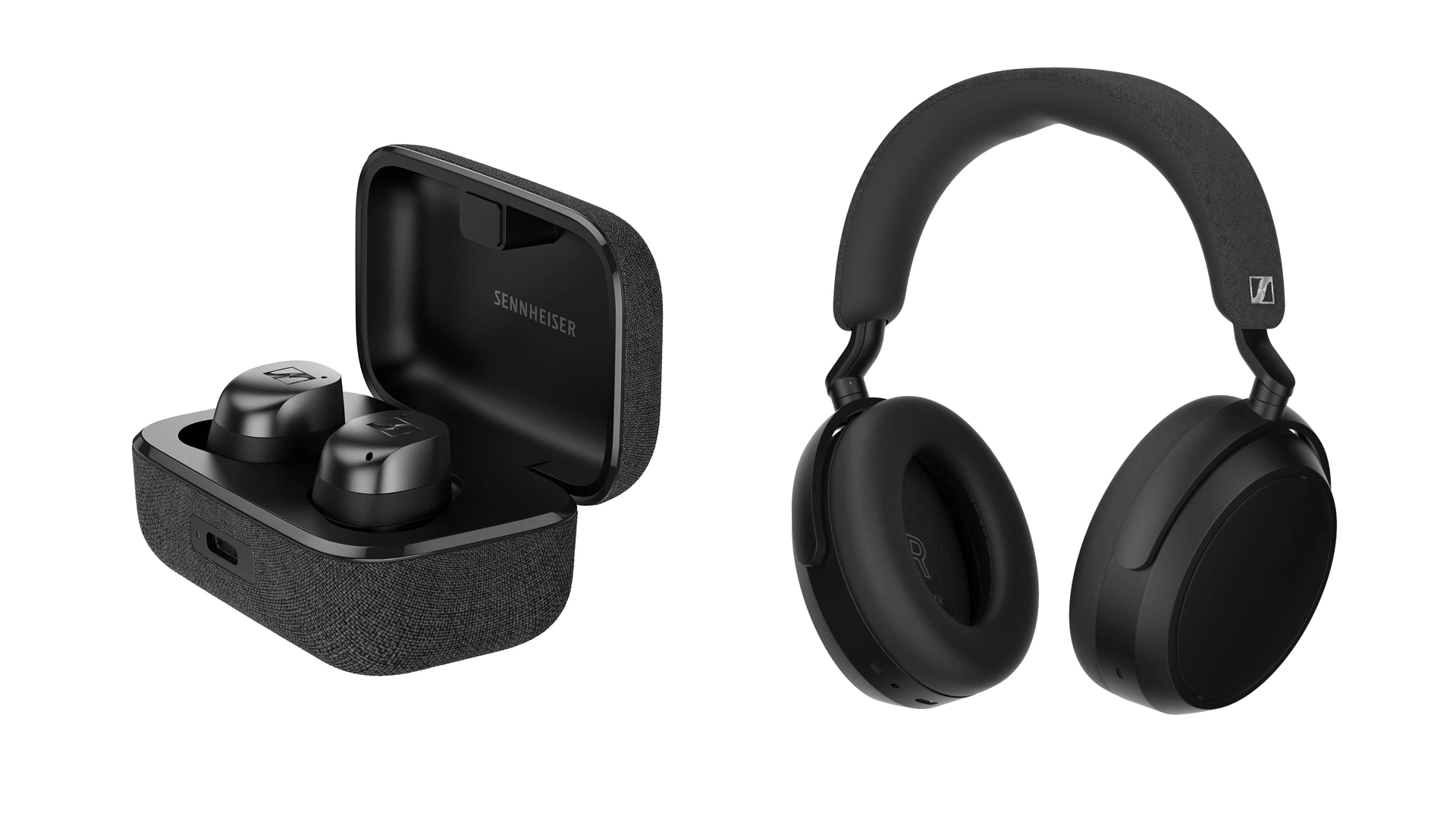
Sennheiser is a German audio company founded in 1945 by electrical engineer Fritz Sennheiser as Laboratorium Wennebostel, or “Labor W,” near Hanover. Microphones established the business: the MD 2 followed soon after its first measuring equipment, the MD 421 became a studio and broadcast standard, and the MKH and evolution families carried the name into film, stage and location sound. Headphones form the other great strand. The open-back HD 414 of 1968 was produced on an extraordinary scale; later HD 600, HD 650 and HD 800 models became long-lived references for home listening, while the Orpheus/HE 1 electrostatic system demonstrated the company’s no-compromise engineering. Wireless microphone systems, aviation and broadcast headsets, in-ear monitoring and AMBEO immersive-audio products broaden the professional portfolio. Ownership now needs careful distinction. The Sennheiser family-owned company continues to run the professional-audio business. Its consumer headphone and hearable division was acquired by Swiss hearing-care group Sonova in 2022 and operates under a perpetual licence to the Sennheiser brand; in March 2026 Sonova announced that it intends to divest this Consumer Hearing business, with a transaction expected during its 2026/27 financial year. Until a sale is completed, Sonova remains the owner of that division. The original country therefore remains Germany, but “Sennheiser” no longer describes one corporate unit. What connects the products is an unusually deep history in transducers, acoustics and wireless transmission—knowledge applied from stage microphones to open-back audiophile headphones rather than a brand assembled around a single consumer trend.
Shure

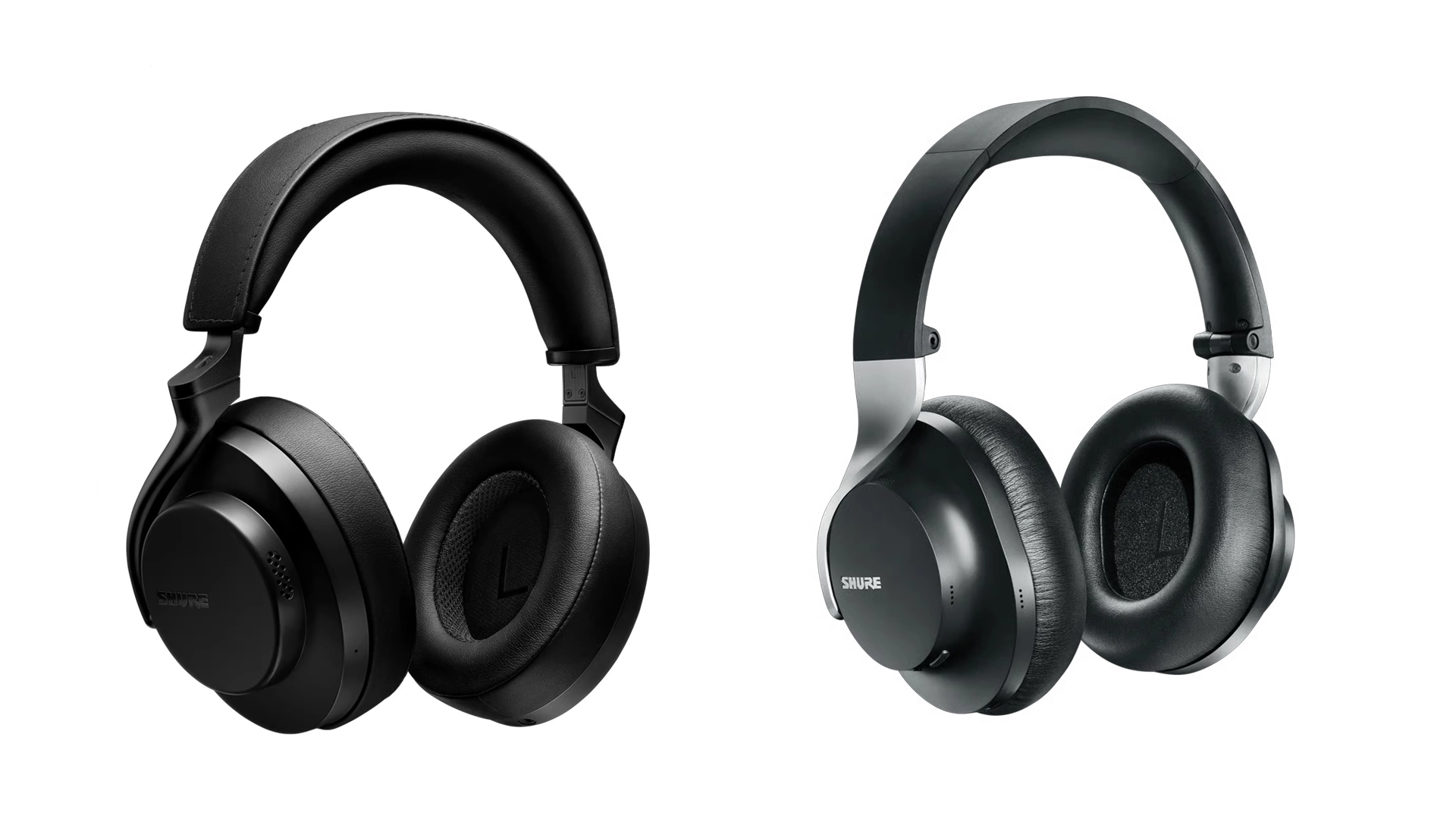
Shure is an American audio manufacturer founded in Chicago in 1925 by Sidney N. Shure, initially as a mail-order supplier of radio-parts kits. When factory-built radios displaced that business, Shure moved into microphones and created products that changed how voices were captured on stage, in broadcasting and in the studio. The 55 Unidyne of 1939 was the first successful single-element unidirectional dynamic microphone, combining the front and rear acoustic paths inside one capsule; its unmistakable body later became a visual symbol of public performance. The rugged SM57 and vocal-focused SM58, introduced in the 1960s, became working standards, while the SM7—evolved today as the SM7B—found a second life in recording, broadcasting and podcasting. Shure’s expertise extends well beyond wired dynamics. Axient Digital and ULX-D address mission-critical wireless production, PSM systems provide professional in-ear monitoring, and Microflex covers conferencing and networked installed sound. The company was also a major phono-cartridge maker: M3D and V15 generations influenced vinyl replay before cartridge production ended in 2018. Current personal-audio products include SE in-ear monitors, AONIC headphones and earphones, MV microphones such as the MV7+, and MoveMic wireless lavaliers. The common thread is dependable transducer and radio engineering under real working conditions—feedback, handling noise, spectrum congestion, sweat, drops and long service lives—not a fashionable house sound. Shure remains privately held and headquartered in the Chicago area. A century after its founding, its strongest products are those professionals can recognise, replace and trust anywhere, yet the company continues to translate the same microphone and wireless knowledge into modern USB, mobile and networked workflows.
Sonos

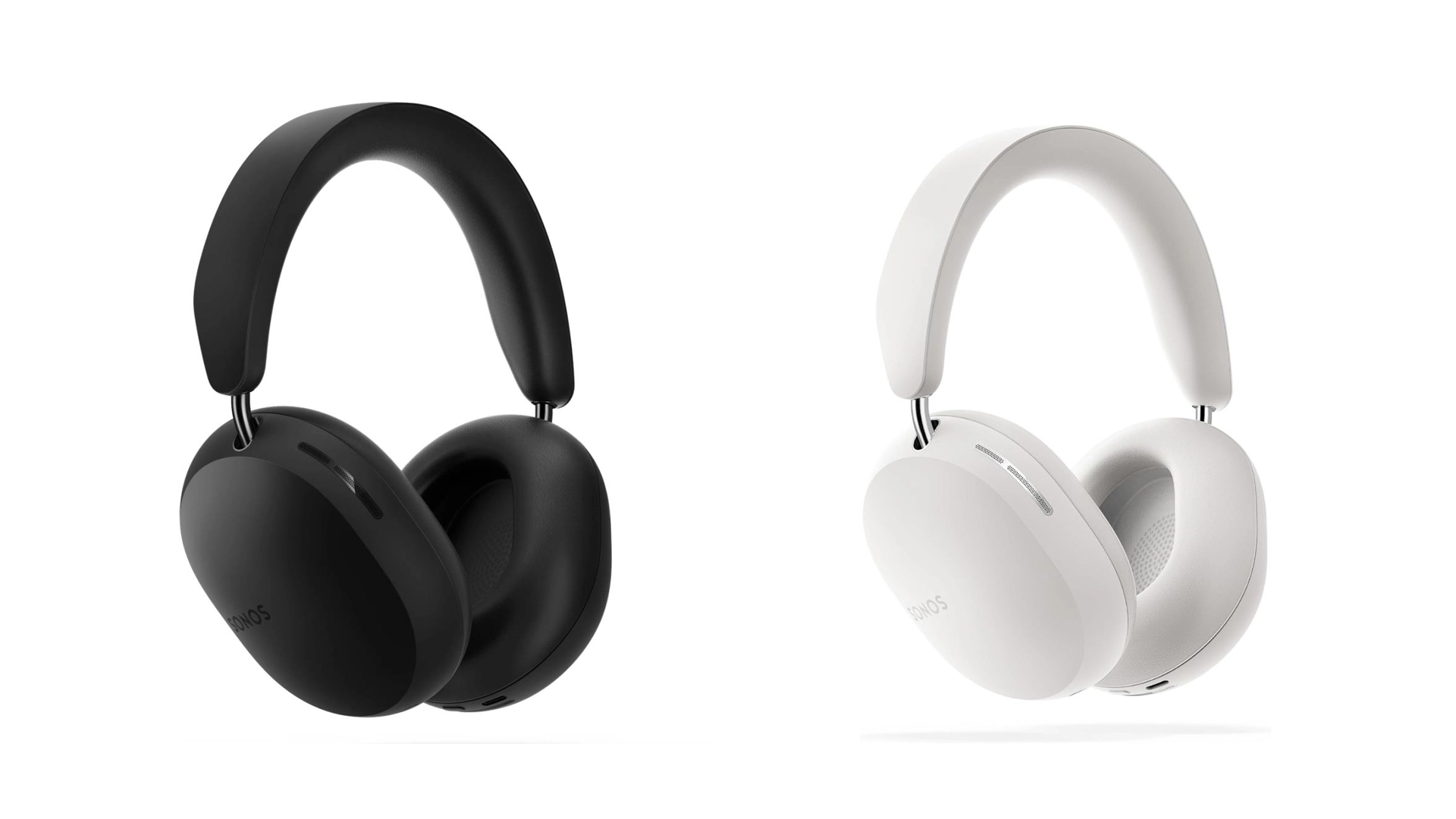
Sonos made synchronised music in different rooms the foundation of an audio system that can grow one speaker at a time. John MacFarlane, Tom Cullen, Trung Mai and Craig Shelburne founded the company in Santa Barbara, California, in 2002. Their idea was to use home networking to make music accessible throughout a house, with playback and room selection managed through a common interface. Early ZonePlayer components established the system approach; the arrival of all-in-one speakers in 2009 made it accessible without a separate amplifier and speakers in every room. Products such as Play:5 and One became familiar expressions of that idea, followed by the Era family. Matching speakers can form stereo pairs, and selected models can work with soundbars and subwoofers in a home-theatre configuration. Arc and Beam brought television into the ecosystem, while Move and Roam added portable listening. Sonos also makes Amp and Port components for connecting conventional loudspeakers or an existing hi-fi system. Its more recent range includes Arc Ultra, Move 2, Roam 2 and Ace headphones, the latter extending compatible television sound to private listening through TV Audio Swap. Across these different forms, Sonos’s defining product is the connected system as much as the individual enclosure: software, synchronisation and compatible hardware make it possible to use rooms separately or bring them together. That continuity explains how a brand associated with wireless speakers also has a substantial role in installed home audio.
Sony

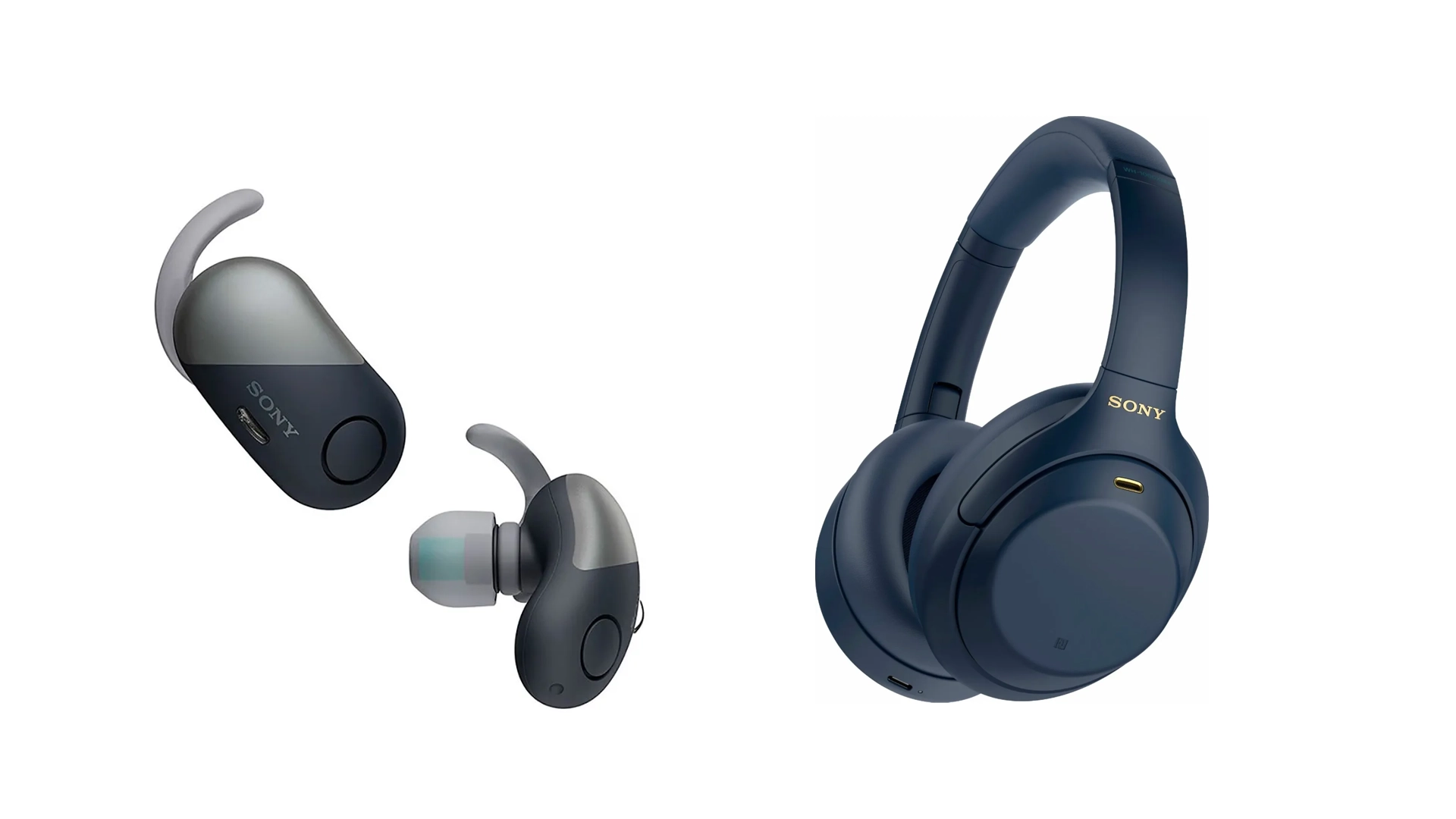
Sony helped shape both personal listening and home entertainment, from the Walkman and Compact Disc era to televisions, headphones and cinema systems. Masaru Ibuka and Akio Morita established the company in Tokyo in 1946 as Tokyo Tsushin Kogyo; the Sony name became its corporate identity in 1958. Tape recorders and transistor radios provided early foundations, but the 1979 TPS-L2 Walkman changed how people carried music with them. The CDP-101 followed in 1982, and the compact D-50 portable CD player in 1984 helped bring digital discs beyond the living room. Sony also played a central role with Philips in developing the Compact Disc and later SACD formats. Its hi-fi history includes ES amplifiers and disc players, while Walkman continued into digital music players. Headphones became another major field, spanning studio use, dedicated home listening and wireless noise-cancelling models. In video, the progression from Trinitron to BRAVIA televisions sits alongside home-cinema projectors and professional imaging equipment. Soundbars, receivers and disc players connect these audio and video interests within domestic systems. Sony’s scale matters because it works across recording, signal processing, playback hardware and entertainment production, with technologies moving between those areas. The consumer brand therefore encompasses far more than its professional AV division: it includes several of the products and formats through which generations of listeners first encountered recorded music and film.
SoundMAGIC

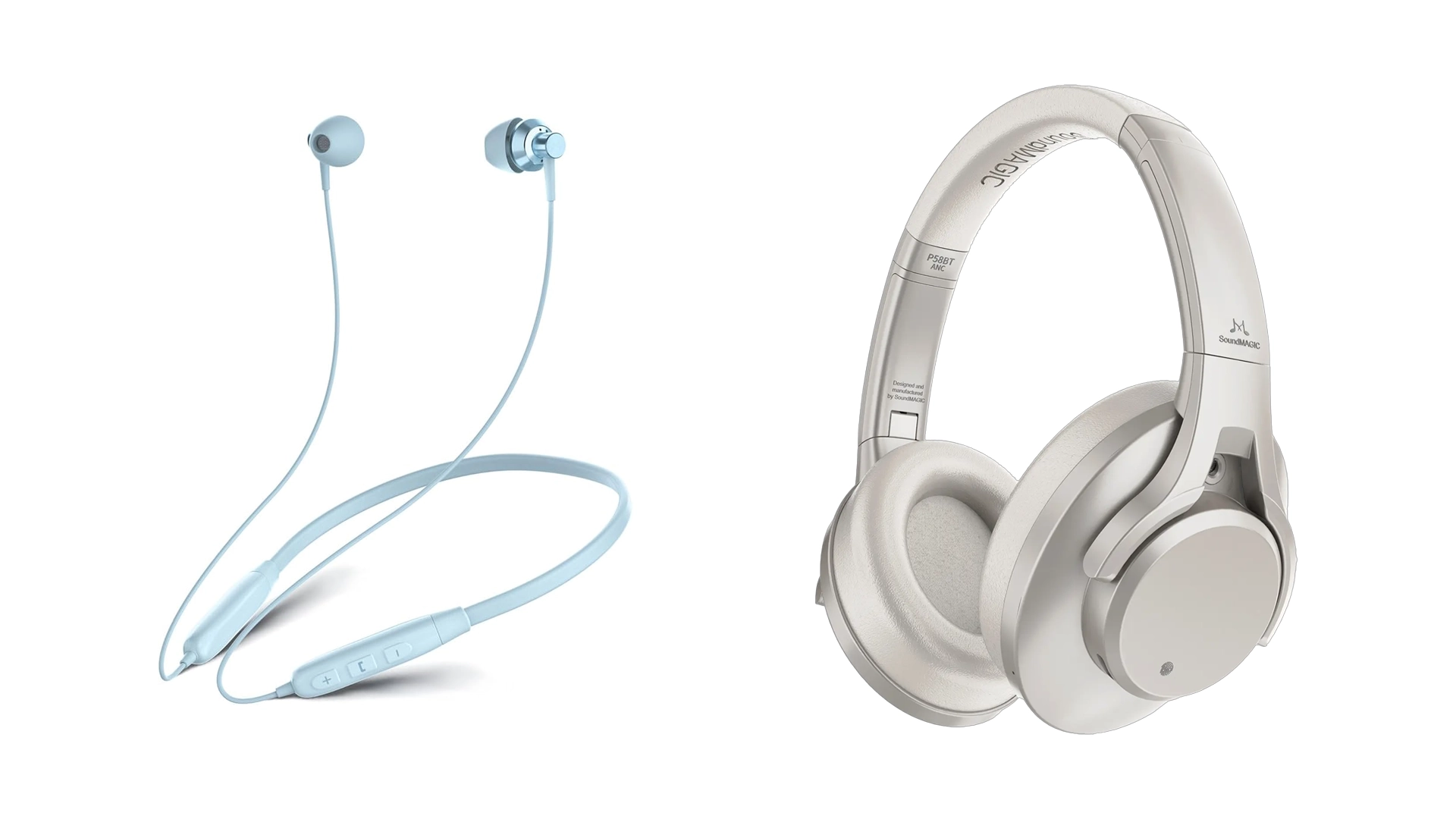
SoundMAGIC built its reputation by making affordable earphones that could be taken seriously for music listening. Acoustic design engineer Tony Xu founded the Chinese brand in 2005, and the E-series wired in-ear models became its most recognisable products. The E10 established a particularly durable place in the range, followed by designs such as E11, E50 and E80 that offered different steps in performance and construction. Small housings, straightforward connections and a choice of eartips made these products practical for everyday use as well as a first dedicated headphone purchase. Their relevance has continued as the source device changes: USB-C versions bring the same basic in-ear format to phones and computers without a conventional headphone socket. SoundMAGIC’s catalogue also includes full-size headphones, with the HP family serving listeners who prefer an over-ear fit, and it has developed wireless products alongside the wired range. The engineering emphasis is on the acoustic driver and enclosure, fit and usable construction at accessible prices. That focus explains why individual models have remained more prominent than elaborate lifestyle campaigns. For listeners, the attraction is a clear choice of form and connection: a compact wired earphone, a USB-C model with the necessary digital interface, or a larger headphone for another setting. SoundMAGIC’s identity is rooted in making these everyday audio products well enough that an inexpensive pair can become a long-term part of someone’s listening rather than merely an accessory supplied with a phone.
T+A

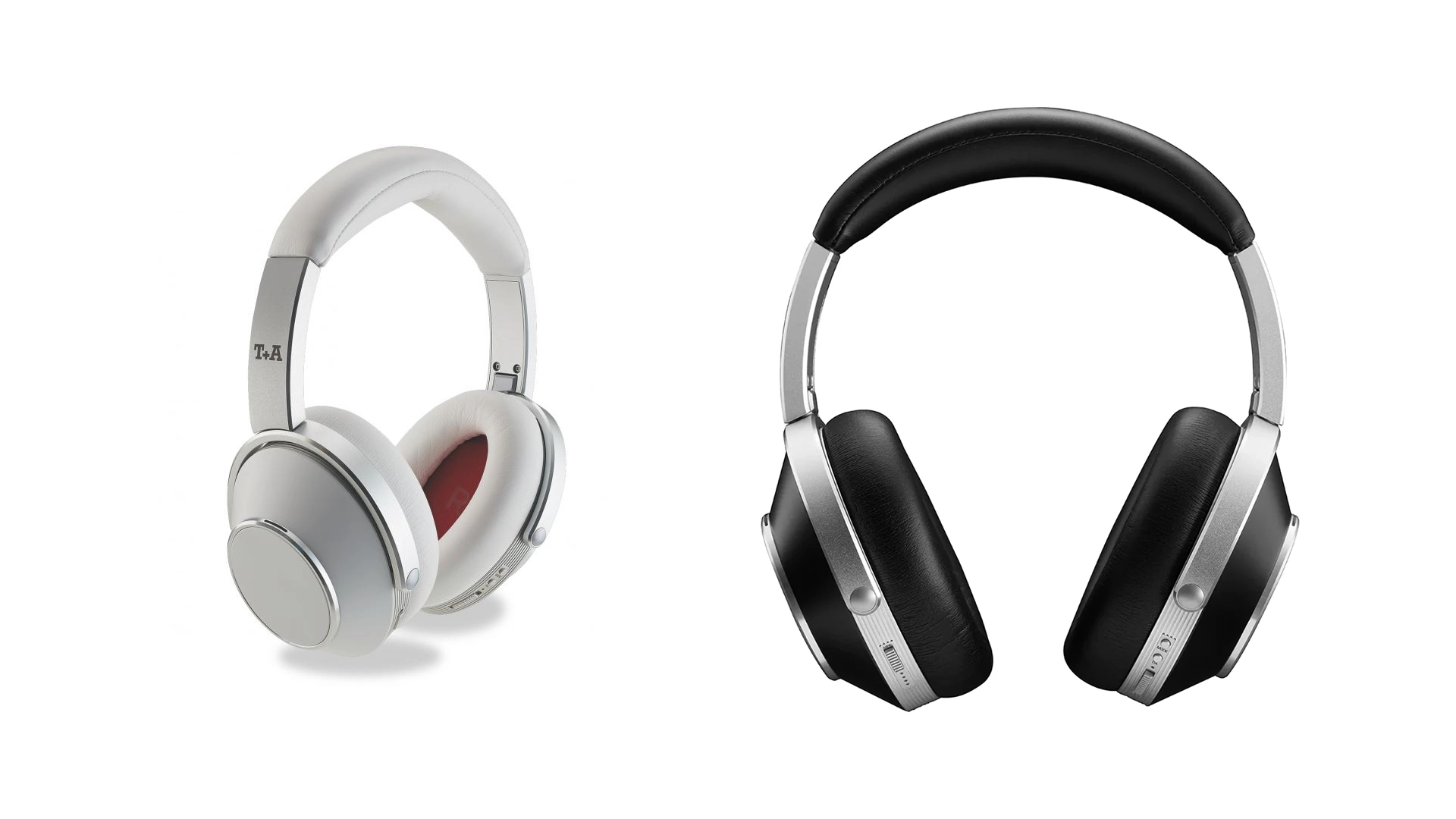
T+A elektroakustik (Theory + Application) is a German manufacturer of high-end audio equipment, known for its wide range of products, innovative technologies, and a focus on delivering both exceptional sound quality and comprehensive features. The company’s product range includes amplifiers, preamplifiers, integrated amplifiers, CD players, streamers, all-in-one systems, loudspeakers, and even headphones. T+A often utilizes proprietary technologies and advanced engineering in its designs, aiming to push the boundaries of audio performance. Their products are characterized by their robust build quality, elegant aesthetics, and a sonic signature that emphasizes detail, dynamics, and a natural, unforced presentation. The “HV” (High Voltage), “R” series , and “Cala” series represent different facets of their product offerings. T+A products are positioned in the high-end segment of the market, appealing to audiophiles who value both performance and German engineering.
Technics

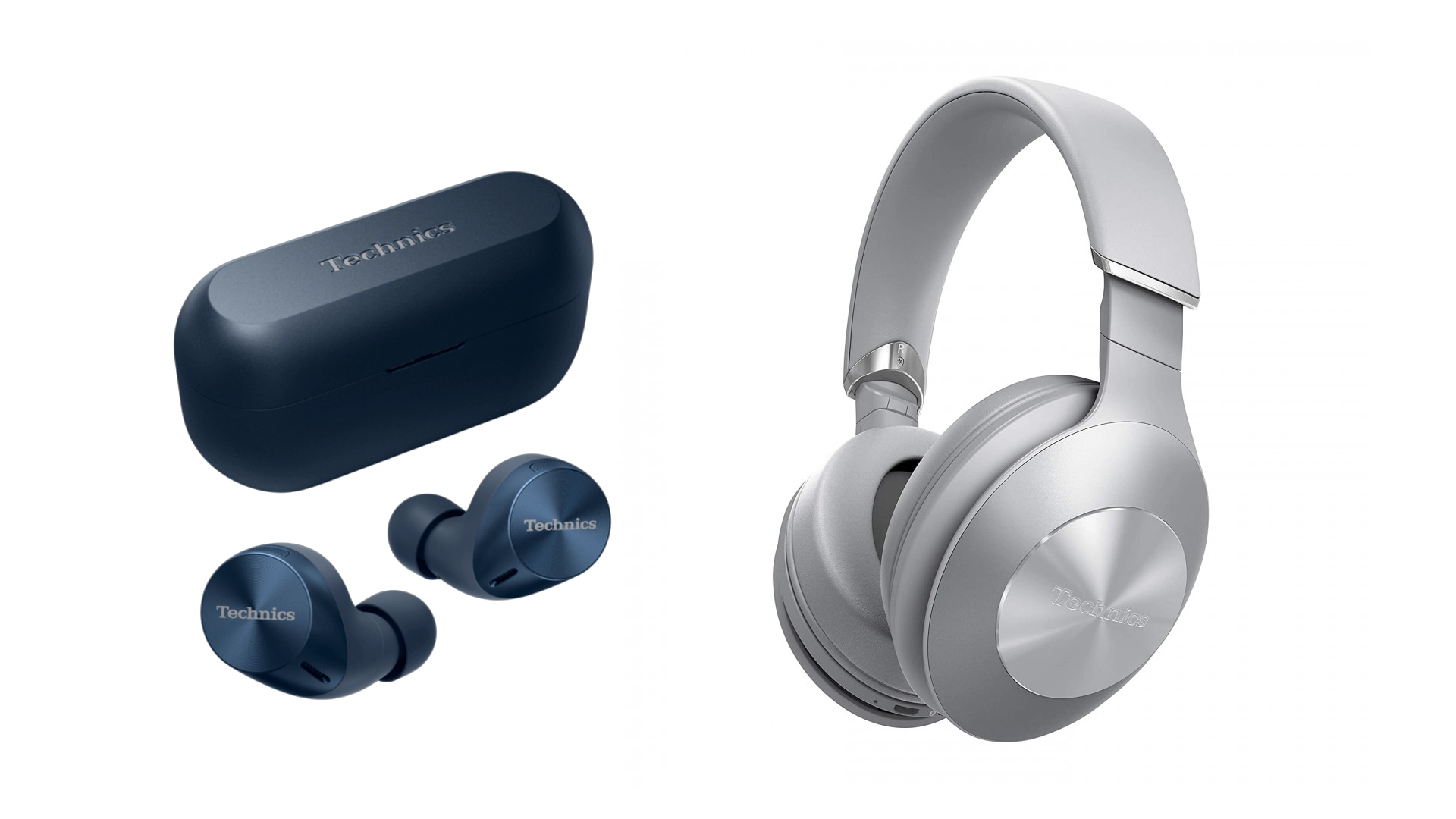
Technics is Panasonic’s Japanese hi-fi brand, introduced in 1965 and defined above all by its transformation of the turntable. The first product to carry the name was the Technics 1 loudspeaker, but the SP-10 of 1970 created the decisive legacy: it was the first commercially available direct-drive turntable, placing the platter directly on the motor and eliminating belts and idlers. The SL-1200 followed in 1972, and the quartz-controlled SL-1200MK2 of 1979 became an enduring tool for broadcasters, clubs, DJs and home listeners. That achievement can obscure the breadth of the company. Technics also built amplifiers, cassette and open-reel machines, CD players and loudspeakers, often using advanced motor, power-supply and digital research from the wider Panasonic organisation. After a pause in dedicated hi-fi production, the brand returned in 2014 with new Reference and Grand Class systems rather than a purely retro catalogue.
Modern turntables range from the accessible SL-1500C and SL-1200GR2 to the SL-1200G and Reference SP-10R, whose coreless direct-drive motors address cogging and rotational stability with current control technology. Electronics such as the SU-R1000 integrated amplifier use digital signal processing for functions including cartridge calibration and load-adaptive speaker control, while wireless systems and loudspeakers broaden the range. Technics remains distinctive because one engineering idea became both an audiophile reference and a global musical instrument, yet the company continues to refine it instead of merely reproducing the past.
Wharfedale

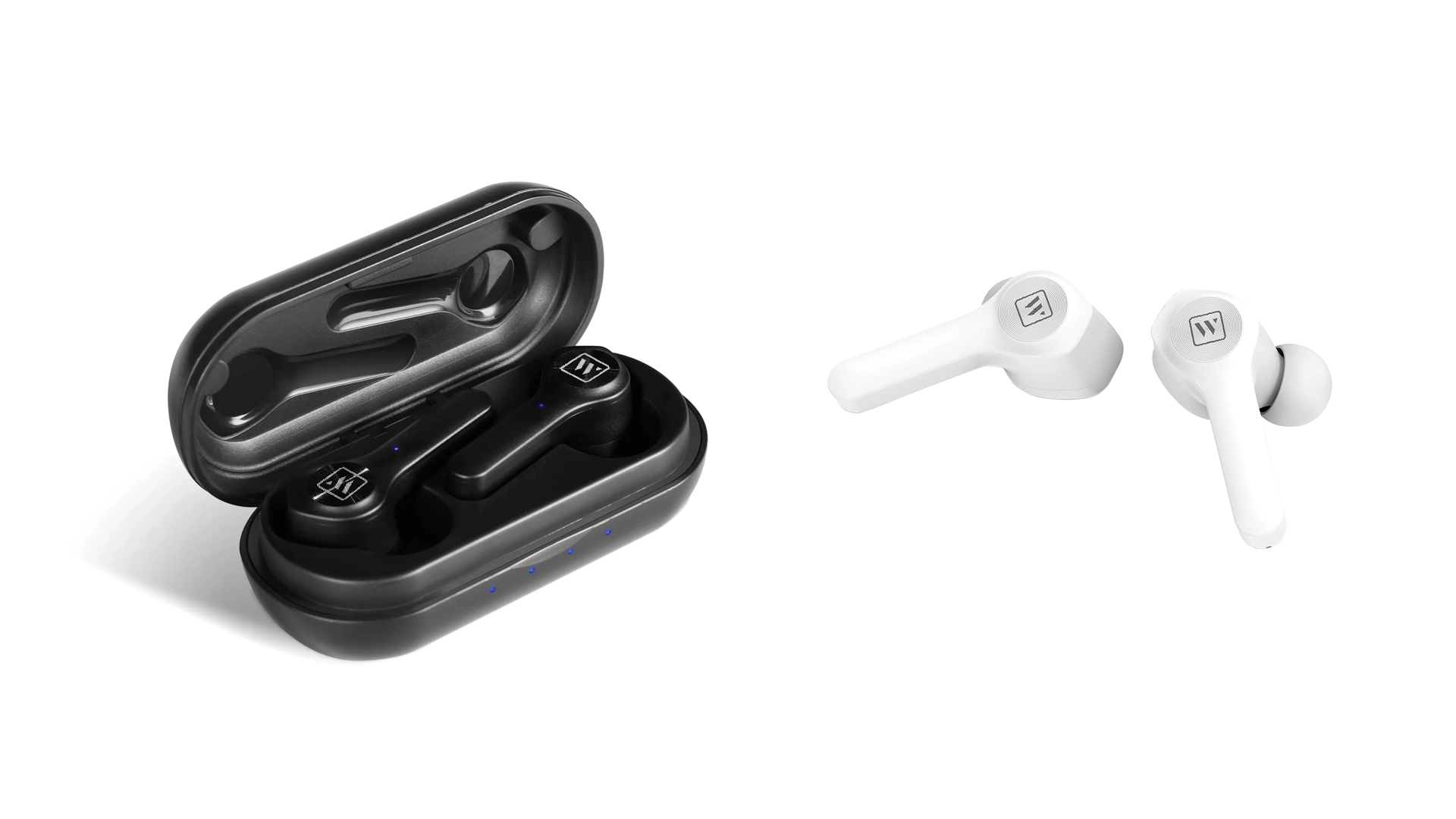
Wharfedale was founded in 1932 by Gilbert Briggs in Ilkley, Yorkshire, and named after the nearby valley of the River Wharfe. Briggs combined practical cabinet and driver development with unusually public demonstrations, comparing live musicians with reproduced sound in major halls to show what domestic loudspeakers could achieve. The company introduced influential techniques in cone manufacture, cabinet damping and multiway design, but its strongest long-term achievement has been bringing serious engineering to attainable price levels. The Diamond series, launched in 1982, became one of hi-fi’s enduring affordable loudspeaker families and remains the entry point to the modern range. EVO and AURA move upward with AMT high-frequency drivers and more elaborate cabinets, while the Heritage line revisits classic proportions without merely reproducing old internals. Denton, Linton, Super Linton and the large Dovedale combine wide baffles, substantial bass drivers and contemporary crossovers; Dovedale also marked a return of selected Wharfedale production to Britain. International Audio Group acquired Wharfedale in the late 1990s. The brand remains British in origin and design direction—now led by long-time acoustic designer Peter Comeau—while IAG’s Chinese manufacturing base supplies most series and its UK facility builds Dovedale. That mixed reality is more accurate than either calling Wharfedale unchanged since Briggs or dismissing it as a badge. Its identity survives in value-conscious loudspeakers that balance tonal ease, useful bass and domestic practicality across unusually broad price levels.