The Complete Bookshelf about Sound
Your room is the final component in your audio system, and arguably the most important one. This page gathers essential articles, books, and guides on acoustic design and soundproofing to help you get it right. Whether you’re fine-tuning a listening room, building a home studio, or creating a home cinema, these curated resources cover the key principles of acoustic treatment and sound isolation. Explore them to learn how to tame reflections, control bass, and build a truly great-sounding space.
The Audio Expert
- by Ethan Winer
- 1st Edition
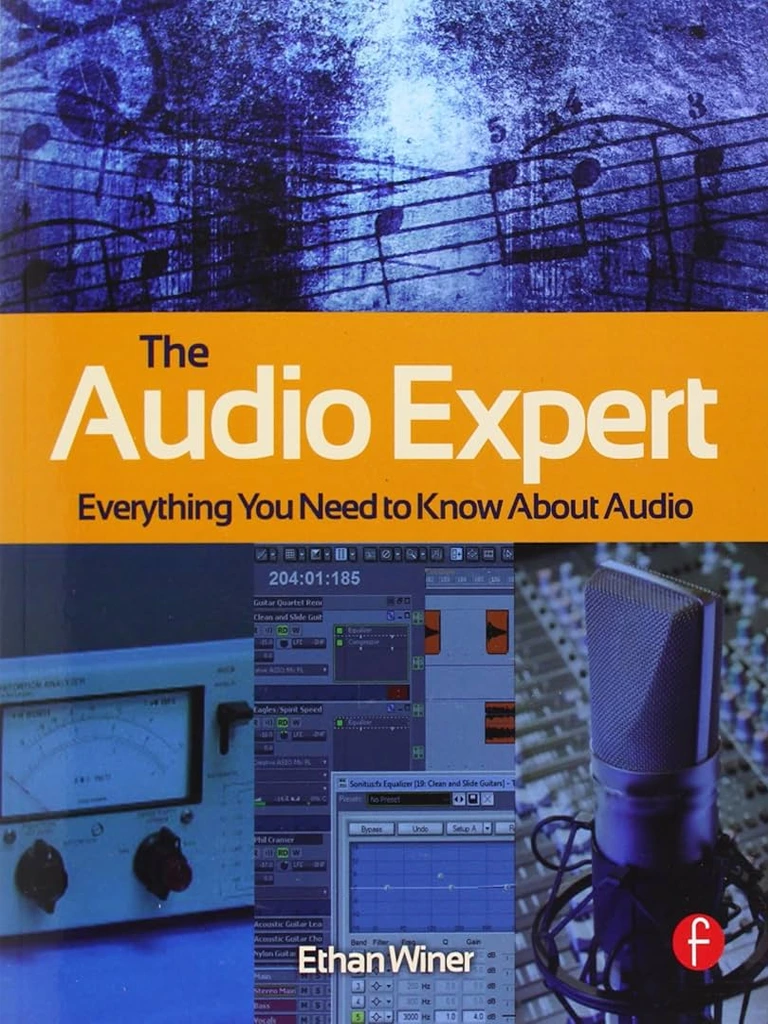
The Audio Expert is a wide-ranging technical guide for readers who want to understand how audio works below the level of software controls and product marketing. Ethan Winer uses plain language, extensive figures, and relatively little mathematics to connect decibels, frequency, phase, distortion, hearing and perception, analog and digital recording, mixing and processing, microphones, loudspeakers, room modes, acoustic treatment, room measurement, electronics, test procedures, computers, and musical instruments. A recurring theme is how to test audible claims and separate measurable effects from expectation or myth.
Buy this if you are an intermediate recording engineer, technically curious audiophile, studio owner, or musician who has learned the workflow but still has gaps in the underlying science. The book is opinionated, especially when discussing audio myths, yet it usually gives the reader mechanisms, measurements, and experiments to evaluate the claims independently. Its breadth is the attraction: one volume connects studio practice, acoustics, perception, transducers, and basic electronics in a practical way.
The Noise Free Home
- by Jim Prior
- Kindle Edition
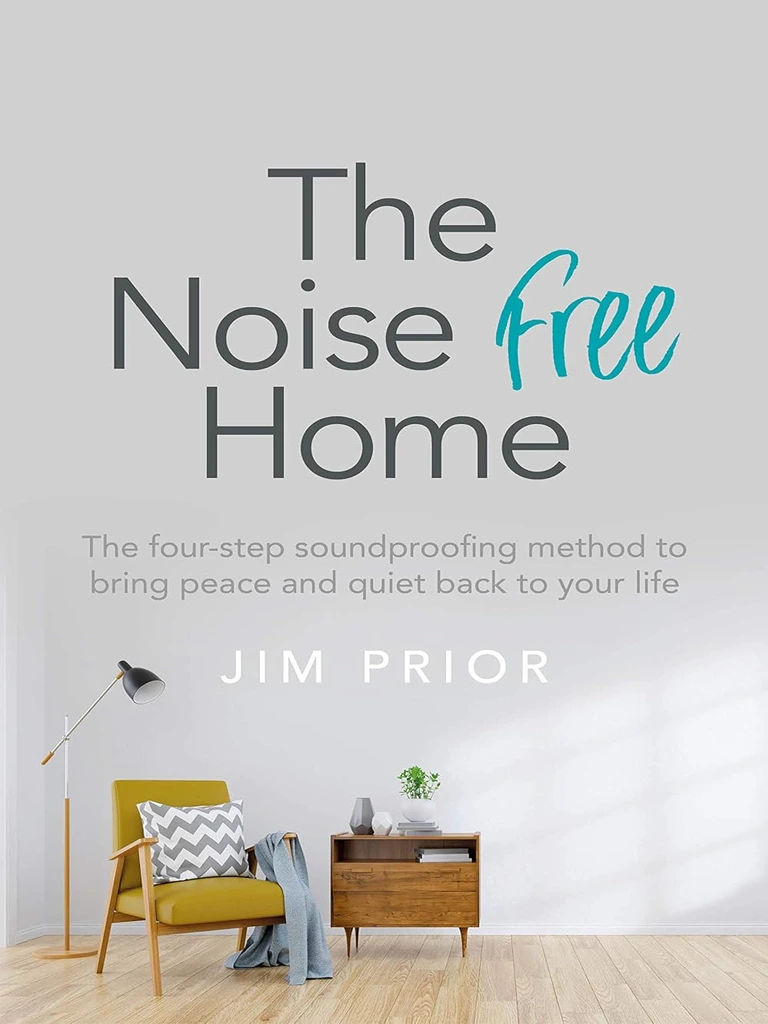
The Noise Free Home is a homeowner-focused introduction to reducing unwanted sound from neighbours, traffic, and other everyday sources. Jim Prior presents a four-step soundproofing approach built around first identifying the noise problem and its transmission path, then choosing and installing an appropriate solution. The discussion is grounded in residential work and supported by practical examples and case studies, making the book more concerned with decisions a homeowner will face than with acoustical equations or specialist laboratory methods.
Buy this if you are considering soundproofing a flat or house and need to understand the problem before paying for materials or contractors. It can help you ask better questions, recognize why a single “soundproof” product rarely solves every situation, and avoid treating the wrong surface or noise path. It is not a substitute for a detailed engineering design on a difficult building, but it is approachable, specific to domestic noise, and useful as a first guide to planning a realistic residential soundproofing project.
Understanding Audio
- by Daniel M. Thompson
- 2nd Edition
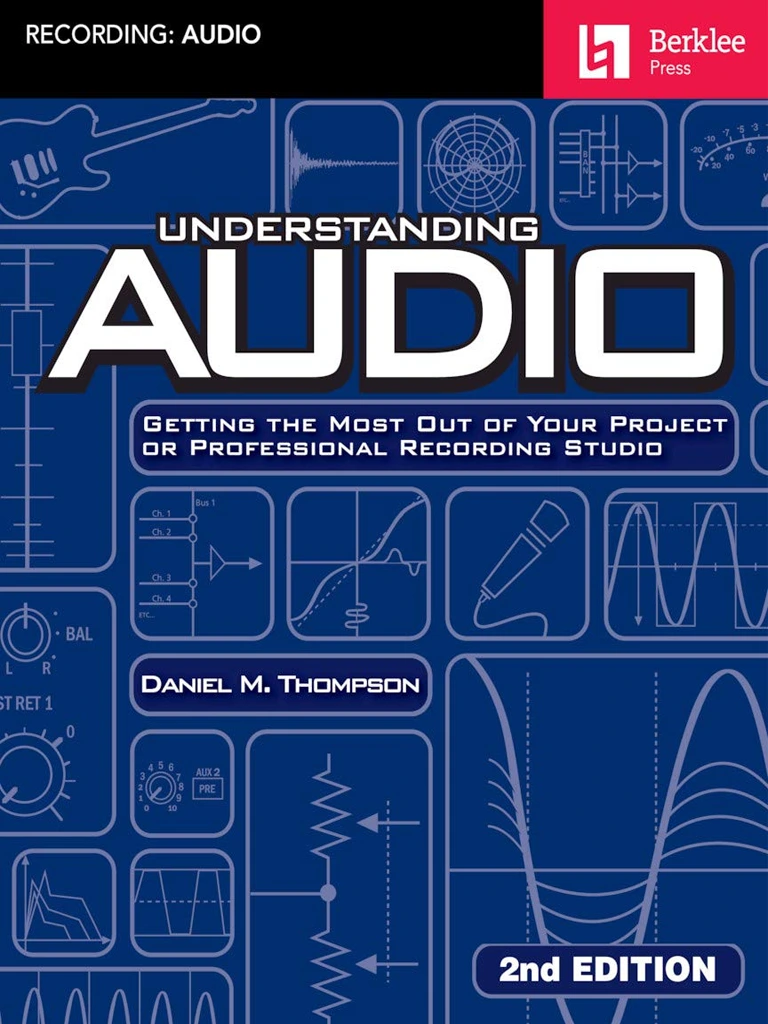
Understanding Audio is a structured primer on the audio and acoustics behind recording-studio work. Daniel M. Thompson explains signal flow from basic symbols through consoles and DAWs, analog and digital audio, cables and studio wiring, sound and acoustics, studio and listening-room behavior, psychoacoustics, and the technical choices that affect recording quality. The Berklee-oriented approach combines explanation with “In the Studio” examples and projects at the end of chapters, so readers are encouraged to apply the concepts to their own equipment and rooms rather than memorize definitions.
Buy this if you want to understand what is happening between microphone, console or interface, software, monitors, room, and listener. It is well suited to students, musicians building their first serious studio, and working producers or engineers who learned mainly by practice and want to fill gaps in theory. The book stays more accessible than a pure engineering text while still giving enough technical depth to make signal flow, digital audio, acoustics, and studio setup far less mysterious.
Some store links on this page are affiliate links. We may earn a commission from qualifying purchases at no additional cost to you. As an Amazon Associate I earn from qualifying purchases.