
Floorstanding Speakers
This page provides a wide-ranging collection of floorstanding speaker manufacturers. We have compiled a vast list of brands to serve as a central resource for discovering companies that produce tower speakers. For every manufacturer listed, this database provides key information such as the country of origin, founding details, and a direct link to the floorstanding speaker products on their official site. This resource is intended to be a practical and comprehensive reference for the global market of tower speakers.
Hi-Fi brands in the category
Summary information and image
Direct links to official websites
Stones Speakers

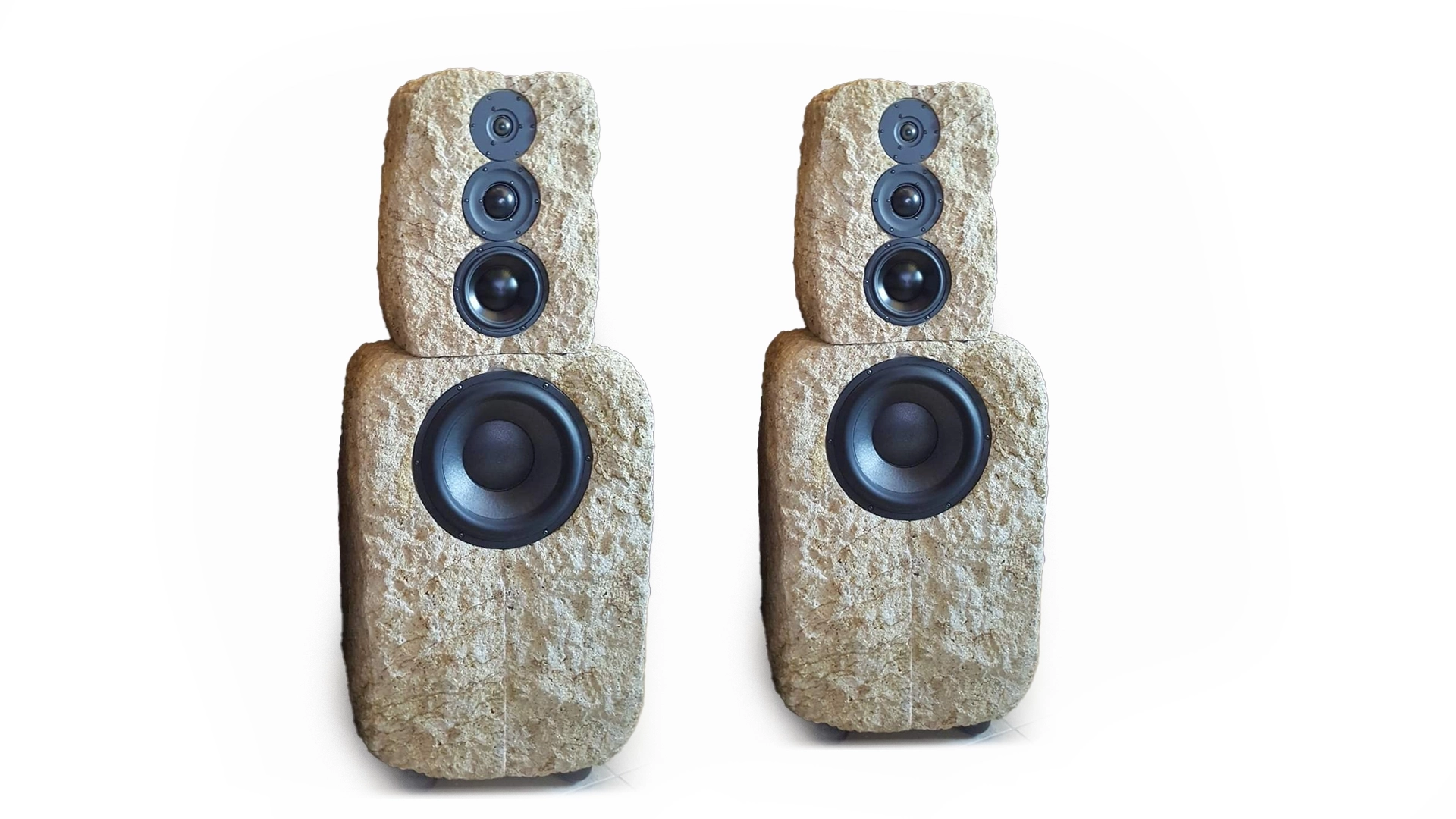
Stones Speakers turns a local Italian volcanic rock into the cabinet of a functioning high-fidelity loudspeaker. The small Veneto workshop uses Euganean trachyte quarried from the Euganean Hills, the same dense, durable stone seen in historic paving and architecture around Venice and Padua. Each enclosure is carved from solid material by a craftsman identified by the company as Master Michele, drawing on stone-working knowledge passed through generations. The choice produces more than an arresting object. A heavy, rigid mineral cabinet is difficult for the drive units to excite, reducing the broad panel flexing that can colour a wooden box; its irregular natural surface also gives every pair a visibly individual character. Venetia 487 is the best-documented model, a two-way loudspeaker with rear reflex loading and a cabinet sculpted from trachyte rather than assembled from flat panels. Driver openings, internal volume and ports must be formed with the precision required by an acoustic enclosure despite the resistance and variability of the stone. Metal hardware and carefully fitted electroacoustic parts complete what begins as a substantial block of local rock. Stones Speakers does not need an invented corporate mythology: its point is already unusual and specific. Design and manufacture remain in Veneto, and the product sits at the meeting place of regional craft, sculpture and loudspeaker engineering. For the owner, the enclosure is both the principal resonance-control strategy and the feature that makes no two naturally finished examples exactly alike.
Storgaard & Vestskov

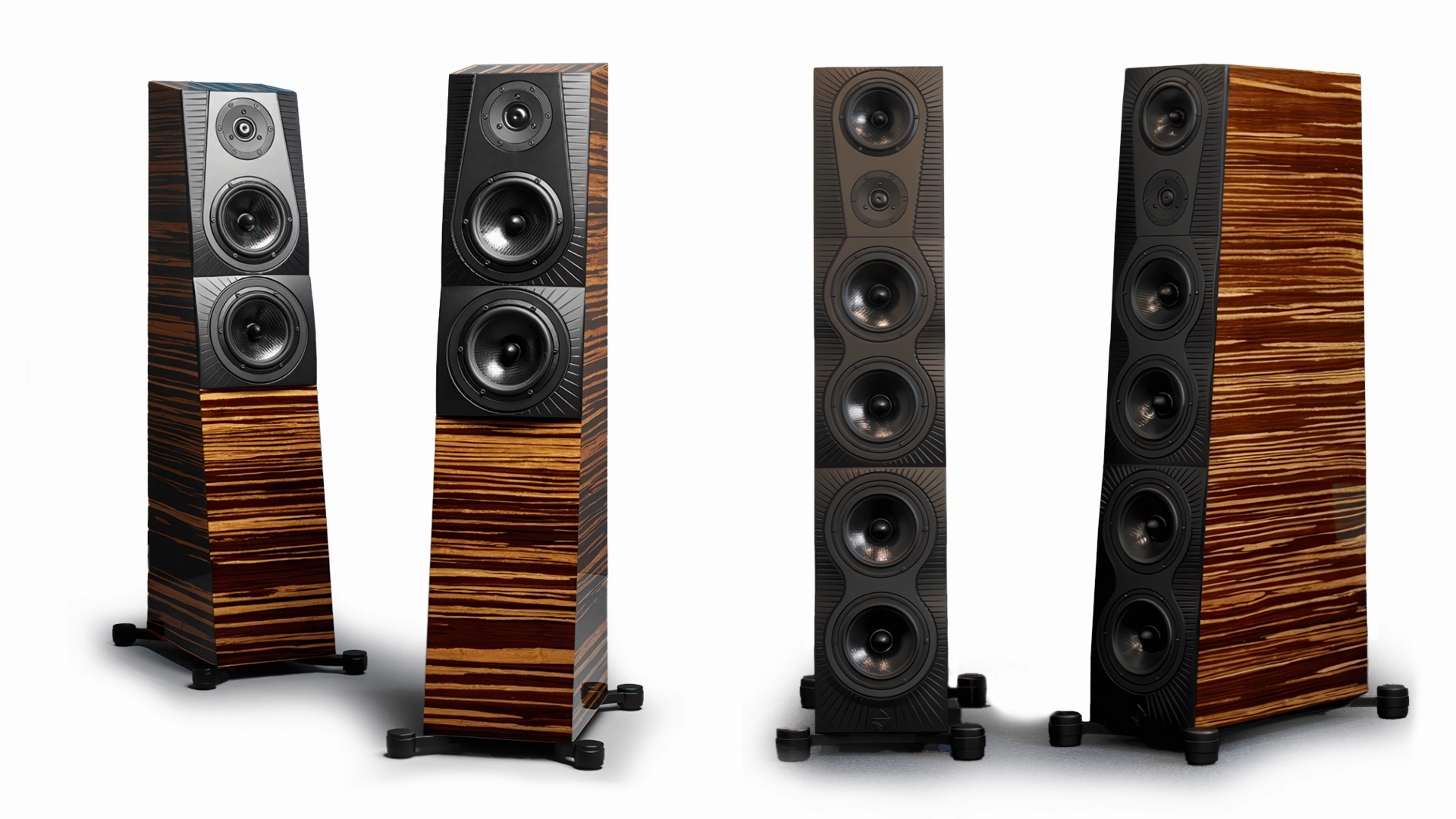
Storgaard & Vestskov is the Danish loudspeaker company now presented internationally as SV-Audio. Founded on Bornholm in 2022, it grew from crossover experiments begun several years earlier and from the partnership between CEO and designer Casper Vestskov and veteran sound engineer Jens Posselt. Posselt brings more than four decades of Danish loudspeaker-development experience; the industrial form, materials and production programme are developed around that acoustic work rather than added after it. GRO and FRIDA define the young brand’s first mature range. Their broad aluminium front baffles curve away from the drivers, controlling diffraction while giving the speakers a recognisable sun-disc profile inspired by the light and landscape of Bornholm. The cabinets combine substantial construction with in-house machining, finishing, assembly and individual measurement. SV-Audio stresses neutrality, but the engineering route is concrete: carefully developed crossovers, controlled radiation, low cabinet contribution and drivers selected to preserve dynamics at domestic levels. GRO is the larger statement design, while FRIDA brings the same visual language and development philosophy to a more compact floorstanding form. The company has continued strengthening its technical team, appointing Danish designer Benno Baun Meldgaard as CTO in 2026. Its original country identity is therefore especially relevant. SV-Audio is not merely using Danish design as a label; the loudspeakers are conceived and manufactured on Bornholm, with the island’s production capabilities and aesthetics built into the product from the beginning.
Stratton Acoustics

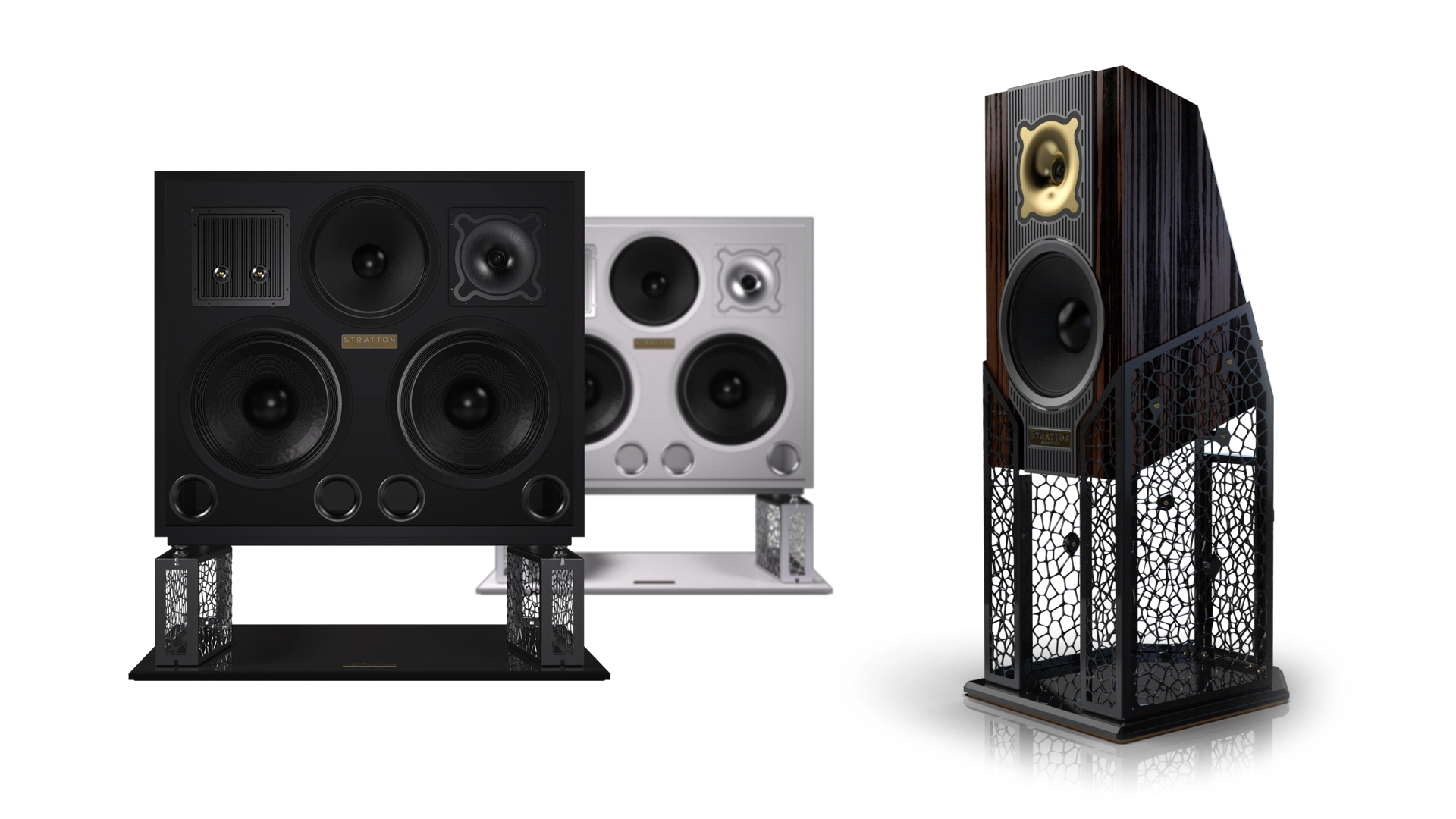
Stratton Acoustics builds modern British loudspeakers around the scale, efficiency and physical excitement associated with the great studio monitors of the 1970s. Industrial designer and manufacturer David Fowler founded the company, working with electroacoustic engineer and founding partner Phil Ward. Their first product, the Elypsis 1512, was revealed in 2023 after roughly four years of development. Its visual cues acknowledge monitors such as the JBL 4350, Tannoy Buckingham and Urei 815A, but the engineering uses contemporary professional drive units, modelling and manufacturing rather than recreating a vintage circuit. A broad, curved baffle, very high sensitivity and large bass radiators allow the Elypsis to reproduce substantial dynamic range with low compression. Midrange and treble level controls provide limited adjustment for the room, an especially useful feature on a speaker too large to reposition casually. The Element 12 translated the same emphasis on rhythm, dynamics and engagement into a more manageable two-way design with an integral stand. Element 8 and Element 6 subsequently extended the family into smaller rooms while retaining proprietary waveguide work, rigid enclosures and dedicated stands. Loudspeakers and stands are manufactured in the UK, and bespoke finishes are treated as part of the industrial design. Stratton’s appeal is not nostalgia alone. It asks what listeners valued in large control-room monitors—ease, scale and direct communication—then rebuilds those qualities with present-day drivers, lower colouration and the finish expected of domestic high-end furniture.
SVS

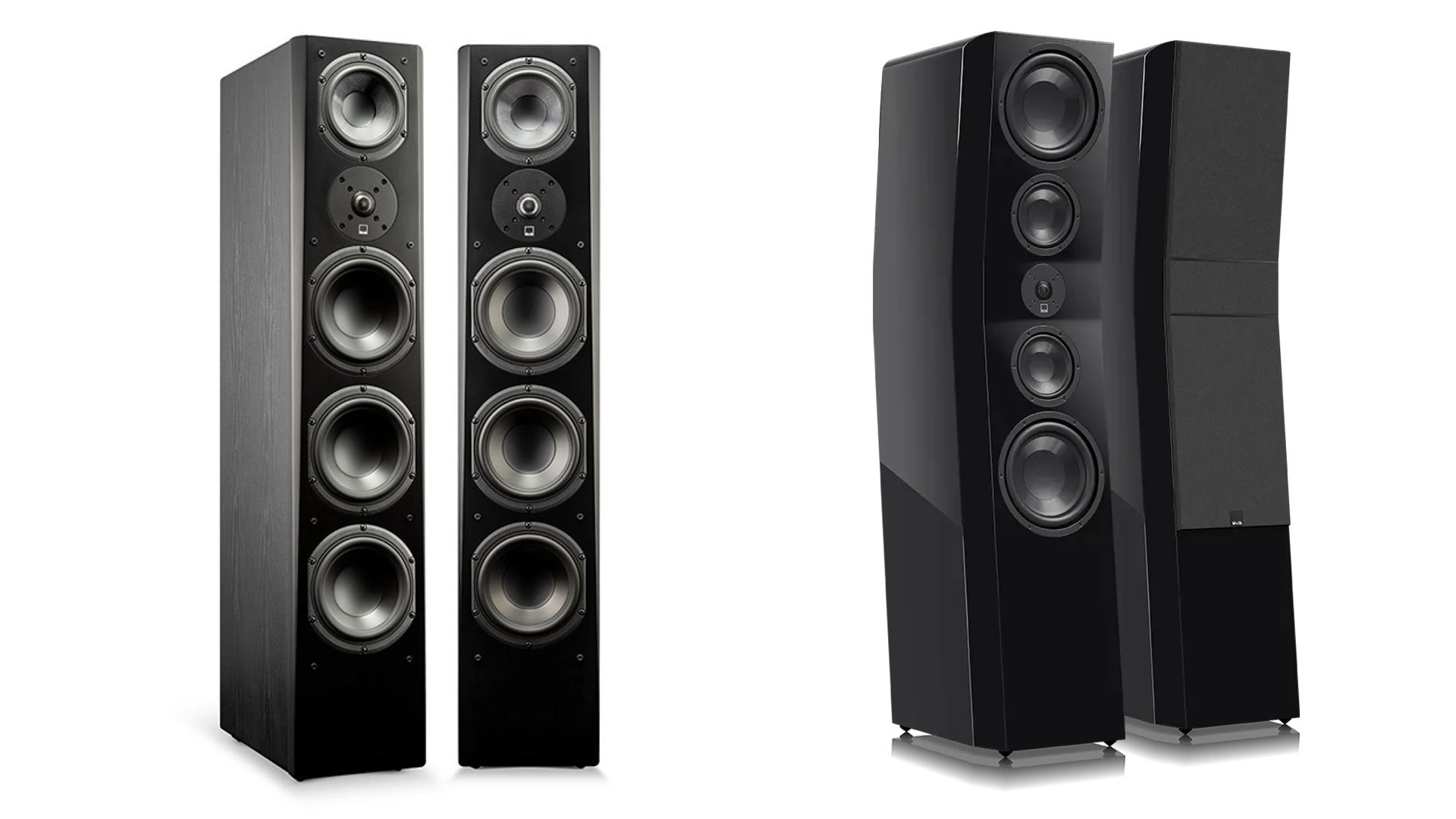
SVS is an American company specializing in high-performance subwoofers, loudspeakers, and audio accessories, known for its direct-to-consumer sales model and its focus on delivering exceptional value for money. The company’s subwoofers are particularly well-regarded, known for their deep bass extension, high output, and ability to provide a powerful and impactful low-frequency foundation for both music and home theater systems. SVS offers a wide range of subwoofers, from compact sealed models to large ported designs, catering to different room sizes and listening preferences. They also produce a range of loudspeakers, designed to complement their subwoofers and provide a complete audio solution. The “PB” (Ported Box) and “SB” (Sealed Box) prefixes are commonly used to denote their subwoofer models, while the “Prime” and “Ultra” series represent different tiers within their loudspeaker lineup.
System Audio

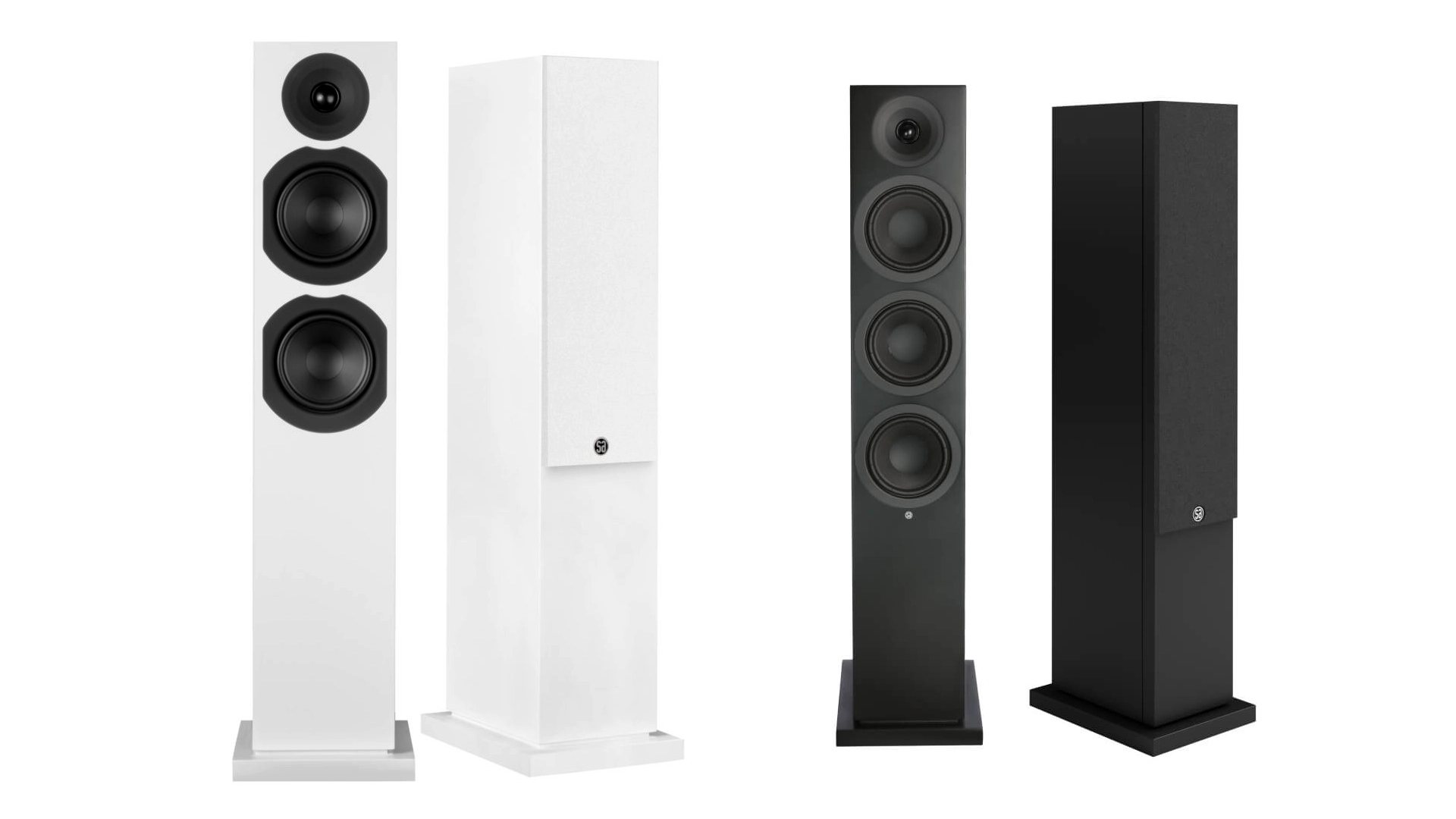
System Audio is a Danish loudspeaker manufacturer known for its slim and elegant designs, focus on fast and dynamic sound, and a commitment to making high-quality audio accessible to a wide audience. Founded by Ole Witthøft. The company’s loudspeakers often feature narrow baffles, which are intended to minimize diffraction and improve imaging. System Audio utilizes a variety of driver technologies and cabinet construction techniques to achieve their desired sonic characteristics. They offer a wide range of models, from compact bookshelf speakers to larger floor-standing designs, as well as on-wall speakers and subwoofers. The “SA legend,” “SA saxo,” and “SA aura” series represent different points in their product line. System Audio products are positioned in the mid-to-high-end segment of the market, appealing to audiophiles and music lovers who value both performance and Scandinavian design.
T+A

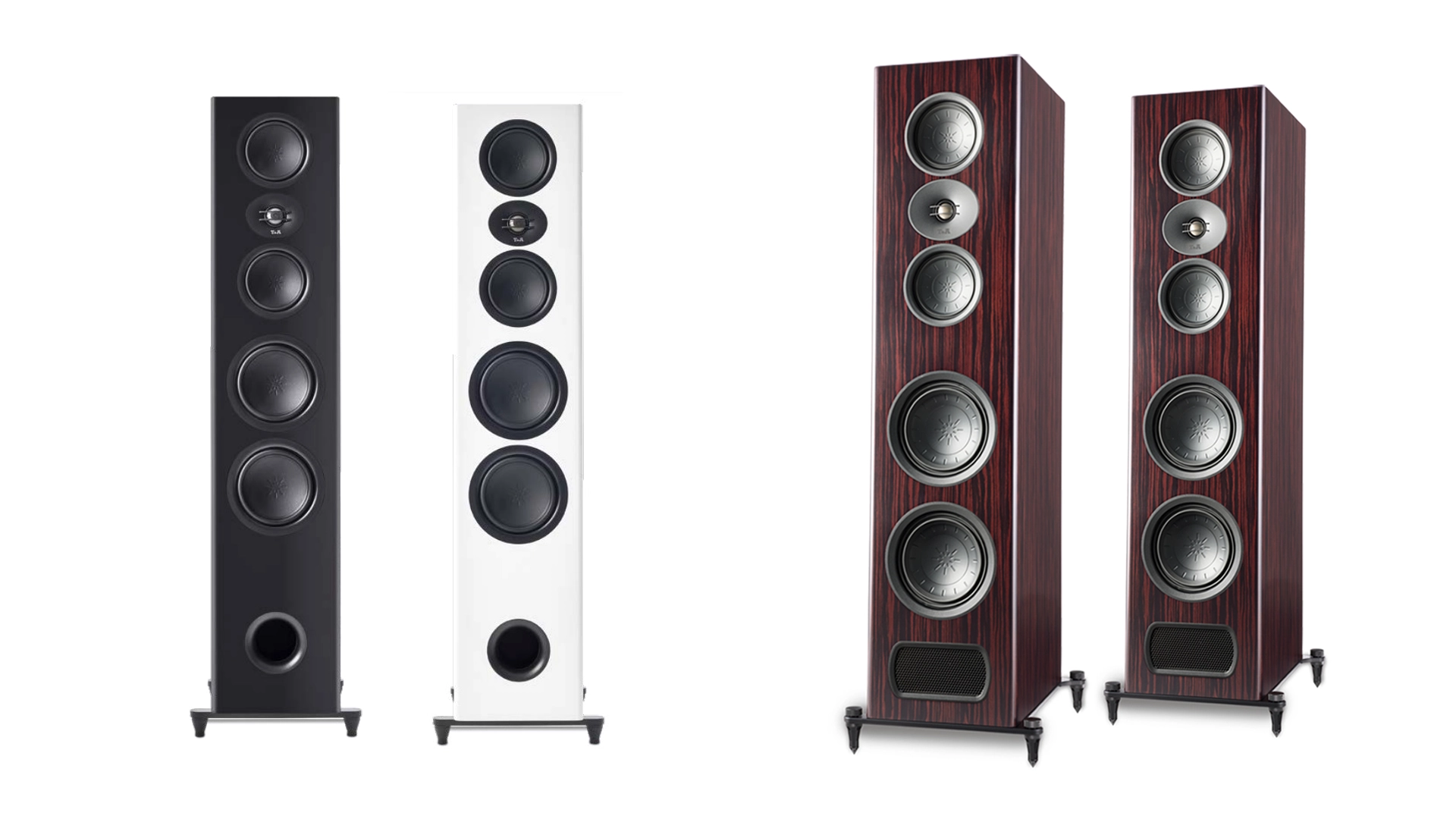
T+A elektroakustik (Theory + Application) is a German manufacturer of high-end audio equipment, known for its wide range of products, innovative technologies, and a focus on delivering both exceptional sound quality and comprehensive features. The company’s product range includes amplifiers, preamplifiers, integrated amplifiers, CD players, streamers, all-in-one systems, loudspeakers, and even headphones. T+A often utilizes proprietary technologies and advanced engineering in its designs, aiming to push the boundaries of audio performance. Their products are characterized by their robust build quality, elegant aesthetics, and a sonic signature that emphasizes detail, dynamics, and a natural, unforced presentation. The “HV” (High Voltage), “R” series , and “Cala” series represent different facets of their product offerings. T+A products are positioned in the high-end segment of the market, appealing to audiophiles who value both performance and German engineering.
TAD

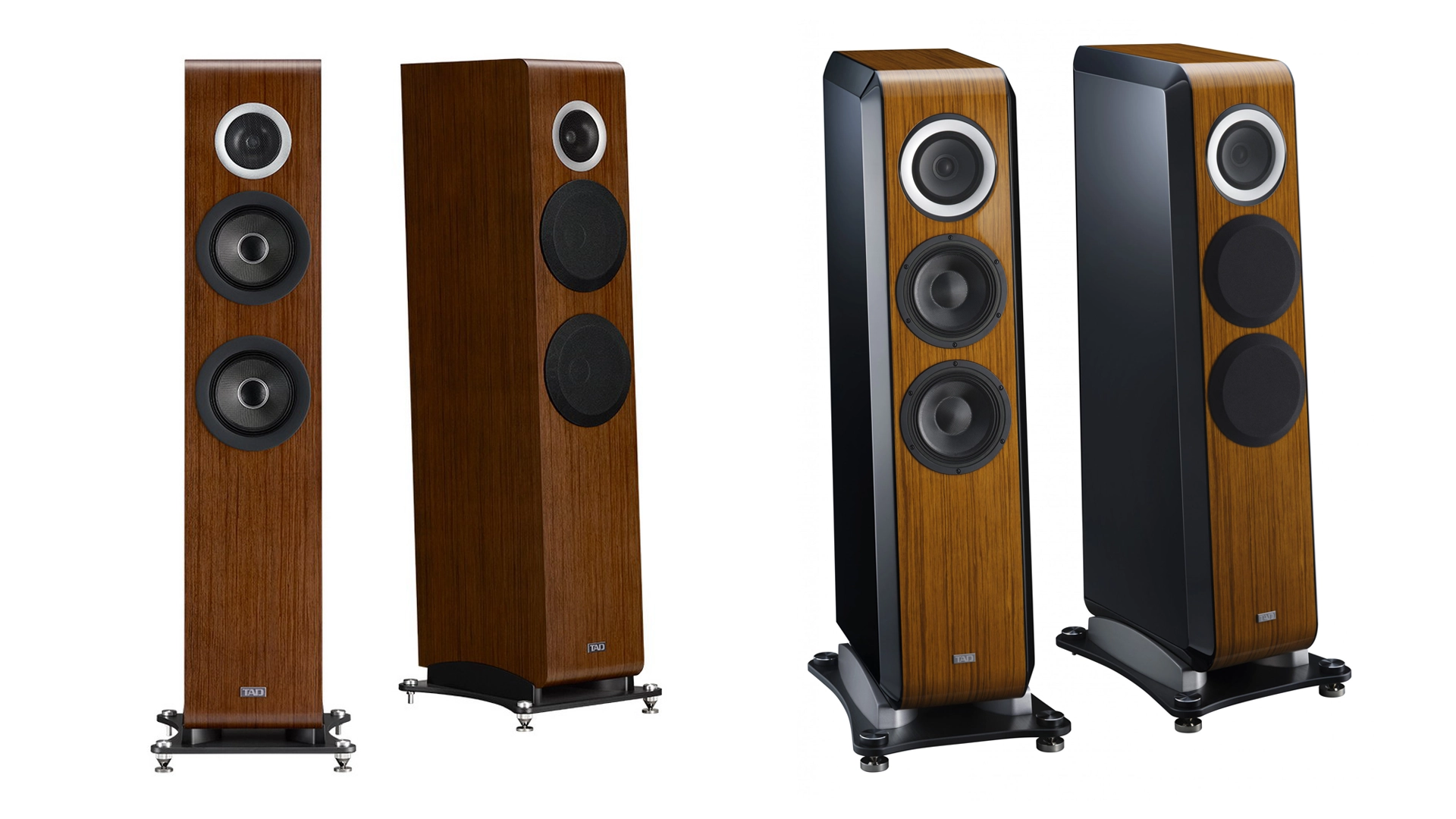
TAD (Technical Audio Devices Laboratories, Inc.), a high-end audio brand and division of Pioneer, was initially focused on professional studio monitors. Founded by Bart Locanthi. Their entry into the consumer market began in 2002 with the TAD-M1 speaker system, unveiled at the Consumer Electronics Show (CES). The TAD-M1, and subsequent TAD speakers, are built around their proprietary CST (Coherent Source Transducer) Driver. This coaxial driver combines a beryllium tweeter dome and a beryllium midrange cone, achieving ultra-wide-range reproduction from 250 Hz to 100 kHz. The CST driver acts as a point source, providing uniform directional characteristics both horizontally and vertically, for natural sound dispersion. The use of beryllium is key: it’s the lightest and most rigid metal with high internal loss, ideal for reproducing ultra-high frequencies (including harmonic overtones that enhance the audible band). The shallow, large-diameter beryllium midrange also contributes to lower bass response. The CST Driver, incorporating high-precision processing and a proprietary vapor deposition technique for the beryllium diaphragm, represents the culmination of years of TAD’s technical expertise. The technology is found in models like the TAD Reference One (released 2007) and other speakers.
Taga Harmony


TAGA Harmony is a company specializing in loudspeakers, audio electronics, and cables, known for its focus on providing high-quality sound at accessible price points. While having European roots, the company has significant operations and design influence from Japan. TAGA Harmony offers a wide range of products, including floor-standing speakers, bookshelf speakers, center channel speakers, subwoofers, integrated amplifiers, and various cables. Their products often feature a modern aesthetic and are designed to deliver a balanced and engaging sound. The company’s design philosophy emphasizes a combination of engineering principles and subjective listening evaluations to achieve optimal performance. TAGA Harmony products are positioned in the
Tangent

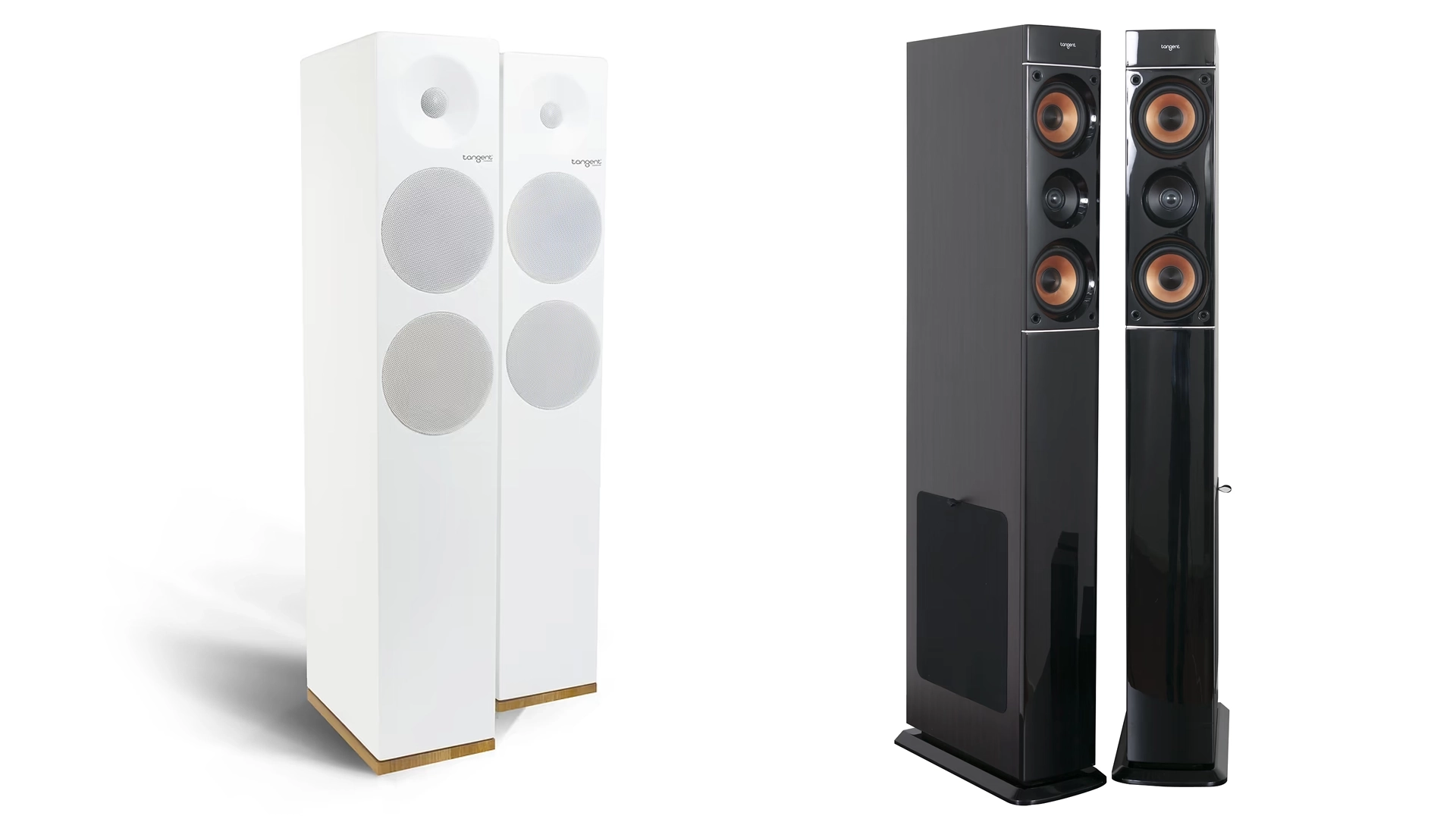
Tangent is a Danish brand of audio electronics, known for its stylish and compact designs, often featuring a minimalist Scandinavian aesthetic. The company offers a range of products, including radios, CD players, amplifiers, speakers, and all-in-one music systems. Tangent products are often characterized by their ease of use, intuitive controls, and support for various wireless technologies, such as Bluetooth and Wi-Fi. They are designed to be versatile and user-friendly, integrating seamlessly into modern living spaces. The company’s focus is on providing a good balance of sound quality, features, and design, at accessible price points. Tangent products are positioned in the mid-range consumer market, appealing to a broad audience who appreciate both aesthetics and functionality.
Tannoy

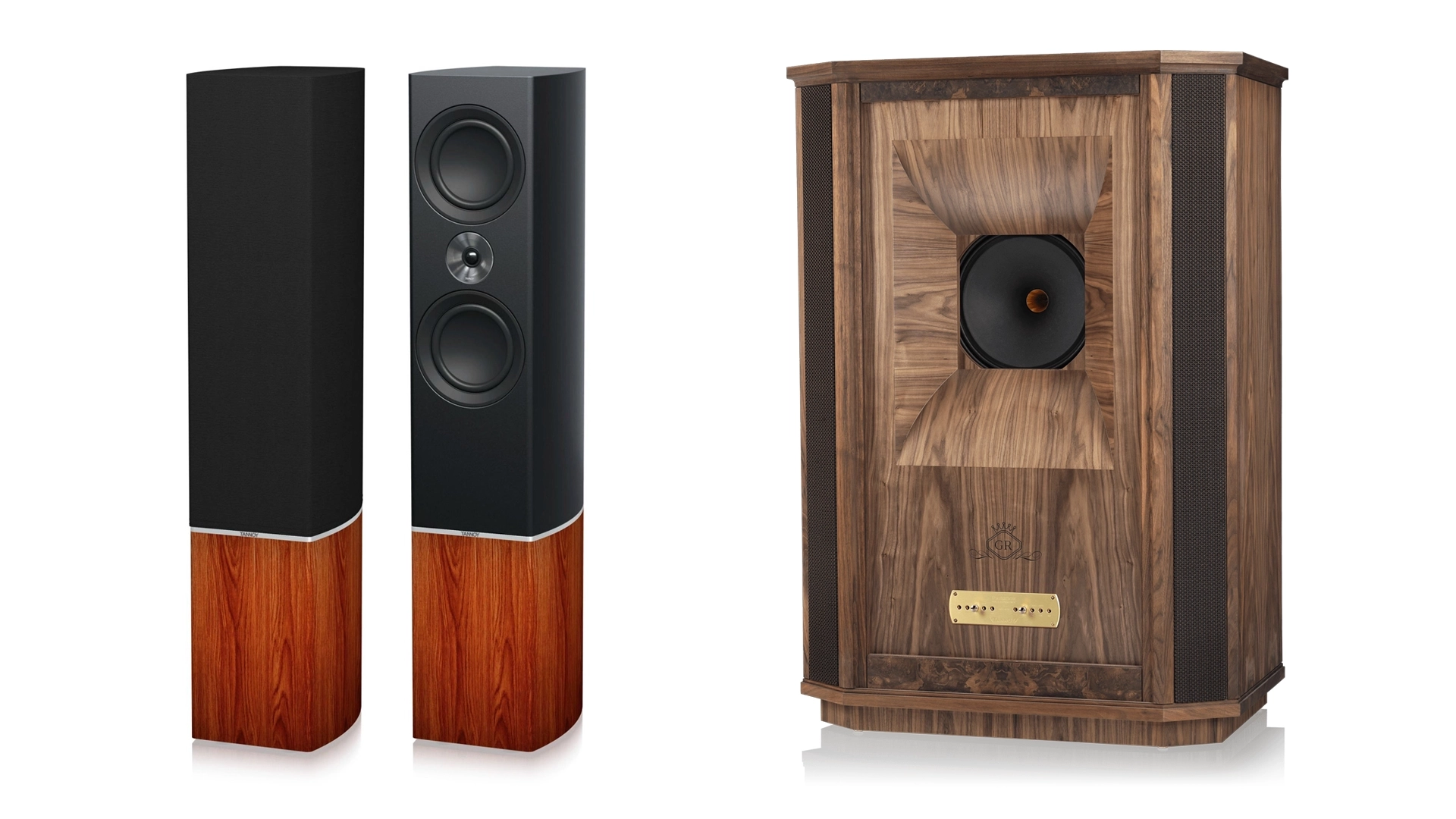
Tannoy is a classic British loudspeaker manufacturer with a long and storied history in the audio industry, particularly known for its “Dual Concentric” driver technology. Founded by Guy Fountain. The company’s Dual Concentric design places the tweeter at the center of the woofer, aiming to create a point-source sound with improved imaging and coherence. Tannoy loudspeakers are used in a variety of applications, from professional studio monitoring and sound reinforcement to high-end home audio. They offer a wide range of models, from compact bookshelf speakers to large, floor-standing designs. The “Prestige,” “Legacy,” and “Definition” series represent different points in their product line. Tannoy products are often characterized by their warm, musical, and engaging sound, with a particular emphasis on midrange clarity and naturalness. The company is a major player in the global loudspeaker market, with a reputation for quality, innovation, and a distinctive sonic signature.
The Gryphon
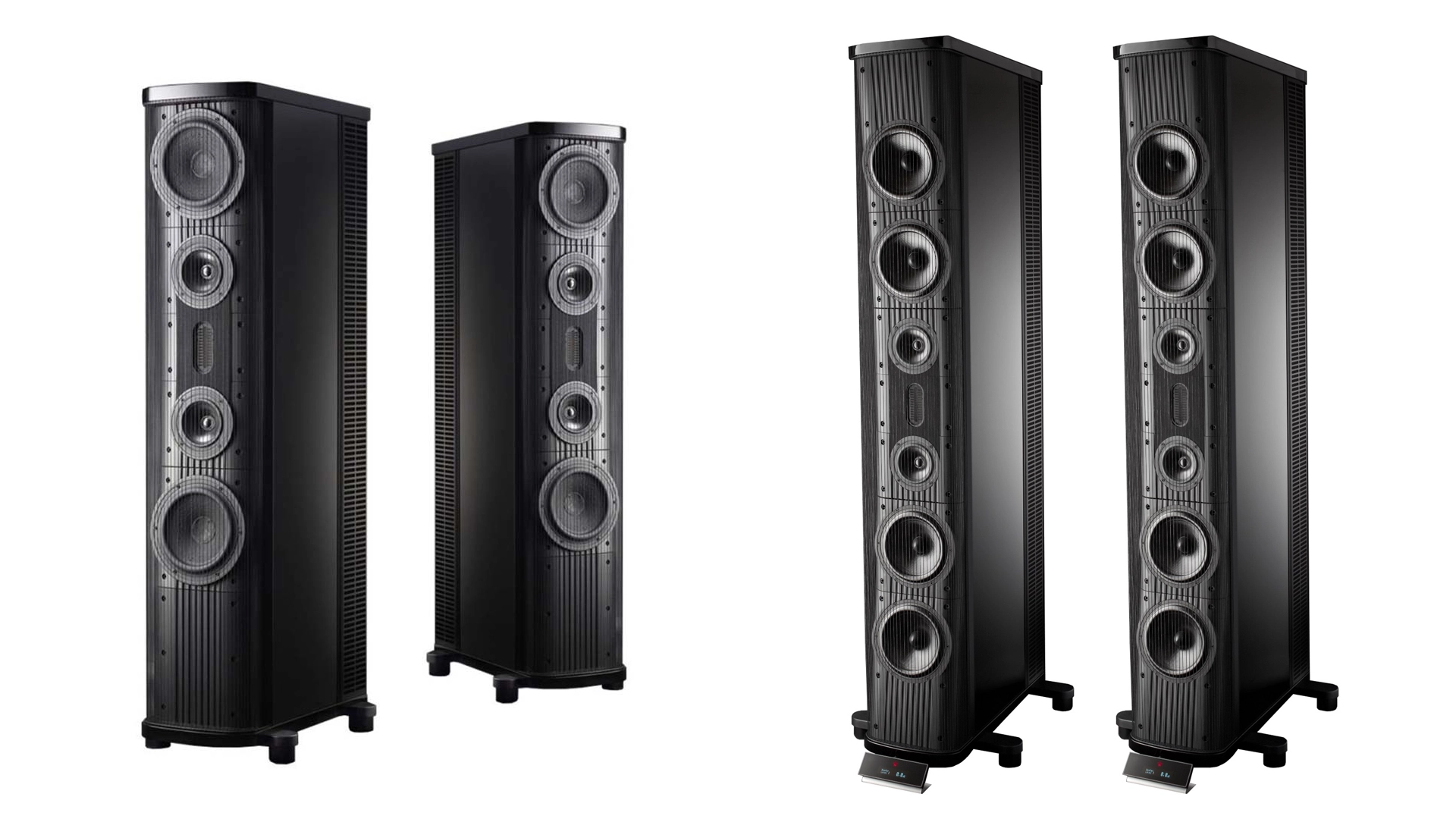
Gryphon Audio Designs is a Danish high-end manufacturer founded in 1985 by artist and industrial designer Flemming E. Rasmussen. The company began as an offshoot of his import business when a one-off moving-coil head amplifier, built for his own system, drew unexpected attention at a hi-fi exhibition. That first Gryphon Head Amp established two traits that still define the brand: electrically ambitious circuits and sculptural objects that do not disguise their scale.
Gryphon became best known for wide-bandwidth, high-current amplification, often operating in pure Class A and built in dual-mono form. The Antileon lineage made that approach internationally recognisable. Current Apex power amplifiers and Commander preamplifier occupy the reference level, while the Essence and Diablo ranges bring the company’s topology and control to more attainable systems. The Diablo 333 integrated amplifier is a good example of Gryphon’s refusal to treat an integrated product as a lightweight compromise.
The catalogue now covers a complete playback chain. Ethos handles CD and digital conversion, and loudspeakers from EOS through Pantheon, Trident and Kodo are designed to exploit the amplifiers’ current delivery and dynamic scale. Gryphon develops and assembles its products in Denmark, using custom metalwork and an unmistakable black visual language. The design can be theatrical, but the brand was not created by styling alone. Its lasting identity comes from Rasmussen’s combination of visual authorship, minimalist signal paths and amplifiers engineered to remain composed with demanding loudspeaker loads.
Theophany

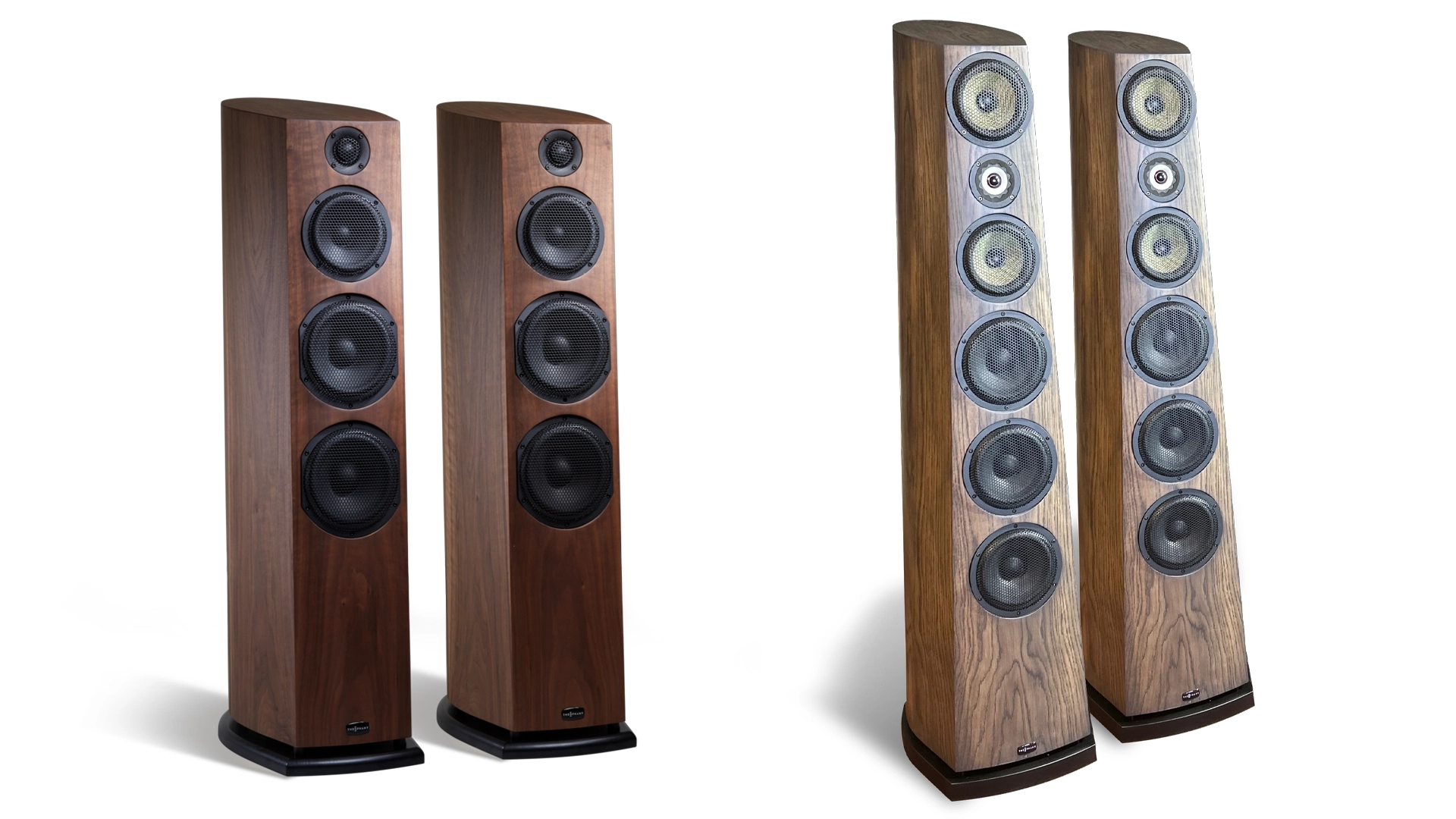
Theophany is a New Zealand loudspeaker company officially launched in 2005 by Garth Murray and his family. Its origin story began in 2002, when serious illness ended Murray’s aviation career and a vivid dream prompted him to sketch an unfamiliar loudspeaker form. With help from his sons, he developed and tested the idea over the following months. That first concept evolved into the Psuche Kathar, a model that remains central to the company’s identity.
The story is unusual, but Theophany’s products are not presented as dream objects without engineering. Cabinets, driver integration and crossover work were refined through prototypes, measurement and independent listening. Curved enclosures and carefully finished surfaces give the speakers a recognisable sculptural character while controlling internal reflections and panel behaviour. The compact M5 broadened recognition of the brand, and larger models extend the same family approach to scale and bass performance.
Theophany remains a family business, with Garth’s wife Stephanie and other family members involved in its development and presentation. Speakers are handcrafted in New Zealand rather than outsourced as a design badge. Correctly dating the company matters: 2002 marks the personal event and first experimental work, while 2005 is the documented commercial launch of Theophany. The brand’s appeal comes from preserving both sides of that history. It has an origin story no committee could invent, yet its survival depends on the patient cabinet work, acoustic development and family commitment required to turn that inspiration into repeatable loudspeakers.
Thorens

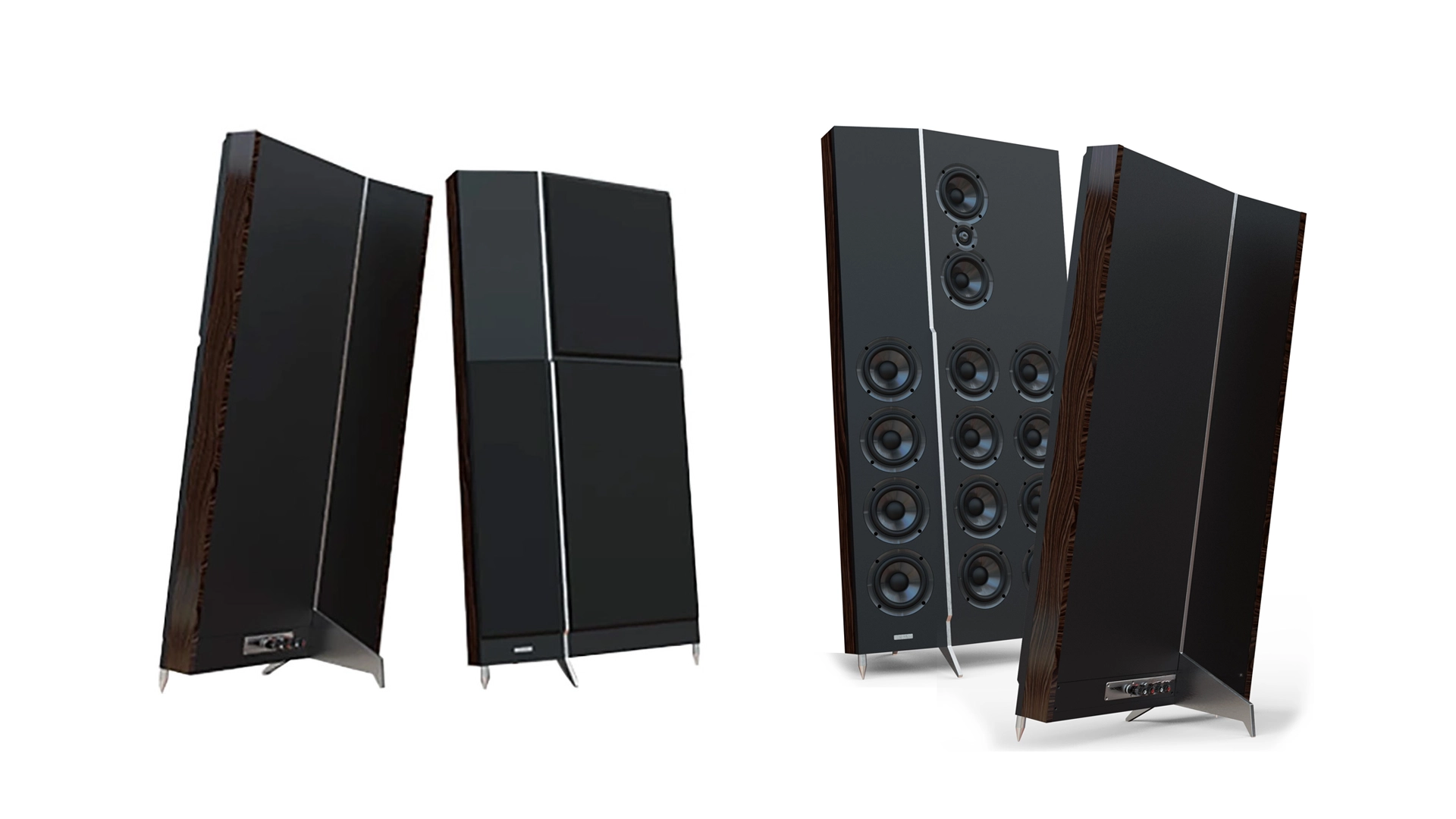
Thorens is the historic Swiss turntable name founded by Hermann Thorens in Sainte-Croix in 1883. The family company began with music boxes and clock movements, entered phonograph production in 1903 and built its first electric record player in 1928. Its hi-fi reputation crystallised after the Second World War through machines that combined precise mechanics with long service life. The idler-drive TD 124 of 1957 became a broadcast and domestic classic, while the suspended, belt-drive TD 150 of 1965 established an architecture that influenced generations of European turntables. The TD 160 carried that idea to a much wider audience.
Thorens survived several ownership changes and periods of financial difficulty. In 2018 Gunter Kürten took over the company and moved its management to Bergisch Gladbach, Germany. That current location should not erase the brand’s Swiss origin, which remains correctly recorded as its country. The modern catalogue balances attainable automatic and manual decks with models that deliberately reinterpret the classics.
The TD 1600 and TD 1601 use controlled subchassis suspension and electronic speed regulation, while the TD 124 DD revisits the famous model with a direct-drive motor rather than imitating its original idler mechanism. Reference is the present statement platform, and current tonearms reflect continuing work with designer Helmut Thiele. Thorens matters because its history is not a single vintage model. It connects the transition from mechanical music devices to electrical record replay, the defining suspended turntables of the LP era and a current company again investing in original analogue engineering.
TIDAL

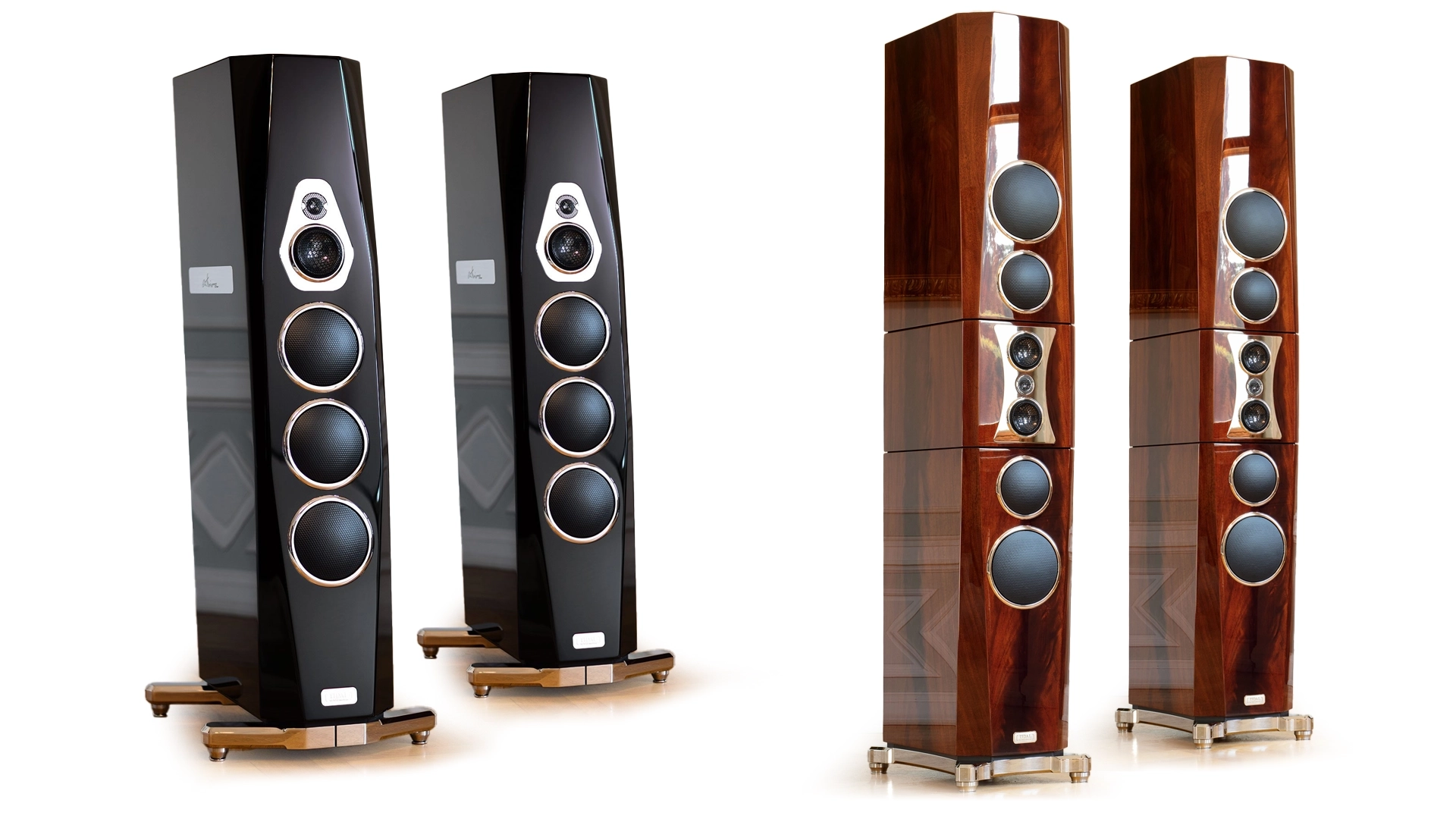
TIDAL Audio is a German ultra-high-end manufacturer founded in 1999 by designer Jörn Janczak. From its base near Cologne, the company develops complete loudspeaker and electronics systems rather than treating the speaker as an isolated luxury object. TIDAL’s identity is precision: proprietary driver applications, elaborate crossover work, massive cabinets and electronics are engineered as one chain, then built and finished in Germany to order.
The loudspeakers made the name. Contriva established the brand internationally, while Piano, Akira and the monumental La Assoluta developed its approach to inert enclosures, carefully controlled dispersion and high-resolution ceramic and diamond diaphragms. Current G3 generations refine those ideas rather than abandoning them. Diamond tweeters are a signature, and selected models extend diamond technology into the midrange; the point is not rarity alone, but low moving mass and controlled breakup within a system whose crossover, cabinet and amplification have been developed around the drivers.
TIDAL also builds the electronics needed to expose that work, including Camira digital conversion, Prisma preamplification and Intra or Ferios power amplification. The related Vimberg marque was created by the same team as a separate brand; it is not a TIDAL loudspeaker model, as the earlier description implied. TIDAL itself remains the no-compromise line. Its appeal is the unusually tight authorship of the whole system—from machining and lacquer to drivers, networks and gain stages—under Janczak’s direction.
TIDAL for Bugatti

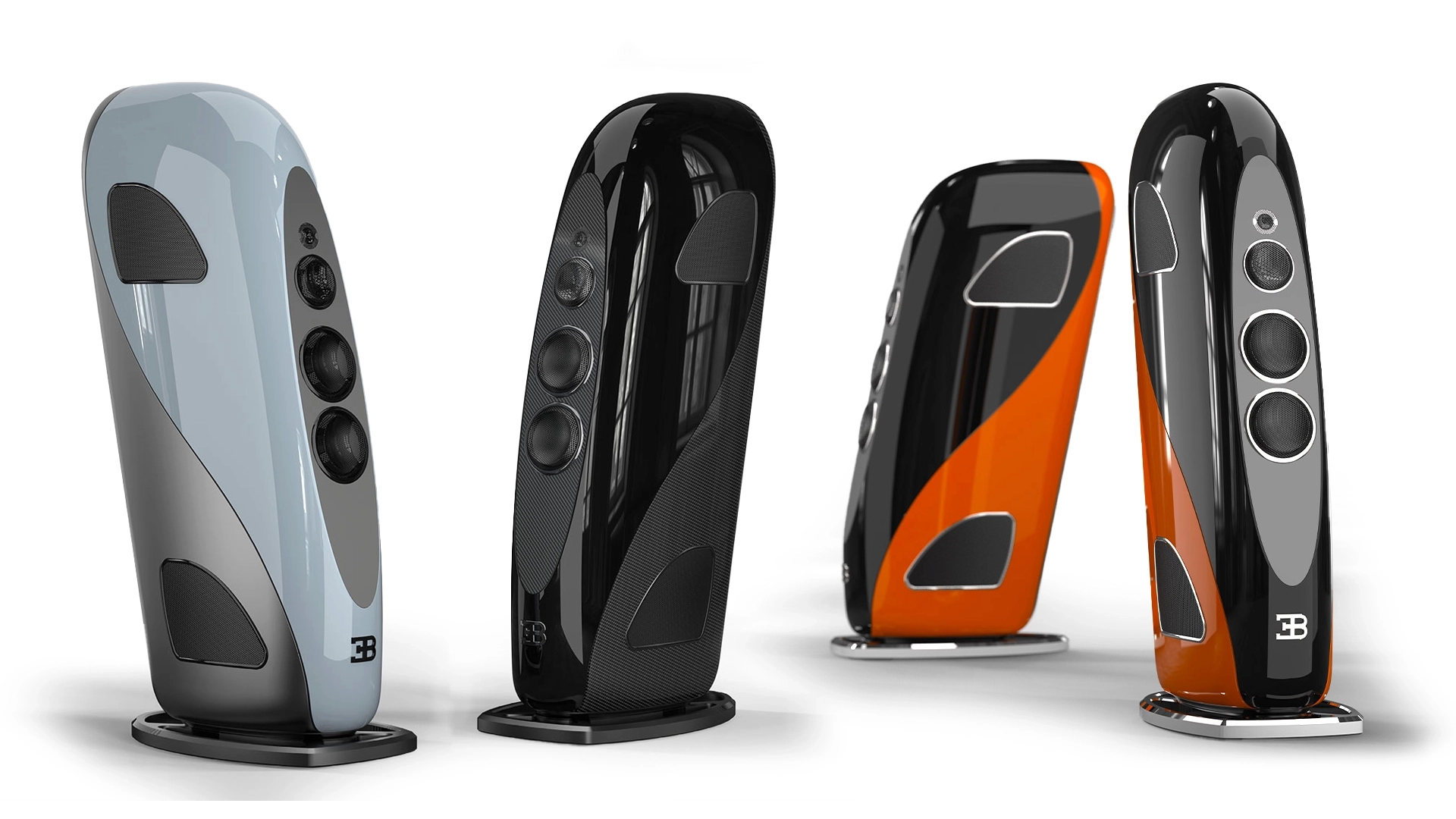
TIDAL for Bugatti is the German audio collaboration unveiled in 2020 by TIDAL Audio and the French hypercar marque Bugatti. It is not a conventional Bugatti-branded lifestyle speaker. Jörn Janczak’s TIDAL team created a complete, made-to-order music system whose engineering, materials and personalisation mirror the logic of Bugatti automobiles: extreme performance, low-volume manufacture and a finish specified for each owner.
The central product is the Royale, a four-way active loudspeaker weighing more than 200 kilograms per channel. Each enclosure combines a 30 mm diamond tweeter and 127 mm diamond midrange-woofer with aluminium-magnesium bass drivers and four long-throw subwoofers. Amplification and signal management are integrated, so the drivers, filters and power stages can be developed as one controlled system rather than assembled by the buyer. The matching Royale MC-1 music controller provides digital playback, conversion and streaming for a complete installation.
Royale is offered in Monocoque and Duotone design interpretations, with extensive choices of lacquer, metal, carbon fibre, leather and other surfaces. Those options matter because the project is as much bespoke industrial design as catalogue hi-fi, but the acoustic platform beneath them remains TIDAL’s. The collaboration should therefore be understood as a distinct product line, not a change of ownership of TIDAL. Bugatti contributes its design language and commissioning culture; TIDAL supplies the loudspeaker, electronics and system engineering that make the object an actual reference audio system.
Totaldac

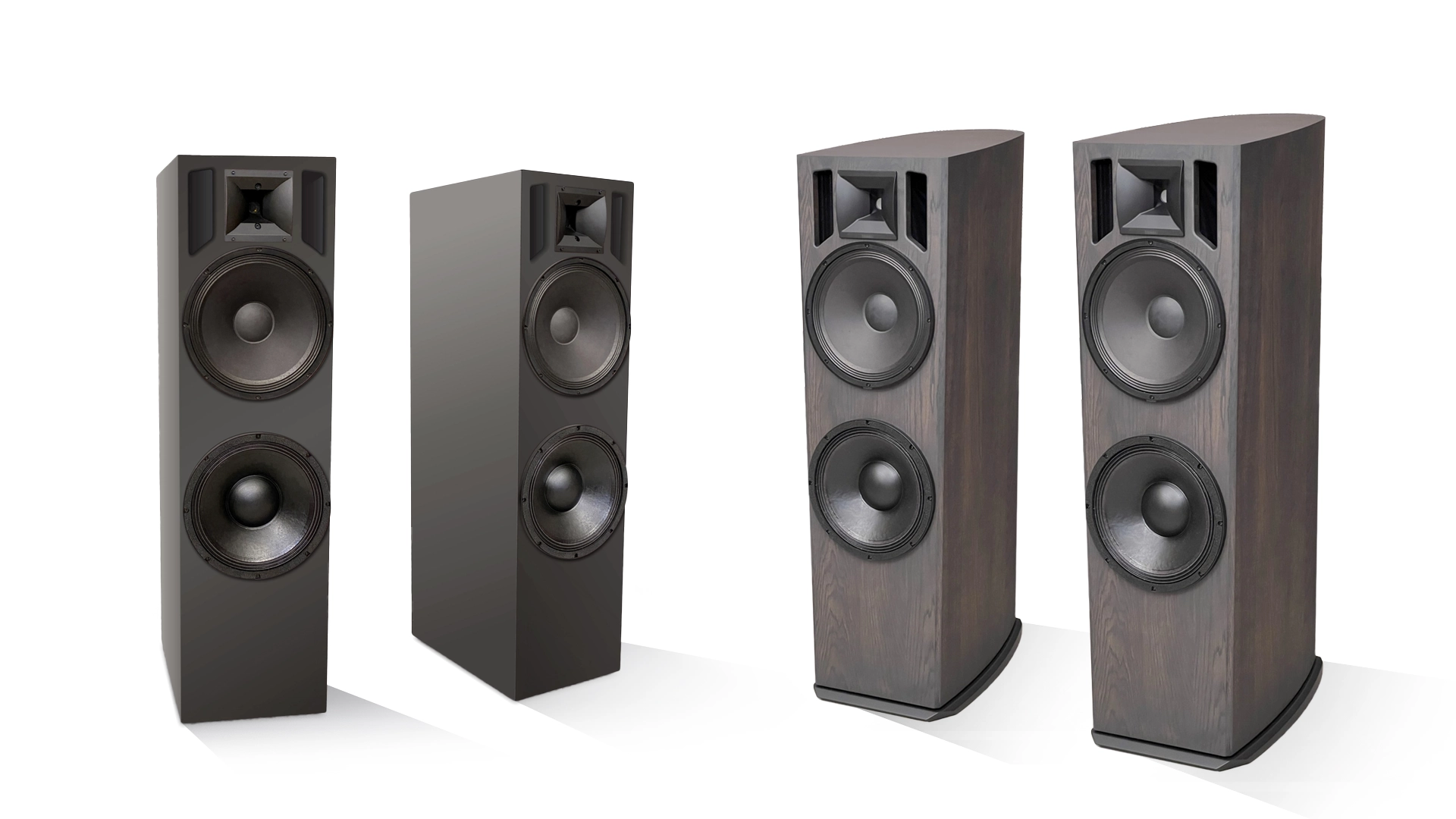
Totaldac is the French digital-audio company founded in 2010 by engineer Vincent Brient. It grew from Brient’s long personal work on digital conversion and became known for refusing the standard integrated DAC chip. Instead, Totaldac builds discrete resistor-ladder converters from proprietary boards populated with closely selected resistors, then controls them with FPGA-based digital processing. This architecture gives the company direct responsibility for the conversion behaviour rather than limiting it to the configuration of another maker’s silicon.
The original d1 series established the approach, followed by more ambitious multi-chassis and multi-ladder models. Current families include d1-unity and higher-order variants such as tri-unity and twelve, alongside server, streamer, reclocker and clock products. Tube or transistor output choices appear in parts of the range, and Totaldac has also developed amplification and loudspeakers to form complete systems. The names can be complex, but they generally indicate how many proprietary DAC boards and channels are used and how the analogue stages are arranged.
Totaldac’s importance comes from the coherence of its independent path. Resistor matching, switching, clocking, digital filtering, power supplies and analogue output stages are all treated as audible parts of conversion. Brient also offers proprietary filtering choices rather than pursuing a single textbook response. The result is not a nostalgic “non-oversampling” label attached to ordinary hardware, but a French-built platform refined across sources and systems. Totaldac remains one of the clearest examples of a small manufacturer turning an original discrete DAC module into a complete digital ecosystem.
Totem Acoustic

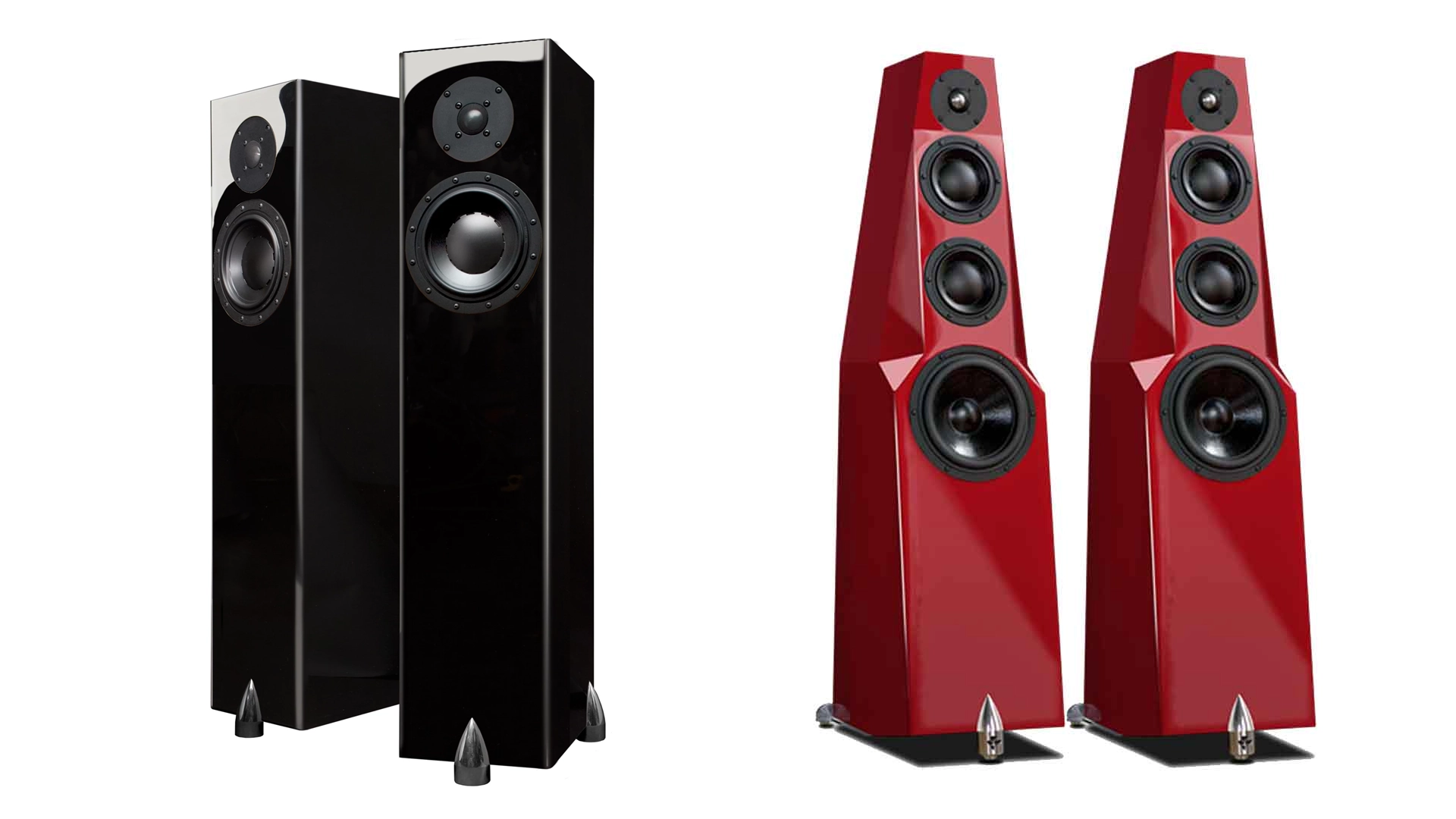
Totem Acoustic is a Canadian loudspeaker company founded in 1987 by Vince Bruzzese. Its reputation was built on a difficult promise: compact speakers should preserve scale, rhythm and bass authority instead of sounding like reduced versions of larger boxes. The original Model 1 monitor made that philosophy audible and established a design language based on carefully selected drivers, extensively tuned cabinets and crossovers kept as simple as the acoustic behaviour allows.
Models such as Mani-2, Arro, Hawk and Forest expanded the idea across stand-mount and floorstanding formats. Totem often uses long-throw drivers, mass-loaded or interlocked enclosures and unusually broad placement tolerance to obtain energy from modest cabinet volume. The Element series introduced Torrent woofers developed for high magnetic control and operation with minimal crossover intervention. Tribe on-wall and in-wall speakers carry the same priorities into architectural systems, while KIN products add powered, wireless and home-cinema options.
Bruzzese remains the central designer, and development is based in Montreal, with many premium models built in Canada. Totem does not pursue a single visual monument; it creates speakers intended to work in real rooms, often closer to walls and with smaller amplifiers than their output suggests. That practical side is part of the brand’s personality. Its best products feel lively without depending on spectacular cabinet size, and the range moves convincingly from a personal stereo to concealed theatre. Totem became distinctive by making compactness an engineering challenge, not a reason to lower musical ambition.
Triangle

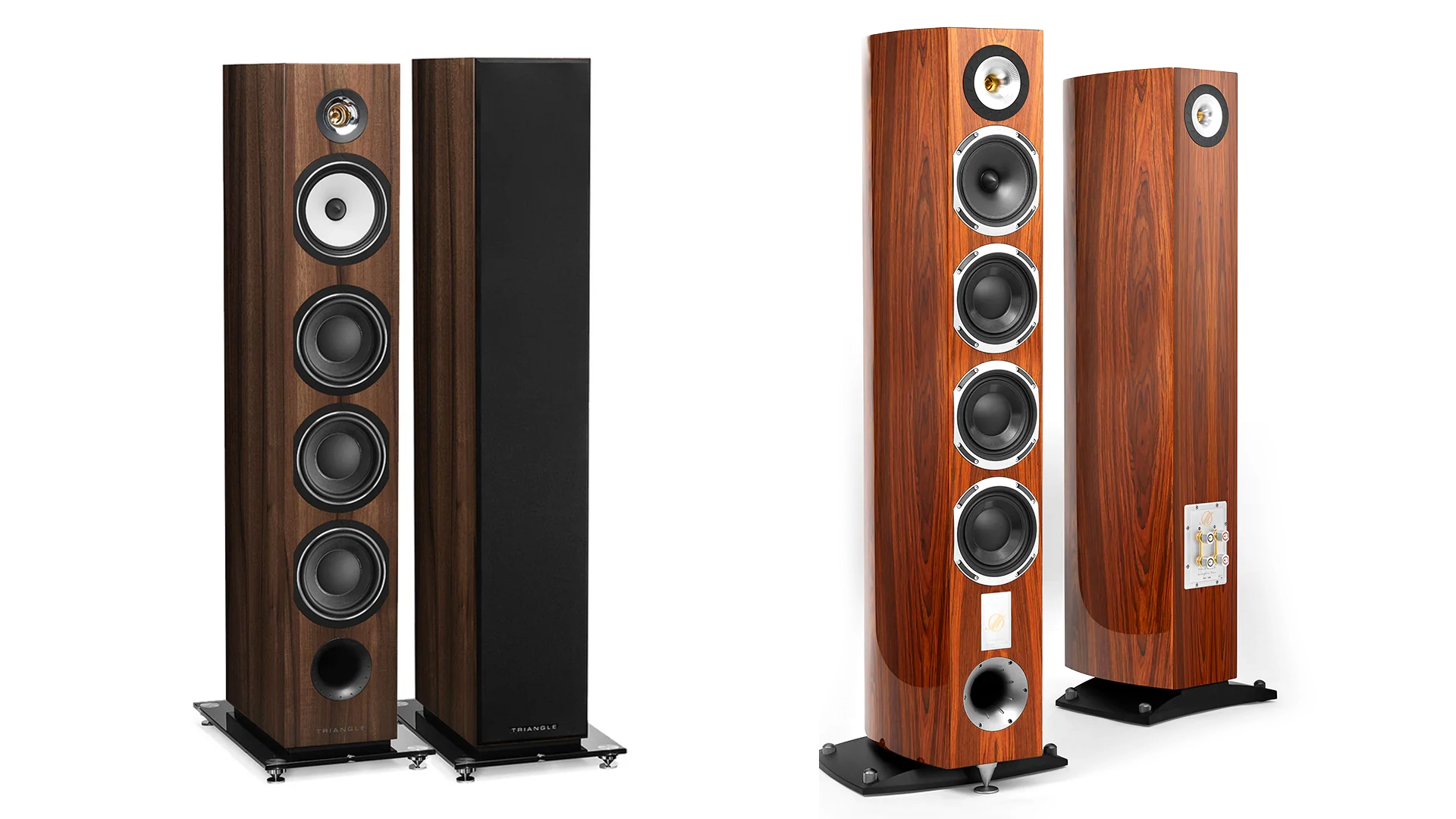
Triangle is a French loudspeaker manufacturer founded in 1980 by engineer Renaud de Vergnette. From its earliest models, the company pursued speed, sensitivity and dynamic contrast rather than the heavily damped, low-efficiency fashion common in parts of the high-end market. Triangle develops key drivers and assembles its premium loudspeakers in Soissons, giving the brand control over the transducers that shape its recognisable presentation.
Horn-loaded tweeters are a signature, designed to provide high efficiency and controlled radiation. Many models pair them with natural-cellulose paper midrange cones, chosen for low mass and direct vocal reproduction, while proprietary bass drivers and carefully vented cabinets provide scale. The flagship Magellan family demonstrates the fullest version of this engineering. Signature and Esprit EZ carry much of it into smaller systems, and the widely successful Borea range brings Triangle’s driver philosophy to accessible stereo and home cinema.
The company now covers architectural speakers, subwoofers and active or connected products as well as traditional passive designs. AIO systems address streaming, while Capella combines active wireless speakers with room optimisation. That expansion has not erased the original character: Triangle speakers are generally designed to communicate musical energy easily and to work with a broad range of amplifiers. The brand’s longevity comes from more than “French sound” or elegant cabinets. It rests on four decades of driver development, a coherent preference for efficiency and transients, and the ability to carry those priorities from a compact Borea monitor to a full Magellan system.
Tune Audio

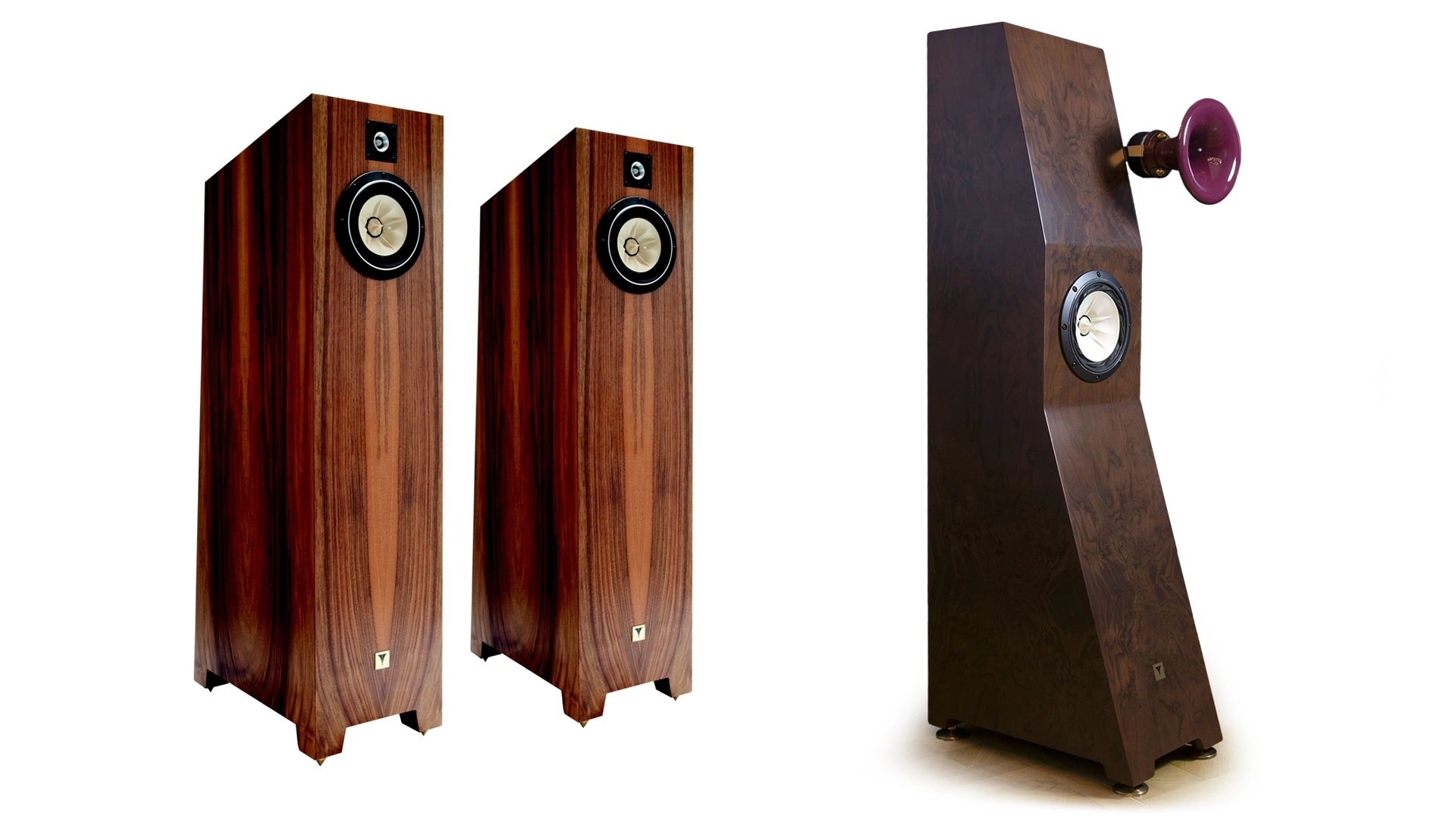
Tune Audio is the Greek horn-loudspeaker workshop of designer Manolis Proestakis. Rather than using a small horn only for the tweeter, the company develops complete high-sensitivity systems in which acoustic loading, driver choice and the physical shape of the enclosure work together. The goal is directness and dynamic scale with modest amplifier power—qualities especially valuable to listeners using single-ended triodes.
Anima brought Tune Audio broad international attention with separate horn structures for bass, midrange and treble. The larger Avaton pushes full-range horn loading and room-scale dynamics further, while Prime and Marvel translate the idea into more manageable floorstanding forms. Compact Kion and Pulse models and the Epitome system broaden the catalogue without turning it into a generic speaker range. Large flared mouths and sculpted wooden surfaces are visually dramatic, but their dimensions follow wavelength, compression and dispersion requirements rather than styling alone.
Proestakis treats the loudspeaker as a reproduction machine “in service of the music.” That phrase fits the brand better than stock claims about a huge soundstage: horns must be integrated carefully, and room distance and amplifier noise become more audible when sensitivity is high. Tune Audio’s skill lies in making those interacting parts behave as one speaker, not in assuming that efficiency alone guarantees quality. The company builds in Greece and collaborates frequently with specialist valve-electronics makers, yet its own founding year is not stated clearly enough in reliable public material to justify inventing one. The products and their author provide a much stronger identity than an uncertain date.
Unison Research

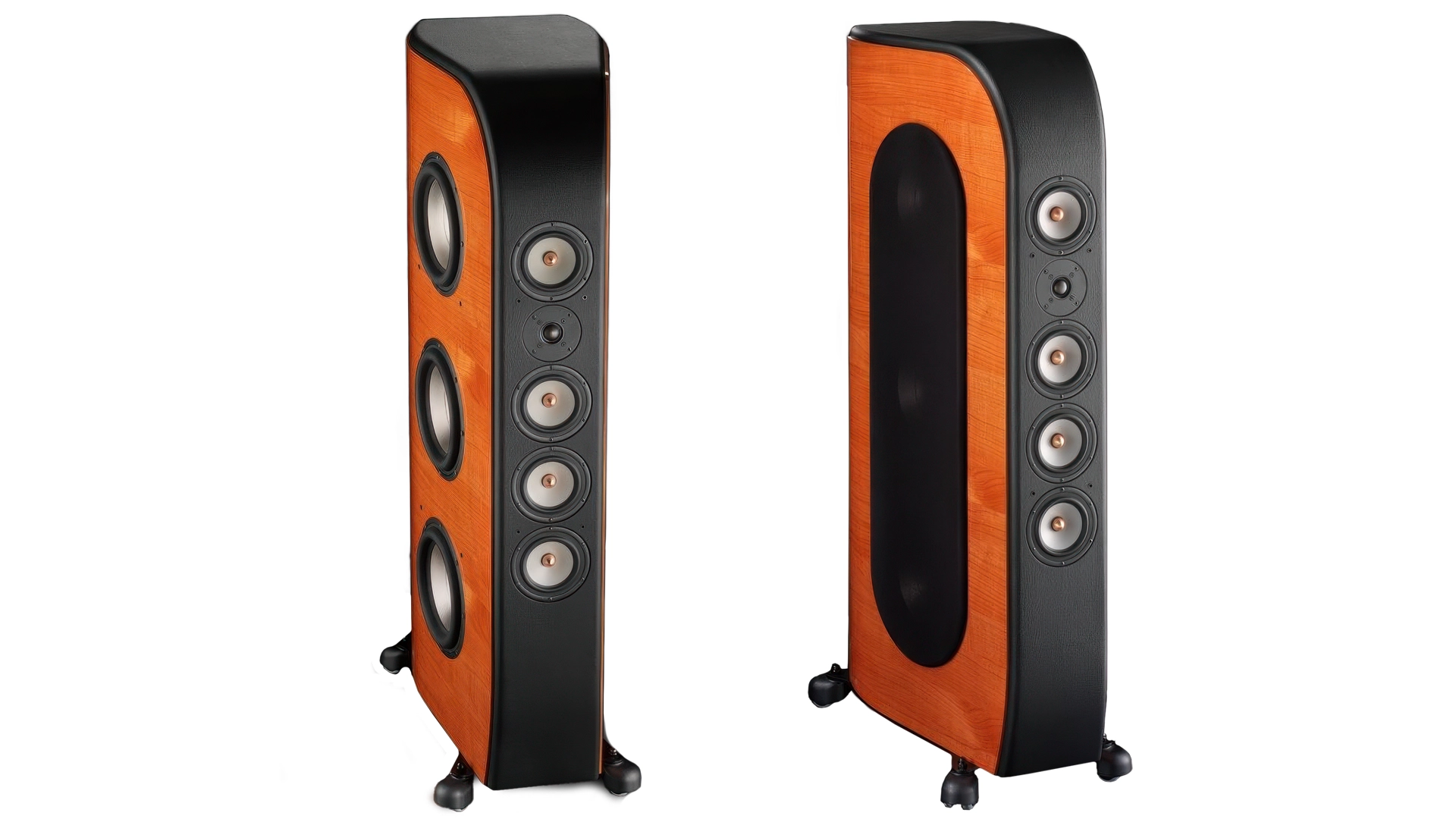
Unison Research is an Italian high-end electronics manufacturer founded near Treviso in 1987 by a group of enthusiasts led by engineer Giovanni Maria Sacchetti. Sacchetti’s study of valve behaviour and transformer coupling gave the company a recognisable direction from the beginning: traditional tubes should be treated as current engineering components, supported by carefully designed power supplies, output transformers and cases made for domestic use.
The Simply Two integrated amplifier became an international emblem of approachable single-ended valve design, and today’s Simply Italy continues that idea with EL34 output tubes and straightforward controls. At the reference end, Absolute 845 and Performance integrated amplifiers use ambitious tube stages and substantial magnetics. Unison also builds line and phono preamplifiers and source components, allowing a complete system to retain the same electrical and visual language.
The Unico series broadened the audience through hybrid circuits: valves handle the input or voltage-gain stage while solid-state output sections provide the current needed by less sensitive loudspeakers. Unico Primo, Nuovo and Unico 90 illustrate how the concept scales rather than simply repeating one amplifier at different prices. Wood details and rounded metalwork are distinctly Italian, but they frame real topology choices between single-ended, push-pull and hybrid operation. Unison Research later developed close ties with Opera Loudspeakers, creating complementary Italian electronics and speaker expertise. Its longevity comes from balancing romance with discipline—visible valves and tactile craft, grounded by Sacchetti’s continuing attention to circuits and transformers.
Unitra

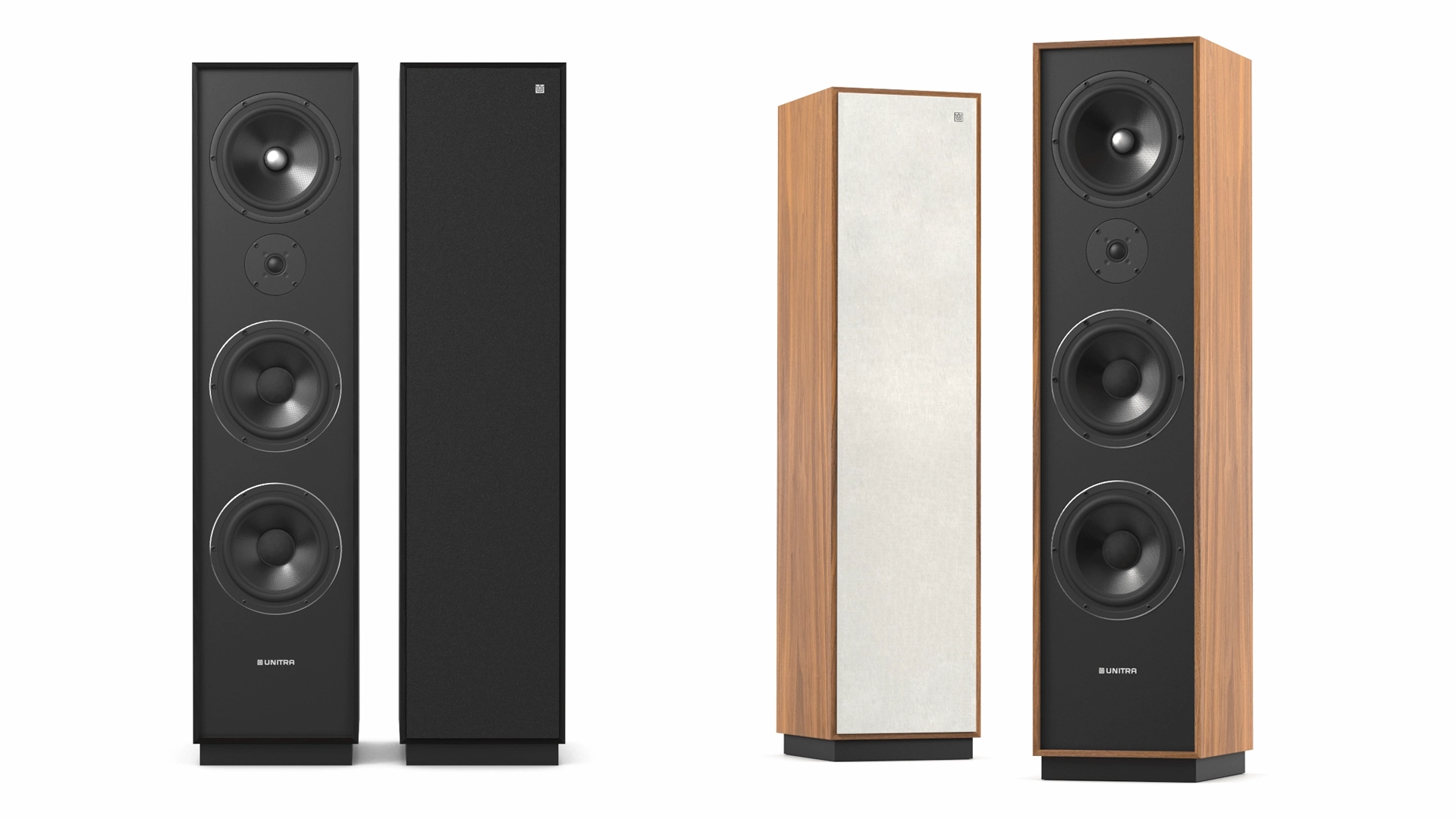
Unitra is the historic Polish electronics name established in 1961 as an association of state-owned radio, telecommunications and consumer-electronics factories. At its height it coordinated an enormous industrial network producing radios, amplifiers, tape machines, turntables and loudspeakers for Poland, other Eastern Bloc markets and export customers. Unitra was therefore not one conventional factory or designer, but a shared brand and research structure joining companies such as Fonica, Diora, Tonsil and ZRK.
The original organisation declined after Poland’s economic transformation and ceased in its old form around 1989. A new management team revived Unitra for specialist audio in 2021, with the current product generation reaching the market in 2023. This ownership and organisational break should be explicit: today’s private company inherits the name and Polish design heritage, not the original state combine itself.
The WSH-805 integrated amplifier uses dual-mono construction, switchable Class A/Class AB operation, analogue inputs and physical meters. GSH-630 Fryderyk and GSH-801 Edmund are direct-drive turntables with Unitra-developed motors and R10 tonearms. CSH-801 adds CD playback, while ZGZ loudspeakers and cables complete the system. Products are designed and engineered in Poland with emphasis on repairability, replaceable assemblies and long support. The achievement of the revival is not retro styling alone: Unitra has rebuilt a coherent Polish hi-fi range around tactile controls and original engineering while honestly carrying one of Central Europe’s most important consumer-audio names into a new corporate era.
VAF Research

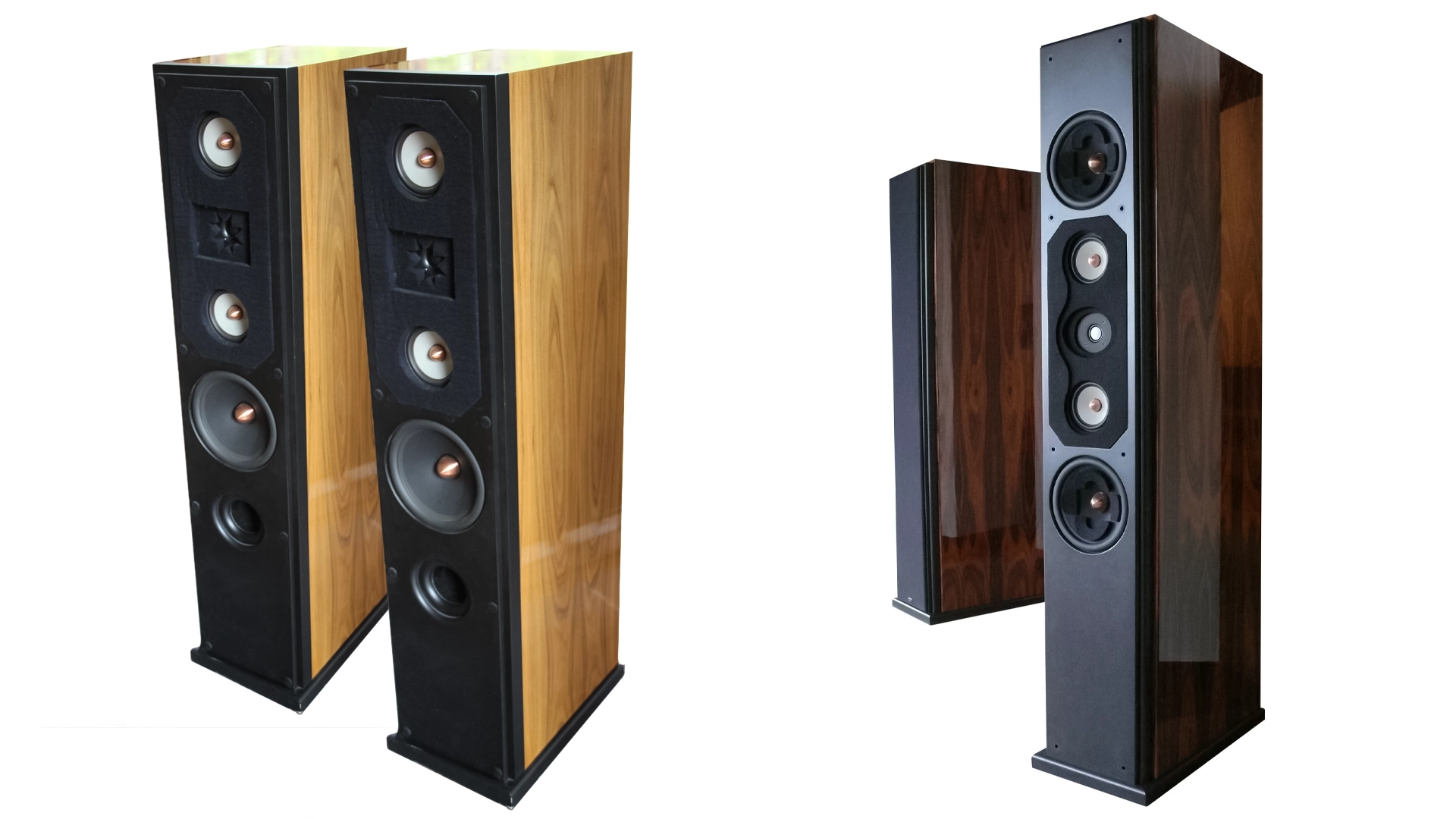
VAF Research is an Australian loudspeaker manufacturer founded in Adelaide in 1978 by Philip Vafiadis. It grew from a local specialist into one of the country’s longest-running independent audio companies, designing complete speakers and supplying cabinets, parts or manufacturing expertise to international brands including Sony, Dynaudio, Jamo, DALI and Duntech. That industrial background gave VAF experience beyond a boutique domestic catalogue.
The Signature series became the public reference. The i66 floorstander appeared in the late 1990s and led to the larger i93, an Australian statement speaker using multiple drivers and carefully controlled radiation to deliver full-scale output in large rooms. Compact i91 models bring the same family priorities to smaller spaces, while Evolution speakers, subwoofers and the SoundWall architectural system cover attainable stereo, cinema and custom installations. Products are designed and built in Adelaide with unusually long loudspeaker warranties.
VAF’s engineering has also served public and professional spaces. In 1998 it supplied a 300-loudspeaker electro-acoustic system for the Adelaide Festival Centre, and in 2003 designed speakers for the Australian Senate chamber. These projects demonstrate why “Research” belongs in the name: modelling and measurement must be reconciled with intelligibility, coverage and subjective listening under very different conditions. Philip Vafiadis remains central to the company’s history, while a broader development team now carries the range forward. VAF’s strength is this continuity between Australian domestic hi-fi, custom problem-solving and installations where acoustic performance is a public responsibility.