
PreAmplifiers
The preamplifier, or preamp, acts as the central control hub for a high-performance separates audio system. Its primary job is to manage your various audio sources—like a turntable, streamer, or CD player—allowing you to switch between them and precisely adjust the volume. It then sends a clean, optimized signal to a dedicated power amplifier. This page is a guide to the brands that specialize in these crucial control components, which are essential for achieving maximum flexibility and fidelity in a component-based setup.
Hi-Fi brands in the category
Summary information and image
Direct links to official websites
Audionet

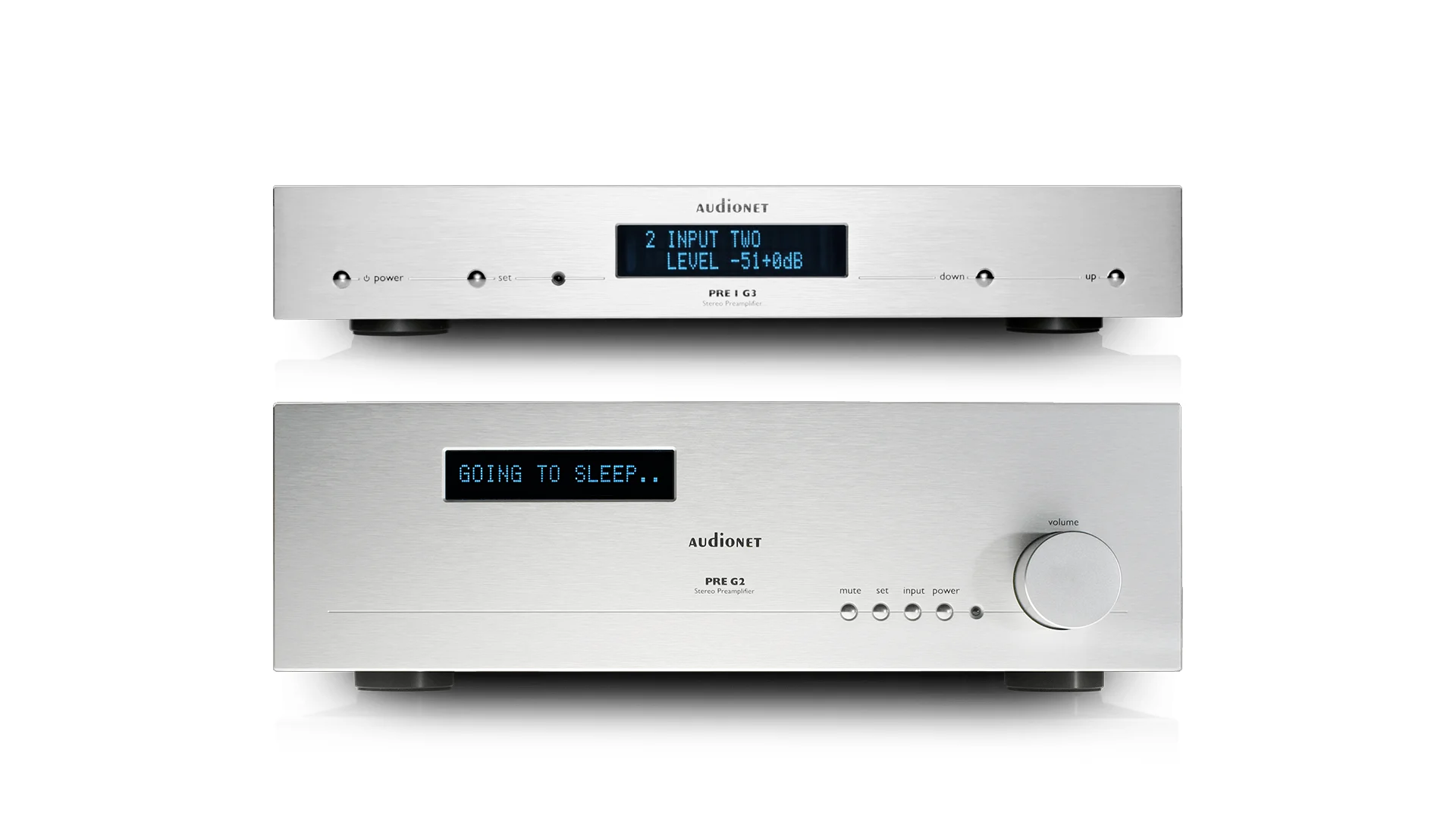
Audionet applies laboratory-style electronics design to high-end amplification and digital sources. Founded in Bochum in 1994 by Thomas Gessler and engineers connected with Ruhr University, the German company developed wide-bandwidth circuits whose near-flat response extends far beyond the audible range. That technical discipline appears in integrated, preamplifier and power-amplifier families as well as network sources. The Scientist range includes the Humboldt integrated amplifier, Stern preamplifier and Heisenberg monoblocks; their patented Floating Pane chassis separates functional layers and was styled with designer Hartmut Esslinger. Current Mach and Schrödinger models bring related ideas to the Ultimate line. Audionet now operates from Berlin under electrical engineer Dr Stefan Schwehr, with products developed and handcrafted in Germany.
Avid HiFi

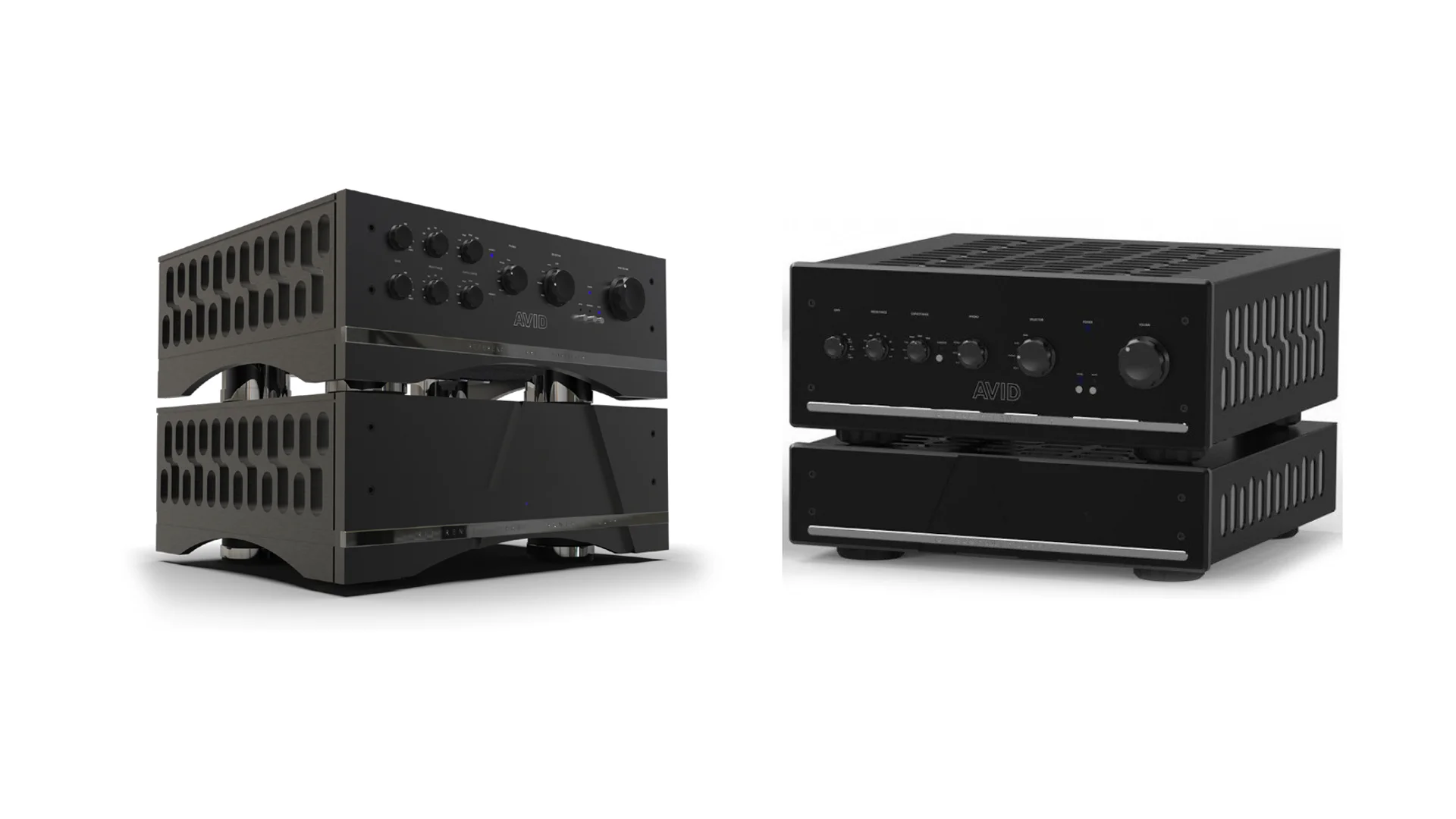
AVID HiFi engineers analogue playback by controlling how vibration enters, travels through and leaves a turntable. Conrad Mas founded the British company in 1995, and the Acutus turntable launched in 1999 after years of development. Its inverted bearing, powerful outboard supply, heavy platter, clamping system and tuned suspension treat record, platter and structure as one mechanical path. Volvere and Sequel extend that architecture, while Diva models provide a simpler rigid platform. AVID has since built a complete ‘groove to ear’ system: cartridges, tonearms, phono stages, integrated and separate amplifiers, loudspeakers, cables and supports. The expansion does not erase the original speciality; the range still begins with extracting information from a moving record while keeping motor, bearing and environmental energy under control. Products are made across the company’s two English factories.
AVM

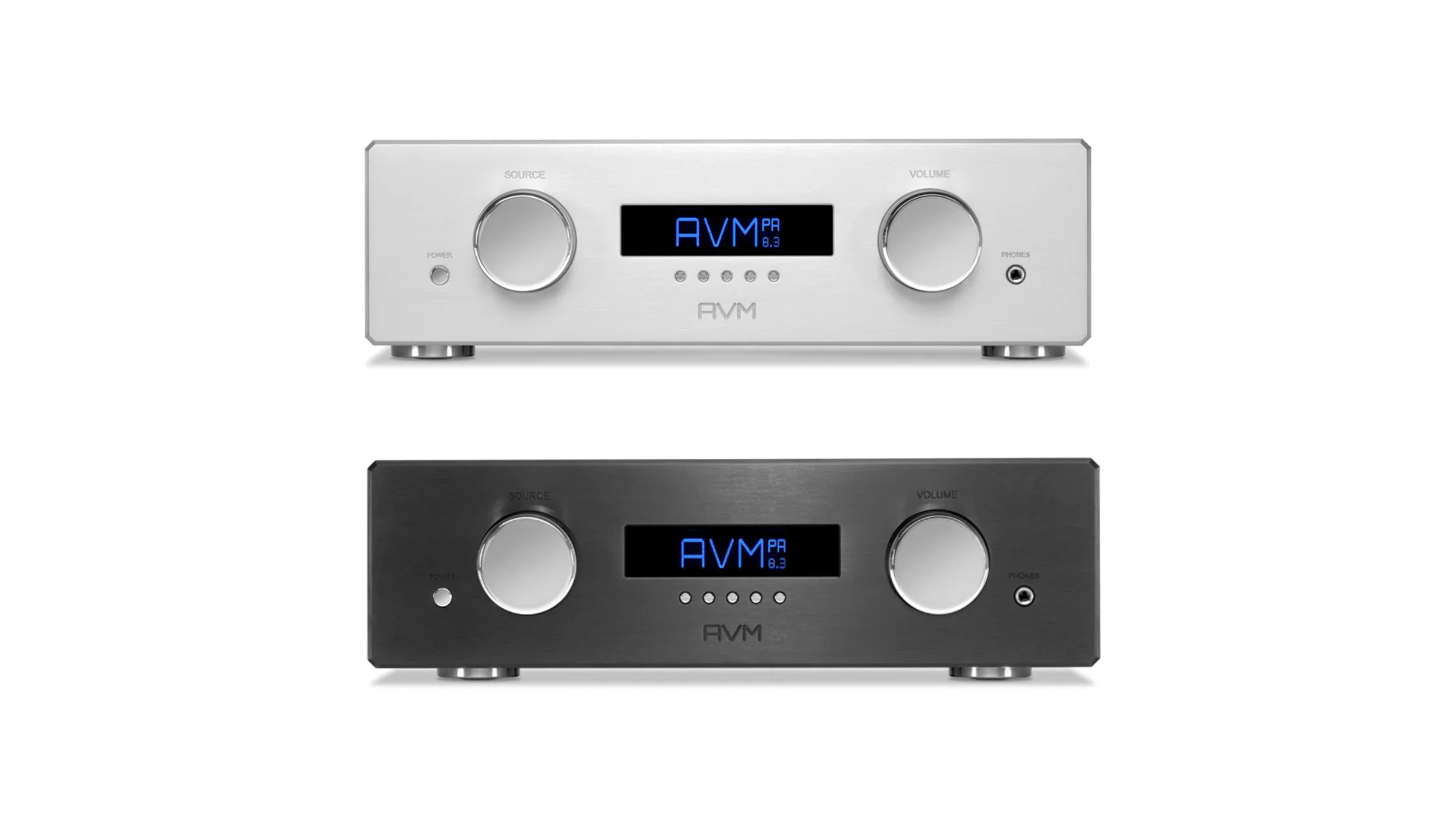
AVM builds complete German hi-fi systems around modular electronics and long product life. Engineers Günther Mania and Robert Winiarski founded Audio Video Manufaktur in April 1986, first gaining attention with the M1 monoblock amplifier. Udo Besser acquired the company in 2010 and broadened its reach while retaining development and hand assembly in Malsch. Inspiration, Evolution and Ovation families cover integrated, pre and power amplification, streaming, DAC and CD functions at progressively higher levels; Rotation turntables added an analogue source developed to work within the same system. AVM often combines transistor output stages with valve line stages where the design calls for it, and its modular streaming platform allows network functions to evolve without redefining the whole product. The brand’s character is system breadth backed by in-house electronics rather than one signature circuit topology.
Ayon Audio

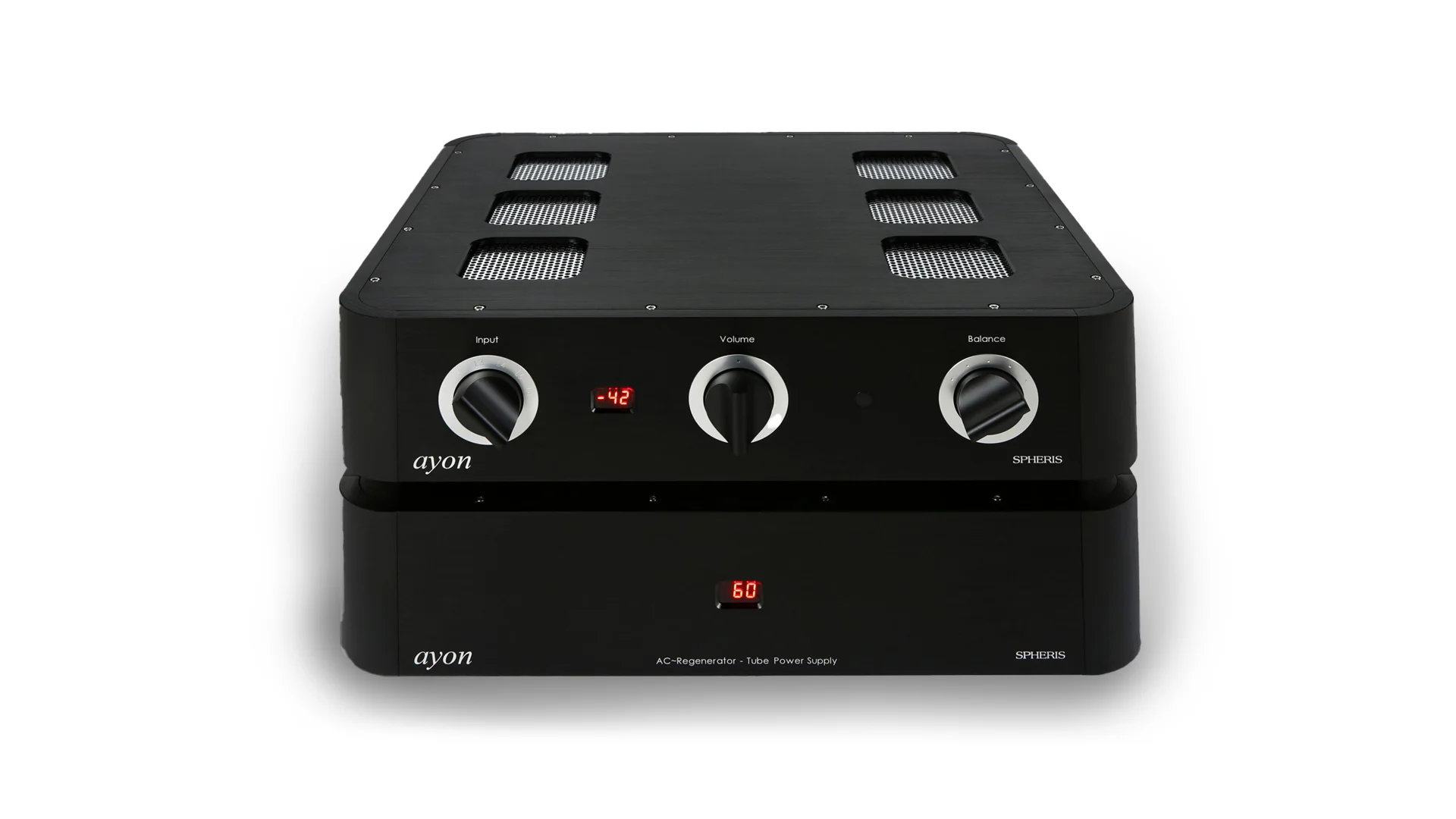
Ayon Audio develops valve-based systems as a connected whole, from source and preamplification to power amplifiers and loudspeakers. The Austrian business grew from Gerhard Hirt’s earlier VAIC work; the Ayon name emerged around 2001 with Hirt at the helm. Integrated amplifiers such as Spirit and Crossfire, larger power amplifiers, line and phono stages, headphone amplifiers, CD/SACD players, DACs and network players form a notably broad tube-led catalogue. Many amplifiers offer switchable operating modes and use in-house transformer work, substantial power supplies and automatic protection or bias functions to make high-power valve circuits more manageable. Ayon also develops high-efficiency loudspeakers suited to this electronics. The previous 1990 date blurred the VAIC roots with the later Ayon brand, so the record now uses 2001.
Ayre Acoustics
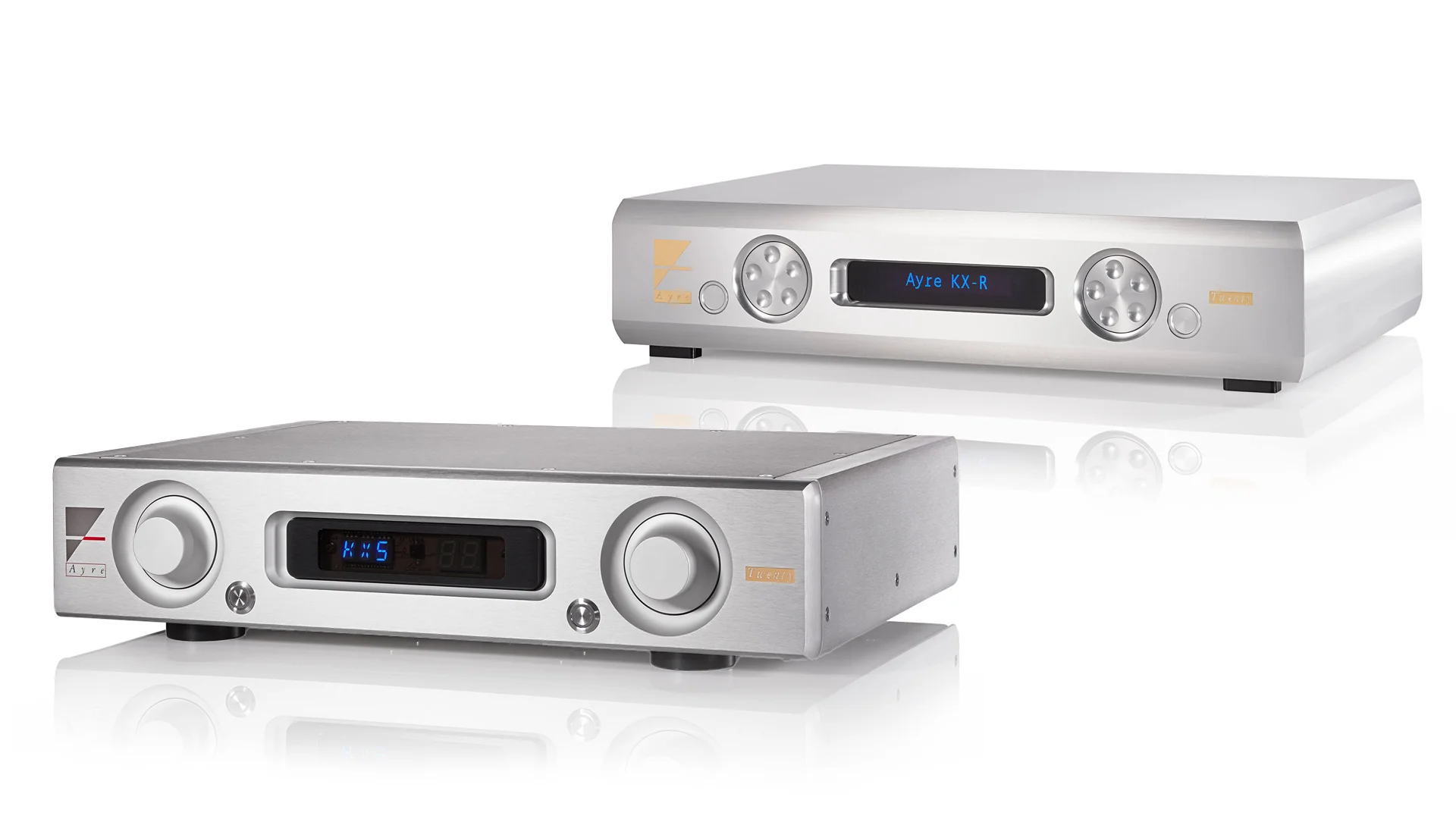
Ayre Acoustics is defined by fully balanced, zero-feedback electronics designed and built in Boulder, Colorado. Charles Hansen founded the company in 1993 after his work as a loudspeaker designer and founder of Avalon Acoustics; its first product, the V-3 power amplifier, already used the topology that became Ayre’s signature. The catalogue spans integrated, pre and power amplifiers, phono stages, DACs and digital sources, with strong attention to power supplies and time-domain behaviour. The KX-R and MX-R established the reference line, while the 8-series and Codex brought related thinking to more compact products. After Hansen’s death in 2017, long-time engineer Ariel Brown preserved and developed the circuits and became the company’s lead figure. This corrects the previous attribution of current direction to Brent Hefley.
B.Audio

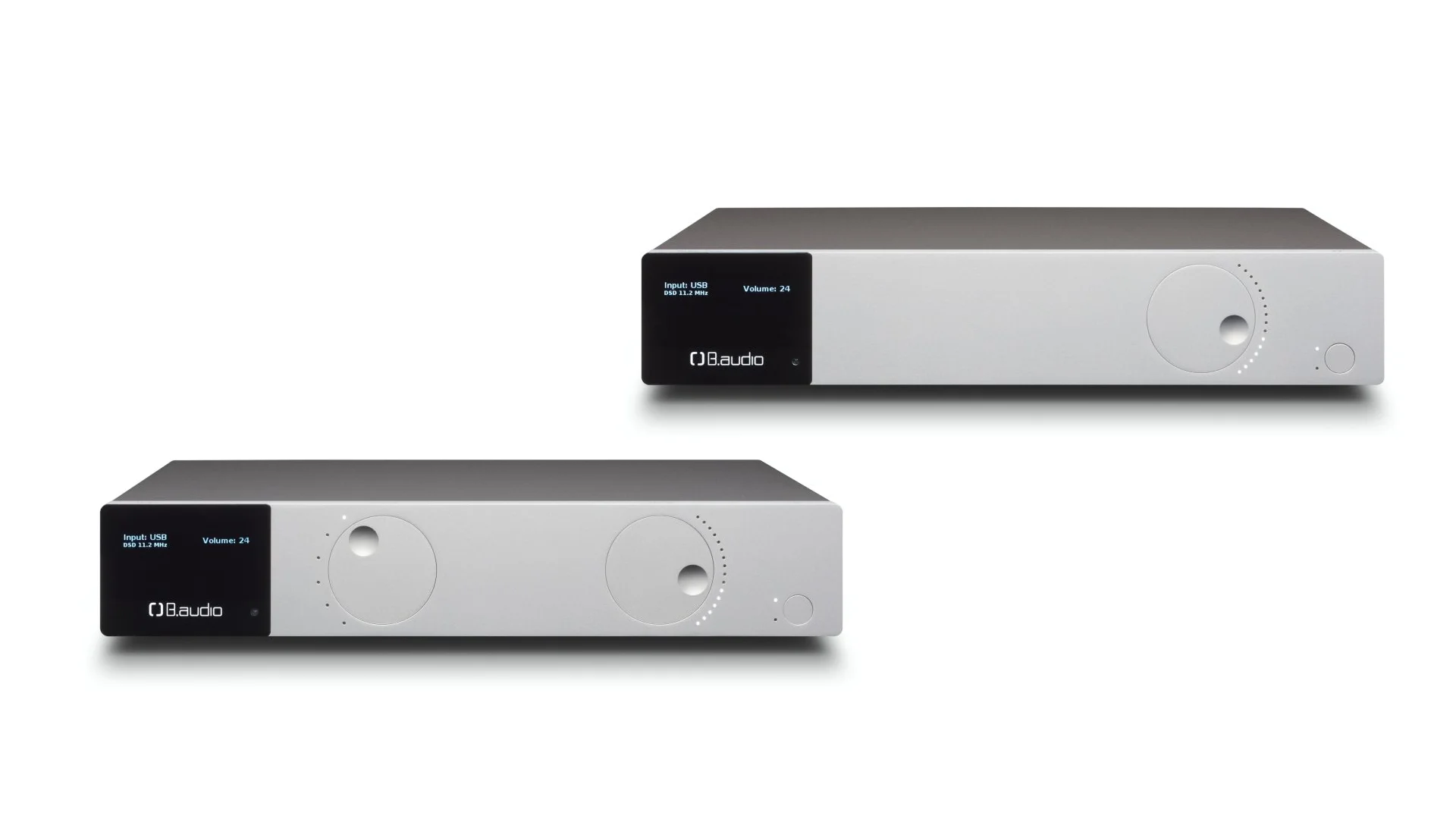
B.Audio attacks digital reproduction at its most fragile point: timing. Brothers Cédric and Sébastien Bermann founded the French company in 2016, combining experience in electronics, signal processing, precision measurement and acoustic engineering. Its proprietary SJR process addresses jitter across incoming digital signals, while asynchronous network interfaces and locally managed clocks reduce dependence on the source device. The B.dac and B.dpr established the architecture; EX versions add network playback, and the B.amp and B.amp mono extend the same low-noise approach into power amplification. The more accessible One series combines DAC, preamplifier and optional streaming functions with matching amplification. Components are developed and assembled in Alsace. B.Audio’s real distinction is a coherent digital-clock and analogue-stage design philosophy carried through an entire electronics system.
BAT

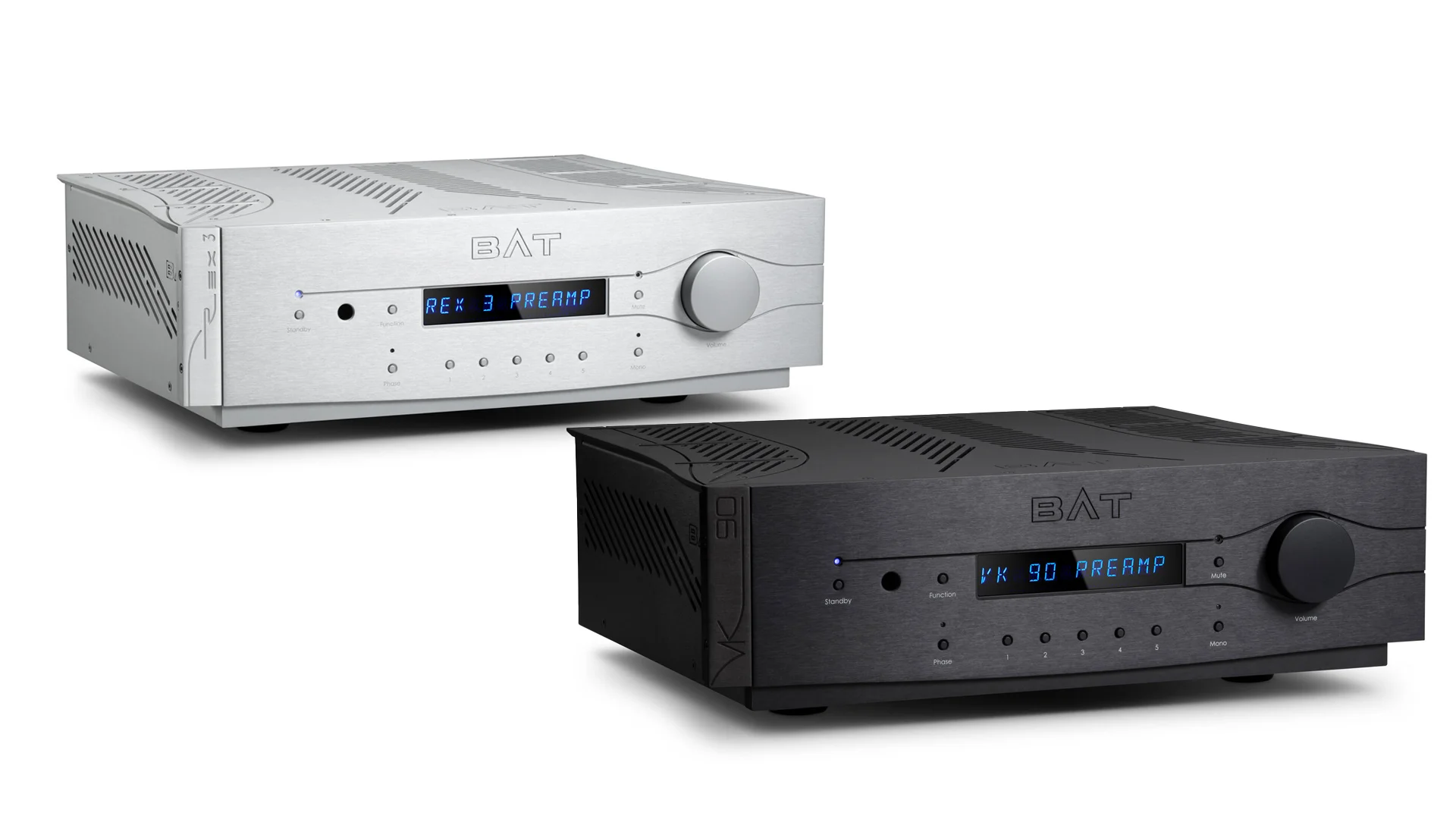
Balanced Audio Technology, better known as BAT, builds high-end amplifiers around balanced circuits, substantial power supplies and deliberately simple signal paths. Steve Bednarski, Victor Khomenko and Geoff Poor founded the American company in 1995; all three names matter to its history. Khomenko’s engineering established BAT’s differential topology and its extensive use of the high-current 6H30 valve, while Poor and Bednarski helped shape the commercial and product direction. The range spans valve and solid-state preamplifiers, power amplifiers, integrated amplifiers and phono stages. REX reference components sit above the VK series, with products such as the VK-80i combining tube preamplification and power output in one chassis. BAT’s distinction is not merely the presence of valves: it is the consistent use of balanced architecture from input to output, applied across both tube and transistor designs.
Benchmark Media Systems
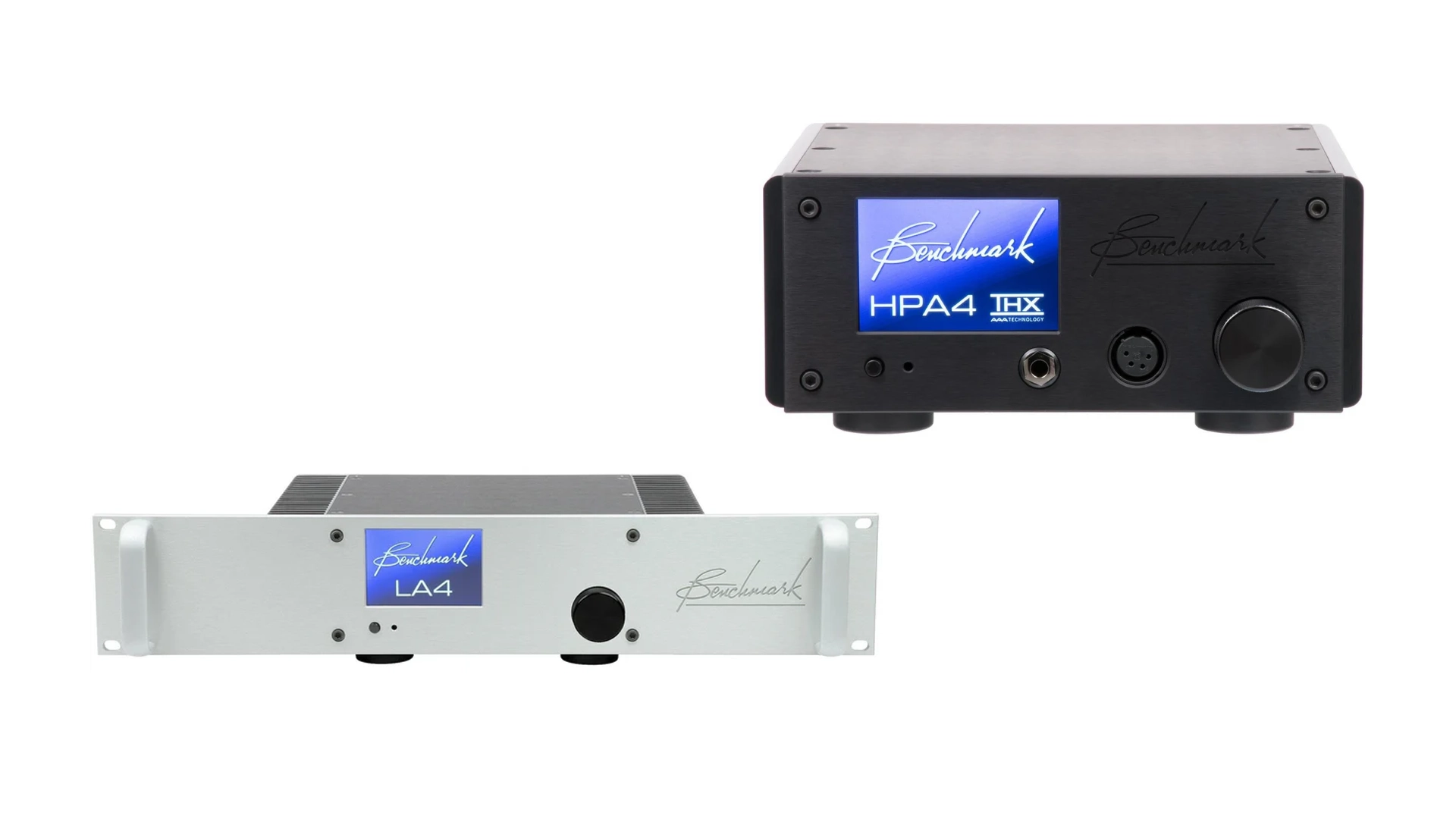
Benchmark Media Systems brings measurement-led studio engineering into compact home and professional audio components. Allen H. Burdick began Benchmark Sound Company in a garage in Garland, Texas, in 1983; the business incorporated as Benchmark Media Systems in 1985 and later moved to Syracuse, New York, where products are designed, assembled and tested. Benchmark became widely known for transparent DAC and headphone-amplifier combinations, and the DAC3 continues that line. The AHB2 power amplifier—named for Burdick—uses THX Achromatic Audio Amplifier technology to achieve exceptionally low noise and distortion, while the HPA4 and LA4 provide relay-controlled analogue preamplification and headphone drive. The brand’s real speciality is predictable, documented performance: engineering decisions are supported by published measurements and products serve mastering rooms as comfortably as domestic systems.
Boenicke Audio
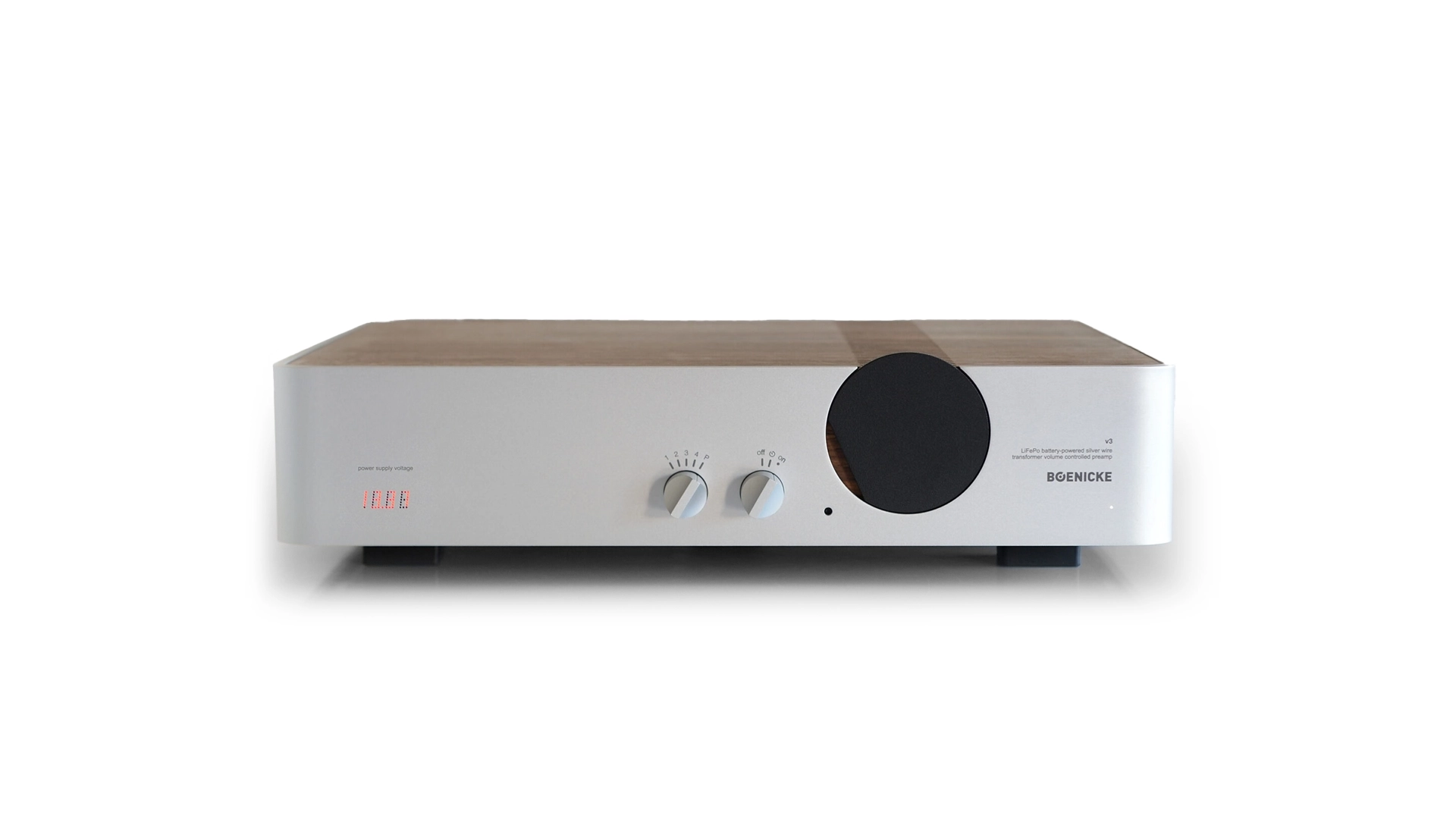
Boenicke Audio makes compact solid-wood loudspeakers whose unconventional internal and mechanical details matter as much as their sculpted cabinets. Swiss designer and recording engineer Sven Boenicke founded the company in 1998 after years of making his own live recordings and experimenting with loudspeakers. W5, W8, W11 and larger models use CNC-machined wooden shells, side-firing woofers and carefully chosen wideband drivers to achieve generous scale from a narrow frontage. Depending on the model, swing-base suspension, electromechanical resonators, unusual component treatments and deliberately minimal crossover sections are used to manage stored energy and preserve timing. The catalogue also includes electronics and cables, but loudspeaker voicing remains rooted in Boenicke’s own recordings and listening work. The previously empty foundation field has been completed with the company’s documented year, 1998.
Boulder

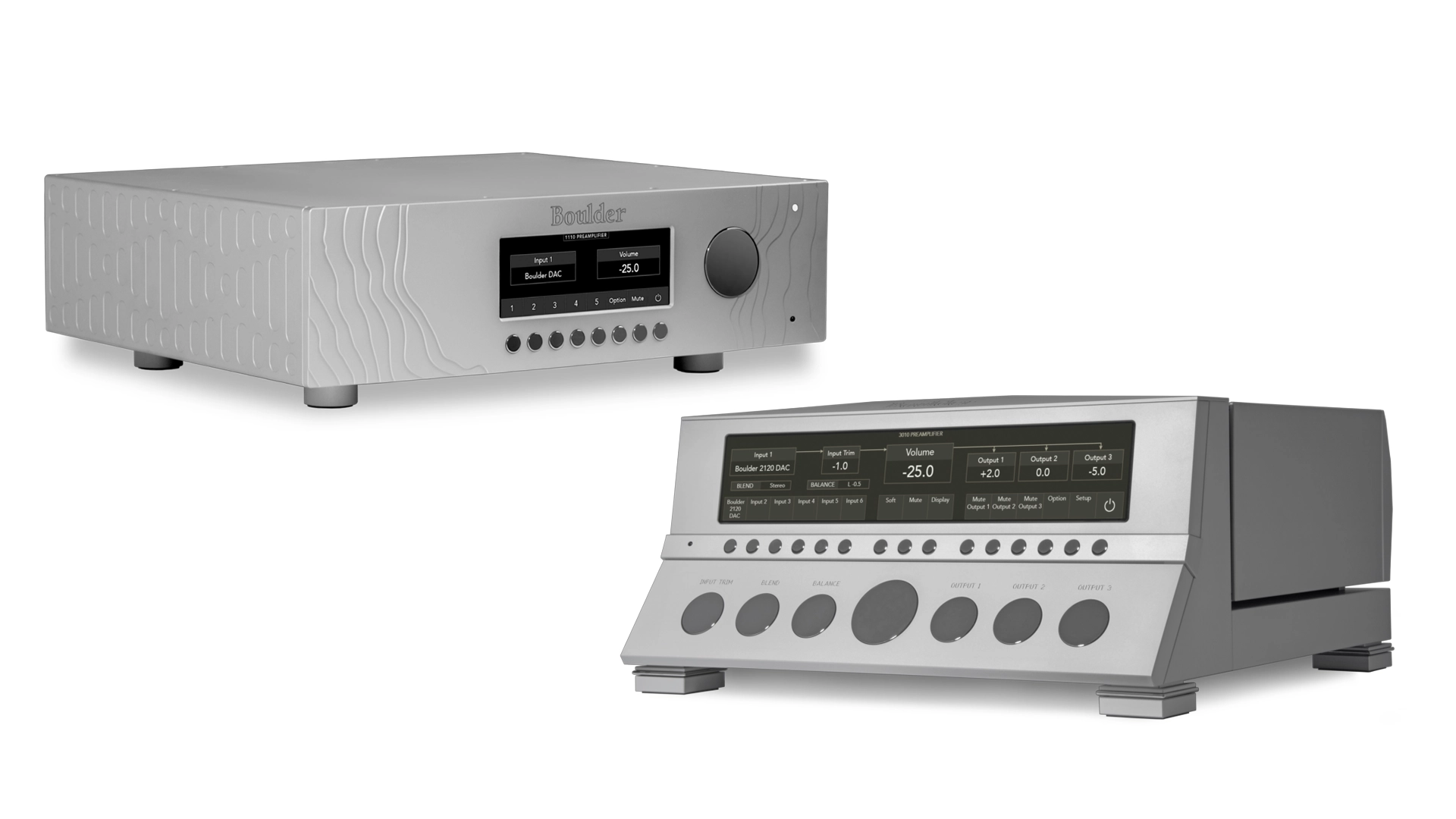
Boulder Amplifiers carries professional broadcast discipline into some of the most ambitious solid-state electronics made for home audio. Jeff Nelson founded the Colorado company in 1984 after running a recording studio, building consoles and designing broadcast equipment. Its first product, the rugged 500 power amplifier, served studios and loudspeaker manufacturers before the 500AE adapted the design for domestic systems. Boulder now builds preamplifiers, stereo and mono power amplifiers, integrated amplifiers, phono stages and digital source components across the 1100, 2100 and reference 3000 series. Fully balanced circuits, proprietary discrete gain stages, large regulated power supplies and precise analogue volume control recur throughout the range. Circuit design, metal machining, assembly and testing are handled at the company’s purpose-built facility near Boulder, preserving unusually close control over both electronics and chassis construction.
Bricasti Design

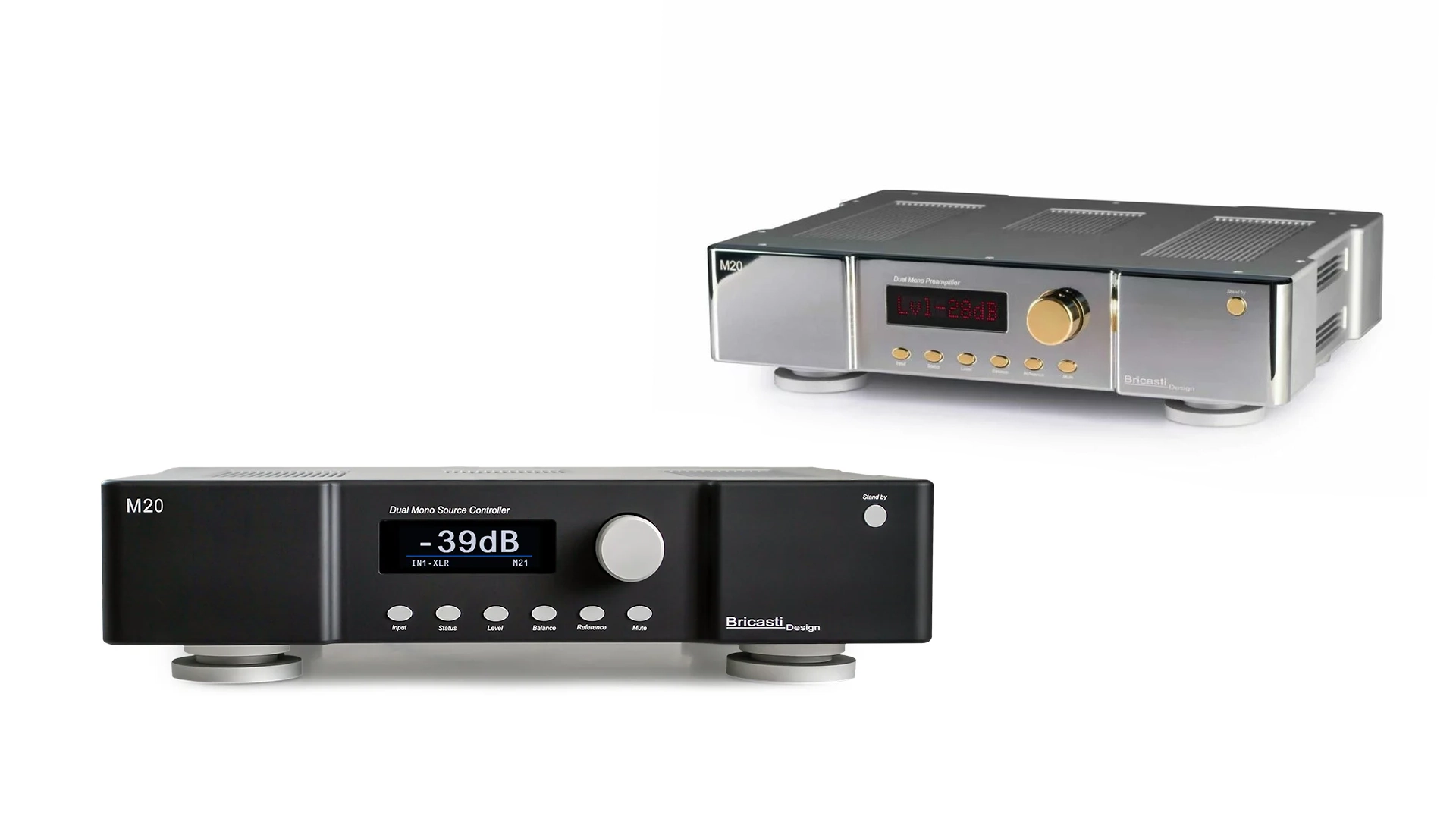
Bricasti Design joins professional digital engineering with home components designed and built in Massachusetts. Brian Zolner and Casey Dowdell founded the company in 2004 after careers at Lexicon, first earning recognition with the M7 digital reverb used in recording and mastering. The consumer range grew from that signal-processing experience but is much broader than DACs alone. M1, M3 and M21 converters, the M5 network player, M12 source controller, M19 SACD transport and M20 preamplifier cover the source and control stages. M15, M25 and M28 or M30 power amplifiers extend the same dual-mono, low-noise approach to loudspeakers. Bricasti writes its digital processing, designs its clocking and analogue stages and machines substantial aluminium chassis in-house. The documented 2004 foundation year has been added to the previously empty field.
Brinkmann

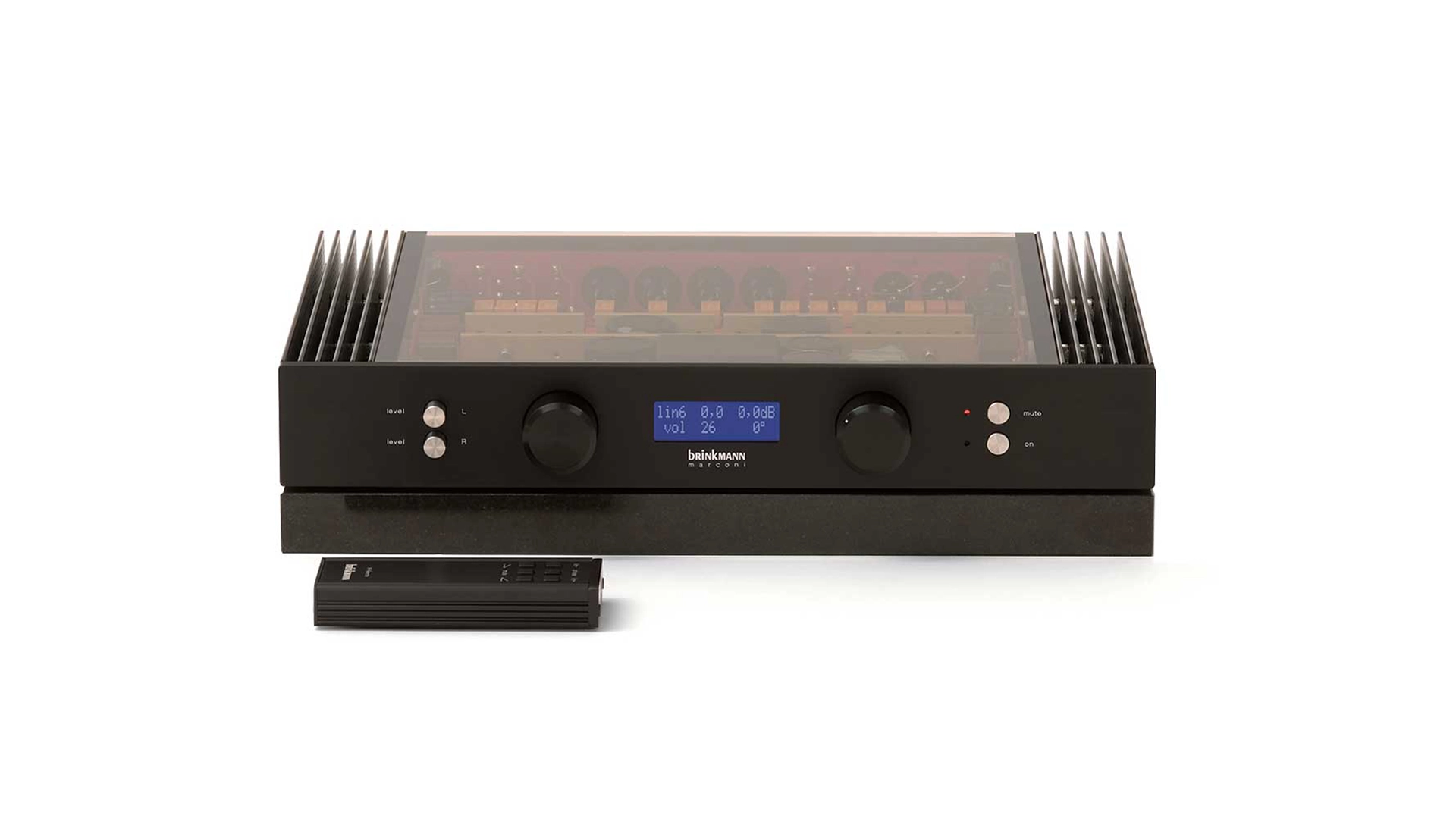
Brinkmann Audio treats the turntable, phono stage, source and amplifier as parts of one engineered playback chain. Helmut Brinkmann founded the German company in 1985 after his earlier work with Audiolabor. The Balance turntable became its best-known design, combining a high-mass platter, heated bearing and separate motor control. Taurus, Spyder and Bardo offer different mechanical architectures, supported by Brinkmann tonearms, cartridges and the RöNt valve power supply. The company was already respected for amplification before building turntables, and its present catalogue includes Edison phono stages, Marconi preamplification, stereo and mono power amplifiers and integrated designs. Nyquist adds streaming and digital conversion without abandoning the same attention to power, grounding and analogue output circuitry. This broader product history corrects the impression that Brinkmann works only with vinyl hardware.
Bryston

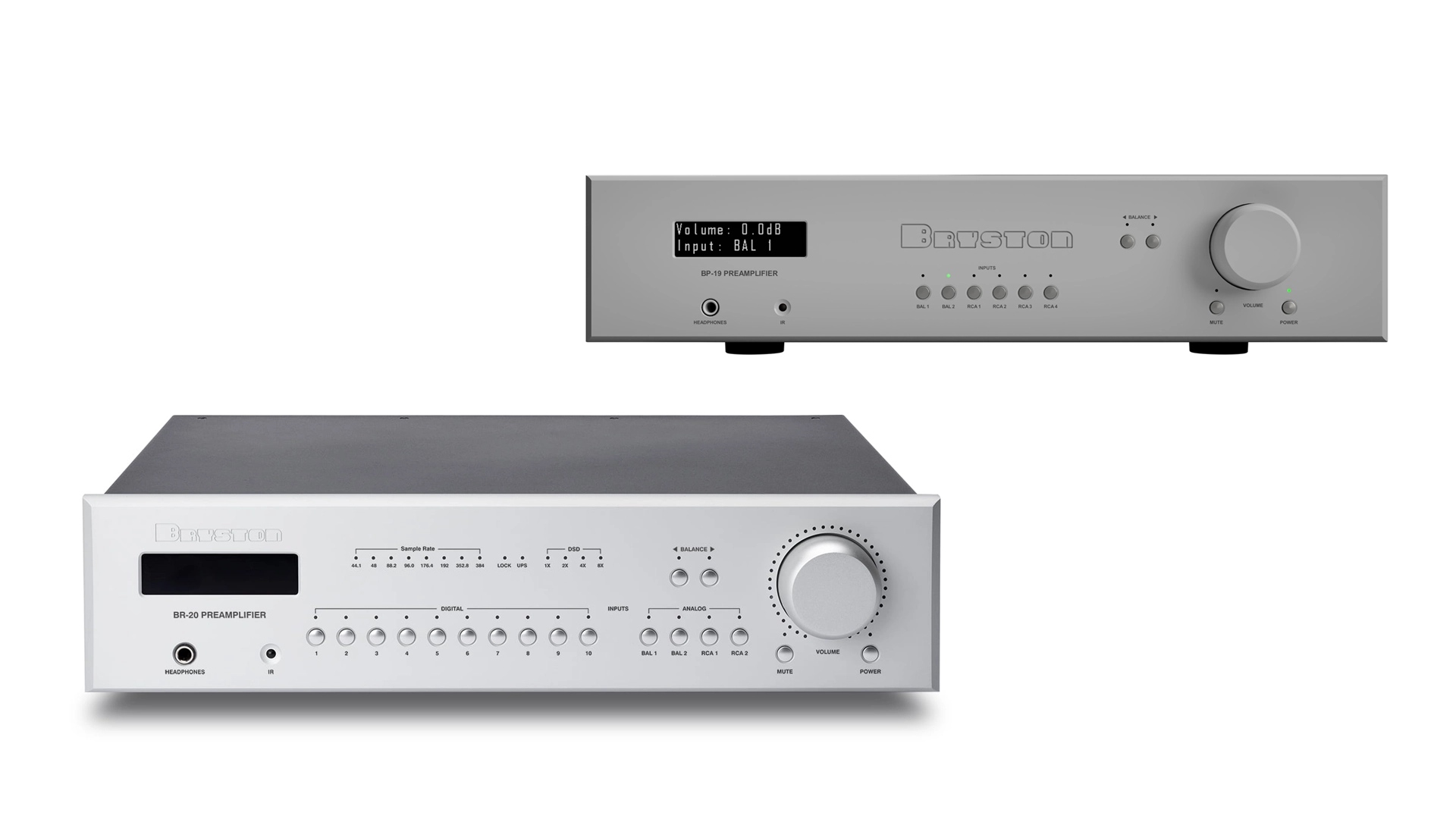
Bryston builds Canadian audio electronics around serviceability, stable operation and the ability to work for long periods under professional conditions. The company was incorporated in 1962 for medical electronics and moved into audio during the 1970s under the Russell family, bringing the testing culture of its earlier work with it. Power amplifiers became the core business, with the Cubed series continuing the company’s modular channel architecture and conservative thermal design. BR-20 and BP preamplifiers, BDA converters, BDP digital players, phono stages and active or passive loudspeakers make the range much broader than amplification alone. Products are developed and built in Ontario, and current owner Colquhoun Audio Laboratories also operates Axiom Audio. Bryston’s famous warranty remains longer than most competitors’, but the old blanket statement of 20 years is no longer current: new analogue products now carry a ten-year factory warranty.
Burmester

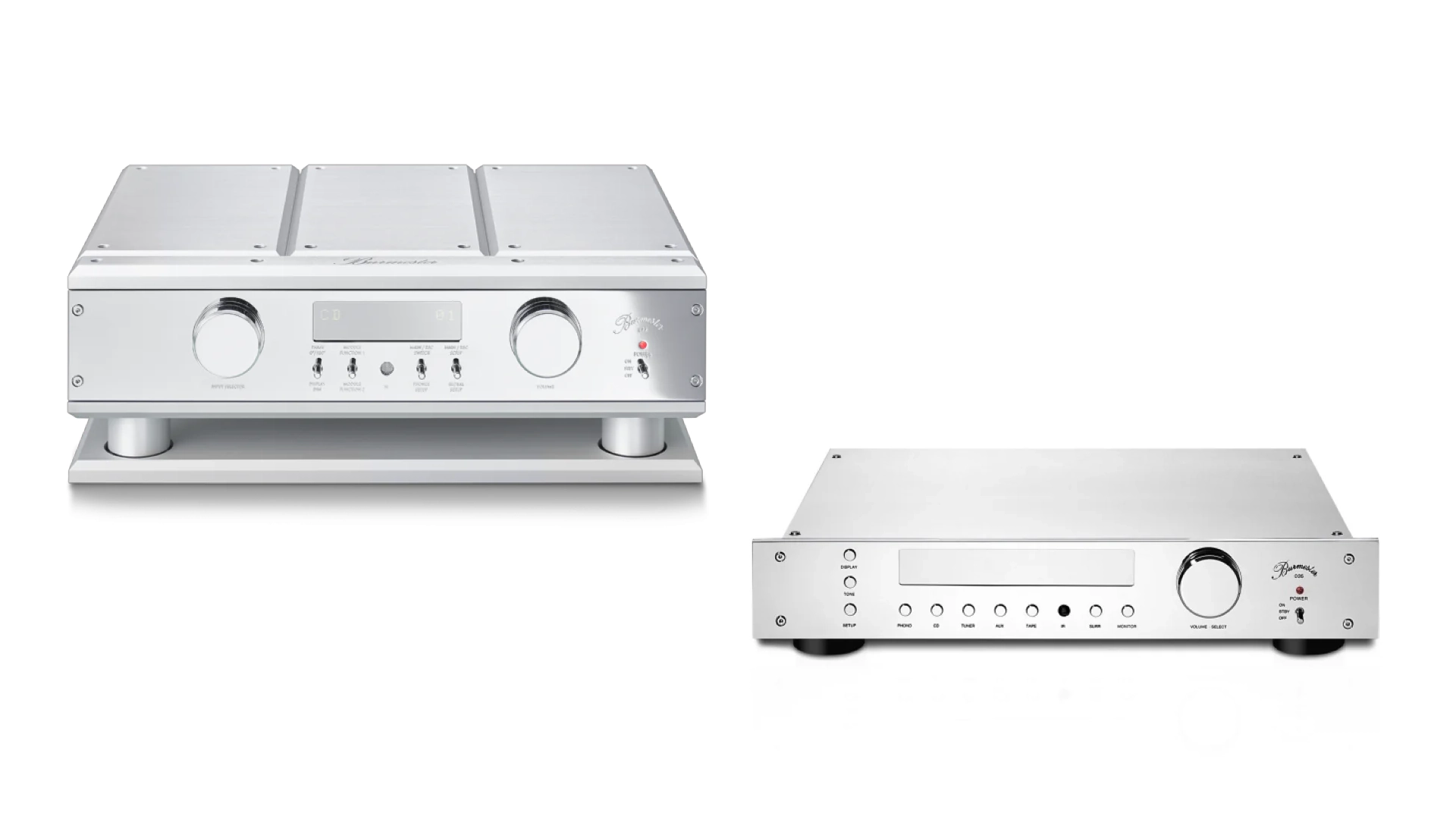
Burmester combines Berlin manufacturing, balanced electronics and a visual language that makes its components immediately recognisable. Musician and engineer Dieter Burmester founded the company in 1977 after building the 777 preamplifier to replace an unsatisfactory unit in his own system. The model number recorded its launch in July 1977 and began a naming convention still used today. The modular 808 preamplifier, DC-coupled signal paths and early symmetrical circuit work became important milestones, while polished chrome fronts became the exterior signature. Current Classic, Top, Reference and Signature products include sources, preamplifiers, power amplifiers, integrated systems, turntables, power treatment and loudspeakers. Burmester also develops factory audio systems with luxury car manufacturers. Despite that breadth, final assembly and much of the specialised production remain in Berlin, keeping the brand closer to a manufactory than a mass-market luxury label.
Burson Audio
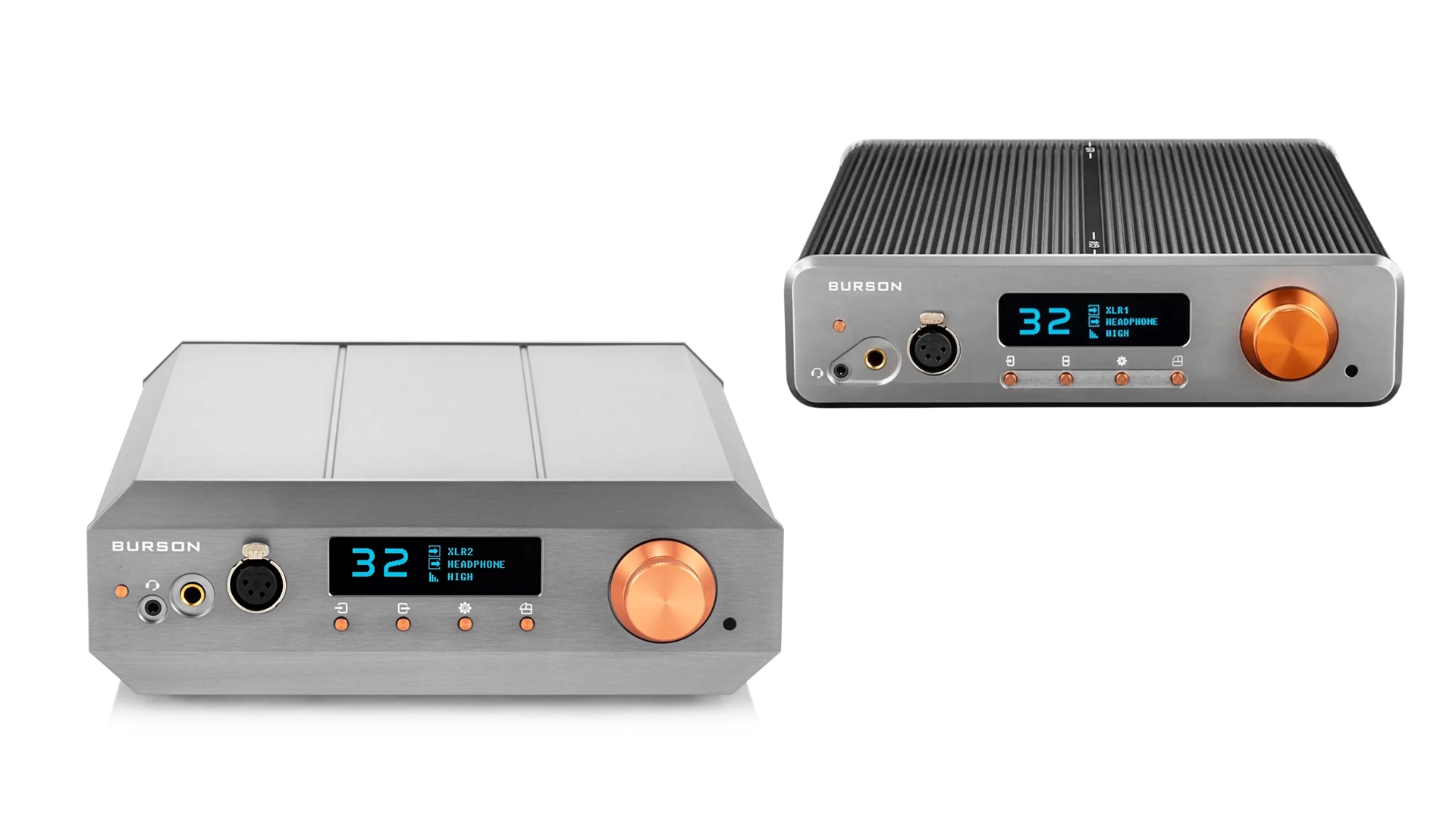
Burson Audio specialises in desktop DACs and powerful Class-A headphone amplifiers built around discrete circuit modules. The Melbourne company began in 1996, not 2013, and first became widely known for discrete op-amps that could replace conventional integrated devices in compatible audio equipment. That component work shaped complete products such as the Conductor DAC and headphone-amplifier family, Soloist headphone amplifiers and Timekeeper speaker amplifiers. Burson’s swappable V-series op-amps allow selected models to be tuned or upgraded without replacing the entire unit. Its Max Current Power Supply uses high-frequency conversion and local current delivery instead of a conventional large mains transformer, reducing chassis size while feeding high-bias output stages. The combination of modular discrete gain blocks, strong headphone drive and compact thermal design is the real continuity across the range. The foundation field has therefore been corrected from 2013 to 1996.
CAAS Audio

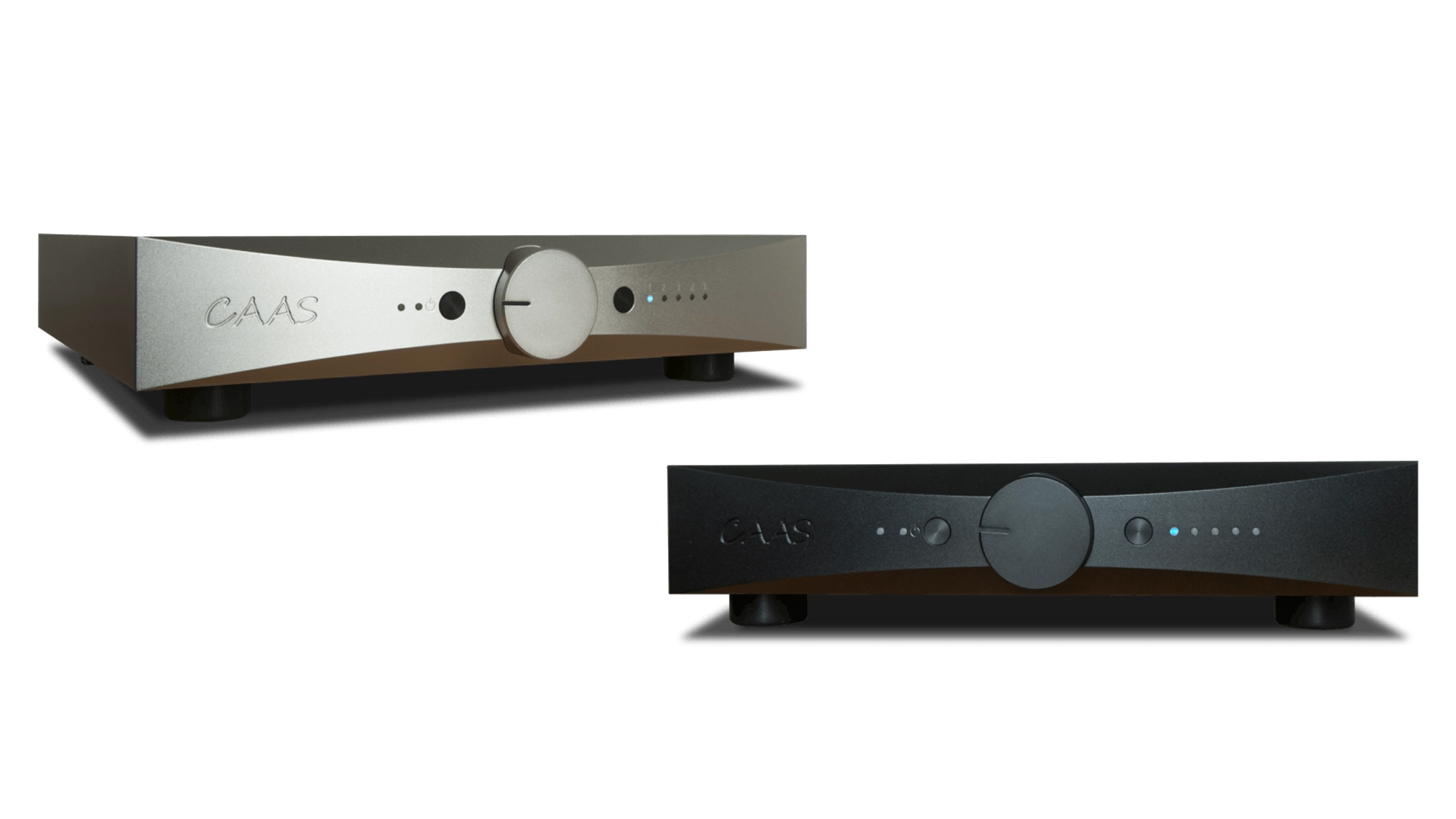
CAAS Audio is a British manufacturer of zero-feedback Class-A and Class-AB electronics, not a Dutch Class-D amplifier company. Brothers Carl and Neil Broomfield founded it in Yorkshire in 2006, combining Carl’s RF and microwave circuit experience with Neil’s real-time software engineering. The Elysian 100 monoblock operates in Class A for its first 20 watts before moving into Class AB for higher output, using no global or local feedback. Elysian preamplifiers employ fully balanced dual-mono layouts with separate power supplies, while the Elysian Audio Streamer and Digital Audio Streamer combine Roon-ready network playback with the company’s HDAC conversion and analogue circuitry. Products are hand-built in the United Kingdom. Both the country and the technology in the old entry were incorrect, so the record now uses UK, adds the 2006 foundation year and describes the actual Class-A-based product family.
Canor

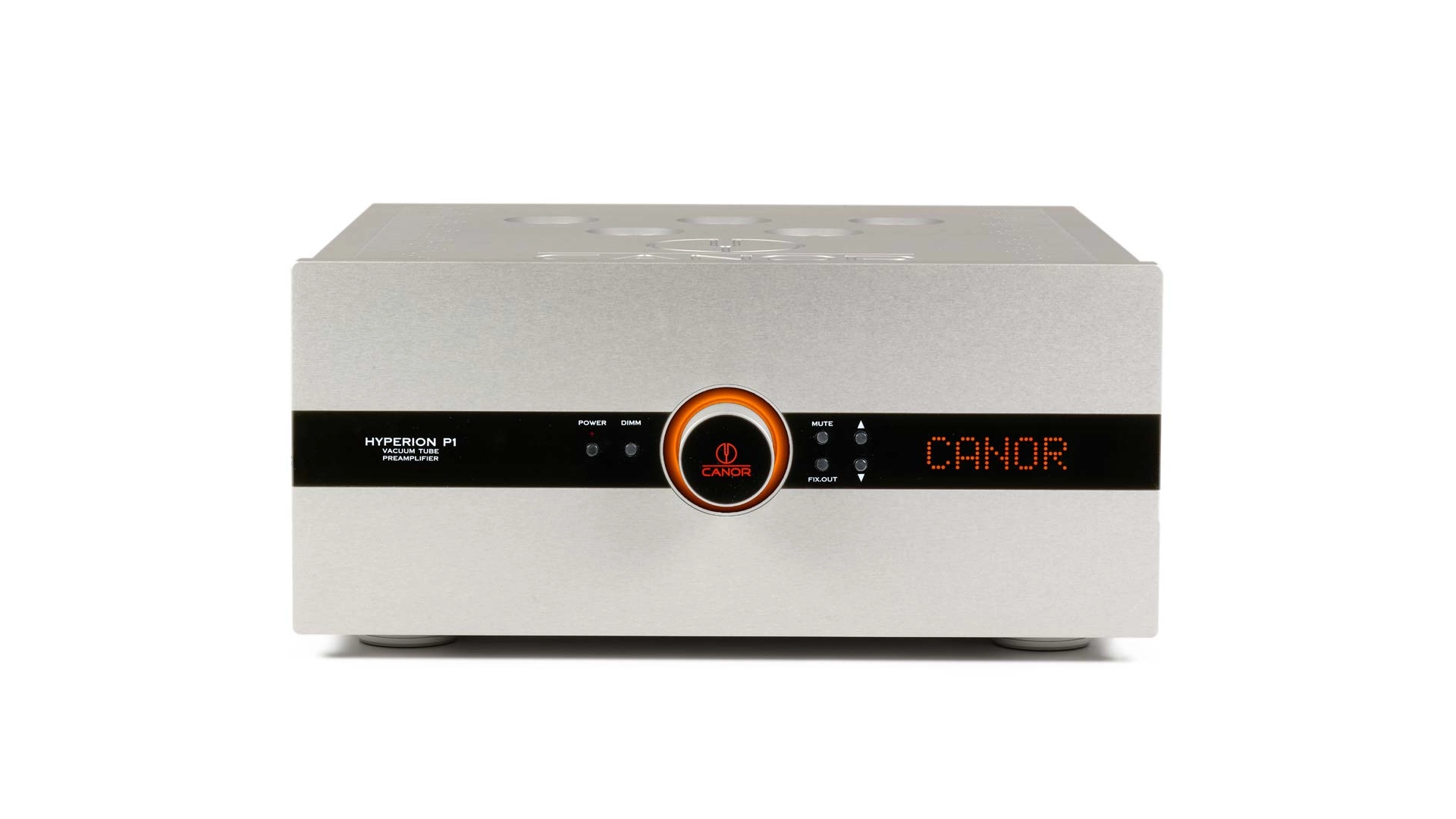
CANOR combines valve-circuit development with unusually extensive in-house manufacturing and tube testing in Prešov, Slovakia. The company began in 1995 with the EDGAR TP101 integrated valve amplifier and adopted the CANOR name in 2007. Co-owner and chief developer Zdeňek Březovják has guided an engineering programme that now covers valve, hybrid and solid-state integrated amplifiers, preamplifiers, power amplifiers, phono stages, DACs and CD players. Hyperion and Virtus form the upper electronics ranges, while Asterion phono stages address analogue sources. CANOR Milling Technology removes selected dielectric material around sensitive PCB conductors, creating short, repeatable signal paths with lower dielectric influence. The Aladdin and related measurement systems select and match valves before assembly. The former reference to an undefined “MCT magnetic conductive technology” was not supported and has been replaced by the company’s documented CMT process.
Cary Audio

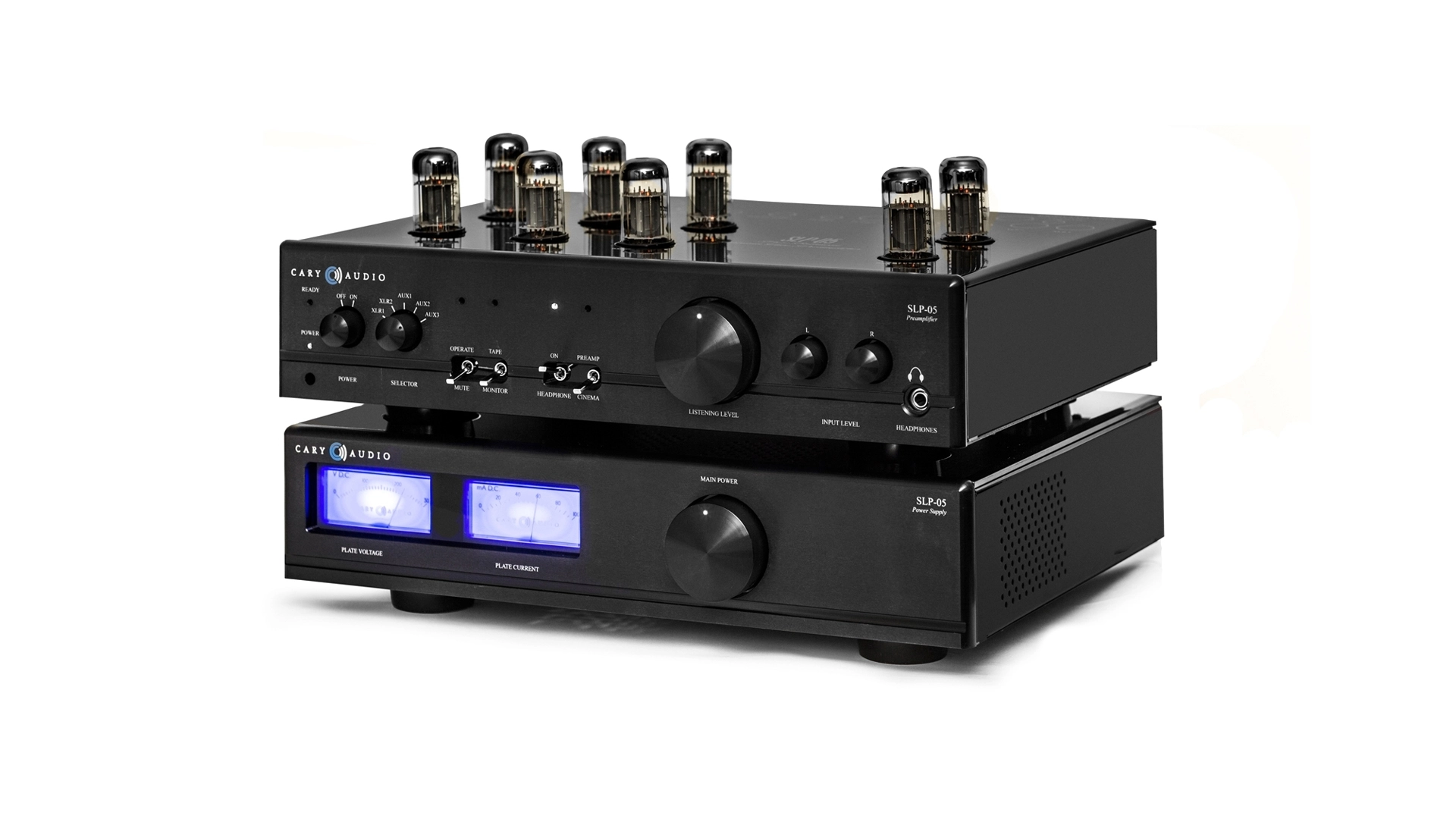
Cary Audio helped establish single-ended triode amplification as a serious modern high-end category in the United States. Dennis and Donna Had founded Cary Audio Design in North Carolina in 1989, initially concentrating on handcrafted vacuum-tube electronics. Dennis Had’s influential SET designs, particularly the CAD-805 monoblock and 300B-based amplifiers, gave the company an identity built around simple signal paths, output-transformer expertise and the expressive qualities of directly heated triodes. Today’s range retains that lineage through products such as the CAD-300SEI, CAD-805RS, CAD-211FE, SLI integrated amplifiers and SLP preamplifiers, while also covering solid-state power amplifiers and phono stages. Cary’s DMS network players and DMC digital sources add streaming, DAC and disc-playback functions to a catalogue that is no longer tube-only. The result is an unusual brand whose classic valve engineering and current digital platform are developed as parts of one complete system.
Cayin

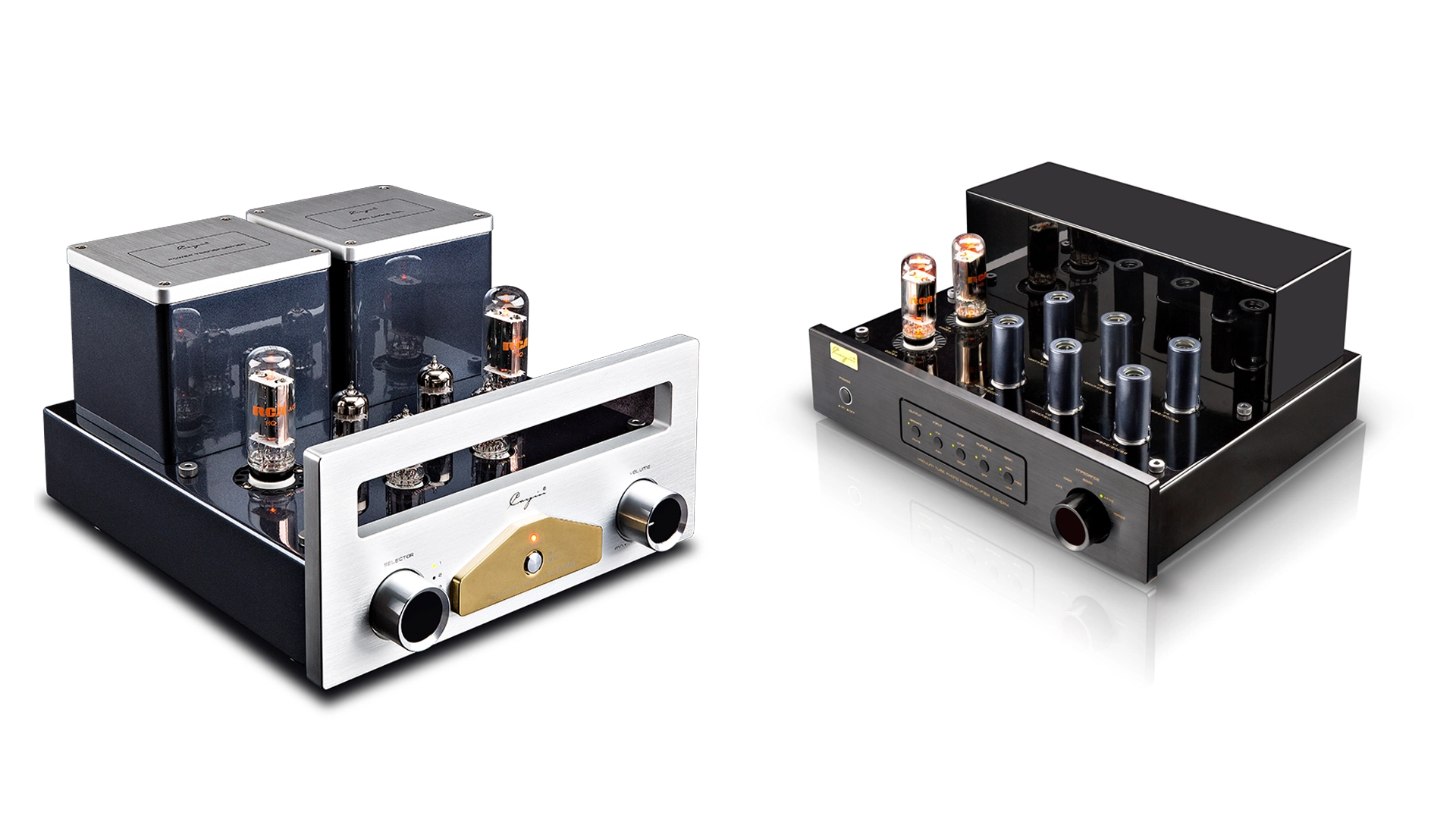
Cayin is one of the few large audio manufacturers to develop valve electronics for both full-size hi-fi systems and genuinely portable listening. Zhuhai Spark Electronic Equipment Co., Ltd. was founded in China in 1993 and markets its audio products under the Cayin name. Its home range spans single-ended 300B amplifiers, push-pull integrated amplifiers using valves such as EL34 and KT88, pre/power combinations, DACs and digital sources. Cayin later brought the same interest in tube operating modes and user-adjustable voicing to desktop headphone amplifiers and N-series digital audio players. Several products allow listeners to change output stage, feedback, bias or valve/solid-state timbre without replacing the component, making configurability part of the brand’s engineering rather than a software preset alone. Cayin also produces portable DAC/amplifiers and in-ear monitors. Broad in price and format, the catalogue links traditional transformer-coupled tube circuits with modern high-resolution digital and personal audio.
Cessaro

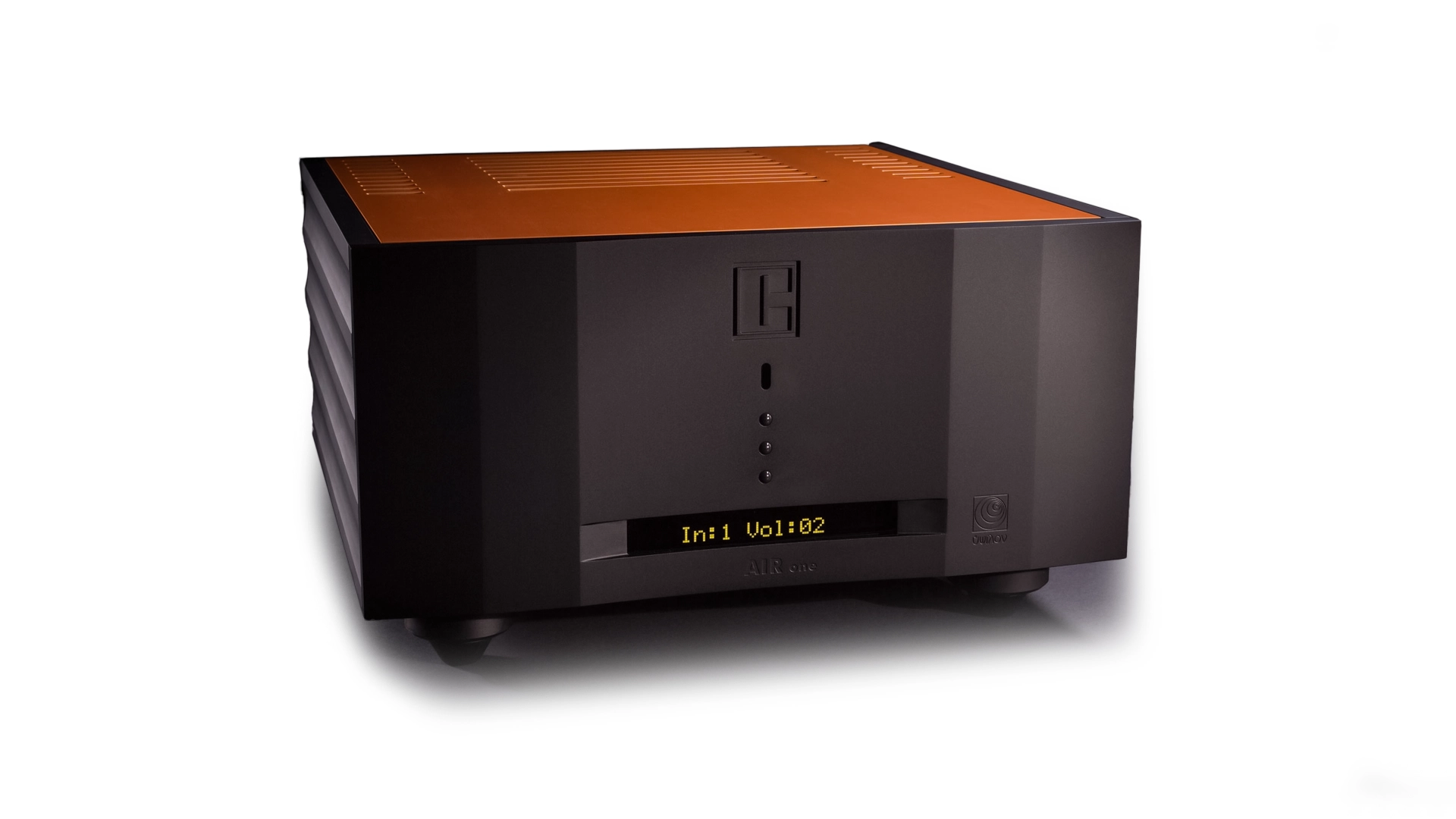
Cessaro Horn Acoustics builds room-scale horn systems for listeners who want the sensitivity and immediacy of professional cinema sound without accepting utilitarian construction. Ralph Krebs founded the German company in 2006. Its most distinctive hardware is the horn itself: a hand-built two-shell composite structure filled with a damping polymer and coupled to the compression driver through a machined aluminium flange. Cessaro combines selected TAD compression units with proprietary in-house drivers, high-sensitivity passive sections and, in larger systems, actively amplified low bass. Opus I and Gaia provide different entry points, while the modular Alpha III can be upgraded toward Beta III or Gamma III configurations; Omega II occupies the statement end of the range. The partly active four-way Alpha III illustrates the approach, pairing horn-loaded mid and high frequencies with a 16-inch bass driver. Systems can be extensively customised in finish and architecture, and the company treats long-term upgradeability as part of the design rather than replacing an entire loudspeaker generation.
CH Precision

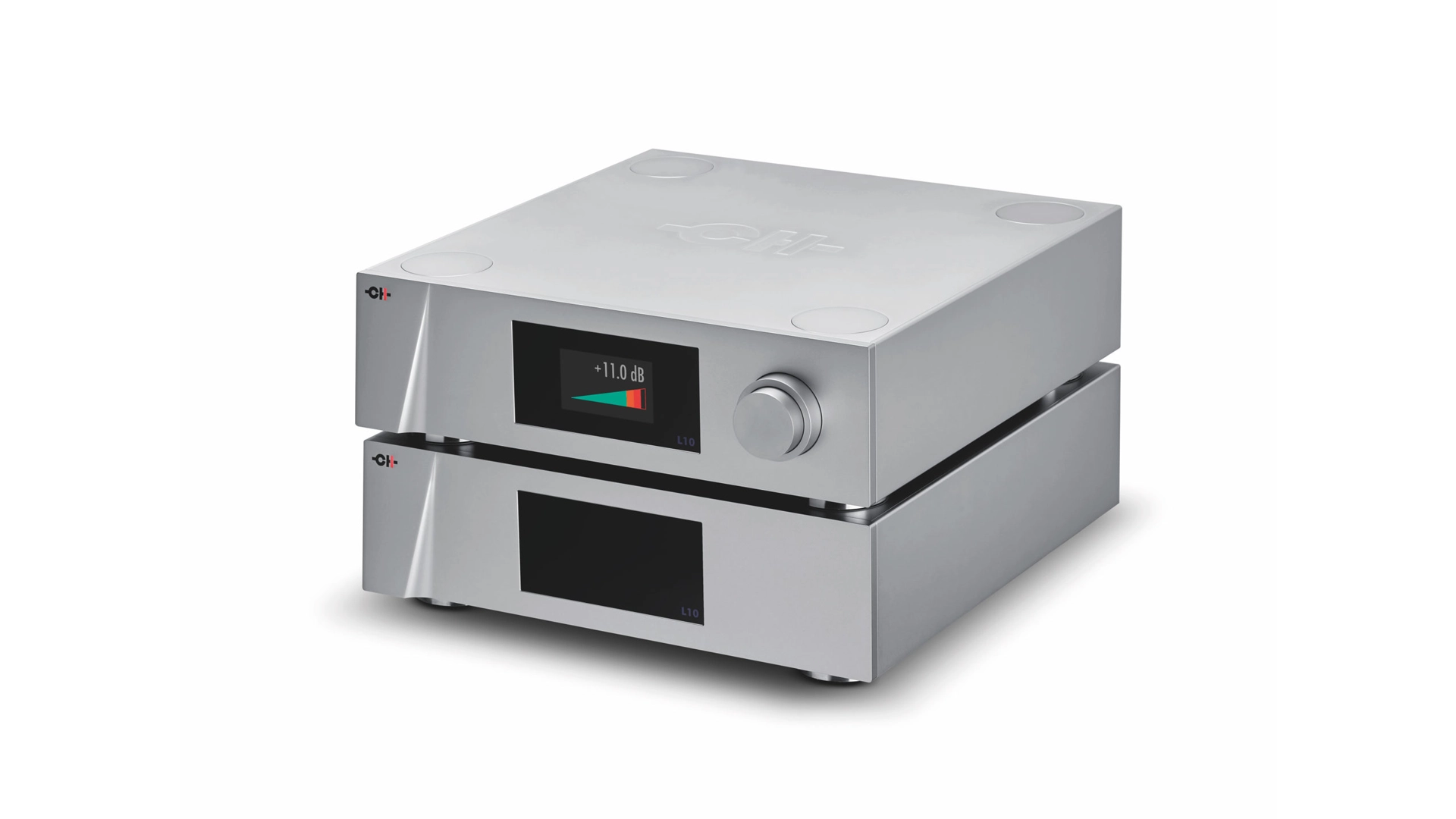
CH Precision makes Swiss reference electronics whose analogue circuits can be configured, monitored and upgraded through a tightly integrated digital-control platform. Engineers Florian Cossy and Thierry Heeb founded the company in 2009 after earlier work in high-end audio and digital engineering. The 1 Series covers transport, DAC, line and phono preamplifiers, integrated and power amplifiers, clock and external power supply; modular option cards let an owner change interfaces or functions without replacing the component. The 10 Series extends that architecture into dual-chassis reference designs with separate power supplies. Proprietary features include ExactBias monitoring for compatible power valves in connected systems, user-adjustable amplifier feedback and extensive software-defined setup. Signal paths remain fully discrete and complementary, while control electronics are galvanically isolated from the analogue domain. Circuit, software and mechanical development are performed in-house, with final assembly, testing and quality control at the company’s facility in Préverenges, Switzerland.
Chord Electronics
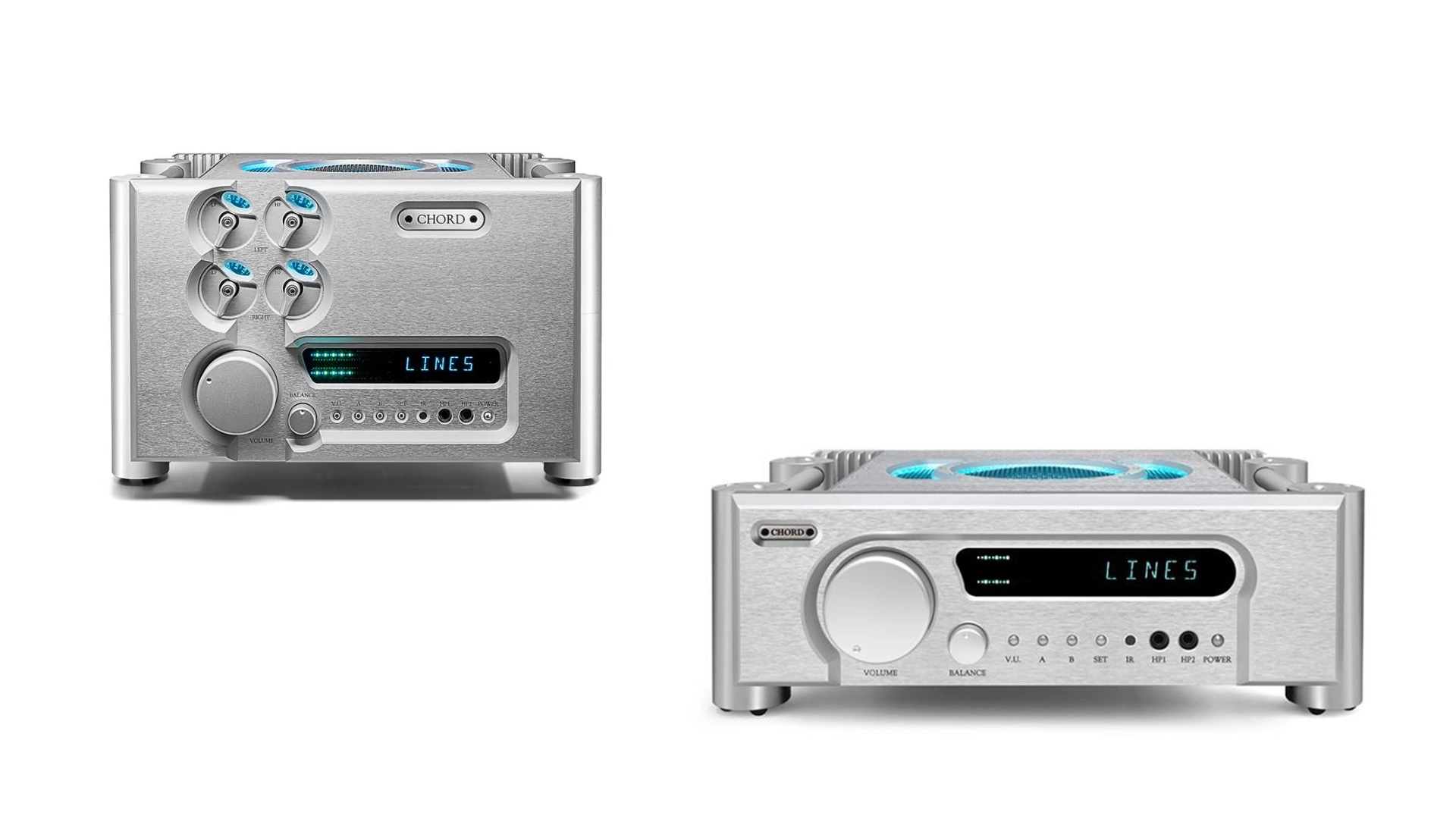
Chord Electronics combines aerospace-derived power-supply engineering with proprietary FPGA digital conversion, giving its amplifiers and DACs two distinct but connected technical lineages. Former avionics engineer John Franks founded the British company in 1989; its first amplifiers went to the BBC and were later used by studios including Abbey Road and Sony Music. Designer Rob Watts subsequently developed Chord’s digital architecture, implementing conversion, noise shaping and the long-tap WTA interpolation filter in programmable logic instead of an off-the-shelf DAC chip. That platform runs from portable Mojo and Hugo products through Qutest, Hugo TT and the reference DAVE, often paired with dedicated streamers or upscalers. Chord’s analogue range includes compact Table Top and Choral components as well as Ultima integrated, stereo and mono power amplifiers using the company’s dual-feed-forward topology. Machined aluminium cases and unusually compact forms are visually distinctive, but the real common thread is control over core circuitry rather than dependence on standard modules.