
Tube Amplifiers
Tube amplifiers, also known as valve amps, use vacuum tube technology for amplification rather than modern solid-state transistors. Prized by many audiophiles for their characteristically warm, rich, and holographic sound, this classic technology is pursued for the unique and engaging listening experience it provides. This directory is your guide to the world of tube amplification, showcasing the manufacturers who are dedicated to this timeless audio art form.
Hi-Fi brands in the category
Summary information and image
Direct links to official websites
English Acoustics

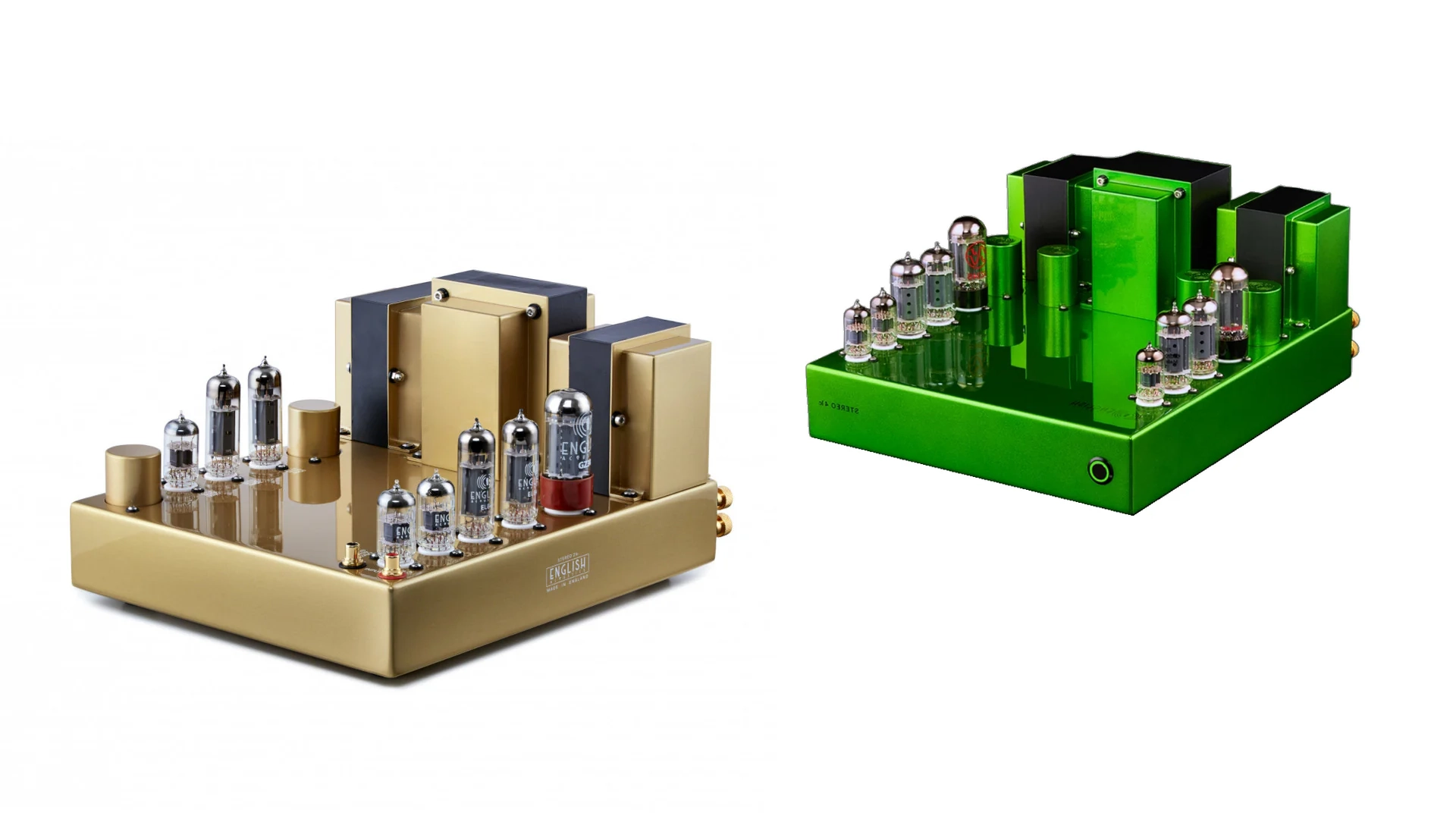
English Acoustics is a Wiltshire valve-amplifier company established in 2018 by former BBC engineer Peter Farrow and Jordan Jackson. Its defining product, the Stereo 21c, is not merely a cosmetic copy of the Leak Stereo 20: it rebuilds the classic EL84 push-pull concept for current production and modern safety requirements. The British-made power amplifier uses point-to-point valve wiring, locally wound transformers, paper-in-oil coupling capacitors and a CNC-machined chassis, while soft start, thermal, current, tilt and vibration protection address weaknesses that belong to 1950s equipment. A valve-hours counter and numerous standard or custom paint finishes add practical and visual individuality. The result is a focused form of heritage engineering—preserving the topology and modest power of a British classic while improving bandwidth, consistency and everyday usability.
Feliks-Audio

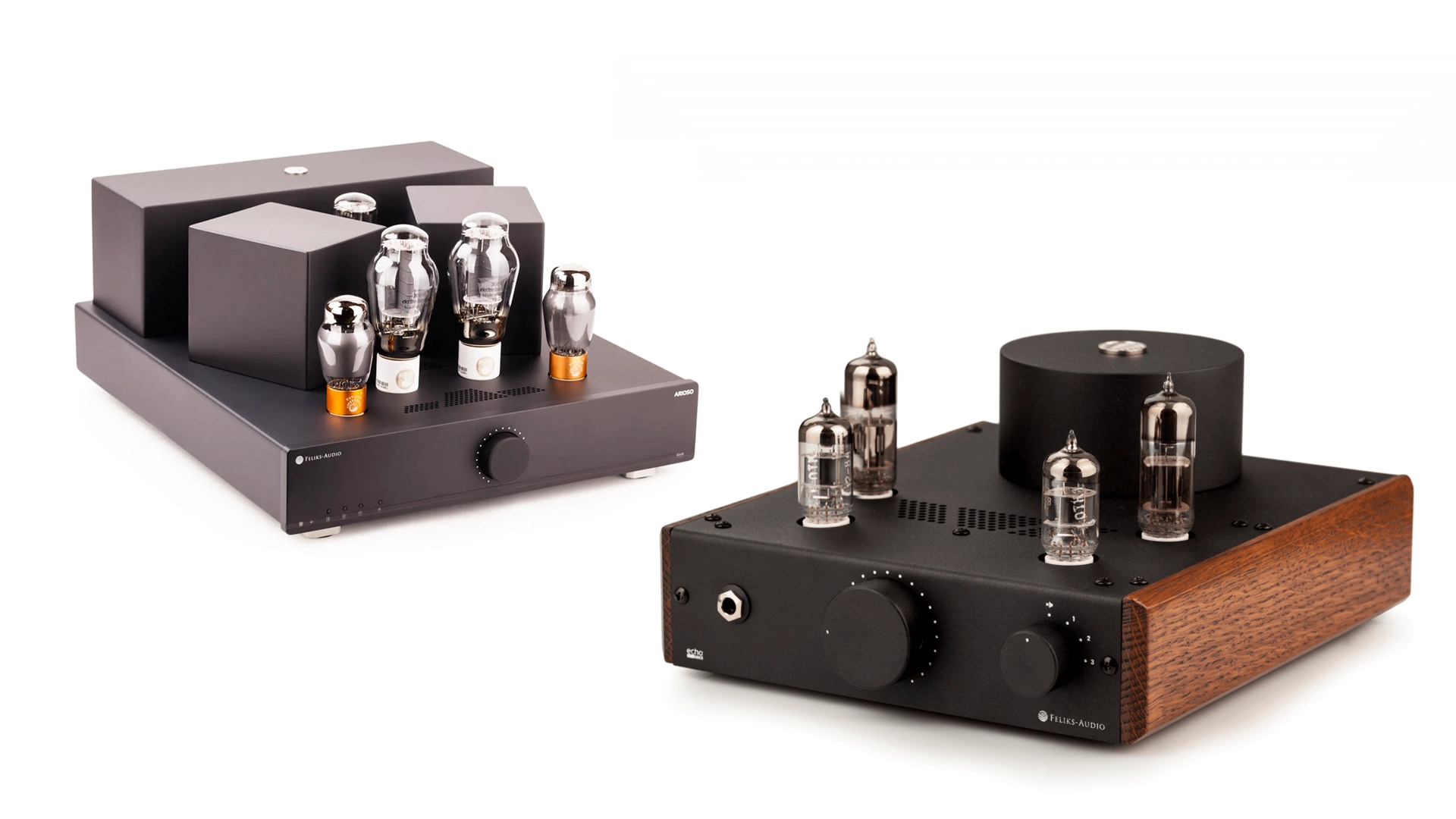
Feliks Audio is a family-owned Polish manufacturer of valve headphone amplifiers based in Lubliniec. The Feliks family has more than 25 years of experience with valve circuits, and engineering, tuning and assembly are carried out in-house. Its range is unusually easy to distinguish by topology: Echo provides an accessible transformer-coupled design; Elise and Euforia use output-transformerless circuitry suited to higher-impedance dynamic headphones; and the flagship Envy is a transformer-coupled 300B amplifier developed for demanding dynamic and planar-magnetic models. This matters more than a generic promise of ‘tube warmth’, because the output stage determines power, impedance matching and the headphones each amplifier can drive well. Point-to-point work, selected transformers and replaceable valves also make the products serviceable and open to careful tube rolling. Available sources support a long family history but not one exact founding year, so the date remains unset.
Fezz

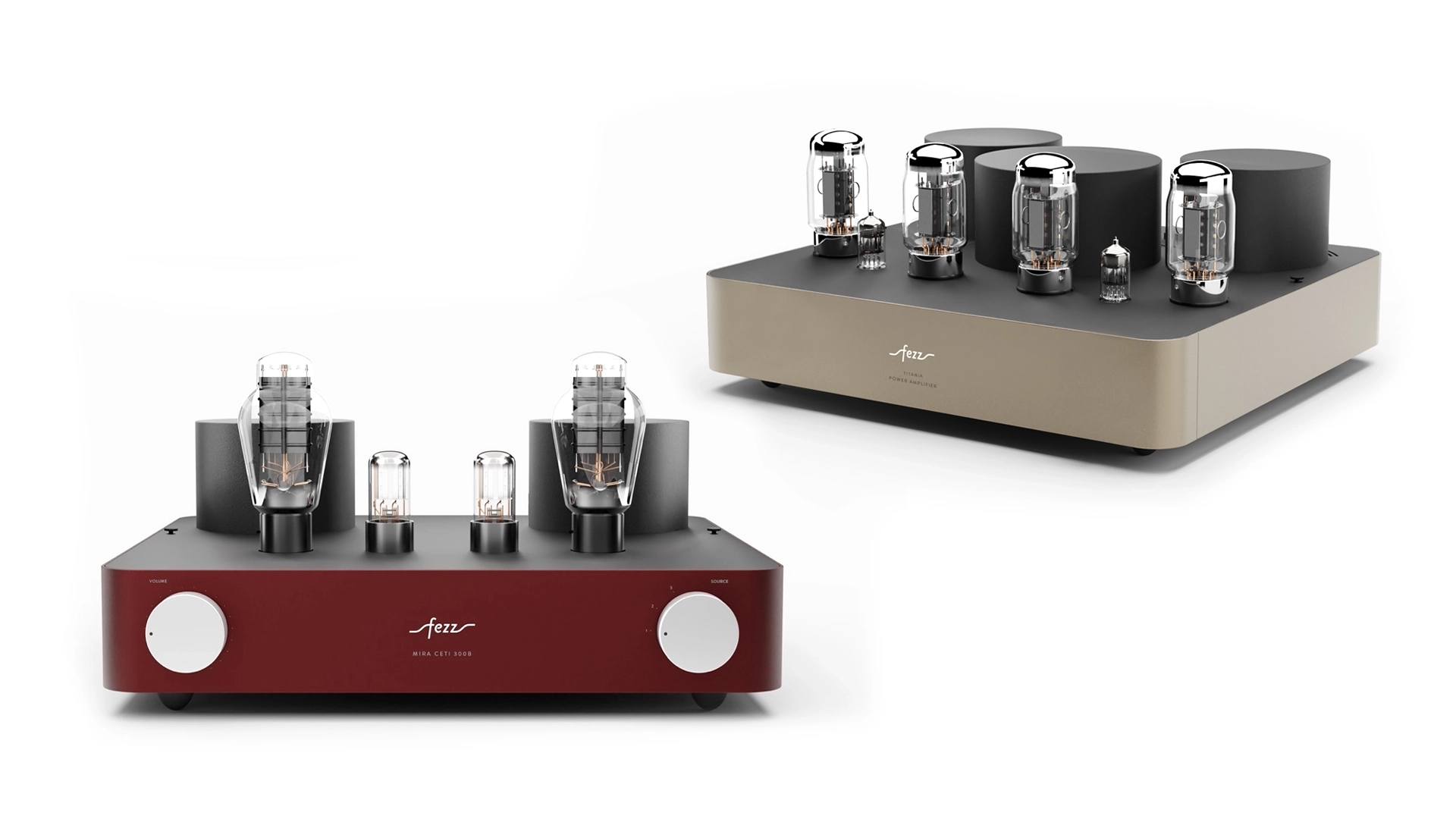
Fezz is a Polish valve-amplifier company created in 2014 by brothers Maciej and Tomasz Lachowski alongside their family transformer business, Toroidy.pl. The first Laura prototype demonstrated that a tube amplifier could be designed around an in-house toroidal output transformer; the production Silver Luna followed in 2015 and established the brand internationally. Fezz’s patented toroidal output transformers are smaller and exhibit lower stray magnetic fields than conventional EI types, while consistent winding under the same roof gives the designers close control over bandwidth and matching. The current range covers integrated and power amplifiers using EL34, KT88, 300B and other valves, including Silver Luna, Titania and Mira Ceti, plus phono and line components. The important point is not retro styling or a vague ‘warm’ sound: Fezz applies specialist transformer manufacturing to make valve electronics repeatable, serviceable and comparatively accessible.
Finale Audio

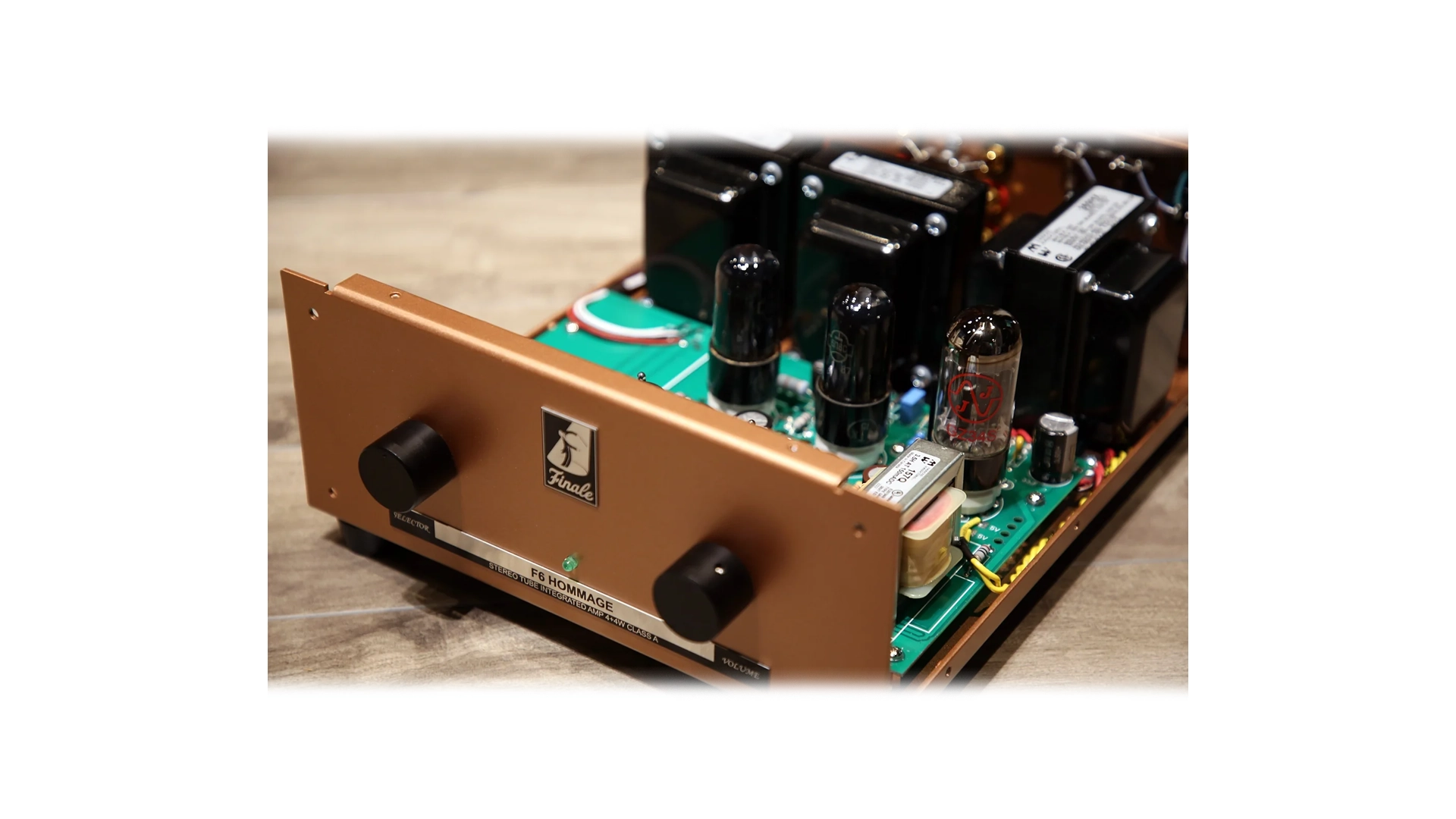
Finale Audio is a Canadian valve-amplifier brand founded by designer Frank Ng and closely linked to Triode Lab. The relationship is best described as a joint family of engineering and production: Triode Lab concentrates on more specialised made-to-order single-ended designs, while Finale has supplied standardised and dealer-oriented amplifiers across a wider range of valves and output powers. Products have extended from low-power 45, 2A3 and 300B circuits to substantially more powerful push-pull designs, all developed and manufactured in Canada. The company deliberately spends on transformers, power supplies, sockets, connectors and signal components inside the chassis rather than elaborate packaging, which gives the brand a clear value proposition without calling it mass-market. Frank Ng is now identified as the retired founder/president, and the published history spans decades but does not establish one sufficiently reliable founding year for the database.
Jadis Electronics

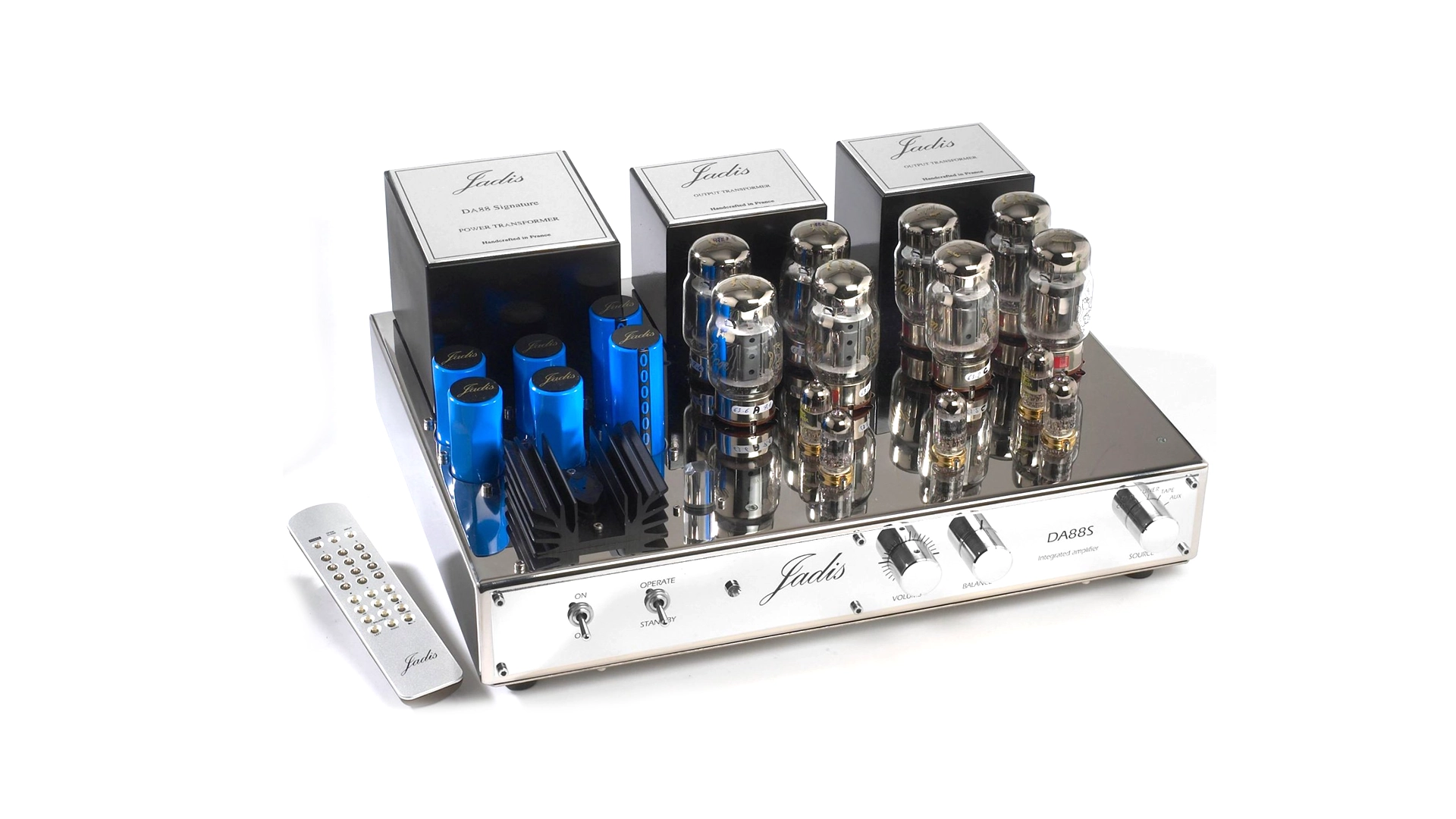
Jadis Electronics is a French specialist in valve amplification whose identity is inseparable from its transformers. André Calmettes founded the company in 1983 in Villedubert after developing amplifiers for his own pursuit of more convincing musical reproduction. Jadis designs and winds its output transformers in-house, then encapsulates them to control vibration and protect the windings—an unusually labour-intensive capability that shapes both the performance and longevity of its products. The catalogue spans integrated amplifiers such as Orchestra and I-35, power amplifiers from compact stereo designs to imposing JA monoblocks, plus matching preamplifiers and digital sources. Many circuits use point-to-point wiring and class-A or heavily class-A-biased valve operation, with tubes selected according to the electrical design rather than fashion alone. Chrome, gold-toned metalwork and exposed valves make the products visually unmistakable, but the important story is manufacturing control: transformer design, hand assembly and serviceable analogue circuits remain central. Claims of universal loudspeaker compatibility or absolute sonic neutrality are avoided here; the engineering choices are specific and verifiable enough.
JJ Electronic

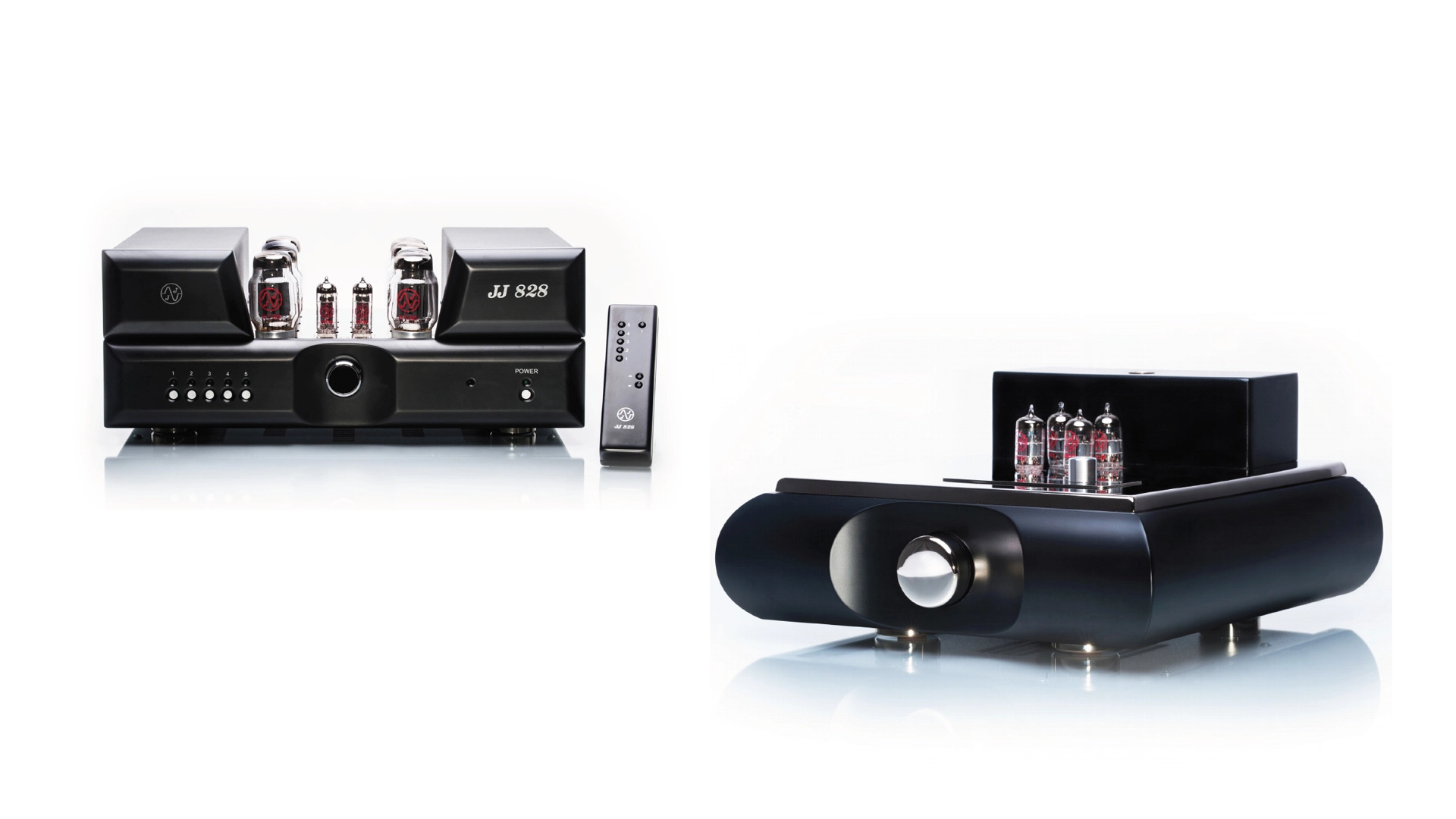
JJ Electronic is one of the relatively few European companies still manufacturing a broad range of new-production vacuum tubes. Jan Jurco founded the business in Čadca, Slovakia, in 1993, building on regional knowledge and machinery associated with the former Tesla tube industry. Its catalogue covers small-signal valves such as ECC83/12AX7 types, power tubes including EL34, EL84, 6L6 and KT families, and rectifiers used in guitar amplifiers and hi-fi equipment. JJ also produces electrolytic capacitors and complete valve amplifiers, giving the company experience beyond simply relabelling imported tubes. Development, glass and electrode assembly, evacuation, testing and matching are handled within its manufacturing operation, although individual product specifications and recommended operating points still need to be followed by equipment designers. Musicians know JJ as a practical source of replacement output and preamp valves; audio enthusiasts encounter selected and matched sets in new and restored amplifiers. Its importance is industrial as much as sonic: JJ maintains specialised production skills for components that modern solid-state factories generally do not make.
Kondo Audio Note

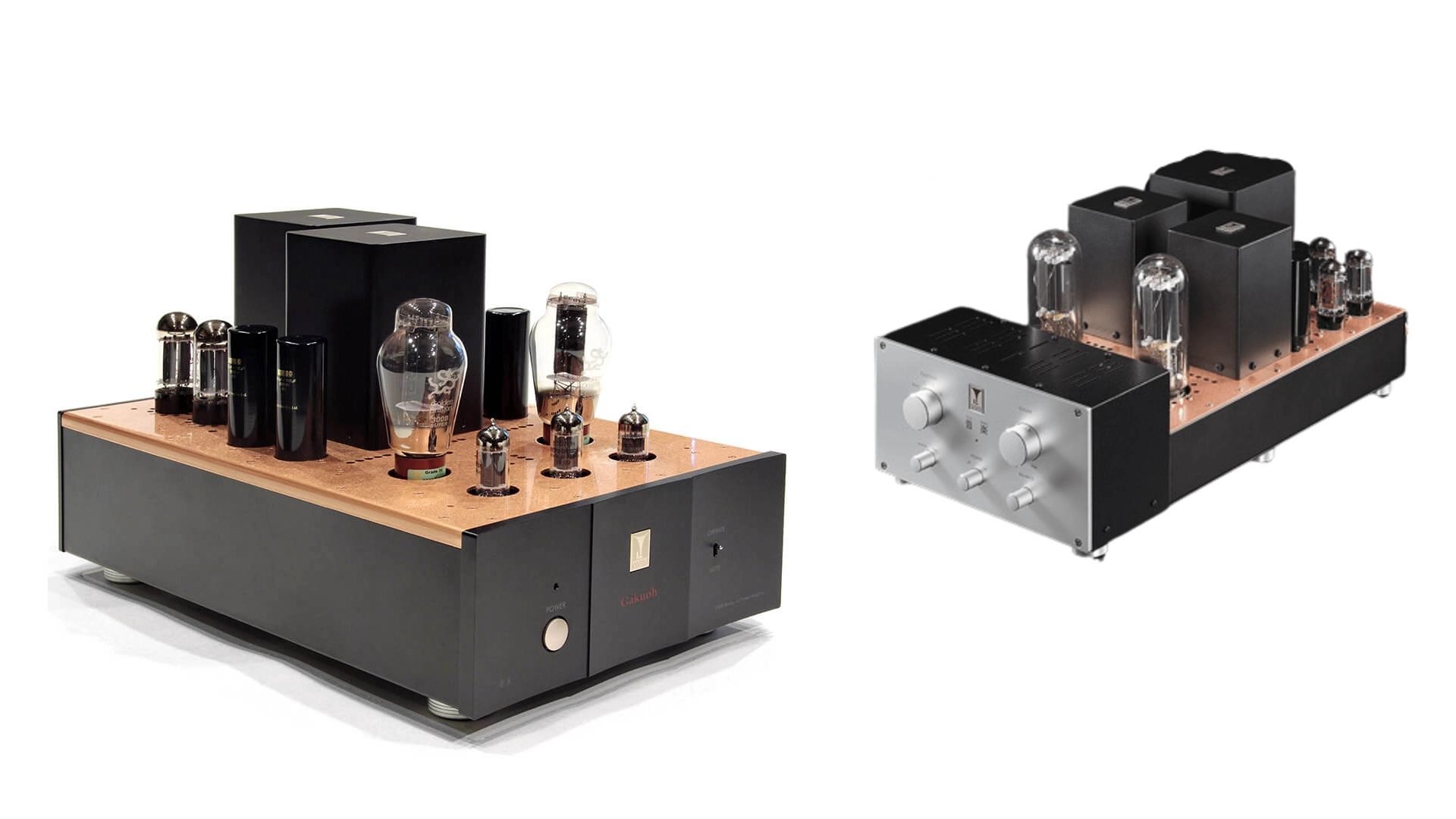
Kondo Audio Note is the Japanese company founded by Hiroyasu Kondo in 1976 and should not be confused with the separate British Audio Note business. Kondo, a former recording engineer, pursued extremely simple valve circuits supported by exceptional passive parts, hand-wound transformers and meticulous point-to-point assembly. The company became an early and influential advocate for using high-purity silver throughout an audio component, from internal wiring and capacitors to transformer windings and cables. Its best-known product is the Ongaku, a single-ended 211 integrated amplifier whose silver output transformers made it a landmark of Japanese high-end audio. The current catalogue extends that thinking through amplifiers such as Kagura and Gakuoh, M7 and G-1000 preamplification, phono stages, step-up transformers and KSL cables. Production remains deliberately small and labour-intensive in Japan. Kondo’s real know-how lies not in “tube warmth,” but in controlling materials, magnetic components, grounding and signal paths as one complete analogue circuit.
Lab12

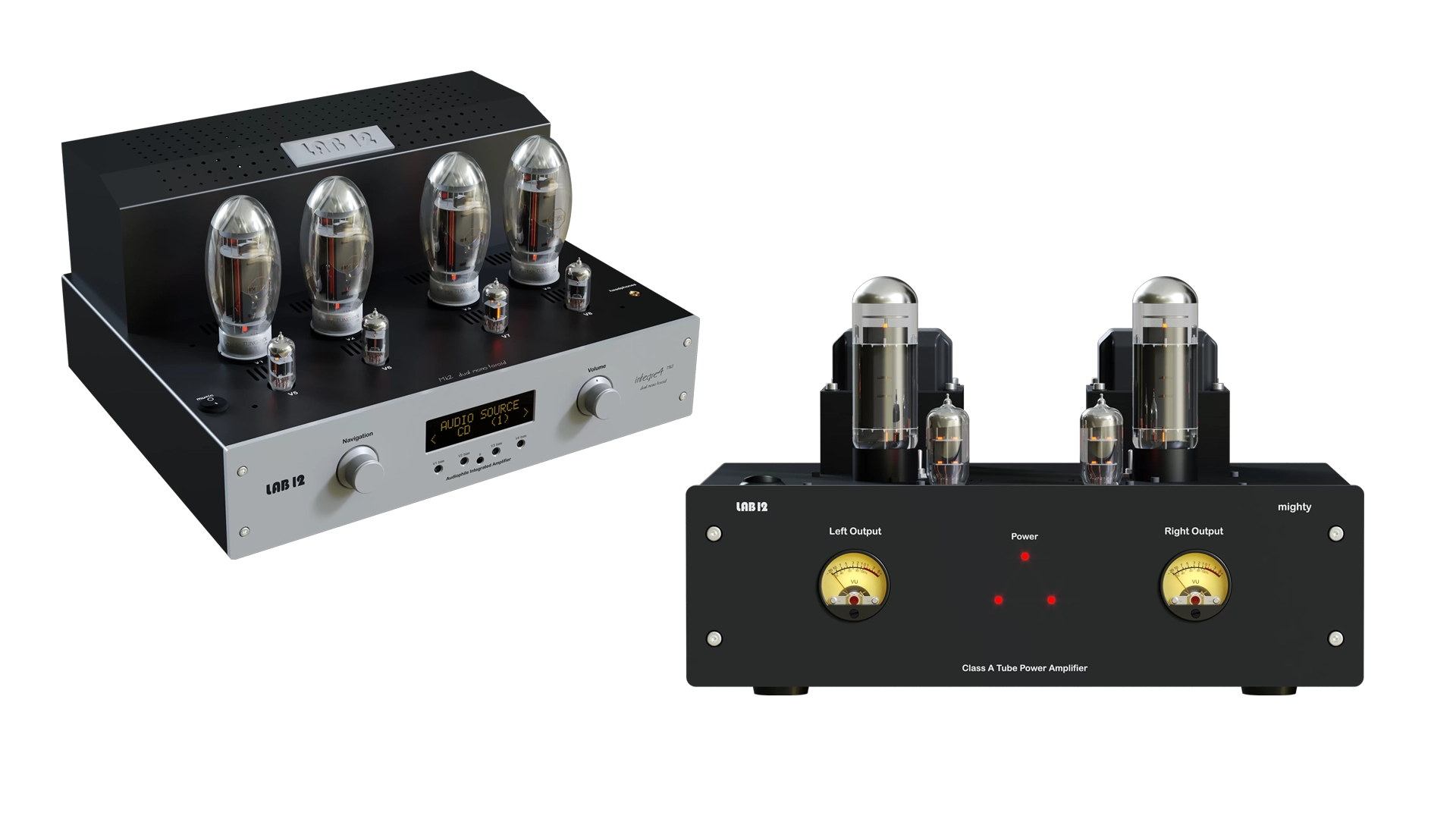
Lab12 is a Greek high-end electronics manufacturer that uses valves as practical circuit elements, not as a shortcut to retro styling. Designer Stratos Vichos founded the company in Athens in 2012 after years of building and refining audio circuits, and production remains focused on hand-assembled components made in Greece. The catalogue spans integrated and power amplifiers, line and phono preamplifiers, a non-oversampling digital-to-analogue converter and power-conditioning products. Models such as the integre4 Mk2 allow users to work with several compatible output-valve types and provide front-panel bias indication, making setup and maintenance less opaque. The Suara Mk2 power amplifier pursues pure Class A operation, while Melto phono stages offer flexible gain and loading for moving-magnet and moving-coil cartridges. Lab12’s dac1 reference follows a deliberately minimalist digital path and a valve output stage. The Gordian conditioner is a different kind of speciality: it analyses mains quality, selects an appropriate filtering network and displays electrical conditions in real time. Together these products reveal the brand’s real character—accessible controls, robust power supplies and tube circuits designed for daily use.
LampizatOr

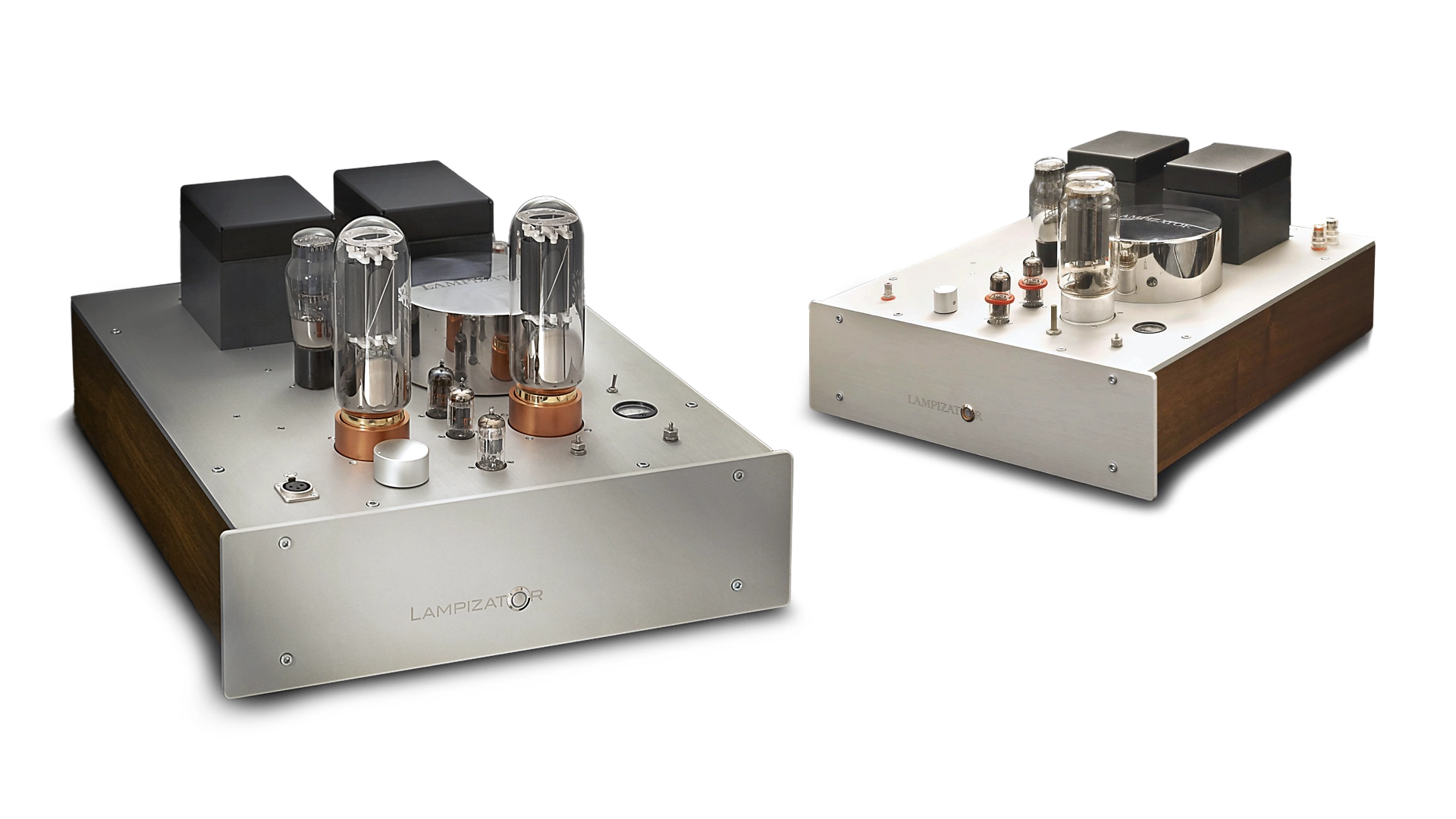
LampizatOr is a Polish digital-audio specialist founded by engineer Łukasz Fikus, best known for DACs in which valves form an essential part of the analogue conversion path. The unusual name combines the Polish word “lampa,” meaning valve, with a playful reference to the Terminator; it began with Fikus’s published experiments modifying commercial CD players before growing into a manufacturer with its own hardware. LampizatOr rejects the assumption that every converter should be a compact, fully integrated chip-based appliance. Depending on the model, its DACs combine proprietary digital processing, substantial linear power supplies and valve output stages, with directly heated triodes used in the upper ranges. The Horizon, Pacific, Golden Gate, Baltic and Atlantic families show how the concept scales from comparatively approachable designs to multi-chassis statement products, and many units offer selectable output valves or modular options. The company also builds digital transports and analogue components. LampizatOr’s appeal lies in this crossover of computer-era source engineering and traditional valve practice: not a generic promise of “analogue sound,” but a deliberately serviceable, configurable architecture with a strong designer’s fingerprint.
Leben

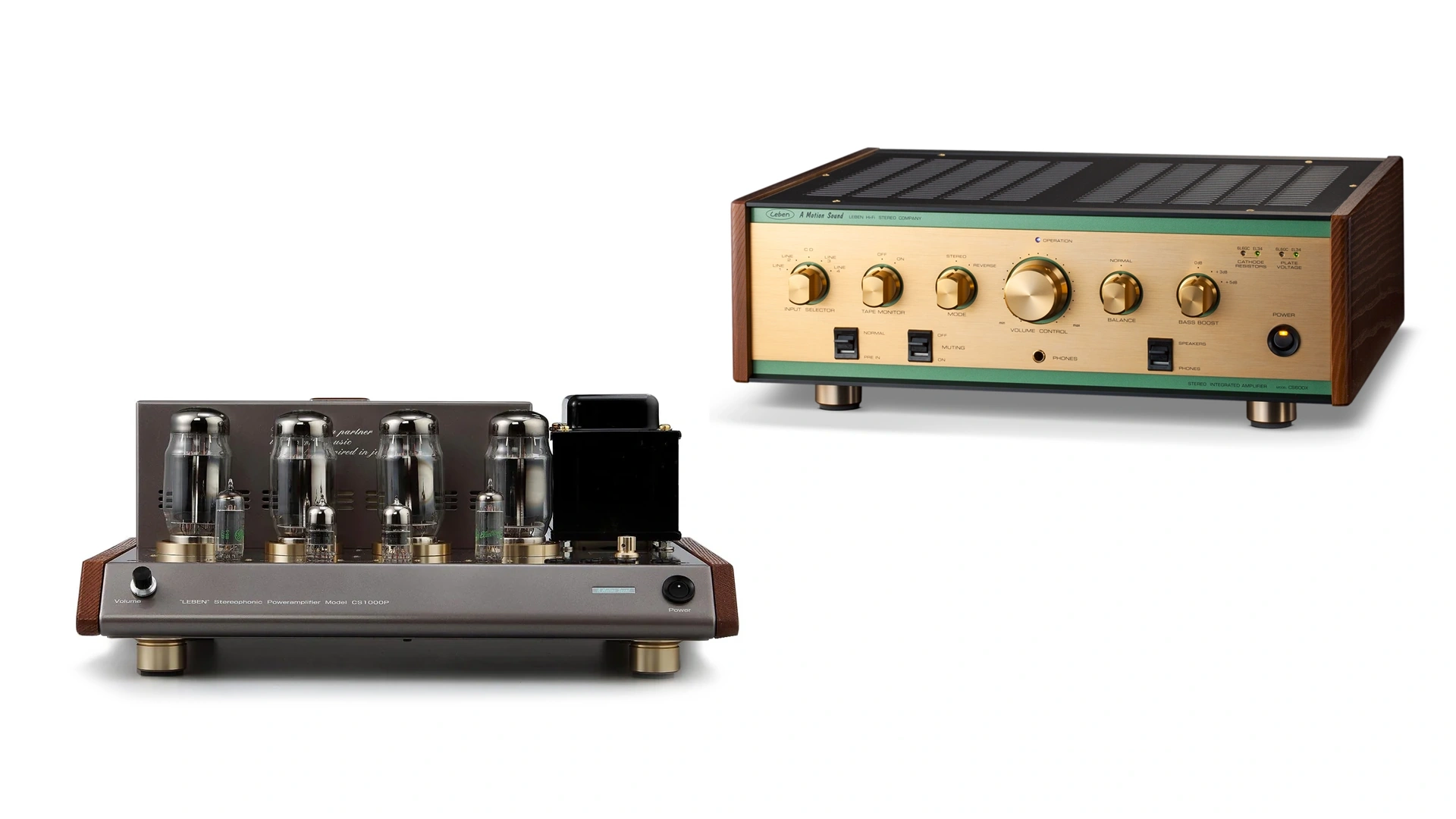
Leben is a Japanese valve-amplifier brand created by Taku Hyodo, a former Luxman engineer, musician and long-time collector of vacuum tubes. Hyodo founded the predecessor company Kouri Denki in 1979 and introduced the first product carrying the Leben name—the RS-35a preamplifier—in 1995. That distinction matters: 1979 marks the workshop’s origin, while 1995 is the beginning of Leben as an audio brand. Its amplifiers are handmade in Japan in small quantities, using point-to-point wiring, carefully selected components and circuits intended to make classic valves straightforward to own. Integrated models such as the CS-300XS and CS-600X, the CS-1000P power amplifier, RS-28CX line stage and RS-30EQ phono preamplifier combine traditional tube topologies with practical features such as self-biasing or user-selectable operating modes, depending on the model. The visual language—gold panels, green trim and wooden side cheeks—is distinctive, but the deeper signature is conservative circuit design informed by Hyodo’s stock and knowledge of historic valves. Leben’s catalogue remains focused and evolutionary, with long production lives and serviceability valued over rapid replacement.
Line Magnetic Audio

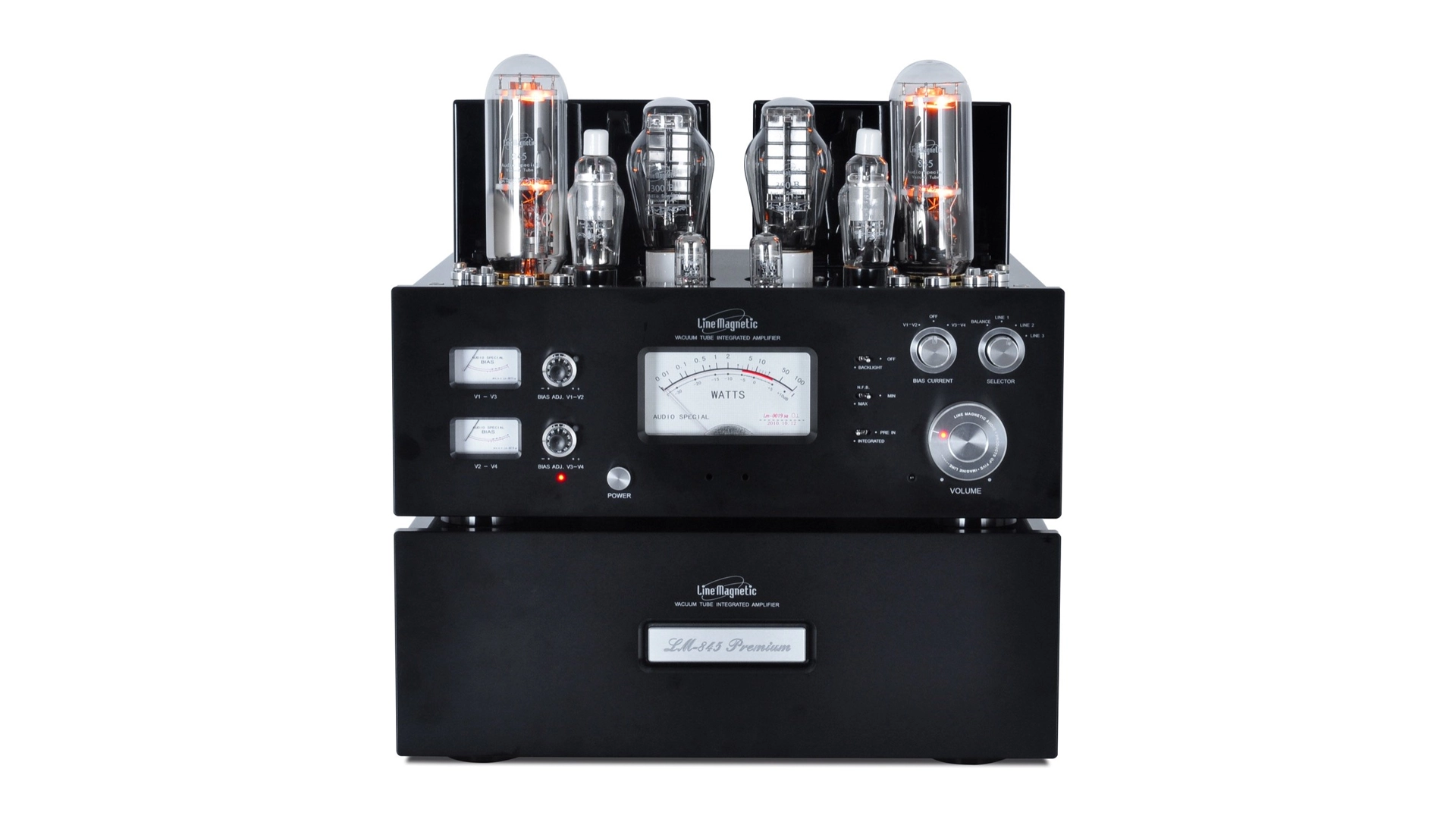
Line Magnetic Audio is a Chinese high-end manufacturer whose work connects present-day valve electronics with the engineering of Western Electric, Altec and Jensen cinema systems. Brothers Zheng Cai and Zheng Xi founded the company in Zhuhai in 2005 after years spent repairing, collecting and studying historic amplifiers, field-coil drivers and horns. The company first became known for painstaking replicas of classic loudspeaker drivers and theatre electronics, then developed an extensive range of original integrated amplifiers, preamplifiers, power amplifiers, digital sources and loudspeakers. Single-ended Class A models built around 845, 805, 211 or 300B output valves are central to the catalogue, while push-pull designs offer greater power for less sensitive speakers. Products such as the LM-845IA, LM-805IA and LM-88IA show that Line Magnetic does not rely on a single tube topology. Large output transformers, point-to-point wiring in many valve models and user-accessible bias adjustment reflect practical manufacturing know-how. Its horn systems and replica drivers preserve a separate, historically informed side of the business. Line Magnetic’s individuality lies in learning directly from early cinema audio while producing usable contemporary components rather than decorative copies.
Linear Tube Audio

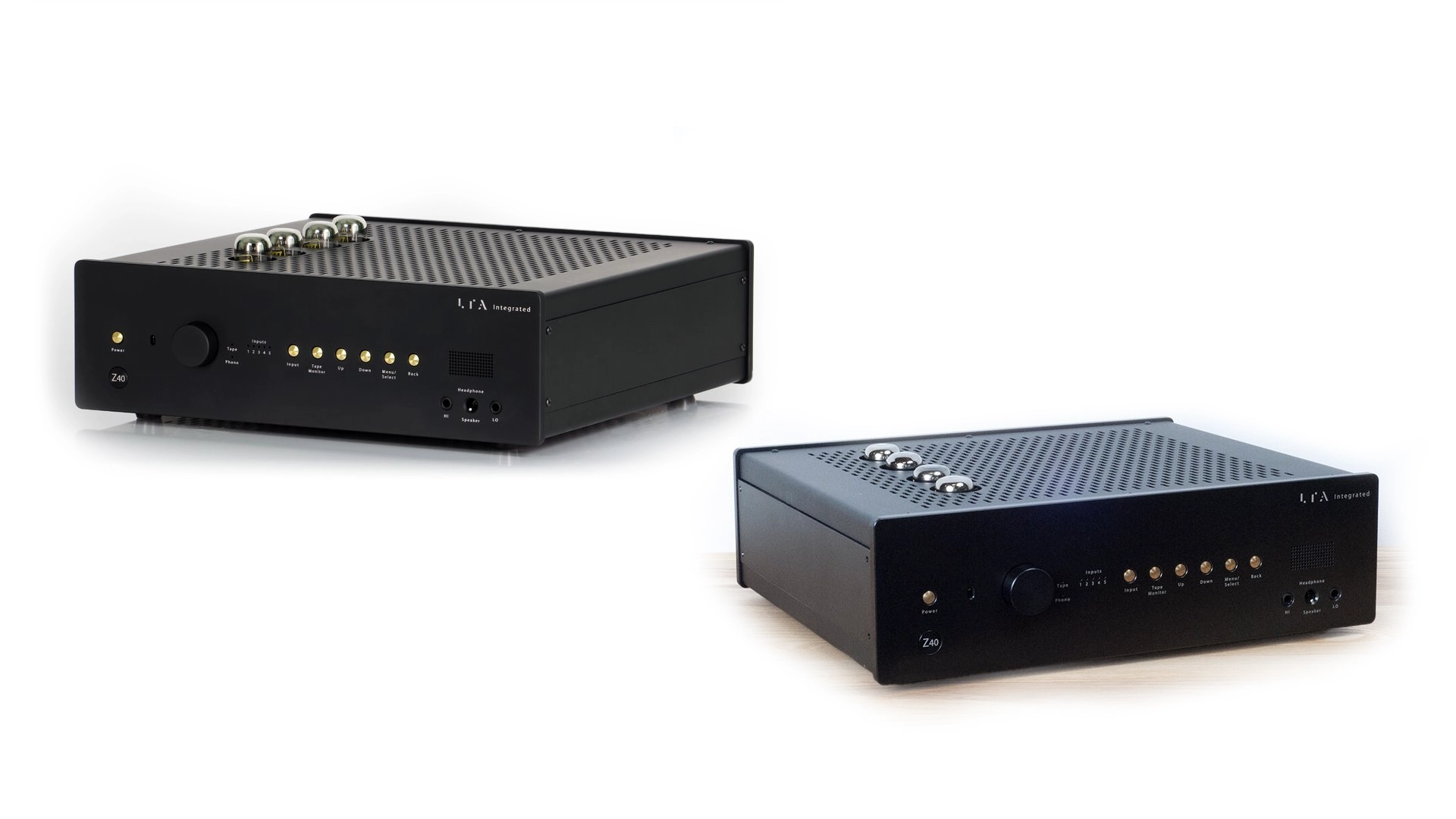
Linear Tube Audio is an American valve-electronics manufacturer built around David Berning’s patented ZOTL architecture. Mark Schneider founded the company in 2015 and began with the MicroZOTL 2.0, an updated version of Berning’s compact amplifier. A conventional tube power amplifier requires a large audio-frequency output transformer to match the valves to a loudspeaker. ZOTL instead transfers that impedance through a radio-frequency conversion stage, avoiding the hysteresis, bandwidth limits and stored energy associated with a traditional output transformer while retaining valves in the signal-amplifying circuit. Berning designs the core amplifier topology to LTA’s requirements, and the Takoma Park, Maryland team develops the power supplies, control systems, chassis and production engineering around it. Current products include Z40+ and Ultralinear+ integrated and power amplifiers, the MicroZOTL preamplifier, Z10e electrostatic-headphone amplifier, Velo headphone amplifier/preamplifier and Aero DAC. Units are hand-built in the United States and designed for long tube life and relatively low heat. LTA’s strength is therefore specific and testable: it industrialises a difficult alternative to the valve output transformer.
Luxman

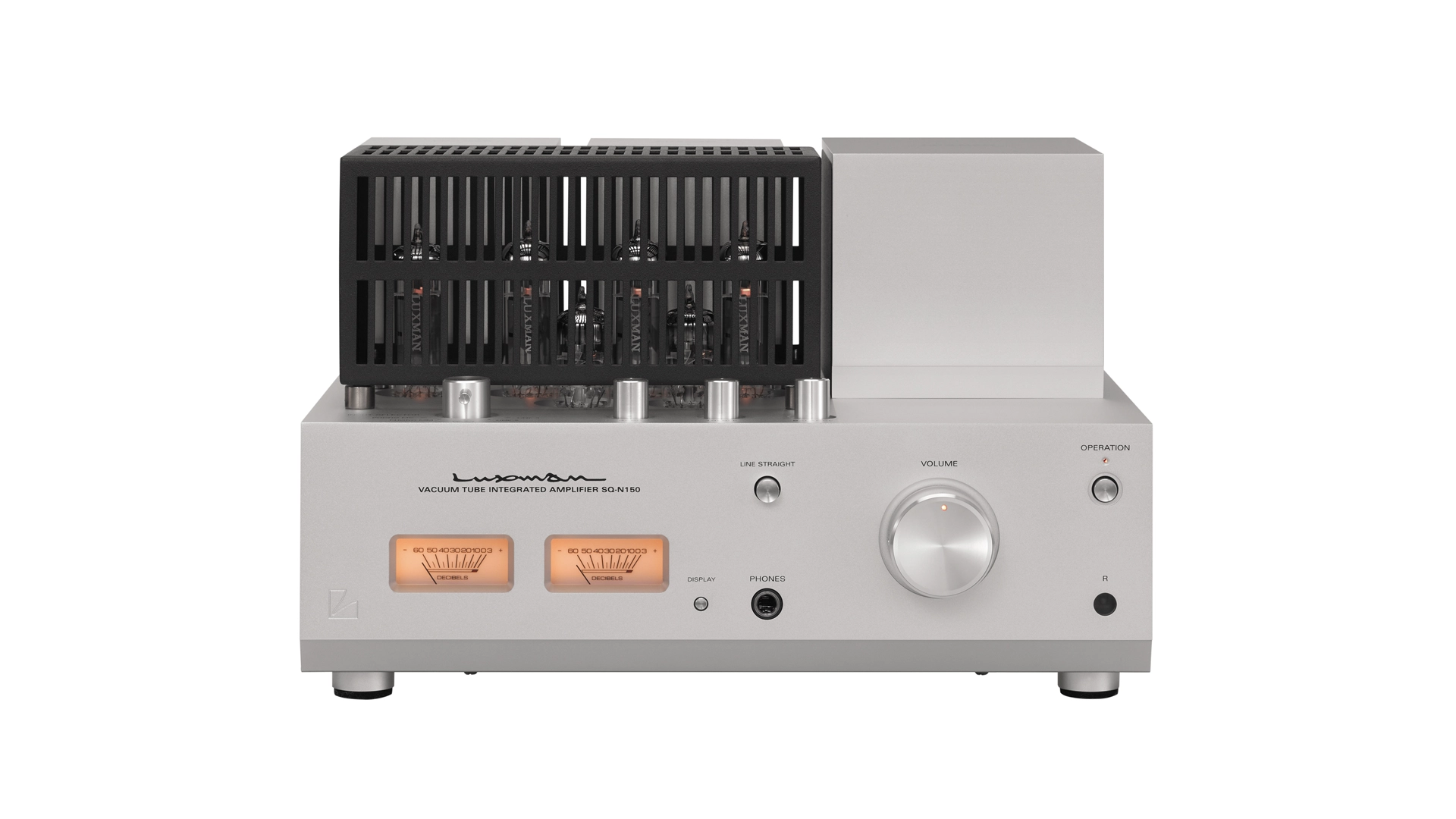
Luxman is one of Japan’s longest-established specialist hi-fi manufacturers, with roots in an Osaka radio department opened in 1925 as broadcasting began in the country. Its catalogue is broad, but amplification remains the centre of gravity: integrated amplifiers, control amplifiers and power amplifiers sit alongside SACD/CD players, network transports, DACs, phono stages and the PD-191A turntable. Luxman develops recurring circuit platforms rather than dressing standard modules in new cases. The current LIFES feedback engine, introduced as the successor to the long-running ODNF concept, is designed to apply correction only to detected distortion components while preserving the music signal’s immediacy. LECUA electronically controlled attenuators provide repeatable volume adjustment with carefully matched channels, and substantial custom transformers and power supplies are used throughout the upper ranges. Products such as the L-509Z integrated amplifier, C-10X/M-10X separates and D-10X disc player pair this engineering with the brand’s characteristic analogue meters and understated industrial design. Luxman’s appeal is the continuity between eras: tube components, modern solid-state circuits, digital sources and vinyl replay are all treated as parts of one coherent Japanese audio tradition.
Magnat

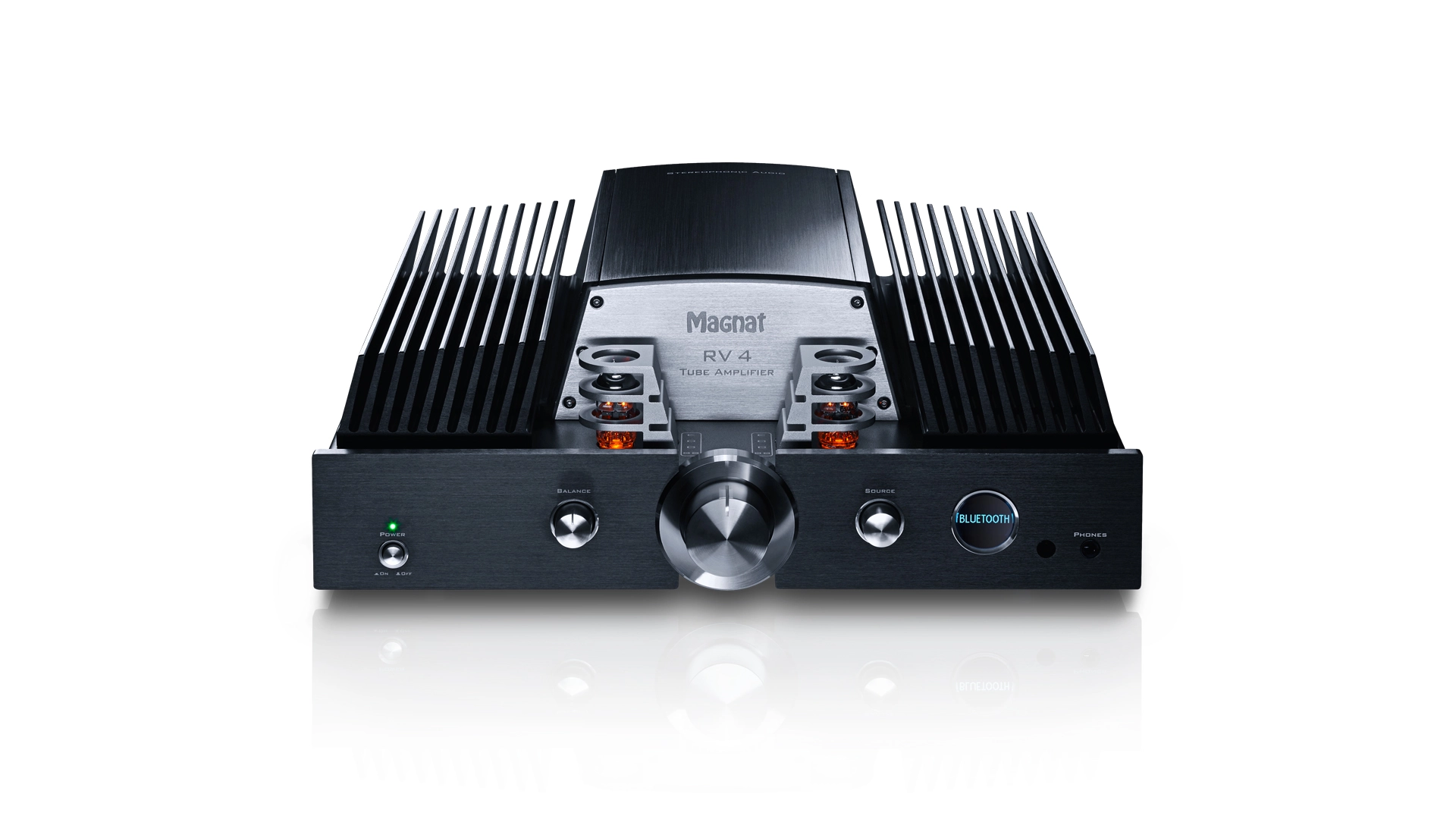
Magnat is a German loudspeaker and audio-electronics brand founded in Cologne by Rainer Haas in 1973. Loudspeaker engineering came first, and bass reproduction has remained a recurring speciality, but the company’s history is more varied than a generic mass-market description suggests. The early Log series established the name internationally; an omnidirectional plasma tweeter followed in 1979, the All-Ribbon family in 1981, and Magnat entered car audio in 1983. Its present home catalogue ranges from compact Monitor S models to Signature loudspeakers, retro-proportioned Transpuls systems and the THX-certified Cinema Ultra family. Active Monitor Reference designs, subwoofers, on-wall and architectural speakers extend the range into lifestyle and custom installation. Magnat also makes electronics, including hybrid valve/solid-state receivers, a network receiver and the substantial MTT 990 direct-drive turntable. Different families serve very different budgets, so the brand should not be characterised only as affordable or only as high-end. Measurement facilities, driver development and crossover optimisation provide the continuity between them. Magnat is now part of Premium Audio Company, but its identity remains German product development applied across stereo, cinema and installation rather than a badge placed on one narrow type of component.
McIntosh

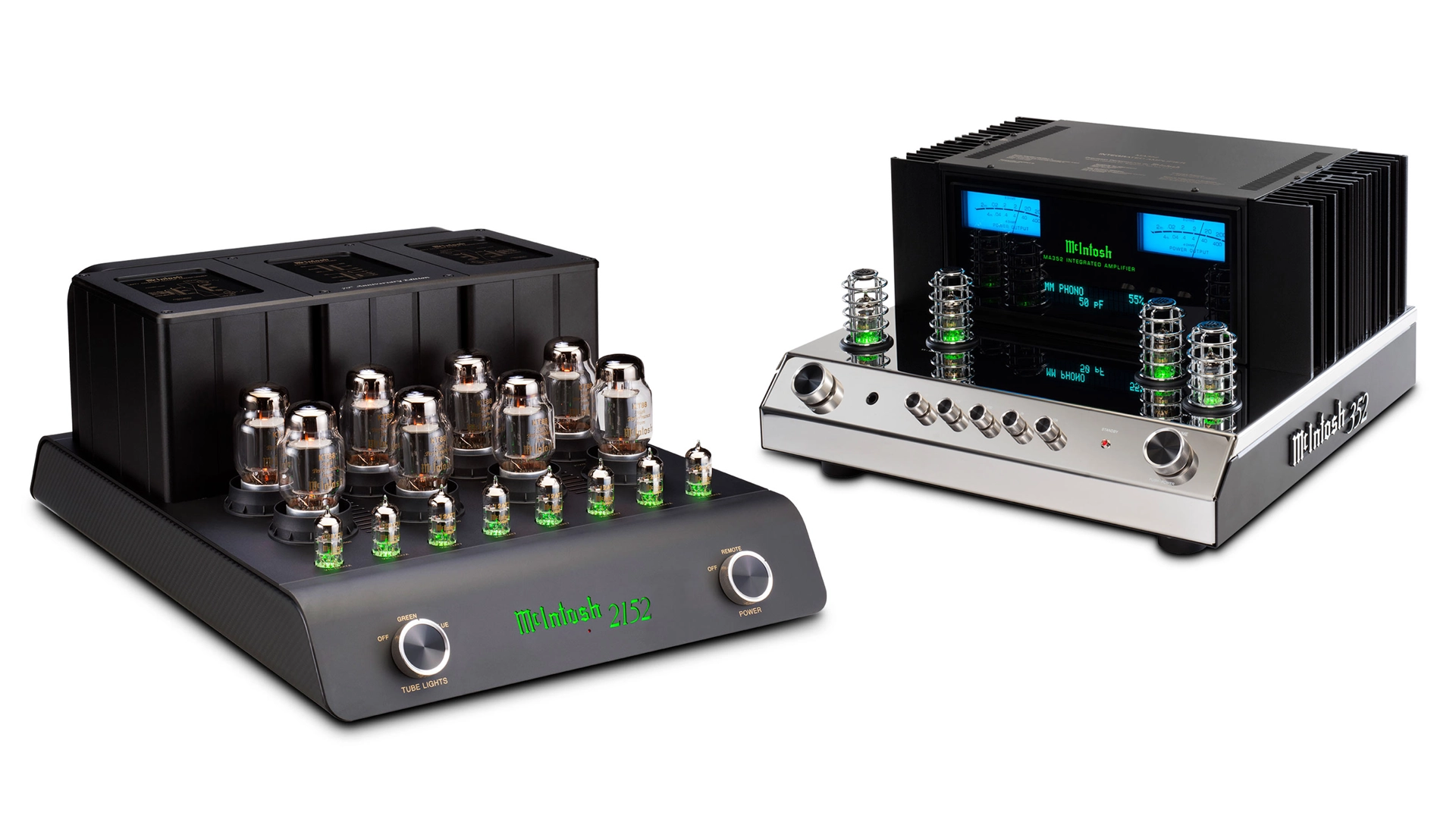
McIntosh is an American high-end audio manufacturer whose blue power meters and black-glass front panels identify products built around unusually durable amplifier engineering. Frank H. McIntosh and Gordon Gow founded the company in 1949 after developing the Unity Coupled Circuit, a transformer-coupled output topology designed to deliver high power with low distortion across the audible band. McIntosh moved to Binghamton, New York, in 1951 and continues to design and assemble products there. The catalogue covers valve and solid-state power amplifiers, preamplifiers, integrated amplifiers, source components, streamers, turntables, speakers and home-cinema processors. Many transistor power amplifiers use Autoformers to deliver their rated power into different loudspeaker impedances, while Power Guard monitors the waveform to reduce clipping-related distortion and Sentry Monitor protects against unsafe operating conditions. The company still winds key transformers in house, and signature glass panels are printed and assembled for long service life. McIntosh’s appeal extends beyond styling: its defining know-how is the marriage of protective circuitry, stable load behavior and conservative construction with a product ecosystem that can support both two-channel and large cinema systems.
ModWright Instruments

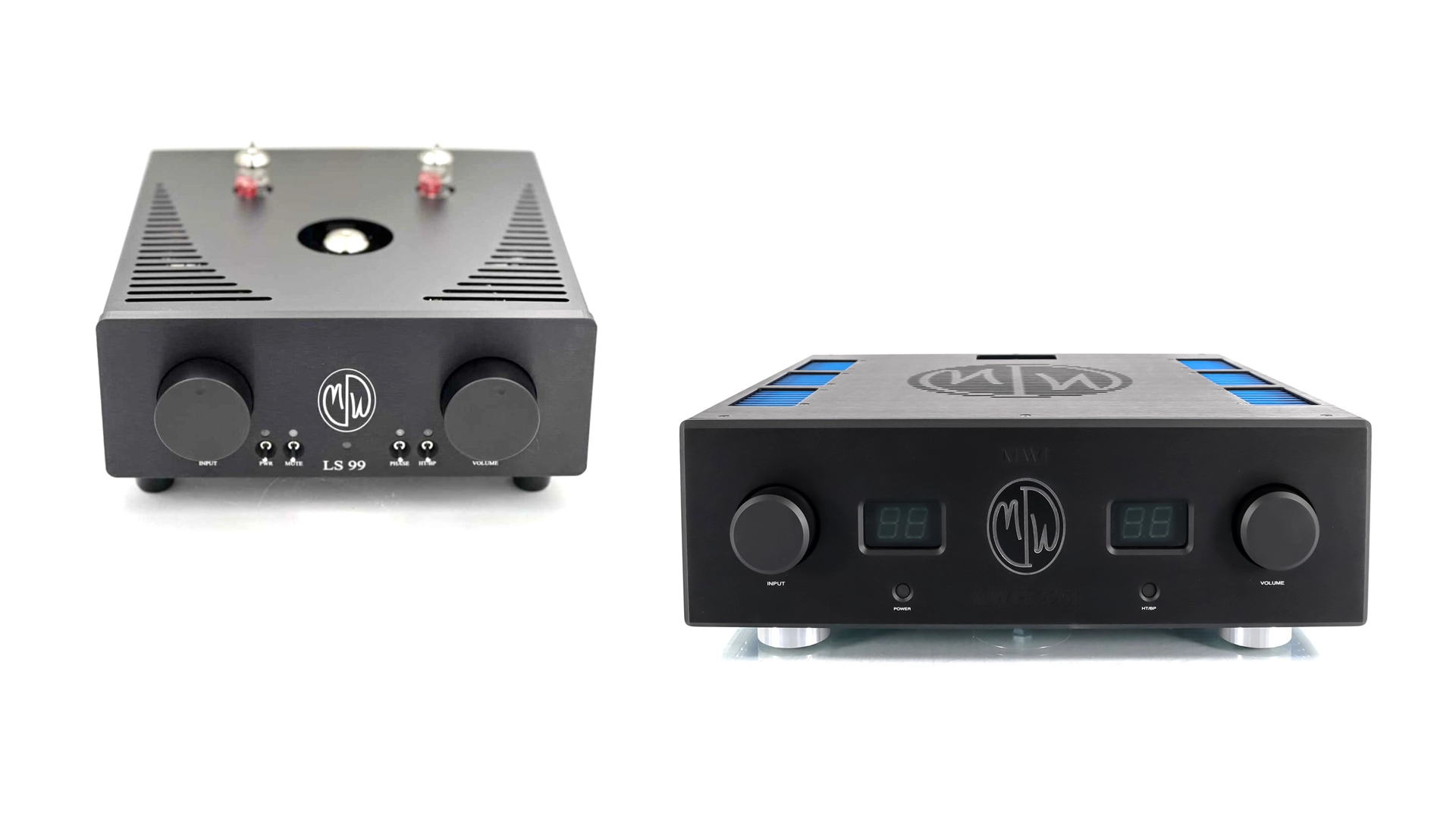
ModWright Instruments is an American maker of tube and solid-state electronics that grew out of Dan Wright’s hands-on modification work. Wright founded the company in 2000 in Washington State, first becoming known for “Truth” upgrades to CD and SACD players. Those modifications replaced or reworked critical analogue output and power-supply stages, often with valves, and gave the business the experience and customer base to develop complete components of its own. Today’s range includes tube line stages and phono stages, solid-state power amplifiers, integrated amplifiers and continuing source modifications. Products such as the LS 99 and LS 300 preamplifiers use transformer coupling and separate power-supply strategies, while KWA amplifiers apply high-current solid-state output stages with substantial power reserves. Assembly is carried out in the United States and the designs are deliberately serviceable rather than sealed around short-lived platforms. “Elegance. Simplicity. Truth.” is more than a slogan here: ModWright’s niche is the combination of valve-based gain and rectification where they are useful, transistor power where loudspeaker control demands it, and the practical knowledge gained from improving other manufacturers’ circuits.
Octave

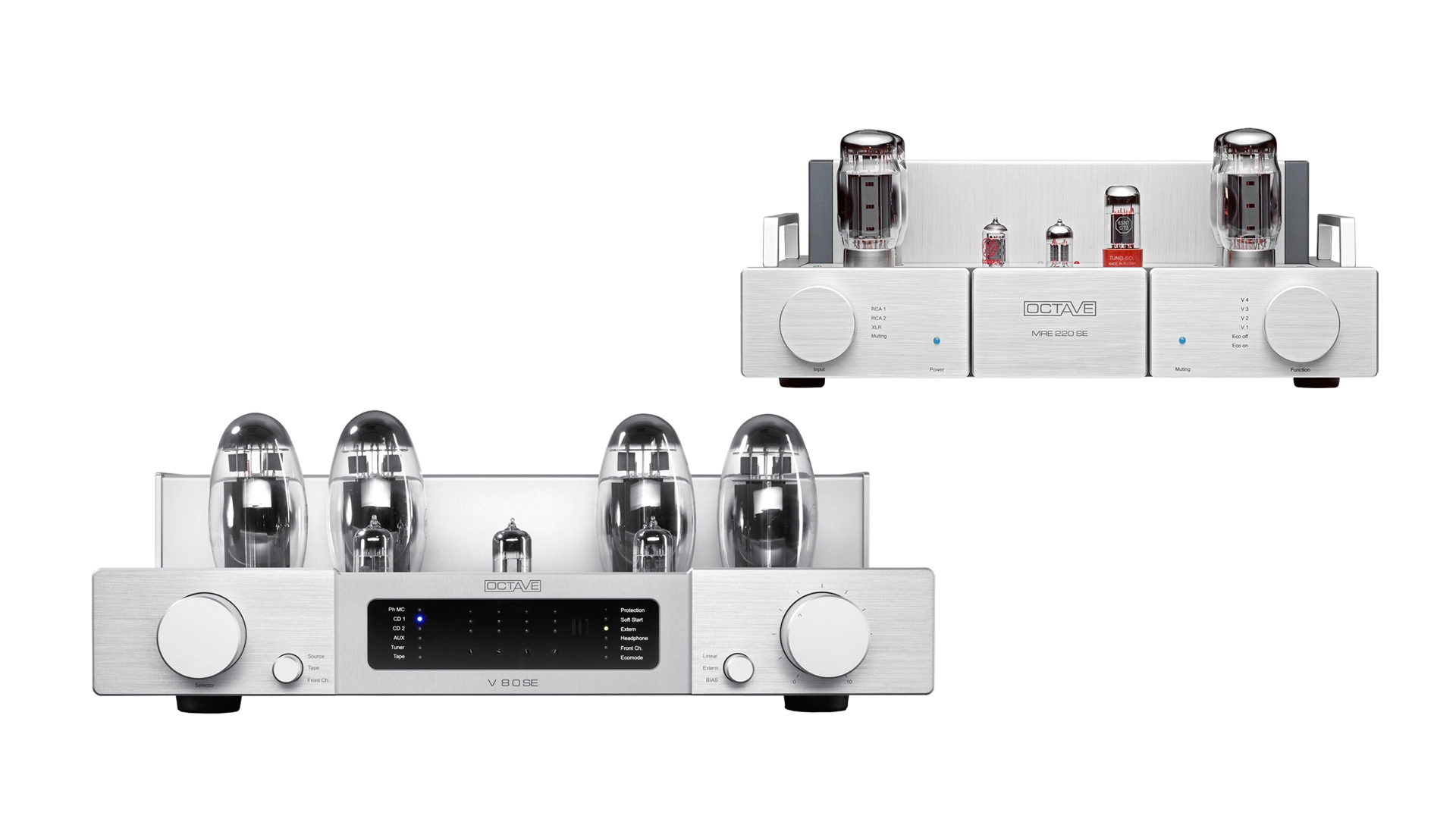
Octave is the German valve-electronics manufacturer whose modern identity grew from a transformer-winding business founded by Karl-Heinz Hofmann in 1968. His son Andreas Hofmann began experimenting with valve amplifiers in the 1970s and developed the output transformers and pentode push-pull circuits that became Octave’s foundation. The 1968 date therefore marks the company’s industrial roots; the recognisable audio range arrived later, with the HP 500 preamplifier appearing in 1986 and becoming an early reference product. Octave builds integrated, pre- and power amplifiers that aim to combine valve harmonic behaviour with the stability and loudspeaker control expected from modern solid state. Proprietary output transformers, regulated power supplies, soft-start sequencing and electronic protection allow models to use several compatible output-valve types safely. The external Black Box and Super Black Box modules increase power-supply storage for selected amplifiers, improving current reserve without replacing the component. V-series integrateds, HP preamps, RE and MRE power amplifiers and the Jubilee reference line carry this architecture from compact systems to ambitious monoblocks; newer Class-A and 300B designs broaden it without abandoning in-house magnetics. Andreas Hofmann now leads the company. Octave’s know-how is not simply “tube warmth,” but transformer design and power management that make valves practical with a wide range of contemporary loudspeakers.
Pass Labs

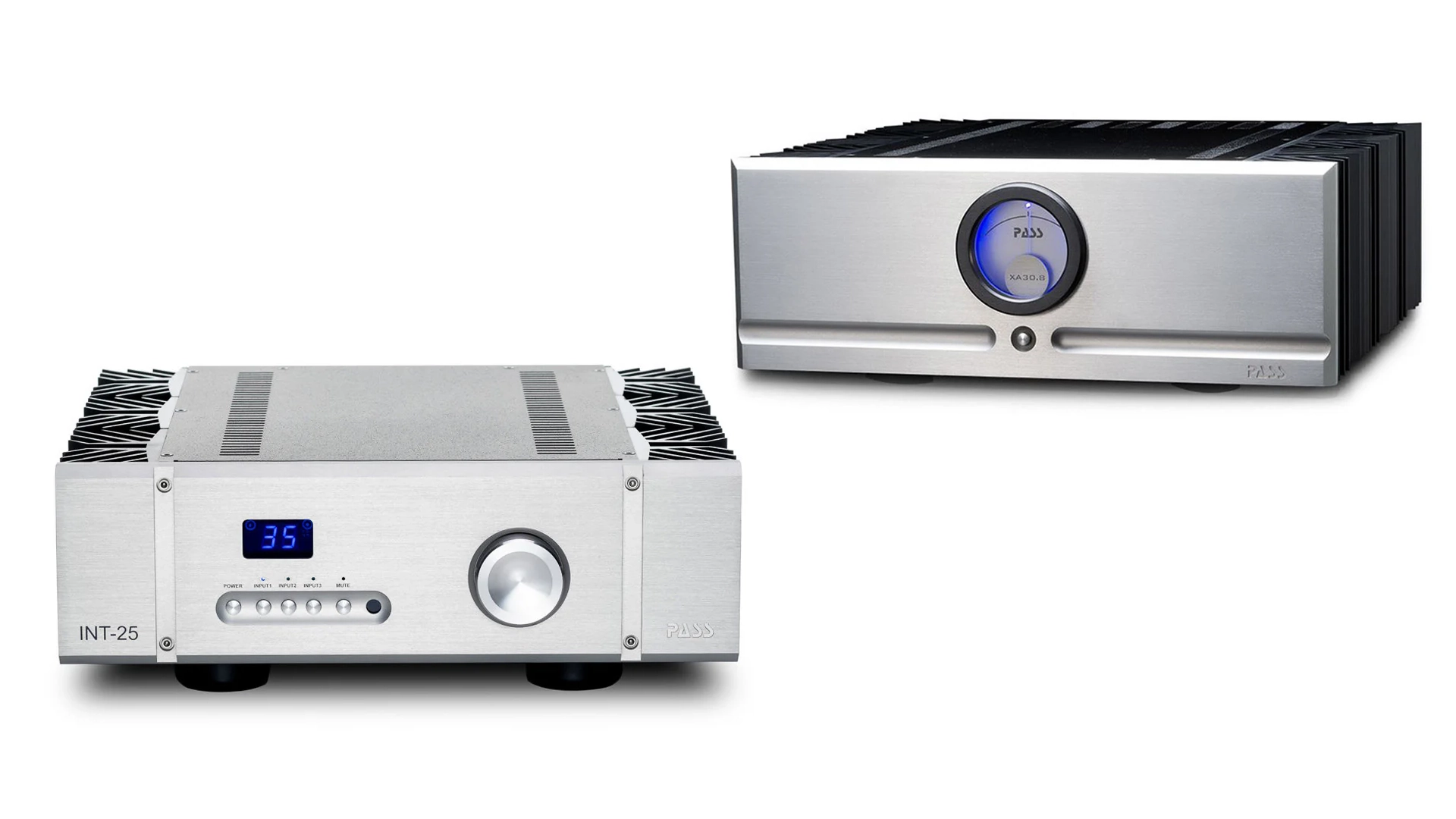
Pass Labs is the American high-end electronics company Nelson Pass founded in 1991 after his years at Threshold. Its reputation rests less on fashionable features than on a sustained investigation of simple, high-bias amplifier circuits. The large heat sinks are functional: many designs keep their output stages in Class A for all or a substantial part of their operating range, accepting heat and weight in exchange for low crossover distortion and an unusually direct signal path. The XA.8 series is the clearest expression of this philosophy in pure Class A, while the X.8 amplifiers deliver more power through a Class A/AB architecture. Both families use Pass Labs’ SuperSymmetry concept, introduced in the late 1990s, to cancel distortion in a balanced circuit without relying on heavy global feedback. The cost-no-object XS line extends the same thinking with separate power supplies and enormous current reserves. XP and XS preamplifiers, XP phono stages, INT integrated amplifiers and the HPA-1 headphone amplifier complete the system. Earlier Aleph amplifiers remain important because they established Nelson Pass’s single-ended Class A direction before the X and XA generations. Pass Labs is therefore defined by continuity: one designer-led school of analogue engineering, refined across power amplifiers, preamplifiers and integrated models rather than reinvented for each product cycle.
Pathos

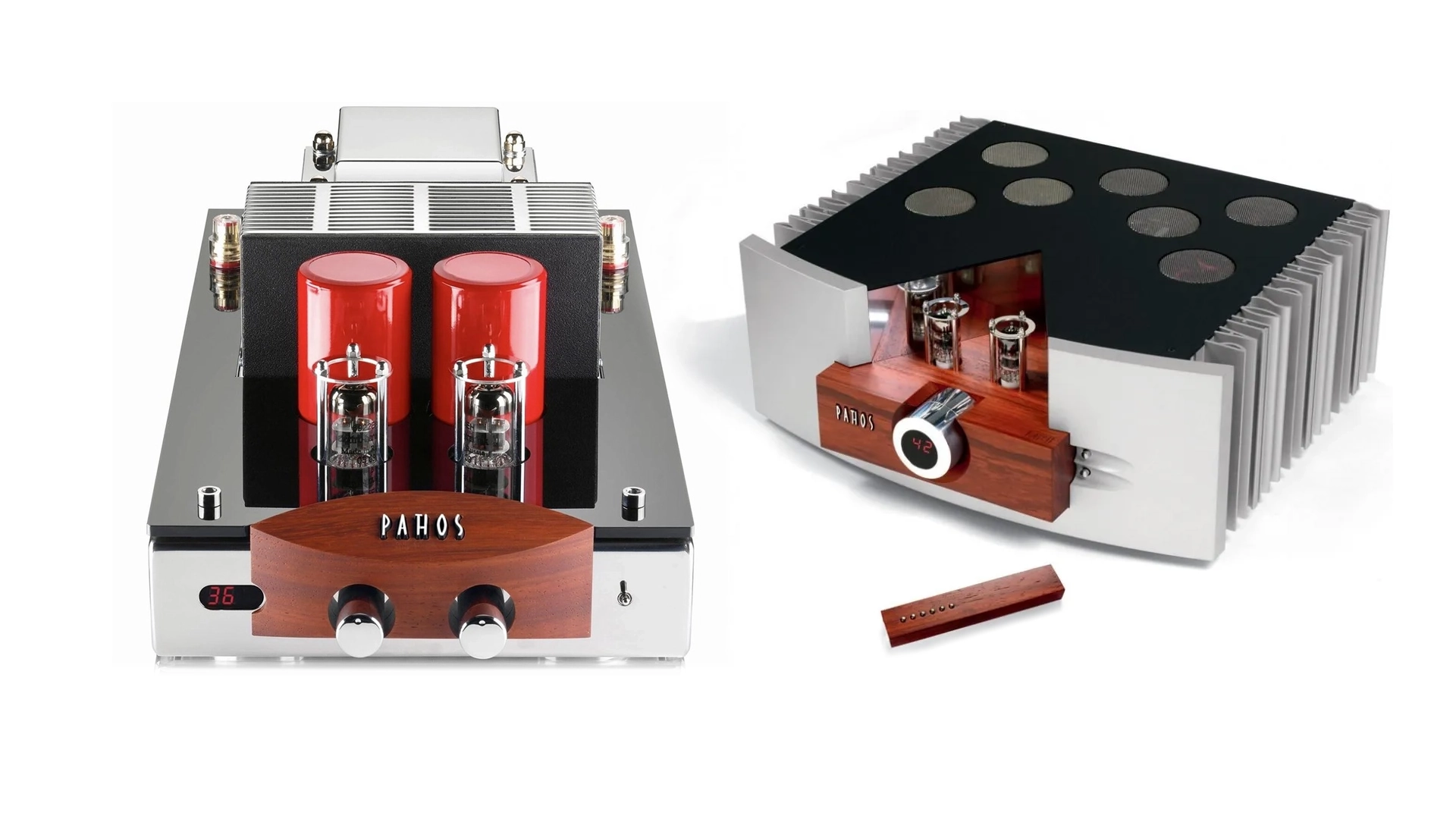
Pathos Acoustics was founded in Vicenza in 1994 by Gaetano Zanini, Gianni Borinato and Paolo Andriolo. Its first amplifier, the T.T. or Twin Towers, made the company’s identity immediately visible: valves handle voltage gain, solid-state devices provide current, and industrial design is treated as part of the component rather than as a box around it. The combination became a recognisable Italian alternative to both traditional tube amplifiers and conventional transistor designs. The technical centre of Pathos is Gianni Borinato’s patented InPoL—Inseguitore Pompa Lineare, or Linear Pump Tracker—topology. In an InPoL amplifier a tube stage provides the gain and a solid-state follower operating at unity gain supplies current in pure Class A; a large energy-storage inductor helps improve efficiency, while the output stage avoids global negative feedback. InPoL Legacy, InPoL Heritage MkII, InPoL2 MkII, the compact InPoL Remix MkII and the InPoL Ear headphone amplifier apply that principle at different scales. Logos, Classic One and Aurium broaden the range beyond the full InPoL architecture, while Adrenalin and InPower Mk2 address high-power systems. Units are assembled in Vicenza using metal, wood and exposed valves with unusually sculptural layouts. Pathos’s real distinction is not merely “warm tube sound,” but a proprietary hybrid circuit that separates voltage gain from current delivery and has been developed continuously since the original Twin Towers.
Pegaso Audio

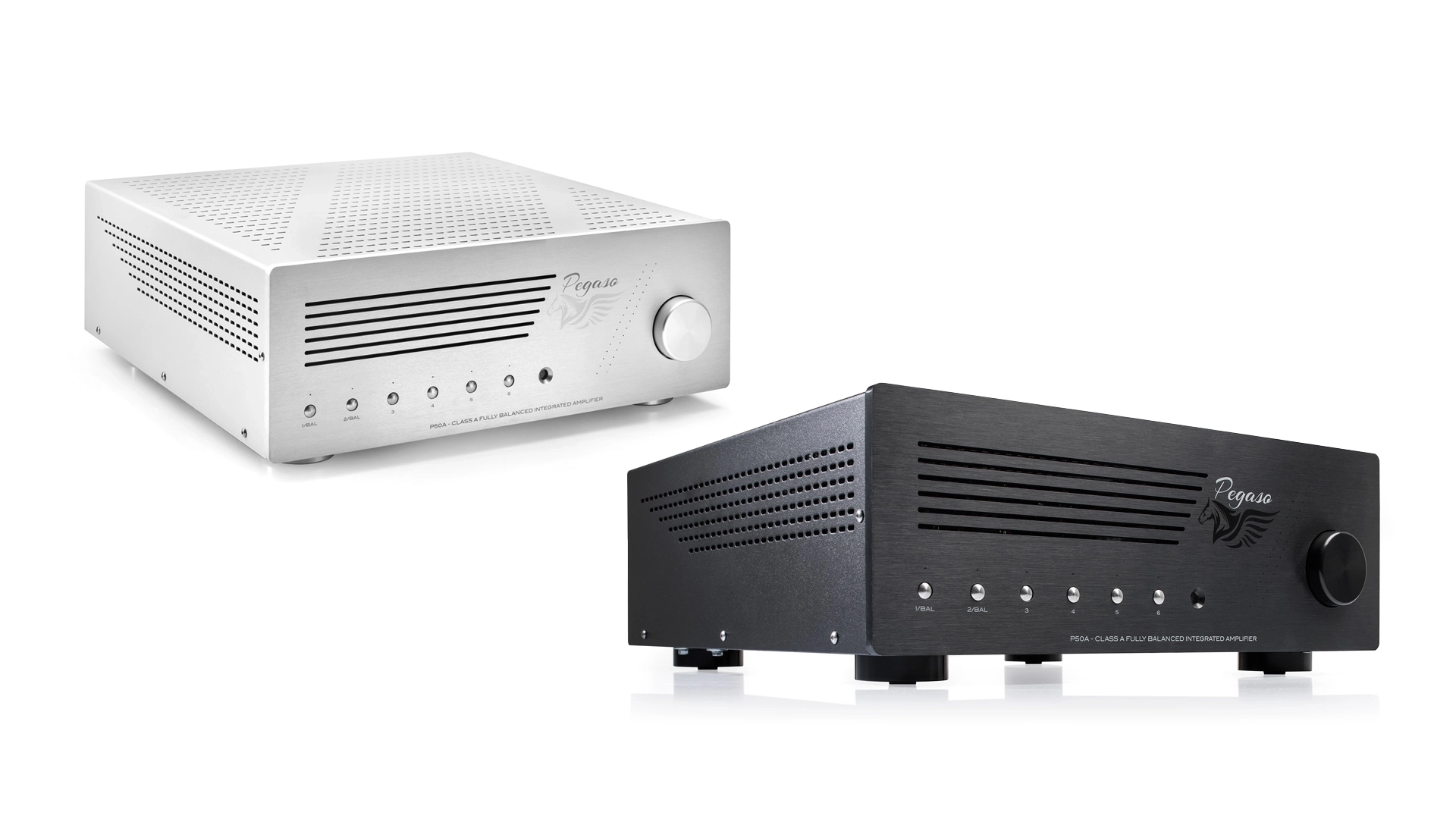
Pegaso Audio is the Italian valve-amplifier project established in 2017 by AF Group, the Tuscan company that also owns and manufactures Audio Analogue. The relationship matters, but the two brands should not be blurred together: Audio Analogue is known primarily for solid-state electronics, whereas Pegaso was created to explore an all-tube integrated amplifier with the same discipline in industrial design and production. The brand is built around the P50A, a fully balanced push-pull integrated amplifier rated at 50 watts per channel. Valves are used throughout the signal path rather than added as a decorative input buffer, and the output stage operates in Class A. Automatic bias control reduces the routine adjustment normally associated with a large tube amplifier, while the symmetrical layout and substantial power supply are intended to keep channel behaviour consistent. Its aluminium casework, protected valve bank and central control display give the product a contemporary appearance without hiding how it works. Pegaso’s name refers to Pegasus, an emblem closely associated with Tuscany, but the useful story is technical rather than mythological: AF Group used its established engineering and manufacturing base to create one focused vacuum-tube design with meaningful output power and everyday operability. The narrow catalogue is not a weakness to disguise. P50A is the brand’s reason for existing and should be described with that precision rather than as a broad range of unspecified tube electronics.
PrimaLuna

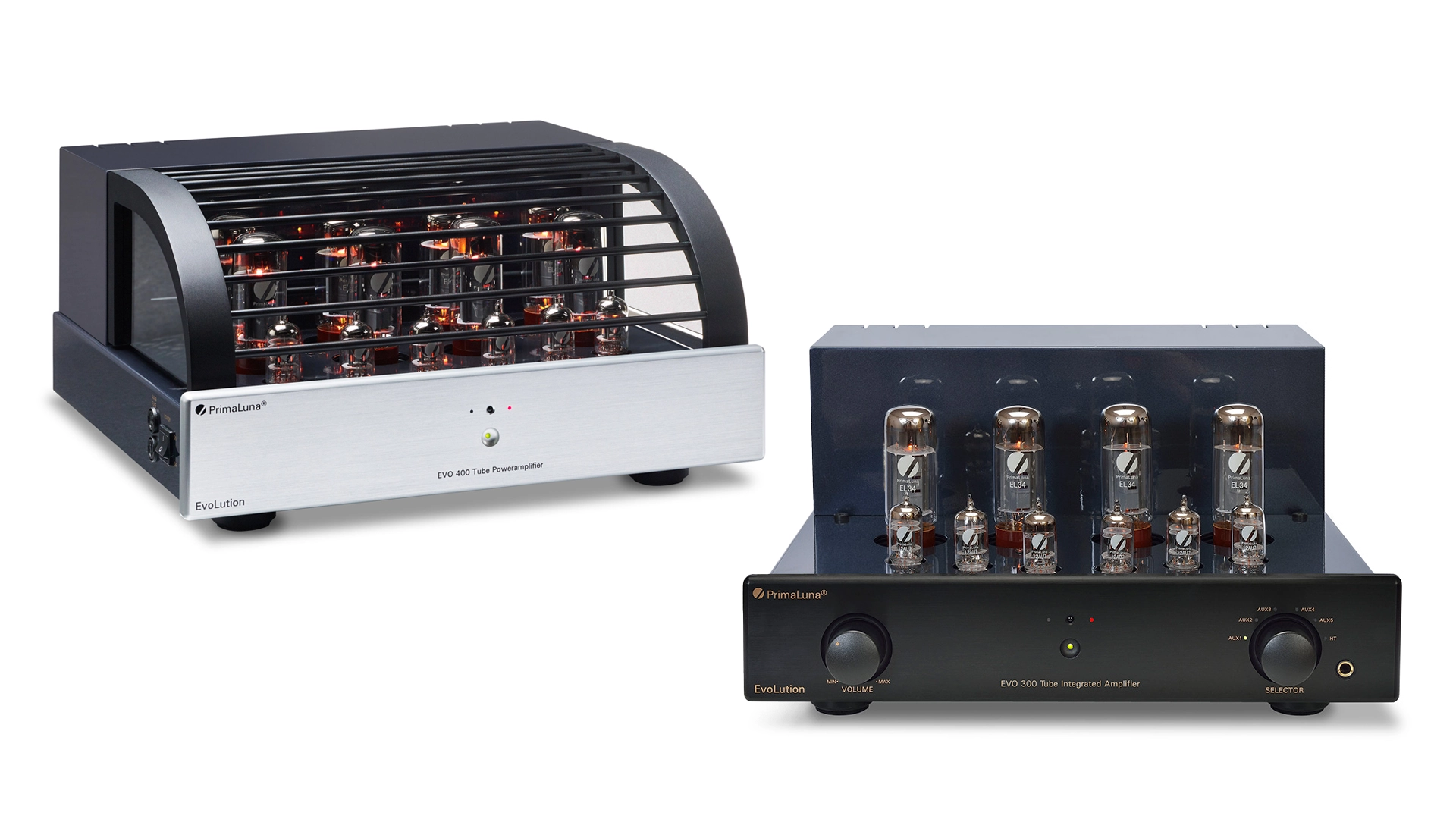
PrimaLuna was founded in 2003 by Dutch audio distributor Herman van den Dungen to make valve electronics less temperamental without removing the qualities that attract listeners to tubes. The brand is Dutch in origin and product direction, while production takes place in China under its own supervision and after-sales support is organised from the Netherlands. That arrangement—rather than vague “European design” language—is central to how PrimaLuna combines labour-intensive point-to-point construction with unusually extensive protection and control circuits. Adaptive AutoBias continuously monitors each output valve and adjusts its operating point, so matched sets and manual meter adjustments are not required and, on compatible EVO models, owners can choose among EL34, KT88, KT120 and KT150 families. A bad-tube indication system identifies a failing valve and helps protect the amplifier, while AC Offset Killer circuitry reduces transformer hum caused by DC on the mains. Soft-start operation, carefully specified output transformers, point-to-point wiring and enclosed valve cages address longevity and daily use rather than merely appearance. The current EVO range progresses through 100, 200, 300 and 400 integrated amplifiers, preamplifiers and power amplifiers, with an EVO 100 tube DAC extending the concept to digital playback. The products are voiced and serviced as complete amplifiers, not as platforms for constant modification. PrimaLuna’s achievement is practical: it retained visible valves, transformer-coupled outputs and the possibility of tube choice while engineering away much of the biasing anxiety and failure risk traditionally associated with owning a valve system.
Qualiton

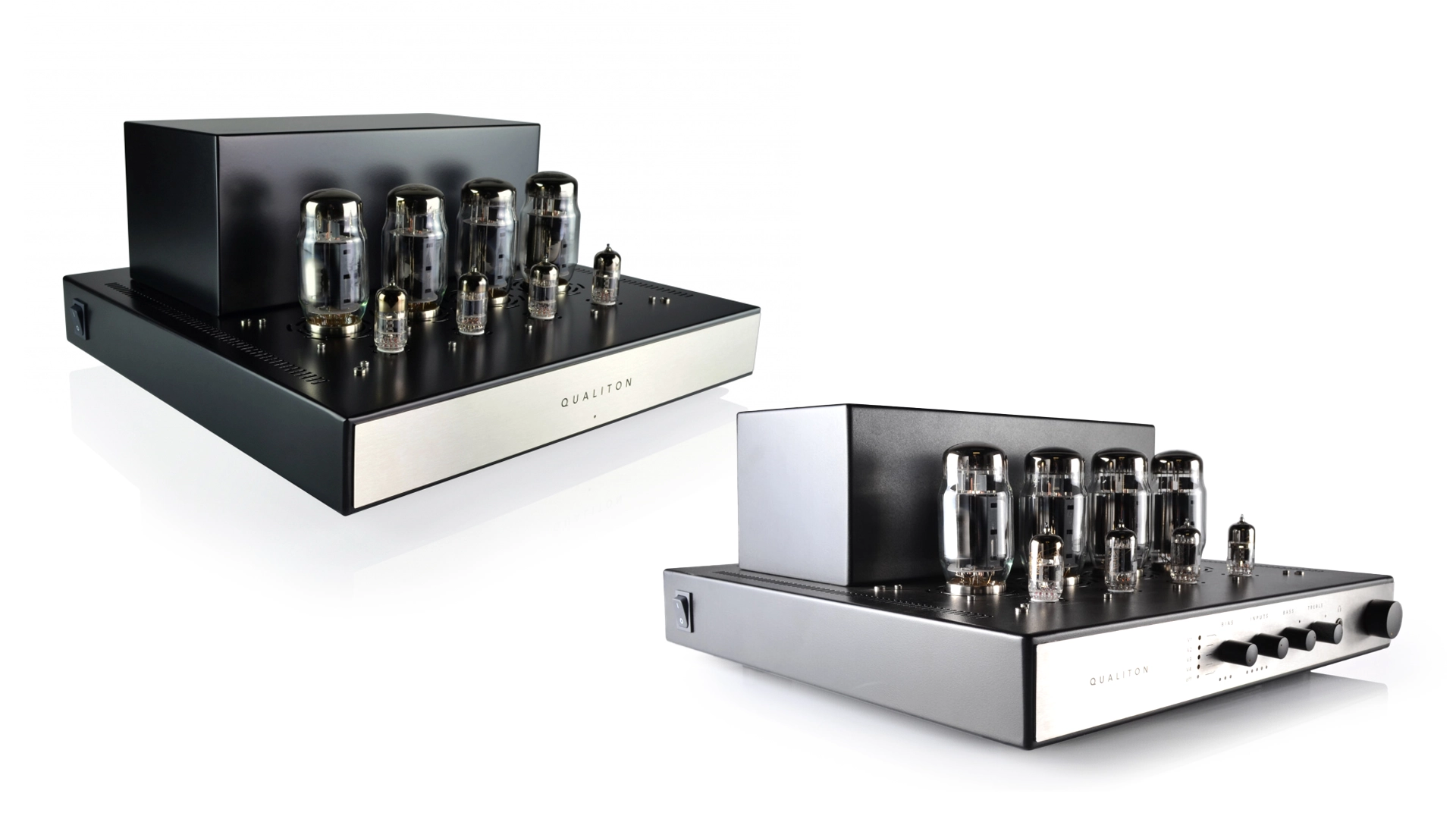
Qualiton is the high-end electronics brand of Audio-Hungary in Nyíregyháza. Its roots are genuine but were blurred in the old record: the present company was not founded in 1950. Hungarian electroacoustic production traces back through state-owned RAFILM, renamed AUDIO in 1951, EAG in 1956 and BEAG in 1960. BEAG opened its Nyíregyháza plant in 1971, initially making transformers; after BEAG broke up, former employees continued there through Univox. Audio-Hungary acquired the struggling operation in 2014, retained its experienced staff and built the modern Qualiton range on that industrial inheritance. The since field is therefore corrected to 2014 for the current company and brand, while the longer heritage remains in the text. Its first high-end products were the APX 200 power amplifier and APR 204 preamplifier. A20i and A50i integrated valve amplifiers then established the recognisable glass, metal and wood visual language. Current models include the 300B integrated amplifier, A35 and A75 tube amplifiers, and the X200 integrated design, alongside a dedicated mains Filter. Qualiton’s practical advantage is direct control of transformer production and metalwork at the Hungarian factory, combined with protective and convenience circuits such as automatic bias, soft start and relay-controlled functions where the model provides them. The catalogue is not limited to a romantic recreation of old tube gear: circuit layout, serviceability and daily operation are treated as seriously as valve choice. Under chief executive András Fábián, Audio-Hungary joins people trained in the older professional-audio factory with a younger development team. That continuity—rather than an inaccurate 1950 founding date—is the real historical value of Qualiton.