Tube Amplifiers Icon

Tube Amplifiers

Tube amplifiers, also known as valve amps, use vacuum tube technology for amplification rather than modern solid-state transistors. Prized by many audiophiles for their characteristically warm, rich, and holographic sound, this classic technology is pursued for the unique and engaging listening experience it provides. This directory is your guide to the world of tube amplification, showcasing the manufacturers who are dedicated to this timeless audio art form.

58

Hi-Fi brands in the category

Summary information and image

Direct links to official websites

Filters
Search
Country
See more See less

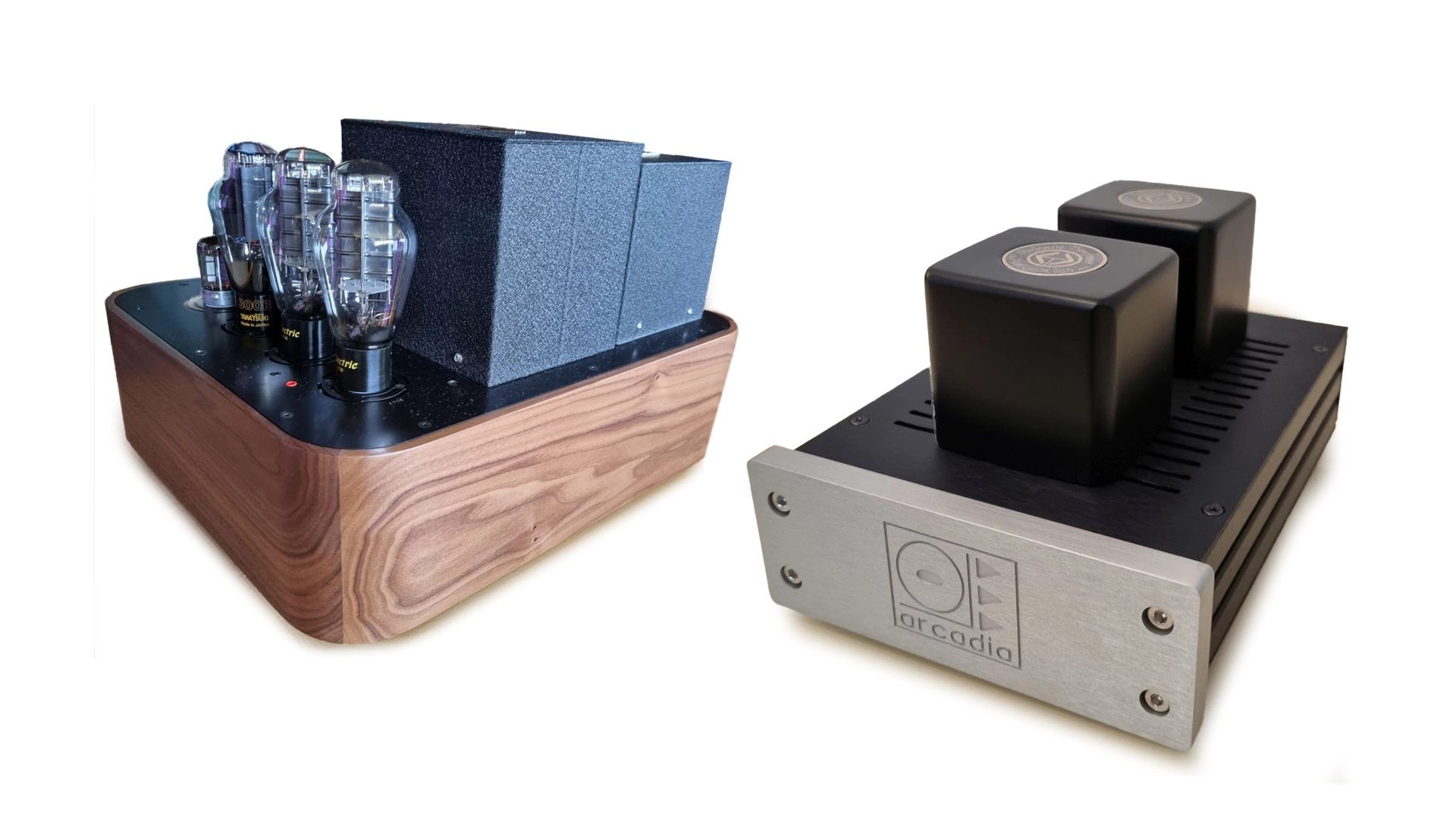
SJS Electroacoustics is a British maker of hand-built valve amplifiers founded and run by Simon Shilton. The company concentrates on the Arcadia range and on bespoke construction, producing relatively few components whose circuits remain deliberately direct. Its core design rules are consistent across line stages, phono amplifiers and power amplifiers: single-ended signal paths, pure Class A operation, zero global negative feedback, valve rectification, choke-input or choke-smoothed high-voltage supplies and point-to-point wiring instead of printed circuit boards. Model 3 and Model 6 phono stages address moving-magnet/RIAA gain, while Model 7 line preamplifiers provide system control without adding a complicated feature layer. The Model 5 uses the 300B directly heated triode in a single-ended stereo amplifier; the newer Model 10 Premier monoblocks use a 300B driver feeding parallel 300B output valves through an interstage transformer for greater power and scale. Shilton selects NOS small-signal valves where their electrical behaviour suits the circuit, and offers higher versions with nanocrystalline-core transformers, Duelund capacitors, tantalum-film resistors, pure-silver wiring and custom PTFE valve bases. Solid timber frames and thick machined aluminium panels make the construction visible without turning it into retro decoration. Bespoke options can change internal parts, finish and system matching, but the underlying topology remains recognisably SJS. The brand’s individuality lies in refusing to hide a valve amplifier behind excessive complexity: transformer quality, power-supply energy storage, grounding, physical layout and simple gain stages do the work. An exact establishment year is not consistently documented, so none is invented.

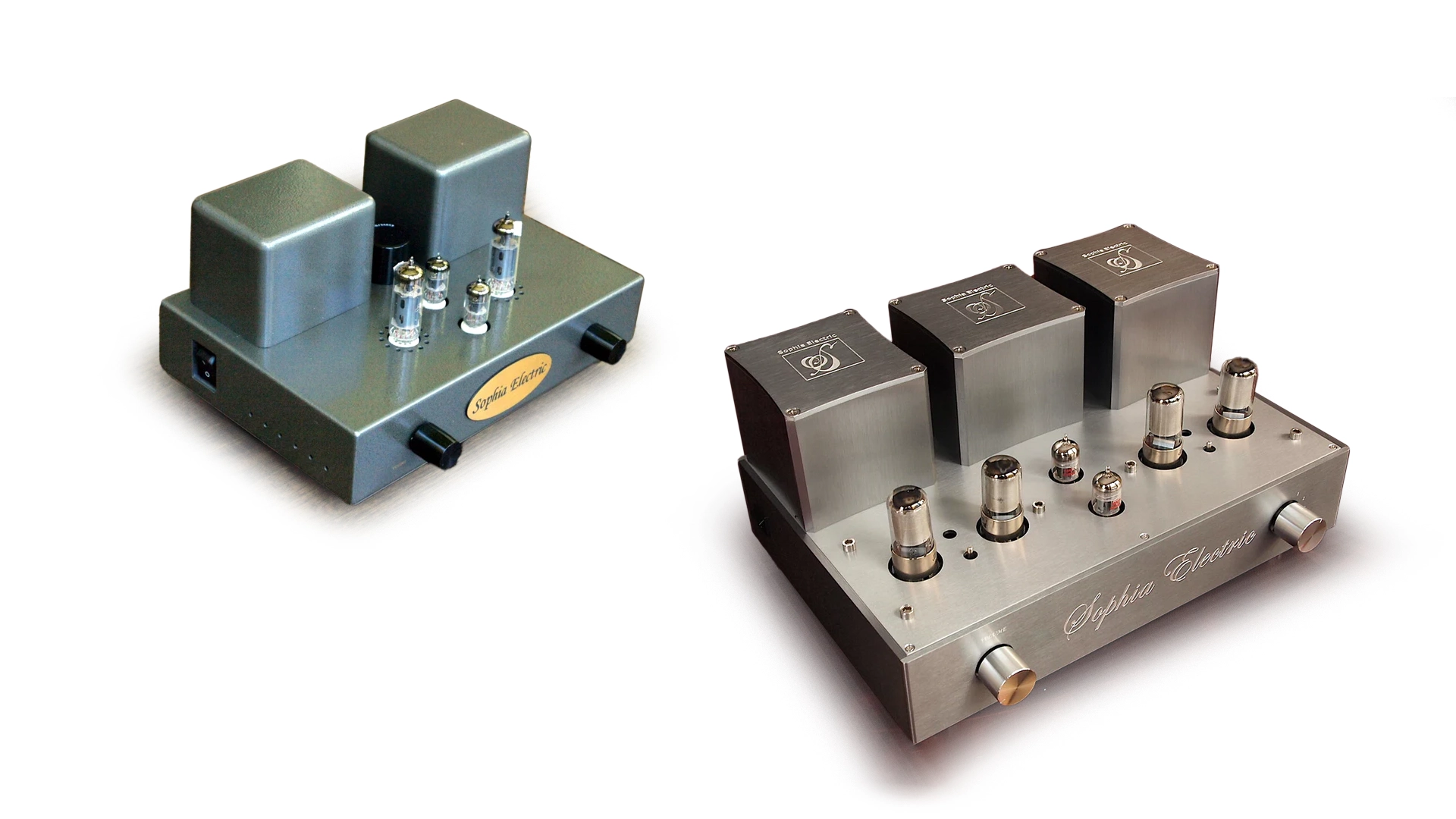
Sophia Electric specialises in the vacuum tubes and amplifiers that keep directly heated triode audio an active engineering tradition. Its best-known work centres on the 300B, with different tube constructions developed for listeners using single-ended amplifiers. The American company grew from two East Coast custom amplifier businesses. In 2001, Richard Wugang and his family supplied capital and industrial resources, and Wugang brought together additional designers and engineers to expand the range. His interest in vintage amplifiers helped shape a catalogue that connects classic circuit ideas with newly produced components. Mesh-plate 300B tubes were an early signature, followed by Princess and later Classic designs. Rectifiers form another important speciality: the 274B family has progressed through several versions, including the Aqua series. Small-signal tubes such as the 6SN7 and output types including KT66, KT88 and EL84 broaden the applications beyond 300B amplification. Sophia also developed complete amplifiers, including 300B designs drawing on the Western Electric tradition, and its historical catalogue extends to speakers and audio capacitors. The significance of the brand lies in this link between complete equipment and the parts inside it. It serves owners maintaining or developing existing valve systems as well as listeners seeking a finished amplifier. Different tube types and versions have their own electrical requirements, so the range is best understood as a set of specific components for compatible circuits, each with a defined role in the audio chain.

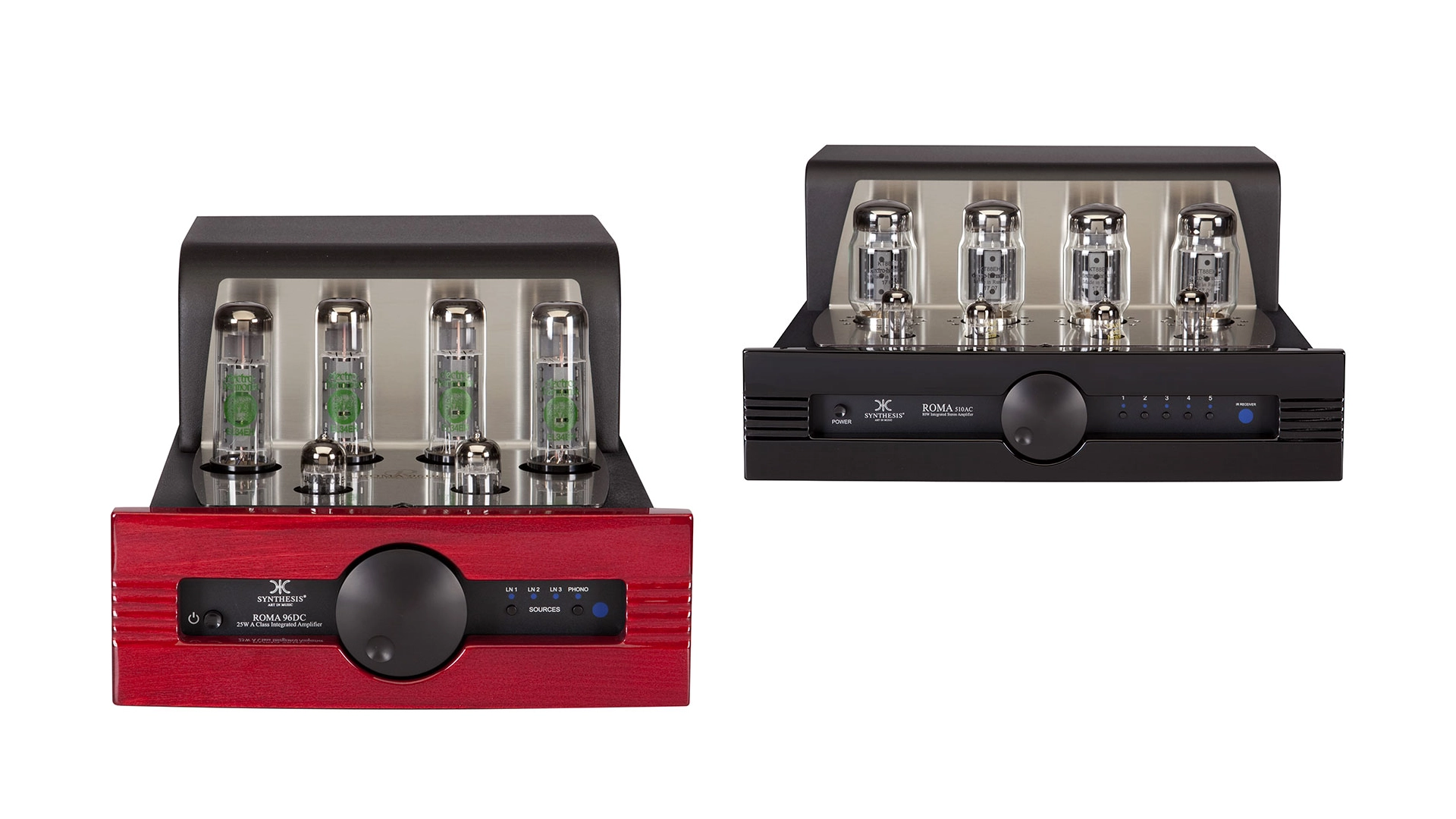
Synthesis: Art In Music, founded in Italy in 1992 by Luigi Lorenzon, is a high-end audio manufacturer specializing in valve (tube) amplifiers. The company is known for its “electronically perfect and aesthetically innovative” designs, often featuring lacquered wood, making them instantly recognizable. Lorenzon’s family history is deeply intertwined with audio: his father founded FASEL in 1961, a renowned manufacturer of transformers for valve amplifiers, including those used in the iconic VOX AC30 amplifier and the red Fasel inductor in Dunlop’s Cry Baby wah-wah. Lorenzon inherited this expertise and combined it with his love for music to create Synthesis. The NIMIS amplifier (15W valve, now discontinued) was a turning point, establishing the company’s reputation worldwide. Synthesis emphasizes that every component, especially the transformers, is entirely handmade in Italy. The company represents a continuation of over 60 years of experience in high-end electronics.

TAGA Harmony is a company specializing in loudspeakers, audio electronics, and cables, known for its focus on providing high-quality sound at accessible price points. While having European roots, the company has significant operations and design influence from Japan. TAGA Harmony offers a wide range of products, including floor-standing speakers, bookshelf speakers, center channel speakers, subwoofers, integrated amplifiers, and various cables. Their products often feature a modern aesthetic and are designed to deliver a balanced and engaging sound. The company’s design philosophy emphasizes a combination of engineering principles and subjective listening evaluations to achieve optimal performance. TAGA Harmony products are positioned in the

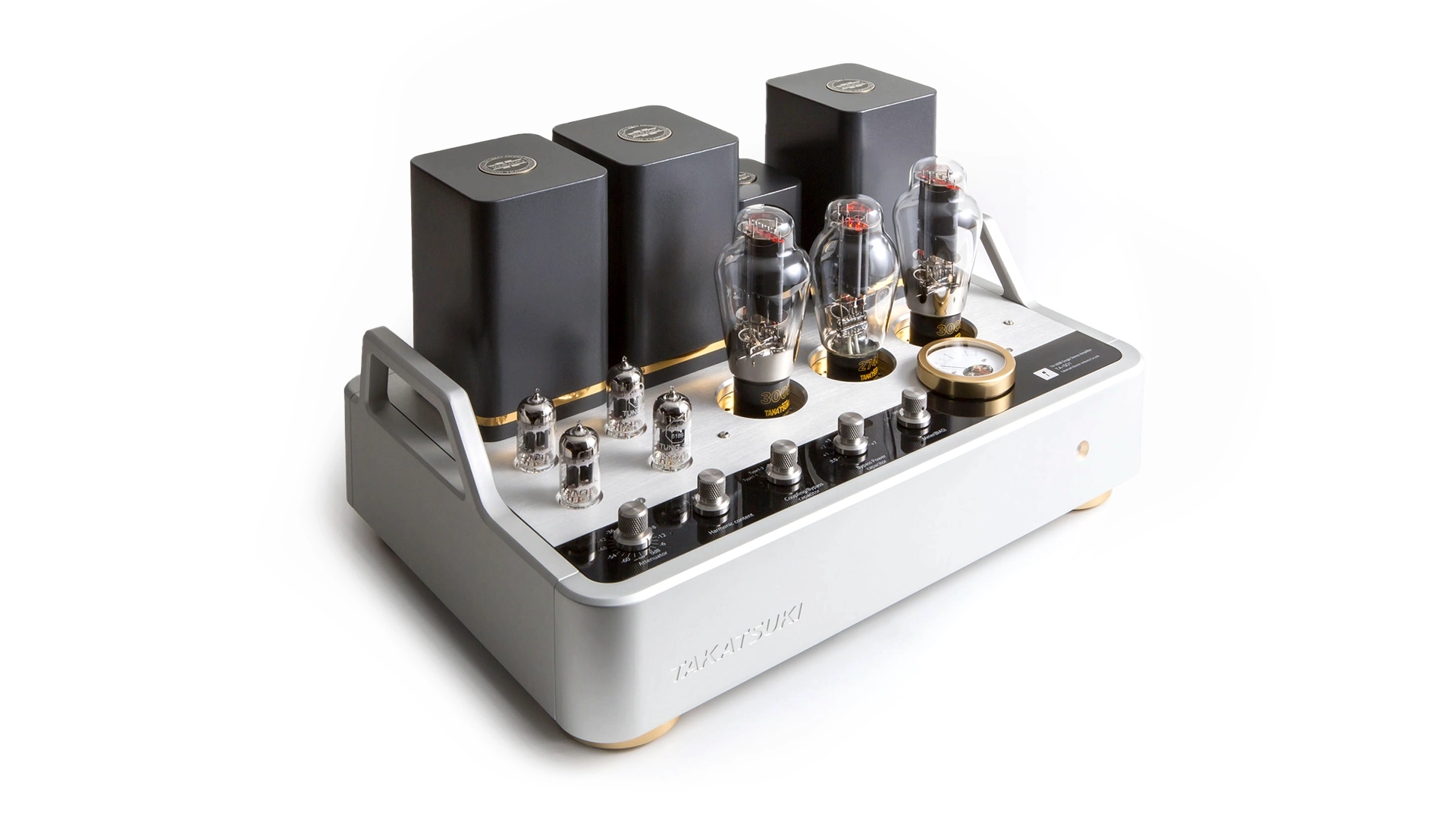
Takatsuki Electric Industries Co., Ltd. is a Japanese company primarily known for manufacturing high-end vacuum tubes, specifically the TA-300B and TA-274B, which are highly regarded in the audiophile community. While the company’s website doesn’t provide extensive historical details about their audio-specific activities, their long history (since 1946) and specialization in vacuum tube production suggests a deep expertise in this area. The focus on the 300B and 274B, two classic and highly sought-after tube types, indicates a commitment to traditional audio technology and high-fidelity sound reproduction. The lack of other audio products on their website suggests a deliberate focus on perfecting these specific tube models, rather than diversifying into a broader range of audio components.

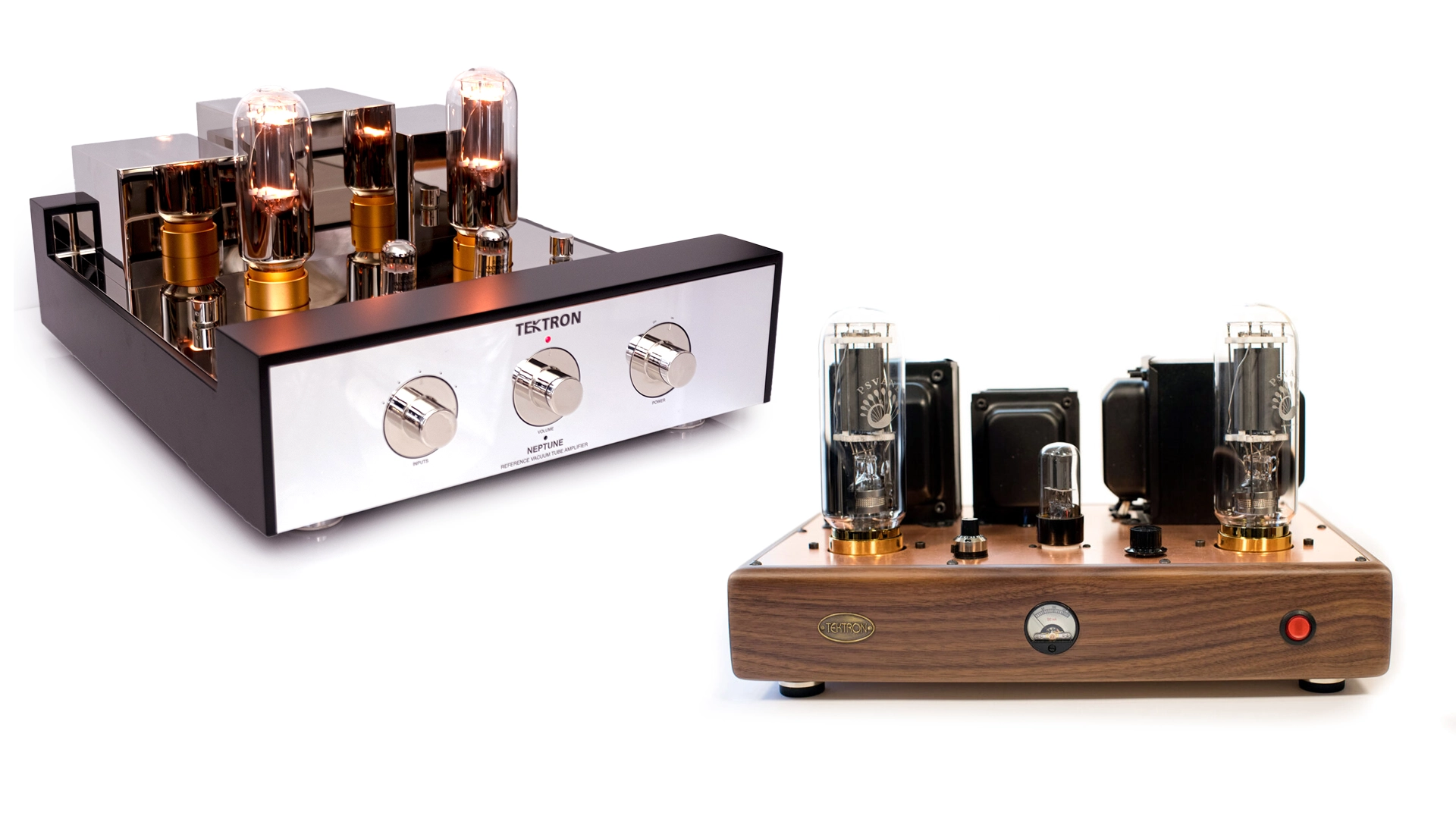
Tektron is an Italian specialist in handcrafted valve amplifiers, founded in 2005 and led by Attilio Caccamo. Its roots reach further back through Caccamo’s decades of restoring antique radios and working with historic vacuum-tube circuits. That experience shaped a company more interested in understanding simple topologies and their components than in adding features. Tektron builds integrated amplifiers, power amplifiers and preamplifiers in small numbers, with custom finishes and electrical configurations available for individual systems.

Single-ended triode designs form the heart of the catalogue. Models are built around valves such as the 2A3, 45, 300B, 211 and 845, including the imposing Neptune 211 amplifier and compact TK-series components. Power supplies, output transformers and the physical layout are engineered for each tube rather than shared across a cosmetic family. Point-to-point wiring, selected new-production or NOS valves and short signal paths keep the construction understandable and serviceable. Wood, copper and brass appear frequently, but the visible craft follows the electrical design instead of concealing a generic chassis.

Tektron does not claim that one valve suits every loudspeaker. Its amplifiers differ widely in output power, gain and operating character, so matching efficiency and impedance is part of choosing the product. That honesty is one of the brand’s strengths. Tektron preserves the directness of classic triode amplification while treating transformer quality, noise control and hand assembly as present-day engineering tasks, not as a costume from audio’s past.

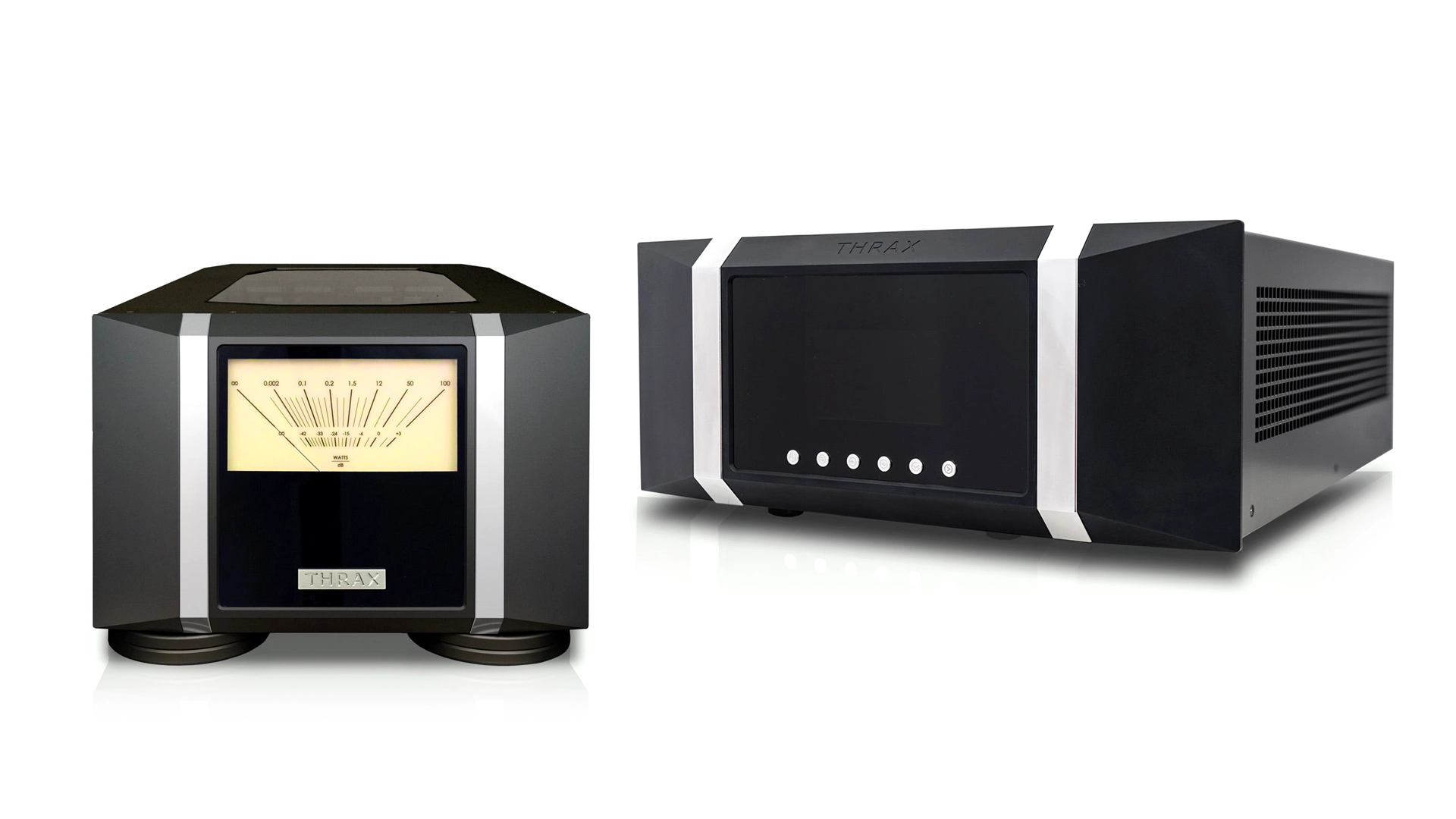
Thrax Audio is a Bulgarian high-end manufacturer founded in Sofia in 2008 by engineer Rumen Artarski. The first product was the Dionysos line preamplifier, created around a single-tube gain stage and an elaborate transformer volume control. It was followed by the Orpheus phono stage and the Spartacus power amplifier, establishing a range that combines vacuum-tube simplicity with demanding power supplies, magnetics and mechanical construction.
The modern statement line includes the Spartacus 300 monoblocks and Libra preamplifier. Maximinus addresses digital conversion, while Orpheus continues the company’s interest in LCR phono equalisation and flexible cartridge matching. Thrax also builds integrated and solid-state amplification, loudspeakers and more accessible Evolution components. These are not scaled copies with different front panels. Artarski’s team chooses a topology for each role, whether directly heated triodes, transformer coupling or high-current solid-state output is the more appropriate tool.

Production is concentrated in Sofia. Transformers are wound in-house, chassis are machined from solid aluminium, and completed units are listened to before shipment. That vertical control is important for a small company working with circuits whose performance depends heavily on magnetics, grounding and physical layout. Thrax’s character comes from joining Eastern European engineering self-reliance with a clear visual and mythological language. The products are luxurious, but the brand’s real credibility lies in original circuits and the ability of a compact team to manufacture the difficult parts itself.

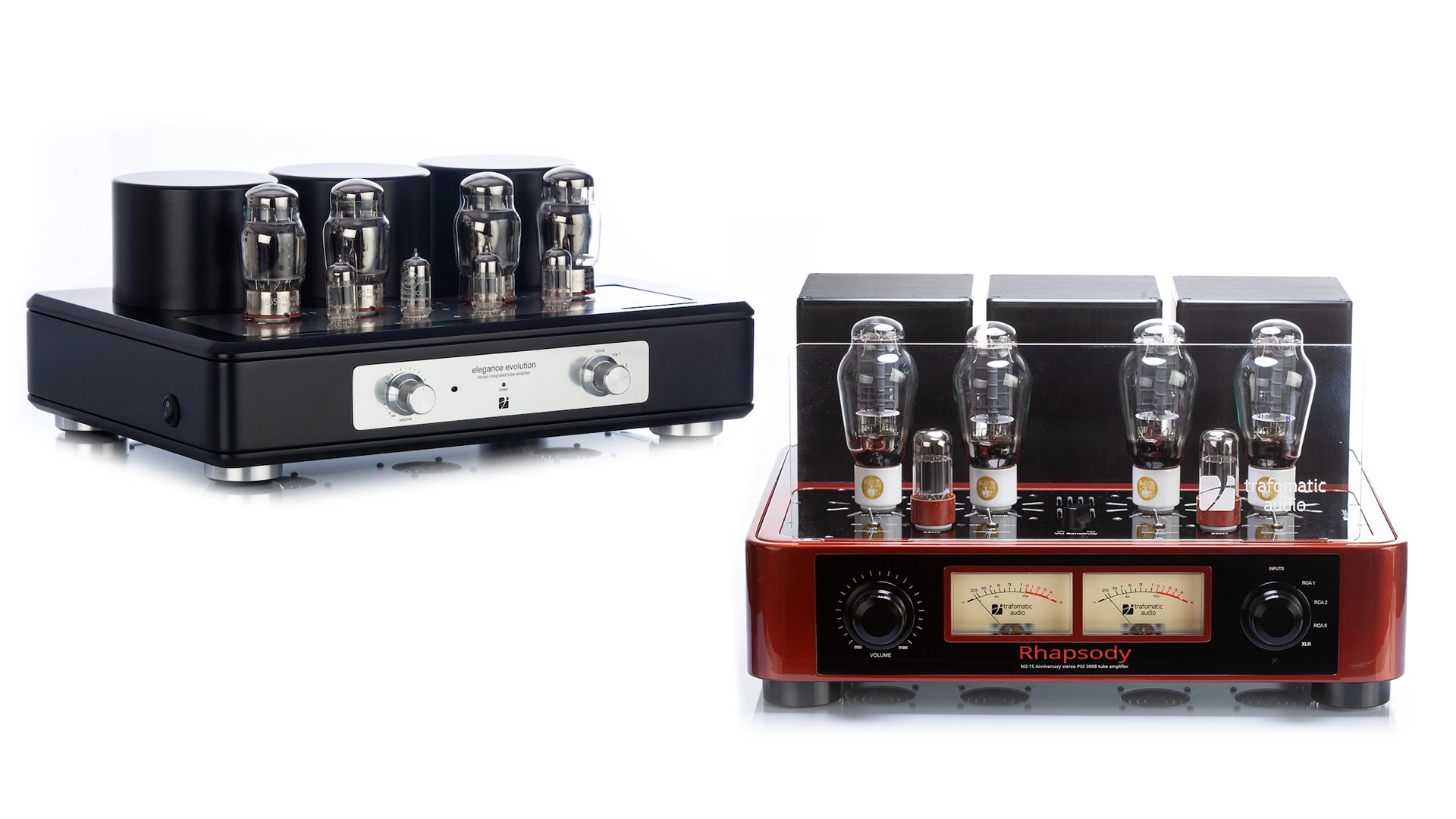
Trafomatic Audio is a Serbian valve-electronics manufacturer founded in 1997 by Saša Čokić in Mladenovac. The company began with transformers, the component that often determines whether a tube amplifier fulfils its circuit on the test bench and with a real loudspeaker. That magnetics background remains its decisive advantage: output transformers, interstage transformers, chokes and power transformers can be developed together with the amplifier rather than purchased as an afterthought.

Early Experience amplifiers introduced Trafomatic internationally, including simple single-ended designs built around classic triodes. The range now reaches from the Rhapsody integrated amplifier and Luna phono stage to Lara and Tara line stages, Primavera headphone amplification and statement power amplifiers such as Elysium, Pandora and Elysian. Directly heated triodes, transformer coupling and pure Class A operation appear where they suit the product, while higher-powered push-pull models serve loudspeakers that need more output.

Čokić’s team builds in Serbia and also supplies transformer expertise beyond its own finished components. This makes Trafomatic more than a boutique assembling famous tubes into attractive cases. Winding geometry, core material, insulation, bandwidth and power-supply behaviour are part of the company’s own daily work. The catalogue has become visually ambitious, but its common DNA is still magnetic. Trafomatic’s strongest amplifiers unite expressive tube topologies with the less glamorous discipline of making the iron correctly—a combination that explains how a small Serbian manufacturer gained lasting international recognition.

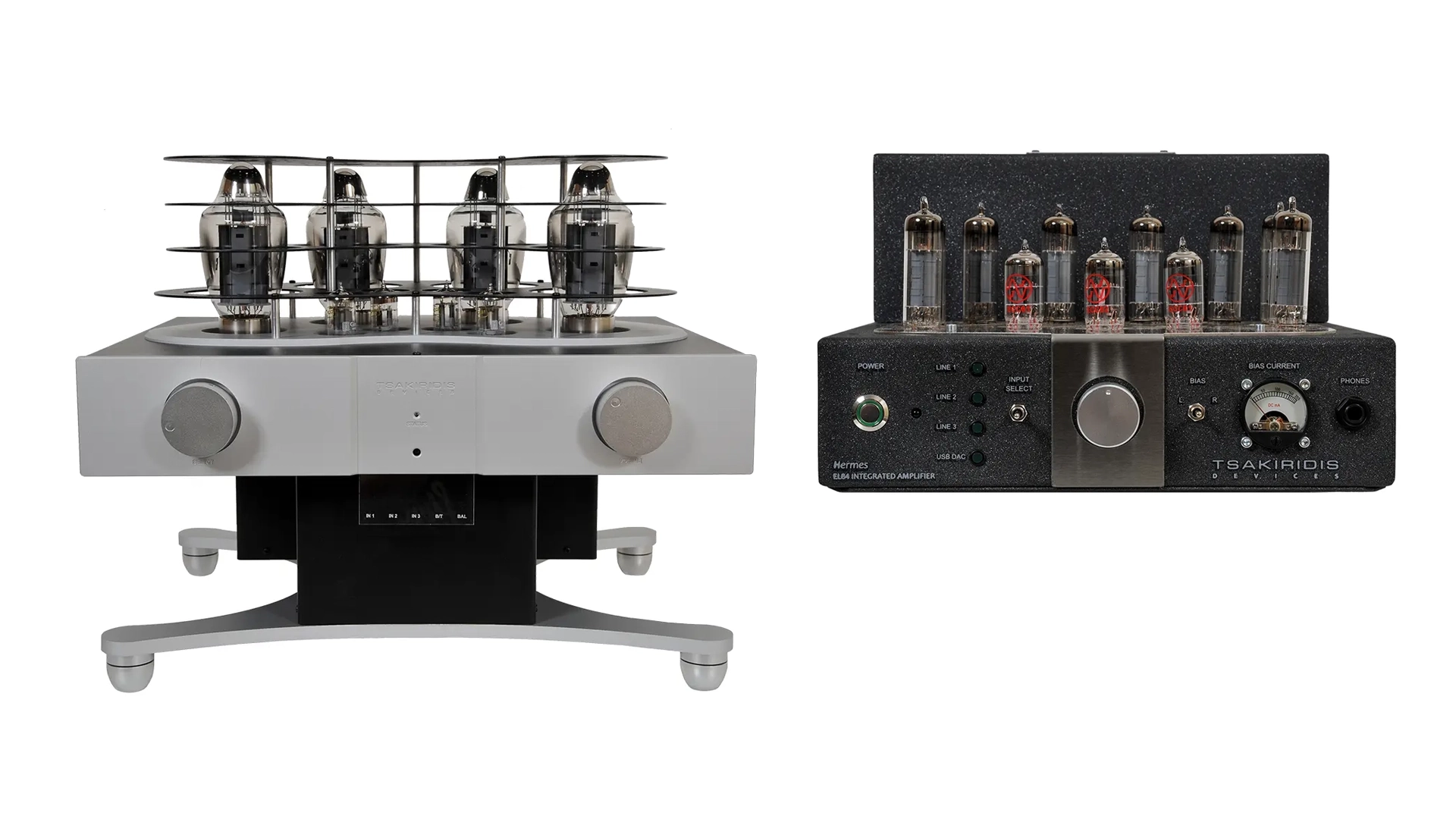
Tsakiridis Devices is a Greek family manufacturer of valve amplifiers, preamplifiers, phono stages and power products. The official company history places its establishment in 1989, correcting the previous 1987 date. Before commercial production, the Tsakiridis team had spent years building equipment for themselves and fellow enthusiasts; that origin still shapes the aim of offering hand-built tube electronics without turning every model into an unattainable statement piece.

The catalogue uses different classic topologies for different loudspeakers. Achilles monoblocks run 300B or 2A3 directly heated triodes in single-ended Class A, intended for efficient speakers. Apollon monoblocks accept output valves such as EL34, KT88, KT120 or KT150 in higher-powered push-pull operation. Artemis places a dual-mono push-pull power amplifier in one chassis. Aeolos and Theseus integrated amplifiers make the range easier to use, with Theseus adding digital and phono inputs, while Alexander line preamplification and Zeus phono stages complete an analogue system.

All products are assembled in Greece, with accessible valve biasing, protective circuitry and remote control used where they improve daily ownership. Power conditioners and supply products show that the company treats mains and transformers as part of amplifier performance rather than cosmetic extras. Tsakiridis does not disguise familiar tubes behind mysterious names; specifications make clear which valves, class of operation and power level each model uses. Its individuality comes from this pragmatic combination of traditional circuits, Greek small-series manufacture and enough model diversity to match both sensitive horn speakers and more conventional modern loads.

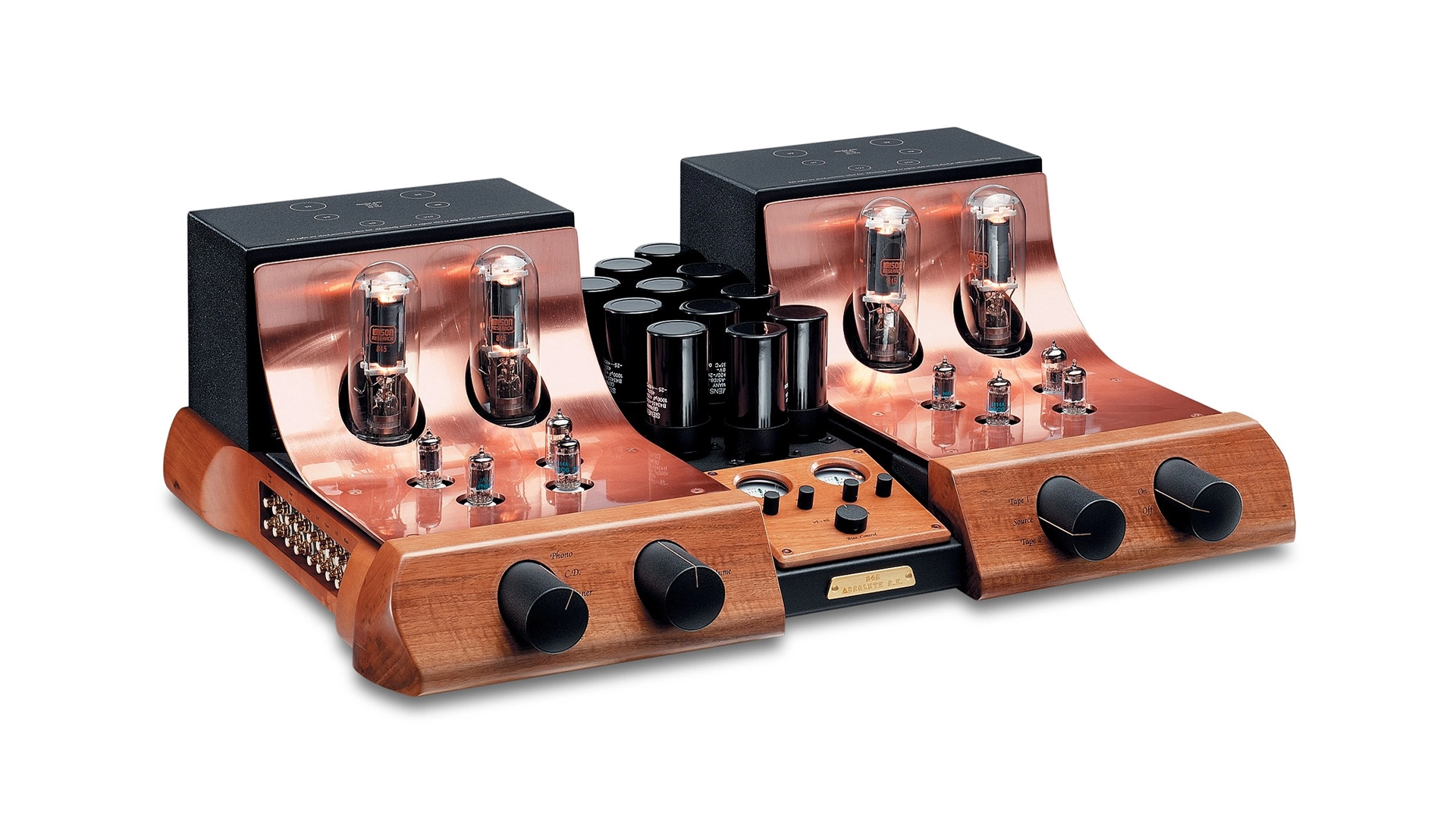
Unison Research is an Italian high-end electronics manufacturer founded near Treviso in 1987 by a group of enthusiasts led by engineer Giovanni Maria Sacchetti. Sacchetti’s study of valve behaviour and transformer coupling gave the company a recognisable direction from the beginning: traditional tubes should be treated as current engineering components, supported by carefully designed power supplies, output transformers and cases made for domestic use.

The Simply Two integrated amplifier became an international emblem of approachable single-ended valve design, and today’s Simply Italy continues that idea with EL34 output tubes and straightforward controls. At the reference end, Absolute 845 and Performance integrated amplifiers use ambitious tube stages and substantial magnetics. Unison also builds line and phono preamplifiers and source components, allowing a complete system to retain the same electrical and visual language.

The Unico series broadened the audience through hybrid circuits: valves handle the input or voltage-gain stage while solid-state output sections provide the current needed by less sensitive loudspeakers. Unico Primo, Nuovo and Unico 90 illustrate how the concept scales rather than simply repeating one amplifier at different prices. Wood details and rounded metalwork are distinctly Italian, but they frame real topology choices between single-ended, push-pull and hybrid operation. Unison Research later developed close ties with Opera Loudspeakers, creating complementary Italian electronics and speaker expertise. Its longevity comes from balancing romance with discipline—visible valves and tactile craft, grounded by Sacchetti’s continuing attention to circuits and transformers.

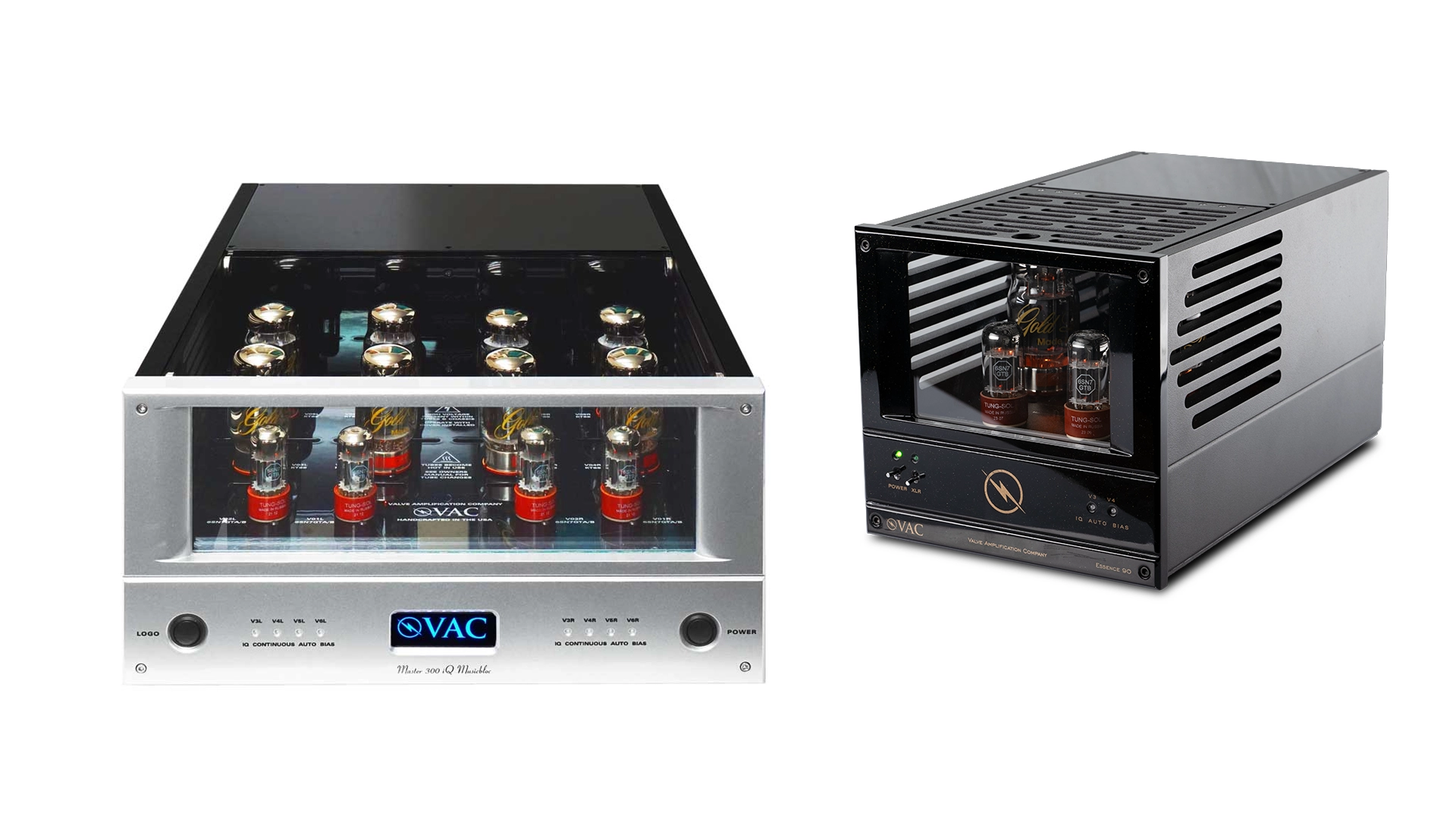
Valve Amplification Company—VAC—is an American high-end electronics manufacturer founded in 1990 by Kevin Hayes and his father, Channing W. Hayes. Their first PA45 and PA90 power amplifiers established a company built almost entirely around vacuum tubes, custom transformers and labour-intensive assembly. Kevin remains chief designer, and VAC manufactures in Sarasota, Florida rather than licensing its name to an anonymous catalogue.

The Renaissance amplifiers of the 1990s developed VAC’s push-pull tube architecture, followed by Avatar integrated amplifiers, Phi and Signature components and increasingly ambitious Statement and Master series. VAC also reproduced classic Marantz Model 7, 8B and 9 electronics for Marantz Japan from 1996 to 1998, a project that required historical accuracy and production discipline rather than a superficial retro case. Current line and phono stages, integrated amplifiers and monoblocks continue the emphasis on wide-bandwidth transformers and substantial power supplies.

Hayes’ patented iQ Intelligent Continuous Automatic Bias system monitors output-tube current while music is playing, maintains the intended idle point and provides protection or indication when a tube weakens or fails. It addresses one of the least convenient parts of owning a powerful valve amplifier without hiding the operating state from the listener. VAC’s appeal is not generic tube warmth. Its best designs pursue bandwidth, current and control at power levels often associated with solid state, while retaining the replaceable devices and visible circuit lineage of valves. That combination of American manufacture, transformer expertise and genuinely useful bias engineering gives VAC its authority.

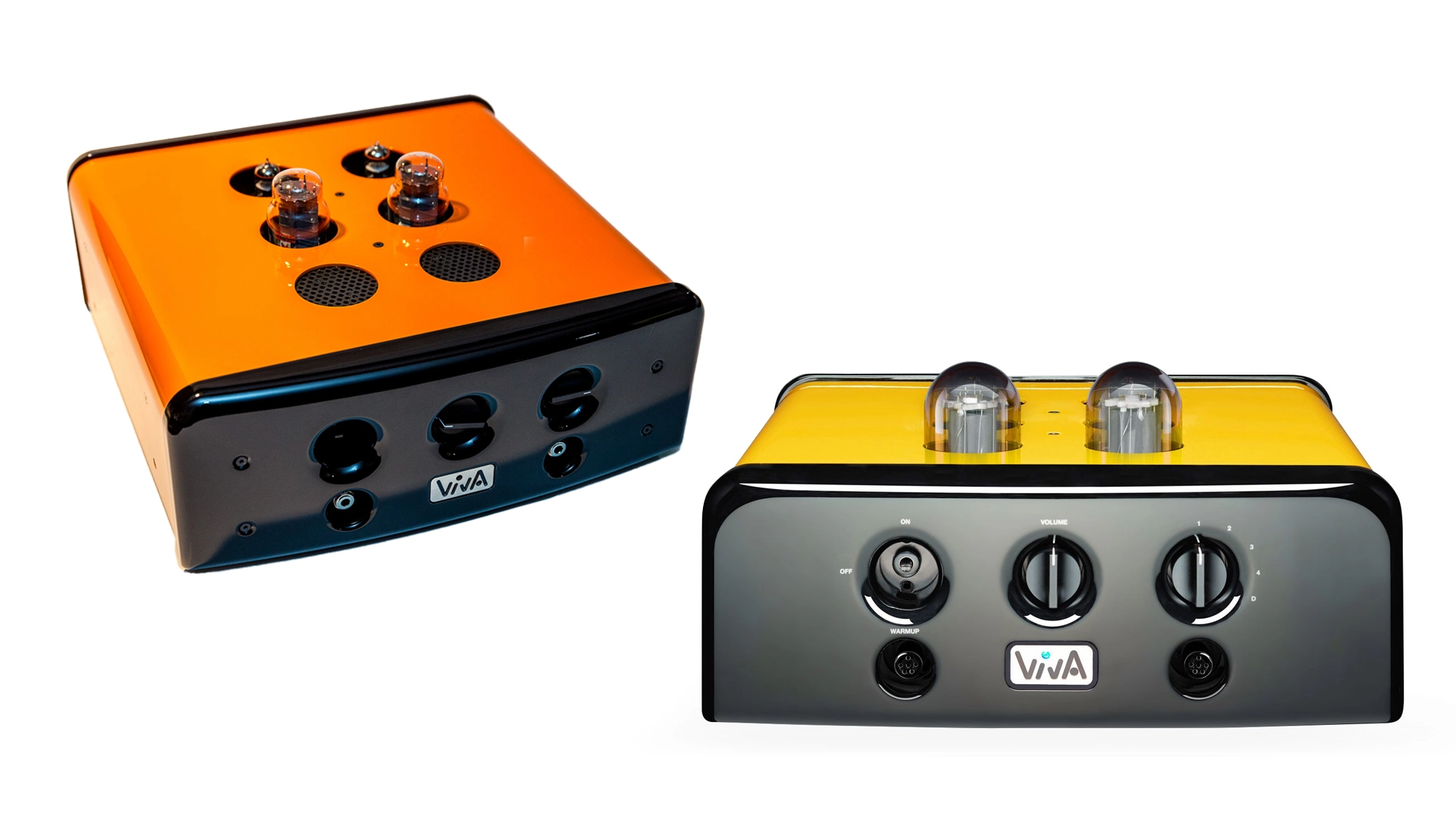
Viva Audio is an Italian manufacturer that treats vacuum-tube electronics, loudspeakers and industrial form as parts of one bespoke system. Amedeo Schembri founded the company in 1996, working with his brother Giampietro, and remains responsible for the circuit and sonic direction. Viva is best known for single-ended triode amplification: products such as the Aurora monoblocks and Solista integrated amplifier use directly heated power tubes in circuits designed around simplicity, substantial custom transformers and point-to-point hand construction. Solistino offers a more compact integrated route, while Linea preamplifiers, Fono phono stages and Numerico digital conversion complete the source chain. The Egoista family adapted Viva’s large triode stages to headphones and became one of the brand’s most visible achievements; versions built around 845 or 2A3 tubes, and the more powerful Egoista STX, address very different loads without reducing the amplifier to a desktop accessory. Viva also makes loudspeakers, from Agile and Allegro to sculptural Nuda and large Master Horn systems, allowing amplification and transducers to be voiced together. Components are assembled and finished by hand in Vicenza, with colours and surface treatments that make each system feel commissioned rather than selected from anonymous black boxes. The visual drama can overshadow the engineering, but the important point is continuity: Viva has spent decades refining transformers, tube operating points, horn and dynamic loudspeakers, and the interfaces between them. Its products are recognisably Italian because craft, colour and proportion are integral to the circuit-led audio design.

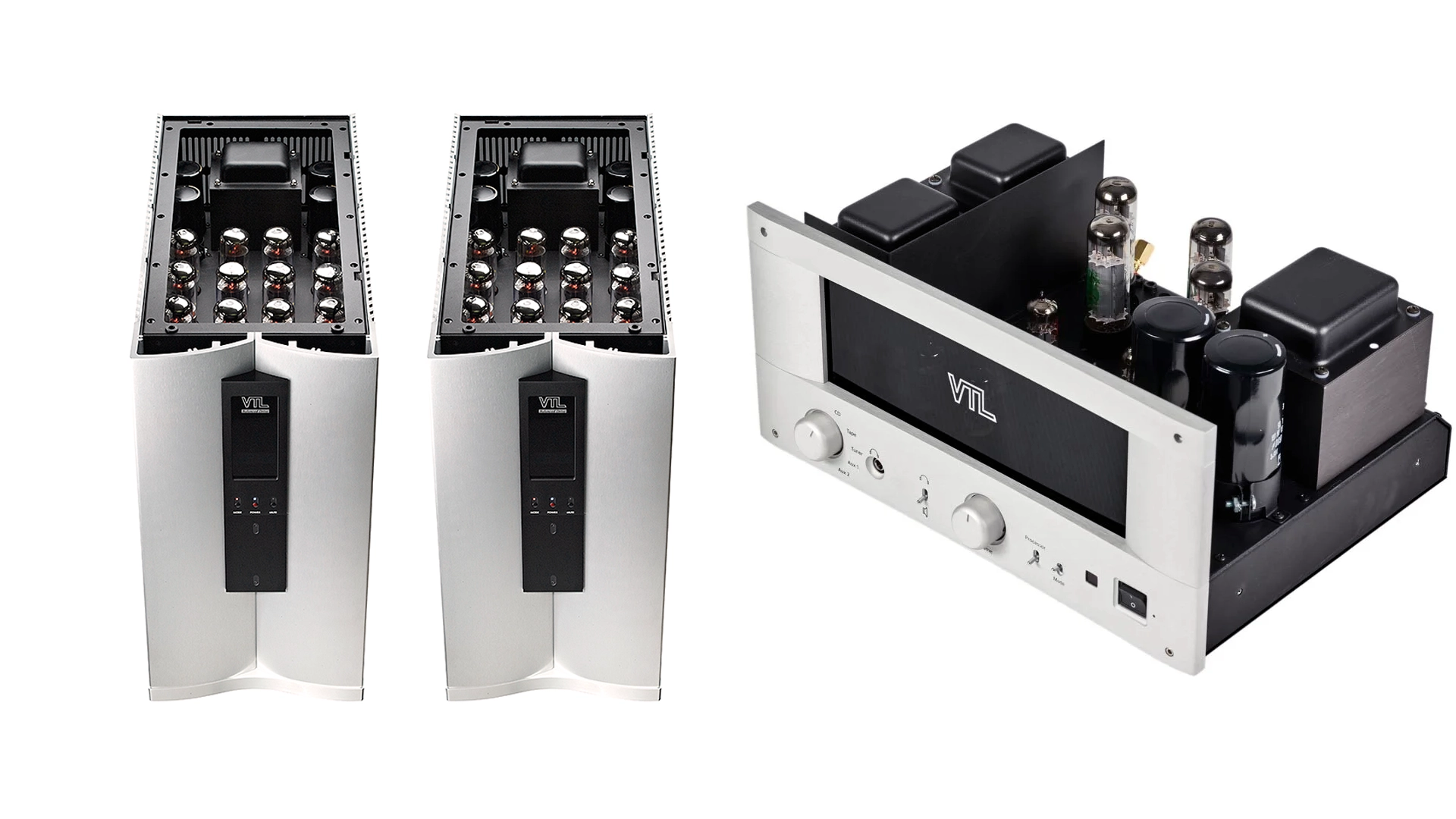
VTL—Vacuum Tube Logic—is an American specialist in valve amplification founded in 1986 by David Manley and his son Luke. The company grew from the Manleys’ earlier work in South Africa and Britain, then established production in California; after David departed to create Manley Laboratories, Luke Manley continued VTL with an increasingly systematic approach to powerful, reliable tube electronics. VTL’s hallmark is not the romantic simplicity of a tiny single-ended amplifier but the controlled use of multiple output valves to drive real loudspeakers. Its push-pull power amplifiers combine substantial output transformers and regulated supplies with protection, monitoring and, in many models, switchable tetrode/triode operation. The range runs from the IT-85 integrated and ST-85/ST-150 stereo amplifiers to S-series stereo chassis and MB monoblocks, culminating in the Siegfried and Lohengrin designs. TL line preamplifiers and TP phono stages complete an all-valve signal chain, with balanced circuitry and carefully managed grounding used in the upper models. Modern VTL products add conveniences such as automatic valve biasing and fault sensing without concealing the operating tubes or making them disposable modules. Design and manufacture remain in Chino, California. The brand’s enduring strength is this union of valve tone and engineering discipline: high power, serviceability and repeatable operation developed for listeners who want the scale and authority of large loudspeakers as well as the harmonic character for which tubes are valued.

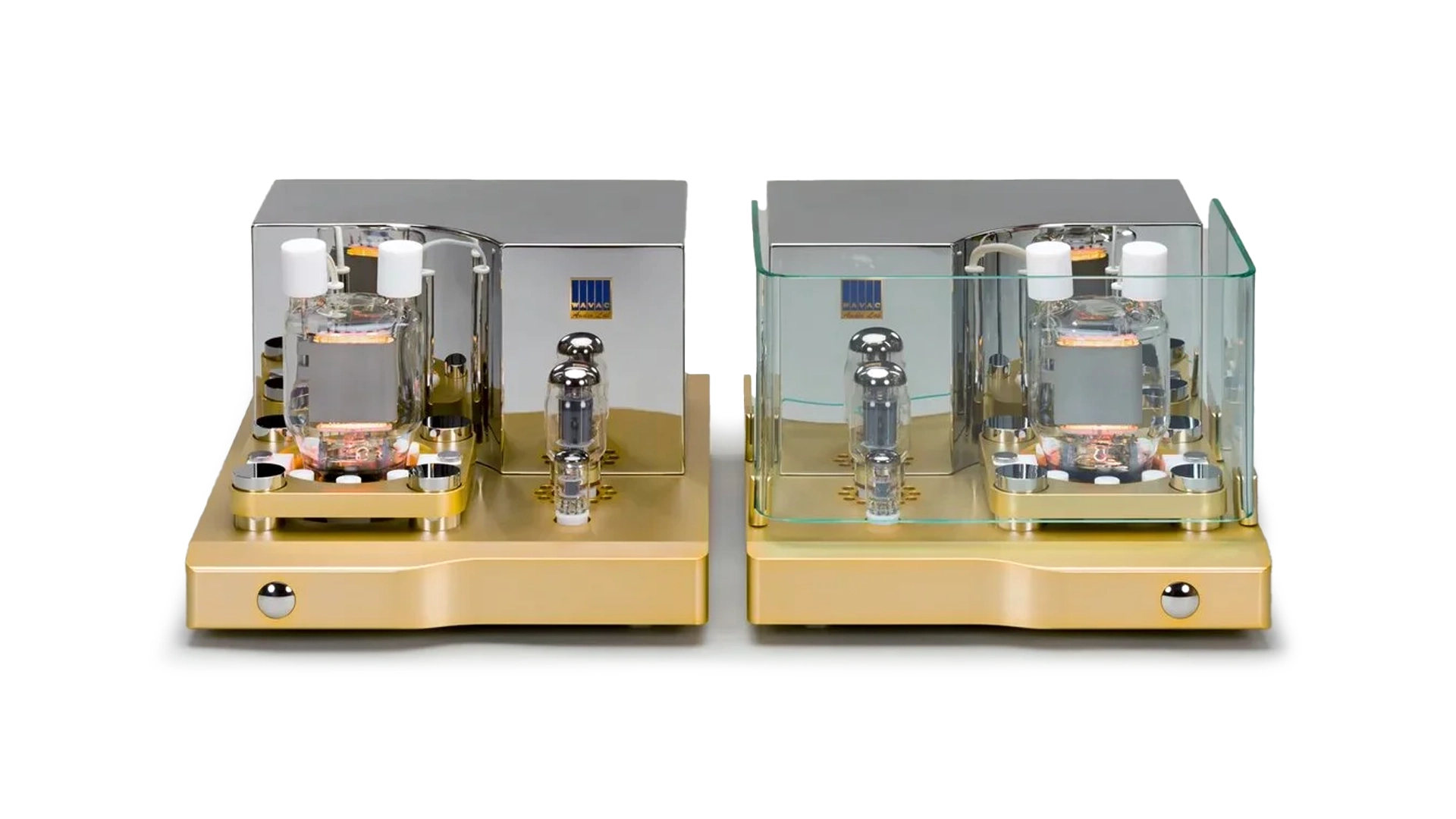
WAVAC Audio Lab is a Japanese maker of valve electronics whose modern history is inseparable from engineer Nobu Shishido’s work on transformer-coupled tube circuits. In the mid-1990s, Shishido collaborated with Yasuo Yoshizawa and Yoshiki Industry to patent a coupling circuit that uses an interstage transformer in place of a conventional capacitor between valve stages. The WAVAC brand grew from that partnership; 1995 is retained as the practical starting date, while Shishido is correctly recognised as the circuit designer rather than simply labelled the company founder. WAVAC applies the topology mainly to single-ended amplifiers built around directly heated triodes. Models have used classic 300B and 805 valves as well as formidable transmitting tubes such as the 833A, allowing the range to combine the immediacy associated with simple SET circuits with power outputs rarely available from them. MD-300B and MD-805m represent the better-known integrated and monoblock designs, while the HE-833 lineage occupies the reference level. Matching line and phono preamplifiers extend the transformer’s role through a complete system. Large custom transformers, point-to-point assembly and carefully formed metalwork are central to the construction, with production carried out in Japan in small numbers. WAVAC’s appeal is not generic “tube warmth.” It is a specific engineering lineage: Shishido’s transformer-coupled signal path, Yoshizawa’s manufacturing commitment and the disciplined use of directly heated triodes from modest 300Bs to high-voltage broadcast-era power tubes.

HFS Ad Rotator · default · slot 1
HFS Ad Rotator · default · slot 2
Add a missing AV-brand or update an existing one

Add a missing AV-brand or update an existing one

Any user can submit a Quick Submission Form to suggest a new AV-brand or suggest update details for an existing one. Brand owners or official representatives of brand can fill a Official Brand Submission Form to provide complete company information, ensuring maximum accuracy and visibility in our portal. All submissions are moderated before publication. 

For suggesting new AV-brands or suggesting updating existing one by users.

Complete official form for brand owners and representatives to provide complete company details to add a new one or update an existing one

Brand Categories:
  • SPEAKERS
    • Bookshelf Speakers — Compact loudspeakers designed for placement on a shelf or dedicated stands.
    • Floorstanding Speakers — Large, full-range loudspeakers that stand directly on the floor, designed for powerful and expansive sound.
    • In-wall Custom Install Speakers — Speakers designed to be installed flush into walls or ceilings for a discreet, "zero-footprint" audio solution.
    • On-Wall Speakers — Slim, low-profile speakers designed to be mounted directly on a wall, often to complement a flat-panel TV.
    • Studio Monitors — Speakers designed for professional audio production, offering a flat, accurate, and uncolored sound reproduction.
    • Planar Ribbon Electrostatic Speakers — Speakers using large, thin diaphragms (panels) instead of cones, prized for their transparent and detailed sound.
    • Horn Speakers — Highly efficient speakers that use a flared horn to amplify a driver, known for their dynamic, "live" sound.
    • Active Powered Speakers — Loudspeakers with built-in amplifiers, creating a simple all-in-one audio solution.
    • Wireless Portable Speakers — Compact, battery-powered speakers with Bluetooth for on-the-go music.
    • Outdoor Speakers — Durable, weather-resistant speakers engineered to provide high-quality audio in open-air spaces like patios and gardens.
    • Marine Extreme Speakers — Rugged, waterproof, and corrosion-resistant speakers built to withstand harsh marine environments on boats and yachts.
    • Commercial Speakers — Durable loudspeaker systems designed for background music and public address in business environments.
    • Invisible Speakers — Architectural speakers installed in a wall and plastered over, making them completely invisible.
    • Subwoofers Bass Speakers — Specialized speakers dedicated to reproducing only the lowest bass frequencies for impact and depth for all purposes
  • AMPLIFIERS
    • Integrated Amplifiers — An all-in-one component combining a preamplifier and a power amplifier in a single chassis.
    • PreAmplifiers — The control hub of a separates audio system, used for source selection and volume control.
    • Power Amplifiers — A component with the sole job of taking a line-level signal and amplifying it to drive loudspeakers.
    • Phono Preamps Phono Stages — A device that amplifies the weak signal from a turntable's cartridge and applies necessary RIAA equalization.
    • Tube Amplifiers — Amplifiers that use vacuum tubes (valves) instead of transistors, prized for their warm and rich sound character.
    • Multi-Zone Multi-Room Amplifiers — Amplifiers that power speakers in multiple different rooms or "zones" from a single, centralized unit.
    • Network Amplifiers — An integrated amplifier with built-in networking and streaming capabilities, creating a modern "just add speakers" system.
    • Desktop Headphone Amplifiers — Mains-powered amplifiers designed to drive high-quality headphones in a desktop or home audio system.
    • Portable Headphone Amplifiers Players — Compact, battery-powered devices (DAPs or amps) for delivering high-quality sound on the move.
  • DAC STREAMERS
    • DAC Desktop — Digital-to-Analog Converters designed to improve sound quality from a computer or other home digital source.
    • DAC Portable — Compact, battery-powered Digital-to-Analog Converters for improving audio from smartphones and laptops.
    • Music Streamers — Devices that connect to the internet to access and play music from online services like Tidal and Spotify.
    • Network Players — Source components focused on high-fidelity playback of digital audio files from a local network (NAS drive).
    • Music Servers HDD Storages — Dedicated devices for storing, managing, and playing a local digital music library with high fidelity.
    • CD Transport Media Players — High-precision disc players that read physical media (CDs, SACDs) and output a pure digital signal to an external DAC.
    • Compact All-in-One Systems — Self-contained audio systems that combine source, amplification, and often speakers into a single, compact unit.
    • Streaming Amplifier — An integrated amplifier with built-in streaming capabilities.
  • TURNTABLES VINYL
    • Turntables — Electromechanical devices that play vinyl records by rotating them at a stable speed.
    • Tonearms — The precision arm on a turntable that holds the cartridge, allowing the stylus to track the record groove.
    • Cartridges — The transducer on a turntable's tonearm that holds the stylus and converts groove vibrations into an electrical signal.
    • Vinyl Cleaning Machine — Specialized machines that use fluid and vacuum/ultrasonic action to deep-clean vinyl records.
    • Vinyl Accessories — Essential tools for setup and maintenance, like clamps, brushes, and alignment protractors.
  • HEADPHONES
    • In-Ear Earbuds — Ultra-portable listening devices, including True Wireless (TWS) models, designed for convenience and daily use.
    • In-Ear Monitors IEM — High-performance in-ear headphones that seal in the ear canal for superior sound isolation and detail.
    • On-Ear Headphones — Headphones with cushions that rest directly on the ears, offering a balance of portability and sound quality.
    • Over-Ear Headphones — Full-sized headphones with large earcups that completely encircle the ears for maximum comfort and immersion.
    • Wireless Headphones — Headphones that connect to source devices via Bluetooth, often featuring Active Noise Cancellation (ANC).
    • Planar Magnetic Ribbon Headphones — High-end headphones using a thin, flat diaphragm driven by magnets, known for their detailed and low-distortion sound.
    • Electrostatic Headphones — High-end headphones using a massless diaphragm in an electrostatic field, requiring a special energizer/amplifier.
  • HOME THEATER
    • AV Receivers Media Players — Central components of a home cinema, combining audio/video processing, amplification, and playback.
    • Home Theater Speakers — Matched sets of speakers (front, center, surround) designed to create an immersive cinematic soundfield.
    • Soundbars — A simple, all-in-one speaker bar that provides a significant audio upgrade over a television's built-in speakers.
    • Subwoofers — Specialized speakers dedicated to reproducing only the lowest bass frequencies for impact and depth for home theaters
    • Processors Amplifiers — High-end home cinema "separates" consisting of a surround sound processor and a multi-channel power amplifier.
    • Screens — High-quality projection surfaces designed to provide an optimal image for a home cinema projector.
    • Projectors — Video projectors optimized for home cinema use, focusing on color accuracy, contrast, and black levels.
  • CABLES ACCESSORIES
    • Speaker Cables — Cables that carry the amplified, high-level signal from an amplifier to passive loudspeakers.
    • Analog Cables — Cables (RCA, XLR) used to transmit analog audio signals between components like DACs and amplifiers.
    • Digital Cables — Cables (Coaxial, Optical, USB) that transmit digital audio data between components.
    • Phono Cables — Specially shielded cables designed to carry the delicate, low-level signal from a turntable to a phono preamp.
    • Headphone Cables — Aftermarket and replacement cables used to upgrade or customize high-quality headphones.
    • Connectors Terminals — The fundamental hardware (plugs, jacks, spades, etc.) used to terminate cables and connect equipment.
    • Power Cables — High-performance AC cords designed to deliver clean, noise-free power to audio components.
    • Power Supplies Conditioners — Devices that filter, stabilize, and protect the AC power supplied to an audio system for improved performance.
  • FURNITURE
    • Speaker Stands Mounts — Stands and mounts used to position speakers at the correct height and angle for optimal sound.
    • Furniture Racks — Purpose-built furniture designed to house audio/video components with a focus on stability, ventilation, and vibration control.
    • Isolation Footers Spikes Shelves — Specialized accessories (spikes, footers, platforms) designed to manage vibrations and isolate components.
    • Soundproof Solutions — Products designed to control room acoustics, including treatment (panels, diffusers) and sound-blocking materials.
  • PROFESSIONAL
    • Concert Speakers — Large-scale PA systems, including line arrays and stage monitors, for live music and public events.
    • Cinema Speakers — Specialized, high-output loudspeaker systems certified for use in large commercial movie theaters.
    • Concert Electronics — Robust electronics including mixing consoles, processors, and amplifiers for live sound reinforcement.
    • Cinema Electronics — Professional, DCI-compliant processors and amplifiers for use in commercial movie theaters.
    • Cinema Screens — Large-format, often acoustically transparent, projection screens built to professional cinema standards.
    • Cinema Projectors — Ultra-high-brightness, DCI-compliant projectors designed for continuous use in commercial movie theaters.
    • Professional Cables Accessories — Rugged, reliable cables and hardware (e.g., snake cables, Speakon connectors) for touring and professional installation.
  • DIY Components
    • Speaker drivers Tweeters — The individual transducers (woofers, mid-range, tweeters) that are the fundamental building blocks of a loudspeaker.
    • Coaxial Speaker Drivers — Speaker drivers where the tweeter is mounted in the center of the woofer, creating a single point source for sound.
    • DIY Speaker Kits — Complete packages including drivers, crossovers, and plans for enthusiasts to build their own loudspeakers.
    • Electron Vacuum Tubes — Glass valves used in tube amplifiers that provide amplification and can be replaced to tune the sound.
    • Electronic Components — Discrete parts (capacitors, resistors, transistors) used by manufacturers and DIYers to build audio circuits.
  • OTHERS
    • Line Stage — A type of preamplifier that exclusively handles line-level sources, without a built-in phono stage.
    • Time Alignment Device — A signal processor that corrects timing delays between drivers or speakers for improved sound coherence.
    • Smart Portable Speakers — Wireless portable speakers with integrated voice assistants (e.g., Alexa, Google Assistant) and smart home functionality.
    • DJ Turntables — Durable, high-torque direct-drive turntables with pitch control, built for performance and DJing applications.
    • Motor Drives — External motor units and power supplies for turntables, providing improved rotational stability and isolation.
    • Crossovers — Electronic circuits that split an audio signal into different frequency bands to route to the correct speaker driver.
    • Car Audio — Audio equipment, including speakers, amplifiers, and source units, specifically designed for use in vehicles.

Brand Categories:
  • Active Powered Speakers — Loudspeakers with built-in amplifiers, creating a simple all-in-one audio solution.
  • Analog Cables — Cables (RCA, XLR) used to transmit analog audio signals between components like DACs and amplifiers.
  • AV Receivers Media Players — Central components of a home cinema, combining audio/video processing, amplification, and playback.
  • Bookshelf Speakers — Compact loudspeakers designed for placement on a shelf or dedicated stands.
  • Car Audio — Audio equipment, including speakers, amplifiers, and source units, specifically designed for use in vehicles.
  • Cartridges — The transducer on a turntable's tonearm that holds the stylus and converts groove vibrations into an electrical signal.
  • CD Transport Media Players — High-precision disc players that read physical media (CDs, SACDs) and output a pure digital signal to an external DAC.
  • Cinema Electronics — Professional, DCI-compliant processors and amplifiers for use in commercial movie theaters.
  • Cinema Projectors — Ultra-high-brightness, DCI-compliant projectors designed for continuous use in commercial movie theaters.
  • Cinema Screens — Large-format, often acoustically transparent, projection screens built to professional cinema standards.
  • Cinema Speakers — Specialized, high-output loudspeaker systems certified for use in large commercial movie theaters.
  • Coaxial Speaker Drivers — Speaker drivers where the tweeter is mounted in the center of the woofer, creating a single point source for sound.
  • Commercial Speakers — Durable loudspeaker systems designed for background music and public address in business environments.
  • Compact All-in-One Systems — Self-contained audio systems that combine source, amplification, and often speakers into a single, compact unit.
  • Concert Electronics — Robust electronics including mixing consoles, processors, and amplifiers for live sound reinforcement.
  • Concert Speakers — Large-scale PA systems, including line arrays and stage monitors, for live music and public events.
  • Connectors Terminals — The fundamental hardware (plugs, jacks, spades, etc.) used to terminate cables and connect equipment.
  • Crossovers — Electronic circuits that split an audio signal into different frequency bands to route to the correct speaker driver.
  • DAC Desktop — Digital-to-Analog Converters designed to improve sound quality from a computer or other home digital source.
  • DAC Portable — Compact, battery-powered Digital-to-Analog Converters for improving audio from smartphones and laptops.
  • Desktop Headphone Amplifiers — Mains-powered amplifiers designed to drive high-quality headphones in a desktop or home audio system.
  • Digital Cables — Cables (Coaxial, Optical, USB) that transmit digital audio data between components.
  • DIY Speaker Kits — Complete packages including drivers, crossovers, and plans for enthusiasts to build their own loudspeakers.
  • DJ Turntables — Durable, high-torque direct-drive turntables with pitch control, built for performance and DJing applications.
  • Electron Vacuum Tubes — Glass valves used in tube amplifiers that provide amplification and can be replaced to tune the sound.
  • Electronic Components — Discrete parts (capacitors, resistors, transistors) used by manufacturers and DIYers to build audio circuits.
  • Electrostatic Headphones — High-end headphones using a massless diaphragm in an electrostatic field, requiring a special energizer/amplifier.
  • Floorstanding Speakers — Large, full-range loudspeakers that stand directly on the floor, designed for powerful and expansive sound.
  • Furniture Racks — Purpose-built furniture designed to house audio/video components with a focus on stability, ventilation, and vibration control.
  • Headphone Cables — Aftermarket and replacement cables used to upgrade or customize high-quality headphones.
  • Home Theater Speakers — Matched sets of speakers (front, center, surround) designed to create an immersive cinematic soundfield.
  • Horn Speakers — Highly efficient speakers that use a flared horn to amplify a driver, known for their dynamic, "live" sound.
  • In-Ear Earbuds — Ultra-portable listening devices, including True Wireless (TWS) models, designed for convenience and daily use.
  • In-Ear Monitors IEM — High-performance in-ear headphones that seal in the ear canal for superior sound isolation and detail.
  • In-wall Custom Install Speakers — Speakers designed to be installed flush into walls or ceilings for a discreet, "zero-footprint" audio solution.
  • Integrated Amplifiers — An all-in-one component combining a preamplifier and a power amplifier in a single chassis.
  • Invisible Speakers — Architectural speakers installed in a wall and plastered over, making them completely invisible.
  • Isolation Footers Spikes Shelves — Specialized accessories (spikes, footers, platforms) designed to manage vibrations and isolate components.
  • Line Stage — A type of preamplifier that exclusively handles line-level sources, without a built-in phono stage.
  • Marine Extreme Speakers — Rugged, waterproof, and corrosion-resistant speakers built to withstand harsh marine environments on boats and yachts.
  • Motor Drives — External motor units and power supplies for turntables, providing improved rotational stability and isolation.
  • Multi-Zone Multi-Room Amplifiers — Amplifiers that power speakers in multiple different rooms or "zones" from a single, centralized unit.
  • Music Servers HDD Storages — Dedicated devices for storing, managing, and playing a local digital music library with high fidelity.
  • Music Streamers — Devices that connect to the internet to access and play music from online services like Tidal and Spotify.
  • Network Amplifiers — An integrated amplifier with built-in networking and streaming capabilities, creating a modern "just add speakers" system.
  • Network Players — Source components focused on high-fidelity playback of digital audio files from a local network (NAS drive).
  • On-Ear Headphones — Headphones with cushions that rest directly on the ears, offering a balance of portability and sound quality.
  • On-Wall Speakers — Slim, low-profile speakers designed to be mounted directly on a wall, often to complement a flat-panel TV.
  • Outdoor Speakers — Durable, weather-resistant speakers engineered to provide high-quality audio in open-air spaces like patios and gardens.
  • Over-Ear Headphones — Full-sized headphones with large earcups that completely encircle the ears for maximum comfort and immersion.
  • Phono Cables — Specially shielded cables designed to carry the delicate, low-level signal from a turntable to a phono preamp.
  • Phono Preamps Phono Stages — A device that amplifies the weak signal from a turntable's cartridge and applies necessary RIAA equalization.
  • Planar Magnetic Ribbon Headphones — High-end headphones using a thin, flat diaphragm driven by magnets, known for their detailed and low-distortion sound.
  • Planar Ribbon Electrostatic Speakers — Speakers using large, thin diaphragms (panels) instead of cones, prized for their transparent and detailed sound.
  • Portable Headphone Amplifiers Players — Compact, battery-powered devices (DAPs or amps) for delivering high-quality sound on the move.
  • Power Amplifiers — A component with the sole job of taking a line-level signal and amplifying it to drive loudspeakers.
  • Power Cables — High-performance AC cords designed to deliver clean, noise-free power to audio components.
  • Power Supplies Conditioners — Devices that filter, stabilize, and protect the AC power supplied to an audio system for improved performance.
  • PreAmplifiers — The control hub of a separates audio system, used for source selection and volume control.
  • Processors Amplifiers — High-end home cinema "separates" consisting of a surround sound processor and a multi-channel power amplifier.
  • Professional Cables Accessories — Rugged, reliable cables and hardware (e.g., snake cables, Speakon connectors) for touring and professional installation.
  • Projectors — Video projectors optimized for home cinema use, focusing on color accuracy, contrast, and black levels.
  • Screens — High-quality projection surfaces designed to provide an optimal image for a home cinema projector.
  • Smart Portable Speakers — Wireless portable speakers with integrated voice assistants (e.g., Alexa, Google Assistant) and smart home functionality.
  • Soundbars — A simple, all-in-one speaker bar that provides a significant audio upgrade over a television's built-in speakers.
  • Soundproof Solutions — Products designed to control room acoustics, including treatment (panels, diffusers) and sound-blocking materials.
  • Speaker Cables — Cables that carry the amplified, high-level signal from an amplifier to passive loudspeakers.
  • Speaker drivers Tweeters — The individual transducers (woofers, mid-range, tweeters) that are the fundamental building blocks of a loudspeaker.
  • Speaker Stands Mounts — Stands and mounts used to position speakers at the correct height and angle for optimal sound.
  • Streaming Amplifier — An integrated amplifier with built-in streaming capabilities.
  • Studio Monitors — Speakers designed for professional audio production, offering a flat, accurate, and uncolored sound reproduction.
  • Subwoofers — Specialized speakers dedicated to reproducing only the lowest bass frequencies for impact and depth for home theaters
  • Subwoofers Bass Speakers — Specialized speakers dedicated to reproducing only the lowest bass frequencies for impact and depth for all purposes
  • Time Alignment Device — A signal processor that corrects timing delays between drivers or speakers for improved sound coherence.
  • Tonearms — The precision arm on a turntable that holds the cartridge, allowing the stylus to track the record groove.
  • Tube Amplifiers — Amplifiers that use vacuum tubes (valves) instead of transistors, prized for their warm and rich sound character.
  • Turntables — Electromechanical devices that play vinyl records by rotating them at a stable speed.
  • Vinyl Accessories — Essential tools for setup and maintenance, like clamps, brushes, and alignment protractors.
  • Vinyl Cleaning Machine — Specialized machines that use fluid and vacuum/ultrasonic action to deep-clean vinyl records.
  • Wireless Headphones — Headphones that connect to source devices via Bluetooth, often featuring Active Noise Cancellation (ANC).
  • Wireless Portable Speakers — Compact, battery-powered speakers with Bluetooth for on-the-go music.

Sales Channels:
  • Dealer & Distributor Network — The traditional sales model where products are sold through a network of authorized, independent retail stores and custom installers. This is the primary channel for most specialized Hi-Fi brands.
  • Direct-to-Consumer (DTC) — The brand sells its products directly to end-users through its own official website, bypassing traditional retail channels. A rapidly growing model in the industry.
  • Custom Installation (CI) Channel — Products are sold primarily through professional firms that design and install integrated smart home and audio-visual systems. This channel is crucial for architectural and high-end integrated solutions.
  • Mass Market Retail — Products are available in large, non-specialized consumer electronics chain stores. This typically applies to more mainstream product lines from larger brands.
  • Brand-Owned Stores / Showrooms — The brand operates its own physical, flagship retail stores or dedicated showrooms to offer a direct and immersive brand experience. This is the least common model, typically used by top-tier brands.

For companies: For any questions about listings & partnership opportunities, please contact us at contact@hifiselector.com

Have a suggestion or found a flaw? Help us improve​

Have a suggestion or found a flaw?