
DAC Desktop
A DAC is an essential component that translates digital audio signals—the 1s and 0s from your computer, streamer, or CD transport—into an analog signal that your amplifier can understand and use. A dedicated desktop DAC performs this conversion with far greater precision than the basic audio chips found in most computers, resulting in significantly improved clarity, detail, and overall sound quality. This directory lists the brands that specialize in these crucial devices for any high-performance digital audio system.
Hi-Fi brands in the category
Summary information and image
Direct links to official websites
B.Audio

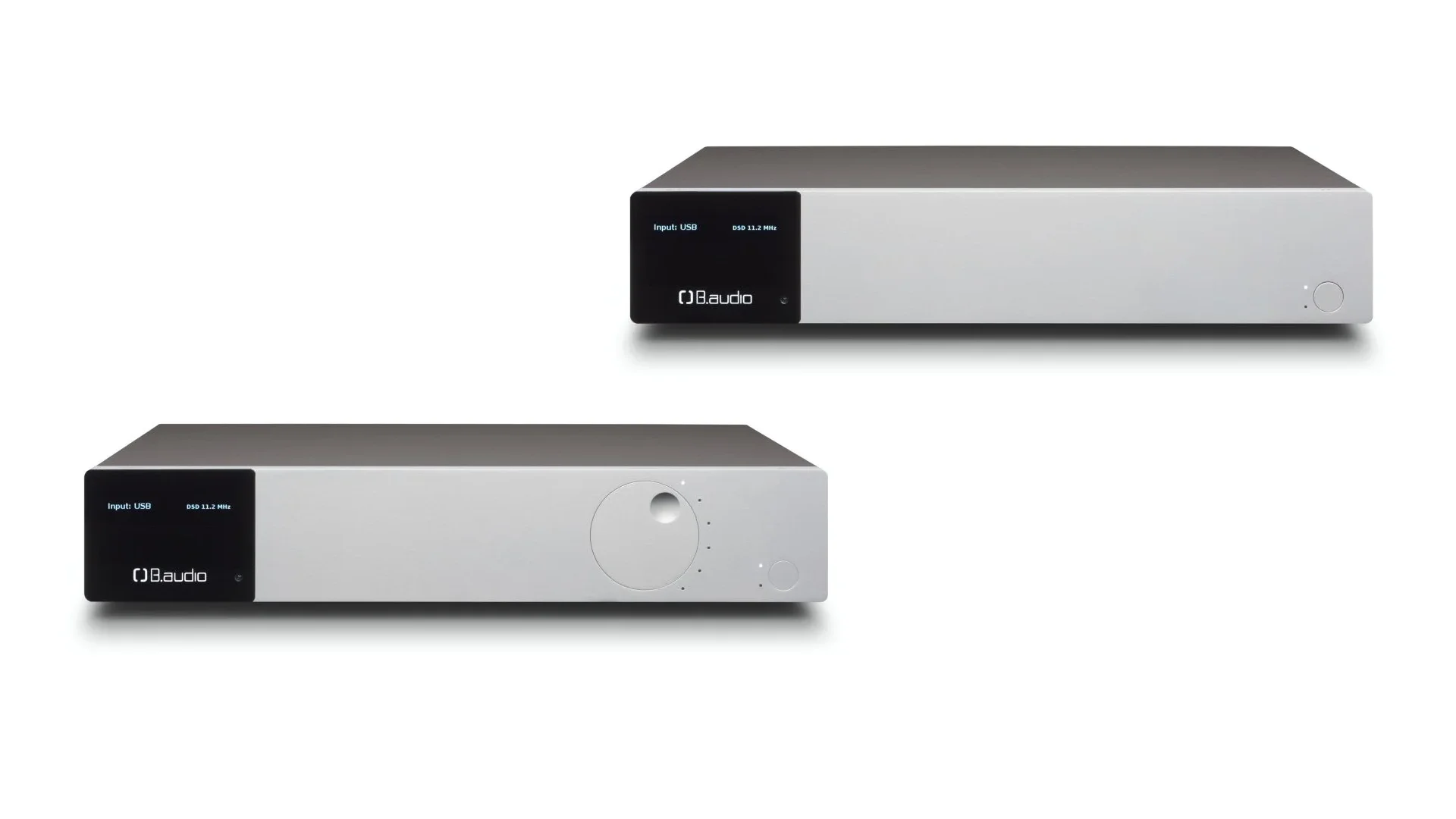
B.Audio attacks digital reproduction at its most fragile point: timing. Brothers Cédric and Sébastien Bermann founded the French company in 2016, combining experience in electronics, signal processing, precision measurement and acoustic engineering. Its proprietary SJR process addresses jitter across incoming digital signals, while asynchronous network interfaces and locally managed clocks reduce dependence on the source device. The B.dac and B.dpr established the architecture; EX versions add network playback, and the B.amp and B.amp mono extend the same low-noise approach into power amplification. The more accessible One series combines DAC, preamplifier and optional streaming functions with matching amplification. Components are developed and assembled in Alsace. B.Audio’s real distinction is a coherent digital-clock and analogue-stage design philosophy carried through an entire electronics system.
BAT

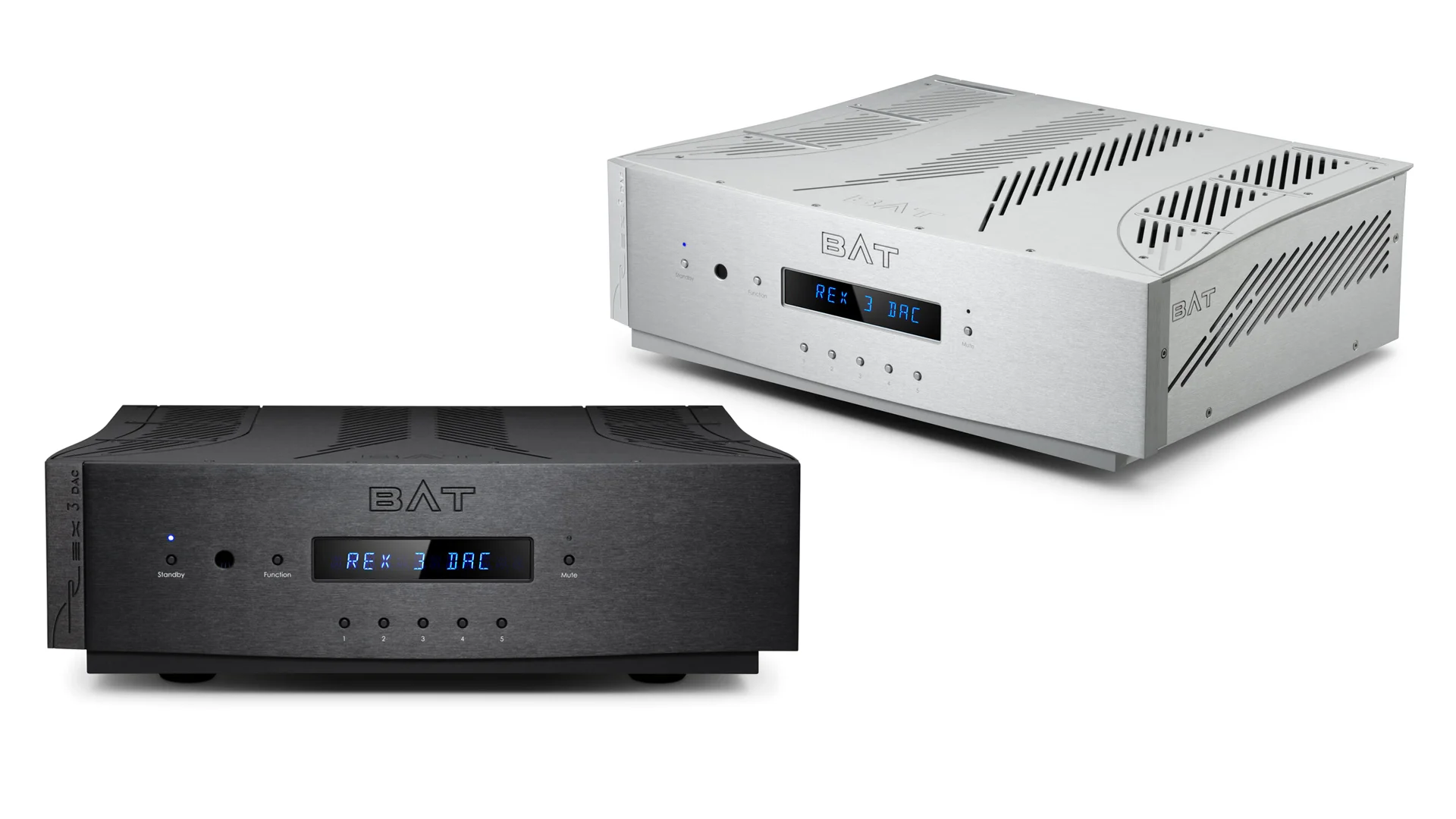
Balanced Audio Technology, better known as BAT, builds high-end amplifiers around balanced circuits, substantial power supplies and deliberately simple signal paths. Steve Bednarski, Victor Khomenko and Geoff Poor founded the American company in 1995; all three names matter to its history. Khomenko’s engineering established BAT’s differential topology and its extensive use of the high-current 6H30 valve, while Poor and Bednarski helped shape the commercial and product direction. The range spans valve and solid-state preamplifiers, power amplifiers, integrated amplifiers and phono stages. REX reference components sit above the VK series, with products such as the VK-80i combining tube preamplification and power output in one chassis. BAT’s distinction is not merely the presence of valves: it is the consistent use of balanced architecture from input to output, applied across both tube and transistor designs.
Bel Canto

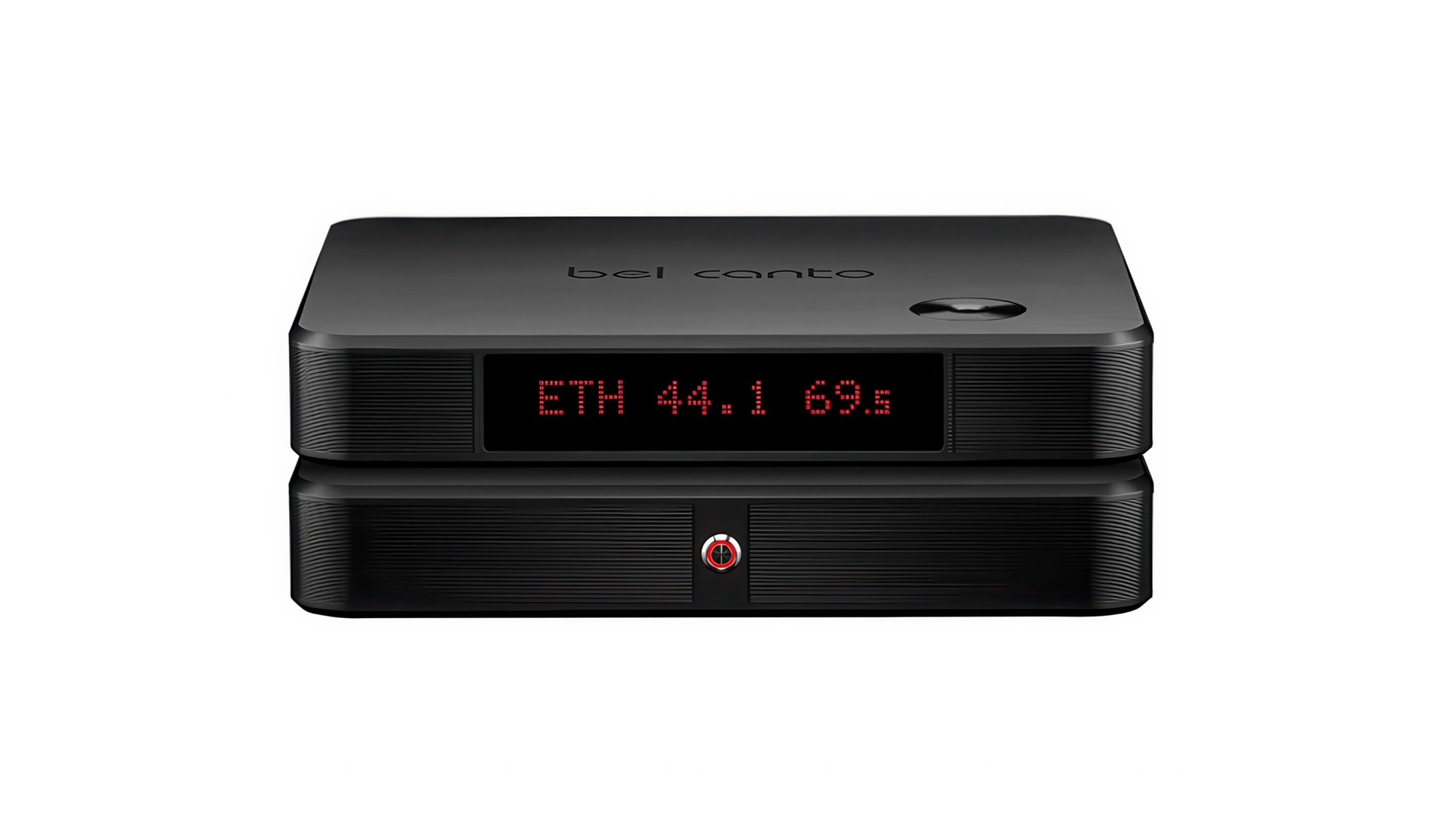
Bel Canto Design helped establish compact switching amplification and computer-friendly digital playback as credible high-end audio. Engineer John Stronczer founded the Minneapolis company in 1991, initially building valve amplifiers before moving decisively into digital conversion and efficient Class-D power stages. That change became the brand’s signature: short signal paths, low-noise power architecture and substantial output from comparatively small enclosures. The e.One family covers DACs, integrated amplifiers and power amplifiers; e1X combines streaming, conversion and control functions, while the Black and Black EX systems separate or integrate source, preamplification and power at the reference level. Bel Canto’s products are designed and assembled in the United States. The former value “1990s” has been replaced by the documented year 1991, making the record precise and sortable.
Benchmark Media Systems
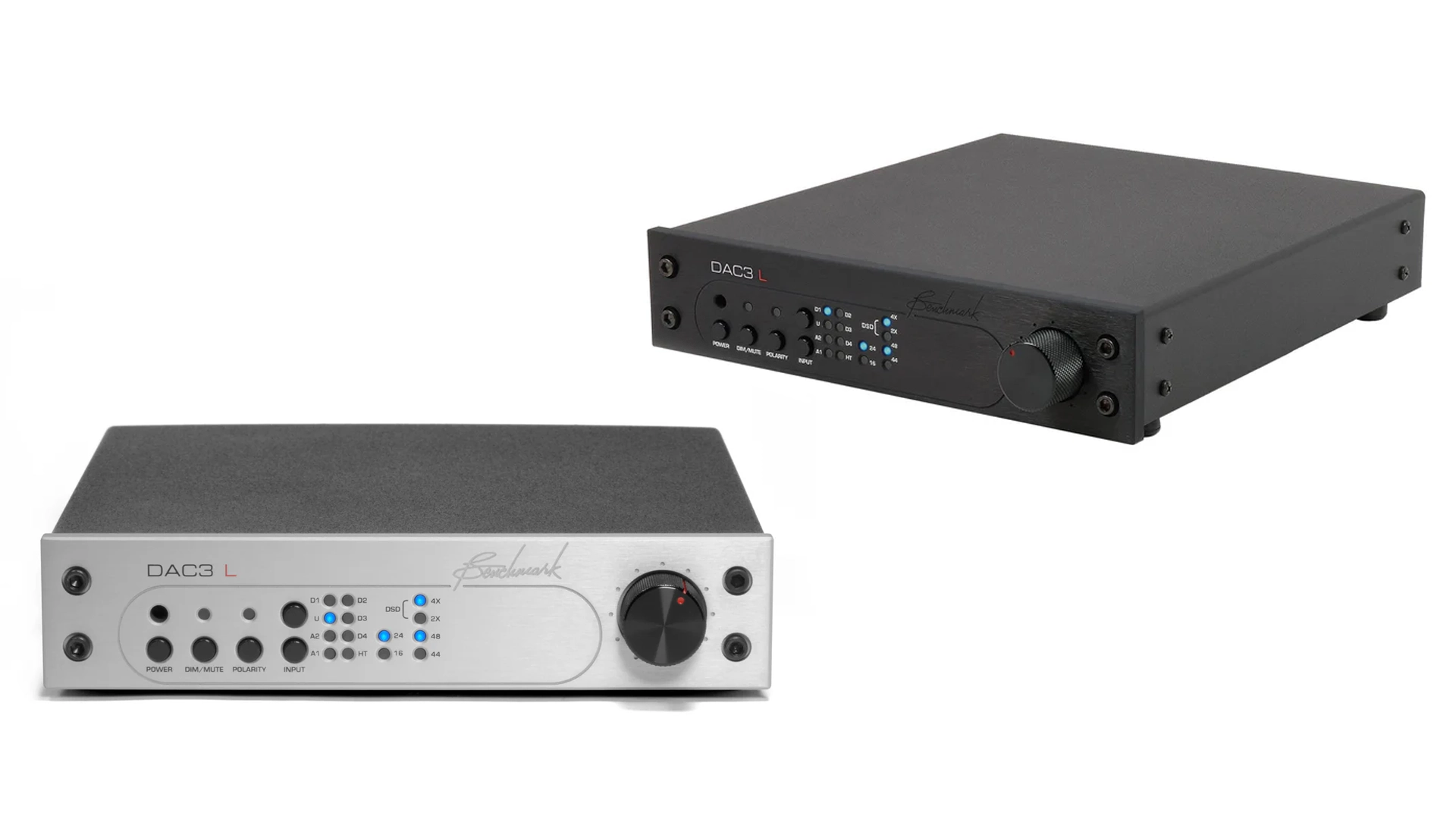
Benchmark Media Systems brings measurement-led studio engineering into compact home and professional audio components. Allen H. Burdick began Benchmark Sound Company in a garage in Garland, Texas, in 1983; the business incorporated as Benchmark Media Systems in 1985 and later moved to Syracuse, New York, where products are designed, assembled and tested. Benchmark became widely known for transparent DAC and headphone-amplifier combinations, and the DAC3 continues that line. The AHB2 power amplifier—named for Burdick—uses THX Achromatic Audio Amplifier technology to achieve exceptionally low noise and distortion, while the HPA4 and LA4 provide relay-controlled analogue preamplification and headphone drive. The brand’s real speciality is predictable, documented performance: engineering decisions are supported by published measurements and products serve mastering rooms as comfortably as domestic systems.
Bluesound
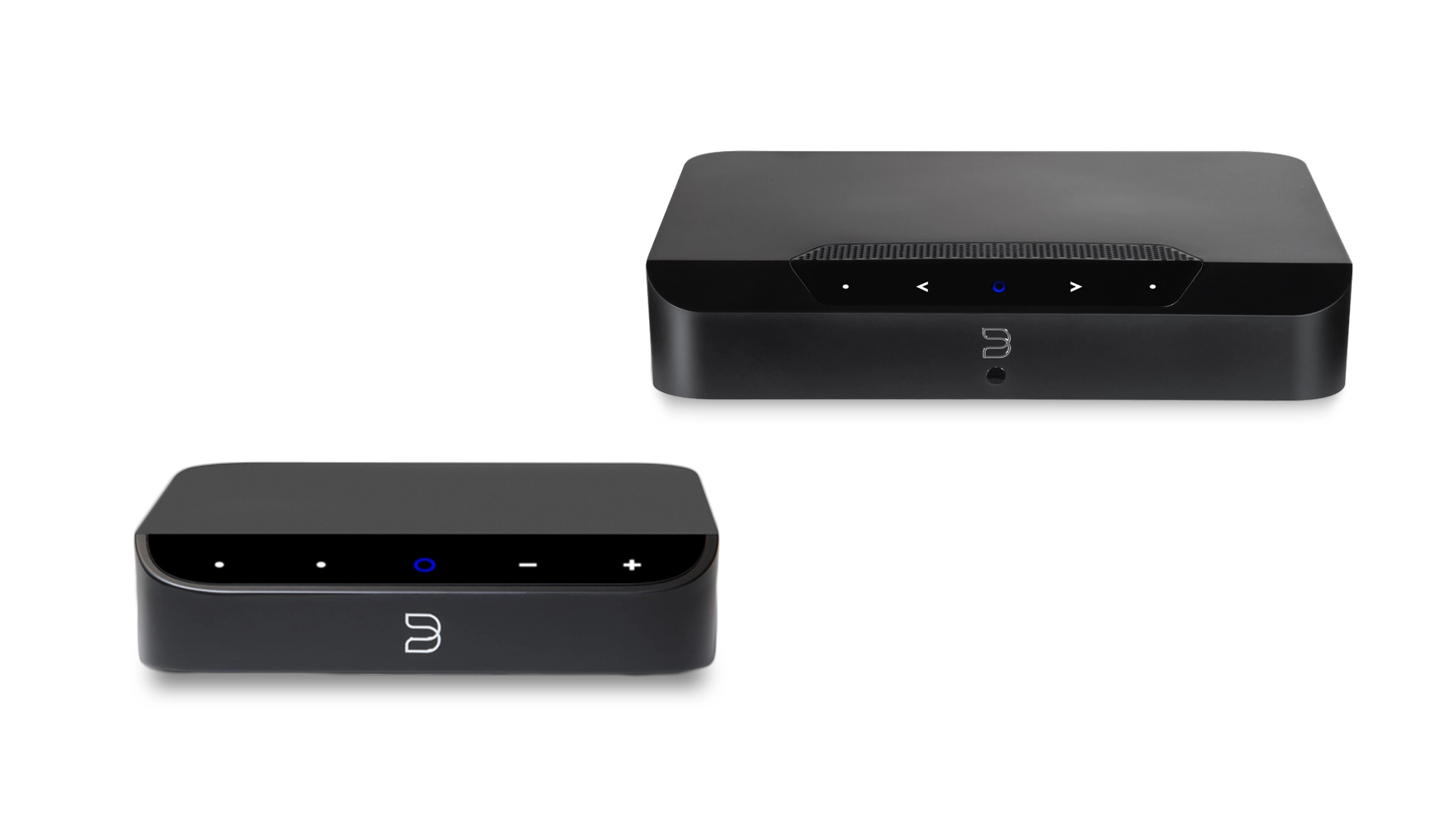
Bluesound brought high-resolution multi-room audio into a compact product family without reducing the system to background listening. Lenbrook launched the Canadian brand in 2013 around BluOS, a network platform that joins local libraries, internet radio and numerous streaming services in one app-controlled ecosystem. NODE streamers add BluOS to an existing hi-fi system; POWERNODE models include speaker amplification; VAULT combines playback with CD ripping and internal storage; PULSE wireless speakers and soundbars extend the platform through the home. Products communicate over the network, can be grouped by room and support lossless high-resolution playback up to 24-bit/192 kHz where the source and model allow. Bluesound’s advantage is the relationship between mature control software and purpose-built audio hardware, backed by Lenbrook’s longer experience with NAD and PSB rather than a stand-alone wireless speaker app.
Boulder

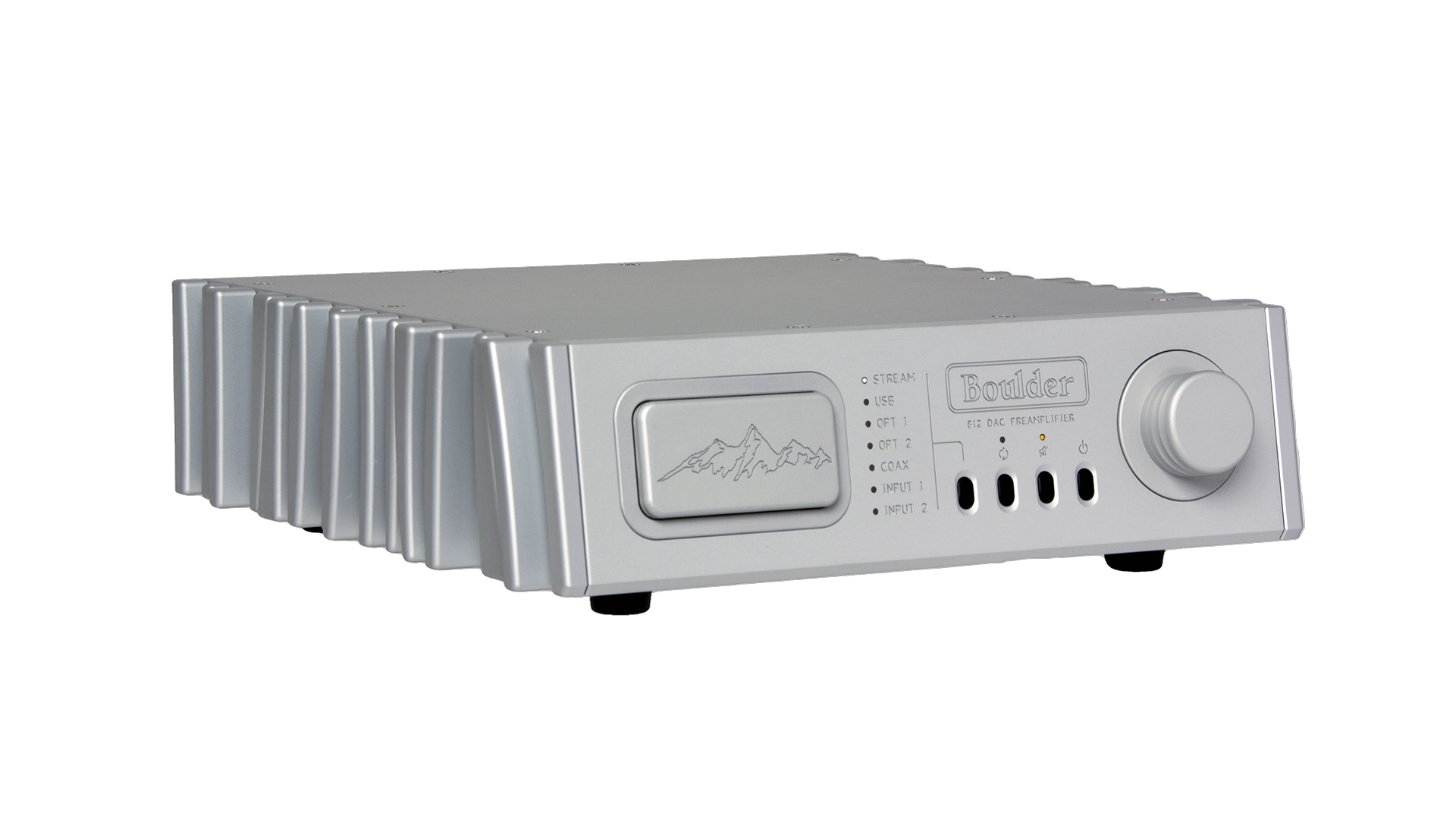
Boulder Amplifiers carries professional broadcast discipline into some of the most ambitious solid-state electronics made for home audio. Jeff Nelson founded the Colorado company in 1984 after running a recording studio, building consoles and designing broadcast equipment. Its first product, the rugged 500 power amplifier, served studios and loudspeaker manufacturers before the 500AE adapted the design for domestic systems. Boulder now builds preamplifiers, stereo and mono power amplifiers, integrated amplifiers, phono stages and digital source components across the 1100, 2100 and reference 3000 series. Fully balanced circuits, proprietary discrete gain stages, large regulated power supplies and precise analogue volume control recur throughout the range. Circuit design, metal machining, assembly and testing are handled at the company’s purpose-built facility near Boulder, preserving unusually close control over both electronics and chassis construction.
Bricasti Design

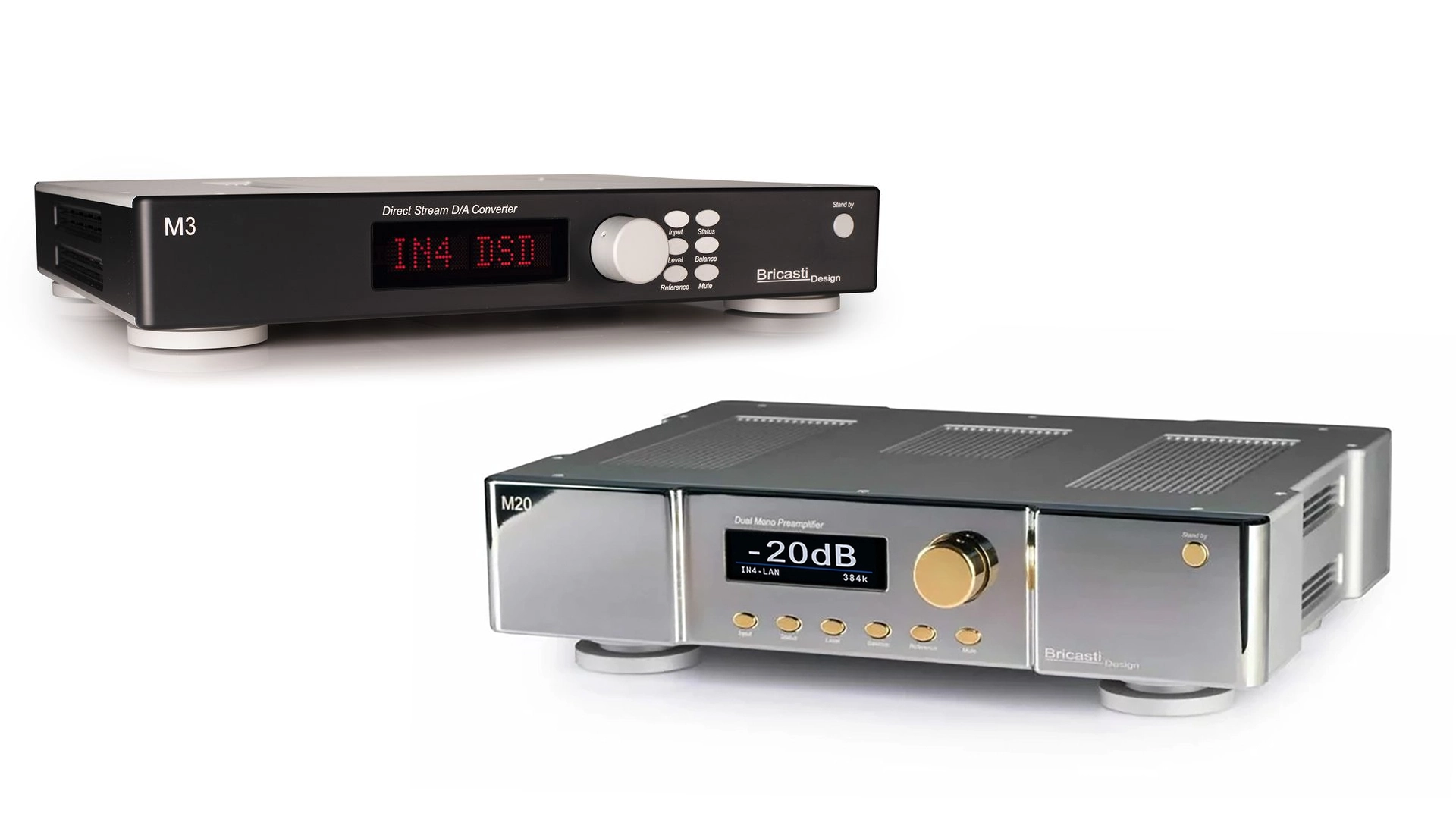
Bricasti Design joins professional digital engineering with home components designed and built in Massachusetts. Brian Zolner and Casey Dowdell founded the company in 2004 after careers at Lexicon, first earning recognition with the M7 digital reverb used in recording and mastering. The consumer range grew from that signal-processing experience but is much broader than DACs alone. M1, M3 and M21 converters, the M5 network player, M12 source controller, M19 SACD transport and M20 preamplifier cover the source and control stages. M15, M25 and M28 or M30 power amplifiers extend the same dual-mono, low-noise approach to loudspeakers. Bricasti writes its digital processing, designs its clocking and analogue stages and machines substantial aluminium chassis in-house. The documented 2004 foundation year has been added to the previously empty field.
Brinkmann

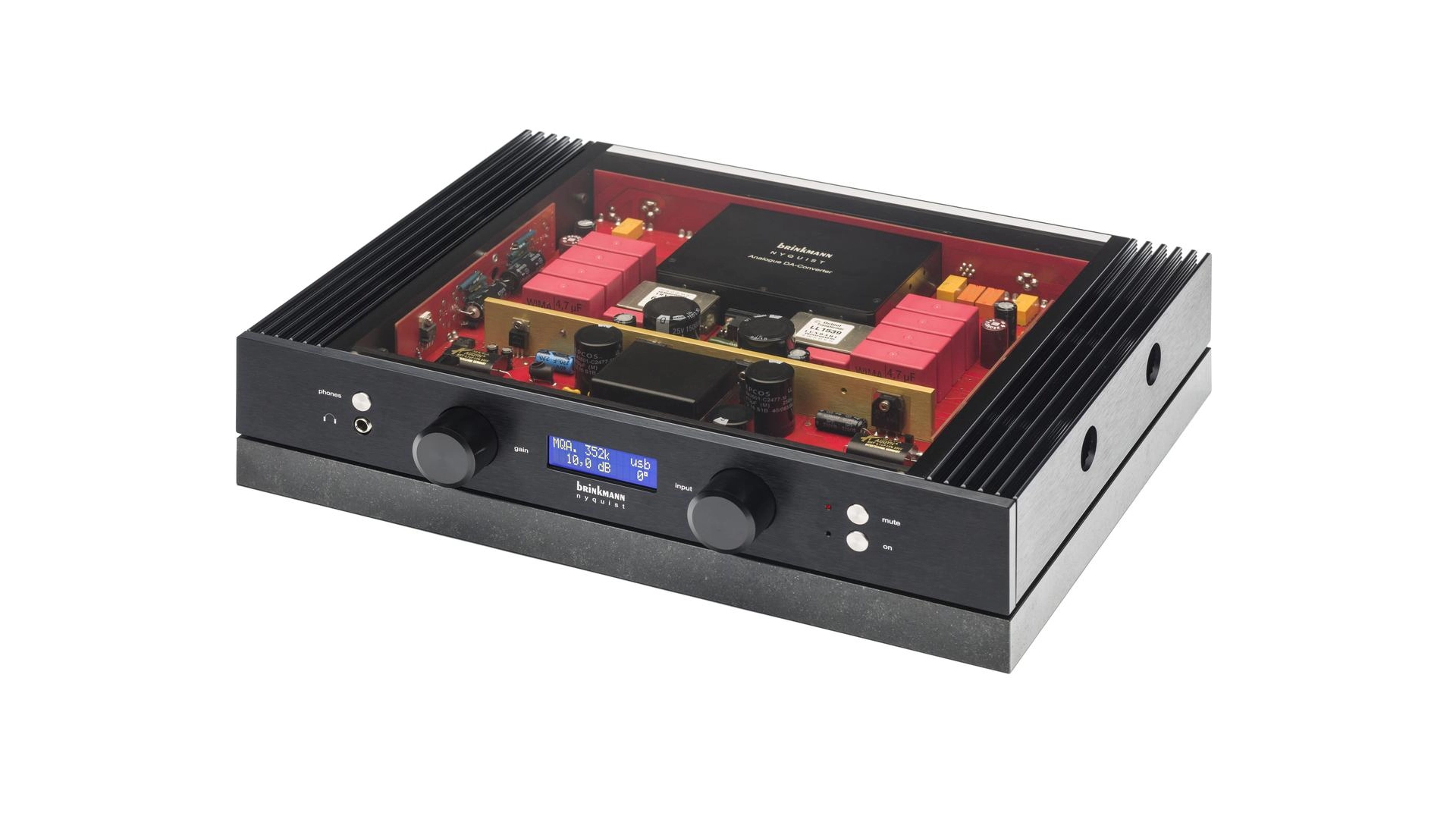
Brinkmann Audio treats the turntable, phono stage, source and amplifier as parts of one engineered playback chain. Helmut Brinkmann founded the German company in 1985 after his earlier work with Audiolabor. The Balance turntable became its best-known design, combining a high-mass platter, heated bearing and separate motor control. Taurus, Spyder and Bardo offer different mechanical architectures, supported by Brinkmann tonearms, cartridges and the RöNt valve power supply. The company was already respected for amplification before building turntables, and its present catalogue includes Edison phono stages, Marconi preamplification, stereo and mono power amplifiers and integrated designs. Nyquist adds streaming and digital conversion without abandoning the same attention to power, grounding and analogue output circuitry. This broader product history corrects the impression that Brinkmann works only with vinyl hardware.
Bryston

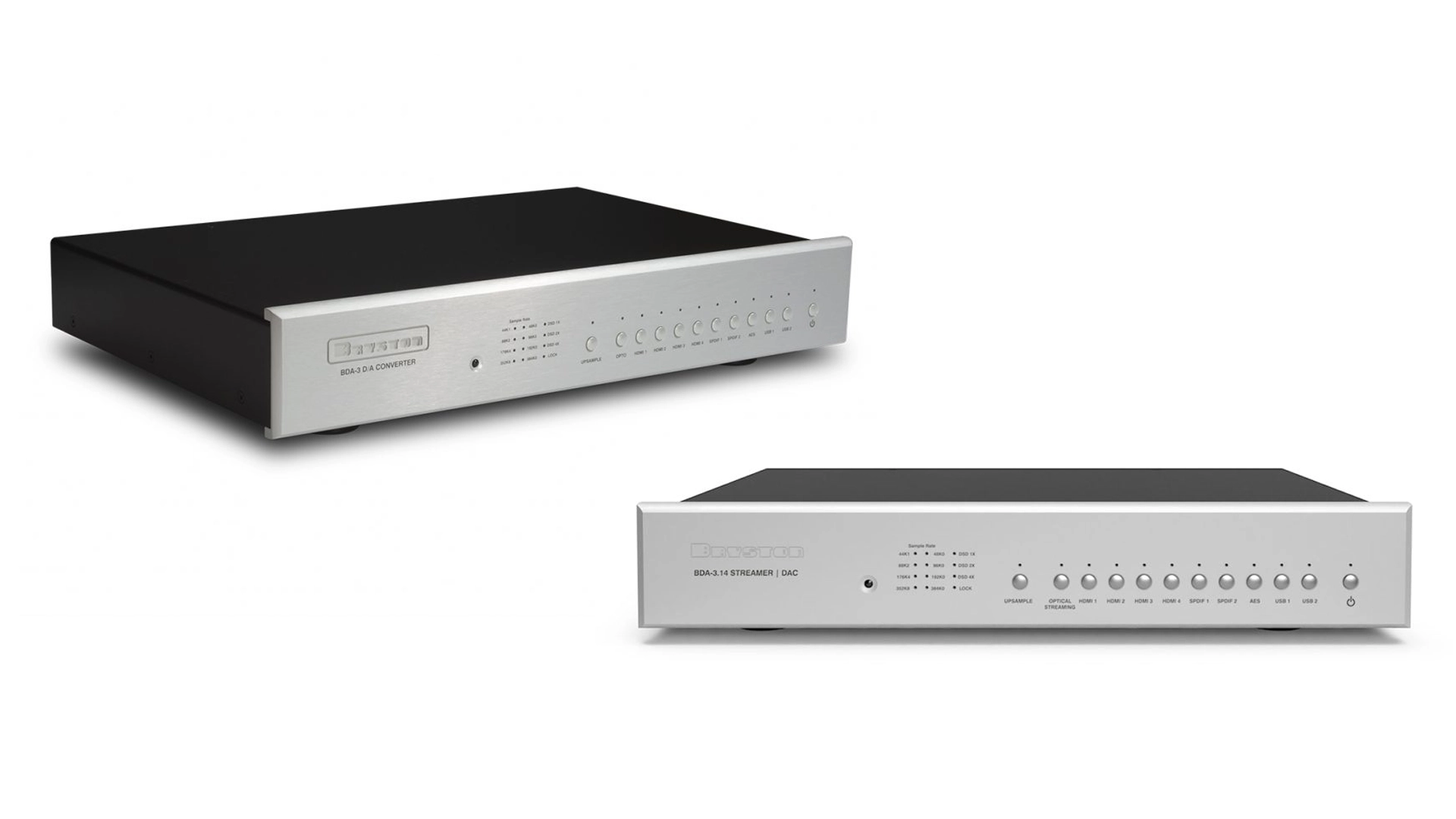
Bryston builds Canadian audio electronics around serviceability, stable operation and the ability to work for long periods under professional conditions. The company was incorporated in 1962 for medical electronics and moved into audio during the 1970s under the Russell family, bringing the testing culture of its earlier work with it. Power amplifiers became the core business, with the Cubed series continuing the company’s modular channel architecture and conservative thermal design. BR-20 and BP preamplifiers, BDA converters, BDP digital players, phono stages and active or passive loudspeakers make the range much broader than amplification alone. Products are developed and built in Ontario, and current owner Colquhoun Audio Laboratories also operates Axiom Audio. Bryston’s famous warranty remains longer than most competitors’, but the old blanket statement of 20 years is no longer current: new analogue products now carry a ten-year factory warranty.
Burson Audio
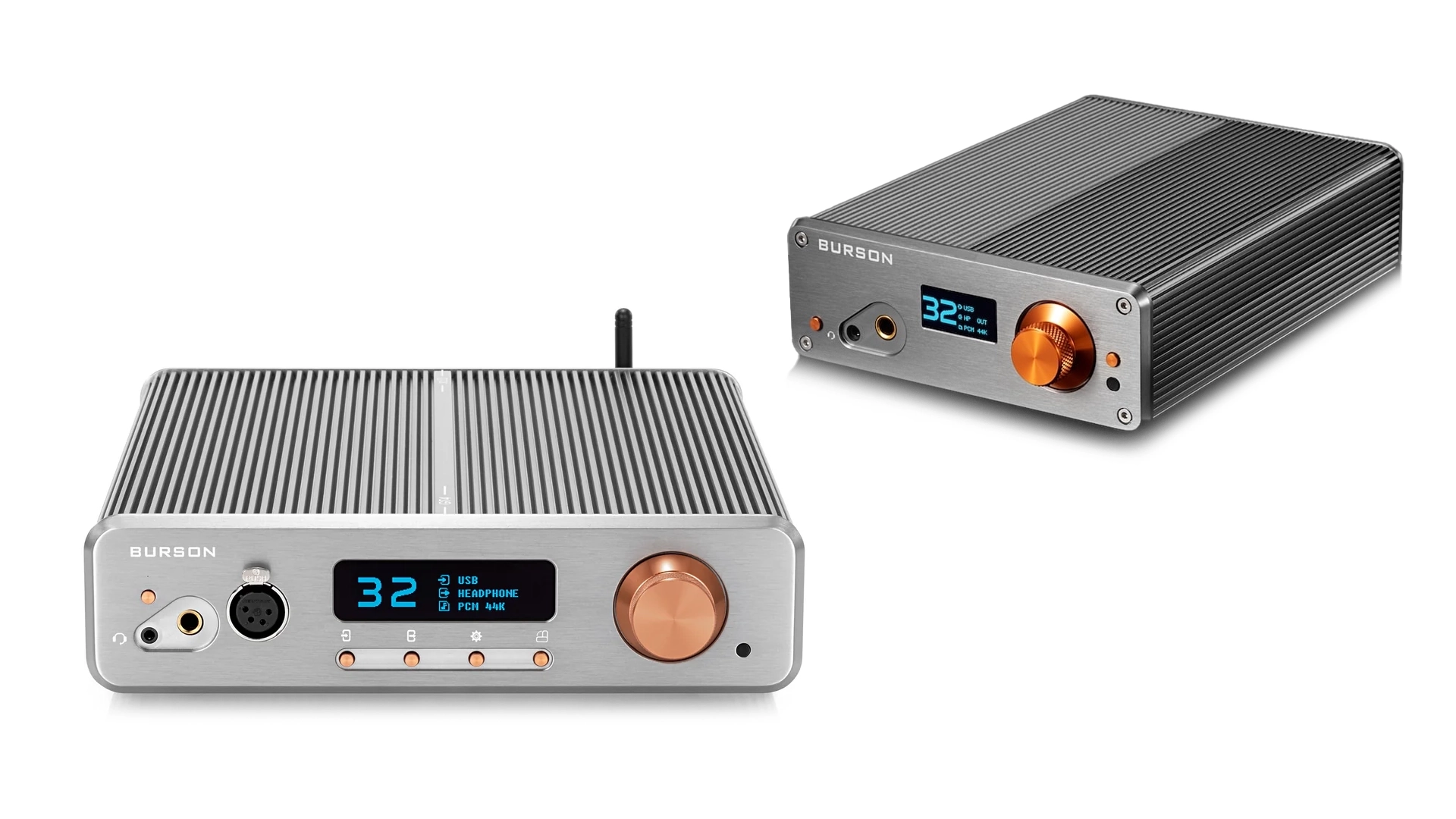
Burson Audio specialises in desktop DACs and powerful Class-A headphone amplifiers built around discrete circuit modules. The Melbourne company began in 1996, not 2013, and first became widely known for discrete op-amps that could replace conventional integrated devices in compatible audio equipment. That component work shaped complete products such as the Conductor DAC and headphone-amplifier family, Soloist headphone amplifiers and Timekeeper speaker amplifiers. Burson’s swappable V-series op-amps allow selected models to be tuned or upgraded without replacing the entire unit. Its Max Current Power Supply uses high-frequency conversion and local current delivery instead of a conventional large mains transformer, reducing chassis size while feeding high-bias output stages. The combination of modular discrete gain blocks, strong headphone drive and compact thermal design is the real continuity across the range. The foundation field has therefore been corrected from 2013 to 1996.
CAD

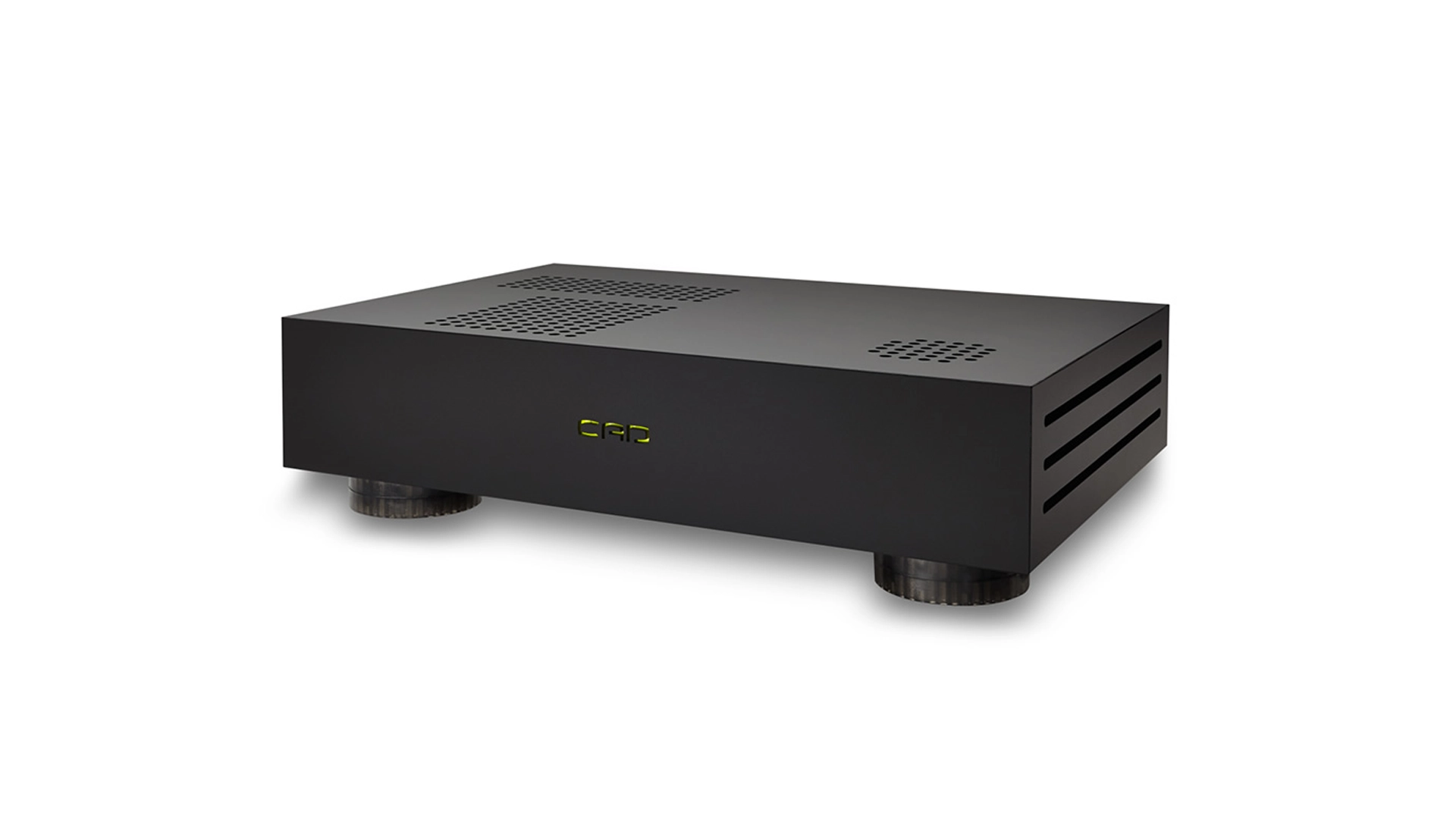
Computer Audio Design focuses on the high-frequency electrical noise that travels through digital sources, networks and grounding paths. British-based American engineer Scott Berry founded CAD in 2011 after developing computer playback systems for his own listening. The 1543 DAC established the company with a resistor-based, non-oversampling conversion architecture and no conventional digital filtering. Its current Mk III version remains a deliberately specialised converter rather than a feature-heavy streaming hub. Ground Control units connect to unused signal or earth points to provide a controlled path for radio-frequency noise, while USB Control, USB Filter and Ethernet Control products address noise at specific digital interfaces. CAD also offers USB cables and the CAT audio transport for ripping, storage and playback. The common thread is system-level noise management, supported by original source hardware rather than generic cable claims.
Cambridge Audio

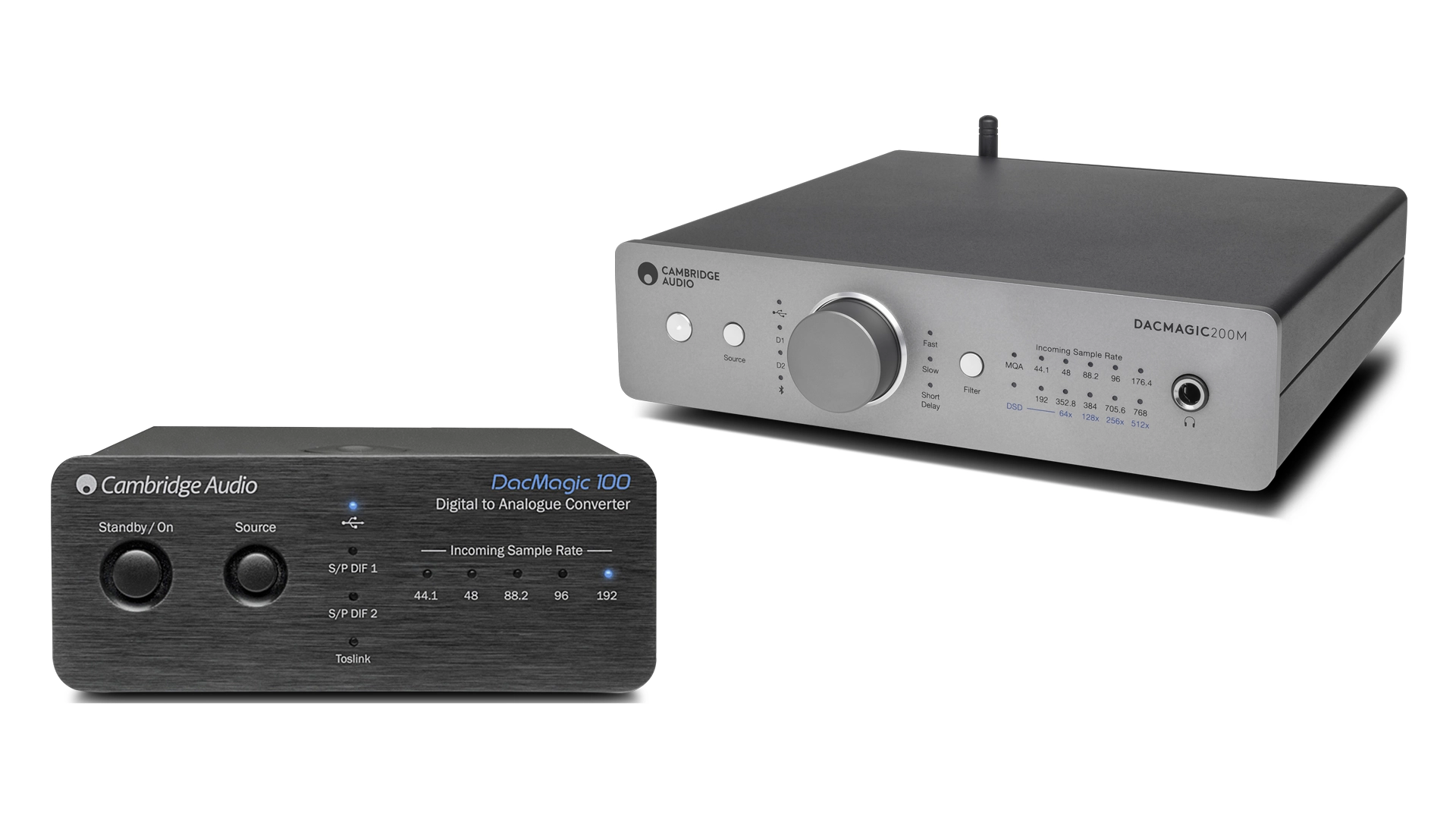
Cambridge Audio has spent more than five decades bringing useful engineering advances into attainable hi-fi components. The company began in Cambridge in 1968, when a team including Gordon Edge and Peter Lee created the P40 integrated amplifier. It was an early commercial amplifier built around a toroidal transformer, a solution that later became standard throughout the industry. Today’s AX and CX ranges cover integrated amplification, CD playback and network sources. Edge uses the company’s Class XA amplifier topology at the flagship level, while Evo combines StreamMagic streaming, conversion and speaker amplification in a compact system. Alva turntables add direct-drive vinyl playback and Bluetooth transmission. StreamMagic remains a major strength because Cambridge controls both the network hardware and the software platform, and continues adding service support to older generations. Product design is led from London, with the range aimed at complete systems rather than one specialist category.
Canor

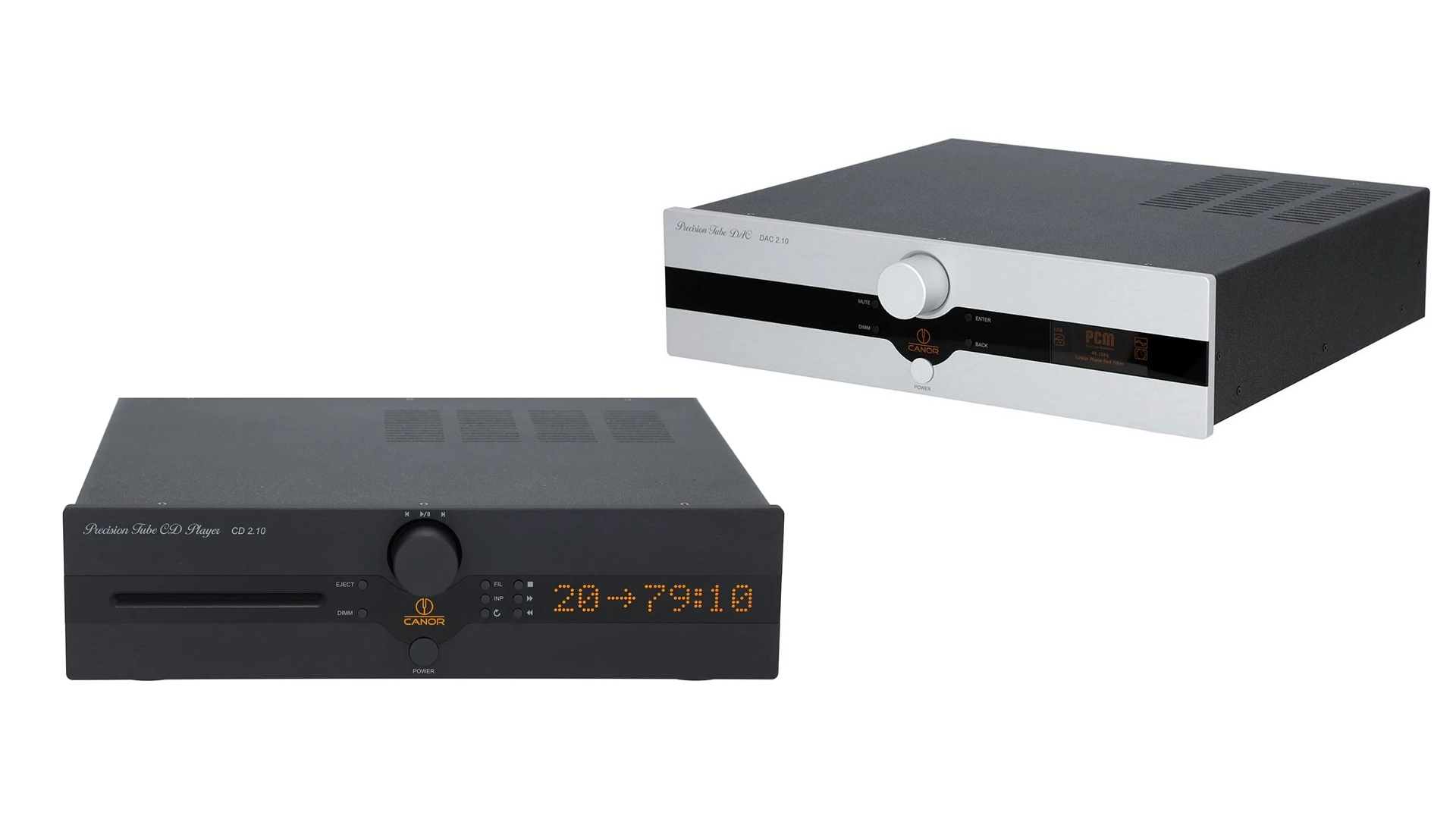
CANOR combines valve-circuit development with unusually extensive in-house manufacturing and tube testing in Prešov, Slovakia. The company began in 1995 with the EDGAR TP101 integrated valve amplifier and adopted the CANOR name in 2007. Co-owner and chief developer Zdeňek Březovják has guided an engineering programme that now covers valve, hybrid and solid-state integrated amplifiers, preamplifiers, power amplifiers, phono stages, DACs and CD players. Hyperion and Virtus form the upper electronics ranges, while Asterion phono stages address analogue sources. CANOR Milling Technology removes selected dielectric material around sensitive PCB conductors, creating short, repeatable signal paths with lower dielectric influence. The Aladdin and related measurement systems select and match valves before assembly. The former reference to an undefined “MCT magnetic conductive technology” was not supported and has been replaced by the company’s documented CMT process.
Cayin

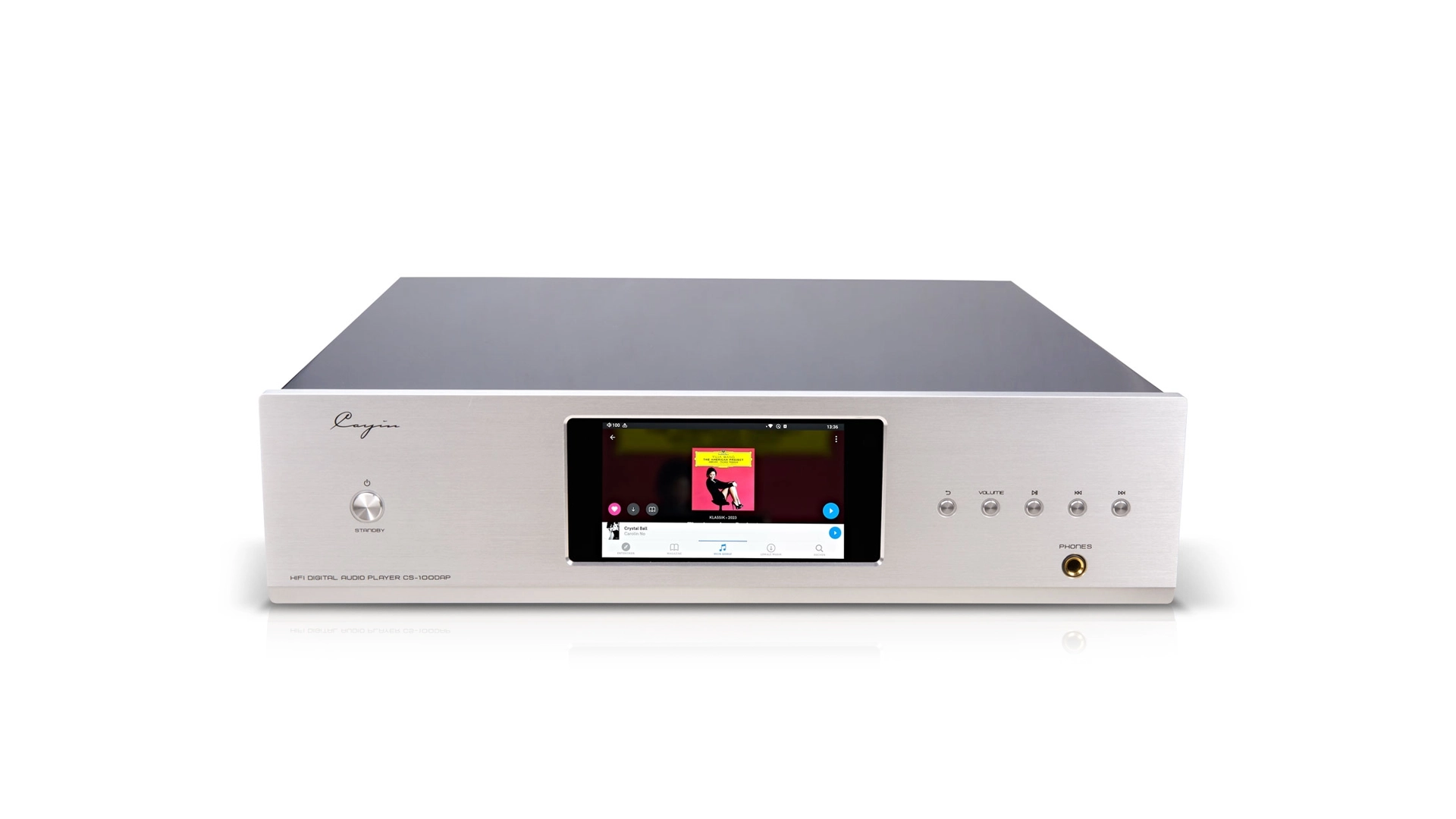
Cayin is one of the few large audio manufacturers to develop valve electronics for both full-size hi-fi systems and genuinely portable listening. Zhuhai Spark Electronic Equipment Co., Ltd. was founded in China in 1993 and markets its audio products under the Cayin name. Its home range spans single-ended 300B amplifiers, push-pull integrated amplifiers using valves such as EL34 and KT88, pre/power combinations, DACs and digital sources. Cayin later brought the same interest in tube operating modes and user-adjustable voicing to desktop headphone amplifiers and N-series digital audio players. Several products allow listeners to change output stage, feedback, bias or valve/solid-state timbre without replacing the component, making configurability part of the brand’s engineering rather than a software preset alone. Cayin also produces portable DAC/amplifiers and in-ear monitors. Broad in price and format, the catalogue links traditional transformer-coupled tube circuits with modern high-resolution digital and personal audio.
CH Precision

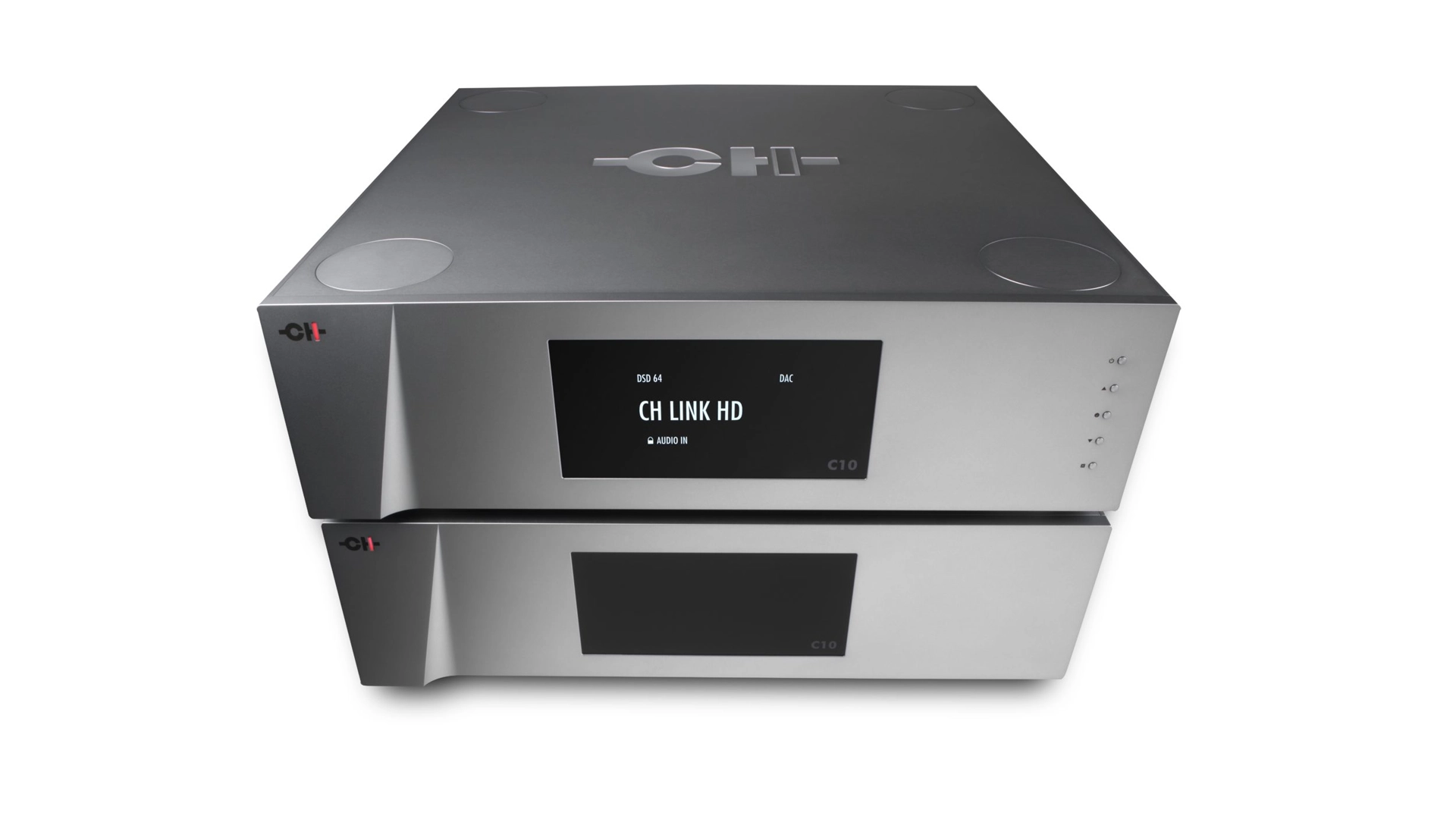
CH Precision makes Swiss reference electronics whose analogue circuits can be configured, monitored and upgraded through a tightly integrated digital-control platform. Engineers Florian Cossy and Thierry Heeb founded the company in 2009 after earlier work in high-end audio and digital engineering. The 1 Series covers transport, DAC, line and phono preamplifiers, integrated and power amplifiers, clock and external power supply; modular option cards let an owner change interfaces or functions without replacing the component. The 10 Series extends that architecture into dual-chassis reference designs with separate power supplies. Proprietary features include ExactBias monitoring for compatible power valves in connected systems, user-adjustable amplifier feedback and extensive software-defined setup. Signal paths remain fully discrete and complementary, while control electronics are galvanically isolated from the analogue domain. Circuit, software and mechanical development are performed in-house, with final assembly, testing and quality control at the company’s facility in Préverenges, Switzerland.
Chord Electronics
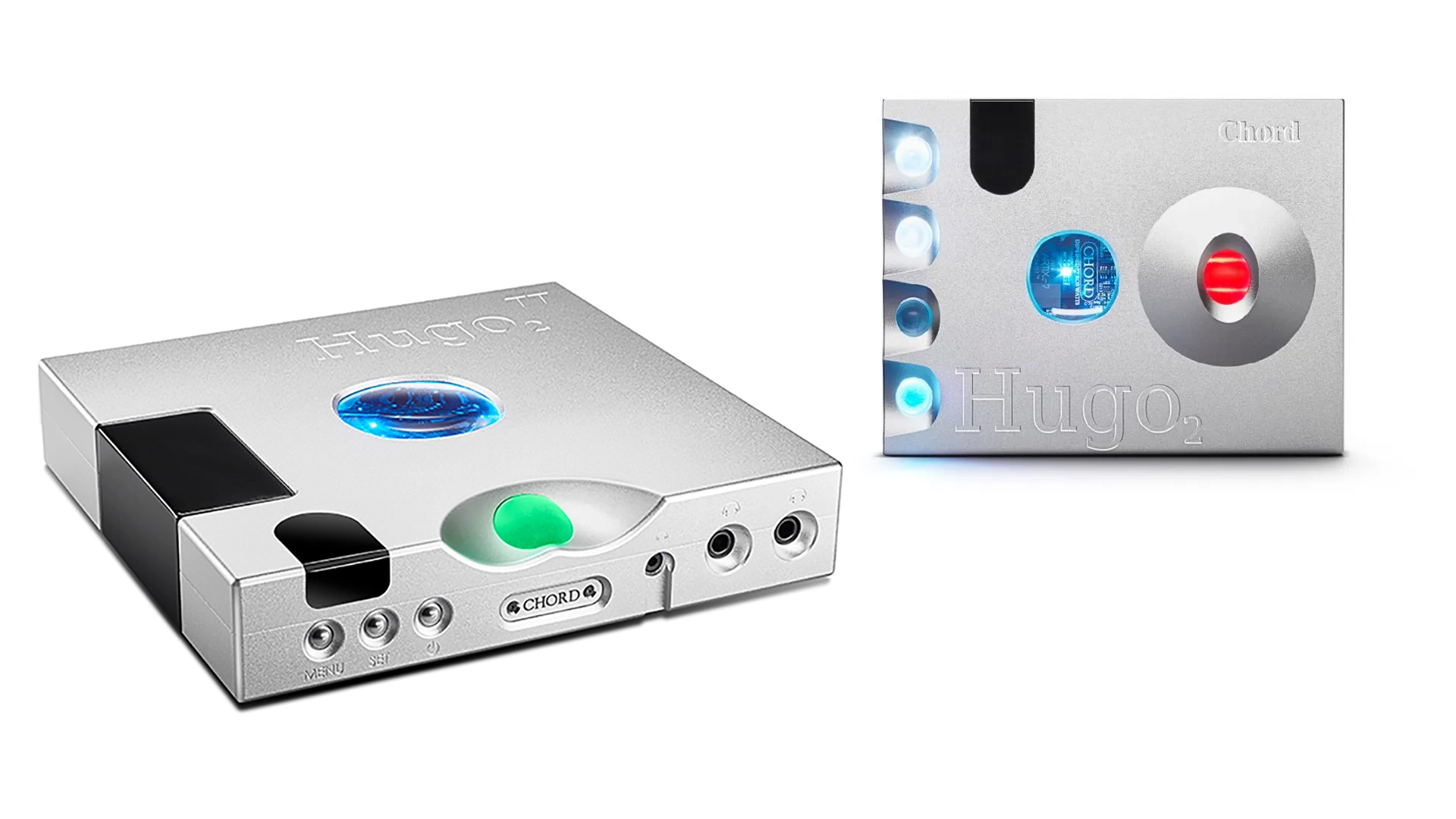
Chord Electronics combines aerospace-derived power-supply engineering with proprietary FPGA digital conversion, giving its amplifiers and DACs two distinct but connected technical lineages. Former avionics engineer John Franks founded the British company in 1989; its first amplifiers went to the BBC and were later used by studios including Abbey Road and Sony Music. Designer Rob Watts subsequently developed Chord’s digital architecture, implementing conversion, noise shaping and the long-tap WTA interpolation filter in programmable logic instead of an off-the-shelf DAC chip. That platform runs from portable Mojo and Hugo products through Qutest, Hugo TT and the reference DAVE, often paired with dedicated streamers or upscalers. Chord’s analogue range includes compact Table Top and Choral components as well as Ultima integrated, stereo and mono power amplifiers using the company’s dual-feed-forward topology. Machined aluminium cases and unusually compact forms are visually distinctive, but the real common thread is control over core circuitry rather than dependence on standard modules.
Cocktail Audio

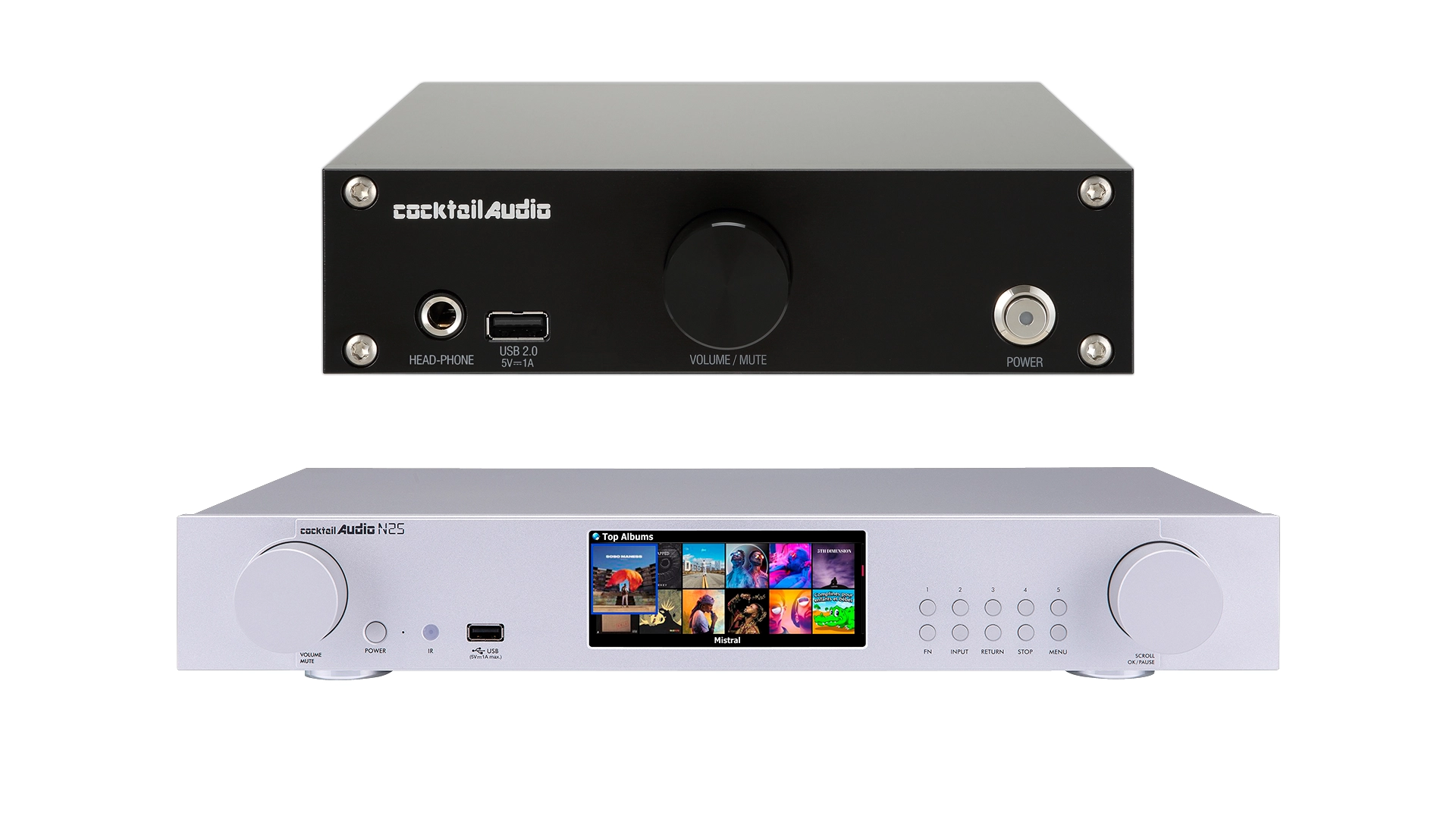
Cocktail Audio turns a physical CD collection and modern streaming services into one library that can be managed without a computer. The South Korean brand was launched by NOVATRON in 2006, three years after its parent company was established, with a CD-ripper and music server designed for home audio rather than the IT market. Its X-series components combine several jobs that are usually split among separate boxes: ripping and tagging discs, storing music on an internal drive, network playback, internet radio, digital-to-analogue conversion and, on selected models, amplification. Broad file-format support and large front-panel displays make the systems useful to listeners who want the convenience of a music database while retaining their existing discs and local files. Models have ranged from source-only servers such as the X50 family to all-in-one players such as the X14 and X35. Cocktail Audio’s distinctive know-how is therefore not a single circuit but the integration of storage, metadata, playback and hi-fi hardware into one practical component.
Consonance

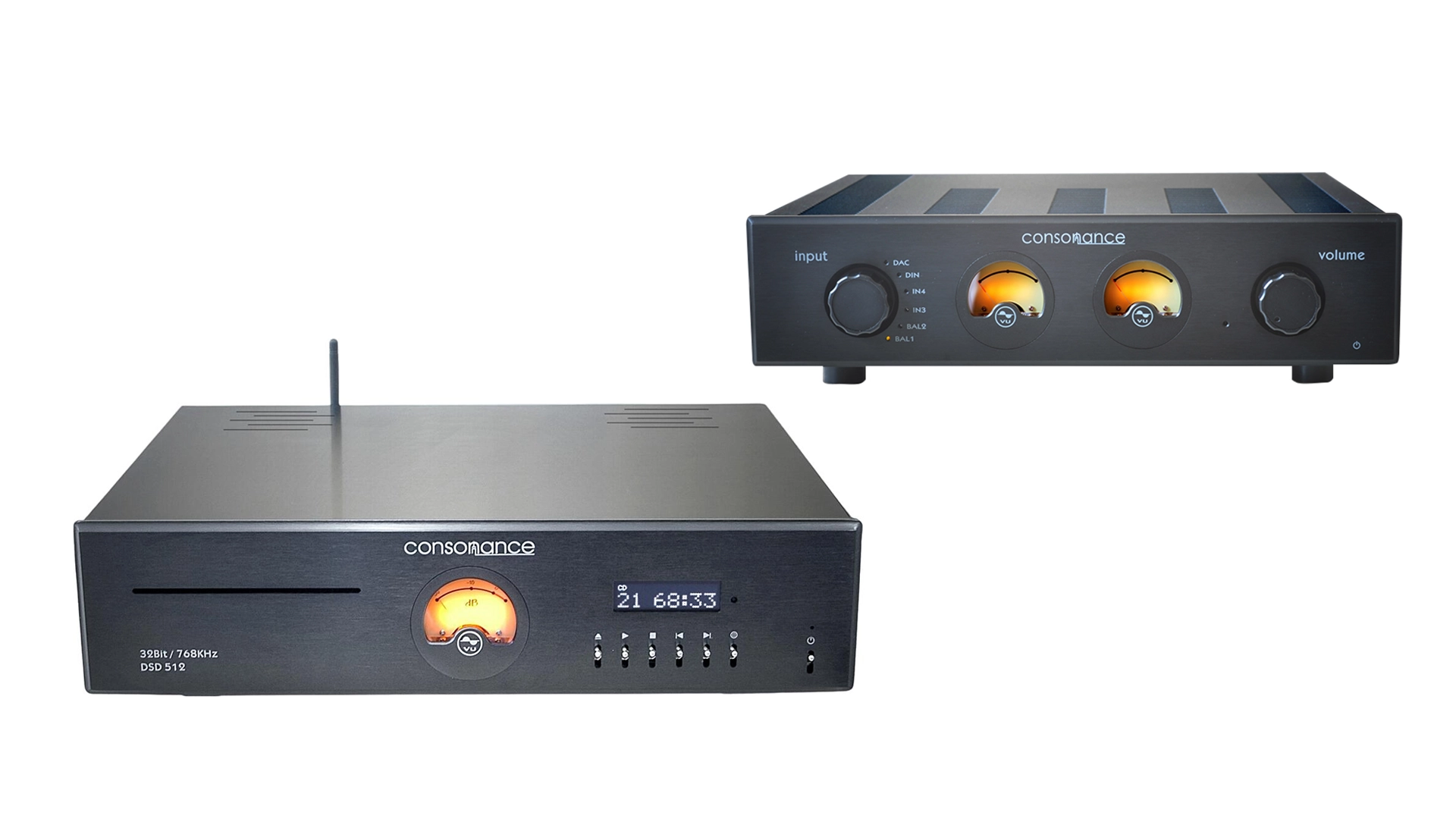
Consonance is the product brand of Opera Audio, one of China’s early internationally distributed high-end audio manufacturers. Opto-mechanical engineer and opera enthusiast Shi Hui Liu founded the Beijing company in 1994 after building a valve amplifier for himself and then being asked to make another. That origin still explains the range: tube and solid-state amplifiers sit alongside CD players, DACs, streamers, loudspeakers, cables and an especially substantial analogue line. Opera became an early Chinese high-end turntable manufacturer, and Consonance decks such as the Droplet, Die Walküre and Wax Engine show a willingness to develop complete mechanisms, plinths and tonearms rather than treat vinyl as a sideline. Many model names reference European opera, but the engineering is not confined to retro styling; the company combines traditional valve circuits with digital sources and modern manufacturing. Its “Simple. Human.” philosophy is a useful summary of the house character: direct circuits, restrained interfaces and a broad, internally designed system intended to serve music rather than specification theatre.
Creek
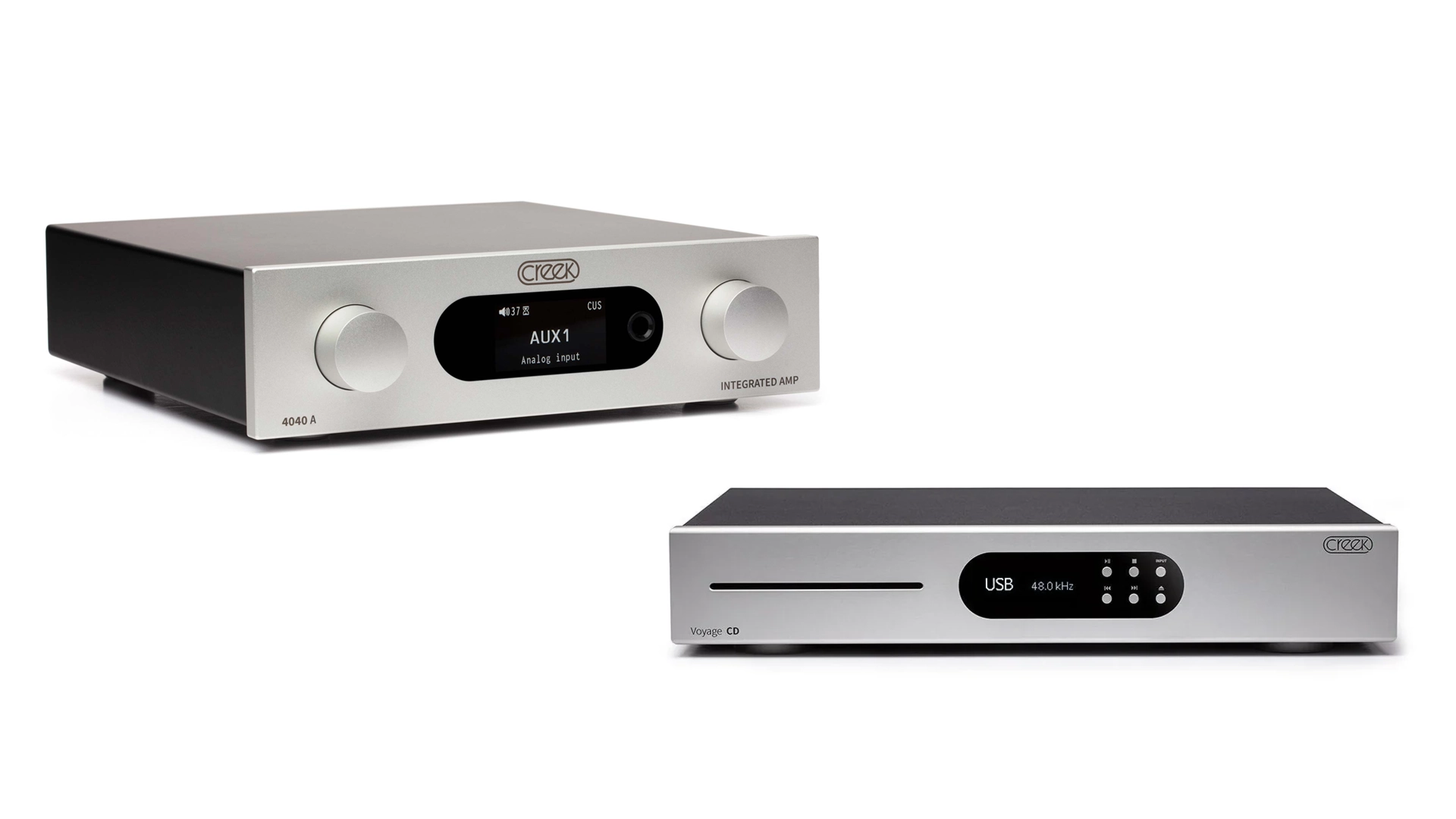
Creek Audio is a British electronics brand founded by Michael Creek in 1982, initially with compact integrated amplifiers and tuners designed to deliver serious performance without luxury pricing or unnecessary controls. The early CAS4040 amplifier established that reputation and its model number remains part of the modern range. Creek’s history was not completely linear: the company was sold to Mordaunt-Short in 1988, then Michael Creek and a group of international distributors bought the name back in 1993. That independent, value-conscious engineering culture continued through Evolution and Voyage amplifiers, CD players, DACs and phono stages. Today’s products are designed and engineered in London under Step Deeper Ltd, with the 4040 line preserving compact proportions and the newer Cymatics direction exploring updated amplification. Creek components typically emphasise sensible power supplies, short signal paths, optional phono or digital capability and straightforward operation. The brand’s individuality lies in making an amplifier easy to own and system-match while keeping circuit design — rather than size, weight or ornament — at the centre of the proposition.
dCS

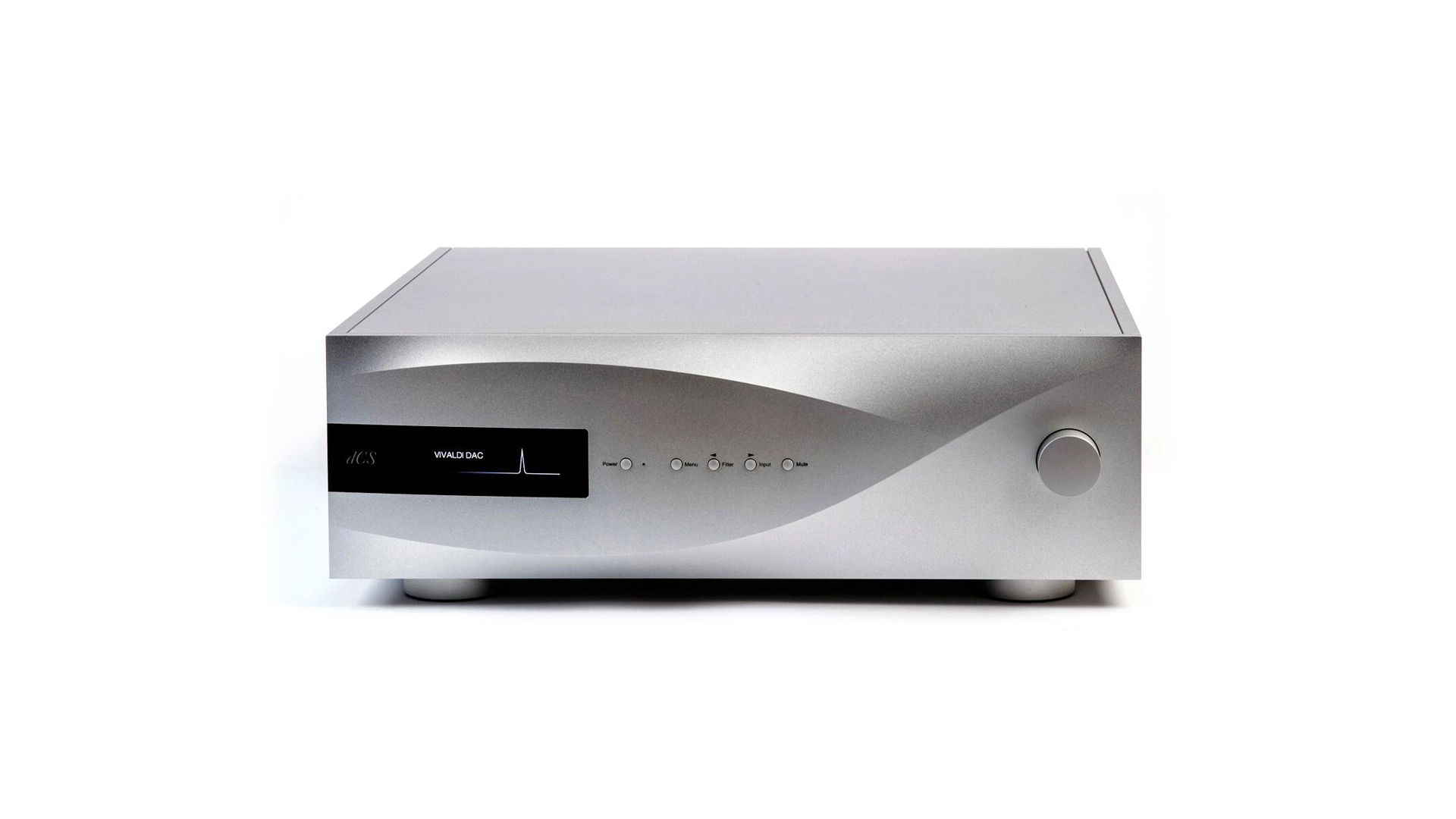
dCS — Data Conversion Systems — is the Cambridge, UK digital-audio company founded in 1987 by electronics engineers whose early work served telecommunications, aerospace and defence applications. That background in high-speed conversion led to professional studio ADCs and DACs, then to consumer components built around the proprietary Ring DAC. Instead of using a conventional off-the-shelf converter chip, Ring DAC maps data across an array of current sources under software control, allowing dCS to refine its noise shaping, mapping and filtering over time. Vivaldi, Rossini and Bartók combine conversion with network playback, upsampling and external master clocks at different system levels, while APEX hardware upgrades revised analogue output and clocking stages without forcing owners to replace complete units. The Varèse platform goes further with separate mono DACs and the ACTUS interface linking Core, clock and conversion chassis. dCS’s defining advantage is long-lived, software-led architecture: precision clocks, digital processing and discrete conversion hardware are designed together, then supported through firmware and factory upgrades as formats and engineering improve.
DEQX

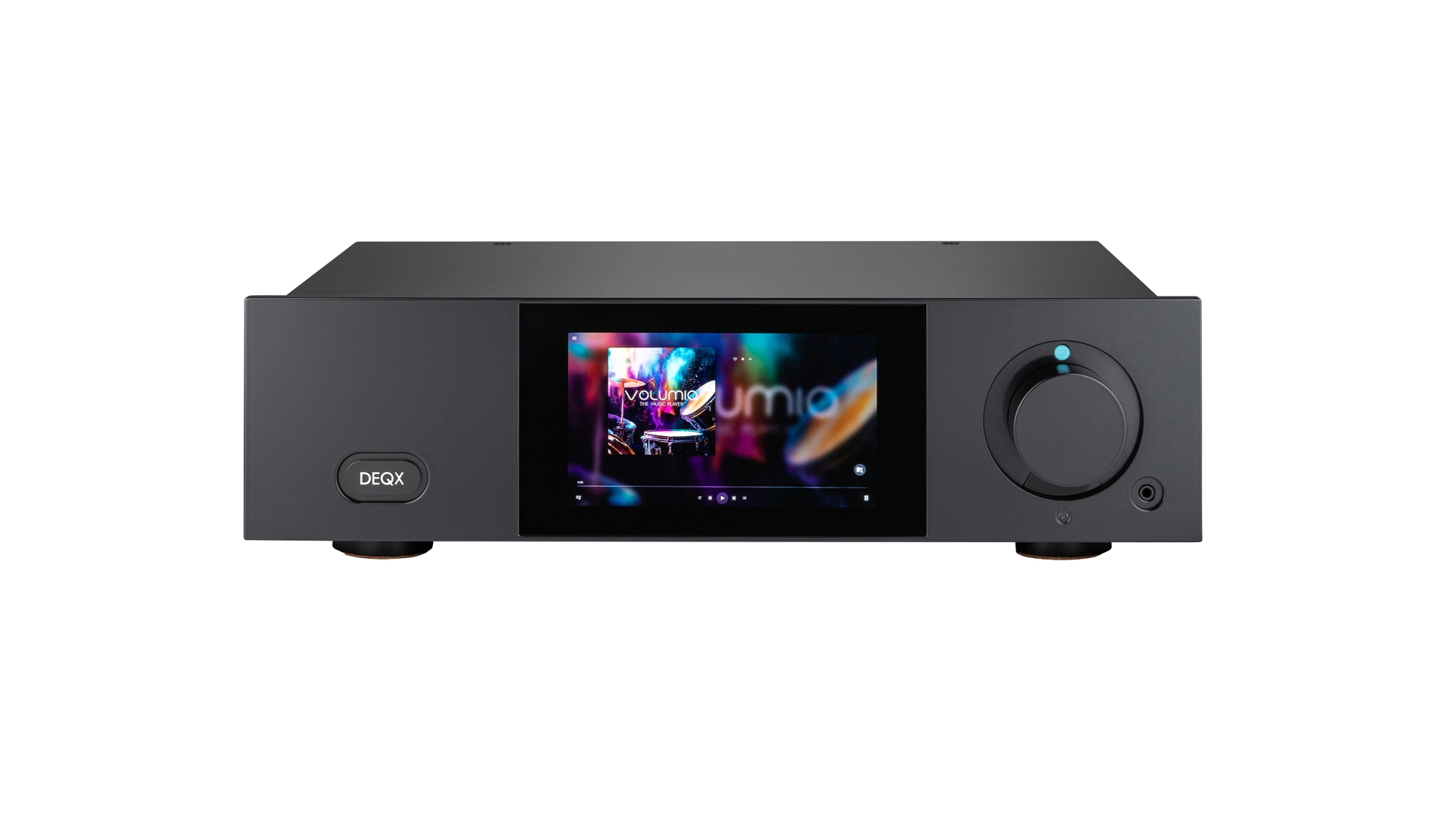
DEQX is an Australian digital-audio company founded in Sydney in 1997 by a team led by Fairlight co-founder Kim Ryrie to correct the largest errors in a playback chain: the loudspeakers and their interaction with the room. Its processors first measure a speaker away from dominant room effects, then use long FIR filters to correct frequency, phase and impulse response; room compensation and subwoofer integration are applied as separate stages. In multiway DEQX-Active systems, the processor also replaces the passive crossover and corrects each driver individually. The early PDC-2.6 brought this approach to professional mastering, followed by HDP and PreMate generations for home audio. The redesigned Gen-4 range now includes the eight-channel Pre-8, four-channel Pre-4 and LS200-X integrated processor-amplifier, using 64-bit multicore processing alongside analogue inputs, streaming and high-grade conversion. DEQX’s distinction is methodological: it does not treat room EQ as a single target curve, but separates loudspeaker timing and linearity from room behaviour so each problem can be measured and corrected on the appropriate scale.
EAR Yoshino

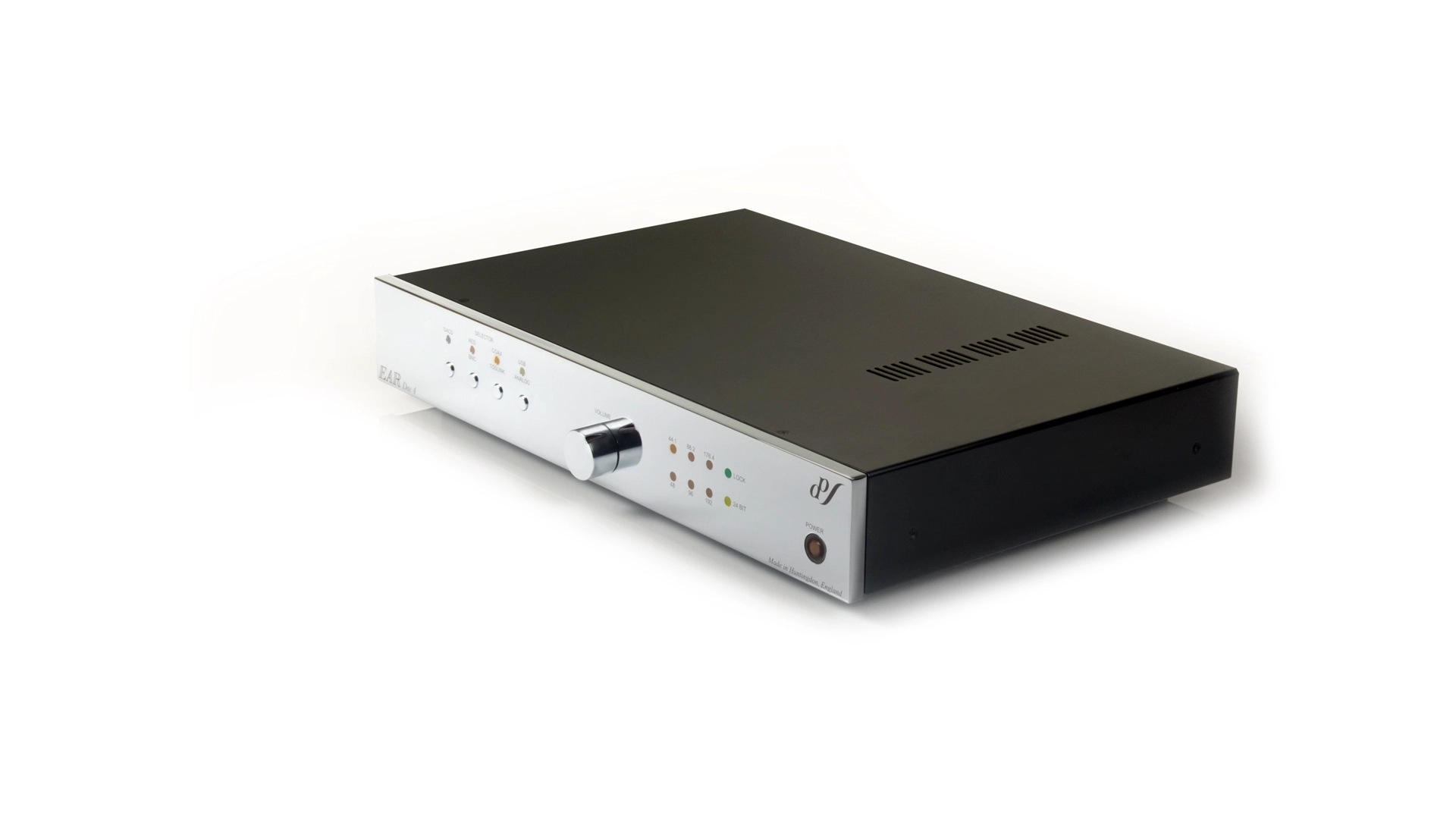
EAR Yoshino is the British high-end audio company through which Tim de Paravicini turned deep knowledge of valves, transformers and studio electronics into products with unmistakable circuit identities. Esoteric Audio Research began in England in 1976 with the EAR 509, a 100-watt valve monoblock whose transformer-coupled output stage challenged the assumption that tube amplifiers must be low-powered or soft. De Paravicini remained the designer behind the company’s amplifiers, line stages, phono stages and specialist tape electronics, and his custom transformer work is central to the brand rather than a purchased finishing touch. The compact 834P phono stage became one of EAR’s most widely known products; the 868 and 912 preamplifiers, V12 integrated amplifier and 509-derived power amplifiers show different applications of the same expertise. EAR equipment often uses unconventional tube operating points and transformer arrangements to obtain bandwidth, drive and low noise while retaining serviceable analogue circuitry. The company’s distinction is not simply that it uses valves: it is the way one engineer’s experience across recording, mastering and reproduction shaped complete circuits from input stage to output transformer.