
DAC Desktop
A DAC is an essential component that translates digital audio signals—the 1s and 0s from your computer, streamer, or CD transport—into an analog signal that your amplifier can understand and use. A dedicated desktop DAC performs this conversion with far greater precision than the basic audio chips found in most computers, resulting in significantly improved clarity, detail, and overall sound quality. This directory lists the brands that specialize in these crucial devices for any high-performance digital audio system.
Hi-Fi brands in the category
Summary information and image
Direct links to official websites
Jeff Rowland Group

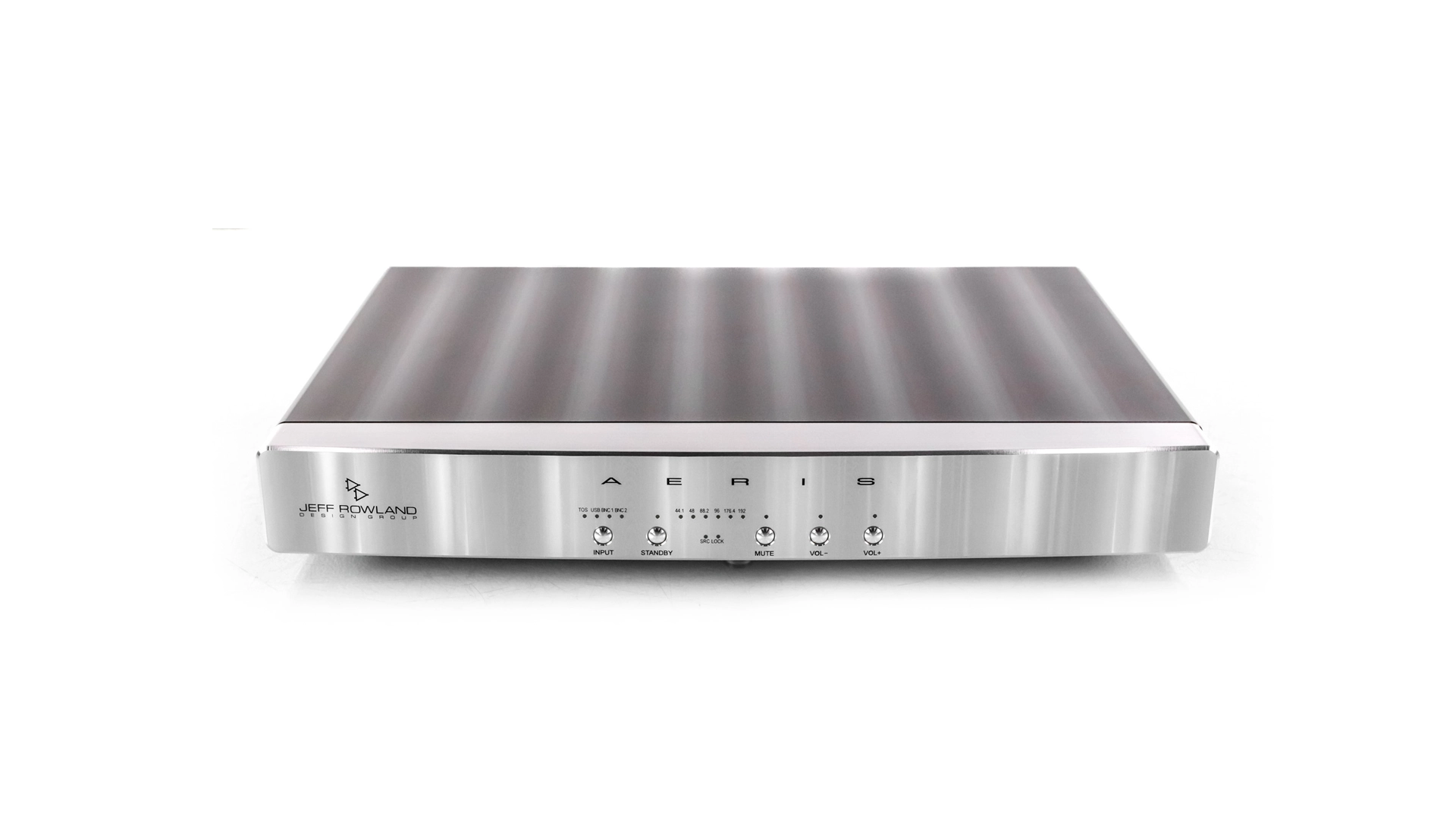
Jeff Rowland Design Group has made Colorado-built high-end amplifiers since 1984, pairing sophisticated power-supply and circuit work with some of the industry’s most recognisable metalwork. Founder Jeff Rowland established the company around low-noise, wide-bandwidth electronics and meticulous construction. Chassis are machined from aluminium and finished with a diamond-cut pattern that is functional as well as decorative, providing a rigid, non-magnetic enclosure and substantial heat management. Across generations, the company has used fully balanced topologies, transformer coupling in selected inputs or outputs, switch-mode power supplies where their efficiency and regulation are advantageous, and both linear and class-D output stages according to the model. Products have included Capri and Corus preamplifiers, Model-series power amplifiers, Continuum integrated amplifiers and the high-power Daemon super-integrated. Model names change, so the lasting distinction is the integration of mechanical, electrical and thermal design rather than a single circuit fashion. Jeff Rowland components target systems where silence, control and long-term build quality matter as much as rated power.
JMF Audio

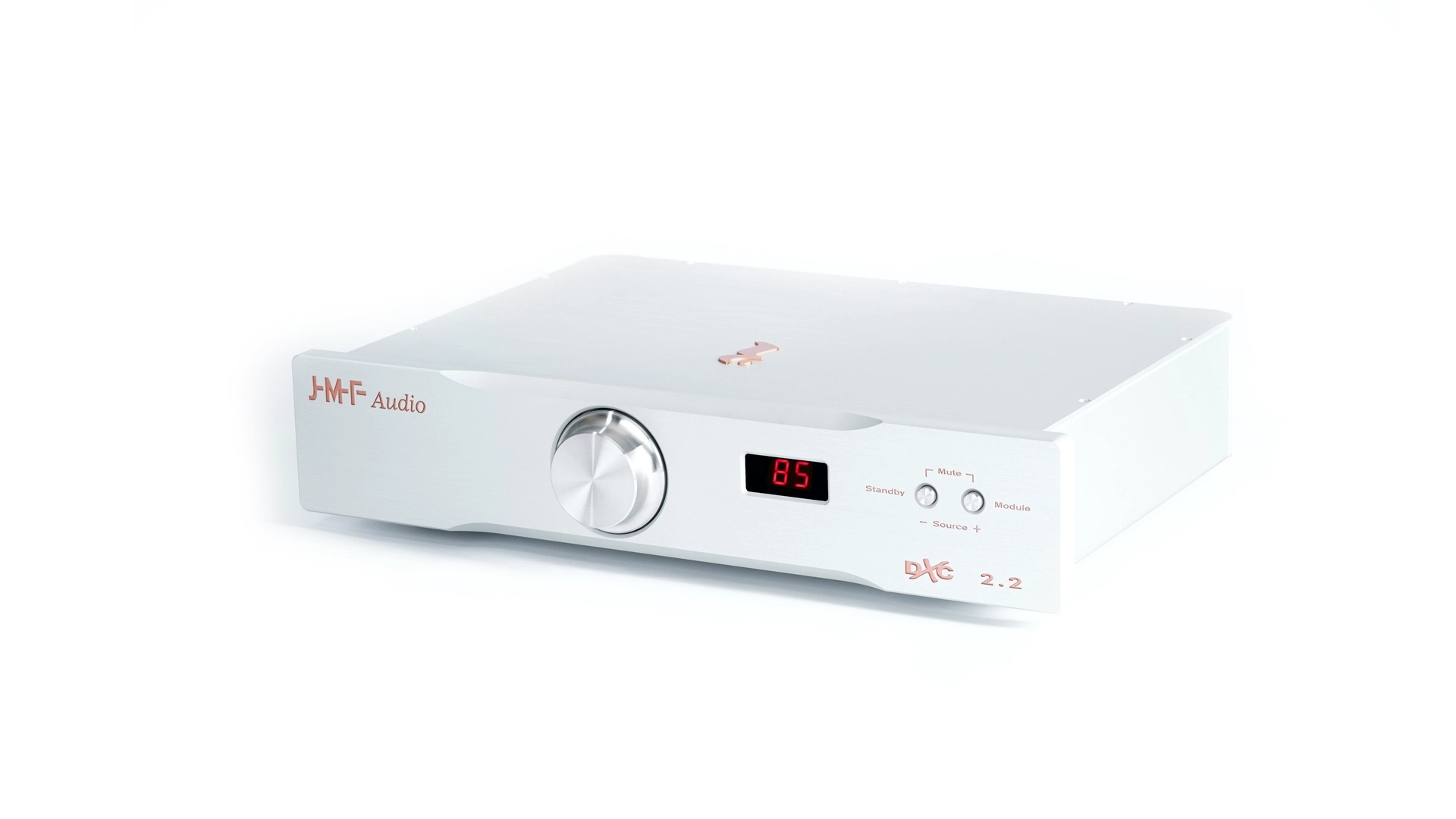
JMF Audio is a French ultra-high-end manufacturer with an unusually broad command of the complete signal chain. Established in 1985 by Jean-Marie Fusil, it develops and builds power amplifiers, preamplifiers, phono stages, digital converters, disc transports, cables and mains filtering at its facility in Anould, France. The HQS power amplifiers are central to the name: massive power supplies, carefully controlled grounding, wide bandwidth and high current delivery are engineered for difficult loudspeaker loads without relying on decorative complexity. PRS preamplifiers, PHS phono stages and DXC conversion products extend the same system-level approach, while current digital offerings include dedicated disc transport and DAC components rather than the generic “Blu-ray players” claimed in the previous text. JMF also designs the interconnect, loudspeaker and power cables used to complete its reference installations. The brand’s small production scale permits close component selection, mechanical construction and testing. Its defining strength is not a promised sonic adjective, but vertical engineering continuity from source and low-level gain through power amplification and cabling.
Keces

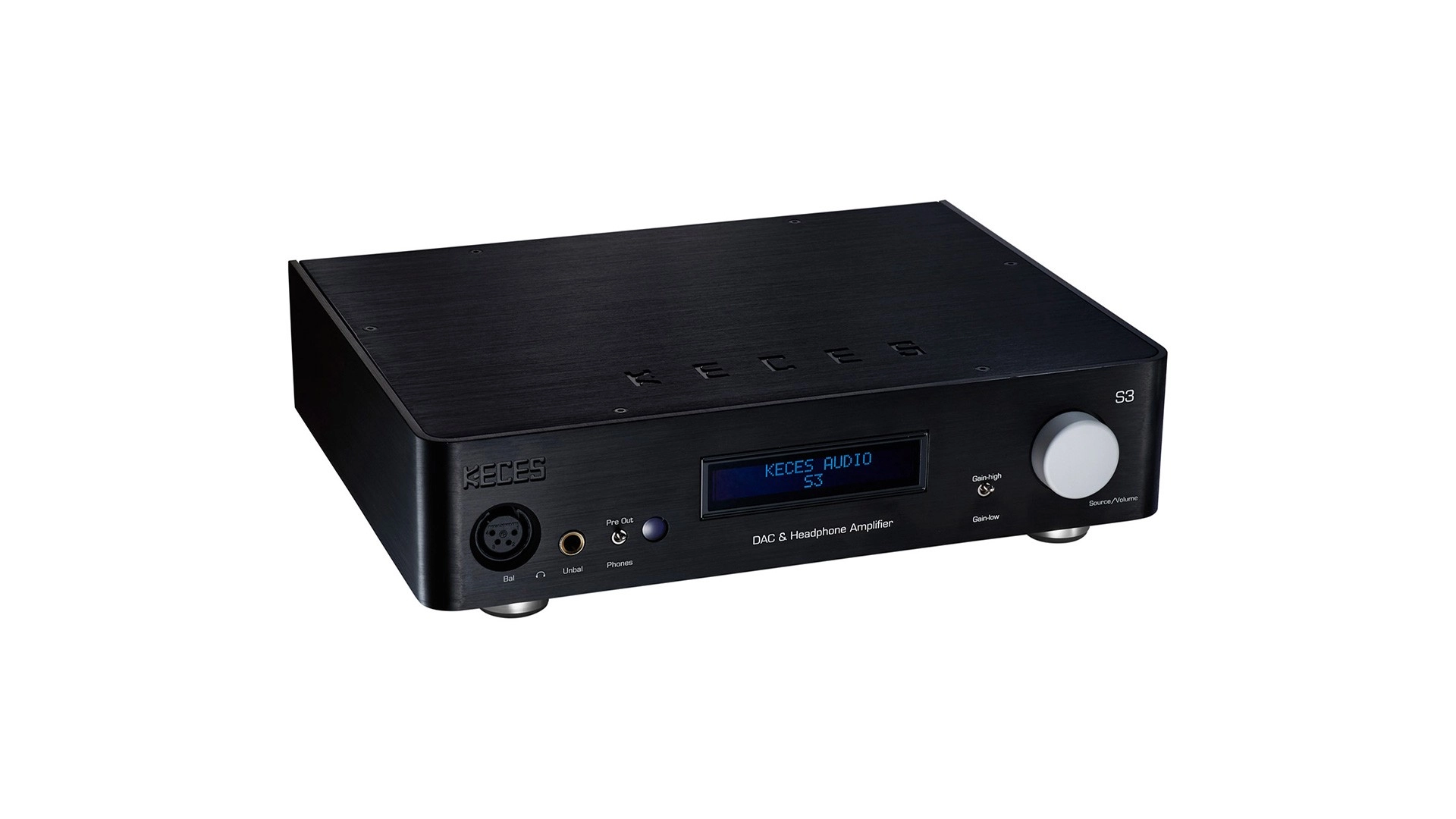
KECES Audio is a Taiwanese electronics manufacturer whose clearest specialty is clean power for hi-fi systems. Founded in 2002, the company first became widely known for low-noise linear power supplies and later expanded the same power-supply know-how into conditioners, amplifiers, preamplifiers, DACs, phono stages and streaming components. Current ranges make those roles easy to distinguish: models such as the P28 supply external components with high-current linear DC power, while the IQRP-1500 combines isolation and mains conditioning; products including the S4 preamplifier and Euphony DAC show how the company applies its engineering inside complete audio components. KECES uses substantial transformers, separated supply sections, metal shielding and protective circuitry to reduce noise without turning everyday operation into a laboratory exercise. The brand occupies a useful position between accessories and full electronics: it can solve a specific power problem in an existing system or provide matched components for a compact two-channel setup.
Krell

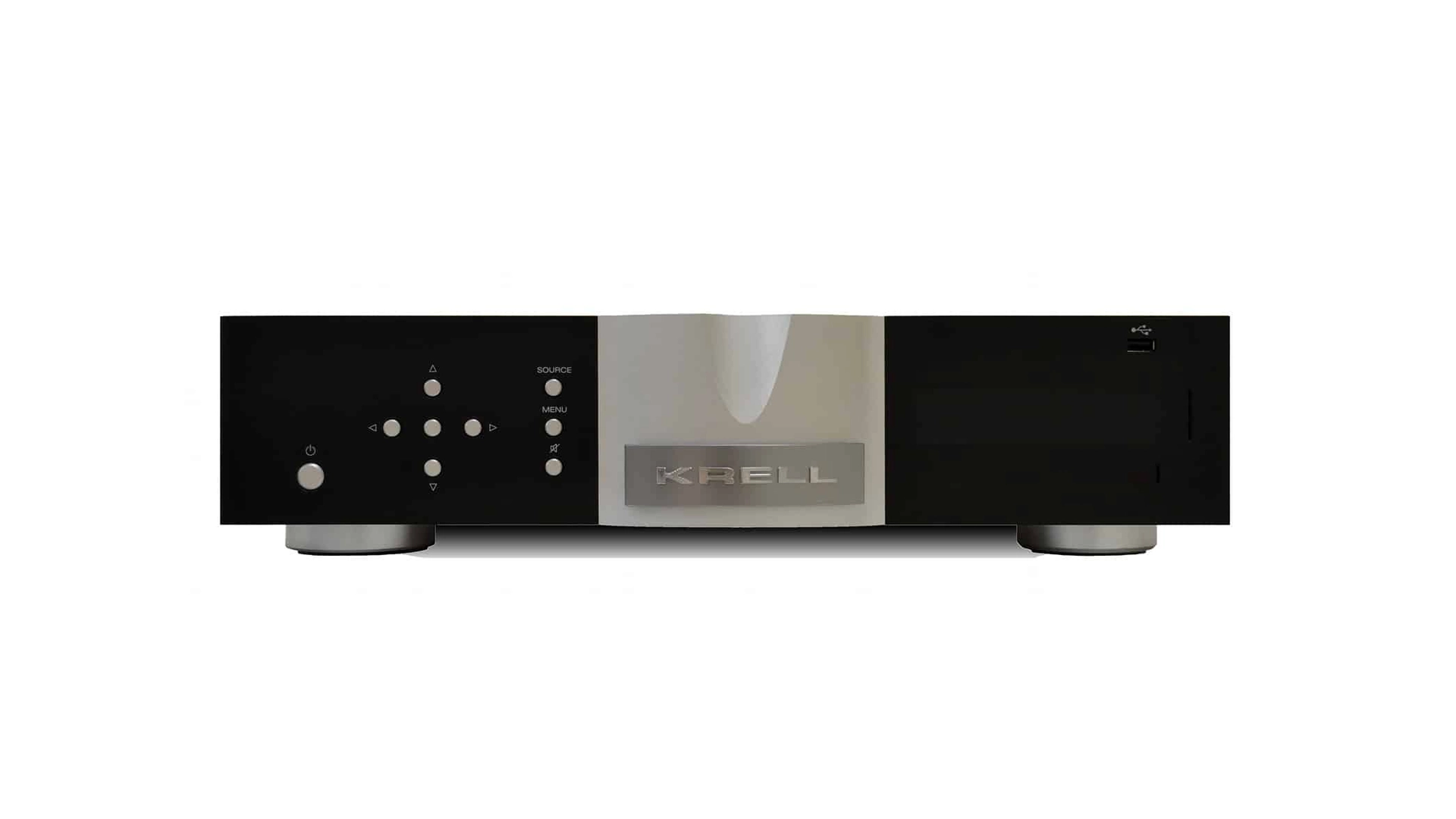
Krell is an American high-end audio manufacturer built around one demanding idea: an amplifier must remain composed when a loudspeaker asks for serious current. Dan and Rondi D’Agostino founded the company in Connecticut in 1980, and its early KSA power amplifiers helped establish high-current, wide-bandwidth solid-state amplification as a reference in high-end listening. Krell’s identity still centres on powerful integrated, stereo and multichannel amplifiers, joined by preamplifiers and digital sources. Its best-known engineering signature is Class A operation; in later designs, the proprietary iBias system varies the bias with the musical signal so the output stage can retain Class A behaviour without continuously dissipating maximum power. The company’s XD circuit revisions focus on lower output impedance, greater current delivery and tighter loudspeaker control. Products such as the KSA-i power amplifiers, K-300i integrated amplifier and Illusion preamplifiers translate that know-how into systems valued for scale, dynamics and bass authority rather than cosmetic luxury alone.
Lab12

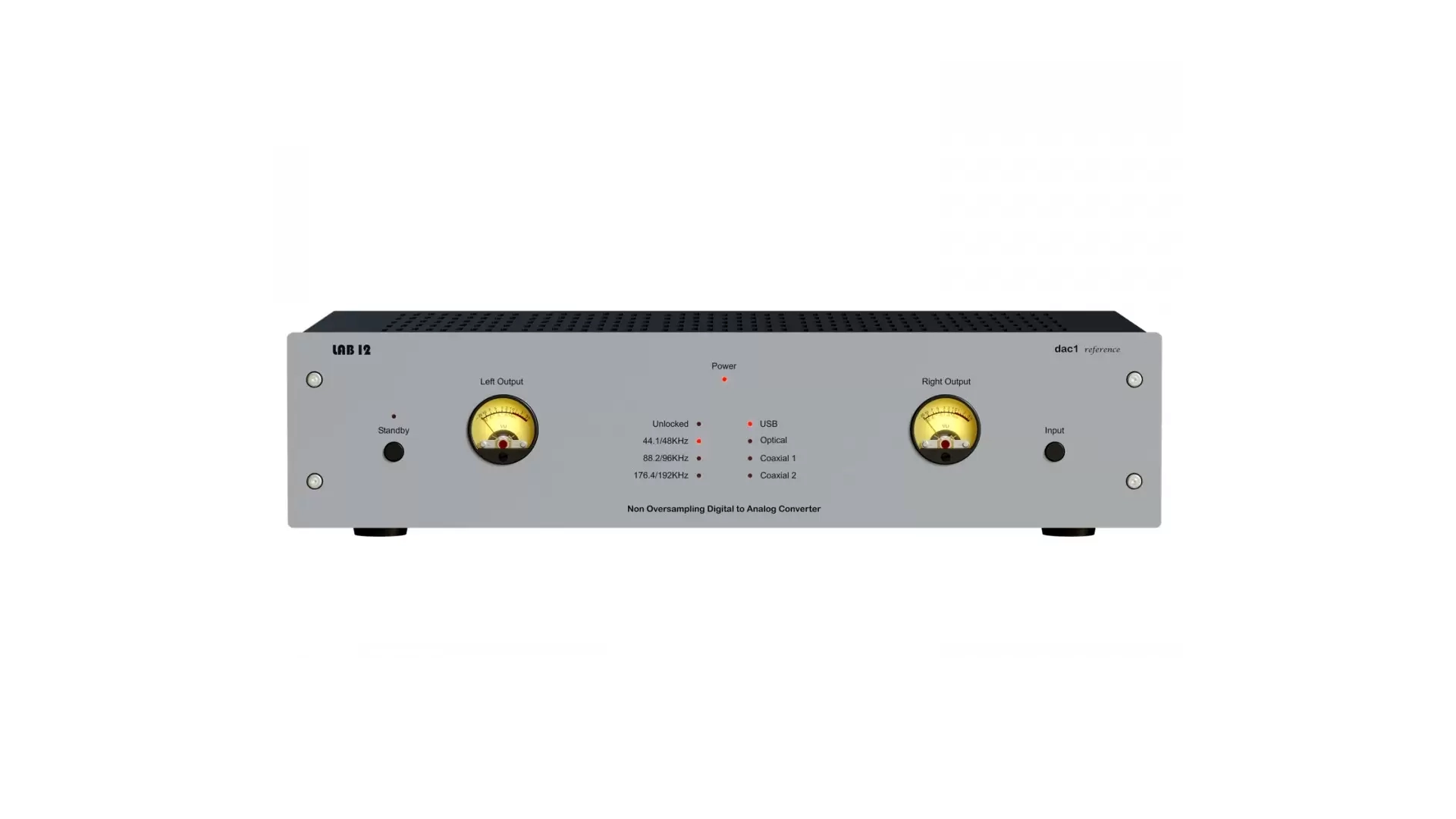
Lab12 is a Greek high-end electronics manufacturer that uses valves as practical circuit elements, not as a shortcut to retro styling. Designer Stratos Vichos founded the company in Athens in 2012 after years of building and refining audio circuits, and production remains focused on hand-assembled components made in Greece. The catalogue spans integrated and power amplifiers, line and phono preamplifiers, a non-oversampling digital-to-analogue converter and power-conditioning products. Models such as the integre4 Mk2 allow users to work with several compatible output-valve types and provide front-panel bias indication, making setup and maintenance less opaque. The Suara Mk2 power amplifier pursues pure Class A operation, while Melto phono stages offer flexible gain and loading for moving-magnet and moving-coil cartridges. Lab12’s dac1 reference follows a deliberately minimalist digital path and a valve output stage. The Gordian conditioner is a different kind of speciality: it analyses mains quality, selects an appropriate filtering network and displays electrical conditions in real time. Together these products reveal the brand’s real character—accessible controls, robust power supplies and tube circuits designed for daily use.
LampizatOr

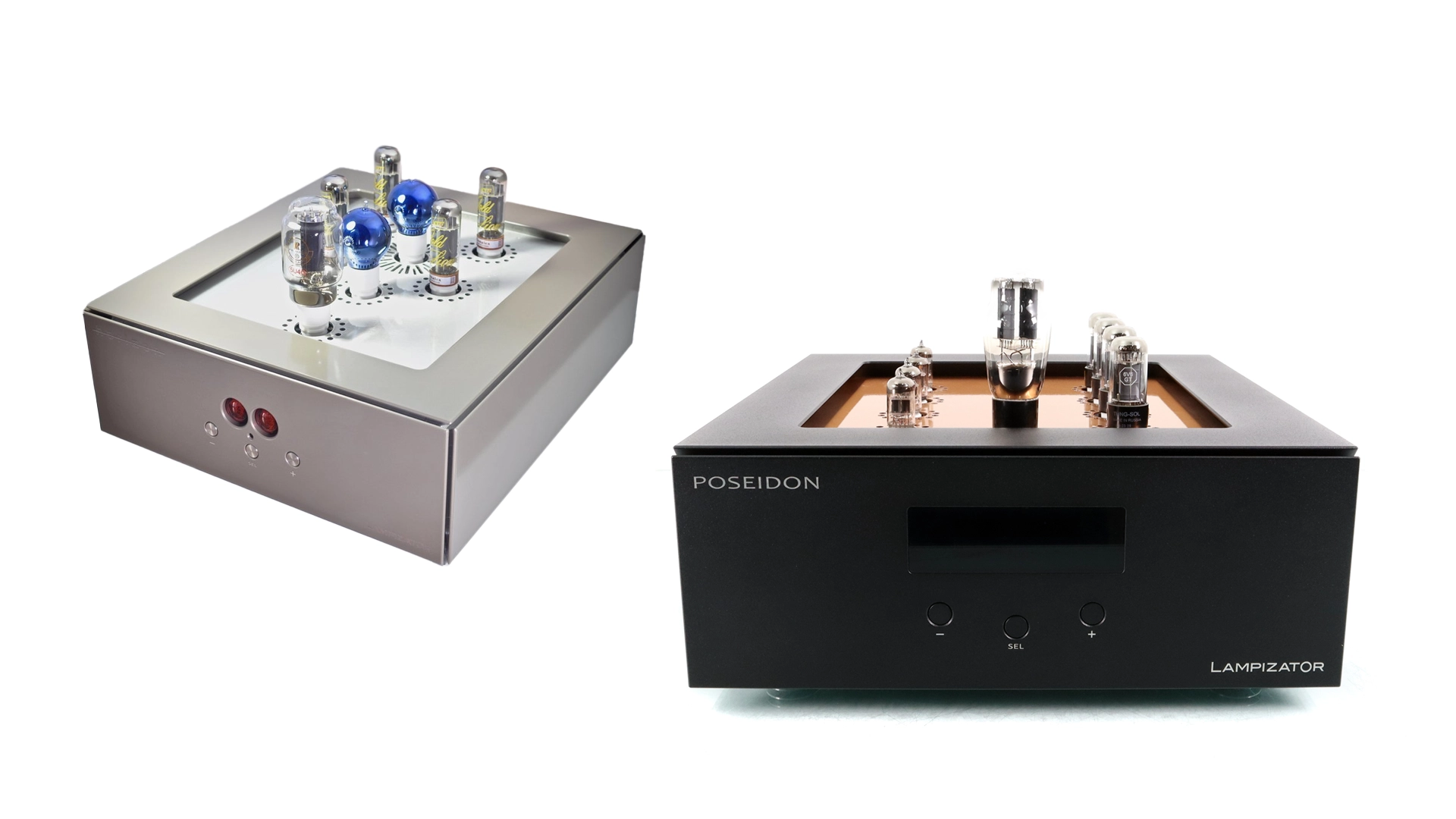
LampizatOr is a Polish digital-audio specialist founded by engineer Łukasz Fikus, best known for DACs in which valves form an essential part of the analogue conversion path. The unusual name combines the Polish word “lampa,” meaning valve, with a playful reference to the Terminator; it began with Fikus’s published experiments modifying commercial CD players before growing into a manufacturer with its own hardware. LampizatOr rejects the assumption that every converter should be a compact, fully integrated chip-based appliance. Depending on the model, its DACs combine proprietary digital processing, substantial linear power supplies and valve output stages, with directly heated triodes used in the upper ranges. The Horizon, Pacific, Golden Gate, Baltic and Atlantic families show how the concept scales from comparatively approachable designs to multi-chassis statement products, and many units offer selectable output valves or modular options. The company also builds digital transports and analogue components. LampizatOr’s appeal lies in this crossover of computer-era source engineering and traditional valve practice: not a generic promise of “analogue sound,” but a deliberately serviceable, configurable architecture with a strong designer’s fingerprint.
Lector Audio
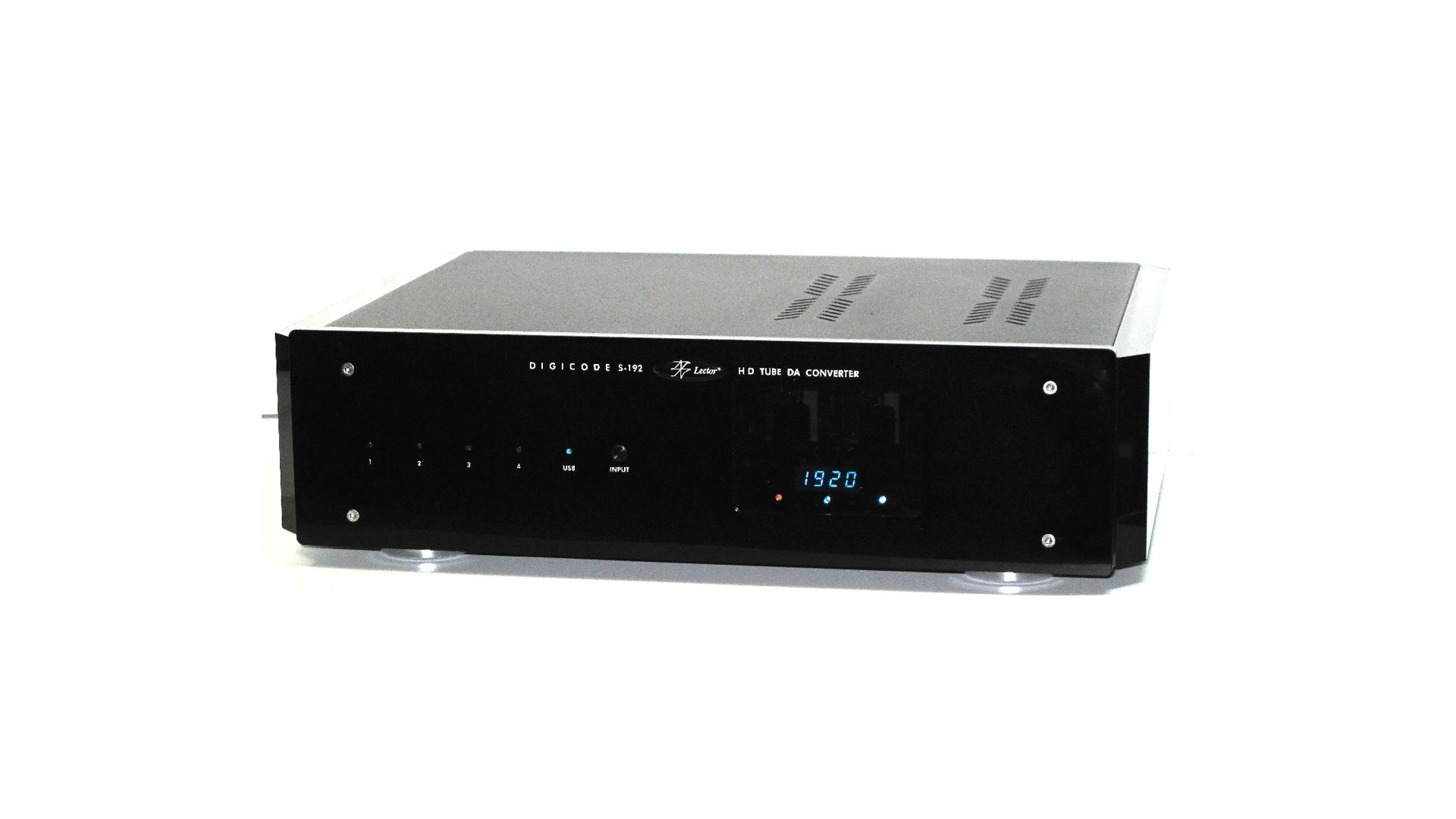
Lector Audio is an Italian manufacturer that has been designing and hand-building high-end electronics since 1982, with particular expertise in combining valve analogue stages with digital sources. Long before tube-output DACs became common, Lector treated the transport, conversion circuitry, clocking, power supply and output stage as separate engineering problems. Its multi-box CD players and the DigiCode/DigiDrive combinations isolate sensitive digital and analogue functions, while the Digitube converters use valves after conversion to avoid a conventional op-amp output path. The range extends beyond digital: Zoe line preamplifiers, VM-series hybrid power amplifiers, ZAX integrated amplifiers and moving-magnet/moving-coil phono stages apply the same preference for substantial external power supplies and short analogue paths. Network products such as Diginet add streaming and file playback without abandoning the modular architecture. Manufacturing in Italy and a willingness to retain serviceable, upgradeable platforms give the catalogue continuity across generations of formats. Lector’s speciality is not simply adding a visible valve to a digital product, but designing the power and analogue sections so optical discs, streamed files and vinyl can share a coherent system character.
Lindemann

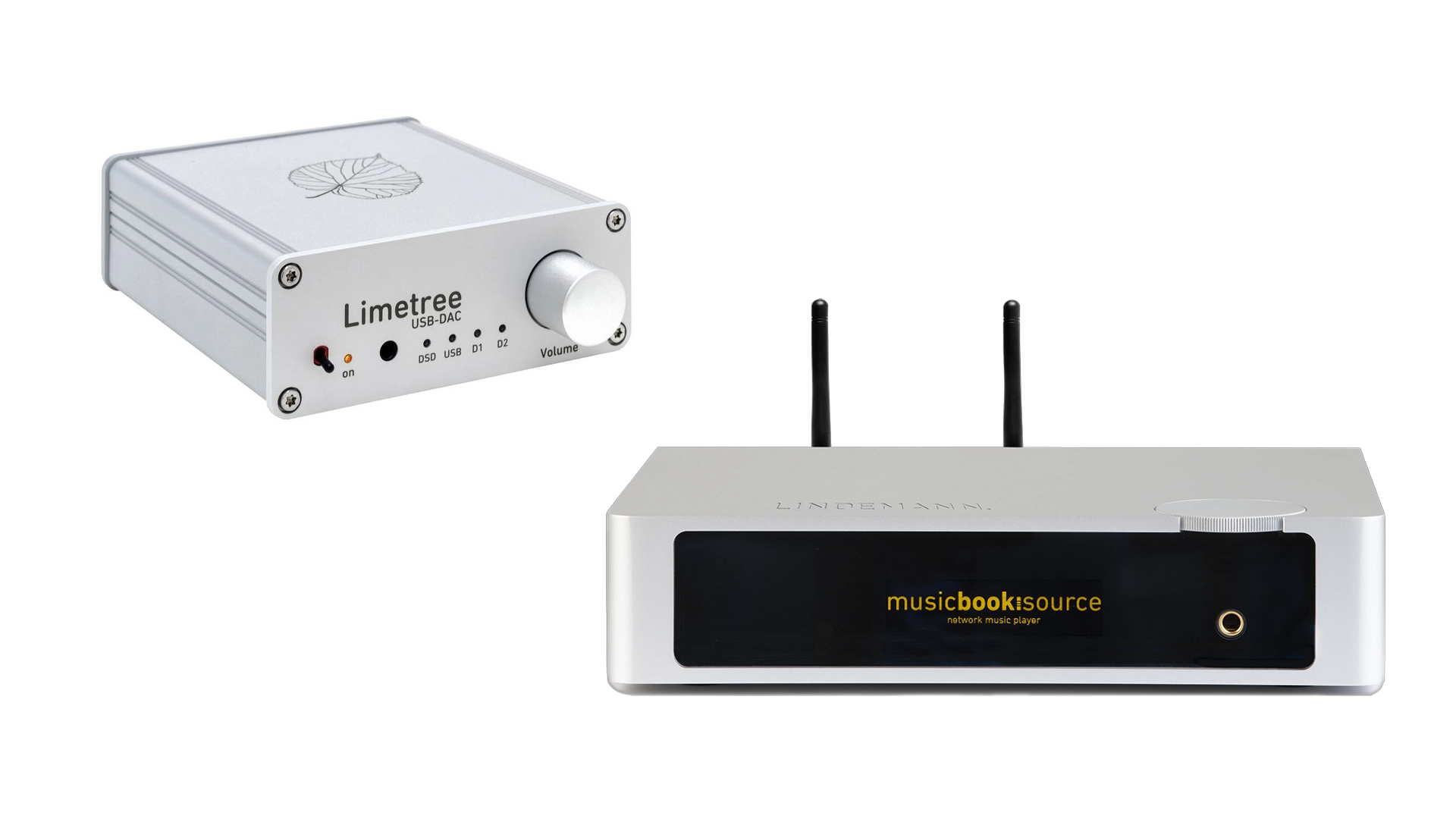
Lindemann is a German high-end electronics company founded by engineer Norbert Lindemann in 1992. From its first AMP 1 integrated amplifier through early high-resolution disc players and today’s network products, the company has concentrated on timing, signal integrity and short, controlled circuit paths rather than feature count for its own sake. The compact Musicbook family is the core of the modern range. Musicbook SOURCE combines streaming, DAC and analogue preamplifier functions, with an optional CD drive on selected versions, while Musicbook POWER provides matching Class D amplification. The smaller Limetree components divide functions such as network playback, USB conversion, phono amplification and headphone drive into affordable, upgradeable modules. Newer Woodnote products continue the same compact-system idea. Lindemann develops hardware and software in Germany and pays particular attention to clocking, power-supply separation, analogue output stages and app-based operation. The brand’s distinction is not simply miniature cases: it builds complete digital front ends whose streaming software, conversion and volume control are engineered together, then offers matching amplification without forcing owners into an oversized stack.
Linear Tube Audio

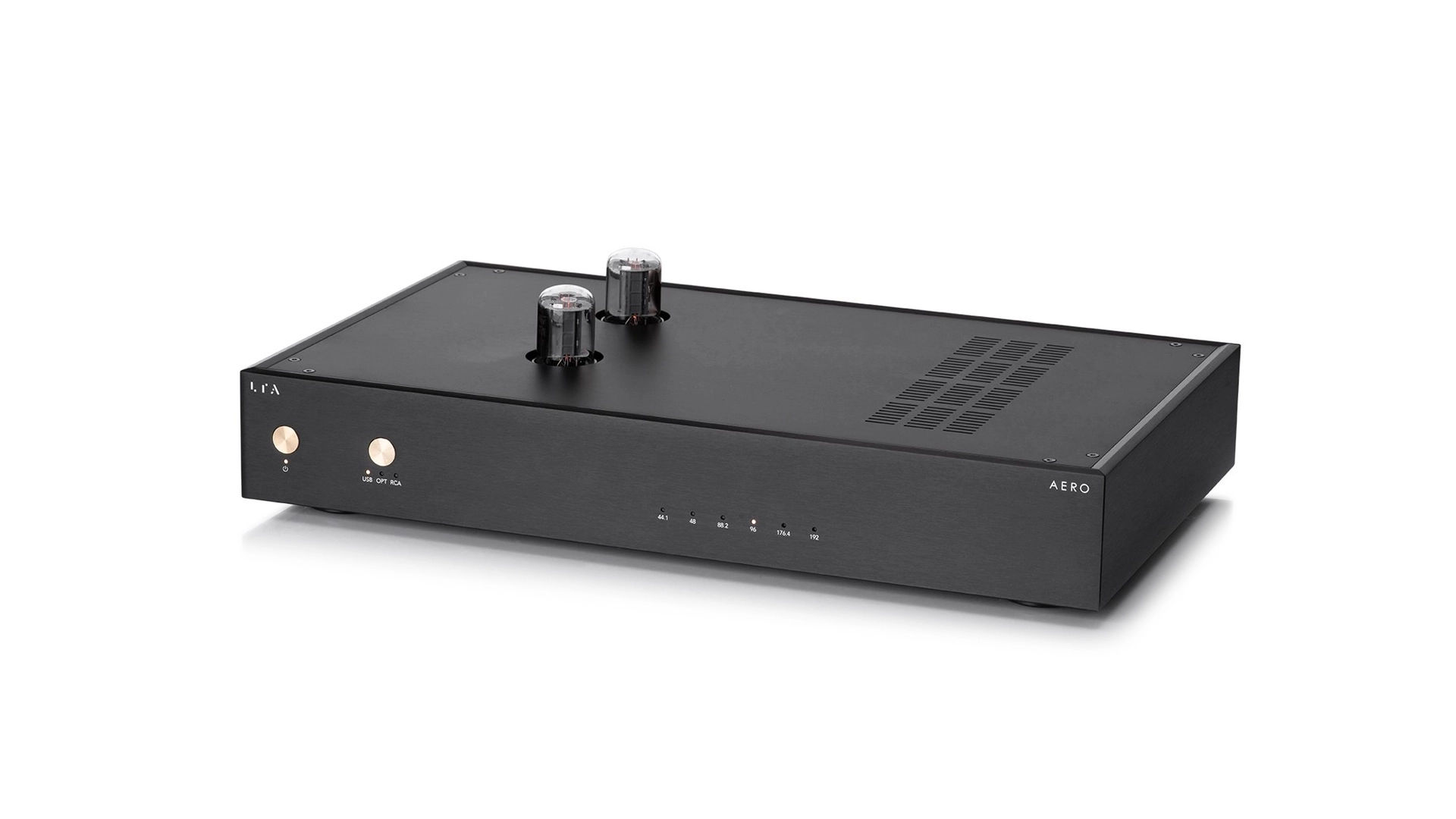
Linear Tube Audio is an American valve-electronics manufacturer built around David Berning’s patented ZOTL architecture. Mark Schneider founded the company in 2015 and began with the MicroZOTL 2.0, an updated version of Berning’s compact amplifier. A conventional tube power amplifier requires a large audio-frequency output transformer to match the valves to a loudspeaker. ZOTL instead transfers that impedance through a radio-frequency conversion stage, avoiding the hysteresis, bandwidth limits and stored energy associated with a traditional output transformer while retaining valves in the signal-amplifying circuit. Berning designs the core amplifier topology to LTA’s requirements, and the Takoma Park, Maryland team develops the power supplies, control systems, chassis and production engineering around it. Current products include Z40+ and Ultralinear+ integrated and power amplifiers, the MicroZOTL preamplifier, Z10e electrostatic-headphone amplifier, Velo headphone amplifier/preamplifier and Aero DAC. Units are hand-built in the United States and designed for long tube life and relatively low heat. LTA’s strength is therefore specific and testable: it industrialises a difficult alternative to the valve output transformer.
Linnenberg

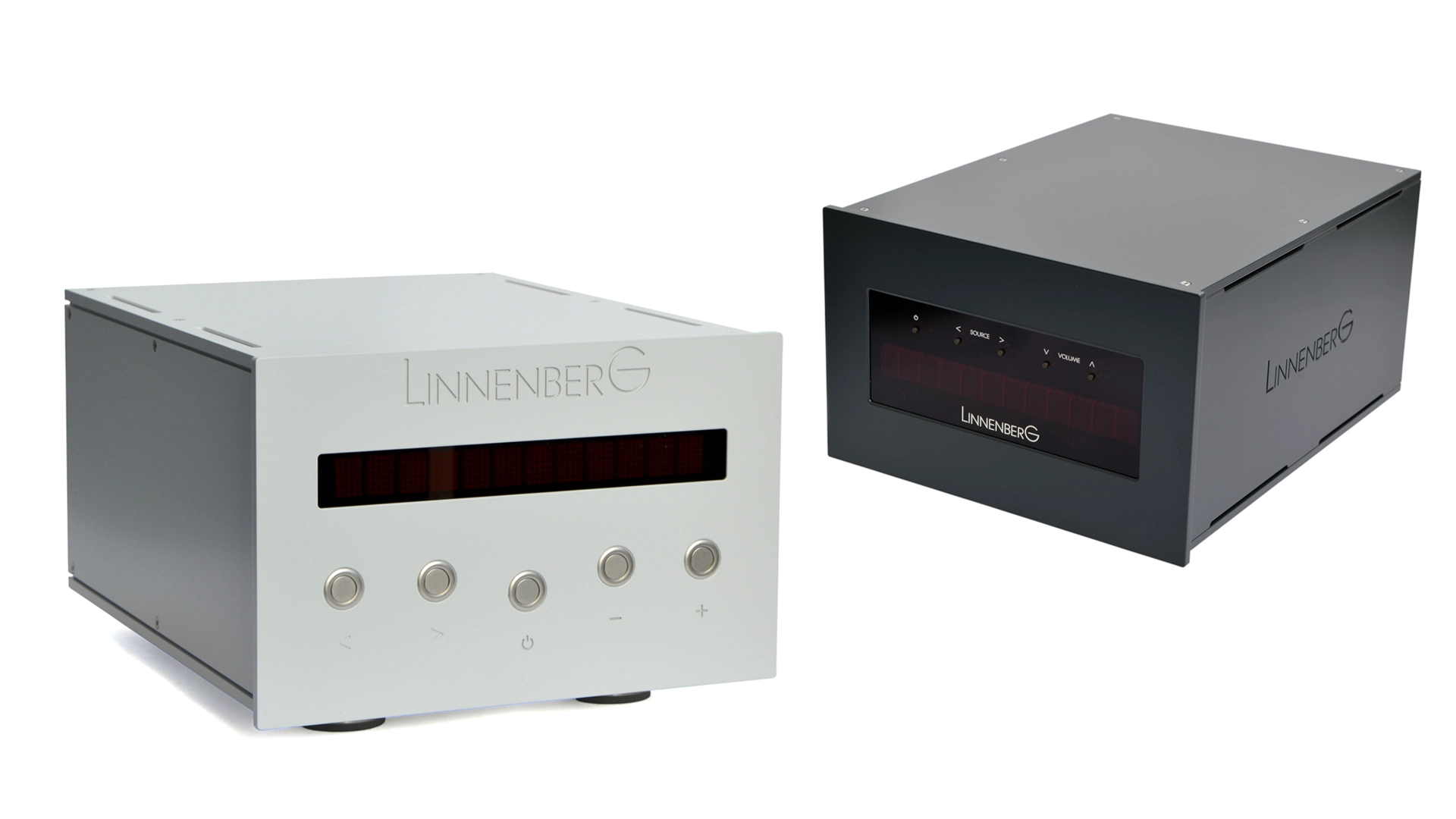
Linnenberg is a German high-end electronics company founded by engineer Ivo Linnenberg in 1994. It began with the PowerDAC and has remained a deliberately small operation, developing compact components around fully balanced signal paths, wide bandwidth and strict separation of power-supply and audio functions. Earlier products such as the Telemann DAC, Vivace converter, Liszt monoblocks, Widor stereo amplifier and Satie streamer established the brand internationally, but the current 30-series presents the philosophy in a more unified form. VV30 and VS30 combine conversion and preamplifier duties in different configurations, the VR32 acts as a reference control component, and ES30 monoblock power amplifiers provide matching output stages. PH30 and its PS30 power supply address low-level phono signals as a dedicated pair. The company describes this approach as “the art of symmetry”: balanced architecture is treated as a circuit principle, not merely the presence of XLR sockets. Linnenberg products are designed and made in Germany in limited quantities, with aluminium enclosures and concise controls. Its strength is focus—digital conversion, analogue gain and power amplification are refined as a small, electrically coherent system rather than a catalogue of unrelated boxes.
Luxman

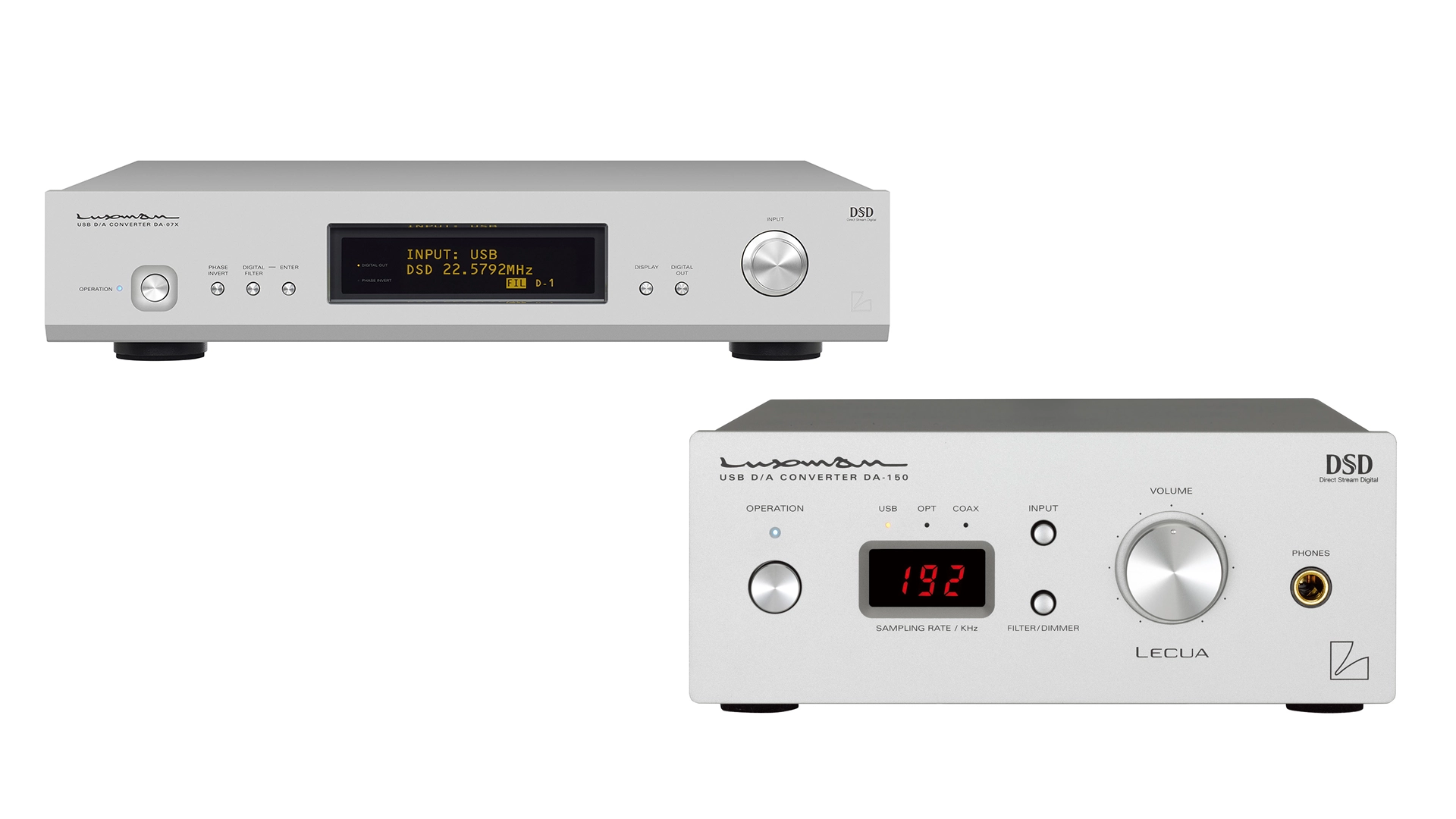
Luxman is one of Japan’s longest-established specialist hi-fi manufacturers, with roots in an Osaka radio department opened in 1925 as broadcasting began in the country. Its catalogue is broad, but amplification remains the centre of gravity: integrated amplifiers, control amplifiers and power amplifiers sit alongside SACD/CD players, network transports, DACs, phono stages and the PD-191A turntable. Luxman develops recurring circuit platforms rather than dressing standard modules in new cases. The current LIFES feedback engine, introduced as the successor to the long-running ODNF concept, is designed to apply correction only to detected distortion components while preserving the music signal’s immediacy. LECUA electronically controlled attenuators provide repeatable volume adjustment with carefully matched channels, and substantial custom transformers and power supplies are used throughout the upper ranges. Products such as the L-509Z integrated amplifier, C-10X/M-10X separates and D-10X disc player pair this engineering with the brand’s characteristic analogue meters and understated industrial design. Luxman’s appeal is the continuity between eras: tube components, modern solid-state circuits, digital sources and vinyl replay are all treated as parts of one coherent Japanese audio tradition.
M2Tech

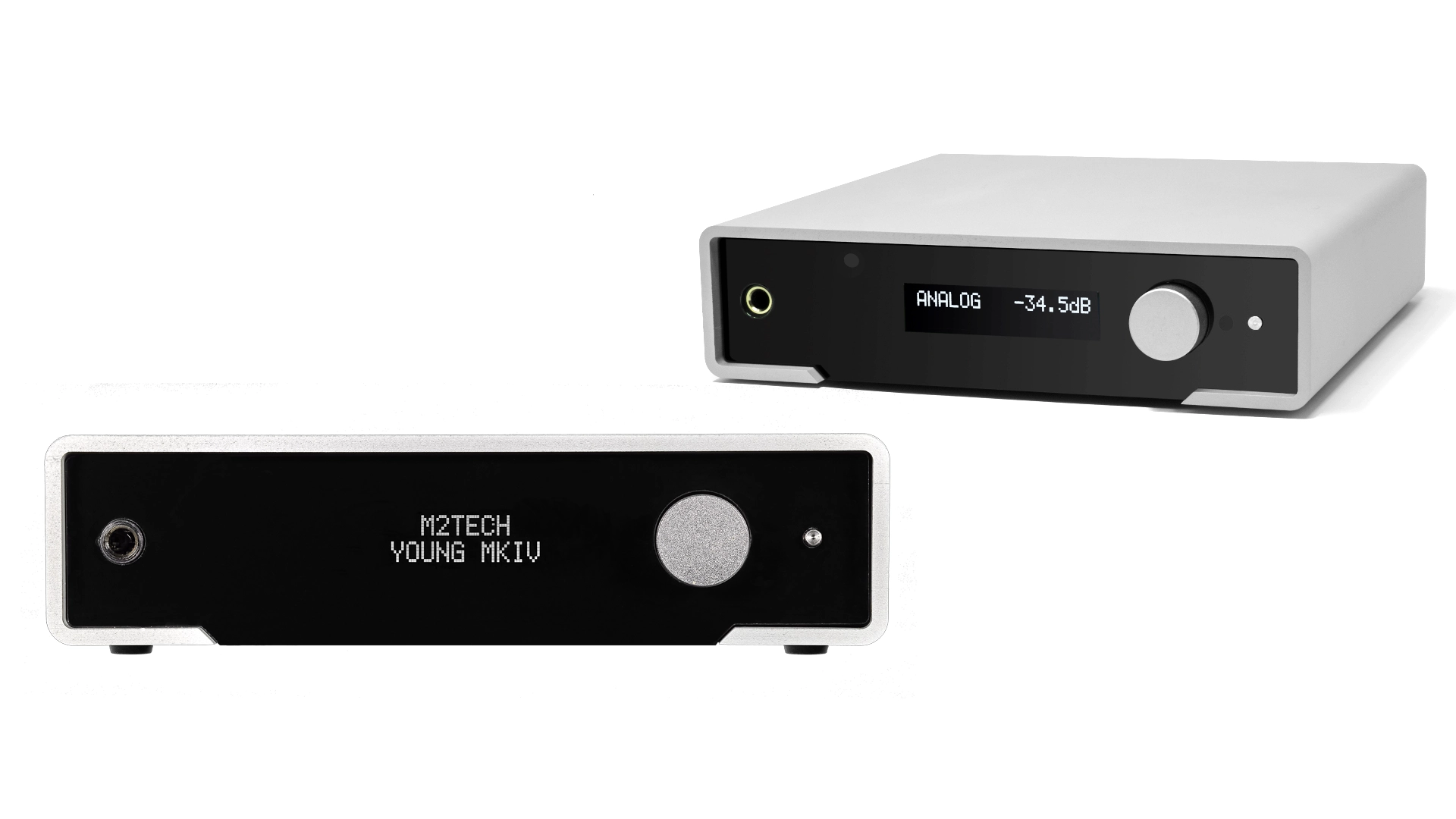
M2Tech is an Italian digital-audio company founded in Pisa in 2007 by electronics designers Nadia Marino and Marco Manunta. It first operated as a consultancy, then became internationally visible with the 2009 hiFace—an asynchronous USB-to-S/PDIF interface created when few DACs could accept high-resolution computer audio reliably. The compact device delivered bit-perfect 24-bit/192 kHz data and helped establish USB conversion as a serious upgrade rather than a convenience input. M2Tech followed it with the Young 384/32 DAC, among the first consumer converters to handle 384 kHz files over asynchronous USB, and the Joplin analogue-to-digital converter, which incorporated flexible phono equalisation. Products such as the Vaughan DAC, Nash phono stage, Crosby power amplifier and EVO modular components expanded the range without losing the emphasis on clocks, conversion and adaptable interfaces. The founders have also continued design work for other manufacturers. The M2Tech heritage is now being carried forward through Manunta by M2Tech, including compact EVO products and more integrated electronics sold with a closer direct relationship to customers. That evolution is important: M2Tech is best understood as an engineering platform behind several generations of original digital and analogue tools, not merely the maker of one successful USB dongle.
Marantz

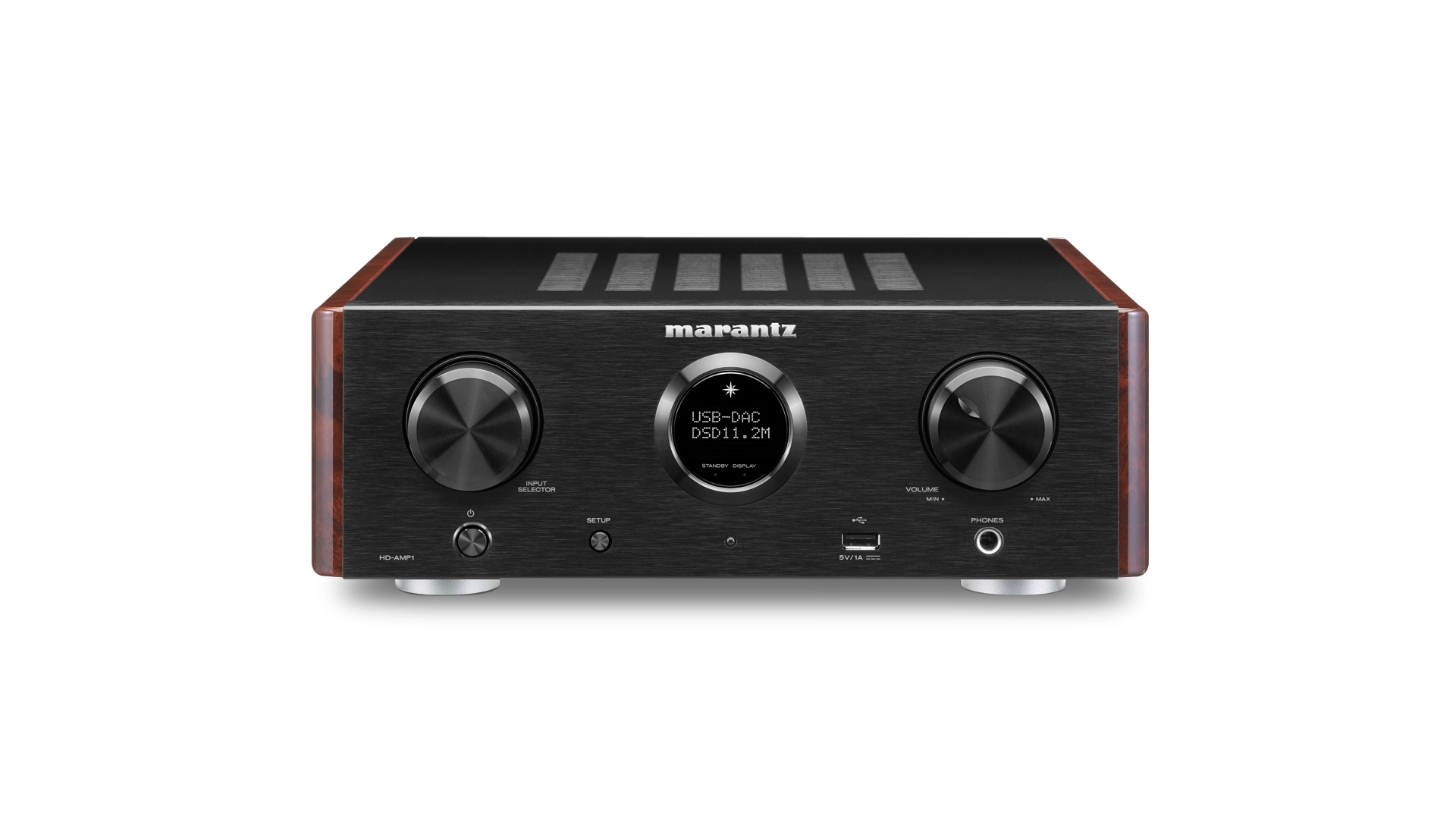
Marantz is a historic high-fidelity brand whose modern amplifiers, network players and home-cinema electronics combine American roots with Japanese audio engineering. Saul B. Marantz began by building the Audio Consolette for his own record collection; its success led to the Marantz company in New York in 1953. The Model 1 preamplifier, Model 7, Model 9 power amplifier and Model 10B tuner established a reputation for elegant circuits, low distortion and unusually thoughtful industrial design. Today the range spans stereo integrated amplifiers, SACD and network sources, turntables, AV receivers and processors. A defining element of many premium models is the company’s discrete Hyper Dynamic Amplifier Module (HDAM), used instead of generic integrated op-amps in critical analogue stages. Current reference components also emphasize short signal paths, carefully separated power supplies, shielding and rigid multi-layer chassis construction. Products such as the MODEL 30 and MODEL 40n bring that approach to contemporary systems, while the CINEMA series applies it to immersive home theatre. Marantz is distinctive because it has repeatedly translated its classic emphasis on musical, usable equipment into each new playback era rather than treating heritage as decoration.
Mark Levinson

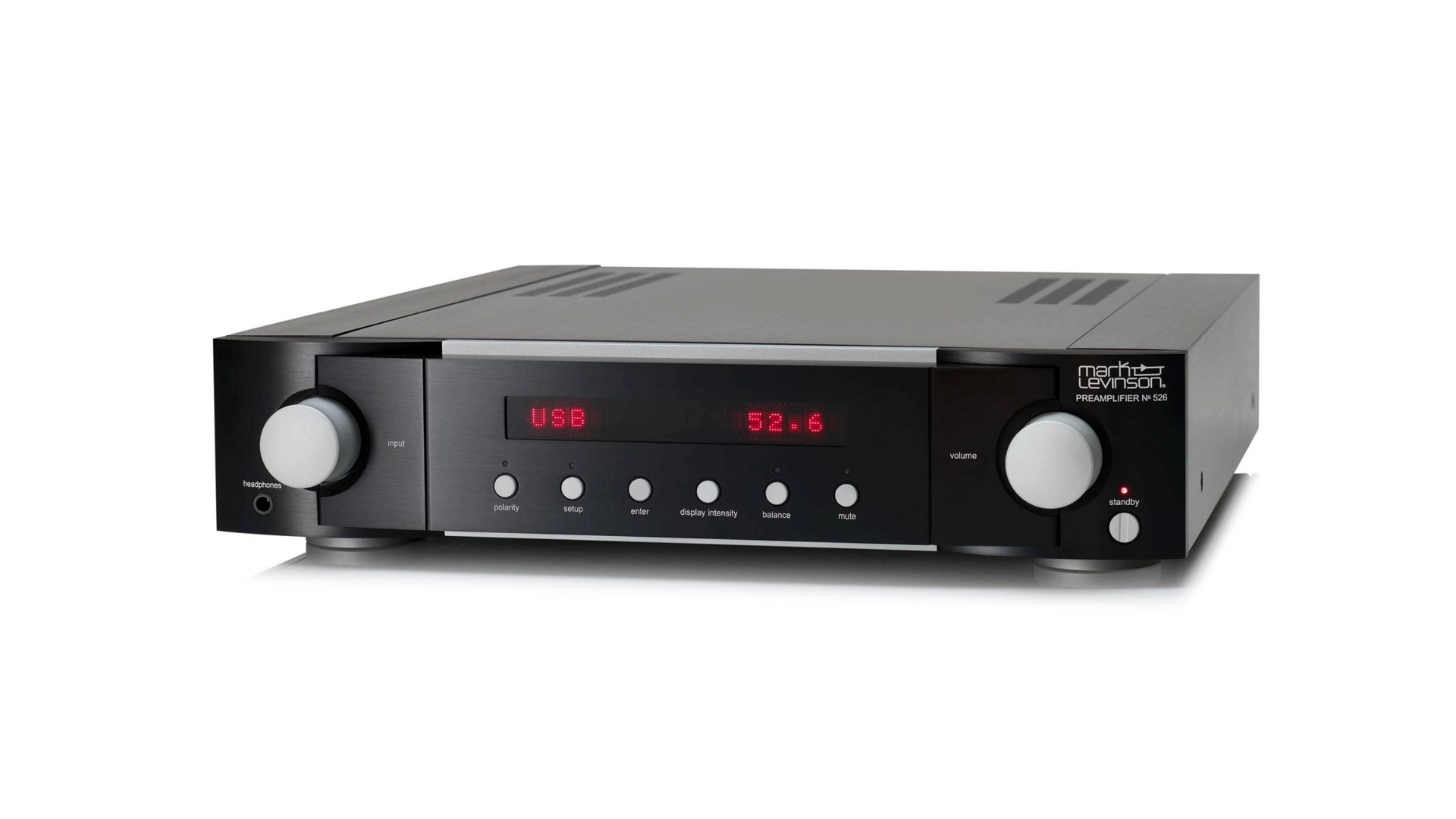
Mark Levinson is an American high-end electronics brand built around low-noise analogue circuitry, substantial power supplies and a deliberately uncompromising approach to signal integrity. Professional musician and recording engineer Mark Levinson founded the company in 1972 after seeking playback equipment that could reproduce the natural scale and timbre he heard in live performance. Early products such as the LNP-2 preamplifier helped define the emerging specialist high-end market. Now part of Harman, the brand produces preamplifiers, power and integrated amplifiers, digital players, turntables and premium headphones, and also develops factory audio systems for Lexus. Its components are identified by the Nº model prefix and typically use proprietary Pure Path circuit architecture, dual-mono layouts where appropriate, fully balanced signal paths and tightly regulated supplies. The Nº 5805 and Nº 5802 integrated amplifiers combine this analogue foundation with modern digital conversion, while the Nº 5909 extends the brand into wireless noise-cancelling headphones. Mark Levinson’s real distinction is not a cosmetic luxury treatment but the application of measurement-led, wide-bandwidth engineering and careful system integration across both traditional separates and newer product categories.
Matrix Audio

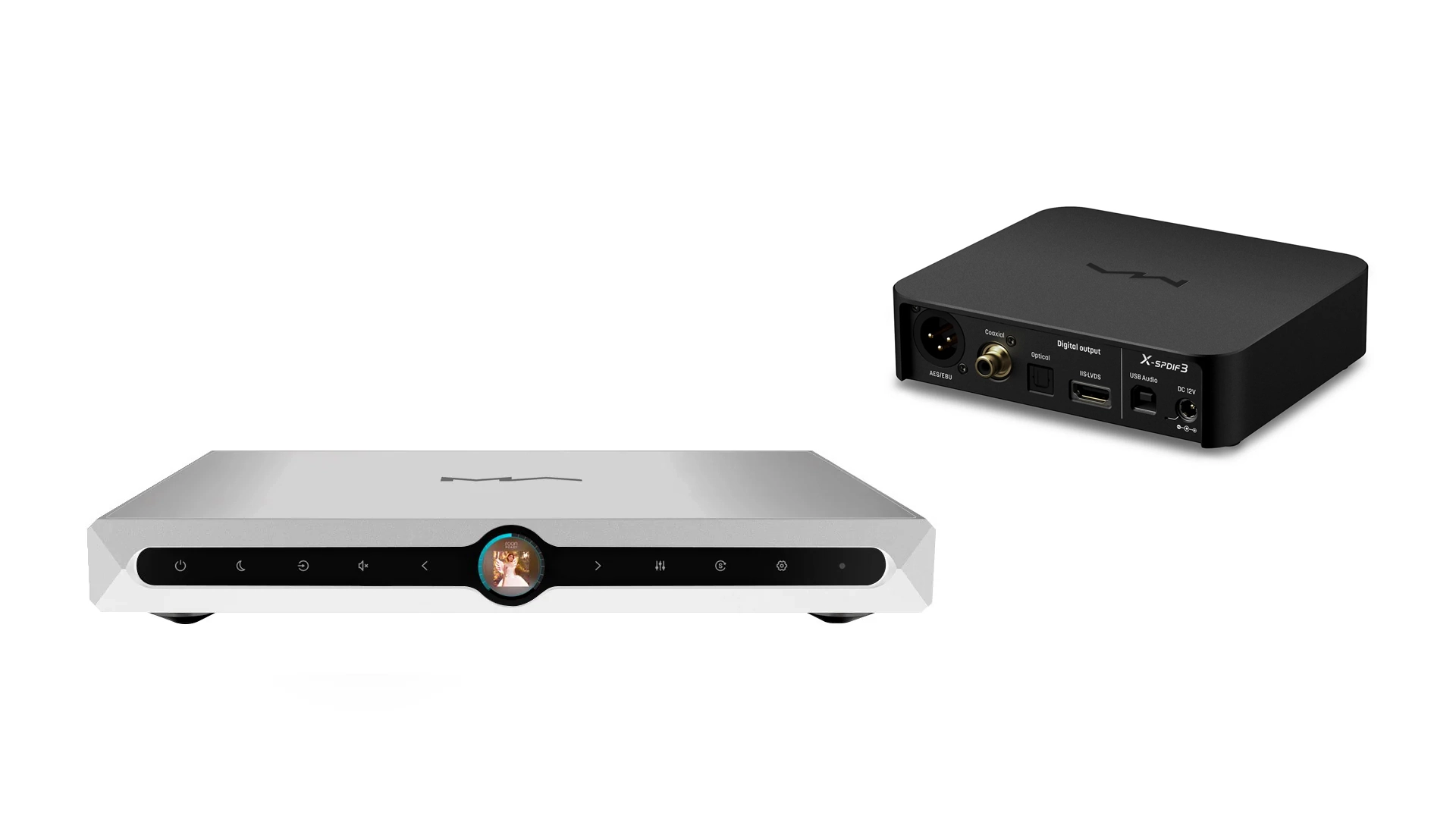
Matrix Audio is a digital-audio specialist from Xi’an, China, known for combining serious conversion hardware with unusually complete network playback and control software. The company traces its beginning to 2006 and later formalized Matrix Electronic Technology and the Matrix Audio trademark. Its early DACs and headphone amplifiers established a reputation for clean circuit layouts and competitive engineering; the element series expanded that expertise into integrated music streamers. Current products cover network players, DACs, headphone amplifiers, preamplifiers, power amplifiers, clocks and all-in-one sources. Matrix develops its own MA Player platform and MA Remote application, allowing local storage, NAS libraries and supported streaming services to be handled within one interface. Higher models use carefully partitioned digital and analogue sections, femtosecond clocking, linear power supplies, balanced outputs and CNC-machined enclosures; implementation varies by model rather than following a single chip recipe. Lines such as element, mini-i and X-SABRE address different system scales. Matrix Audio’s strength is the integration of hardware, firmware and everyday usability: it approaches a network player as a complete audio source, not merely a DAC with a streaming module attached.
MBL

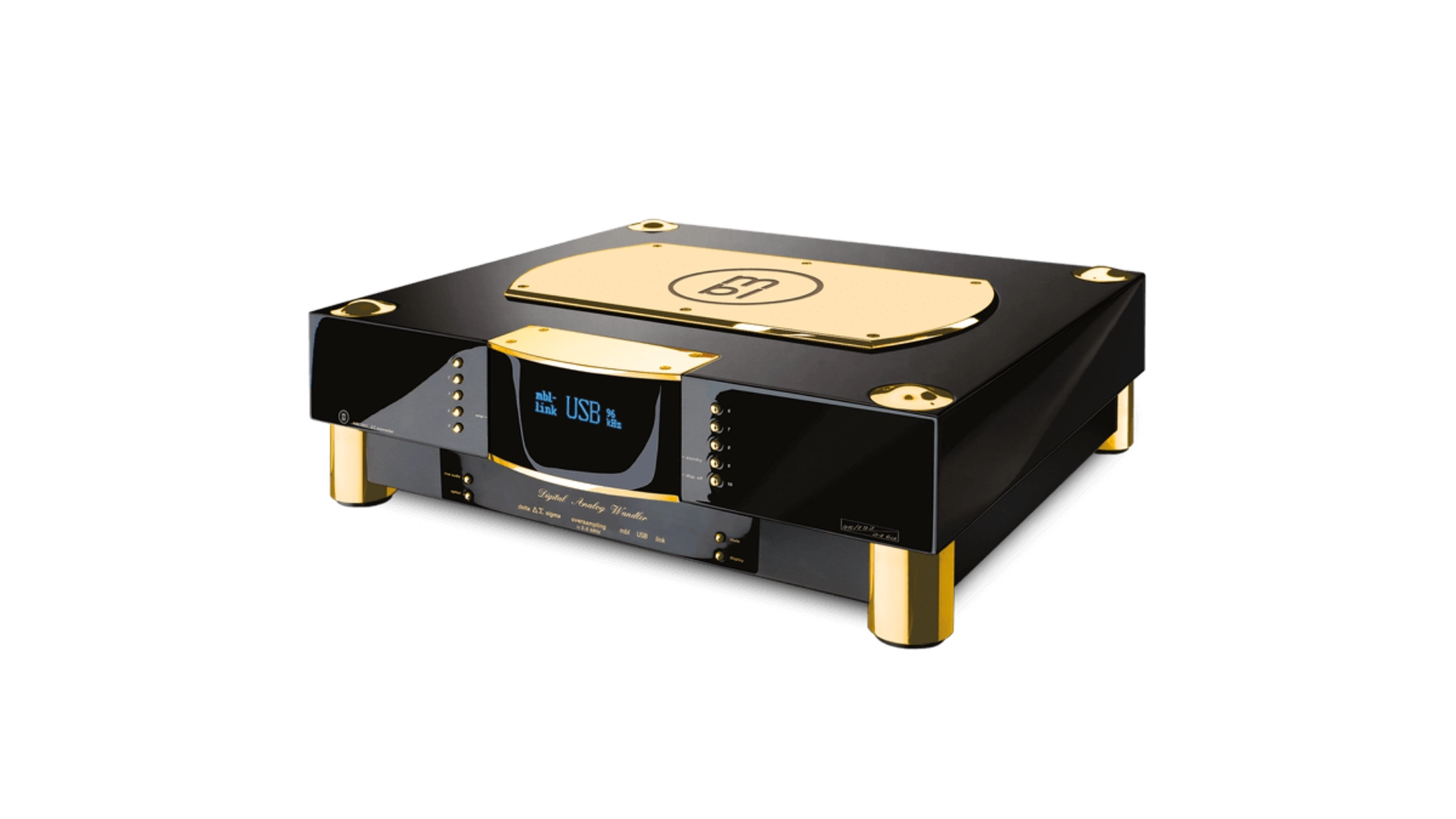
MBL is a German ultra-high-end manufacturer defined by the Radialstrahler, an omnidirectional bending-wave loudspeaker that radiates sound through 360 degrees. Wolfgang Meletzky’s original radial transducer and the MBL 100 were presented at IFA Berlin in 1979. Instead of a conventional forward-firing cone, the design uses vertical lamellae arranged around a central axis; when driven, they flex together to form an expanding and contracting acoustic surface. That principle remains central to models such as the 101, 111 and 126, with separate radial elements optimized for different frequency bands and dynamic woofers handling the lowest octaves where required. MBL also builds matching digital sources, preamplifiers and power amplifiers in its Reference, Noble and Cadenza lines. The electronics emphasize high current capability, low-noise power supplies and the stability needed to control demanding loudspeaker loads. Engineering and manufacturing are carried out at the company’s facility near Berlin. MBL’s genuine distinction is spatial: the Radialstrahler excites a room more like an acoustic instrument than a narrowly aimed box speaker, creating a broad listening area while placing unusual demands on driver precision and system setup.
McIntosh

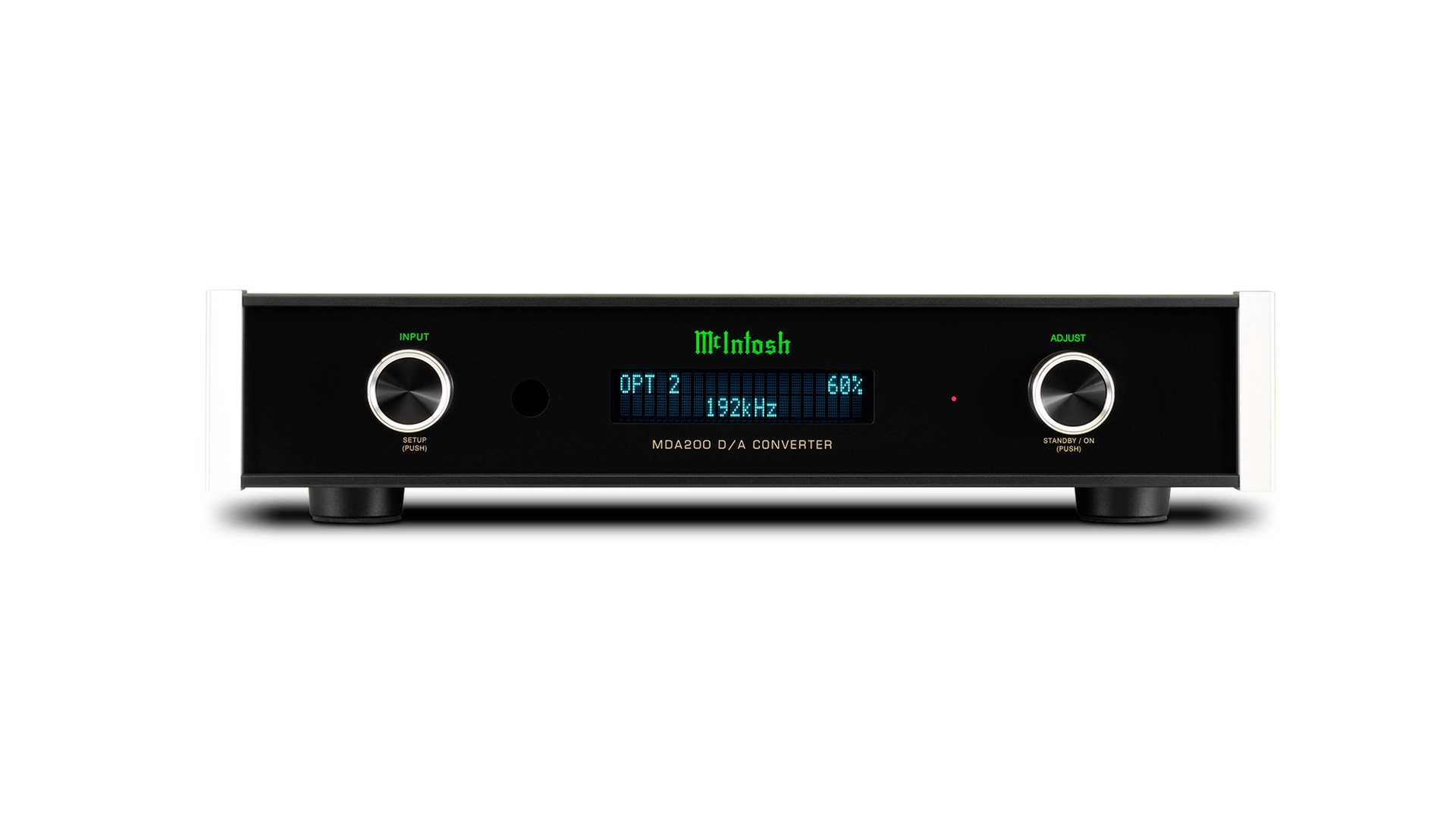
McIntosh is an American high-end audio manufacturer whose blue power meters and black-glass front panels identify products built around unusually durable amplifier engineering. Frank H. McIntosh and Gordon Gow founded the company in 1949 after developing the Unity Coupled Circuit, a transformer-coupled output topology designed to deliver high power with low distortion across the audible band. McIntosh moved to Binghamton, New York, in 1951 and continues to design and assemble products there. The catalogue covers valve and solid-state power amplifiers, preamplifiers, integrated amplifiers, source components, streamers, turntables, speakers and home-cinema processors. Many transistor power amplifiers use Autoformers to deliver their rated power into different loudspeaker impedances, while Power Guard monitors the waveform to reduce clipping-related distortion and Sentry Monitor protects against unsafe operating conditions. The company still winds key transformers in house, and signature glass panels are printed and assembled for long service life. McIntosh’s appeal extends beyond styling: its defining know-how is the marriage of protective circuitry, stable load behavior and conservative construction with a product ecosystem that can support both two-channel and large cinema systems.
Merason

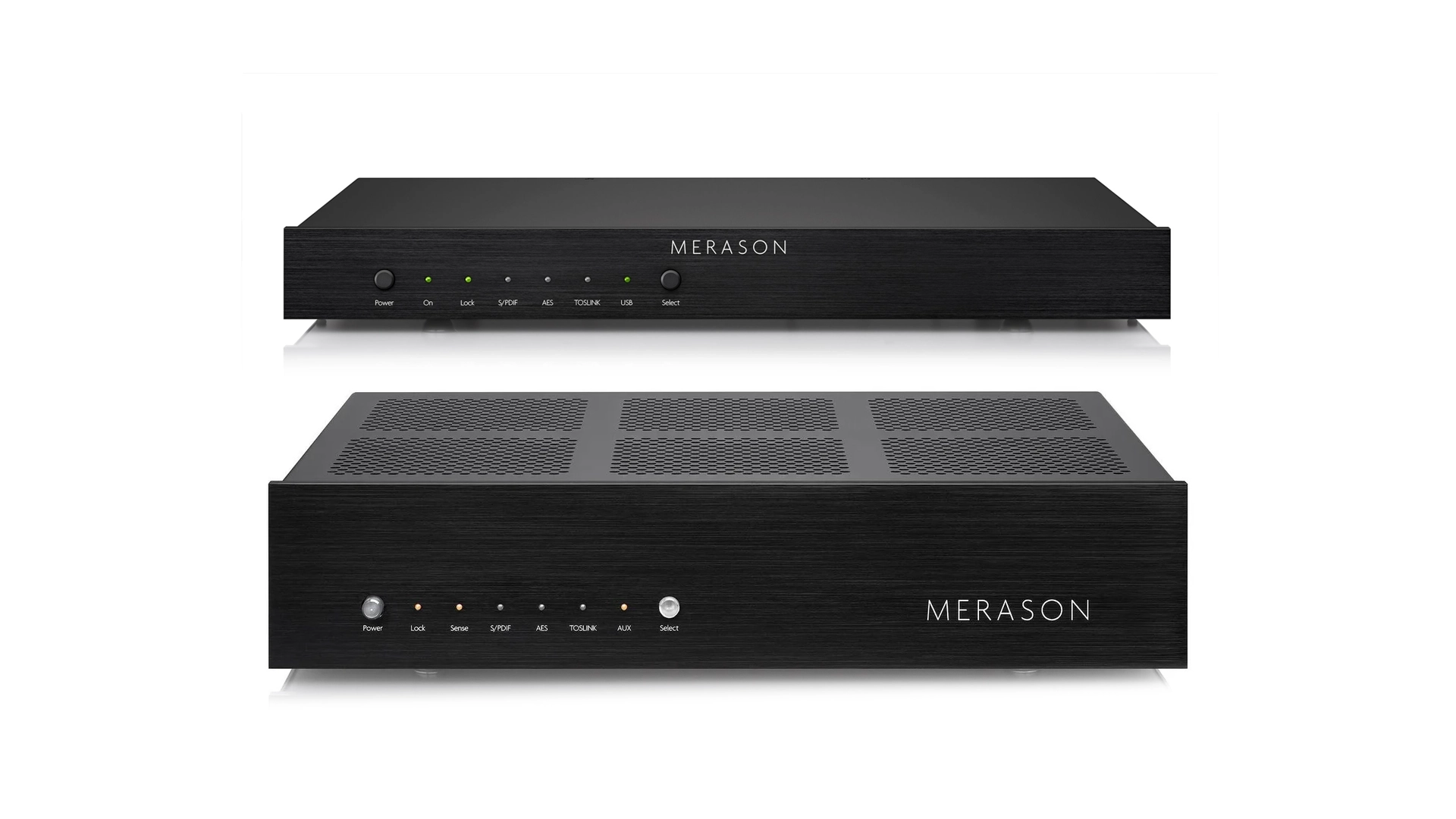
Merason is a small Swiss digital-audio brand focused on DACs that favor simple operation, careful analogue stages and long-term refinement over feature accumulation. Daniel Frauchiger established DAFRAUD GmbH in 2013 and developed the first converter under the Purson name before adopting Merason. That design became the DAC1 and has evolved through successive revisions rather than being replaced by a rapid sequence of unrelated models. The DAC1 Mk II uses separate conversion channels, fully balanced signal handling and substantial linear power supplies, with conversion and output circuitry selected for musical coherence rather than headline format lists. The compact frérot takes the same priorities to a lower price and can be upgraded with the external POW1 power supply. Newer models including the Reuss and DAC2 broaden the range while retaining Swiss development and hand assembly. Merason does not build streamers, amplifiers or a complete lifestyle ecosystem; its specialization is the delicate transition from digital data to an analogue signal. That narrow focus, combined with modular improvement and a restrained user interface, is the brand’s clearest identity.
Merging NADAC

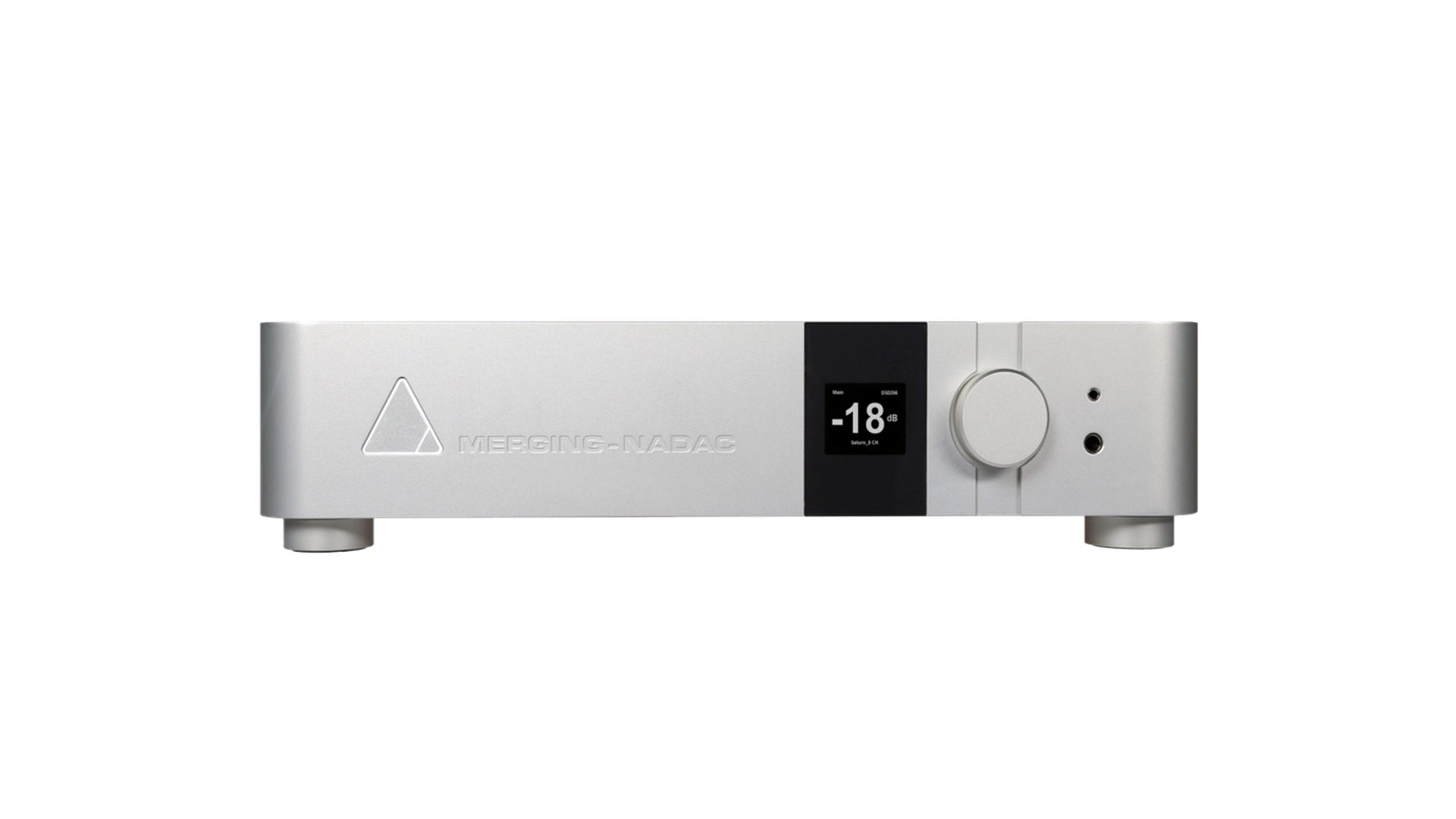
Merging NADAC is the domestic network-DAC line that brought Merging Technologies’ professional recording and broadcast expertise into high-end home audio. Swiss engineer Claude Cellier founded Merging Technologies in 1990 after working at Nagra; the company became known for Pyramix recording systems, Horus and Hapi converters, and high-resolution DXD and DSD workflows. NADAC—Network Attached DAC—was introduced in 2015 as the listening-room expression of that technology. Rather than treating Ethernet as a convenience input, NADAC uses the RAVENNA/AES67 audio-over-IP platform developed for reliable, clock-accurate professional networks. The range included two-channel and multichannel converters, with support for PCM, DXD and DSD, precision clocking, balanced analogue outputs and direct network playback. The multichannel model could serve both immersive monitoring and sophisticated domestic systems, while the optional player software turned it into a complete source. Merging Technologies joined the Sennheiser Group in 2022 and now works closely with Neumann, but NADAC remains important as an early bridge between studio-grade networked conversion and audiophile playback. Its distinction is genuine workflow heritage: the same core engineering serves recording, mastering and reproduction.
Metronome

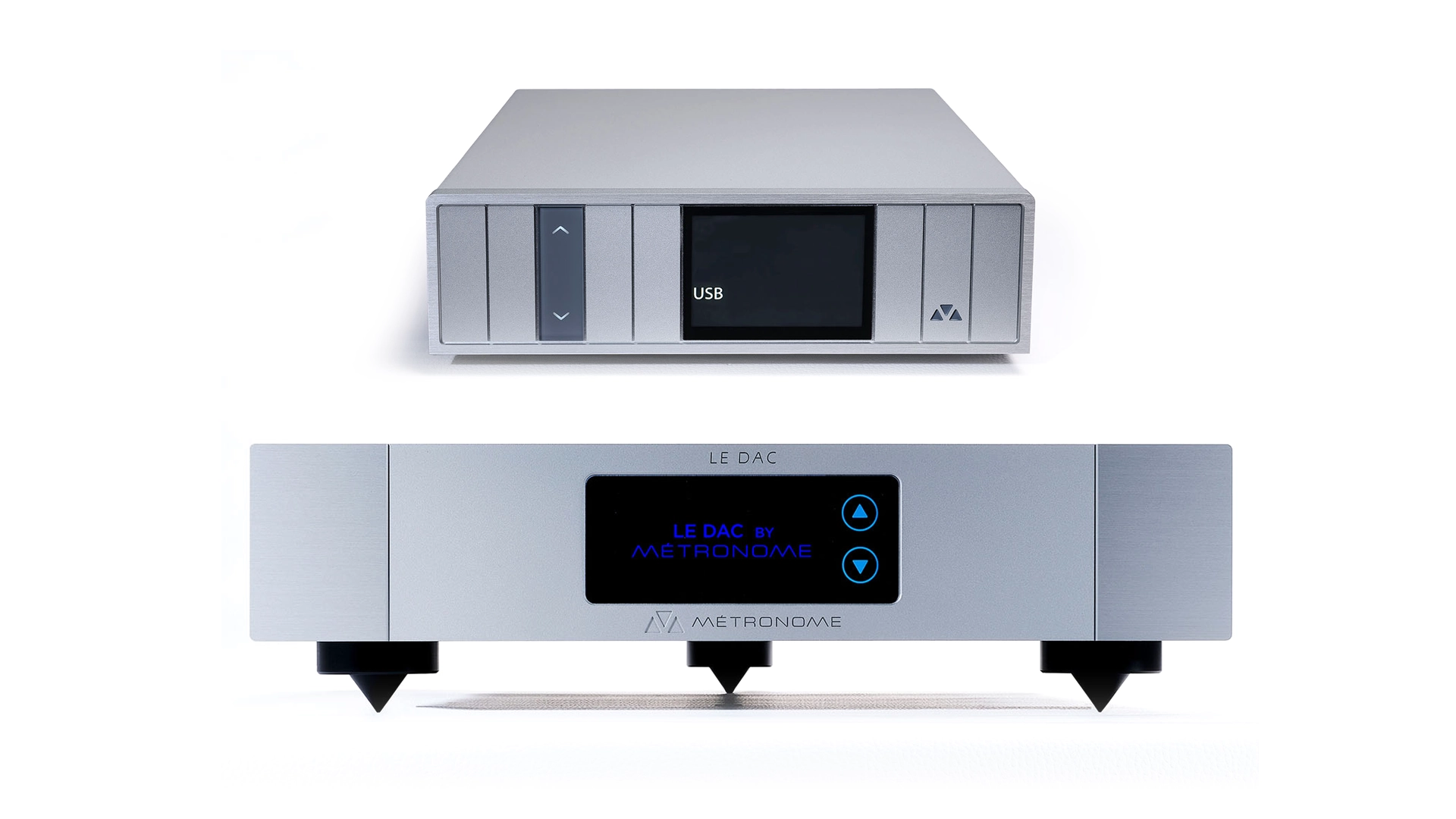
Métronome is a French specialist in high-end digital sources, known for CD and SACD transports, players, streamers and DACs designed and manufactured near Toulouse. Furniture maker and music enthusiast Dominique Giner founded Métronome Technologie in 1987; the name came from an earlier loudspeaker whose cabinet resembled a metronome. That woodworking background remained visible in the company’s substantial enclosures and top-loading disc mechanisms. Métronome separates mechanical reading, clocking, conversion and power supply rather than treating a digital player as a generic computer platform. Depending on the model, its designs use multiple transformers and regulation stages, asynchronous USB, network streaming, tube or solid-state analogue outputs, and proprietary mechanical decoupling. The Classica line offers integrated players and DACs, while AQWO separates SACD/CD transport and conversion at a higher level. Kalista, developed as the company’s statement line, takes the transport architecture and sculptural construction further. Under Jean-Marie Clauzel, the range has remained focused on making digital playback physically robust, quiet and upgradeable. Métronome’s niche is not digital convenience alone, but the complete treatment of disc or file playback from mechanism and clock to analogue output.
Metrum Acoustics

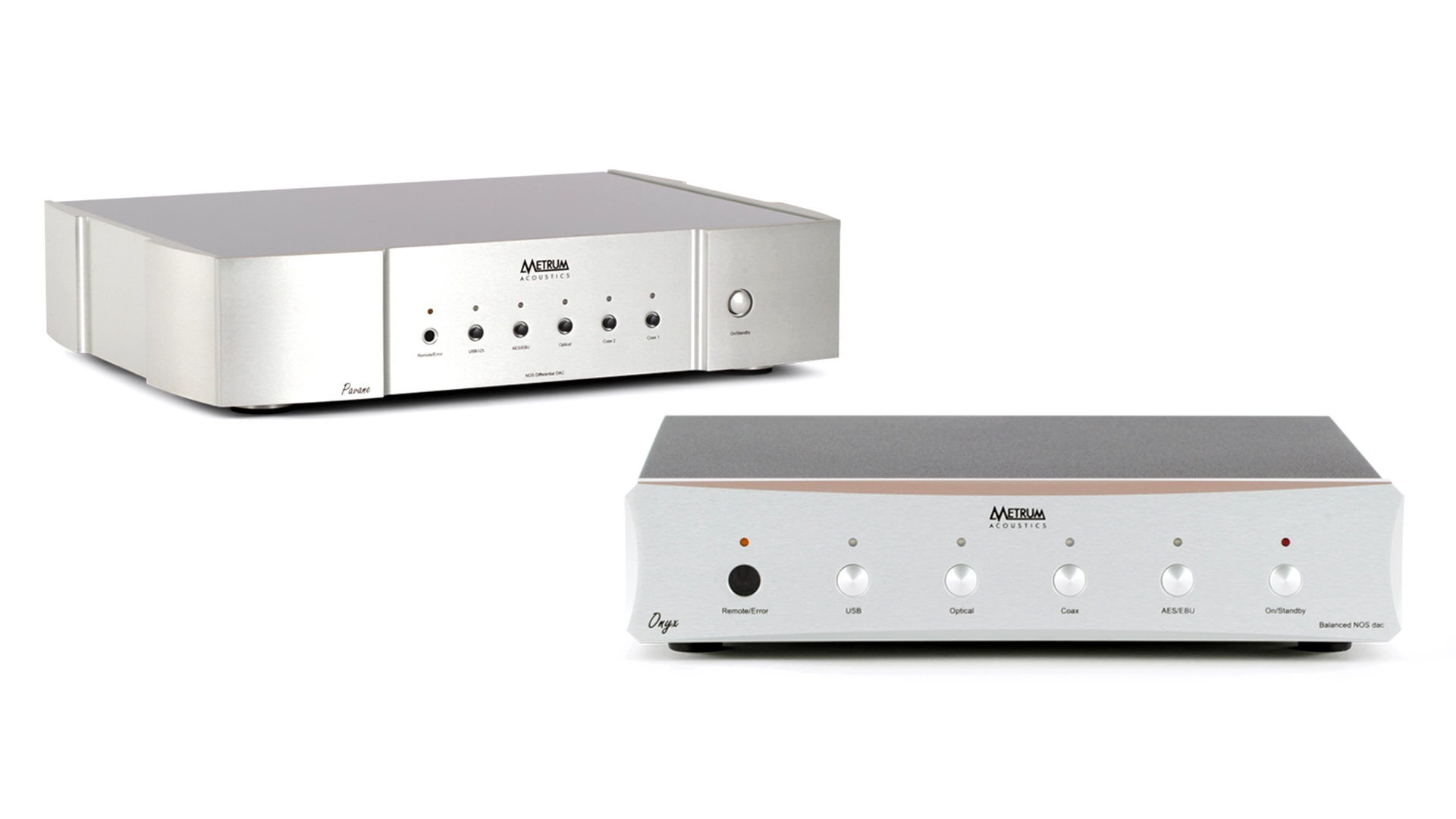
Metrum Acoustics is a Dutch digital-audio brand built around proprietary non-oversampling conversion modules rather than standard off-the-shelf DAC chips. Engineer Cees Ruijtenberg began investigating digital conversion in 2008 and introduced the compact NOS Mini DAC soon afterwards; models such as the Octave and Hex brought the approach to an international audience. The brand dates from 2009 and operates through All Engineering in the Netherlands. Metrum’s key idea is to avoid mandatory oversampling and steep digital reconstruction filters, using industrial high-speed conversion technology adapted for audio and increasingly sophisticated in-house modules. Flagship converters such as Pavane and Adagio use multiple ladder-style modules, separate power regulation and balanced architectures; the Ambre adds network streaming, while matching preamplifiers and power amplifiers create a complete system. The company went through an ownership dispute and brief interruption after Ruijtenberg’s departure, but he regained the Metrum name and resumed development in 2020 alongside sister brand Sonnet Digital Audio. That history matters, yet the enduring distinction is technical: a consistent NOS architecture refined across generations instead of a catalogue defined by whichever commercial converter chip is newest.
Mission

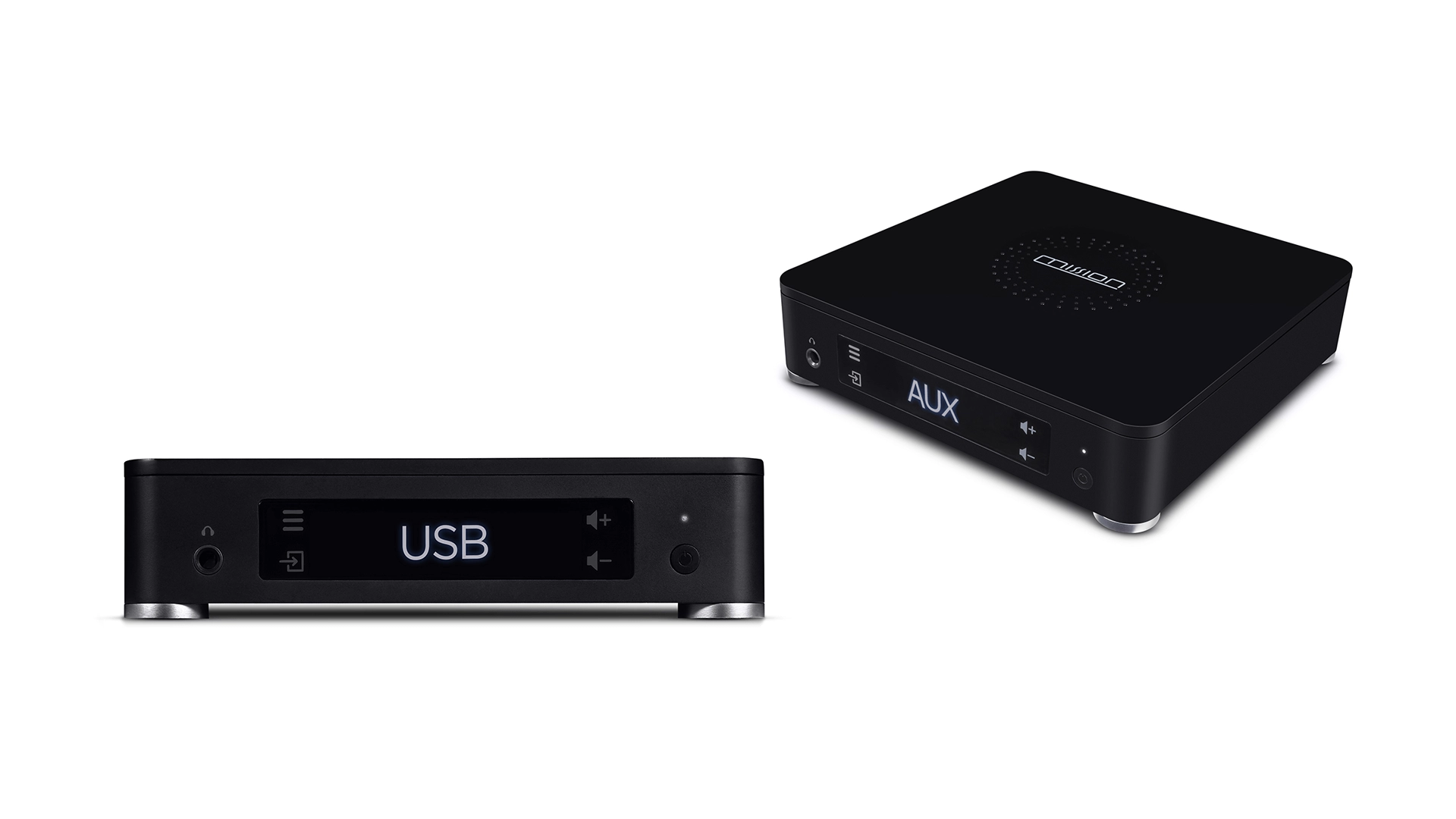
Mission is a British loudspeaker brand whose identity was established by compact, affordable speakers that used unconventional geometry to solve practical acoustic problems. Farad Azima founded Mission in 1977, and the original 770 quickly became a reference point for the company. One of its most recognizable ideas is Inverted Driver Geometry: placing the treble unit below the bass/mid driver to align the acoustic paths at the listening position and improve integration through the crossover region. Mission now offers standmount and floorstanding loudspeakers, centre and surround channels, subwoofers, active wireless systems and the revived 778 electronics. The LX MKII and QX MKII families bring the brand’s core concepts to accessible systems, while the modern 700, 750 and 770 reinterpret historic models with contemporary drivers, crossovers and cabinets. Depending on the range, Mission uses DiaDrive-style mid/bass diaphragms, ring-dome or microfibre-dome tweeters and carefully profiled cabinet structures. Its lasting distinction is not generic “British sound,” but the ability to turn specific engineering choices—driver order, crossover timing and cabinet proportions—into complete ranges that remain straightforward to own.