
Music Streamers
A music streamer is your hi-fi system’s gateway to the vast world of online audio. Its primary purpose is to connect to the internet and seamlessly integrate streaming services like Tidal, Qobuz, and Spotify, as well as thousands of internet radio stations. Often acting as a “streaming bridge,” its main job is to pull music data from the cloud and deliver a pure digital signal to your external DAC for conversion. This page is a guide to brands that specialize in these components, which are focused on bringing endless musical discovery directly to your sound system.
Hi-Fi brands in the category
Summary information and image
Direct links to official websites
Electrocompaniet

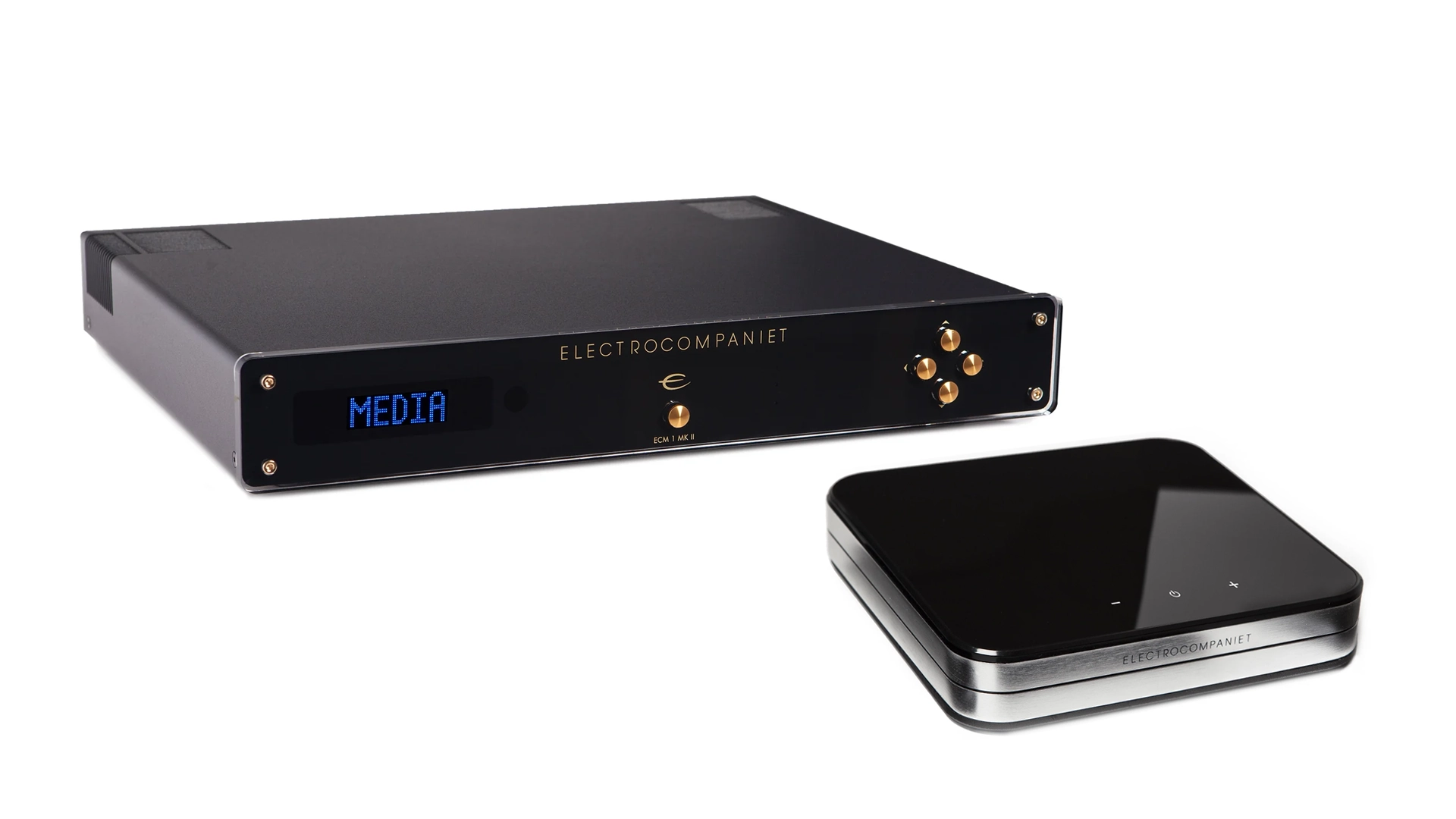
Electrocompaniet is a Norwegian high-end electronics company founded in 1973 by Per Abrahamsen and Svein Erik Børja to build an amplifier informed by Dr Matti Otala’s work on transient intermodulation distortion. The resulting 25-watt power amplifier earned international attention not through brute force, but by showing that measured dynamic behaviour and listening quality could challenge accepted solid-state design practice. That origin still explains the brand better than generic references to Scandinavian style. The Classic Line centres on analogue preamplifiers, integrated amplifiers and high-current power amplifiers, including the AW series and large Nemo monoblocks, complemented by digital players and sources. EC Living brings streaming, wireless control and multiroom operation to a more compact family while maintaining the company’s system approach. Products are developed and assembled in Norway, with substantial power supplies, balanced signal paths where appropriate and amplifier stages designed for difficult loudspeaker loads. Electrocompaniet’s hallmark is a particular combination of authority and ease: solid-state equipment whose circuit choices grew from studying distortion under real transient signals, then evolved across five decades of two-channel and connected audio.
Elipson

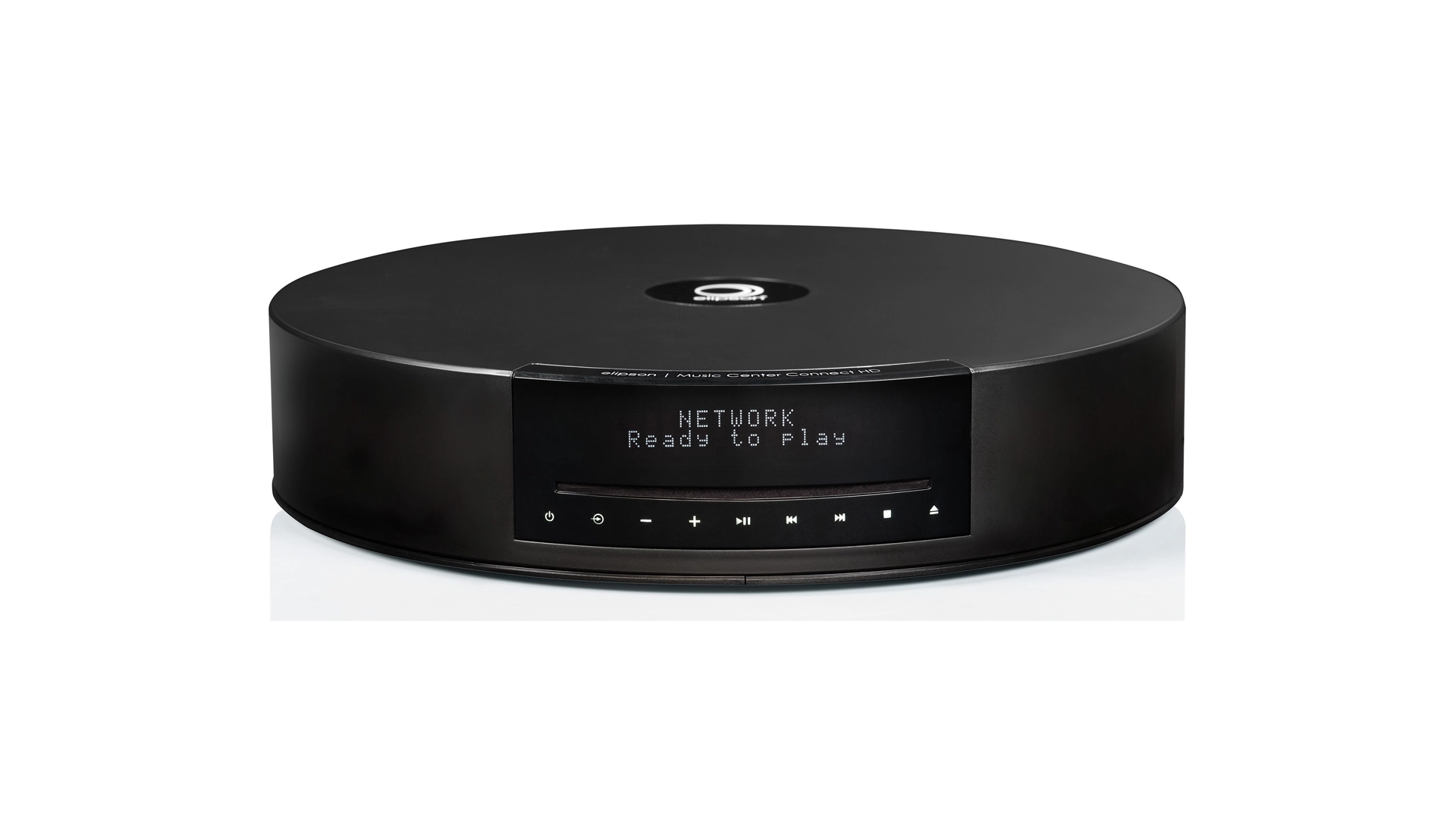
Elipson is France’s oldest surviving specialist loudspeaker name, tracing its company origin to 1938 and its distinctive acoustic identity to engineer Joseph Léon. The historical sequence deserves precision: the business began as Multimoteur, early audio research started around 1940, Léon joined in 1946 and led the company from 1948, and the Elipson name—formed from “ellipse” and the French word “son”—was adopted in 1951. Under Léon, spheres, reflectors and resonators were engineering tools for controlling diffraction, radiation and time alignment, not merely futuristic styling. The BS50 Chambord and later 402 made those experiments iconic in French broadcasting and public installations. Today the Planet series keeps the spherical enclosure visible, while Heritage models revisit large-format designs and newer Prestige, Legacy and wireless products cover conventional home systems. Elipson also offers turntables and electronics, but loudspeaker form remains its signature. Its strength is the unusually direct link between acoustic research and industrial design: shapes that are instantly recognisable because they were first chosen to solve propagation and enclosure problems.
Esoteric

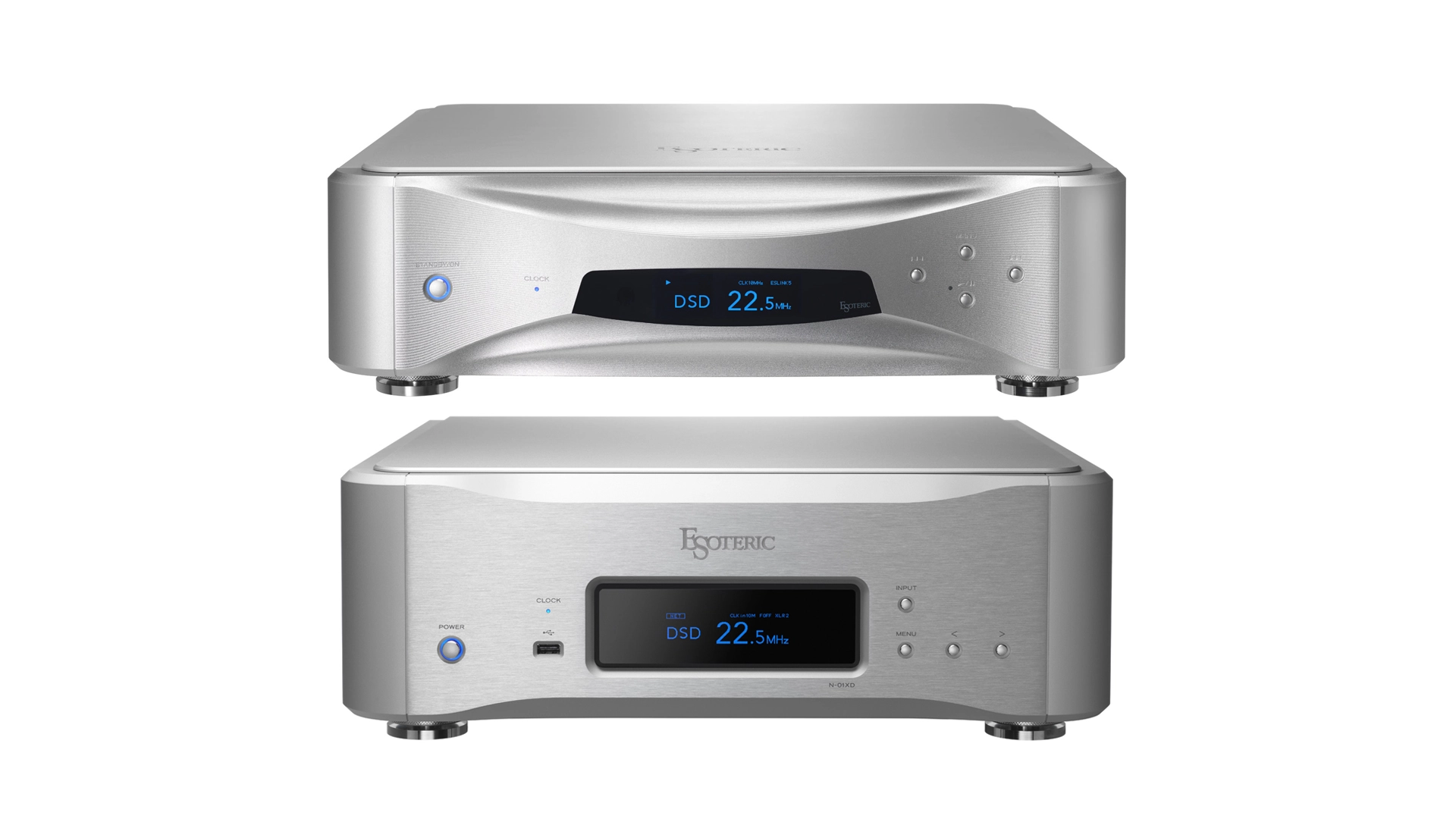
Esoteric is the high-end audio marque created by TEAC in Japan in 1987. It first became famous for extremely rigid CD and SACD transports, especially the VRDS system, which clamps a disc to a precision turntable to stabilise rotation and reduce mechanical error. The current VRDS-ATLAS mechanism extends that principle with a heavy bridge and carefully controlled centre of gravity, while Esoteric’s Master Sound Discrete DAC and clock technologies move critical conversion and timing functions into proprietary hardware. The catalogue now spans SACD/CD players, network players, DACs, master clocks, preamplifiers, power and integrated amplifiers, phono stages and the Grandioso reference series; it has also entered turntables. Esoteric’s lasting strength is vertical engineering—mechanism, chassis, clocking, conversion and analogue stages designed as parts of one playback architecture.
Eversolo

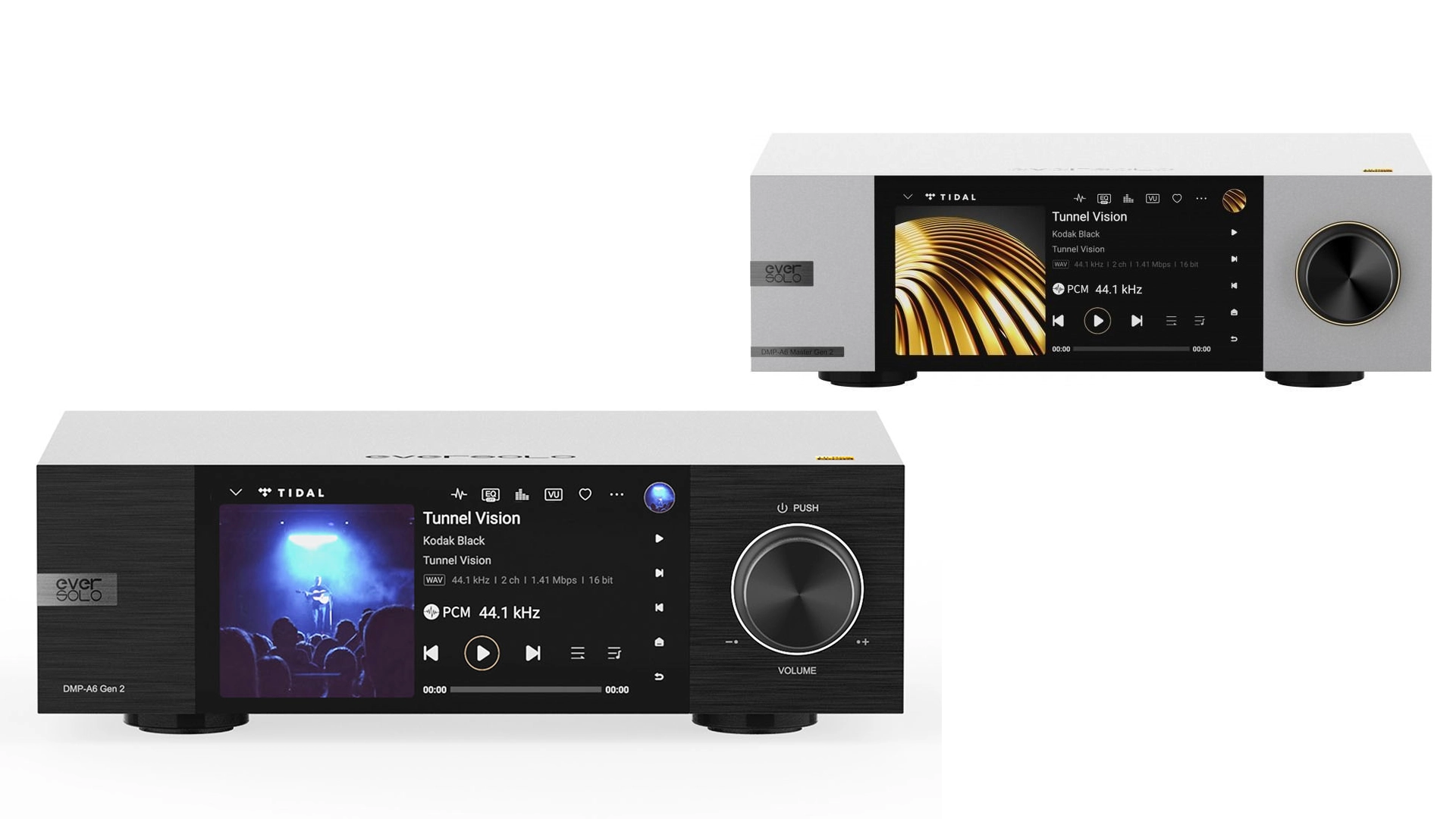
Eversolo is a Shenzhen digital-audio brand backed by Zidoo Technology and staffed by engineers working across decoding, analogue circuitry, amplification, system integration and user-interface design. Its early DAC-Z6 and DAC-Z8 established the visual language, but the DMP-A6 streamer made the name widely known by combining a large touchscreen, local SSD storage, network services, high-resolution conversion and preamplifier functions in one compact chassis. The range has since expanded through DMP-A8 and DMP-A10 streamers, T-series transports, DACs, power amplifiers and the Play streaming amplifier. Eversolo’s real strength is integrated hardware and software: library management, control apps, digital processing, clocking, conversion and analogue outputs are developed as one user-facing system rather than assembled as unrelated functions. It is a modern digital front-end specialist, not an old loudspeaker or amplifier marque.
Fell Audio

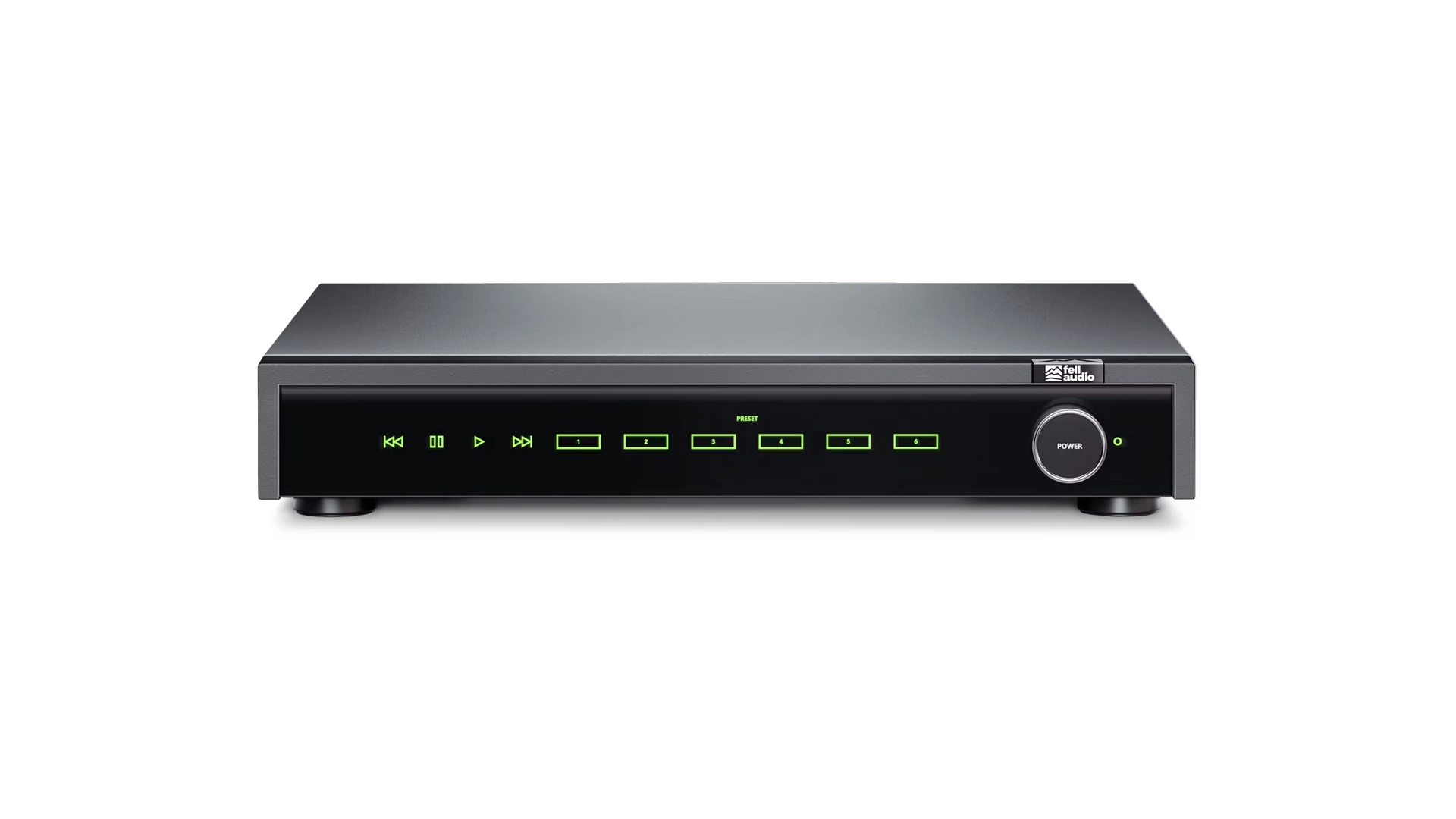
Fell Audio is a British hi-fi electronics brand launched in November 2024 by the family behind long-established retailer Peter Tyson, with Matthew Tyson as managing director. It entered the market with two deliberately straightforward, UK-made components: the Fell Amp integrated amplifier and Fell Disc CD player. The Amp delivers 89 watts per channel and combines Class D power with an ESS-based DAC, moving-magnet phono stage, aptX HD Bluetooth and headphone output; the Disc uses an ESS ES9018 converter and plays CD, CD-R and CD-RW. A network player was announced as the next part of the system. Repairability, replaceable parts and domestic manufacturing are central to the proposition, alongside a price aimed below much British-built hi-fi. This is not the unrelated professional-monitor company previously described on the page, and Christopher Fell was not its founder.
Gato Audio

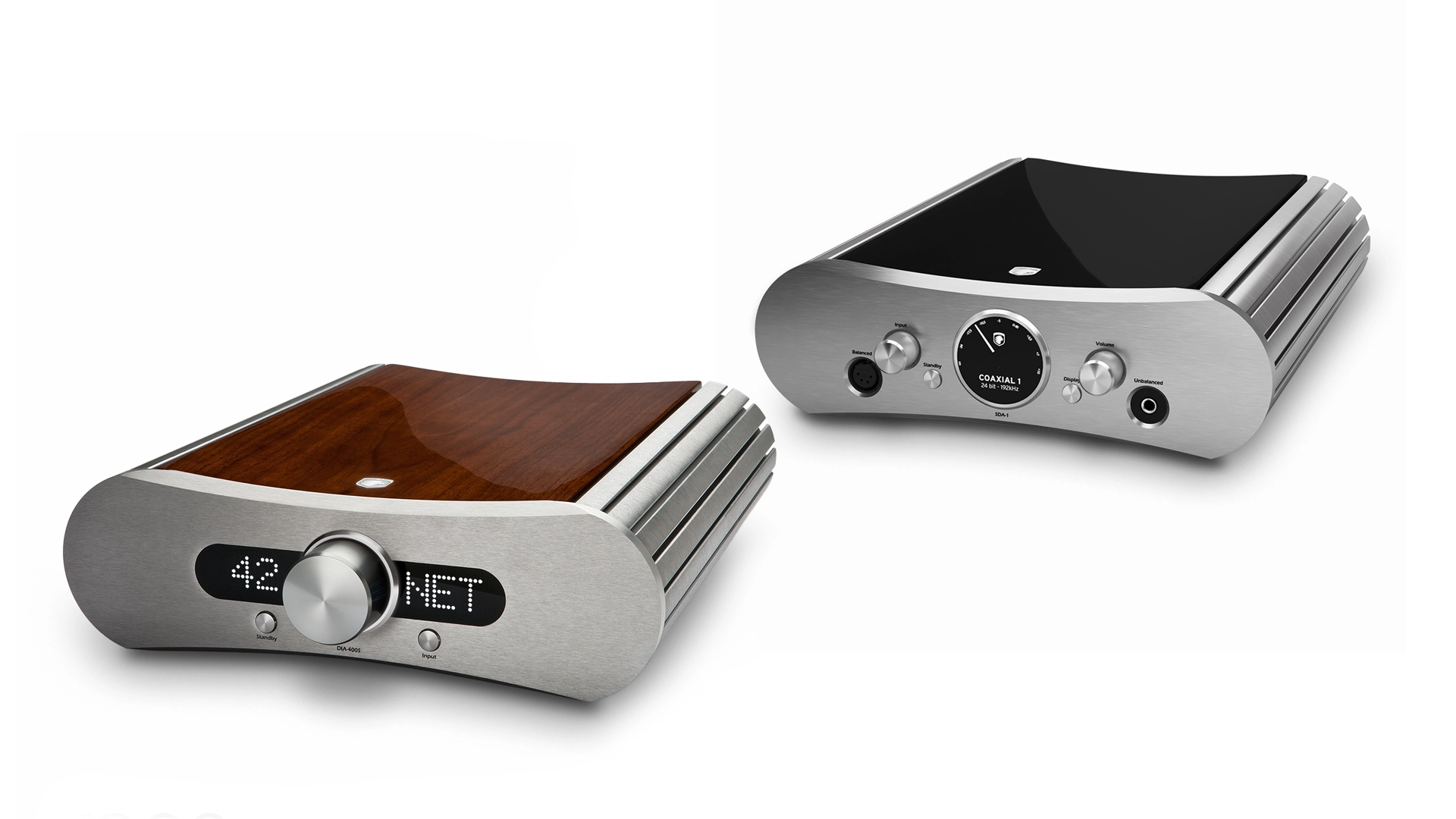
Gato Audio combines Danish industrial design with a complete hi-fi chain rather than concentrating on one component category. Kresten Dinesen, Rasmus Holm and Frederik Johansen founded the company in 2008, bringing experience from Scandinavian audio development and production. Its electronics place large displays and compact curved cabinets around several distinct platforms: TwinFET MOSFET push-pull amplification in the AMP-150, high-power Class D in the DIA integrated amplifiers and PWR-222 monoblock, plus DAC, phono and network functions in products such as SDA-1, PPA-1 and PRD-3S NPM. The replaceable NPM module adds network playback to compatible models, allowing the digital section to evolve without replacing the amplifier. Gato loudspeakers use laminated FusedMASS cabinets, Danish drivers and PurePHASE crossover design across the FM family and the newer CLC65. Products are designed and built in Denmark, and the visual restraint is supported by unusually broad engineering across sources, amplification and speakers.
Gold Note

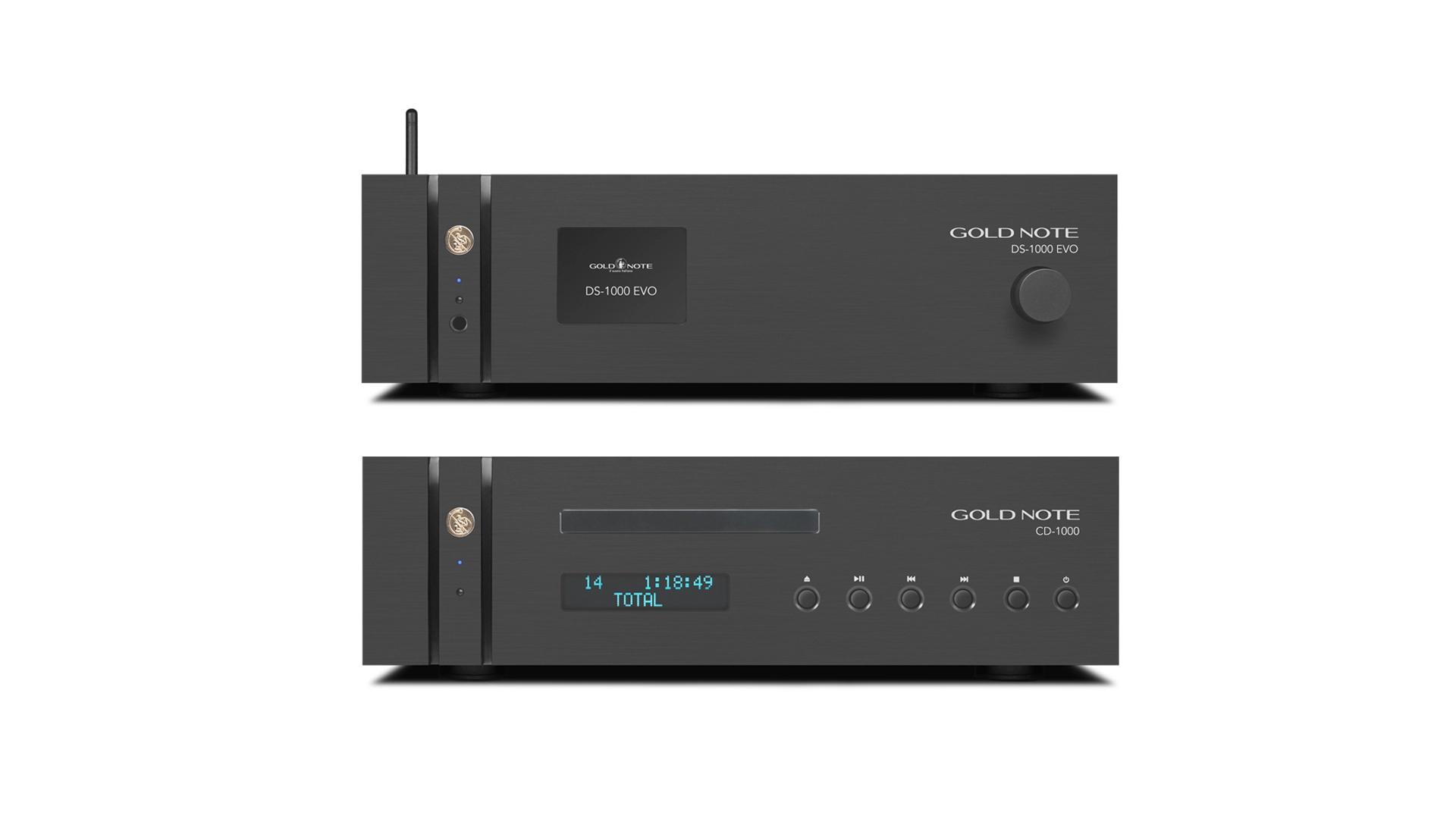
Gold Note is an Italian full-system audio manufacturer whose modern brand grew from Maurizio Aterini’s engineering studio, established in Florence in 1992 to design analogue products for other companies. The Gold Note name itself was founded in 2012, after Elena Basciano and later Alessio Oronti joined the enterprise. Its catalogue now links turntables and cartridges with phono stages, digital sources, all-in-one players, amplifiers, loudspeakers, racks and cables. Recognisable products include the Mediterraneo turntable, PH-10 phono stage, DS-series streamers and IS-series integrated systems. A useful feature of the range is modular upgrading: many components accept dedicated external power supplies, allowing the core unit to remain in service while its power section is improved. Design, development and much of the production remain concentrated in Tuscany.
Goldmund

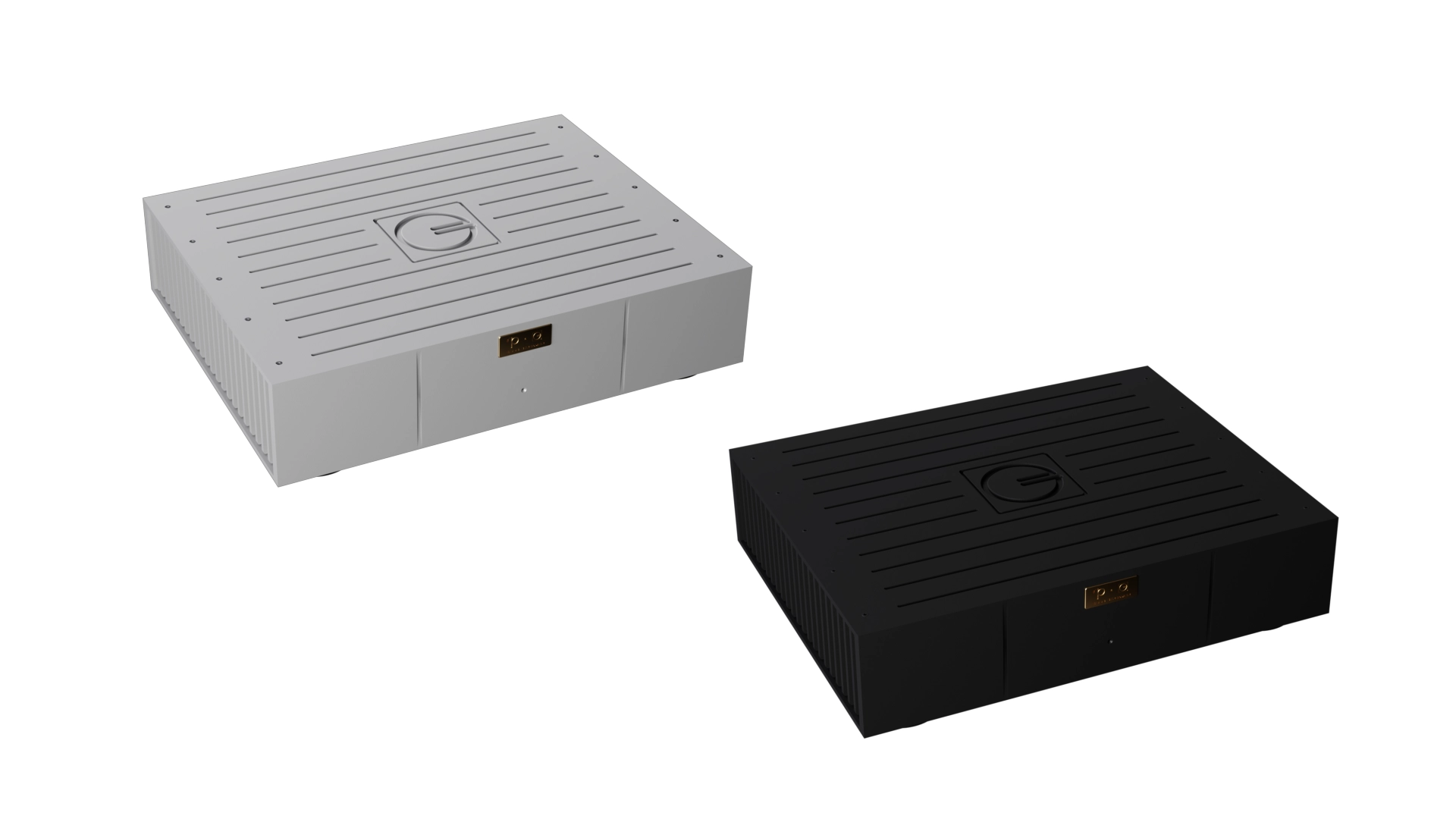
Goldmund is a Geneva-based audio house whose work joins precision mechanics, high-speed amplification and digital system control. The company began in France in 1978 with the servo-controlled T3 tonearm; Michel Reverchon acquired it in 1980 and moved it to Switzerland. The Studio direct-drive turntable and 1983 Reference established Goldmund’s Mechanical Grounding principle, intended to drain vibration through a controlled structural path. Later milestones include Mimesis electronics, Claudio Rotta-Loria’s Apologue loudspeaker, Alize digital conversion and the Proteus mathematical model used to align active speaker systems in time and amplitude. Today the range spans Telos/NextGen amplifiers, preamplifiers, music sources, processors and active or wireless loudspeakers. Goldmund is most distinctive when these elements operate as one engineered system rather than as unrelated luxury components.
Grandinote

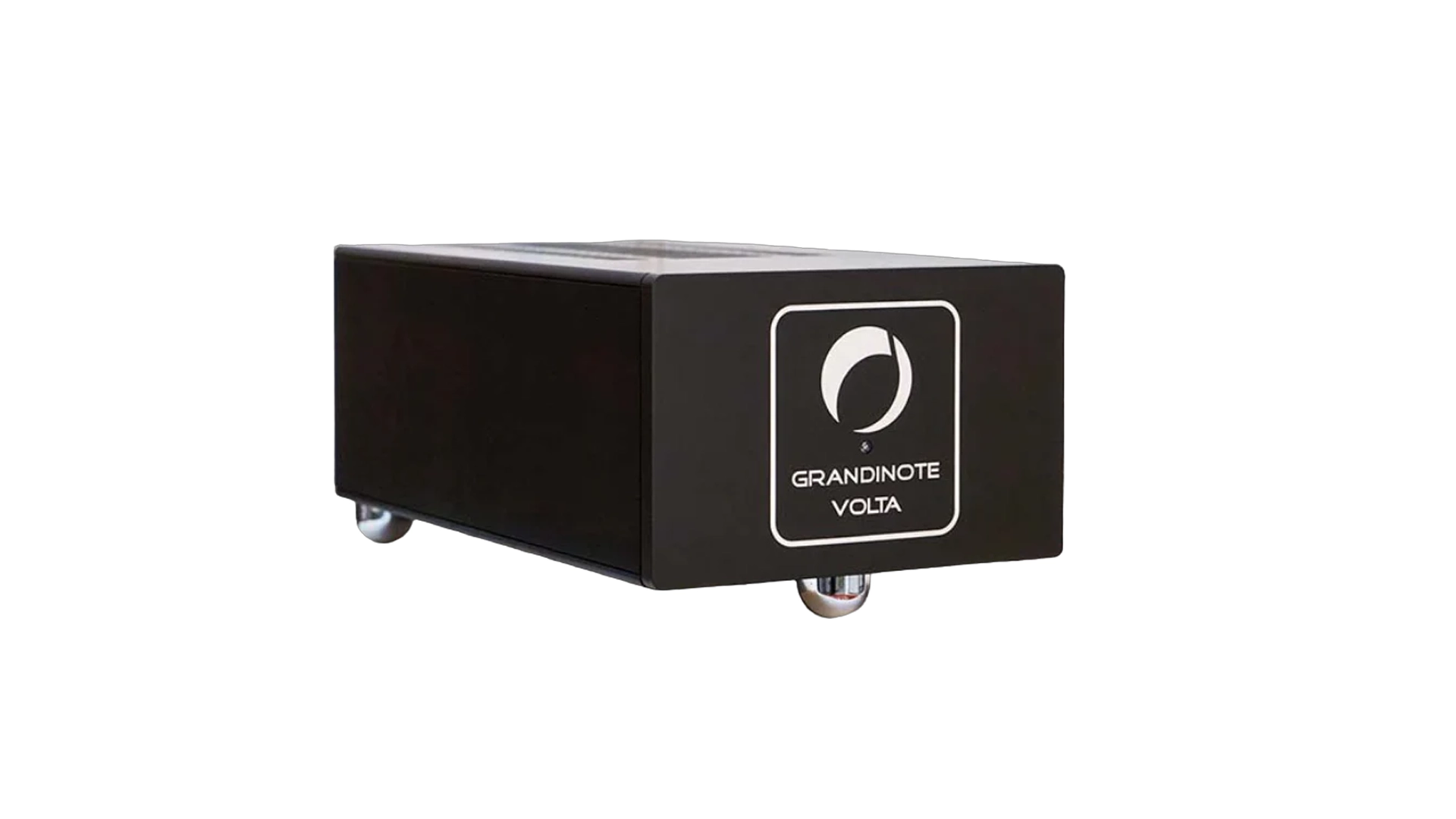
Grandinote is an Italian electronics manufacturer built around Massimiliano “Max” Magri’s Magnetosolid amplifier architecture. Magri completed his electronic-engineering studies in 1997, began developing the concept in 2000 and produced the first Magnetosolid amplifier in 2002; Grandinote was established in 2005. The circuits use solid-state devices in a topology inspired by valve amplification and couple them to ferromagnetic output transformers designed for transistor operation. This deliberately avoids a conventional hybrid of tubes and transistors. The idea runs through integrated amplifiers such as Shinai and Essenza, preamplifiers including Proemio and Genesi, and power amplifiers from Silva to the flagship models. Grandinote also makes Volta and Celio sources and Mach loudspeakers, allowing complete systems to be voiced around the same priorities. Design and production take place in Italy.
Grimm Audio

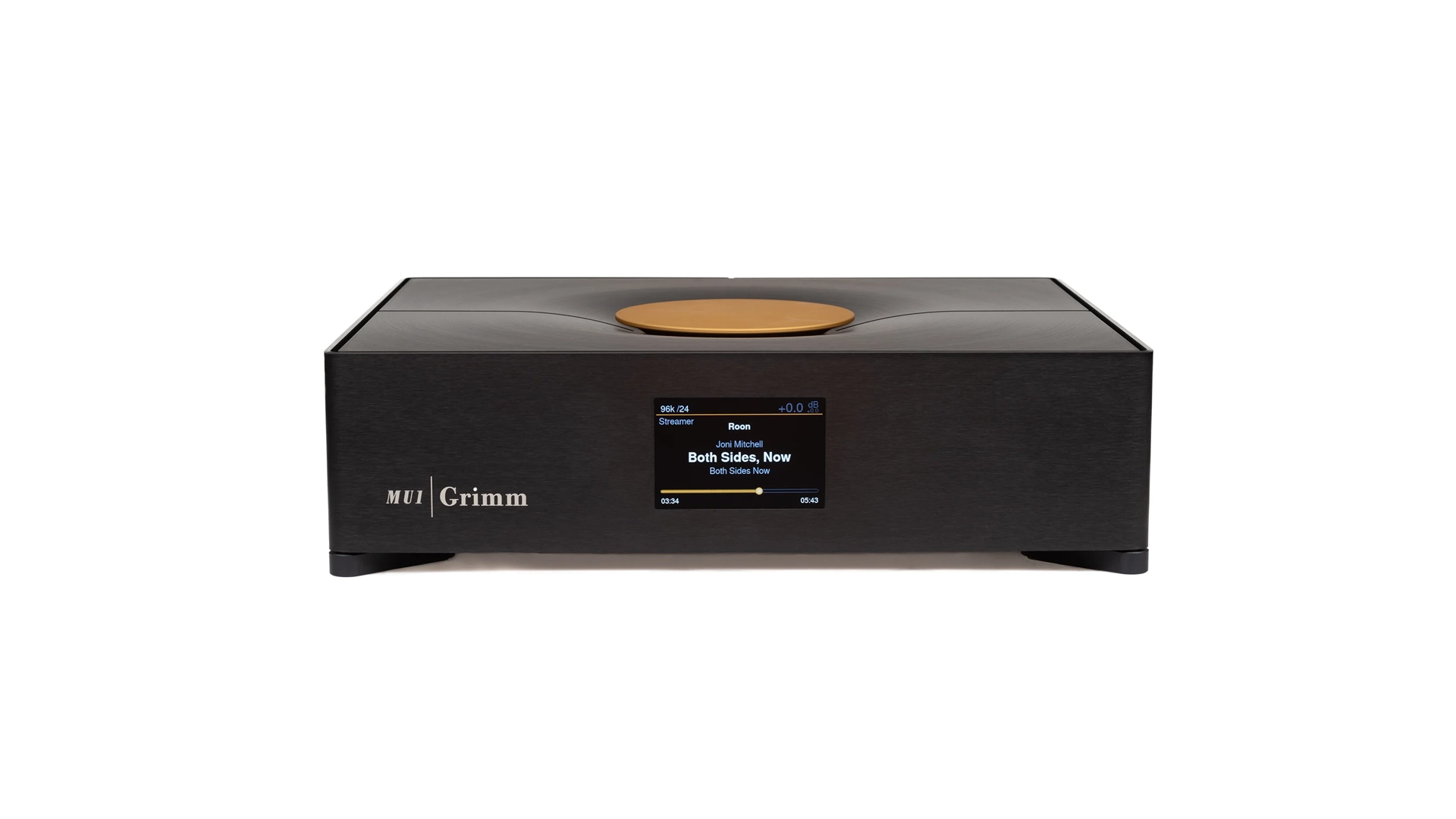
Grimm Audio is a Dutch engineering company that connects professional recording accuracy with complete high-end playback systems. Eelco Grimm, Guido Tent, Peter van Willenswaard and Bruno Putzeys founded it in 2004, bringing expertise in converters, clocking, analogue circuits, DSP and loudspeaker design. The LS1 active loudspeaker became its defining product by integrating amplification, digital crossovers, time alignment and controlled directivity into one calibrated system. MU1 and MU2 music players extend that system approach to streaming and digital processing, while CC master clocks and the UC interface serve studios; the PW1 phono stage and SQM/TPR/TPM cables cover analogue sources and connections. More recent PA1 power amplifiers broaden the electronics range. Products are developed and manufactured in the Netherlands, with published engineering rationale and repeatable system behaviour taking priority over cosmetic model proliferation.
Heed Audio

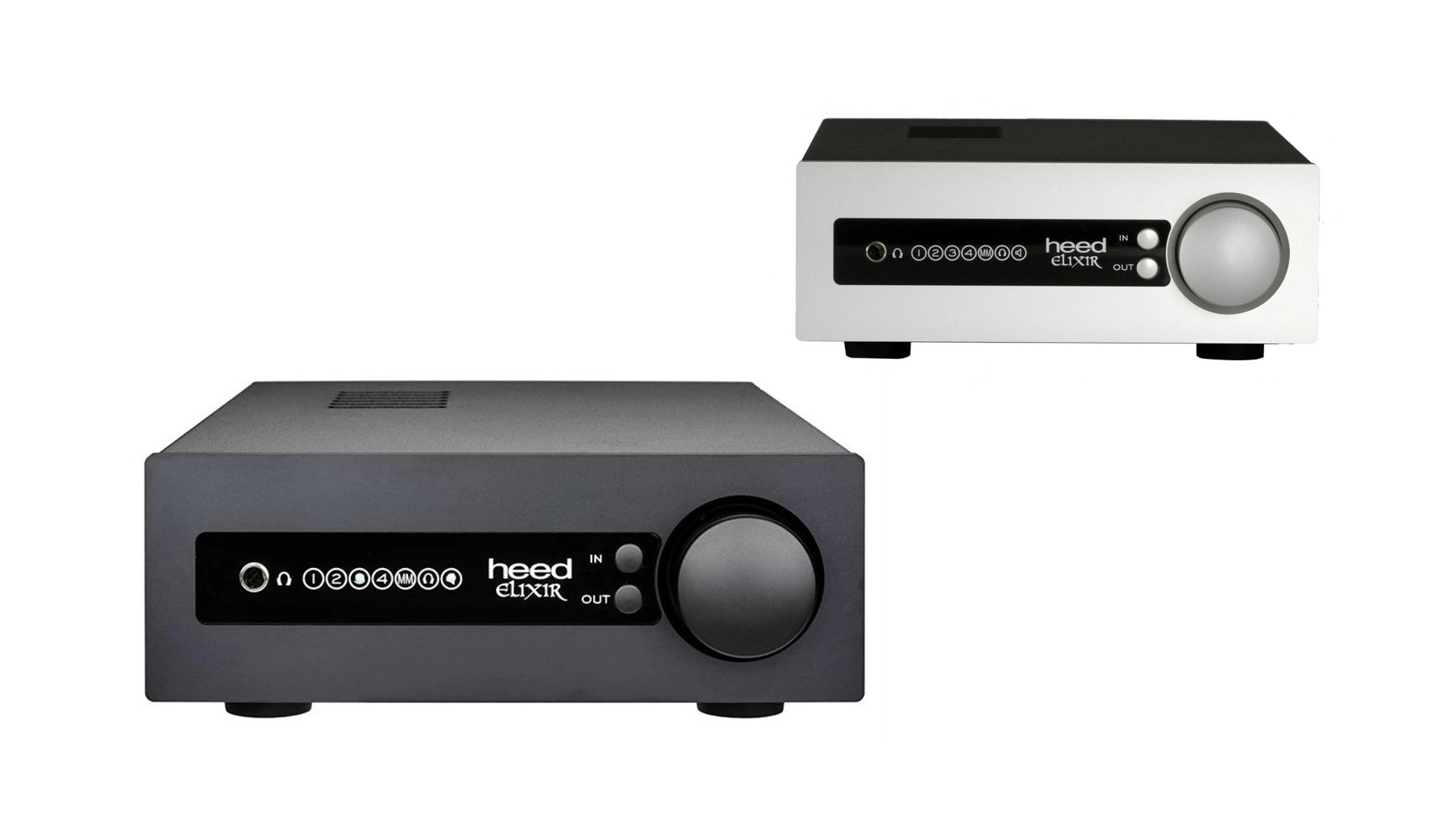
Heed Audio grew from Zsolt Huszti’s work in the Hungarian hi-fi scene of the 1980s and from his close connection with British designer Richard Hay’s Ion amplifiers. After Ion left the market in the early 1990s, Huszti continued developing the compact Obelisk concept under the Heed name, later working with engineer László Evellei on a new generation of half-width components. The brand’s best-known technical signature is Transcap, a capacitor-coupled output topology—not a transformer-coupled circuit—in which large output capacitors form part of the amplifier’s direct relationship with the loudspeaker. Heed applies this deliberately non-mainstream architecture in amplifiers such as the Obelisk and Elixir, while the wider catalogue includes the Lagrange and Thesis electronics, Quasar phono stage, Canamp headphone amplifier and digital sources. Compact proportions, upgradeable power supplies and an emphasis on musical timing give Heed a character distinct from conventional specification-led hi-fi.
HiFi ROSE

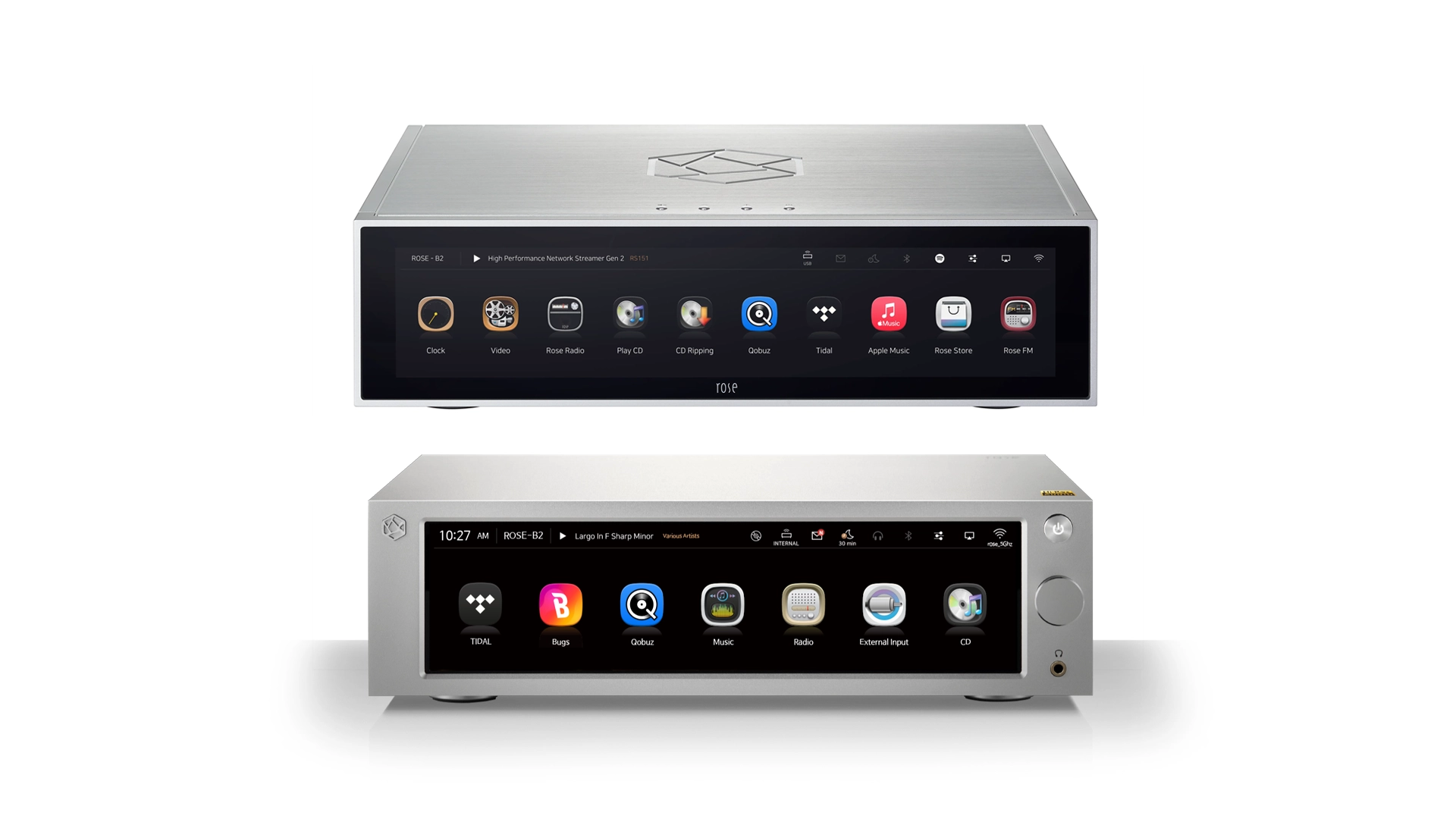
HiFi ROSE is the premium audio brand developed by South Korean technology company CITECH, which entered this field in 2017 and launched ROSE products domestically the following year. The brand made its name by rethinking the network player as a visual component: wide front-panel touchscreens combine album browsing, music and video playback, system control and the company’s Rose OS interface. Its range now extends well beyond all-in-one streamers. RS-series players and transports sit alongside the RD160 DAC and RA-series amplifiers, allowing either a compact integrated system or a separated digital chain. Models such as the RS520 combine streaming, conversion and amplification, while the RS130 is built as a dedicated network transport. HiFi ROSE’s distinctive know-how lies in joining modern interface design and network-media software with purpose-built audio hardware, rather than attaching a generic display to a traditional hi-fi component.
iFi audio

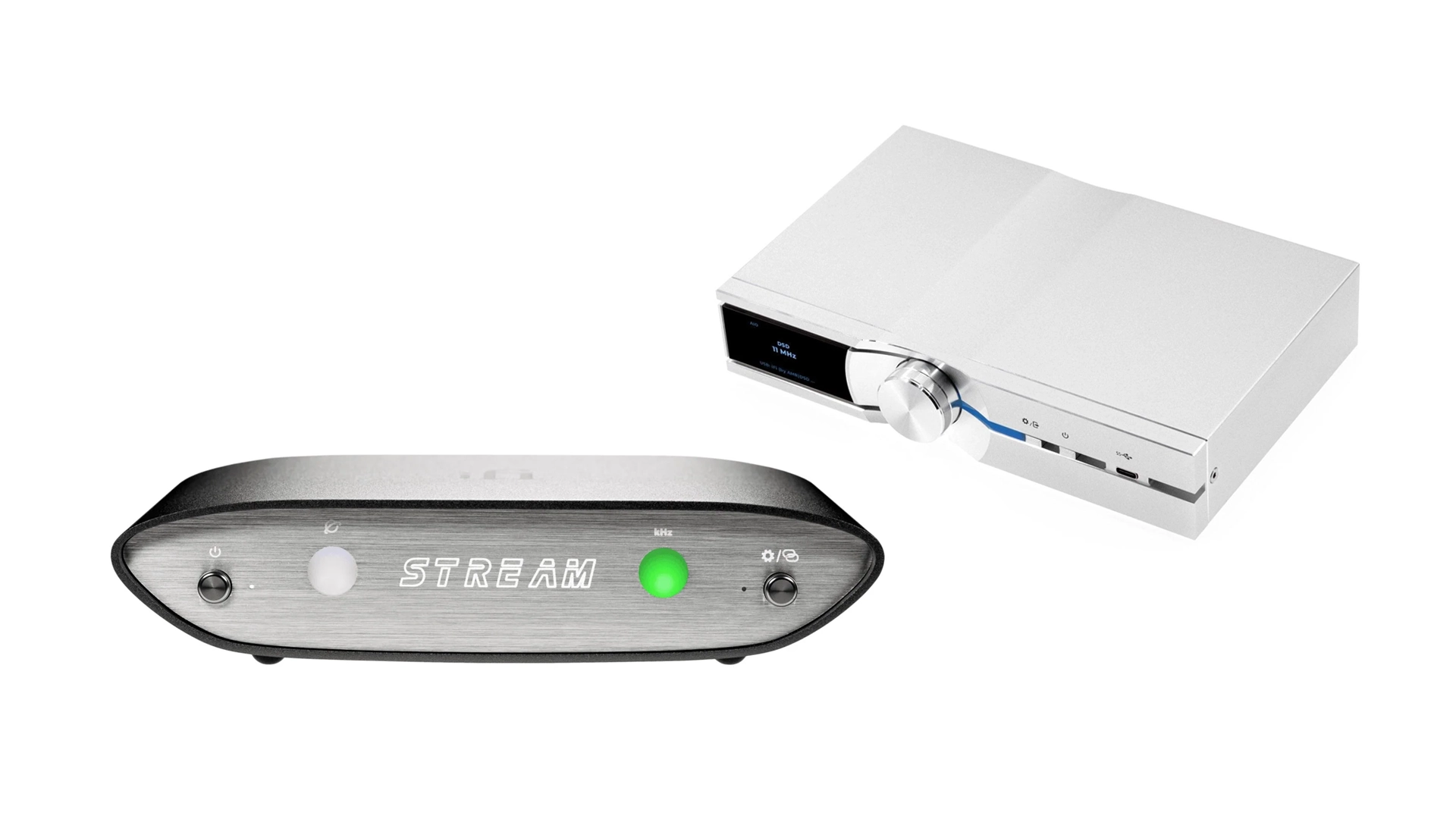
iFi audio is the British specialist that brought serious DAC and headphone-amplifier engineering into genuinely portable and desktop formats. Launched in 2012 as a sister brand to Abbingdon Music Research, iFi develops its products from its headquarters in Southport, UK. The ZEN range made compact DACs, headphone amplifiers, phono stages and streamers easy to combine, while the hip-dac, GO and xDSD families address phones, laptops, Bluetooth listening and travel. Many designs use Burr-Brown conversion, balanced or symmetrical analogue stages and practical proprietary functions such as XBass, XSpace and iEMatch rather than relying on specification-sheet features alone. At the upper end, the Pro and iCAN products explore more elaborate power supplies and amplification; the SilentPower line tackles USB, network and mains noise around the system. iFi’s strength is the breadth of problems it solves without abandoning small enclosures or approachable system building.
Innuos

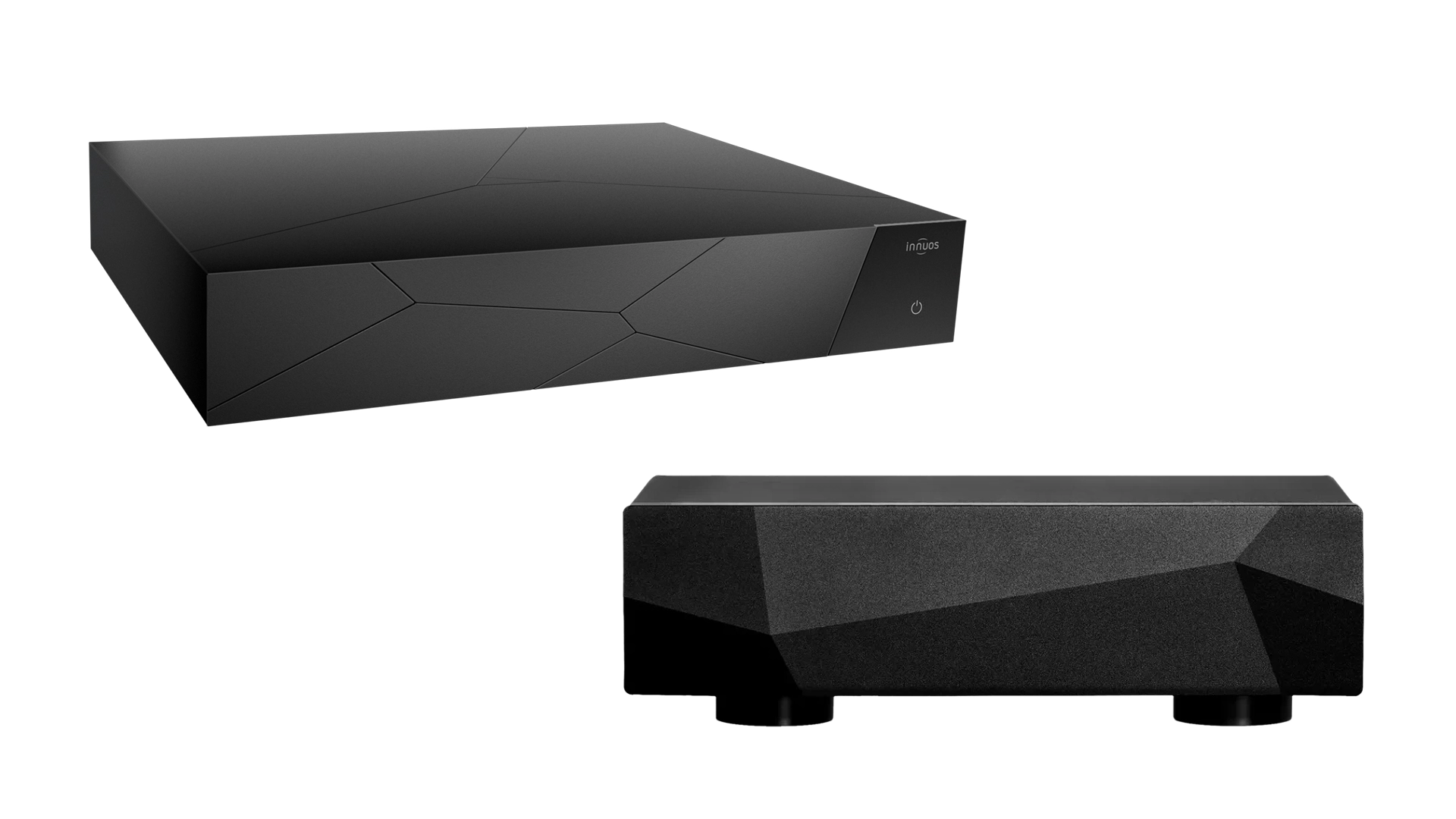
Innuos is a Portuguese digital-audio company founded in 2009 by computer engineers Amelia Santos and Nuno Vitorino. Its music servers and streamers are designed as complete playback systems in which storage, network behaviour, power, clocking and software are treated together. ZEN, ZENith and Statement machines combine ripping, library storage, streaming and server duties, while PULSE and PULSAR models concentrate on streaming; PhoenixNET and PhoenixUSB address network and USB noise and timing elsewhere in a system. The company’s Sense operating system and app are central to the experience, unifying local music, internet services, metadata and playback control without requiring the owner to administer a general-purpose computer. Hardware design adds low-noise power supplies, vibration control and carefully selected interfaces, with higher models increasing isolation and clock precision. Innuos stands out because its founders’ computing background is used to simplify digital music while the hardware remains purpose-built for audio.
Keces

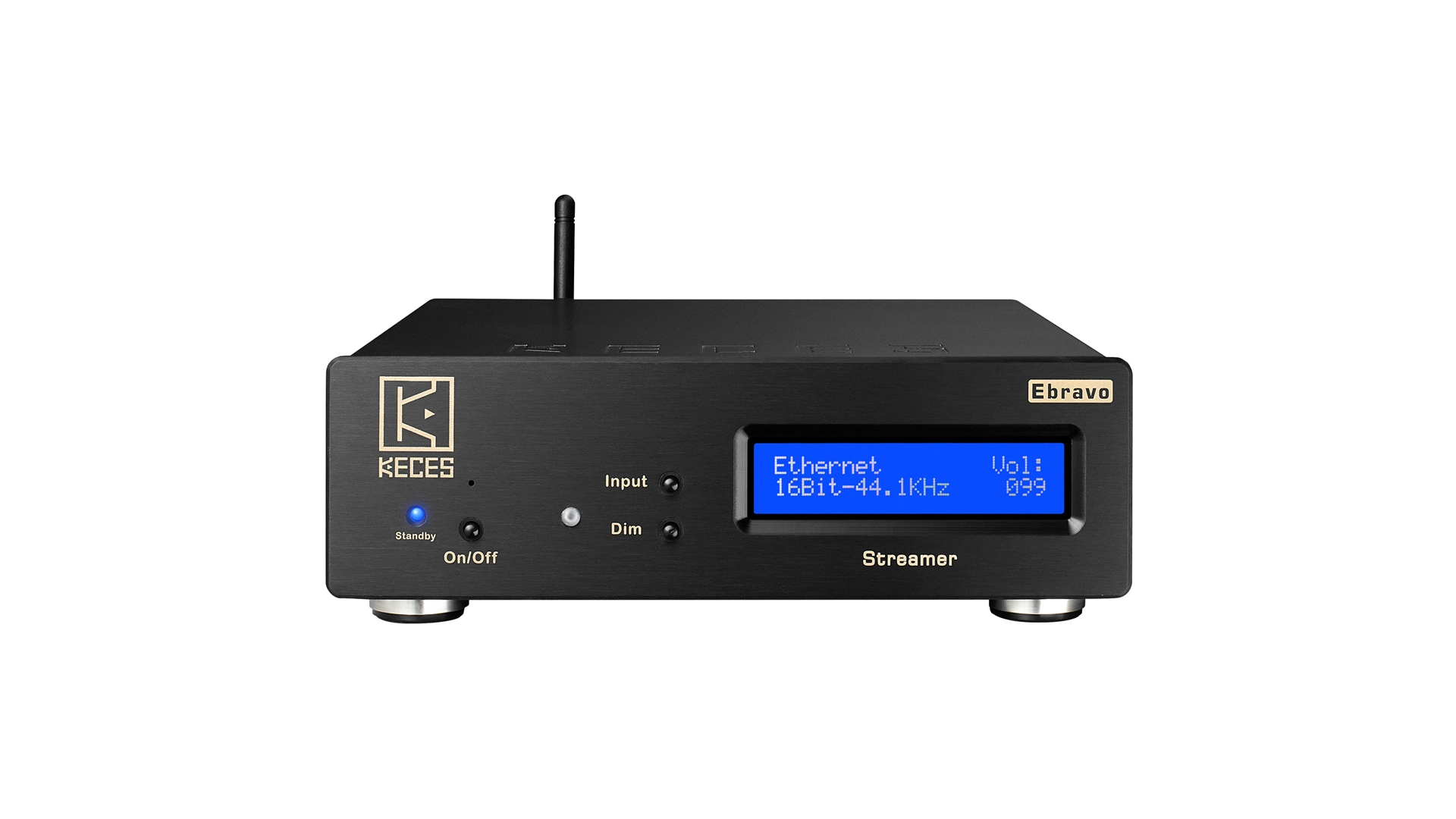
KECES Audio is a Taiwanese electronics manufacturer whose clearest specialty is clean power for hi-fi systems. Founded in 2002, the company first became widely known for low-noise linear power supplies and later expanded the same power-supply know-how into conditioners, amplifiers, preamplifiers, DACs, phono stages and streaming components. Current ranges make those roles easy to distinguish: models such as the P28 supply external components with high-current linear DC power, while the IQRP-1500 combines isolation and mains conditioning; products including the S4 preamplifier and Euphony DAC show how the company applies its engineering inside complete audio components. KECES uses substantial transformers, separated supply sections, metal shielding and protective circuitry to reduce noise without turning everyday operation into a laboratory exercise. The brand occupies a useful position between accessories and full electronics: it can solve a specific power problem in an existing system or provide matched components for a compact two-channel setup.
Kyron

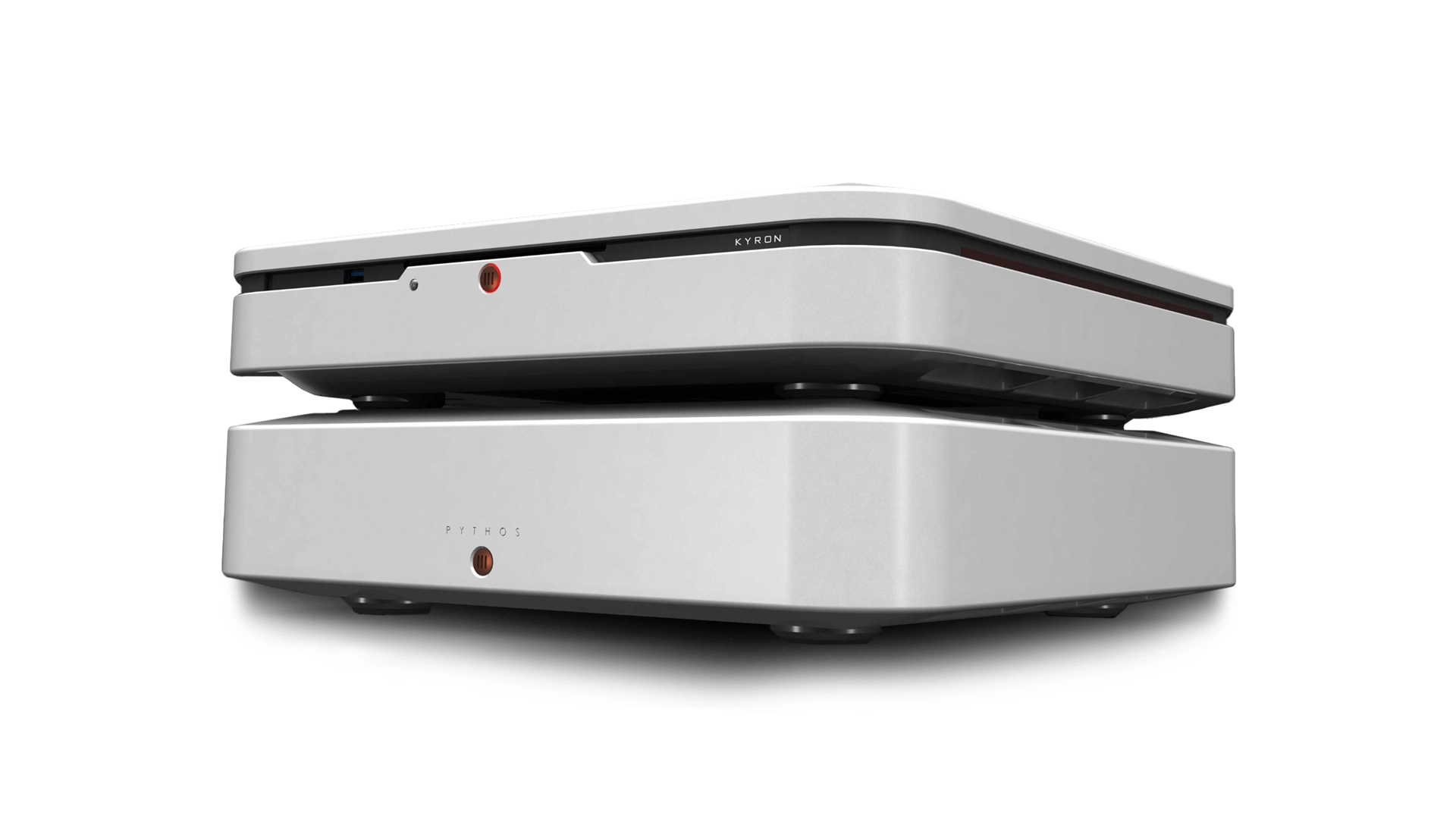
Kyron Audio is an Australian manufacturer of active, open-baffle loudspeaker systems that treats the room, crossover, amplification and drivers as one engineered whole. Founders Lee Gray and Leon Suter met as professional musicians in the Royal Australian Air Force Band and began developing loudspeakers in 2001, bringing both performance experience and technical training to the project. Kyron’s “naked” architecture removes the conventional box around the main drivers, reducing cabinet energy storage and allowing dipole radiation to interact with the room in a controlled way. Each system combines carefully matched drivers with dedicated Hypex amplification and DEQX-based digital signal processing. Linear-phase crossovers, driver time alignment and calibrated room correction are established during installation, so the finished result is tailored to the listening space rather than left to passive components alone. The Gaia, Kronos and Phoenix systems scale this concept through increasingly ambitious frames, bass sections and electronics; products such as the Pythos network player and Mercury subwoofer extend the ecosystem. Kyron’s signature is therefore integration: sculptural industrial design supports a measurable acoustic purpose.
Leema Acoustics

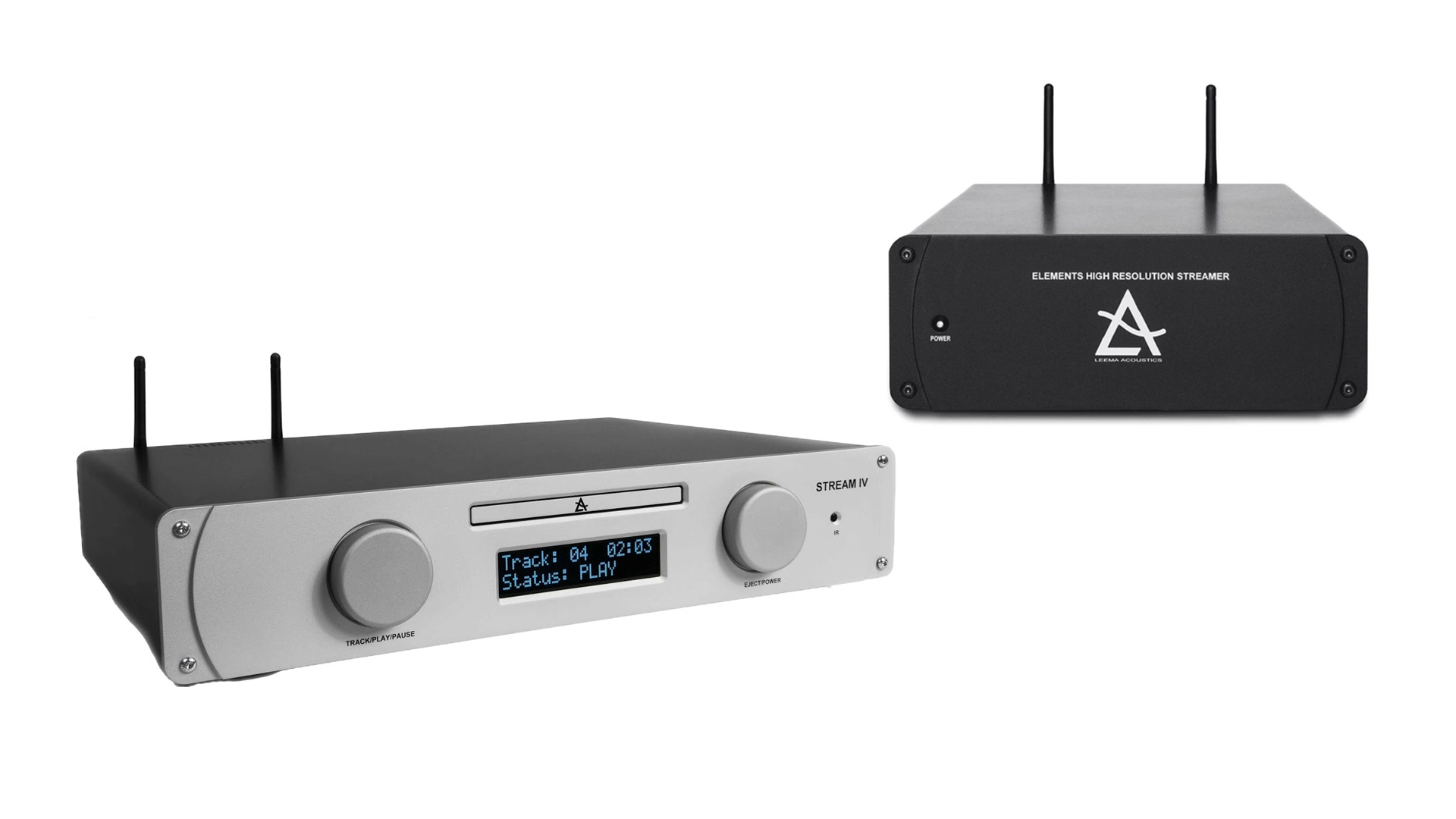
Leema Acoustics is a Welsh hi-fi manufacturer founded in 1998 by Lee Taylor and Mallory Nicholls, two former BBC sound engineers accustomed to judging equipment in real production environments. The company began with compact loudspeakers developed for mobile recording and multichannel monitoring, then expanded into electronics when suitable partnering components proved difficult to find. That practical origin still shapes the range: high-current amplifiers, DACs, CD players, phono stages, streamers and music servers are designed as interoperable tools rather than unrelated luxury objects. The Tucana integrated amplifier and Hydra power amplifier established Leema’s reputation for grip and dynamic headroom, while products such as the Pulse IV and streaming-capable Quasar bring digital conversion and modern source access into a single chassis. Elements components provide a more compact route into the same ecosystem, and the Sirius server handles storage and library playback. Design and manufacturing remain in Wales, allowing hardware, firmware and service knowledge to stay close together. Leema’s real distinction is the founders’ broadcast-engineering mindset: low noise, useful connectivity and repeatable performance take priority over decorative audiophile claims.
Liedson

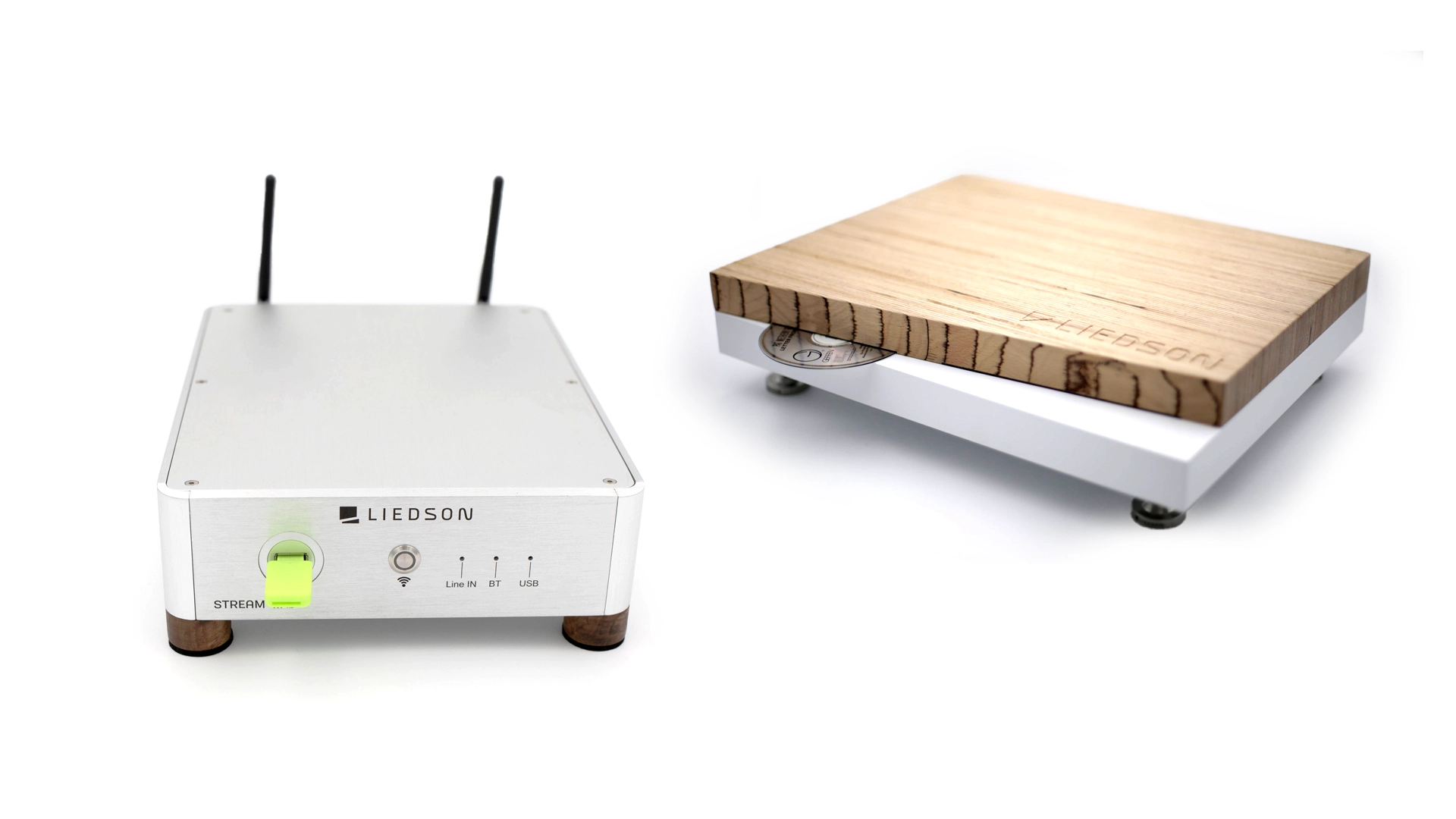
Liedson is a French designer and manufacturer of network-audio electronics, music servers and headphone amplification—not a maker of turntables or tonearms. Gilles and Claire Aguilera founded the company in southern France, combining the German musical term “Lied” with the French word for sound. Gilles Aguilera’s interest in Linux-based audio servers predates the brand, and several years of development led to the Oratorio: a high-end music server and streamer with CD playback, automatic ripping, internal storage and a dedicated control environment. Liedson later adopted a customised Volumio platform to provide mature library and streaming functions while retaining its own hardware and interface design. The Prestige range has included the Oratorio and Odeon digital sources, Fidelio streamer and the distinctive Orpheon network player/headphone amplifier, whose sculptural stand allows headphones to rest directly on the unit. Aficionado products such as the Stream 4.7 and Liedbox address more compact systems. Circuit boards, aluminium chassis and woodwork are sourced or manufactured in France wherever practical. Liedson’s signature is the integration of storage, network playback, conversion and ergonomic product design in a single coherent source.
Lindemann

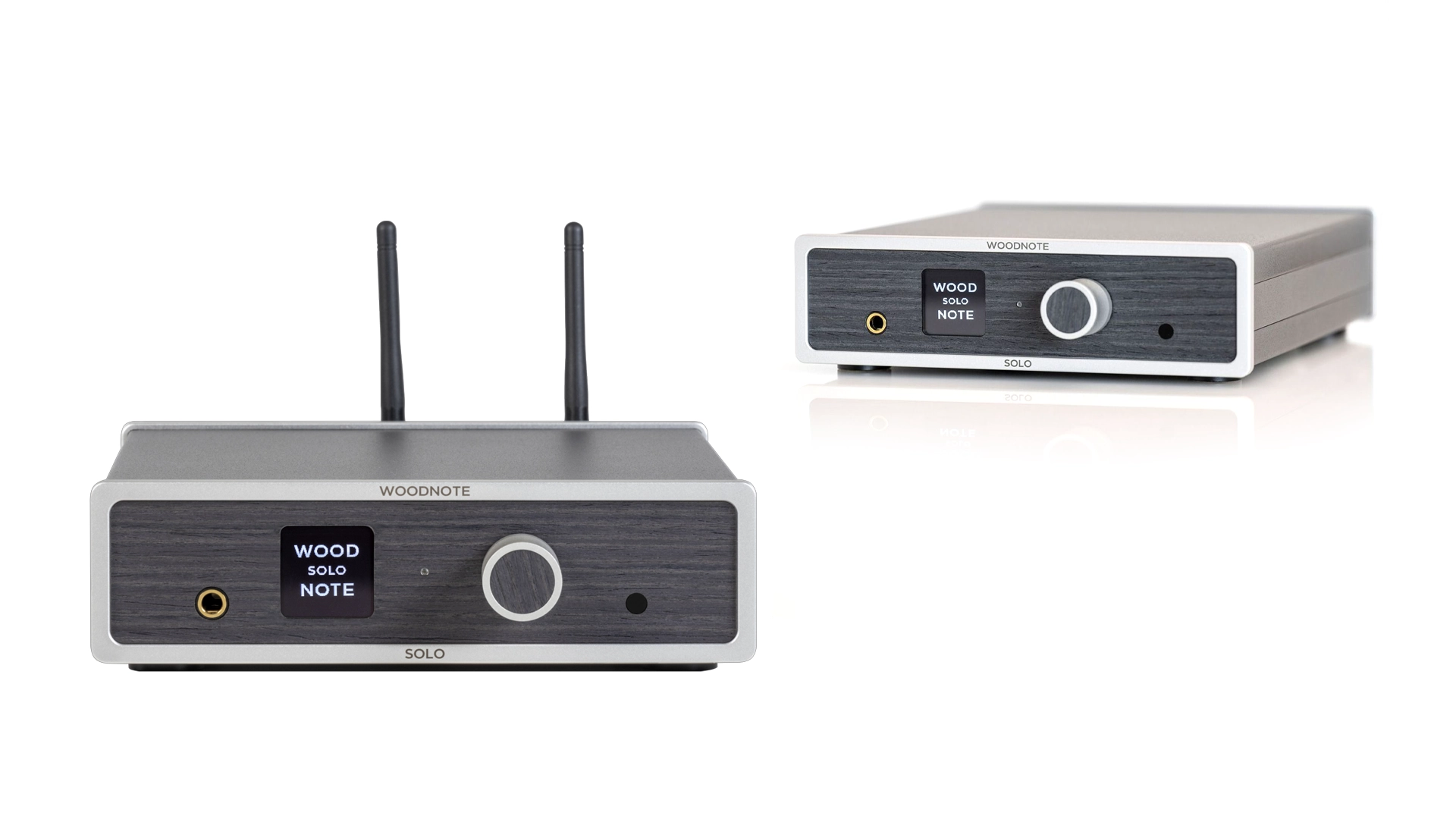
Lindemann is a German high-end electronics company founded by engineer Norbert Lindemann in 1992. From its first AMP 1 integrated amplifier through early high-resolution disc players and today’s network products, the company has concentrated on timing, signal integrity and short, controlled circuit paths rather than feature count for its own sake. The compact Musicbook family is the core of the modern range. Musicbook SOURCE combines streaming, DAC and analogue preamplifier functions, with an optional CD drive on selected versions, while Musicbook POWER provides matching Class D amplification. The smaller Limetree components divide functions such as network playback, USB conversion, phono amplification and headphone drive into affordable, upgradeable modules. Newer Woodnote products continue the same compact-system idea. Lindemann develops hardware and software in Germany and pays particular attention to clocking, power-supply separation, analogue output stages and app-based operation. The brand’s distinction is not simply miniature cases: it builds complete digital front ends whose streaming software, conversion and volume control are engineered together, then offers matching amplification without forcing owners into an oversized stack.
Linn

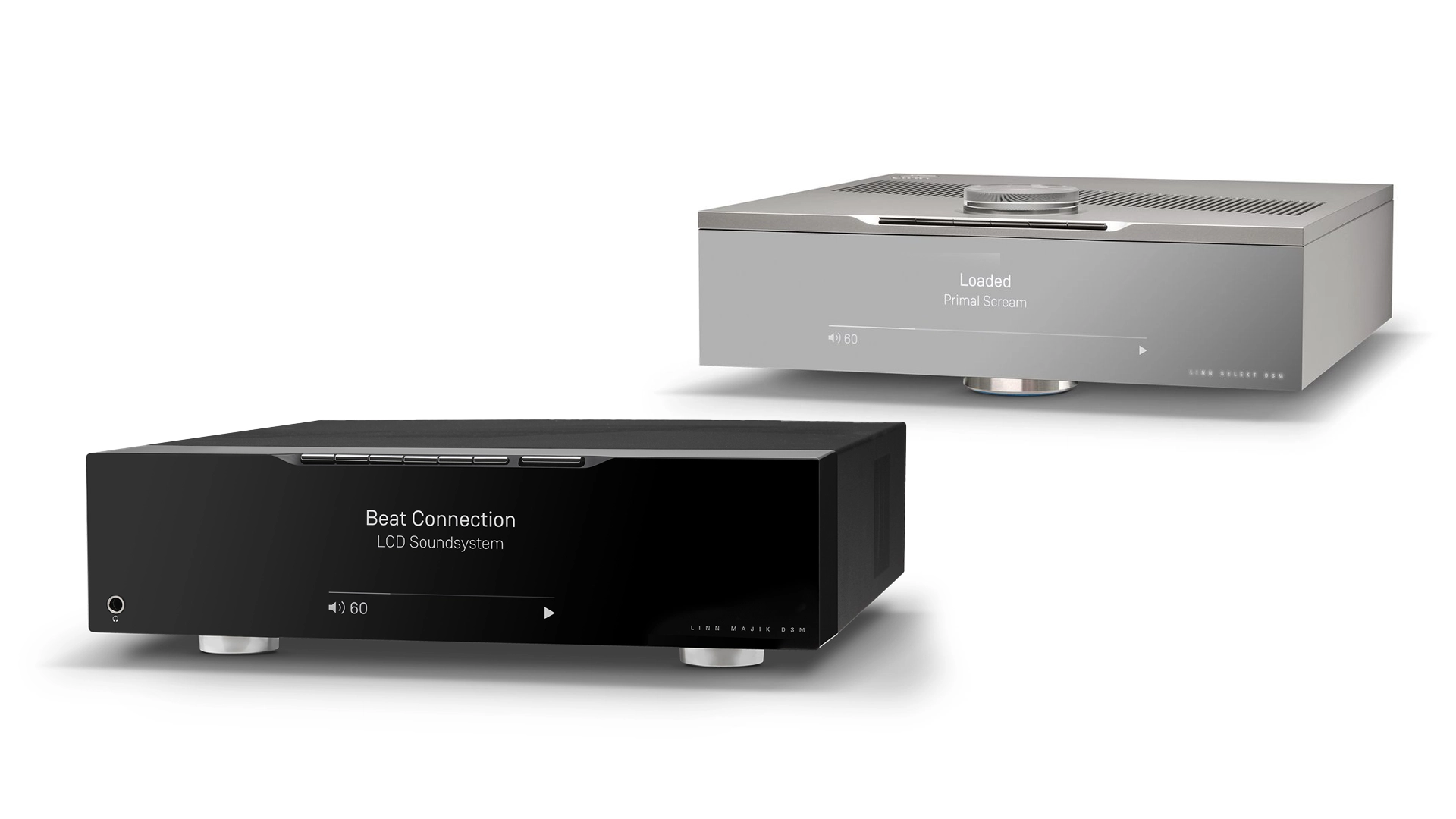
Linn is a Scottish hi-fi manufacturer founded by Ivor Tiefenbrun in 1973, the year the Sondek LP12 established the company’s “source first” argument: information lost at the beginning of a replay chain cannot be recovered later. The suspended, belt-driven LP12 remains in production, but its significance is also structural. Bearings, subchassis, power supplies, tonearms and cartridges can be upgraded individually, allowing decades-old decks to incorporate current engineering. Linn carried the same system thinking into digital audio with its DS network players and today’s Klimax, Selekt and Majik DSM products. Organik is Linn’s in-house discrete DAC architecture; Exakt moves the crossover into the digital domain and time-aligns individual drive units; Space Optimisation models a specific loudspeaker and room to reduce low-frequency interaction without requiring a calibration microphone. Selekt DSM can be configured as a source, preamplifier, integrated amplifier or multichannel hub and upgraded with different DAC and amplification modules. Loudspeakers and complete active systems close the loop. Designed and manufactured near Glasgow, Linn’s defining strength is controlled evolution: analogue and digital platforms are built to accept meaningful upgrades instead of being discarded.
Lumin

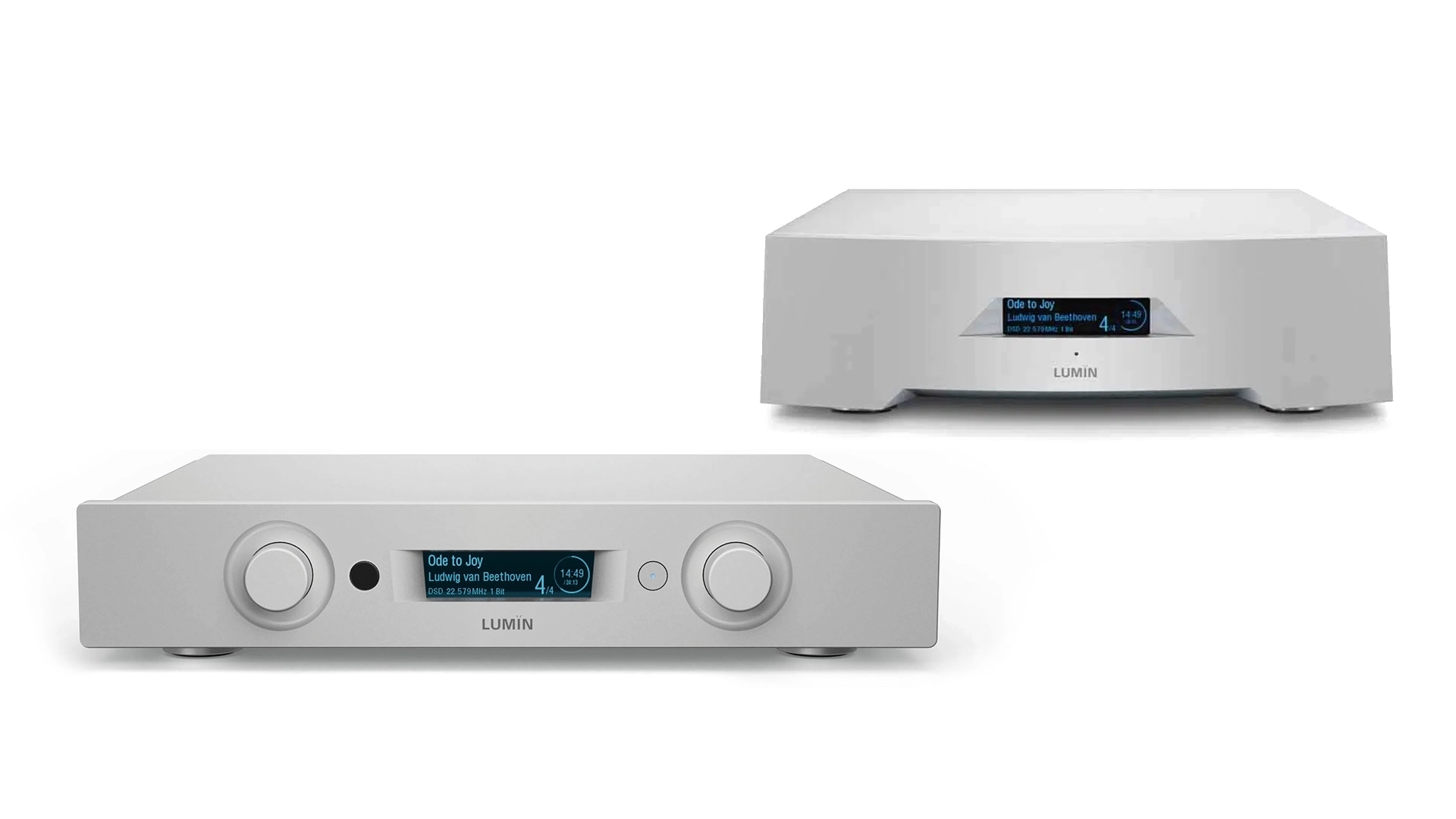
Lumin is a Hong Kong network-audio brand created by Pixel Magic Systems, a company with a background in digital video and signal processing. After two years of development, the first Lumin player appeared in late 2012 as an early network streamer capable of native DSD playback. That digital-source focus remains intact. Current products range from integrated network players with analogue outputs to digital transports, streaming preamplifiers, power amplifiers and the L2 music library/server. The flagship X2 uses Lumin’s discrete dual-mono DAC architecture, precision clock distribution, separate analogue power stages and optical SFP networking; P-series products add input switching and volume control, while U-series transports omit the analogue converter for owners of an external DAC. The Lumin app, OpenHome support and Roon integration provide library and service control, and compatible models implement Leedh Processing for loss-minimised digital volume adjustment. Linear external or dual-stage internal power supplies and machined aluminium cases address electrical and mechanical noise. Lumin’s strength is not merely format support: hardware, firmware, network behaviour and the control application are developed as one playback platform, with updates extending products long after launch.
Lyngdorf
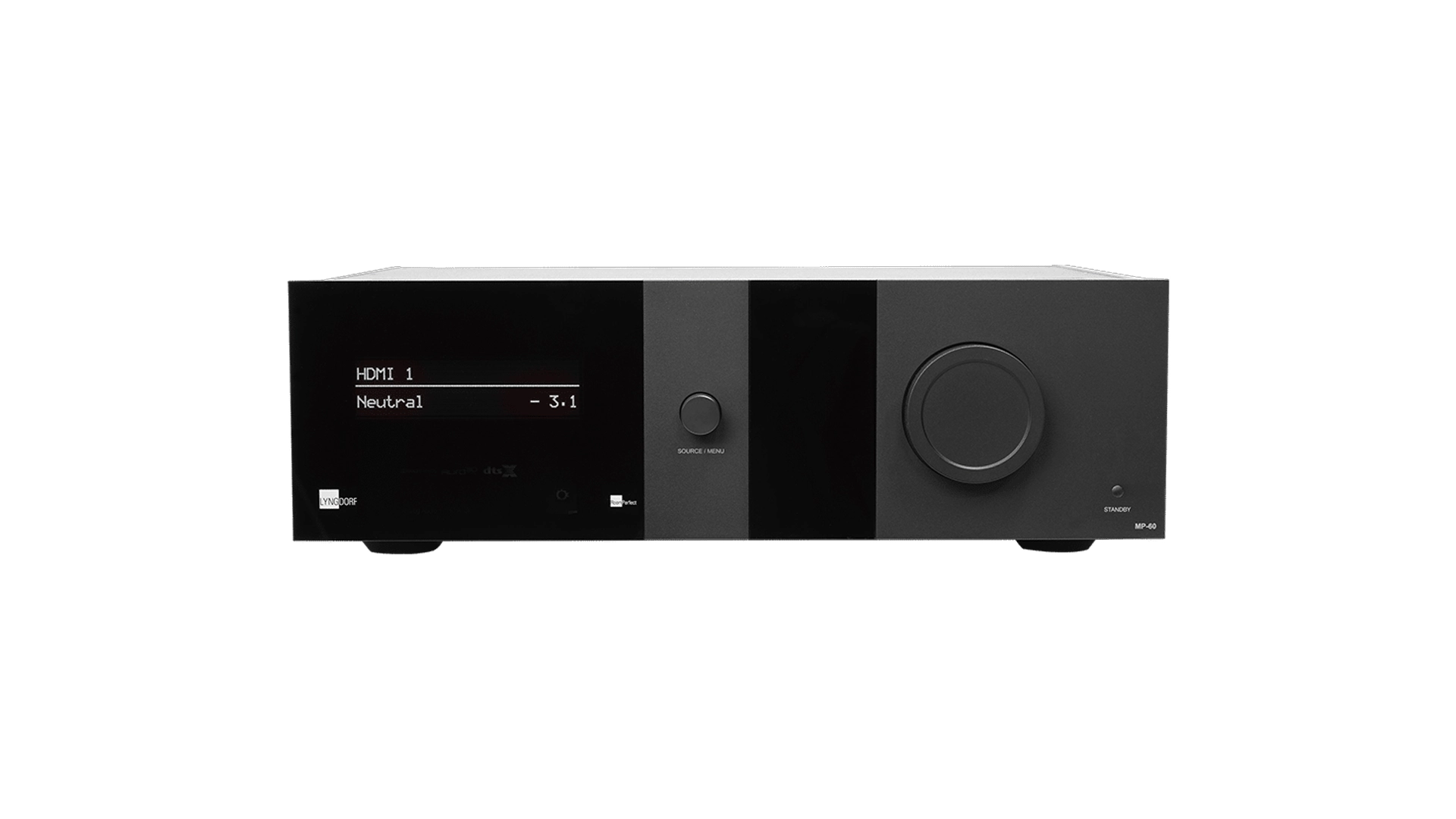
Lyngdorf Audio is a Danish manufacturer built around digital signal processing, system integration and the acoustic behaviour of real rooms. Peter Lyngdorf founded the brand in 2005 after decades of work in loudspeakers, digital amplification and speaker calibration. Its signature RoomPerfect system, developed by Jan Abildgaard Pedersen and a Danish engineering team, measures both a principal listening position and multiple locations around the room. It then reduces room-induced errors while retaining the loudspeaker’s intended tonal character, offering Focus and Global listening modes rather than imposing a generic target curve. The TDAI integrated amplifiers keep sources in the digital domain through volume control and switching, converting close to the output stage; they combine streaming, optional HDMI and analogue modules, bass management and RoomPerfect in a single chassis. MP-series processors extend the same approach to immersive home cinema, while SDA/MXA power amplifiers, compact loudspeakers and boundary woofers allow complete systems to be designed around it. Lyngdorf’s real strength is not room correction as an isolated feature. Amplification, crossover functions, speaker placement and calibration are engineered together so a sophisticated installation can remain comparatively simple to operate.