
Music Streamers
A music streamer is your hi-fi system’s gateway to the vast world of online audio. Its primary purpose is to connect to the internet and seamlessly integrate streaming services like Tidal, Qobuz, and Spotify, as well as thousands of internet radio stations. Often acting as a “streaming bridge,” its main job is to pull music data from the cloud and deliver a pure digital signal to your external DAC for conversion. This page is a guide to brands that specialize in these components, which are focused on bringing endless musical discovery directly to your sound system.
Hi-Fi brands in the category
Summary information and image
Direct links to official websites
Small Green Computer

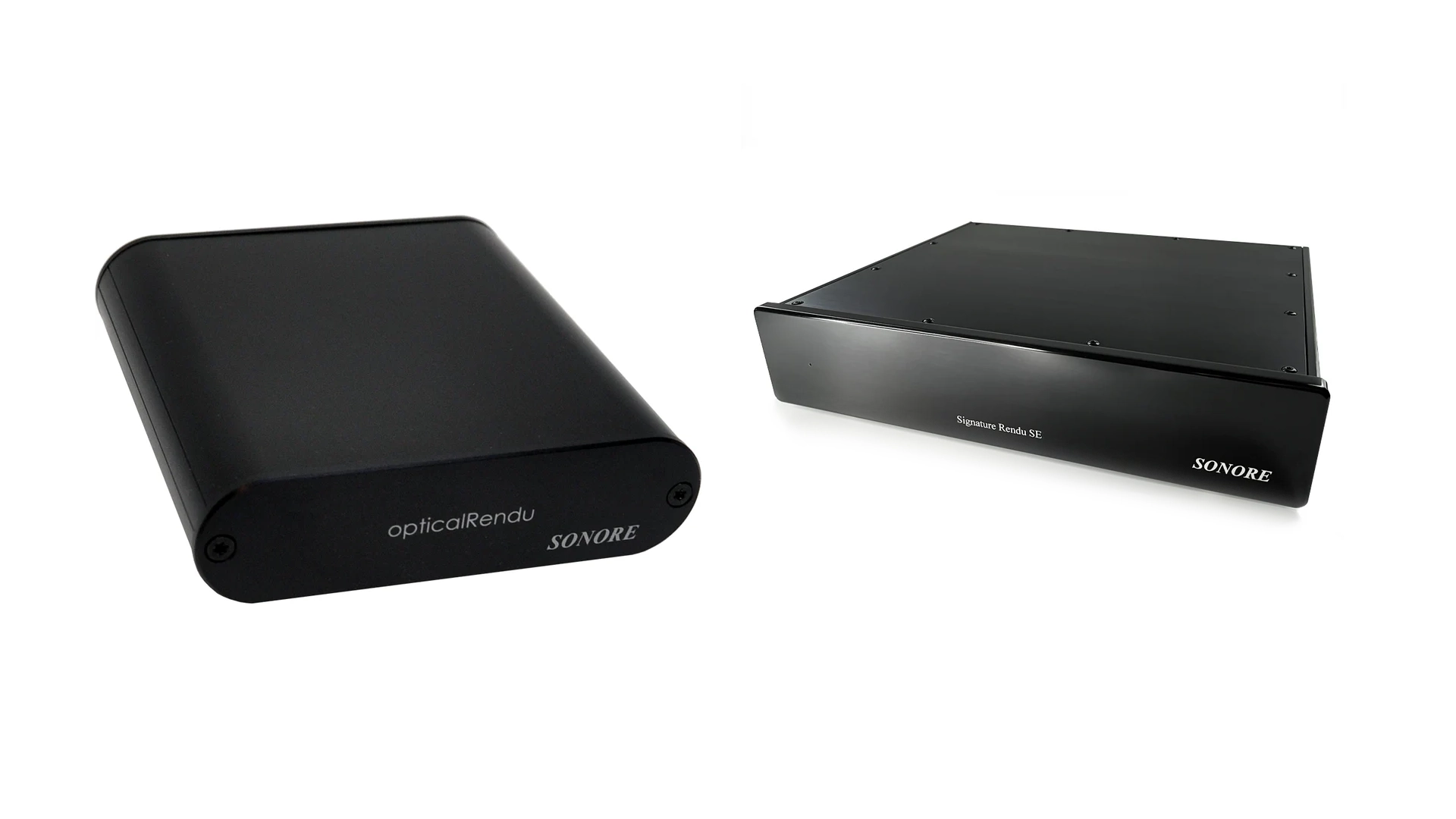
Small Green Computer is an American specialist in fanless music servers and network-audio systems. Its central idea is to remove the noisy, maintenance-heavy general-purpose computer from the listening room and divide digital playback into clear jobs. A sonicTransporter server stores the library and runs software such as Roon, Audirvāna, HQPlayer, Squeezebox or DLNA services; a separate Rendu network endpoint receives the stream and hands it to a DAC, usually over USB. Current sonicTransporter i7 and i9 generations provide different processing headroom for large libraries, multiroom playback and demanding HQPlayer upsampling, while the WhirlWind offers another server configuration. The endpoint side includes Sonore-branded ultraRendu, opticalRendu and Signature Rendu SE models. This brand relationship is important: Small Green Computer supplies the servers and complete system pathway, while the Rendu products carry the Sonore name rather than being renamed SGC devices. The systemOptique concept uses fibre Ethernet to break the conductive electrical path between network sections, and the company also supplies compatible optical modules, switches and low-noise linear DC power. Fanless cases, purpose-built operating images and remote support make the products appliances rather than DIY Linux computers, yet advanced users retain access to multiple playback ecosystems. Small Green Computer’s strength is integration and long-term human support: server, optical network, endpoint and power can be selected as one chain, while users are not locked into a single library application. No sufficiently reliable founding year is published, so the date remains blank.
Sonoro
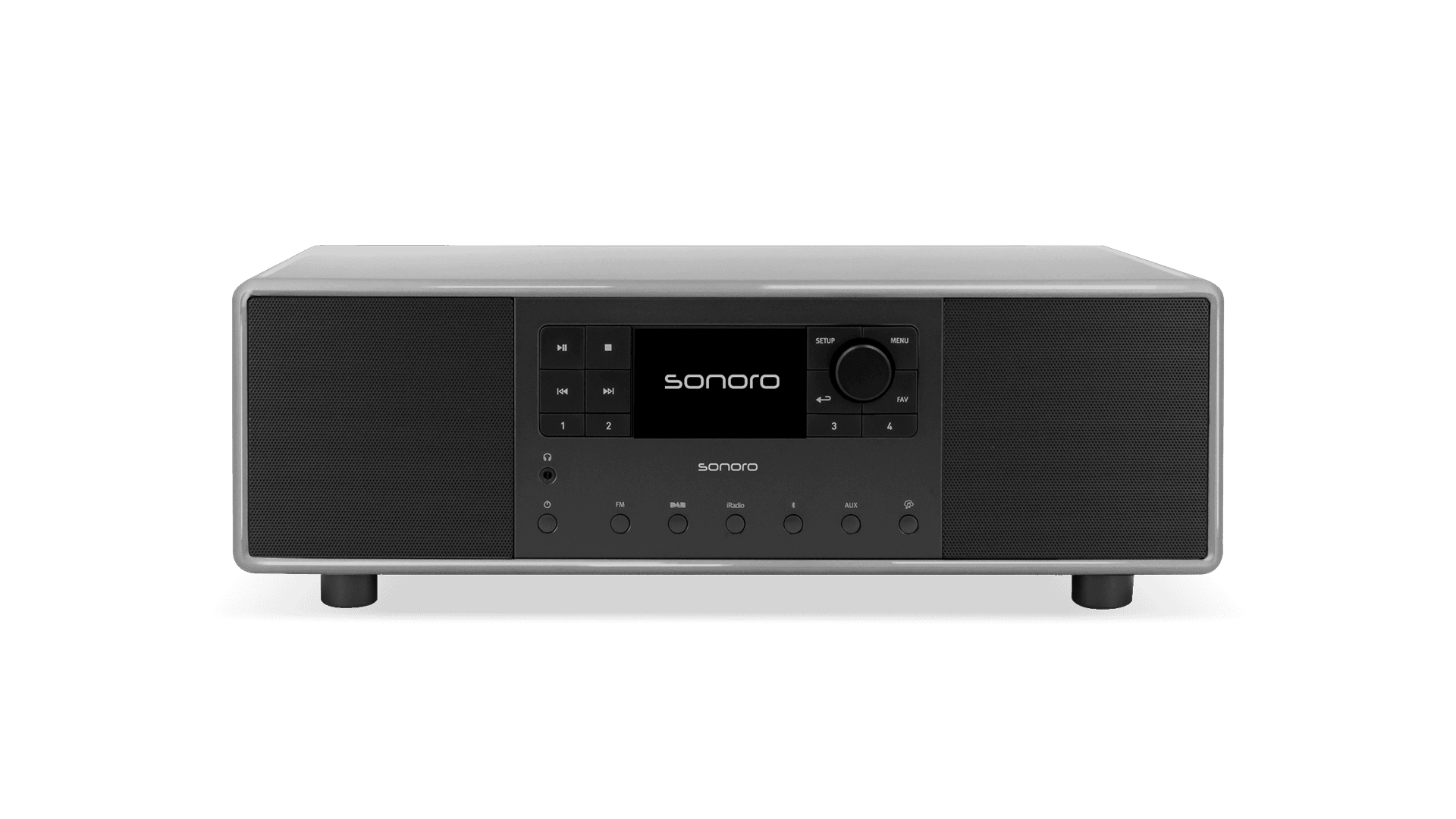
Sonoro brings radio, discs and streaming into music systems designed to live comfortably in an ordinary room. Founded in Germany in 2006 by Marcell Faller, the company develops its products in Neuss with equal attention to their controls, proportions and audio functions. Compact all-in-one systems made its name: products such as Elite, Prestige and Meisterstück gather sources and loudspeakers into a single enclosure, reducing the equipment and cabling needed for everyday listening. Depending on the model, the source selection combines CD playback, FM and DAB+ radio, internet radio and network services. That mixture is an important part of Sonoro’s identity, accommodating a physical music collection alongside newer listening habits. Meisterstück has developed into a more substantial all-in-one platform; its second generation adds facilities including AirPlay, Chromecast and room calibration. Sonoro has also expanded beyond self-contained radios and music centres. Maestro supplies the electronics for a separate stereo system, Orchestra loudspeakers provide the matching speaker option, and Platinum turntables bring vinyl into the catalogue. This gives the brand a path from a single bedroom or living-room unit to a system with physically separated speakers. The common design language remains restrained and domestic, with clearly arranged controls and cabinets intended to be seen. Sonoro’s particular strength is assembling familiar and modern sources into approachable products whose use and appearance matter as much as their specification lists.
SOtM

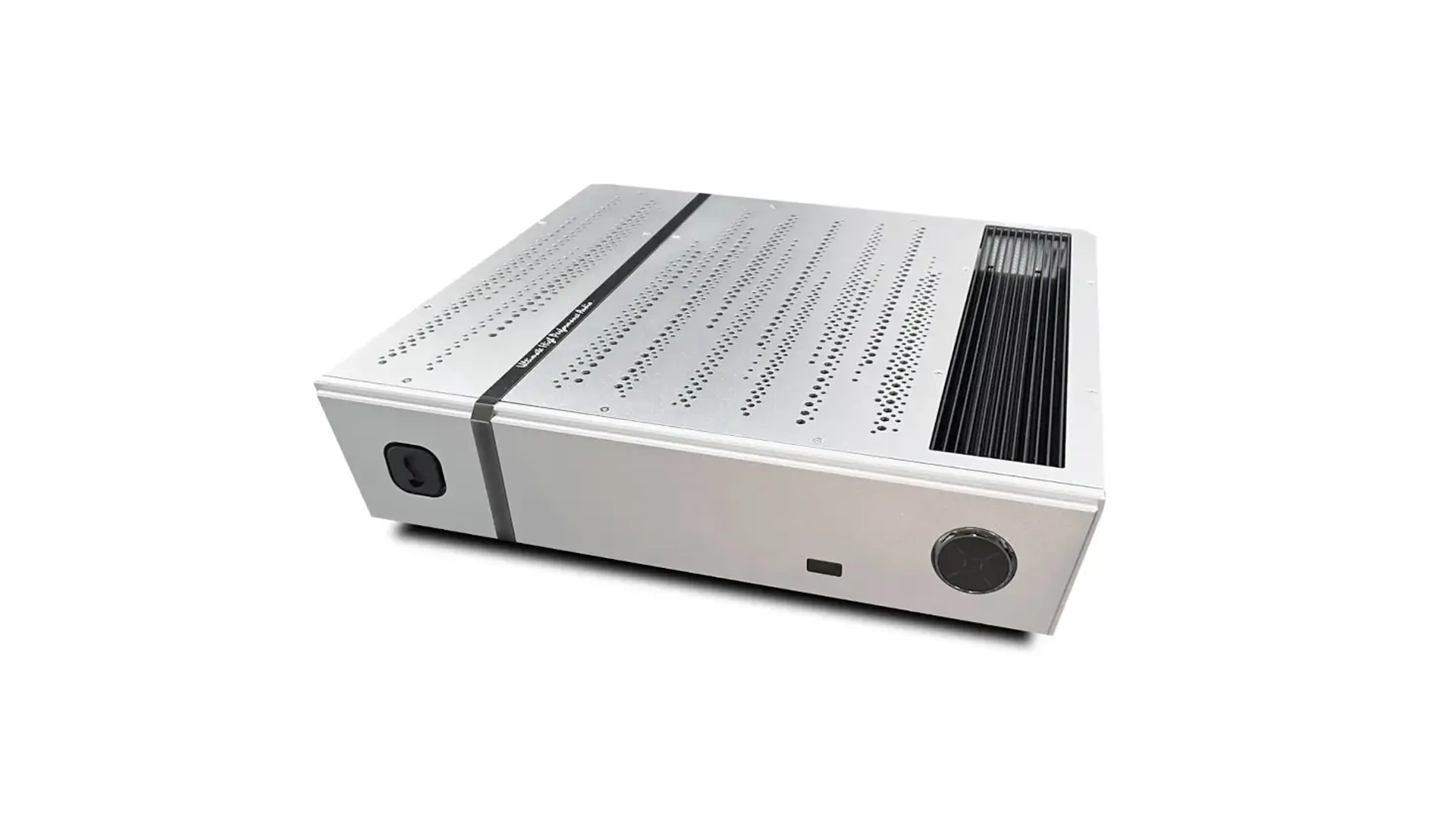
SOtM builds digital-audio components around the less visible parts of computer playback: clocking, power regulation and the electrical interfaces feeding a DAC. The South Korean company’s name stands for Soul Of the Music, and its catalogue connects network players with supporting USB, clock and power products. The sMS-200 family became a recognisable entry point, using a dedicated playback board to send USB audio to an external converter. In the sMS-200ultra, the sCLK-EX clock is integrated into that compact network-player architecture, with an optional connection for an external master clock. Its Linux-based Eunhasu interface provides access to playback modes including Roon Ready, Squeezelite, DLNA and HQPlayer NAA. This makes the player usable within several software environments while allowing the rest of the music library system to reside elsewhere. The wider range includes the sMS-2000 music server, alongside products addressing network connections and the supply of power to digital equipment. DAC and headphone-audio products have also formed part of SOtM’s work. The company’s distinctive approach is to treat a digital source as a collection of interacting electrical subsystems rather than judging it only by supported sample rates. Owners can start with a network player and select compatible supporting components as their system develops. That modular structure is particularly relevant to listeners who already own a DAC and want to build a dedicated streaming front end around it.
T+A

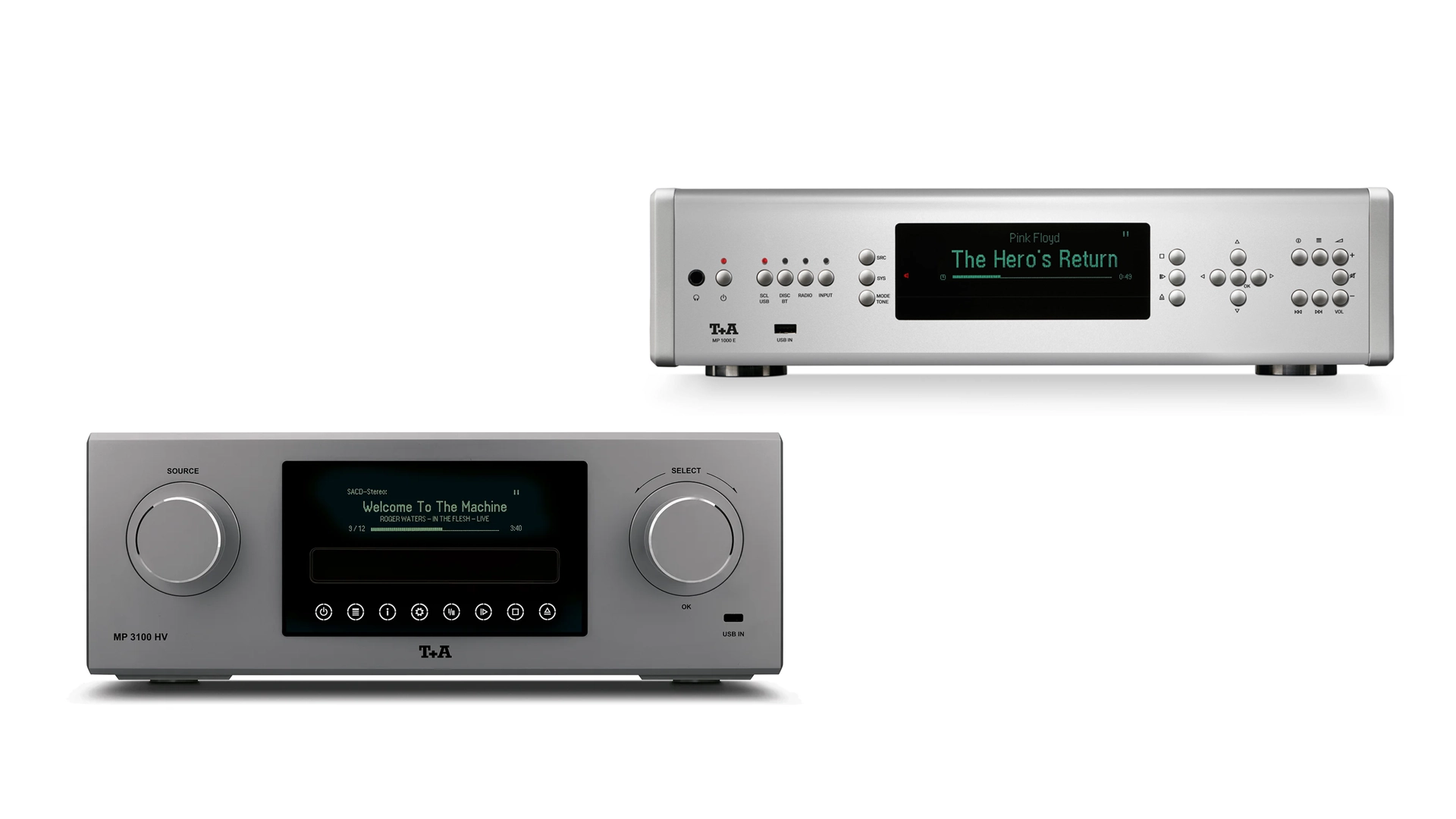
T+A elektroakustik (Theory + Application) is a German manufacturer of high-end audio equipment, known for its wide range of products, innovative technologies, and a focus on delivering both exceptional sound quality and comprehensive features. The company’s product range includes amplifiers, preamplifiers, integrated amplifiers, CD players, streamers, all-in-one systems, loudspeakers, and even headphones. T+A often utilizes proprietary technologies and advanced engineering in its designs, aiming to push the boundaries of audio performance. Their products are characterized by their robust build quality, elegant aesthetics, and a sonic signature that emphasizes detail, dynamics, and a natural, unforced presentation. The “HV” (High Voltage), “R” series , and “Cala” series represent different facets of their product offerings. T+A products are positioned in the high-end segment of the market, appealing to audiophiles who value both performance and German engineering.
TIDAL

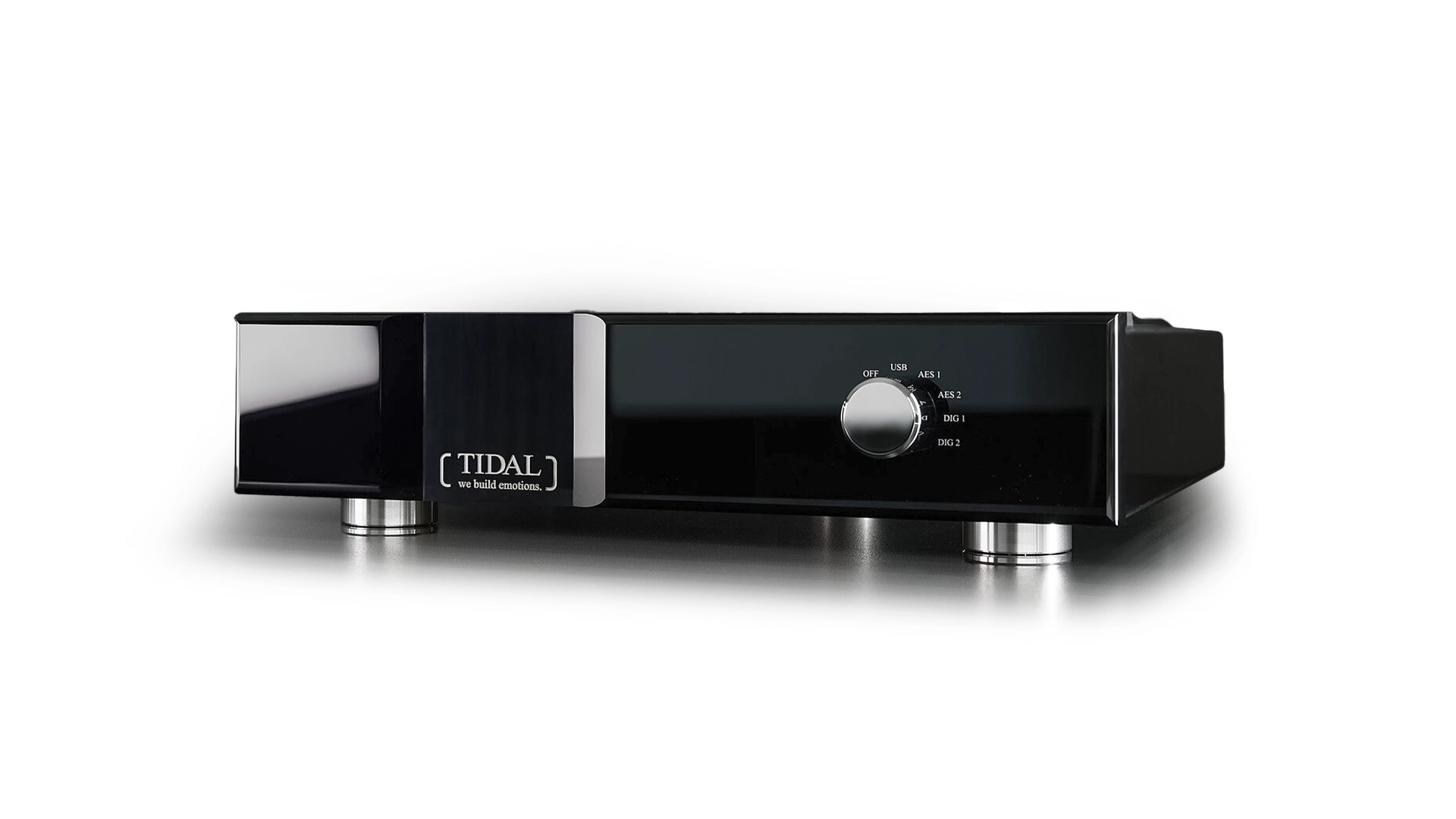
TIDAL Audio is a German ultra-high-end manufacturer founded in 1999 by designer Jörn Janczak. From its base near Cologne, the company develops complete loudspeaker and electronics systems rather than treating the speaker as an isolated luxury object. TIDAL’s identity is precision: proprietary driver applications, elaborate crossover work, massive cabinets and electronics are engineered as one chain, then built and finished in Germany to order.
The loudspeakers made the name. Contriva established the brand internationally, while Piano, Akira and the monumental La Assoluta developed its approach to inert enclosures, carefully controlled dispersion and high-resolution ceramic and diamond diaphragms. Current G3 generations refine those ideas rather than abandoning them. Diamond tweeters are a signature, and selected models extend diamond technology into the midrange; the point is not rarity alone, but low moving mass and controlled breakup within a system whose crossover, cabinet and amplification have been developed around the drivers.
TIDAL also builds the electronics needed to expose that work, including Camira digital conversion, Prisma preamplification and Intra or Ferios power amplification. The related Vimberg marque was created by the same team as a separate brand; it is not a TIDAL loudspeaker model, as the earlier description implied. TIDAL itself remains the no-compromise line. Its appeal is the unusually tight authorship of the whole system—from machining and lacquer to drivers, networks and gain stages—under Janczak’s direction.
Topping

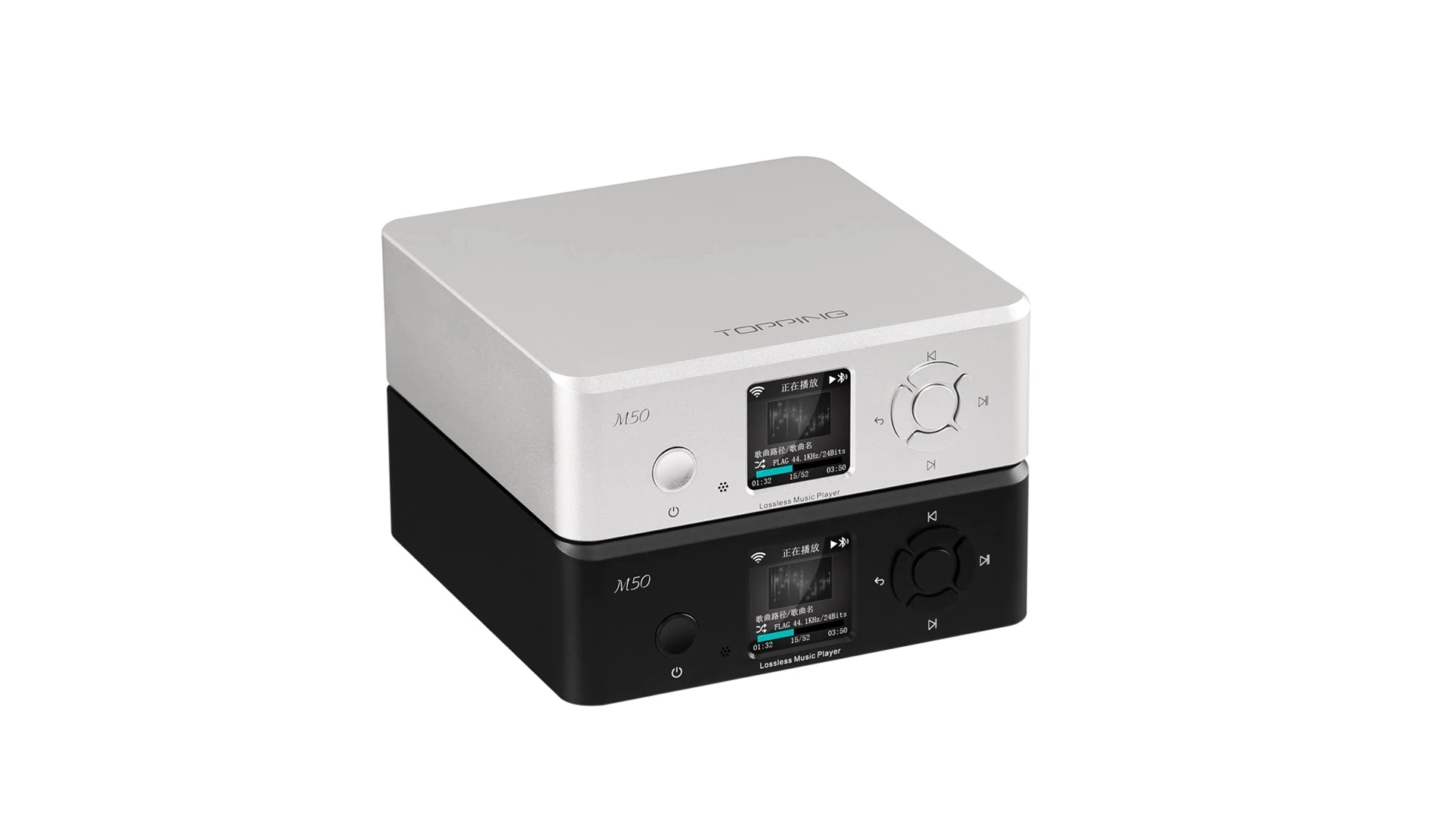
TOPPING is a Chinese desktop-audio manufacturer founded in 2008, recognised for DACs, headphone amplifiers and compact power amplifiers whose measured performance is treated as a primary design target. The company helped shift expectations in affordable digital audio: low noise, low distortion, balanced connections and transparent volume control no longer had to be reserved for physically large or expensive components.
Products such as the D90 DAC and A90 headphone amplifier established TOPPING at the upper end of desktop hi-fi, while E-series DACs, L-series headphone amplifiers and DX combination units cover more accessible systems. The company has also expanded into PA-series power amplifiers, B-series monoblocks and discrete or resistor-ladder conversion. Proprietary NFCA amplifier modules are used to obtain high feedback accuracy, very low output impedance and useful power across a wide range of headphones. Flagship models add sophisticated preamplifier, remote and digital-interface functions without abandoning measurement discipline.
TOPPING’s strength is not that every new model posts another record figure. It is the consistent use of audio analysers, documented specifications and compact circuit integration to make performance predictable. Firmware, user interface and system matching still matter, and a technically excellent device is not automatically the right product for every listener. Yet the brand’s influence is clear: it forced a broad part of the market to explain noise and distortion with evidence. TOPPING now spans entry-level desktop systems and serious separates, but its identity remains unusually focused on engineering results per unit of space and cost.
Volumio

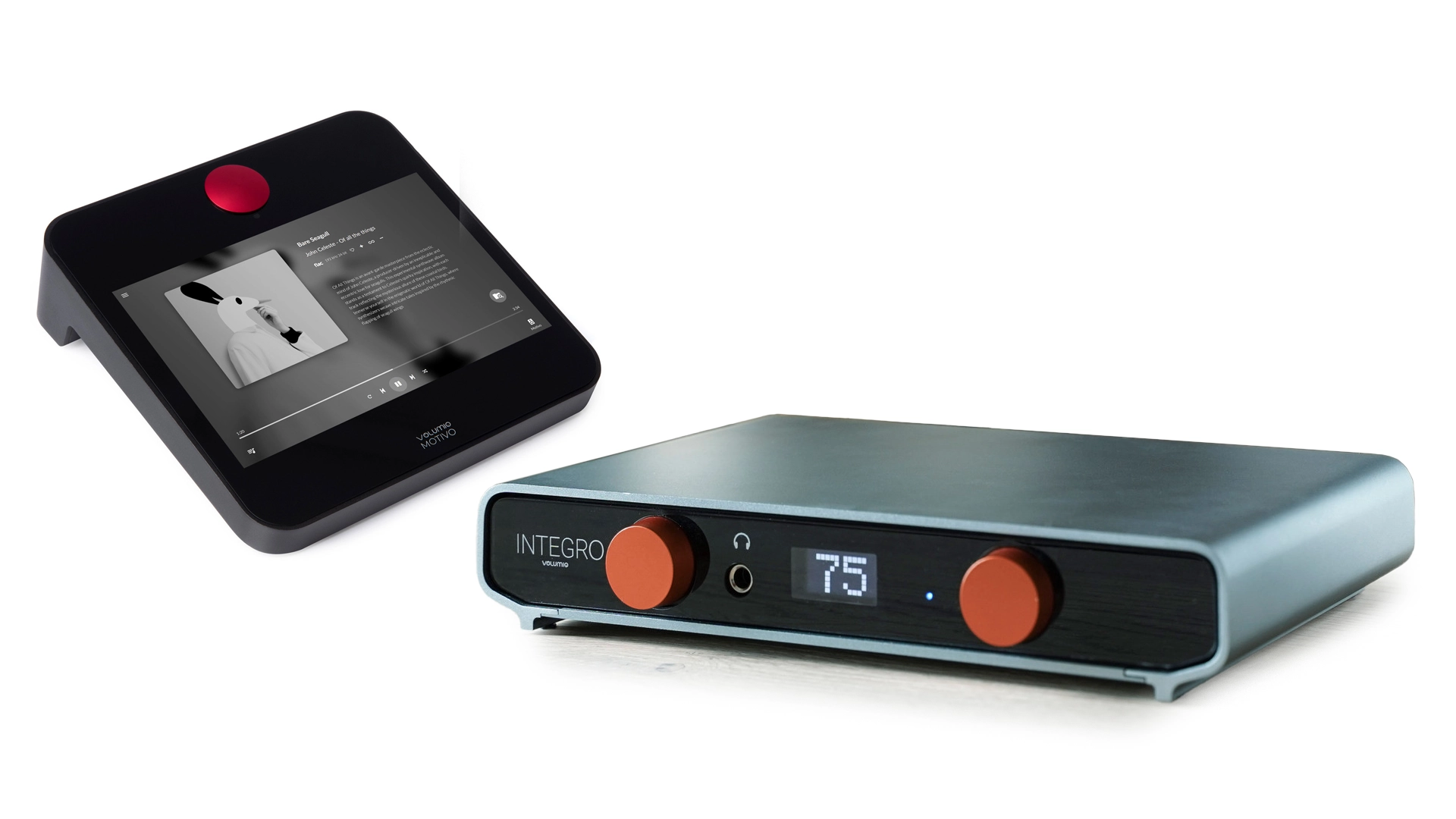
Volumio is an Italian digital-audio company built around one unusually accessible idea: turning ordinary computing hardware into a dedicated music player without asking the listener to administer a computer. Founder Michelangelo Guarise began the project in Florence, and its Linux-based Volumio OS became widely used on Raspberry Pi and other single-board computers before the company developed its own hardware. The browser and mobile interface brings local libraries, NAS storage, internet radio and supported streaming services into one control layer, while plug-ins and broad hardware compatibility let enthusiasts tailor a player to their system. This software-first heritage still distinguishes Volumio from conventional electronics brands. Its own range now covers several roles: Rivo is a digital transport for an external DAC, Primo combines streaming and conversion, Preciso is a standalone DAC, and Motivo adds a touchscreen, preamplifier and headphone output. Integro extends the platform into a streaming integrated amplifier, while Lineo and Remoto address power supply and physical control. Volumio also licenses its software to other manufacturers and maintains a free community edition alongside paid features. The result is an ecosystem rather than a single streamer: the same familiar interface can run on a low-cost DIY player, an OEM product or a complete Volumio component, with development in Italy and an active user community shaping the platform.
Wadax
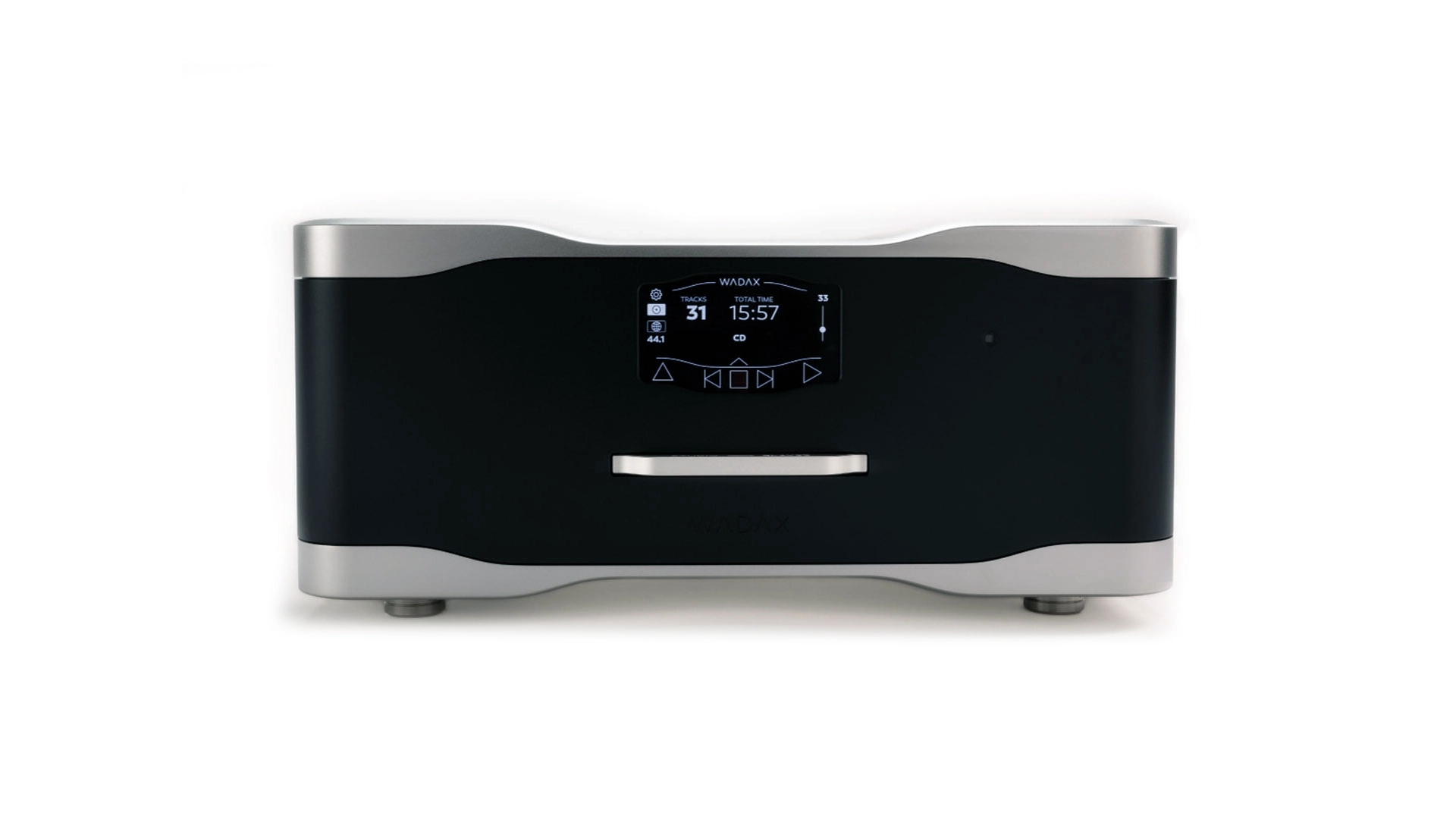
Wadax is a Spanish digital-audio specialist based in Madrid, where its core research, circuit design, prototyping and software development take place. The brand was established by Javier Guadalajara in 2006, drawing on technical work begun within the Guadalajara family decades earlier; the 1958 date sometimes attached to Wadax belongs to that prehistory, not to the company itself. Wadax concentrates on the conversion and transport errors that can make digital replay dependent on timing, power and the electrical load presented by the next stage. Its proprietary musIC technology uses feed-forward error correction and models the behaviour of converter circuits under dynamic load instead of treating a DAC as an ideal isolated block. That research first appeared in electronics beyond conventional digital sources, then matured into the Atlantis and Reference families. Reference DAC, Server and Transport can operate as a complete source, with dedicated Reference PSU supplies and Akasa optical links separating data transfer from ordinary noisy interfaces. Atlantis components bring related ideas to a somewhat less extreme platform, while the newer Studio line integrates the technology into more compact products. Enclosures, power architecture and mechanical construction are developed alongside the signal processing; specialist aerospace-grade suppliers manufacture precision parts to Wadax specifications rather than the products simply being “made in Switzerland,” as older summaries sometimes claim. Wadax’s defining quality is this system view of digital audio: server, clocking, interface, conversion and power are engineered as interacting elements, not independent boxes connected only at the end.
Waversa Systems
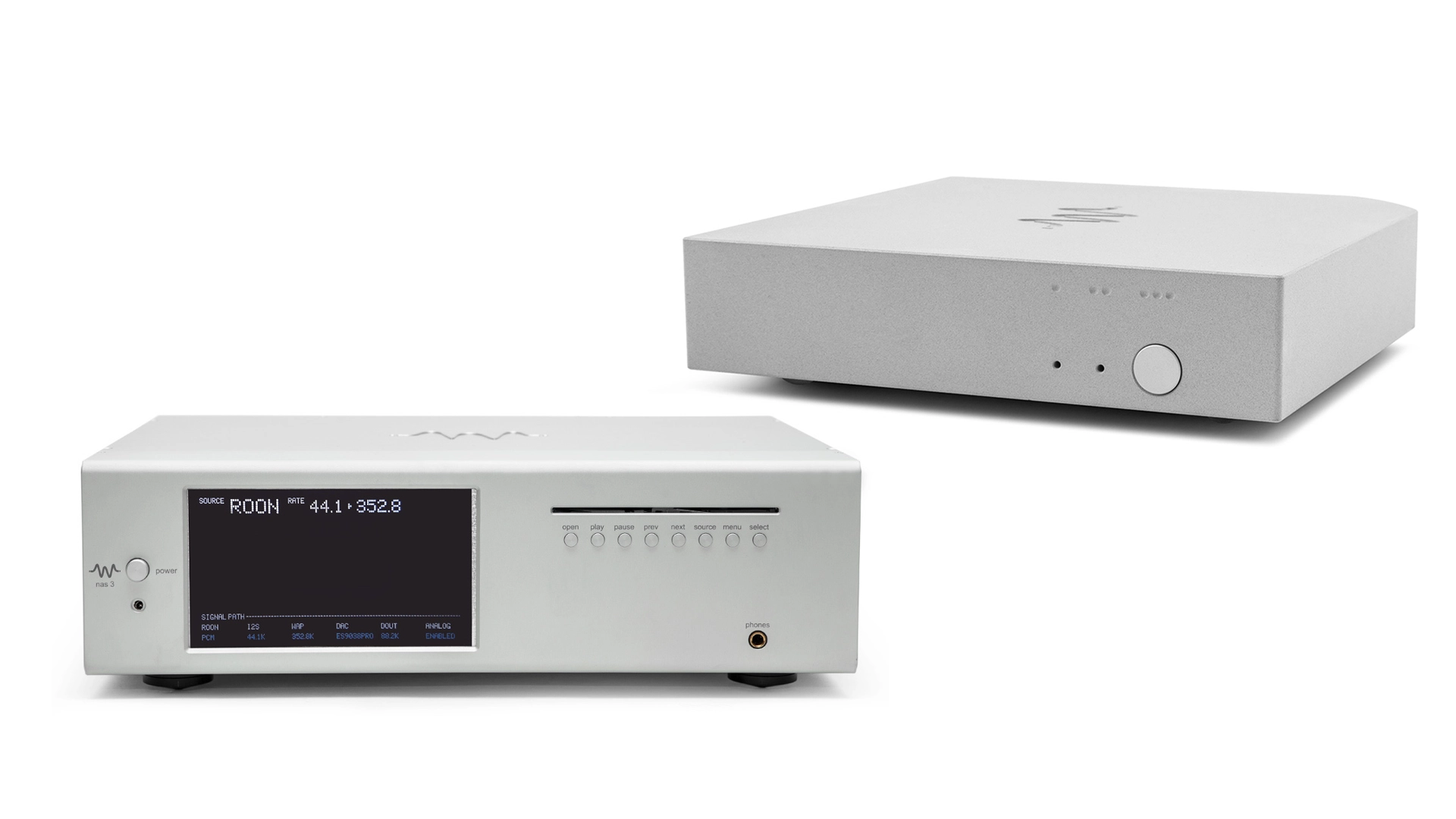
Waversa Systems is a South Korean digital-audio company founded in 2012 by engineer Dr Collin Shin. Before entering high-end audio, Shin worked on semiconductor and system design, experience that shaped a catalogue unusually focused on the behaviour of data, clocks, networks and power inside a complete replay chain. The company announced its WAP—Waversa Audio Processor—platform in 2013 and later developed WNDR, Waversa Network Direct Rendering, as a proprietary route for delivering audio over a network with tighter control of timing and processing. These technologies appear across network players, DACs, servers and hubs rather than belonging to one showcase product. The range spans compact WMini components, WStreamer bridges, WDAC converters, WCore servers and WRouter or WSmartHub network products, as well as integrated players, amplifiers, phono stages and the reference WV series. Waversa also makes Ethernet and USB filters because it treats electrical noise entering through digital connections as part of the source design. Product names and formats vary widely, but the unifying objective is consistent: minimise jitter and unwanted processing, isolate noisy subsystems and preserve the signal through conversion and amplification. Waversa’s distinctiveness lies in approaching a hi-fi system as a networked electronic architecture, not a stack of unrelated boxes. Hardware, FPGA or processor code and control software are developed together in Korea, giving the brand a coherent technical vocabulary that extends from an inexpensive interface filter to its largest source and amplification components.
WiiM

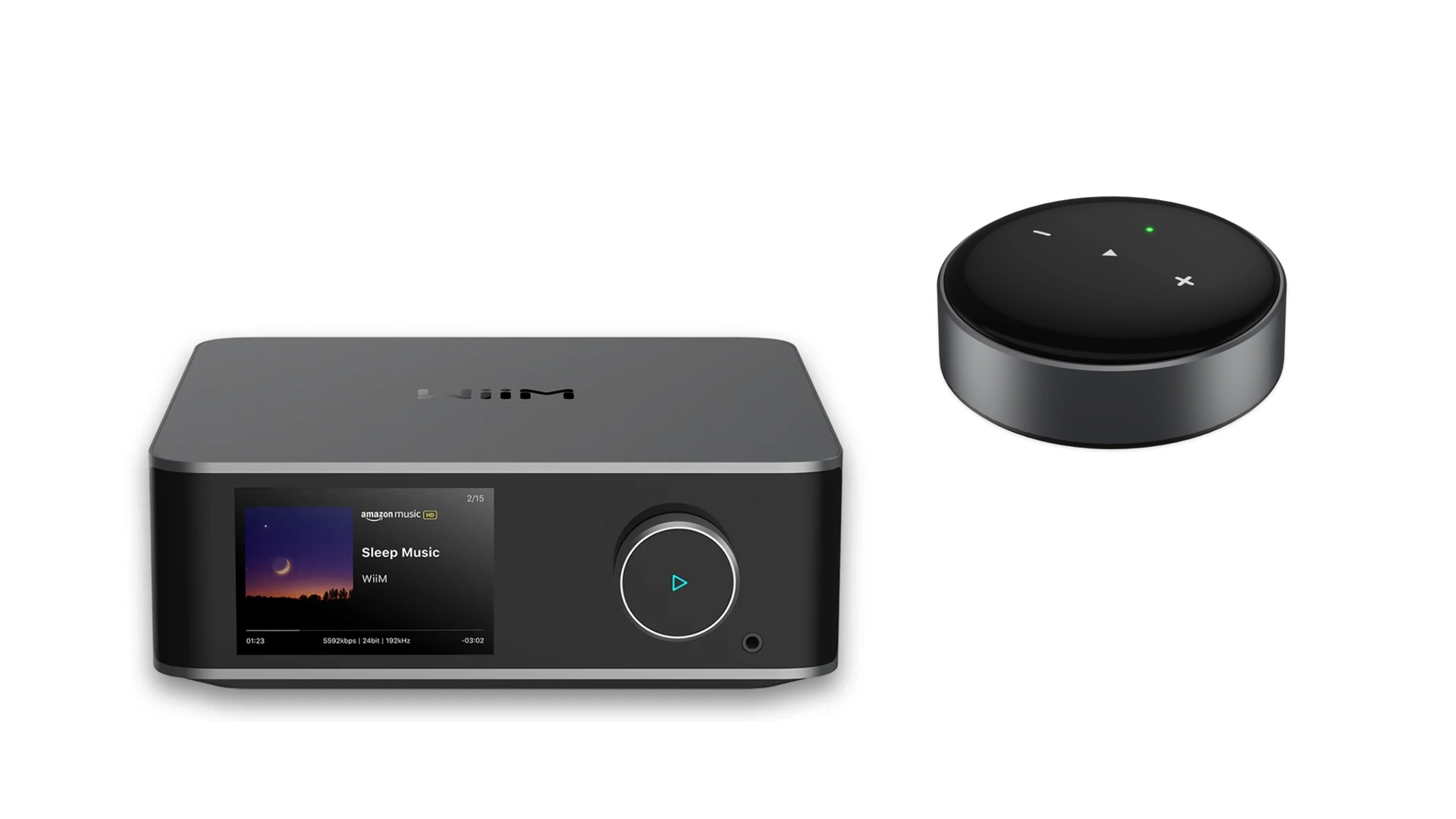
WiiM is the consumer-audio brand of Linkplay Technology, a connected-audio specialist established in 2014 by engineers with backgrounds at companies including Google, Broadcom and Harman. Linkplay had already supplied wireless modules and software to other manufacturers when it launched WiiM as its own product family in 2021. The first WiiM Mini made the proposition clear: add high-resolution network streaming, multi-room playback and app control to an existing hi-fi system at a price far below most specialist transports. WiiM Pro and Pro Plus expanded connectivity and improved conversion, while WiiM Ultra turned the streamer into a compact digital hub with a display, HDMI ARC, phono input and room correction. WiiM Amp and Amp Pro combine the platform with Class-D amplification for passive speakers; Vibelink Amp separates amplification for owners who already use a WiiM source. The ecosystem has since grown into smart speakers, a wireless subwoofer and the WiiM Bar, allowing stereo and home-cinema zones to share the same control architecture. The WiiM Home app, frequent firmware updates, broad streaming-service support, Google Cast, Spotify Connect and flexible input sharing are as important as the hardware. Although Linkplay maintains an American presence, the supplied catalog identifies the brand with China, where its wider engineering and manufacturing operation is based. WiiM’s real achievement is making capable, measured and continuously updated streaming electronics accessible without forcing owners to abandon the amplifiers and speakers they already value.
YBA

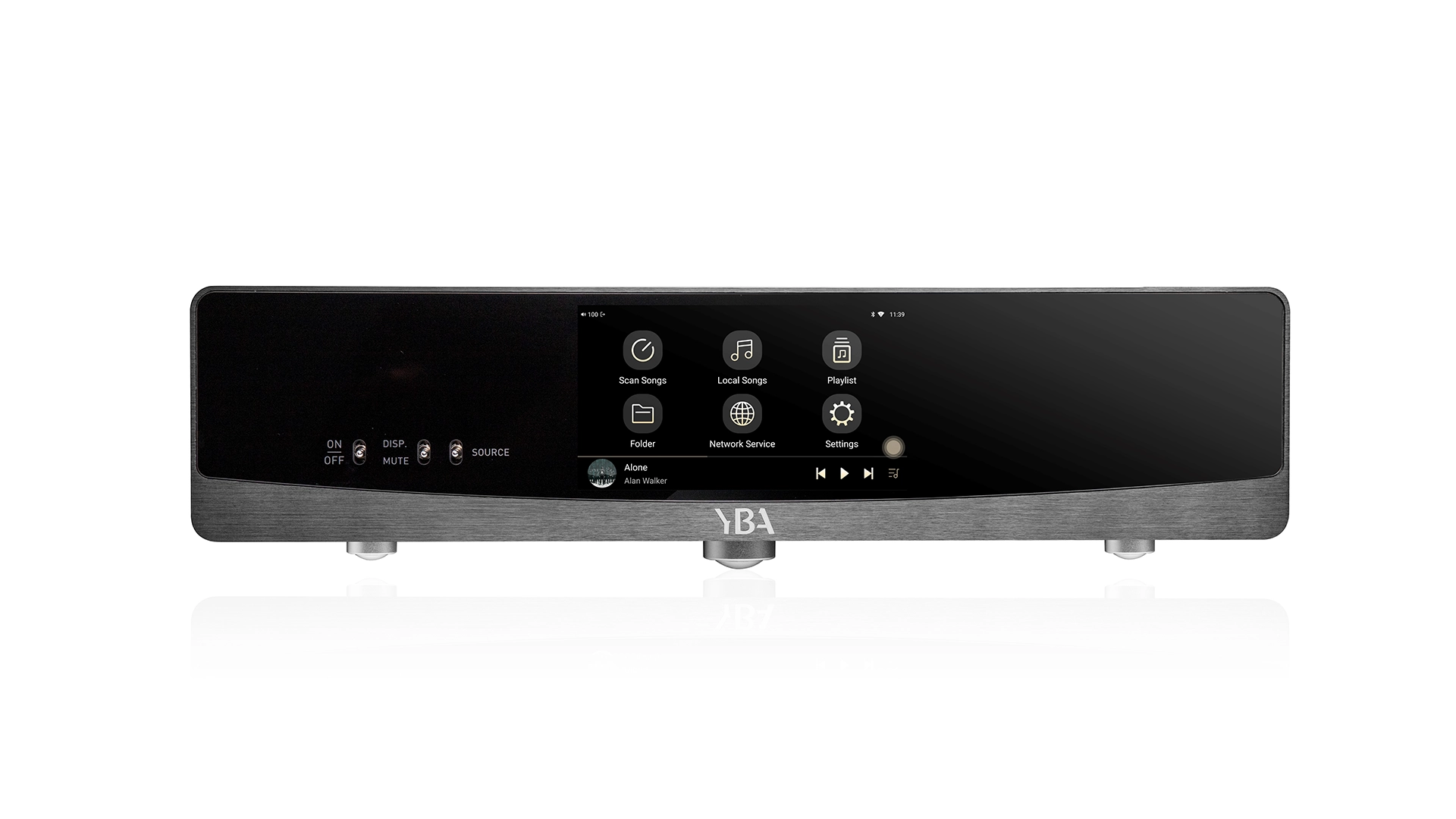
YBA is the French electronics marque founded in 1981 by engineer and electronics professor Yves-Bernard André. His designs became known for short signal paths, carefully selected components and unusual attention to mechanical and electrical details: transformer orientation, non-magnetic fasteners, three-point support and restrained power-supply layout were treated as audible engineering choices rather than accessories. The original YBA 1 amplifiers and later Signature components established the reference line, while Audio Refinement brought related thinking to a wider audience. Today’s catalogue is organised into Signature, Passion, Genesis, Heritage and Design families. It includes integrated, pre- and power amplifiers, phono stages, CD players, DACs and network-capable sources, allowing the core circuit philosophy to appear at several prices rather than only in statement products. Ownership and production changed materially in 2009, when Chinese manufacturer Shanling took a majority stake to stabilise the company and expand manufacturing capacity. André retained an interest and continued to guide product design; current components are therefore designed under a French brand philosophy and manufactured with Shanling’s industrial resources in China. That relationship should be stated openly while the catalog country remains France, where YBA was created and voiced. YBA’s individuality is not a vague promise of “musicality,” but a four-decade design language in which circuit simplicity, component orientation, grounding and mechanical support are refined together—and remain recognisable despite the later ownership structure.
Zidoo
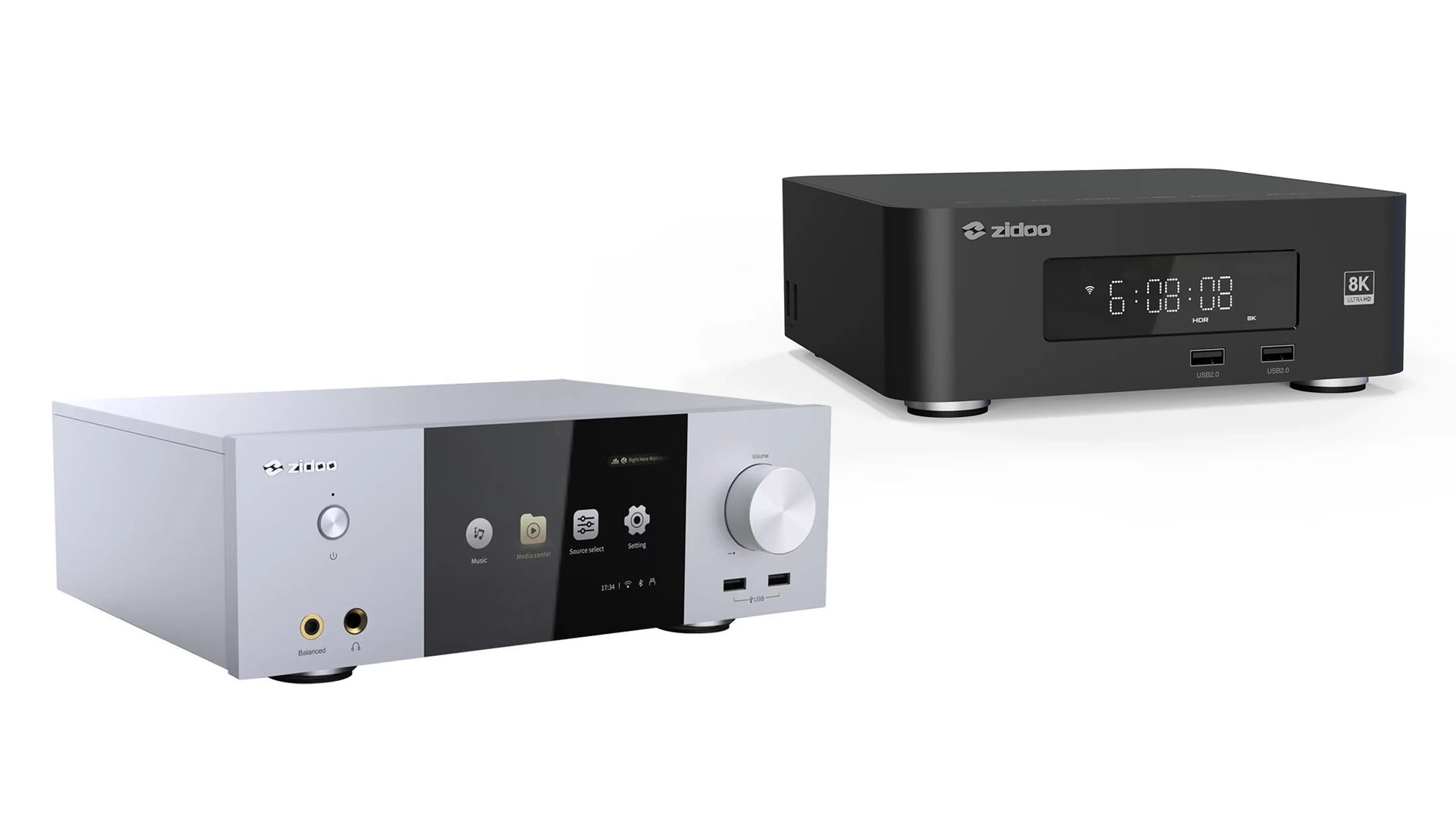
Zidoo is a Shenzhen-based electronics company founded in 2014 and best known for media players designed around locally stored film libraries. Its early Android boxes combined broad format support with HDMI output, but the X9S of 2016 established a more specialised direction: reliable 4K playback, automatic frame-rate and resolution switching, Blu-ray menu handling and an interface suited to large collections. Poster Wall software scans files, retrieves artwork and metadata and presents a cinema library without exposing the underlying folder structure. Later Z9X, Z10 Pro and UHD models added Dolby Vision processing, HDR conversion, dual-drive storage, linear power supplies and progressively stronger audio sections. Current 8K-generation players continue this separation between the media library, video engine and high-quality AV output, with flagship chassis intended for dedicated theatres. Zidoo also entered two-channel audio with NEO players and developed streaming-focused products through the related Eversolo brand, but the two names should not be collapsed: Zidoo remains primarily the home-cinema and local-media platform. The company develops firmware, mobile control, library management and hardware together, which is why long-term software behaviour matters as much as the selected system-on-chip. Its strength is practical integration rather than inventing a new video codec: one appliance can index large local libraries, decode uncommon disc structures, output modern HDR formats and provide the control and connectivity expected in an installed cinema.