
Music Streamers
A music streamer is your hi-fi system’s gateway to the vast world of online audio. Its primary purpose is to connect to the internet and seamlessly integrate streaming services like Tidal, Qobuz, and Spotify, as well as thousands of internet radio stations. Often acting as a “streaming bridge,” its main job is to pull music data from the cloud and deliver a pure digital signal to your external DAC for conversion. This page is a guide to brands that specialize in these components, which are focused on bringing endless musical discovery directly to your sound system.
Hi-Fi brands in the category
Summary information and image
Direct links to official websites
Marantz

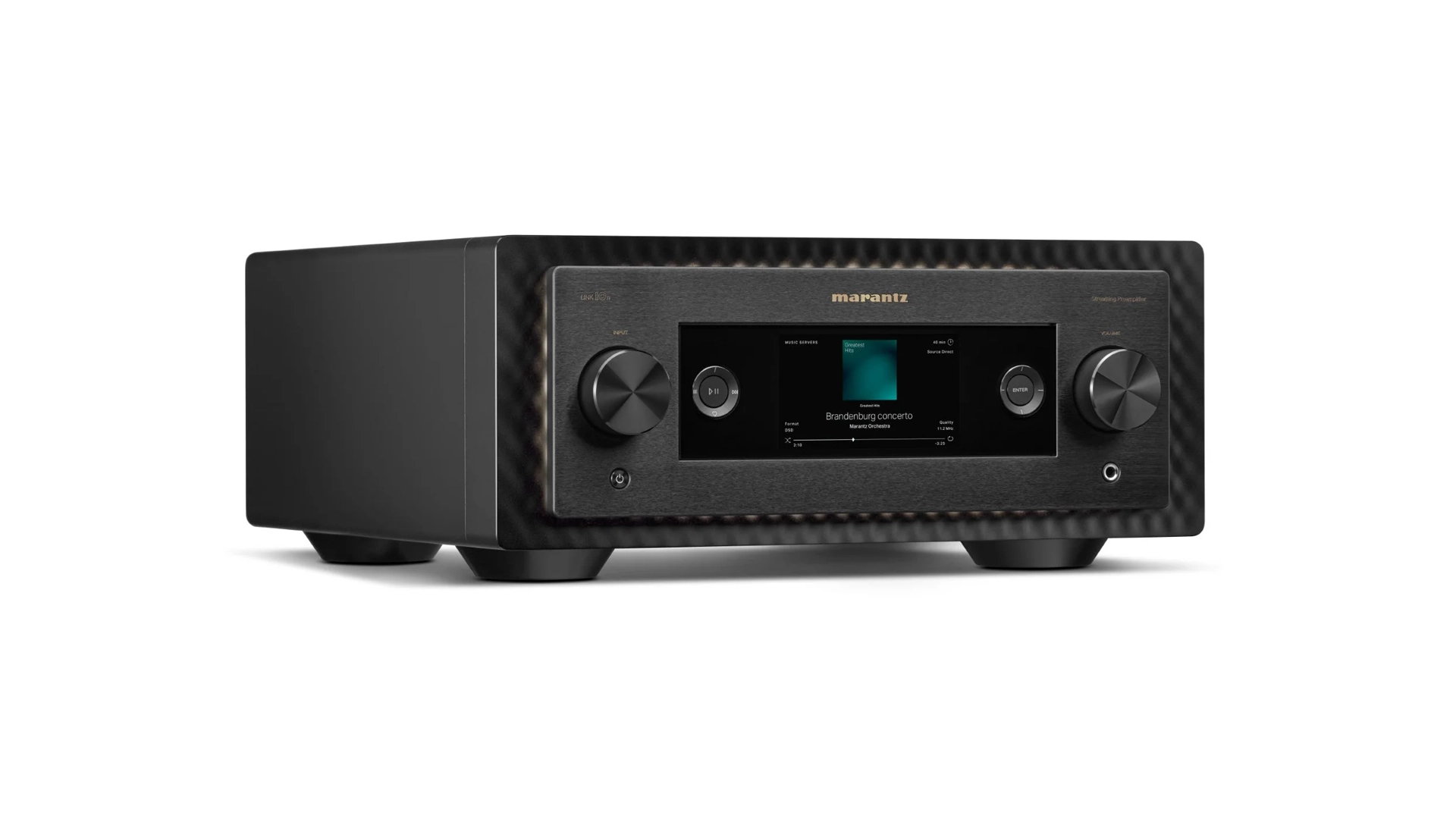
Marantz is a historic high-fidelity brand whose modern amplifiers, network players and home-cinema electronics combine American roots with Japanese audio engineering. Saul B. Marantz began by building the Audio Consolette for his own record collection; its success led to the Marantz company in New York in 1953. The Model 1 preamplifier, Model 7, Model 9 power amplifier and Model 10B tuner established a reputation for elegant circuits, low distortion and unusually thoughtful industrial design. Today the range spans stereo integrated amplifiers, SACD and network sources, turntables, AV receivers and processors. A defining element of many premium models is the company’s discrete Hyper Dynamic Amplifier Module (HDAM), used instead of generic integrated op-amps in critical analogue stages. Current reference components also emphasize short signal paths, carefully separated power supplies, shielding and rigid multi-layer chassis construction. Products such as the MODEL 30 and MODEL 40n bring that approach to contemporary systems, while the CINEMA series applies it to immersive home theatre. Marantz is distinctive because it has repeatedly translated its classic emphasis on musical, usable equipment into each new playback era rather than treating heritage as decoration.
Mark Levinson

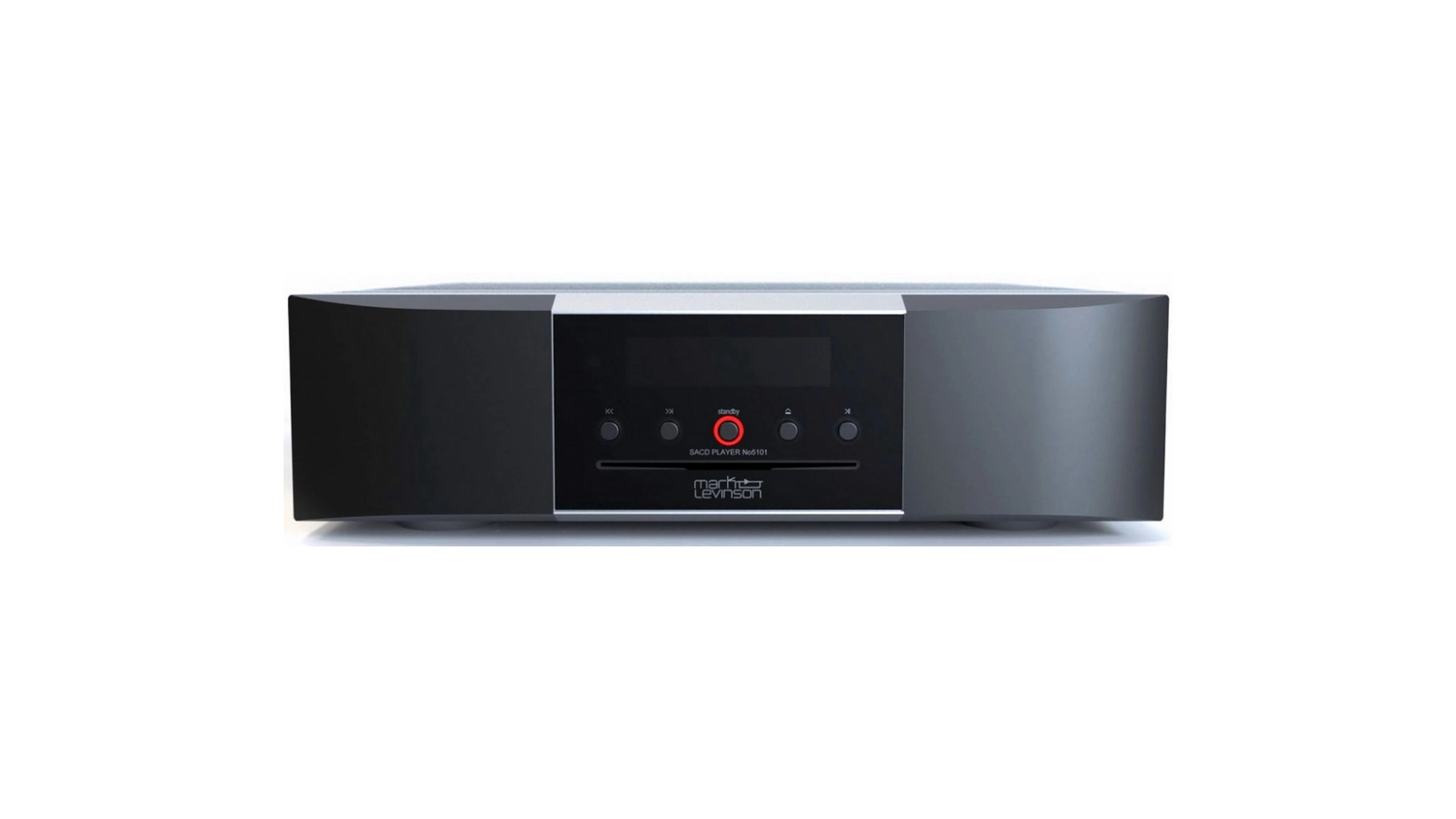
Mark Levinson is an American high-end electronics brand built around low-noise analogue circuitry, substantial power supplies and a deliberately uncompromising approach to signal integrity. Professional musician and recording engineer Mark Levinson founded the company in 1972 after seeking playback equipment that could reproduce the natural scale and timbre he heard in live performance. Early products such as the LNP-2 preamplifier helped define the emerging specialist high-end market. Now part of Harman, the brand produces preamplifiers, power and integrated amplifiers, digital players, turntables and premium headphones, and also develops factory audio systems for Lexus. Its components are identified by the Nº model prefix and typically use proprietary Pure Path circuit architecture, dual-mono layouts where appropriate, fully balanced signal paths and tightly regulated supplies. The Nº 5805 and Nº 5802 integrated amplifiers combine this analogue foundation with modern digital conversion, while the Nº 5909 extends the brand into wireless noise-cancelling headphones. Mark Levinson’s real distinction is not a cosmetic luxury treatment but the application of measurement-led, wide-bandwidth engineering and careful system integration across both traditional separates and newer product categories.
Matrix Audio
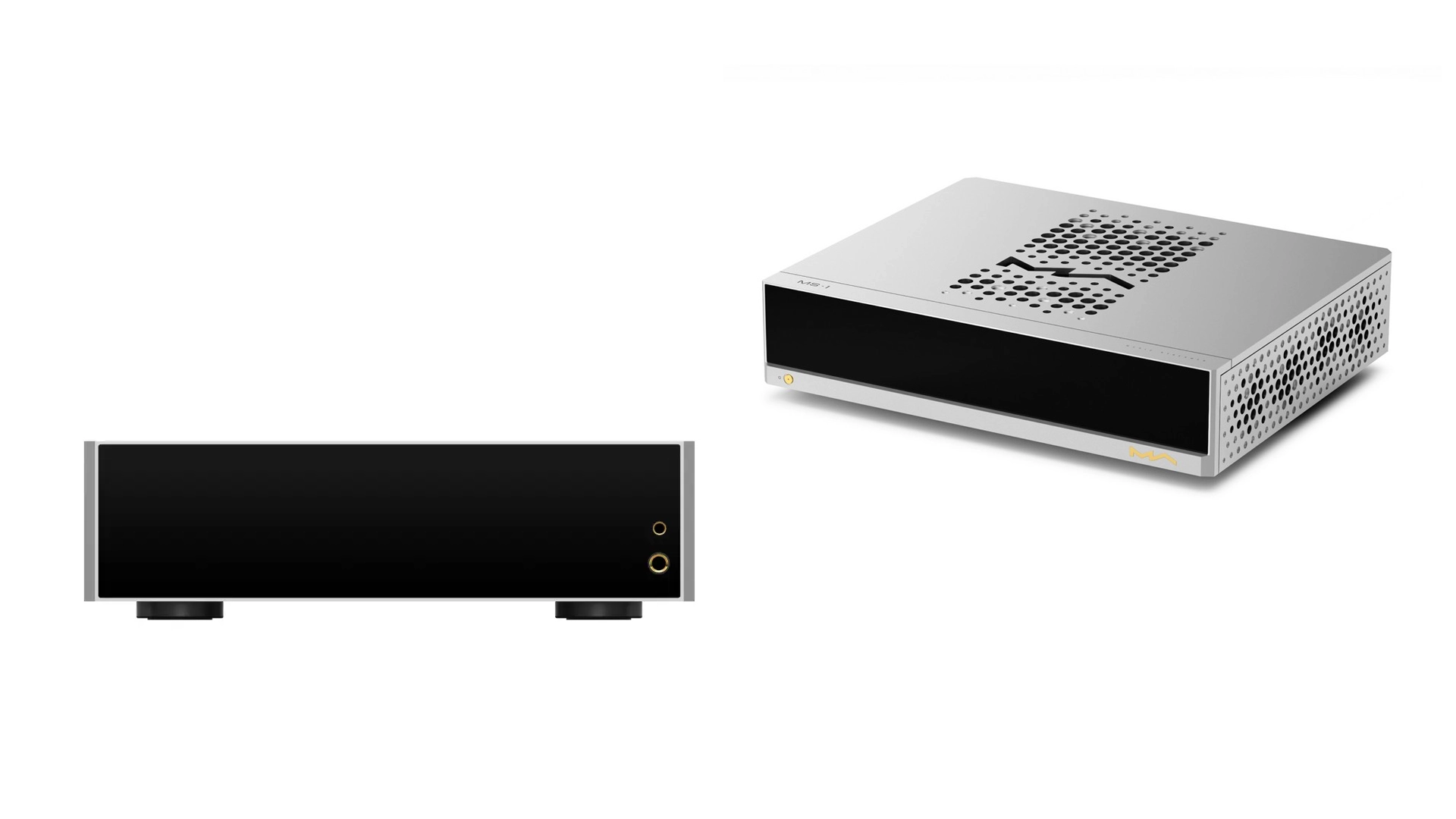
Matrix Audio is a digital-audio specialist from Xi’an, China, known for combining serious conversion hardware with unusually complete network playback and control software. The company traces its beginning to 2006 and later formalized Matrix Electronic Technology and the Matrix Audio trademark. Its early DACs and headphone amplifiers established a reputation for clean circuit layouts and competitive engineering; the element series expanded that expertise into integrated music streamers. Current products cover network players, DACs, headphone amplifiers, preamplifiers, power amplifiers, clocks and all-in-one sources. Matrix develops its own MA Player platform and MA Remote application, allowing local storage, NAS libraries and supported streaming services to be handled within one interface. Higher models use carefully partitioned digital and analogue sections, femtosecond clocking, linear power supplies, balanced outputs and CNC-machined enclosures; implementation varies by model rather than following a single chip recipe. Lines such as element, mini-i and X-SABRE address different system scales. Matrix Audio’s strength is the integration of hardware, firmware and everyday usability: it approaches a network player as a complete audio source, not merely a DAC with a streaming module attached.
McIntosh

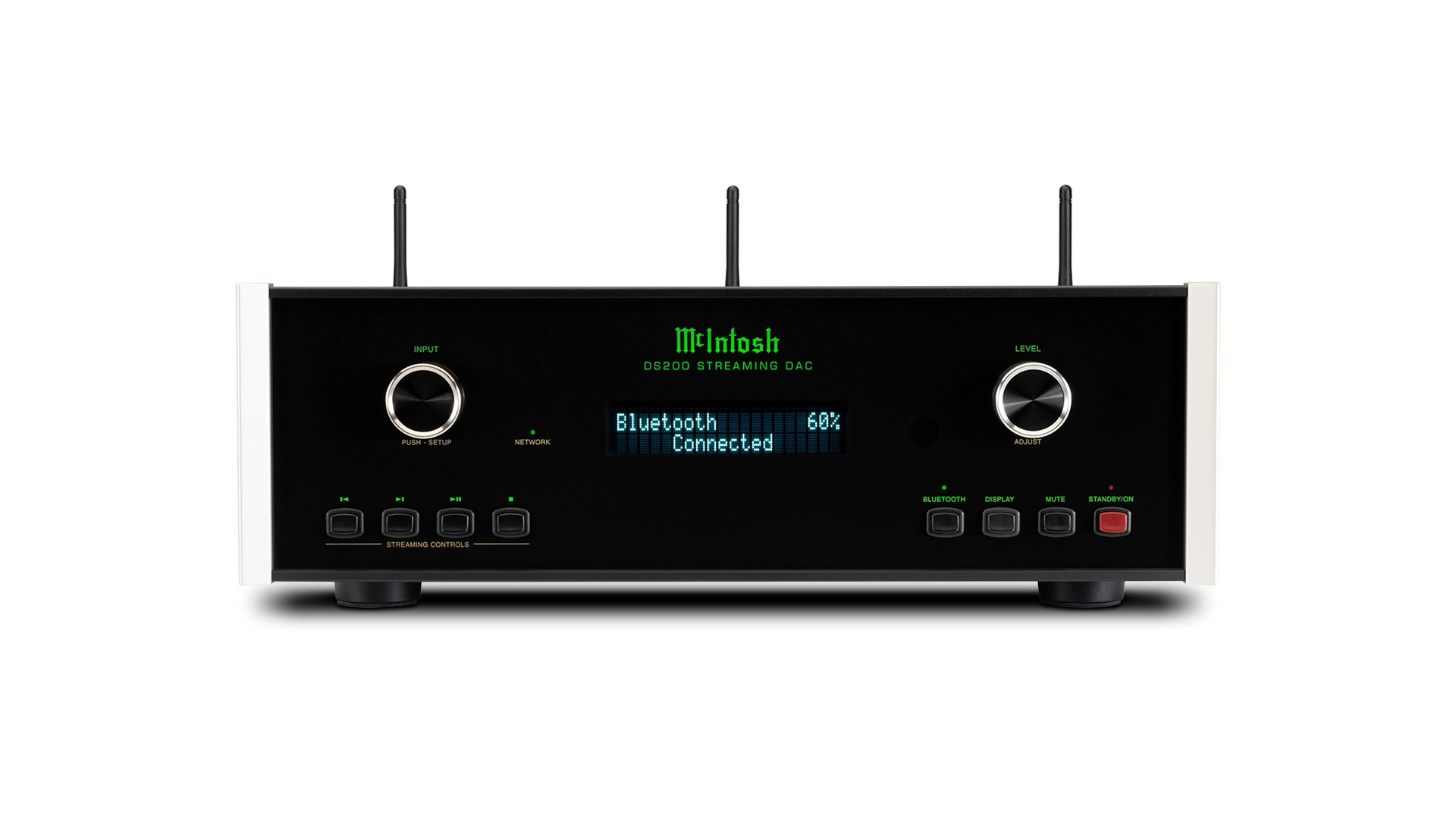
McIntosh is an American high-end audio manufacturer whose blue power meters and black-glass front panels identify products built around unusually durable amplifier engineering. Frank H. McIntosh and Gordon Gow founded the company in 1949 after developing the Unity Coupled Circuit, a transformer-coupled output topology designed to deliver high power with low distortion across the audible band. McIntosh moved to Binghamton, New York, in 1951 and continues to design and assemble products there. The catalogue covers valve and solid-state power amplifiers, preamplifiers, integrated amplifiers, source components, streamers, turntables, speakers and home-cinema processors. Many transistor power amplifiers use Autoformers to deliver their rated power into different loudspeaker impedances, while Power Guard monitors the waveform to reduce clipping-related distortion and Sentry Monitor protects against unsafe operating conditions. The company still winds key transformers in house, and signature glass panels are printed and assembled for long service life. McIntosh’s appeal extends beyond styling: its defining know-how is the marriage of protective circuitry, stable load behavior and conservative construction with a product ecosystem that can support both two-channel and large cinema systems.
Melco

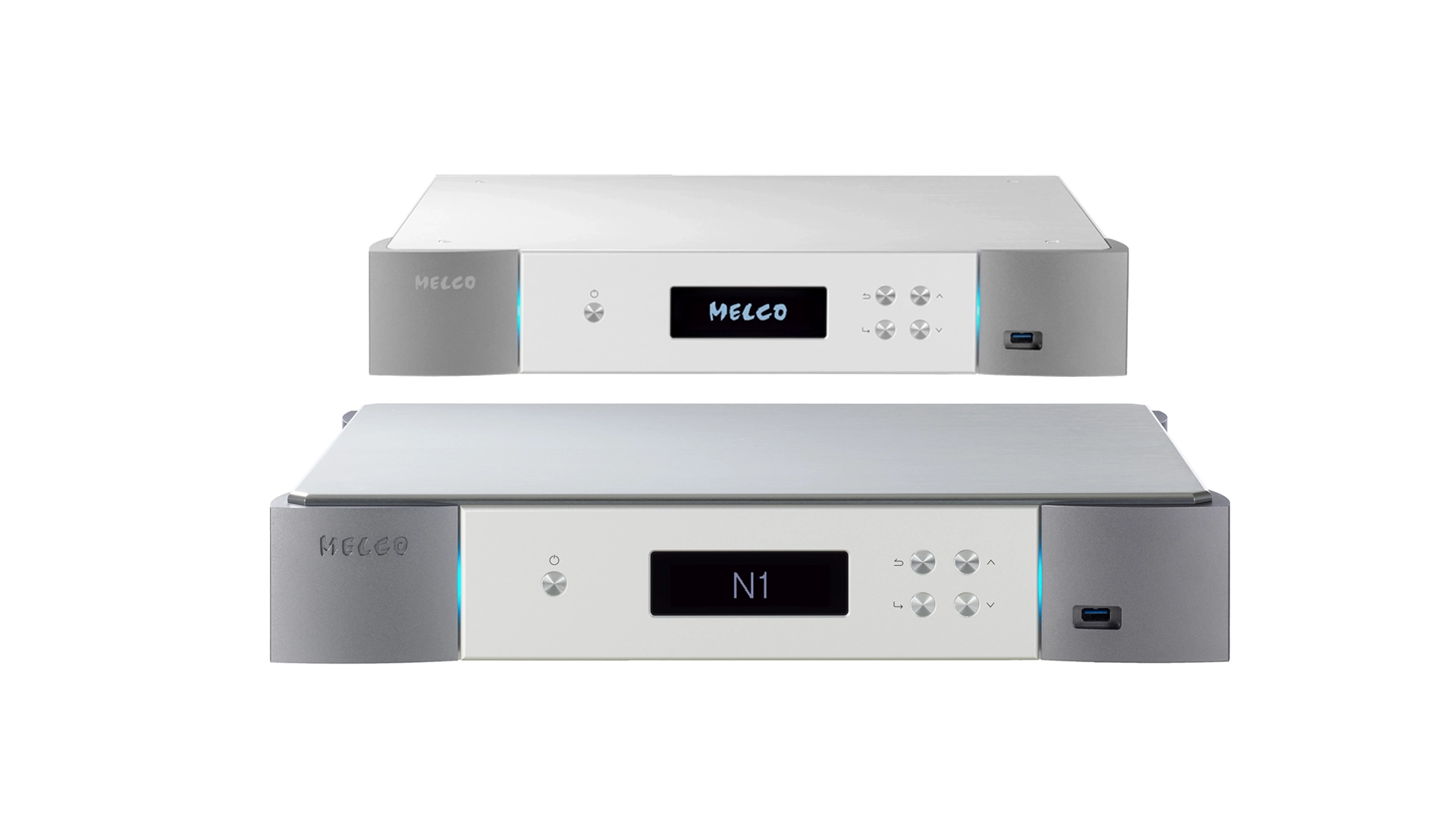
Melco is the Japanese network-audio lineage that applies storage and data-network engineering to music libraries, servers, players and audiophile Ethernet switches. Audiophile Makoto Maki founded Maki Engineering Laboratory Company—MELCO—in Nagoya in 1975 to make audio equipment. The business later became best known through the Buffalo computer and networking brand, then returned to specialist audio roughly four decades later with dedicated Melco music libraries. Products such as the N1, N10 and N100 were designed as purpose-built audio sources rather than ordinary NAS appliances. Their engineering addresses electrical noise, vibration, storage behavior and network traffic through separate player and LAN ports, selected drives, rigid chassis, dedicated power supplies and software developed for music importing, library management and playback. Matching network switches and optical-network accessories extend the same system approach. In 2025 the audio company marked its fiftieth anniversary and began the next phase under the DELA name; the underlying company history and product expertise continue. The brand’s distinctive idea is straightforward but technically demanding: digital files remain data, yet the server, network and power environment delivering them can still influence the analogue result of a high-resolution playback system.
Merging NADAC

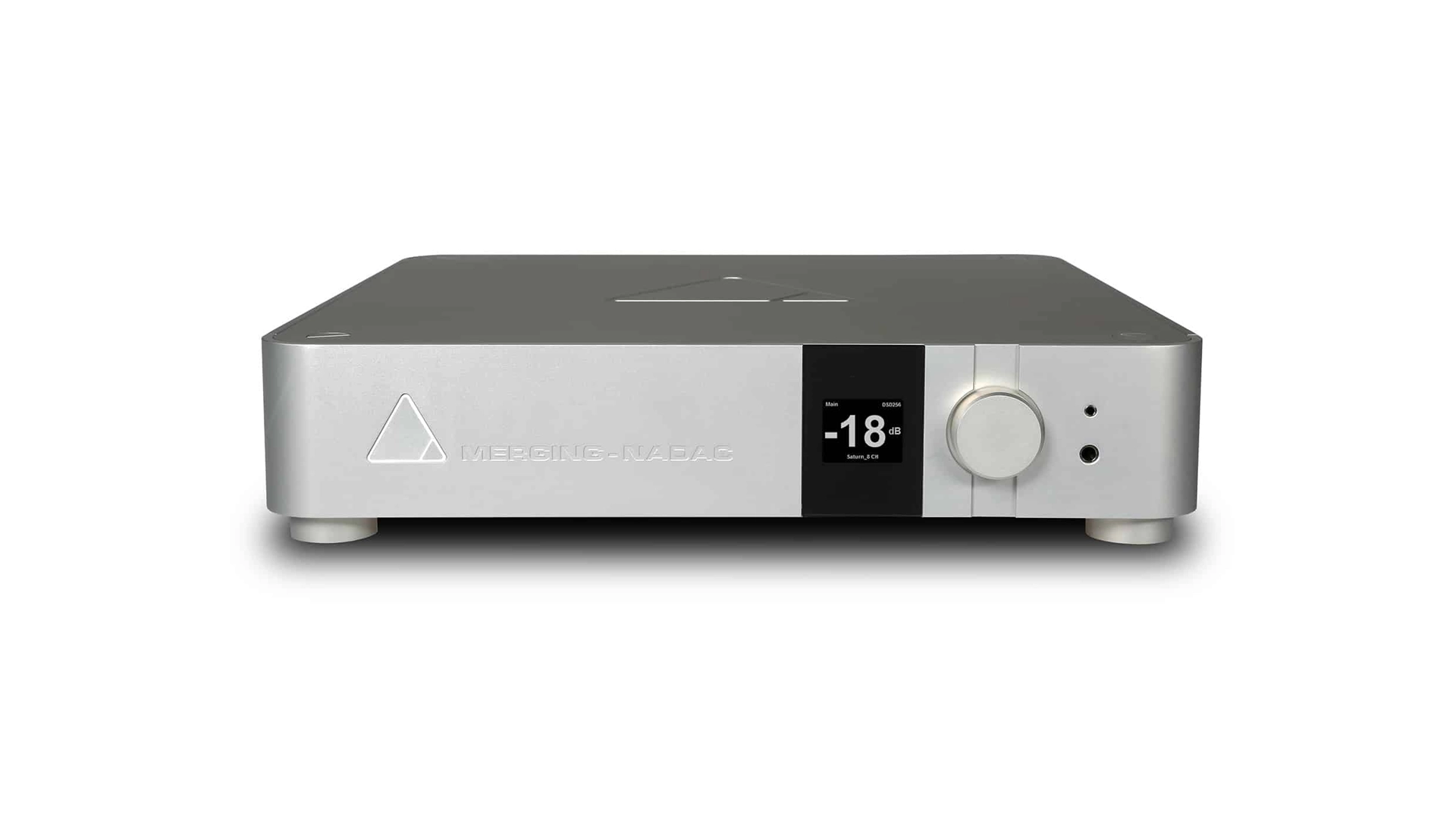
Merging NADAC is the domestic network-DAC line that brought Merging Technologies’ professional recording and broadcast expertise into high-end home audio. Swiss engineer Claude Cellier founded Merging Technologies in 1990 after working at Nagra; the company became known for Pyramix recording systems, Horus and Hapi converters, and high-resolution DXD and DSD workflows. NADAC—Network Attached DAC—was introduced in 2015 as the listening-room expression of that technology. Rather than treating Ethernet as a convenience input, NADAC uses the RAVENNA/AES67 audio-over-IP platform developed for reliable, clock-accurate professional networks. The range included two-channel and multichannel converters, with support for PCM, DXD and DSD, precision clocking, balanced analogue outputs and direct network playback. The multichannel model could serve both immersive monitoring and sophisticated domestic systems, while the optional player software turned it into a complete source. Merging Technologies joined the Sennheiser Group in 2022 and now works closely with Neumann, but NADAC remains important as an early bridge between studio-grade networked conversion and audiophile playback. Its distinction is genuine workflow heritage: the same core engineering serves recording, mastering and reproduction.
Meridian

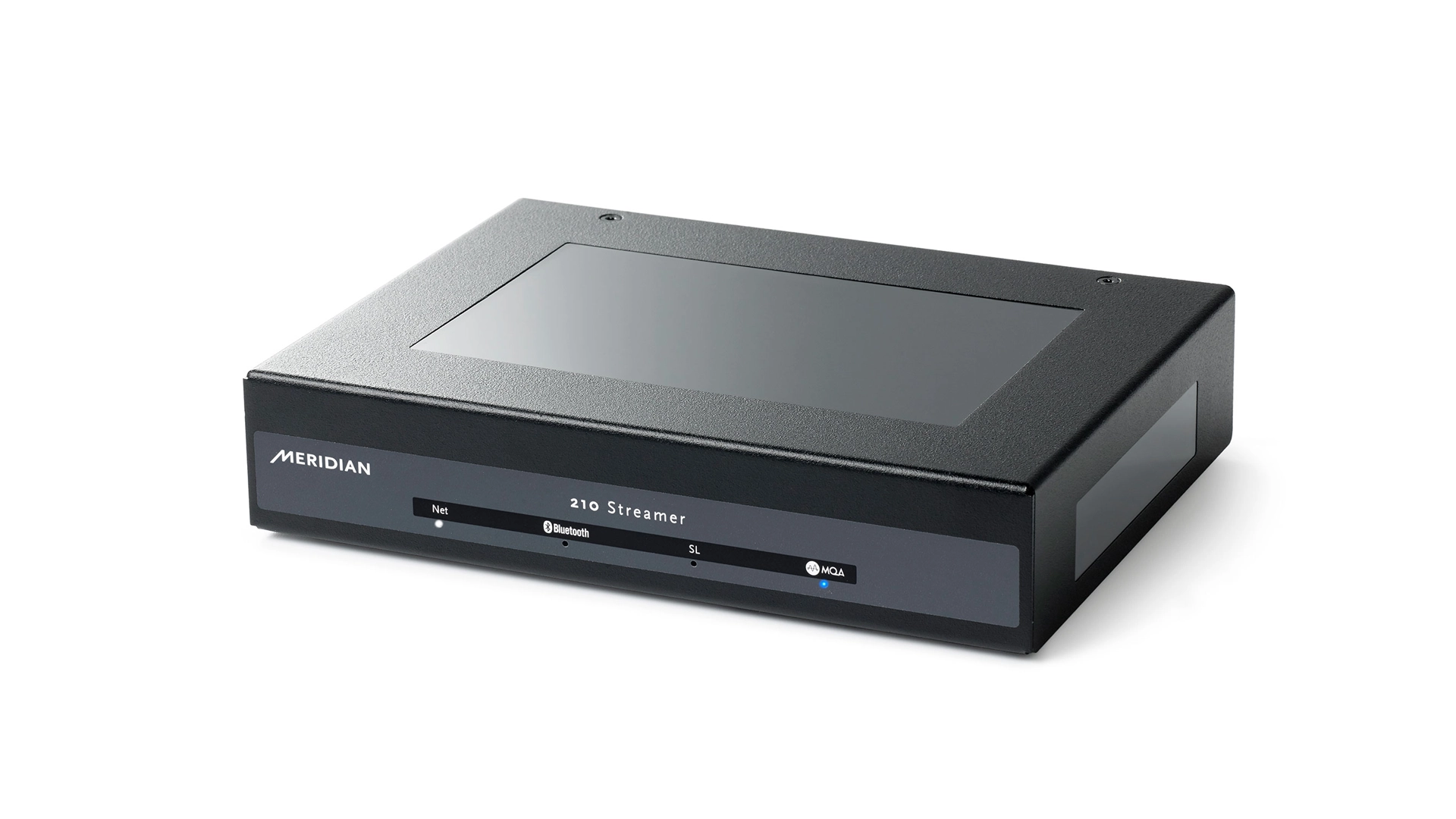
Meridian is a British digital-audio pioneer whose central achievement is treating the loudspeaker, amplification and signal processing as one engineered system. Bob Stuart and industrial designer Allen Boothroyd founded the company in 1977. The active M1 loudspeaker established their combination of electronics and acoustics, while later products helped advance digital source design, lossless coding and DSP-controlled playback. Meridian’s flagship loudspeakers place digital crossovers, dedicated amplification and drivers in the same enclosure, allowing the company to control phase, timing, bass alignment and protection far more precisely than a passive speaker permits. Proprietary techniques include apodising filters, Enhanced Bass Alignment and psychoacoustic processing, implemented in products such as the DSP9 and DSP8000 XE. The wider range includes controllers, streamers, architectural speakers and distributed-audio components, alongside engineering partnerships for automotive, marine, aviation and lifestyle brands. Meridian co-created MQA, but MQA is now independently owned and should not be presented as the company’s defining current product. Meridian’s lasting distinction is broader: decades of research into DSP, active architecture and how complete systems behave in real rooms.
Metronome

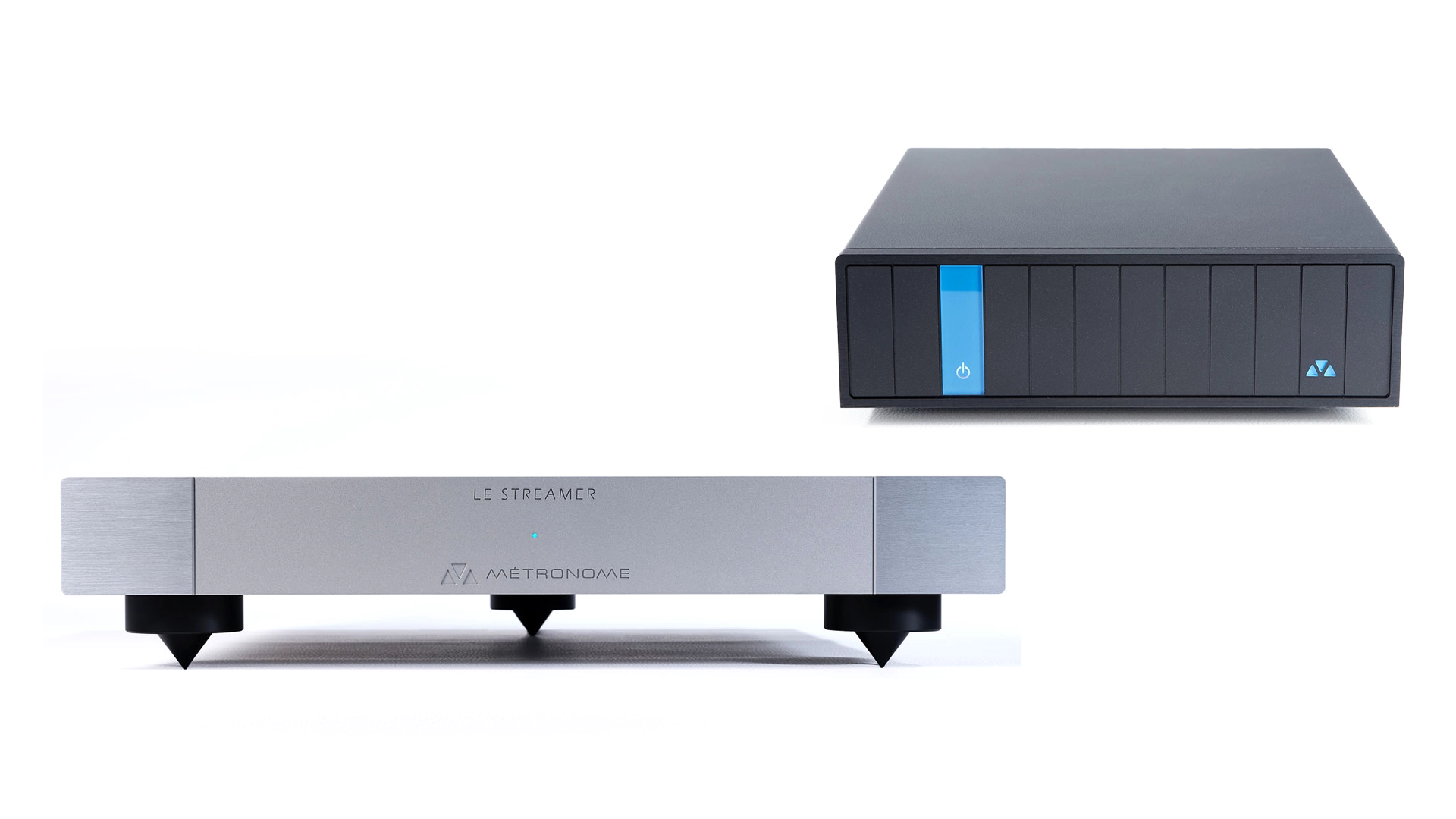
Métronome is a French specialist in high-end digital sources, known for CD and SACD transports, players, streamers and DACs designed and manufactured near Toulouse. Furniture maker and music enthusiast Dominique Giner founded Métronome Technologie in 1987; the name came from an earlier loudspeaker whose cabinet resembled a metronome. That woodworking background remained visible in the company’s substantial enclosures and top-loading disc mechanisms. Métronome separates mechanical reading, clocking, conversion and power supply rather than treating a digital player as a generic computer platform. Depending on the model, its designs use multiple transformers and regulation stages, asynchronous USB, network streaming, tube or solid-state analogue outputs, and proprietary mechanical decoupling. The Classica line offers integrated players and DACs, while AQWO separates SACD/CD transport and conversion at a higher level. Kalista, developed as the company’s statement line, takes the transport architecture and sculptural construction further. Under Jean-Marie Clauzel, the range has remained focused on making digital playback physically robust, quiet and upgradeable. Métronome’s niche is not digital convenience alone, but the complete treatment of disc or file playback from mechanism and clock to analogue output.
Metrum Acoustics

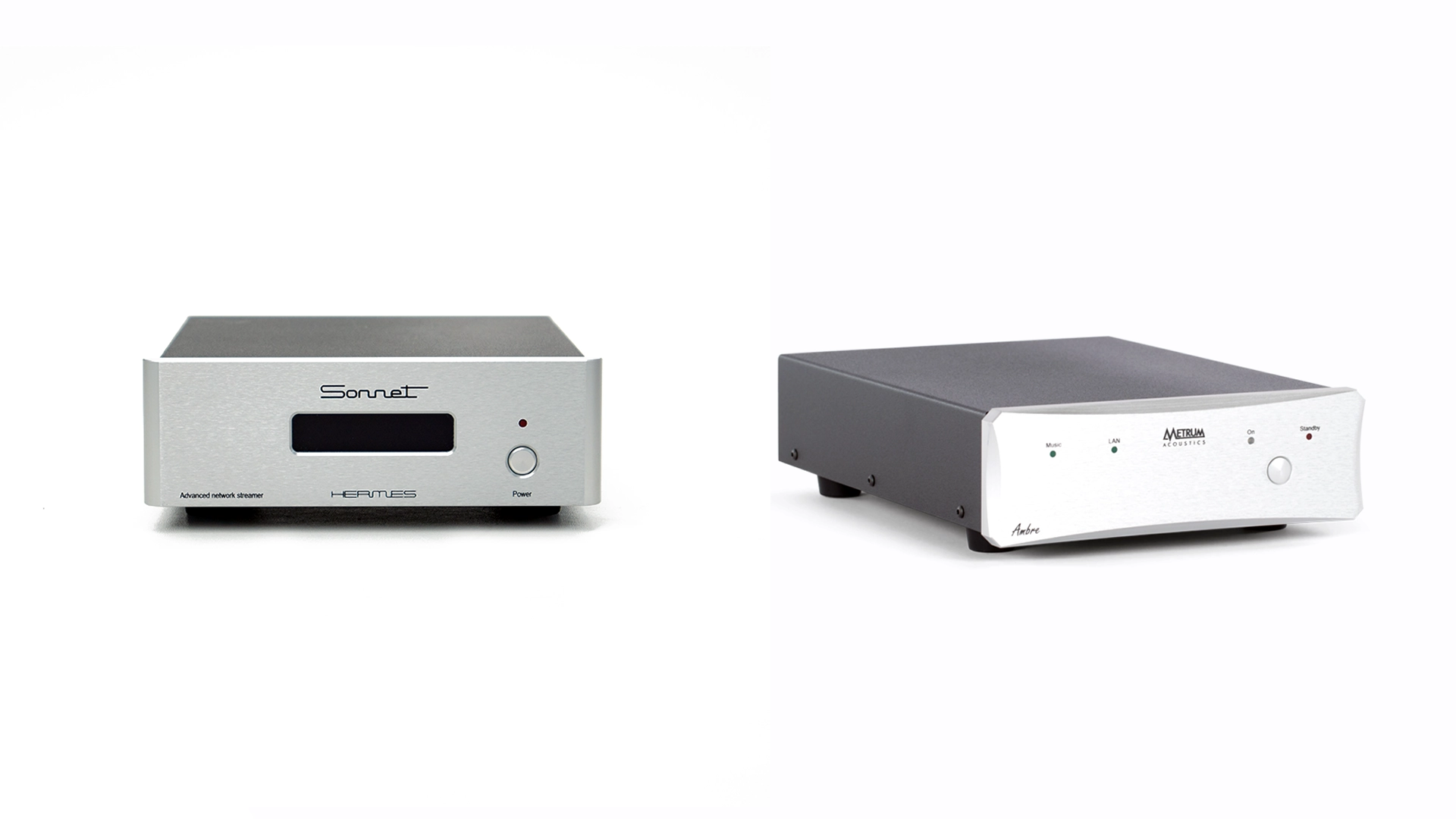
Metrum Acoustics is a Dutch digital-audio brand built around proprietary non-oversampling conversion modules rather than standard off-the-shelf DAC chips. Engineer Cees Ruijtenberg began investigating digital conversion in 2008 and introduced the compact NOS Mini DAC soon afterwards; models such as the Octave and Hex brought the approach to an international audience. The brand dates from 2009 and operates through All Engineering in the Netherlands. Metrum’s key idea is to avoid mandatory oversampling and steep digital reconstruction filters, using industrial high-speed conversion technology adapted for audio and increasingly sophisticated in-house modules. Flagship converters such as Pavane and Adagio use multiple ladder-style modules, separate power regulation and balanced architectures; the Ambre adds network streaming, while matching preamplifiers and power amplifiers create a complete system. The company went through an ownership dispute and brief interruption after Ruijtenberg’s departure, but he regained the Metrum name and resumed development in 2020 alongside sister brand Sonnet Digital Audio. That history matters, yet the enduring distinction is technical: a consistent NOS architecture refined across generations instead of a catalogue defined by whichever commercial converter chip is newest.
Mola Mola

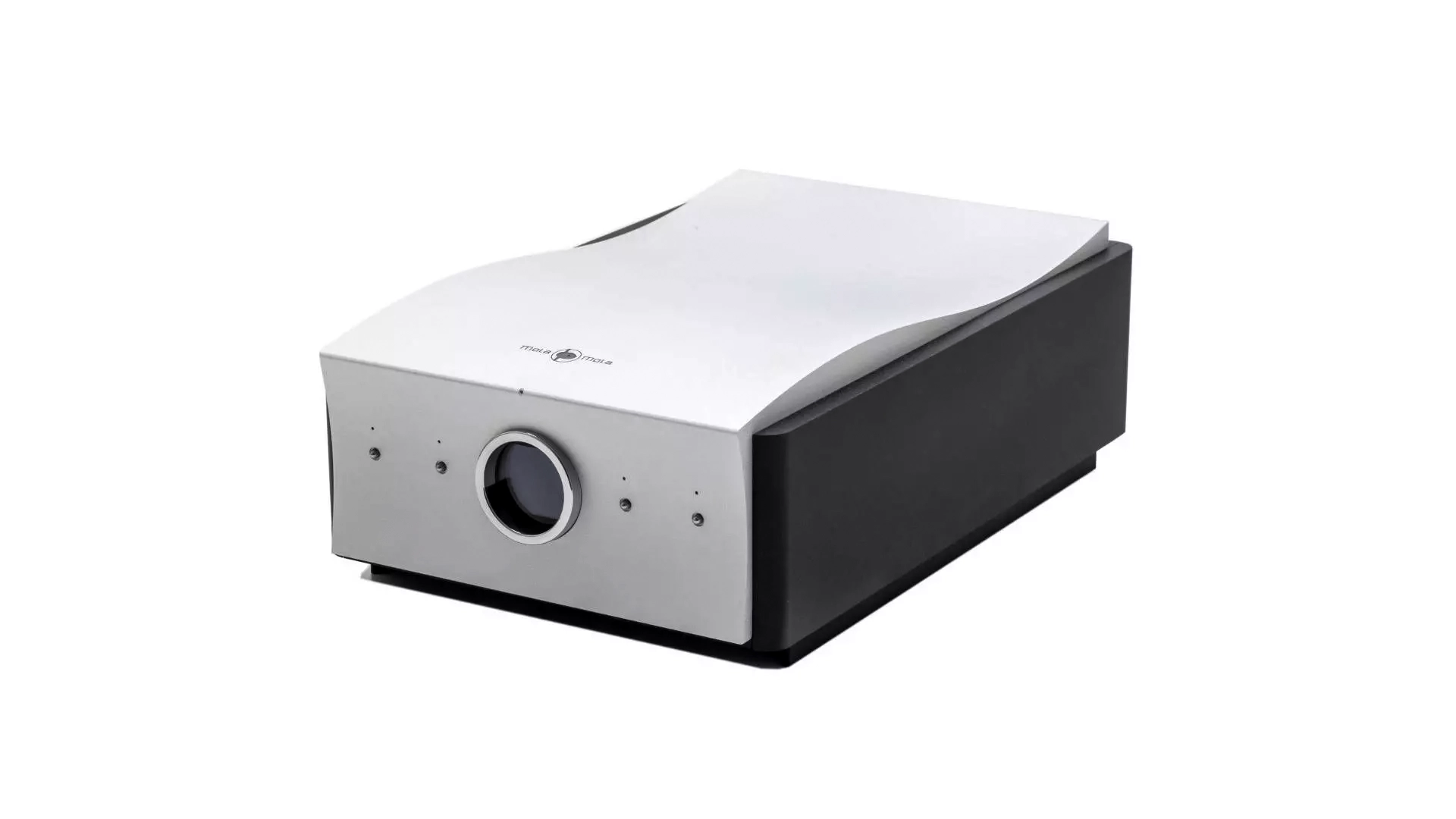
Mola Mola is a Dutch high-end electronics company created to make amplification and conversion measurably transparent rather than to impose a preferred sonic character. The project began in January 2012, with Bruno Putzeys responsible for the core circuit work. Its first system paired the Makua preamplifier with Kaluga monoblocks; the range has since expanded to the Kula integrated amplifier, Tambaqui DAC, Lupe phono stage, Perca power amplifier and Ossetra monoblocks. Kaluga and Perca build on Putzeys’ Ncore class-D work, while the newer Ossetra uses Mola Mola’s proprietary Trajectum amplifier platform. Tambaqui does not rely on a conventional audio-DAC chip: incoming data is asynchronously upsampled, processed in a proprietary digital architecture and referenced to an internal 100 MHz SC-cut oscillator before discrete conversion and analogue filtering. Makua and Kula are modular, accepting DAC and phono options without turning the base design into a fixed feature package; Lupe offers extensive analogue-domain routing and software-controlled cartridge settings. Mola Mola’s signature is the union of rigorous error reduction, flexible system architecture and compact industrial design.
Musical Fidelity

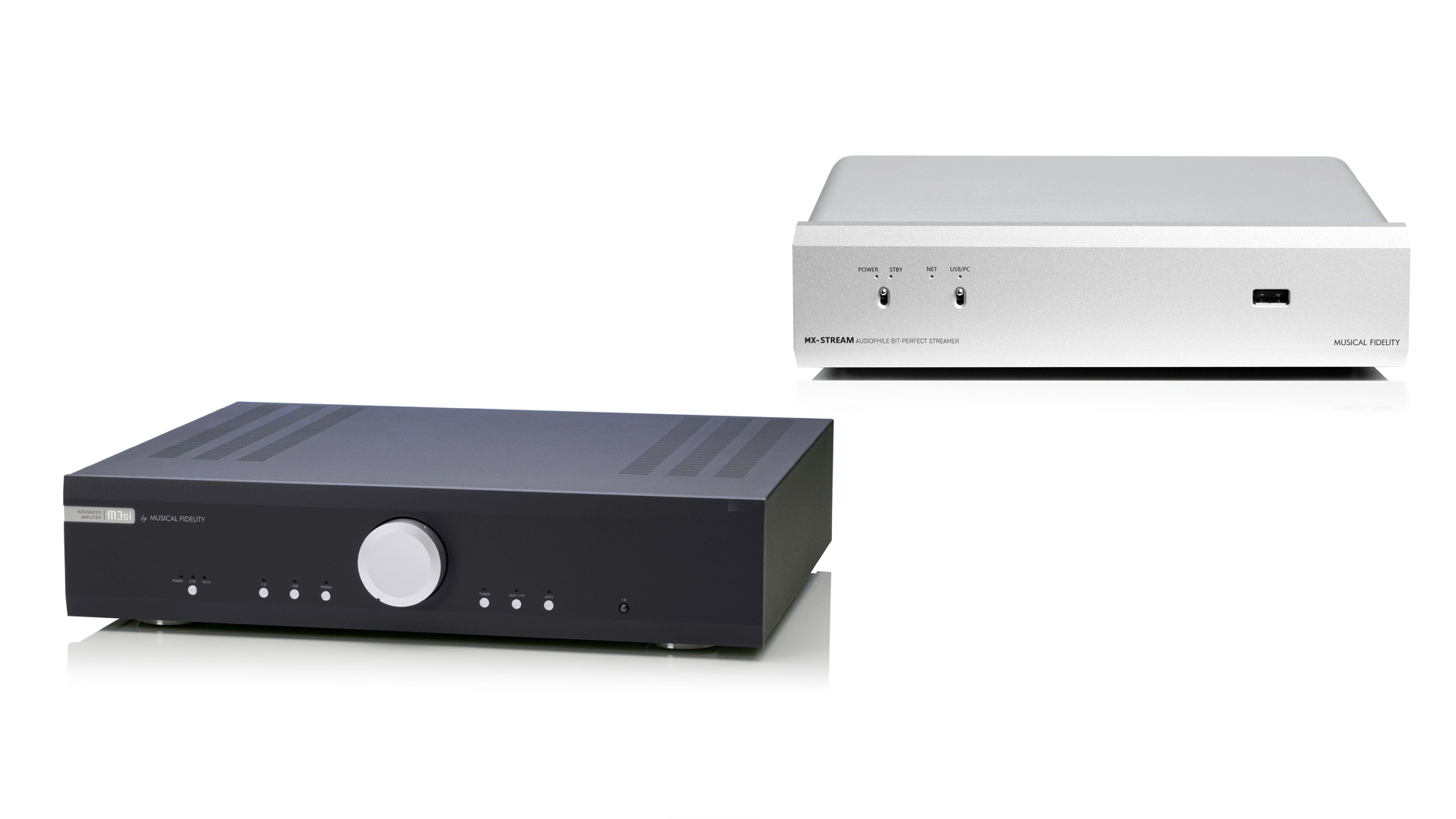
Musical Fidelity is a British hi-fi electronics brand founded in 1982 by clarinettist and audio enthusiast Antony Michaelson. It became known for amplifiers that combined generous power reserves with compact or unconventional formats: the original A1 integrated amplifier, launched in 1985, ran heavily biased in Class A, while the cylindrical X-series made serious phono, DAC and headphone functions accessible as separate components. The Nu-Vista line later adopted nuvistor valves, a low-noise miniature tube technology rarely used in modern consumer audio. The current catalogue includes integrated, pre and power amplifiers, phono stages, DACs, CD players, streamers, turntables and power conditioning. A1 and X-series products have been re-engineered rather than merely cosmetically revived, while M3, M5, M6, M8 and Nu-Vista cover progressively larger systems. Since 2018 the brand has been owned and operated by Austria’s Audio Tuning, but product identity remains explicitly British and analogue-led. Musical Fidelity’s strength is range without anonymity: high-current transistor amplification, discrete phono circuitry and the unusual nuvistor platform give different families real technical character instead of the same chassis being repackaged at several prices.
Mytek Audio

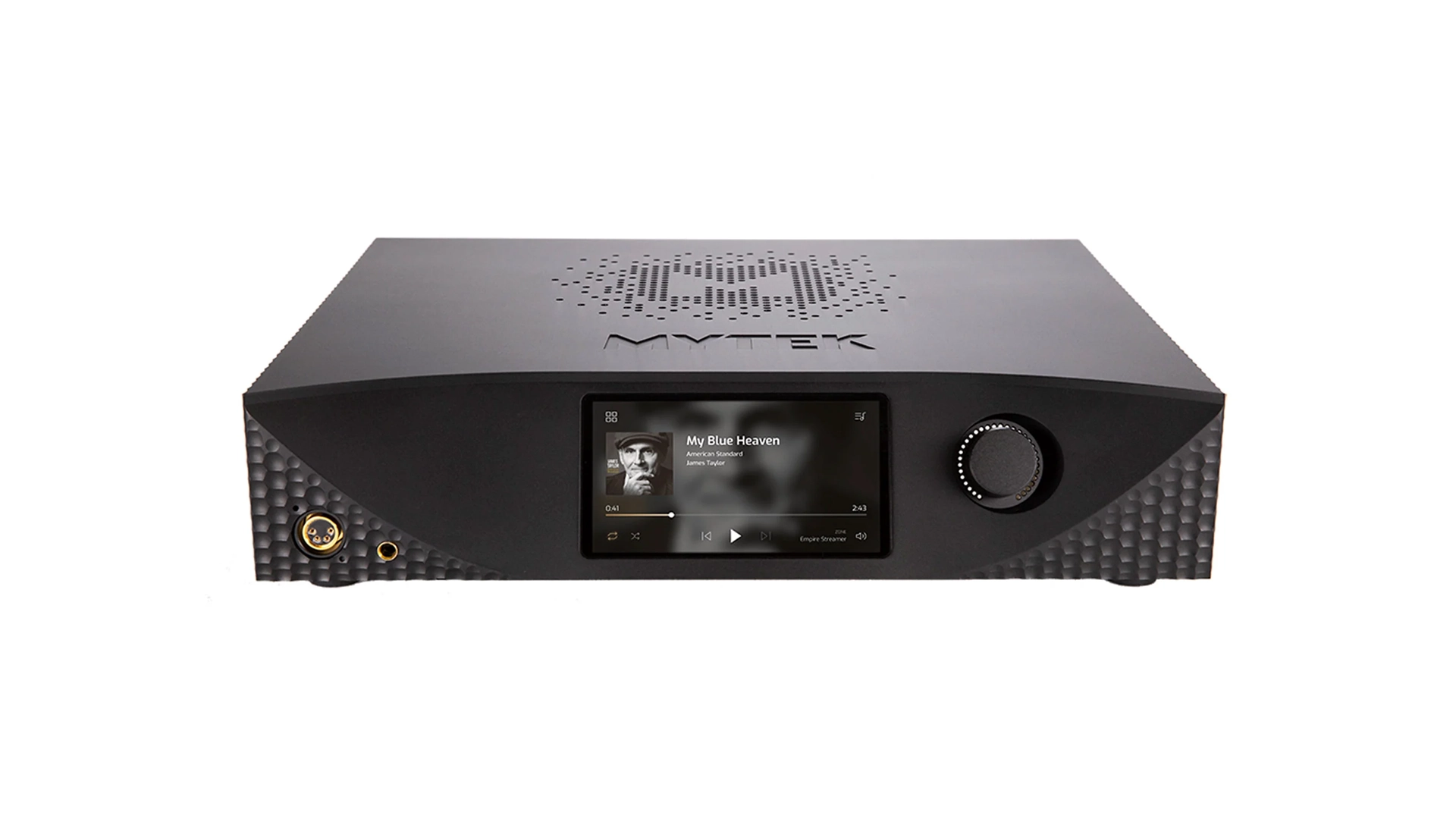
Mytek Audio is a New York-born digital-audio specialist whose products connect professional conversion, mastering practice and domestic hi-fi. Polish engineer Michal Jurewicz founded the company in 1992 after working in Manhattan studios, including The Hit Factory. That background explains the catalogue: Mytek built its name with DACs and ADCs intended to reveal rather than flatter a recording, then brought the same compact, highly connected architecture to headphone and home systems. Brooklyn became the defining product family, combining high-resolution conversion with analogue preamplification, a phono input and a capable headphone stage in a half-width chassis. Brooklyn DAC+, Brooklyn Bridge and the current Brooklyn Bridge II extended the idea with network playback and, in the latter, an integrated Roon Core. Liberty provides a simpler route into the platform, while Manhattan and Empire occupy the reference end. Mytek has supported PCM and DSD, extensive digital inputs, balanced analogue outputs and studio-oriented level control; format support varies by generation. The products are designed in New York and manufactured in Poland. Mytek’s real strength is not a generic “neutral sound” claim, but fitting serious conversion and system control into components equally at home beside a workstation or at the centre of a hi-fi system.
NAD
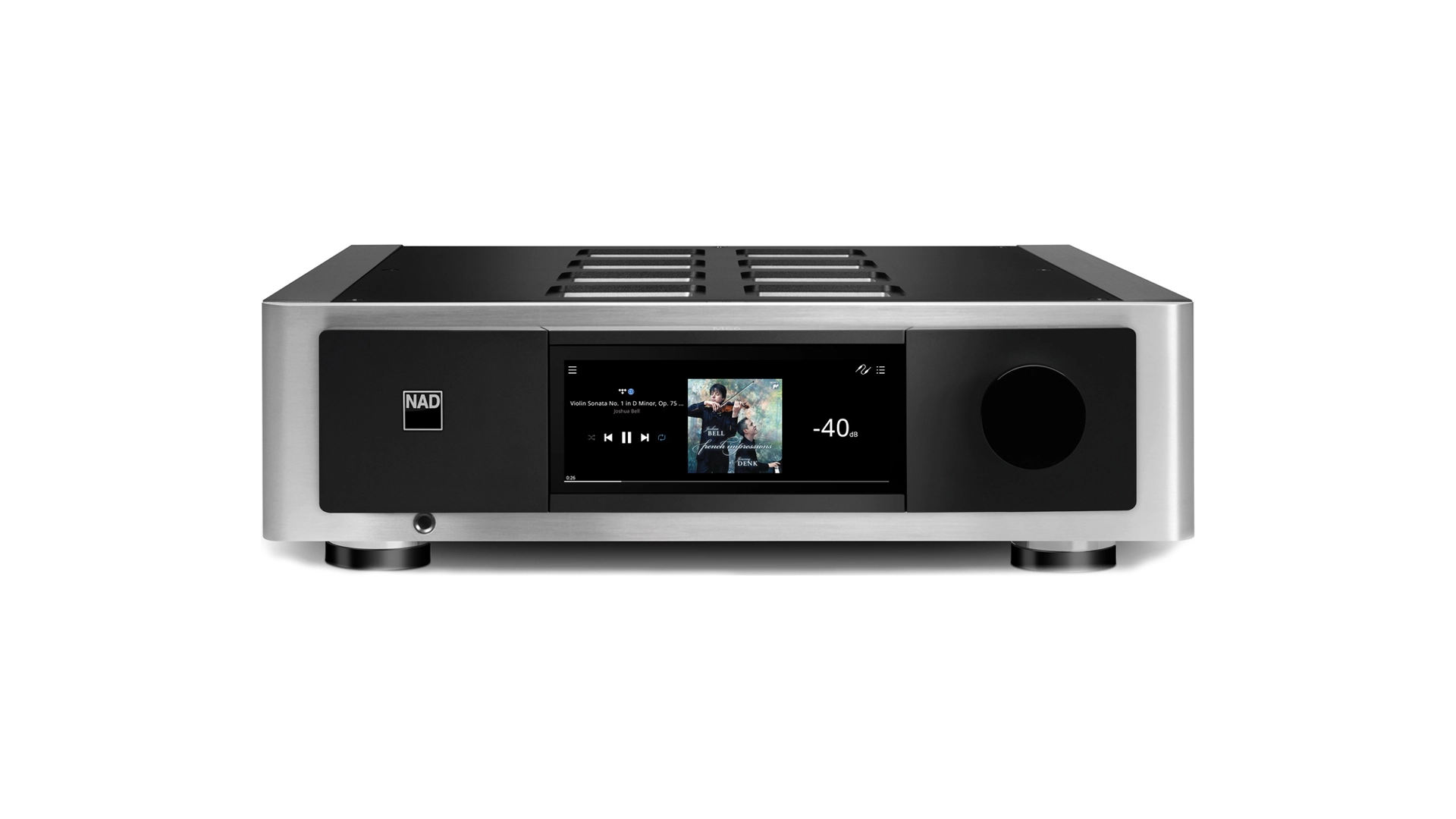
NAD—New Acoustic Dimension—is the British-founded electronics brand that made high-current, musically convincing amplification available without luxury-casework pricing. The company began in London in 1972 when audio-industry entrepreneur Dr Martin “Marty” Borish brought together a group of European distributors. Its turning point was the 3020 integrated amplifier, designed by Bjørn Erik Edvardsen and launched in 1978. Modestly rated at 20 watts per channel, it could drive demanding loudspeakers far beyond what the specification suggested and became one of hi-fi’s landmark affordable amplifiers. That practical engineering continues in the Classic and Masters ranges: integrated, pre- and power amplifiers, streamers, AV receivers and custom-installation components. PowerDrive manages voltage and current reserves for real loudspeaker loads, while Modular Design Construction lets selected amplifiers and receivers accept replaceable digital or HDMI modules. Current products also combine BluOS multi-room streaming with technologies such as Purifi Eigentakt amplification in appropriate models. NAD passed through Danish ownership before Canada’s Lenbrook acquired it in 1999; product development and headquarters are now Canadian, but the brand’s country of origin remains the United Kingdom. The lasting NAD idea is simple: spend the budget on usable power, upgradeability and music rather than decorative excess.
Nagra
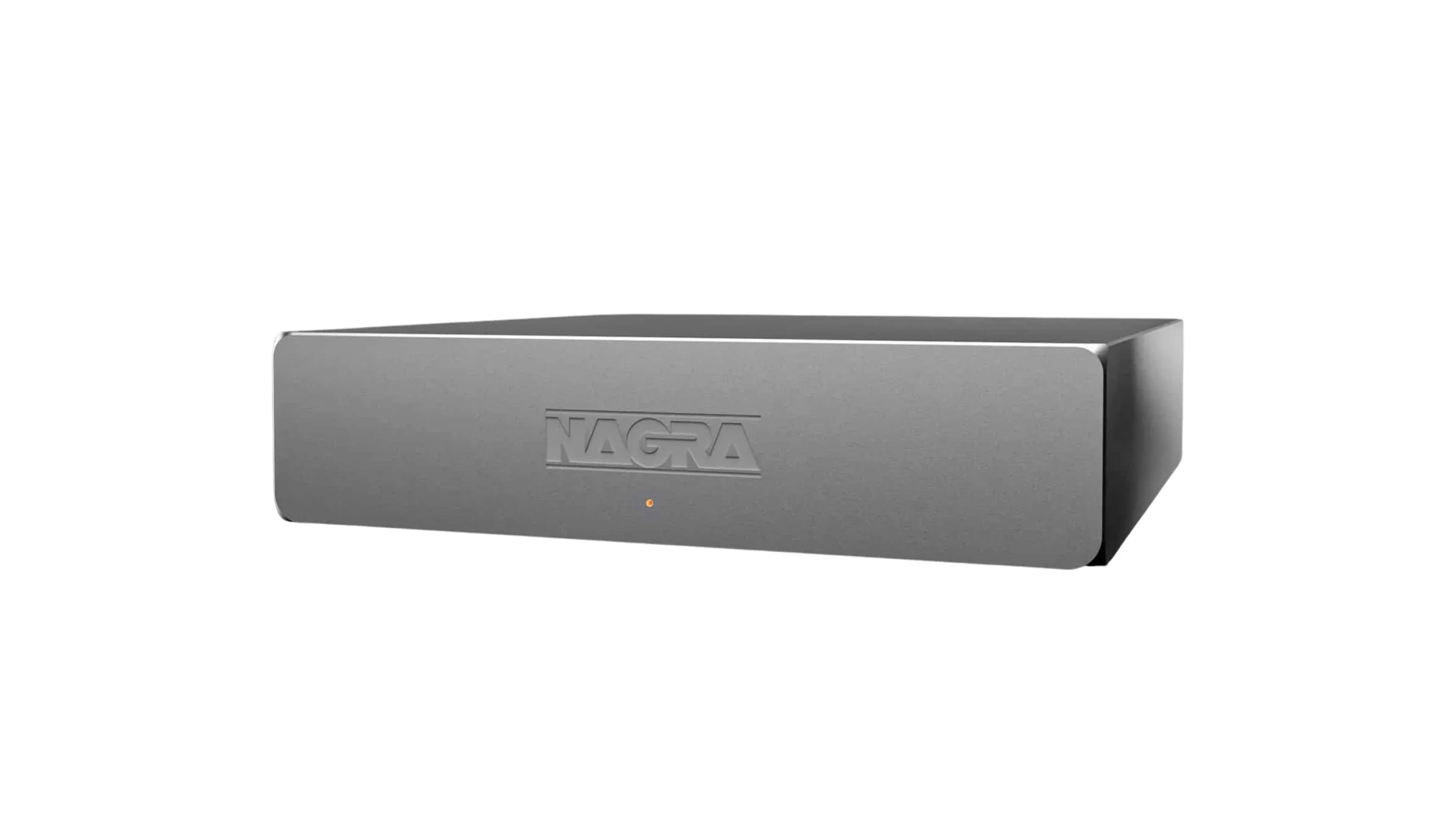
Nagra is the Swiss audio name created by Stefan Kudelski’s first portable recorder in 1951. “Nagra” means “it will record” in Polish, and the compact machine transformed location sound by letting one operator capture broadcast- and film-quality audio away from a studio. The Nagra III and IV generations became fixtures of journalism, documentary production and cinema; Kudelski and the company received multiple Academy and Emmy awards for their technical contribution. Rugged mechanics, precise tape transport and the instantly recognizable modulation meter made the recorder an industry tool rather than a styling exercise. Today Nagra spans professional recorders, security equipment and reference home audio. The Nagra VII continues the field-recording lineage, while the Compact, Classic, HD and Reference families cover streamers, DACs, phono stages, preamplifiers, power amplifiers, turntables and cartridges. Their compact proportions and meter-led design deliberately echo the recorders, but the substance lies in in-house power supplies, analogue circuitry and precision mechanical construction. In 2012 the audio division was spun out of Kudelski Group as Audio Technology Switzerland; members of the Kudelski family remain its principal shareholders. Nagra products are designed and manufactured in the Lake Geneva region, preserving a direct link between the professional machines and the current high-end range.
NuPrime

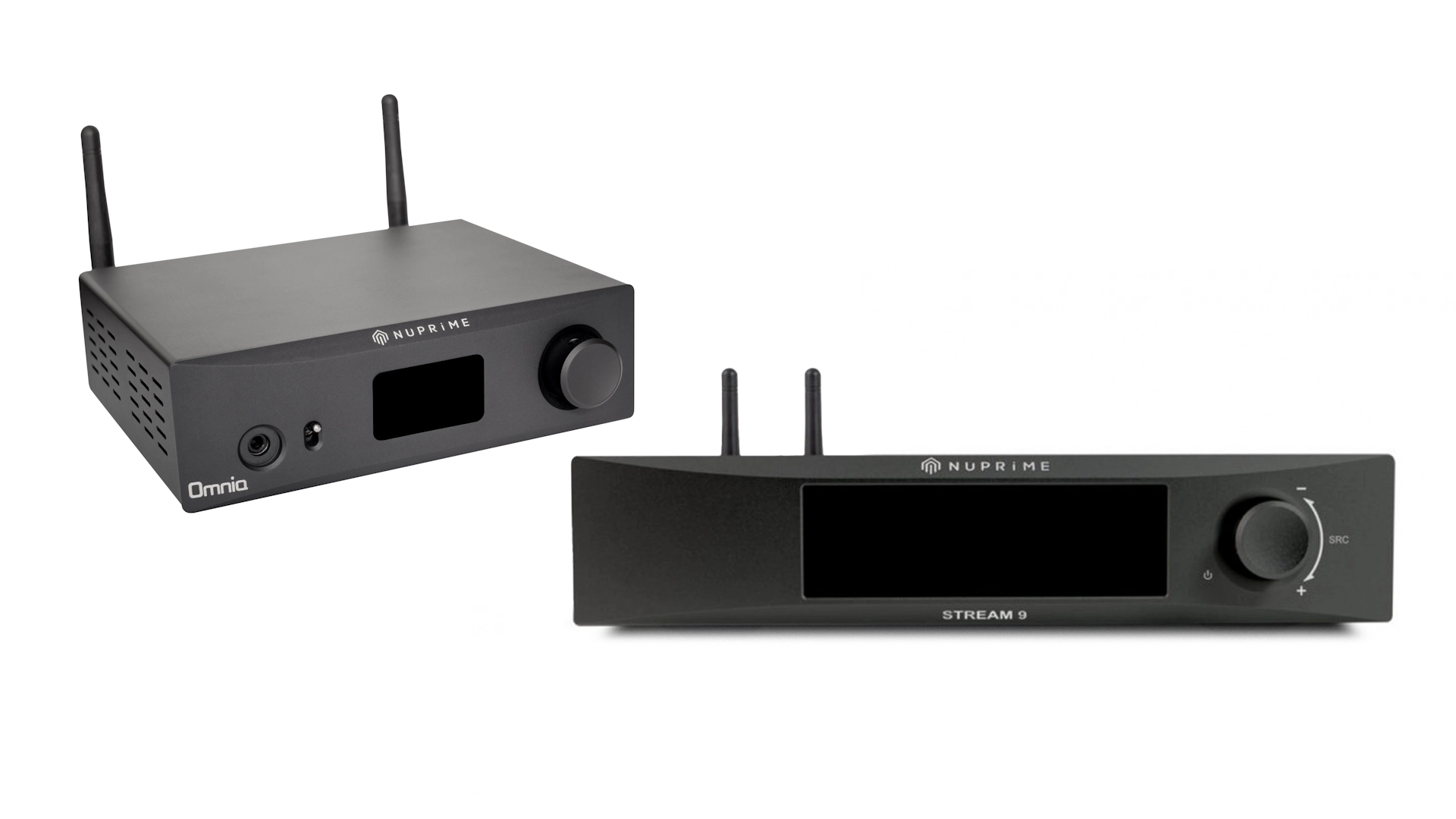
NuPrime Audio is the high-end electronics company Jason Lim created in 2014 after co-founding NuForce. With backing from a Taiwanese OEM partner, Lim acquired the assets of NuForce’s premium division and formed NuPrime to continue developing compact, efficient amplifiers and digital components. That lineage matters because NuPrime was not simply a renamed catalogue: it retained the high-end engineering direction while NuForce’s consumer brand followed a separate path. Amplification is the centre of the range. NuPrime designs its own switching stages and control loops instead of building every model around an off-the-shelf Class-D module; it describes the result as hybrid Class-D, combining a tailored analogue front end with a high-frequency switching output stage. Evolution is the reference family, AMG emphasises compact separates, and the 9 Series offers accessible DACs, preamps and power amplifiers with matching proportions. Integrated amplifiers, phono stages, streamers and the NuPrime-X multi-channel platform extend the architecture into complete and installed systems. As of 2026 the brand is managed by Singapore-based Nuoem Pte. Ltd., while NuPrime Audio, Inc. retains its American origin. The defining advantage is a coherent ecosystem of small, low-heat electronics built around proprietary amplification rather than Class-D efficiency alone.
Playback Designs
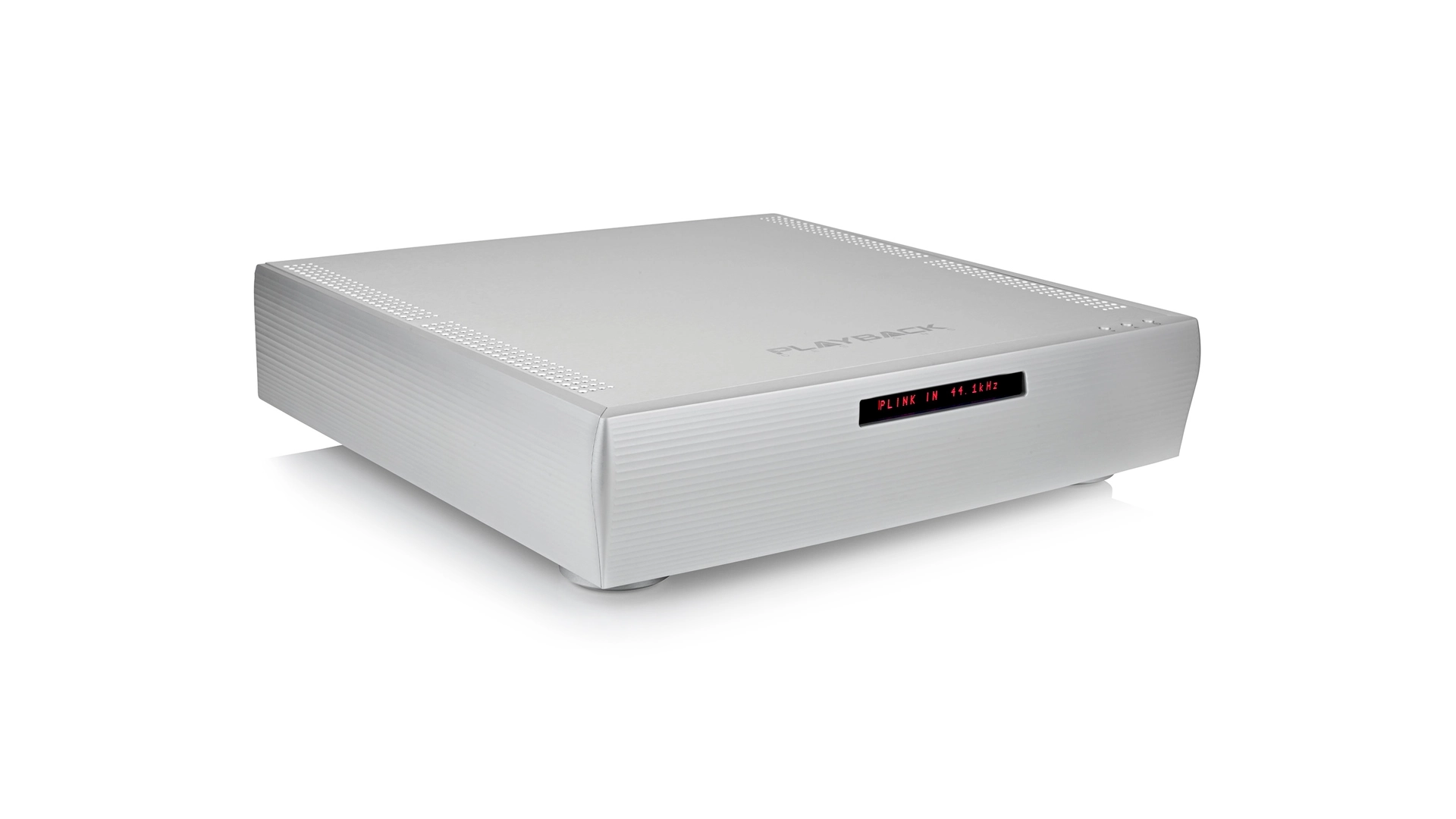
Playback Designs was formed in 2008 by digital-audio engineer Andreas Koch, joining Swiss-German engineering with an American company base. Koch’s experience predates the brand by decades: at Studer ReVox he developed an early asynchronous sample-rate converter and received a patent in 1984; he later worked on Dolby digital systems, Sony’s Sonoma eight-channel DSD recorder and the digital architecture of EMM Labs products. Playback Designs began with an integrated SACD/CD player that also accepted external digital sources, making the disc machine the hub of a high-resolution system. The current Dream Series includes MPD-8 and MPD-8AI DACs, MPT-8 transport, MPS-8 integrated player and SPA-8 power amplifier. Edelweiss models such as MPD-6, MPS-6 and MPS-X bring related architecture to a smaller range, while Pinot converts analogue sources to DSD. Koch avoids standard off-the-shelf DAC operation where it would limit future development: programmable, discrete conversion and proprietary algorithms allow major processing changes through software. PDFAS clocking and signal processing address jitter without a conventional fixed PLL, while the optical PLink connection carries audio between components with galvanic isolation and coordinated timing. The important story is not a list of formats. Playback Designs applies knowledge gained while creating professional DSD recorders to consumer playback, then keeps the digital platform reprogrammable so expensive hardware can evolve as algorithms and interfaces change.
Primare
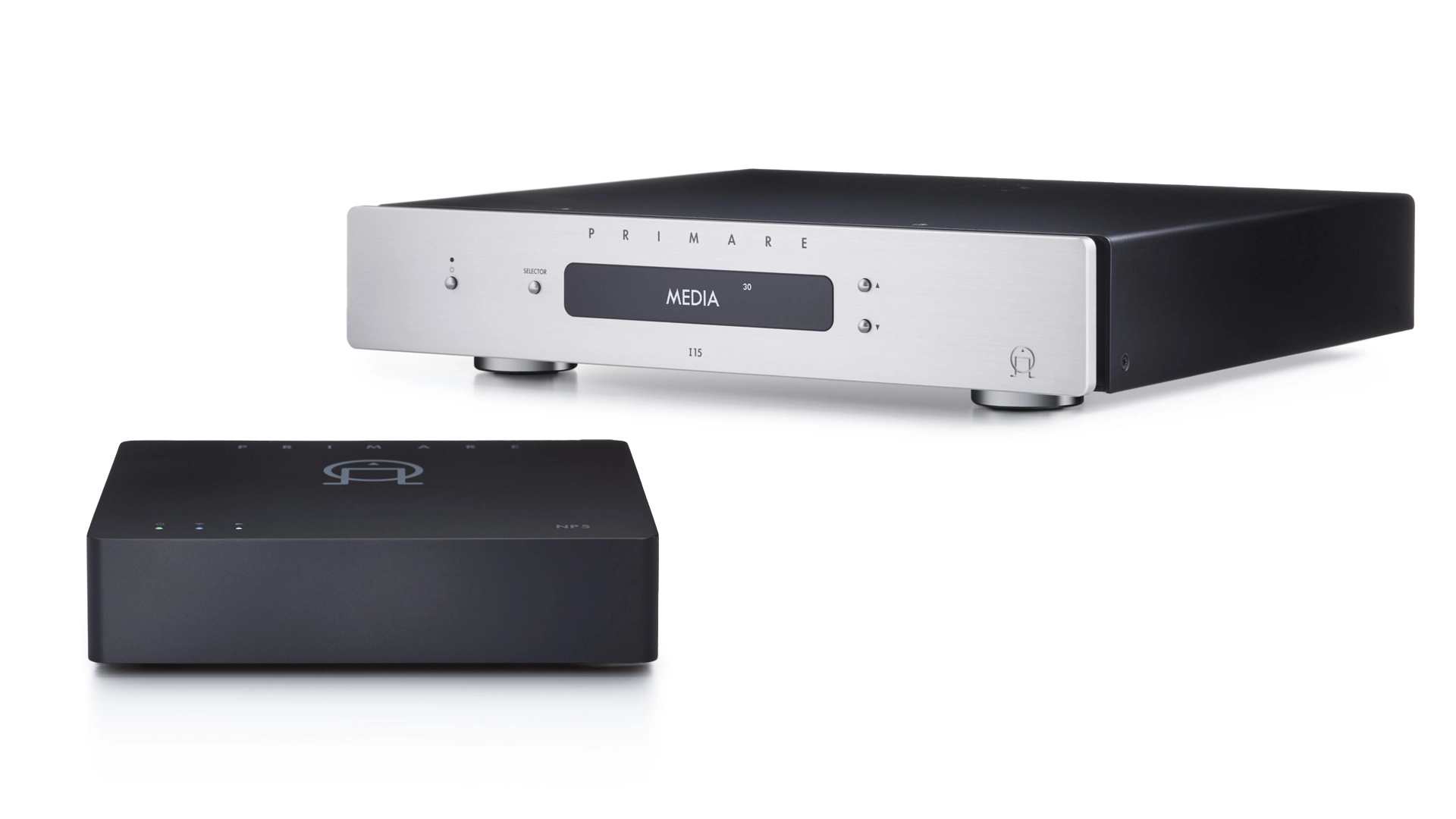
Primare began in 1985 when Danish industrial designer Bo Christensen set out to make audio components whose operation, proportions and sound belonged to one coherent object. Working with engineer Bent Nielsen and a Scandinavian development team, he produced the 928 series in 1986, followed by the 200 and 300 series. The company later came under Swedish leadership through Lars Pedersen and the Xena organisation; the 30 Series of 1998 established the clean forms and modular thinking associated with modern Primare. The present range still follows that idea of “lagom”—neither too much nor too little. I15, I25 and I35 integrated amplifiers anchor the 15, 25 and 35 families, joined by CD transports and players, R15 and R35 phono stages, PRE35 control and A35.2/A35.8 power amplifiers. UFPD and current UFPD 2 are Primare’s proprietary Class D amplifier platforms, designed for consistent gain across the audio band and high-current stability rather than adopted simply to make smaller boxes. Prisma is the network layer: it adds streaming, multiroom control and major service protocols to compatible electronics while keeping the core amplifier usable independently. Plug-in DAC and Prisma modules let selected models be updated instead of replaced, a direct continuation of the “living product” idea. SPA25, SP25 and A35.8 bring the same architecture to multichannel systems without treating cinema as a separate design language. Primare is Swedish in corporate identity, Danish at its creative origin and recognisably Scandinavian in its insistence that technical capability, restraint and ease of use should reinforce one another.
Quad

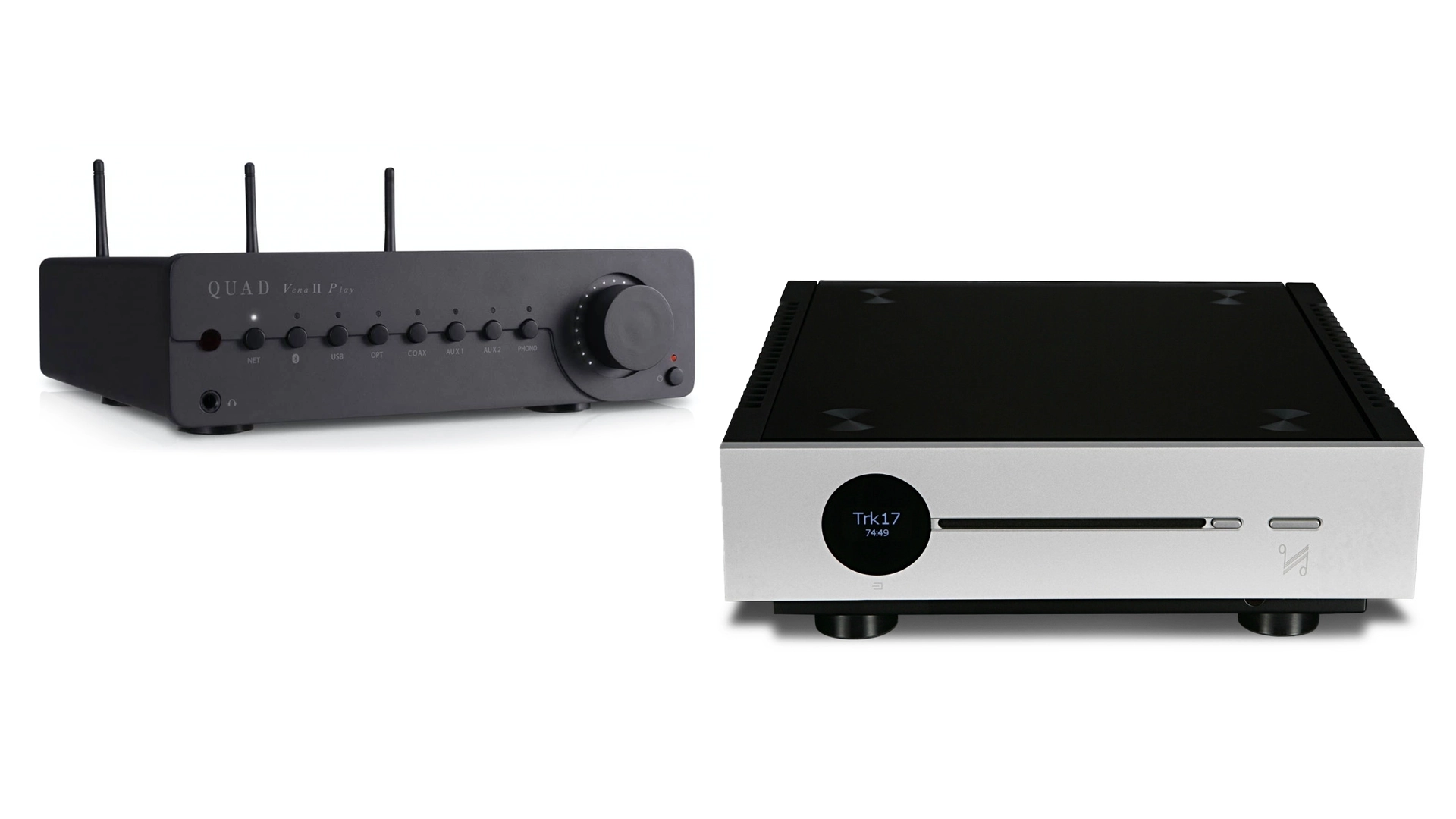
QUAD was founded by Peter J. Walker in 1936 as S.P. Fidelity Sound Systems, later becoming the Acoustical Manufacturing Company. The name came from “Quality Unit Amplifier Domestic,” but the brand’s lasting reputation rests on two different inventions: full-range electrostatic loudspeakers and current-dumping amplification. Both pursued Walker’s famous aim of making the closest approach to the original sound through low distortion rather than theatrical voicing. The original Electrostatic Loudspeaker of 1957—now commonly called the ESL-57—used a charged film diaphragm driven over its area instead of a conventional cone and voice coil. Its transparency made it a reference, while the ESL-63 introduced concentric delay-line stators that approximate a point source. Current ESL-2812X and ESL-2912X models continue that lineage with improved structure, protection and power handling. A factual error in the old description has been corrected: the Quad 303 was a conventional transistor amplifier; Peter Walker’s current-dumping circuit reached production in the Quad 405 in the mid-1970s. It combines a low-power precision amplifier with high-power “dumpers,” using error correction to achieve low distortion efficiently. QUAD also made enduring valve electronics such as the QUAD II and now offers Artera, Vena, Quad 3, the revived 33/303 pairing and Platina electronics, alongside Revela and other dynamic loudspeakers. Since 1997 the company has been part of International Audio Group; management, design and service remain in Huntingdon, including support for many historic products. QUAD therefore remains British in origin and engineering identity even within an international owner.
Roon Labs

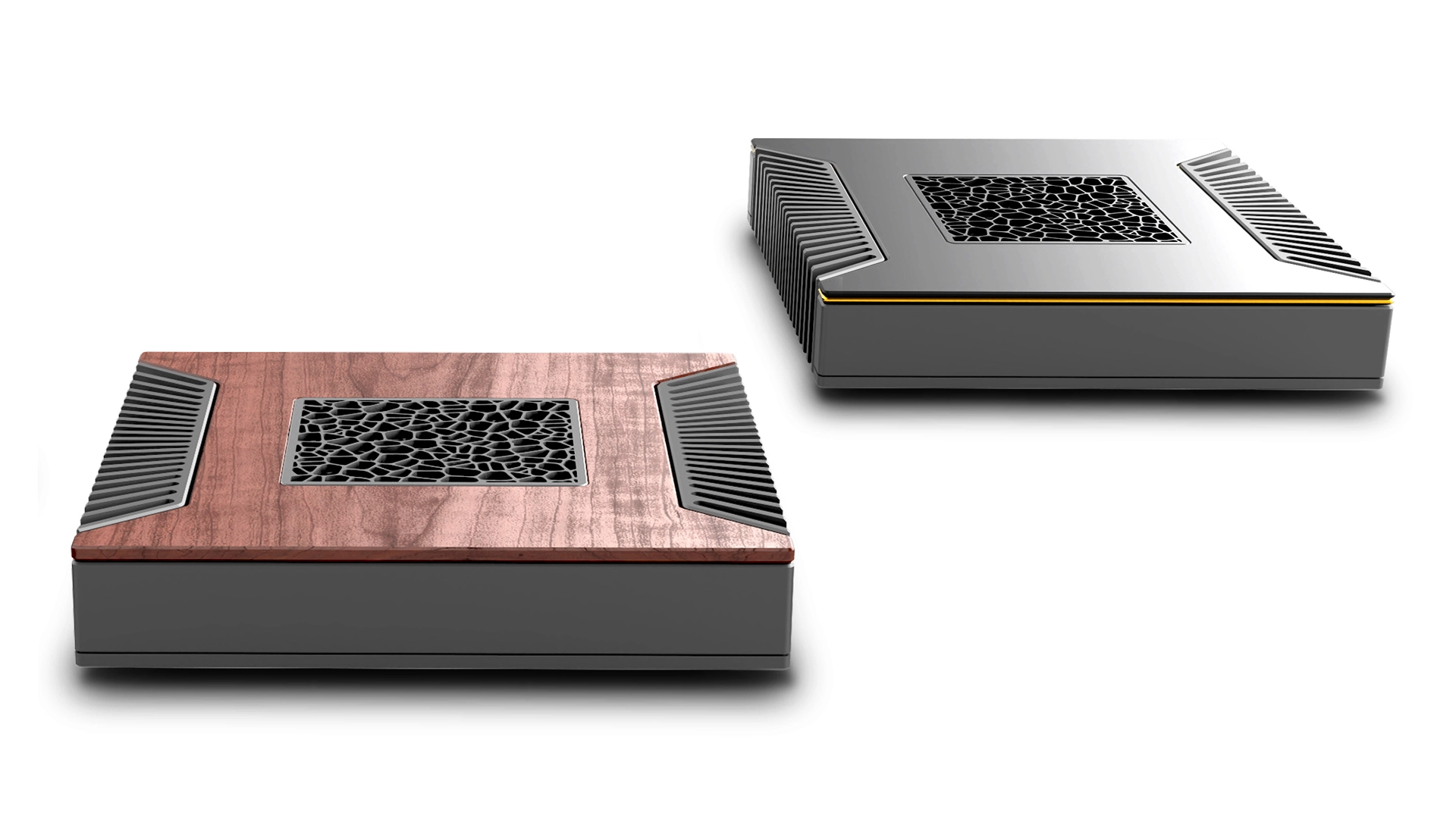
Roon Labs is an American music-software company founded in 2015 by Enno Vandermeer, Danny Dulai and Brian Luczkiewicz after their work on Sooloos and later Meridian’s networked music platform. Roon does not operate as another streaming service. Its software builds a richly connected library from a listener’s local files and supported online catalogues such as Qobuz and TIDAL, then links recordings through credits, compositions, performers, reviews, release versions and recommendations. The result is closer to an editorial music database with a playback engine than to a folder browser. Roon Server performs library management and audio processing, while control apps can run across computers, tablets and phones. RAAT—Roon Advanced Audio Transport—provides synchronised multiroom playback and underpins the Roon Ready certification used by a wide range of network players, DACs and active speakers. Built-in DSP covers sample-rate conversion, parametric equalisation, convolution filters, headroom and channel management, with a visible signal path showing what happens to the audio. Roon ARC extends access to the user’s own library away from home. For listeners who do not want to maintain a computer, Nucleus One and Nucleus Titan provide dedicated server hardware. Harman acquired Roon in November 2023, placing the company within the Samsung-owned audio group while stating that Roon would continue its open device ecosystem. Roon’s key achievement is not simply attractive album art: it unifies metadata, discovery, local ownership, streaming and reliable device control without requiring the rest of the system to come from one hardware manufacturer.
Rotel

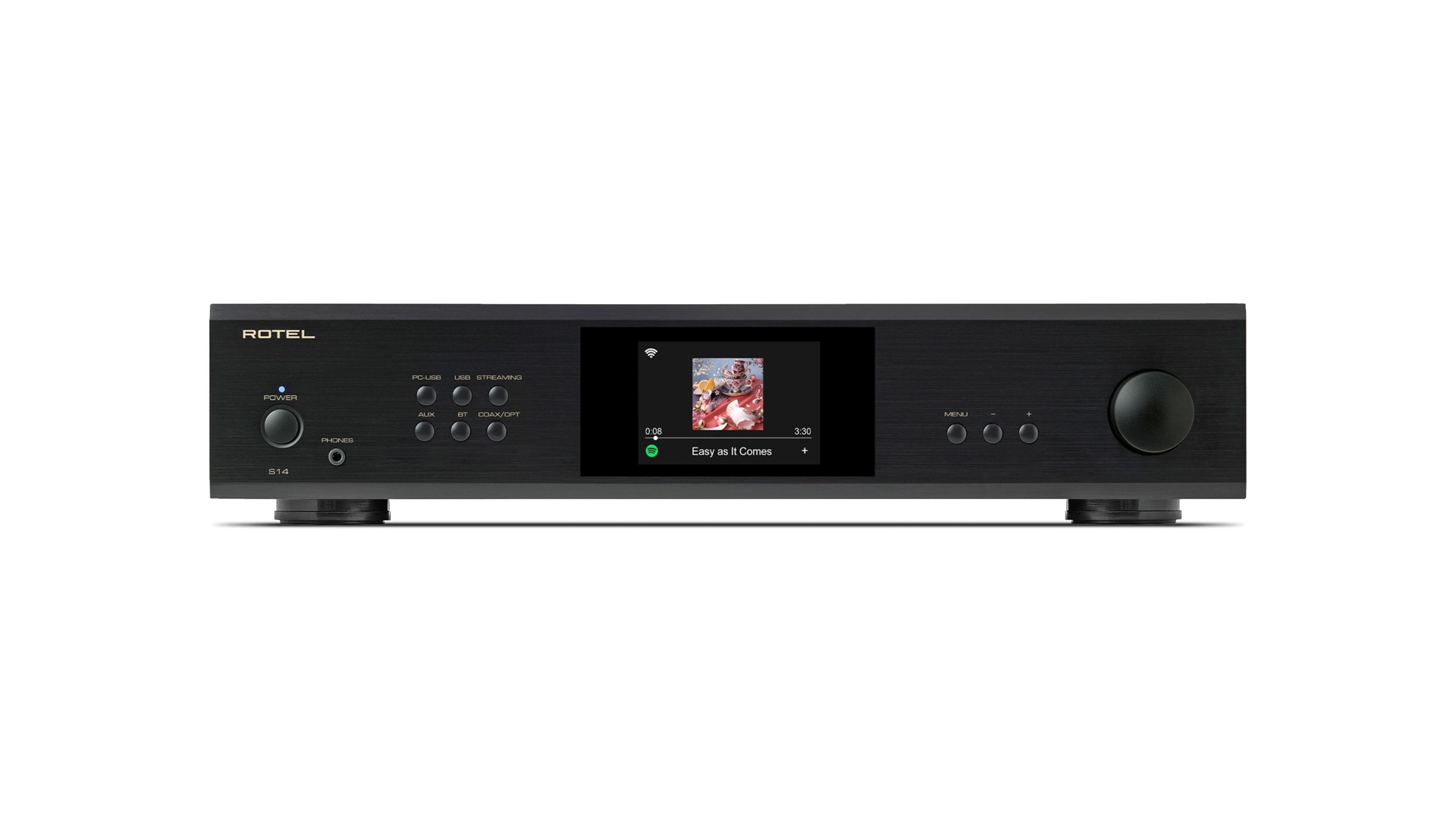
Rotel is a Japanese audio manufacturer founded in 1961 and still closely identified with the Tachikawa family. It built its reputation by offering serious engineering at attainable prices rather than chasing a single exotic circuit or luxury finish. The company’s “Balanced Design Concept” joins three disciplines: selecting parts for their measured and audible behaviour, refining the circuit topology, and listening critically to the complete product. One practical expression is Rotel’s long-standing use of custom toroidal transformers, many wound to its specification, together with carefully regulated power supplies and conservative output ratings. The range spans integrated amplifiers, preamplifiers, power amplifiers, CD players, network streamers and multichannel home-theatre electronics. The 14 and 15 Series cover compact and full-size systems, Diamond models mark anniversary engineering, and the revived Michi name forms the flagship line with components such as the X3 and X5 integrated amplifiers, P5 preamplifier, S5 stereo power amplifier and M8 monoblocks. Rotel also builds distribution amplifiers and custom-installation products, so the same design culture serves both a two-channel listening room and a whole-home system. Streaming, HDMI and modern control have been added without abandoning physical source support or straightforward front-panel operation. Rotel’s importance lies in continuity: it has spent decades improving power supplies, analogue stages and system integration rather than repeatedly reinventing its identity. The result is recognisably Japanese hi-fi—disciplined, durable and engineered to deliver useful current, dynamics and low noise at several price levels.
Silent Angel

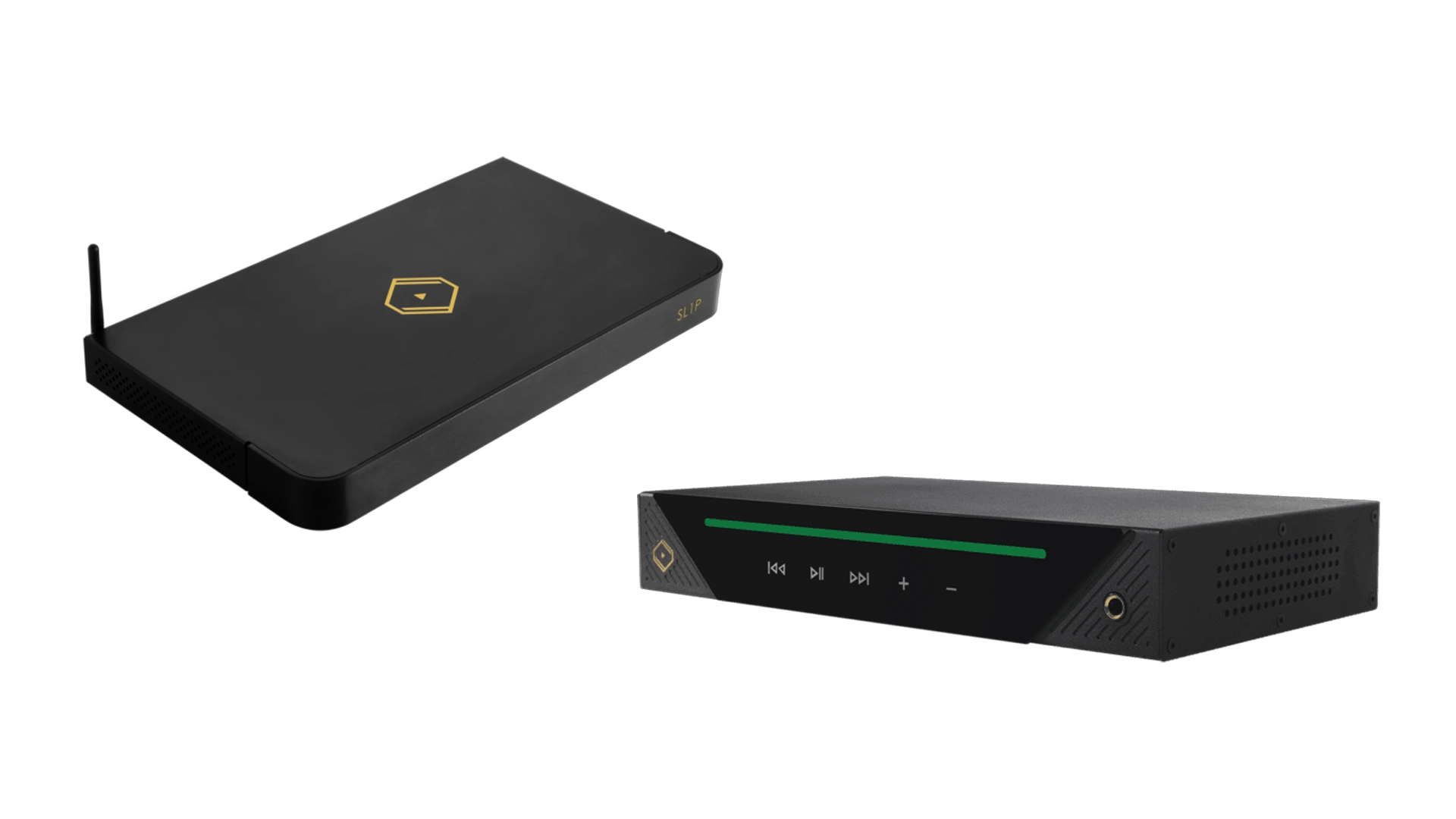
Silent Angel is the network-audio brand of Thunder Data, a technology company established in 2014 with experience in storage, networking and embedded computing. The brand focuses on the digital source before the DAC: music servers, streaming transports, network switches, master clocks, low-noise power supplies and the software required to control them as one system. Rhein Z1 and Z1 Plus servers run Silent Angel’s VitOS platform and can host music libraries and services, including Roon-based workflows, without placing a general-purpose computer beside the audio rack. Munich and Bremen players address network playback, while the Bonn family of switches—from the compact N8 to higher N8 Pro, N8C, NX and dual-zone N16 designs—adds low-noise power, clock control and, on selected models, SFP fibre connections. Genesis GX/GC clock products provide an external timing reference for compatible network devices, and Forester linear supplies or ground-control products let owners improve power without replacing the whole source. VitOS Manager and current companion apps handle configuration, playback and integration with local storage, NAS libraries and streaming platforms. Silent Angel’s claims about network noise and jitter should be judged in a complete system, but the architecture is clear: separate the compute-intensive server, the network link and the endpoint feeding the DAC, then control electrical coupling through fanless hardware, regulated power and optical isolation where useful. Although the brand is Taiwanese in origin, development and company operations are international. Its distinguishing feature is not any single “audiophile switch,” but a modular ecosystem in which computing, networking, clocking, power and user software are designed to work together.
Simaudio
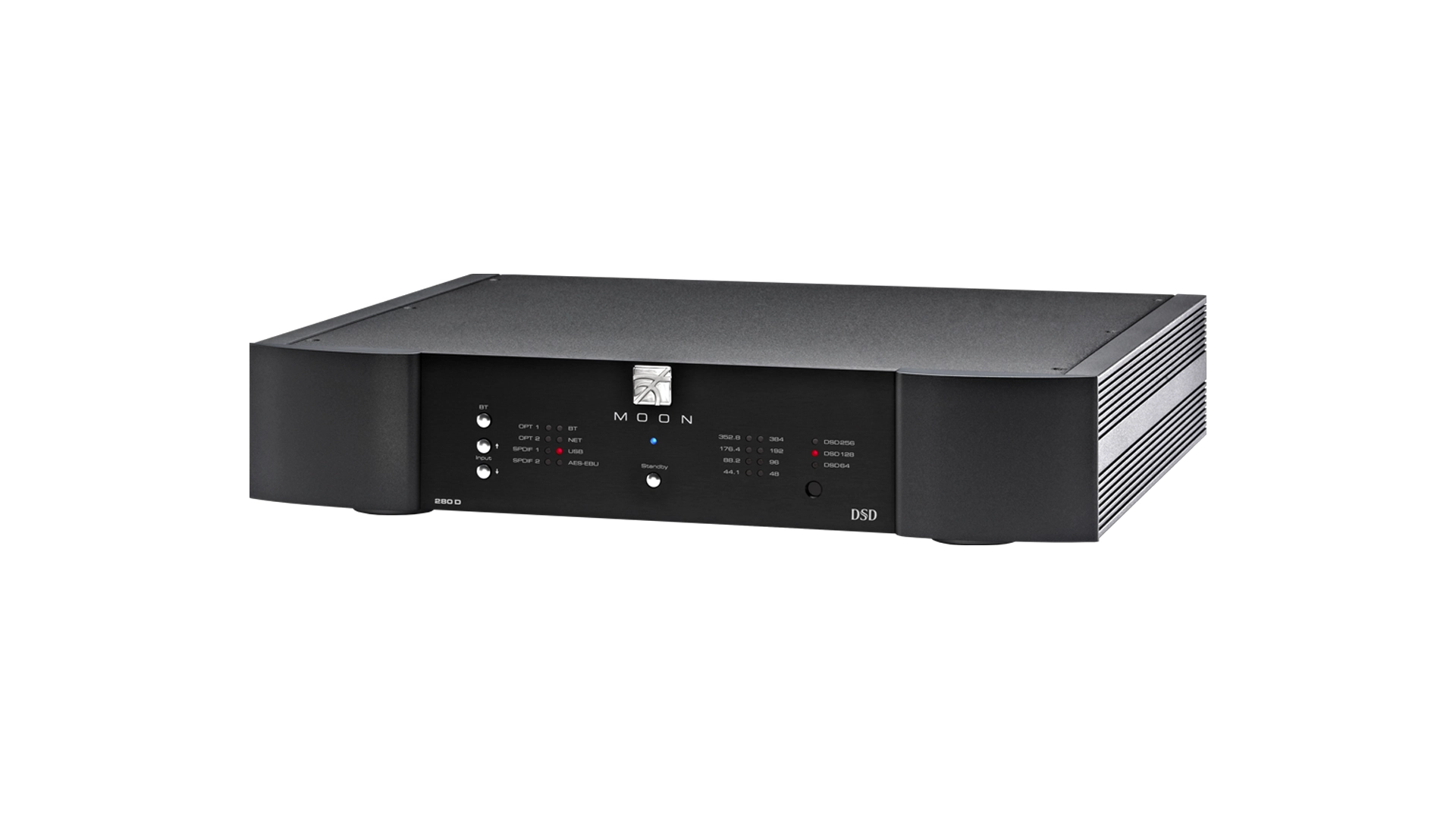
Simaudio is a Canadian high-end electronics manufacturer founded in 1980 as Sima Electronics by Victor Sima. The early company became known for muscular amplifiers able to control demanding loudspeakers; in 1994 Jean Poulin and partners acquired the business, and the MOON name gradually became the public identity of its products. Design and manufacturing remain near Montreal, with metalwork, circuit assembly, testing and long-term service kept unusually close for a modern audio company. MOON electronics cover integrated and power amplifiers, preamplifiers, network players, DACs and phono stages. The Evolution series established technologies such as M-LoVo low-voltage regulation, M-eVOL2 volume control and the MiND network platform, while the compact ACE combined streaming, conversion, amplification and phono input in one chassis. MiND 2 supports contemporary network playback and multiroom control without making a computer the front end. The flagship North Collection develops this architecture in the 681 streamer/DAC, 791 network player/preamplifier, 761 and 861 power amplifiers, and the 891/888 reference separates, with the BRM remote giving tactile control across the system. Simaudio does not use one circuit unchanged at every price: power-supply scale, dual-mono separation, output topology, conversion and control are adjusted to each product, but low noise, high current and operational longevity remain consistent priorities. The company is still independently Canadian rather than a legacy badge owned abroad. Its distinction is the ability to join serious analogue amplification with mature streaming and interface design while preserving repairability and factory support—an evolutionary approach that has kept MOON components current without erasing their two-channel roots.