
Floorstanding Speakers
This page provides a wide-ranging collection of floorstanding speaker manufacturers. We have compiled a vast list of brands to serve as a central resource for discovering companies that produce tower speakers. For every manufacturer listed, this database provides key information such as the country of origin, founding details, and a direct link to the floorstanding speaker products on their official site. This resource is intended to be a practical and comprehensive reference for the global market of tower speakers.
Hi-Fi brands in the category
Summary information and image
Direct links to official websites
ATC
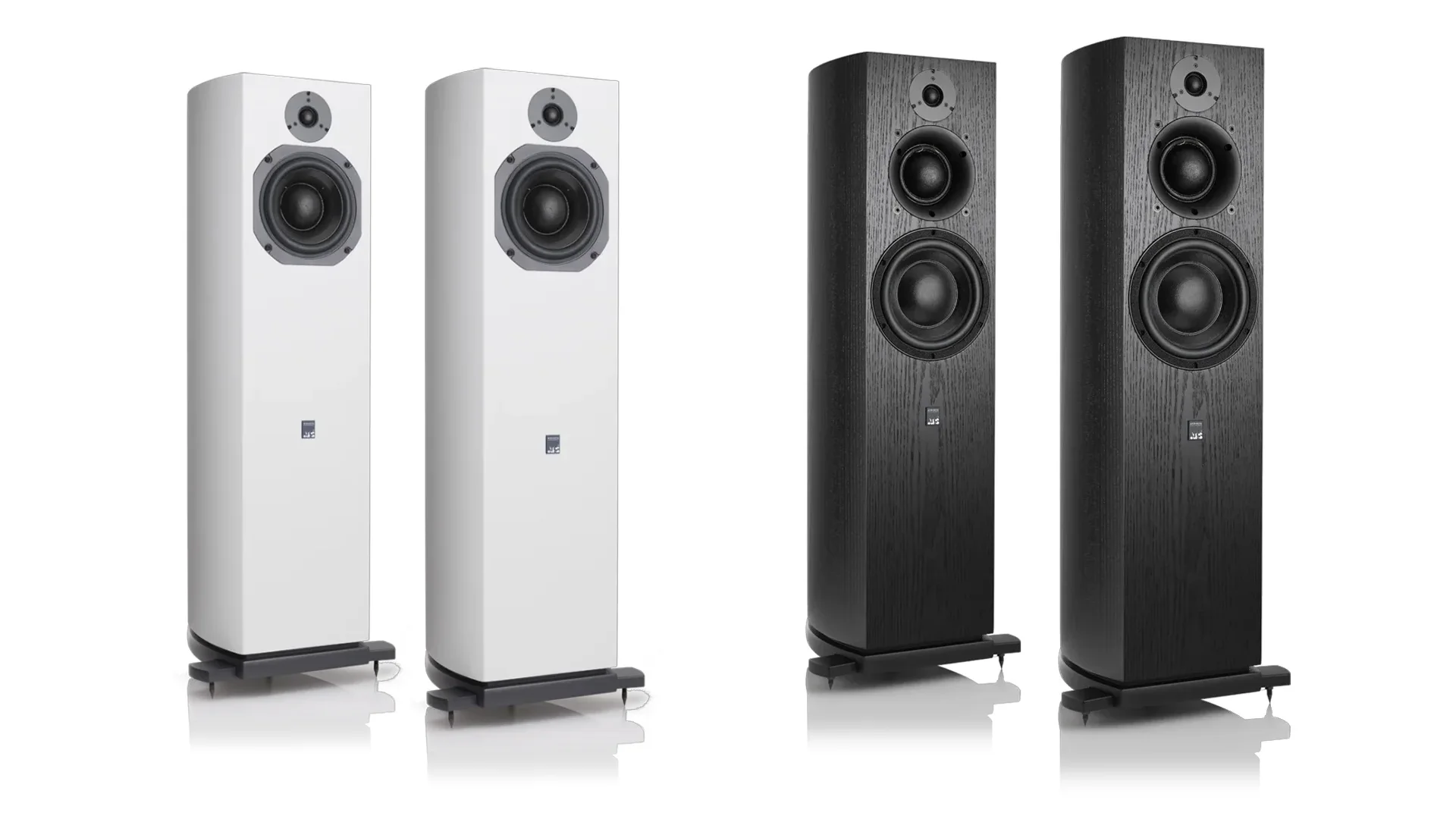
ATC grew from making professional loudspeaker drivers into building complete studio monitors and domestic hi-fi systems. Billy Woodman founded the British company in 1974; its large soft-dome midrange driver followed in 1976 and remains a defining part of many three-way designs. Another development, Super Linear motor technology, addresses distortion associated with magnetic hysteresis. Active models combine electronic crossovers with separate amplification for the drive units, while passive versions allow owners to choose their own power amplifiers. The SCM50 and SCM100 families connect the studio and home catalogues, supported by smaller speakers and separate electronics. Driver development is the thread running through both sides of the business.
Atohm

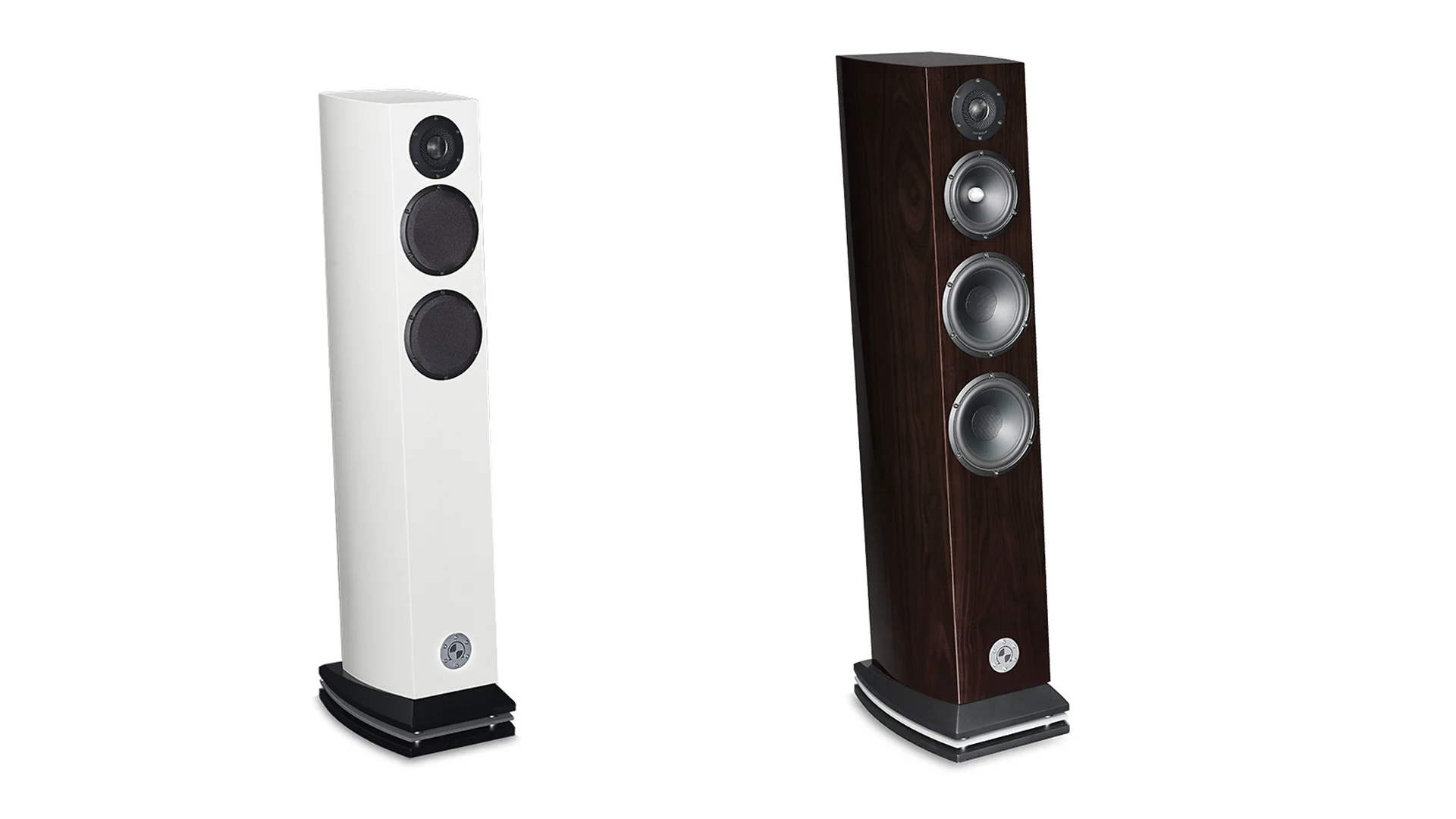
Atohm develops the drive units as well as the finished loudspeaker, and also supplies drivers and kits to people building their own systems. Thierry Comte established the French business behind the brand, Welcohm Technology, in 2000. Its catalogue connects GT and Sirocco loudspeakers with Rafale subwoofers, amplification and ZEF cables. The GT technical platform illustrates the detail of its driver engineering: the Absolute Series tweeter combines a treated silk dome, a neodymium motor and a copper ring intended to reduce and linearise inductance. Motor geometry and dispersion are developed together with the diaphragm and suspension. The same engineering interests extend into its component and DIY offerings.
Audiaz

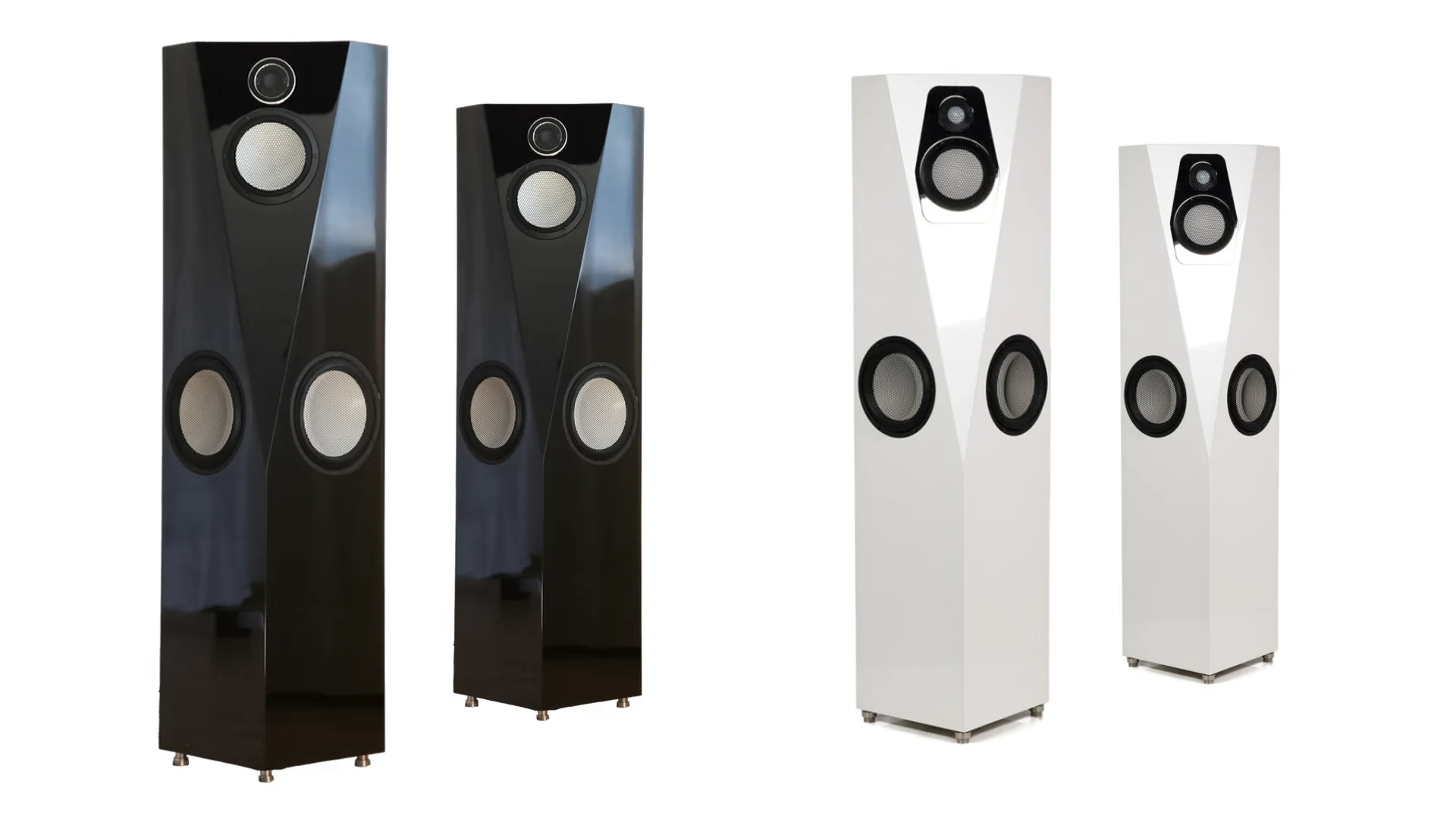
AudiaZ builds German loudspeakers with narrow front panels, sloping side walls and extensively braced, damped cabinets. Dr. Helmuth Weber and Günter Hartl began working together in 1995, later establishing Hartl & Weber Audio-Design around the turn of the millennium; the brand dates its design lineage to 1999. Cadenza and Opera models explore different driver combinations, including versions with Accuton diamond units. The enclosures are assembled and finished by hand, and paired veneers are selected from the same tree for a coordinated appearance. Custom internal wiring and carefully specified components complete an approach in which driver selection, cabinet geometry and individual craftsmanship receive equal attention.
Audio Analogue

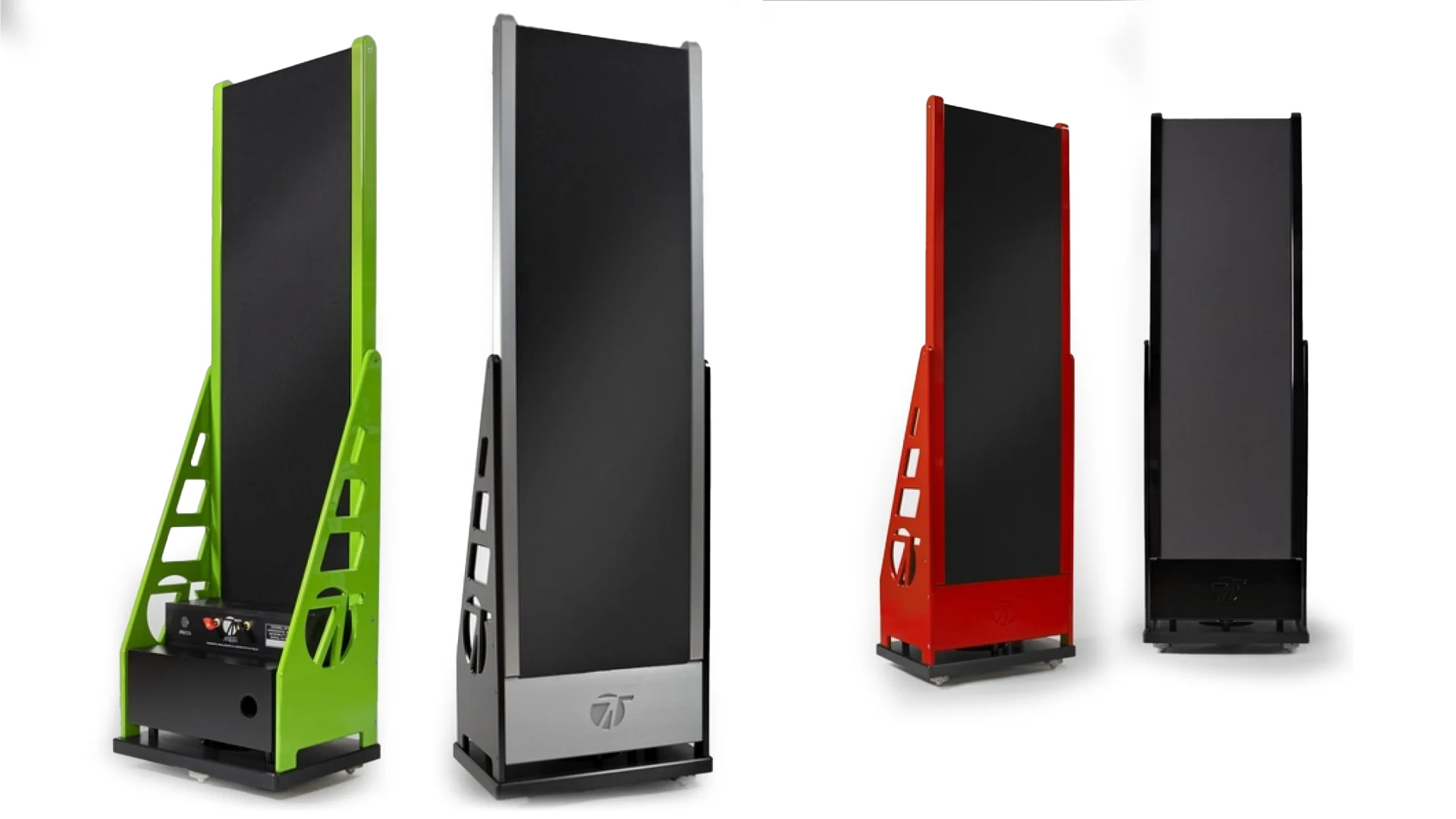
Audio Analogue gives Italian hi-fi electronics a clear identity: substantial power supplies, restrained controls and circuits developed around the needs of two-channel listening. Founded in Tuscany in 1995, the company established its name with amplifiers such as the Puccini. Co-founder Claudio Bertini later created the AirTech design laboratory, which develops the brand’s most ambitious electronics. The Anniversary models pursue a deliberately reduced signal path, while the PureAA range carries related design work into more versatile amplifiers, a phono stage and a DAC. At the top, the ABsolute integrated amplifier combines class-A operation with the scale of a separate pre/power system. This is a specialist in stereo electronics rather than a lifestyle-audio label.
Audio Exklusiv
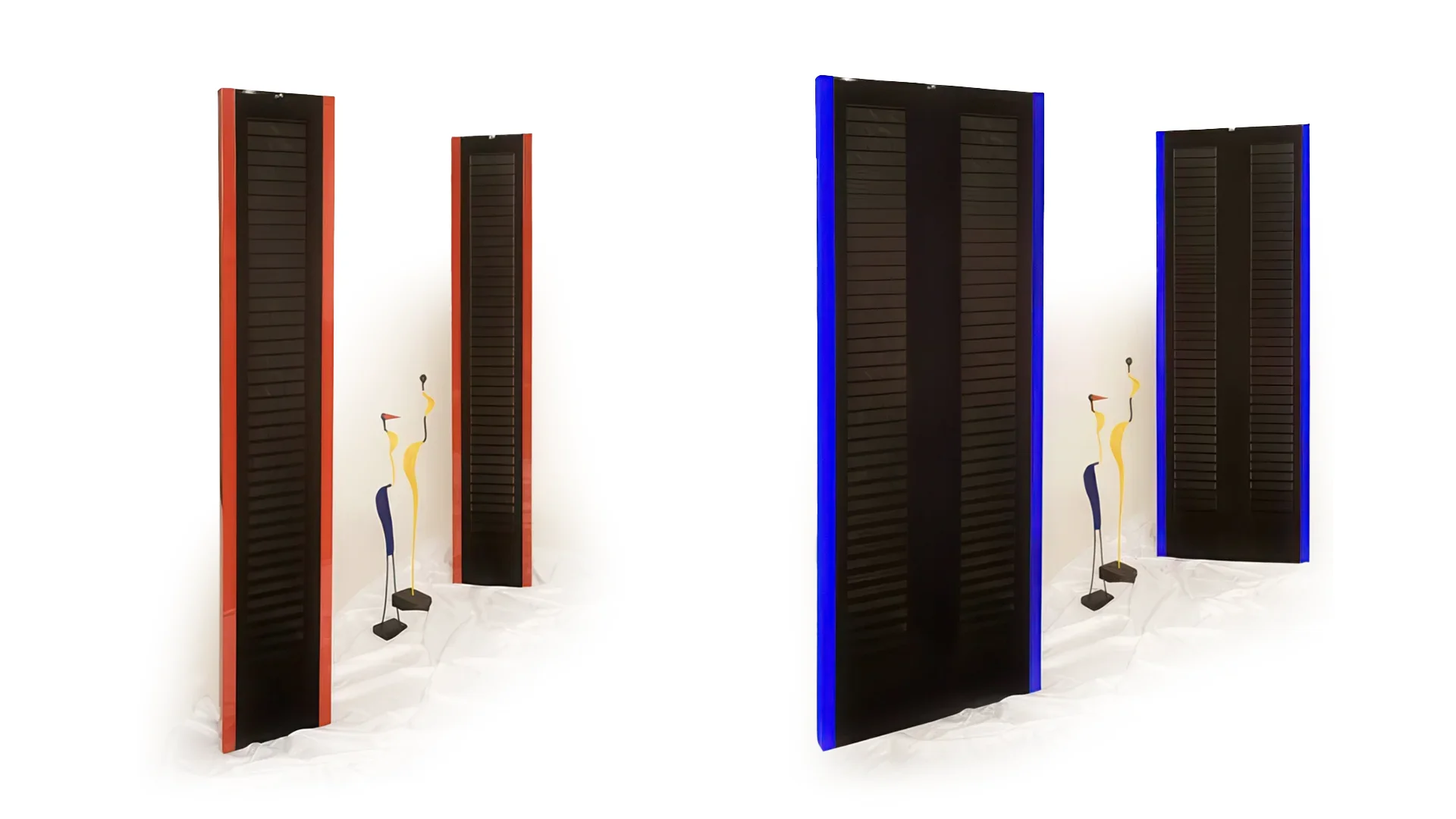
Audio Exklusiv began with Gerd Pütz’s determination to escape the cabinet colouration of conventional loudspeakers. He founded the German company on 1 October 1979 after developing speakers at HECO, then introduced the Tubular Bell I in 1980 and the P3 electrostatic loudspeaker in 1982. Electronics followed because the electrostatics required suitable amplification; the catalogue grew to include tube and transistor preamplifiers, power amplifiers and analogue sources. After Pütz died in 1990, his family continued the business, and Andreas Schönberg acquired the trademark and technical rights in 2009 to restart development. Current products retain the electrostatic heritage while also addressing resonance control, phono playback and system accessories, with development and production carried out in Germany.
Audio Note

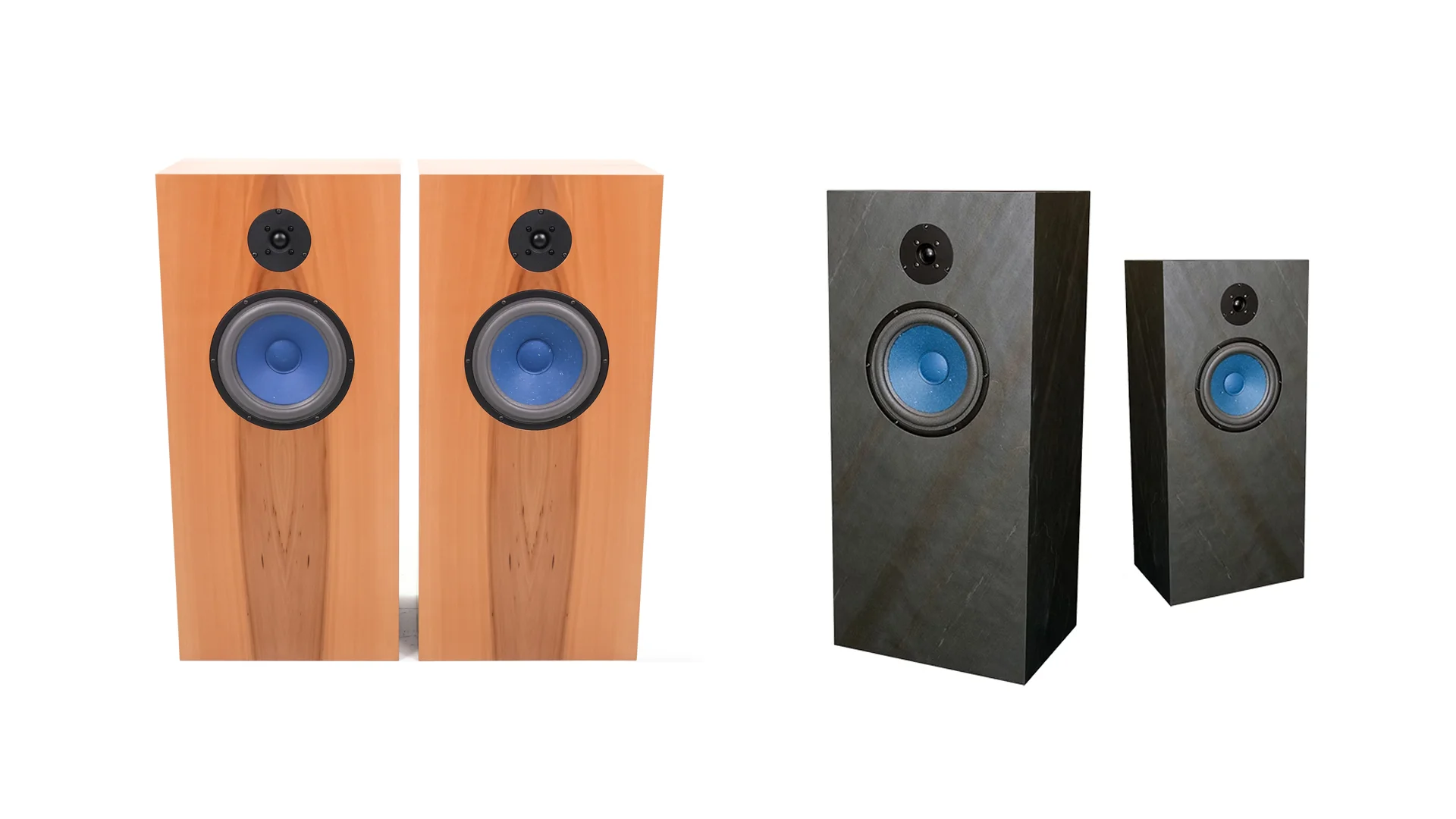
Audio Note (UK) builds complete valve-based playback systems, from cartridges and digital sources to amplifiers, cables and loudspeakers. The UK company led by Peter Qvortrup introduced the OTO PP integrated amplifier in 1991, and that long-lived model still captures its preference for simple circuits and serviceable products. Single-ended triode amplifiers, custom output transformers and internally developed resistors, capacitors and wiring are central to the range. Its DACs deliberately avoid oversampling, digital filtering and conventional reconstruction filters, pursuing timing and musical continuity through a different engineering route. Products are organised by levels from Zero to Five, with models such as Meishu and Ongaku showing how parts quality and transformer design are progressively developed. The name here refers specifically to Audio Note (UK), not Kondo Audio Note Japan.
Audio Physic

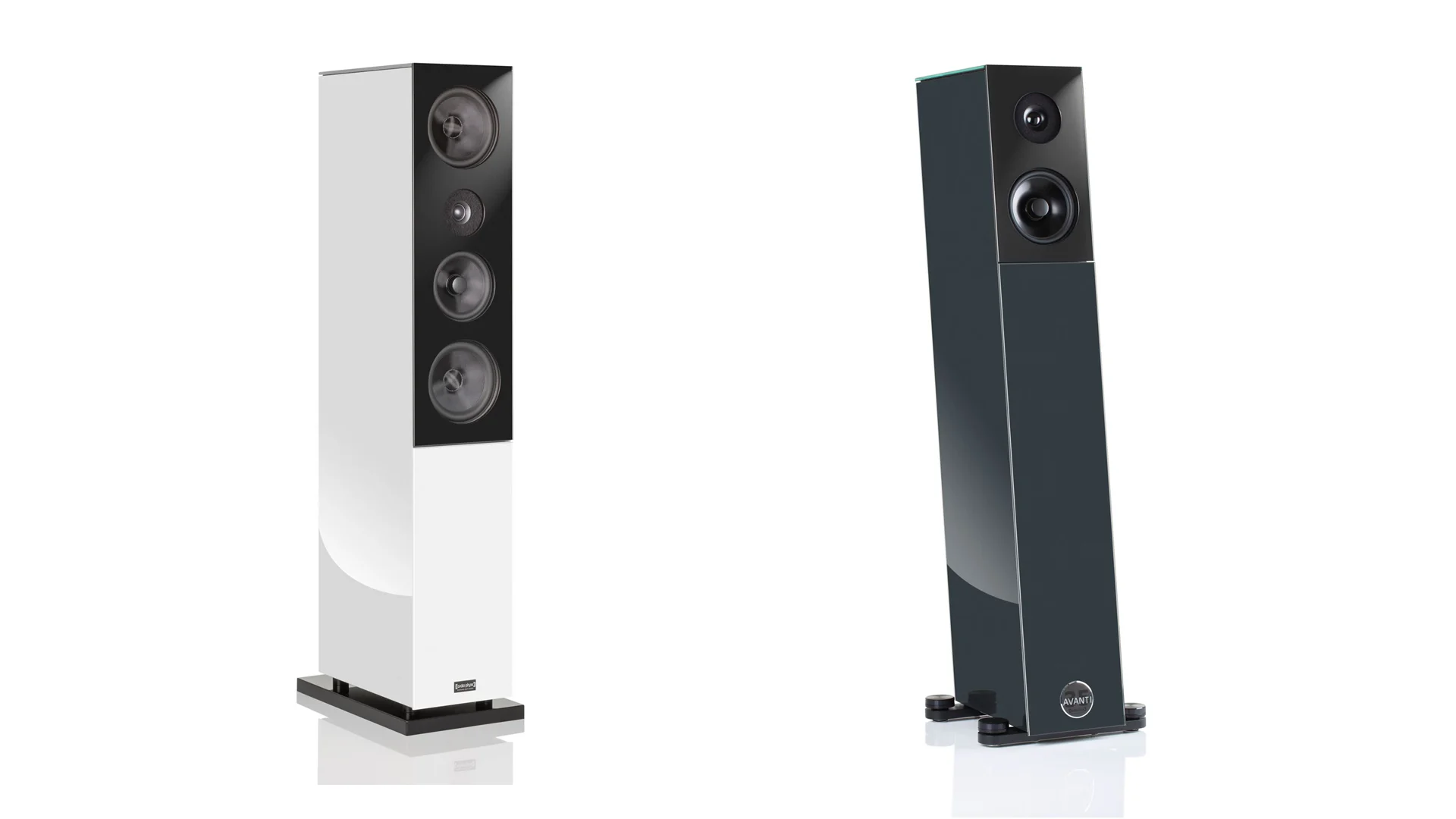
Audio Physic approaches loudspeaker design through the interaction of drivers, cabinet behaviour and the listening room. Wilhelm Hegener and Joachim Gerhard founded the German company in 1985, two years earlier than the date previously recorded. Their early work established a principle still visible in current models: an enclosure should be rigid where necessary, carefully damped and free from energy storage that masks fine detail. Modern speakers use Audio Physic’s Hyper Holographic Cone midrange and tweeter technologies, developed to suppress unwanted vibration at the driver, together with multi-layer cabinet structures and mechanical isolation. Cardeas sits at the top of a range that also includes Codex, Midex, Avanti and Tempo. The brand’s strength is spatial precision and low cabinet contribution, expressed in slim floorstanders rather than oversized conventional boxes.
Audio Solutions

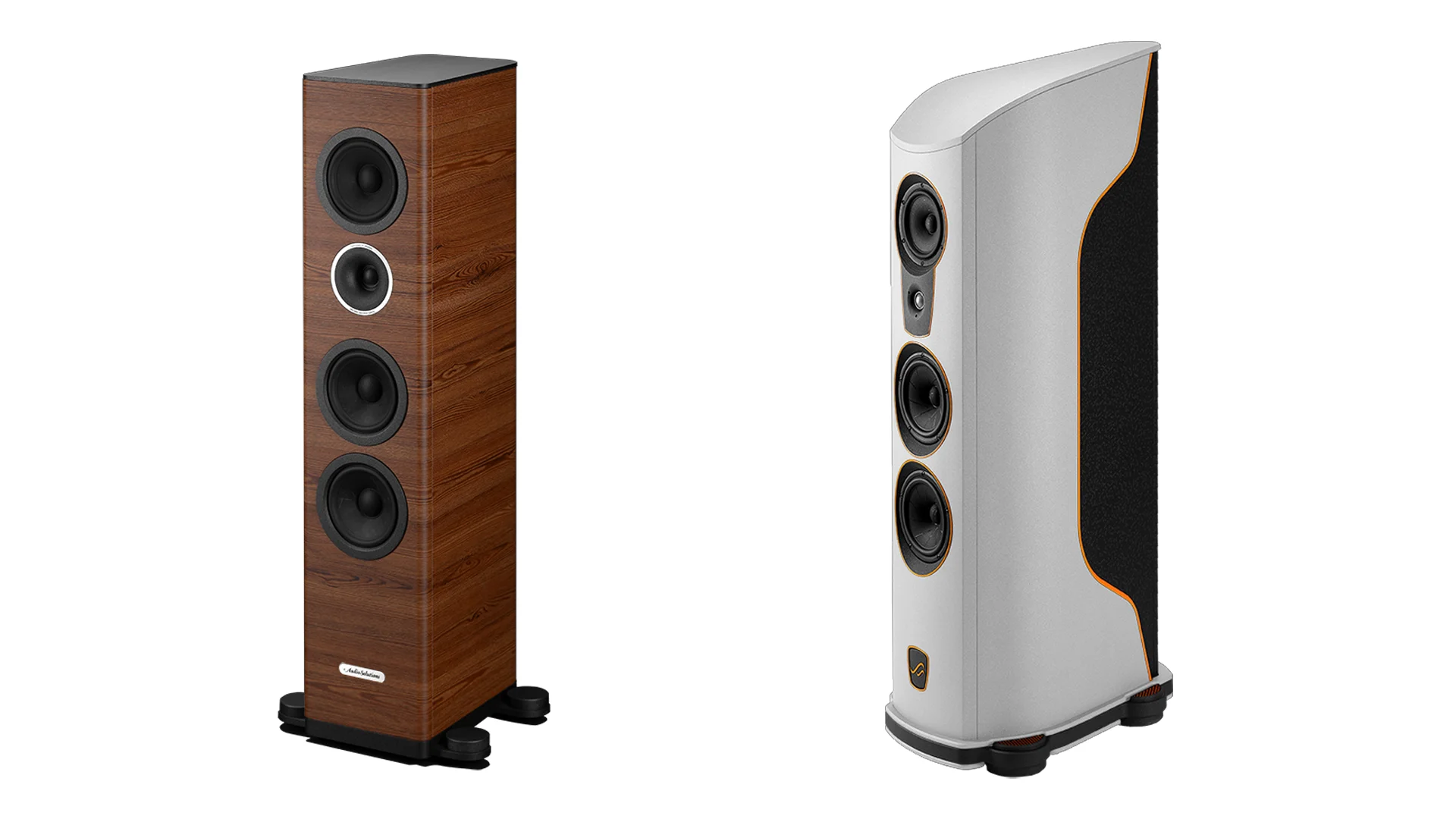
AudioSolutions turns cabinet construction into an active part of loudspeaker engineering. Speaker designer Gediminas Gaidelis founded the company in Vilnius in 2011, where its products are developed and assembled. The proprietary Self-Locking Cabinet technique joins interlocking panels into a rigid enclosure and varies wall structure and thickness where resonance control demands it. Figaro models also use two interchangeable front baffles, one protected by fabric and one open, designed to preserve the same acoustic power response. The range extends from the accessible Overture family through Figaro and the more elaborate Virtuoso designs, with carefully shaped enclosures and finish options that are made as part of the structure rather than added as decoration. AudioSolutions is therefore best understood as a cabinet-led loudspeaker manufacturer with its own production know-how, not simply a user of premium drive units.
Audionec

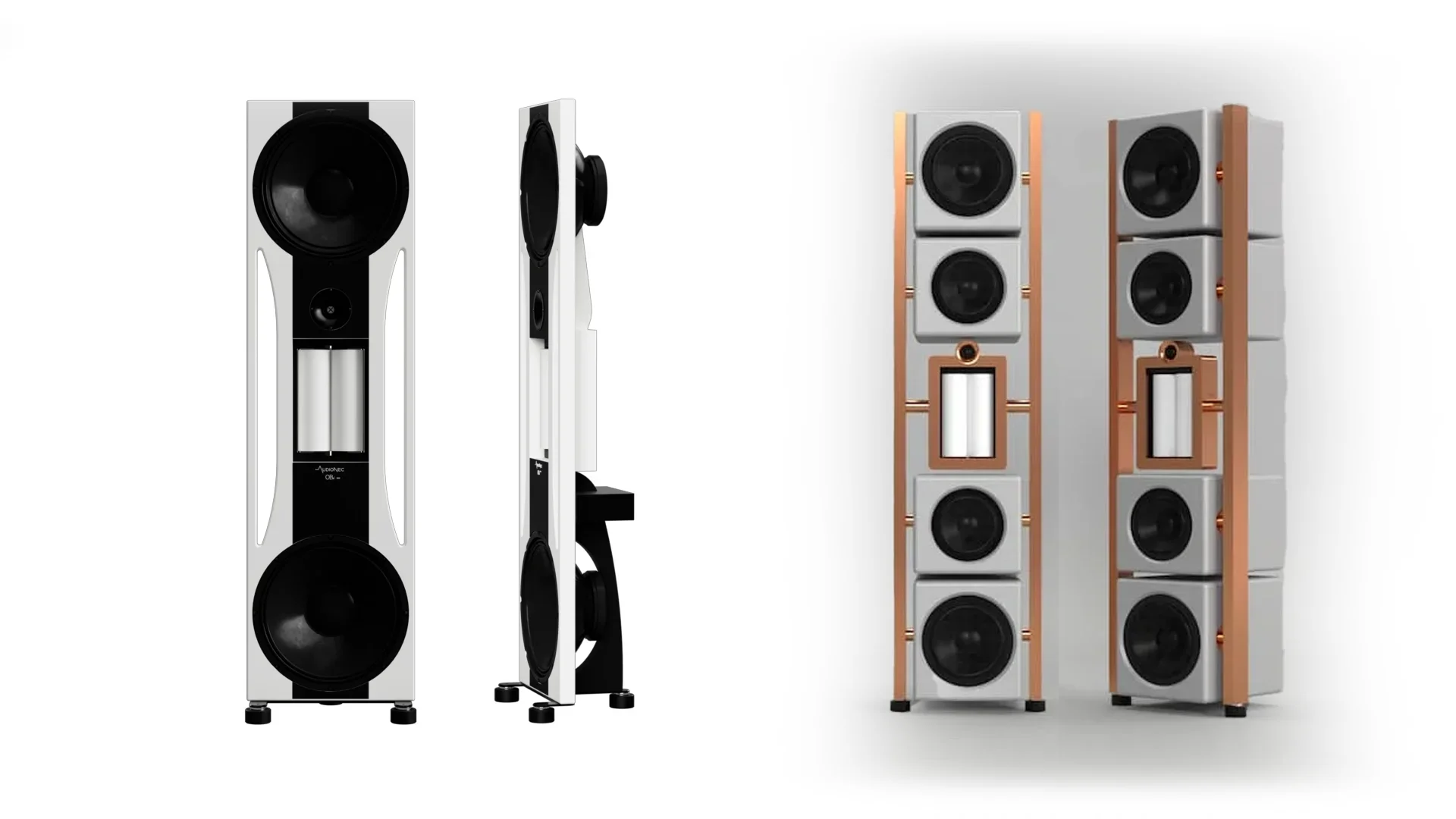
AudioNec combines digital-source engineering with unconventional French loudspeakers. Francis Chaillet began the project by developing a computer dedicated entirely to high-end music playback, followed by the Answer loudspeaker; the company presented its first products publicly at High End Munich in 2010. Its current speakers are built around technologies that avoid a conventional midrange box. The proprietary DuoPole wideband driver works in free air from roughly 400 Hz to 10 kHz, while OBi models use open-baffle construction and Evo systems place frequency sections in separate modules. Evo owners can add modules to move to a larger model instead of replacing the complete speaker. Music servers and loudspeakers are assembled and tested by hand in the company’s workshop near Paris. No exact foundation year is stated, so the date field remains blank.
Audiovector

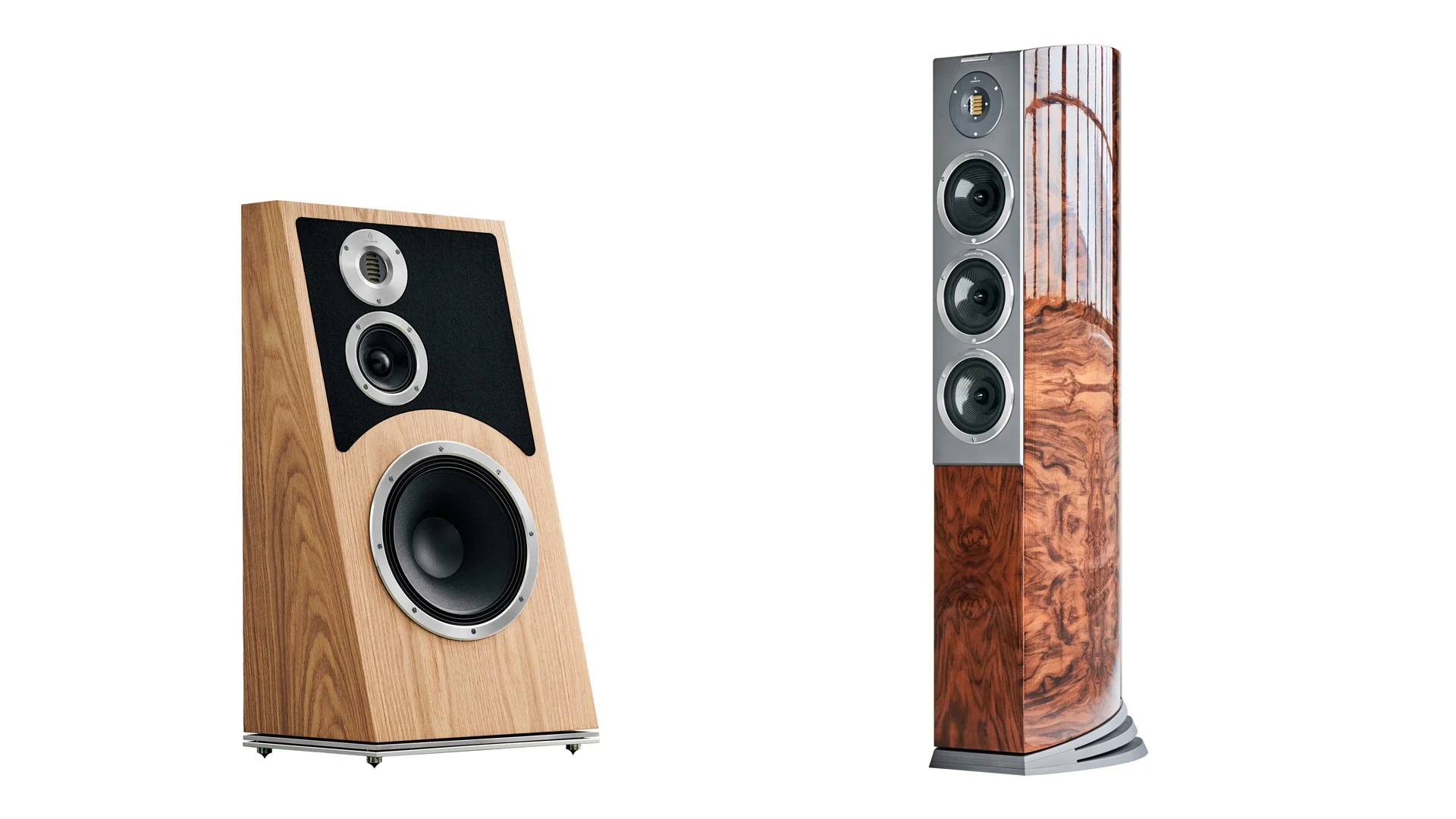
Audiovector makes upgradeability part of the loudspeaker itself. Ole Klifoth founded the Copenhagen company in 1979 and introduced the original Trapeze that year; today his son Mads Klifoth leads the family-owned business. Its Individual Upgrade Concept allows eligible speakers to be rebuilt to a higher version with revised drivers, crossovers and internal parts, extending the useful life of the original cabinet. The R and QR families cover stand-mount, floorstanding, centre, surround and subwoofer roles, while the Trapeze Reimagined reconnects the range with Klifoth’s first design. Air Motion Transformer tweeters, mechanically isolated enclosures and careful attention to phase and low compression recur across the catalogue. Audiovector designs, hand-assembles and tests its speakers in Denmark.
Avalon Acoustics

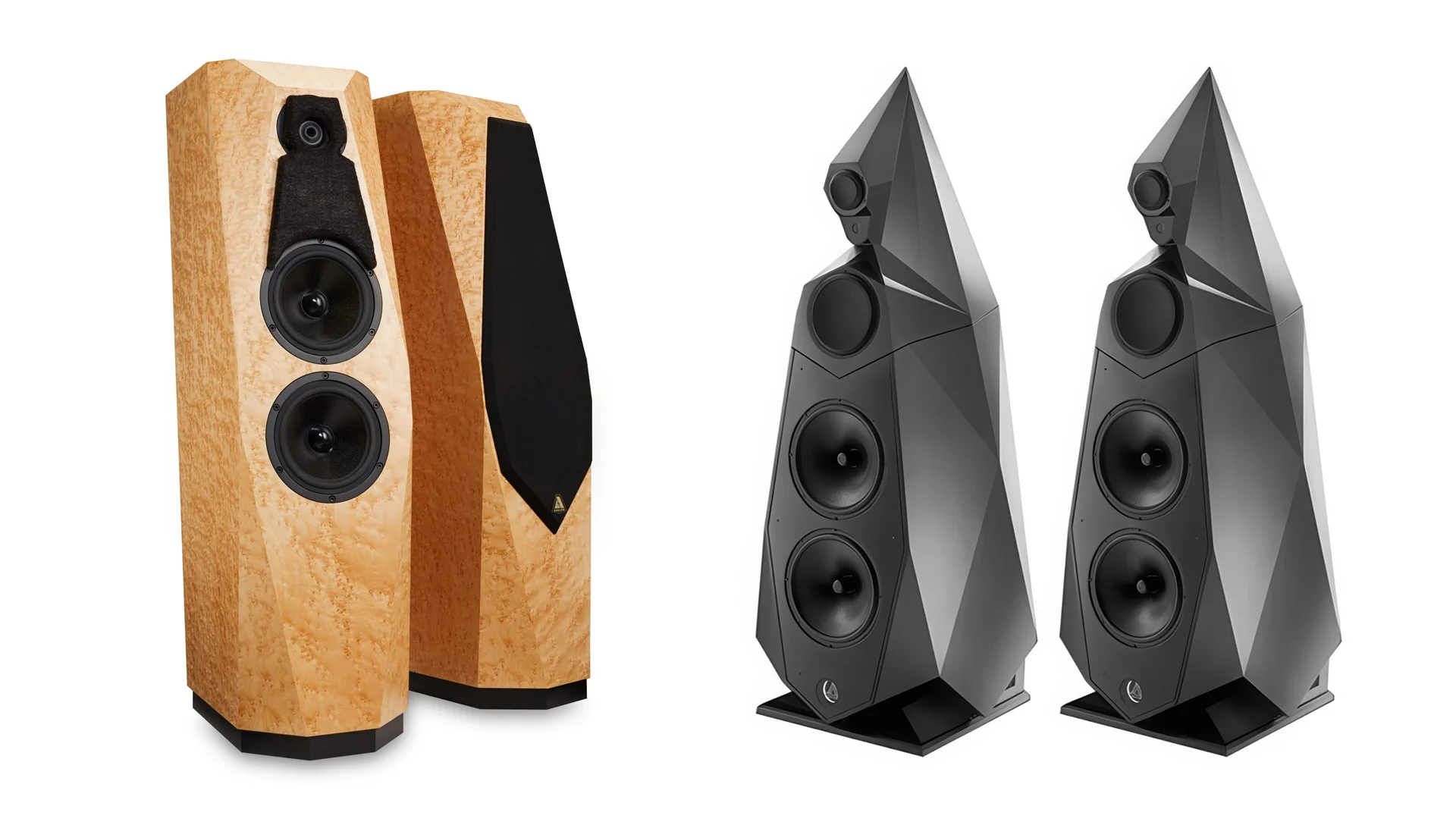
Avalon Acoustics turns cabinet geometry into a principal part of loudspeaker design. Charles Hansen founded the Colorado company in the late 1980s; Neil Patel subsequently became its owner, president and defining designer. The sharply faceted baffles are functional as well as visual, reducing edge diffraction around the drivers, while the heavily built enclosures and carefully shaped internal volumes aim to suppress stored energy. Complex crossover work and driver integration support the spacious imaging for which Avalon became known. Designs such as Eidolon, Indra, Isis and Tesseract established the lineage, with Saga and the Precision Monitor models carrying it forward. Avalon is a specialist manufacturer of passive reference loudspeakers, and its lasting signature is the combination of low-diffraction sculpture, controlled cabinet behaviour and large-scale spatial presentation.
Avantgarde Acoustic
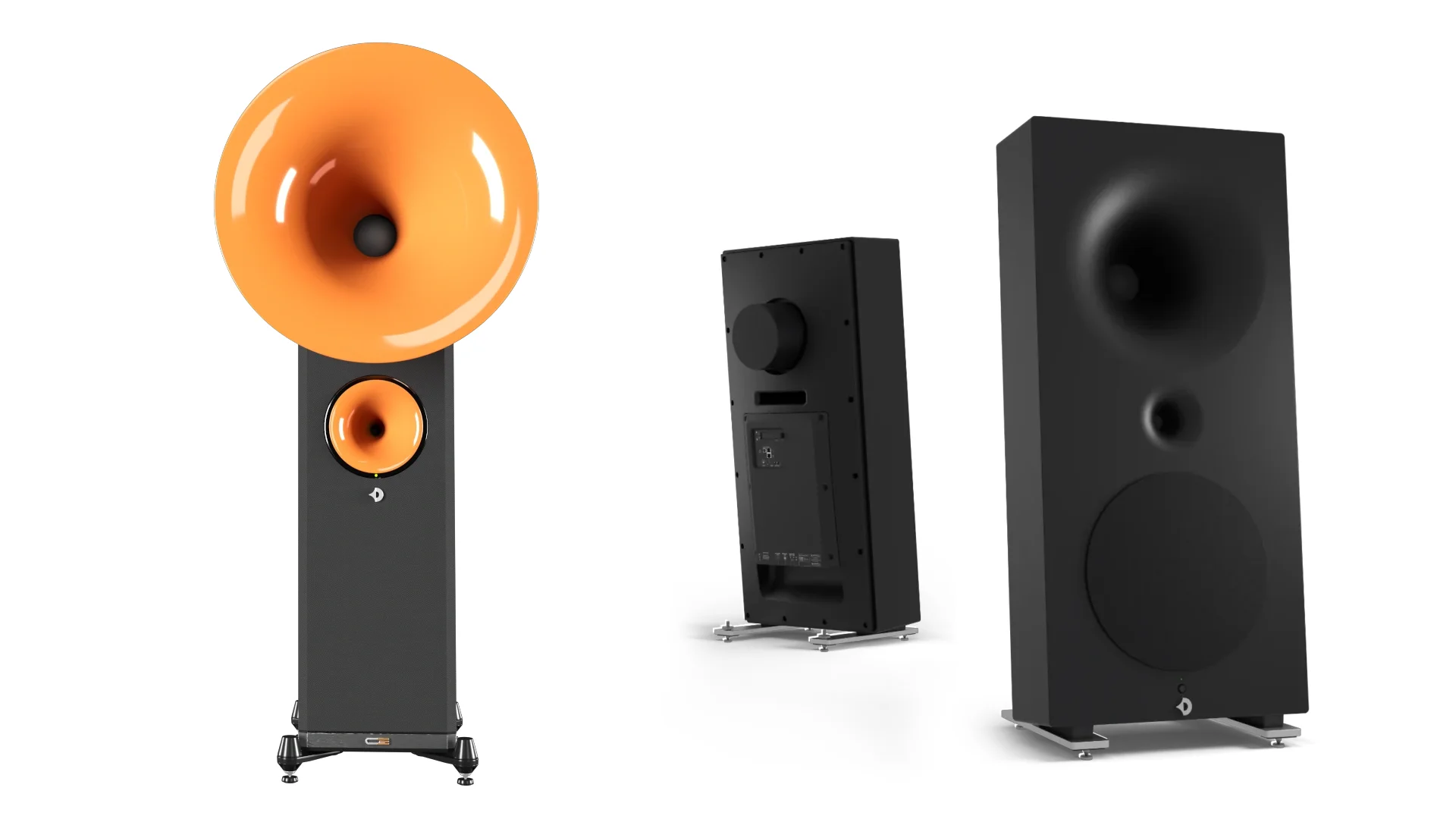
Avantgarde Acoustic makes the horn visible, measurable and central to the system. Holger Fromme and Matthias Ruff developed the idea together before the German company formally began in 1991. Its spherical horns couple highly efficient drivers to the room, allowing large dynamic range with very small diaphragm movement; powered bass sections solve the low-frequency task where a domestic full-size horn would be impractical. Uno, Duo and Trio established the visual and technical language, while the current G3 generation is modular and can be ordered in passive form or with iTRON current-drive amplification for the horn sections. Trio G3 can be combined with SpaceHorn bass modules and reaches 109 dB/W/m sensitivity. The company also builds electronics, but its distinctive know-how remains the integration of high-efficiency horns, active bass and purpose-designed amplification.
Avid HiFi

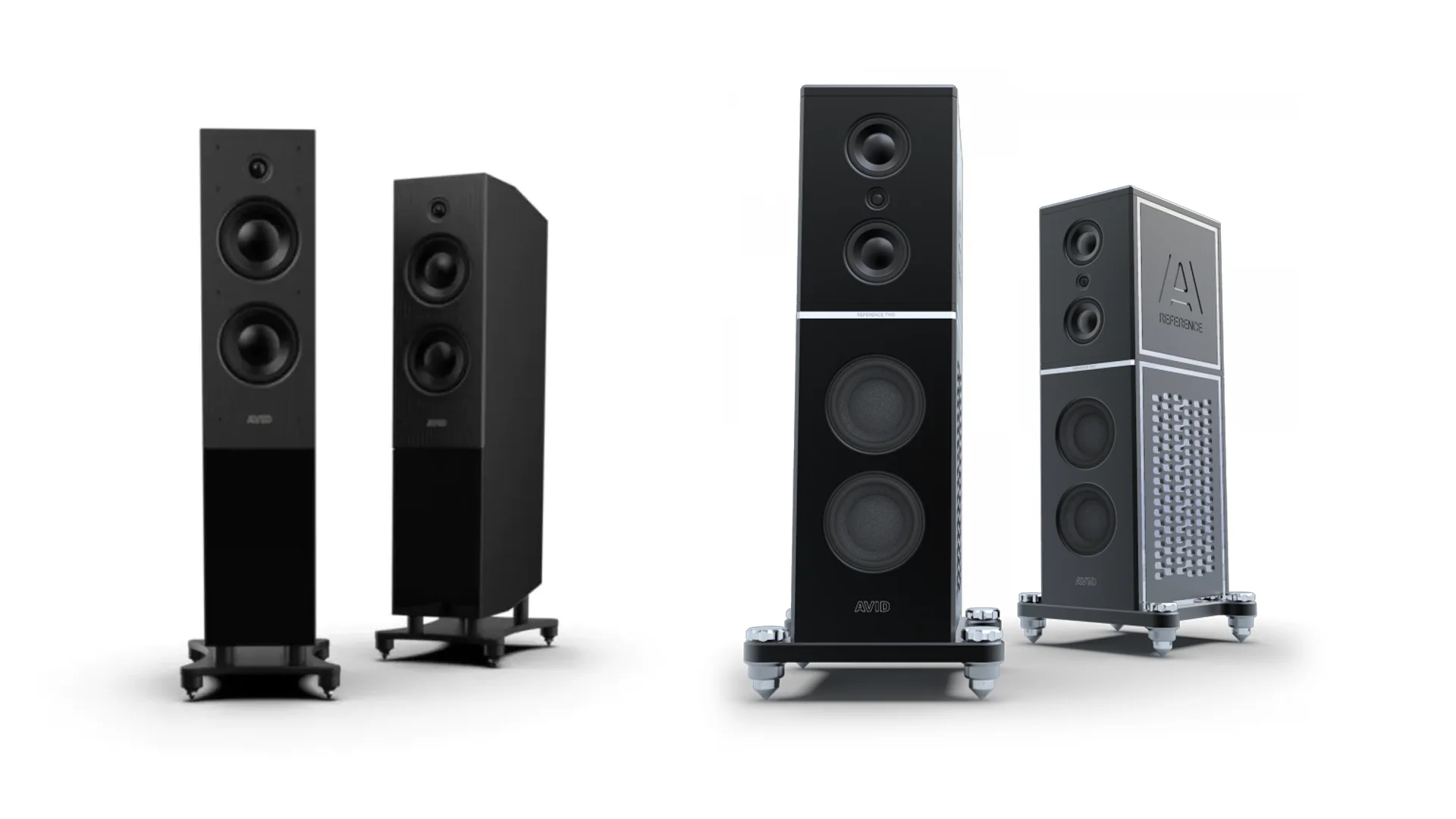
AVID HiFi engineers analogue playback by controlling how vibration enters, travels through and leaves a turntable. Conrad Mas founded the British company in 1995, and the Acutus turntable launched in 1999 after years of development. Its inverted bearing, powerful outboard supply, heavy platter, clamping system and tuned suspension treat record, platter and structure as one mechanical path. Volvere and Sequel extend that architecture, while Diva models provide a simpler rigid platform. AVID has since built a complete ‘groove to ear’ system: cartridges, tonearms, phono stages, integrated and separate amplifiers, loudspeakers, cables and supports. The expansion does not erase the original speciality; the range still begins with extracting information from a moving record while keeping motor, bearing and environmental energy under control. Products are made across the company’s two English factories.
Axxess

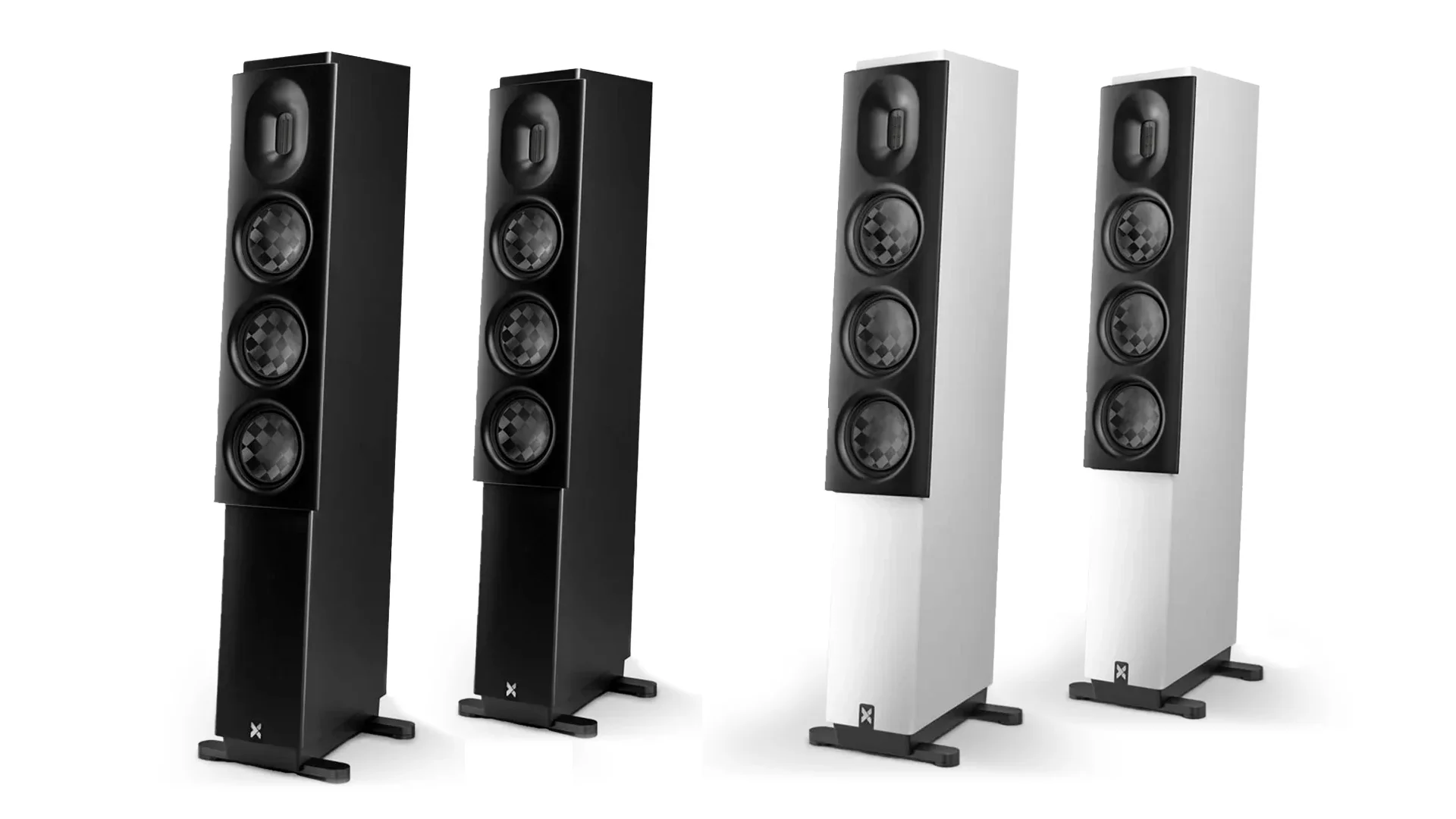
Axxess brings technology from Audio Group Denmark’s costlier brands into simpler complete systems. Launched in 2023 as the group’s fourth brand alongside Ansuz, Aavik and Børresen, it was shaped by the organisation led by Lars Kristensen and Michael Børresen. The Forté 1, 2 and 3 place a network streamer, DAC, analogue input, headphone amplifier and UMAC Class-D speaker amplification in one Danish-built enclosure; the three versions differ mainly in the amount of noise-control technology and refinement inside. Axxess has since expanded beyond that first all-in-one concept with loudspeakers, cables and resonance-control products. Its point is access to a coordinated Audio Group Denmark system with fewer boxes and a lower entry price, while retaining the group’s emphasis on switching amplification, mechanical grounding and electrical noise reduction.
Ayon Audio
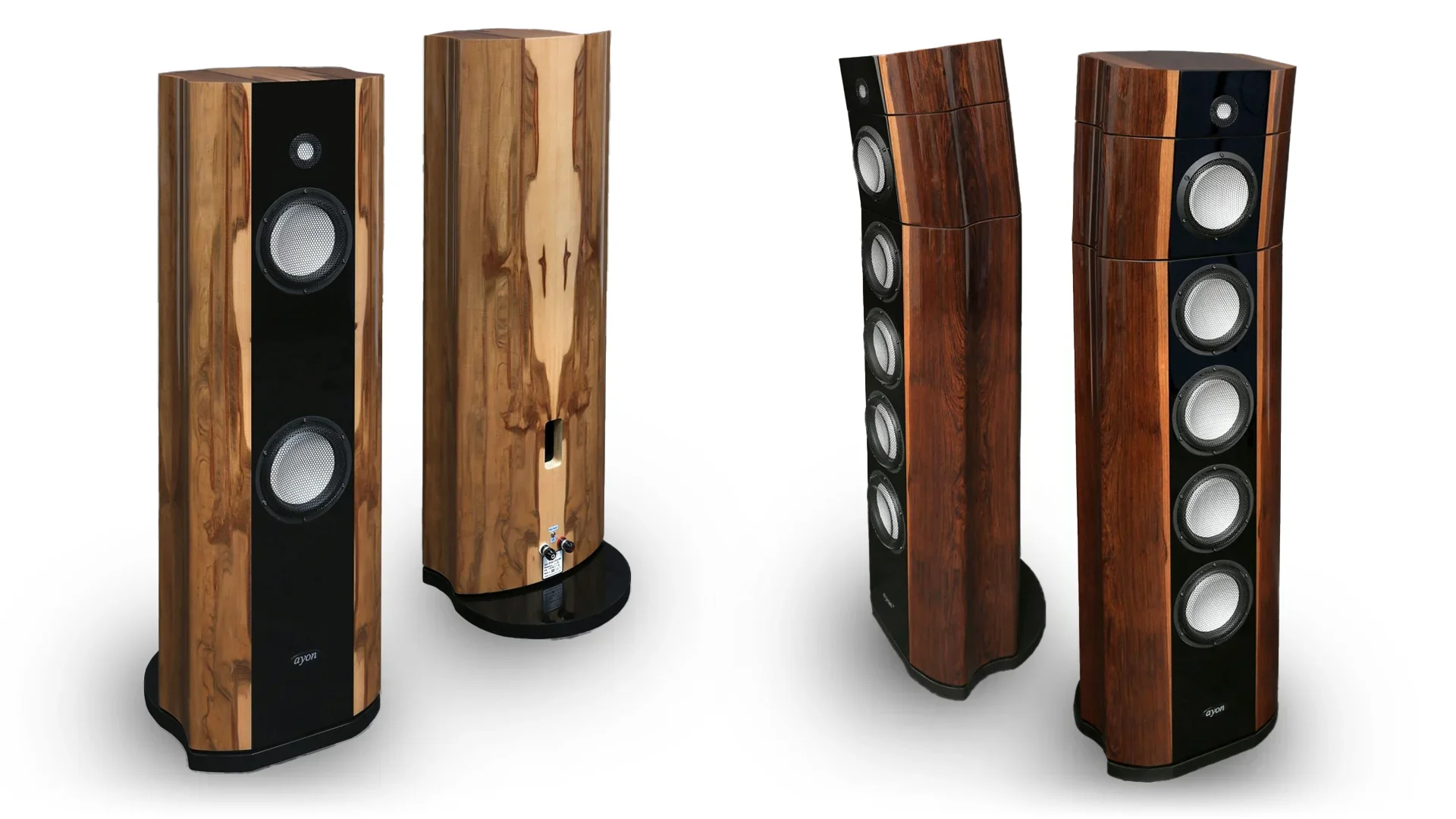
Ayon Audio develops valve-based systems as a connected whole, from source and preamplification to power amplifiers and loudspeakers. The Austrian business grew from Gerhard Hirt’s earlier VAIC work; the Ayon name emerged around 2001 with Hirt at the helm. Integrated amplifiers such as Spirit and Crossfire, larger power amplifiers, line and phono stages, headphone amplifiers, CD/SACD players, DACs and network players form a notably broad tube-led catalogue. Many amplifiers offer switchable operating modes and use in-house transformer work, substantial power supplies and automatic protection or bias functions to make high-power valve circuits more manageable. Ayon also develops high-efficiency loudspeakers suited to this electronics. The previous 1990 date blurred the VAIC roots with the later Ayon brand, so the record now uses 2001.
Bang & Olufsen

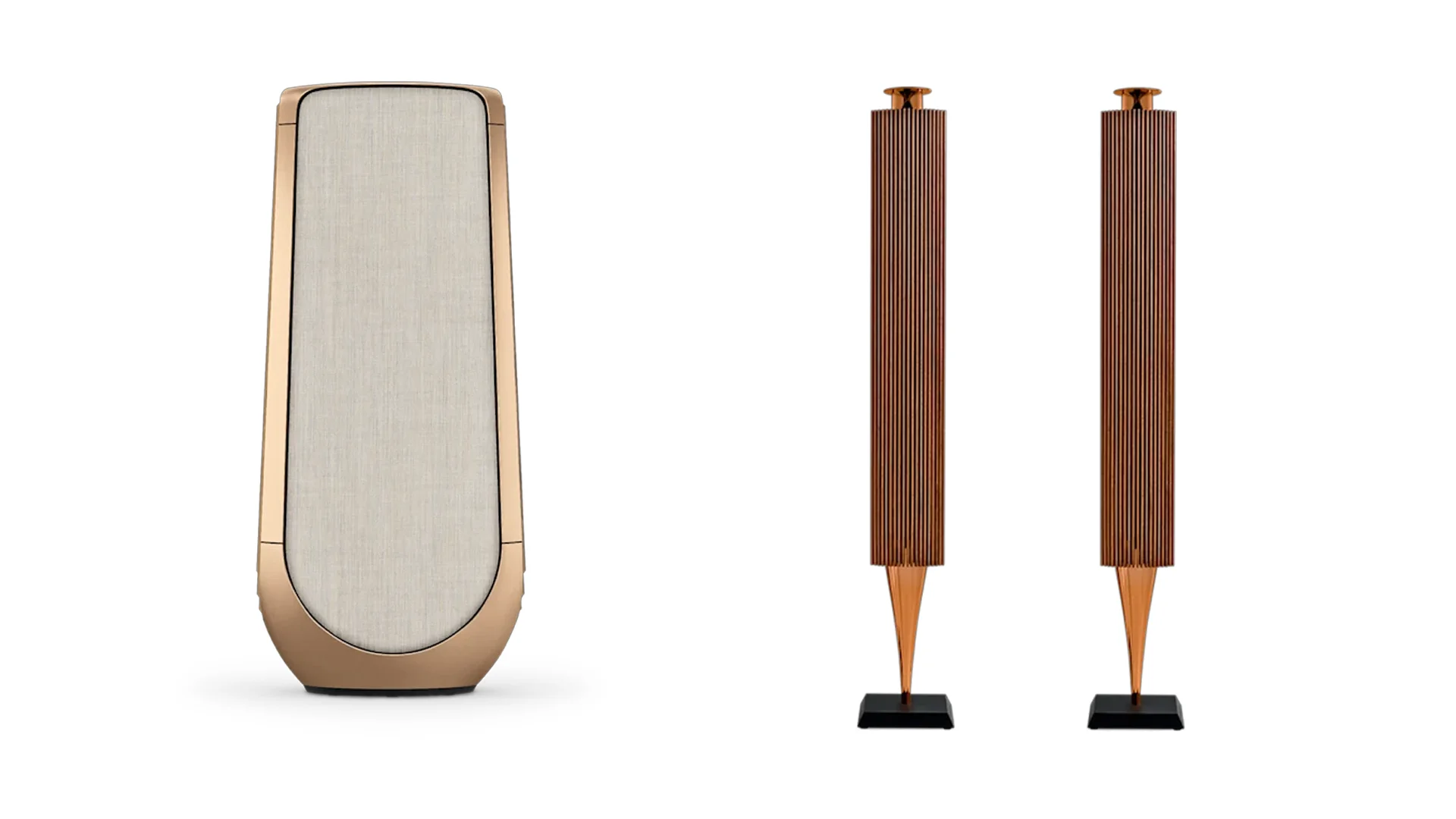
Bang & Olufsen has spent a century treating sound, mechanics and furniture-scale design as one discipline. Engineers Peter Bang and Svend Olufsen founded the Danish company in 1925 at the Olufsen family estate, Quistrup. From early radios and the mains-powered Eliminator to Beomaster systems and active Beolab loudspeakers, B&O repeatedly integrated technology that other manufacturers left in separate boxes. Beolab 90 represents the engineering extreme with multiple amplified drivers, beam-width control and room compensation; Beosound speakers, Beovision televisions, soundbars and Beoplay headphones carry the approach into everyday rooms and portable use. Aluminium machining, acoustic textiles, motorised movement and long software support are used as parts of the experience rather than surface decoration. The strongest B&O products are identifiable before music plays, yet their form is built around active acoustic and interaction engineering.
Basel Acoustics

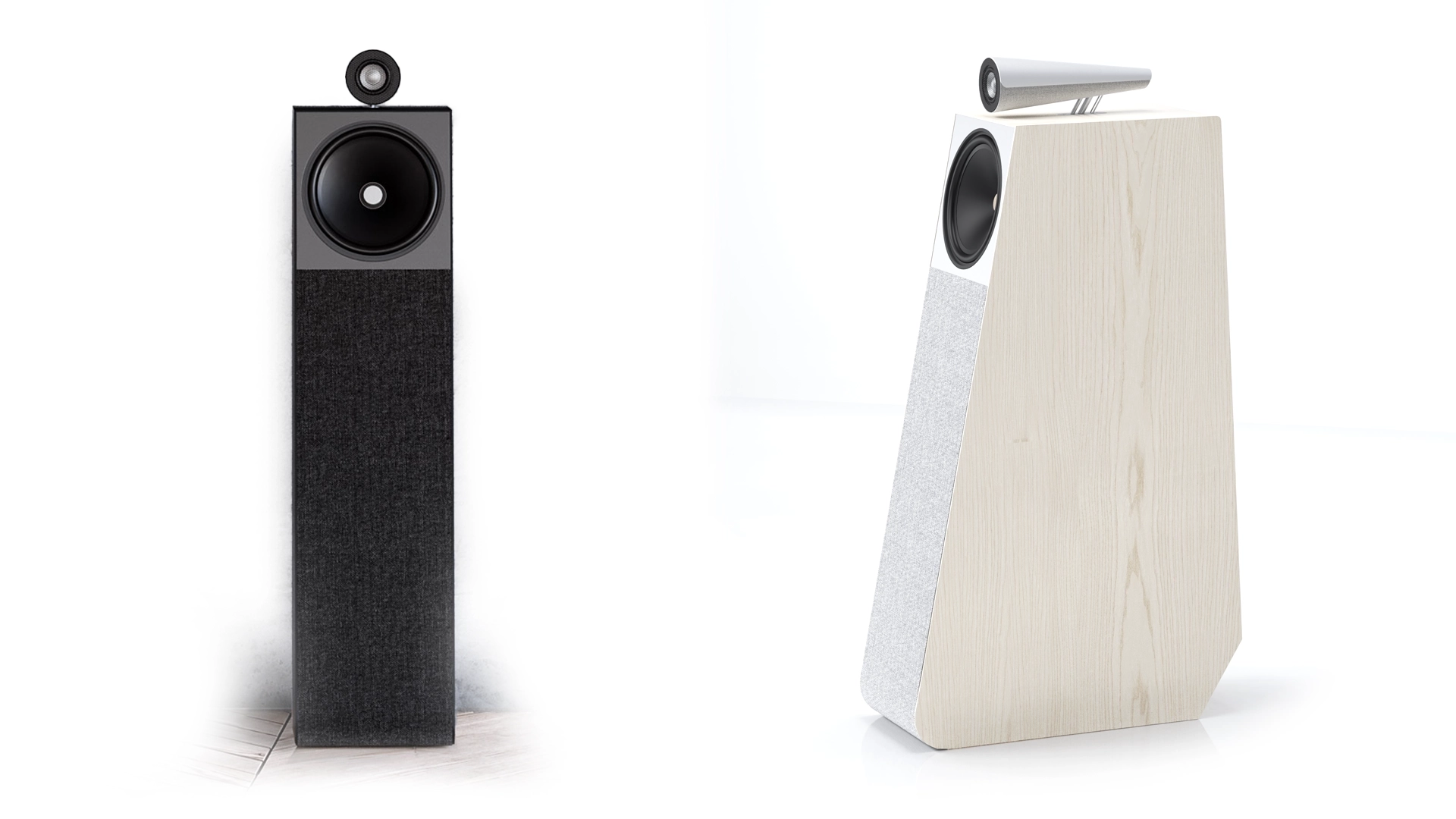
Basel Acoustics is a young Swiss loudspeaker project built around solid wood, mechanical decoupling and the acoustic ideas of Sven Boenicke. It was introduced in 2024 by Piotr Misiewicz, a former Boenicke Audio chief executive and long-time collaborator of Boenicke, rather than being a company founded in 2015. The first model, Concept V01, is a compact floorstanding speaker whose CNC-machined wooden enclosure, suspended driver mounting and carefully controlled internal resonances treat the cabinet as an active part of the design. A side-firing woofer supports the front drivers while keeping the frontal area narrow. The brand is still at an early stage, so its identity rests on this single, deliberately unconventional design rather than a broad catalogue. The previous account of models named after Swiss cities was not supported and has been removed.
Bauer Audio

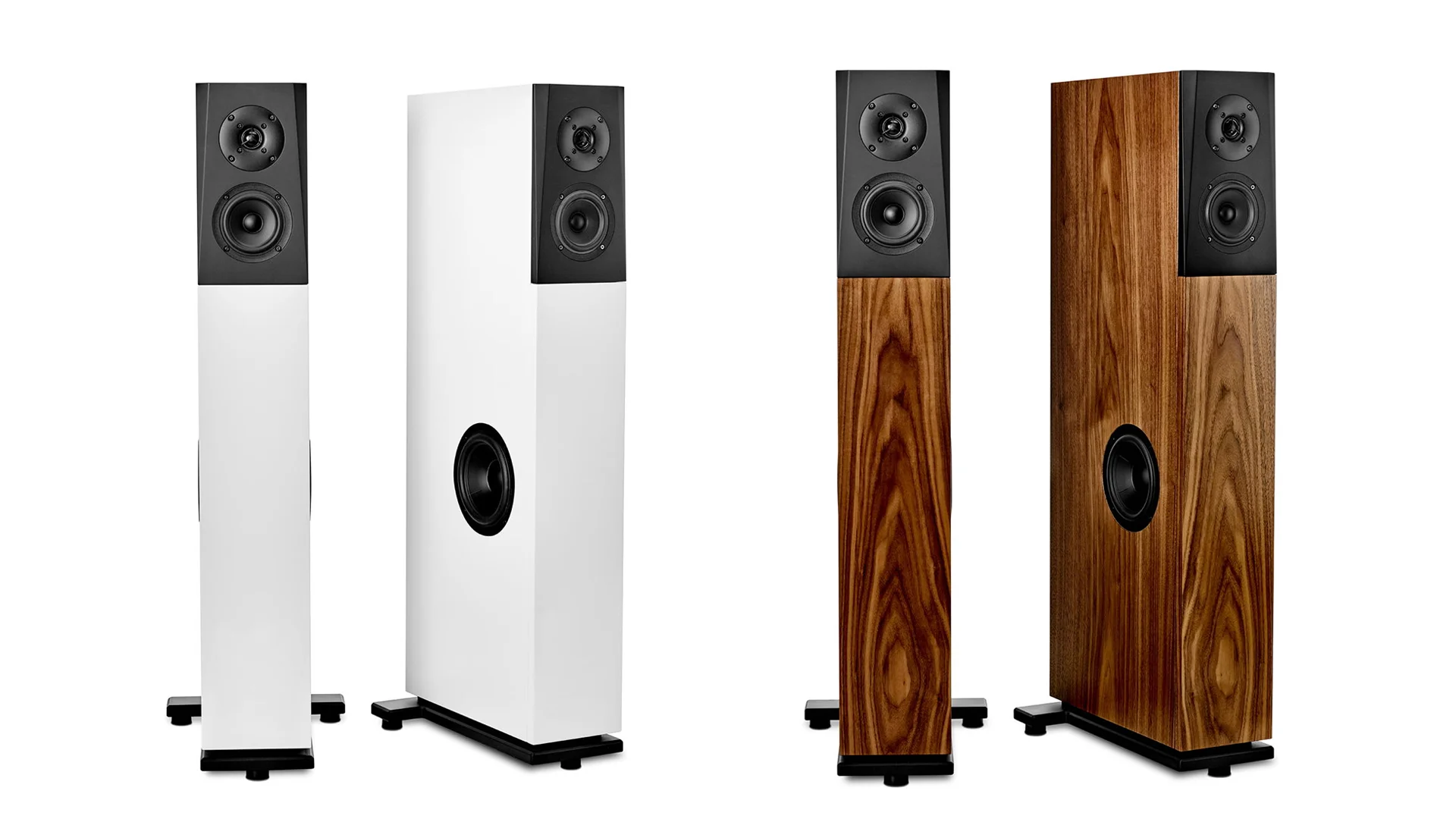
Bauer Audio approaches analogue playback as a compact precision-mechanical system rather than a collection of oversized parts. German designer Willibald Bauer is best known for the dps turntable, whose layered, damped plinth, separate motor and power supply, inverted bearing and carefully controlled contact with the support address vibration at every stage. The accompanying Bauer tonearm uses a unipivot concept developed to preserve low friction and stable cartridge geometry. The company also offers OM and LS loudspeakers and the modular regal equipment support, extending the same restrained industrial design beyond the record player. Production remains small-scale and closely associated with Bauer himself. No dependable public foundation year could be established, so the date is intentionally left blank instead of deriving it from the launch of one product.
BAYZ Audio
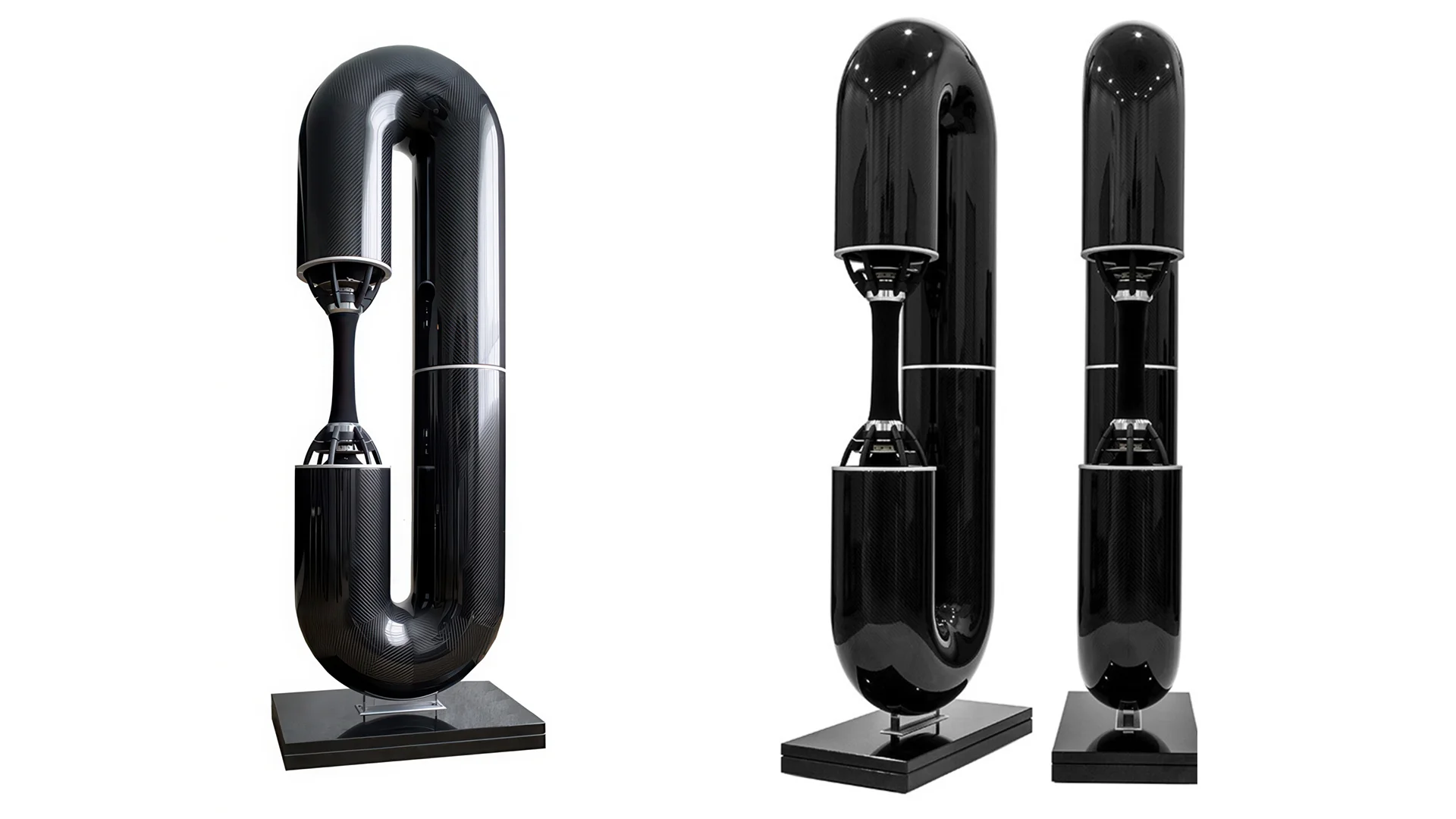
BAYZ Audio is built around Zoltán Bay’s BRS tweeter, a radial transducer created to distribute high frequencies through 360 degrees without a conventional forward-facing dome. Bay patented audio ideas as early as 1981 and developed the BRS concept in 2011; it became the technical foundation of the Hungarian brand’s later loudspeakers. Courante and Counterpoint pair the vertically oriented radial tweeter with dynamic bass and midrange drivers in sculptural enclosures intended to maintain broad, even dispersion around the room. The present 2.0 versions refine the driver systems, crossovers and cabinet construction while preserving that central geometry. BAYZ is therefore not simply a luxury loudspeaker maker with unusual styling: its form follows a specific omnidirectional high-frequency solution. The 2011 date is retained as the beginning of the BRS-based project, not claimed as a separately documented incorporation date.
Betonart Audio

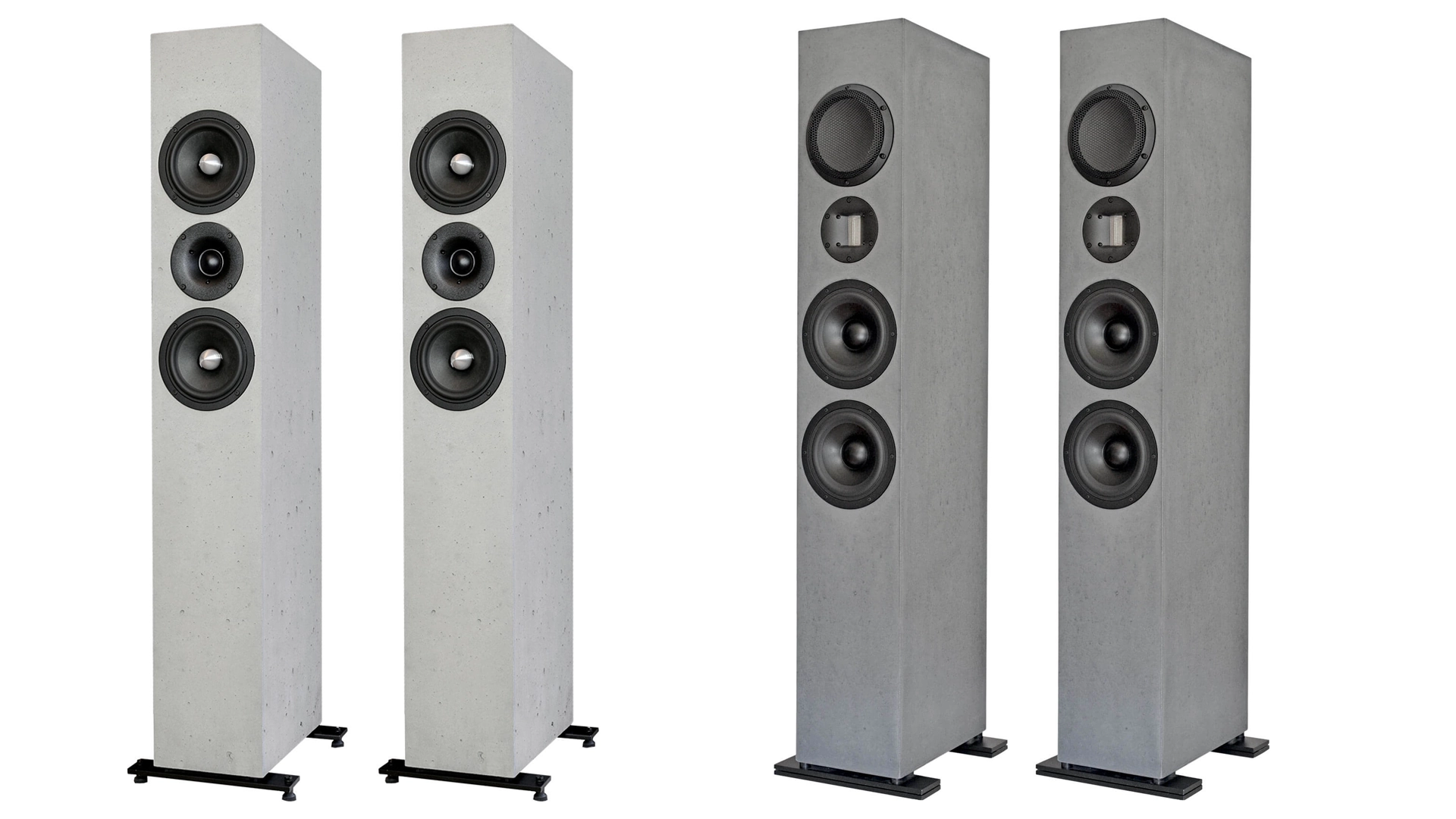
Betonart Audio uses carbon-reinforced concrete to build loudspeaker enclosures whose mass, rigidity and damping are difficult to achieve with conventional wood panels. German physicist Jörg Wähdel founded and directs the specialist workshop, developing monolithic shells and mechanically decoupled internal modules rather than treating concrete as a decorative outer skin. The range includes large Tycoon and Tonale Pro systems, the more compact Diverso and the sculptural Syno, offered in active or passive configurations according to model. Complex moulding allows curved forms and controlled wall thickness while the dense structure limits cabinet radiation around the drivers. Betonart’s individuality lies in combining materials engineering, hand finishing and loudspeaker development in one process. Unsupported numerical comparisons for stiffness, weight and material content have been removed, and no exact foundation year is given because a reliable public date could not be confirmed.
Boenicke Audio
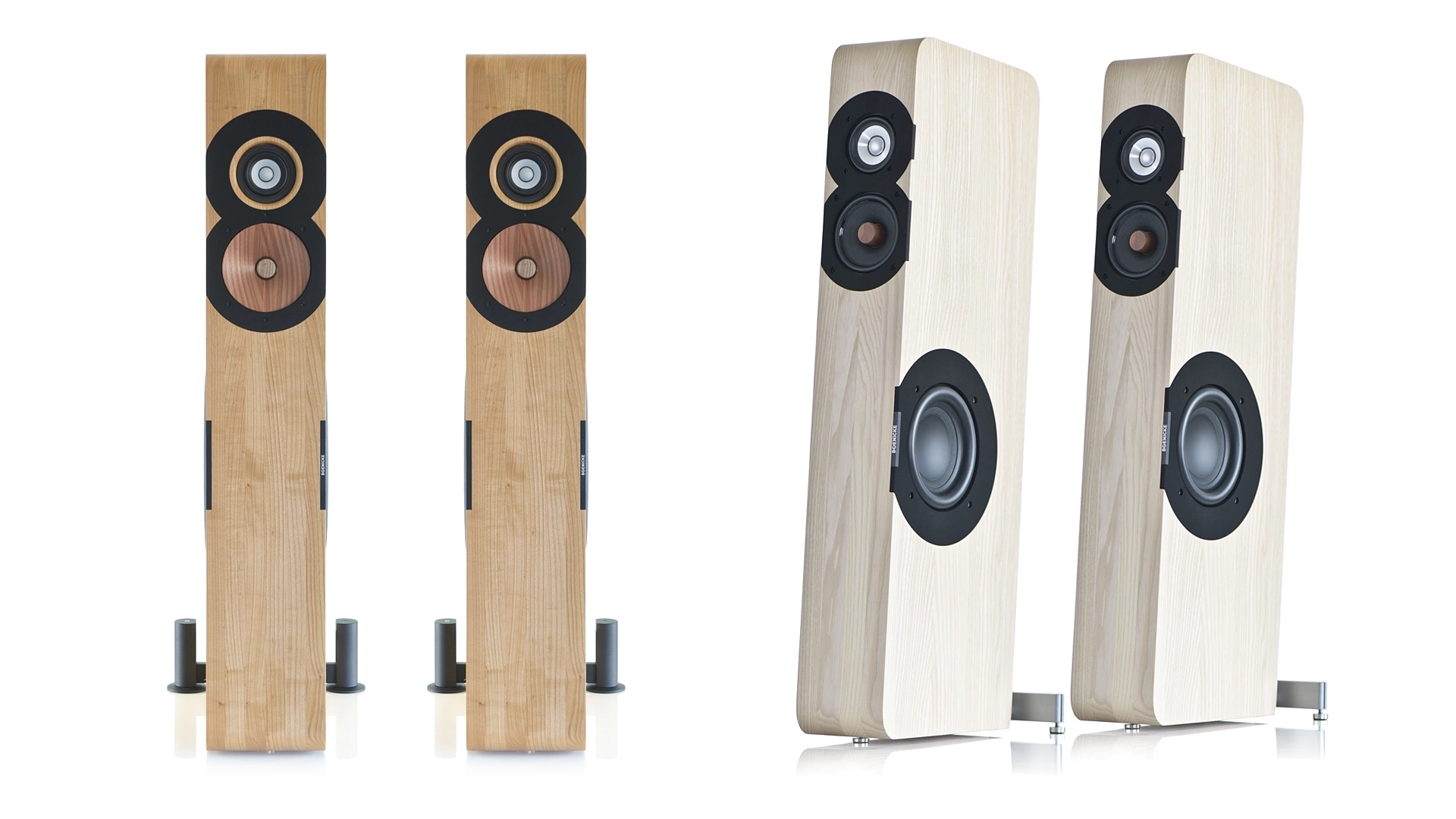
Boenicke Audio makes compact solid-wood loudspeakers whose unconventional internal and mechanical details matter as much as their sculpted cabinets. Swiss designer and recording engineer Sven Boenicke founded the company in 1998 after years of making his own live recordings and experimenting with loudspeakers. W5, W8, W11 and larger models use CNC-machined wooden shells, side-firing woofers and carefully chosen wideband drivers to achieve generous scale from a narrow frontage. Depending on the model, swing-base suspension, electromechanical resonators, unusual component treatments and deliberately minimal crossover sections are used to manage stored energy and preserve timing. The catalogue also includes electronics and cables, but loudspeaker voicing remains rooted in Boenicke’s own recordings and listening work. The previously empty foundation field has been completed with the company’s documented year, 1998.
Borresen

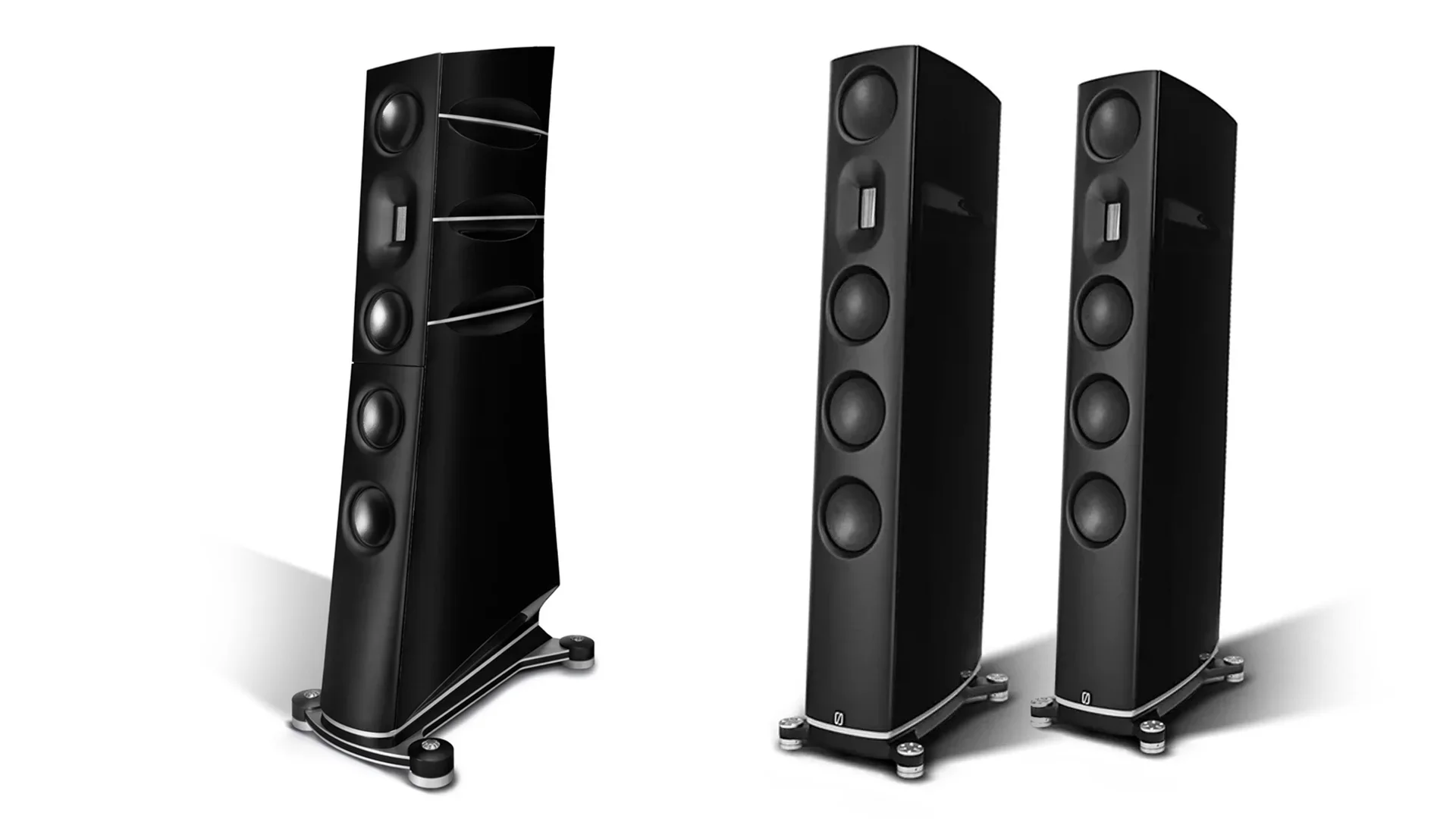
Børresen Acoustics develops high-speed loudspeakers around extremely light diaphragms, low-inductance motor systems and aggressive control of mechanical and electrical noise. Lars Kristensen and engineer Michael Børresen left Raidho in 2017, then introduced the new Børresen loudspeaker line and established the brand in 2018; it now forms Audio Group Denmark alongside Aavik, Ansuz and Axxess. Ribbon-planar tweeters provide a very low moving mass, while the company’s mid/bass drivers use composite membranes and increasingly elaborate iron-free motor structures in the upper ranges. The catalogue extends from the accessible X series through C and Z models to the 0 and M reference lines. Cabinet construction, resonance control and crossover parts are developed as one system. The previous 2017 date described the founders’ departure from Raidho, not the documented launch of Børresen itself, so it has been corrected to 2018.