
Power Amplifiers
A power amplifier has one singular, focused mission: to take the audio signal from a preamplifier and provide the massive current and voltage needed to drive loudspeakers. Free from the duties of source selection or volume control, its design is purely dedicated to delivering clean, effortless power for the best possible sound quality. They come in various configurations, including stereo amps and ultimate-performance monoblocks. This index lists the world’s leading manufacturers of these audio system engines, the power behind high-fidelity sound.
Hi-Fi brands in the category
Summary information and image
Direct links to official websites
Linnenberg

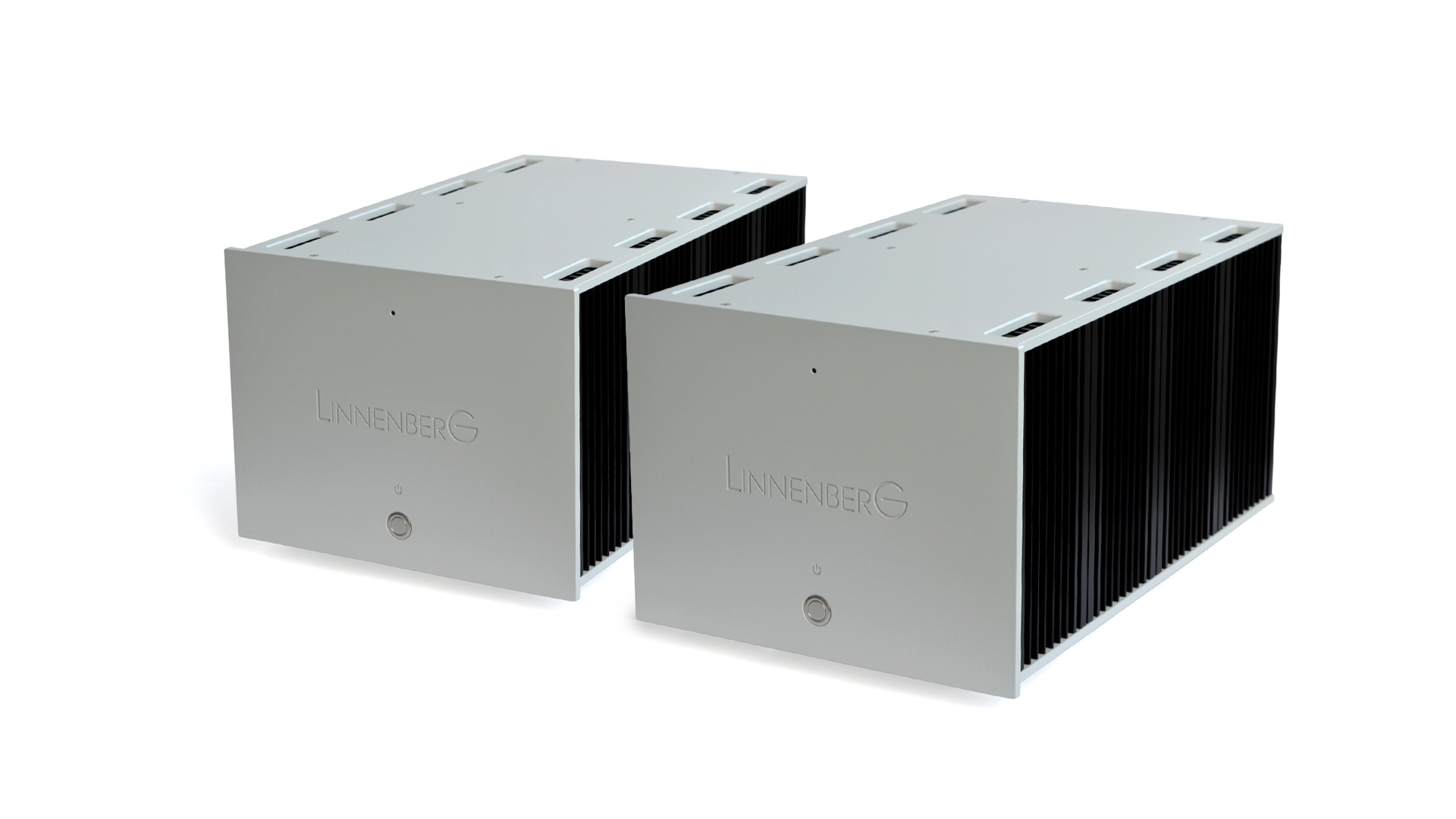
Linnenberg is a German high-end electronics company founded by engineer Ivo Linnenberg in 1994. It began with the PowerDAC and has remained a deliberately small operation, developing compact components around fully balanced signal paths, wide bandwidth and strict separation of power-supply and audio functions. Earlier products such as the Telemann DAC, Vivace converter, Liszt monoblocks, Widor stereo amplifier and Satie streamer established the brand internationally, but the current 30-series presents the philosophy in a more unified form. VV30 and VS30 combine conversion and preamplifier duties in different configurations, the VR32 acts as a reference control component, and ES30 monoblock power amplifiers provide matching output stages. PH30 and its PS30 power supply address low-level phono signals as a dedicated pair. The company describes this approach as “the art of symmetry”: balanced architecture is treated as a circuit principle, not merely the presence of XLR sockets. Linnenberg products are designed and made in Germany in limited quantities, with aluminium enclosures and concise controls. Its strength is focus—digital conversion, analogue gain and power amplification are refined as a small, electrically coherent system rather than a catalogue of unrelated boxes.
Longdog Audio

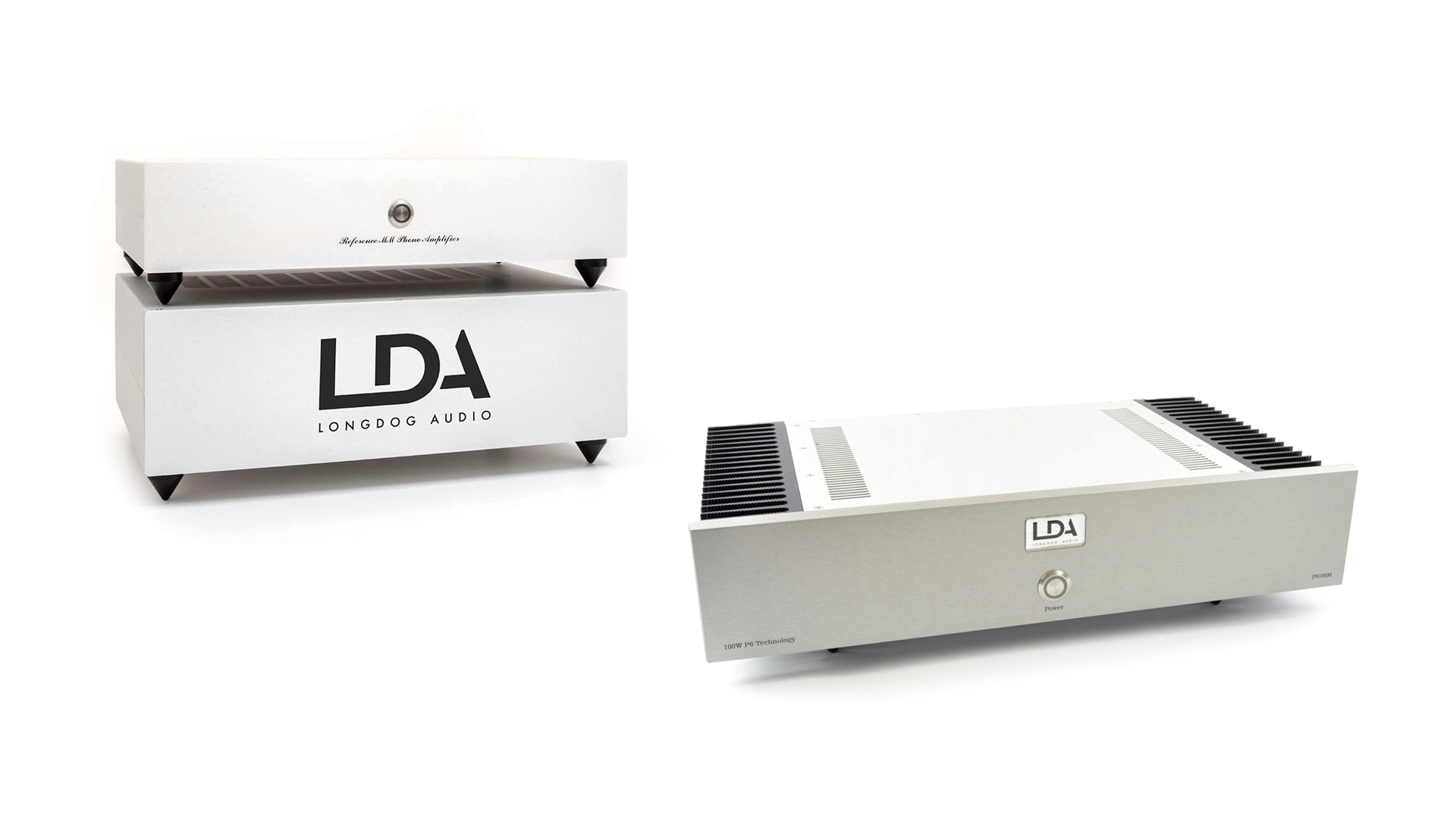
Longdog Audio is a small British electronics workshop run by designer Nick Gorham in Halifax, West Yorkshire. Its speciality is solving power-supply and low-level analogue problems, both under its own name and through design work for other audio companies. Longdog’s linear DC supplies replace noisy or underspecified switch-mode adapters used with DACs, streamers, phono stages and network hardware. The Quartz turntable supply takes a different approach, regenerating a stable 50 Hz waveform under crystal control for compatible AC synchronous motors rather than simply filtering the mains. Vinyl products range from the Reference MM phono amplifier to the MCJ3 valve moving-coil stage, while P6 and P6100M power amplifiers show Gorham’s willingness to combine valves, semiconductors and substantial choke-filtered supplies where each is useful. The company also builds custom units and has designed products for Music First Audio, HiFi Collective and specialist retailers. Exact founding documentation is not sufficiently clear to assign a year with confidence. Longdog Audio’s value lies in this engineering flexibility: measurements establish noise, regulation and operating limits, while listening is used to decide whether the technically sound solution works in a complete music system.
Luxman

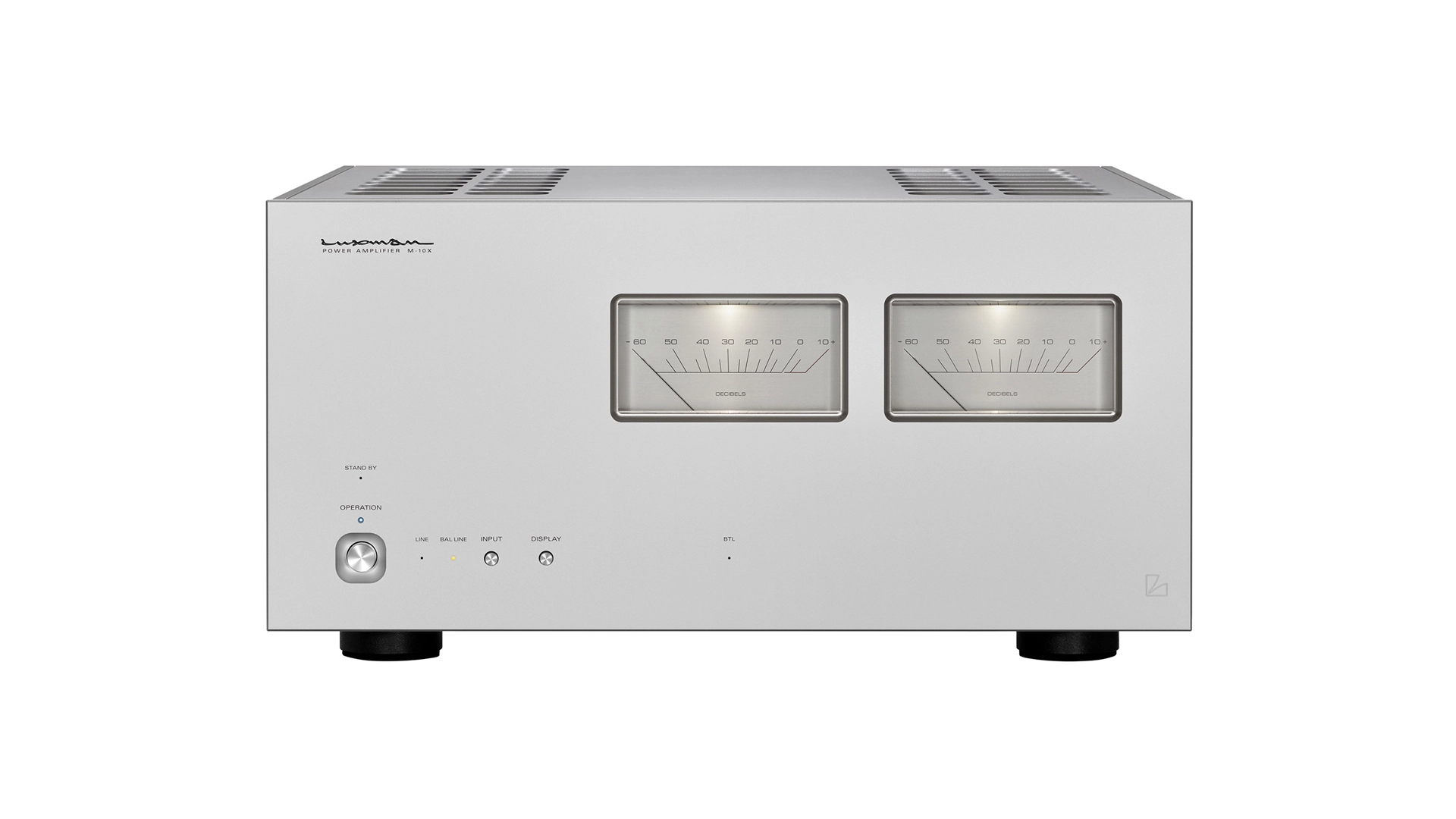
Luxman is one of Japan’s longest-established specialist hi-fi manufacturers, with roots in an Osaka radio department opened in 1925 as broadcasting began in the country. Its catalogue is broad, but amplification remains the centre of gravity: integrated amplifiers, control amplifiers and power amplifiers sit alongside SACD/CD players, network transports, DACs, phono stages and the PD-191A turntable. Luxman develops recurring circuit platforms rather than dressing standard modules in new cases. The current LIFES feedback engine, introduced as the successor to the long-running ODNF concept, is designed to apply correction only to detected distortion components while preserving the music signal’s immediacy. LECUA electronically controlled attenuators provide repeatable volume adjustment with carefully matched channels, and substantial custom transformers and power supplies are used throughout the upper ranges. Products such as the L-509Z integrated amplifier, C-10X/M-10X separates and D-10X disc player pair this engineering with the brand’s characteristic analogue meters and understated industrial design. Luxman’s appeal is the continuity between eras: tube components, modern solid-state circuits, digital sources and vinyl replay are all treated as parts of one coherent Japanese audio tradition.
Manley

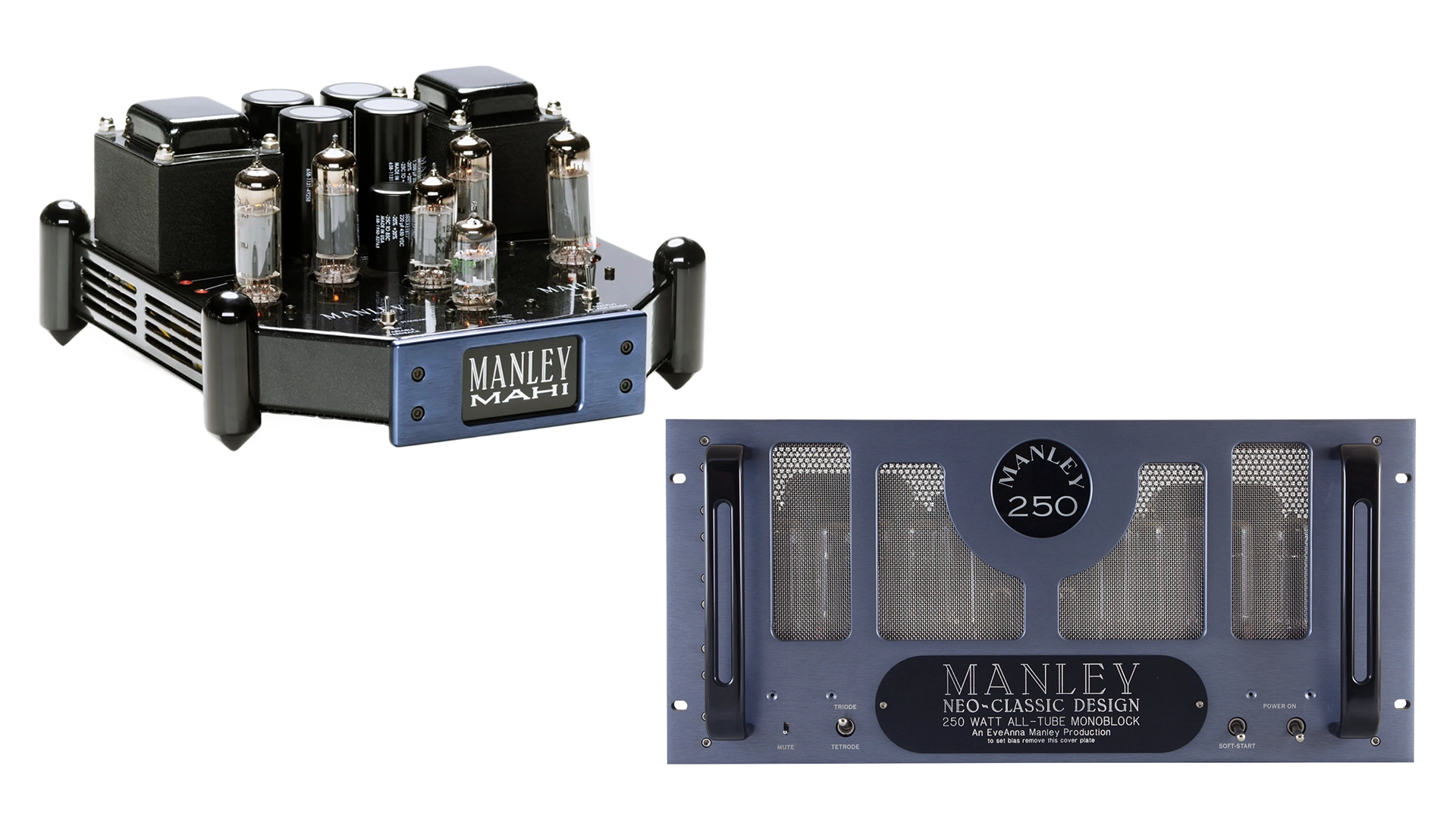
Manley Laboratories is a California manufacturer whose valve and transformer engineering serves both recording studios and domestic hi-fi. David Manley and EveAnna Manley introduced Manley as an upper-tier line within VTL in 1988; professional microphone preamplifiers, equalisers and microphones followed in 1989–90, and Manley Laboratories became independent in 1993. EveAnna took operational control after David left in 1996 and later became sole owner, guiding the period that produced enduring studio tools such as the Variable Mu limiter-compressor, VOXBOX channel strip and Massive Passive equaliser. Hi-fi products share the same in-house transformer knowledge and serviceable tube circuits: Steelhead phono stages, Stingray integrated amplifiers, Snapper and Neo-Classic power amplifiers, MAHI monoblocks and the Absolute headphone amplifier cover very different systems without becoming a separate lifestyle brand. The Chino factory added its own transformer-winding department in 1994, making magnetics a genuine part of the company’s design language. In 2025 Dirk Ulrich’s Rockforce Tech Holding acquired Manley, with production continuing in Chino under the new Manley Laboratories LLC. The change in ownership is significant, but the stated direction retains analogue, tube and transformer-based products while developing new analogue/digital collaborations.
Marantz

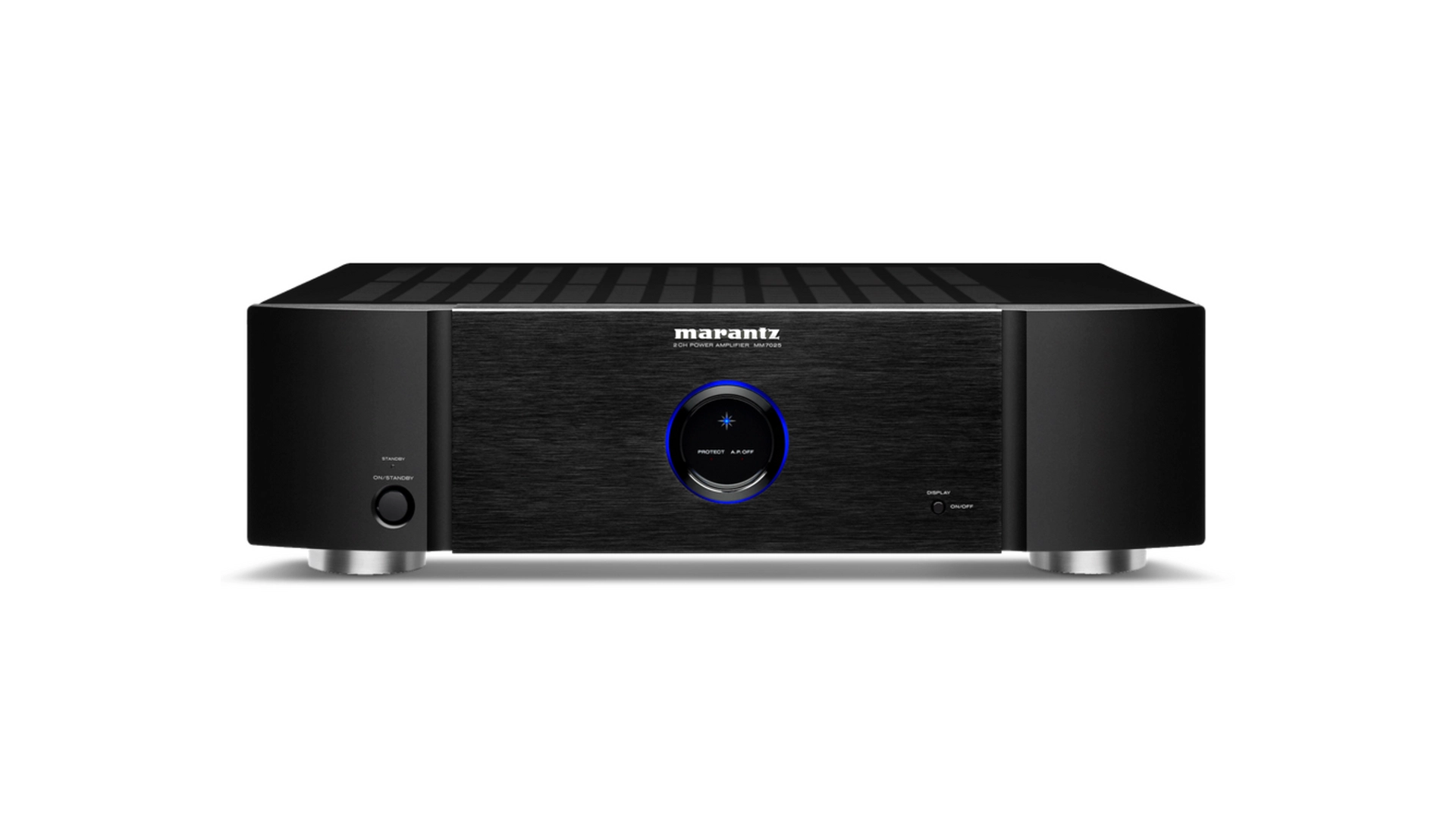
Marantz is a historic high-fidelity brand whose modern amplifiers, network players and home-cinema electronics combine American roots with Japanese audio engineering. Saul B. Marantz began by building the Audio Consolette for his own record collection; its success led to the Marantz company in New York in 1953. The Model 1 preamplifier, Model 7, Model 9 power amplifier and Model 10B tuner established a reputation for elegant circuits, low distortion and unusually thoughtful industrial design. Today the range spans stereo integrated amplifiers, SACD and network sources, turntables, AV receivers and processors. A defining element of many premium models is the company’s discrete Hyper Dynamic Amplifier Module (HDAM), used instead of generic integrated op-amps in critical analogue stages. Current reference components also emphasize short signal paths, carefully separated power supplies, shielding and rigid multi-layer chassis construction. Products such as the MODEL 30 and MODEL 40n bring that approach to contemporary systems, while the CINEMA series applies it to immersive home theatre. Marantz is distinctive because it has repeatedly translated its classic emphasis on musical, usable equipment into each new playback era rather than treating heritage as decoration.
Mark Levinson

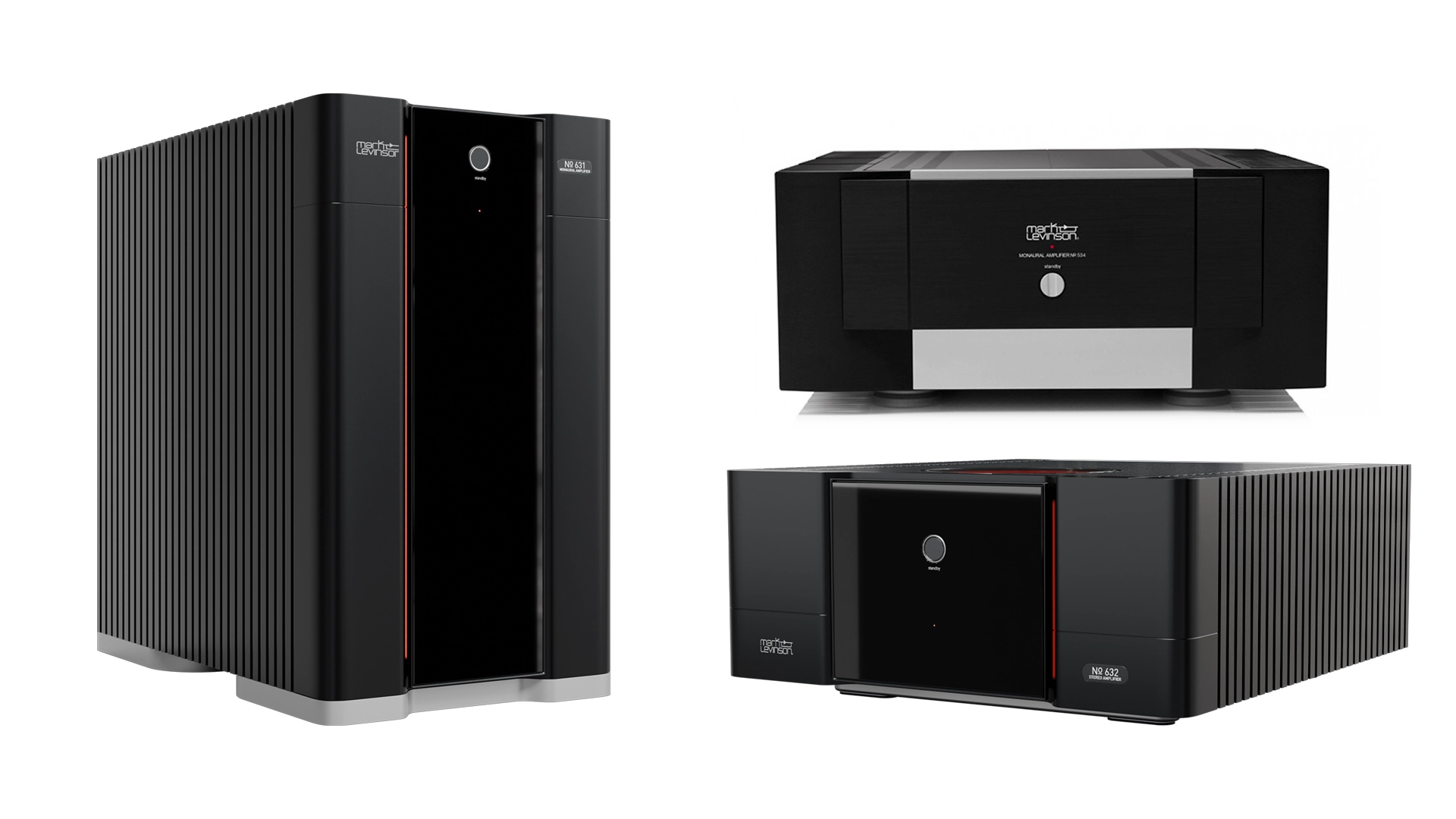
Mark Levinson is an American high-end electronics brand built around low-noise analogue circuitry, substantial power supplies and a deliberately uncompromising approach to signal integrity. Professional musician and recording engineer Mark Levinson founded the company in 1972 after seeking playback equipment that could reproduce the natural scale and timbre he heard in live performance. Early products such as the LNP-2 preamplifier helped define the emerging specialist high-end market. Now part of Harman, the brand produces preamplifiers, power and integrated amplifiers, digital players, turntables and premium headphones, and also develops factory audio systems for Lexus. Its components are identified by the Nº model prefix and typically use proprietary Pure Path circuit architecture, dual-mono layouts where appropriate, fully balanced signal paths and tightly regulated supplies. The Nº 5805 and Nº 5802 integrated amplifiers combine this analogue foundation with modern digital conversion, while the Nº 5909 extends the brand into wireless noise-cancelling headphones. Mark Levinson’s real distinction is not a cosmetic luxury treatment but the application of measurement-led, wide-bandwidth engineering and careful system integration across both traditional separates and newer product categories.
Marton

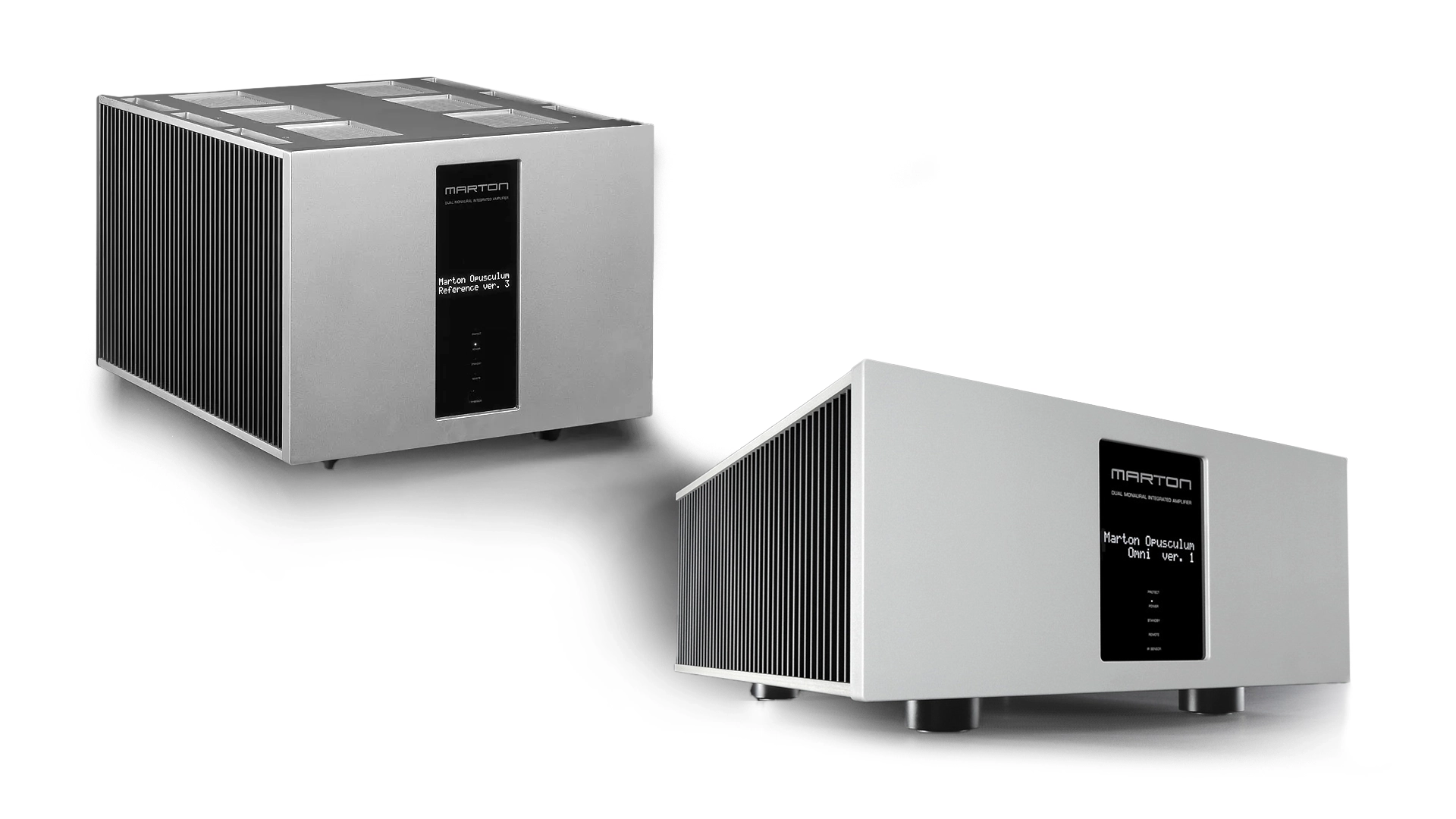
Marton is a rare Polish high-end amplifier marque created by engineer and film-sound specialist Marek Knaga, best known for the monumental Opusculum integrated amplifier. The brand appeared in the Polish market during the 1990s, although Knaga’s work with electronics, live sound, theatre and film recording began much earlier. Because production was extremely limited, Marton developed a reputation through a small number of ambitious components rather than a broad commercial catalogue. The Opusculum concept is built around high-current solid-state amplification, oversized power supplies and mechanically symmetrical dual-mono construction. Its Reference versions use separate power-supply sections, extensive internal shielding and substantial heat-sinking to maintain control into difficult loudspeaker loads. A collaboration with Polish power specialist GigaWatt brought the design back into production and led to later Reference 2 and Reference 3 versions; the newer Opusculum Omni develops the idea as an integrated system. Marton’s individuality lies in scale and execution: these are statement amplifiers conceived to combine very large power reserves with the resolution expected from source and mastering work. Exact early chronology is sparsely documented, so claims beyond the brand’s 1990s emergence should be treated cautiously.
Matrix Audio

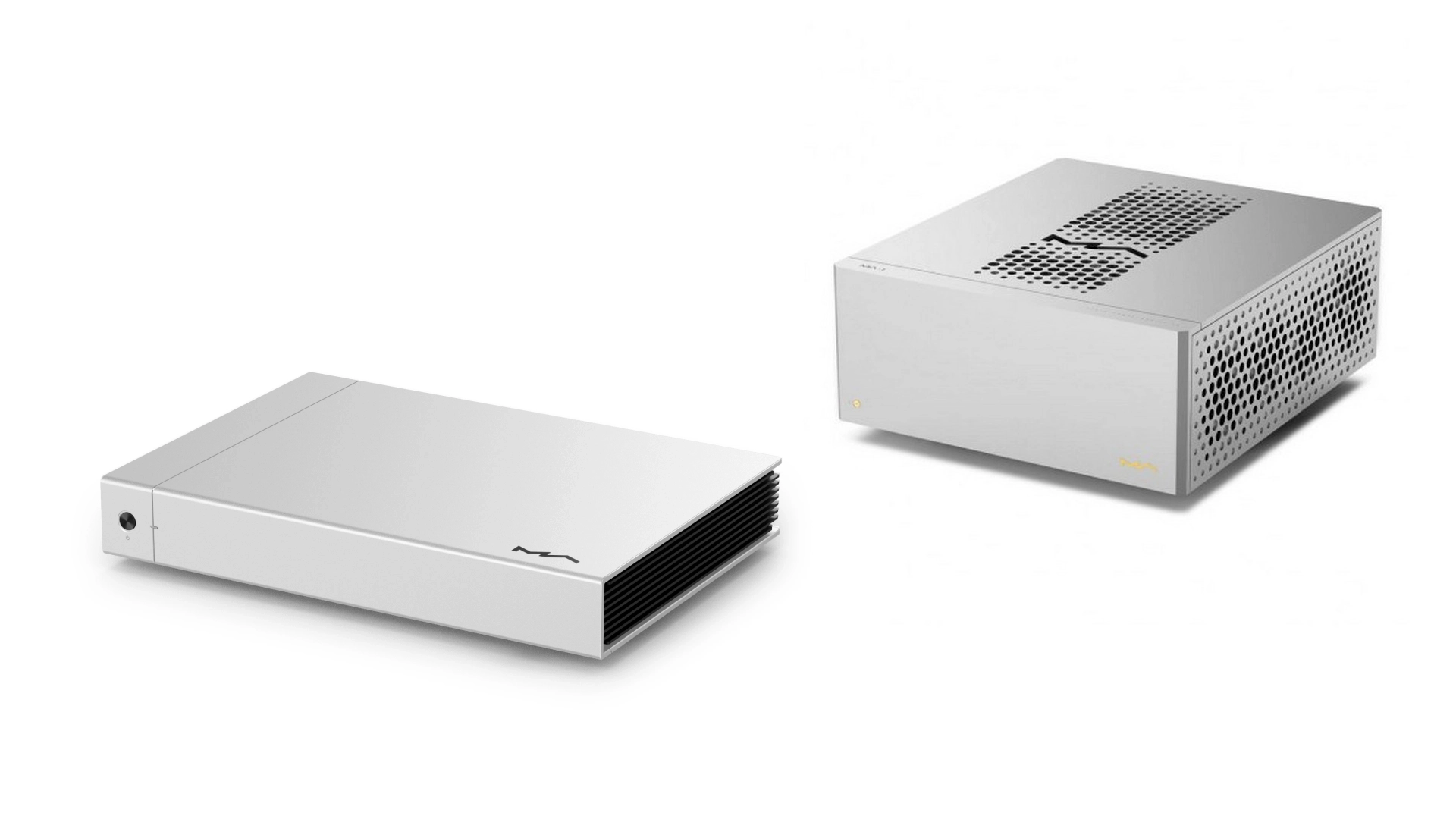
Matrix Audio is a digital-audio specialist from Xi’an, China, known for combining serious conversion hardware with unusually complete network playback and control software. The company traces its beginning to 2006 and later formalized Matrix Electronic Technology and the Matrix Audio trademark. Its early DACs and headphone amplifiers established a reputation for clean circuit layouts and competitive engineering; the element series expanded that expertise into integrated music streamers. Current products cover network players, DACs, headphone amplifiers, preamplifiers, power amplifiers, clocks and all-in-one sources. Matrix develops its own MA Player platform and MA Remote application, allowing local storage, NAS libraries and supported streaming services to be handled within one interface. Higher models use carefully partitioned digital and analogue sections, femtosecond clocking, linear power supplies, balanced outputs and CNC-machined enclosures; implementation varies by model rather than following a single chip recipe. Lines such as element, mini-i and X-SABRE address different system scales. Matrix Audio’s strength is the integration of hardware, firmware and everyday usability: it approaches a network player as a complete audio source, not merely a DAC with a streaming module attached.
MBL

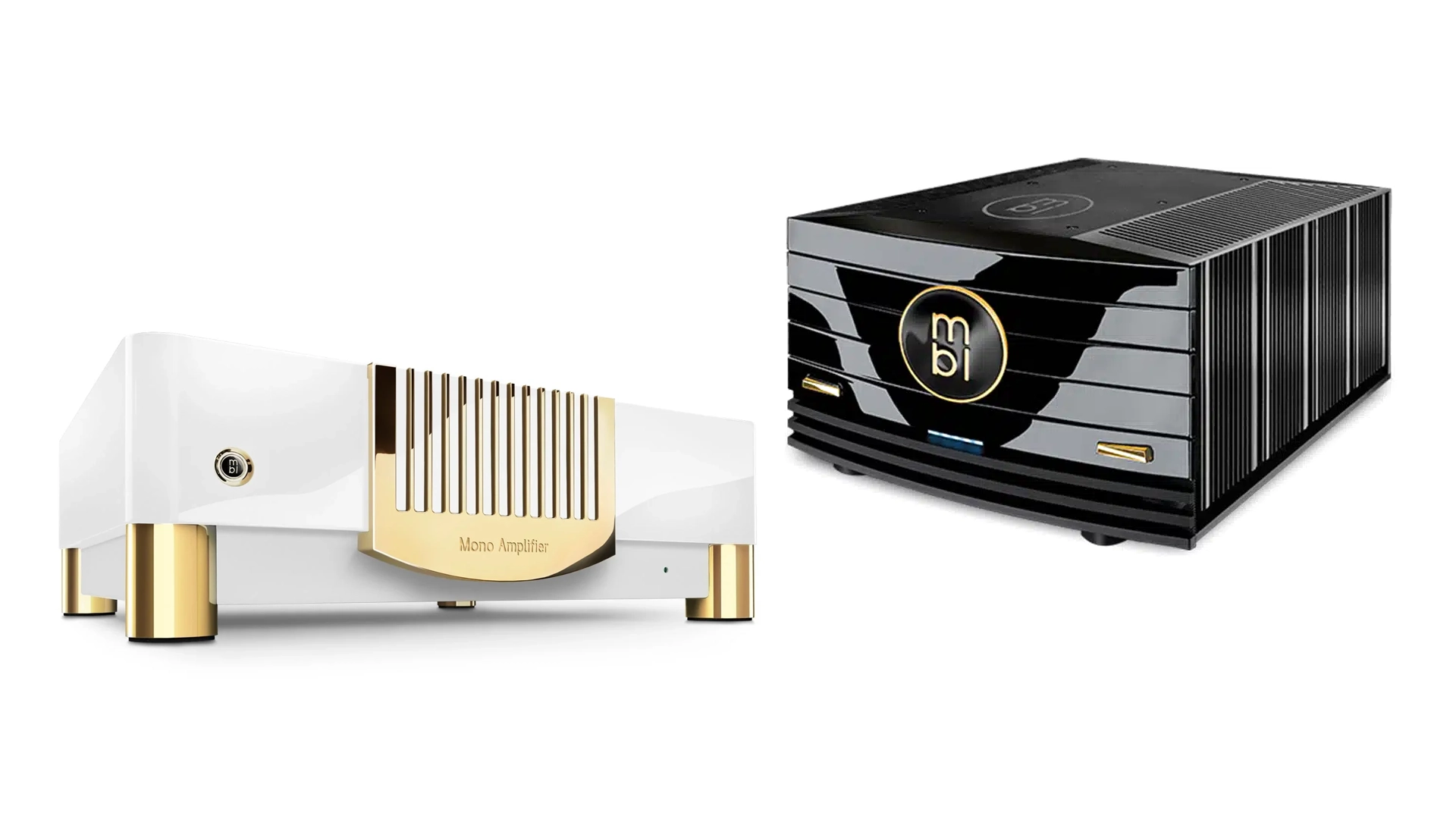
MBL is a German ultra-high-end manufacturer defined by the Radialstrahler, an omnidirectional bending-wave loudspeaker that radiates sound through 360 degrees. Wolfgang Meletzky’s original radial transducer and the MBL 100 were presented at IFA Berlin in 1979. Instead of a conventional forward-firing cone, the design uses vertical lamellae arranged around a central axis; when driven, they flex together to form an expanding and contracting acoustic surface. That principle remains central to models such as the 101, 111 and 126, with separate radial elements optimized for different frequency bands and dynamic woofers handling the lowest octaves where required. MBL also builds matching digital sources, preamplifiers and power amplifiers in its Reference, Noble and Cadenza lines. The electronics emphasize high current capability, low-noise power supplies and the stability needed to control demanding loudspeaker loads. Engineering and manufacturing are carried out at the company’s facility near Berlin. MBL’s genuine distinction is spatial: the Radialstrahler excites a room more like an acoustic instrument than a narrowly aimed box speaker, creating a broad listening area while placing unusual demands on driver precision and system setup.
McIntosh

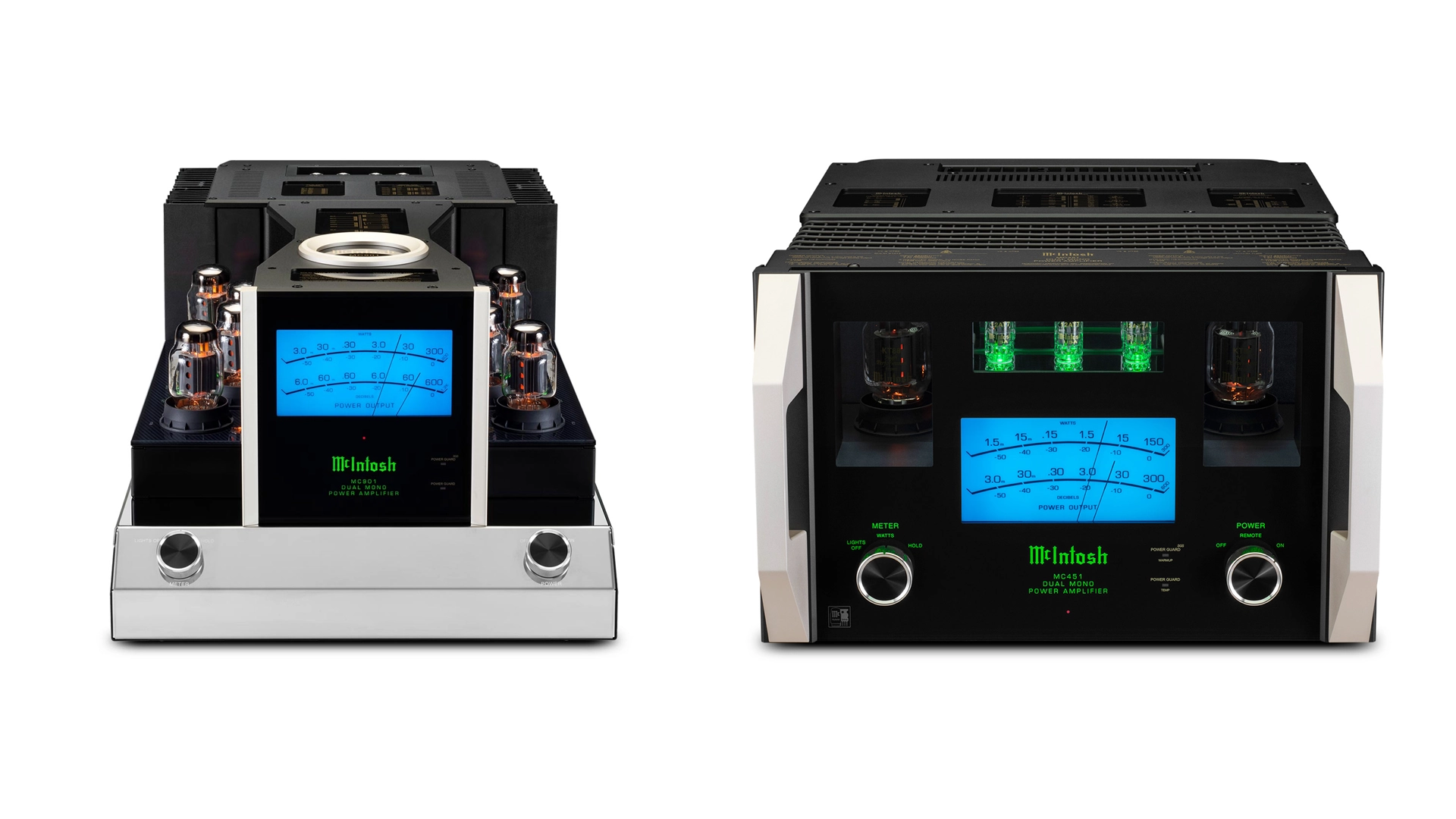
McIntosh is an American high-end audio manufacturer whose blue power meters and black-glass front panels identify products built around unusually durable amplifier engineering. Frank H. McIntosh and Gordon Gow founded the company in 1949 after developing the Unity Coupled Circuit, a transformer-coupled output topology designed to deliver high power with low distortion across the audible band. McIntosh moved to Binghamton, New York, in 1951 and continues to design and assemble products there. The catalogue covers valve and solid-state power amplifiers, preamplifiers, integrated amplifiers, source components, streamers, turntables, speakers and home-cinema processors. Many transistor power amplifiers use Autoformers to deliver their rated power into different loudspeaker impedances, while Power Guard monitors the waveform to reduce clipping-related distortion and Sentry Monitor protects against unsafe operating conditions. The company still winds key transformers in house, and signature glass panels are printed and assembled for long service life. McIntosh’s appeal extends beyond styling: its defining know-how is the marriage of protective circuitry, stable load behavior and conservative construction with a product ecosystem that can support both two-channel and large cinema systems.
Metaxas & Sins

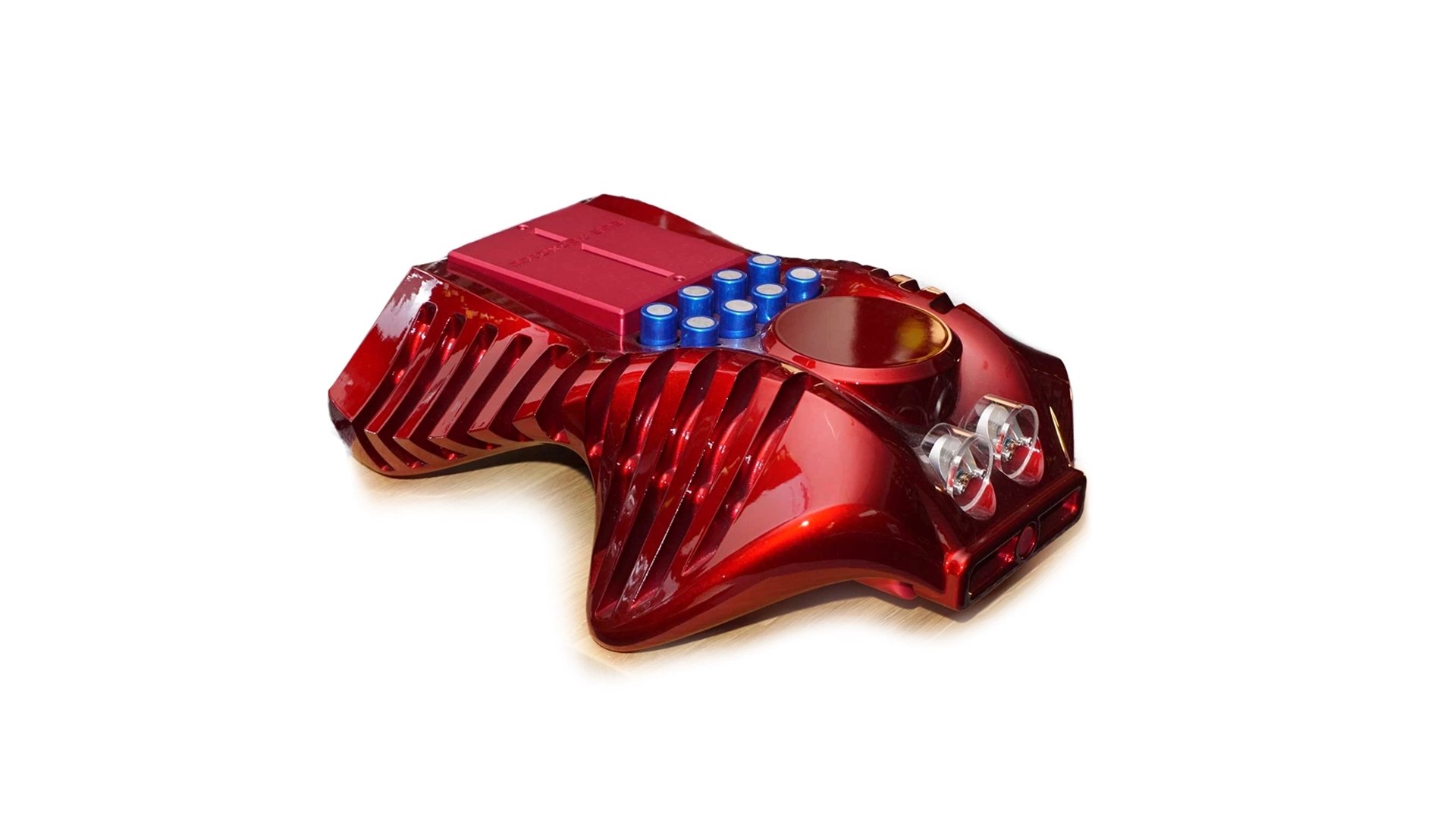
Metaxas & Sins is the design-led audio house of Greek-born engineer, artist and recording specialist Kostas Metaxas, creating amplifiers, headphone systems and open-reel machines as functional sculpture. Metaxas formed his original audio company in 1981 after building equipment for his own recordings. His hundreds of live concert sessions shaped a preference for very short signal paths, wide bandwidth and circuits intended to preserve transient information without excessive filtering. The current family company pairs that electronics work with forms drawn by hand and machined from solid metal. Products such as the Solitaire and Ikarus amplifiers, Marquis headphone amplifier and Ethereal electrostatic system avoid conventional rectangular cases, but the shapes also address rigidity, cooling and resonance. The Tourbillon T-RX and Papillon open-reel machines revisit professional tape transport through precision mechanics, direct-drive concepts and visibly exposed motion. Production is deliberately small-scale and involves Kostas and his sons. Metaxas & Sins stands apart because its visual language is inseparable from the engineering: these are not standard components placed in decorative shells, but audio circuits, mechanisms and enclosures conceived as one object.
Metrum Acoustics

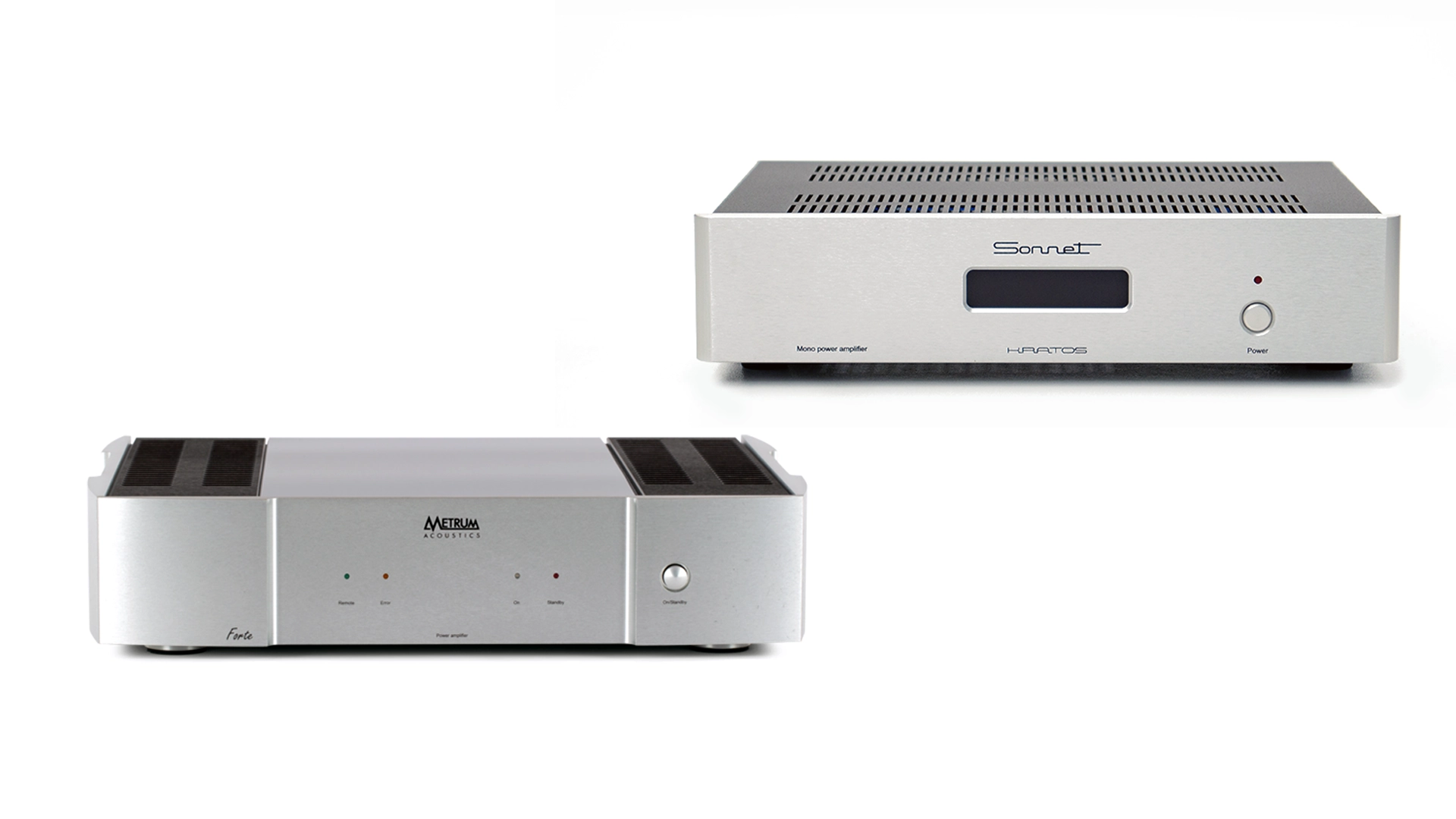
Metrum Acoustics is a Dutch digital-audio brand built around proprietary non-oversampling conversion modules rather than standard off-the-shelf DAC chips. Engineer Cees Ruijtenberg began investigating digital conversion in 2008 and introduced the compact NOS Mini DAC soon afterwards; models such as the Octave and Hex brought the approach to an international audience. The brand dates from 2009 and operates through All Engineering in the Netherlands. Metrum’s key idea is to avoid mandatory oversampling and steep digital reconstruction filters, using industrial high-speed conversion technology adapted for audio and increasingly sophisticated in-house modules. Flagship converters such as Pavane and Adagio use multiple ladder-style modules, separate power regulation and balanced architectures; the Ambre adds network streaming, while matching preamplifiers and power amplifiers create a complete system. The company went through an ownership dispute and brief interruption after Ruijtenberg’s departure, but he regained the Metrum name and resumed development in 2020 alongside sister brand Sonnet Digital Audio. That history matters, yet the enduring distinction is technical: a consistent NOS architecture refined across generations instead of a catalogue defined by whichever commercial converter chip is newest.
Miyajima Lab

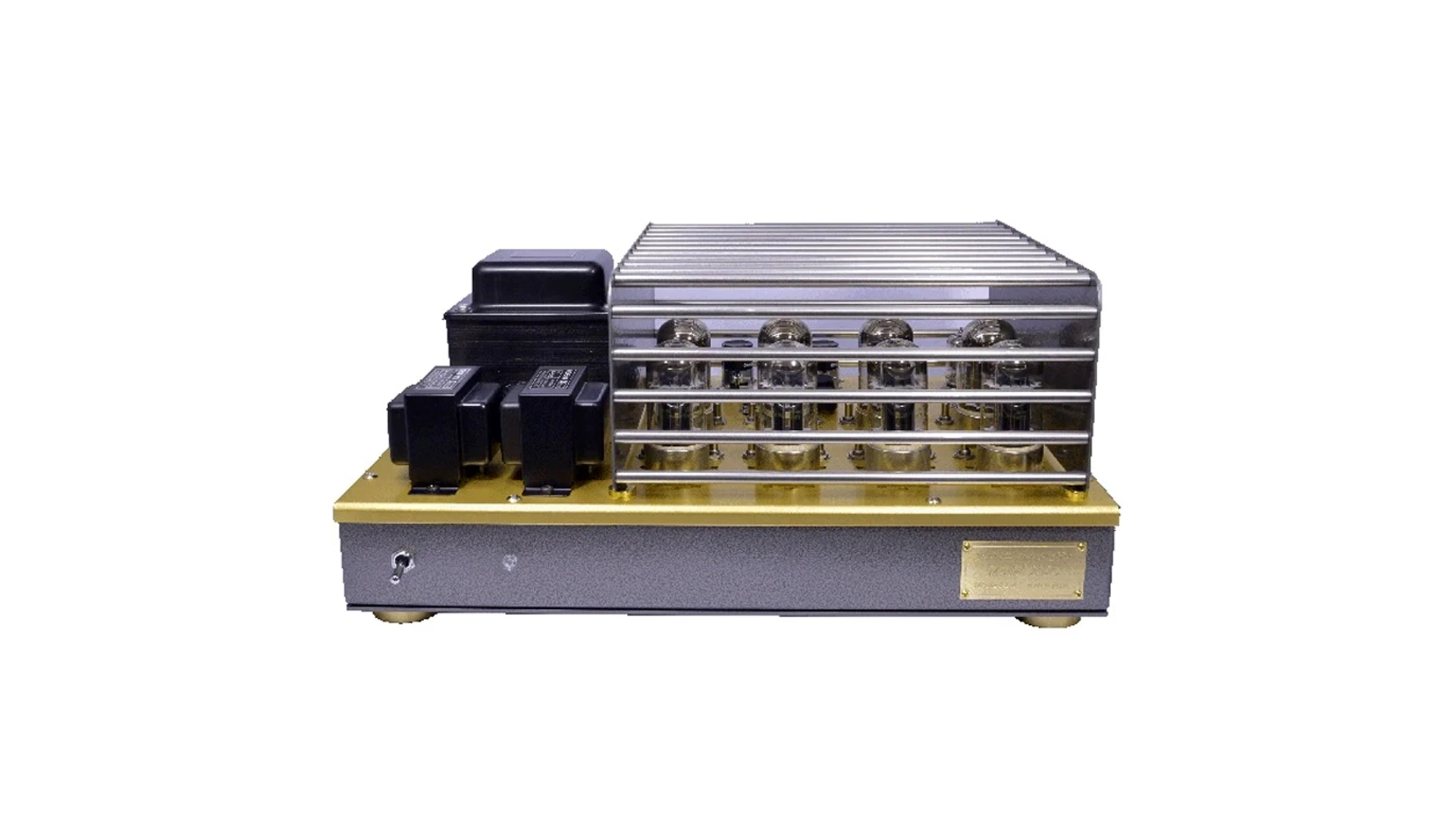
Miyajima Laboratory is the small Japanese analogue specialist whose moving-coil cartridges are built around Noriyuki Miyajima’s patented Cross Ring generator. Miyajima established the business in Fukuoka on 27 March 1980, initially as an audio shop, and still designs the products. The Cross Ring arrangement places the coil’s pivot and centre of gravity at the same point, addressing the asymmetrical motion found in many conventional moving-coil suspensions and allowing the stylus movement to be converted more directly into an electrical signal. The catalogue includes stereo cartridges such as Shilabe, Kansui, Madake and Saboten, dedicated mono designs, step-up transformers and selected amplification. Miyajima treats mono as a separate engineering problem: its true-mono cartridges use vertical-axis concentration so the generator responds appropriately to lateral groove modulation rather than merely wiring a stereo cartridge for mono. Cantilevers and bodies vary by model—bamboo and cactus materials appear where their mechanical behavior serves the design—but the generator architecture is the constant. The brand’s individuality lies in rethinking the cartridge mechanism itself, then hand-building a focused range around that solution.
ModWright Instruments

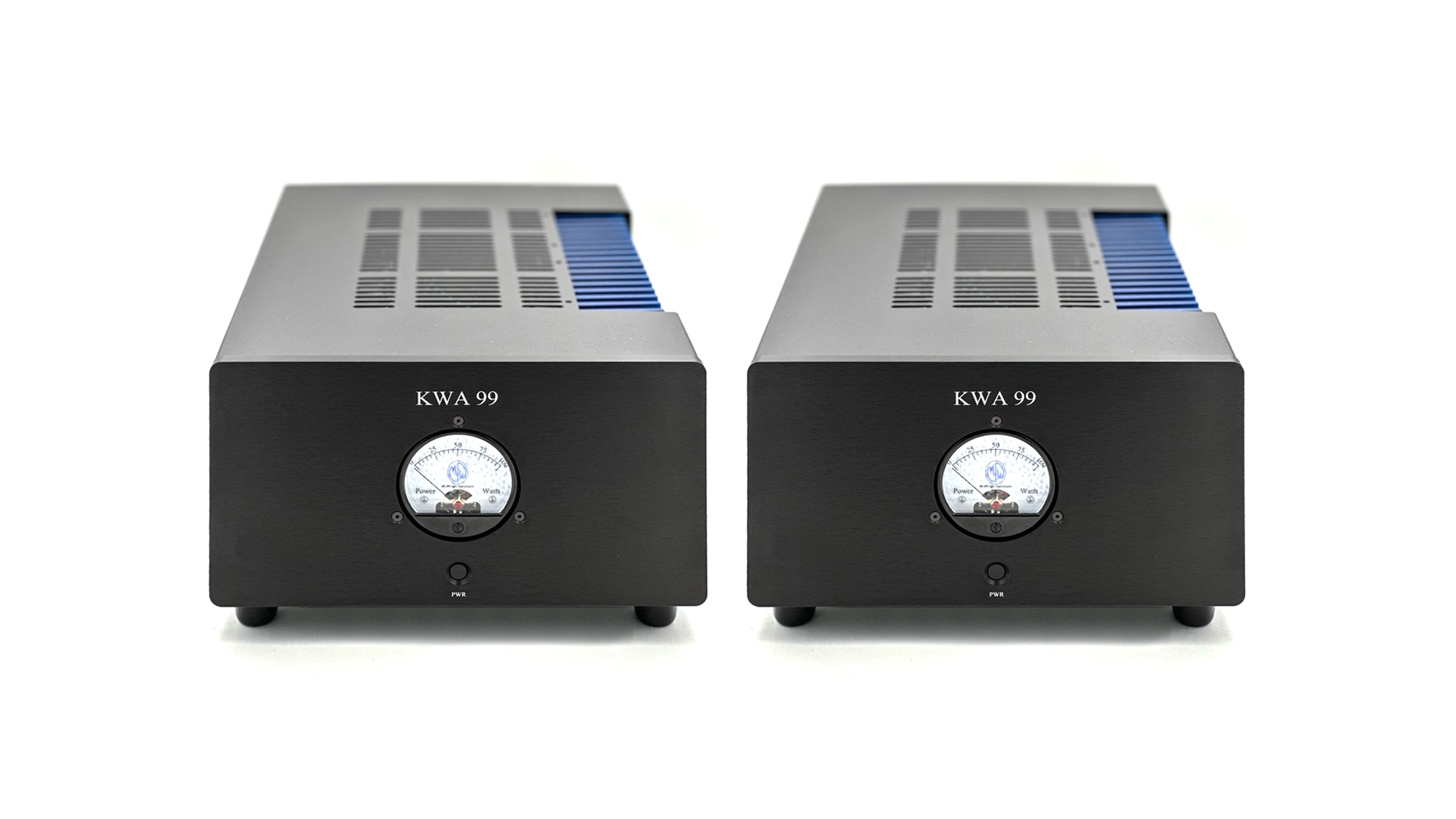
ModWright Instruments is an American maker of tube and solid-state electronics that grew out of Dan Wright’s hands-on modification work. Wright founded the company in 2000 in Washington State, first becoming known for “Truth” upgrades to CD and SACD players. Those modifications replaced or reworked critical analogue output and power-supply stages, often with valves, and gave the business the experience and customer base to develop complete components of its own. Today’s range includes tube line stages and phono stages, solid-state power amplifiers, integrated amplifiers and continuing source modifications. Products such as the LS 99 and LS 300 preamplifiers use transformer coupling and separate power-supply strategies, while KWA amplifiers apply high-current solid-state output stages with substantial power reserves. Assembly is carried out in the United States and the designs are deliberately serviceable rather than sealed around short-lived platforms. “Elegance. Simplicity. Truth.” is more than a slogan here: ModWright’s niche is the combination of valve-based gain and rectification where they are useful, transistor power where loudspeaker control demands it, and the practical knowledge gained from improving other manufacturers’ circuits.
Mola Mola

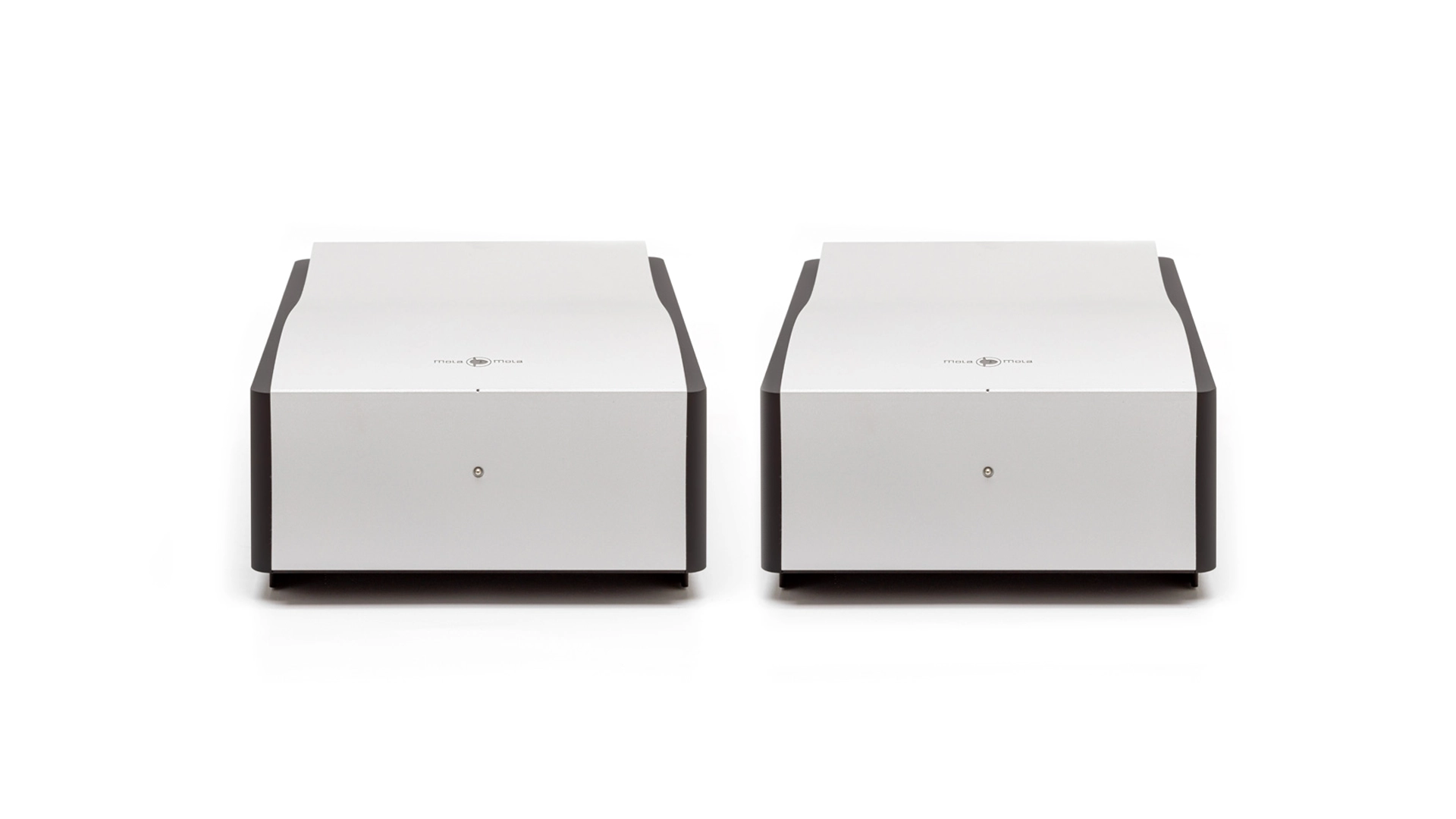
Mola Mola is a Dutch high-end electronics company created to make amplification and conversion measurably transparent rather than to impose a preferred sonic character. The project began in January 2012, with Bruno Putzeys responsible for the core circuit work. Its first system paired the Makua preamplifier with Kaluga monoblocks; the range has since expanded to the Kula integrated amplifier, Tambaqui DAC, Lupe phono stage, Perca power amplifier and Ossetra monoblocks. Kaluga and Perca build on Putzeys’ Ncore class-D work, while the newer Ossetra uses Mola Mola’s proprietary Trajectum amplifier platform. Tambaqui does not rely on a conventional audio-DAC chip: incoming data is asynchronously upsampled, processed in a proprietary digital architecture and referenced to an internal 100 MHz SC-cut oscillator before discrete conversion and analogue filtering. Makua and Kula are modular, accepting DAC and phono options without turning the base design into a fixed feature package; Lupe offers extensive analogue-domain routing and software-controlled cartridge settings. Mola Mola’s signature is the union of rigorous error reduction, flexible system architecture and compact industrial design.
MSB Technology

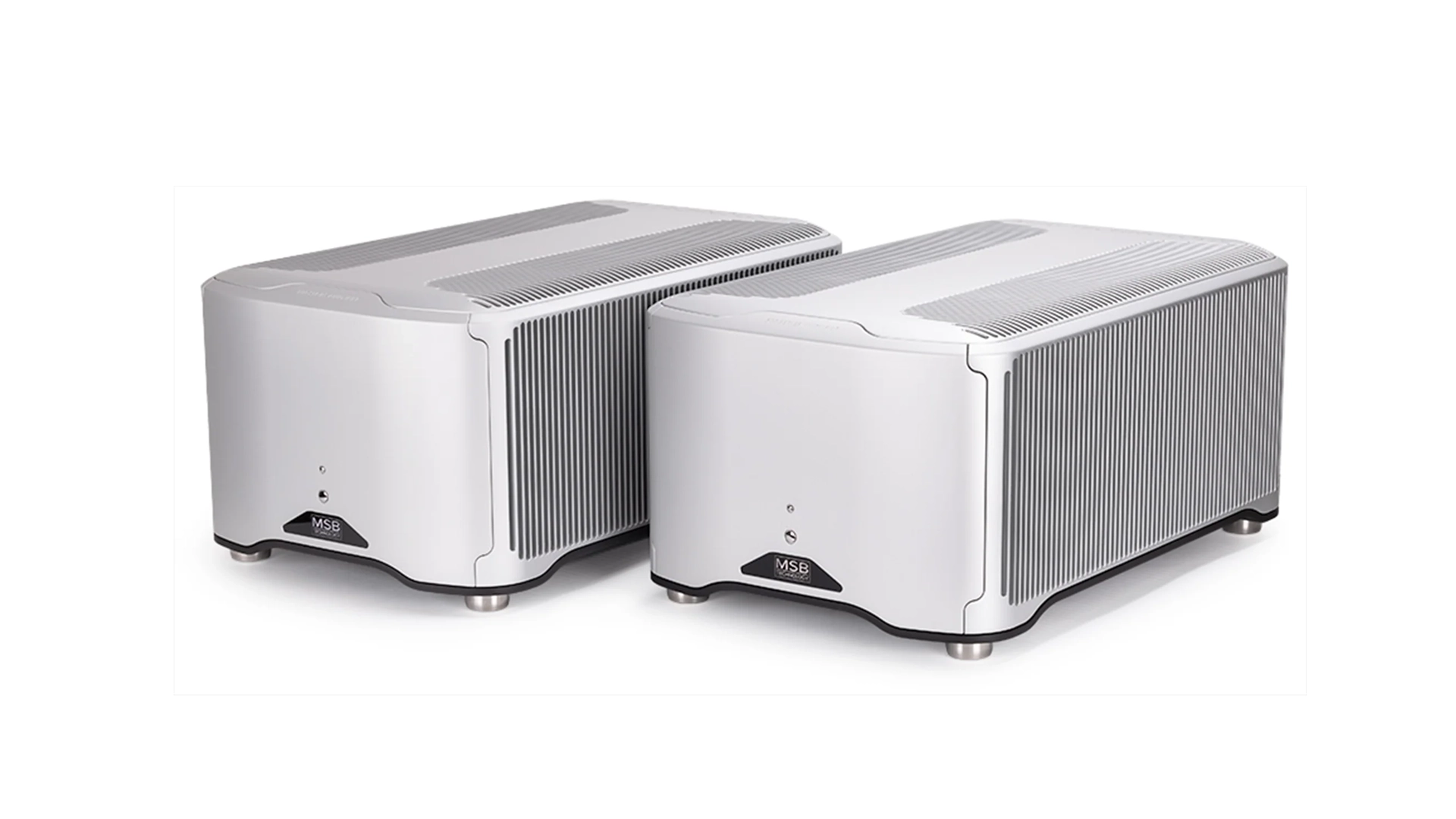
MSB Technology is a California high-end digital specialist known for discrete ladder DACs, modular input and output hardware, and unusually deep in-house manufacturing. Founded in 1986 by Larry Gullman, the company is now led by the next generation, including engineers Jonathan Gullman and Daniel Francis, with Dustin Symanski among the co-owners. MSB designs electronics, software and mechanical systems together and performs circuit-board assembly and precision machining at its Watsonville facility. The Discrete, Premier, Cascade and Sentinel DACs use proprietary balanced ladder-conversion modules rather than mass-market converter chips. Upgradeable renderer, USB and I²S inputs, selectable analogue output modules, femtosecond clock options and separate Digital Director processing allow a system to evolve without replacing the complete converter. The same platform thinking extends to S-series and M-series power amplifiers and dedicated headphone amplifiers. MSB’s real differentiator is vertical integration: clocking, conversion, firmware, power supplies, chassis and even many machined parts are treated as one architecture. This makes the products expensive, but also explains why the catalogue changes through modules and generations instead of superficial annual updates.
Musical Fidelity

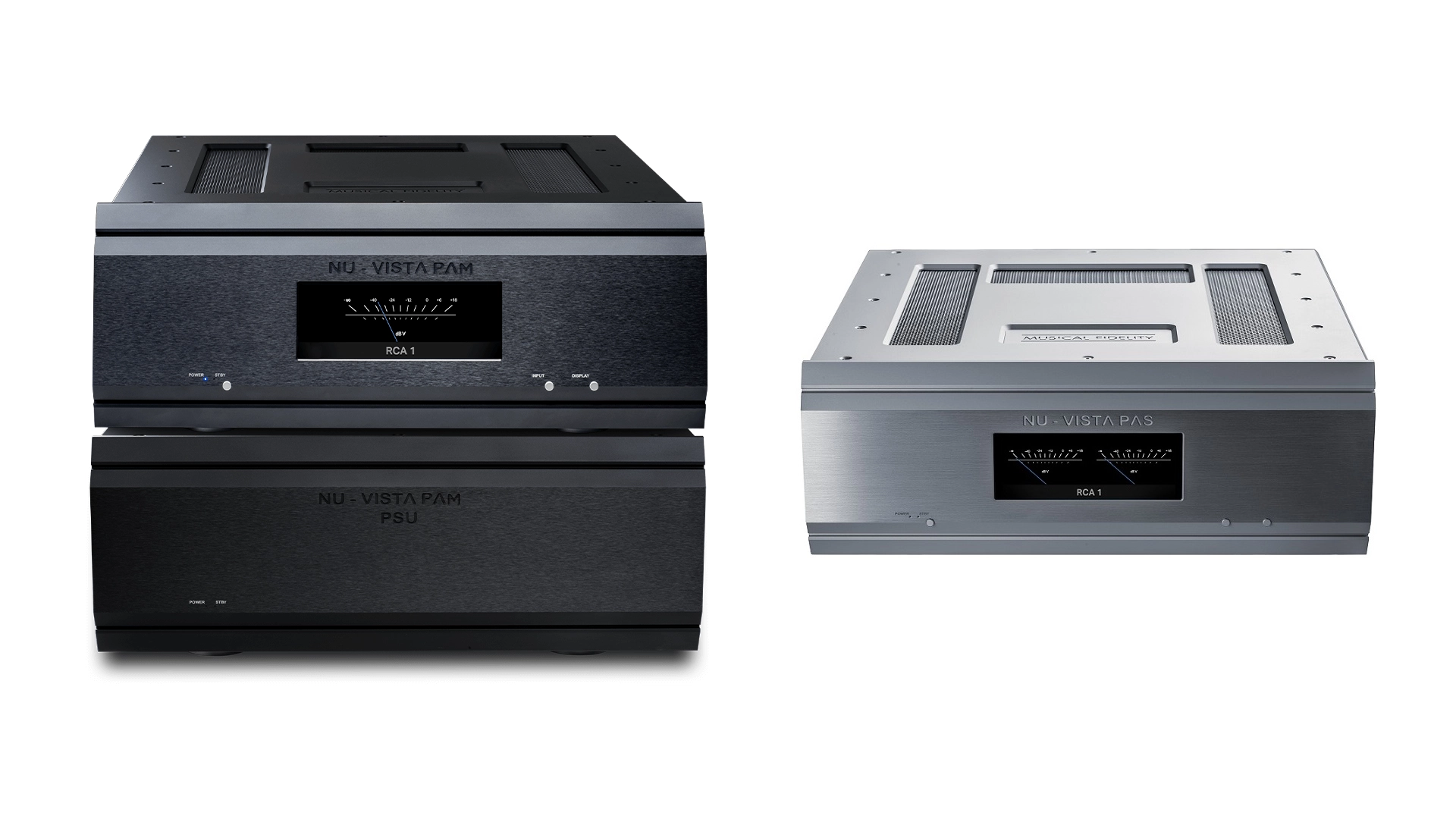
Musical Fidelity is a British hi-fi electronics brand founded in 1982 by clarinettist and audio enthusiast Antony Michaelson. It became known for amplifiers that combined generous power reserves with compact or unconventional formats: the original A1 integrated amplifier, launched in 1985, ran heavily biased in Class A, while the cylindrical X-series made serious phono, DAC and headphone functions accessible as separate components. The Nu-Vista line later adopted nuvistor valves, a low-noise miniature tube technology rarely used in modern consumer audio. The current catalogue includes integrated, pre and power amplifiers, phono stages, DACs, CD players, streamers, turntables and power conditioning. A1 and X-series products have been re-engineered rather than merely cosmetically revived, while M3, M5, M6, M8 and Nu-Vista cover progressively larger systems. Since 2018 the brand has been owned and operated by Austria’s Audio Tuning, but product identity remains explicitly British and analogue-led. Musical Fidelity’s strength is range without anonymity: high-current transistor amplification, discrete phono circuitry and the unusual nuvistor platform give different families real technical character instead of the same chassis being repackaged at several prices.
Mytek Audio

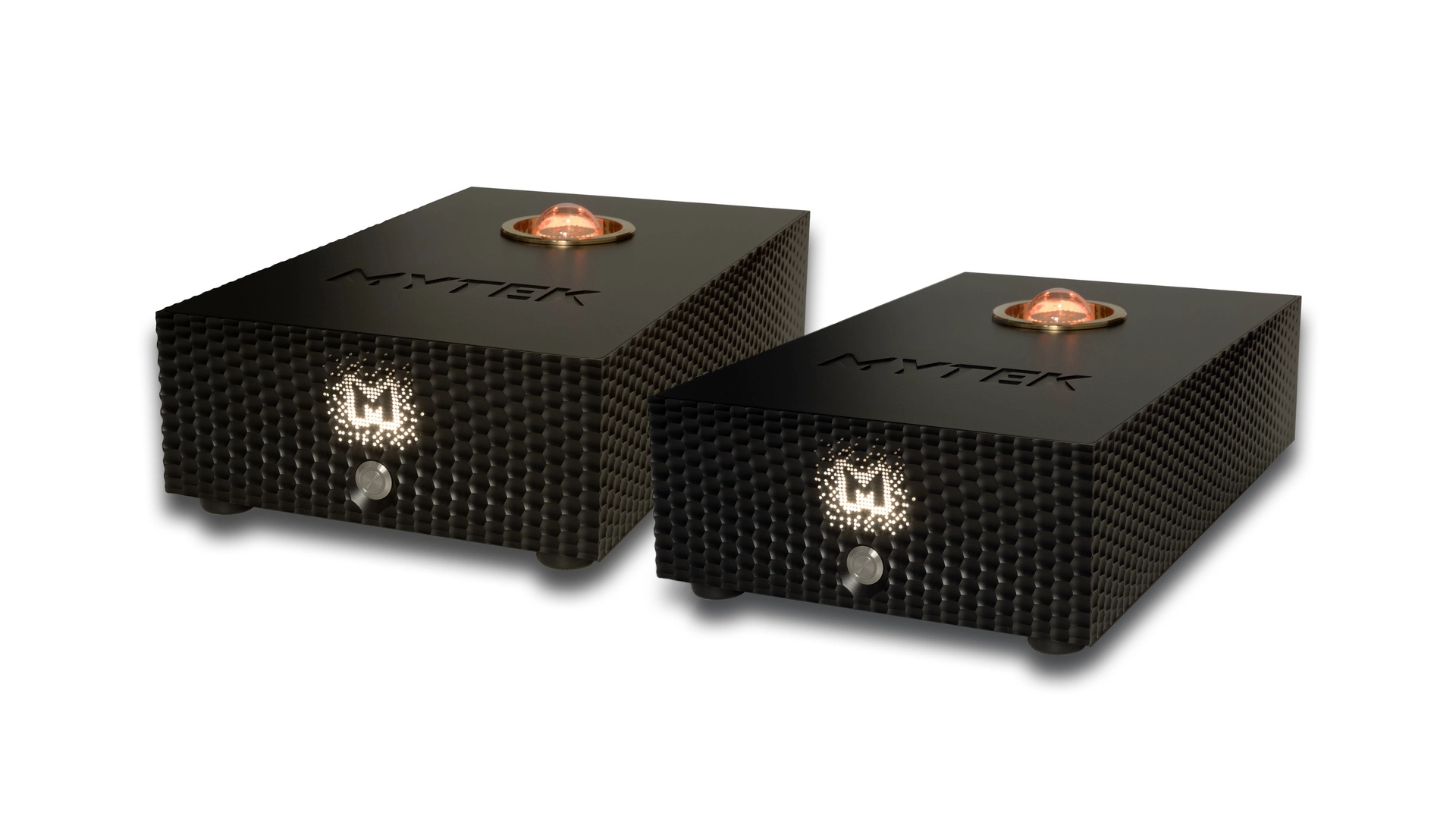
Mytek Audio is a New York-born digital-audio specialist whose products connect professional conversion, mastering practice and domestic hi-fi. Polish engineer Michal Jurewicz founded the company in 1992 after working in Manhattan studios, including The Hit Factory. That background explains the catalogue: Mytek built its name with DACs and ADCs intended to reveal rather than flatter a recording, then brought the same compact, highly connected architecture to headphone and home systems. Brooklyn became the defining product family, combining high-resolution conversion with analogue preamplification, a phono input and a capable headphone stage in a half-width chassis. Brooklyn DAC+, Brooklyn Bridge and the current Brooklyn Bridge II extended the idea with network playback and, in the latter, an integrated Roon Core. Liberty provides a simpler route into the platform, while Manhattan and Empire occupy the reference end. Mytek has supported PCM and DSD, extensive digital inputs, balanced analogue outputs and studio-oriented level control; format support varies by generation. The products are designed in New York and manufactured in Poland. Mytek’s real strength is not a generic “neutral sound” claim, but fitting serious conversion and system control into components equally at home beside a workstation or at the centre of a hi-fi system.
NAD

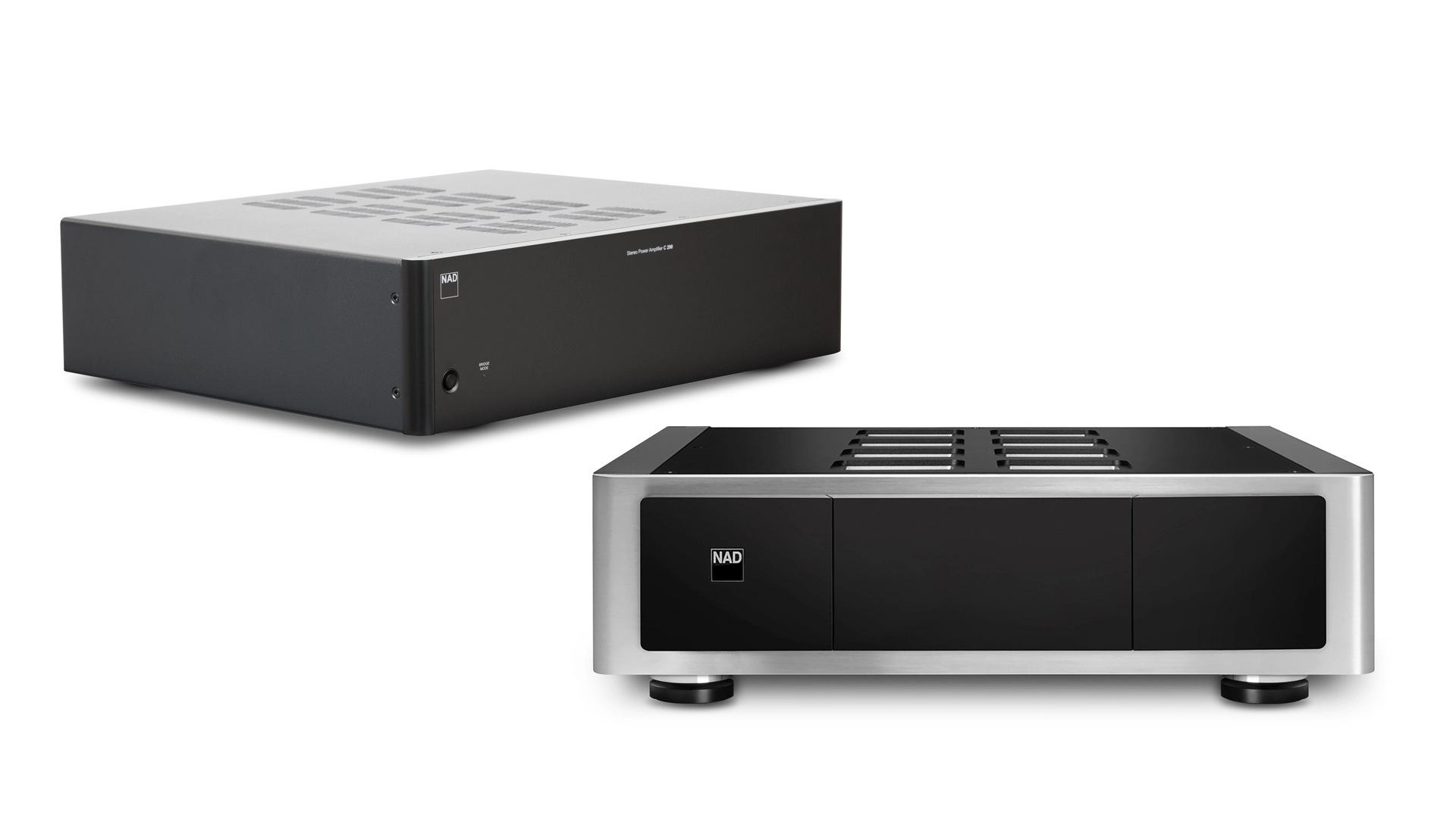
NAD—New Acoustic Dimension—is the British-founded electronics brand that made high-current, musically convincing amplification available without luxury-casework pricing. The company began in London in 1972 when audio-industry entrepreneur Dr Martin “Marty” Borish brought together a group of European distributors. Its turning point was the 3020 integrated amplifier, designed by Bjørn Erik Edvardsen and launched in 1978. Modestly rated at 20 watts per channel, it could drive demanding loudspeakers far beyond what the specification suggested and became one of hi-fi’s landmark affordable amplifiers. That practical engineering continues in the Classic and Masters ranges: integrated, pre- and power amplifiers, streamers, AV receivers and custom-installation components. PowerDrive manages voltage and current reserves for real loudspeaker loads, while Modular Design Construction lets selected amplifiers and receivers accept replaceable digital or HDMI modules. Current products also combine BluOS multi-room streaming with technologies such as Purifi Eigentakt amplification in appropriate models. NAD passed through Danish ownership before Canada’s Lenbrook acquired it in 1999; product development and headquarters are now Canadian, but the brand’s country of origin remains the United Kingdom. The lasting NAD idea is simple: spend the budget on usable power, upgradeability and music rather than decorative excess.
Nagra
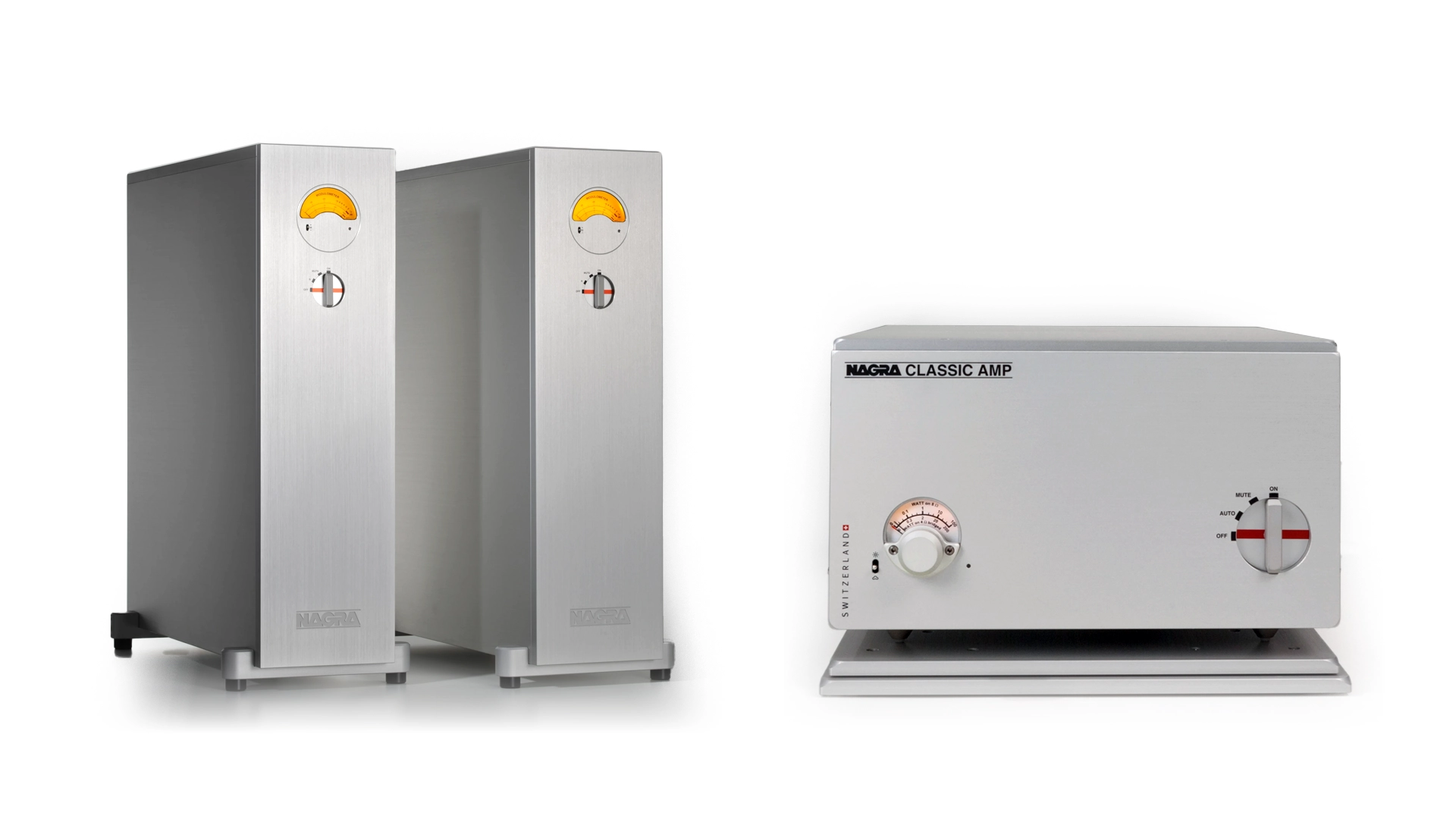
Nagra is the Swiss audio name created by Stefan Kudelski’s first portable recorder in 1951. “Nagra” means “it will record” in Polish, and the compact machine transformed location sound by letting one operator capture broadcast- and film-quality audio away from a studio. The Nagra III and IV generations became fixtures of journalism, documentary production and cinema; Kudelski and the company received multiple Academy and Emmy awards for their technical contribution. Rugged mechanics, precise tape transport and the instantly recognizable modulation meter made the recorder an industry tool rather than a styling exercise. Today Nagra spans professional recorders, security equipment and reference home audio. The Nagra VII continues the field-recording lineage, while the Compact, Classic, HD and Reference families cover streamers, DACs, phono stages, preamplifiers, power amplifiers, turntables and cartridges. Their compact proportions and meter-led design deliberately echo the recorders, but the substance lies in in-house power supplies, analogue circuitry and precision mechanical construction. In 2012 the audio division was spun out of Kudelski Group as Audio Technology Switzerland; members of the Kudelski family remain its principal shareholders. Nagra products are designed and manufactured in the Lake Geneva region, preserving a direct link between the professional machines and the current high-end range.
Naim

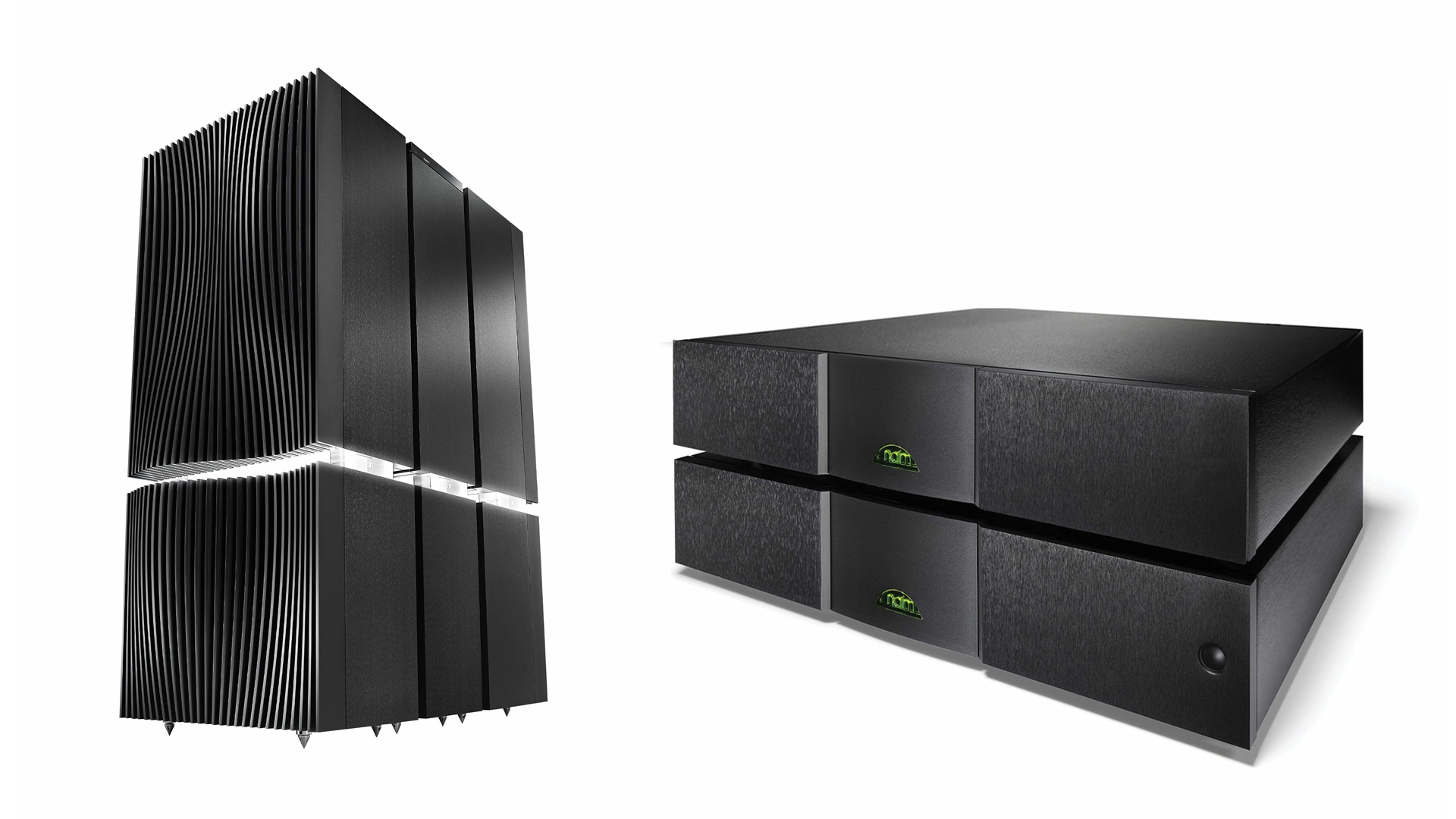
Naim Audio is the Salisbury electronics maker whose reputation rests on amplifiers and sources designed to preserve musical timing and momentum. Julian Vereker’s early amplifier work grew from a contract for Capital Radio, and Naim Audio was incorporated in 1973 with Vereker and Shirley Clarke as directors. The first consumer power amplifiers established a deliberately direct circuit philosophy; the NAP 250, introduced in 1975, became the long-running reference, while the compact NAIT integrated amplifier showed that the same priorities could work in an affordable system. Naim later built complete upgradeable systems around separate preamps, power amps and external power supplies, then became an early serious adopter of network replay. Uniti streaming amplifiers and Mu-so wireless systems broadened the audience, while ND sources, the New Classic separates and Statement amplification maintain the specialist end. Mechanical isolation, low-noise power regulation, carefully controlled grounding and proprietary streaming software matter more to the engineering than the familiar shorthand “PRaT.” Naim joined French loudspeaker maker Focal in 2011 under VerVent Audio Group, while design and production remained centred in Salisbury. In August 2026 Belgium’s Barco completed its acquisition of VerVent, so Naim is now part of Barco while retaining its British origin, brand and manufacturing identity.
Norma Audio Electronics
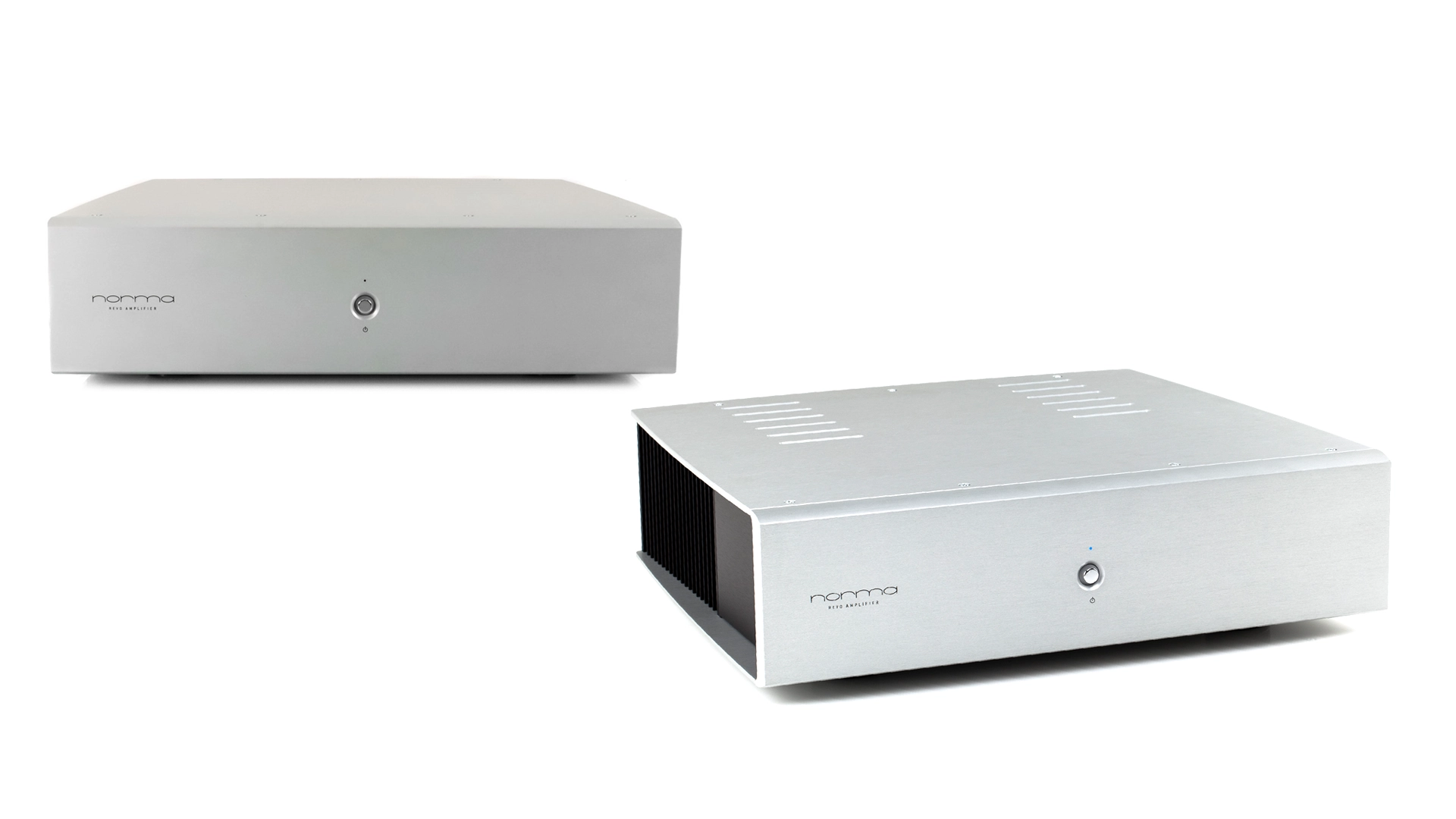
Norma Audio Electronics is an Italian high-end electronics maker founded in Cremona in 1987 by engineer Enrico Rossi. The first amplifier, the NS 123, established the project; in 1991 Norma was acquired by Opal Electronics, a specialist measurement-instrument company. That relationship gave Rossi time and laboratory resources to develop the designs over several years before relaunching a complete range, grounding the brand in wide-bandwidth measurement and circuit behaviour rather than romantic claims about “Italian musicality.” The Revo line covers integrated amplifiers, preamplifiers, stereo and mono power amplifiers, CD/DAC sources and phono stages. IPA integrated models combine substantial current delivery with optional DAC or phono modules, while the SC preamplifiers and PA power amplifiers separate control and output stages for larger systems. Norma favours very wide bandwidth, fast rise time, low feedback, carefully regulated power supplies and discrete circuits designed to remain linear beyond the audible band; the intention is to reproduce transient structure without adding hardness or a manufactured tonal signature. Compact HS components apply related principles at a smaller scale. Norma’s identity is unusually coherent: Enrico Rossi’s long stewardship, Opal’s instrumentation background and a focused family of serviceable analogue and digital electronics developed and built in Italy.