
Power Amplifiers
A power amplifier has one singular, focused mission: to take the audio signal from a preamplifier and provide the massive current and voltage needed to drive loudspeakers. Free from the duties of source selection or volume control, its design is purely dedicated to delivering clean, effortless power for the best possible sound quality. They come in various configurations, including stereo amps and ultimate-performance monoblocks. This index lists the world’s leading manufacturers of these audio system engines, the power behind high-fidelity sound.
Hi-Fi brands in the category
Summary information and image
Direct links to official websites
Java Hi-Fi Audio

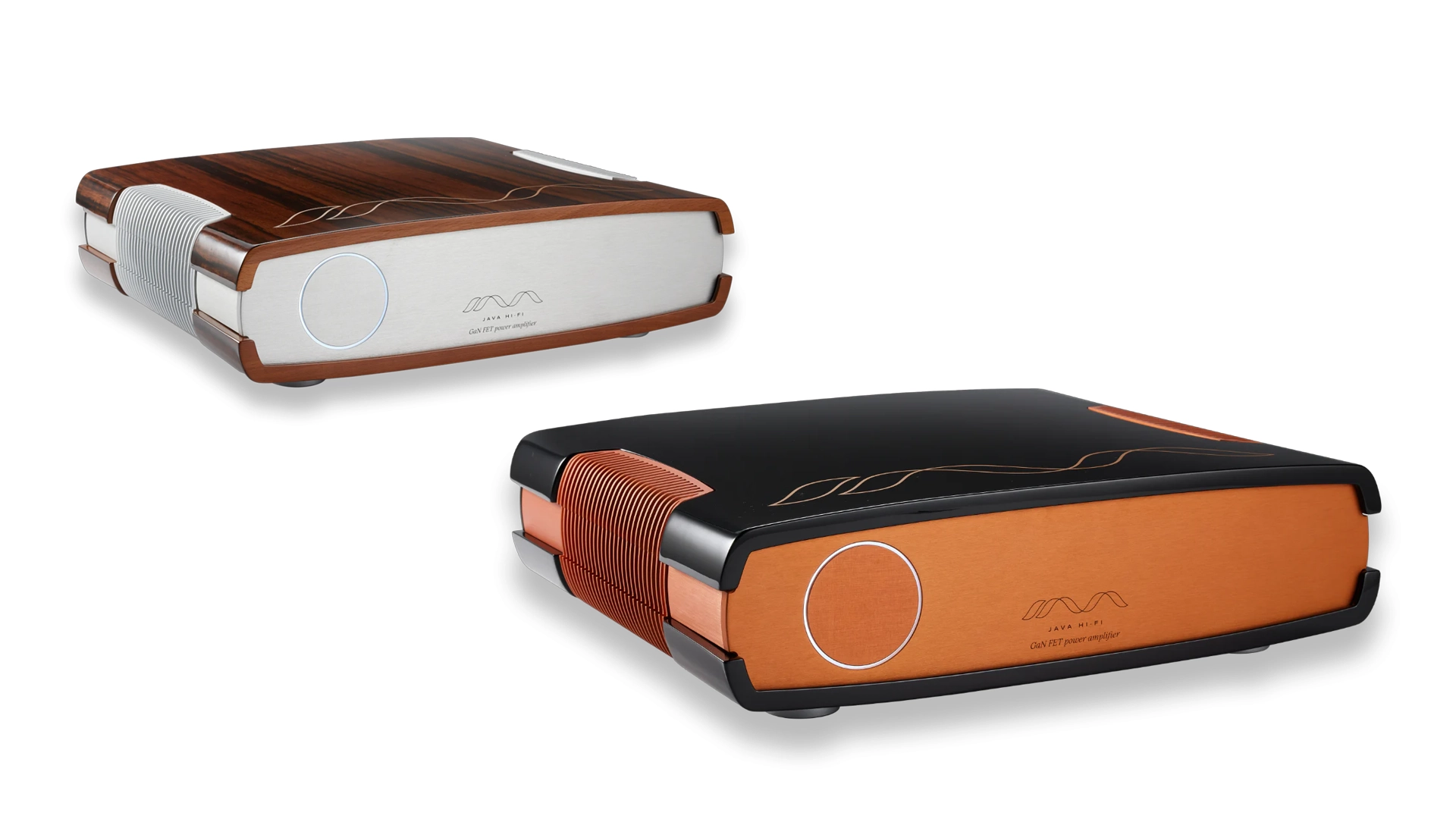
JAVA Hi-Fi is a New Zealand amplifier maker that combines two uncommon control technologies in a deliberately short signal path. The project began in Auckland in 2016 with Martin Bell and Shane Inder, later joined by Martin Young, and moved from crowdfunding-era prototypes to a family of modular preamplifiers, power amplifiers and integrated designs. JAVA’s Single Shot architecture pairs light-dependent-resistor volume control with gallium-nitride FET output devices: the LDR stage adjusts level without a conventional potentiometer in the music path, while fast-switching GaN devices form the power section. Double Shot models separate or duplicate key stages for greater output and system flexibility, and the range includes 200- and 400-series integrated and power amplifiers as well as Carbon variants. Inverted circuit-board construction and material choices are used to manage vibration and heat. Just as distinctive is the configurable casework: buyers can select front panels and finishes ranging from restrained metal to bold timber and colour combinations. JAVA’s appeal is the union of a technically specific circuit idea with unusually personal industrial design.
Jeff Rowland Group

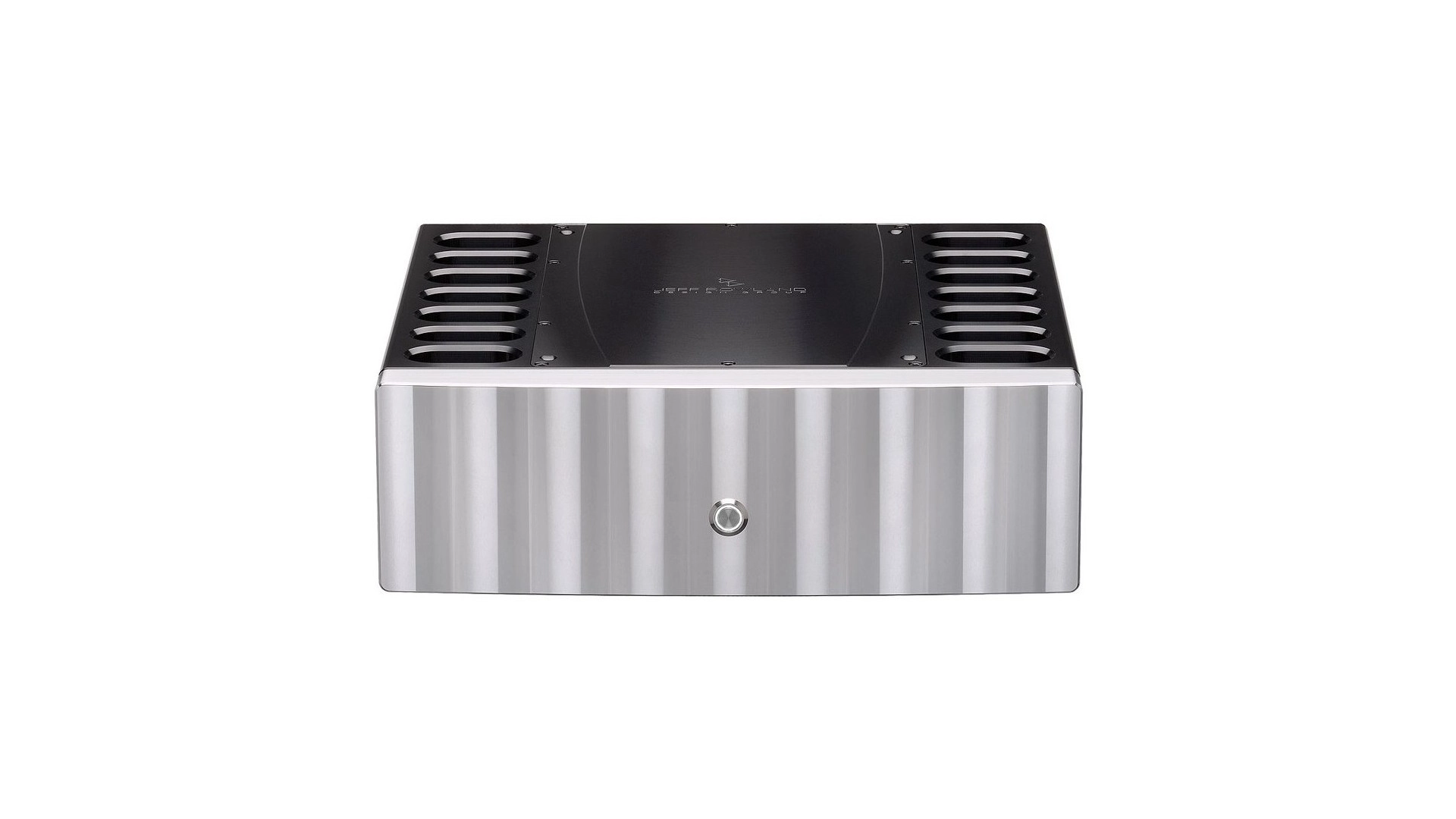
Jeff Rowland Design Group has made Colorado-built high-end amplifiers since 1984, pairing sophisticated power-supply and circuit work with some of the industry’s most recognisable metalwork. Founder Jeff Rowland established the company around low-noise, wide-bandwidth electronics and meticulous construction. Chassis are machined from aluminium and finished with a diamond-cut pattern that is functional as well as decorative, providing a rigid, non-magnetic enclosure and substantial heat management. Across generations, the company has used fully balanced topologies, transformer coupling in selected inputs or outputs, switch-mode power supplies where their efficiency and regulation are advantageous, and both linear and class-D output stages according to the model. Products have included Capri and Corus preamplifiers, Model-series power amplifiers, Continuum integrated amplifiers and the high-power Daemon super-integrated. Model names change, so the lasting distinction is the integration of mechanical, electrical and thermal design rather than a single circuit fashion. Jeff Rowland components target systems where silence, control and long-term build quality matter as much as rated power.
JJ Electronic

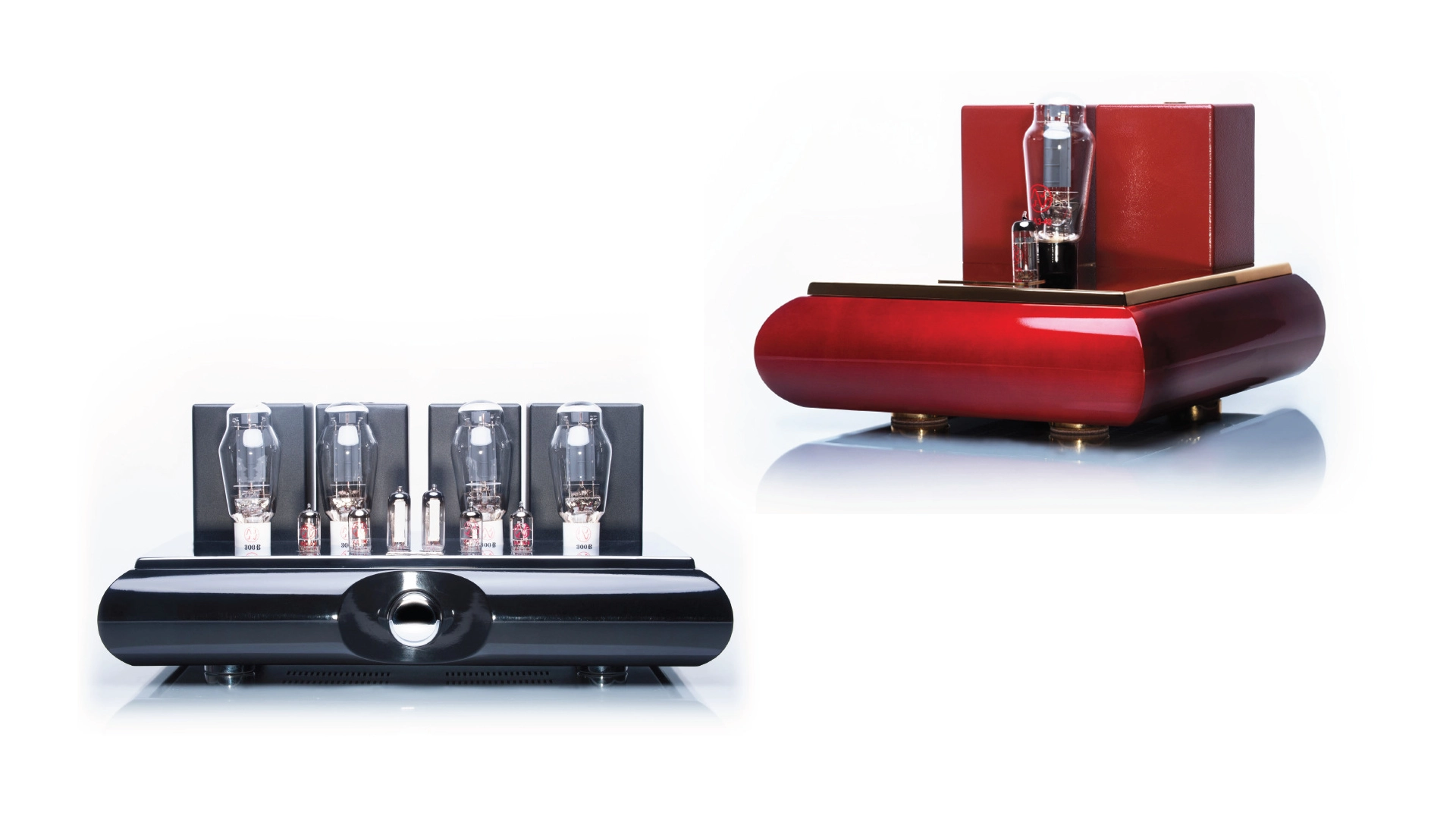
JJ Electronic is one of the relatively few European companies still manufacturing a broad range of new-production vacuum tubes. Jan Jurco founded the business in Čadca, Slovakia, in 1993, building on regional knowledge and machinery associated with the former Tesla tube industry. Its catalogue covers small-signal valves such as ECC83/12AX7 types, power tubes including EL34, EL84, 6L6 and KT families, and rectifiers used in guitar amplifiers and hi-fi equipment. JJ also produces electrolytic capacitors and complete valve amplifiers, giving the company experience beyond simply relabelling imported tubes. Development, glass and electrode assembly, evacuation, testing and matching are handled within its manufacturing operation, although individual product specifications and recommended operating points still need to be followed by equipment designers. Musicians know JJ as a practical source of replacement output and preamp valves; audio enthusiasts encounter selected and matched sets in new and restored amplifiers. Its importance is industrial as much as sonic: JJ maintains specialised production skills for components that modern solid-state factories generally do not make.
JMF Audio

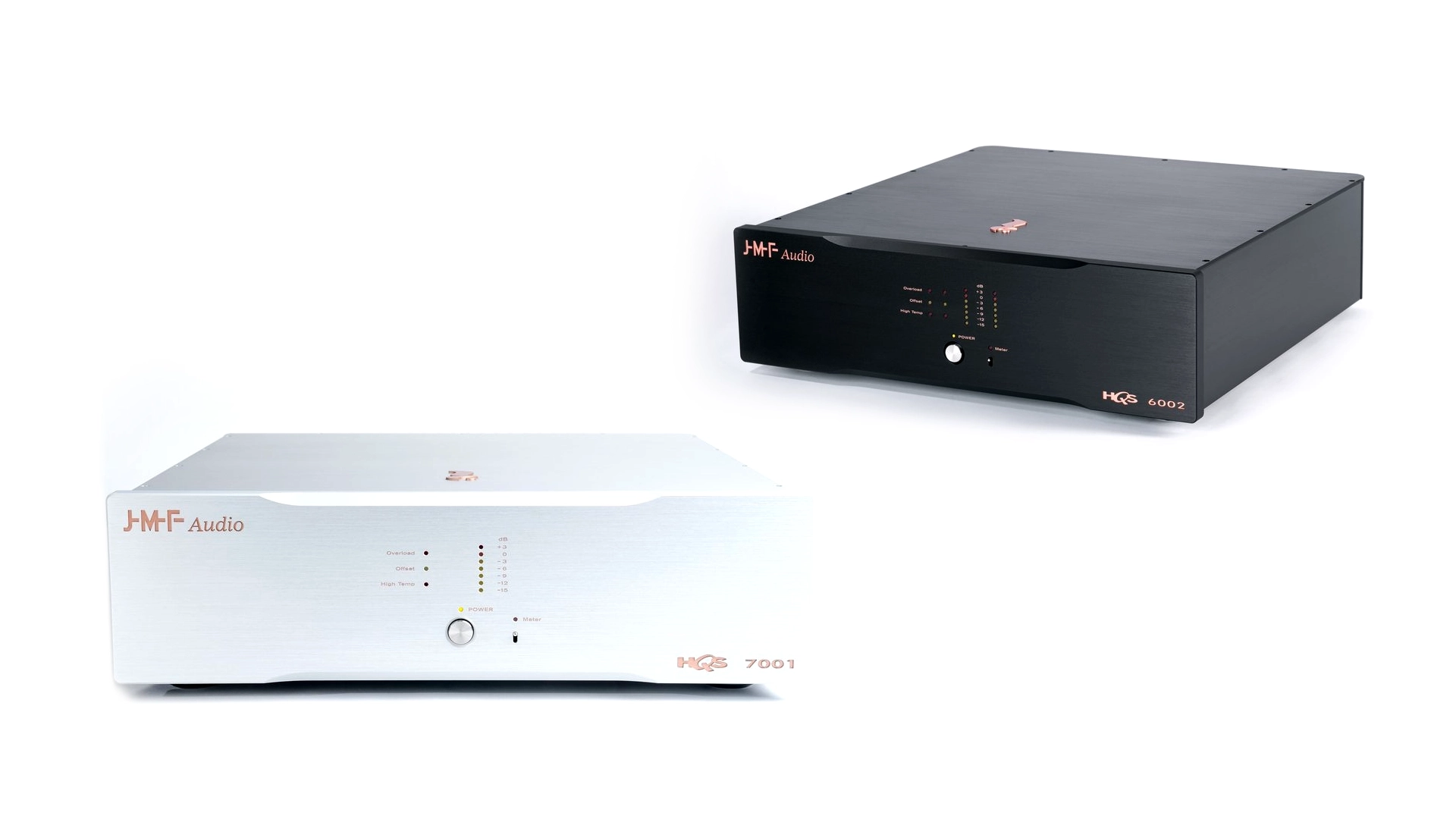
JMF Audio is a French ultra-high-end manufacturer with an unusually broad command of the complete signal chain. Established in 1985 by Jean-Marie Fusil, it develops and builds power amplifiers, preamplifiers, phono stages, digital converters, disc transports, cables and mains filtering at its facility in Anould, France. The HQS power amplifiers are central to the name: massive power supplies, carefully controlled grounding, wide bandwidth and high current delivery are engineered for difficult loudspeaker loads without relying on decorative complexity. PRS preamplifiers, PHS phono stages and DXC conversion products extend the same system-level approach, while current digital offerings include dedicated disc transport and DAC components rather than the generic “Blu-ray players” claimed in the previous text. JMF also designs the interconnect, loudspeaker and power cables used to complete its reference installations. The brand’s small production scale permits close component selection, mechanical construction and testing. Its defining strength is not a promised sonic adjective, but vertical engineering continuity from source and low-level gain through power amplification and cabling.
Karan Acoustics

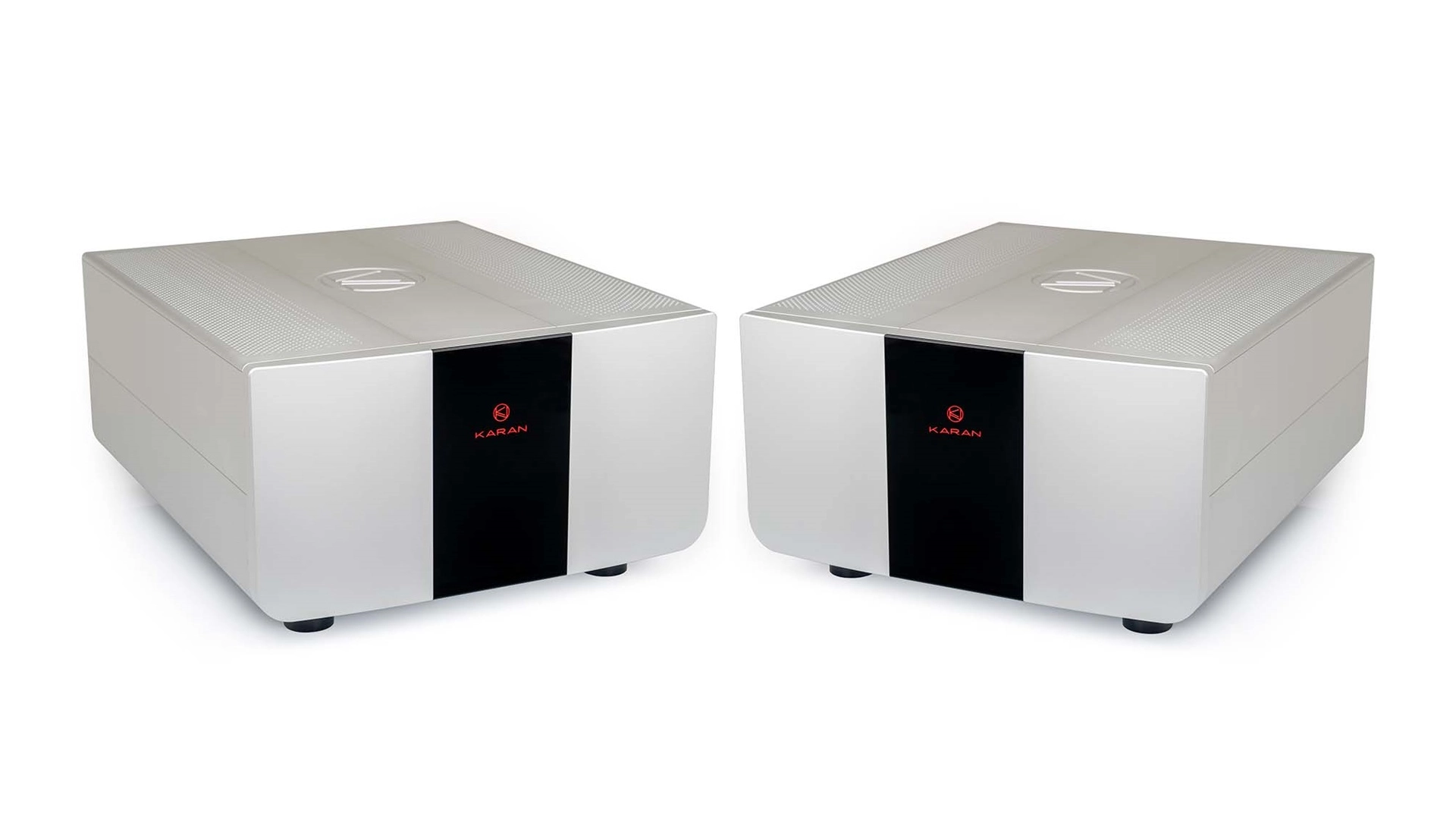
Karan Acoustics builds high-current solid-state amplification in Serbia for systems where control, scale and low noise matter more than feature count. Founder and chief designer Milan Karan has kept the range tightly focused on integrated amplifiers, line preamplifiers and stereo or monoblock power amplifiers. The circuits use balanced, symmetrical signal paths, substantial power supplies and carefully managed grounding, housed in rigid metal chassis and assembled by hand. The KA line covers the company’s established designs, while the Master Collection develops the same engineering at a more ambitious level, with separate power supplies and greater output capability in selected models. Karan’s identity is therefore not a fashionable circuit label or a long list of functions, but disciplined analogue engineering: short signal paths, generous current delivery and mechanical construction designed for long-term stability. It is a specialist choice for listeners building a serious two-channel system around demanding loudspeakers and who want amplification conceived as one coherent platform.
Keces

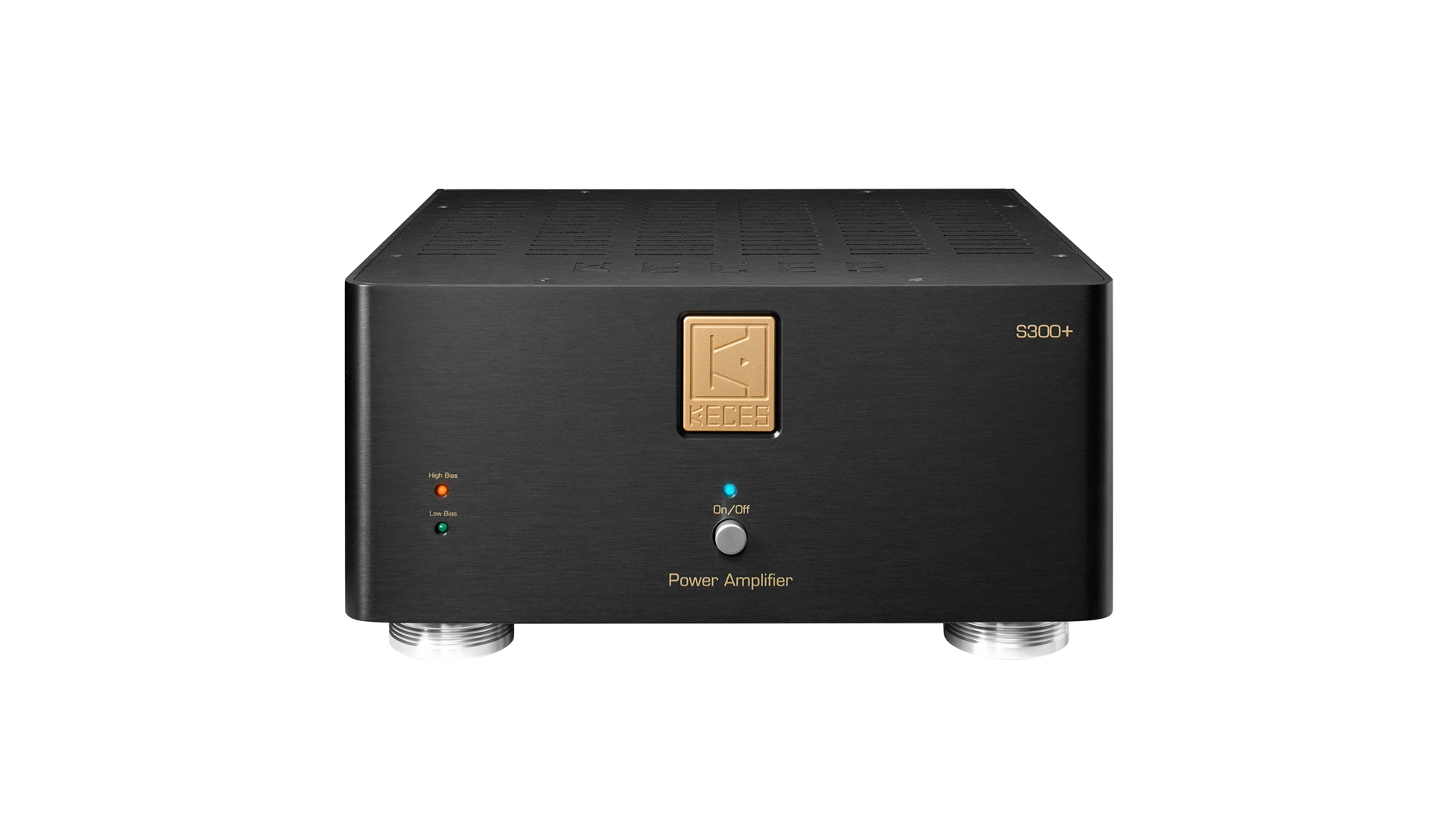
KECES Audio is a Taiwanese electronics manufacturer whose clearest specialty is clean power for hi-fi systems. Founded in 2002, the company first became widely known for low-noise linear power supplies and later expanded the same power-supply know-how into conditioners, amplifiers, preamplifiers, DACs, phono stages and streaming components. Current ranges make those roles easy to distinguish: models such as the P28 supply external components with high-current linear DC power, while the IQRP-1500 combines isolation and mains conditioning; products including the S4 preamplifier and Euphony DAC show how the company applies its engineering inside complete audio components. KECES uses substantial transformers, separated supply sections, metal shielding and protective circuitry to reduce noise without turning everyday operation into a laboratory exercise. The brand occupies a useful position between accessories and full electronics: it can solve a specific power problem in an existing system or provide matched components for a compact two-channel setup.
Kharma

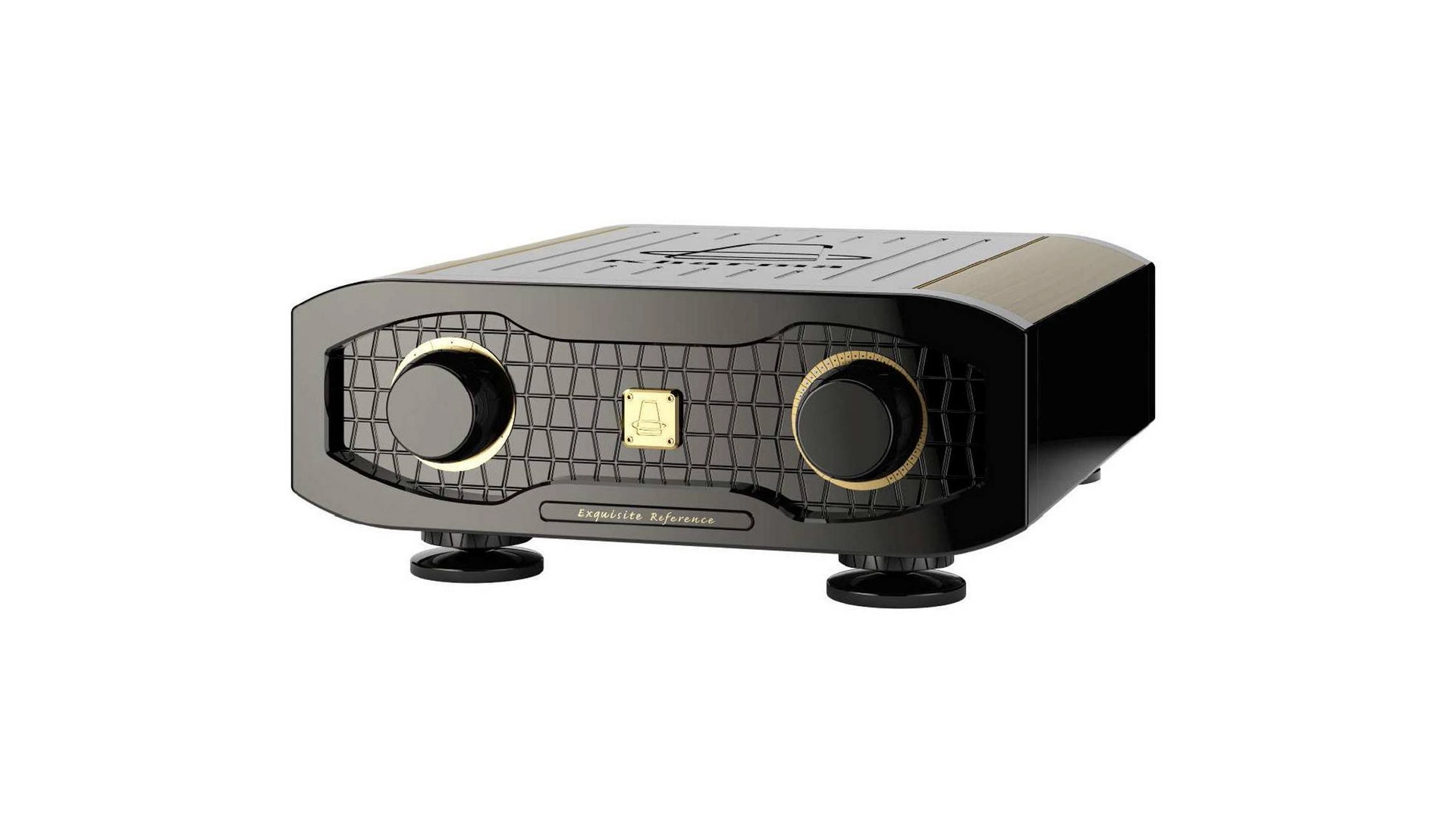
Kharma is a Dutch high-end loudspeaker brand founded by Charles van Oosterum in 1993, after the loudspeaker work he began under Oosterum Loudspeaker Systems in 1982. That distinction matters: 1982 marks the predecessor activity, while Kharma itself emerged in the following decade. The company designs complete systems in which cabinet shape, driver behaviour, crossover parts and internal wiring are treated as one mechanical and electrical structure. Its best-known technologies include diamond tweeters and proprietary Omega mid/bass drivers, used alongside carefully formed composite cabinets to control stored energy and diffraction. Elegance is the most approachable expression of the concept, Exquisite moves into larger reference systems, and Enigma Veyron is the statement range. Kharma also produces matching subwoofers, electronics and cables, but loudspeakers remain the centre of its identity. These are low-volume products built in the Netherlands for installations where material execution, visual finish and system integration are as important as headline specifications.
Kinki Studio

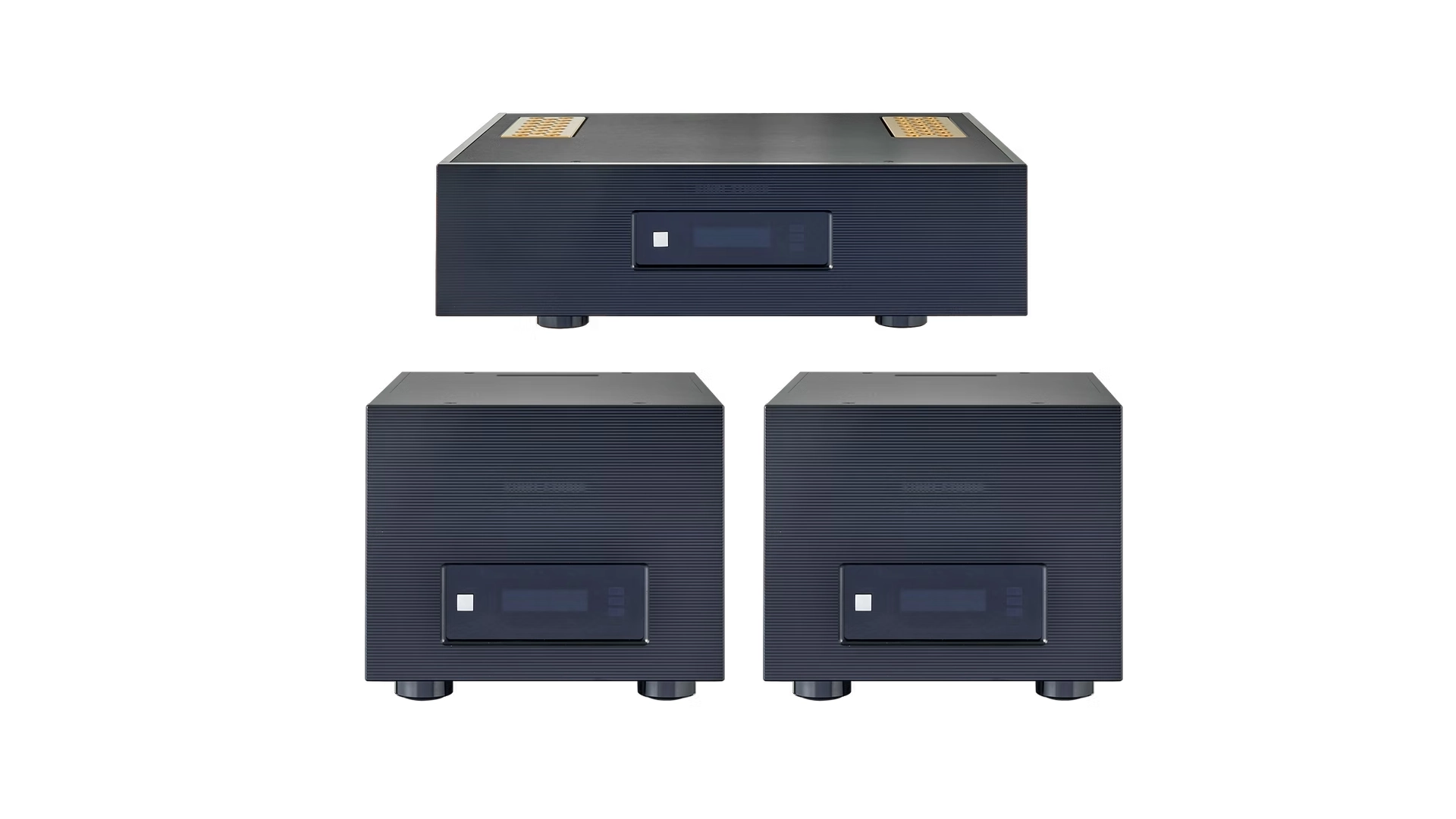
Kinki Studio is a Chinese manufacturer of solid-state hi-fi electronics distinguished by muscular circuit design, precise metalwork and a deliberately compact product hierarchy. The EX range includes the EX-M1+ integrated amplifier, EX-P27 preamplifier, EX-M7 stereo power amplifier and EX-B7 monoblocks, giving users a path from one-box amplification to separate high-current systems. The company also applies the same priorities to headphone listening and digital sources through products such as the Vision THR-1 headphone amplifier and DAC models. Dual-mono layouts, substantial transformers, discrete gain stages and CNC-machined aluminium cases recur across the range, but the exact implementation changes with each component. Kinki Studio’s appeal is not a claim that every amplifier will suit every loudspeaker. It is the combination of serious power-supply capacity, straightforward controls and unusually substantial construction for its market position. The closely related CHoco Sound label explores smaller or more specialised products without replacing the main EX platform.
Kondo Audio Note

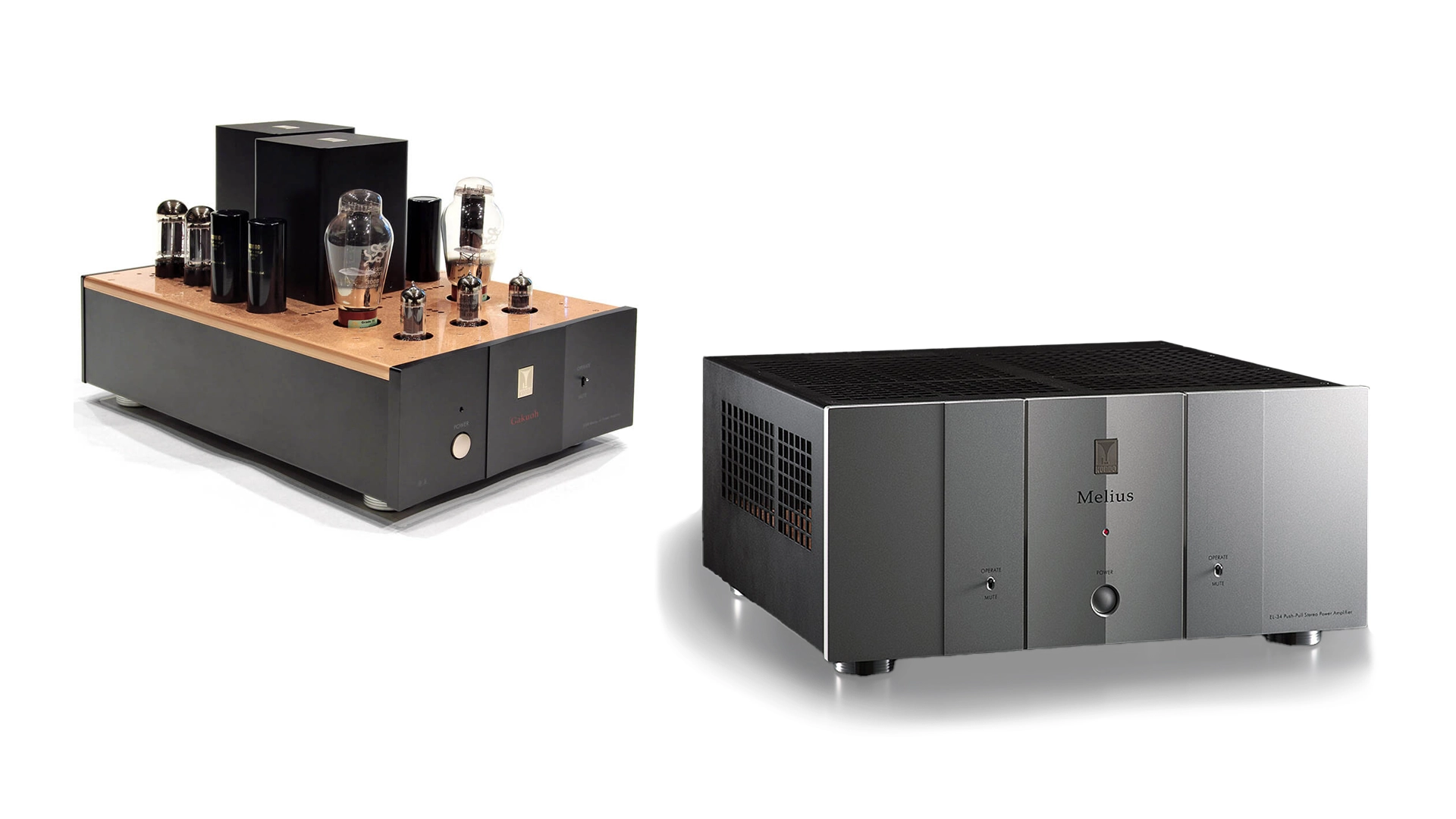
Kondo Audio Note is the Japanese company founded by Hiroyasu Kondo in 1976 and should not be confused with the separate British Audio Note business. Kondo, a former recording engineer, pursued extremely simple valve circuits supported by exceptional passive parts, hand-wound transformers and meticulous point-to-point assembly. The company became an early and influential advocate for using high-purity silver throughout an audio component, from internal wiring and capacitors to transformer windings and cables. Its best-known product is the Ongaku, a single-ended 211 integrated amplifier whose silver output transformers made it a landmark of Japanese high-end audio. The current catalogue extends that thinking through amplifiers such as Kagura and Gakuoh, M7 and G-1000 preamplification, phono stages, step-up transformers and KSL cables. Production remains deliberately small and labour-intensive in Japan. Kondo’s real know-how lies not in “tube warmth,” but in controlling materials, magnetic components, grounding and signal paths as one complete analogue circuit.
Krell

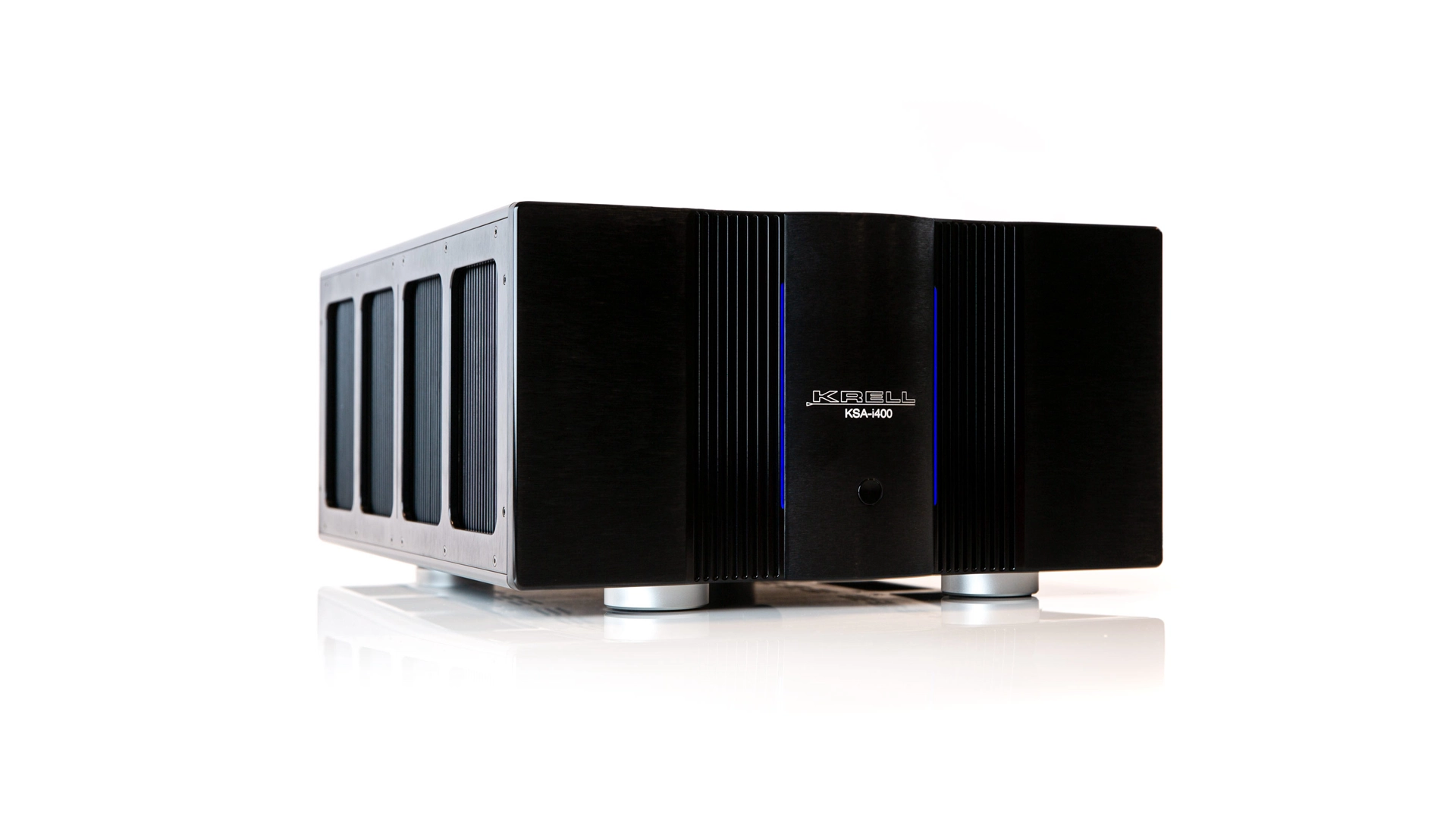
Krell is an American high-end audio manufacturer built around one demanding idea: an amplifier must remain composed when a loudspeaker asks for serious current. Dan and Rondi D’Agostino founded the company in Connecticut in 1980, and its early KSA power amplifiers helped establish high-current, wide-bandwidth solid-state amplification as a reference in high-end listening. Krell’s identity still centres on powerful integrated, stereo and multichannel amplifiers, joined by preamplifiers and digital sources. Its best-known engineering signature is Class A operation; in later designs, the proprietary iBias system varies the bias with the musical signal so the output stage can retain Class A behaviour without continuously dissipating maximum power. The company’s XD circuit revisions focus on lower output impedance, greater current delivery and tighter loudspeaker control. Products such as the KSA-i power amplifiers, K-300i integrated amplifier and Illusion preamplifiers translate that know-how into systems valued for scale, dynamics and bass authority rather than cosmetic luxury alone.
Lab12

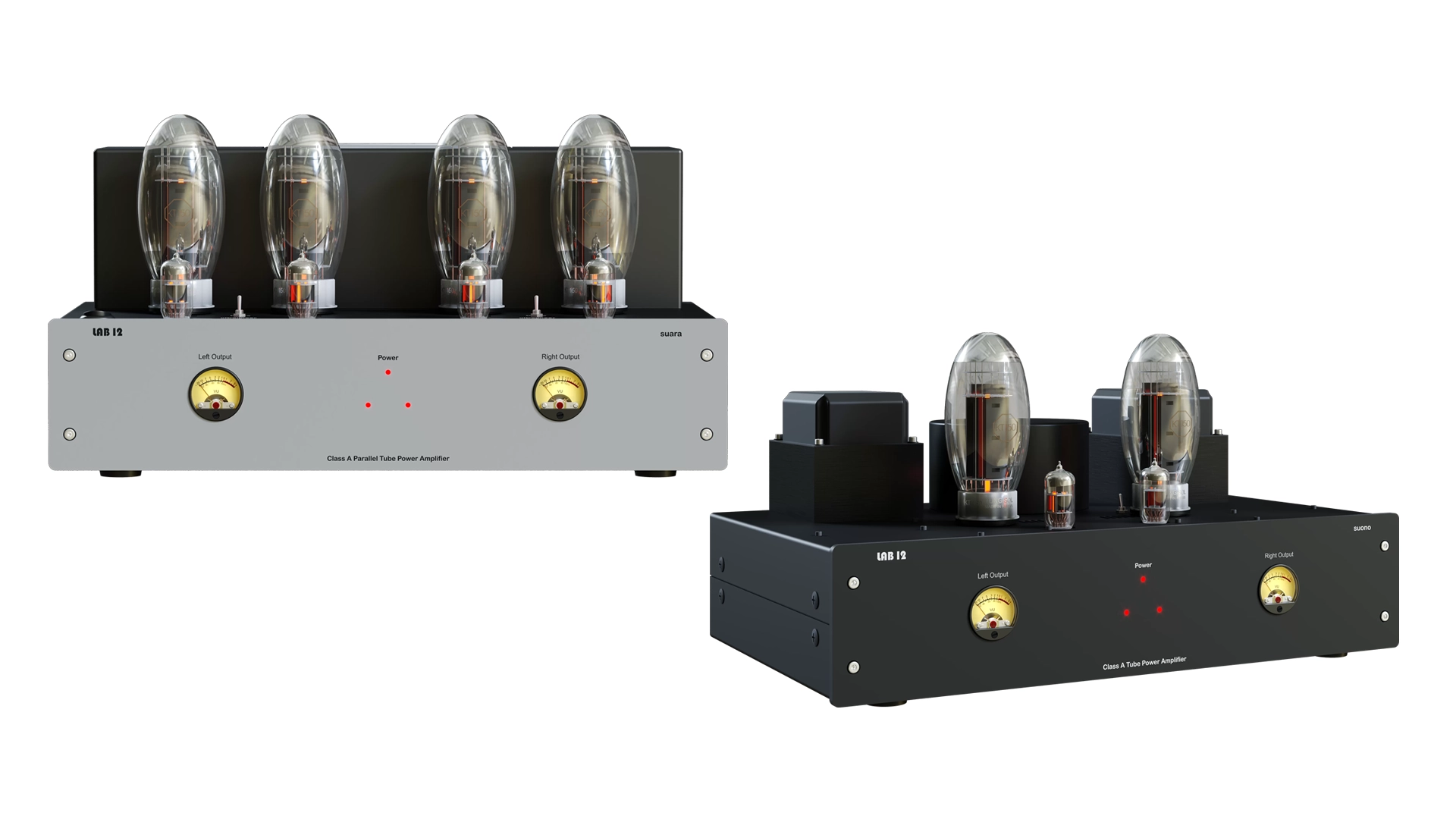
Lab12 is a Greek high-end electronics manufacturer that uses valves as practical circuit elements, not as a shortcut to retro styling. Designer Stratos Vichos founded the company in Athens in 2012 after years of building and refining audio circuits, and production remains focused on hand-assembled components made in Greece. The catalogue spans integrated and power amplifiers, line and phono preamplifiers, a non-oversampling digital-to-analogue converter and power-conditioning products. Models such as the integre4 Mk2 allow users to work with several compatible output-valve types and provide front-panel bias indication, making setup and maintenance less opaque. The Suara Mk2 power amplifier pursues pure Class A operation, while Melto phono stages offer flexible gain and loading for moving-magnet and moving-coil cartridges. Lab12’s dac1 reference follows a deliberately minimalist digital path and a valve output stage. The Gordian conditioner is a different kind of speciality: it analyses mains quality, selects an appropriate filtering network and displays electrical conditions in real time. Together these products reveal the brand’s real character—accessible controls, robust power supplies and tube circuits designed for daily use.
LampizatOr

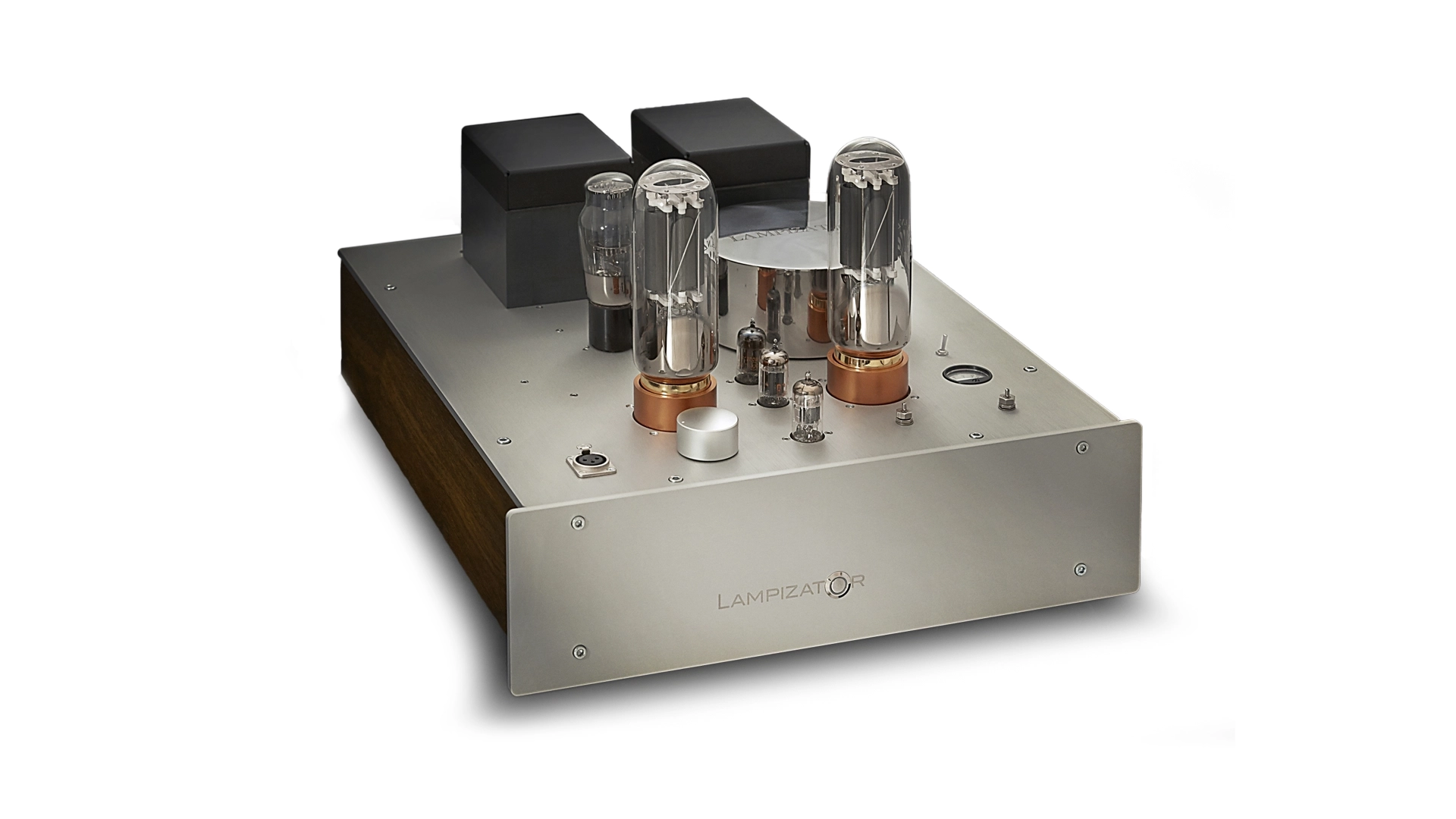
LampizatOr is a Polish digital-audio specialist founded by engineer Łukasz Fikus, best known for DACs in which valves form an essential part of the analogue conversion path. The unusual name combines the Polish word “lampa,” meaning valve, with a playful reference to the Terminator; it began with Fikus’s published experiments modifying commercial CD players before growing into a manufacturer with its own hardware. LampizatOr rejects the assumption that every converter should be a compact, fully integrated chip-based appliance. Depending on the model, its DACs combine proprietary digital processing, substantial linear power supplies and valve output stages, with directly heated triodes used in the upper ranges. The Horizon, Pacific, Golden Gate, Baltic and Atlantic families show how the concept scales from comparatively approachable designs to multi-chassis statement products, and many units offer selectable output valves or modular options. The company also builds digital transports and analogue components. LampizatOr’s appeal lies in this crossover of computer-era source engineering and traditional valve practice: not a generic promise of “analogue sound,” but a deliberately serviceable, configurable architecture with a strong designer’s fingerprint.
Lavardin Technologies

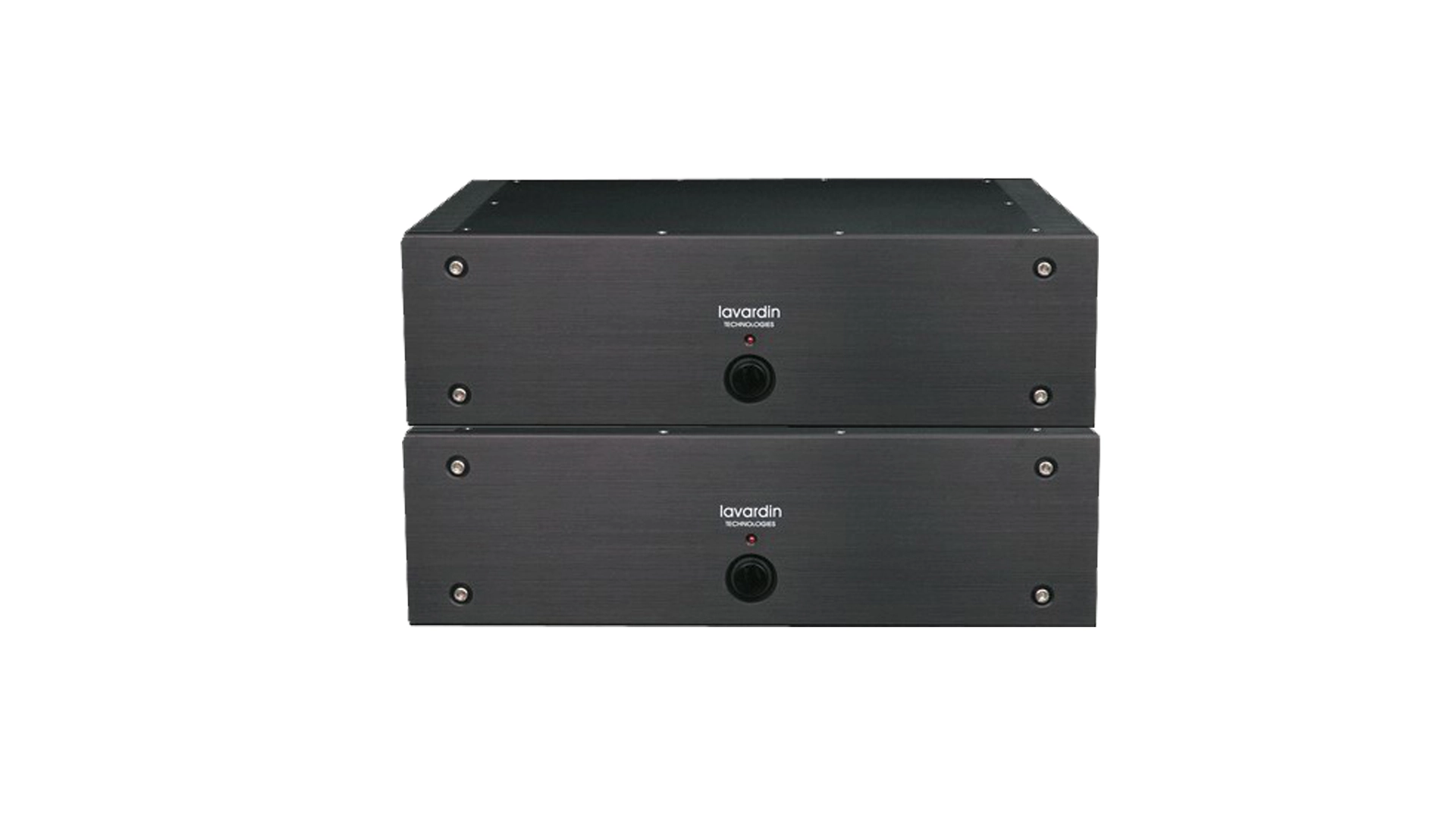
Lavardin Technologies is a French amplifier manufacturer built around a specific—and deliberately unconventional—view of solid-state distortion. The company was founded in September 1996 after eight years of research into what it calls “memory distortion”: the claim that semiconductor materials retain a short-lived trace of previous signal conditions, obscuring fine timing and low-level information even when conventional harmonic measurements look excellent. Lavardin’s Memory Free circuit architecture is designed to minimise that effect. Whether approached as proprietary theory or listening-led engineering, it gives the range a clear purpose beyond generic minimalism. Integrated amplifiers such as the Model ISx and Model IT, together with matching line and power amplifiers, use short signal paths, carefully matched parts and tightly controlled in-house assembly in France. Power ratings are often modest beside heavyweight competitors, but the designs prioritise stability, silence and consistent behaviour rather than specification-sheet excess. Lavardin also pays attention to mechanical support and dedicated cables as parts of the installation. Its individuality lies in pursuing transistor amplification through an original distortion model, with the restraint to refine a small product family over long periods.
Leben

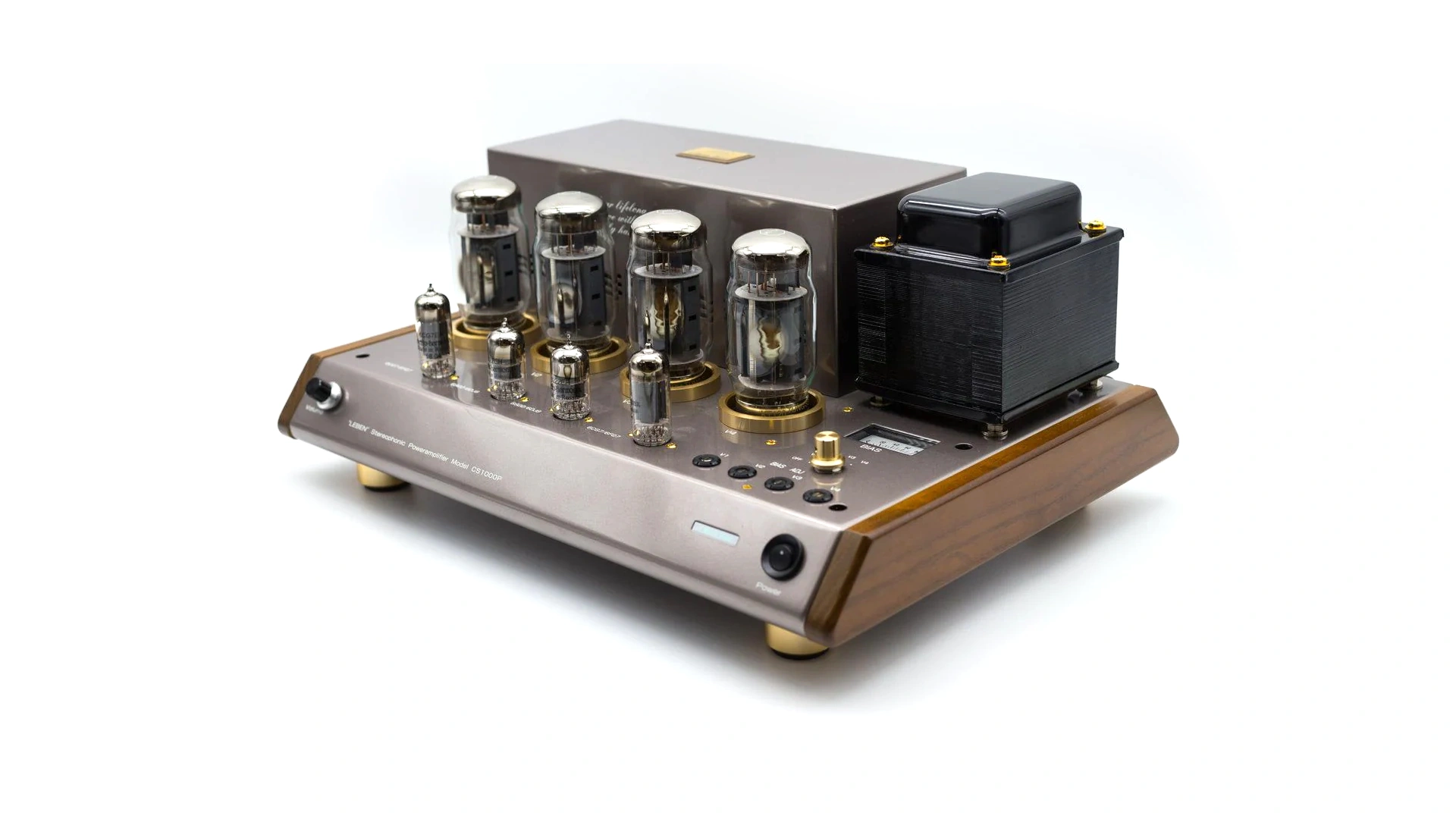
Leben is a Japanese valve-amplifier brand created by Taku Hyodo, a former Luxman engineer, musician and long-time collector of vacuum tubes. Hyodo founded the predecessor company Kouri Denki in 1979 and introduced the first product carrying the Leben name—the RS-35a preamplifier—in 1995. That distinction matters: 1979 marks the workshop’s origin, while 1995 is the beginning of Leben as an audio brand. Its amplifiers are handmade in Japan in small quantities, using point-to-point wiring, carefully selected components and circuits intended to make classic valves straightforward to own. Integrated models such as the CS-300XS and CS-600X, the CS-1000P power amplifier, RS-28CX line stage and RS-30EQ phono preamplifier combine traditional tube topologies with practical features such as self-biasing or user-selectable operating modes, depending on the model. The visual language—gold panels, green trim and wooden side cheeks—is distinctive, but the deeper signature is conservative circuit design informed by Hyodo’s stock and knowledge of historic valves. Leben’s catalogue remains focused and evolutionary, with long production lives and serviceability valued over rapid replacement.
Lector Audio
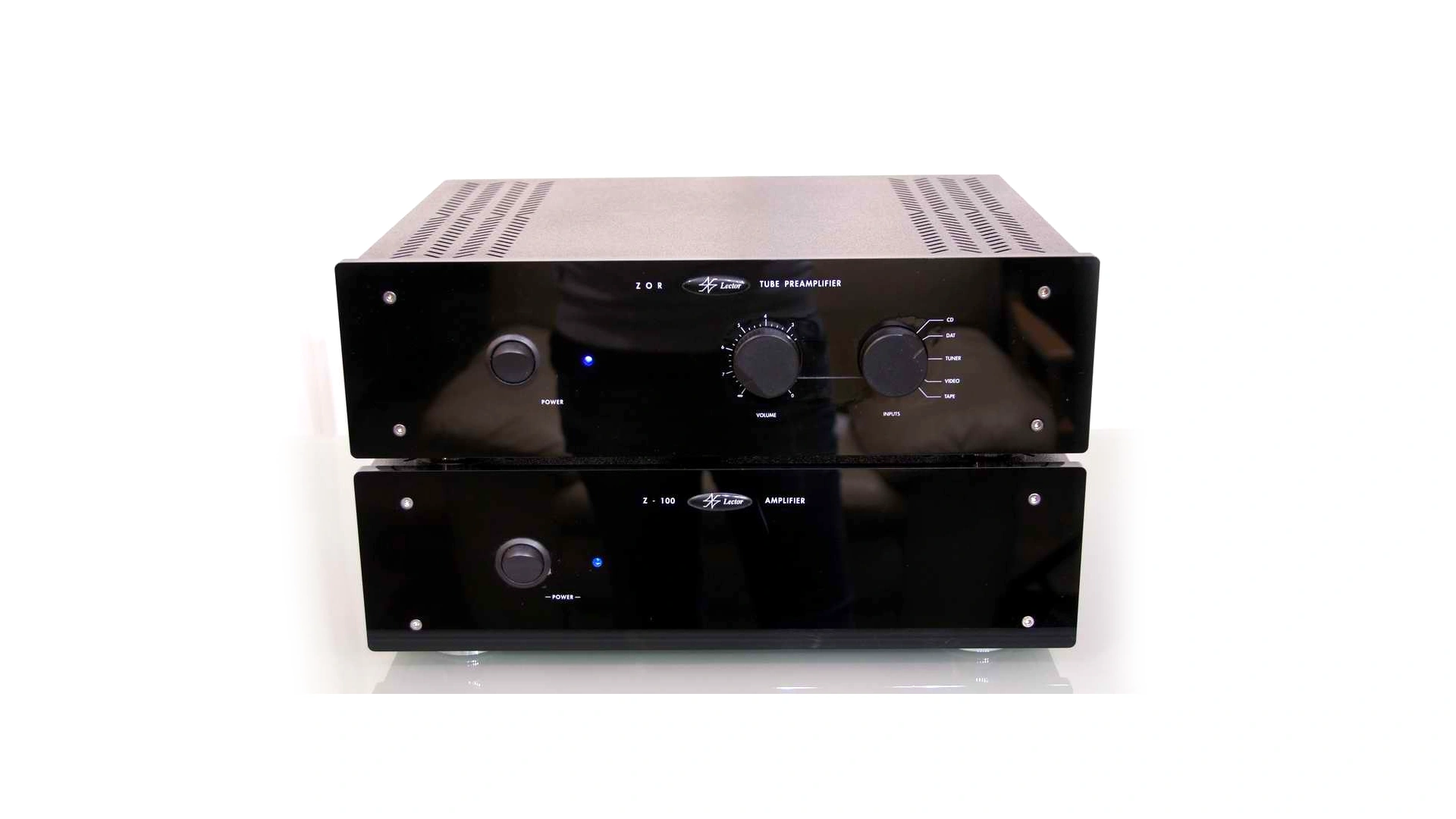
Lector Audio is an Italian manufacturer that has been designing and hand-building high-end electronics since 1982, with particular expertise in combining valve analogue stages with digital sources. Long before tube-output DACs became common, Lector treated the transport, conversion circuitry, clocking, power supply and output stage as separate engineering problems. Its multi-box CD players and the DigiCode/DigiDrive combinations isolate sensitive digital and analogue functions, while the Digitube converters use valves after conversion to avoid a conventional op-amp output path. The range extends beyond digital: Zoe line preamplifiers, VM-series hybrid power amplifiers, ZAX integrated amplifiers and moving-magnet/moving-coil phono stages apply the same preference for substantial external power supplies and short analogue paths. Network products such as Diginet add streaming and file playback without abandoning the modular architecture. Manufacturing in Italy and a willingness to retain serviceable, upgradeable platforms give the catalogue continuity across generations of formats. Lector’s speciality is not simply adding a visible valve to a digital product, but designing the power and analogue sections so optical discs, streamed files and vinyl can share a coherent system character.
Leema Acoustics

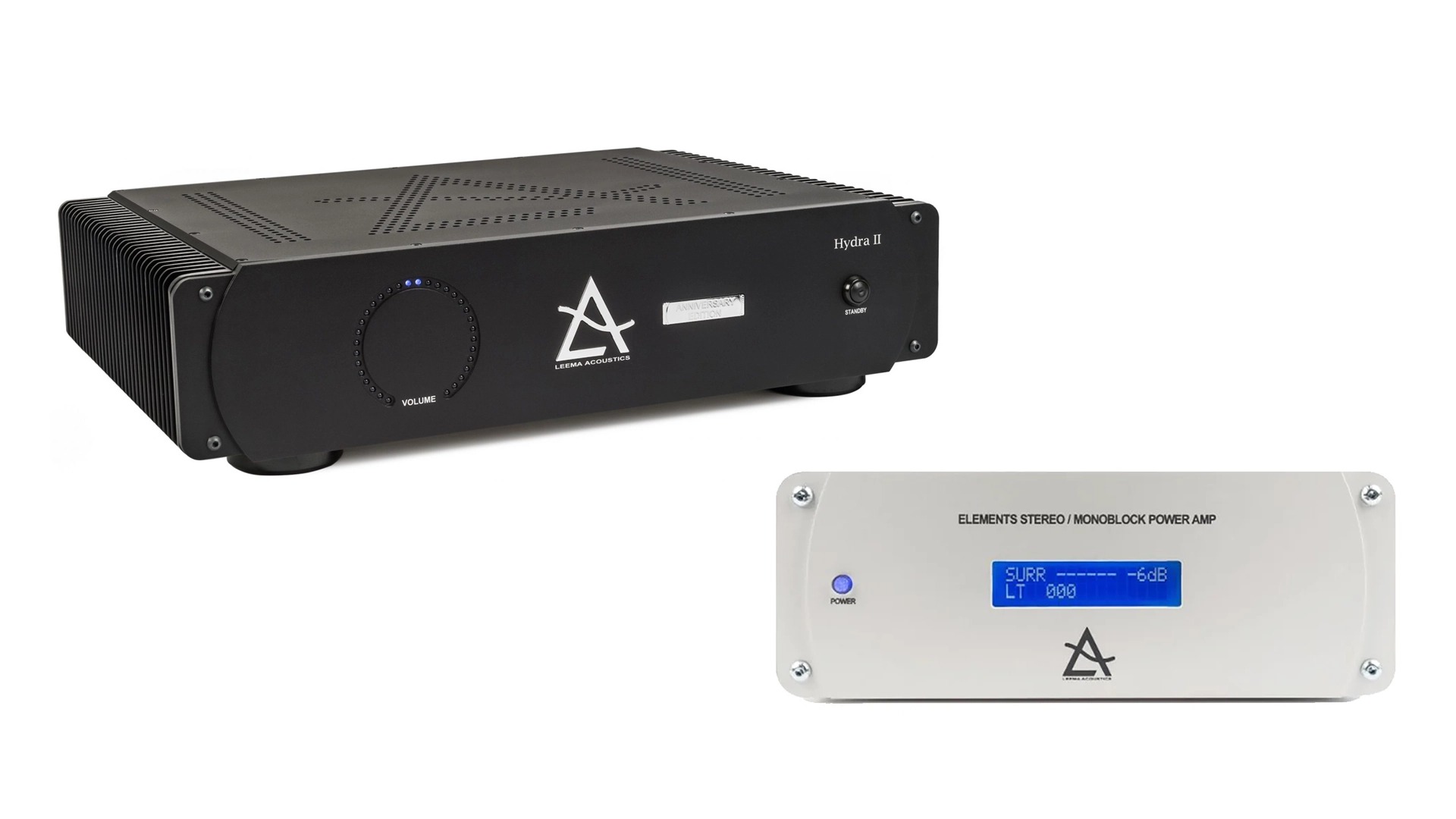
Leema Acoustics is a Welsh hi-fi manufacturer founded in 1998 by Lee Taylor and Mallory Nicholls, two former BBC sound engineers accustomed to judging equipment in real production environments. The company began with compact loudspeakers developed for mobile recording and multichannel monitoring, then expanded into electronics when suitable partnering components proved difficult to find. That practical origin still shapes the range: high-current amplifiers, DACs, CD players, phono stages, streamers and music servers are designed as interoperable tools rather than unrelated luxury objects. The Tucana integrated amplifier and Hydra power amplifier established Leema’s reputation for grip and dynamic headroom, while products such as the Pulse IV and streaming-capable Quasar bring digital conversion and modern source access into a single chassis. Elements components provide a more compact route into the same ecosystem, and the Sirius server handles storage and library playback. Design and manufacturing remain in Wales, allowing hardware, firmware and service knowledge to stay close together. Leema’s real distinction is the founders’ broadcast-engineering mindset: low noise, useful connectivity and repeatable performance take priority over decorative audiophile claims.
Lehmann Audio

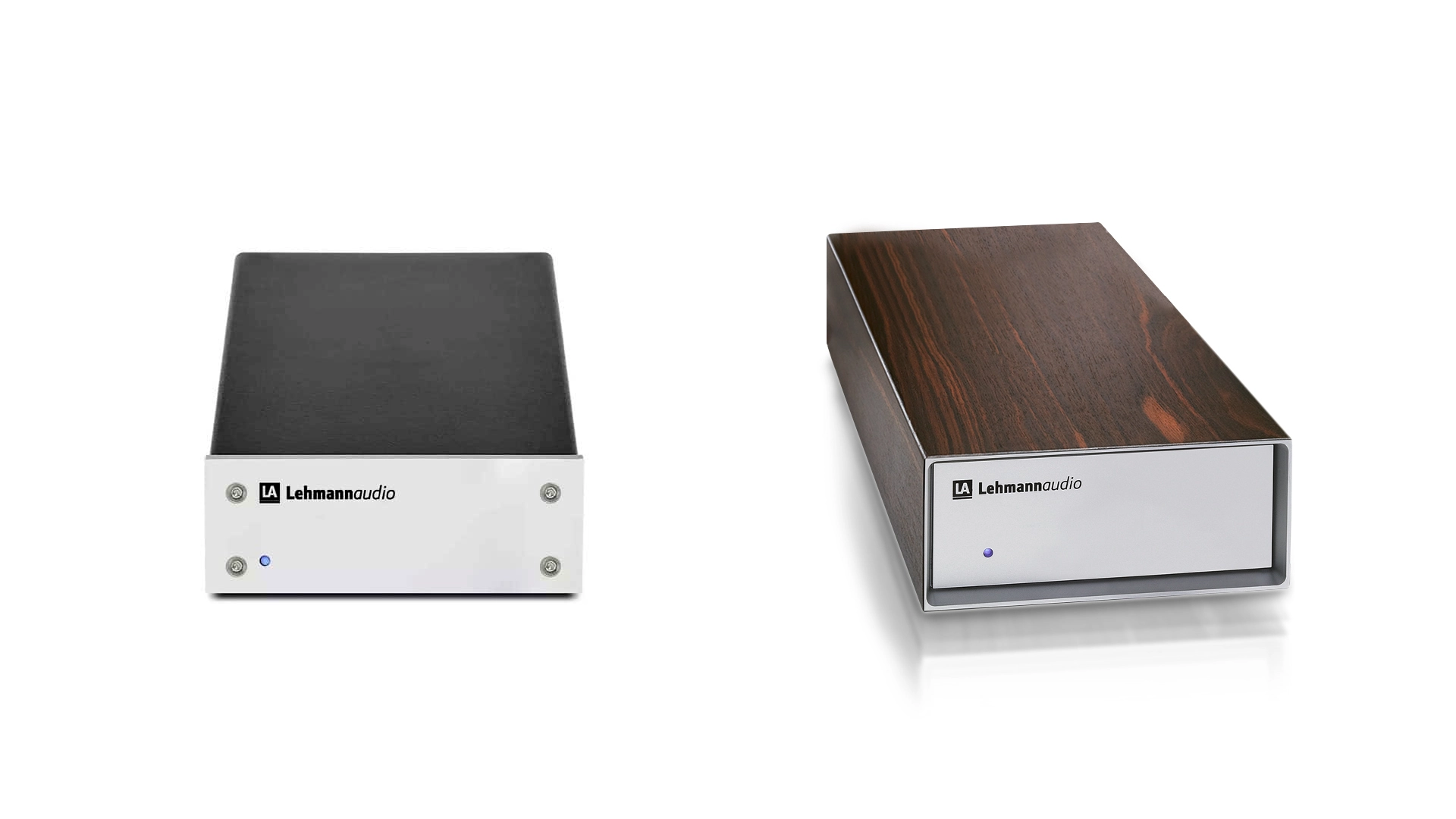
Lehmann Audio is a German specialist whose reputation rests on two demanding low-level tasks: amplifying a phono cartridge and driving headphones without masking fine signal detail. Norbert Lehmann founded the company in Cologne in 1988 while studying audio engineering. The Black Cube phono stage, introduced in 1995, became the breakthrough product by offering adjustable gain and loading in a compact chassis with an external power supply; the Statement, Decade and Silver Cube now extend that family from entry level to reference systems. Headphone amplifiers form the second pillar. The Linear, launched in 2004, is used in domestic systems and professional mastering environments, while the Linear SE, decade, Drachenfels and Traveller models adapt the core expertise to different sources and use cases. The modular Drachenfels platform can accept alternative digital or analogue input modules, helping the product evolve without a complete replacement. Lehmann designs and manufactures in Germany, with close attention to power supplies, channel matching, low noise and mechanically robust construction. Its strength is disciplined signal conditioning: small components whose influence on a system is far larger than their footprint suggests.
Liedson

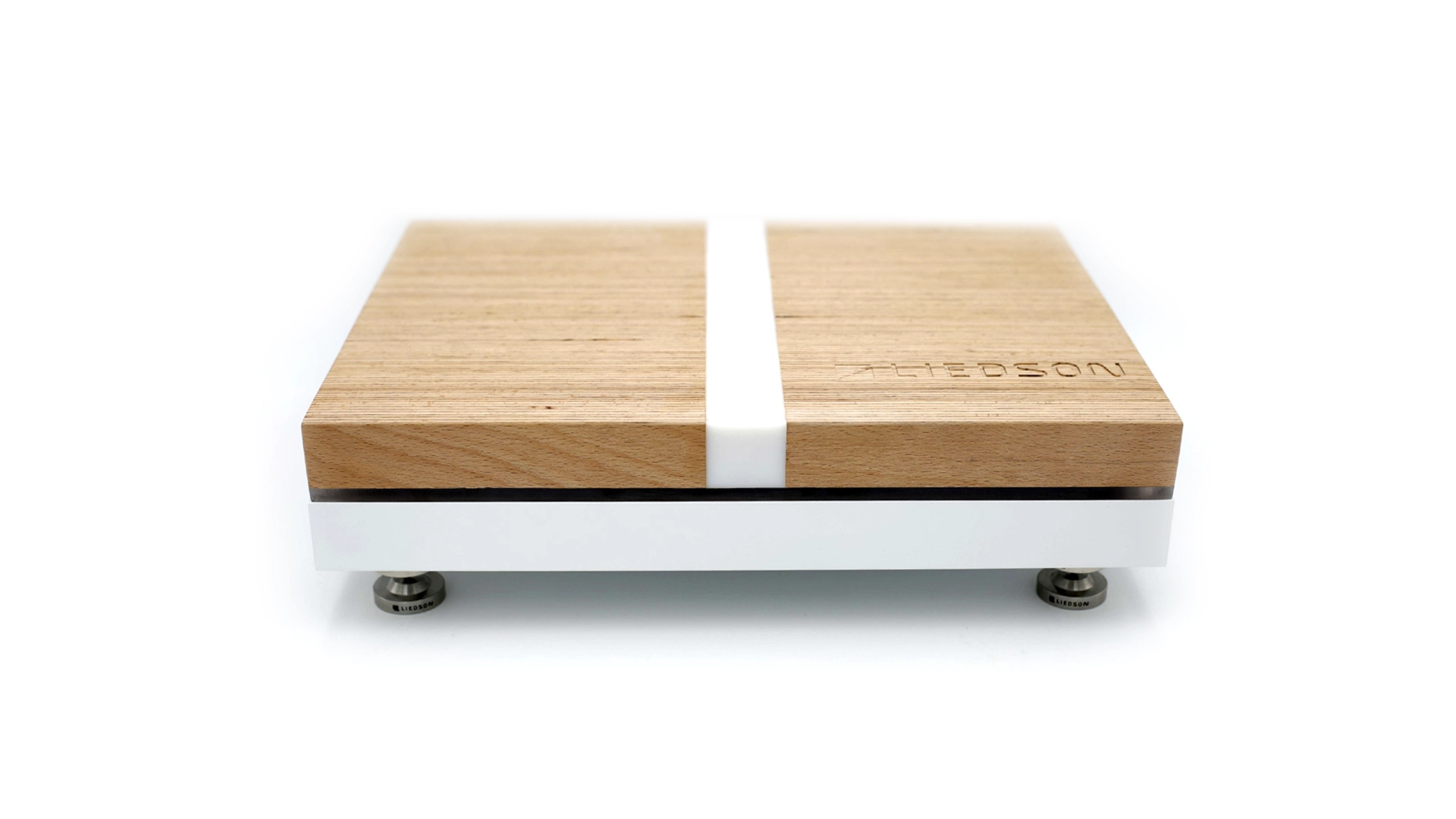
Liedson is a French designer and manufacturer of network-audio electronics, music servers and headphone amplification—not a maker of turntables or tonearms. Gilles and Claire Aguilera founded the company in southern France, combining the German musical term “Lied” with the French word for sound. Gilles Aguilera’s interest in Linux-based audio servers predates the brand, and several years of development led to the Oratorio: a high-end music server and streamer with CD playback, automatic ripping, internal storage and a dedicated control environment. Liedson later adopted a customised Volumio platform to provide mature library and streaming functions while retaining its own hardware and interface design. The Prestige range has included the Oratorio and Odeon digital sources, Fidelio streamer and the distinctive Orpheon network player/headphone amplifier, whose sculptural stand allows headphones to rest directly on the unit. Aficionado products such as the Stream 4.7 and Liedbox address more compact systems. Circuit boards, aluminium chassis and woodwork are sourced or manufactured in France wherever practical. Liedson’s signature is the integration of storage, network playback, conversion and ergonomic product design in a single coherent source.
Lindemann

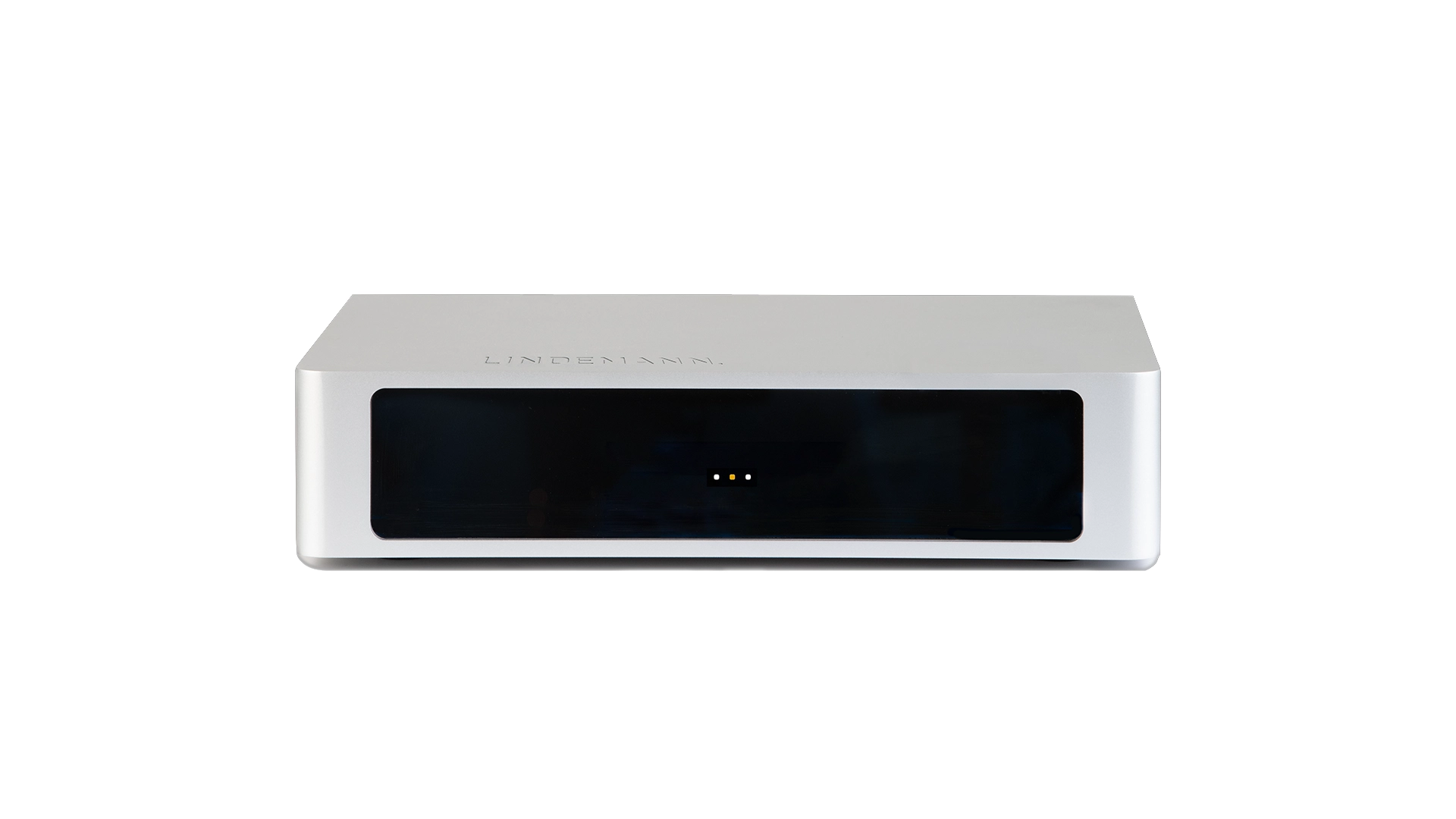
Lindemann is a German high-end electronics company founded by engineer Norbert Lindemann in 1992. From its first AMP 1 integrated amplifier through early high-resolution disc players and today’s network products, the company has concentrated on timing, signal integrity and short, controlled circuit paths rather than feature count for its own sake. The compact Musicbook family is the core of the modern range. Musicbook SOURCE combines streaming, DAC and analogue preamplifier functions, with an optional CD drive on selected versions, while Musicbook POWER provides matching Class D amplification. The smaller Limetree components divide functions such as network playback, USB conversion, phono amplification and headphone drive into affordable, upgradeable modules. Newer Woodnote products continue the same compact-system idea. Lindemann develops hardware and software in Germany and pays particular attention to clocking, power-supply separation, analogue output stages and app-based operation. The brand’s distinction is not simply miniature cases: it builds complete digital front ends whose streaming software, conversion and volume control are engineered together, then offers matching amplification without forcing owners into an oversized stack.
Line Magnetic Audio
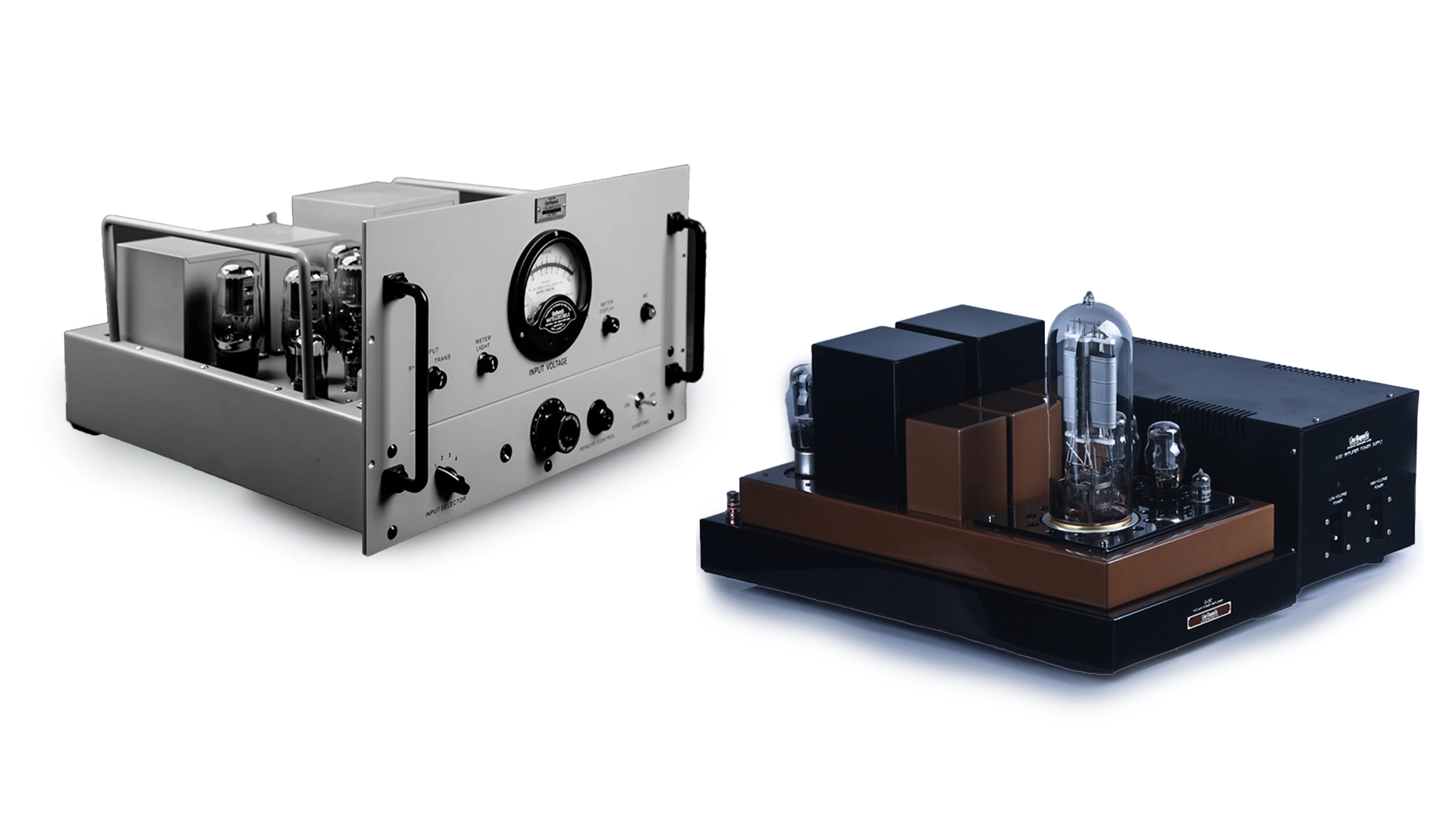
Line Magnetic Audio is a Chinese high-end manufacturer whose work connects present-day valve electronics with the engineering of Western Electric, Altec and Jensen cinema systems. Brothers Zheng Cai and Zheng Xi founded the company in Zhuhai in 2005 after years spent repairing, collecting and studying historic amplifiers, field-coil drivers and horns. The company first became known for painstaking replicas of classic loudspeaker drivers and theatre electronics, then developed an extensive range of original integrated amplifiers, preamplifiers, power amplifiers, digital sources and loudspeakers. Single-ended Class A models built around 845, 805, 211 or 300B output valves are central to the catalogue, while push-pull designs offer greater power for less sensitive speakers. Products such as the LM-845IA, LM-805IA and LM-88IA show that Line Magnetic does not rely on a single tube topology. Large output transformers, point-to-point wiring in many valve models and user-accessible bias adjustment reflect practical manufacturing know-how. Its horn systems and replica drivers preserve a separate, historically informed side of the business. Line Magnetic’s individuality lies in learning directly from early cinema audio while producing usable contemporary components rather than decorative copies.
Linear Tube Audio

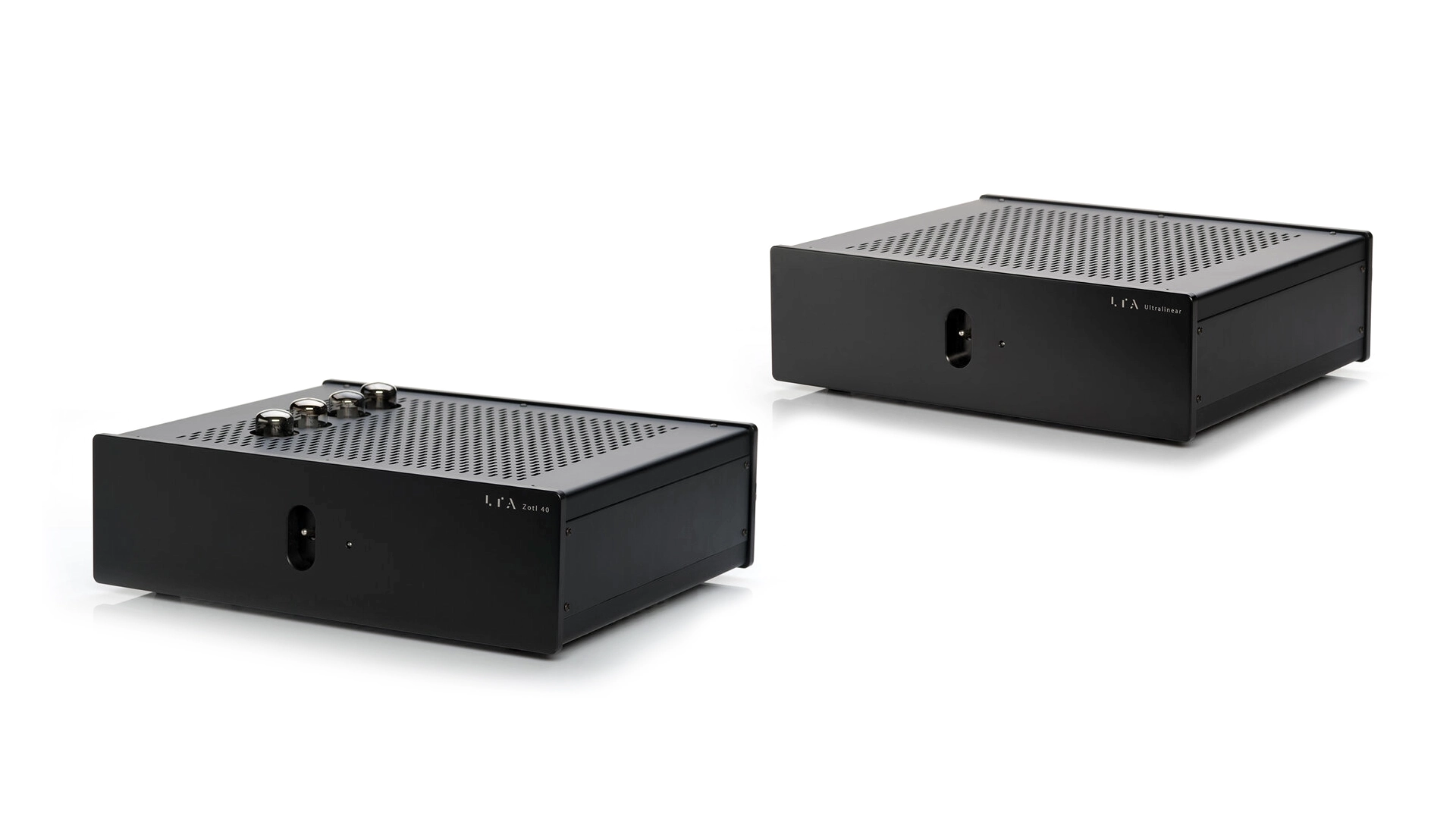
Linear Tube Audio is an American valve-electronics manufacturer built around David Berning’s patented ZOTL architecture. Mark Schneider founded the company in 2015 and began with the MicroZOTL 2.0, an updated version of Berning’s compact amplifier. A conventional tube power amplifier requires a large audio-frequency output transformer to match the valves to a loudspeaker. ZOTL instead transfers that impedance through a radio-frequency conversion stage, avoiding the hysteresis, bandwidth limits and stored energy associated with a traditional output transformer while retaining valves in the signal-amplifying circuit. Berning designs the core amplifier topology to LTA’s requirements, and the Takoma Park, Maryland team develops the power supplies, control systems, chassis and production engineering around it. Current products include Z40+ and Ultralinear+ integrated and power amplifiers, the MicroZOTL preamplifier, Z10e electrostatic-headphone amplifier, Velo headphone amplifier/preamplifier and Aero DAC. Units are hand-built in the United States and designed for long tube life and relatively low heat. LTA’s strength is therefore specific and testable: it industrialises a difficult alternative to the valve output transformer.
Linn

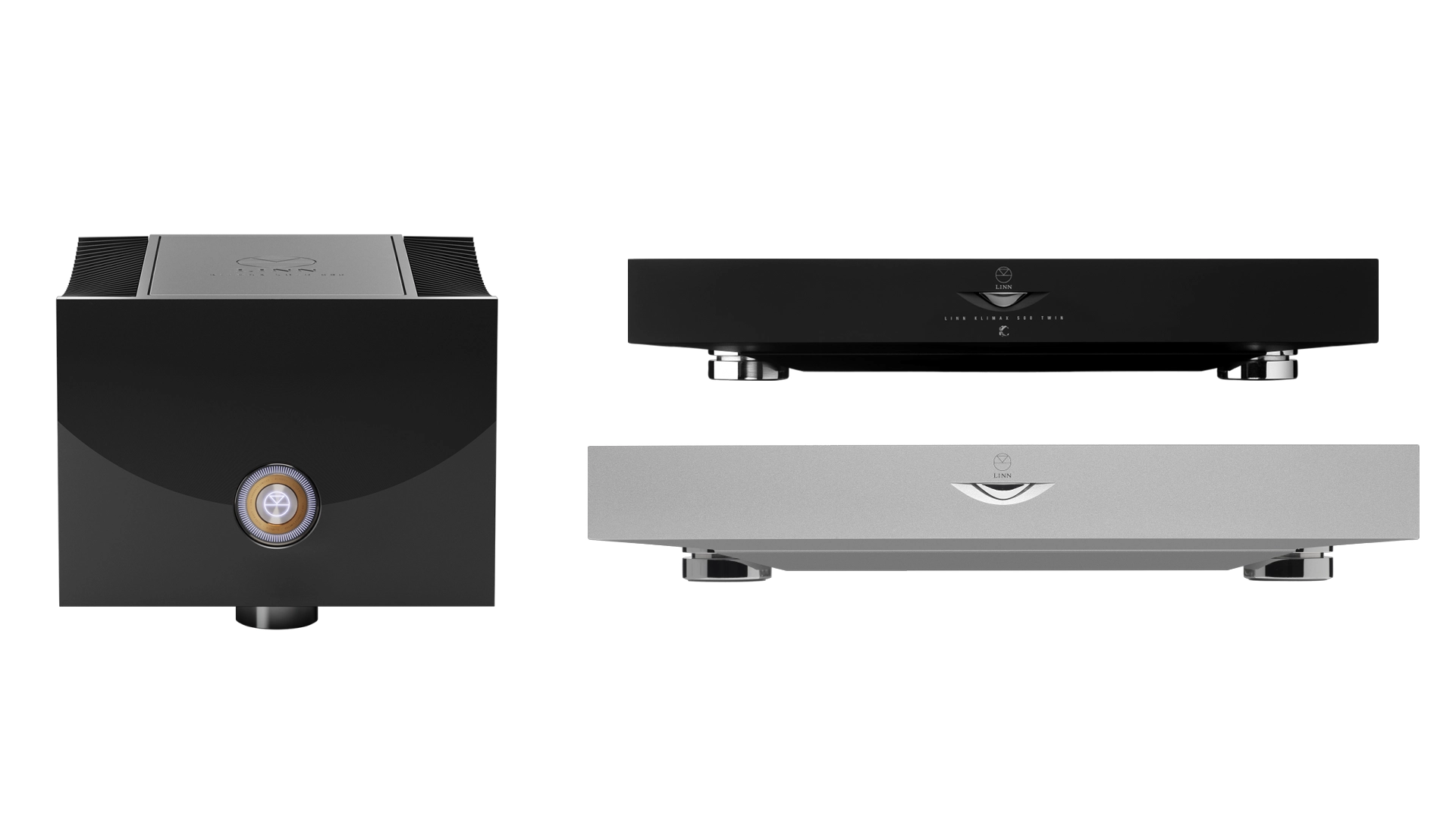
Linn is a Scottish hi-fi manufacturer founded by Ivor Tiefenbrun in 1973, the year the Sondek LP12 established the company’s “source first” argument: information lost at the beginning of a replay chain cannot be recovered later. The suspended, belt-driven LP12 remains in production, but its significance is also structural. Bearings, subchassis, power supplies, tonearms and cartridges can be upgraded individually, allowing decades-old decks to incorporate current engineering. Linn carried the same system thinking into digital audio with its DS network players and today’s Klimax, Selekt and Majik DSM products. Organik is Linn’s in-house discrete DAC architecture; Exakt moves the crossover into the digital domain and time-aligns individual drive units; Space Optimisation models a specific loudspeaker and room to reduce low-frequency interaction without requiring a calibration microphone. Selekt DSM can be configured as a source, preamplifier, integrated amplifier or multichannel hub and upgraded with different DAC and amplification modules. Loudspeakers and complete active systems close the loop. Designed and manufactured near Glasgow, Linn’s defining strength is controlled evolution: analogue and digital platforms are built to accept meaningful upgrades instead of being discarded.