
Power Amplifiers
A power amplifier has one singular, focused mission: to take the audio signal from a preamplifier and provide the massive current and voltage needed to drive loudspeakers. Free from the duties of source selection or volume control, its design is purely dedicated to delivering clean, effortless power for the best possible sound quality. They come in various configurations, including stereo amps and ultimate-performance monoblocks. This index lists the world’s leading manufacturers of these audio system engines, the power behind high-fidelity sound.
Hi-Fi brands in the category
Summary information and image
Direct links to official websites
Elipson

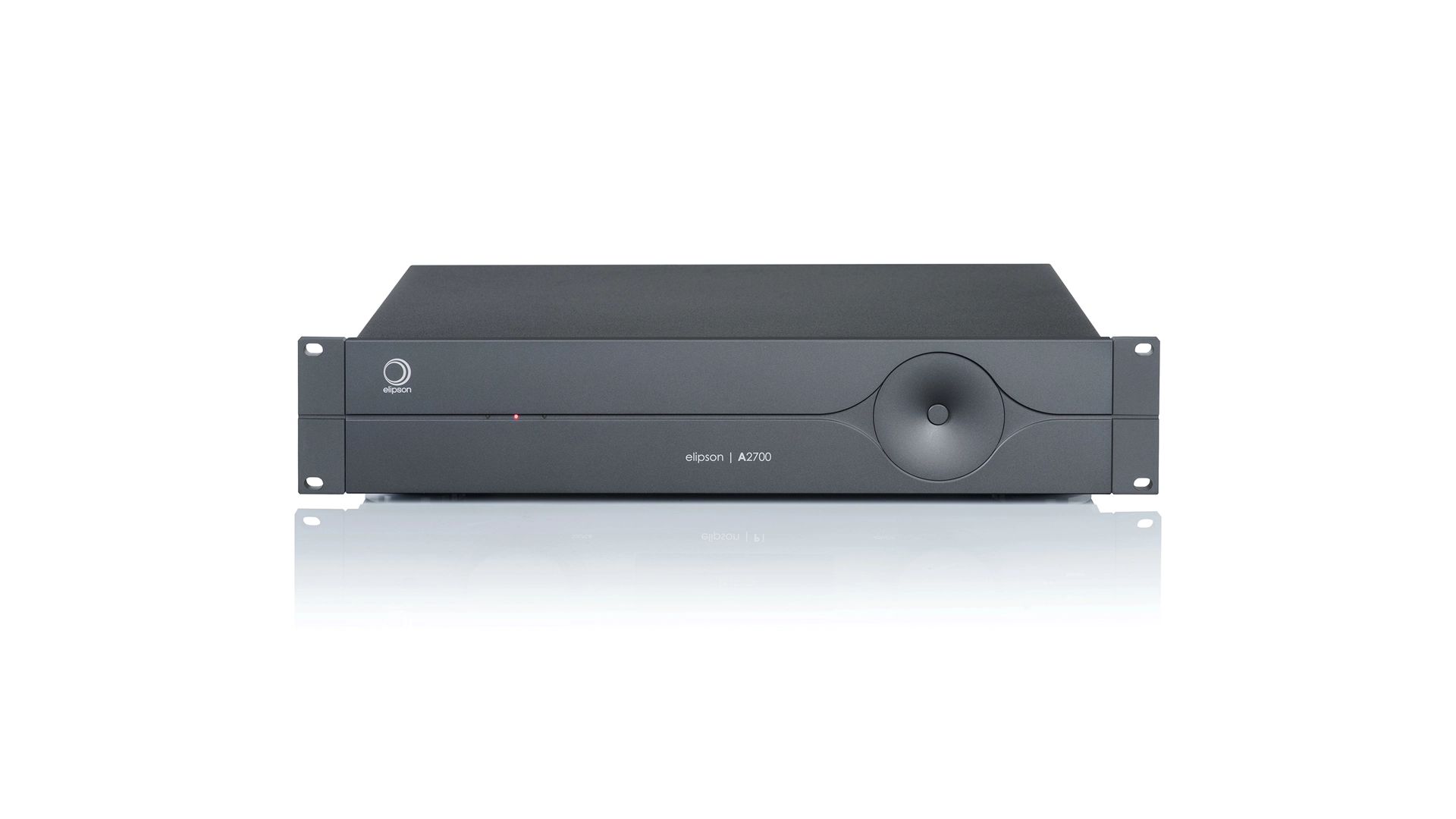
Elipson is France’s oldest surviving specialist loudspeaker name, tracing its company origin to 1938 and its distinctive acoustic identity to engineer Joseph Léon. The historical sequence deserves precision: the business began as Multimoteur, early audio research started around 1940, Léon joined in 1946 and led the company from 1948, and the Elipson name—formed from “ellipse” and the French word “son”—was adopted in 1951. Under Léon, spheres, reflectors and resonators were engineering tools for controlling diffraction, radiation and time alignment, not merely futuristic styling. The BS50 Chambord and later 402 made those experiments iconic in French broadcasting and public installations. Today the Planet series keeps the spherical enclosure visible, while Heritage models revisit large-format designs and newer Prestige, Legacy and wireless products cover conventional home systems. Elipson also offers turntables and electronics, but loudspeaker form remains its signature. Its strength is the unusually direct link between acoustic research and industrial design: shapes that are instantly recognisable because they were first chosen to solve propagation and enclosure problems.
EMM Labs

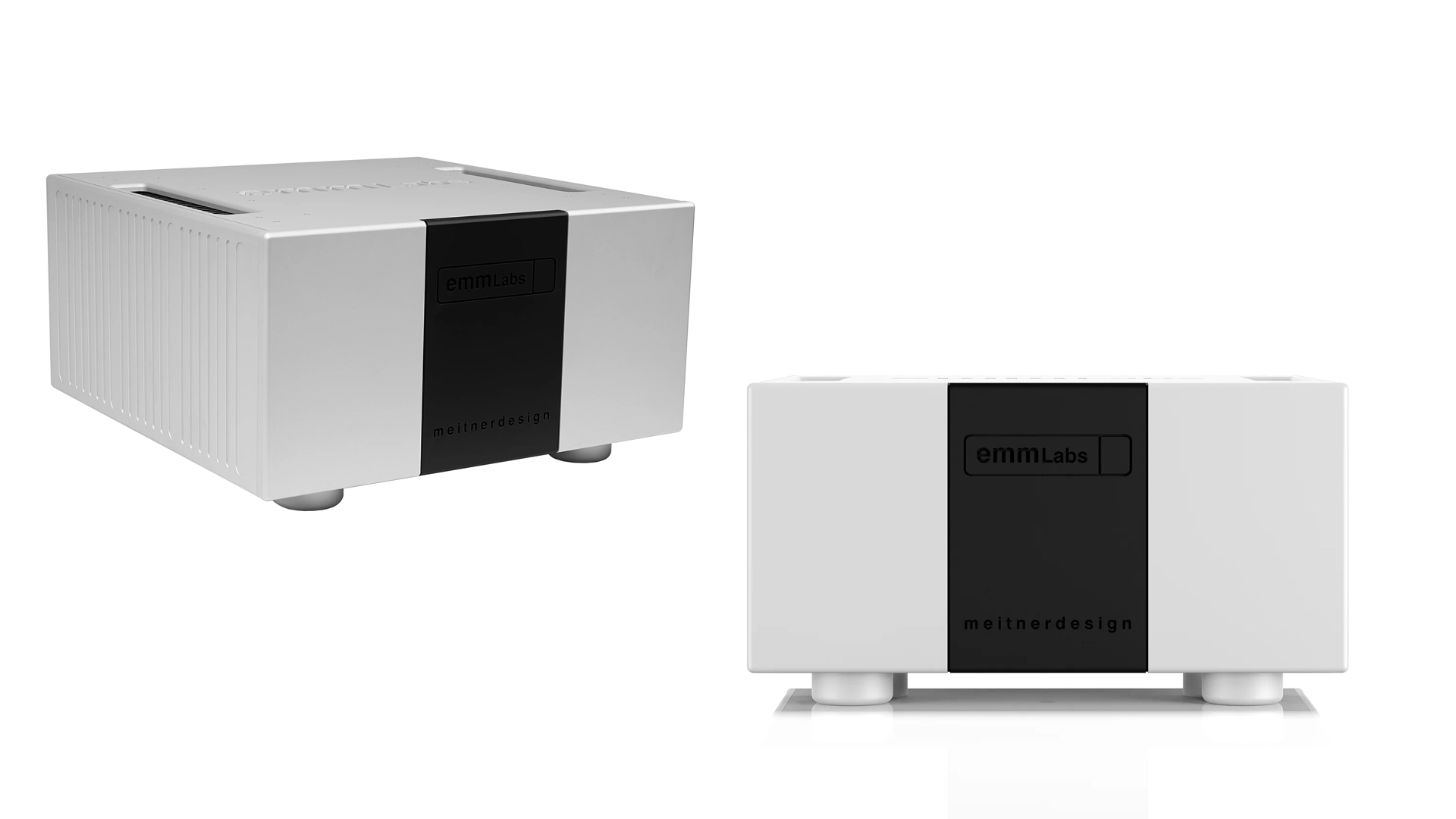
EMM Labs is the Canadian digital-audio company established in 1998 by engineer Ed Meitner, whose converter and test-equipment work already spanned decades when Sony and Philips involved him in the development and professional implementation of SACD. EMM Labs helped create the first complete multichannel DSD playback system, giving the brand a rare bridge between mastering-room tools and domestic high-end components. Its current converters do not rely only on an off-the-shelf DAC chip: proprietary MDAC discrete single-bit conversion, MDAT signal processing, MFAST asynchronous input acquisition and MCLK precision clocking are designed as a coordinated path for PCM and DSD. VControl adds level adjustment without conventional re-quantisation in products such as the DV2. The catalogue includes reference DACs, digital preamplifiers, transports, streamers and amplification, while the related Meitner Audio line packages much of the same design philosophy more accessibly. EMM Labs’ central advantage is provenance with purpose: technology developed to capture, monitor and master high-resolution recordings is carried into playback equipment under the direction of the same designer.
Emotiva

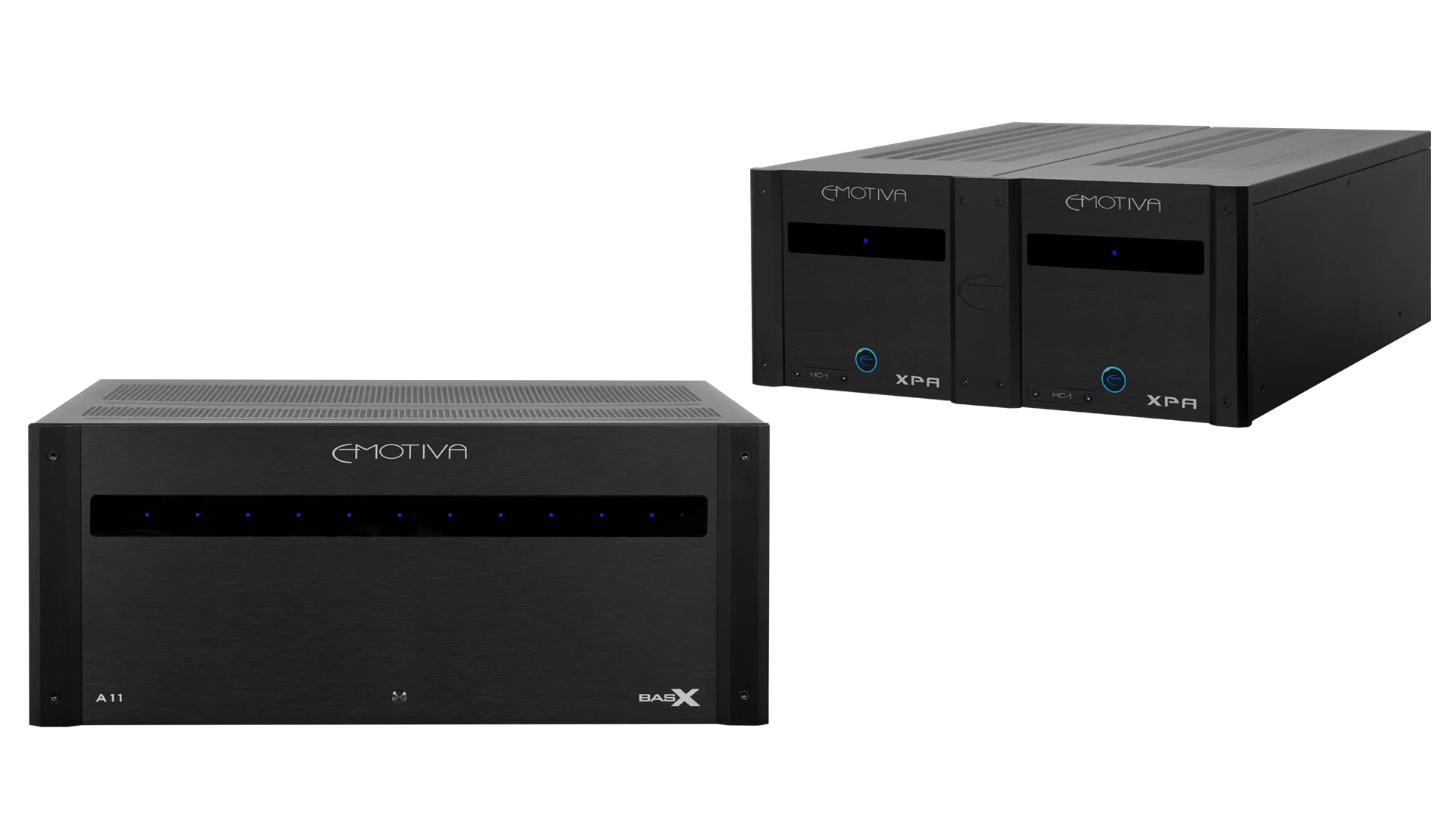
Emotiva is an American audio company founded in 2003 by Dan Laufman to sell serious stereo and home-theatre electronics directly to listeners, removing several layers of conventional distribution cost. That business model matters because it shaped the products: substantial power supplies, high channel counts and upgrade-friendly platforms offered at prices below many specialist competitors. BasX covers accessible amplifiers, preamps and cinema electronics, while XPA power amplifiers scale from stereo systems to multichannel installations through modular high-current Class A/B stages and efficient switch-mode supplies. Differential Reference models use fully balanced, fully differential signal paths and Optimized Class H supply operation for demanding front channels or two-channel systems. Surround processors and receivers address immersive formats, and loudspeakers extend the catalogue into complete systems. Emotiva’s identity is not simply “value for money”; it is the combination of direct sales with unusually powerful, configurable hardware for enthusiasts who may need two channels today and a large cinema later. Design and final product development are centred in Tennessee, with model-specific manufacturing choices rather than a blanket claim that every component is built in the United States.
Engstrom

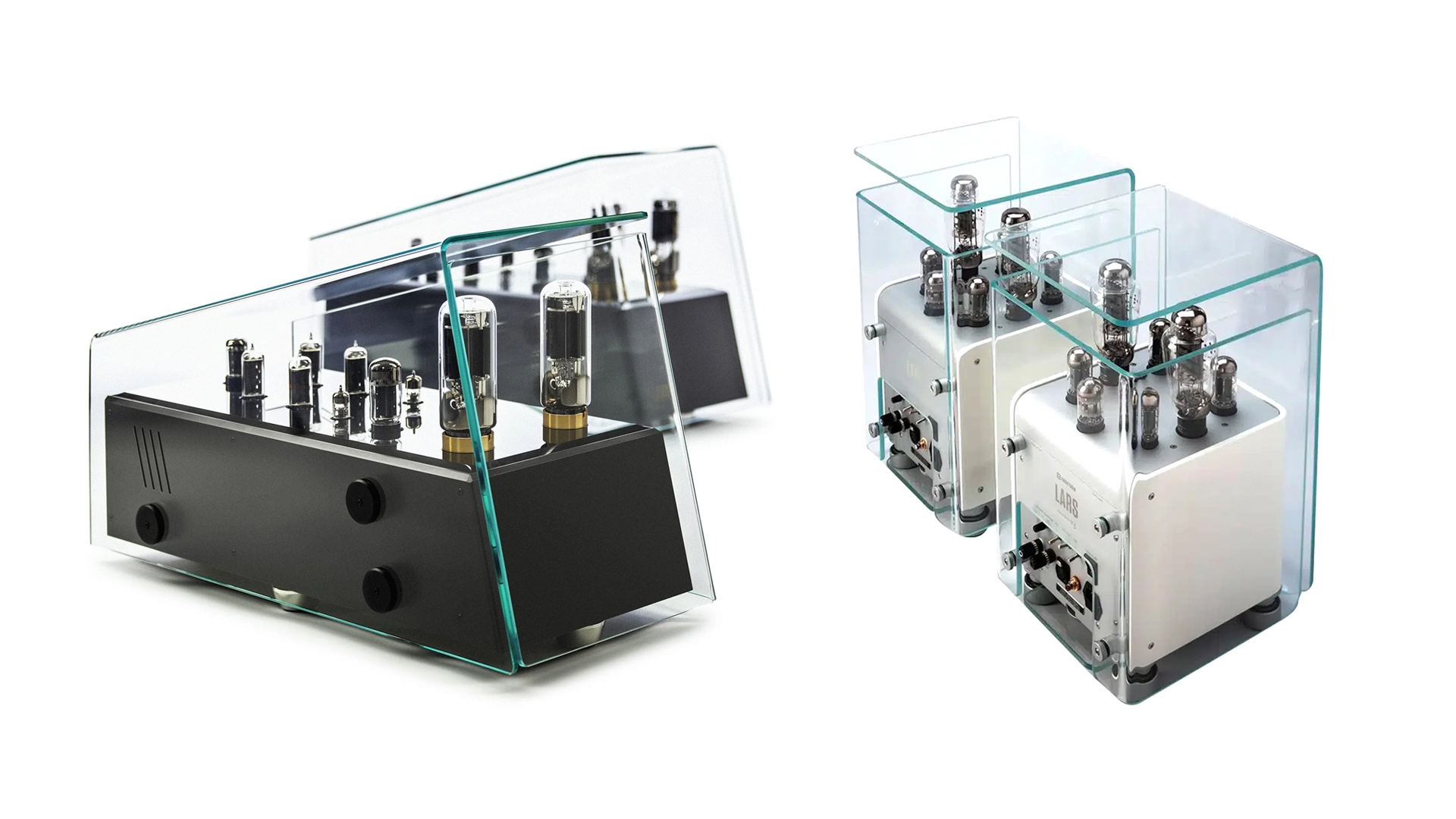
Engström is a small Swedish family company founded in 2008 by engineer Lars Engström and industrial designer Timo Engström. Lars developed the circuitry after decades in radio, navigation and control engineering; Timo gave the products their restrained Scandinavian form, inspired in part by 1960s and 1970s radio furniture. The range centres on valve amplification: the LARS and ERIC power amplifiers, MONICA preamplifier, ARNE integrated amplifier and M-PHONO phono stage. Engström favours fully balanced signal paths, custom transformers, carefully controlled power supplies and zero global negative feedback, with directly heated triodes used where the design calls for them. These are low-volume, high-power-consuming statement components, but their real distinction is the unusually close integration of circuit design, transformer work and industrial design rather than luxury decoration alone.
Eon-Art

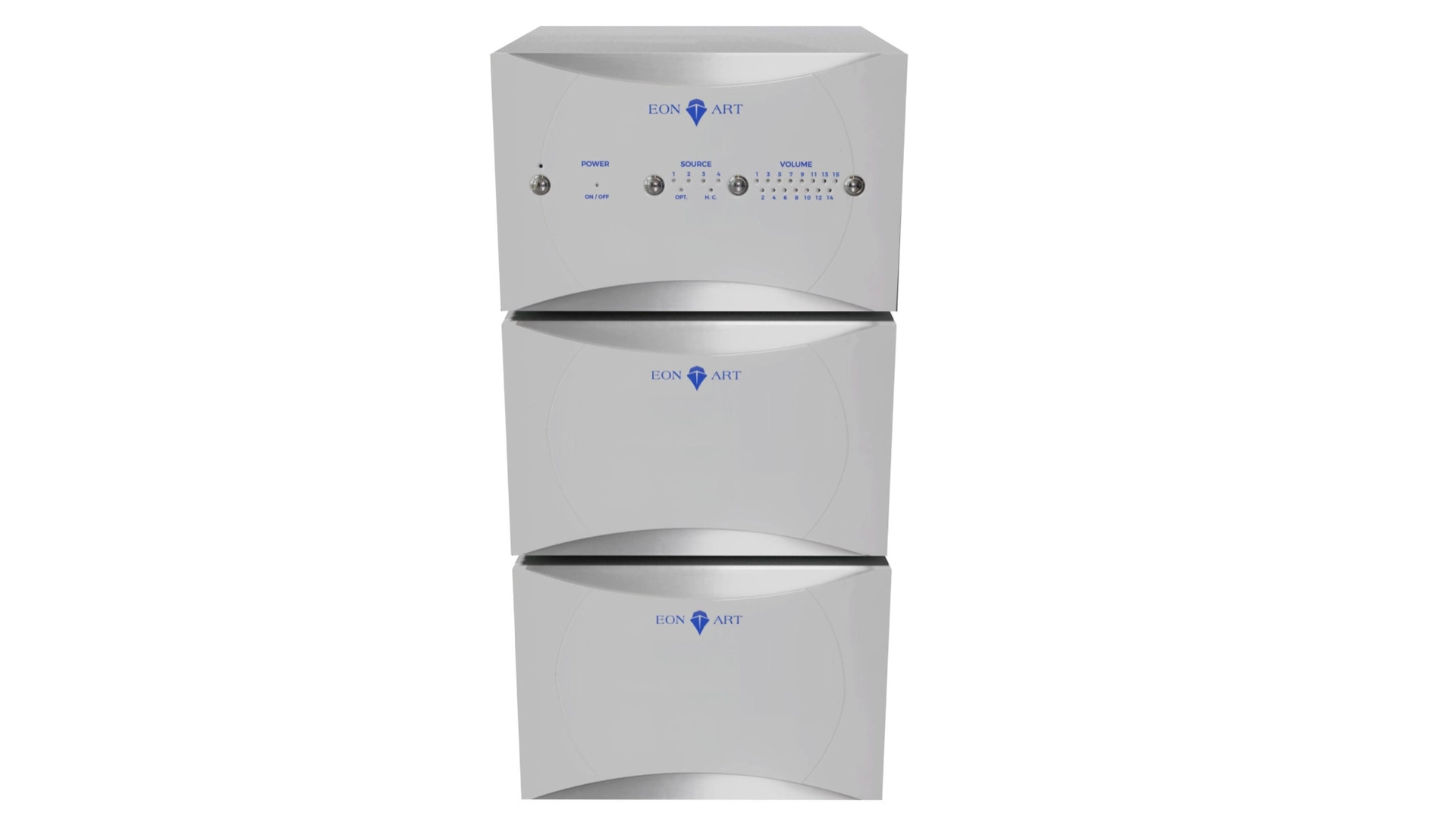
Eon Art is a Canadian high-end audio company based in Chandler, Quebec, and led by Stéphane Hautcoeur. Incorporated in 2017, Eon Art Canada united its electronics work with the French loudspeaker expertise of Venus Acoustic; this French connection is sometimes mistaken for the company’s country of origin. Its best-known electronics, including the Quark integrated amplifier, combine valve gain and regulated valve power supplies with a high-power solid-state output stage, extensive local power regulation and modular multi-board construction. The company also develops digital conversion and Venus-series loudspeakers such as Cybela, whose CFTA internal geometry redirects rear radiation to reduce enclosure resonances. Products are made and assembled in Canada, with the emphasis on complete-system engineering, laboratory measurement and documented quality control rather than a catalogue of conventional separate boxes.
Esoteric

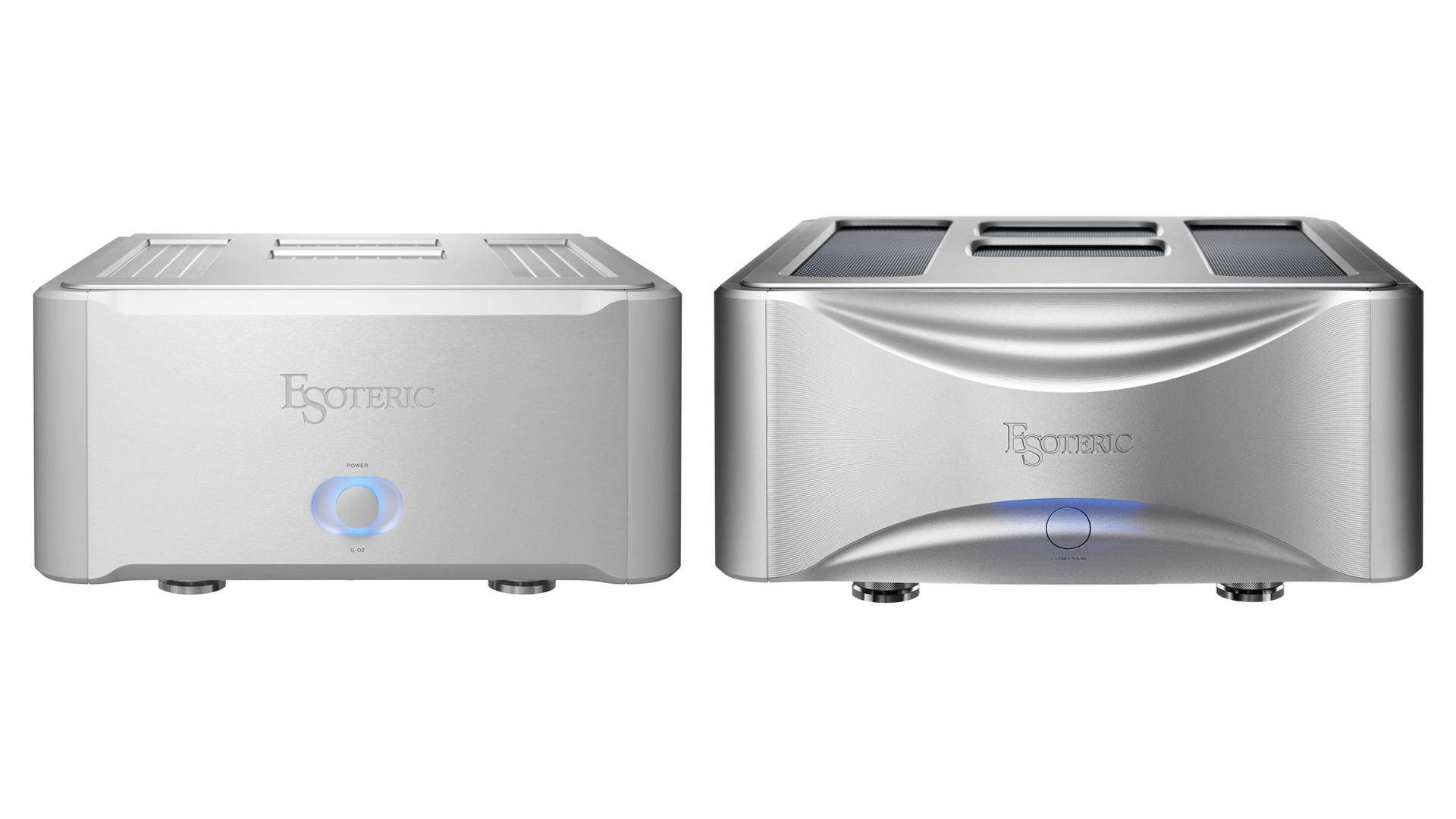
Esoteric is the high-end audio marque created by TEAC in Japan in 1987. It first became famous for extremely rigid CD and SACD transports, especially the VRDS system, which clamps a disc to a precision turntable to stabilise rotation and reduce mechanical error. The current VRDS-ATLAS mechanism extends that principle with a heavy bridge and carefully controlled centre of gravity, while Esoteric’s Master Sound Discrete DAC and clock technologies move critical conversion and timing functions into proprietary hardware. The catalogue now spans SACD/CD players, network players, DACs, master clocks, preamplifiers, power and integrated amplifiers, phono stages and the Grandioso reference series; it has also entered turntables. Esoteric’s lasting strength is vertical engineering—mechanism, chassis, clocking, conversion and analogue stages designed as parts of one playback architecture.
Eversolo

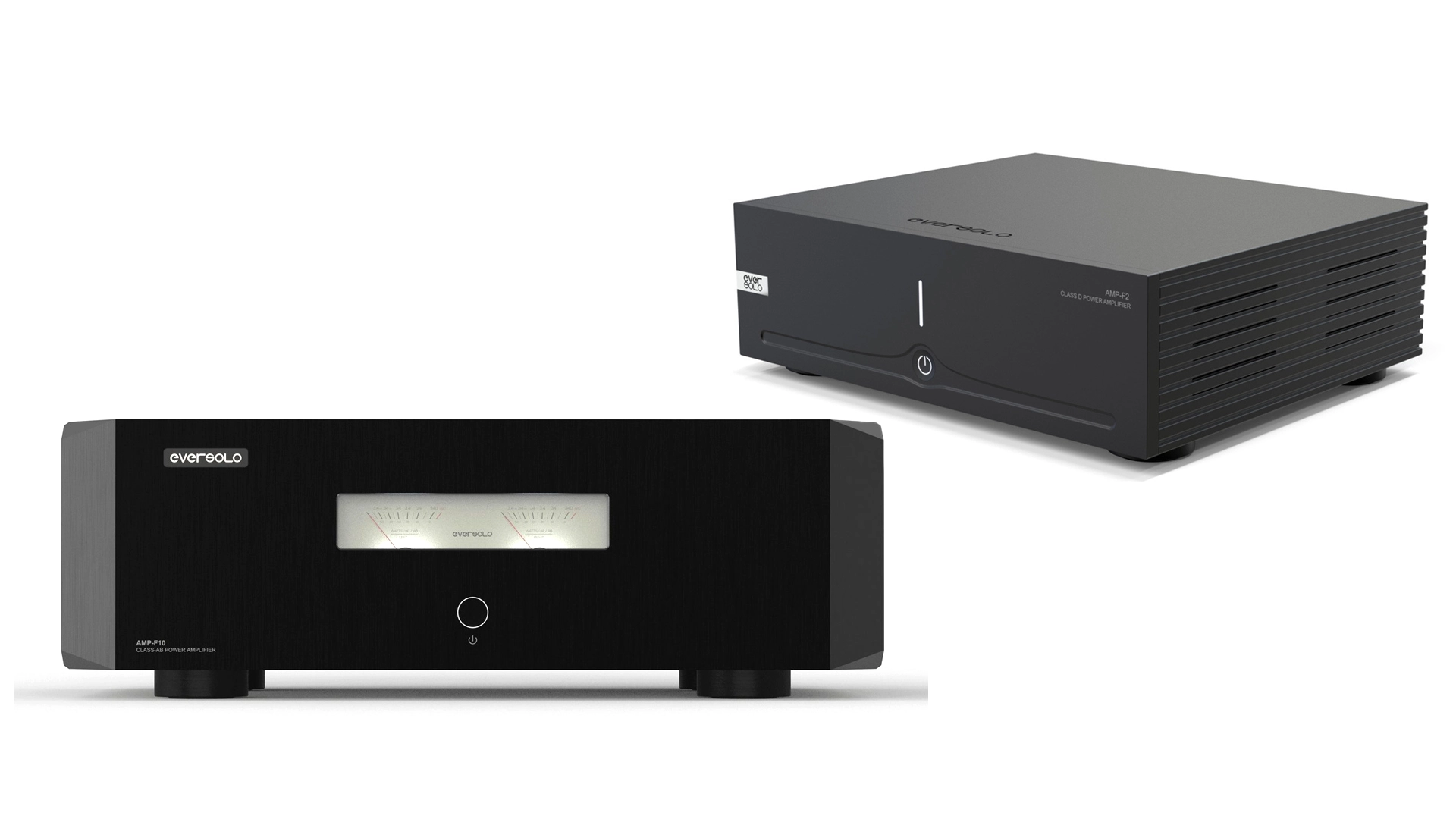
Eversolo is a Shenzhen digital-audio brand backed by Zidoo Technology and staffed by engineers working across decoding, analogue circuitry, amplification, system integration and user-interface design. Its early DAC-Z6 and DAC-Z8 established the visual language, but the DMP-A6 streamer made the name widely known by combining a large touchscreen, local SSD storage, network services, high-resolution conversion and preamplifier functions in one compact chassis. The range has since expanded through DMP-A8 and DMP-A10 streamers, T-series transports, DACs, power amplifiers and the Play streaming amplifier. Eversolo’s real strength is integrated hardware and software: library management, control apps, digital processing, clocking, conversion and analogue outputs are developed as one user-facing system rather than assembled as unrelated functions. It is a modern digital front-end specialist, not an old loudspeaker or amplifier marque.
Exposure

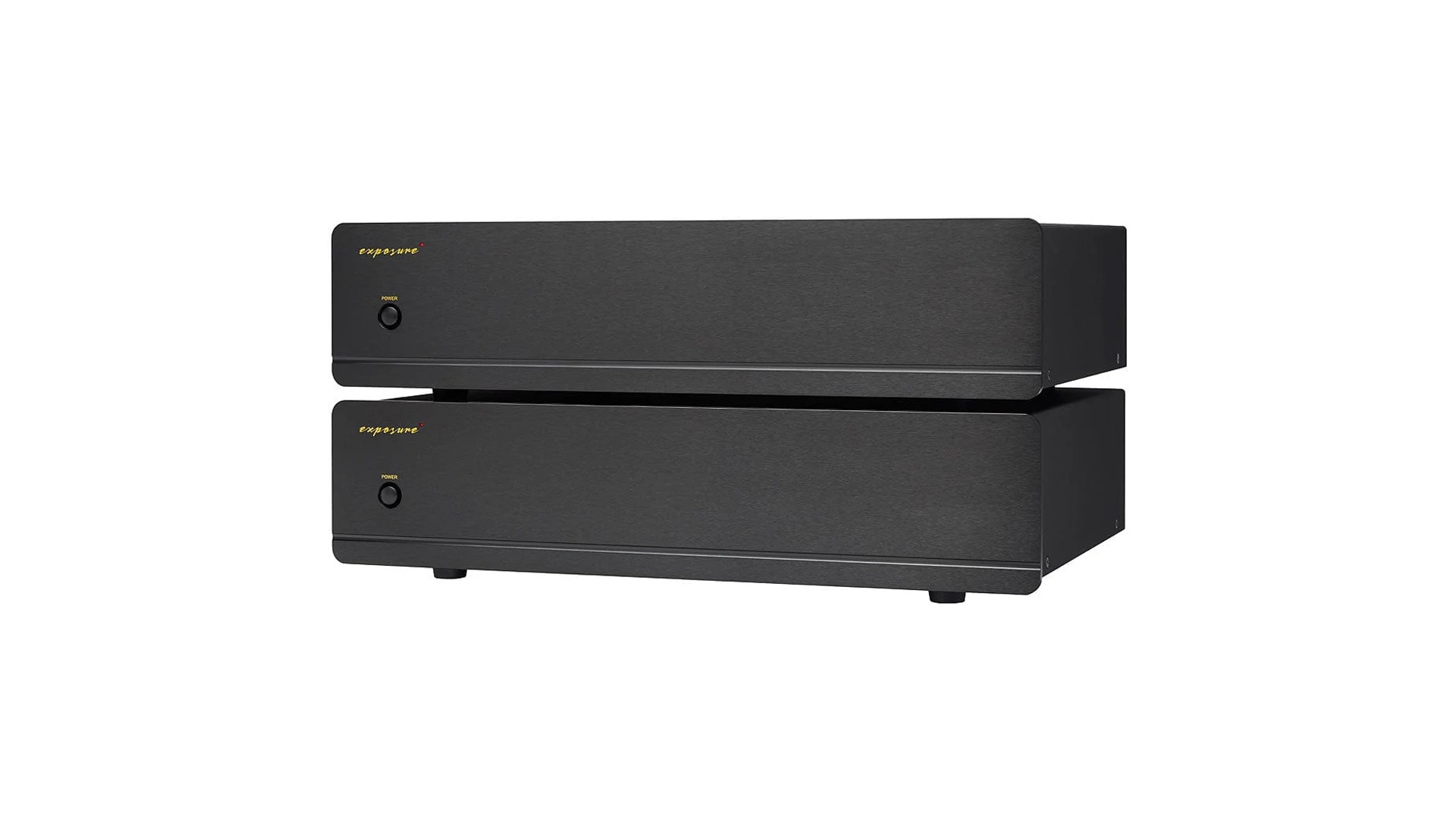
Exposure Electronics is a British hi-fi manufacturer founded in 1974 by John Farlowe. Farlowe’s experience building electronics for studios and musicians shaped amplifiers that favoured current delivery, timing and simple signal paths over extensive controls or decorative casework. Current XM, 3510 and 5010 components continue that practical hierarchy across integrated, pre- and power amplification, phono stages and digital sources. Typical Exposure engineering includes custom toroidal transformers, generous power-supply reserves, discrete transistor stages and short circuit paths; selected amplifiers can accept optional phono or DAC boards without turning into disposable all-in-one products. The brand’s individuality lies in system building: compact XM components, the modular 3510 level and reference 5010 separates share the same restrained design and can be upgraded in logical steps.
Extraudio

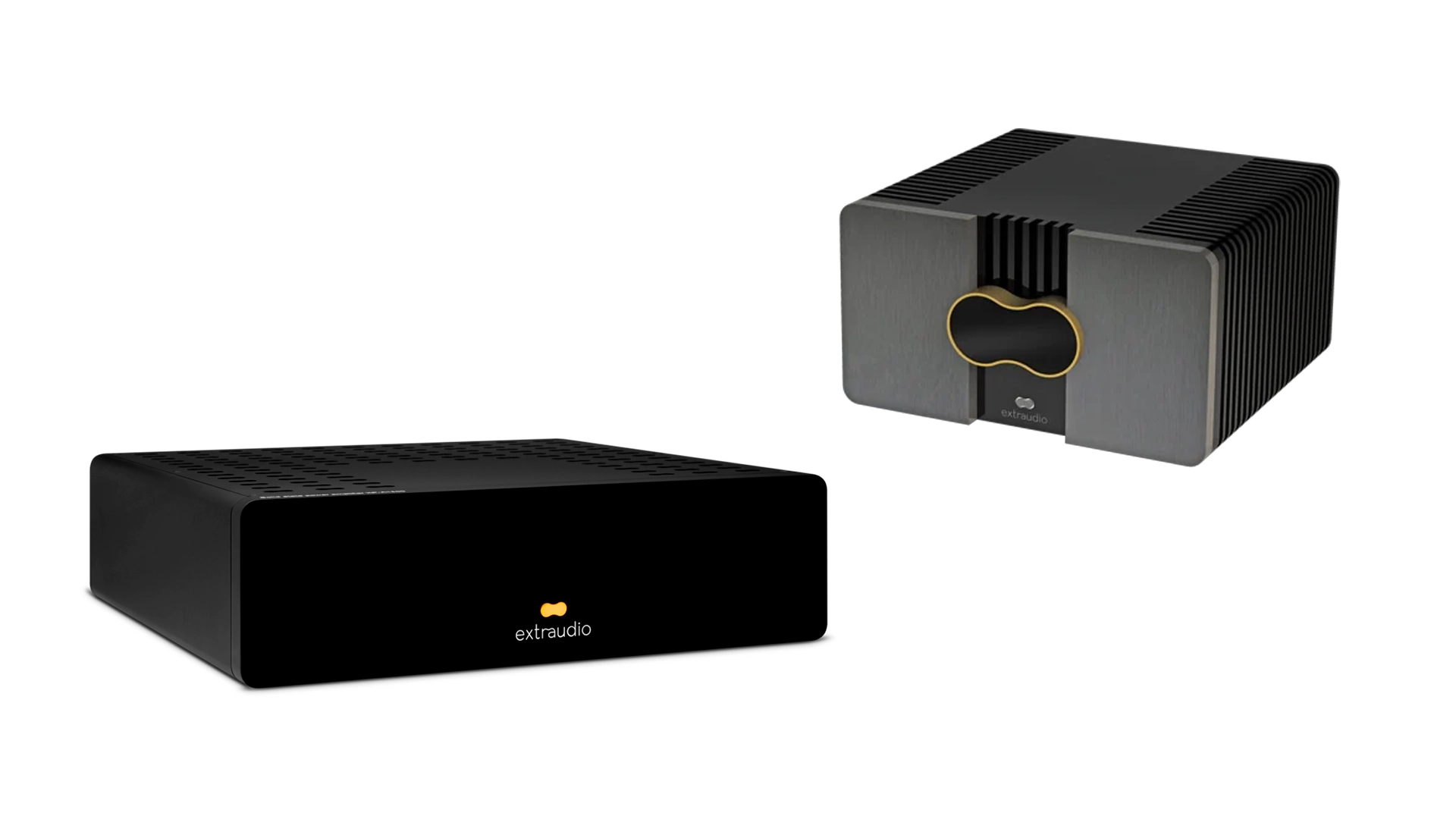
Extraudio is a Dutch high-end electronics company founded in 2008 and based in Leidschendam. Its defining development is AD Class amplification, created through a Dutch-Danish R&D collaboration with extensive switching-amplifier experience. The topology uses a proprietary EPAM amplifier module and is intended to combine high efficiency and control with the continuous behaviour expected from analogue amplification; it should not be confused with a standard Class D module in a luxury enclosure. Extraudio also applies different solutions where appropriate: the Origin line uses Class A circuitry, while Reference models use Class AB. Products span integrated and power amplifiers, preamplification and source electronics, with Discovery and higher series sharing a deliberately clean industrial design. The useful distinction is this technology-neutral approach—choosing AD, A or AB operation for a specific product rather than forcing every component into one fashionable architecture.
Fezz
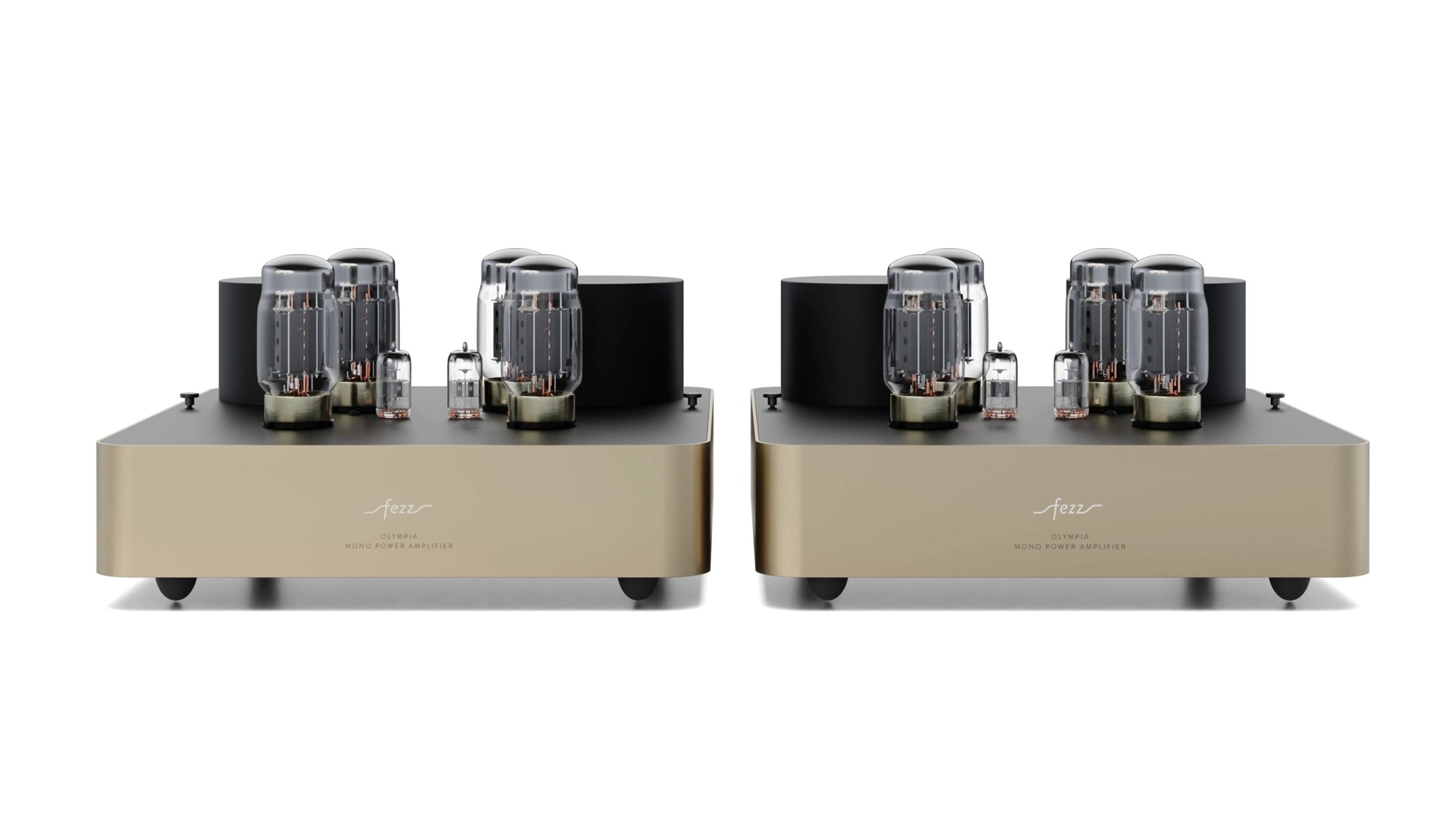
Fezz is a Polish valve-amplifier company created in 2014 by brothers Maciej and Tomasz Lachowski alongside their family transformer business, Toroidy.pl. The first Laura prototype demonstrated that a tube amplifier could be designed around an in-house toroidal output transformer; the production Silver Luna followed in 2015 and established the brand internationally. Fezz’s patented toroidal output transformers are smaller and exhibit lower stray magnetic fields than conventional EI types, while consistent winding under the same roof gives the designers close control over bandwidth and matching. The current range covers integrated and power amplifiers using EL34, KT88, 300B and other valves, including Silver Luna, Titania and Mira Ceti, plus phono and line components. The important point is not retro styling or a vague ‘warm’ sound: Fezz applies specialist transformer manufacturing to make valve electronics repeatable, serviceable and comparatively accessible.
Finale Audio

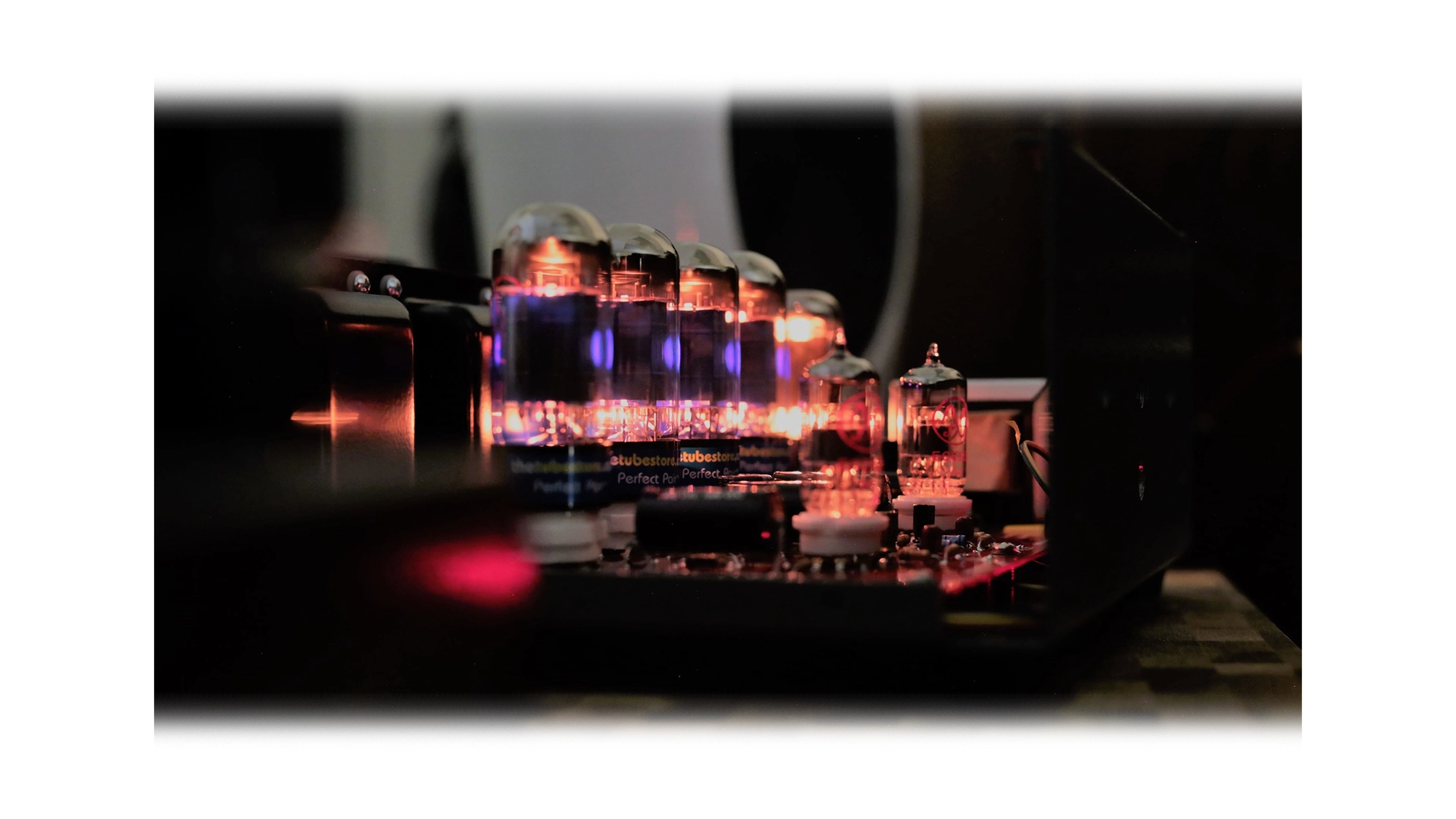
Finale Audio is a Canadian valve-amplifier brand founded by designer Frank Ng and closely linked to Triode Lab. The relationship is best described as a joint family of engineering and production: Triode Lab concentrates on more specialised made-to-order single-ended designs, while Finale has supplied standardised and dealer-oriented amplifiers across a wider range of valves and output powers. Products have extended from low-power 45, 2A3 and 300B circuits to substantially more powerful push-pull designs, all developed and manufactured in Canada. The company deliberately spends on transformers, power supplies, sockets, connectors and signal components inside the chassis rather than elaborate packaging, which gives the brand a clear value proposition without calling it mass-market. Frank Ng is now identified as the retired founder/president, and the published history spans decades but does not establish one sufficiently reliable founding year for the database.
First Watt

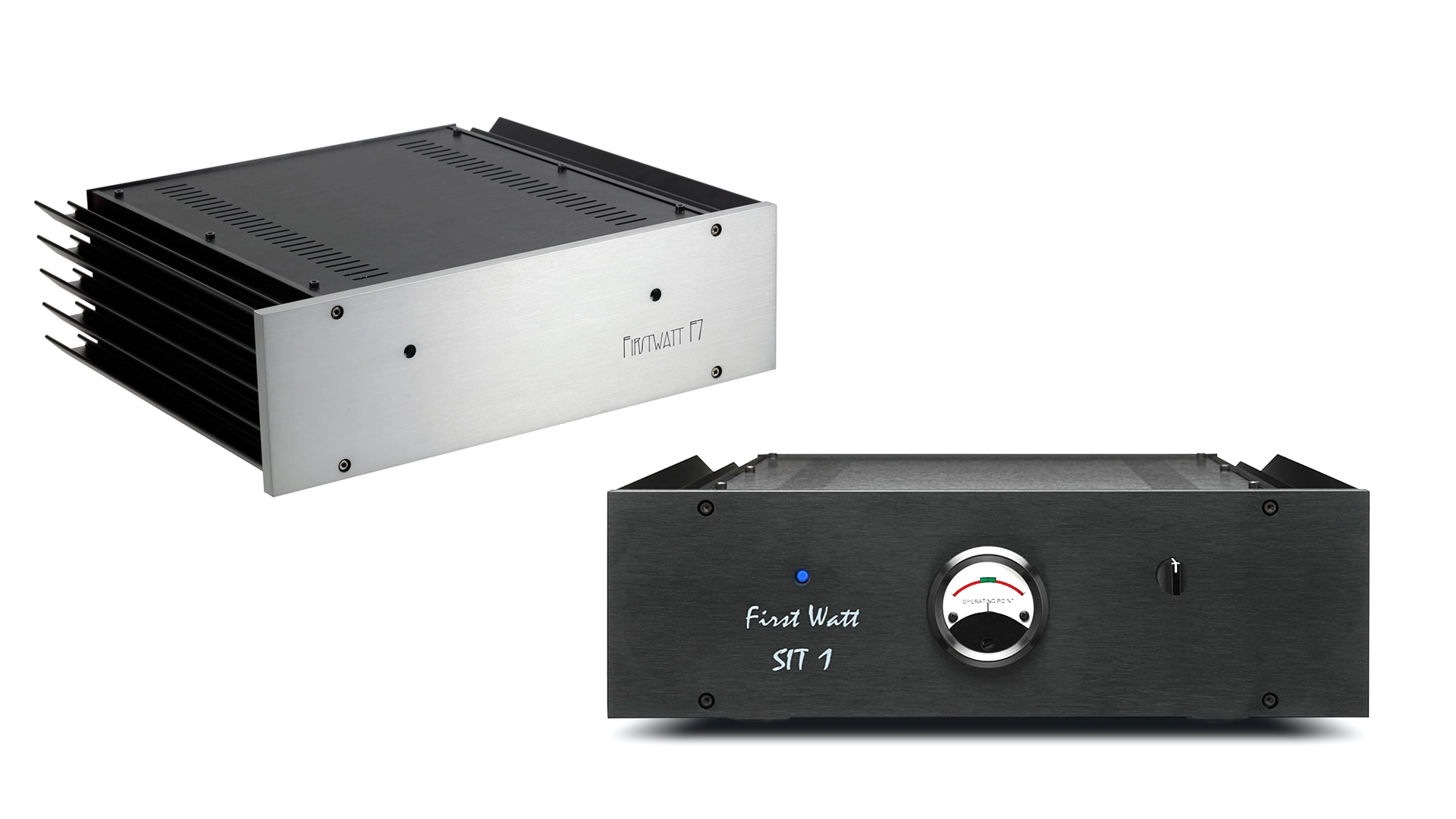
First Watt is Nelson Pass’s American ‘kitchen-table’ amplifier laboratory, founded in 1998 alongside—but deliberately separate from—the larger Pass Labs business. It explores simple, low-power solid-state circuits that would be too specialised for conventional production, usually operating in Class A and intended for efficient loudspeakers or carefully matched loads. The catalogue is a sequence of experiments rather than annual replacements: F1 and F2 are current-source amplifiers; F3 uses a single-ended power JFET; F4 is a power buffer; F5 and F7 examine minimalist push-pull stages; J2 uses power JFETs; and the rare SIT models exploit Static Induction Transistors for triode-like transfer characteristics. Many designs use little or no global feedback and stay at roughly 25 watts per channel or below. First Watt’s significance is transparent topology—each model asks a specific circuit question and accepts limited power as part of the answer.
Gato Audio

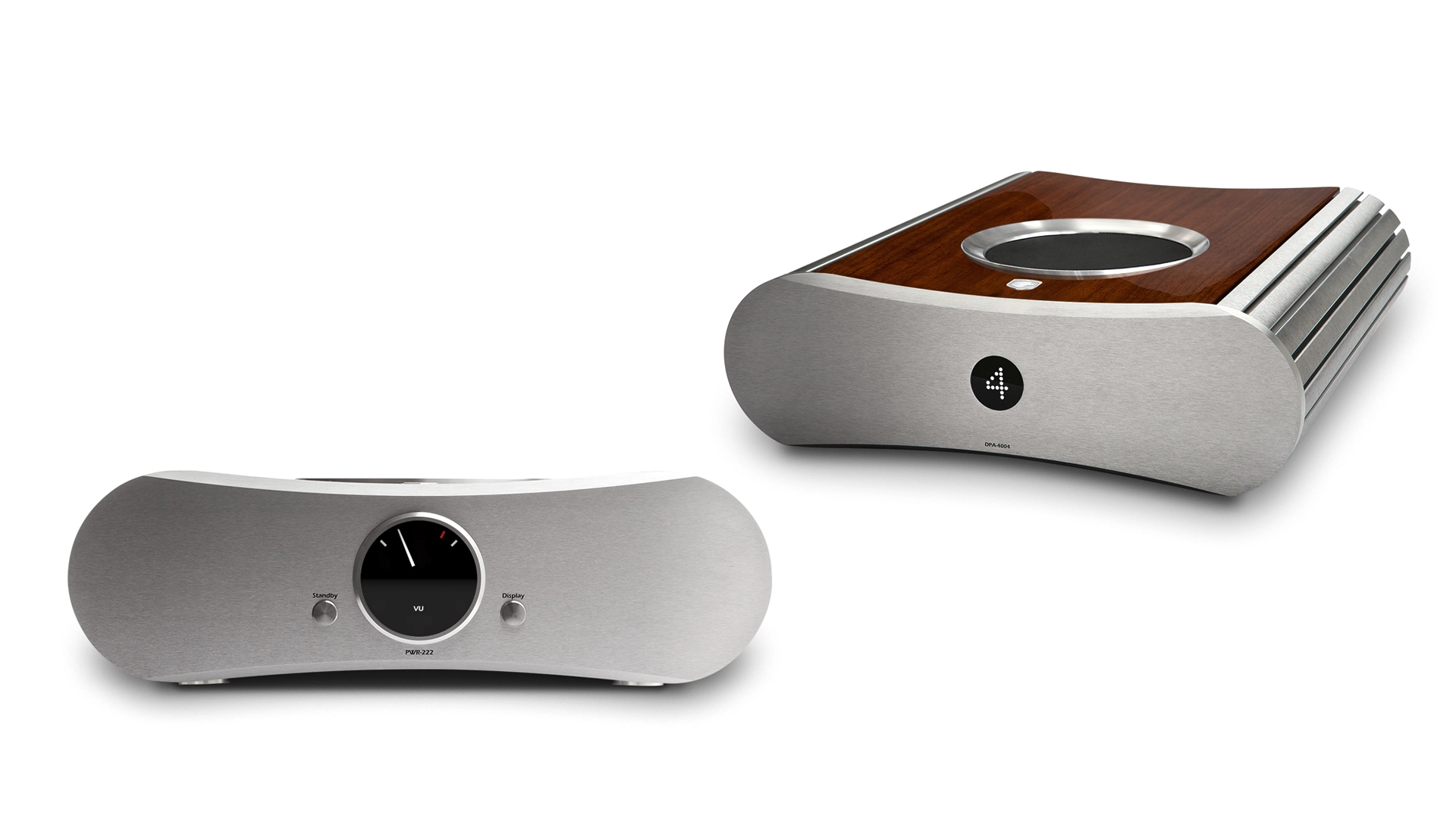
Gato Audio combines Danish industrial design with a complete hi-fi chain rather than concentrating on one component category. Kresten Dinesen, Rasmus Holm and Frederik Johansen founded the company in 2008, bringing experience from Scandinavian audio development and production. Its electronics place large displays and compact curved cabinets around several distinct platforms: TwinFET MOSFET push-pull amplification in the AMP-150, high-power Class D in the DIA integrated amplifiers and PWR-222 monoblock, plus DAC, phono and network functions in products such as SDA-1, PPA-1 and PRD-3S NPM. The replaceable NPM module adds network playback to compatible models, allowing the digital section to evolve without replacing the amplifier. Gato loudspeakers use laminated FusedMASS cabinets, Danish drivers and PurePHASE crossover design across the FM family and the newer CLC65. Products are designed and built in Denmark, and the visual restraint is supported by unusually broad engineering across sources, amplification and speakers.
German Physiks

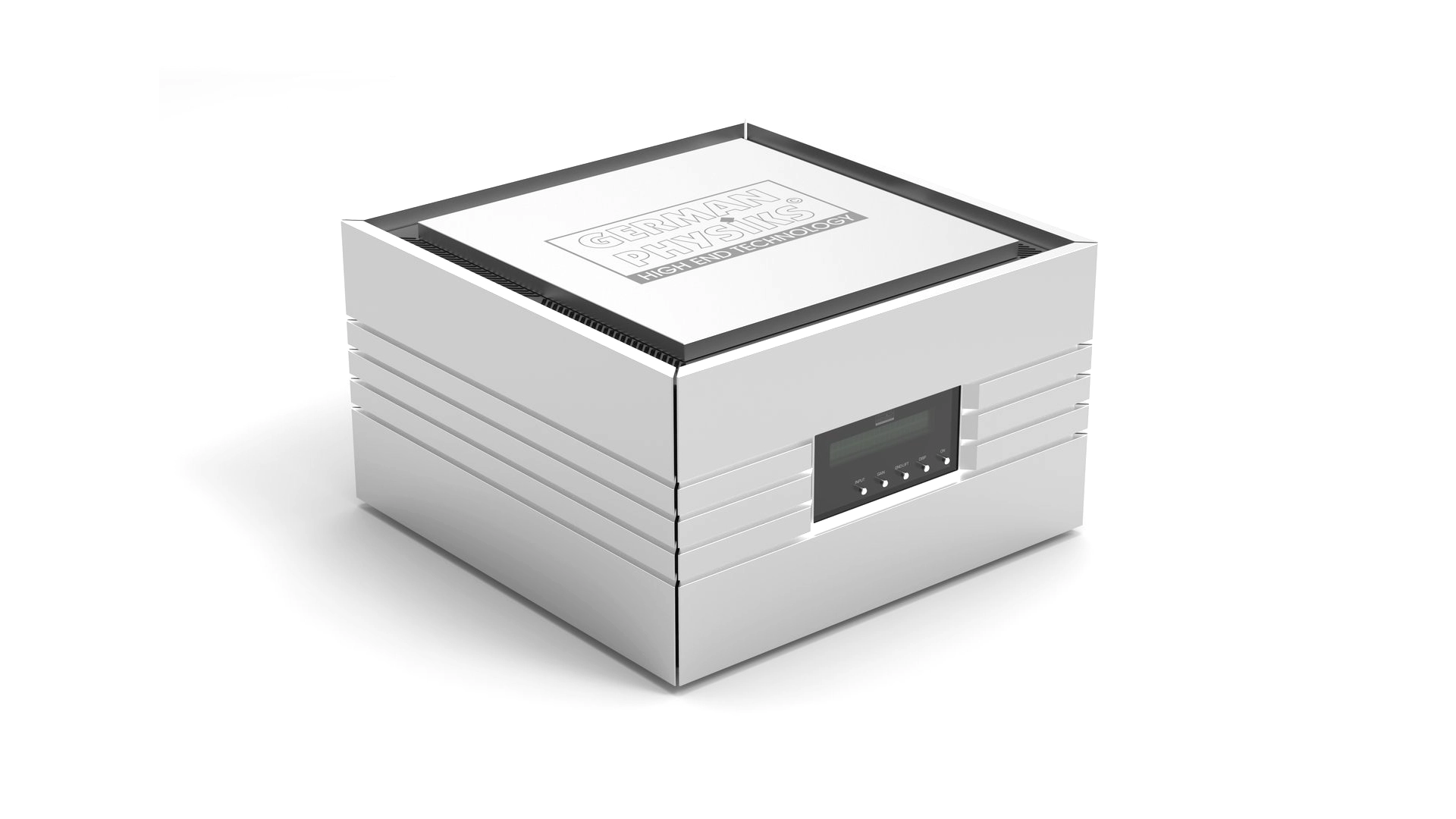
German Physiks builds omnidirectional loudspeakers around one unusual transducer that covers nearly the entire audible range. Founder Holger Mueller encountered engineer Peter Dicks in the late 1980s and financed the development needed to turn Dicks’ Walsh-inspired DDD, or Dicks Dipole Driver, into a commercial product; German Physiks followed in 1992. Instead of moving as a rigid piston, the conical diaphragm propagates bending waves and radiates through 360 degrees. Current carbon-fibre and titanium versions typically operate from about 200 Hz to 24 kHz, avoiding a crossover in the critical midrange and handing only the lowest frequencies to conventional woofers. The HRS-130, Borderland, Carbon, PQS, Loreley, Emperor and Gaudi families scale the same principle from relatively compact towers to large reference systems. German manufacture, extensive cabinet finishing and long model lifecycles support the loudspeaker range, which is now joined by Emperor Extreme amplifiers and DSP crossovers plus the Pion power cable.
Gold Note

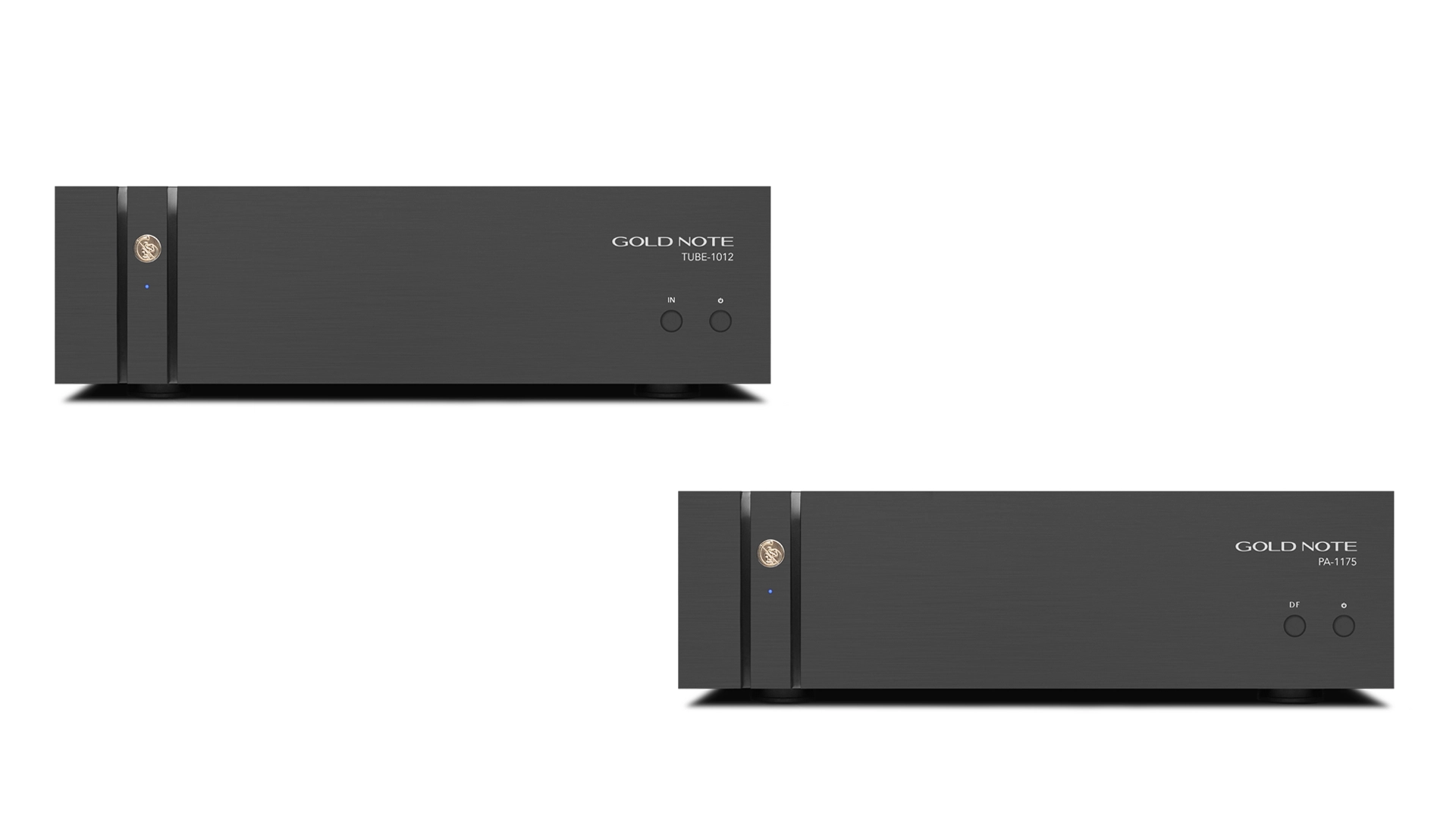
Gold Note is an Italian full-system audio manufacturer whose modern brand grew from Maurizio Aterini’s engineering studio, established in Florence in 1992 to design analogue products for other companies. The Gold Note name itself was founded in 2012, after Elena Basciano and later Alessio Oronti joined the enterprise. Its catalogue now links turntables and cartridges with phono stages, digital sources, all-in-one players, amplifiers, loudspeakers, racks and cables. Recognisable products include the Mediterraneo turntable, PH-10 phono stage, DS-series streamers and IS-series integrated systems. A useful feature of the range is modular upgrading: many components accept dedicated external power supplies, allowing the core unit to remain in service while its power section is improved. Design, development and much of the production remain concentrated in Tuscany.
Goldmund

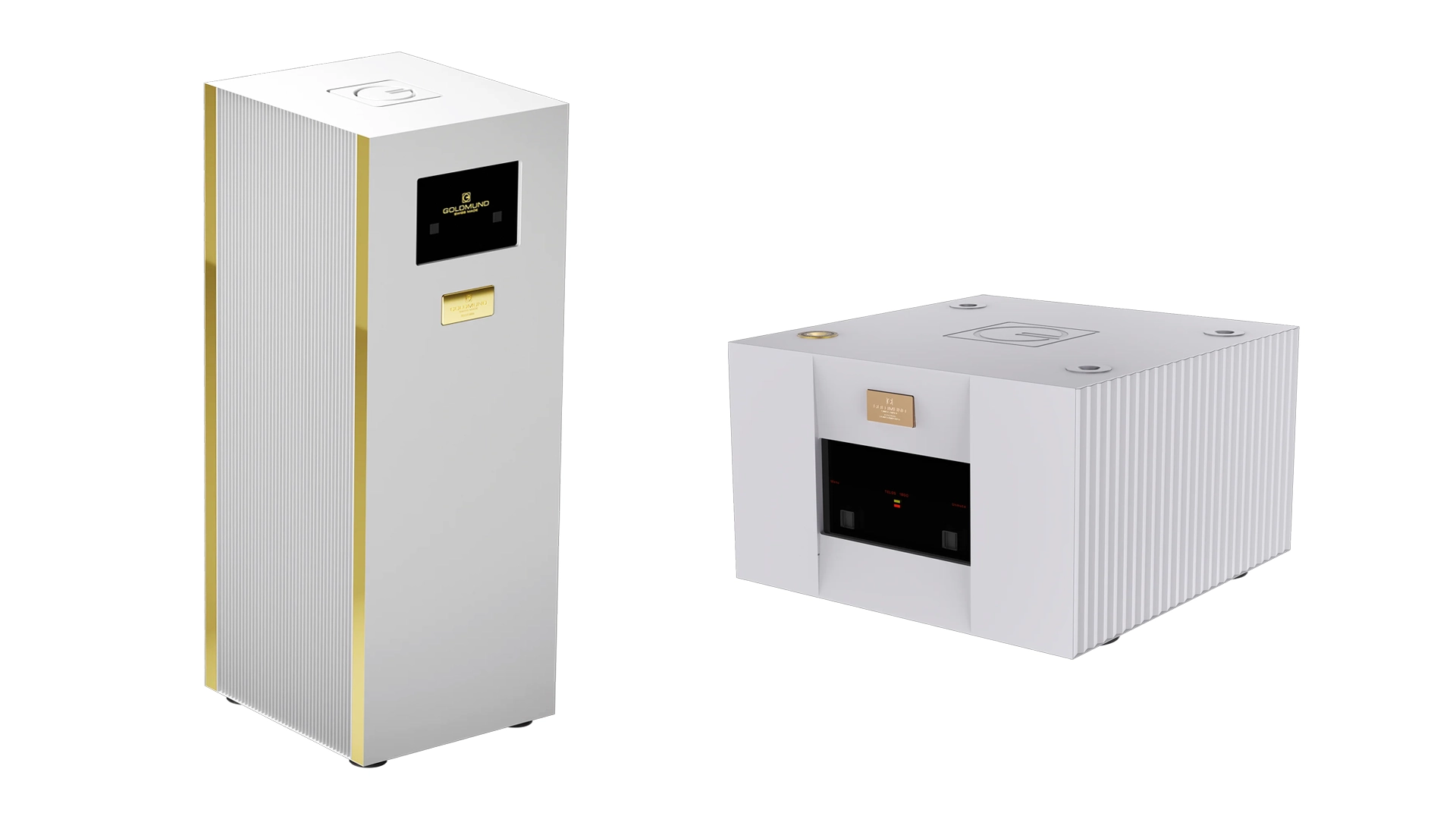
Goldmund is a Geneva-based audio house whose work joins precision mechanics, high-speed amplification and digital system control. The company began in France in 1978 with the servo-controlled T3 tonearm; Michel Reverchon acquired it in 1980 and moved it to Switzerland. The Studio direct-drive turntable and 1983 Reference established Goldmund’s Mechanical Grounding principle, intended to drain vibration through a controlled structural path. Later milestones include Mimesis electronics, Claudio Rotta-Loria’s Apologue loudspeaker, Alize digital conversion and the Proteus mathematical model used to align active speaker systems in time and amplitude. Today the range spans Telos/NextGen amplifiers, preamplifiers, music sources, processors and active or wireless loudspeakers. Goldmund is most distinctive when these elements operate as one engineered system rather than as unrelated luxury components.
Grandinote

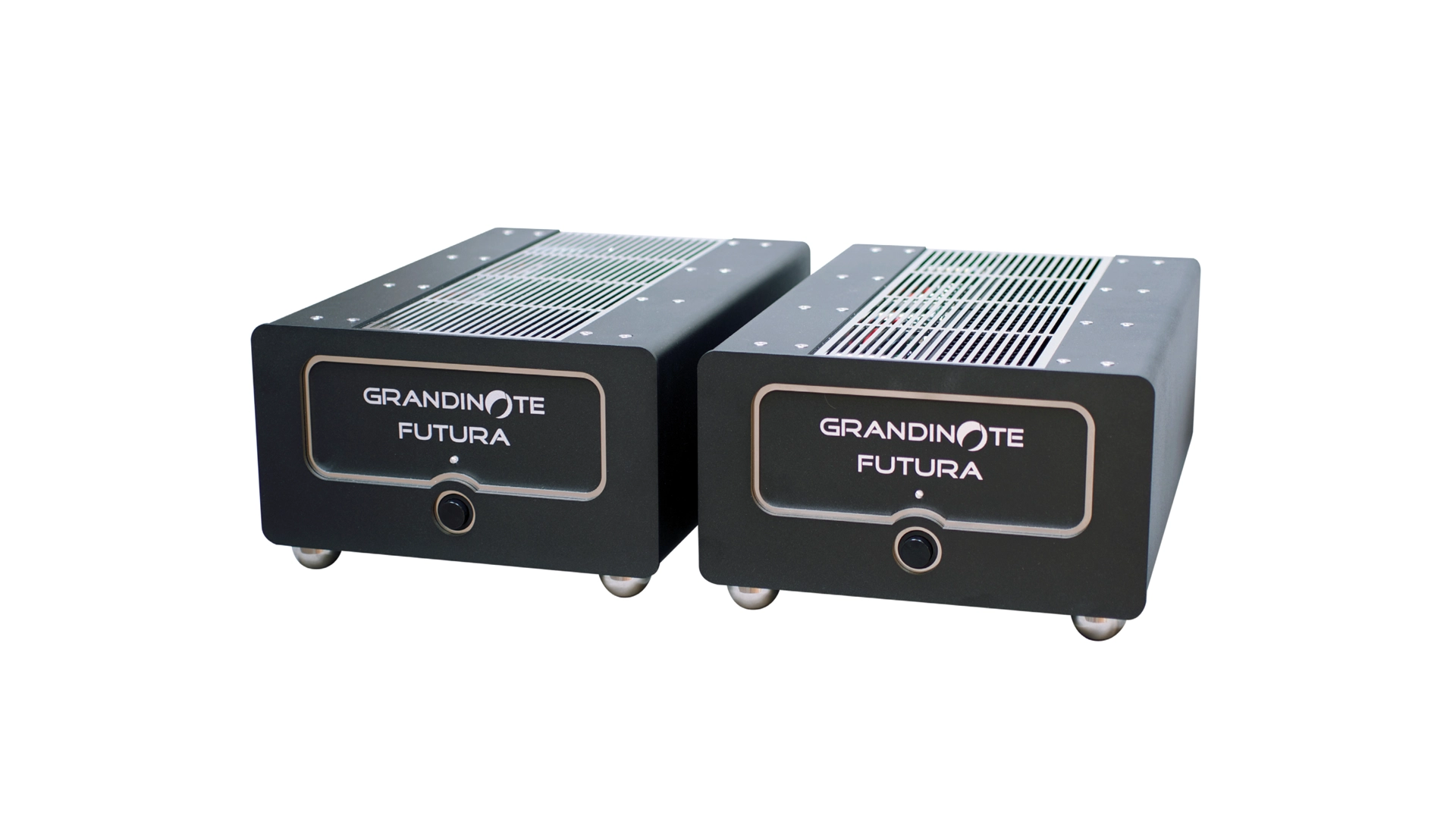
Grandinote is an Italian electronics manufacturer built around Massimiliano “Max” Magri’s Magnetosolid amplifier architecture. Magri completed his electronic-engineering studies in 1997, began developing the concept in 2000 and produced the first Magnetosolid amplifier in 2002; Grandinote was established in 2005. The circuits use solid-state devices in a topology inspired by valve amplification and couple them to ferromagnetic output transformers designed for transistor operation. This deliberately avoids a conventional hybrid of tubes and transistors. The idea runs through integrated amplifiers such as Shinai and Essenza, preamplifiers including Proemio and Genesi, and power amplifiers from Silva to the flagship models. Grandinote also makes Volta and Celio sources and Mach loudspeakers, allowing complete systems to be voiced around the same priorities. Design and production take place in Italy.
Halcro

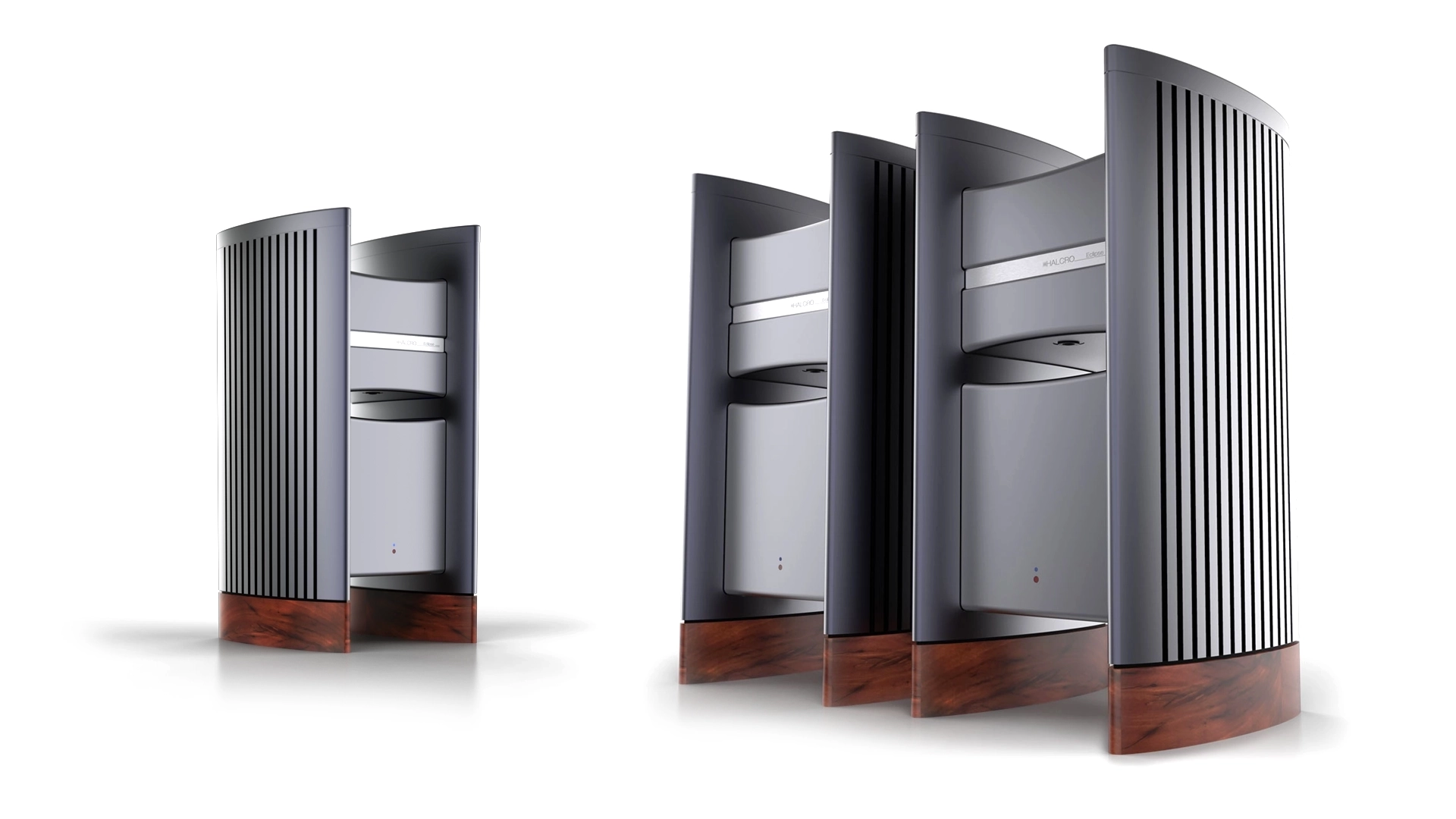
Halcro is the Australian amplifier brand created from physicist Bruce Candy’s work on a power-supply and amplifier topology designed to reduce distortion to parts-per-billion levels. Lance Hewitt, Halcro’s first employee, worked with Candy on the original dm58, the model that established the company internationally by 2002; the dm38, dm88 and dm8/dm10 preamplifiers followed, along with multichannel models. The brand was shelved after Minelab was acquired by Codan in 2008, so that date is not its foundation year. Halcro has since been revived under Longwood Audio, with Peter Foster, Mike Kirkham and Hewitt carrying the designs forward. Current Eclipse power amplifiers use separate enclosures for power supply and audio circuits to control magnetic, mechanical and thermal interaction, while Equinox returns the name to preamplification. The continuity lies in the original low-distortion architecture, not simply in reusing a historic badge.
Heed Audio

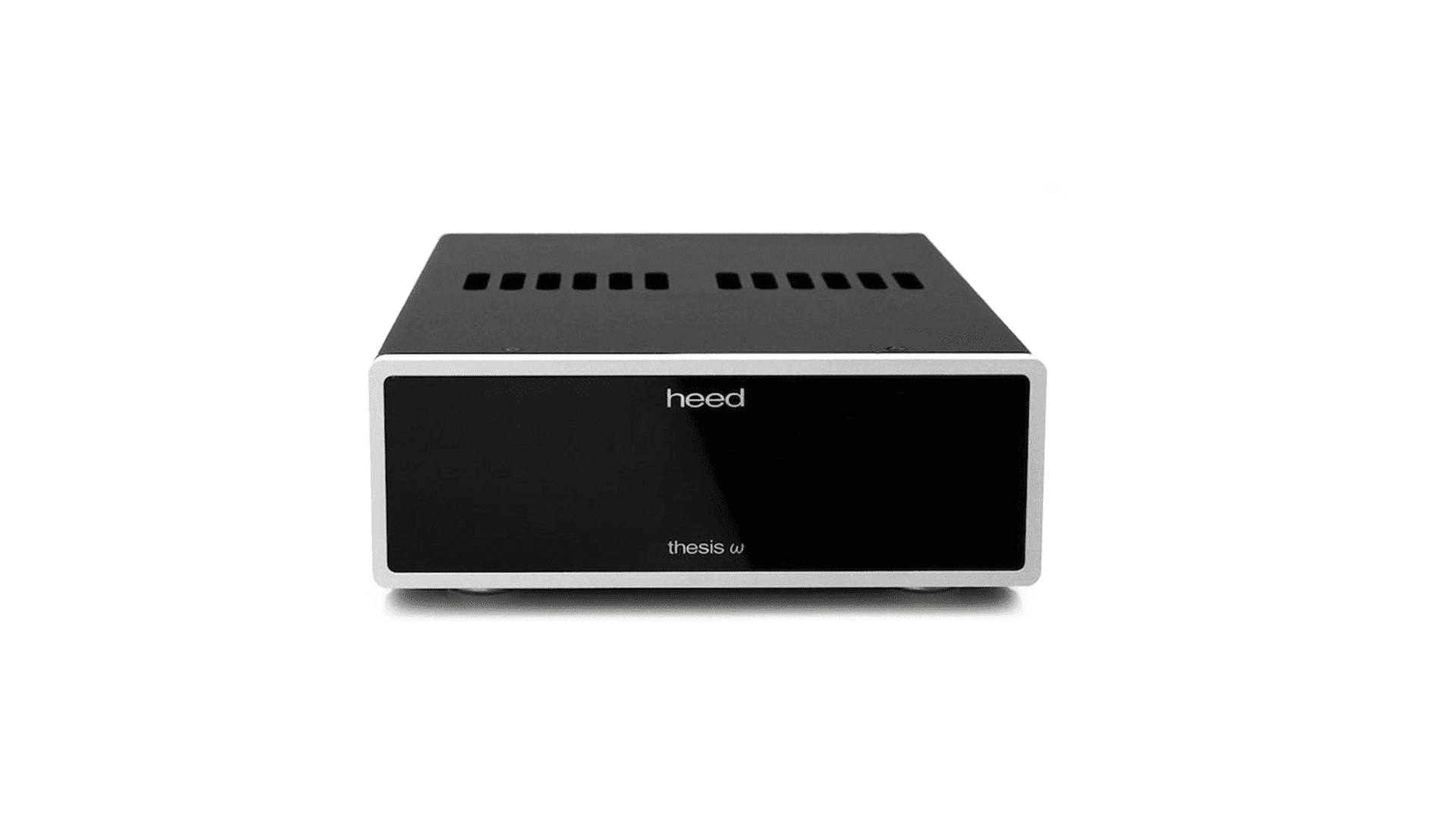
Heed Audio grew from Zsolt Huszti’s work in the Hungarian hi-fi scene of the 1980s and from his close connection with British designer Richard Hay’s Ion amplifiers. After Ion left the market in the early 1990s, Huszti continued developing the compact Obelisk concept under the Heed name, later working with engineer László Evellei on a new generation of half-width components. The brand’s best-known technical signature is Transcap, a capacitor-coupled output topology—not a transformer-coupled circuit—in which large output capacitors form part of the amplifier’s direct relationship with the loudspeaker. Heed applies this deliberately non-mainstream architecture in amplifiers such as the Obelisk and Elixir, while the wider catalogue includes the Lagrange and Thesis electronics, Quasar phono stage, Canamp headphone amplifier and digital sources. Compact proportions, upgradeable power supplies and an emphasis on musical timing give Heed a character distinct from conventional specification-led hi-fi.
Hegel

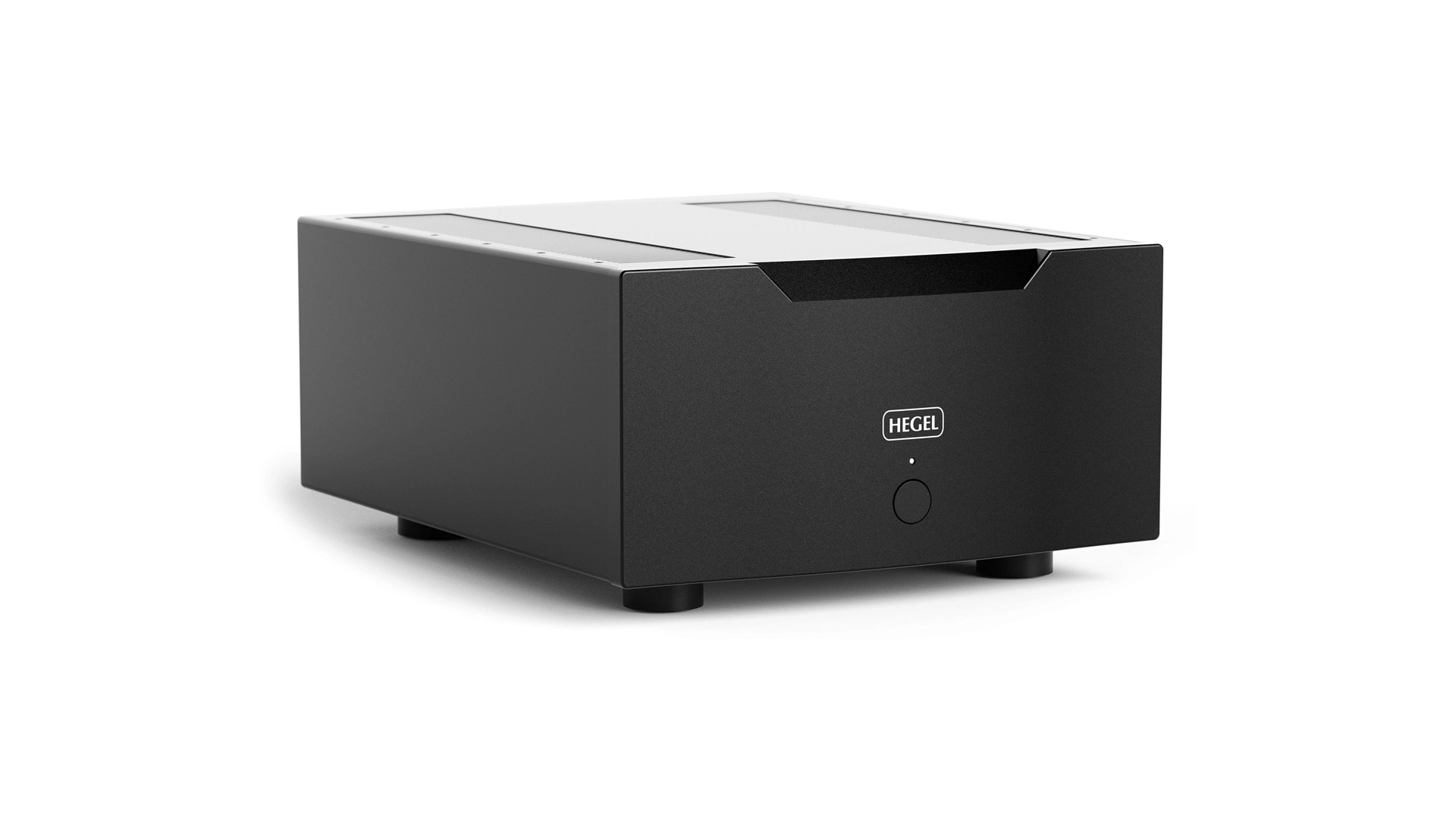
Hegel is a Norwegian electronics company whose story began in 1988, when Bent Holter was studying at the Norwegian University of Science and Technology and looking for a way to reduce the distortion created inside conventional transistor amplifiers. That work became SoundEngine, Hegel’s patented local error-cancelling approach: the circuit detects nonlinear error in the amplifier stages and counteracts it without relying on a large blanket of global feedback. Hegel has since built an unusually focused range of integrated amplifiers, preamplifiers, power amplifiers, DACs, phono stages and digital sources. Products from the compact H95 to the H400 and H600 combine high-current amplification with network playback, while the P30A and H30A separate systems scale the same design priorities upward. Technologies such as DualAmp, DualPower, SynchroDAC and MasterClock support the central aim of preserving low noise, control and resolution through the full signal path.
Holton

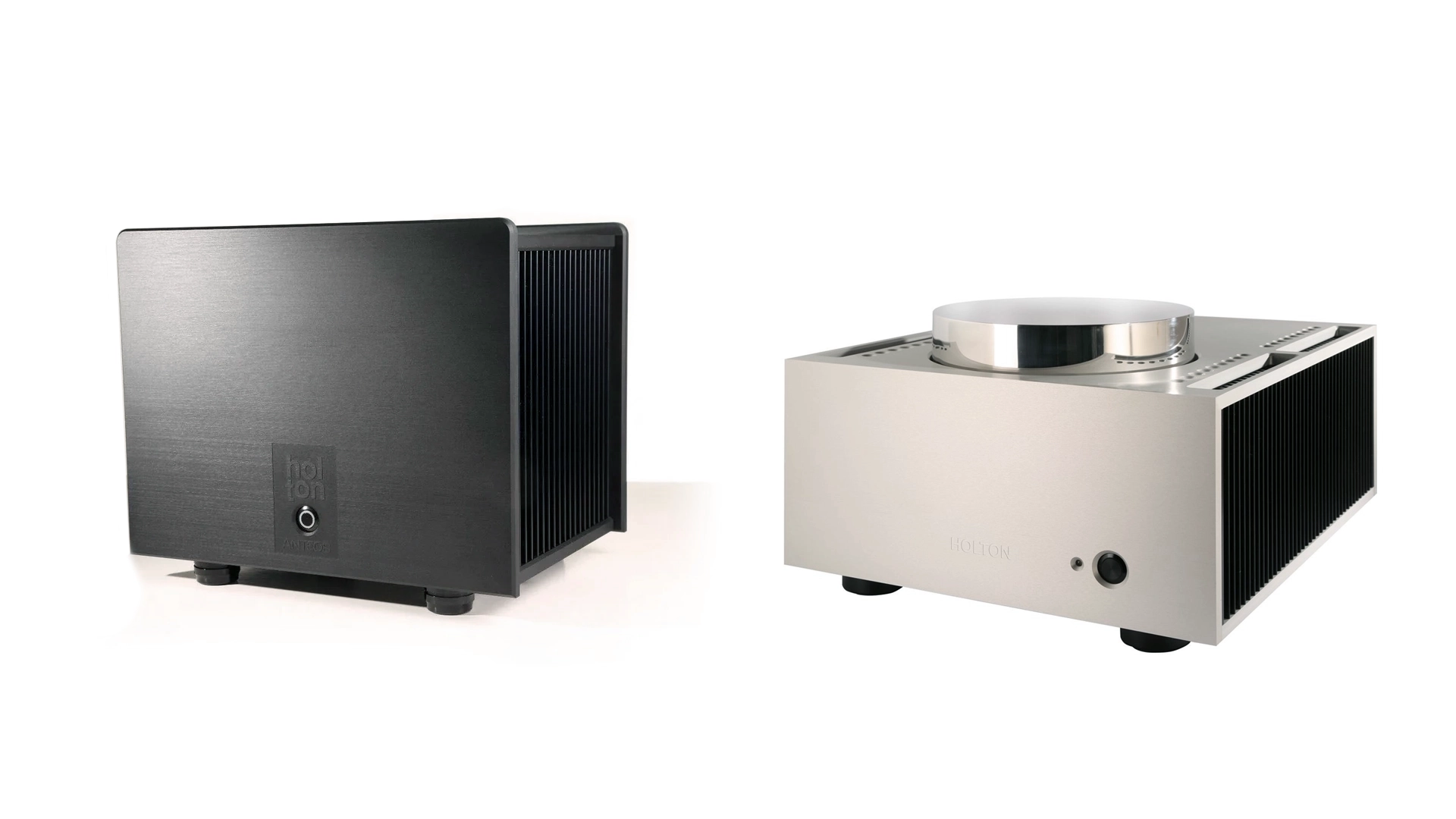
Holton is the shortened name commonly used for Holton Precision Audio, not a separate Australian manufacturer. The business was founded by designer Anthony Holton in 2002 and is based in Tasmania, where it develops and hand-builds high-power solid-state amplification. Holton’s work grew from discrete Class A/AB amplifier modules and power-supply boards used by experienced DIY builders into complete power amplifiers, integrated designs and mains products. The engineering emphasis is on generous linear power supplies, low-noise discrete circuits, thermal stability and the current delivery required to control demanding loudspeakers. Current products include the Gambit II monoblocks, One-Zero-One dual-mono amplifier, Power Board One and DC Blocker One. This database entry describes the same brand as “Holton Precision Audio”; keeping both may help match existing content, but the two records should ultimately be consolidated to avoid presenting one company twice.
Jadis Electronics

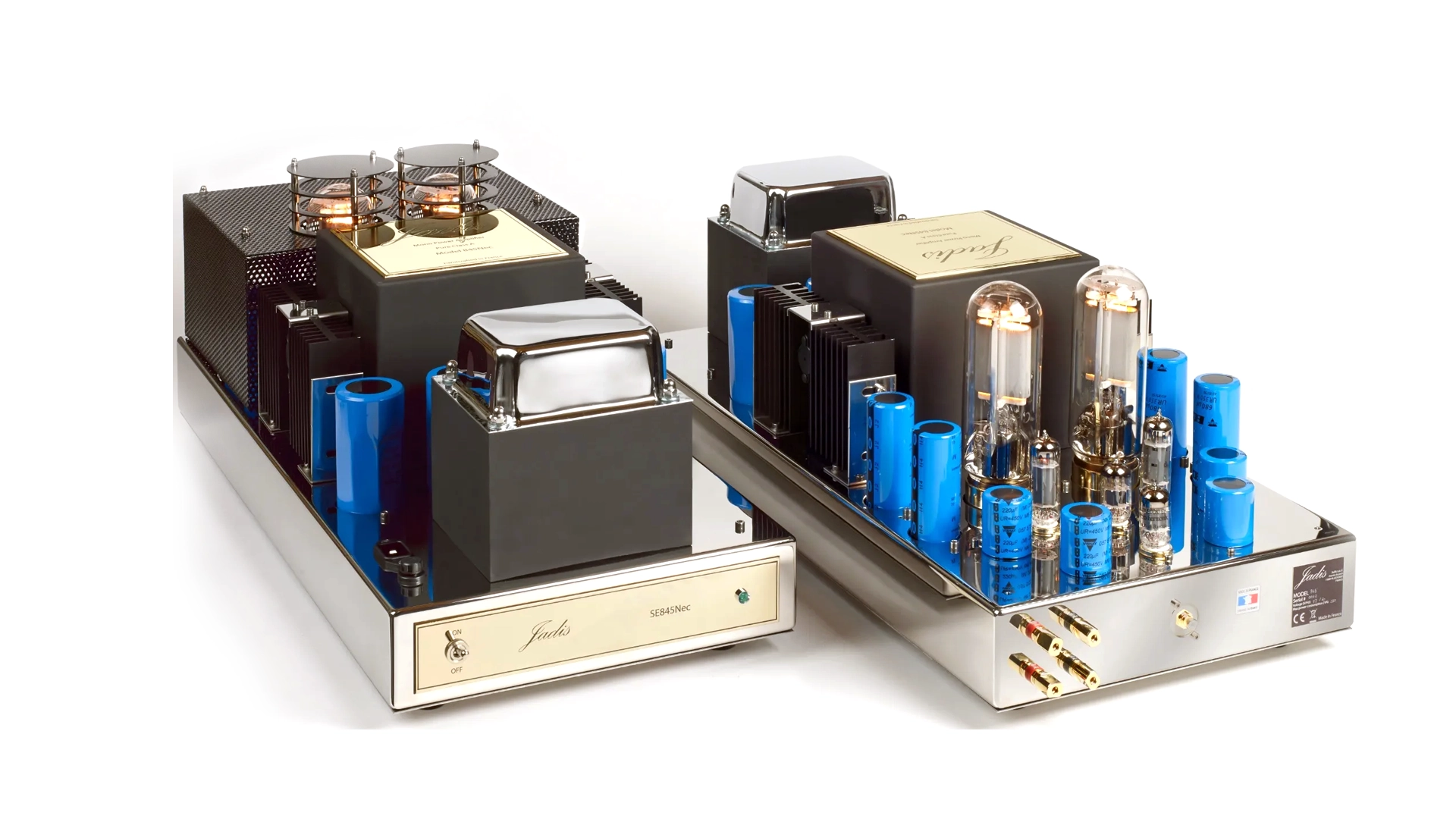
Jadis Electronics is a French specialist in valve amplification whose identity is inseparable from its transformers. André Calmettes founded the company in 1983 in Villedubert after developing amplifiers for his own pursuit of more convincing musical reproduction. Jadis designs and winds its output transformers in-house, then encapsulates them to control vibration and protect the windings—an unusually labour-intensive capability that shapes both the performance and longevity of its products. The catalogue spans integrated amplifiers such as Orchestra and I-35, power amplifiers from compact stereo designs to imposing JA monoblocks, plus matching preamplifiers and digital sources. Many circuits use point-to-point wiring and class-A or heavily class-A-biased valve operation, with tubes selected according to the electrical design rather than fashion alone. Chrome, gold-toned metalwork and exposed valves make the products visually unmistakable, but the important story is manufacturing control: transformer design, hand assembly and serviceable analogue circuits remain central. Claims of universal loudspeaker compatibility or absolute sonic neutrality are avoided here; the engineering choices are specific and verifiable enough.