An icon representing floorstanding speakers.

Floorstanding Speakers

This page provides a wide-ranging collection of floorstanding speaker manufacturers. We have compiled a vast list of brands to serve as a central resource for discovering companies that produce tower speakers. For every manufacturer listed, this database provides key information such as the country of origin, founding details, and a direct link to the floorstanding speaker products on their official site. This resource is intended to be a practical and comprehensive reference for the global market of tower speakers.

235

Hi-Fi brands in the category

Summary information and image

Direct links to official websites

Filters
Search
Country
See more See less

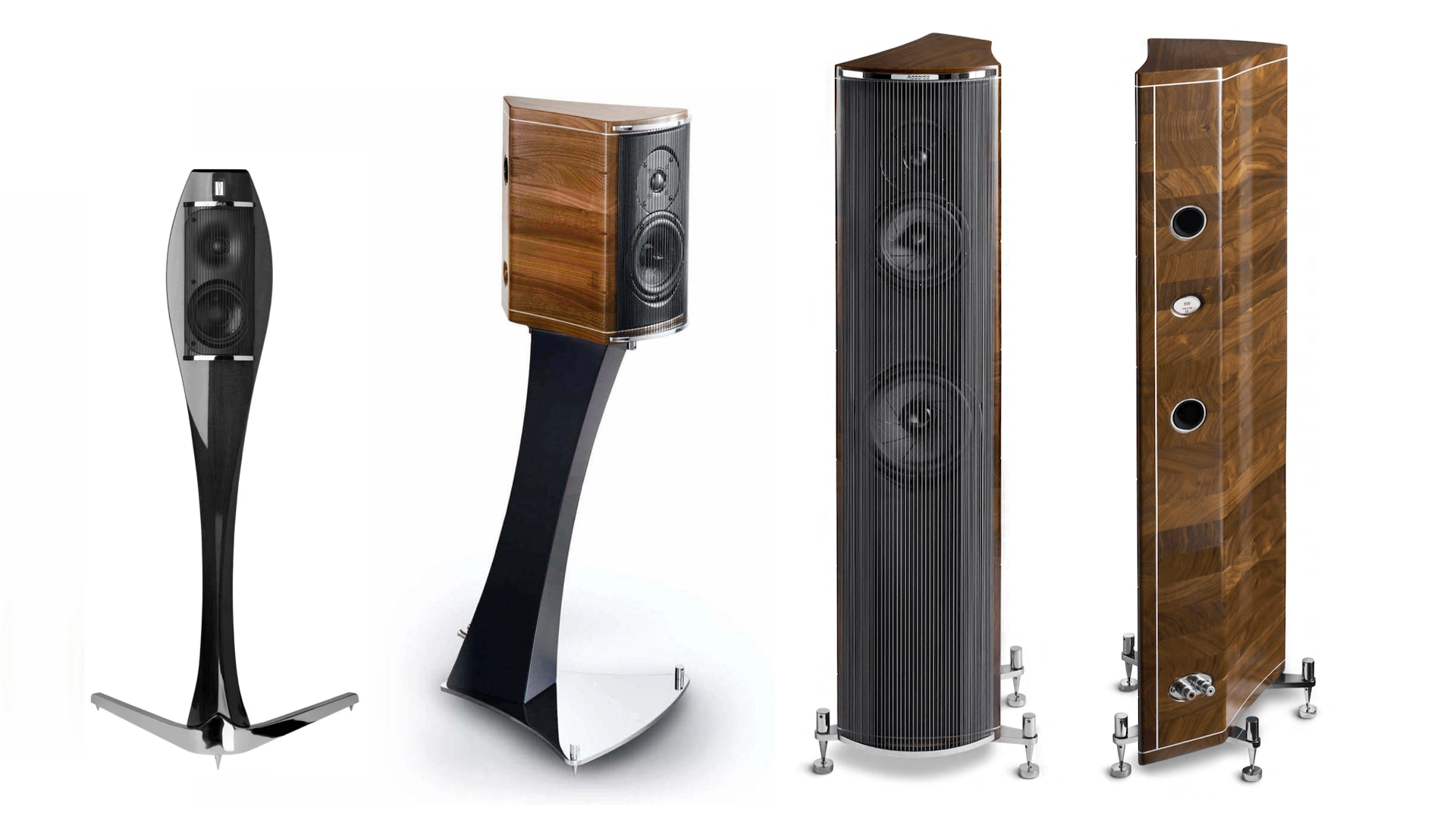
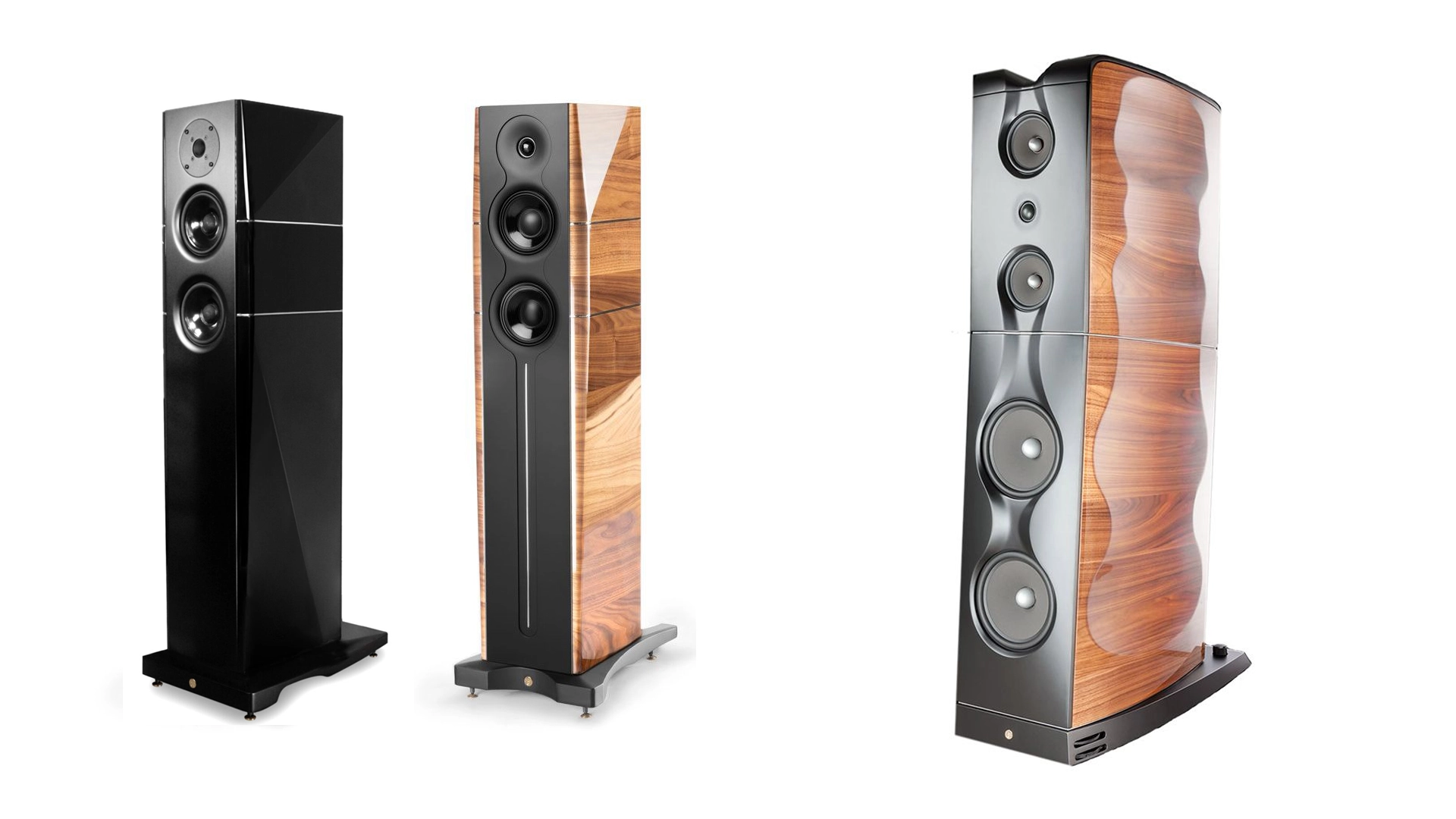
Franco Serblin is the intimate, atelier-scale expression of the designer who founded Sonus faber and helped define modern Italian loudspeaker aesthetics. Serblin established the eponymous marque in 2006, treating each model as a complete acoustic object in which cabinet curvature, solid wood, metalwork, stand and crossover belong to one design. Ktêma introduced the new company’s sculptural floorstanding language; Accordo distilled it into a compact two-way monitor whose dedicated stand and externally housed crossover are integral to the system. Lignea, Accordo Essence, Accordo Goldberg and Accordo Unica have since extended the family without turning it into a conventional model ladder. After Franco Serblin’s death in 2013, his son-in-law Massimiliano Favella and the close-knit Italian team continued the work, preserving the original models while developing new ones. Small-series construction, furniture-grade finishing and proportions influenced by stringed instruments remain as important to the identity as the driver topology itself.

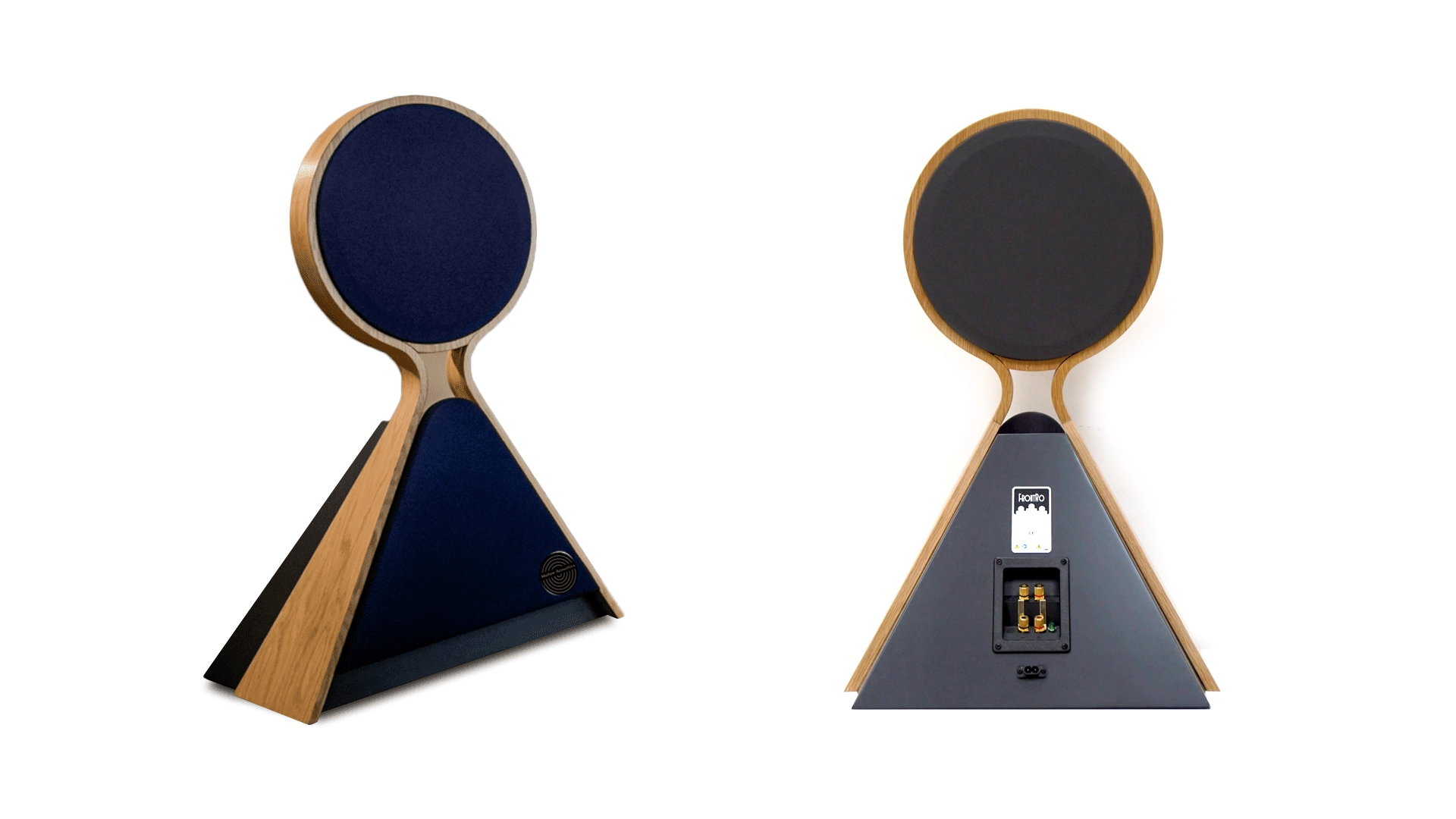
FrontRo is Mellow Acoustics’ compact British answer to a problem that usually makes electrostatic speakers large and directional. Electronics and acoustics engineer Tim Mellow founded Mellow Acoustics in 2011 and spent more than five years developing the loudspeaker and its Oscillating Sphere concept. Concentric electrode rings are fed through a delay line so that a flat electrostatic panel launches a spreading, approximately hemispherical wavefront instead of a narrow beam. The 12-inch panel covers the midrange and treble, crossing at 500 Hz to a 6.5-inch dynamic woofer for the lower frequencies. FrontRo remains a passive loudspeaker, although its electrostatic polarisation supply requires a mains connection. Industrial designer Josh Ford shaped the slim, curved form, and the enclosures are hand-built in England with local joinery, selectable veneers and replaceable grille cloths. It is a rare single-product brand whose identity rests on a published acoustic principle rather than a large catalogue.

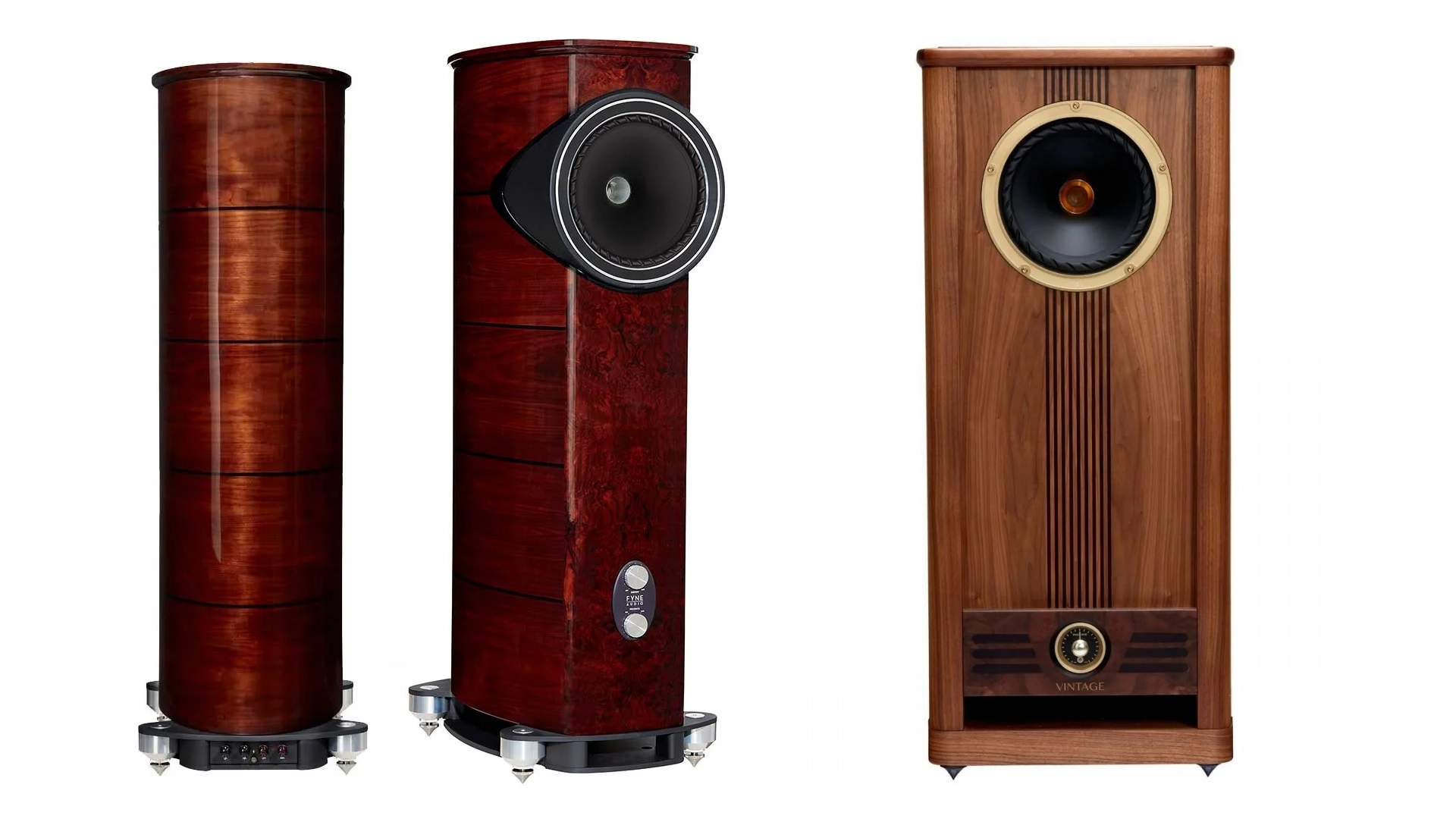
Fyne Audio is a Scottish loudspeaker company built by an experienced team that included many former Tannoy engineers and managers. Established in 2017, it placed technical director Dr Paul Mills’ IsoFlare driver at the centre of its identity: the high-frequency unit sits in the throat of the mid/bass cone so both act as a point source over much of the range. The accompanying FyneFlute surround controls termination at the cone edge, while BassTrax uses a tractrix-profile diffuser beneath a downward-firing port to spread low-frequency energy more evenly into the room. These ideas appear at different levels across the F300, F500, F700 and Special Production families. At the top, the F1 and Vintage series combine large IsoFlare units with elaborate cabinets and adjustable presence controls; custom-install, home-cinema and compact active models extend the catalogue beyond traditional stereo. Engineering and voicing are centred in Scotland, and the flagship cabinets are made there, giving the young marque a clear lineage without simply reproducing its founders’ previous work.
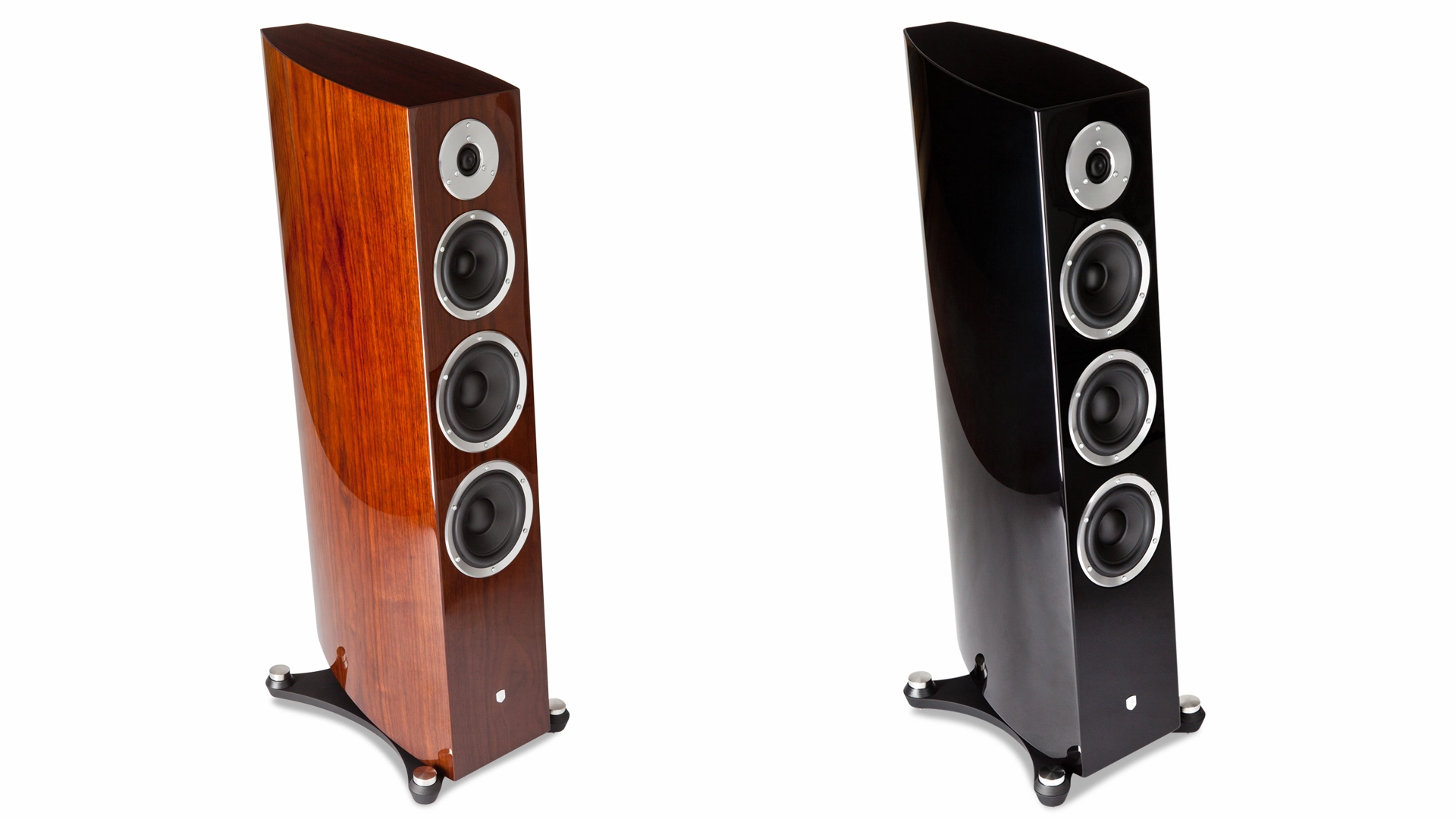
Gato Audio combines Danish industrial design with a complete hi-fi chain rather than concentrating on one component category. Kresten Dinesen, Rasmus Holm and Frederik Johansen founded the company in 2008, bringing experience from Scandinavian audio development and production. Its electronics place large displays and compact curved cabinets around several distinct platforms: TwinFET MOSFET push-pull amplification in the AMP-150, high-power Class D in the DIA integrated amplifiers and PWR-222 monoblock, plus DAC, phono and network functions in products such as SDA-1, PPA-1 and PRD-3S NPM. The replaceable NPM module adds network playback to compatible models, allowing the digital section to evolve without replacing the amplifier. Gato loudspeakers use laminated FusedMASS cabinets, Danish drivers and PurePHASE crossover design across the FM family and the newer CLC65. Products are designed and built in Denmark, and the visual restraint is supported by unusually broad engineering across sources, amplification and speakers.

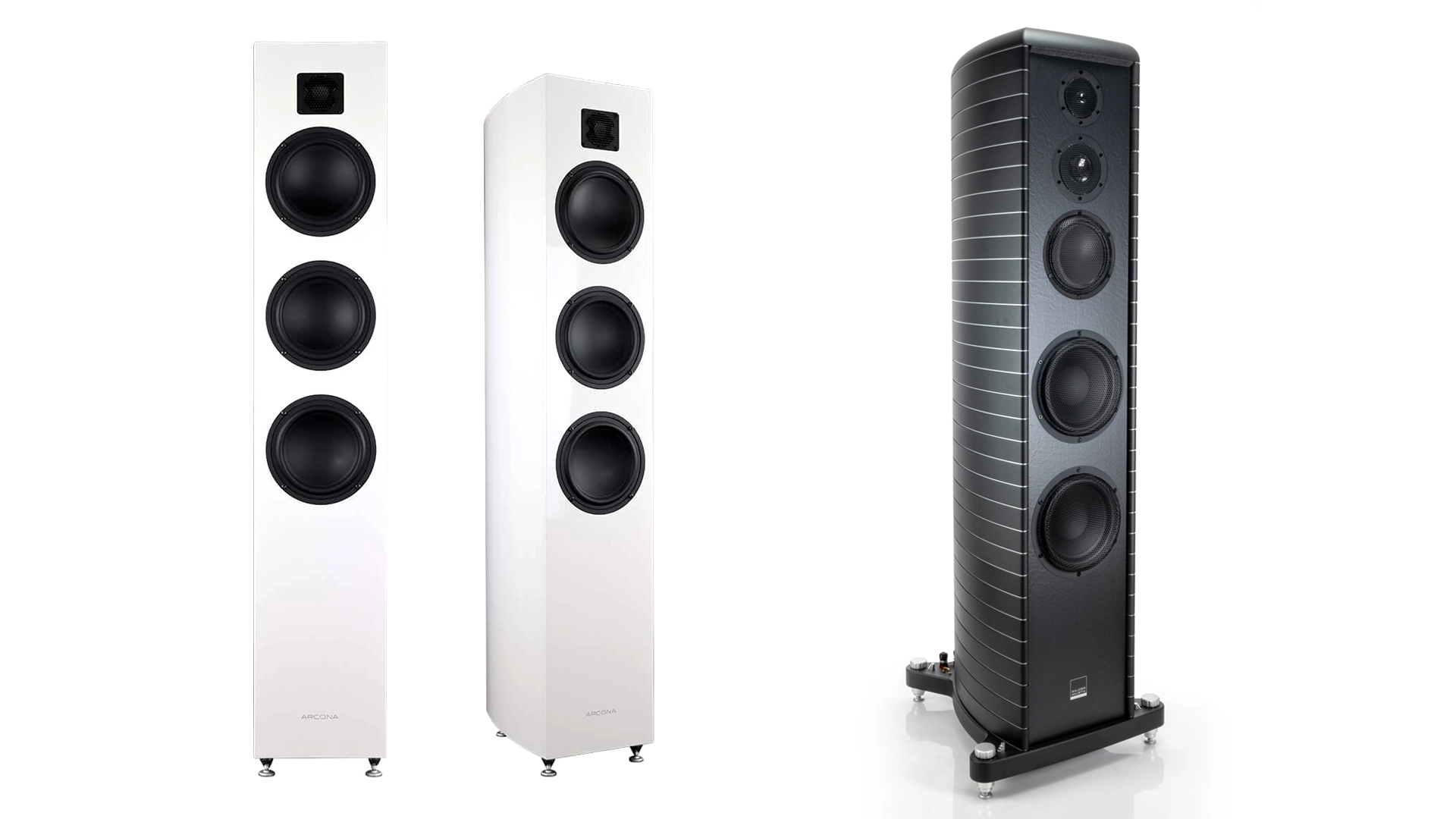
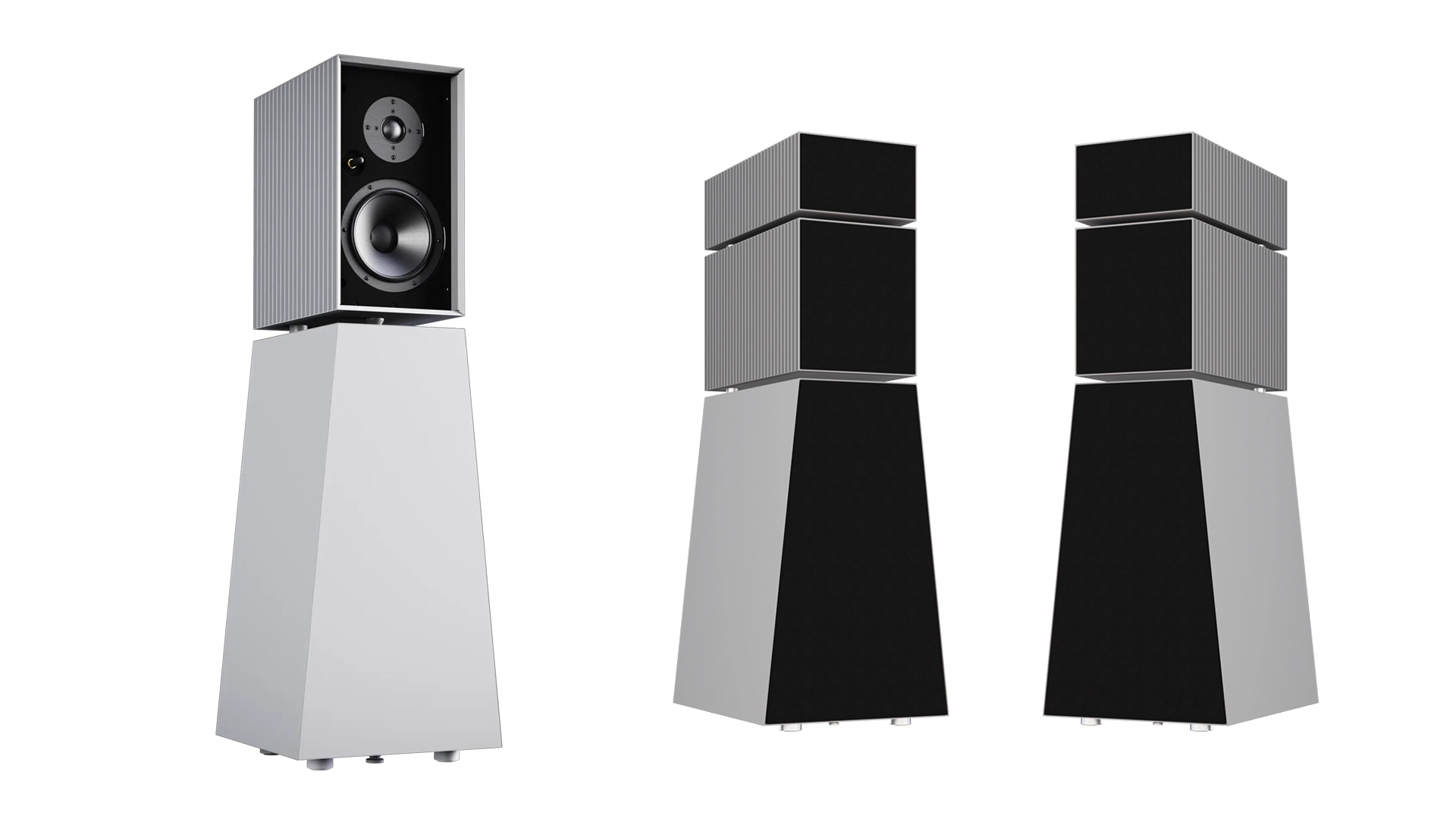
Gauder Akustik approaches loudspeaker design through steep electrical filtering, rigid segmented cabinets and tightly specified driver behaviour. Dr Roland Gauder and Achim Knapp founded Isophon Acoustic Consulting in 1997; the products adopted the Gauder Akustik name in 2013, making the earlier year the start of the same engineering lineage rather than the launch date of the current badge. The company’s symmetrical high-slope crossovers sharply limit overlap between drive units, while Time Delay Control networks align their acoustic timing. Accuton ceramic and diamond diaphragms are used extensively in upper ranges. Berlina cabinets are assembled from individually shaped ribs, and the DARC series replaces MDF ribs with damped aluminium sections to raise stiffness and control stored energy. Capello, Berlina, DARC and Arcona cover progressively different scales and construction methods, with adjustable bass and treble responses on selected models. Design, crossover manufacture and final assembly take place in Germany under Roland Gauder’s direction.

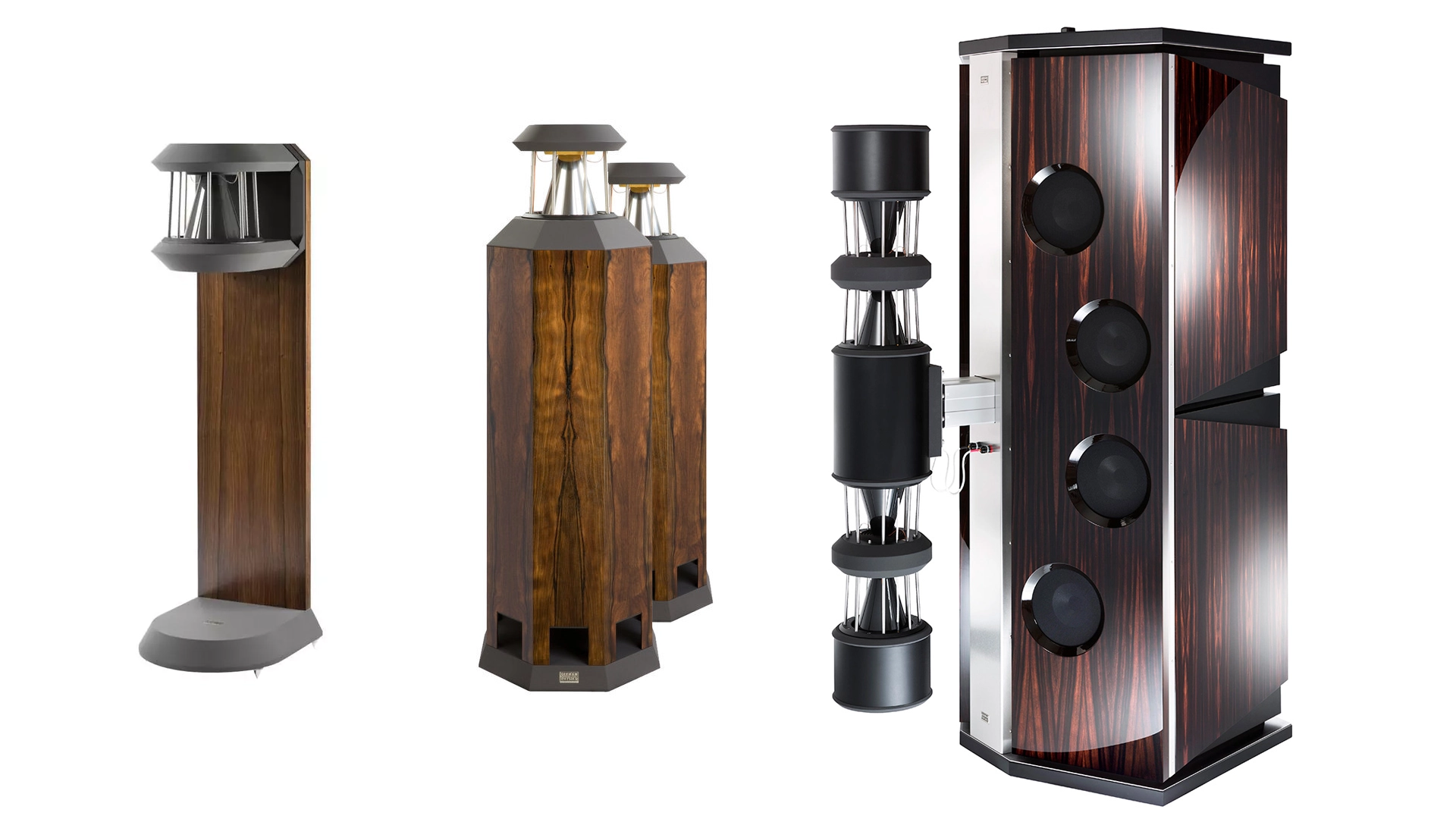
German Physiks builds omnidirectional loudspeakers around one unusual transducer that covers nearly the entire audible range. Founder Holger Mueller encountered engineer Peter Dicks in the late 1980s and financed the development needed to turn Dicks’ Walsh-inspired DDD, or Dicks Dipole Driver, into a commercial product; German Physiks followed in 1992. Instead of moving as a rigid piston, the conical diaphragm propagates bending waves and radiates through 360 degrees. Current carbon-fibre and titanium versions typically operate from about 200 Hz to 24 kHz, avoiding a crossover in the critical midrange and handing only the lowest frequencies to conventional woofers. The HRS-130, Borderland, Carbon, PQS, Loreley, Emperor and Gaudi families scale the same principle from relatively compact towers to large reference systems. German manufacture, extensive cabinet finishing and long model lifecycles support the loudspeaker range, which is now joined by Emperor Extreme amplifiers and DSP crossovers plus the Pion power cable.

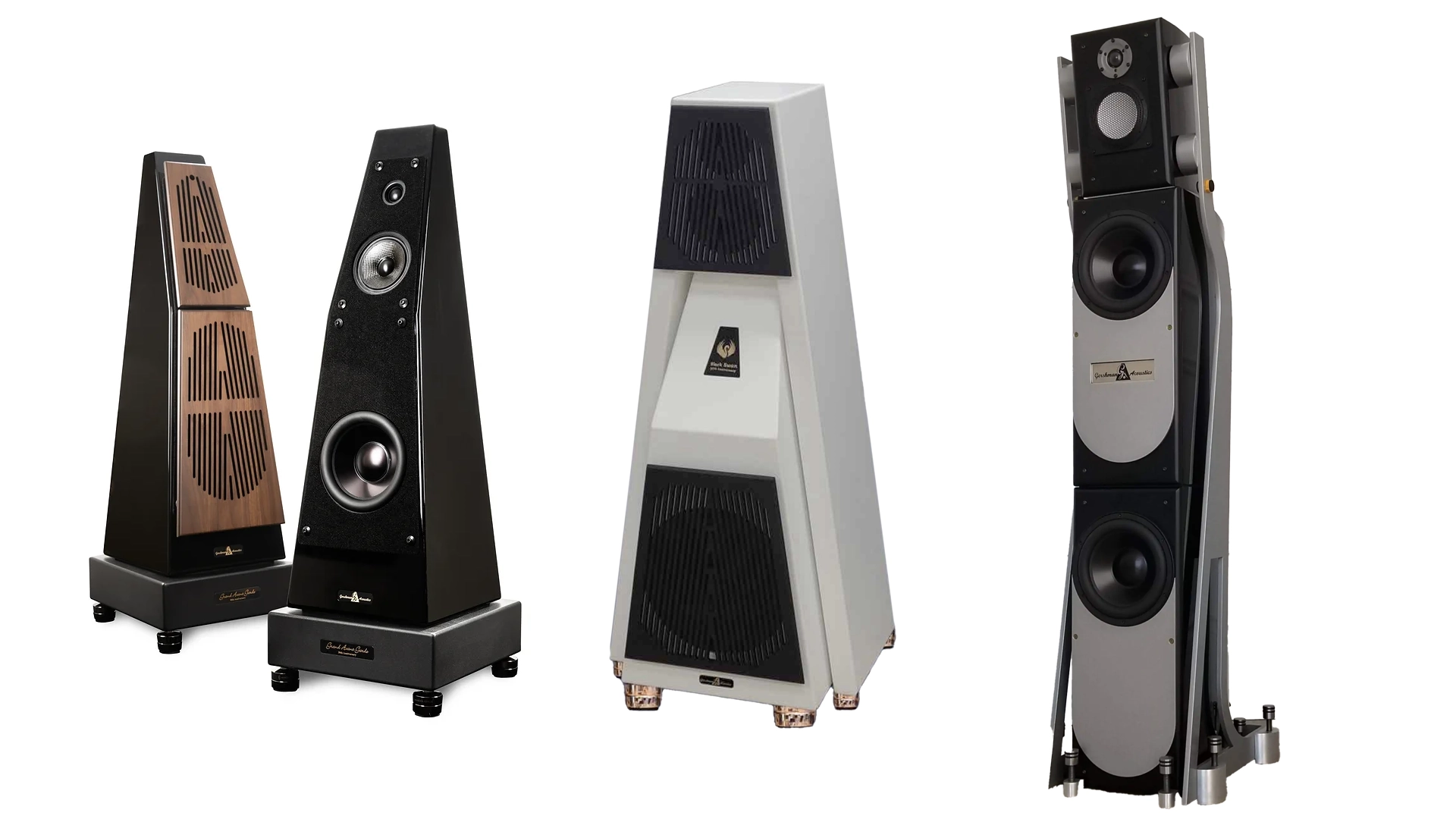
Gershman Acoustics is a family-run Canadian loudspeaker maker distinguished by unconventional cabinet engineering and close control of the drivers’ rear wave. Eli Gershman founded the company in 1993, and Ofra Gershman soon joined him in developing the business, evaluating designs and shaping the brand. Its first loudspeaker was the GAP; later designs include the Grand Avant Garde, Black Swan and Studio models. A defining idea is BCT (Back-wave Control Technology), which couples the enclosure to a dedicated bass-trap structure instead of allowing stored energy to blur the output. Some models also use the company’s separate sub-alignment architecture to keep low-frequency loading mechanically isolated from the main enclosure. Gershman loudspeakers are designed and hand-built in Canada, with cabinet form serving an acoustic purpose rather than decoration alone.
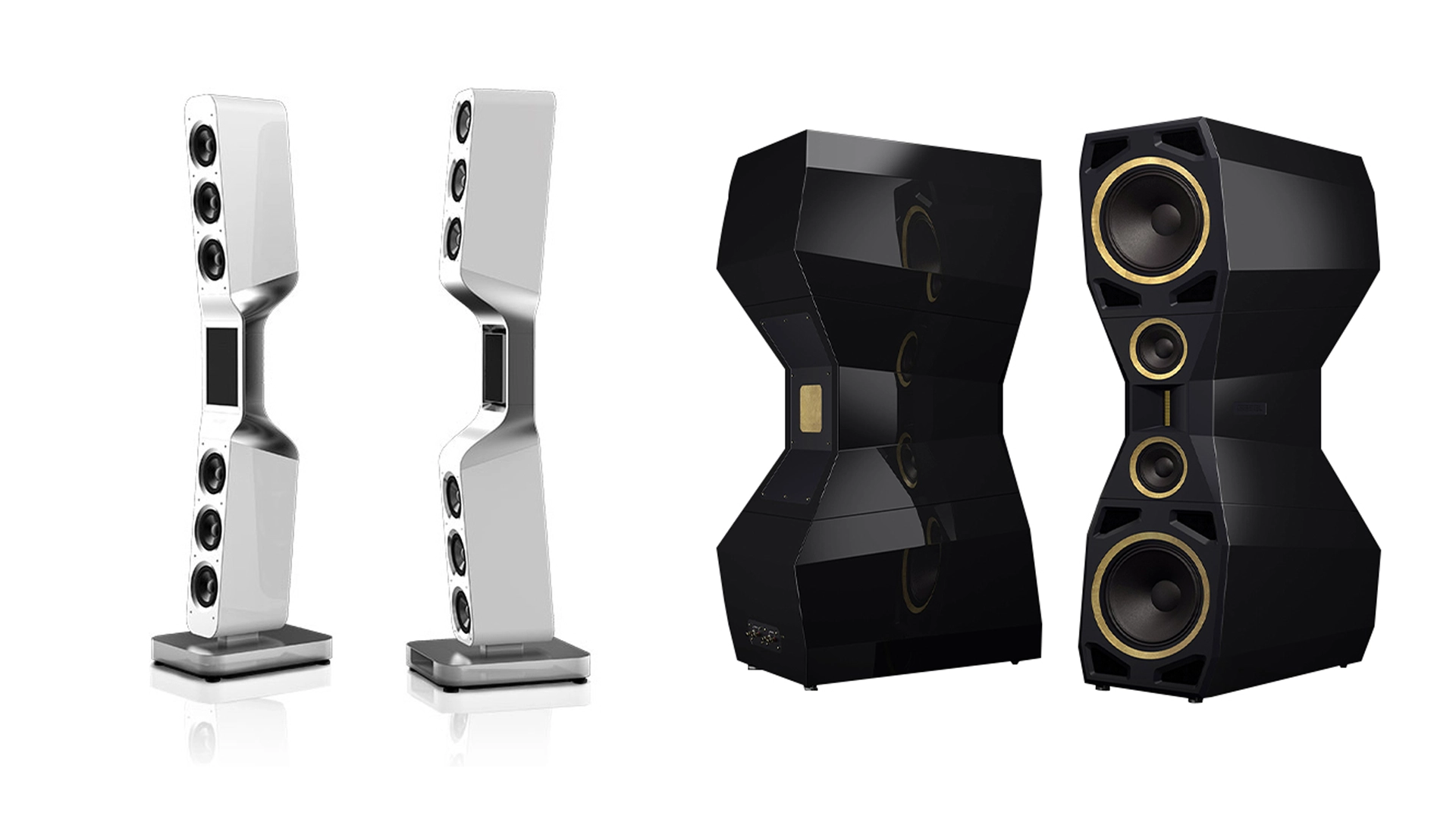
Göbel High End builds loudspeakers around a patented bending-wave transducer that operates across most of the audible spectrum without a conventional multi-driver handover in the critical midrange. Oliver Göbel founded the company in Landshut in 2003 after years of research into bending-wave radiation and materials. Its Carbon Excellence driver uses a nine-layer diaphragm and is specified to cover roughly 170 Hz to beyond 31 kHz, with very broad frontal dispersion; dedicated woofers supply the lowest octaves. The technology anchors the Epoque Aeon line and is adapted within the larger Divin systems, whose enclosures, crossovers and mechanical grounding are developed in-house. Göbel also applies its conductor, dielectric and resonance-control work to Lacorde Statement cables. The products are engineered and assembled in Germany, with unusually wide-band radiation—not visual extravagance—as the central idea.

Gold Note is an Italian full-system audio manufacturer whose modern brand grew from Maurizio Aterini’s engineering studio, established in Florence in 1992 to design analogue products for other companies. The Gold Note name itself was founded in 2012, after Elena Basciano and later Alessio Oronti joined the enterprise. Its catalogue now links turntables and cartridges with phono stages, digital sources, all-in-one players, amplifiers, loudspeakers, racks and cables. Recognisable products include the Mediterraneo turntable, PH-10 phono stage, DS-series streamers and IS-series integrated systems. A useful feature of the range is modular upgrading: many components accept dedicated external power supplies, allowing the core unit to remain in service while its power section is improved. Design, development and much of the production remain concentrated in Tuscany.

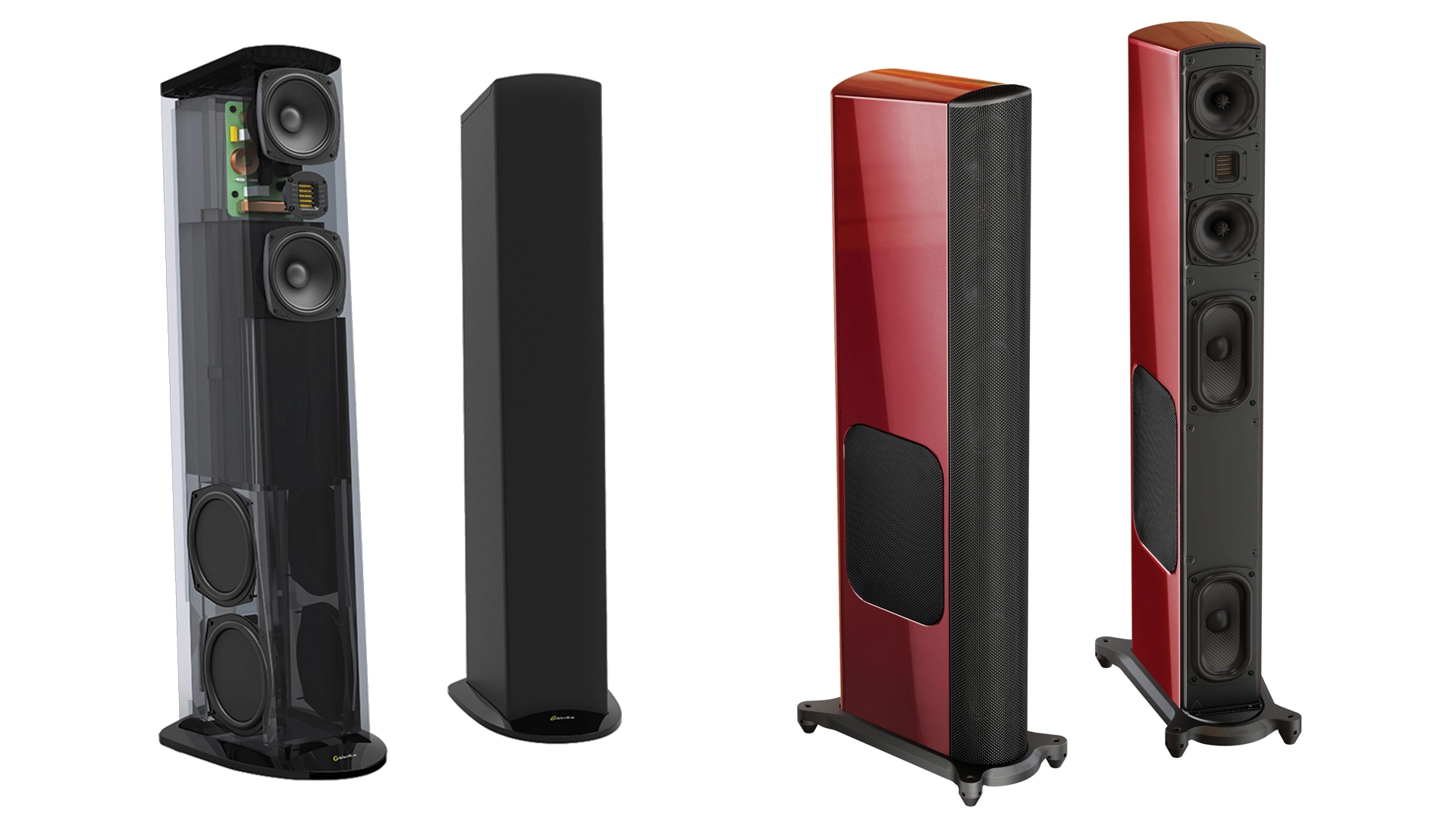
GoldenEar is an American loudspeaker brand that combines compact cabinets with unusually ambitious bass and high-frequency systems. Sandy Gross—previously a co-founder of Polk Audio and Definitive Technology—launched the company in 2010. Its signature High-Velocity Folded Ribbon tweeter moves air by squeezing it through folds in a light diaphragm, while many tower models pair passive radiators with internally powered subwoofer sections. This architecture defines the Triton and newer T-series towers, giving the main speakers control over deep bass without requiring a fully external subwoofer system. GoldenEar also makes BRX bookshelf speakers, SuperSat satellites, centre channels, architectural models and ForceField subwoofers, so the same driver ideas can be used in stereo or cinema installations. The brand’s strength lies in fitting wide bandwidth and room-friendly flexibility into relatively slim enclosures.

Goldmund is a Geneva-based audio house whose work joins precision mechanics, high-speed amplification and digital system control. The company began in France in 1978 with the servo-controlled T3 tonearm; Michel Reverchon acquired it in 1980 and moved it to Switzerland. The Studio direct-drive turntable and 1983 Reference established Goldmund’s Mechanical Grounding principle, intended to drain vibration through a controlled structural path. Later milestones include Mimesis electronics, Claudio Rotta-Loria’s Apologue loudspeaker, Alize digital conversion and the Proteus mathematical model used to align active speaker systems in time and amplitude. Today the range spans Telos/NextGen amplifiers, preamplifiers, music sources, processors and active or wireless loudspeakers. Goldmund is most distinctive when these elements operate as one engineered system rather than as unrelated luxury components.

Grandinote is an Italian electronics manufacturer built around Massimiliano “Max” Magri’s Magnetosolid amplifier architecture. Magri completed his electronic-engineering studies in 1997, began developing the concept in 2000 and produced the first Magnetosolid amplifier in 2002; Grandinote was established in 2005. The circuits use solid-state devices in a topology inspired by valve amplification and couple them to ferromagnetic output transformers designed for transistor operation. This deliberately avoids a conventional hybrid of tubes and transistors. The idea runs through integrated amplifiers such as Shinai and Essenza, preamplifiers including Proemio and Genesi, and power amplifiers from Silva to the flagship models. Grandinote also makes Volta and Celio sources and Mach loudspeakers, allowing complete systems to be voiced around the same priorities. Design and production take place in Italy.

Hansen Audio is a Canadian high-end loudspeaker manufacturer founded by Lars Hansen in 2003, after his earlier work in the audio industry, including serving as president of Dahlquist. The company’s defining idea is to control the loudspeaker as a complete mechanical and acoustic system rather than assemble a cabinet around standard drive units. Hansen developed its own multi-layer composite midrange and bass cones, paired them with carefully shaped enclosures made from dense composite material, and used a geometry intended to reduce diffraction and cabinet contribution. Models such as the Knight, Prince, King and Emperor established a recognizable family: sculpted, extremely inert floorstanders with related driver technology scaled for different rooms and systems. Hansen Audio became publicly prominent in the mid-2000s, but that market introduction should not be confused with the company’s 2003 founding.

Harman Kardon helped turn separate hi-fi components into products that ordinary music lovers could use as a coherent system. Sidney Harman and Bernard Kardon founded the company in New York in 1953 after leaving the David Bogen Company, and the early Festival receivers brought tuner, preamplifier and power amplifier functions together in a refined domestic component. The Citation series then showed the brand’s more ambitious engineering side, with wide-bandwidth amplifiers and preamplifiers that became enduring collector pieces. Harman Kardon later carried this combination of audio engineering and industrial design into cassette decks, CD players, home-cinema receivers and landmark desktop products such as SoundSticks. Today the name is used across wireless speakers, home-audio systems and selected automotive installations. Its strongest legacy is not one circuit or format, but the repeated effort to make serious audio technology elegant, integrated and approachable.

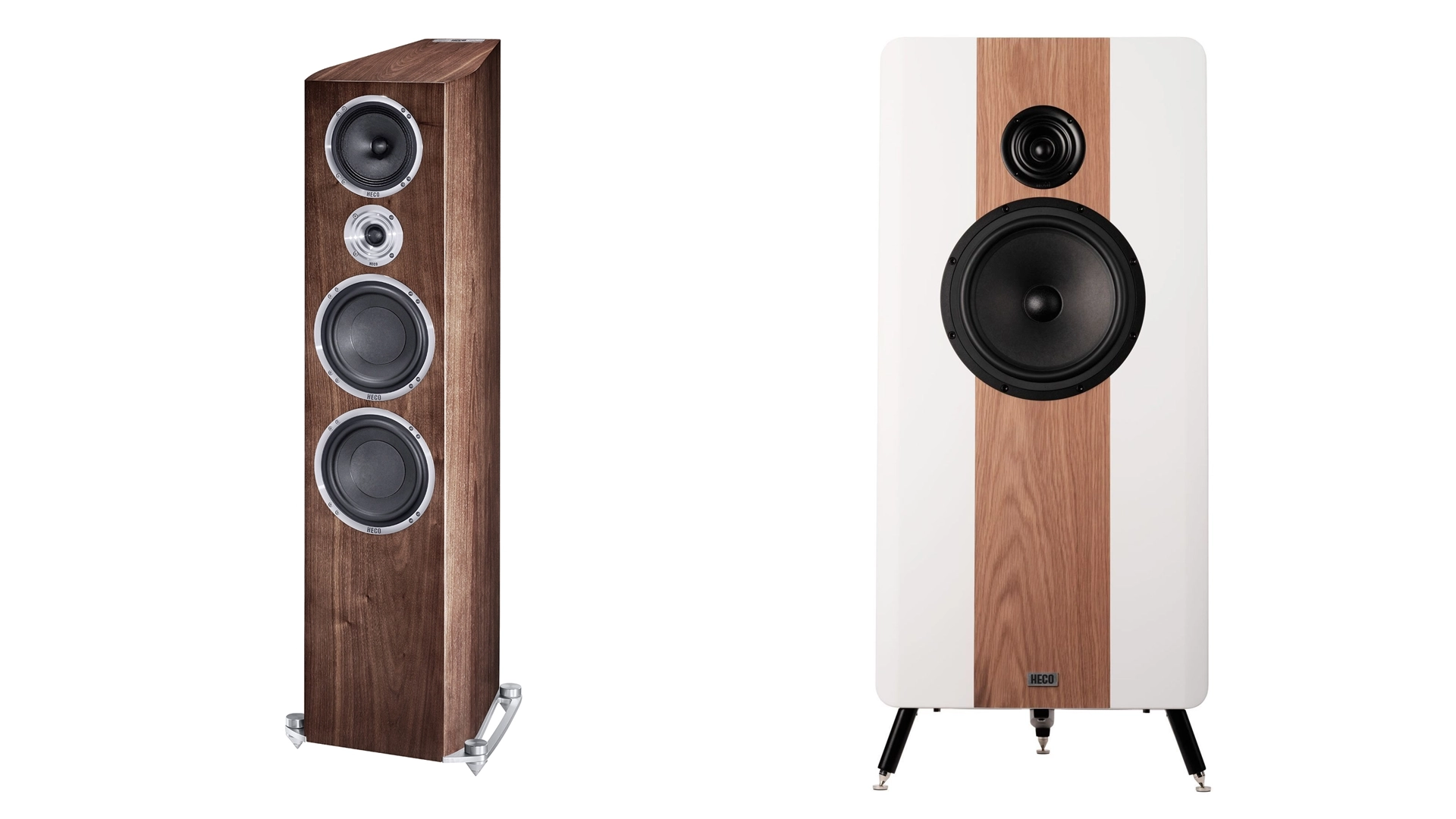
HECO is a German loudspeaker brand whose history reaches back to 1949, making it one of the country’s longest-established names in domestic audio. It produced series-manufactured speaker chassis by 1950 and has since moved through compact hi-fi boxes, ambitious floorstanders and installation speakers without abandoning in-house driver development. A recurring HECO signature is the Kraft paper cone, made from a fibre mixture that includes Nordic pine and wool for a deliberately controlled balance of stiffness and internal damping. Current designs also use the Fluktus tweeter’s computer-optimized waveguide, robust die-cast baskets and, in selected upper models, AlNiCo midrange motors. Ranges such as Victa Elite, Aurora, Celan Revolution and Direkt address different prices and aesthetics, while sharing recognizable acoustic ideas. HECO’s strength is this continuity: traditional paper-cone virtues developed with modern measurement, materials and dispersion control.

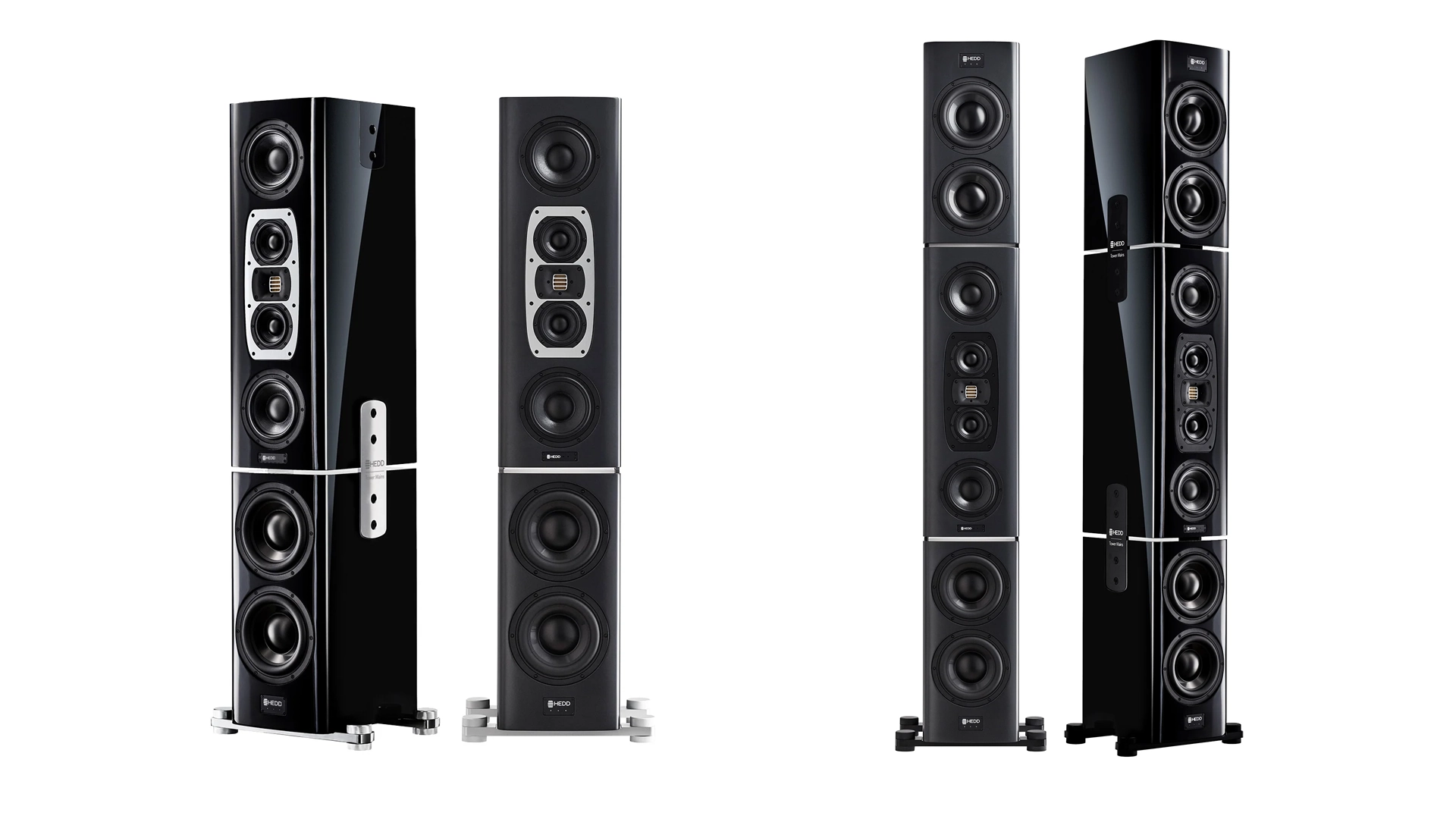
HEDD—Heinz Electrodynamic Designs—is a Berlin company founded in 2015 by physicist Klaus Heinz and his son, musicologist and mastering engineer Dr Frederik Knop. Klaus Heinz had already spent decades developing Air Motion Transformer tweeters, and HEDD made that folded-diaphragm principle the centre of a new range for studios and demanding home systems. The company builds active monitors and subwoofers in Berlin, combining its proprietary AMT with DSP functions such as the Lineariser, a phase-correction system based on zero-phase FIR filtering. MK2 monitors can also be used in closed or ported operation through the CoP design, allowing a practical trade-off between bass extension and transient behaviour. HEDDphone models extend the idea into a full-range Variable Velocity Transform transducer for headphones. HEDD’s identity is unusually coherent: one transducer concept, refined for nearfield monitoring, immersive systems and personal listening.

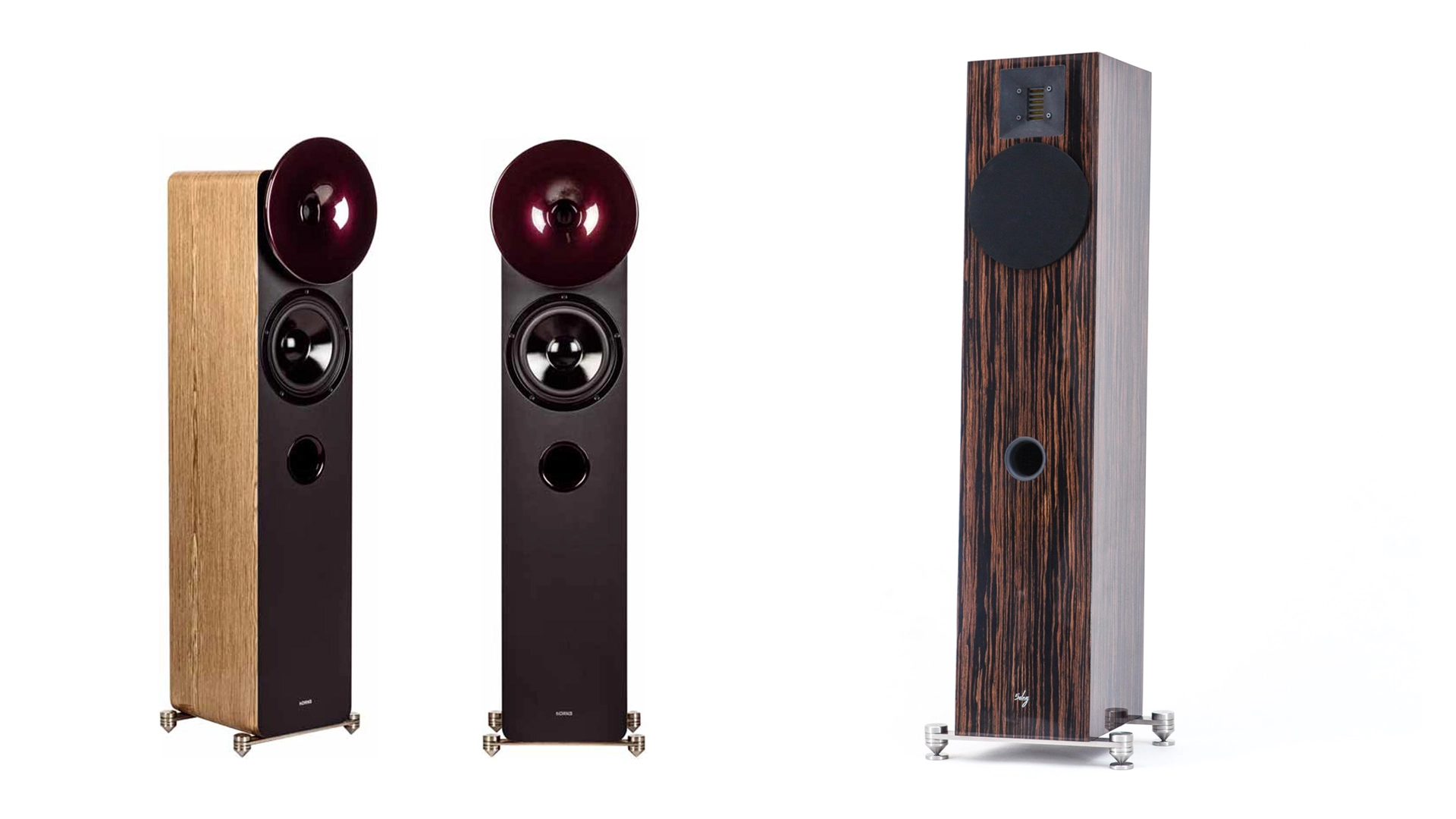
hORNS is a Polish loudspeaker maker that has made horn loading its defining language since 2006. Rather than treat the horn as a decorative feature, the company uses it to improve acoustic coupling, efficiency and control of dispersion, pairing horn-loaded high- and mid-frequency sections with bass alignments chosen for each enclosure. The catalogue has ranged from the compact FP models and the sculptural Mummy to the larger Symphony and Universum systems, with the latter developed through several generations. Different horn profiles, compression drivers, cabinet volumes and crossover solutions let hORNS scale the same core idea from domestic rooms to statement installations. Production is deliberately artisanal, and customers can specify finishes or commission visual adaptations instead of choosing only from mass-market veneers. That combination of high sensitivity, strong dynamic capability and individual cabinet work is what separates hORNS from conventional Polish box-speaker manufacturers.

Hulgich Audio is Nicolas Hulgich’s Australian loudspeaker company, founded in 2014 and focused on small-series floorstanding designs. Its models are not variations of one generic cabinet: Ella, Nina, Astor and Duke were conceived for different room scales, with driver complement, enclosure volume and crossover topology developed as a complete system. Hulgich selects specialist transducers and then concentrates on the less visible work—rigid, carefully damped cabinetry, controlled internal geometry and crossovers voiced to keep the drivers coherent through their handover regions. The visual language is restrained and furniture-like, with curved surfaces and high-quality finishes used to reduce abrupt edges as well as to give the speakers a recognisable Australian character. This is a designer-led brand rather than a high-volume factory line, and its strength lies in Nicolas Hulgich’s ability to balance measured behaviour, material construction and extended listening in each finished loudspeaker.

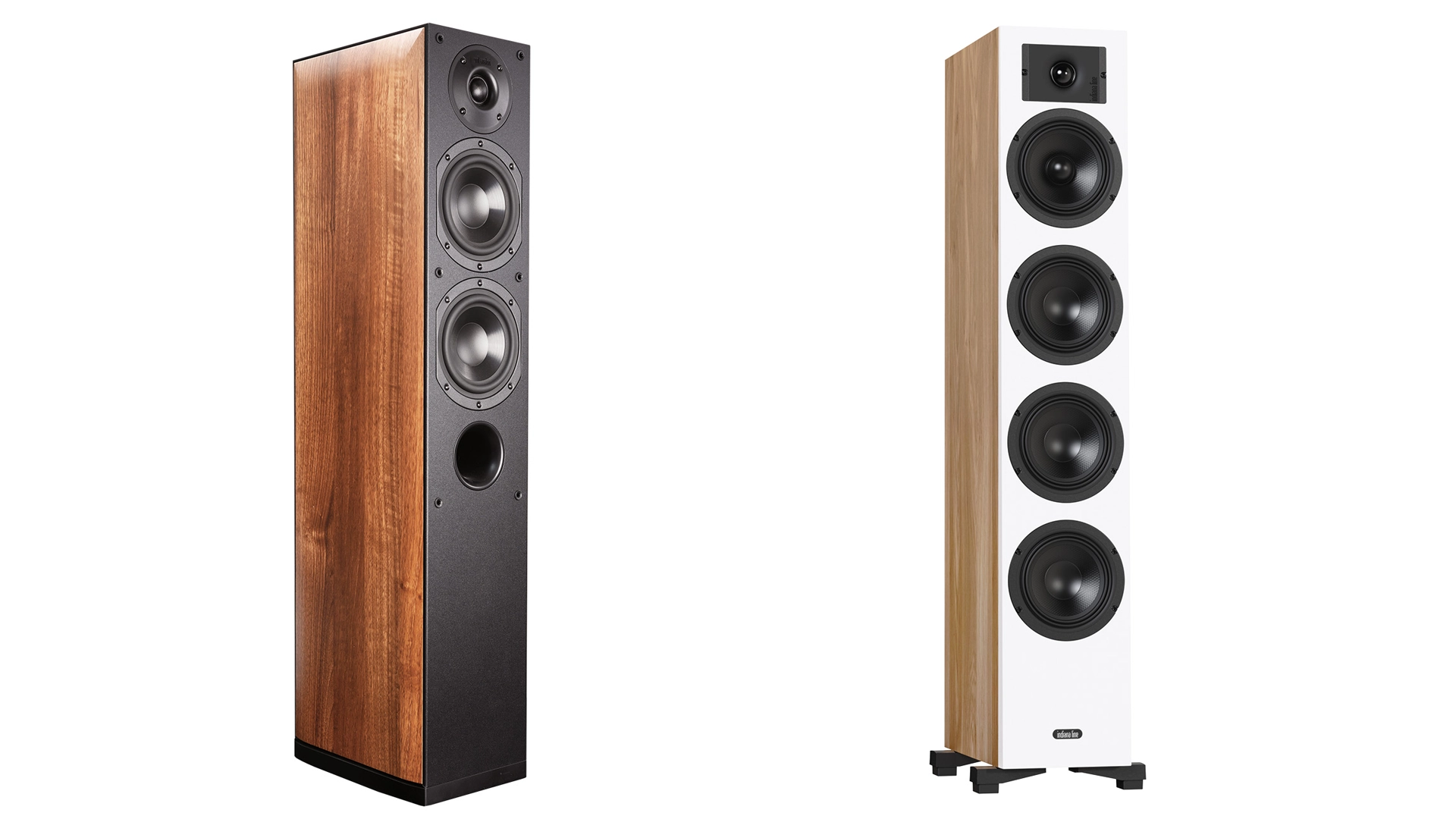
Indiana Line is an Italian loudspeaker brand founded in Turin in 1977, known for turning practical domestic speakers into carefully engineered hi-fi products. Its catalogue covers the ambitious Diva series, the widely accessible Tesi and Nota families, DJ models, Basso subwoofers and architectural speakers for custom installation. The engineering changes with price rather than relying on one repeated recipe: Curv polypropylene appears in selected mid-woofers, mica-reinforced cones are used where greater stiffness is needed, and soft-dome tweeters are loaded and damped to integrate smoothly with the midrange. Cabinets use substantial internal bracing and acoustic damping, while crossover slopes are chosen for predictable behaviour with ordinary 4–8-ohm amplifiers. Indiana Line’s long history includes its development under Coral Electronic and a later transition from Italian to Polish ownership, but the design identity remains rooted in compact European speakers that offer sensible size, finish and system compatibility rather than exotic scale.

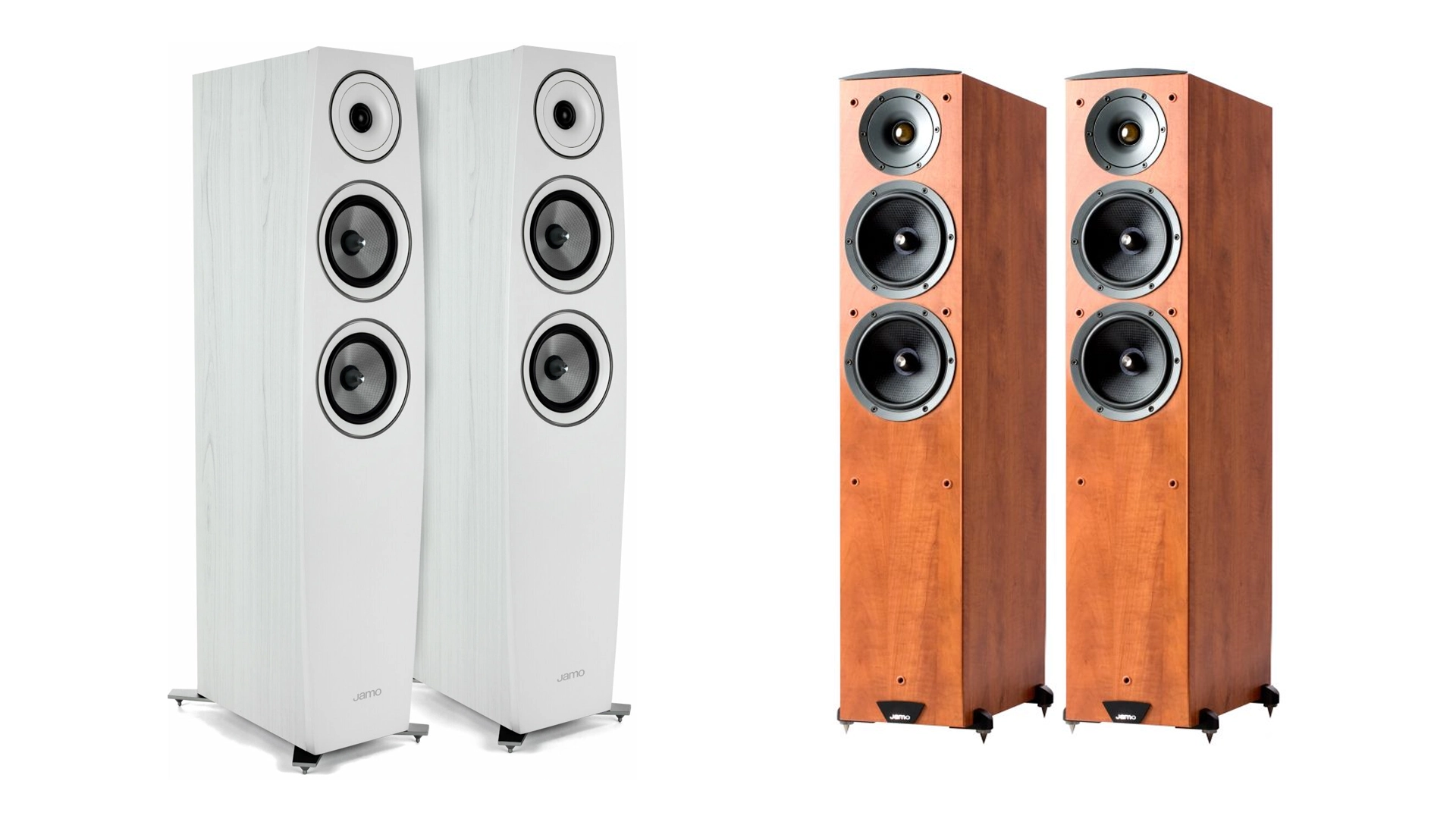
Jamo is a Danish loudspeaker name built on the idea that audio equipment should live comfortably with furniture rather than dominate it. It was founded in 1968 by cabinetmaker Preben Jacobsen and salesman Julius Mortensen; “Jamo” combines the opening letters of their surnames. The company became known for bringing Scandinavian form, practical proportions and broad-market pricing to stereo and home-cinema speakers, with Studio, Concert and Custom installation families forming an important part of its legacy. The present story needs a qualification: after former owner Voxx/PAC sold the brand in 2024, Jamo entered a quiet transition and is now being relaunched by Cinemaster and Rayleigh Lab. A new range announced for 2026 is intended to cover traditional hi-fi, connected lifestyle products and higher-end systems, with development involving European designers and production planned in Denmark and China. That means older catalogue names should not be presented as the whole current line. What remains continuous is Jamo’s core proposition—approachable loudspeakers shaped by Danish design culture—while the products and ownership are entering a new chapter.

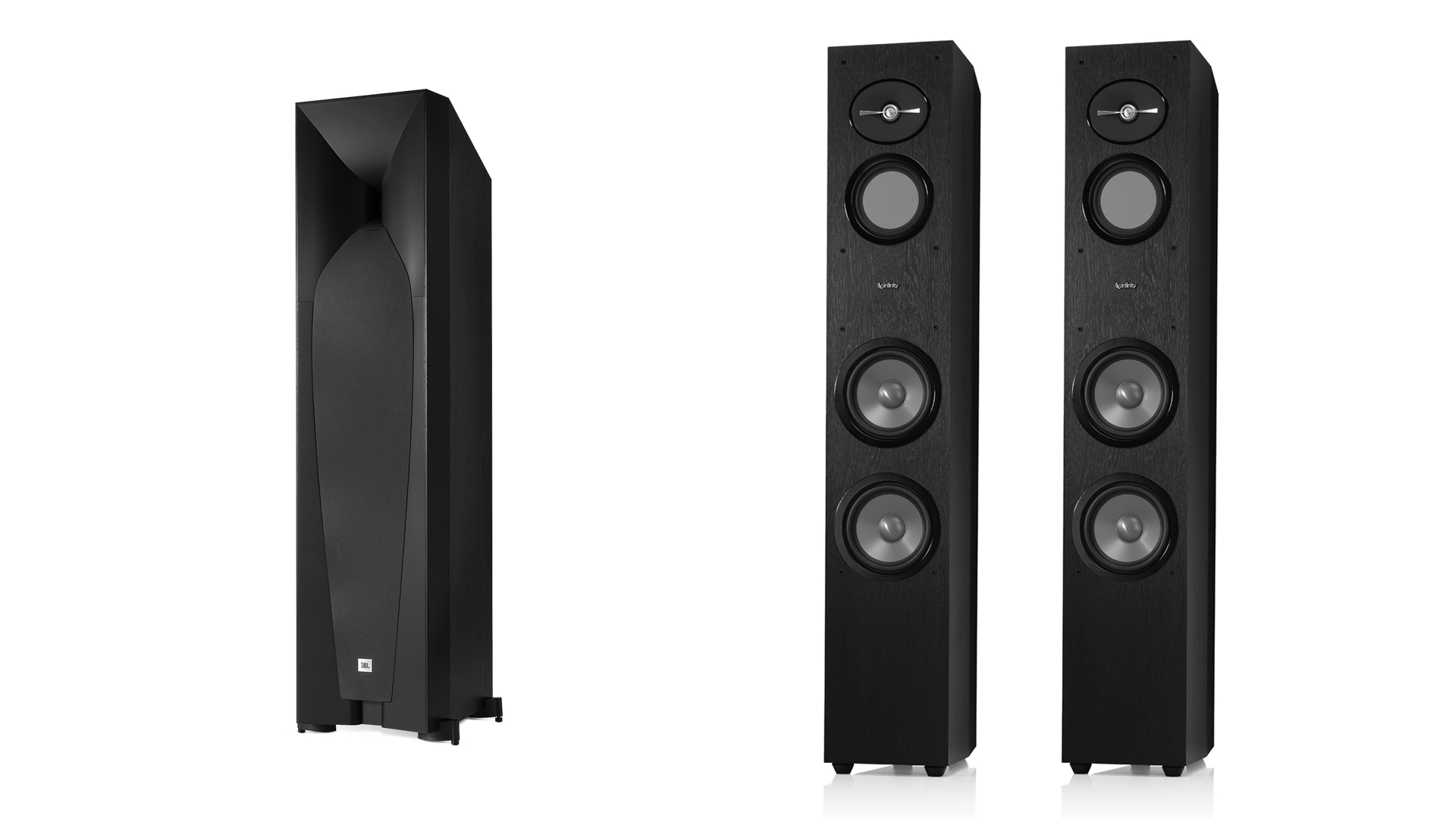
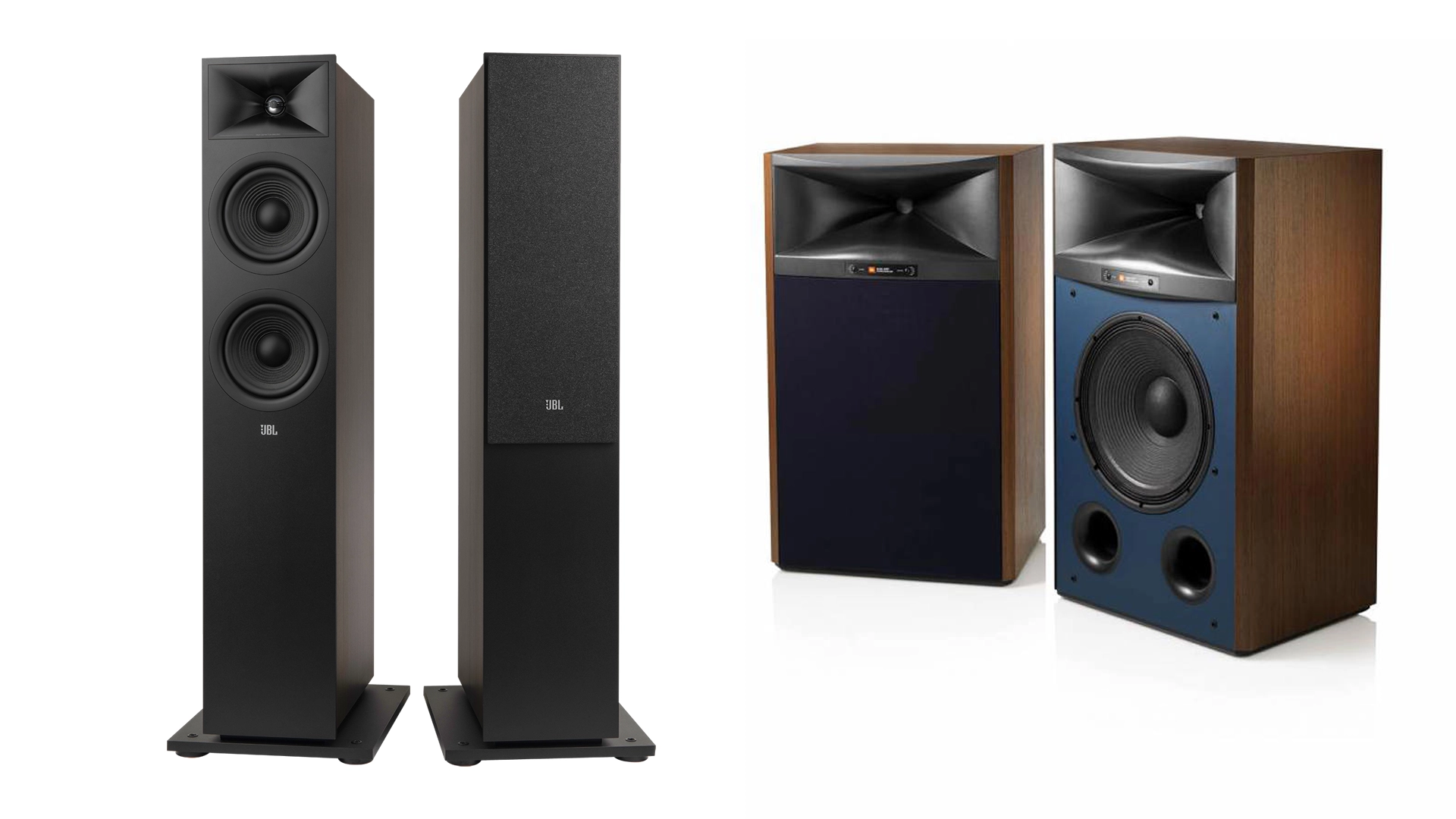
JBL is one of the few audio brands with equally deep roots in cinema, recording studios, touring sound and domestic loudspeakers. Engineer James Bullough Lansing founded James B. Lansing Sound in Los Angeles in 1946, and the early D130 driver introduced a four-inch flat-wire voice coil that helped establish the company’s reputation for high efficiency and power handling. JBL later became a studio reference through 4300-series monitors and translated that visual and acoustic language into the L100 for the home. Its professional division now covers cinema systems, installed sound, stage monitors and large-format arrays, while consumer products range from portable Bluetooth speakers and headphones to Classic and Synthesis systems. Compression drivers, horns and controlled-directivity waveguides recur across many categories because JBL designs for predictable output beyond a single listening seat. The company has belonged to Harman since 1969; Harman has been owned by Samsung since 2017. Scale is part of JBL’s know-how: transducer engineering developed for venues and studios can inform car, home and portable products without erasing the differences between them.

Kalista is the sculptural digital-audio marque created by French manufacturer Métronome Technologie, not merely a model range dating from the parent company’s 1987 foundation. Kalista was launched in 2003 around an exposed, mechanically isolated CD transport whose acrylic, aluminium and steel construction made the disc mechanism part of the visual design. The brand has since developed complete reference digital front ends: DreamPlay transports and integrated players, the DreamPlay X network transport, Mantax DAC and matching Elektra power supply are built as complementary components. Separate power supplies, rigid structures, deliberate mass distribution and vibration control are recurring elements because the company treats mechanical stability and electrical noise as part of digital playback. Manufacture takes place in France, with hand assembly and extensive finishing appropriate to its very small production volumes. Kalista’s individuality lies in making digital sources both technically specialised and visually architectural. Correcting the founding field to 2003 distinguishes the birth of this brand from the earlier history of Métronome itself.

HFS Ad Rotator · default · slot 1
HFS Ad Rotator · default · slot 2
Add a missing AV-brand or update an existing one

Add a missing AV-brand or update an existing one

Any user can submit a Quick Submission Form to suggest a new AV-brand or suggest update details for an existing one. Brand owners or official representatives of brand can fill a Official Brand Submission Form to provide complete company information, ensuring maximum accuracy and visibility in our portal. All submissions are moderated before publication. 

For suggesting new AV-brands or suggesting updating existing one by users.

Complete official form for brand owners and representatives to provide complete company details to add a new one or update an existing one

Brand Categories:
  • SPEAKERS
    • Bookshelf Speakers — Compact loudspeakers designed for placement on a shelf or dedicated stands.
    • Floorstanding Speakers — Large, full-range loudspeakers that stand directly on the floor, designed for powerful and expansive sound.
    • In-wall Custom Install Speakers — Speakers designed to be installed flush into walls or ceilings for a discreet, "zero-footprint" audio solution.
    • On-Wall Speakers — Slim, low-profile speakers designed to be mounted directly on a wall, often to complement a flat-panel TV.
    • Studio Monitors — Speakers designed for professional audio production, offering a flat, accurate, and uncolored sound reproduction.
    • Planar Ribbon Electrostatic Speakers — Speakers using large, thin diaphragms (panels) instead of cones, prized for their transparent and detailed sound.
    • Horn Speakers — Highly efficient speakers that use a flared horn to amplify a driver, known for their dynamic, "live" sound.
    • Active Powered Speakers — Loudspeakers with built-in amplifiers, creating a simple all-in-one audio solution.
    • Wireless Portable Speakers — Compact, battery-powered speakers with Bluetooth for on-the-go music.
    • Outdoor Speakers — Durable, weather-resistant speakers engineered to provide high-quality audio in open-air spaces like patios and gardens.
    • Marine Extreme Speakers — Rugged, waterproof, and corrosion-resistant speakers built to withstand harsh marine environments on boats and yachts.
    • Commercial Speakers — Durable loudspeaker systems designed for background music and public address in business environments.
    • Invisible Speakers — Architectural speakers installed in a wall and plastered over, making them completely invisible.
    • Subwoofers Bass Speakers — Specialized speakers dedicated to reproducing only the lowest bass frequencies for impact and depth for all purposes
  • AMPLIFIERS
    • Integrated Amplifiers — An all-in-one component combining a preamplifier and a power amplifier in a single chassis.
    • PreAmplifiers — The control hub of a separates audio system, used for source selection and volume control.
    • Power Amplifiers — A component with the sole job of taking a line-level signal and amplifying it to drive loudspeakers.
    • Phono Preamps Phono Stages — A device that amplifies the weak signal from a turntable's cartridge and applies necessary RIAA equalization.
    • Tube Amplifiers — Amplifiers that use vacuum tubes (valves) instead of transistors, prized for their warm and rich sound character.
    • Multi-Zone Multi-Room Amplifiers — Amplifiers that power speakers in multiple different rooms or "zones" from a single, centralized unit.
    • Network Amplifiers — An integrated amplifier with built-in networking and streaming capabilities, creating a modern "just add speakers" system.
    • Desktop Headphone Amplifiers — Mains-powered amplifiers designed to drive high-quality headphones in a desktop or home audio system.
    • Portable Headphone Amplifiers Players — Compact, battery-powered devices (DAPs or amps) for delivering high-quality sound on the move.
  • DAC STREAMERS
    • DAC Desktop — Digital-to-Analog Converters designed to improve sound quality from a computer or other home digital source.
    • DAC Portable — Compact, battery-powered Digital-to-Analog Converters for improving audio from smartphones and laptops.
    • Music Streamers — Devices that connect to the internet to access and play music from online services like Tidal and Spotify.
    • Network Players — Source components focused on high-fidelity playback of digital audio files from a local network (NAS drive).
    • Music Servers HDD Storages — Dedicated devices for storing, managing, and playing a local digital music library with high fidelity.
    • CD Transport Media Players — High-precision disc players that read physical media (CDs, SACDs) and output a pure digital signal to an external DAC.
    • Compact All-in-One Systems — Self-contained audio systems that combine source, amplification, and often speakers into a single, compact unit.
    • Streaming Amplifier — An integrated amplifier with built-in streaming capabilities.
  • TURNTABLES VINYL
    • Turntables — Electromechanical devices that play vinyl records by rotating them at a stable speed.
    • Tonearms — The precision arm on a turntable that holds the cartridge, allowing the stylus to track the record groove.
    • Cartridges — The transducer on a turntable's tonearm that holds the stylus and converts groove vibrations into an electrical signal.
    • Vinyl Cleaning Machine — Specialized machines that use fluid and vacuum/ultrasonic action to deep-clean vinyl records.
    • Vinyl Accessories — Essential tools for setup and maintenance, like clamps, brushes, and alignment protractors.
  • HEADPHONES
    • In-Ear Earbuds — Ultra-portable listening devices, including True Wireless (TWS) models, designed for convenience and daily use.
    • In-Ear Monitors IEM — High-performance in-ear headphones that seal in the ear canal for superior sound isolation and detail.
    • On-Ear Headphones — Headphones with cushions that rest directly on the ears, offering a balance of portability and sound quality.
    • Over-Ear Headphones — Full-sized headphones with large earcups that completely encircle the ears for maximum comfort and immersion.
    • Wireless Headphones — Headphones that connect to source devices via Bluetooth, often featuring Active Noise Cancellation (ANC).
    • Planar Magnetic Ribbon Headphones — High-end headphones using a thin, flat diaphragm driven by magnets, known for their detailed and low-distortion sound.
    • Electrostatic Headphones — High-end headphones using a massless diaphragm in an electrostatic field, requiring a special energizer/amplifier.
  • HOME THEATER
    • AV Receivers Media Players — Central components of a home cinema, combining audio/video processing, amplification, and playback.
    • Home Theater Speakers — Matched sets of speakers (front, center, surround) designed to create an immersive cinematic soundfield.
    • Soundbars — A simple, all-in-one speaker bar that provides a significant audio upgrade over a television's built-in speakers.
    • Subwoofers — Specialized speakers dedicated to reproducing only the lowest bass frequencies for impact and depth for home theaters
    • Processors Amplifiers — High-end home cinema "separates" consisting of a surround sound processor and a multi-channel power amplifier.
    • Screens — High-quality projection surfaces designed to provide an optimal image for a home cinema projector.
    • Projectors — Video projectors optimized for home cinema use, focusing on color accuracy, contrast, and black levels.
  • CABLES ACCESSORIES
    • Speaker Cables — Cables that carry the amplified, high-level signal from an amplifier to passive loudspeakers.
    • Analog Cables — Cables (RCA, XLR) used to transmit analog audio signals between components like DACs and amplifiers.
    • Digital Cables — Cables (Coaxial, Optical, USB) that transmit digital audio data between components.
    • Phono Cables — Specially shielded cables designed to carry the delicate, low-level signal from a turntable to a phono preamp.
    • Headphone Cables — Aftermarket and replacement cables used to upgrade or customize high-quality headphones.
    • Connectors Terminals — The fundamental hardware (plugs, jacks, spades, etc.) used to terminate cables and connect equipment.
    • Power Cables — High-performance AC cords designed to deliver clean, noise-free power to audio components.
    • Power Supplies Conditioners — Devices that filter, stabilize, and protect the AC power supplied to an audio system for improved performance.
  • FURNITURE
    • Speaker Stands Mounts — Stands and mounts used to position speakers at the correct height and angle for optimal sound.
    • Furniture Racks — Purpose-built furniture designed to house audio/video components with a focus on stability, ventilation, and vibration control.
    • Isolation Footers Spikes Shelves — Specialized accessories (spikes, footers, platforms) designed to manage vibrations and isolate components.
    • Soundproof Solutions — Products designed to control room acoustics, including treatment (panels, diffusers) and sound-blocking materials.
  • PROFESSIONAL
    • Concert Speakers — Large-scale PA systems, including line arrays and stage monitors, for live music and public events.
    • Cinema Speakers — Specialized, high-output loudspeaker systems certified for use in large commercial movie theaters.
    • Concert Electronics — Robust electronics including mixing consoles, processors, and amplifiers for live sound reinforcement.
    • Cinema Electronics — Professional, DCI-compliant processors and amplifiers for use in commercial movie theaters.
    • Cinema Screens — Large-format, often acoustically transparent, projection screens built to professional cinema standards.
    • Cinema Projectors — Ultra-high-brightness, DCI-compliant projectors designed for continuous use in commercial movie theaters.
    • Professional Cables Accessories — Rugged, reliable cables and hardware (e.g., snake cables, Speakon connectors) for touring and professional installation.
  • DIY Components
    • Speaker drivers Tweeters — The individual transducers (woofers, mid-range, tweeters) that are the fundamental building blocks of a loudspeaker.
    • Coaxial Speaker Drivers — Speaker drivers where the tweeter is mounted in the center of the woofer, creating a single point source for sound.
    • DIY Speaker Kits — Complete packages including drivers, crossovers, and plans for enthusiasts to build their own loudspeakers.
    • Electron Vacuum Tubes — Glass valves used in tube amplifiers that provide amplification and can be replaced to tune the sound.
    • Electronic Components — Discrete parts (capacitors, resistors, transistors) used by manufacturers and DIYers to build audio circuits.
  • OTHERS
    • Line Stage — A type of preamplifier that exclusively handles line-level sources, without a built-in phono stage.
    • Time Alignment Device — A signal processor that corrects timing delays between drivers or speakers for improved sound coherence.
    • Smart Portable Speakers — Wireless portable speakers with integrated voice assistants (e.g., Alexa, Google Assistant) and smart home functionality.
    • DJ Turntables — Durable, high-torque direct-drive turntables with pitch control, built for performance and DJing applications.
    • Motor Drives — External motor units and power supplies for turntables, providing improved rotational stability and isolation.
    • Crossovers — Electronic circuits that split an audio signal into different frequency bands to route to the correct speaker driver.
    • Car Audio — Audio equipment, including speakers, amplifiers, and source units, specifically designed for use in vehicles.

Brand Categories:
  • Active Powered Speakers — Loudspeakers with built-in amplifiers, creating a simple all-in-one audio solution.
  • Analog Cables — Cables (RCA, XLR) used to transmit analog audio signals between components like DACs and amplifiers.
  • AV Receivers Media Players — Central components of a home cinema, combining audio/video processing, amplification, and playback.
  • Bookshelf Speakers — Compact loudspeakers designed for placement on a shelf or dedicated stands.
  • Car Audio — Audio equipment, including speakers, amplifiers, and source units, specifically designed for use in vehicles.
  • Cartridges — The transducer on a turntable's tonearm that holds the stylus and converts groove vibrations into an electrical signal.
  • CD Transport Media Players — High-precision disc players that read physical media (CDs, SACDs) and output a pure digital signal to an external DAC.
  • Cinema Electronics — Professional, DCI-compliant processors and amplifiers for use in commercial movie theaters.
  • Cinema Projectors — Ultra-high-brightness, DCI-compliant projectors designed for continuous use in commercial movie theaters.
  • Cinema Screens — Large-format, often acoustically transparent, projection screens built to professional cinema standards.
  • Cinema Speakers — Specialized, high-output loudspeaker systems certified for use in large commercial movie theaters.
  • Coaxial Speaker Drivers — Speaker drivers where the tweeter is mounted in the center of the woofer, creating a single point source for sound.
  • Commercial Speakers — Durable loudspeaker systems designed for background music and public address in business environments.
  • Compact All-in-One Systems — Self-contained audio systems that combine source, amplification, and often speakers into a single, compact unit.
  • Concert Electronics — Robust electronics including mixing consoles, processors, and amplifiers for live sound reinforcement.
  • Concert Speakers — Large-scale PA systems, including line arrays and stage monitors, for live music and public events.
  • Connectors Terminals — The fundamental hardware (plugs, jacks, spades, etc.) used to terminate cables and connect equipment.
  • Crossovers — Electronic circuits that split an audio signal into different frequency bands to route to the correct speaker driver.
  • DAC Desktop — Digital-to-Analog Converters designed to improve sound quality from a computer or other home digital source.
  • DAC Portable — Compact, battery-powered Digital-to-Analog Converters for improving audio from smartphones and laptops.
  • Desktop Headphone Amplifiers — Mains-powered amplifiers designed to drive high-quality headphones in a desktop or home audio system.
  • Digital Cables — Cables (Coaxial, Optical, USB) that transmit digital audio data between components.
  • DIY Speaker Kits — Complete packages including drivers, crossovers, and plans for enthusiasts to build their own loudspeakers.
  • DJ Turntables — Durable, high-torque direct-drive turntables with pitch control, built for performance and DJing applications.
  • Electron Vacuum Tubes — Glass valves used in tube amplifiers that provide amplification and can be replaced to tune the sound.
  • Electronic Components — Discrete parts (capacitors, resistors, transistors) used by manufacturers and DIYers to build audio circuits.
  • Electrostatic Headphones — High-end headphones using a massless diaphragm in an electrostatic field, requiring a special energizer/amplifier.
  • Floorstanding Speakers — Large, full-range loudspeakers that stand directly on the floor, designed for powerful and expansive sound.
  • Furniture Racks — Purpose-built furniture designed to house audio/video components with a focus on stability, ventilation, and vibration control.
  • Headphone Cables — Aftermarket and replacement cables used to upgrade or customize high-quality headphones.
  • Home Theater Speakers — Matched sets of speakers (front, center, surround) designed to create an immersive cinematic soundfield.
  • Horn Speakers — Highly efficient speakers that use a flared horn to amplify a driver, known for their dynamic, "live" sound.
  • In-Ear Earbuds — Ultra-portable listening devices, including True Wireless (TWS) models, designed for convenience and daily use.
  • In-Ear Monitors IEM — High-performance in-ear headphones that seal in the ear canal for superior sound isolation and detail.
  • In-wall Custom Install Speakers — Speakers designed to be installed flush into walls or ceilings for a discreet, "zero-footprint" audio solution.
  • Integrated Amplifiers — An all-in-one component combining a preamplifier and a power amplifier in a single chassis.
  • Invisible Speakers — Architectural speakers installed in a wall and plastered over, making them completely invisible.
  • Isolation Footers Spikes Shelves — Specialized accessories (spikes, footers, platforms) designed to manage vibrations and isolate components.
  • Line Stage — A type of preamplifier that exclusively handles line-level sources, without a built-in phono stage.
  • Marine Extreme Speakers — Rugged, waterproof, and corrosion-resistant speakers built to withstand harsh marine environments on boats and yachts.
  • Motor Drives — External motor units and power supplies for turntables, providing improved rotational stability and isolation.
  • Multi-Zone Multi-Room Amplifiers — Amplifiers that power speakers in multiple different rooms or "zones" from a single, centralized unit.
  • Music Servers HDD Storages — Dedicated devices for storing, managing, and playing a local digital music library with high fidelity.
  • Music Streamers — Devices that connect to the internet to access and play music from online services like Tidal and Spotify.
  • Network Amplifiers — An integrated amplifier with built-in networking and streaming capabilities, creating a modern "just add speakers" system.
  • Network Players — Source components focused on high-fidelity playback of digital audio files from a local network (NAS drive).
  • On-Ear Headphones — Headphones with cushions that rest directly on the ears, offering a balance of portability and sound quality.
  • On-Wall Speakers — Slim, low-profile speakers designed to be mounted directly on a wall, often to complement a flat-panel TV.
  • Outdoor Speakers — Durable, weather-resistant speakers engineered to provide high-quality audio in open-air spaces like patios and gardens.
  • Over-Ear Headphones — Full-sized headphones with large earcups that completely encircle the ears for maximum comfort and immersion.
  • Phono Cables — Specially shielded cables designed to carry the delicate, low-level signal from a turntable to a phono preamp.
  • Phono Preamps Phono Stages — A device that amplifies the weak signal from a turntable's cartridge and applies necessary RIAA equalization.
  • Planar Magnetic Ribbon Headphones — High-end headphones using a thin, flat diaphragm driven by magnets, known for their detailed and low-distortion sound.
  • Planar Ribbon Electrostatic Speakers — Speakers using large, thin diaphragms (panels) instead of cones, prized for their transparent and detailed sound.
  • Portable Headphone Amplifiers Players — Compact, battery-powered devices (DAPs or amps) for delivering high-quality sound on the move.
  • Power Amplifiers — A component with the sole job of taking a line-level signal and amplifying it to drive loudspeakers.
  • Power Cables — High-performance AC cords designed to deliver clean, noise-free power to audio components.
  • Power Supplies Conditioners — Devices that filter, stabilize, and protect the AC power supplied to an audio system for improved performance.
  • PreAmplifiers — The control hub of a separates audio system, used for source selection and volume control.
  • Processors Amplifiers — High-end home cinema "separates" consisting of a surround sound processor and a multi-channel power amplifier.
  • Professional Cables Accessories — Rugged, reliable cables and hardware (e.g., snake cables, Speakon connectors) for touring and professional installation.
  • Projectors — Video projectors optimized for home cinema use, focusing on color accuracy, contrast, and black levels.
  • Screens — High-quality projection surfaces designed to provide an optimal image for a home cinema projector.
  • Smart Portable Speakers — Wireless portable speakers with integrated voice assistants (e.g., Alexa, Google Assistant) and smart home functionality.
  • Soundbars — A simple, all-in-one speaker bar that provides a significant audio upgrade over a television's built-in speakers.
  • Soundproof Solutions — Products designed to control room acoustics, including treatment (panels, diffusers) and sound-blocking materials.
  • Speaker Cables — Cables that carry the amplified, high-level signal from an amplifier to passive loudspeakers.
  • Speaker drivers Tweeters — The individual transducers (woofers, mid-range, tweeters) that are the fundamental building blocks of a loudspeaker.
  • Speaker Stands Mounts — Stands and mounts used to position speakers at the correct height and angle for optimal sound.
  • Streaming Amplifier — An integrated amplifier with built-in streaming capabilities.
  • Studio Monitors — Speakers designed for professional audio production, offering a flat, accurate, and uncolored sound reproduction.
  • Subwoofers — Specialized speakers dedicated to reproducing only the lowest bass frequencies for impact and depth for home theaters
  • Subwoofers Bass Speakers — Specialized speakers dedicated to reproducing only the lowest bass frequencies for impact and depth for all purposes
  • Time Alignment Device — A signal processor that corrects timing delays between drivers or speakers for improved sound coherence.
  • Tonearms — The precision arm on a turntable that holds the cartridge, allowing the stylus to track the record groove.
  • Tube Amplifiers — Amplifiers that use vacuum tubes (valves) instead of transistors, prized for their warm and rich sound character.
  • Turntables — Electromechanical devices that play vinyl records by rotating them at a stable speed.
  • Vinyl Accessories — Essential tools for setup and maintenance, like clamps, brushes, and alignment protractors.
  • Vinyl Cleaning Machine — Specialized machines that use fluid and vacuum/ultrasonic action to deep-clean vinyl records.
  • Wireless Headphones — Headphones that connect to source devices via Bluetooth, often featuring Active Noise Cancellation (ANC).
  • Wireless Portable Speakers — Compact, battery-powered speakers with Bluetooth for on-the-go music.

Sales Channels:
  • Dealer & Distributor Network — The traditional sales model where products are sold through a network of authorized, independent retail stores and custom installers. This is the primary channel for most specialized Hi-Fi brands.
  • Direct-to-Consumer (DTC) — The brand sells its products directly to end-users through its own official website, bypassing traditional retail channels. A rapidly growing model in the industry.
  • Custom Installation (CI) Channel — Products are sold primarily through professional firms that design and install integrated smart home and audio-visual systems. This channel is crucial for architectural and high-end integrated solutions.
  • Mass Market Retail — Products are available in large, non-specialized consumer electronics chain stores. This typically applies to more mainstream product lines from larger brands.
  • Brand-Owned Stores / Showrooms — The brand operates its own physical, flagship retail stores or dedicated showrooms to offer a direct and immersive brand experience. This is the least common model, typically used by top-tier brands.

For companies: For any questions about listings & partnership opportunities, please contact us at contact@hifiselector.com

Have a suggestion or found a flaw? Help us improve​

Have a suggestion or found a flaw?