
Turntables
The turntable, or record player, is the electromechanical heart of any analog audio system, designed to bring vinyl records to life. Its function is to spin a record at a highly precise and stable speed while its tonearm allows a stylus to flawlessly track the microscopic grooves. This page is a complete directory of the world’s leading turntable manufacturers, covering everything from accessible belt-drive models for newcomers to massive, high-end direct-drive and suspended designs for the dedicated audiophile.
Hi-Fi brands in the category
Summary information and image
Direct links to official websites
Pro-Ject

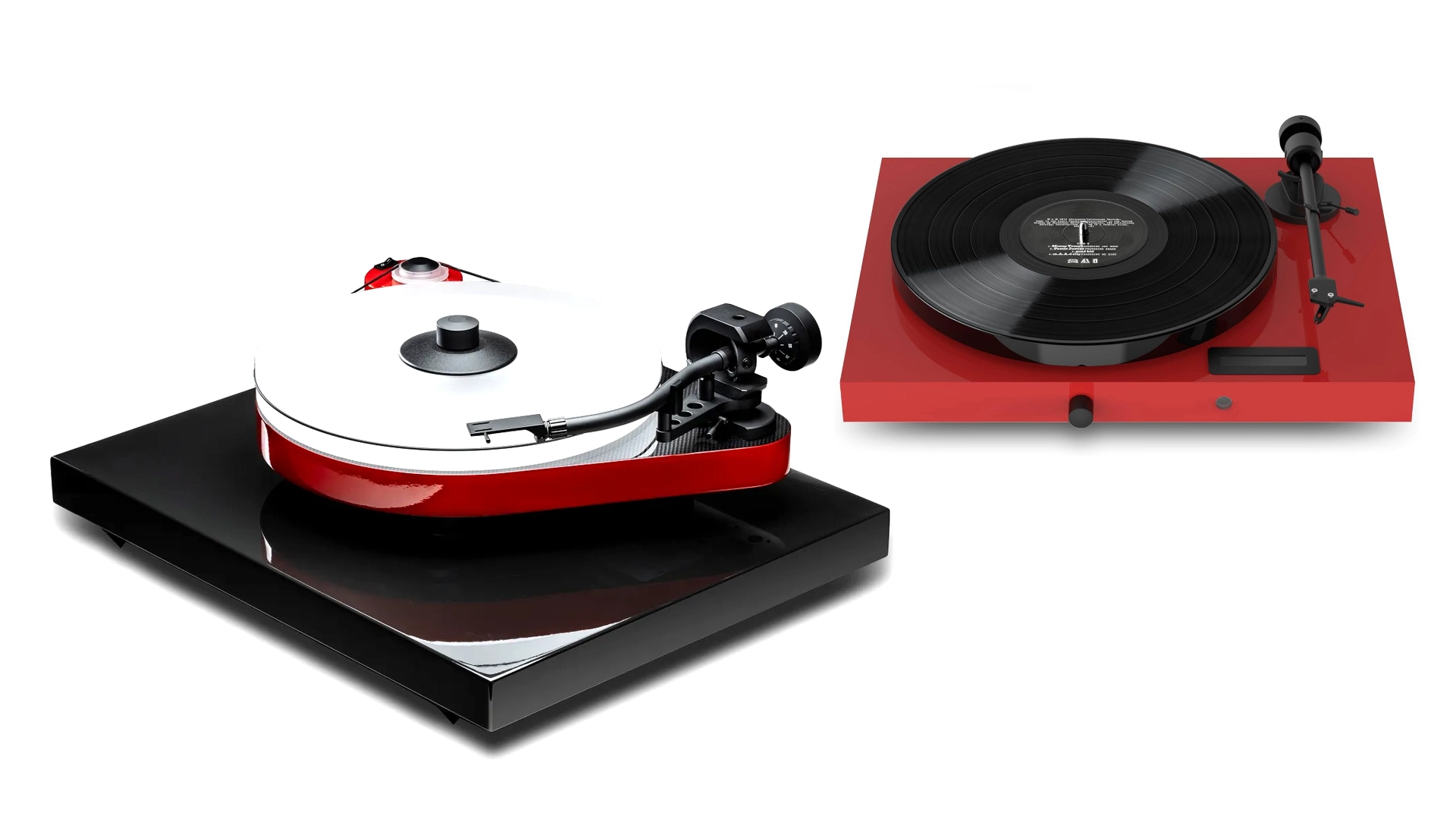
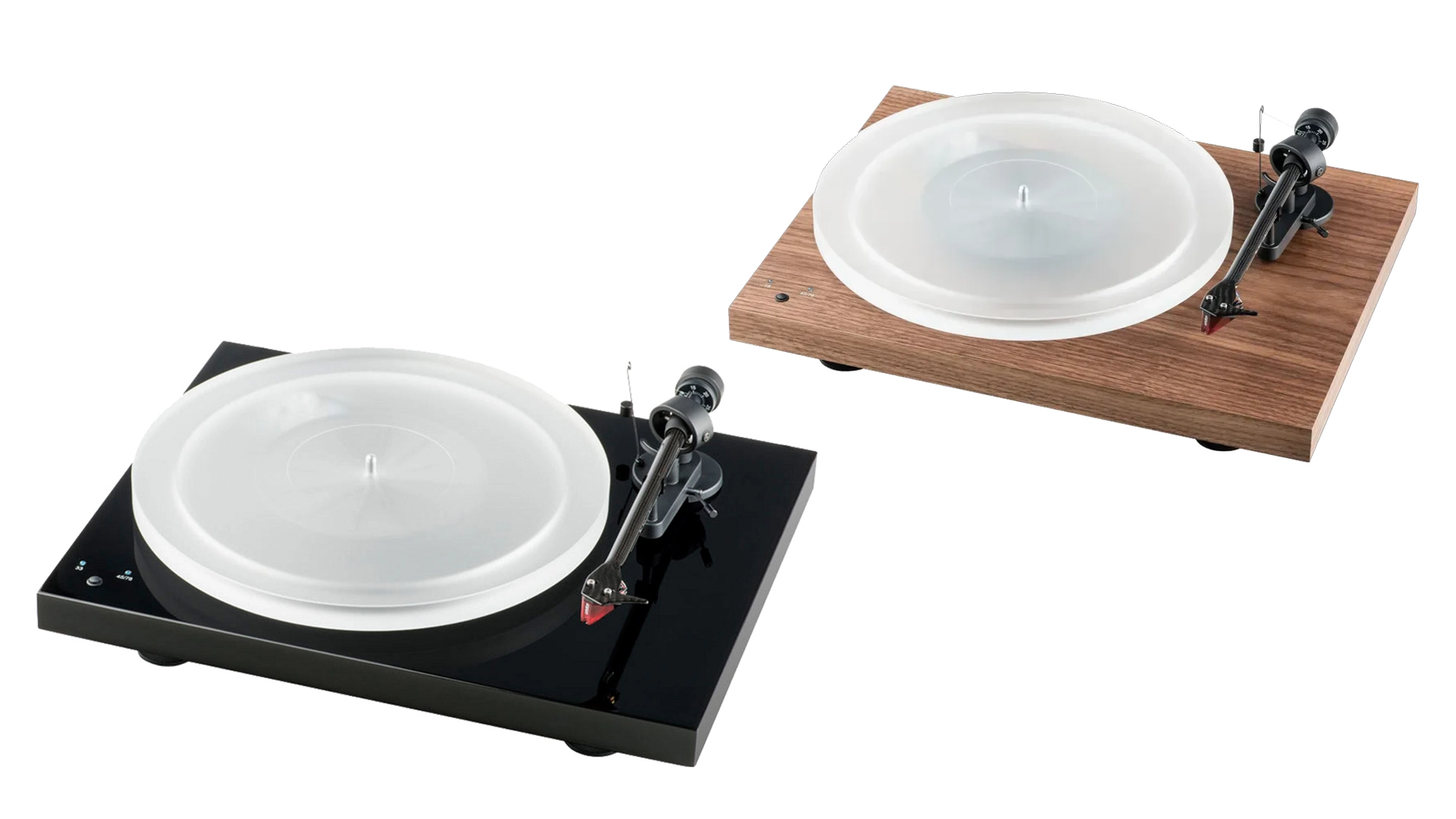
Pro-Ject Audio Systems was founded in Austria in 1991 by Heinz Lichtenegger, at a moment when the audio industry was treating the compact disc as vinyl’s replacement. Lichtenegger’s counterargument was the Pro-Ject 1: a simple belt-drive turntable built around the parts necessary for stable speed and accurate tracking, without automatic mechanisms or cosmetic complexity. The strategy proved prescient, and the Debut, introduced in 1999, became the model that brought the company to a much wider generation of record listeners. Pro-Ject now covers almost every scale of manual turntable. E and T families address first systems; Debut remains the recognisable centre; X, RPM and Xtension add more elaborate plinths, bearings, platters and tonearms; and Signature represents the flagship engineering. Many decks are assembled by hand in the Czech Republic, preserving production skills from the region’s long record-player history. The company also makes phono stages, speed controls, cartridges, record-cleaning machines and accessories, so a turntable can be upgraded rather than discarded. Box Design electronics—compact phono stages, amplifiers, DACs, streamers and CD transports—are largely produced in Slovakia and extend the same space-efficient philosophy beyond vinyl. Artist Collection editions use visual collaborations and licensed themes, but beneath the artwork they remain functional Pro-Ject platforms. The brand’s significance is not simply that it sells many turntables: it maintained European manual-turntable production through the digital era and built a clear path from an inexpensive first deck to genuinely ambitious analogue systems.
Reed

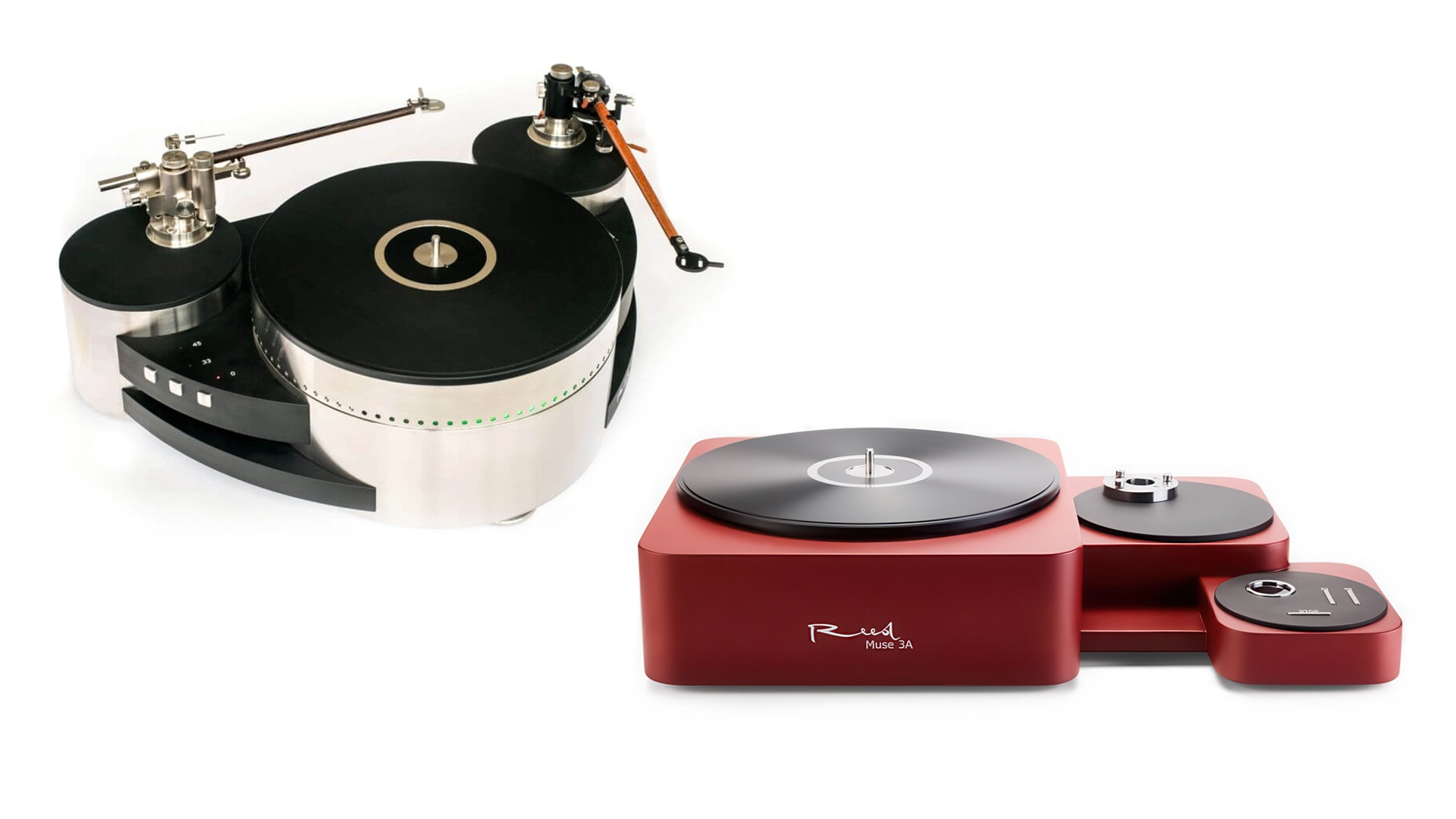
Reed is a Lithuanian analogue specialist founded in 2007 by engineer and company owner Vidmantas Triukas, whose work with hi-fi mechanisms began decades earlier. The company does not simply make massive turntables and conventional luxury tonearms. Its strongest products reconsider how a cartridge moves across the record, how effective mass is matched to cartridge compliance and how drive torque reaches the platter without adding avoidable vibration. Reed’s 3P is a pivoted tonearm with magnetic antiskating and unusually accessible adjustment, including VTA and azimuth while a record is playing. The 5A and 5T pursue tangential geometry without placing the cartridge on a conventional linear carriage. In the 5T, a laser and sensor array monitor position while a limited-angle torque motor rotates the arm’s support to keep the stylus tangent to the groove; replaceable arm tubes allow effective mass to be changed for different cartridges. Muse turntables provide equally distinctive mechanics. Muse 3C uses two DC motors and can be converted between friction drive and belt drive, allowing the owner to choose how torque is coupled to the platter; Muse 1C refines the friction-drive route, while 3A and other versions address different system requirements. Materials for arm tubes include carefully selected woods, carbon fibre and composites, used according to resonance and mass rather than appearance alone. Every Reed installation still depends on precise setup—advanced geometry does not remove that requirement. The brand’s individuality lies in mechanisms that are visible, adjustable and technically consequential: laser-controlled tangential tracking, interchangeable arm mass and a turntable drive that can change topology.
Rega

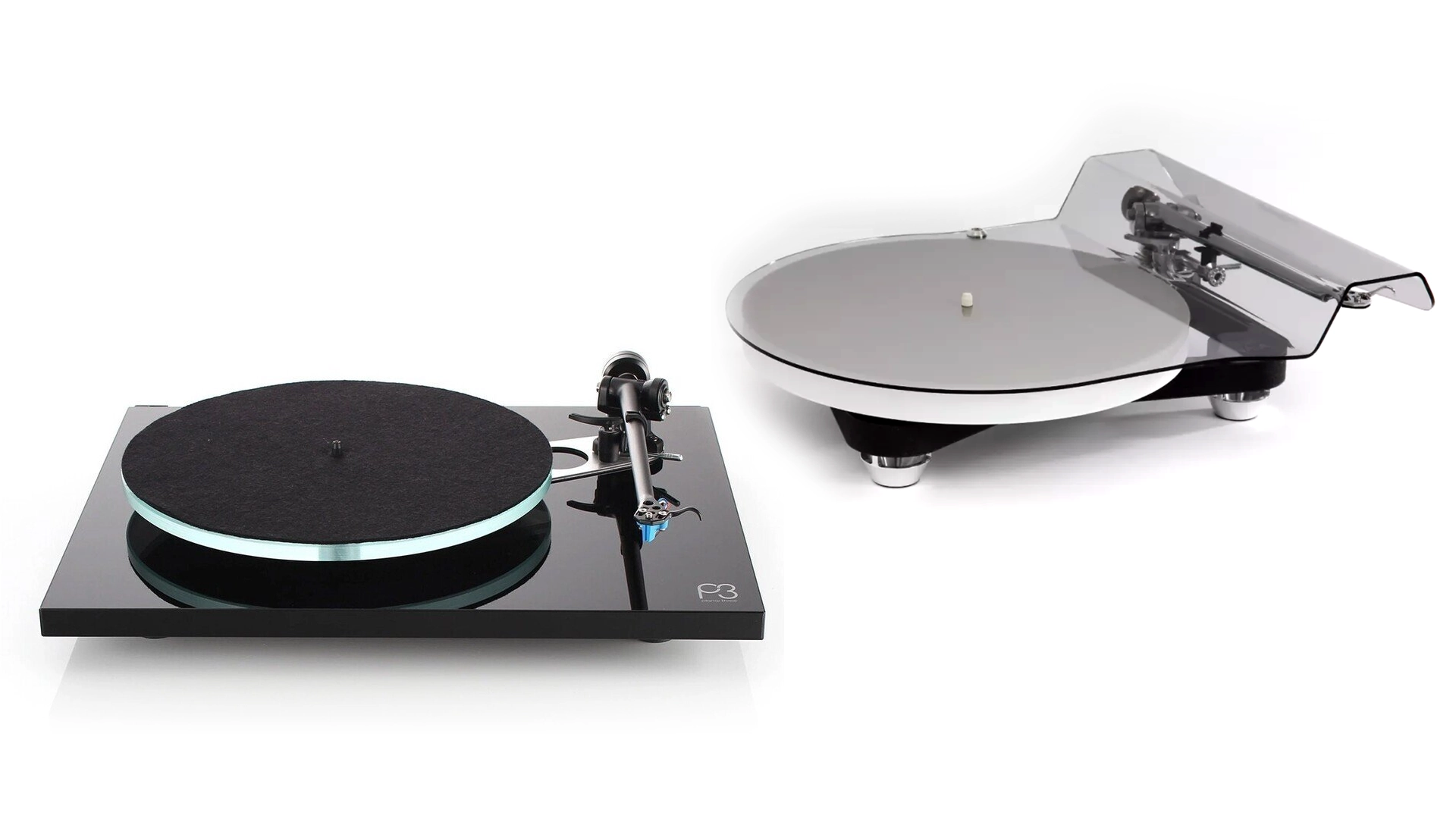
Rega Research was founded in England in 1973 by Roy Gandy and Tony Relph; the name combines parts of their surnames. Its first commercial turntable was the unconventional Planet, but the Planar 3 of 1976 created the enduring template: a simple belt drive, rigid low-mass plinth, glass platter and an integrated tonearm developed as one mechanical system. Rega’s influence comes not from preserving that design unchanged, but from repeatedly refining the same priorities while manufacturing a remarkably broad range in Essex. The central principle is lightweight rigidity. Gandy argues that excessive mass can store vibration and release it later, so current Planar models remove material where it is unnecessary and add stiffness between the main bearing and tonearm through double-brace structures. One-piece RB tonearm tubes minimise joints from headshell to bearing housing; higher models use increasingly precise bearings, ceramic platters and sophisticated power supplies. Planar 1, 2, 3, 6, 8 and 10 form the main progression, while Naia translates research from the limited Naiad into the production flagship. Rega also develops Nd moving-magnet and Ania, Apheta and Aphelion moving-coil cartridges, Fono and Aria phono stages, so the complete record-playing chain can be engineered together. Io, Brio, Elex, Elicit, Aethos and Osiris amplifiers, Apollo and Saturn digital sources, and Kyte or Aya loudspeakers broaden the system without displacing vinyl from the centre. Rega’s lasting strength is purposeful reduction: spend materials and tolerance where they control speed, bearing behaviour, rigidity and cartridge alignment, then leave out mechanisms that do not help record playback.
Rekkord Audio

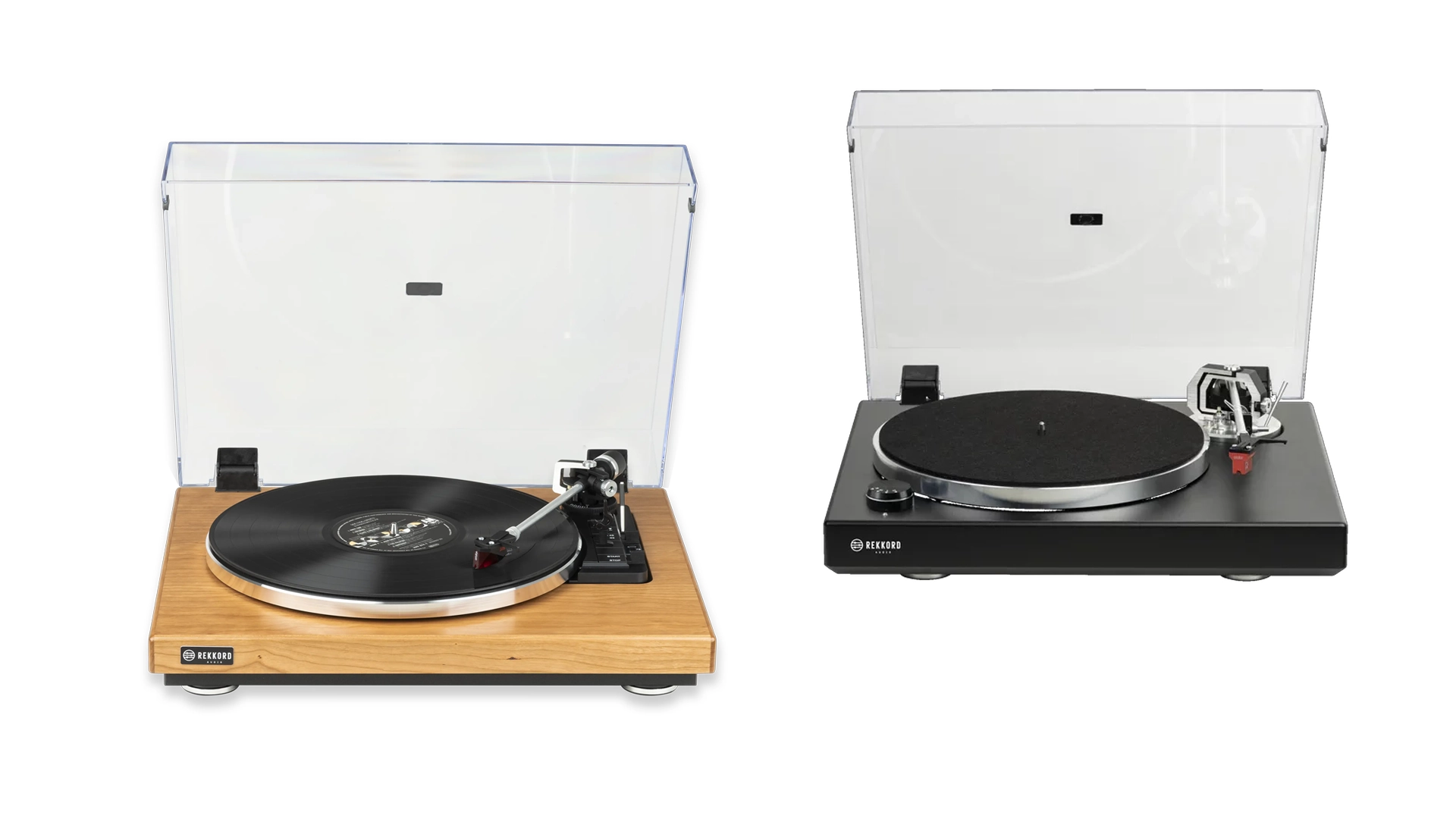
REKKORD Audio makes turntables by hand in St. Georgen in Germany’s Black Forest, a town associated with record-player manufacture since the Steidinger brothers’ factory opened in 1907. The modern brand draws on workshop know-how that continued after the original Dual organisation changed hands. It is now associated with Heinz Lichtenegger, founder of Pro-Ject, but keeps its German factory and particular strength in automatic mechanisms. F100, F110 and F300 are fully automatic designs: one control starts the platter, places the arm and returns it at the end, enabling vinyl playback without manual cueing. Model-dependent versions add a phono stage or pre-fitted cartridge. F400 advances the automatic platform with a more elaborate sub-chassis and tonearm. M500 and M600 are manual models for listeners who prefer direct control; M600 adds a heavier chassis and premium tonearm and cartridge options. Springs, levers, bearings and linkages are individually assembled and adjusted rather than replaced by a generic plastic mechanism. Suspended sub-chassis construction on selected models isolates platter and arm from the outer plinth, useful on furniture susceptible to footfall. The old description placed REKKORD only at entry and mid level and omitted the manual line. Its more accurate identity is broader: one of the few current European makers maintaining genuine automatic turntable manufacture while applying the same workshop to serious manual decks. A launch year remains blank because its corporate continuity is more complex than the 1907 heritage it inherits.
Revox

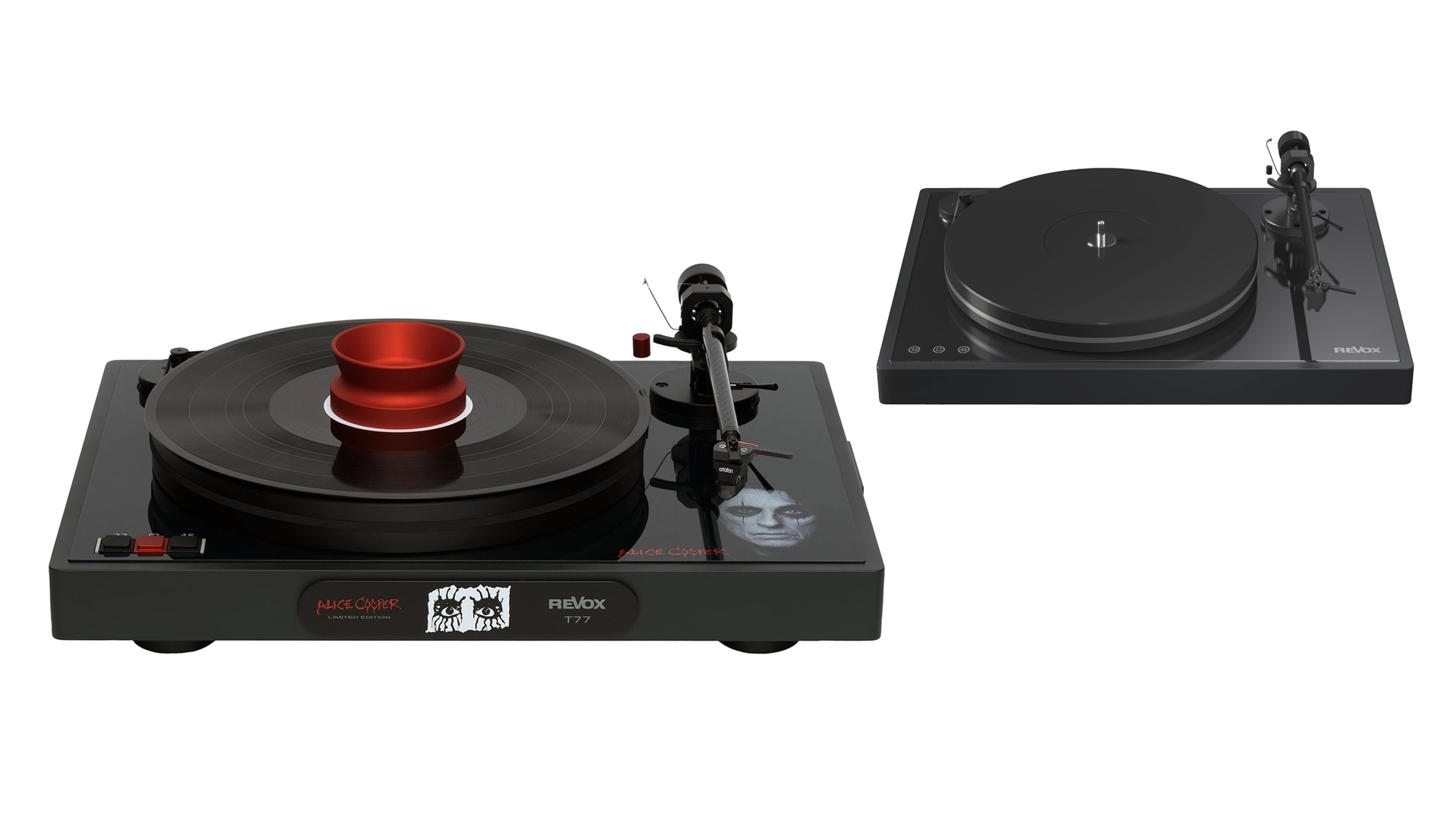
Revox is a Swiss audio company whose story began in 1948, when engineer Willi Studer opened a business in Herisau and developed the Dynavox tape recorder. Revox became the name for the consumer products, while Studer served professional studios and broadcasters; the shared engineering culture made reel-to-reel machines such as the A77 and B77 enduring references for robust mechanics, serviceability and recording quality. The brand later expanded into complete systems, including the B-series electronics and loudspeakers, but tape remains an important part of its identity. In 2024 Revox introduced the B77 MK III, a newly manufactured reel-to-reel recorder rather than a cosmetic reissue, bringing the format back into current production with revised electronics and modern manufacturing. Contemporary Revox is broader than analogue tape. The company develops modular multiroom and custom-installation systems, networked amplifiers, servers, speakers and control interfaces intended to distribute music through an entire home. STUDIOART provides compact wireless products, JOY and STUDIOMASTER components address network playback and amplification, and the T700 turntable connects the brand’s precision-mechanical tradition with vinyl. Revox also maintains restoration and service activity for classic machines, an important distinction for equipment with decades of working life. The company has passed through ownership and organisational changes since the Studer era, but its strongest products still follow the original logic: sources, electronics, speakers and control designed as a coordinated system. Revox is therefore best understood not merely as a historic tape-recorder name, but as a rare bridge between Swiss recording heritage and current integrated audio.
Scheu Analog

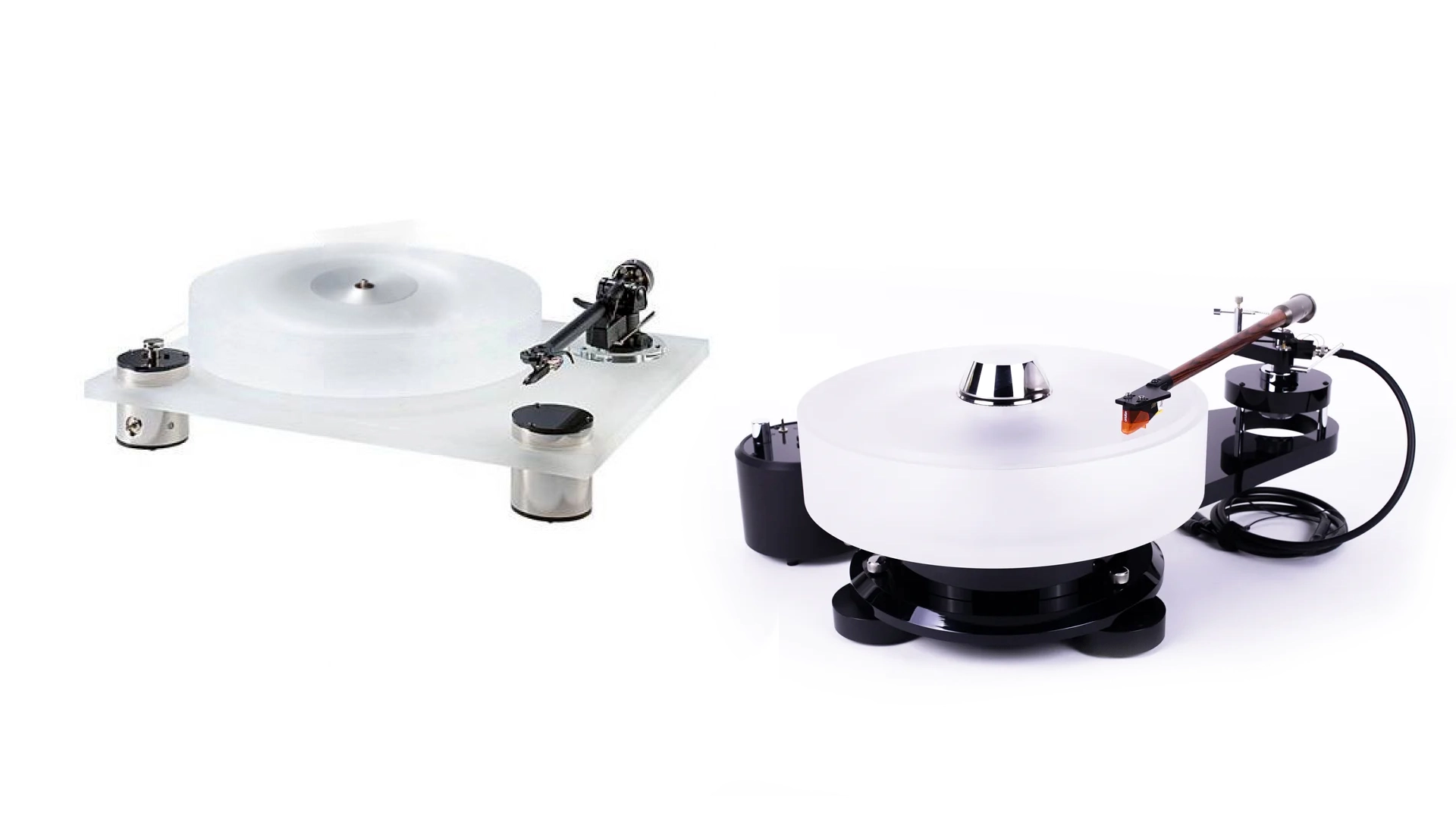
Scheu Analog is a German analogue-audio manufacturer whose origin dates to 1985, when trained toolmaker and musician Thomas Scheu built his first turntable. His knowledge of materials and precision fabrication led to a distinctive family of high-mass, belt- or string-driven decks built around thick acrylic platters and a special inverted bearing. The Premier became the best-known model, while Diamond brings the architecture to a more compact format, Cello integrates the motor for easier entry, and Das Laufwerk No. 2 sits at the top of the range. Separate motor units allow existing decks and ambitious DIY projects to use Scheu’s drive system. The company also makes unipivot tonearms: Tacco uses a tapered wooden arm tube, Cantus an open truss structure, and Classic develops an earlier design in revised form. Cartridges, armboards, bearings, platters and other analogue parts complete an unusually practical ecosystem for owners and builders. After Thomas Scheu’s death in December 2004, his wife Ulla continued the company and expanded its international presence. In June 2025 Scheu Analog passed to new management, which retained the established engineering principles while moving the office and workshop to Germany’s Rhein-Main region. Current products remain hand-built with German suppliers and emphasise serviceable mechanical solutions rather than automated convenience. Scheu Analog’s identity is rooted in the machine itself: stable rotation, controllable energy paths, adaptable tonearm mounting and durable parts. Its history and current ownership should be stated together, because the brand is valuable precisely as a continuing workshop tradition rather than a revived badge.
SME

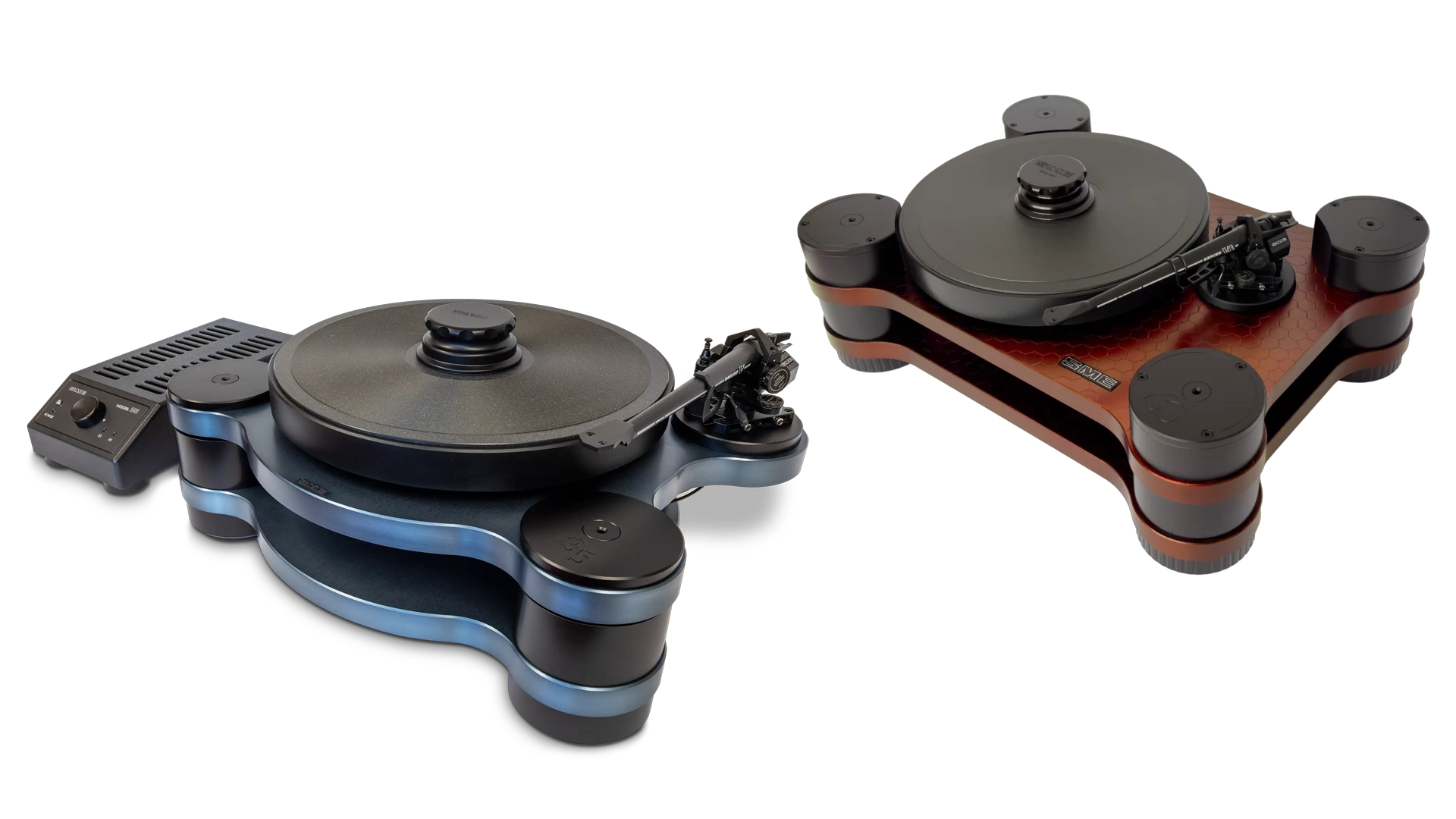
SME is a British precision-engineering company founded in 1946 by Alastair Robertson-Aikman as the Scale Model Equipment Company. It first made exhibition models, then diversified into precision parts for aircraft instruments and other industries. In 1959 Robertson-Aikman built a pickup arm for his own hi-fi system; encouragement from audio-industry friends led to commercial production of the Series I and to the shorter SME name. The Series II arms that followed established the familiar detachable-headshell geometry, while the Series V of 1986 became a modern reference through its one-piece magnesium arm tube, precision bearings and repeatable cartridge setup. SME entered turntables with the Model 30 in 1991 and Model 20 in 1992, applying the same machining, constrained structures and suspension control to the complete record-playing platform. Current products include Model 60 and Model 35 flagships, Model 12, Model 8 and the integrated Synergy, plus M2-9R and M2-12R tonearms. The turntables are manufactured at SME’s Steyning, West Sussex facility, which also undertakes precision work for aerospace, Formula 1, automotive and medical sectors. In 2016 SME became part of the Cadence Audio Group. Cadence acquired Garrard in 2018 and placed its revival alongside SME; Loricraft record-cleaning machines are also presented within the group, but these names retain their own histories. SME’s importance is not simply luxury mass. It comes from tolerances, bearings, stable geometry, serviceability and vertical manufacturing accumulated across industries where dimensional error matters. The company turned a personal tonearm project into one of analogue audio’s longest continuous precision-engineering traditions.
Sonoro

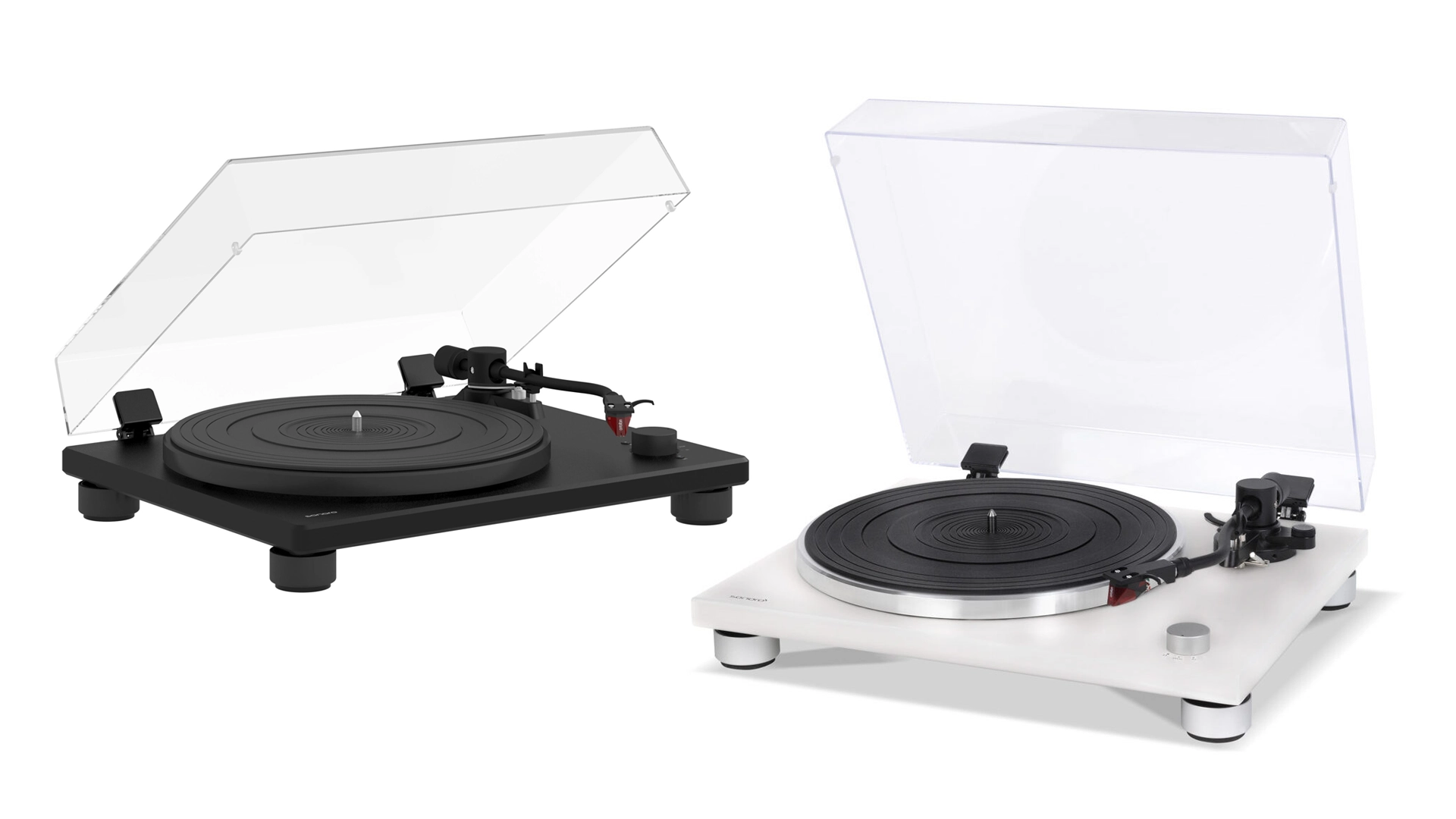
Sonoro brings radio, discs and streaming into music systems designed to live comfortably in an ordinary room. Founded in Germany in 2006 by Marcell Faller, the company develops its products in Neuss with equal attention to their controls, proportions and audio functions. Compact all-in-one systems made its name: products such as Elite, Prestige and Meisterstück gather sources and loudspeakers into a single enclosure, reducing the equipment and cabling needed for everyday listening. Depending on the model, the source selection combines CD playback, FM and DAB+ radio, internet radio and network services. That mixture is an important part of Sonoro’s identity, accommodating a physical music collection alongside newer listening habits. Meisterstück has developed into a more substantial all-in-one platform; its second generation adds facilities including AirPlay, Chromecast and room calibration. Sonoro has also expanded beyond self-contained radios and music centres. Maestro supplies the electronics for a separate stereo system, Orchestra loudspeakers provide the matching speaker option, and Platinum turntables bring vinyl into the catalogue. This gives the brand a path from a single bedroom or living-room unit to a system with physically separated speakers. The common design language remains restrained and domestic, with clearly arranged controls and cabinets intended to be seen. Sonoro’s particular strength is assembling familiar and modern sources into approachable products whose use and appearance matter as much as their specification lists.
Sonos

Sonos made synchronised music in different rooms the foundation of an audio system that can grow one speaker at a time. John MacFarlane, Tom Cullen, Trung Mai and Craig Shelburne founded the company in Santa Barbara, California, in 2002. Their idea was to use home networking to make music accessible throughout a house, with playback and room selection managed through a common interface. Early ZonePlayer components established the system approach; the arrival of all-in-one speakers in 2009 made it accessible without a separate amplifier and speakers in every room. Products such as Play:5 and One became familiar expressions of that idea, followed by the Era family. Matching speakers can form stereo pairs, and selected models can work with soundbars and subwoofers in a home-theatre configuration. Arc and Beam brought television into the ecosystem, while Move and Roam added portable listening. Sonos also makes Amp and Port components for connecting conventional loudspeakers or an existing hi-fi system. Its more recent range includes Arc Ultra, Move 2, Roam 2 and Ace headphones, the latter extending compatible television sound to private listening through TV Audio Swap. Across these different forms, Sonos’s defining product is the connected system as much as the individual enclosure: software, synchronisation and compatible hardware make it possible to use rooms separately or bring them together. That continuity explains how a brand associated with wireless speakers also has a substantial role in installed home audio.
Sony

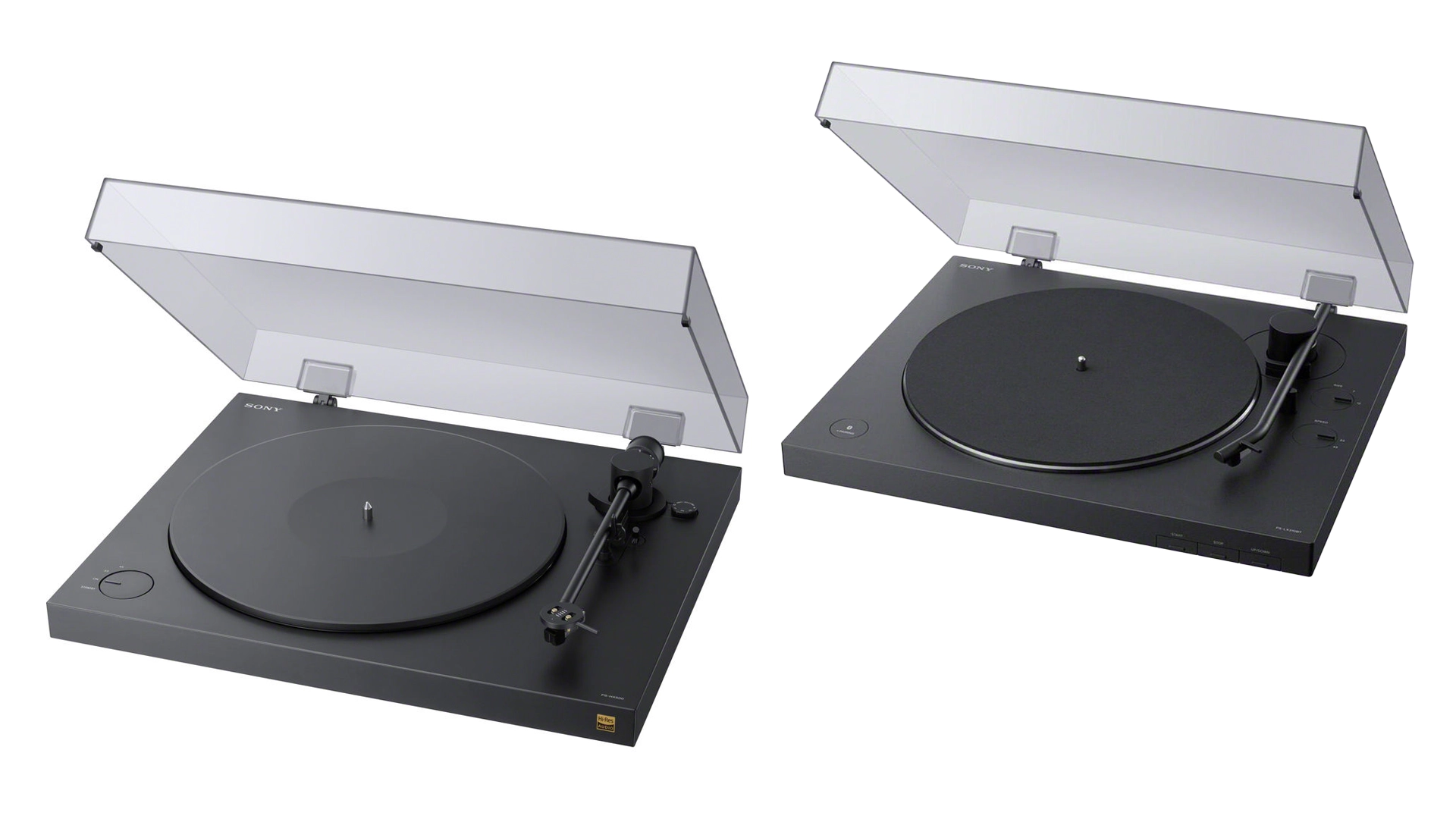
Sony helped shape both personal listening and home entertainment, from the Walkman and Compact Disc era to televisions, headphones and cinema systems. Masaru Ibuka and Akio Morita established the company in Tokyo in 1946 as Tokyo Tsushin Kogyo; the Sony name became its corporate identity in 1958. Tape recorders and transistor radios provided early foundations, but the 1979 TPS-L2 Walkman changed how people carried music with them. The CDP-101 followed in 1982, and the compact D-50 portable CD player in 1984 helped bring digital discs beyond the living room. Sony also played a central role with Philips in developing the Compact Disc and later SACD formats. Its hi-fi history includes ES amplifiers and disc players, while Walkman continued into digital music players. Headphones became another major field, spanning studio use, dedicated home listening and wireless noise-cancelling models. In video, the progression from Trinitron to BRAVIA televisions sits alongside home-cinema projectors and professional imaging equipment. Soundbars, receivers and disc players connect these audio and video interests within domestic systems. Sony’s scale matters because it works across recording, signal processing, playback hardware and entertainment production, with technologies moving between those areas. The consumer brand therefore encompasses far more than its professional AV division: it includes several of the products and formats through which generations of listeners first encountered recorded music and film.
Soulines

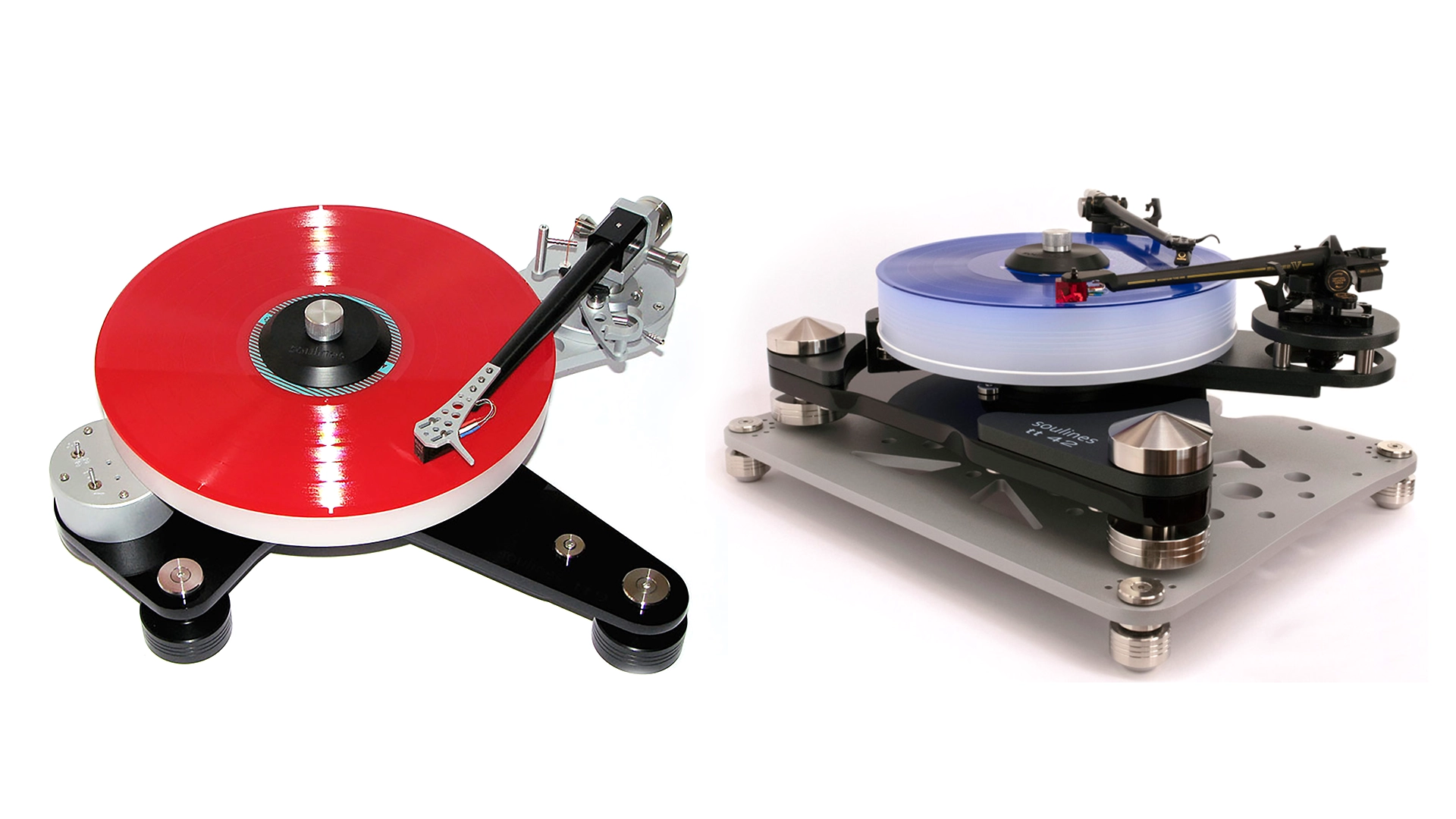
Soulines makes Serbian turntables whose exposed geometry reflects a careful interest in mass distribution, bearings and the path of vibration through the structure. Its roots go back to the tt recycled business started in 2009, when a team with backgrounds in music, recording and mechanical engineering began commercialising its turntable restoration and redesign work. Original designs followed, gaining recognition at the Belgrade Hi-Files Show in 2010. The Hermes DCX was presented successfully in 2011, and the decision to offer that turntable internationally led to Soulines. That progression from working on existing decks to designing complete players is an important part of the company’s character. Kubrick DCX became one of its recognisable models, while the catalogue developed to include tt42, tt9 and tt23 turntables and the KiVi M3 tonearm. The tt23 illustrates the construction approach: acrylic, POM and aluminium elements form the plinth and sub-plinth, with the bearing and arm board located on a common aluminium structure. A cast-acrylic platter turns on an inverted bearing, and an electronically controlled DC motor provides speed selection and fine adjustment. Adjustable supports and an included alignment tool make setup part of the product design. Soulines aims for a rigid, comparatively compact assembly with controlled vibration behaviour, using the shape and arrangement of components as deliberately as their materials. The resulting decks have a distinct mechanical appearance while keeping the everyday acts of levelling, selecting speed and playing records straightforward.
Sperling Audio

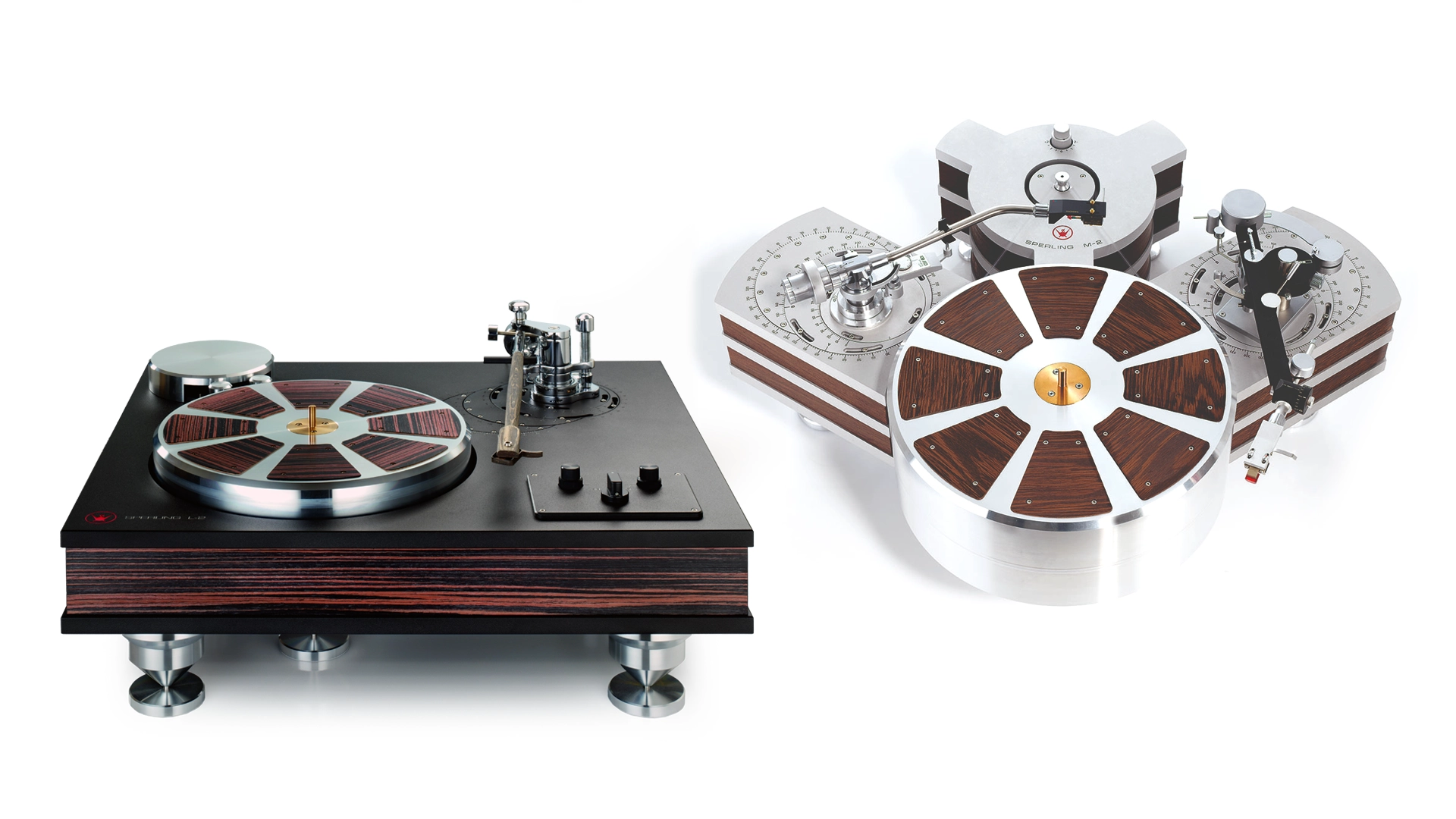
Sperling Audio builds high-mass turntables with unusually flexible tonearm mounting and an adjustable external drive system. Founder Ansgar Sperling and development engineer Michael Bönninghoff brought experience from studio construction and audio electronics to the German company’s analogue products. The L-1 turntable became its most recognisable expression: a substantial aluminium structure supporting a heavy platter and two independently adjustable tonearm bases. These bases accommodate arms from 9 to 12 inches and can be repositioned, making the deck particularly interesting to listeners who use several arms or cartridges. Scales and repeatable settings allow an adjusted arm assembly to be removed and returned to its previous position. Materials at the arm supports and the record interface can also be selected, with options including wood, slate and POM. A separate motor housing drives the platter by tape, and the M-2 housing allows fine adjustment of tape tension while the platter is turning. The L-2 and L-3 expand the turntable family, while the TA-1 tonearm and separate motor housings and power supplies provide further system options. Products are assembled by hand in Germany, with machining performed by German suppliers. Sperling’s defining idea is a substantial mechanical platform that remains adjustable: the owner can work deliberately with arm geometry, support materials and the drive interface, rather than treating the turntable as a sealed assembly with only cartridge alignment left to change.
T+A

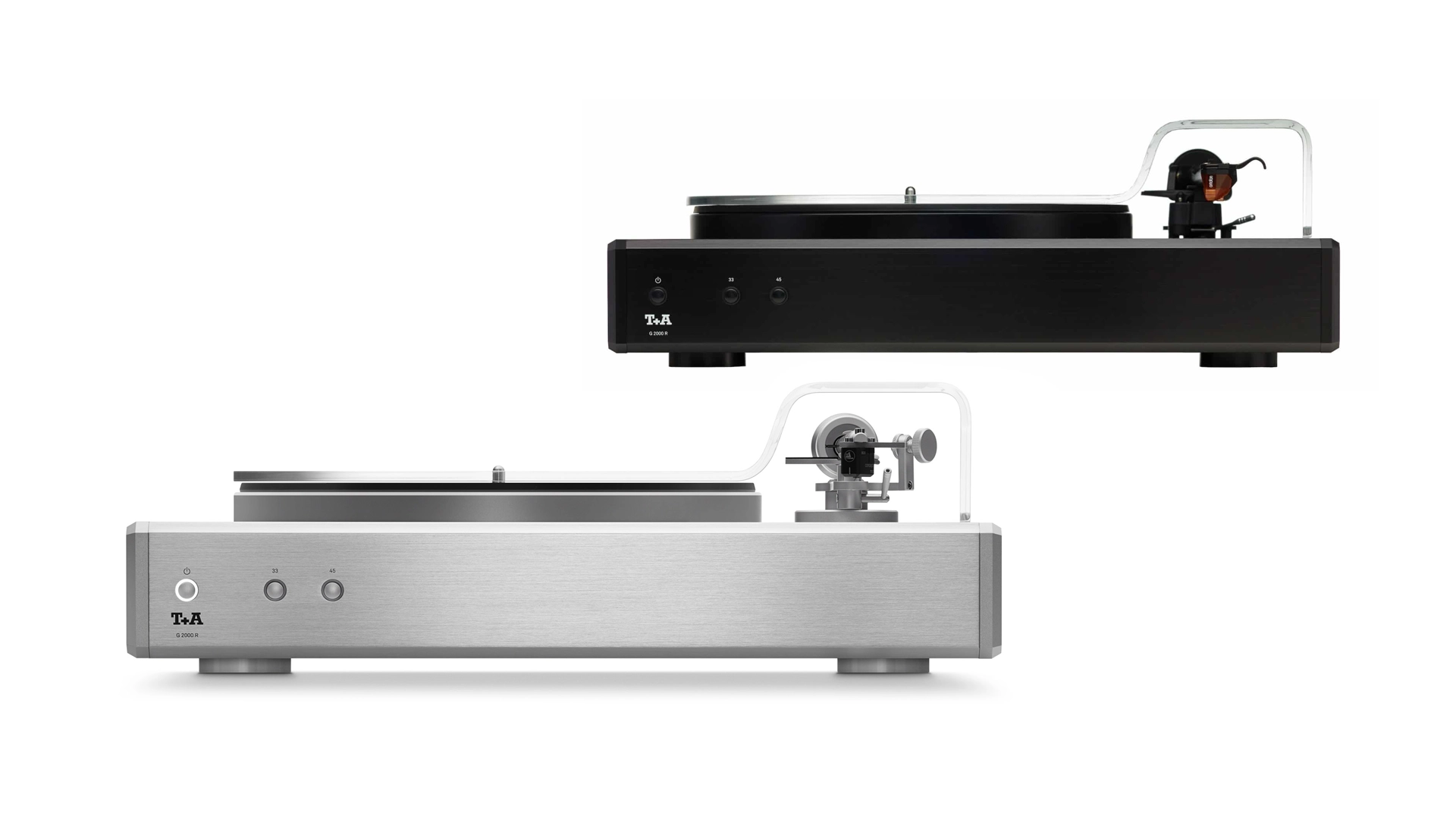
T+A elektroakustik (Theory + Application) is a German manufacturer of high-end audio equipment, known for its wide range of products, innovative technologies, and a focus on delivering both exceptional sound quality and comprehensive features. The company’s product range includes amplifiers, preamplifiers, integrated amplifiers, CD players, streamers, all-in-one systems, loudspeakers, and even headphones. T+A often utilizes proprietary technologies and advanced engineering in its designs, aiming to push the boundaries of audio performance. Their products are characterized by their robust build quality, elegant aesthetics, and a sonic signature that emphasizes detail, dynamics, and a natural, unforced presentation. The “HV” (High Voltage), “R” series , and “Cala” series represent different facets of their product offerings. T+A products are positioned in the high-end segment of the market, appealing to audiophiles who value both performance and German engineering.
Teac

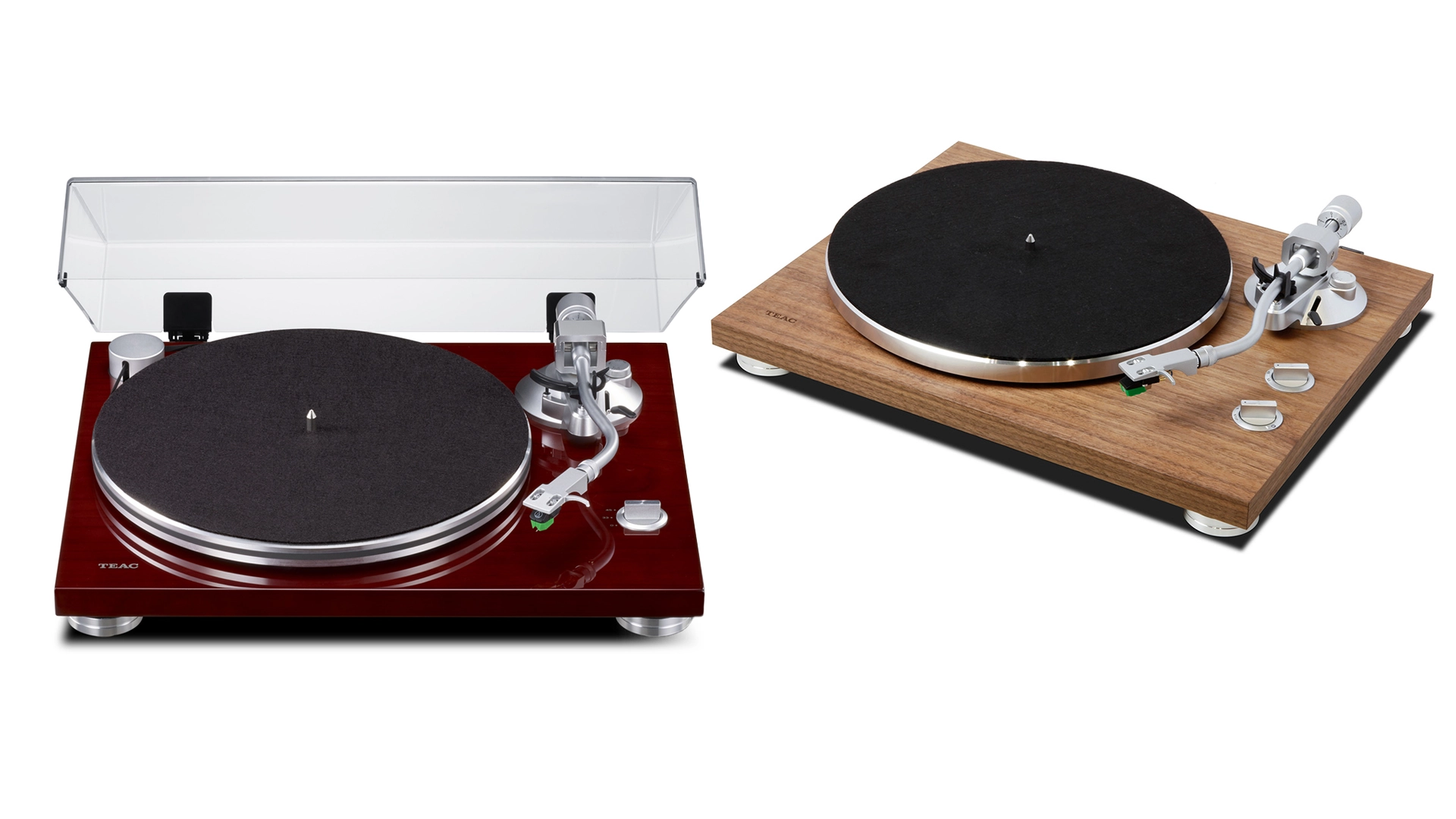
TEAC is a Japanese audio manufacturer whose history links open-reel tape, professional recording and modern digital hi-fi. Brothers Katsuma and Tomoma Tani founded the Tokyo Television Acoustic Company in 1953, and the business soon became Tokyo Electro-Acoustic Company, the source of the TEAC name. Precision tape transports established its international reputation: reel-to-reel machines such as the A-4010 and later X-series decks became fixtures in serious home systems and small studios.
That mechanical expertise led to several distinct branches. TASCAM grew from TEAC’s professional-audio activity and helped bring multitrack recording within reach of musicians through products such as the 80-8 reel-to-reel recorder and Portastudio cassette workstations. Esoteric, introduced in 1987, took the company’s disc-transport and digital engineering into the high-end sector. TEAC itself continued with cassette decks, CD players, turntables, amplifiers and compact Reference components rather than abandoning the consumer listener.
Today’s range connects those traditions. TN-series turntables serve vinyl systems, while the Reference 500 and 700 components combine network playback, USB conversion, headphone amplification and power amplification in relatively compact cases. The VRDS-701 revives TEAC’s rigid-disc-clamping transport principle for CD playback. TEAC’s real distinction is continuity: few brands can trace the same concern for transport stability, recording practice and serviceable engineering from magnetic tape to contemporary streaming and conversion.
TechDAS

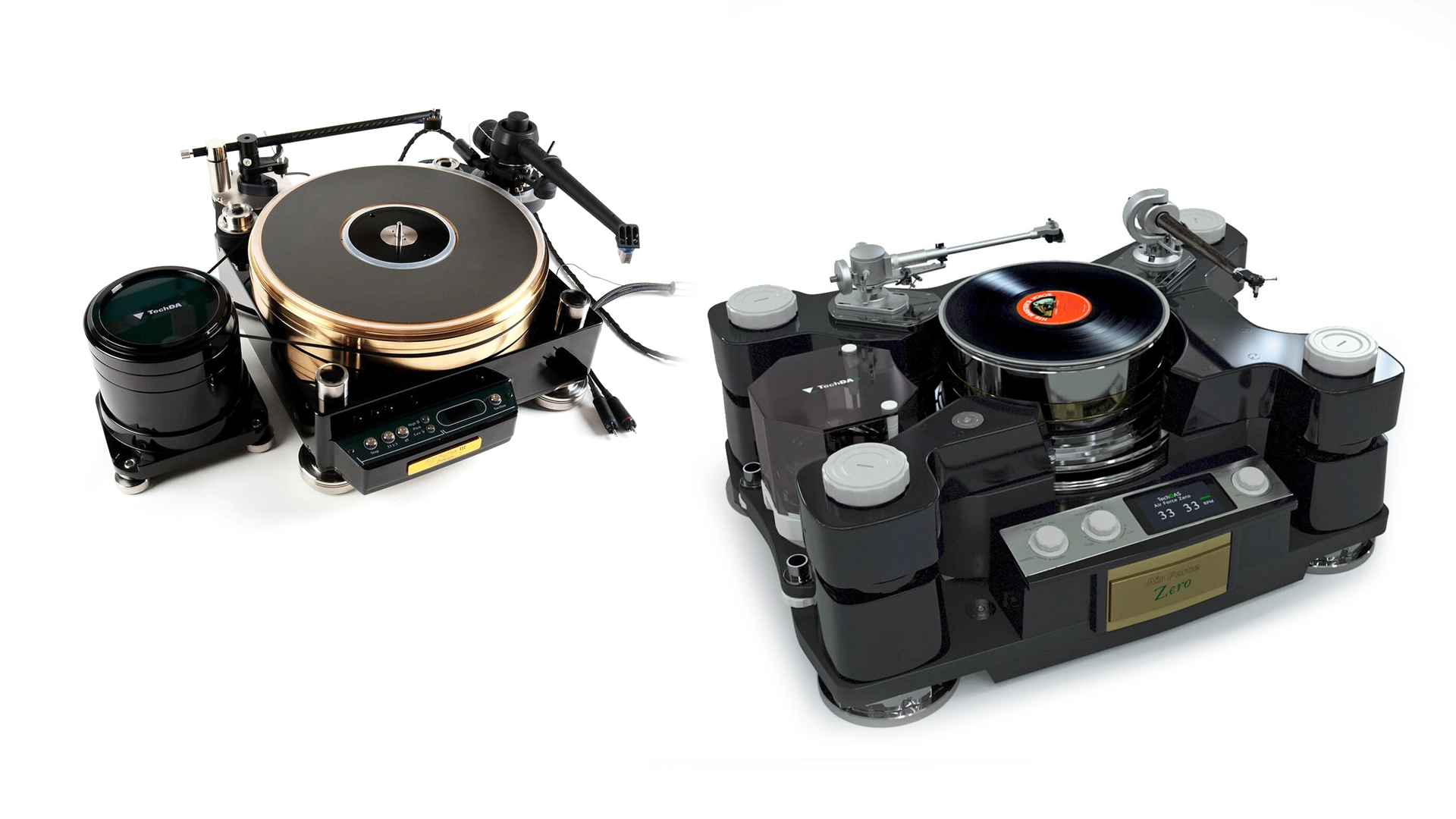
TechDAS is the Japanese analogue brand created in 2010 by Stella Inc. and led by Hideaki Nishikawa, a designer whose career included senior work at the celebrated turntable maker Micro Seiki. The name means “Technical Audio Devices,” and the company’s purpose is unusually focused: to remove mechanical uncertainty from vinyl playback through precision engineering rather than decorative complexity. Its debut Air Force One turntable immediately established that identity at the highest level of the market.
The defining idea is an air-bearing platter. A film of compressed air supports the heavy rotating assembly so the main bearing does not carry it in the conventional way. A vacuum hold-down system draws the record flat against the platter, addressing warps and creating a controlled mechanical interface. Separate pumps, carefully isolated motors and massive chassis structures deal with vibration, speed stability and resonance as parts of one system. The flagship Air Force Zero extends that approach with extreme mass and multiple air-bearing structures.
TechDAS has developed the concept into the Air Force One Premium, III, V and compact Air Force III Premium S, giving different systems access to the same core principles. Tonearms, cartridges and accessories complete the analogue chain, but the turntable remains the centre of the brand. Every model is made in Japan. TechDAS matters because it carries knowledge from Japan’s great direct-drive and air-bearing era into current production, then pushes it with modern machining and control rather than treating vintage engineering as nostalgia.
Technics

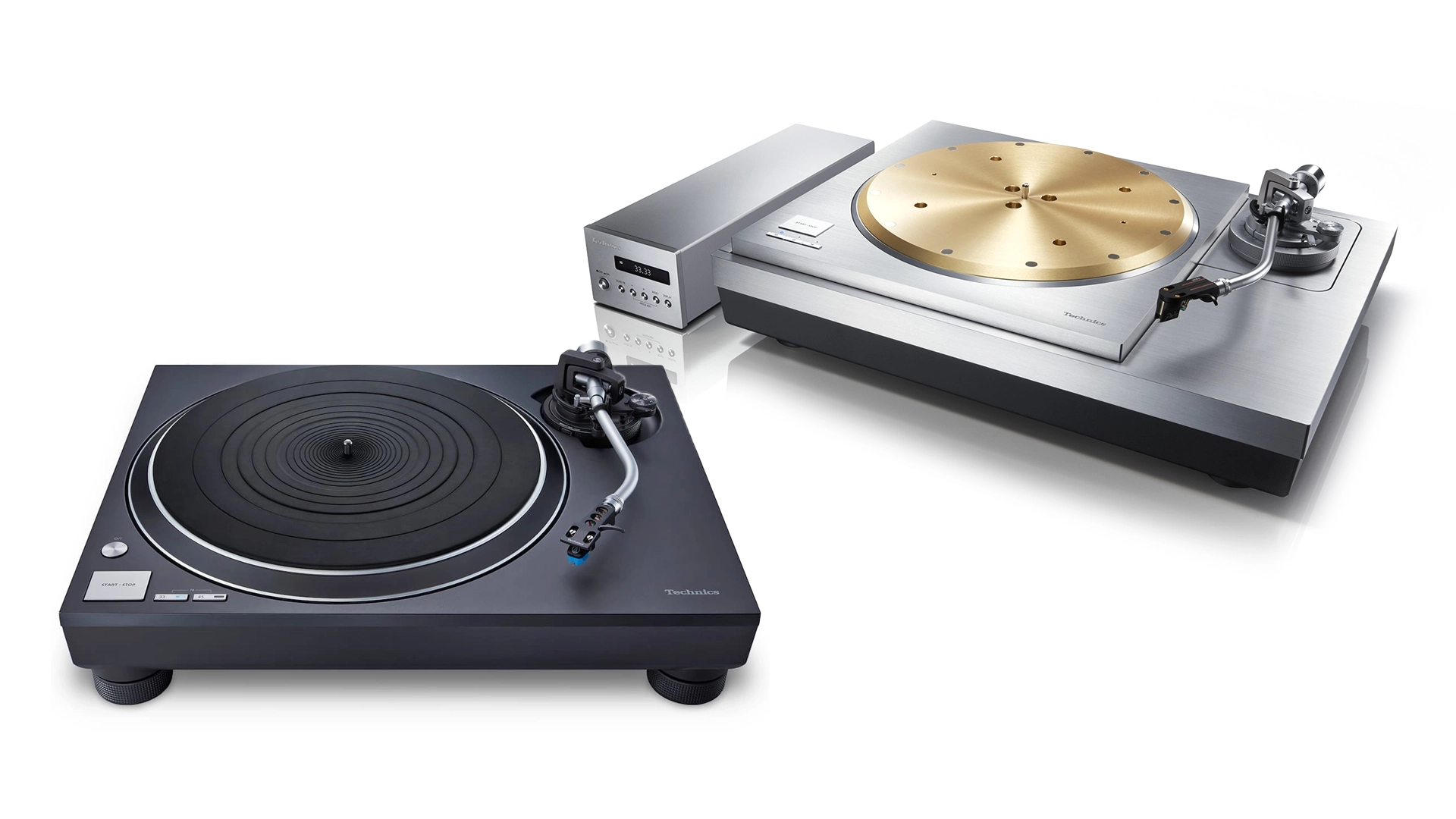
Technics is Panasonic’s Japanese hi-fi brand, introduced in 1965 and defined above all by its transformation of the turntable. The first product to carry the name was the Technics 1 loudspeaker, but the SP-10 of 1970 created the decisive legacy: it was the first commercially available direct-drive turntable, placing the platter directly on the motor and eliminating belts and idlers. The SL-1200 followed in 1972, and the quartz-controlled SL-1200MK2 of 1979 became an enduring tool for broadcasters, clubs, DJs and home listeners. That achievement can obscure the breadth of the company. Technics also built amplifiers, cassette and open-reel machines, CD players and loudspeakers, often using advanced motor, power-supply and digital research from the wider Panasonic organisation. After a pause in dedicated hi-fi production, the brand returned in 2014 with new Reference and Grand Class systems rather than a purely retro catalogue.
Modern turntables range from the accessible SL-1500C and SL-1200GR2 to the SL-1200G and Reference SP-10R, whose coreless direct-drive motors address cogging and rotational stability with current control technology. Electronics such as the SU-R1000 integrated amplifier use digital signal processing for functions including cartridge calibration and load-adaptive speaker control, while wireless systems and loudspeakers broaden the range. Technics remains distinctive because one engineering idea became both an audiophile reference and a global musical instrument, yet the company continues to refine it instead of merely reproducing the past.
Thales

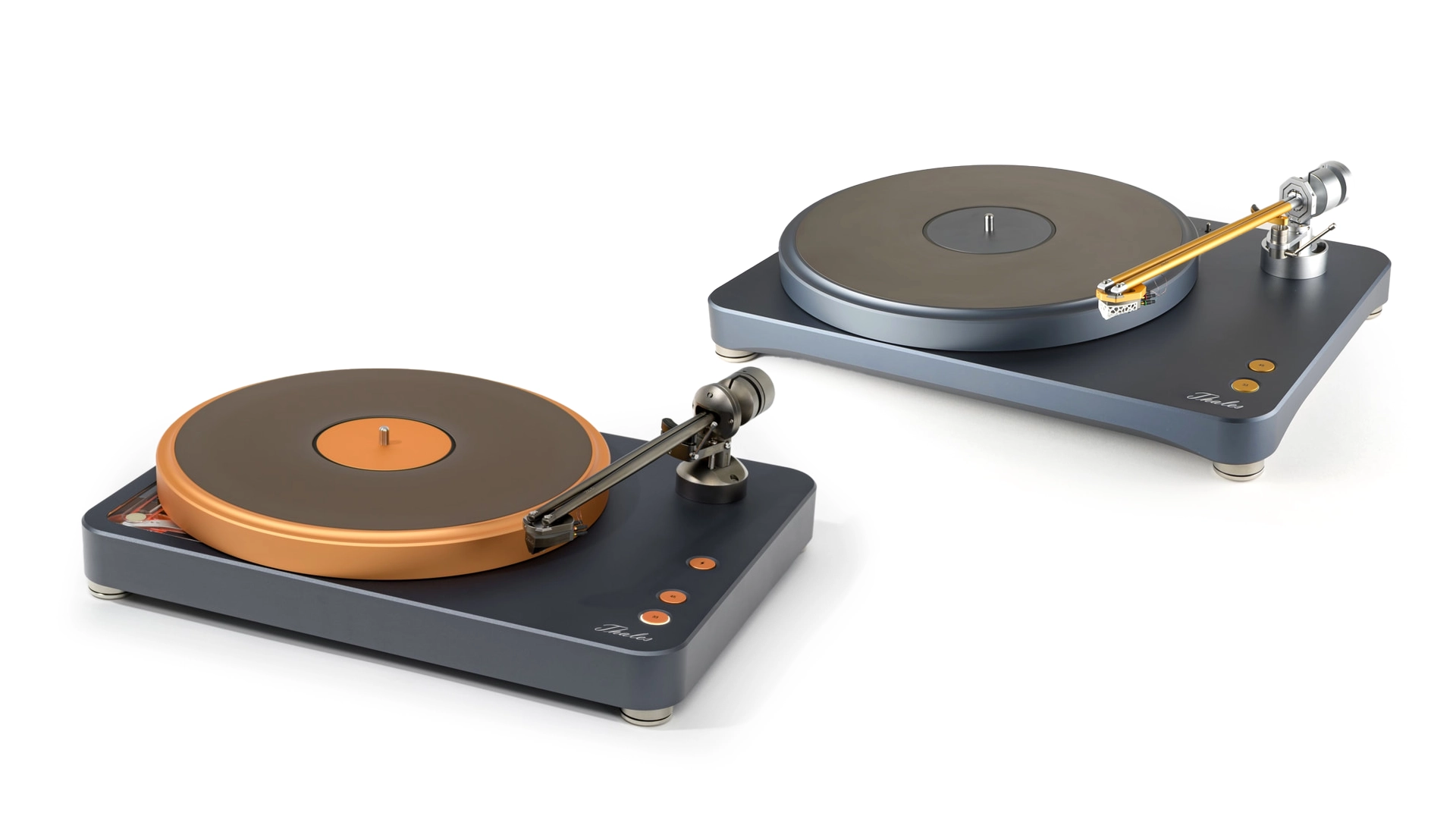
Thales is the Swiss analogue brand built around Micha Huber’s solution to one of vinyl replay’s oldest geometric problems: keeping a cartridge close to tangential alignment without the complexity of a conventional linear-tracking carriage. Huber patented his first Thales tonearm concept in 2004. In 2008 he founded HiFiction AG, the company that develops and manufactures Thales products in Switzerland alongside the EMT cartridge business.
The Thales arm uses two linked arm tubes and carefully calculated pivot geometry. As the stylus moves across the record, the mechanism changes the cartridge angle so lateral tracking error remains extremely small, while the bearings and user operation retain the familiarity of a pivoted tonearm. The current Statement and Simplicity II arms express that principle at different levels. Precise miniature bearings, rigid structures and adjustment parts draw directly on Swiss micromechanical and watchmaking capability.
Complete turntables such as the TTT-Slim II and Reference place the arm in a controlled drive and isolation system rather than treating it as an isolated showpiece. Battery operation, compact direct-drive engineering and carefully separated mechanical paths appear where they serve speed stability and low noise. Thales is not simply a luxury badge attached to familiar analogue hardware. Its identity begins with an original, patented kinematic idea and follows it through machining, setup and complete record players. That makes the brand important even in a field full of elaborate materials: the innovation is visible in the way the stylus actually traces the groove.
The Funk Firm

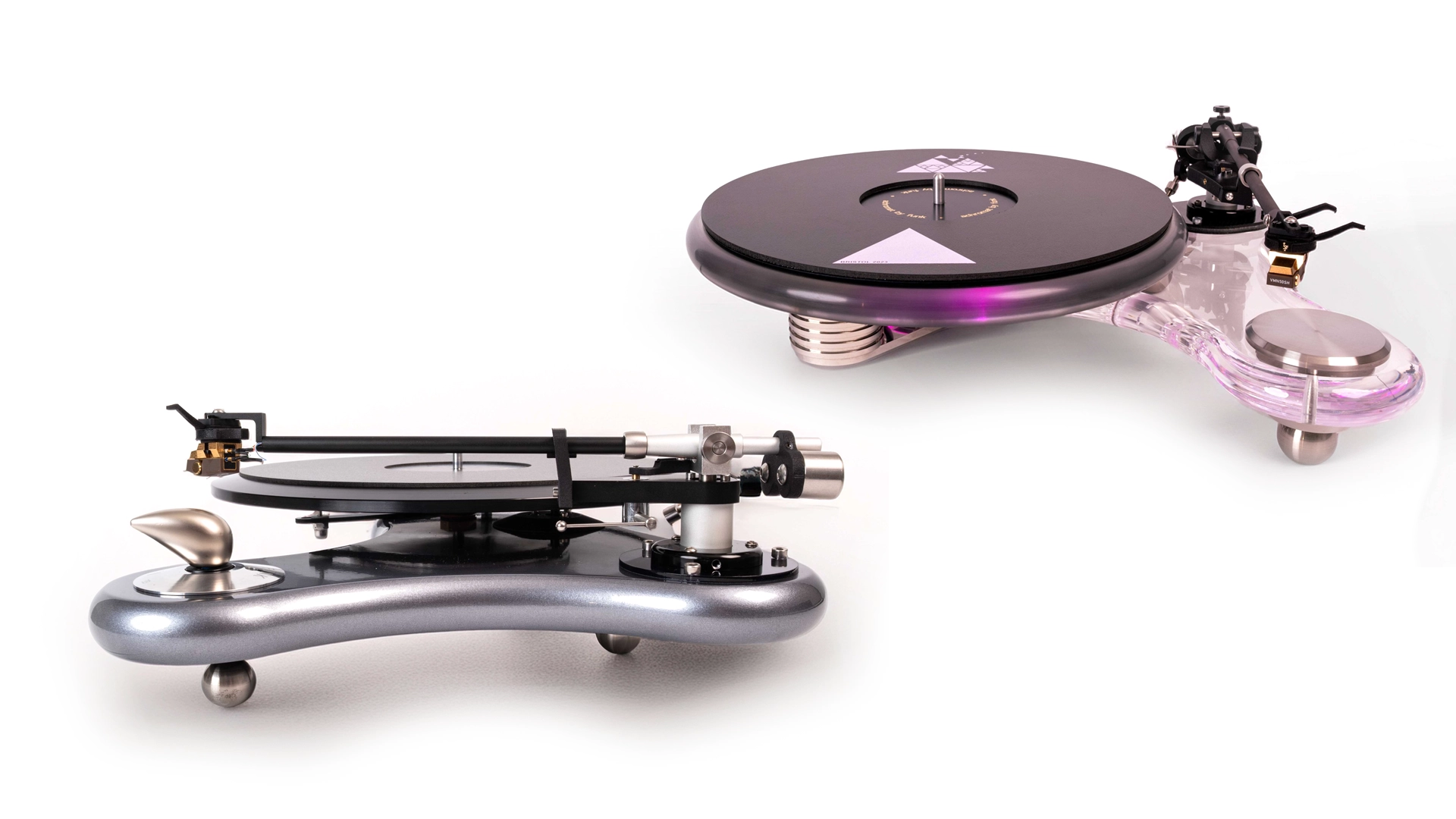
The Funk Firm is the British analogue company founded in 2005 by Arthur Khoubesserian, the engineer behind Pink Triangle. Pink Triangle had challenged turntable convention from 1979 with lightweight structures, acrylic platters and unusual drive thinking. The Funk Firm carried that experimental spirit into a new business, concentrating on the mechanical interfaces that determine how a record, platter, bearing, tonearm and cartridge behave together.
Achromat became the company’s best-known product. Its rigid microcellular structure is designed to support a record while dissipating energy, offering a practical upgrade for many existing turntables. Vector Drive uses multiple pulley contact points to distribute belt force around the platter and reduce the sideways load of a conventional single motor pulley. Funk’s F.X and F.Z tonearms apply stiff, lightweight tubes and controlled bearings, while turntables such as Little Super Deck and Gett! package the ideas at different prices.
The Houdini cartridge decoupler is another characteristic Funk solution. It inserts a carefully controlled articulation between cartridge and arm to reduce unwanted energy transfer, asking users to reconsider an interface normally assumed to require maximum rigidity. Boing feet and Isolation Bubble products extend the same interest to support and suspension. Not every idea is visually dramatic, but each addresses a specific path for vibration or torque. The Funk Firm’s individuality comes from Khoubesserian’s willingness to question analogue rules that have become habits, then turn the answer into products that can improve both Funk decks and machines made by others.
The Gryphon

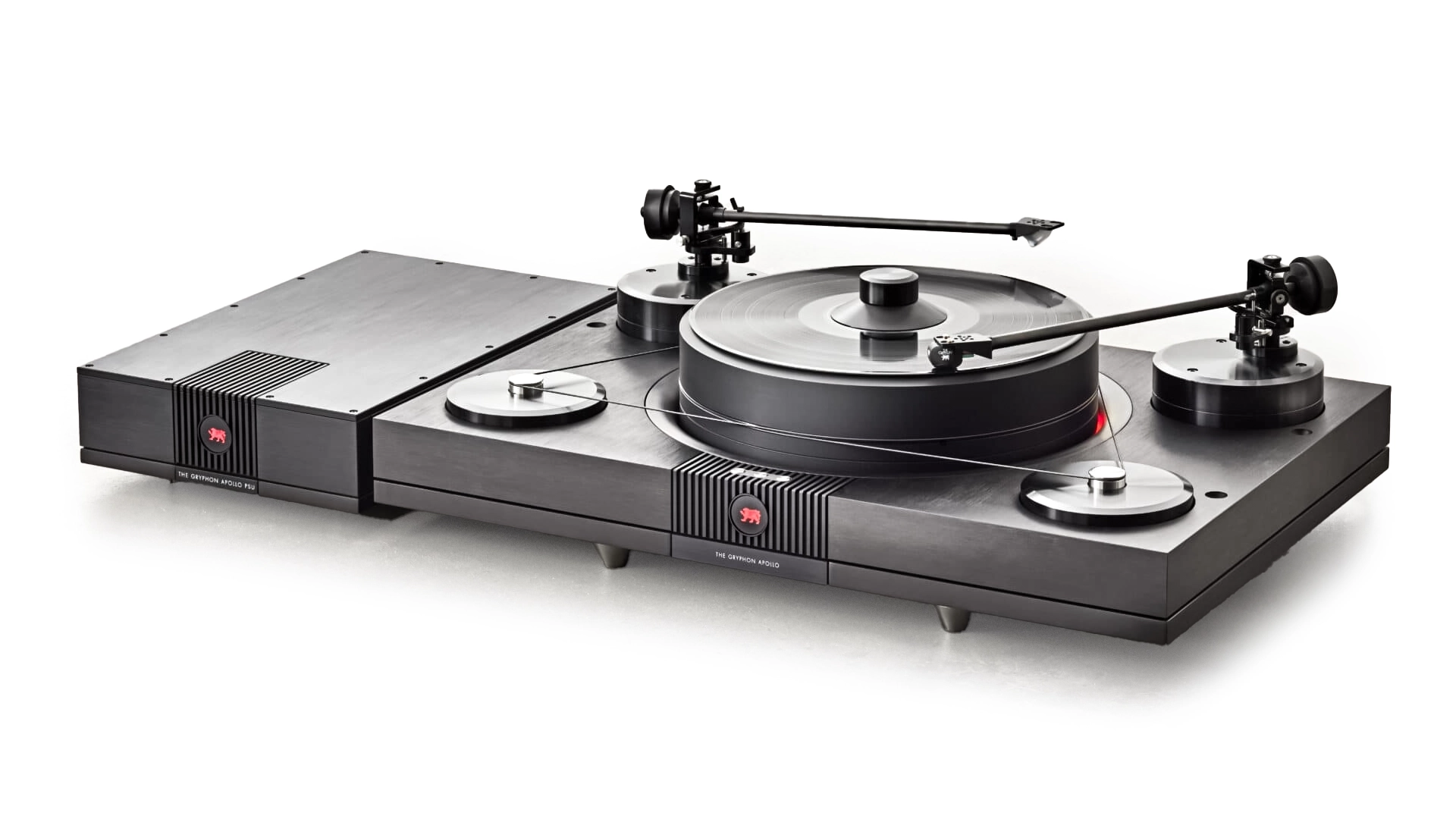
Gryphon Audio Designs is a Danish high-end manufacturer founded in 1985 by artist and industrial designer Flemming E. Rasmussen. The company began as an offshoot of his import business when a one-off moving-coil head amplifier, built for his own system, drew unexpected attention at a hi-fi exhibition. That first Gryphon Head Amp established two traits that still define the brand: electrically ambitious circuits and sculptural objects that do not disguise their scale.
Gryphon became best known for wide-bandwidth, high-current amplification, often operating in pure Class A and built in dual-mono form. The Antileon lineage made that approach internationally recognisable. Current Apex power amplifiers and Commander preamplifier occupy the reference level, while the Essence and Diablo ranges bring the company’s topology and control to more attainable systems. The Diablo 333 integrated amplifier is a good example of Gryphon’s refusal to treat an integrated product as a lightweight compromise.
The catalogue now covers a complete playback chain. Ethos handles CD and digital conversion, and loudspeakers from EOS through Pantheon, Trident and Kodo are designed to exploit the amplifiers’ current delivery and dynamic scale. Gryphon develops and assembles its products in Denmark, using custom metalwork and an unmistakable black visual language. The design can be theatrical, but the brand was not created by styling alone. Its lasting identity comes from Rasmussen’s combination of visual authorship, minimalist signal paths and amplifiers engineered to remain composed with demanding loudspeaker loads.
The Wand

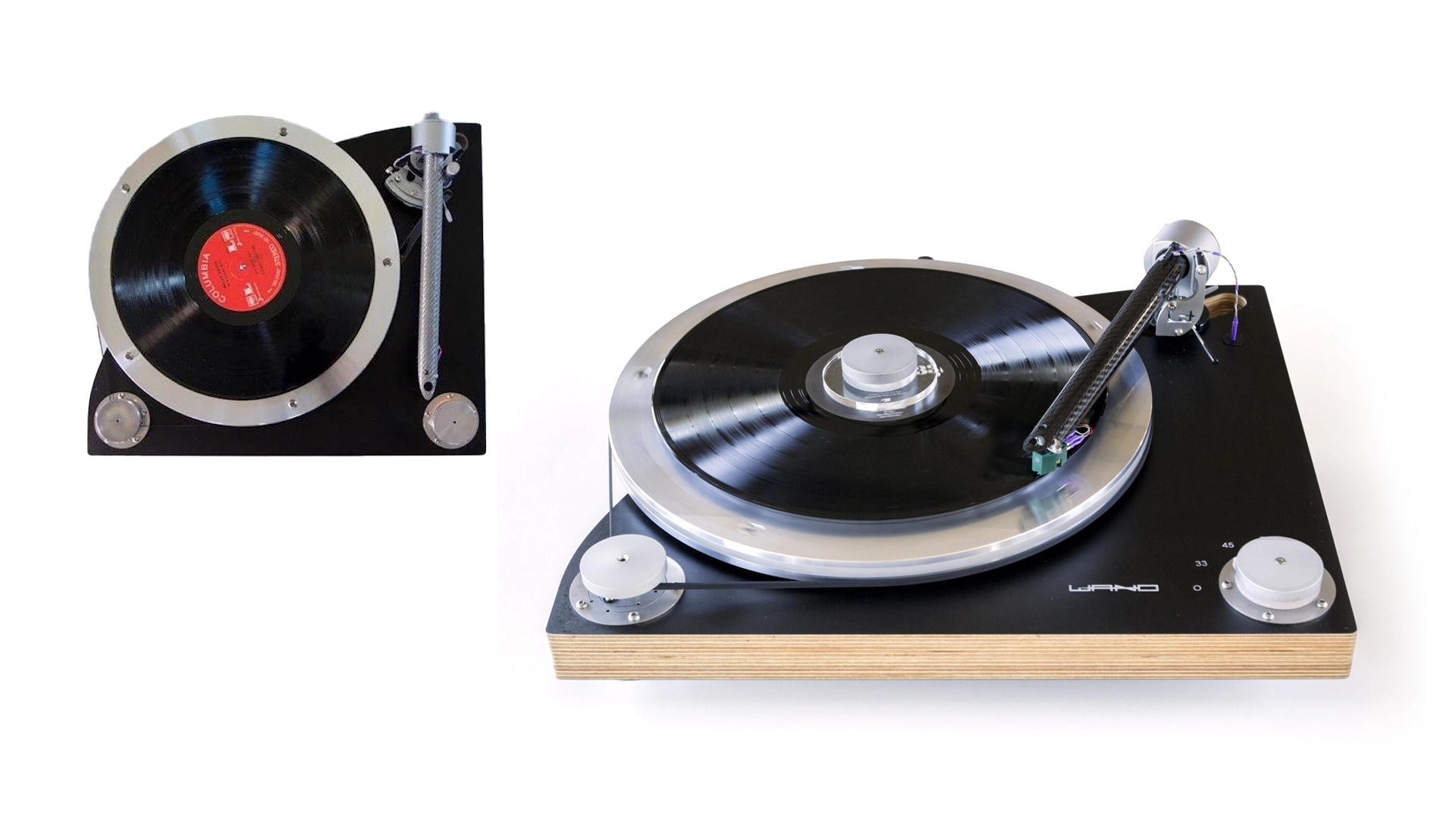
The Wand is the New Zealand tonearm created by engineer Simon Brown through his company Design Build Listen. Introduced in 2011, it rejects the thin arm tube common to many pivoted designs. Its most visible feature is a large-diameter carbon-fibre tube, approximately 24 mm across, chosen to create a stiff and well-damped structure without excessive moving mass. The cartridge, tube and counterweight are arranged as a direct mechanical system with few decorative parts.
At the bearing, The Wand uses a defined-contact unipivot concept intended to combine low friction with more stable location than a freely rocking point bearing. Different generations and levels refine the bearing, wiring, finish and adjustment, while retaining the recognisable one-piece tube. Standard effective lengths include 9.5, 10.3 and 12 inches, making the arm adaptable to a wide range of turntables and cartridge compliances. Design Build Listen has also supplied OEM and special versions, including unusually long arms for specialist decks.
The company later applied the same thinking to its own 14-4 turntable and offers tools and accessories for setup. Brown’s background in professional product engineering is central: modern 3D design, low-volume machining and New Zealand manufacturing are used to make an arm that is simple to understand and maintain. The Wand’s individuality is immediately legible in its proportions, but those proportions are not styling. They are the physical expression of its main argument that tonearm performance begins with controlling structural flex and resonant energy along the complete cartridge-to-bearing path.
Thiele

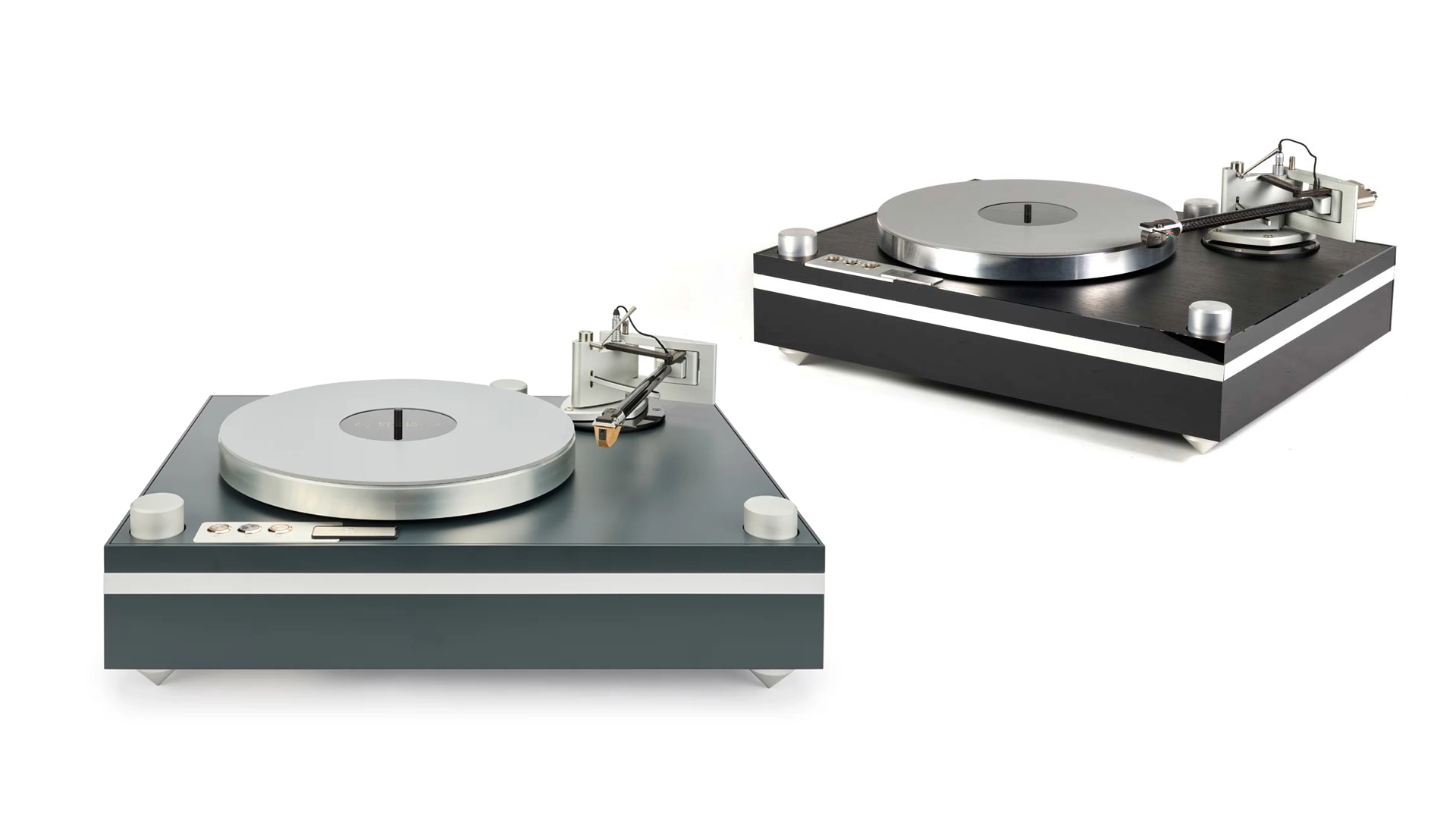
Thiele is the German analogue brand of industrial designer and engineer Helmut Thiele, centred on turntables, tonearms and vibration-control products handcrafted in Germany. The year 1978 belongs to Thiele’s education and career, not to a documented company foundation: he completed his industrial-design diploma that year with a turntable and unipivot tonearm. Decades of subsequent product development for Thorens, Audio-Technica, TAD and Genuin Audio gave him an unusually broad understanding of cartridge, arm, drive and industrial production before products appeared under his own name.
The TA01 tonearm is the technical signature. Its articulated kinematics combine the firm guidance of a pivoted arm with near-tangential cartridge alignment, holding lateral tracking-angle error below 0.036 degrees according to the company. A double-wall arm tube filled with damping gel manages resonance. The matching TT01 turntable separates motor, tonearm and platter-bearing functions across constrained-layer chassis levels, using different woods and bonded layers to prevent drive energy from reaching the stylus.
The range now includes the IWD01 idler-drive turntable, an SP10R drive solution, record mats, damping weights and passive or active damping bases. These products reveal the same working method: geometry and vibration are modelled, prototypes are measured, and the visible design follows the mechanical problem. Thiele is therefore more than a personal résumé attached to two components. It is the culmination of Helmut Thiele’s long career, with an own-brand identity built around zero-tracking-error kinematics and controlled energy paths rather than a falsely precise founding date.
Thorens

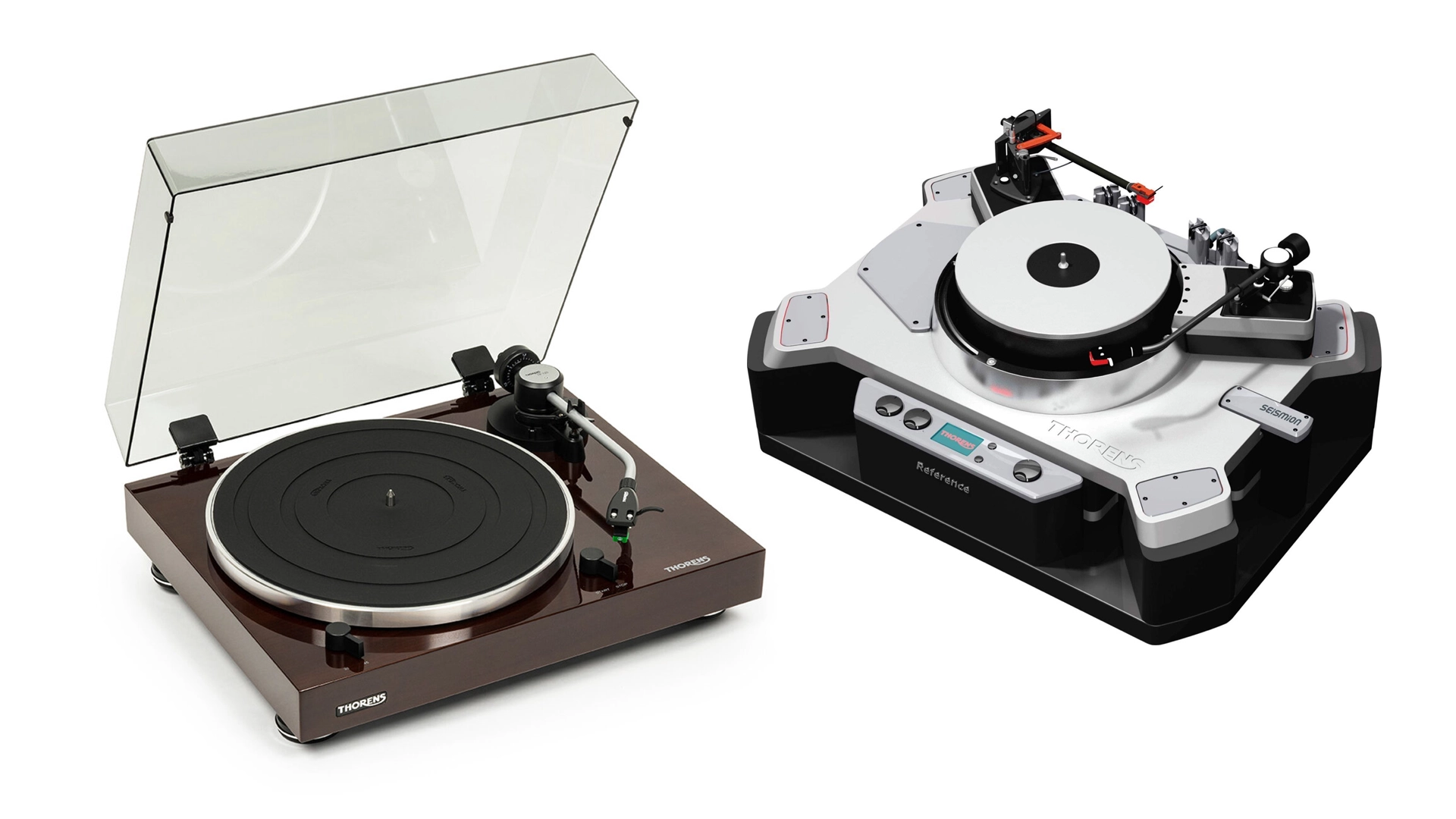
Thorens is the historic Swiss turntable name founded by Hermann Thorens in Sainte-Croix in 1883. The family company began with music boxes and clock movements, entered phonograph production in 1903 and built its first electric record player in 1928. Its hi-fi reputation crystallised after the Second World War through machines that combined precise mechanics with long service life. The idler-drive TD 124 of 1957 became a broadcast and domestic classic, while the suspended, belt-drive TD 150 of 1965 established an architecture that influenced generations of European turntables. The TD 160 carried that idea to a much wider audience.
Thorens survived several ownership changes and periods of financial difficulty. In 2018 Gunter Kürten took over the company and moved its management to Bergisch Gladbach, Germany. That current location should not erase the brand’s Swiss origin, which remains correctly recorded as its country. The modern catalogue balances attainable automatic and manual decks with models that deliberately reinterpret the classics.
The TD 1600 and TD 1601 use controlled subchassis suspension and electronic speed regulation, while the TD 124 DD revisits the famous model with a direct-drive motor rather than imitating its original idler mechanism. Reference is the present statement platform, and current tonearms reflect continuing work with designer Helmut Thiele. Thorens matters because its history is not a single vintage model. It connects the transition from mechanical music devices to electrical record replay, the defining suspended turntables of the LP era and a current company again investing in original analogue engineering.